Driving Economic Growth through Collaboration and Innovation - John Mouland CEO, Regional Development Australia - Central Coast - SEGRA 2014
←
→
Page content transcription
If your browser does not render page correctly, please read the page content below
Driving Economic Growth
through Collaboration and
        Innovation
                  John Mouland
 CEO, Regional Development Australia – Central Coast
An overview of RDACC
Regional Development Australia Central Coast NSW (RDACC) was created by merging the Central
Coast of NSW Area Consultative Committee (CCACC) with Business Central Coast (BCC) (formerly the
Economic Development Board for the Region).

Funding for the new organisation is shared between the Australian Government through the
Department of Regional Australia, Regional Development & Local Government (DRARDLG) and the
NSW State Government through Department of Trade & Investment, Regional Infrastructure and
Services.

The national RDA Charter sets out the areas of focus for the RDA network. It states that the RDA will:
      •   Provide advice to government about regional issues
      •   Provide strategic input into National and State programs
      •   Provide information to regional communities and local government on National and State
          programs
      •   Help to co-ordinate regional planning and regional development initiatives
      •   Work closely with local governments and other regional organisations.

Regional Development Australia - Central Coast commenced operation on 1 July 2009, and is located
in the Business Incubator building at the University of Newcastle, Ourimbah campus.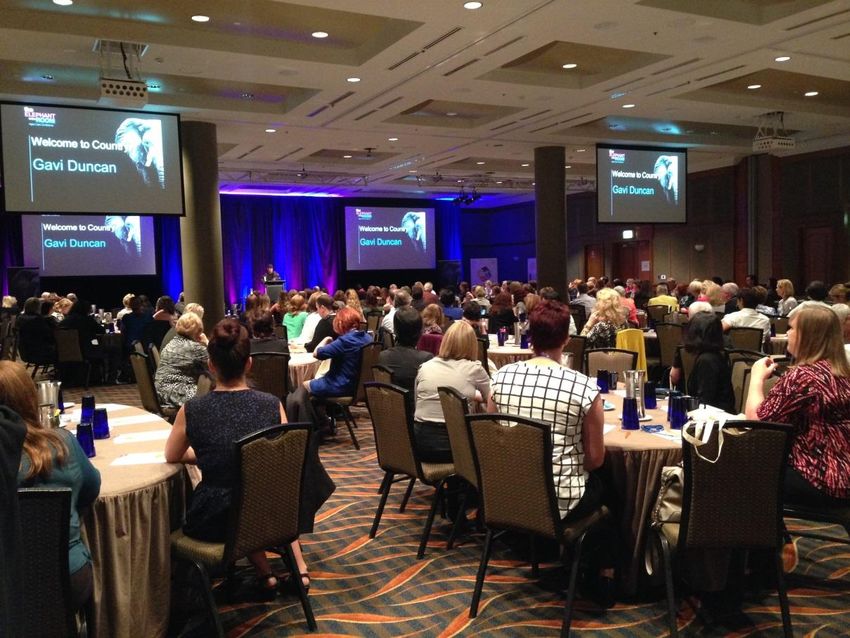
The Central Coast
Central Coast Overview
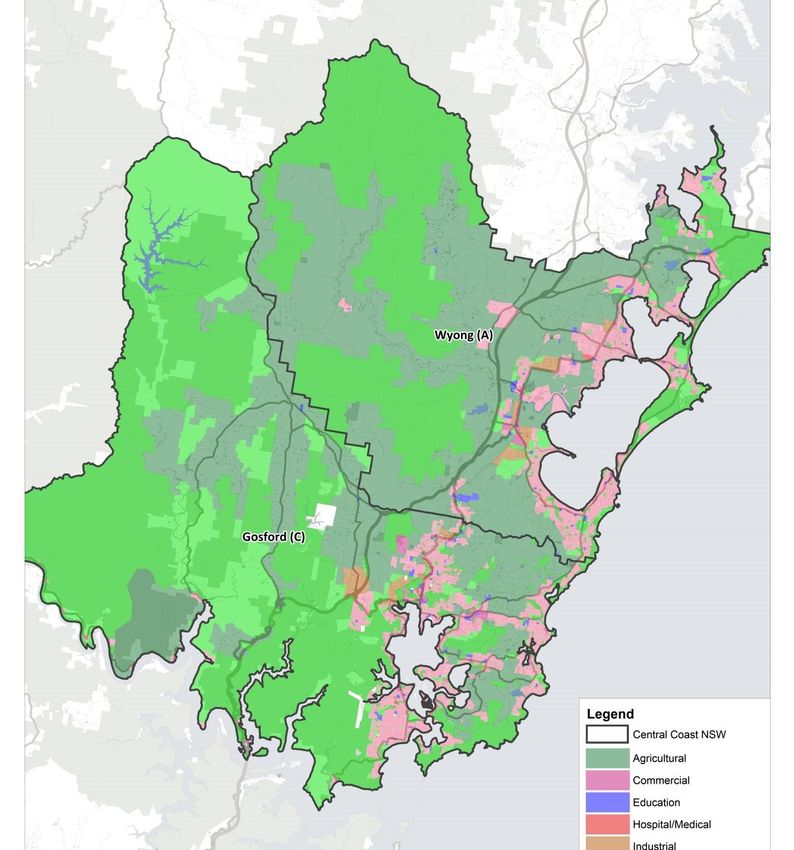
                 The Central Coast is located
                 between Sydney and Newcastle.

                 5 Million People within 2 hours

                 LGAs:
                 • Gosford City Council
                 • Wyong Shire Council
        Wyong
                 Area:
                 • 1,686km2
                 •   81km of ocean coastline
  Gosford
                 •   More than ½ the Region is
                     comprised of National Parks,
                     State Forests, Open Space,
                     Conservation areas and aquatic
                     systems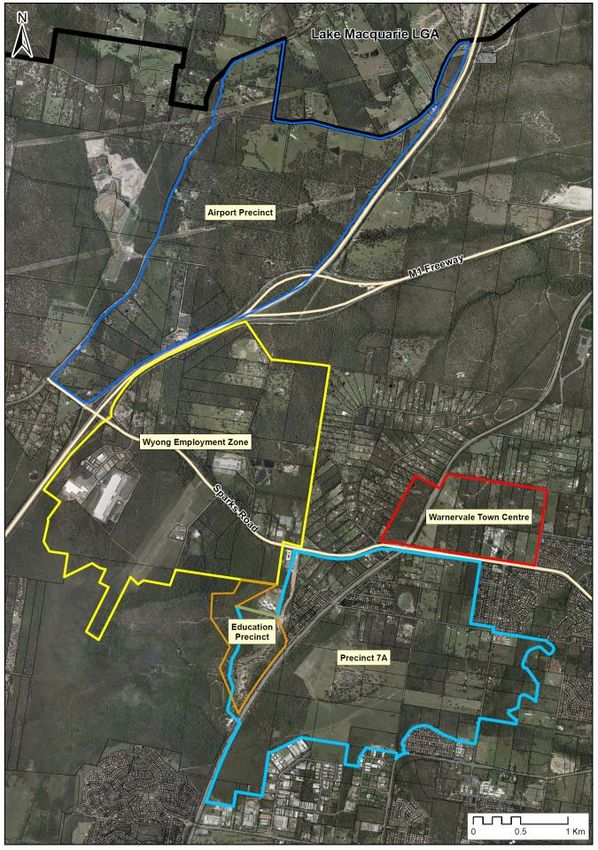
Key Economic Issues
328,000                  386,900                                 58,900
                                                                Population
  2014                     2031
                                                               increase by
Population               Population
                                                                  2031

151,673
Employed       &         115,449
                         Local Jobs
                                                                    25%
                                                            Commuting for
Residents      Only                                            Work
                                          Source: http://economy.id.com.au/central-coast-nsw

       5.9%                10.3%                          28%
       Overall               Youth                   Teenage
   Unemployment          Unemployment              Unemployment
      (15 - 64)             (15 -24)                 (15 – 19)
                                             Source: Labour Market Area Profile – Dec 2013

   For our growing population the Central Coast will need:

              36,800                  30,750
             New Homes                  New Jobs
                                                                Source: P&E 2014 Population
              by 2031                    by 2031                Projections and Discussion Paper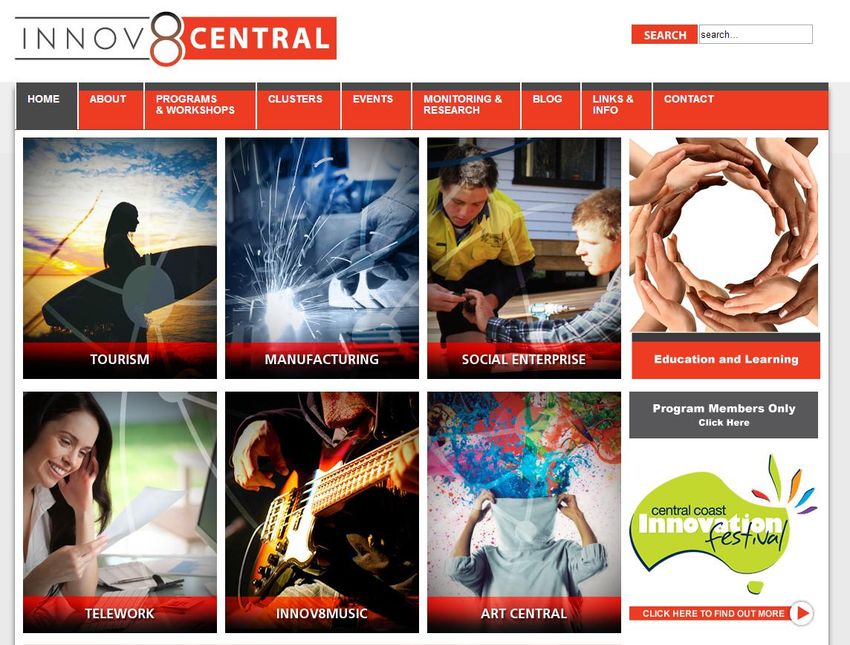
The need for a
                 Regional Strategy
• In response to the need for a Regional Strategy, the region has developed
  and implemented the Regional Economic Development and Employment
  Strategy (REDES) as the long-term strategy to drive sustainable economic
  development and employment growth on the Central Coast.

• REDES is the catalyst for driving innovation and collaboration in our region.

• This unique strategy demonstrates the direct benefit of the
  unprecedented regional collaboration between the three levels of
  government, business and the education sector and has resulted in the
  collaboration in 7 key strategy areas.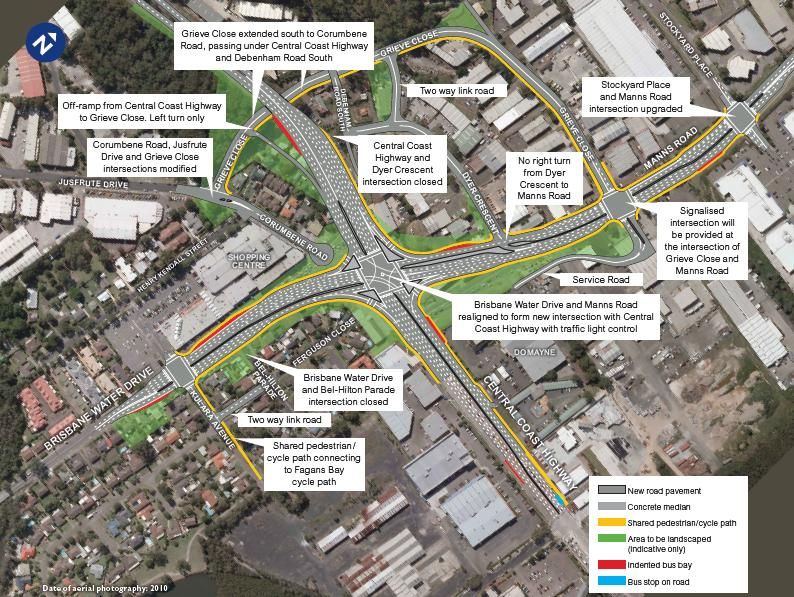
Local Plans and Strategies
                                            Regional
                                          Development
                                           Australia -
                        Gosford City      Central Coast
                                                                 TAFE
                          Council          Central Coast
                                           Regional Plan      Hunter TAFE
                         Community                           Strategic Plan
                        Strategic Plan

        Wyong Shire                                                           Department of
         Council                                                               Education &
         Economic                                                             Communities
        Development                                                              DEC 5 Year
          Strategy                                                              Strategic Plan
                                           Regional
                                          Economic
  NSW Trade &
   Investment                            Development                                University of
                                             and                                     Newcastle
  NSW Trade &
                                                                                    NoW Directions
   Investment
  Strategic Plan
                                         Employment                                  Strategic Plan
    2012-2015                              Strategy
       Central Coast                       (REDES)                            Central Coast
         Regional                                                               Tourism
       Development
       Corporation                                                              Destination
                                                                               Management
        Gosford City                                                          Plan for Tourism
        Master Plan                                         Department of
                       Department of
                         Premier &                            Planning &
                          Cabinet                            Environment
                                           Transport for
                                                             Central Coast
                       2021 Regional           NSW
                                                               Regional
                        Action Plan           Regional         Strategy
                                           Transport Plan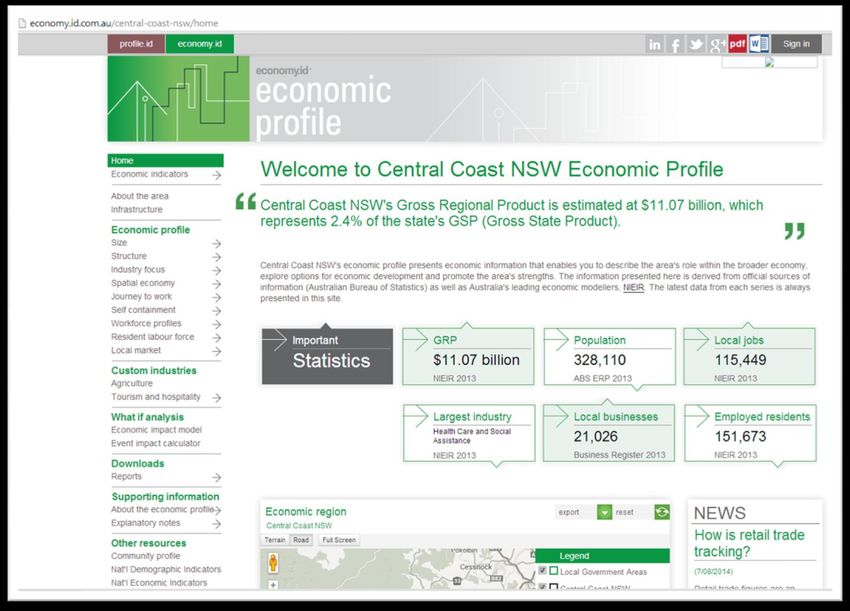
Development of REDES
•   The development of REDES involved consultation with more than 80 large business and
    regional stakeholders, 300 small and medium enterprises and 400 individuals.
•   Input from
     – Elected representatives,
     – Commonwealth and State Government agencies,
     – The University of Newcastle – Central Coast,
     – Gosford City Council,
     – Wyong Shire Council,
     – Regional Development Australia – Central Coast and
     – Industry groups.
•   In developing the REDES, research was conducted in three key areas:
      1. The Central Coast regional economy including the demographic trends, industry
         structures, skill levels, employment and innovation;
      2. a changing environment – the way we live, work and travel and
      3. community attitudes of business and community members.
REDES Compact
         The REDES Compact was signed on
         3 Feb 2010 by representatives of

         - Gosford City Council
         - Wyong Shire Council
         - Regional Development Australia Central
           Coast
         - Industry & Investment NSW
         - NSW Department of Planning
REDES Key Objectives
The REDES Compact outlines the following objectives:

• Create a prosperous and sustainable future for the Central Coast
• Link the Central Coast as a vibrant and integrated economic region
• Generate new high skilled jobs in the local area
• Ensure job growth keeps pace with regional population growth
• Make the Central Coast an attractive location for new investment
  and new businesses
• Ensure a long term planned approach to developing infrastructure
  that will support jobs
• Develop education and skills levels of the community.
Implementation
•   REDES has 7 key strategy areas and is implemented through activities outlined in 18month
    Rolling Action Plans (RAP).
•   Each strategy has a Strategic Implementation Group (SIG) of key stakeholders who
    collaborate to drive the outcomes in the Rolling Action Plan.
•   Each SIG has a lead organisation with Regional Development Australia – Central Coast
    providing a coordination role for REDES.
•   An a-political collaborative approach is critical to its effectiveness and has resulted in REDES
    becoming the catalyst for driving innovation and collaboration in our region.

•   The Executive Committee comprises:
     – Minister for the Central Coast
     – General Manager Gosford City Council
     – General Manager Wyong Shire Council
     – Chair of Regional Development Australia - Central Coast
     – with RDACC and Department of Premier and Cabinet providing secretariat support.
REDES
Governance Structure
REDES Executive Group
(CC Regional Minister, GM WSC, GM GCC, RDACC Chair)
Coordination by RDACC Secretariat to REDES Executive
provided by DPC
1. Future Skills 2. Strengthening 3. Knowledge 4. Employment 5. Centres 6. Infrastructure
& Education the Economy and Innovation Lands Development
(Lead: T&I) (Lead: T&I) (Lead: T&I) (Lead: DP&I) (Lead: Councils) (Lead: RDACC)
Developing the Economy Planning for the Future
7. Marketing the Central Coast as a Business Location
(Lead: RDACC)Strategy 1. Strengthening the Regional Economy • Securing new jobs and supporting existing jobs by facilitating employment growth associated with population growth; building on existing advantages in food production, logistics, manufacturing and tourism; creating new advantages through clusters in the health, green industries and ageing sectors. • Attracting new businesses to the region, especially in the food production and associated services; logistics and associated services; manufacturing; tourism; government agencies; and call and service centres sectors • Supporting business growth by developing existing small and medium sized enterprises (SMEs) through business mentoring programs; business development programs; active business incubators; and business training programs.
Strategy 2.
               Developing Future Skills
• Designating the central coast as a learning region by establishing a central
  coast learning region network, which will promote a learning culture,
  create community awareness and an increase in take-up of education and
  training.
• Boosting skills through sector skills action plans covering skill shortages,
  emerging industries and small business and establishing business-
  education partnerships.
• Strengthening business/education partnerships by brokering business
  engagement with schools; Ensuring young people develop skills for future
  employment; and increasing uptake of vocational education and training
  (vet) in schools programs, work experience and apprenticeships.
• Providing targeted skills programs focused on re-skilling mature aged
  workers; providing work skills for disadvantaged people; developing new
  skills for displaced workers; and developing employment skills within
  indigenous communities.
Strategy 3. Increasing knowledge and innovation • Developing research programs focused on existing sectors, such as health sciences, education, sports science, coastal ecologies and agribusiness; and new sectors, such as green industries - environment and energy, ageing and logistics. • Establishing knowledge precincts by creating education/research precincts at Ourimbah and in the strategic centres of Gosford and Tuggerah-Wyong. • Establishing a central coast research centre focused on facilitating innovation in local business through research linkages and new programs; and monitoring trends in the region. • Encouraging innovation by creating new knowledge business; developing and strengthening innovative businesses; and developing business linkages.
Strategy 4.
 Ensuring an adequate supply of lands
           for employment
• Ensuring land supply by developing an up to
  date understanding of both current land supply
  and future land supply opportunities; and
  developing a strategic framework for the future
  delivery of lands for employment.
• Streamlining planning processes by identifying
  strategic projects; implementing streamlined
  approval processes; continuing to implement
  the state government’s reforms to the NSW
  planning system; and facilitating the timely
  delivery of major development proposals and
  ensuring an ongoing supply of land for
  employment.
Strategy 5.
Focus on Centres Development
• Creating sustainable centres as major employment hubs;
• Developing key centres in accordance with the Central Coast
Regional Strategy;
• Developing a stronger network of new, revitalised and vibrant
centres across the region;
• Providing suitable locations for small business;
• Ensuring suitable commercial space
is available to attract larger
employers to the region;
• Providing suitable commercial and
retail floor space in lower order
centres.Strategy 6.
Provision of infrastructure to support
economic growth
• Developing a regional infrastructure plan covering road links, rail,
public transport, telecommunications, water and energy; and
• Advocating for the Central Coast to be a priority region for the
national broadband network.Strategy 7.
Marketing the region as a
business location
• Positioning the Central Coast as a business location;
• Developing marketing tools for broader use; and
• Developing coordinated investment attraction marketing.
Invest Central Coast
www.investcentralcoast.com.auREDES What are the outcomes…
REDES
    Major Achievements
•   Infrastructure Priority List
•   Centres Development
•   West Gosford Interchange
•   University presence in Gosford
•   Learning Hubs & Telecommuting
•   Economic ID Statistics
•   Aged Care Conference
•   Try-a-Skill Forum
•   Indigenous Jobs Market
•   Inno8 Central
•   Arts Central
Infrastructure Priority List
RDACC has coordinated the development of the Central Coast
Infrastructure Priorities List, which provides an agreed list of the key
infrastructure needed on the Central Coast to grow investment and
employment.
This process will include delivering the following in conjunction with DPC:
• A review of current infrastructure priorities.
• Preparing a priority list of 15 items from the current REDES
infrastructure list.
• Preparing fact sheets for each priority item to help communicate
the facts about each item
• Implementation of a targeted Advocacy / Communication
ProgrammeWarnervale Town Centre • Supporting development of the Warnervale Town Centre has been a key item for the ‘Centres Development SIG”. Many State Agencies have worked closely with Wyong Shire Council and the private sector. • With a $35M government investment, critical infrastructure work is underway. Woolworths are now able to progress with their $140M first stage investment. • The creation of Warnervale Town Centre is expected to bring approximately 1,700 jobs to the area and approximately 1,600 new homes.
Gosford
Waterfront Development
West Gosford Interchange

        Cost: $170m
University Presence
in Gosford
• Securing a commitment to a new higher education presence in the
Gosford CBD was an action for the ‘Future Skills Strategic
Implementation Group’.
• A Memorandum of Understanding with the University of Newcastle
secured a commitment to a higher education presence in Gosford CBD.
• The University is committed to the establishment of a Research and
Innovation Hub in Gosford CBD along with a new Library and Smart
Work HubUniversity Presence,
Library & Smart Work Hub
in Gosford CBDLearning Hubs &
Telecommuting
• The REDES Action Plan includes exploring the concept of virtual learning
hubs. Led by TAFE and assisted by partners involved with REDES, a
collaborative effort has allowed the establishment of virtual learning
hubs in the region with the establishment of a Digital Learning Hub at
the Gosford TAFE Campus and iTAFE initiative. This learning hub will
deliver a virtual online learning environment for the Central Coast Region.
• The Digital Learning Hub will also provide the opportunity for
telecommuting with $700,000 for the two coast locations. The Gosford
hub will be located in the Kibbleplex Learning and Enterprise Centre and
the Wyong hub will be in the Nexus building in North Wyong.
www.teleworkcentralcoast.com.auLearning Hubs & Telecommuting
Economic ID

RDA Central Coast fostered an agreement between Gosford City Council and
Wyong Shire Council to jointly fund with Regional Development Australia
Central Coast the new ‘Economic ID’ data set, which has provided invaluable
regional statistical and planning data.

Interactive id workshops, hosted by RDA Central Coast, have been delivered
to local Government and Business stakeholders.

The Impact Assessment Model was pivotal in providing the economic
modelling which showed that the 600 jobs provided by the soon to be built
purpose-built government agency in Gosford could have a multiplier effect
of an additional 1400 jobs.

Central Coast as a Region: http://economy.id.com.au/central-coast-nsw
Gosford LGA: http://economy.id.com.au/gosford
Wyong LGA: http://economy.id.com.au/wyong
Aged Care Workforce
                  Innovation Project
The Aged Care Workforce Innovation Network project continues to undertake
the ‘Reform Ready’ business reviews of both Home and Community Care and
Residential Aged Care organisations on the Central Coast. As part of this
project, an Industry Reference Group (IRG) of CEOs continues to meet to
discuss priority issues for the Central Coast.

RDA Central Coast received Regional Grant from the Community Services and
Health Industry Skills Council, which realised the following successful
outcomes:

The Regional Workforce Development Strategy and Action Plan are in draft
stage for consultation with industry and key stakeholders.

The Consumer Directed Care DVD was launched at ‘The Elephant in the
Room’ Conference and is being distributed both regionally and nationally.
‘The Elephant in the Room’ Aged Care Conference held 29th and 30th April at the Crowne Plaza Terrigal hosted over 300 delegates. 52% were from outside of the Central Coast and 11% were from outside of NSW. Feedback from delegates was extremely positive.
Try-a-Skill

The Education & Future Skills Strategic Implementation Group was
established under REDES to promote a learning culture in the region, to
foster community awareness and to increase the take-up of education and
training.

The Central Coast Try a Skill Forum saw over 350 year 9, 10, 11 students
from 26 schools have the opportunity to experience hands on, 26 different
vocations and trades to assist them to make career choices for their future.

This initiative was partnership lead by RDACC in 2011 and has developed into
an annual sustainable and practical Career Pathways forum, promoting
employment opportunities for students who are looking for a post school
Apprenticeship, School Based Apprenticeship or Traineeship.
Try-a-Skill Forum
Indigenous Jobs Market
The Indigenous Jobs Market seek brings together
    • Indigenous school students,
    • job seekers,
    • community members and employers,
    • education and training providers,
    • Job Services and Government Agencies
in order to provide information and increase awareness of the training and
education, career pathways and employment opportunities.
                                   RDA Central Coast is the lead organisation
                                   for this event, and is funded by DEEWR, and
                                   supported by the Job Services Australia
                                   agencies, Commonwealth and State
                                   Government agencies and the Business
                                   Community.

                                   The 2012 Indigenous Jobs Market realised
                                   25 employment outcomes.
Innov8 Central
RDA Central Coast continues to partner with Innov8 Central, providing financial
and in-kind support, to implement the Central Coast Innovation Plan.
The Innovation Plan was developed by regional stakeholders with the core aim
to improve the quality of life for Central Coast residents by improving the quality
of the regional economy.
The Innovation Plan is made up of four key programs:
1. The Innovation Champions Program – educating regional business and
stakeholder representatives to be more innovative. To date, 30 participants
have completed the full program and 30 participants have completed the
one day workshop, delivered by Dr Anton Kriz of the University of
Newcastle.Innov8 Central 2. The Cluster Program – contributing to the development of regional clusters including manufacturing, telework, music, social enterprise and food. Music and manufacturing in particular have gained independence as clusters by having their own boards, websites, events, business plans and strategies. Telework has had three committees: project, strategy and research working towards the development of a major telework strategy for the region. 3. The Gazelle Network – this has not yet commenced but will be aimed at supporting high growth regional businesses; 4. The Monitoring Program – a program of qualitative and quantitative research, including a representative region-wide telephone survey of 300 businesses and qualitative, case-study interviews were completed in May 2013
www.innov8central.com.au
Art Central
RDA Central Coast delivered two key creative arts projects funded by Arts
NSW (provided $460,000 for a two year programme), to grow the artistic
industries in the region.
This project is a joint initiative of Arts NSW, RDA Central Coast and both
Wyong and Gosford Councils.
The success of these projects realised a further $90,000 in funding form
Arts NSW, funding contributions from both Councils and RDA Central
Coast, is providing arts grants to the creative community in the region
from 2014 – 2016.          www.artcentralcc.com.au
REDES
Where to next…
REDES
Review Workshop
REDES Review
• RDACC have recently engaged the services of a facilitator to
  conduct a REDES implementation review workshop with key
  regional stakeholders.

• The purpose of the workshop was to:
   – Confirm the current state of play of REDES implementation
   – Identify the approach, structure and actions to deliver on
     improved outcomes, aligned to REDES key strategy areas,
     throughout the region.

• Prior to the workshop the facilitator gathered background
  information on perceptions of current REDES implementation
  practices, together with ideas for improvement, from key
  stakeholders.
What we have learnt and what we would do differently • The ‘a-political’ emphasis of REDES is critical for strategy implementation effectiveness. • REDES induction required when there are staff changes • Structural change may be required to consolidate groups to improve efficiency of the REDES implementation. • The REDES SIGs need to annually test the Action Plans alignment between Regional environment and context, Federal, State and Local government priorities and REDES strategies and goals • To develop, adopt and implement criteria for assessing activity for inclusion on the REDES Action Plan • Attributing specific outcomes to REDES activity is difficult. An evaluation process based on both Quantitative & Qualitative data needs to be developed.
Summary
• REDES is the only regular forum on the Central Coast that brings together
  senior Local, State & Federal stakeholders.
• Having senior stakeholders from across the 3 levels of Government,
  Education and Business participating together is positive and provides a
  catalyst for driving innovation and collaboration in our region.
• The purpose of REDES and its implementation activities is to accelerate
  jobs growth and economic development across the Region. This is
  facilitated by:
    – Harnessing collective ideas
    – Collaborating on issues and challenges across 3 levels of government,
      business and education
    – Providing a strong Regional voice
    – Agreeing on a collective way forward.
Questions
Central Coast
Regional Economic Development
& Employment StrategyContact Details
John Mouland
Chief Executive Officer
Regional Development Australia - Central Coast NSW
PO Box 240
Ourimbah NSW 2258
Phone: 02 4349 4949
Fax: 02 4349 4956
Email: john.mouland@rdacc.org.au
www.rdacc.org.auYou can also read


