Newcastle City Council Economic Development Strategy 2016-2019 - www.newcastle.nsw.gov.au - City of Newcastle
←
→
Page content transcription
If your browser does not render page correctly, please read the page content below
Newcastle City Council
            Economic Development
            Strategy
            2016-2019

            www.newcastle.nsw.gov.au

1927SEP15
The City of Newcastle
    acknowledges the traditional
    country of the Awabakal and
    Worimi peoples.

    We recognise and respect their
    cultural heritage, beliefs and
    continuing relationship with the
    land, and that they are the proud
    survivors of more than two hundred
    years of dispossession.

    Council reiterates its commitment
    to addressing disadvantages and
    attaining justice for Aboriginal and
    Torres Strait Islander peoples of
    this community.

    Enquiries
    For information about the
    Economic Development Strategy, contact:
    Economic Development Co-ordinator
    Phone: 4974 2000

    Published by
    Newcastle City Council
    PO Box 489, Newcastle NSW 2300
    Ph: 4974 2000 Fax: 4974 2222
    Email: mail@ncc.nsw.gov.au
    Web: www.newcastle.nsw.gov.au

2   Newcastle City Council
Contents
                                                                                                               3.3.1 Newcastle as the Regional Capital............... 38

                                                                                                               3.3.2 Facilitating Key Infrastructure.......................40

                                                                                                               3.3.3 Business Growth and
About Newcastle................................................................4                               Employment Creation................................................. 42
Executive Summary............................................................ 5                                3.3.4 Innovation and creativity................................ 44
   Council’s Role in Economic Development....................... 5                                             3.3.5 Developing the Visitor Economy................. 46
   Advantage Newcastle............................................................. 5                4.0 Tracking our Progress.............................................49
   The Economic Vision for Newcastle ................................. 5                             References		 ......................................................................50
SUMMARY: Themes and Strategy.................................... 6                                   APPENDIX		 .......................................................................51
1.0 Newcastle: An Overview............................................ 11                               Appendix A: Employment Change by Industry..........52
   1.1 Population...............................................................................11      Regional Population.............................................................. 54
          1.1.1 Regional Population................................................11                   Housing in Newcastle .......................................................... 56
   1.2 Regional Role..................................................................... 14            Appendix B: Journey to Work Patterns –
                                                                                                        Newcastle LGA........................................................................ 58
   1.3 Newcastle Industry and Employment....................... 16
                                                                                                        Appendix C: Jobs by Industry -
          1.3.2 Location of Jobs....................................................17
                                                                                                        Newcastle LGA ...................................................................... 59
          1.3.3 Major Employers....................................................17
                                                                                                               Distribution of Jobs.....................................................60
          1.3.4 Employment Travel Patterns ...........................17
                                                                                                        Appendix D: Creative Industries Newcastle LGA...... 62
   1.4 Future Opportunities...................................................... 18
                                                                                                        Appendix E: Strategic Sectors.......................................... 65
          1.4.1 Future Job Requirements.................................. 18
                                                                                                               E.1 Overview.................................................................... 65
   1.5 Industry output.................................................................. 18
                                                                                                               E.2 Defence and Aerospace Sector....................... 65
   1.6 Strategic Growth Sectors.............................................. 18
                                                                                                               E.2.1 Newcastle Airport............................................... 65
2.0 Major Opportunities..................................................20
                                                                                                               E.2.2 RAAF Base Williamtown................................. 65
   2.1 Overview............................................................................. 20
                                                                                                               E.2.3 Williamtown Aerospace Centre (WAC)..... 66
   2.2 City Centre Revitalisation ........................................... 20
                                                                                                               E.2.4 Defence Industry Cluster -
          2.2.1 Property Market....................................................22                          Hunter Region................................................................ 66

   2.3 Port Development.......................................................... 24                           E.3 Heavy Engineering Sector................................. 66

   2.4 Williamtown airport, defence                                                                            E.4 Port and Logistics................................................. 66
      and aerospace development........................................ 26
                                                                                                               E.5 Visitor Economy..................................................... 68
   2.5 Developing the Visitor Economy...............................27
                                                                                                               E.6 Health Sector.......................................................... 70
   2.6 City Campus..................................................................... 28
                                                                                                               E.7 Tertiary Education................................................. 70
   2.7 Digital Connectivity....................................................... 29
                                                                                                               E.7.1 University of Newcastle..................................... 70
   2.8 Strengthening Local Areas......................................... 29
                                                                                                               E.7.2 Hunter TAFE...........................................................71
   2.9 Encouraging Small and
                                                                                                               E.8.1 University of Newcastle......................................71
      Medium Size Enterprises (SMEs) ............................... 29
                                                                                                               E.8.2 Hunter Medical Research Institute
   2.10 Skills for the Future...................................................... 30
                                                                                                               (HMRI).................................................................................71
   2.11 Summary of strategic growth sectors......................31
                                                                                                               E.8.3 Energy Research..................................................71
   2.12 Key Issues Economic Development....................... 35
                                                                                                               E.9 Business Services Sector.....................................72
3.0 Economic Development Strategy........................... 37
                                                                                                               E.10 Retail Sector...........................................................73
   3.1 Vision 37
                                                                                                               E.11 Sports Industry........................................................74
   3.2 Council’s Role in Economic Development..............37
                                                                                                     Disclaimer		 ......................................................................76
   3.3 Overview Themes and Directions.............................37

                                                                                                                                                   Economic Development Strategy 2016 – 2019               3
About Newcastle
    The wider Newcastle metropolitan area is the largest regional centre in New South Wales and the second largest
    non-capital urban centre in Australia. Newcastle itself is recognised as the service and administrative centre for the
    Hunter Region.

    The 2011 Census data has been used to analyse established and emerging trends and plan for the community of the future.

    Key data includes:
      • the population of Newcastle in 2011 was 154,883 persons.
        This represents an increase of 6,778 people from 2006.
      • median age is 37
      • median weekly household income is $1,165
      • median weekly rent is $275
      • 33% of households are renters
      • 25% of the population is made up of couples with children
      • lone person households are the main household type
      • the three largest ancestries in the city of Newcastle are Australian, English, and Irish
      • in 2014, the unemployment rate was 6.2%.
      • gross Regional Product ($’M): $13,586.932
      • per capita gross regional product ($'000): $91.474
      • per worker gross regional product ($'000): $155.299.

                                         Beresfield

                                                            Hexham

                                                                                              Kooragang Island
                                                                                                                                           Hunte

                                                                         Sandgate
                                                                                                                                                r Rive

                                                             Shortland
                                            Maryland
                                                                                                                                                r

                              Fletcher
                      Minmi                                                       Warabrook
                                                                                                   Mayfield

                                                              Jesmond
                                         Wallsend
                                                                                        Waratah         Tighes Hill
                                                                              Lambton
                                                                                                                      Carrington
                                                                                                          Islington                      Stockton

                                             Elemore Vale
                                                                                                      Hamilton

                                                                                          Broadmeadow                Wickham
                                                                         NewLambton                                                 Newcastle
                                                                                                         Hamilton East

                                                                                                                            Cooks Hill

                                                                                          Adamstown
                                                                     Kotara                        Merewether

4   Newcastle City Council
Executive Summary
Newcastle is at the centre of the Lower Hunter region           • Newcastle is accessible and linked to national
and is both an industrial economy and a service                   markets through a major airport, road and rail.
economy. The city has undergone a major transformation          • Newcastle has a growing local, national and
over the last two decades, with strong growth in                  international reputation as a destination and events
services, activity and employment. In particular, there has       city for leisure, business, sporting and cultural events.
been growth in knowledge industries, with the expansion
of health, higher education, research centres, defence         The Economic Vision for Newcastle
industries and professional and technical services.
These industries, along with the traditional energy and        The vision for economic development in Newcastle is
engineering sectors, are providing the foundation for          defined in Newcastle 2030 – the Newcastle Community
future growth of Newcastle and the broader region. This        Strategic Plan.
Strategy establishes where the Newcastle City Council
can value add to economic growth.
                                                               “The future vision is for Newcastle as a
Council’s Role in Economic Development                         smart, liveable and sustainable city. This
                                                               city has a growing local economy with
Council’s economic development tools include:
advocating for the community; ensuring appropriate and
                                                               strong industries that are linked to national
integrated strategic and statutory planning documents;         and international markets. Contained
working with other tiers of government to promote
                                                               within a high quality urban environment,
major infrastructure needs; taking a lead in the visitor
economy including events attraction and sponsorship;           designed for future improvement,
facilitating access to business assistance programs            Newcastle is built upon vibrant and
of other tiers of government; assisting the business
improvement associations; and providing information
                                                               emerging businesses that thrive on
from statistics to approvals and licensing processes           innovation and creativity to generate a
for business.                                                  new sustainable community.”
Advantage Newcastle
                                                               The Community Strategic Plan (CSP) identifies three
Newcastle has a number of strategic economic                   objectives for Newcastle as a ‘smart and innovative city’1:
advantages that create opportunities for our continued
transformation and ongoing growth.                              • a vibrant diverse and resilient green economy built
                                                                  on educational excellence and research;
Newcastle is the seventh largest City in Australia; it has
                                                                • a culture that supports and encourages innovation
the scale of a large city and is at the centre of a large
                                                                  and creativity at all levels; and
and growing region as the primary provider of business,
health, personal, education and professional services.          • a thriving city that attracts people to live, work, invest
                                                                  and visit.
 • Newcastle has a major international deep water port,
   which is a key component of the export coal chain           This strategy is built around the vision and objectives of
   and of logistics for major industries. The long term        the CSP, industry and stakeholder consultation and data
   lease of the port by the NSW government in 2014             analysis, to identify Council’s role and responsibilities.
   has scope to broaden its freight activities and the
   development of the vacant Mayfield site.                    The strategy focuses on five key areas:

 • Newcastle's industrial base includes specialisations in      1. our role as the capital of the Hunter Region,
   heavy engineering, defence and aerospace.
                                                                2. the development of key infrastructure,
 • Newcastle has a creative culture that is being
                                                                3. supporting business growth and employment,
   translated into business opportunities, through
   mentoring, venture capital programs and industry             4. encouragement of innovation and creativity and
   clusters.                                                    5. developing the visitor economy of Newcastle.
 • Newcastle offers high residential amenity with its
                                                               1 Newcastle 2030 , Newcastle Community Strategic Plan (Revised 2013),
   coastal location and cultural, sporting and leisure         Newcastle City Council.
   facilities and is an attractive place to live and invest.

                                                                                                     Economic Development Strategy 2016 – 2019   5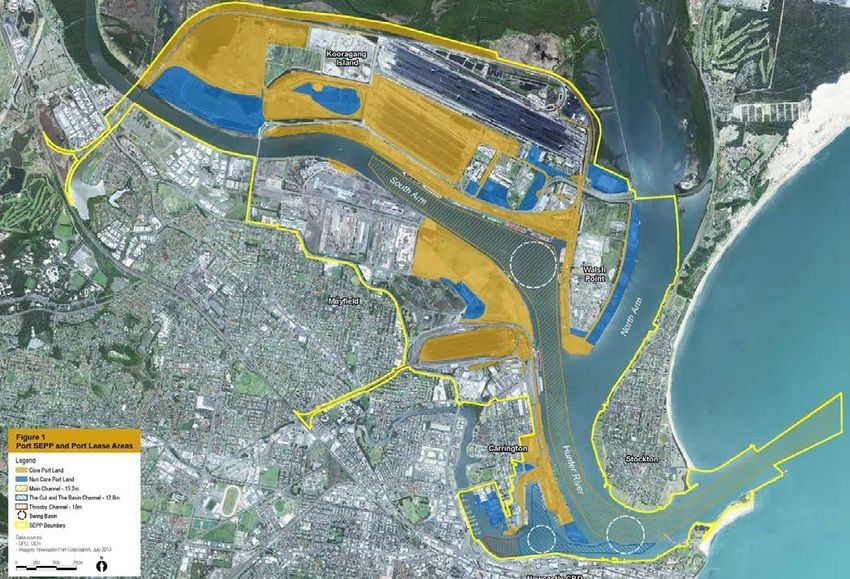
SUMMARY: Themes and
    Strategy

        THEME 1

        Newcastle as the regional capital
        Recognise and strengthen Newcastle’s role as the regional capital and hub for
        industry, education, health, business, personal, tourism, port and logistics services.

         Opportunities                           Strategies                                            Actions

                                                 Promote the competitive lifestyle and cultural        Develop an opportunities prospectus to
                                                 advantages of Newcastle as a place to work,           promote Newcastle as the perfect business
        Largest regional city in NSW
                                                 invest and live, as part of our business attraction   and lifestyle location nationally and
                                                 activities.                                           internationally.

                                                 Maintain the role as the regional centre for          Maintain dialogue with government to
        Attract new national and international
                                                 government services, as well as, business, health     ensure regional government service's role is
        business investment
                                                 and personal services.                                maintained and expanded.

                                                 Strengthen relationships with government              Partner with Industry NSW, Urban Growth
        Identify and capitalise on
                                                 agencies and others involved in regional              NSW, GPT and other developers on business
        employment and investment
                                                 economic development, investment attraction           attraction activities targeting key value add
        generators
                                                 and the delivery of business programs.                sectors.

                                                                                                       Monitor land use across the city in accordance
                                                 Share and exchange demographic, regional and
                                                                                                       with the Local Planning Strategy and ensure
                                                 industry information with businesses, investors
                                                                                                       supply of appropriately zoned land for
                                                 and industry associations.
                                                                                                       industry and commerce.

                                                                                                       Develop website resources to provide
                                                 Ensure adequate supply of well located, zoned         relevant information to existing and start-up
                                                 employment land.                                      businesses using REMPLAN and other data
                                                                                                       sources.

                                                 Targeted investment attraction with domestic
                                                                                                       Develop a night time economy strategy for
                                                 and international strategies to encourage
                                                                                                       the city centre (review of the SAFE Newcastle
                                                 investment attraction and effective cooperation
                                                                                                       Strategy) with a focus on diversity of activity
                                                 agreements with cities in countries such as
                                                                                                       and community safety.
                                                 China (e.g. The City of Yantai).

6   Newcastle City Council
THEME 2

Facilitating key infrastructure
Work with businesses, community and government to facilitate the development
of key infrastructure to facilitate business performance.

Opportunities                            Strategies                                          Actions

Excellent connection through
                                         Deliver the infrastructure component of the         Continue to work with State government
Newcastle airport, rail and road links
                                         Newcastle Urban Renewal Strategy and Hunter         agencies to implement the Newcastle Renewal
plus digital connection with the
                                         Street Revitalisation Framework.                    and Transport Program.
National Broadband Network (NBN)

Ongoing development and
                                                                                             Use REMPLAN to model and assess new
enhancement of facilities including      Work with our community, the business sector
                                                                                             initiatives to determine economic impact. This
University of Newcastle (UON), John      and government to identify and facilitate key
                                                                                             data can then be used in grant applications
Hunter Hospital, Hunter Stadium, Port    infrastructure projects.
                                                                                             and project prioritisation.
of Newcastle, TAFE

                                                                                             Participate in local and regional business and
                                         Develop sound economic assessments and
                                                                                             industry initiatives to identify and promote
Excellent recreation and cultural        business cases for major strategic infrastructure
                                                                                             the infrastructure needs of the city including
facilities                               projects, including catalyst projects to guide
                                                                                             transport initiatives, digital connectivity and
                                         Council investment.
                                                                                             city-wide WI-FI capability.

                                         Develop and maintain active partnerships and        Encourage local area improvement planning
                                         linkages with major businesses and industry         through the Business Improvement
                                         groups.                                             Associations.

                                                                                             Continue to support the development of
                                                                                             Newcastle Airport (Council is a part owner).

                                                                                             Develop a night time economy strategy for
                                                                                             the city centre (review of the SAFE Newcastle
                                                                                             Strategy) with a focus on diversity of activity
                                                                                             and community safety.

                                                                                                        Economic Development Strategy 2016 – 2019   7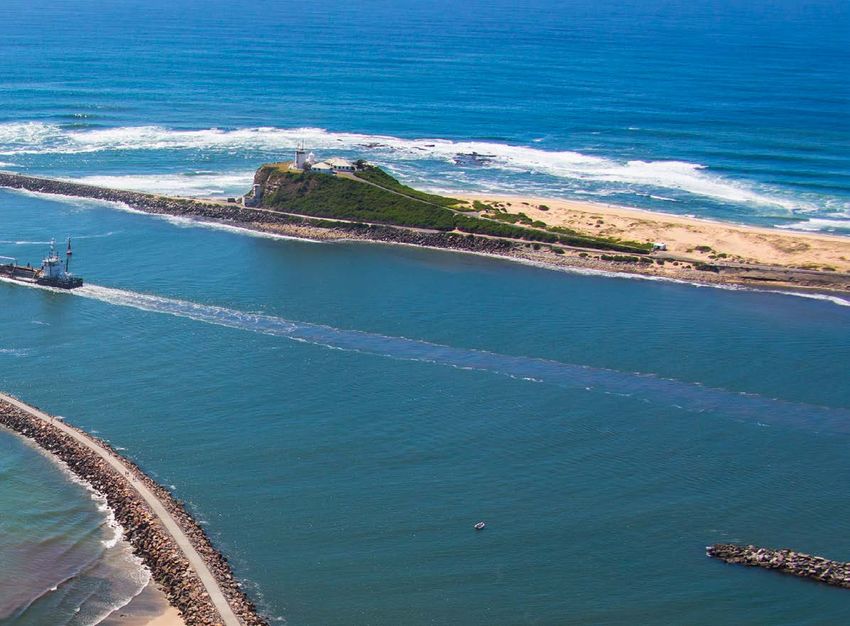
THEME 3

        Business growth and employment creation
        Revitalise the city centre and local precincts through support of existing businesses
        and industries. Facilitate the generation of new sustainable job opportunities. Seek to
        maintain major regional industries that are linked to national and international markets.

         Opportunities                       Strategies                                         Actions

                                                                                                Promote access to business development
                                             Continue to work with NSW government to
                                                                                                programs (Australian Government, NSW
        Revitalise the city centre           promote revitalisation of the city centre and
                                                                                                Government, UON and Hunter Business
                                             attract new investment, business and jobs.
                                                                                                Chamber).

                                                                                                Participate actively in the Small Business
                                             Continue to work with Business Improvement         Friendly Councils Program (SBFC) sponsored
        Maintain key industries
                                             Associations to identify and act on local needs.   by the NSW Office of Small Business
                                                                                                Commissioner.

                                                                                                Work with Business Improvement
                                             Target business and investment attraction to
        Encourage new business and                                                              Associations on development programs
                                             value add domestic and international companies
        employment opportunities                                                                for small businesses and other initiatives to
                                             to encourage investment.
                                                                                                promote local level business growth.

                                                                                                Work with government and business partners
                                             Support and encourage local business networks
        Support and advocate for the small                                                      in regional and/or industry action plans to
                                             and industry clusters (eg. HunterNet, Defence
        business sector                                                                         reduce impediments and accelerate growth in
                                             Cluster).
                                                                                                priority sectors.

                                             Improve Council recognition of small business      Continue Council’s Economic Development
                                             issues in the development and implementation       Sponsorship Grant Program to promote
                                             of its policies through the SBFC program.          employment and new business growth.

                                                                                                Gather and analyse economic and industry
                                             Strengthen the existing commercial centres
                                                                                                information to identify gaps and business
                                             hierarchy as service and employment centres.
                                                                                                opportunities through the use of REMPLAN.

                                             Ensure adequate supply of zoned employment
                                             land (industry and commercial).

8   Newcastle City Council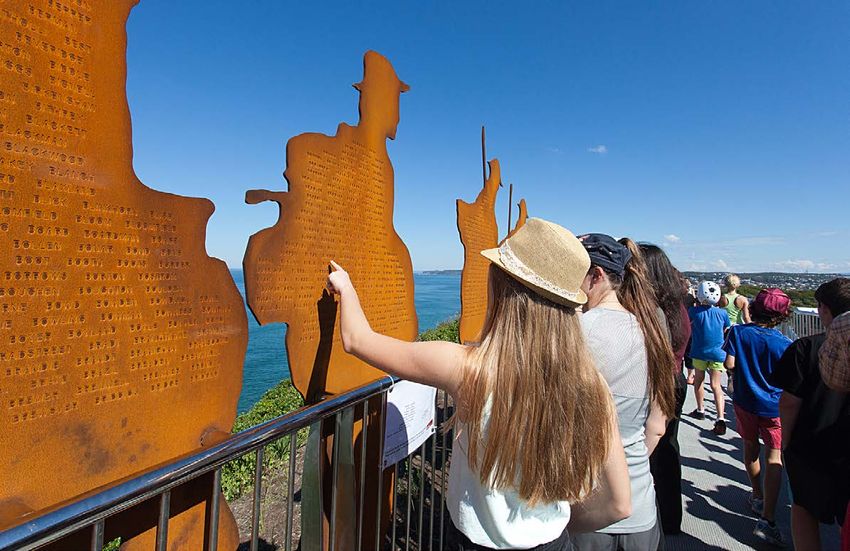
THEME 4

Innovation and creativity
Encourage innovation in business, research activities, education and creative
industries.

Opportunities                        Strategies                                         Actions

                                     Concentrate smart specialisation programs
                                                                                        Facilitate small business access to government
Skills and knowledge growth          through the development of innovative hubs
                                                                                        innovation programs.
                                     and cooperatives.

                                                                                        Work with external networks to support
Promote a smart, creative and                                                           creative business development through
                                     Support smart city services and applications.
connected city                                                                          Renew Newcastle style initiatives to
                                                                                        encourage start-up businesses.

                                     Promote the lifestyle and cultural profile of      Maintain links with UON and major businesses
Build on our existing creative and
                                     Newcastle as a place to work, invest and live in   in the city to encourage research clusters and
cultural profile
                                     business attraction activities.                    business development programs.

                                     Encourage the creative industries sector and
                                                                                        Develop a Digital Economy Strategy for the
                                     encourage the development of new small
                                                                                        city.
                                     businesses.

                                                                                        Develop website resources to provide
                                     Continue to build on and promote Newcastle’s
                                                                                        relevant information to existing and start-up
                                     advantages in education, health and energy
                                                                                        businesses using REMPLAN and other data
                                     research.
                                                                                        sources.

                                     Continue to define the cultural profile of
                                     Newcastle through innovative programs and          Continue to partner and provide business
                                     exhibitions at the Newcastle Art Gallery,          improvement skills through the Smart Arts
                                     Newcasrte Museum, regional library and Civic       and similar programs.
                                     Theatre.

                                                                                        Continue Council’s Economic Development
                                                                                        Sponsorship Grant Program to promote
                                                                                        employment and new business growth.

                                                                                                   Economic Development Strategy 2016 – 2019   9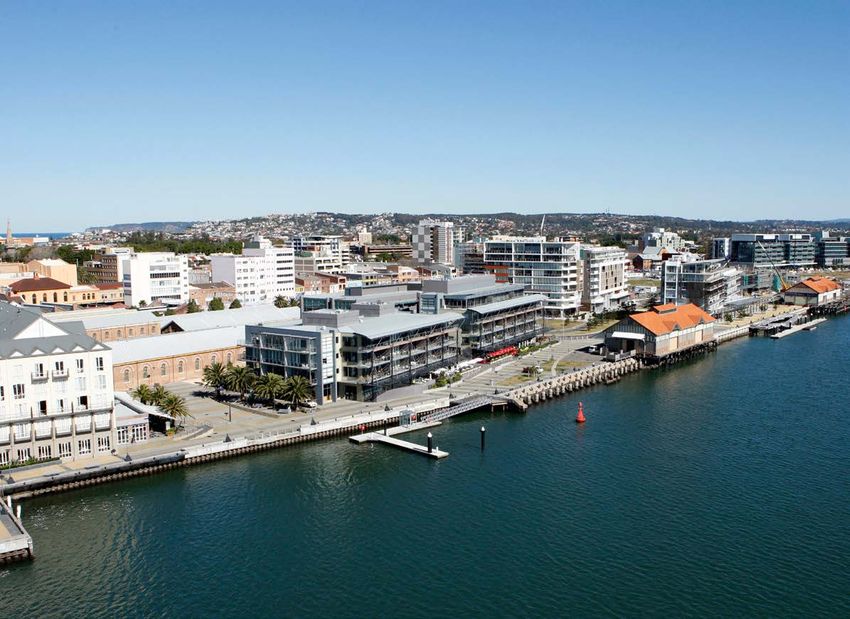
THEME 5

        Developing the visitor economy
        Work with the tourism sector and industry associations to further develop Newcastle as
        a visitor and event destination.

        Opportunities                          Strategies                                         Actions

                                                                                                  Council to continue its leadership role
        Grow the market and increase visitor                                                      in developing the visitor economy and
                                               Implement the Destination Management Plan.
        nights (and expenditure)                                                                  partnering with Newcastle Tourism Industry
                                                                                                  Group (NTIG) and operators.

                                               Continue to work on researching and promoting
                                                                                                  Complete visitor website upgrade, as well as,
        Improve the visitor experience with    sector infrastructure issues, including
                                                                                                  print promotions such as maps and self-
        revitalised destinations               accommodation, cruise ship facilities, and
                                                                                                  guided tours.
                                               conference facilities.

                                               Utilise economic and business information to       Investigate and provide improved visitor
        Connect the industry
                                               track city and key industry trends.                services.

                                               Continue to identify signature events and
        Invest in Newcastle as a visitor and                                                      Complete and implement the CBD Visitor
                                               experiences for the Newcastle community and
        event destination                                                                         Economy Vision with NTIG.
                                               our visitors.

                                                                                                  Through Council’s Newcastle Convention
                                                                                                  Bureau promote Newcastle as a destination
                                               Create and maintain effective partnerships at
                                                                                                  for business and professional conferences
                                               local and regional level.
                                                                                                  (MICE – meetings, incentives, conferences and
                                                                                                  exhibitions).

                                                                                                  Engage public relations consultants to
                                               Work with industry to develop skills and quality
                                                                                                  promote Newcastle as a destination, state
                                               of product.
                                                                                                  wide and nationally.

                                                                                                  Continue to work with organisations such
                                                                                                  as Destination NSW to promote Newcastle
                                                                                                  through initiatives such as Its On.

                                                                                                  Continue to partner with regional bodies
                                                                                                  to promote the region and events (e.g. All
                                                                                                  Together Perfect and events such as Port to
                                                                                                  Port).

                                                                                                  Prepare a local events strategy, including the
                                                                                                  sporting events market.

                                                                                                  Continue to provide the Events Sponsorship
                                                                                                  Grant Program to increase overnight visitation
                                                                                                  and promote Newcastle as destination.

10   Newcastle City Council
1.0 Newcastle
An Overview
Newcastle is at the centre of a large region and is both trends, and the major industries within Newcastle by
an industrial economy and a service economy. Recent output and employment. More detailed information can
growth in the Newcastle economy has been driven by a be found in the appendices at the rear of the document.
combination of a growing population and expansion of
major industry sectors.
1.1 Population
The city has undergone a major transformation over
the last two decades, with strong growth in services 1.1.1 Regional Population
activity and employment. In particular, there has been Newcastle is at the centre of a large and growing
growth in knowledge industries, with the expansion region. The Hunter Region had a total population of
of health, higher education, research centres, defence 648,800 persons in 2011, with 545,700 in the Lower
industries and professional and technical services.
Hunter and 103,100 in the Upper Hunter Region.
These industries, along with the traditional energy and
engineering sectors, are providing the foundation for The population of the Lower Hunter is growing.
future growth of Newcastle and the broader region. Between 2006 and 2011, the region’s population
This strategy establishes where Newcastle City Council
increased by 28,100 people, or 5.4%. Newcastle
can value add to economic growth.
accounted for 22% of this population growth or
This section of the document outlines population 6,200 persons.
Chart 1. Population Lower Hunter Region 2006-2011
Economic Development Strategy 2016 – 2019 11The Australian Bureau of Statistics divides Newcastle into three statistical local areas (SLAs). In 2011, the Inner City
accounted for 34% of the population; Outer West 29%; and Throsby 36%. The population has been increasing in each
of the SLAs. Medium and long term projections show stronger growth in the Inner City and Outer West.
Outer West
Inner City
Throsby
Legend
City Centre
Chart 2. Population Projections-Newcastle LGA / SLAs 2016-2031
Source: Newcastle Urban Renewal Study – Economic Assessment - March 2012 Hill PDA P 35
12 Newcastle City CouncilPopulation in the Inner City is projected to increase by 6,900 persons or 13% between 2011 and 2031; 7,700 (16%)
in the Outer West; and 4,100 in Throsby (7%). The projected population growth is based on a number of factors
including: new household formation; the movement in of young adults for tertiary education; and the growth in
employment opportunities attracting new residents. The development of the UON new city campus and the increase
in international students will boost the number of student residents in the Inner City area.
Chart3 – Population Projections (Planning NSW) – Lower Hunter Region to 2031
Source: NSW State and Local Government Projections 2031 (preliminary revision), Planning NSW
Looking at the region to 2031, strong growth is projected across the region. Appendix A provides more detailed
information.
Population Outlook
Create an environment where people want to live
The population outlook is positive for Newcastle’s economic development.
Strong local and regional population growth will increase the size of the market and will drive demand for retail and
services, including higher education and specialist health services.
Economic Development Strategy 2016 – 2019 (Draft September 2015) 131.2 Regional Role
Newcastle plays a central role in the Hunter Region and is the “regional capital”. It is the centre for critical
infrastructure (including the port/logistics functions and support activities); it provides services to the region
including health, higher education, financial services, professional services and government services; it has the
headquarters of a number of major organisations and has a major concentration of manufacturing/engineering
businesses that are servicing national and international markets.
Regional Role Services and facilities Jobs in LGA
Newcastle is a regional centre for health services. This comprises: John Hunter Hospital
and the Calvary Mater Hospital and associated specialist medical services in general
paediatrics, tertiary services, surgery and trauma, oncology and emergency facilities as
15,950
or
Health Services well as a range of private hospital facilities and specialist services.
There is also the Hunter Medical Research Institute (HMRI) with around 1500
18%
of jobs in the LGA
researchers.
15,903
Finance and Business Newcastle is the centre for an expanding finance and professional services sector, or
Services which is servicing broader regional markets.
18%
of jobs in the LGA
Newcastle is a centre for manufacturing, particularly for heavy engineering linked to
mining and defence markets.
8,444
or
Manufacturing
HunterNet is involved in the development of new markets for engineering businesses
and in education and training for the sector.
10%
of jobs in the LGA
The Port is the world’s largest coal port and a major international deep water port.
Future development by the new commercial operators will expand the capacity for 6,873
Port of Newcastle general cargo, bulk materials, bulk liquids, and container trade. or
(Logistics and
wholesaling) The Port services a number of major industries in the region including chemicals and
8%
of jobs in the LGA
fertilisers. To underpin the development of the Port, the maintenance of road and rail
access is critical for port users.
5,515
Newcastle is the regional headquarters for a number of government agencies that or
Government Services
service Hunter and Central Coast Regions.
6%
of jobs in the LGA
4,761
Newcastle services a regional market for higher education (University of Newcastle) or
Tertiary Education
and vocational education and training (Hunter TAFE).
5%
of jobs in the LGA
Newcastle is a centre for sports and entertainment with international standard facilities
for football, rugby and hockey and a entertainment and exhibition centre.
Hunter Venues comprise:
• Hunter Sports Stadium – a rectangular, multi-purpose outdoor stadium with a
capacity of 33,000;
637
Sports and or
Entertainment •
•
Newcastle Hockey Centre (NIHC) with three internationally FIH accredited fields;
Newcastle Entertainment Centre with a capacity up to 7500 and suitable for 1%
concerts and exhibitions; of jobs in the LGA
• Newcastle Exhibition Centre with indoor space of 1650 m2;
• Newcastle Showground - with an oval arena and seating for 3000; and
• Newcastle Harness Racing Centre.
14 Newcastle City CouncilChart 4 Population and Job Shares – Lower Hunter LGAs 2011
Source: ABS Census 2011, Working Population and Resident Population Data
Newcastle’s regional role is also reflected in the industry structure of jobs in the LGA, Chart 5 shows there is a large
share of jobs in:
• information media and telecommunications (64%),
• utilities – electricity, gas, water and waste services 63%,
• professional, scientific and technical services (59%),
• financial and insurance services (58%),
• health care and social assistance 54%,
• transport, postal and warehousing 54%.
Chart 5 Newcastle LGA Shares of Lower Hunter Region Jobs 2011
Source: ABS Census 2011, Working Population Data
Economic Development Strategy 2016 – 2019 151.3 Newcastle Industry and Employment important in Newcastle and are focused in the
university, health sector, CSIRO and professional
1.3.1 Industry Jobs services and business services.
Table 1 indicates Newcastle’s employment by industry
• The University of Newcastle (UON) has research
group and clearly shows the majority of jobs (47.9%)
strengths in areas including health, biotechnology,
are involved in ‘In-person’ services which includes health mining and minerals processing and energy. UON is a
services, retail trade and education and training, followed partner (with Hunter New England Health) of the Hunter
by goods producing (manufacturing, construction, Medical Research Institute (HMRI) and has established
utilities etc.). The table also shows there was little change the Newcastle Institute of Energy and Resources.
in the industry groups between 2006 and 2011. By
• UON and CSIRO have specialisations in
industry the greatest increase in the period was in health
nanotechnology, biotechnology, and clean
services and social assistance, followed by professional,
technology (e.g. solar energy, wind management and
technical and scientific services. The greatest loss in jobs
optimisation, energy efficiency and energy storage).
occurred in the agriculture, forestry and fishing sector.
Appendix A contains further information. • UON and Hunter TAFE are active in delivering
tailored education and training programs to
Knowledge based industries have become increasingly industry.
Table 1 Jobs by Industry - Newcastle LGA 2006 and 2011
City of Newcastle 2011 2006 Change % change
Industry Number Share % Number Share % 2006 to 2011 2006-2011
Good Producing
Agriculture, Forestry and Fishing 192 0.2 566 0.7 -374 -66.1
Mining 625 0.7 241 0.3 +384 159.3
Manufacturing 8,444 9.6 8,177 10.1 +267 3.3
Electricity, Gas, Water and Waste Services 2,146 2.4 1,730 2.1 +416 24.0
Construction 4,721 5.4 4,076 5.0 +645 15.8
Total Goods Producing 16,128 18.3 14,790 18.2 1,338 9.0
Goods Related Services
Wholesale Trade 3115 3.5 3270 4.0 -155 -4.7
Transport, Postal and Warehousing 4,570 5.2 3,987 4.9 +583 14.6
Total Goods Related Services 7685 8.7 7257 8.9 428 5.9
Business and Professional Services
Information Media and Telecommunications 1,248 1.4 1,546 1.9 -298 -19.3
Financial and Insurance Services 3,701 4.2 3,572 4.4 +129 3.6
Rental, Hiring and Real Estate Services 1,361 1.5 1,370 1.7 -9 -0.7
Professional, Scientific and Technical Services 7,237 8.2 6,057 7.5 +1,180 19.5
Administrative and Support Services 2,356 2.7 2,079 2.6 +277 13.3
Total Business and Professional Services 15,903 18.0 14,624 18.0 1,279 8.7
Government Services
Public Administration and Safety 5,515 6.3 5,365 6.6 +150 2.8
Total Government Services 5515 6.3 5365 6.6 150 2.8
In-Person Services
Retail Trade 8,271 9.4 8,337 10.3 -66 -0.8
Accommodation and Food Services 5,808 6.6 5,275 6.5 +533 10.1
Education and Training 7,990 9.1 7,060 8.7 +930 13.2
Health Care and Social Assistance 15,950 18.1 13,884 17.1 +2,066 14.9
Arts and Recreation Services 989 1.1 874 1.1 +115 13.2
Other Services 3,251 3.7 2,971 3.7 +280 9.4
Total In Person Services 42259 47.9 38401 47.3 3858 10.0
Industry not classified 689 0.8 701 0.9 -12 0.0
Total Jobs 88,179 100.0 81,138 100.0 +7041 8.7
Source: ABS Census 2011, Working Population Data
16 Newcastle City Council1.3.2 Location of Jobs 1.3.4 Employment Travel Patterns
Within Newcastle, jobs are distributed across the SLAs Newcastle LGA is the centre of the regional labour
as follows: market, and performs a major role in the provision of
jobs for a wide area of the Lower Hunter and the Central
• Inner City which includes the CBD and port: Coast.
Between 60-70% of the government (Council,
NSW Government, and Australian Government) and • In 2011 there were 70,255 employed residents and
business and professional services jobs; and 50% of a total of 88,179 jobs located in the LGA. In all 62%
accommodation and food service jobs. It also has of Newcastle residents (43,329) had their jobs in
over 50% of the manufacturing jobs and 63% of the Newcastle LGA and around 38% (26,926) held jobs
transport jobs. Overall this SLA accounted for 47% outside the area (mainly in adjacent LGAs).
of jobs in the LGA (and 34% of the population). • For these Newcastle residents holding jobs outside
• Outer West: the region, the major job locations were in the
42% of education and training jobs (UON); adjoining LGAs of Lake Macquarie (9383 or 13% of
and 61% of electricity, gas and water sector jobs; employed residents); Maitland (2689 or 4%) and
and 35% of wholesale jobs. Overall this SLA Port Stephens (3399 or 5%).
accounted for 20% of jobs in the LGA (30% of the • Newcastle has around 50% employment
population). containment, which means that 50% of the jobs
• Throsby: in the LGA are held by Newcastle LGA residents.2
60% of health care and social assistance jobs (John A total of 44,850 persons (51%) from outside
Hunter Hospital, Newcastle Private Hospital); 44% Newcastle LGA held jobs in the LGA, with 26,581
of retail jobs; and 45% of the arts and recreation (30%) living in Lake Macquarie. Other sources of
services jobs. Overall this SLA accounted for 33% of workers were Maitland 6645 (8%); Port Stephens
jobs in the LGA (37% of the population).1 5310 (6%) and Wyong 1628 (2%).3
• The Newcastle City Centre is a net importer of
1.3.3 Major Employers
workers, with most persons travelling from the
Table 2 shows some of the major employers in outer suburbs, as well as the adjacent LGAs of Lake
Newcastle and the broader region by industry sector. Macquarie and Port Stephens.
2 Draft Local Planning Strategy, Working Paper :Centres and Employment Lands
1 Based on 2006 data in Newcastle Urban Renewal Study – Economic Newcastle Council P13
Assessment Hill PDA 2012 P74 3 See Appendix B for detailed tables on journey to work patterns.
Table 2 Major Businesses – Newcastle LGA and Region
Sectors Activities Major Regional Businesses
E-commerce, telecommunications, software development
ICT CSC, Computer Systems Australia, Telstra
and systems support.
Heavy engineering, steel products, chemicals, mining Downer EDI Limited, Arrium Limited (formerly OneSteel), Thales, Forgacs,
Manufacturing
industry support Bradken (Global Corporate HQ), Orica
PricewaterhouseCoopers, NIB, Sparke Helmore; GHD, Banks, Newcastle
Services Financial services, professional services
Permanent Building Society, The Greater
Hospitals and health services Hunter New England Health – HQ and hospitals
Health
Health and medical research Hunter Medical Research Institute (HMRI);
Defence/ BAE Systems, Lockheed Martin; GE Aviation, Boeing, Raytheon, Thales, Varleys,
Defence support and aerospace support
Aerospace L3-Communications, Forgacs, RAAF
Transport Coal rail services, road freight Pacific Rail, Toll, Port of Newcastle, Aurizon
Energy
Electricity, water Macquarie Generation, Hunter Water Corporation, Ausgrid, Energy Australia
and Water
Education Higher education and vocational education University of Newcastle, Hunter TAFE, WEA
Government Government agencies Australian Taxation Office, Centrelink
Economic Development Strategy 2016 – 2019 17Opportunities 1.4 Future Opportunities
1.4.1 Future Job Requirements
and Jobs Some recent projections have been prepared of future
job requirements that are associated with population
growth in Newcastle LGA1.
Key Issues:
• The Newcastle Employment Lands Strategy (NELS)
The strong growth in services projects population growth of 18,500 residents
to 2031 (for a total population 175,700). Based on
employment experienced over the
the current average labour force participation rate
last 10 years is likely to continue, with for Newcastle LGA (61%), this population growth
Newcastle continuing to develop requires an additional 11,285 jobs for the resident
labour force by 20312.
as a major regional service hub.
• The NELS has projected future jobs for Newcastle
Newcastle LGA has the potential to LGA (for the 2011-2031 period) using NSW Bureau
reach the job targets that are linked of Transport Statistics (BTS) forecasts. These
projections show growth in jobs in services, with
projected population growth.
most being higher skilled knowledge industry jobs.
• The sectors that are likely to see some contraction in
jobs include manufacturing, wholesale trade, energy
• Manufacturing will remain utilities, and administrative and support services.
important for the region, but These are based on expected changes in demand
levels; technology and workforce structures3.
employment levels will be lower.
• Industries moving products 1.5 Industry output
through the port will remain Total industry output in the area is estimated at
important and there is potential $28,831.076 million. Table 3 shows the major
contributors to output.
to expand logistics activities.
1.6 Strategic Growth Sectors
• Knowledge based sectors will
grow, particularly in higher
Future growth in jobs will be driven by
education, research, medical and
a number of factors and these include
health sectors.
growth in industries servicing external
• Jobs will require qualifications markets; growth in activities linked to the
and skills (higher education and port; internal market growth, generated
trade and VET qualifications). by a larger regional population; and
The number of jobs that require innovation and commercialisation of
no qualifications is continuing to ideas. Knowledge-based activities will
decline. increase in importance for most sectors of
the economy.
• Newcastle due to its regional
Newcastle LGA has a large, diverse economy, with a
capital role will continue to spectrum of industries and businesses servicing local,
provide jobs for persons in regional, national and international markets. These
businesses and organisations employ around 88,000
adjacent LGAs. This is particularly
persons.
the case for knowledge sector
jobs, for higher level services jobs
and for government agencies. 1 Draft Local Planning Strategy, Working Paper :Centres and Employment Lands,
Newcastle Council
2 Draft Local Planning Strategy, Working Paper :Centres and Employment Lands,
Newcastle Council P14
3 Newcastle Urban Renewal Study – Economic Assessment , Hill PDA 2012 P75
18 Newcastle City CouncilNewcastle LGA has a number of key advantages which would see the region growing at around 2.4%
including : population size and growth; accessibility to per annum (above the growth rate for the rest of New
Sydney; a major international port with potential for South Wales).
substantial growth and diversification; a major airport
Newcastle and the Hunter Region have strong long
with key domestic routes (and potential international
term economic prospects based around current
flights); a leading university (which is expanding) and
strengths and new emerging opportunities. These
Hunter TAFE; a large health services sector (7.7% of the
opportunities include: development of defence/
economy and expected to increasing to 8.4% in 2036);
aerospace clusters at RAAF Williamtown and Newcastle
major research centres and a culture of innovation; an
Airport (associated with the Joint Strike Fighter); other
industrial base; an expanding knowledge based services defence manufacturing and support; port services
sector. When combined with a large city centre, a and logistics; the coal chain and support activities;
coastal lifestyle and affordable housing there is a strong high value manufacturing/engineering; agribusiness;
foundation for future growth, hospitals and specialist health services; health and
medical research; ICT; higher education (domestic and
Newcastle and the Hunter Region have shown a
international students)and research at UON; business
capacity to adjust to industry changes, and have an
and professional services; a growing visitor market; and
outlook of continued regional population growth. A
emerging creative industries.
recent study for RDA Hunter has projected long term
economic growth to 2036 for the Hunter Region, These opportunities are explored further in Section 2.
Work
Provide opportunities for growing employment
Table 3 Major contributors to output – Newcastle LGA and Region
Industry Sector $million %
Manufacturing $7,084.049 24.6 %
Construction $2,586.482 9.0 %
Financial and insurance services $2,151.989 7.5 %
Other $17,008.557 59.0 %
Total output $28,831.076 100.0%
Economic Development Strategy 2016 – 2019 192.0 Major Opportunities
2.1 Overview Newcastle City Centre Vision:
There are a number of key elements that will shape the Newcastle will continue to grow and
future economic development of Newcastle LGA and
evolve to strengthen its position as the
these include:
Hunter region’s capital.
• City centre revitalisation - regeneration of the city
as a place to live, work, invest and visit. The city centre location and setting
• Port of Newcastle development is important to the between the river and ocean make
future of Newcastle (including coal exports and
expansion for other products).
Newcastle a compact, people-friendly city
• Development of the visitor economy. with unique attributes.
• City university precinct - University of Newcastle
Newcastle city centre will be a vibrant
city campus as a catalyst project.
regional hub and attractive destination
• Digital connectivity in the smart city.
for businesses, residents and visitors,
• Strengthening of local areas and precincts.
• Developing workforce skills for a knowledge-based
providing accessible and suitable
future. employment opportunities, a choice
of retail and other services, and local,
Newcastle City Council’s Economic Development
Strategy needs to identify its role and responsibilities national and international investment
and facilitate action in each of these key areas. opportunities.
Appendix D contains further information. (Source: Newcastle Urban Renewal Strategy 2012, Department of Planning xviii)
2.2.1 Planning principles
2.2 City Centre Revitalisation
Nine planning principles are recommended to guide
redevelopment within the city centre. These are
Urban renewal of the city centre is summarised below and the areas where the economic
fundamental to Newcastle’s long term development strategy can assist are also identified.
future. A vibrant city centre is important Key initiatives for the city centre currently include:
from an economic and social perspective. • light rail and a new transport interchange at
Wickham (linking the city and helping create a new
business district at the west end);
The NSW Government, in partnership with Newcastle
City Council, is implementing an urban renewal • the UON city campus;
strategy for the Newcastle city centre. A major focus • revitalising Hunter Street Mall and east end of
of the 25 year Newcastle Urban Renewal Strategy, is Newcastle into a distinct retail, entertainment,
on initiatives: to improve the city’s economy, access, leisure and residential precinct;
connections and the quality and attractiveness of the
• reshaping Hunter Street as a key city destination to
public domain; and to encourage the development of
promote activity, business opportunities, events and
retail, residential and commercial space in the city.1
other uses;
The strategy is based on a vision for Newcastle • strengthening the civic precinct as the main civic,
as a vibrant and growing city. A key input to the educational and cultural hub;
strategy was the Council’s Hunter Street Revitalisation
• attracting more residents into the city centre;
Framework Strategy (2010).
• providing additional connections across the rail
corridor for pedestrians, cyclists and cars; and
• positioning the west end as the city’s future CBD.2
2 Newcastle Urban Renewal Strategy 2012, Department of Planning NSW Pxvii
1 Revitalisation funding of $460 million from the NSW Government, includes
$340 million from the lease of Newcastle Port.
20 Newcastle City CouncilPlace development and infrastructure are major elements of the
Newcastle City Revitalisation.
Table 4 Planning Principles for Newcastle City Centre
Guiding Principles Elements
1. P
roviding opportunities to Provide adequately zoned land to ensure the ongoing economic sustainability of the city and to accommodate
grow and expand anticipated growth and trends
2. Economic viability with
enhanced choice and The city centre supports a diverse range of retail, commercial and residential uses
competition
3. A busy and vibrant city The city develops its own character, which is reinforced through branding and marketing of the city
The growth and development of the city centre should support and reinforce the existing integrity and uniqueness of
4. Integrity and viability
Newcastle, including its heritage
Population growth in the city centre will increase demand for jobs and services and require, additional investment.
The planning framework needs to support this development.
5. Investment, employment and
business growth Support for existing and emerging business is vital for the long-term viability of the city centre
Targeted investment attraction and business development strategies are needed
6. Transport, access and
Accessibility and convenience of public transport to and within the city centre is important
connectivity
More residential development in the city centre will enhance vibrancy and viability through increased day and night
activity, and support for jobs and services
7. Housing mix and affordability
There is need to encourage a range of affordable housing types for a variety of markets, including student and seniors
housing
Retail is important to the economic viability of the city centre. This includes supermarkets; other retail (eg. brand
8. Retail variety
outlet), bulky goods retailing (city fringe); and reinforcing main street shopping experience
Promote a commercial core that provides for a range of employment-generating activities
9. Provide for future Cluster shared resources and services to attract new business
employment growth
Employment-zoned land that can accommodate relatively large floor plates should be preserved, so that the city
centre is the primary location for commercial office, entertainment, civic and community uses
Source: Summarised from Newcastle Urban Renewal Strategy 2012, Department of Planning NSW
Economic Development Strategy 2016 – 2019 212.2.1 Property Market The city centre (including the
Traditionally commercial office space has been
Honeysuckle Precinct) as the primary
located within city centres clustered with retail, civic
and community facilities. However, a trend in cities location for commercial offices needs to
has been the shift of some commercial and industrial be maintained. Development will require
businesses to business park developments and
the attraction of private developers and
industrial zones. Newcastle has seen some of this type
of development. investors and this requires maintenance
Newcastle city centre developed around the
of a positive investment climate and
Honeysuckle Precinct, is considered the main location predictable planning rules.
within the LGA, and regionally, for commercial and
professional businesses. Including properties in the East
Precinct the city centre accommodates businesses such Creating this positive climate is an important element of
as legal and accounting firms, consultants, financial this Council Economic Development Strategy.
institutions and government departments.
As a first real step in the implementation of the
Some current issues in the city property market include: Urban Renewal Strategy, UrbanGrowth NSW and GPT
fragmented retail and lack of retail anchors; increasing have lodged concept plans for a $400 million CBD
escape spending to suburban centres; high vacancy development package, which includes residential, retail
rates - for retail shopfronts (particularly along Hunter and commercial developments. The program includes 17
Street and in the West End) and C Grade commercial developments worth $360 million, with seven projects
space; and a limited take up of older commercial in the core CBD valued at around $120 million. These
offices. projects will be major catalysts for redeveloping the
city centre.
The key driver of demand for commercial and
employment land is jobs growth. Hill PDA has forecast
the demand for employment floor space in the City
The development proposal is broadly
Centre to 2031. They estimate that there was demand consistent with the NSW Government’s
for almost 647,000 sqm of employment floor space
Newcastle Urban Renewal Strategy, and
(including retail floor space) within the Newcastle City
Centre in 2011, and this is forecast to increase to over will contribute to meeting long term
900,000 sqm by 2031. The majority of this demand will targets for 6,000 new homes and 10,000
be for commercial floor space.
jobs in the city centre Newcastle by 2036.
The projected demand to 2031 for additional gross
floor area (GFA) by type is: retail - 40,000 sqm (GFA);
An active city marketing (live, invest, work) and
accommodation and food services - 46,000 sqm (GFA);
business attraction strategy is required, with Newcastle
education, health and community services - 35,000 sqm
City Council working in partnership with Industry NSW,
(GFA); and other commercial space -133,000 sqm (GFA). 1
UrbanGrowth NSW, RDA Hunter, GPT and other project
developers.
1 Newcastle Urban Renewal Study – Economic Assessment , Hill PDA 2012 P16
Table 5 UG-GPT Proposed Developments (GFA above)
Proposed Developments
Various residential buildings including on the site of the old David Jones car park on King Street;
Residential
on the corner of King and Newcommen Streets; Wolfe Street
Retail precinct of 15,000 m2 to 25,000 m2 retail precinct - a supermarket fronting Hunter Street,
Retail a cafe and dining strip and entertainment precinct (including new cinemas).
Return of the old Market Square and Hunter Street Mall as the retail heart
Commercial Mixture of six-storey retail and commercial buildings in Hunter Street Mall
Heritage Protection of heritage façades
22 Newcastle City CouncilEconomic Development Strategy 2016 – 2019 23
The port’s excellent channel and berth
     access, available port land, and the
     region’s strong manufacturing base
     and skilled workforce will be an asset.

     2.3 Port Development                                            Mayfield Concept Plan
                                                                     The Mayfield Concept Plan covers a 90 hectare parcel
     The privatisation of the port (through a 99 year                of port-side land, located within the 152 hectare
     lease), will lead to the expansion and diversification          Mayfield Precinct, and is part of the former BHP
     of Newcastle Port. Port of Newcastle, the commercial            Steelworks site.
     managers of the port, manages 792 hectares of
     port land and the associated strategic infrastructure           Potential development includes bulk liquids, and a
     such as wharves, buildings, terminals and transport             multi-purpose cargo facility focused around bulk
     infrastructure. This includes around 200 hectares of            materials, general cargo and containers.1
     currently vacant land which is available for development.
                                                                     The Mayfield Site Port Related Activities Concept Plan
     Port of Newcastle is a vital economic asset for the             (Mayfield Concept Plan) was approved by the NSW
     Hunter Region and beyond. Strategically positioned at           Department for Planning and Infrastructure, in mid-
     the gateway to the state's largest regional economy, with       2012 (with a modification in March 2014). 2Further
     close proximity to Sydney, the port is the economic and         development of the bulk liquids precinct within
     trading centre for regional New South Wales.                    the port’s Mayfield precinct, will meet the region’s
                                                                     increasing need for fuel imports.
     While coal operations will continue to dominate the
     port’s activities, there is major potential to further extend
     general cargo operations and to develop multi-purpose
     facilities and logistics operations on the port land. The
     overall development potential of the port is significant.       1 http://www.portofnewcastle.com.au/Commercial-Opportunities/Mayfield-
     The Port of Newcastle has published a port development          Concept-Plan/
                                                                     2 Port of Newcastle Letter to Minister – Mayfield Concept-Plan December 2013
     plan which will be updated every five years. It will be         P10 http://www.portofnewcastle.com.au/Resources/Documents/Concept-Plan-
     informed by:                                                    Modification_2013-12-06-NPC-Letter-to-Minister-re-Mayfield-Concept-Plan-06-
                                                                     Dec-2013.pdf

24   Newcastle City Council
Source: Port of Newcastle
Terminal 4 development (T4) Newcastle City Council will work with the Port of
The proposed Port Waratah Coal Services Terminal Newcastle to encourage appropriate port based
4 development is currently undergoing planning activities and other linked industry opportunities.
assessment by the NSW Government, would position
Note: The proceeds of the port lease are being invested
the port and the region to meet the continued global
in the NSW Government’s infrastructure fund, Restart
demand for the region’s high quality coal.
NSW. The Government has assigned $340 million from
The port’s current coal terminal capacity is 211 million tonnes the proceeds for the revitalisation of the Newcastle
per annum. The port currently has three coal terminals (two CBD, in addition to the $120 million the Government has
are operated by Port Waratah Coal Services, and one is already allocated to the project (which includes a new
operated by the Newcastle Coal Infrastructure Group). light rail service).1
In terms of future capacity, if all stages of T4 are approved
1 Funds for Newcastle will be co-ordinated through the Hunter Infrastructure and
and developed, it would increase the port’s coal terminal Investment Fund, a capital pool that will have $690m.
capacity to approximately 280 million tonnes per annum.
There is likely to be an expansion of the port for bulk
products, general cargo and containers.
The Port of Newcastle and the Hunter
region are ideally placed to provide a
supply role in the continued growth and
development of Sydney, to receive the
associated economic benefits.
Economic Development Strategy 2016 – 2019 252.4 Williamtown airport, defence The Williamtown Aerospace Centre (WAC) includes
and aerospace development the Newcastle Airport Precinct and 120 hectares
of industrial land adjacent to the RAAF Base. The
An $80 million extension to Newcastle Airport is industrial land is being developed as a defence,
completed to increase domestic capacity as well as aerospace and aviation business park.
developing secure customs and immigration facilities to
The WAC will comprise three precincts:
accommodate future international flights.
Commercial precinct
The Newcastle Airport runway is shared with the
RAAF Base Williamtown, which is a major operational With the first stage including a Mecure Hotel and
base for fighter aircraft. Employment on the base is conference centre, plus commercial office space for
around 4,000 people, comprising 2500 permanent lease and industrial lots. Potential uses include defence
ADF personnel, 700 Australian Public Service (APS) contractor offices, airport related services, transport
personnel and approximately 500 Defence contractors. services and logistics. Lockheed Martin Australia will be
The operations inject more than $200 million annually WAC’s first defence tenant, occupying a purpose built
into the Hunter Region economy. facility in this precinct.
Williamtown will be the RAAF’s command, operations Aerospace Precinct
and training base for the new F35 Joint Strike Fighter Comprises sites (with access to the runway and apron)
with a $950 million redevelopment proposed to located near current aircraft servicing facilities.
accommodate the new activity. Redevelopment will
generate around 700 construction jobs. It is expected Support Precinct
that support activities will increase employment This will allow for a progressive relocation of up to
at Williamtown by up to 1000 persons in support 1000 civilian staff and contractors currently working on
activities. RAAF Base Williamtown.
Develop secure customs and
immigration facilities to accommodate
future international flights
Planned view of Williamtown Aerospace precinct
26 Newcastle City CouncilYou can also read


