Effect of physical activity and fitness on executive functions and academic performance in children of elementary school. A systematic review ...
←
→
Page content transcription
If your browser does not render page correctly, please read the page content below
Effect of physical activity and fitness on executive functions and
academic performance in children of elementary school. A
systematic review
Efectos de la actividad física y condición física sobre funciones
ejecutivas y rendimiento académico en niños de Educación
Primaria. Una revisión sistemática
                                  1                                        2                              3,4*                                 1
Beatriz Berrios Aguayo , Pedro Ángel Latorre Román , Jesús Salas Sánchez                                      , Antonio Pantoja Vallejo

1
    Departamento de Pedagogía. Universidad de Jaén, España
2
    Departamento de Didáctica de la Expresión Musical, Plástica y Corporal. Universidad de Jaén, España
3
    Universidad Autónoma de Chile, Chile
4
    Facultad de Educación. Universidad Internacional de la Rioja
                                                                                       HOW TO CITE THIS ARTICLE:
* Correspondence: jsalas@                                                              Berrios-Aguayo, B., Latorre-Román, P.A., Salas-Sánchez, J., & Pantoja-Vallejo, A.
ujaen.es                                                                               (2022). Effect of physical activity and fitness on executive functions and academic
                                                                                       performance in children of elementary school. A systematic review. Cultura,
                                                                                       Ciencia y Deporte, 17(51), 85-103. http://dx.doi.org/10.12800/ccd.v17i51.1699.

Received: 26 February 2021 / Accepted: 27 November 2021

Abstract                                                                               Resumen
   This systematic review sought to investigate the influence
of physical activity and physical fitness on cognitive functions                            Esta revisión sistemática buscó investigar la influencia
and academic performance. Studies were identified in                                    de la actividad física y la aptitud física en las funciones
four databases from January 2010 through January 2021.                                 cognitivas y el rendimiento académico. Los estudios se
A total of 26 studies were selected after meeting the                                  identificaron en cuatro bases de datos desde enero de
established criteria. Nine studies showed an association                               2010 hasta enero de 2021. Se seleccionaron un total de 26
between physical activity and physical fitness variables                                estudios después de cumplir con los criterios establecidos.
and academic performance. Cardiorespiratory fitness, speed-                             Nueve estudios mostraron una asociación entre la actividad
agility, motor coordination, and perceptual-motor skill had                            física y las variables de aptitud física y el rendimiento
the strongest association with executive function, including                           académico. La aptitud cardiorrespiratoria, la velocidad-
attention, memory, inhibition and shifting in 17 studies. High                         agilidad, la coordinación motora y la habilidad perceptivo-
levels of physical activity and physical fitness are associated                         motora tuvieron la asociación más fuerte con la función
with higher academic performance and executive function.                               ejecutiva, incluida la atención, la memoria, la inhibición y el
More hours of Physical Education are needed to more                                    cambio en 17 estudios. Los altos niveles de actividad física
effectively develop the cognitive aspects and physical fitness                           y aptitud física están asociados con un mayor rendimiento
of children in elementary school.                                                      académico y función ejecutiva. Se necesitan más horas de
   Keywords: Physical performance, cognitive functions,                                Educación Física para desarrollar de manera más efectiva los
academic achievement, school-aged children..                                           aspectos cognitivos y la aptitud física de los niños en la escuela
                                                                                       primaria.
                                                                                           Palabras clave: Desempeño físico, funciones cognitivas,
                                                                                       rendimiento académico, niños en edad escolar.

Cultura, Ciencia y Deporte            | AÑO 2022 | VOLUMEN 17 | NUM. 51 | España | PÁG. 85 A 103 | ISSN: 1696-5043
Effect of physical activity and fitness on executive functions and academic performance in children of elementary school. A systematic review
Berrios Aguayo et al.
86

                                                                                      we utilise when we formulate our goals and objectives,
                                                                                      organise and plan, and when we carry out a series of
Introduction
                                                                                      adjusted and effective behaviours to achieve a goal (Lezak,
The importance of physical activity (PA) for health and                               Howieson and Loring, 2004). Multiple cognitive functions such
quality of life is well known and researched. Children                                as inhibiting dominant responses, updating working memory
experience both physical and psychological benefits when                               representations, shifting between task sets and attention are
participating in PA (Ahn and Fedewa, 2011; Janssen and                                included in EF (Friedman et al., 2008). Working memory is
Leblanc, 2010; Lobelo et al., 2020). Moreover, previous                               an important element which belongs with EF. Pesce et al.
studies have shown that PA influences cognitive functions                              (2009) investigated the effects of PA on memory performance
(Ellemberg and St-Louis-Deschênes, 2010; Gallotta et al.,                             in children through two sessions immediately following a PE
2014; Gunnell et al., 2019; Verburgh et al. 2014). A recent                           class (aerobic circuit training vs. team games). They found that
review showed that physical fitness (PF), single bouts of PA,                          memory improved in both experimental groups compared
and PA interventions benefit children’s cognitive functioning                          to the control group. In addition, Berrios Aguayo et al.
(Donnelly et al., 2016). Children who demonstrated to have                            (2019) demonstrated the effectiveness of two PE classes
high physical aptitudes exhibited greater cortical activation                         (team game exercise and aerobic exercise) on memory.
and corresponding cognitive functions than less fit children                           Additionally, attentional control and selective attention are
(Álvarez-Bueno et al., 2017; Latorre Román et al., 2017; Lemes                        other components of EF (Anderson, 2002). Mahar (2011)
et al., 2021). Chaddock, Pontifex, Hillman and Kramer (2011)                          showed how after a break from a PE class, attention on a
demonstrated how PA improved brain health and cognitive                               task was better. Syväoja et al. (2014) found that sedentary
functions during child development. Chang et al. (2012) and                           behaviour was associated with weaker flexibility of attention.
Gallotta et al. (2014) showed that several variables associated                          Different variables for PA have been associated with
with PA such as PA duration, PA intensity and specific types of                        childhood neurocognition, however how cognitive aspects in
PA performed during a training programme were significant                              children are developed through their physical development
moderators in the association between cognitive functions                             are still poorly understood. Further research is necessary
and PA.                                                                               to understand the relationship between PA and cognition
                                                                                      performance during development. Mahar et al. (2006) claimed

                                                                                                                                                                     Effect of physical activity and fitness on executive functions and academic performance in children of elementary school. A systematic review
   The terms PA and PF are often confused. Although
these terms are closely related, they should not be                                   opportunities to be physically active at school are limited by
treated as synonyms. PA refers to any bodily movement                                 pressure on scholastic performance. The incorporation of PA
produced by skeletal muscle which requires consumption                                time into the school day is needed (Kibbe et al., 2011; Segura-
of energy. PF in turn is interpreted as a measure of the                              Martínez et al., 2020).
capacity to perform PA that include the majority of the                                  Considering all previous evidence about how the practice
physical functions (skeletomuscular, CRF, hematocirculatory,                          of PA is related to greater cognitive and academic
endocrine-metabolic, and psycho-neurological) involved in                             development in school-aged children, the research question
PA. PF is made up of 3 components: cardiorespiratory fitness                           focuses on: is there enough research literature that analyse
(CRF), strength, and agility (Martínez-Vizcaíno and Sánchez-                          this issue? Therefore, the objective of this systematic review
López, 2008). The close relationship between these terms is                           was to analyse research that investigated the relationship
what justifies attending to both in this systematic review.                            and/or influence of PA and the level of PF on AP and EF in
   Previous studies have found several associations between                           school-age children.
PA and cognitive functions on specific factors such as
academic performance (AP), executive function (EF), memory,                           Method
intellectual maturity, concentration, and creativity in children
(Donnelly et al., 2016; Latorre-Román et al., 2016; Lees and                          The study was designed following the structure and
Hopkins, 2013; Soga, Shishido and Nagatomi, 2015). These                              recommendation of other systematic reviews (Ruiz-Ariza et
studies analysed both acute and chronic effects of PA on                               al., 2017; García-Pinillos et al., 2016), the protocol used by
cognitive actions. In addition, literature reviews (e.g. Marques                      PRISMA guidance for reports and studies (Moher, Liberati,
et al., 2018) show how higher cardiorespiratory fitness (CRF)                          Tetzlaff, Altman and PRISMA Group, 2009) and the Cochrane
may be important to enhance academic performance.                                     Manual of systematic reviews of interventions (Higgins and
                                                                                      Green, 2011).
   Academic performance can be improved through PA
at school (Carriedo and González, 2019). Wittberg et al.                              Search strategy
(2012) demonstrated how students who have healthy PF had
significantly higher scores in different school subjects than                           A comprehensive search of 4 databases (Medline, Pubmed,
students who had a low level of PF. In addition, current                              Eric ProQuest and Web of Science) from January 2010 through
research has shown that AP was higher when children                                   to January 2021 was undertaken. The principal categories
completed an intervention dedicated to doing more PA at                               of search terms were identified and employed in different
school (Resaland et al., 2015; Donnelly et al., 2013).                                combinations using “AND” (combining terms by retrieving
                                                                                      the records in which all the searched terms appear) and
   Aerobic exercises have the potential to promote multiple                           “OR” (joining different terms by retrieving the records in which
facets of development through its direct impact on EF                                 any of the terms appear) (Table 1).
(Best, 2010). The term EF makes reference to capabilities

                                                         Cultura, Ciencia y Deporte   | AÑO 2022 | VOLUMEN 17 | NUM. 51 | España | PÁG. 85 A 103 | ISSN: 1696-5043
Effect of physical activity and fitness on executive functions and academic performance in children of elementary school. A systematic review
Berrios Aguayo et al.
87
Table 1. Searcher strategy in databases
Effect of physical activity and fitness on executive functions and academic performance in children of elementary school. A systematic review
Inclusion and exclusion criteria Reliability and data extraction
The relevant papers selected for inclusion in the review were Based on the inclusion and exclusion criteria, two
checked against the following criteria: independent reviewers screened the citations of potentially
relevant publications. If the citation showed any potential
(1) There were no exclusion criteria with regard to sex relevance, it was screened at the abstract level. When
or ethnic origin; (2) There was exclusion with children with abstracts indicated potential inclusion, full-text articles were
physical or intellectual disabilities. (3) Age: children aged reviewed. A third-party consensus meeting was held with
between 6-12 years old; (4) Language: English; (5) Year of a third author (APV) if the 2 reviewers were not able to
publication: 2010-2021; (6) The systematic review uses cross- reach agreement. In conclusion, authors reviewed the studies
sectional, repeated measures or interventional studies; (7) resulting from the systematic review and agreed on their
Review articles were not included in this systematic review. inclusion.
Cultura, Ciencia y Deporte | AÑO 2022 | VOLUMEN 17 | NUM. 51 | España | PÁG. 85 A 103 | ISSN: 1696-5043Effect of physical activity and fitness on executive functions and academic performance in children of elementary school. A systematic review
Berrios Aguayo et al.
88
Quality assessment and level of evidence (KR-20) = 0.89). Reliability of the subscales varied from good
to poor validity. The Quality Index correlated highly with an
The quality assessment of the study has carried out on the existing, established instrument for assessing randomised
basis of other standardised assessment lists. Cross-sectional studies r = 0.90. The modified version of the Downs and
studies were assessed using the modified version of the Black Quality Index is scored from 1 to 14, with higher
Quality Index developed by Downs and Black (Downs and scores indicating higher-quality studies. Those items that
Black, 1998) (Table 2). The original scale was reported to have corresponded to the selected studies were selected based on
good test-retest (. = 0.88) and inter-rater (. = 0.75) reliability the needs of the study, as well as relevant systematic reviews
and high internal consistency (Kuder-Richardson Formula 20 already published, such as the one by Ruiz-Ariza et al. (2017).
Table 2. List of included studies with quality score (Down and Black scale modified)
Effect of physical activity and fitness on executive functions and academic performance in children of elementary school. A systematic review
Note: 0 = no; 1 = yes; Item 1: clear aim/hypothesis; Item 2: outcome measures clearly described; Item 3: patient
characteristics clearly described; Item 6:main findings clearly described; Item7:measures of random variability
provided; Item10: actual probability values reported; Item12: participants prepared to participate representative
of entire population; Item 15: Blinding of outcome measures; Item 16: analysis completed was planned; Item 18:
appropriate statistics; Item 20: valid and reliable outcome measures; Item 22: participants recruited over same
period; Item 23: Randomised; Item 25: adjustment made for confounding variables.
The methodological quality of interventional studies was the cut off score for high-quality studies. Studies scoring
assessed using the Physiotherapy Evidence Database (PEDro) 9-10 on the PEDro scale were considered to be of “excellent”
scale (Maher et al., 2003) (Table 3). This 11-item scale rates methodologically quality, 6-8 of “good” quality, 4-5 of “fair”
randomised controlled trials from 0 to 10, with 6 representing quality, and below 4 of “poor” quality.
Cultura, Ciencia y Deporte | AÑO 2022 | VOLUMEN 17 | NUM. 51 | España | PÁG. 85 A 103 | ISSN: 1696-5043Effect of physical activity and fitness on executive functions and academic performance in children of elementary school. A systematic review
Berrios Aguayo et al.
89
Table 3. List of included longitudinal studies with quality scores (PEDro scale)
Note. 0 = item was not satisfied; 1 = item was satisfied Excellent quality (EQ)= 9-10; Good quality (GQ)= 6-8; Fair
quality(FQ)= 4-5; Poor quality (PQ)=Effect of physical activity and fitness on executive functions and academic performance in children of elementary school. A systematic review
Berrios Aguayo et al.
90
Table 4. Characteristic of the studies analysed
Note: PA = Physical activity; PF = Physical fitness; PE = Physical education; MVPA = moderate to vigorous physical activity; AF = Aerobic fitness; CRF = Cardiorespiratory
fitness; PLACER = Progressive Aerobic Cardiovascular Endurance Run; BMI = Body mass index; AP = Academic performance; EF = Executive function
Table 4 (cont.) Characteristic of the studies analysed
Effect of physical activity and fitness on executive functions and academic performance in children of elementary school. A systematic review
Cultura, Ciencia y Deporte | AÑO 2022 | VOLUMEN 17 | NUM. 51 | España | PÁG. 85 A 103 | ISSN: 1696-5043Effect of physical activity and fitness on executive functions and academic performance in children of elementary school. A systematic review
Berrios Aguayo et al.
91
Table 4 (cont.) Characteristic of the studies analysed
Effect of physical activity and fitness on executive functions and academic performance in children of elementary school. A systematic review
Table 4 (cont.) Characteristic of the studies analysed
Cultura, Ciencia y Deporte | AÑO 2022 | VOLUMEN 17 | NUM. 51 | España | PÁG. 85 A 103 | ISSN: 1696-5043Effect of physical activity and fitness on executive functions and academic performance in children of elementary school. A systematic review
Berrios Aguayo et al.
92
Table 4 (cont.) Characteristic of the studies analysed
Effect of physical activity and fitness on executive functions and academic performance in children of elementary school. A systematic review
Table 4 (cont.) Characteristic of the studies analysed
Cultura, Ciencia y Deporte | AÑO 2022 | VOLUMEN 17 | NUM. 51 | España | PÁG. 85 A 103 | ISSN: 1696-5043Effect of physical activity and fitness on executive functions and academic performance in children of elementary school. A systematic review
Berrios Aguayo et al.
93
Table 4 (cont.) Characteristic of the studies analysed
Effect of physical activity and fitness on executive functions and academic performance in children of elementary school. A systematic review
Table 4 (cont.) Characteristic of the studies analysed
Cultura, Ciencia y Deporte | AÑO 2022 | VOLUMEN 17 | NUM. 51 | España | PÁG. 85 A 103 | ISSN: 1696-5043Effect of physical activity and fitness on executive functions and academic performance in children of elementary school. A systematic review
Berrios Aguayo et al.
94
Table 4 (cont.) Characteristic of the studies analysed
Table 4 (cont.) Characteristic of the studies analysed
Effect of physical activity and fitness on executive functions and academic performance in children of elementary school. A systematic review
Cultura, Ciencia y Deporte | AÑO 2022 | VOLUMEN 17 | NUM. 51 | España | PÁG. 85 A 103 | ISSN: 1696-5043Effect of physical activity and fitness on executive functions and academic performance in children of elementary school. A systematic review
Berrios Aguayo et al.
95
Table 4 (cont.) Characteristic of the studies analysed
Effect of physical activity and fitness on executive functions and academic performance in children of elementary school. A systematic review
Table 4 (cont.) Characteristic of the studies analysed
Cultura, Ciencia y Deporte | AÑO 2022 | VOLUMEN 17 | NUM. 51 | España | PÁG. 85 A 103 | ISSN: 1696-5043Effect of physical activity and fitness on executive functions and academic performance in children of elementary school. A systematic review
Berrios Aguayo et al.
96
Table 4 (cont.) Characteristic of the studies analysed
Effect of physical activity and fitness on executive functions and academic performance in children of elementary school. A systematic review
Table 4 (cont.) Characteristic of the studies analysed
Cultura, Ciencia y Deporte | AÑO 2022 | VOLUMEN 17 | NUM. 51 | España | PÁG. 85 A 103 | ISSN: 1696-5043Effect of physical activity and fitness on executive functions and academic performance in children of elementary school. A systematic review
Berrios Aguayo et al.
97
Table 4 (cont.) Characteristic of the studies analysed
Effect of physical activity and fitness on executive functions and academic performance in children of elementary school. A systematic review
Table 4 (cont.) Characteristic of the studies analysed
Cultura, Ciencia y Deporte | AÑO 2022 | VOLUMEN 17 | NUM. 51 | España | PÁG. 85 A 103 | ISSN: 1696-5043Effect of physical activity and fitness on executive functions and academic performance in children of elementary school. A systematic review
Berrios Aguayo et al.
98
Effect of physical activity and fitness on executive functions and academic performance in children of elementary school. A systematic review
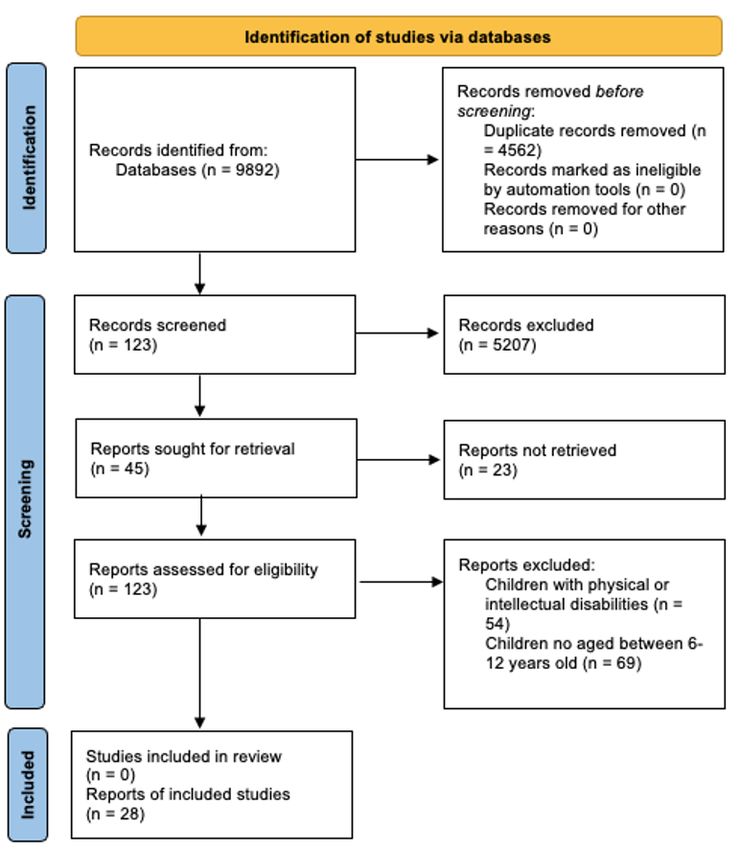
Figure 1. Flowchart illustrating the different phases of the search and selection of the studies
Note: PRISMA (2020) flow diagram for new systematic reviews which included searches of databases and registers only.
Discussion various cognitive functions at school. The detailed analysis
of the influence of each physical fitness component revealed
This systematic review has explored the association between that CRF has the greatest influence on AP and EF. To evaluate
PA and PF on AP and EF in elementary school children (6-12 CRF, some studies used the 20-m shuttle run test PACER
years old). Studies from January 2010 to January 2021 were (Wittberg et al., 2012; Lambourne et al., 2013; Hansen, et al.,
obtained from 4 databases. A total of 26 articles met the 2014) and two studies used a formula to calculate the maximal
inclusion criteria: 9 studies used a cross-sectional design, 6 oxygen consumption (VO.max) (Pontifex et al., 2012; Raine et
were repeated measures studies and 11 were intervention al., 2013). Wittberg et al. (2012), Lambourne et al. (2013) and
studies. PA and levels of PF were assessed by CRF, muscular Hansen et al. (2014) found that children with more CRF had
strength, speed-agility, motor coordination, perceptual-motor a higher AP. On the other hand, Pontifex et al. (2012) and
skill and other physical variables. Raine et al. (2013) used a computerised indirect calorimetry
system with averages for oxygen uptake (VO.) and respiratory
A large number of studies have examined, through cross-
exchange ratio to assess CRF, showing how children with a
sectional designs, the association between the level of PF and
high level of CRF had better memory ability. A suitable PF is an
Cultura, Ciencia y Deporte | AÑO 2022 | VOLUMEN 17 | NUM. 51 | España | PÁG. 85 A 103 | ISSN: 1696-5043Effect of physical activity and fitness on executive functions and academic performance in children of elementary school. A systematic review
Berrios Aguayo et al.
99
possible condition for better inhibition, working memory and (Mullender-Wijnsma et al., 2015; Erwin et al., 2012; Layne et
cognitive flexibility in children (Syväoja et al., 2014; van der al., 2021). Hillman et al. (2009) showed that an intervention
Niet et al., 2015). In addition, a good CRF, an adequate body over 9 months where children do short periods of moderate-
composition, and a higher motor performance are associated intense aerobic exercise can improve cognitive control and
better AP (Haapala et al., 2014). However, Jansen et al. (2019) attention. Increasing the number of hours of PE at school
did not find relationship between PF (body coordination and (two hours), over at least 10 weeks, is a suitable method to
speed) and working memory in school-aged children. enhance the students’ marks and cognitive aspects such as
working memory and attention (Fisher et al., 2011). Children
Some research has focused on determining the acute who have physical afterschool sessions for two hours per
and chronic effect of PA on children's cognitive abilities. The week (over 9 months) performing MVPA achieve better results
type of effect depended on the duration of the intervention on their behaviour (analysing accuracy and reaction time) and
carried out. Several research has shown a acute effect when on executive control such as modulated attentional, inhibition
children perform PA before academic subjects on AP and and cognitive flexibility (Hillman et al., 2014). Moreover,
EF. Different PE classes in which children have to activate afterschool sessions based on aerobic exercises (Kamijo et
their brain function, lead to they are more prone to obtain al., 2011; Chaddock-Heyman et al., 2020) and cardiovascular
better scores on AP, memory, attention or concentration and motor exercises (Ou et al., 2016) showed improvements
(Yanagisawa et al., 2010). MVPA performed in a PE session in some EF such as memory work or inhibitory control and
has an acute effect on different EF like planning, attention, AP. Continuing with afterschool sessions performing MVPA
simultaneous processing and successive processing and is a good way to enhance children’s cognitive functions. In
school performance in children during elementary school addition, it is relevant to determine not only whether team
(Pirrie and Lodewyk, 2012). Moreover, short periods of aerobic games and aerobic exercises have an acute effect on PA, but
exercise (20 seconds of high-intensity activity separated by also whether it has a chronic effect if carried out for several
10 seconds of rest and repeated 8 times) have an important weeks on EF such as inhibition, shifting and update (Schmidt
acute effect on attention in the next academic classes (Ma et al., 2015). However, de Greeff et al. (2016) did not find
et al., 2015). Team game sessions, which demand control improvements in mathematical and language activities for the
and complex eye-hand coordination and require goal-directed experiment group after a two-year intervention dedicated to
behaviour, and aerobic exercises, based on high-intensity active MVPA classes.
cardiomyopathy, help students to better develop inhibition,
Effect of physical activity and fitness on executive functions and academic performance in children of elementary school. A systematic review
shifting and memory update of themselves to face scholary Limitations of research and implications for research and
activities in an appropriate way (Jäger et al., 2015). This was practice
also supported by authors such as Mezcua et al. (2019) who
showed that short-term training of C-HIIT has benefits in The limitations of the study are manifested in the selected
cognitive functions. However, a team game session had a databases. Although relevant databases were used, others
better result in cognitive function than a class in aerobic such as Scopus were ignored. In addition, all types of studies
exercise because it is producing a cognitive compromise when that met the inclusion criteria were attended without paying
the frontal lobe is activated in the execution (Yanagisawa et attention to factors that could determine the quality of the
al., 2010). This statement attempts to explain how PE sessions study, such as the sample size.
which include a cognitive compromise can have an acute
Finally, based on the measurement instruments of
effect on the cognitive capacities of children. Thus, Gallotta et
the different variables, the suitability of the same can
al. (2015) demonstrated in an experiment that those sessions
be confirmed in consideration of the context where the
that require cognition exercises like playing mini-games with
measurement was carried out and the age of the sample. All
coordination, meant students were able to develop their
reflect an appropriate degree of reliability and are tailored
cognitive skills more effectively. However, van den Berg et al.
to the sample. Certainly, more innovative and effective
(2016) did not find any improvement on memory, attention or
techniques such as image analysis could have been used,
the PA in children who did aerobic, coordination or strength
however, in the educational field, which has a fairly large
sessions in comparison with children who were in the control
sample, the use of such instruments is very complicated.
group.
The literature suggests that cognitive and academic
On the other hand, current research has demonstrated
performance of children not improved by limiting the time
the chronic effect of PA on AP and EF for elementary school
allocated to PE and PA (Trudeau and Shephard, 2008).
children. Most of them have performed PA programmes
Therefore, increasing the amount of time devoted to PA and
in which children increased the time dedicated to PA at
so improving their PF can promote acute and chronic cognitive
school (Lind et al., 2018). Käll et al. (2014) carried out a
benefits on EF such as working memory, attention, inhibition
controlled interventional study in a Swedish government
and shifting have important implications for AP (Fisher et
programme (Handslaget) based on group play and other
al., 2011). In addition, activity breaks can produce positive,
activities which increased the proportion of students who
chronic cognitive response. This literature review serves as the
achieved national learning compared with three reference
basis for future research in the field of educational psychology
schools. Higher proportions of students in the intervention
that promotes PA programs in the school context in primary
school achieved the national goals in all three subjects
education.
compared with the reference schools after initiation of
the intervention programme. Sardinha et al. (2016) also
performed an intervention study to assess AP of children after Conclusion
a three-year intervention dedicated to avoiding childhood
obesity. The result of this intervention was positive regarding The present review found a total of 26 articles that analysed
the national goals. On the other hand, active lessons of MVPA the association between PA with AP and EF in children.
in the classroom for several weeks improved the AP and EF Nine articles focused on AP and fifteen on EF. Thirteen of
of students due to the fact that they exercise not only the those focused on attention and working memory and two on
body but also the cognitive processes reflected in the AP other EF like inhibition, shifting, cognitive flexibility, update
Cultura, Ciencia y Deporte | AÑO 2022 | VOLUMEN 17 | NUM. 51 | España | PÁG. 85 A 103 | ISSN: 1696-5043Effect of physical activity and fitness on executive functions and academic performance in children of elementary school. A systematic review
Berrios Aguayo et al.
100
or planning. Most studies showed a positive relationship physical activity to brain structure and function in children.
between PA on AP and EF. In the nine studies which analysed Journal of the International Neuropsychological Society#: JINS,
the effect of PA and PF on AP, only one did not find 17(6), 975–985. https://doi.org/10.1017/S13556177110005
an association. Regarding EF, in two studies PA did not 67
produce any effects. CRF was the physical variable that Chang, Y. K., Labban, J. D., Gapin, J. I., & Etnier, J. L. (2012). The
was correlated with better AP and EF. On the other hand, effects of acute exercise on cognitive performance: A meta-
active classes of MVPA and PE classes when children had analysis. In Brain Research (Vol. 1453, pp. 87–101). https://d
to perform coordination exercises revealed a better acute oi.org/10.1016/j.brainres.2012.02.068
effect. In addition, a large chronic effect was found mainly in
children who carried out PE sessions over several weeks which de Greeff, J. W., Hartman, E., Mullender-Wijnsma, M. J., Bosker,
involved cognitive compromises by means of coordination R. J., Doolaard, S., & Visscher, C. (2016). Long-term effects
exercises. Finally, confounders could have played a pivotal of physically active academic lessons on physical fitness
role in these associations. Sex, age, BMI, sociodemographic and executive functions in primary school children. Health
factors, and previous marks must be taken into account. More Education Research, 31(2), 185–194. https://doi.org/10.1093
research is needed to explain the effect of different types /her/cyv102
of PA on AP and EF to clarify the role of confounders and Donnelly, J. E., Greene, J. L., Gibson, C. A., Sullivan, D. K.,
better predict the relationship between physical and cognitive Hansen, D. M., Hillman, C. H., Poggio, J., Mayo, M. S., Smith,
variables. Intervention studies in which children have to move B. K., Lambourne, K., Herrmann, S. D., Scudder, M., Betts, J.
more at school or outside school are necessary in order to L., Honas, J. J., & Washburn, R. A. (2013). Physical activity and
enhance cognitive processes which are used during the school academic achievement across the curriculum (A + PAAC):
day. Integrating educational departments, the school and the rationale and design of a 3-year, cluster-randomized trial.
families can guarantee the cognitive and physical health of BMC Public Health, 13(1), 307. https://doi.org/10.1186/1471
children. Promoting PA in children as a tool for improving -2458-13-307
cognitive aspects is everyone's responsibility. Donnelly, J. E., Hillman, C. H., Castelli, D., Etnier, J. L., Lee,
S., Tomporowski, P., Lambourne, K., & Szabo-Reed, A. N.
(2016). Physical activity, fitness, cognitive function, and
References academic achievement in children: A systematic review. In
Effect of physical activity and fitness on executive functions and academic performance in children of elementary school. A systematic review
Medicine and Science in Sports and Exercise (Vol. 48, Issue
6, pp. 1197–1222). https://doi.org/10.1249/MSS.000000000
Ahn, S., & Fedewa, A. L. (2011). A meta-analysis of the 0000901
relationship between children’s physical activity and mental
health. Journal of Pediatric Psychology, 36(4), 385–397. https Downs, S. H., & Black, N. (1998). The feasibility of creating a
://doi.org/10.1093/jpepsy/jsq107 checklist for the assessment of the methodological quality
both of randomised and non-randomised studies of health
Álvarez-Bueno, C., Pesce, C., Cavero-Redondo, I., Sánchez- care interventions. J Epidemiol Community Health, 52, 377–
López, M., Martínez-Hortelano, J. A., & Martínez-Vizcaíno, 384.
V. (2017). The Effect of Physical Activity Interventions
on Children’s Cognition and Metacognition: A Systematic Ellemberg, D., & St-Louis-Deschênes, M. (2010). The effect
Review and Meta-Analysis. In Journal of the American of acute physical exercise on cognitive function during
Academy of Child and Adolescent Psychiatry. https://doi.org/ development. Psychology of Sport and Exercise, 11(2), 122–
10.1016/j.jaac.2017.06.012 126. https://doi.org/10.1016/j.psychsport.2009.09.006
Anderson, P. (2002). Assessment and Development Erwin, H., Fedewa, A., & Ahn, S. (2012). Student academic
of Executive Function (EF) During Childhood. Child performance outcomes of a classroom physical activity
Neuropsychology, 8(2), 71–82. https://doi.org/10.1076/chin. intervention: A pilot study. International Electronic Journal of
8.2.71.8724 Elementary Education, 4(3), 473–487.
Berrios Aguayo, B., Pantoja Vallejo, A., & Latorre Román, P. Fisher, A., Boyle, J. M. E., Paton, J. Y., Tomporowski, P., Watson,
Á. (2019). Acute effect of two different physical education C., McColl, J. H., & Reilly, J. J. (2011). Effects of a physical
classes on memory in children school-age. Cognitive education intervention on cognitive function in young
Development. https://doi.org/10.1016/j.cogdev.2019.03.00 children: randomized controlled pilot study. BMC Pediatrics,
4 11(1), 97. https://doi.org/10.1186/1471-2431-11-97
Best, J. R. (2010). Effects of physical activity on children’s Friedman, N. P., Miyake, A., Young, S. E., DeFries, J. C., Corley, R.
executive function: Contributions of experimental research P., & Hewitt, J. K. (2008). Individual differences in executive
on aerobic exercise. Developmental Review, 30(4), 331–351. functions are almost entirely genetic in origin. Journal of
https://doi.org/10.1016/j.dr.2010.08.001 Experimental Psychology: General, 137(2), 201–225. https://d
oi.org/10.1037/0096-3445.137.2.201
Carriedo, A. & González, C. (2019).Rendimiento Académico
en Educación Física: Aspectos Académicos versus Físico- Gallotta, M. C., Emerenziani, G. P., Franciosi, E., Meucci, M.,
deportivos. Cultura_Ciencia_Deporte, 14(42), 225-232. Guidetti, L., & Baldari, C. (2015a). Acute physical activity and
delayed attention in primary school students. Scandinavian
Chaddock-Heyman, L., Weng, T. B., Kienzler, C., Weisshappel, Journal of Medicine & Science in Sports, 25(3), e331-8. https:
R., Drollette, E. S., Raine, L. B., & Kramer, A. F. (2020). //doi.org/10.1111/sms.12310
Brain network modularity predicts improvements in
cognitive and scholastic performance in children involved Gallotta, M. C., Emerenziani, G. P., Franciosi, E., Meucci, M.,
in a physical activity intervention. Frontiers in Human Guidetti, L., & Baldari, C. (2015b). Acute physical activity and
Neuroscience, 14, 346. https://doi.org/10.3389/fnhum.2020 delayed attention in primary school students. Scandinavian
.00346 Journal of Medicine & Science in Sports, 25(3), e331–e338. ht
tps://doi.org/10.1111/sms.12310
Chaddock, L., Pontifex, M. B., Hillman, C. H., & Kramer, A.
F. (2011). A review of the relation of aerobic fitness and García-Pinillos, F., Soto-Hermoso, V. M., & Latorre-Román, P.
A. (2016). How does high-intensity intermittent training
Cultura, Ciencia y Deporte | AÑO 2022 | VOLUMEN 17 | NUM. 51 | España | PÁG. 85 A 103 | ISSN: 1696-5043Effect of physical activity and fitness on executive functions and academic performance in children of elementary school. A systematic review
Berrios Aguayo et al.
101
affect recreational endurance runners? Acute and chronic memory in preadolescent children. Developmental Science,
adaptations: A systematic review. Journal of Sport and Health 14(5), 1046–1058. https://doi.org/10.1111/j.1467-7687.201
Science. https://doi.org/10.1016/j.jshs.2016.08.010 1.01054.x
Gunnell, K. E., Poitras, V. J., LeBlanc, A., Schibli, K., Barbeau, Kibbe, D. L., Hackett, J., Hurley, M., McFarland, A., Schubert,
K., Hedayati, N., Ponitfex, M. B., Goldfield, G. S., Dunlap, C., K. G., Schultz, A., & Harris, S. (2011). Ten Years of TAKE 10!
Lehan, E., & Tremblay, M. S. (2019). Physical activity and (®): Integrating physical activity with academic concepts
brain structure, brain function, and cognition in children in elementary school classrooms. Preventive Medicine, 52
and youth: A systematic review of randomized controlled Suppl 1, S43-50. https://doi.org/10.1016/j.ypmed.2011.01.0
trials. Mental Health and Physical Activity. https://doi.org/10 25
.1016/j.mhpa.2018.11.002 Kvalø, S. E., Bru, E., Brønnick, K., & Dyrstad, S. M. (2017).
Haapala, E. A., Poikkeus, A.-M., Tompuri, T., Kukkonen-Harjula, Does increased physical activity in school affect children’s
K., Leppänen, P. H. T., Lindi, V., & Lakka, T. A. (2014). executive function and aerobic fitness? Scandinavian
Associations of motor and cardiovascular performance Journal of Medicine & Science in Sports, 27(12), 1833–1841. h
with academic skills in children. Medicine and Science in ttps://doi.org/10.1111/sms.12856
Sports and Exercise, 46(5), 1016–1024. https://doi.org/10.12 Layne, T., Yli-Piipari, S., & Knox, T. (2021). Physical activity
49/MSS.0000000000000186 break program to improve elementary students’ executive
Hansen, D. M., Herrmann, S. D., Lambourne, K., Lee, J., & function and mathematics performance. Education 3-13,
Donnelly, J. E. (2014). Linear/nonlinear relations of activity 49(5), 583-591. https://doi.org/10.1080/03004279.2020.17
and fitness with children’s academic achievement. Medicine 46820
and Science in Sports and Exercise, 46(12), 2279–2285. https Lambourne, K., Hansen, D. M., Szabo, A. N., Lee, J., Herrmann,
://doi.org/10.1249/MSS.0000000000000362 S. D., & Donnelly, J. E. (2013). Indirect and direct relations
Higgins, J. P. T., & Green, S. (2011). Manual Cochrane de between aerobic fitness, physical activity, and academic
revisiones sistemáticas de intervenciones. achievement in elementary school students. Mental Health
Hillman, C. H., Buck, S. M., Themanson, J. R., Pontifex, M. and Physical Activity, 6(3), 165–171. https://doi.org/10.1016
B., & Castelli, D. M. (2009). Aerobic fitness and cognitive /j.mhpa.2013.06.002
development: Event-related brain potential and task Latorre-Román, P. Á., Mora-López, D., & García-Pinillos,
Effect of physical activity and fitness on executive functions and academic performance in children of elementary school. A systematic review
performance indices of executive control in preadolescent F. (2016). Intellectual maturity and physical fitness in
children. Developmental Psychology, 45(1), 114–129. https:// preschool children. Pediatrics International, 58(6), 450–455.
doi.org/10.1037/a0014437 https://doi.org/10.1111/ped.12898
Hillman, C. H., Pontifex, M. B., Castelli, D. M., Khan, N. A., Raine, Latorre Román, P. Á., Pinillos, F. G., Pantoja Vallejo, A., &
L. B., Scudder, M. R., Drollette, E. S., Moore, R. D., Wu, C.- Berrios Aguayo, B. (2017). Creativity and physical fitness
T., & Kamijo, K. (2014). Effects of the FITKids randomized in primary school-aged children. Pediatrics International,
controlled trial on executive control and brain function. 59(11), 1194–1199. https://doi.org/10.1111/ped.13391
Pediatrics, 134(4), e1063-71. https://doi.org/10.1542/peds.2 Lees, C., & Hopkins, J. (2013). Effect of aerobic exercise
013-3219 on cognition, academic achievement, and psychosocial
Jäger, K., Schmidt, M., Conzelmann, A., & Roebers, C. M. function in children: a systematic review of randomized
(2015). The effects of qualitatively different acute physical control trials. Preventing Chronic Disease, 10, E174. https://d
activity interventions in real-world settings on executive oi.org/10.5888/pcd10.130010
functions in preadolescent children. Mental Health and Lemes, V., Gaya, A. R., Sadarangani, K. P., Aguilar-Farias, N.,
Physical Activity, 9, 1–9. https://doi.org/10.1016/j.mhpa.201 Rodriguez-Rodriguez, F., de Lucena Martins, C. M., ... &
5.05.002 Cristi-Montero, C. (2021). Physical fitness plays a crucial
Jansen, P., Scheer, C., & Zayed, K. (2019). Motor ability and mediator role in relationships among personal, social, and
working memory in Omani and German primary school- lifestyle factors with adolescents' cognitive performance
aged children. PLOS ONE, 14(1), e0209848. https://doi.org/ in a structural equation model. The cogni-action project.
10.1371/journal.pone.0209848 Frontiers in pediatrics, 9, 656916. https://doi.org/10.3389/fp
Janssen, I., & Leblanc, A. G. (2010). Systematic review of the ed.2021.656916
health benefits of physical activity and fitness in school- Lezak, M. D., Howieson, D. B., & Loring, D. W. (2004).
aged children and youth. Int J Behav Nutr Phys Act., 7(1479– Neuropsychological assessment. Oxford University Press.
5868), 40. https://doi.org/1479-5868-7-40[pii]\r10.1186/14 Lind, R. R., Geertsen, S. S., Ørntoft, C., Madsen, M., Larsen,
79-5868-7-40 M. N., Dvorak, J., Ritz, C., & Krustrup, P. (2018). Improved
Käll, L. B., Nilsson, M., & Lindén, T. (2014). The Impact cognitive performance in preadolescent Danish children
of a Physical Activity Intervention Program on Academic after the school-based physical activity programme “FIFA
Achievement in a Swedish Elementary School Setting. 11 for Health” for Europe. A cluster-randomised controlled
Journal of School Health, 84(8), 473–480. https://doi.org/10. trial. European Journal of Sport Science, 18(1), 130–139. http
1111/josh.12179 s://doi.org/10.1080/17461391.2017.1394369
Kamijo, K., Pontifex, M. B., O’Leary, K. C., Scudder, M. R., Wu, Lobelo, F., Muth, N. D., Hanson, S., & Nemeth, B. A. (2020).
C.-T., Castelli, D. M., & Hillman, C. H. (2011a). The effects Physical activity assessment and counseling in pediatric
of an afterschool physical activity program on working clinical settings. Pediatrics, 145(3), e20193992. https://doi.o
memory in preadolescent children. Developmental Science, rg/10.1542/peds.2019-3992
14(5), 1046–1058. https://doi.org/10.1111/j.1467-7687.201 Ma, J. K., Le Mare, L., & Gurd, B. J. (2015). Four minutes of
1.01054.x in-class high-intensity interval activity improves selective
Kamijo, K., Pontifex, M. B., O’Leary, K. C., Scudder, M. R., Wu, attention in 9- to 11-year olds. Applied Physiology, Nutrition,
C.-T., Castelli, D. M., & Hillman, C. H. (2011b). The effects and Metabolism, 40(3), 238–244. https://doi.org/10.1139/ap
of an afterschool physical activity program on working nm-2014-0309
Cultura, Ciencia y Deporte | AÑO 2022 | VOLUMEN 17 | NUM. 51 | España | PÁG. 85 A 103 | ISSN: 1696-5043Effect of physical activity and fitness on executive functions and academic performance in children of elementary school. A systematic review
Berrios Aguayo et al.
102
Mahar, M. T. (2011). Impact of short bouts of physical risk factors for non-communicable diseases. BMC Public
activity on attention-to-task in elementary school children. Health, 15(1), 709. https://doi.org/10.1186/s12889-015-204
Preventive Medicine, 52, S60–S64. https://doi.org/10.1016/j. 9-y
ypmed.2011.01.026 Ruiz-Ariza, A., Grao-Cruces, A., de Loureiro, N. E. M., &
Mahar, M. T., Murphy, S. K., Rowe, D. A., Golden, J., Shields, Martínez-López, E. J. (2017). Influence of physical fitness
A. T., & Raedeke, T. D. (2006). Effects of a classroom-based on cognitive and academic performance in adolescents: A
program on physical activity and on-task behavior. Medicine systematic review from 2005–2015. International Review of
and Science in Sports and Exercise, 38(12), 2086–2094. https: Sport and Exercise Psychology, 10(1), 108–133. https://doi.or
//doi.org/10.1249/01.mss.0000235359.16685.a3 g/10.1080/1750984X.2016.1184699
Maher, C. G., Sherrington, C., Herbert, R. D., Moseley, A. M., Sardinha, L. S., Marques, A., Minderico, C., Nio Palmeira, A.,
& Elkins, M. (2003). Reliability of the PEDro scale for rating Martins, S., Santos, D. A., & Ekelund, U. (2016). Longitudinal
quality of randomized controlled trials. Physical Therapy, Relationship between Cardiorespiratory Fitness and
83(8), 713–721. Academic Achievement. Med . Sci . Sports Exerc, 48(5), 839–
Marques, A., Santos, D. A., Hillman, C. H., & Sardinha, L. 844. https://doi.org/10.1249/MSS.0000000000000830
B. (2018). How does academic achievement relate to Schmidt, M., Egger, F., Benzing, V., Jäger, K., Conzelmann,
cardiorespiratory fitness, self-reported physical activity and A., Roebers, C. M., & Pesce, C. (2017). Disentangling the
objectively reported physical activity: A systematic review relationship between children’s motor ability, executive
in children and adolescents aged 6-18 years. British Journal function and academic achievement. PLOS ONE, 12(8),
of Sports Medicine, 52(16), 1039. https://doi.org/10.1136/bj e0182845. https://doi.org/10.1371/journal.pone.0182845
sports-2016-097361 Schmidt, M., Jäger, K., Egger, F., Roebers, C. M., & Conzelmann,
Moher, D., Liberati, A., Tetzlaff, J., Altman, D. G., & PRISMA A. (2015). Cognitively Engaging Chronic Physical Activity,
Group. (2009). Preferred Reporting Items for Systematic but Not Aerobic Exercise, Affects Executive Functions in
Reviews and Meta-Analyses: The PRISMA Statement. PLoS Primary School Children: A Group-Randomized Controlled
Medicine, 6(7), e1000097. https://doi.org/10.1371/journal.p Trial. Journal of Sport and Exercise Psychology, 37(6), 575–591.
med.1000097 https://doi.org/10.1123/jsep.2015-0069
Mullender-Wijnsma, M. J., Hartman, E., de Greeff, J. W., Bosker, Segura-Martínez, P., Molina-García, J., Queralt, A., del Mar
Effect of physical activity and fitness on executive functions and academic performance in children of elementary school. A systematic review
R. J., Doolaard, S., & Visscher, C. (2015). Improving Academic Bernabé-Villodre, M., Martínez-Bello, D. A., & Martínez-
Performance of School-Age Children by Physical Activity in Bello, V. E. (2020). An Indoor Physical Activity Area
the Classroom: 1-Year Program Evaluation. Journal of School for Increasing Physical Activity in the Early Childhood
Health, 85(6), 365–371. https://doi.org/10.1111/josh.12259 Education Classroom: An Experience for Enhancing Young
Ou, F. K., Wegner, M., Niemann, C., & Budde, H. (2016). Effects Children's Movement. Early Childhood Education Journal,
of Motor versus Cardiovascular Exercise Training on Children_s 1-15. https://doi.org/10.1007/s10643-020-01125-6
Working Memory. https://doi.org/10.1249/MSS.0000000000 Soga, K., Shishido, T., & Nagatomi, R. (2015). Executive function
000869 during and after acute moderate aerobic exercise in
Page, M.J., McKenzie, J.E., Bossuyt, PM, Boutron, I., Hoffmann, adolescents. Psychology of Sport and Exercise, 16, 7–17. http
T.C., Mulrow, C.D., et al. (2021). The PRISMA 2020 statement: s://doi.org/10.1016/j.psychsport.2014.08.010
an updated guideline for reporting systematic reviews. BMJ, Syväoja, H. J., Tammelin, T. H., Ahonen, T., Kankaanpää, A.,
71. https://doi.org/10.1136/bmj.n71 & Kantomaa, M. T. (2014). The Associations of Objectively
Pesce, C., Crova, C., Cereatti, L., Casella, R., & Bellucci, Measured Physical Activity and Sedentary Time with
M. (2009). Physical activity and mental performance in Cognitive Functions in School-Aged Children. PLoS ONE,
preadolescents: Effects of acute exercise on free-recall 9(7), e103559. https://doi.org/10.1371/journal.pone.01035
memory. Mental Health and Physical Activity, 2, 16–22. https 59
://doi.org/10.1016/j.mhpa.2009.02.001 Tomporowski, P. D., Davis, C. L., Miller, P. H., & Naglieri, J.
Pirrie, A. M., & Lodewyk, K. R. (2012). Investigating A. (2008). Exercise and children’s intelligence, cognition,
links between moderate-to-vigorous physical activity and and academic achievement. Educational Psychology Review,
cognitive performance in elementary school students. 20(2), 111–131. https://doi.org/10.1007/s10648-007-9057-
Mental Health and Physical Activity, 5(1), 93–98. https://doi.o 0
rg/10.1016/j.mhpa.2012.04.001 Trudeau, F., & Shephard, R. J. (2008). Physical education,
Pontifex, M. B., Scudder, M. R., Drollette, E. S., & Hillman, C. school physical activity, school sports and academic
H. (2012). Fit and vigilant: the relationship between poorer performance. In International Journal of Behavioral Nutrition
aerobic fitness and failures in sustained attention during and Physical Activity (Vol. 5, Issue 1, p. 10). https://doi.org/1
preadolescence. Neuropsychology, 26(4), 407–413. https://d 0.1186/1479-5868-5-10
oi.org/10.1037/a0028795 van den Berg, V., Saliasi, E., de Groot, R. H. M., Jolles, J.,
Raine, L. B., Lee, H. K., Saliba, B. J., Chaddock-Heyman, L., Chinapaw, M. J. M., & Singh, A. S. (2016). Physical Activity in
Hillman, C. H., & Kramer, A. F. (2013). The Influence of the School Setting: Cognitive Performance Is Not Affected
Childhood Aerobic Fitness on Learning and Memory. PLoS by Three Different Types of Acute Exercise. Frontiers in
ONE, 8(9), e72666. https://doi.org/10.1371/journal.pone.00 Psychology, 7, 723. https://doi.org/10.3389/fpsyg.2016.007
72666 23
Resaland, G. K., Moe, V. F., Aadland, E., Steene-Johannessen, van der Niet, A. G., Smith, J., Scherder, E. J. A., Oosterlaan, J.,
J., Glosvik, Ø., Andersen, J. R., Kvalheim, O. M., McKay, H. Hartman, E., & Visscher, C. (2015). Associations between
A., Anderssen, S. A., & ASK study group. (2015). Active daily physical activity and executive functioning in primary
Smarter Kids (ASK): Rationale and design of a cluster- school-aged children. Journal of Science and Medicine in
randomized controlled trial investigating the effects of daily Sport, 18(6), 673–677. https://doi.org/10.1016/j.jsams.2014
physical activity on children’s academic performance and .09.006
Cultura, Ciencia y Deporte | AÑO 2022 | VOLUMEN 17 | NUM. 51 | España | PÁG. 85 A 103 | ISSN: 1696-5043Effect of physical activity and fitness on executive functions and academic performance in children of elementary school. A systematic review
Berrios Aguayo et al.
103
Verburgh, L., Königs, M., Scherder, E. J. a, & Oosterlaan,
J. (2014). Physical exercise and executive functions in
preadolescent children, adolescents and young adults: a
meta-analysis. British Journal of Sports Medicine, 48(12), 973–
979. https://doi.org/10.1136/bjsports-2012-091441
Wittberg, R. A., Northrup, K. L., & Cottrell, L. A. (2012a).
Children’s aerobic fitness and academic achievement: a
longitudinal examination of students during their fifth and
seventh grade years. American Journal of Public Health,
102(12), 2303–2307. https://doi.org/10.2105/AJPH.2011.30
0515
Wittberg, R. A., Northrup, K. L., & Cottrell, L. A. (2012b).
Children’s Aerobic Fitness and Academic Achievement: A
Longitudinal Examination of Students During Their Fifth
and Seventh Grade Years. American Journal of Public Health,
102(12), 2303–2307. https://doi.org/10.2105/AJPH.2011.30
0515
Yanagisawa, H., Dan, I., Tsuzuki, D., Kato, M., Okamoto,
M., Kyutoku, Y., & Soya, H. (2010). Acute moderate
exercise elicits increased dorsolateral prefrontal activation
and improves cognitive performance with Stroop test.
NeuroImage, 50(4), 1702–1710. https://doi.org/10.1016/j.ne
uroimage.2009.12.023
Effect of physical activity and fitness on executive functions and academic performance in children of elementary school. A systematic review
Cultura, Ciencia y Deporte | AÑO 2022 | VOLUMEN 17 | NUM. 51 | España | PÁG. 85 A 103 | ISSN: 1696-5043You can also read


