EMERGENCY MANAGEMENT RESPONSE PLAN - January 2019 - Navajo Technical University
←
→
Page content transcription
If your browser does not render page correctly, please read the page content below
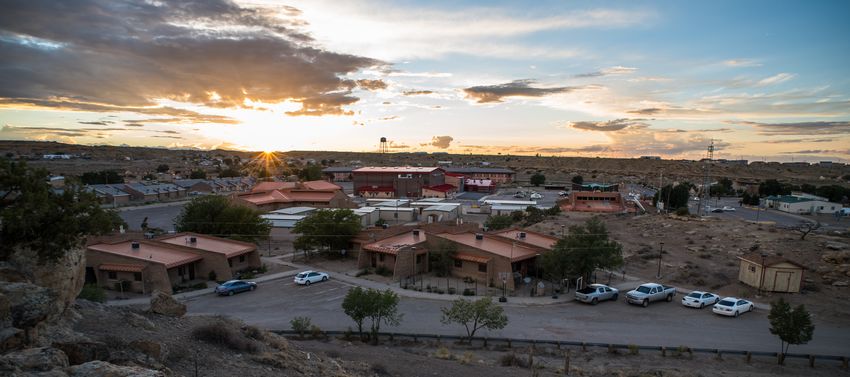
     EMERGENCY  MANAGEMENT
         RESPONSE  PLAN
             January  2019

                     0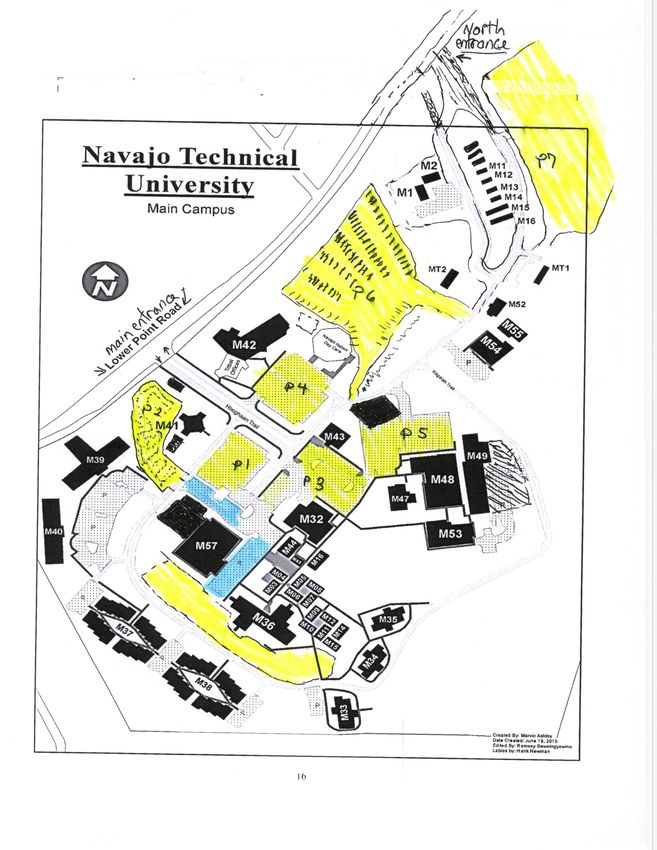
TABLE OF CONTENTS
Introduction ...................................................................................................................................................... 2
Purpose .............................................................................................................................................................. 2
Mission .............................................................................................................................................................. 2
Emergency Management Response Team Authority Chart ........................................................................... 2
Team Roles and Responsibilities ..................................................................................................................... 2
Function ............................................................................................................................................................. 2
Declaration of an Emergency ........................................................................................................................... 3
Incident Command Center ............................................................................................................................... 3
Implementation ................................................................................................................................................. 3
Communication ................................................................................................................................................. 3
Drills ................................................................................................................................................................ 3
Security Assessment ......................................................................................................................................... 3
Emergency Levels............................................................................................................................................. 3
Geographical Emergencies ............................................................................................................................... 4
Classifications ................................................................................................................................................... 4
Types of Emergencies ...................................................................................................................................... 4
Partial Response ................................................................................................................................................ 4
Full Response .................................................................................................................................................... 4
Emergency Response Procedures .................................................................................................................... 4
High Winds/Tornados ...................................................................................................................................... 4
Earthquakes ....................................................................................................................................................... 5
Floods ................................................................................................................................................................ 5
Fire ..................................................................................................................................................................... 5
Hazardous Material ........................................................................................................................................... 5
Chemical Accidents .......................................................................................................................................... 6
Loss of Utilities ................................................................................................................................................. 6
Medical .............................................................................................................................................................. 6
Civil Disturbances ............................................................................................................................................ 6
Active Shooter Threat....................................................................................................................................... 6
Bomb Threats .................................................................................................................................................... 7
Child Abduction ................................................................................................................................................ 7
Suspicious Package ........................................................................................................................................... 7
Evacuation Procedures ..................................................................................................................................... 8
Lock Downs ...................................................................................................................................................... 8
Emergency Response Team Responsibilities ................................................................................................. 8
Prior to Emergency ........................................................................................................................................... 8
During Emergency ........................................................................................................................................... 8
Security Personnel Responsibilities................................................................................................................. 9
Child Care Responsibilities .............................................................................................................................. 9
Residential Responsibilities ............................................................................................................................. 9
Office Staff Responsibilities ............................................................................................................................ 9
Counselors Responsibilities ............................................................................................................................. 9
Faculty Responsibilities ................................................................................................................................... 9
EMRT Training................................................................................................................................................. 9
Incident Command Protocol .......................................................................................................................... 10
Appendix A Site map NTU CP Campus ...................................................................................................... 11
Appendix B Telephone List Crownpoint Community ................................................................................ 12
Appendix C NTU Crownpoint, New Mexico –Google Earth Map ............................................................ 13
Appendix D NTU CP Building Codes ......................................................................................................... 14
Appendix E Chinle and Veterinary Clinic –Google Earth Maps ............................................................... 15
Appendix F Bond Wilson and Teec Nos Pos –Google Earth Map ............................................................ 16

                                                                                          1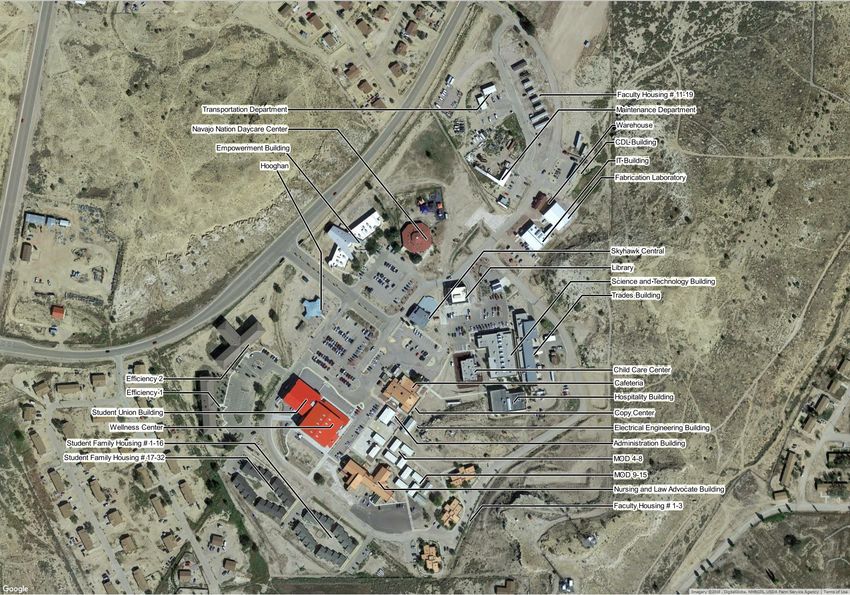
INTRODUCTION
PURPOSE
The primary purpose of the Emergency Management Response Plan (EMRP) is to provide a comprehensive, yet
simple framework for the protection and safety of students, staff, faculty, and school facilities in case of an
emergency. This plan describes the responsibilities of the Emergency Management Response Team, First
Responders, staff, and faculty members when responding to an emergency.

MISSION STATEMENT
It is the mission of the Emergency Management Response Team to ensure that all appropriate and reasonable
precautionary measures are taken to safeguard human life and property in times of unforeseen events, which may
threaten normal living and work conditions. The team aims to achieve this mission through commitment and
dedication to upholding safety and protection measures for all citizens within its jurisdiction.

                  EMERGENCY MANAGEMENT RESPONSE TEAM AUTHORITY CHART

                                                     Site Administrator

                                               Assistant Site Administrator

            Operations                    Planning                        Logistics                  Finance/Admin
             Section                       Section                         Section                       Section

          Security                  First Responders                  Communication                 Accounting
          Safety                    Planning Committee                Medical                       Procurement
          Police                                                      Food Services                 Controller
          Fire                                                        Residential
          EMS                                                         Maintenance

The President of the university (Site Administrator) or designee appoints individuals to serve on the Emergency
Management Response Team, and which membership is representative of all aspects of the university (see above). The
appointments are reviewed continually for consistency in both service and commitment to the safety and security of all
the campus community. External members and organizations may be added to support and assist in emergency
responses.

Team Roles and Responsibilities
    a.   Site Administrator- the University President or designee is the site administrator, makes all final decisions, and
         designates members to the Emergency Management Team.
    b.   Assistant Site Administrator- the Safety Officer or designee is the assistant site administrator, and will designate a
         support team trained in emergency management to assist during an emergency.
    c.   EMR Team-The team will be assigned to the following departments: Operations, Planning, Logistics, and
         Finance/Administration Sections, and will develop an emergency communication system in cooperation with first
         responders, medical providers, law enforcement, and other entities as necessary to secure the safety of the campus
         community during an emergency.
Function
The function of Emergency Management Response Team is to advise and support site administrators in full response
situations, conduct the initial evaluation of the emergency, and determine whether a response of the local emergency
response team is required. The team will assist the first responders as follows:

                                                               2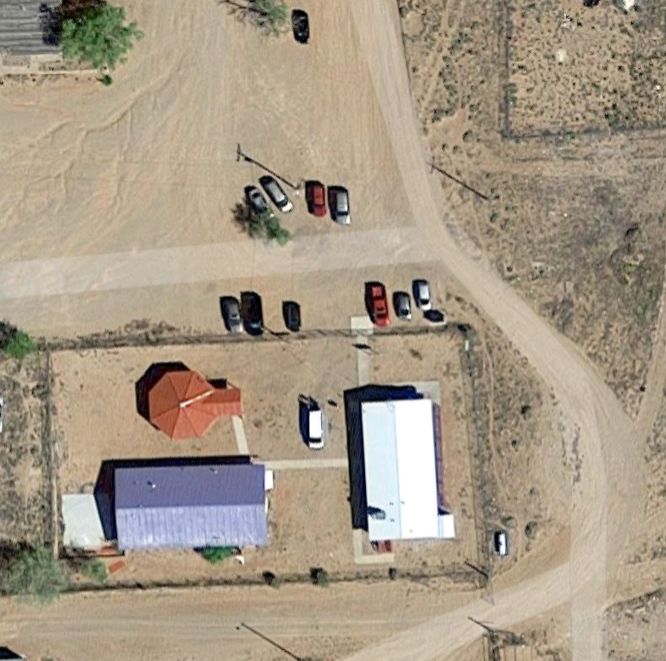
a)  Verify the emergency or threat
   b)  Initiate a response plan
   c)  Attend to evacuation/first-aid and security issues
   d)  Advise local team on the need for level of response and identify resources
   e)  Determine/designate the following:
           i.   Emergency response area
          ii.   Evacuation/staging area
         iii.   Pick-up/transportation area
         iv.   Command post location
   f)   Coordinate post emergency procedures

Upon activation, the team will support first responders as follows:
  a)  Provide law enforcement liaison(s)
  b)  Provide media representative
  c)  Provide and arrange transportation as necessary
  d)  Refer personnel to trauma counseling as necessary
  e)  Prepare and deliver parent and community information sessions
  f)   Inform nearby schools, organizations, and businesses as necessary

Declaration of an Emergency
The Assistant Site Administrator, or designee, will first determine whether an emergency exist, then will notify the
University President or designee, declare an emergency, and inform the EMR Team. If an immediate response is
required, the EMR Team will be activated and the emergency response plan implemented. All emergency management
response team members will be activated and report to the designated incident command center.

Incident Command Center
The Command Center for the Crownpoint, New Mexico campus is located on the second floor conference room of
Efficiency Apartment building two. An alternative site is the library. All other locations will establish their own.

IMPLEMENTATION
The EMR plan will be implemented only when there is an actual or imminent danger to a large number of people. In an
emergency, the Assistant Site Administrator, in consultation with Site Administrator, will make all decisions, conduct an
initial threat assessment, determine the need for additional resources, and ensure that all team members are in place to
ensure a comprehensive response to the emergency situation.

Communication
The university will contact all NTU facilities, departments, and personnel via RAVE alerts, emails, cell phones and
intercom. All classrooms, multi-purpose rooms, residential buildings, and offices will initiate communication capabilities
with the command center and outside emergency resources.

Drills
In accordance with the emergency plan, the Assistant Site Administrator, or designee, will conduct the following
preparation during the academic year: fire drills, evacuation drills, lock down drills, review of communication procedures,
active shooter drills, equipment audits, etc.

Security Assessment
At the beginning of each semester the site administrator and/or designee will assess campus facilities and grounds,
security and emergency response team, and buildings for hazards that may interfere with safe evacuations.

EMERGENCY LEVELS
An emergency situation can be defined as a sudden, generally unanticipated event that profoundly and negatively
affects a segment of the school population, community or region and may involve potential or serious injury.

                                                             3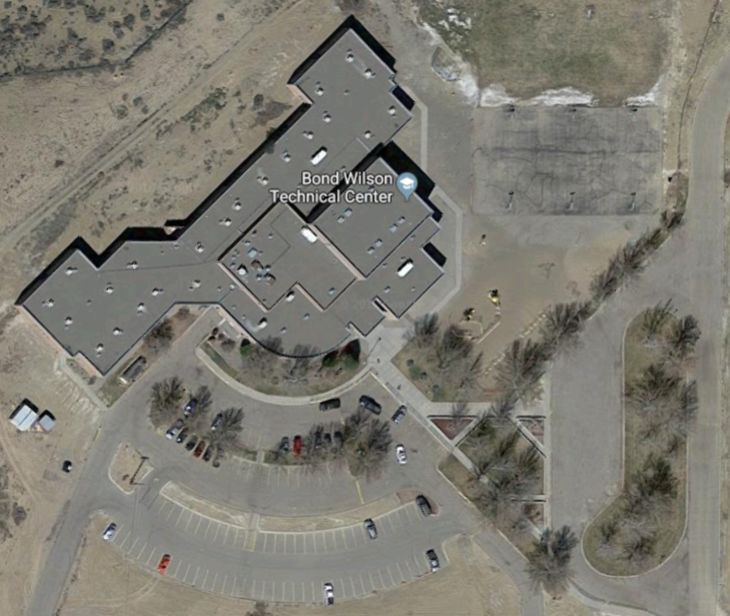
Geographical Emergencies
    a)   University Emergency – An emergency that poses a danger to the overall safety and well-being of students,
         employees, campus visitors, and structures within the confines of the university.
    b)   Community Emergency – An emergency in the immediate vicinity of the campus or surrounding areas
         which could create mass injuries or casualties and impact businesses, schools, and organizations.
    c)   State, Tribal, or National Emergency – An emergency having broad impact that requires resources and
         assistance by the tribal, county, state or federal offices and emergency services.

    Classifications
           These classifications help to determine the severity of the situation:
    a)   Minor Emergency – An incident which does not impact the overall function of the university.
    b)   Major Emergency – An incident which disrupts the overall operations of the university; when outside
         emergency services is required, and major policy considerations and decisions is required from the
         university’s administration during the crisis.
    c)   Disaster – Any event or occurrence which has taken place and has seriously impaired or halted the
         operations of the university, where mass personal injuries/casualties and severe property damage may be
         sustained, and when a coordinated effort of all campus-wide resources, and outside emergency services is
         required to effectively address the situation.

    Types of Emergencies
    a)   Natural Causes: Tornadoes, Earthquakes, Floods
    b)   Accidental Causes: Fires (chemical, natural gas, electrical or ordinary structural) Hazardous chemical
         Accidents or Spills (vapor or liquid), Explosions (compressed gas, containerized liquid or man-made) Loss
         of Utilities (gas, electricity, cooling system, water)
    c)   Societal Causes: On-campus civil disturbance, work place violence, hostage situation, bomb threats or
         explosions, child abduction, robbery, suspicious packages

Partial Response
A partial response to an emergency will be activated at the discretion of the EMR administrators. The response team may
be limited to first responders, the site administrator or designee, safety officer, security personnel, and may include school
administrators, counselors, and designated staff/faculty.

Full Response
A full response to an emergency will consist of the following personnel: the NTU Emergency Management Response
Team, First Responders, identified internal key emergency persons, and external resources and agencies.

EMERGENCY RESPONSE PROCEDURES
Regardless of the type of emergency or disaster, the initial activation and implementation of the Emergency Response
Plan should always be clearly communicated, with full instructions, clear responsibilities, and prepared to endure long
term interruption for students, key offices, and personnel.

    High Winds/Tornados
         In the event of a tornado or high wind:
         1.   The Team and Site Administrators will alert all employees of impending dangerous weather via RAVE
              alerts, email, intercom, and instructions whether to take shelter or evacuate.
         2.   Supervisors will perform an accounting and a final check in their area and/or proceed to a designated
              shelter if an evacuation is ordered.
         3.   All employees will check their area and ensure that all employees received the warning.
         4.   Employees will assemble in designated areas: the lowest level of buildings without windows, a
              restroom, center stairwell, hallway or office, close the doors and stay sheltered until the all-clear is
              given by emergency personnel.
         5.   Designated Team members will direct area(s) where employees will move to if ordered to take shelter

                                                              4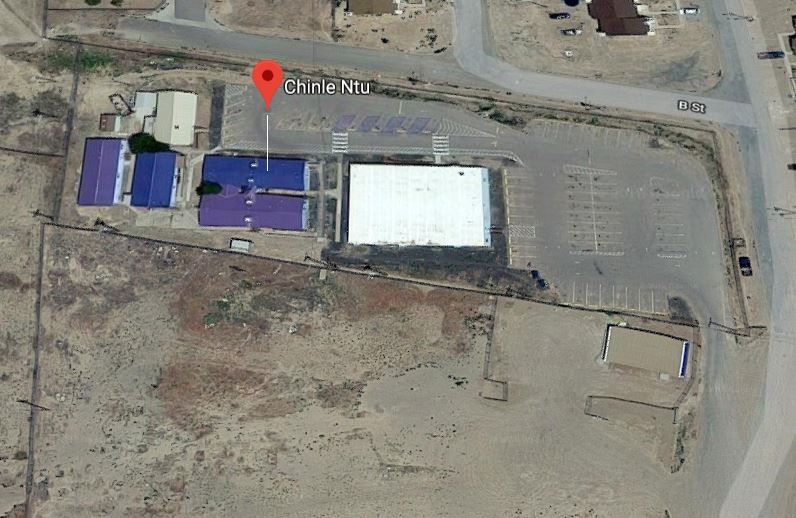
in the building.
       6.   If outside, personnel should take cover in a building close by or in a ditch or ravine.
       7.   After the emergency passes, trained emergency personnel and supervisors will check for injuries,
            reported injured to medical personnel and property damages will be reported to Maintenance
            department.

Earthquakes
     During an earthquake all school personnel should attempt to get under a table or desk or any place where
     the employee feels safe.
     1.   After an earthquake has stopped, initiate emergency procedures.
     2.   Stay calm and await instructions from emergency personnel, your immediate supervisor or designee.
     3.   Keep away from overturned fixtures, windows, filing cabinets and electrical power.
     4.   Trained supervisor and employees will check for injuries, and provide assistance as needed, check for
           fires and ensure that utilities are shut off to control gas and water leaks.

Floods
     During a flash flood and situations of extreme water flow on campus:
     1.   The EMR Team will instruct employees and students to evacuate to higher ground.
     2.   Employees and students must avoid walking or driving through flood waters.
     3.   Move vital materials, records, and equipment to higher and drier grounds as necessary.

Fire
       Upon the detection of smoke and/or fire;
       1.   Immediately call the Safety officer, Security.
       2.   Pull the nearest fire alarm in the common area.
       3.   Move personnel away from the fire, evacuate the building, and go to a clear area.
       4.   Emergency communications will be made via RAVE Alert, email, and telephone intercom system.
       5.   If a fire exceeds the incipient stage, call the local Navajo Nation Fire Department
       6.   Fire Instructions:
           a.   Close doors as you exit the building
          b.  Use stairways to exit from upper levels.
           c.  Walk to the assembly area for all roll calls.
          d.   Leave walkways and driveways open for fire and emergency responders.
           e.  Only trained employees will use fire extinguishers.
           f.   Individuals who walk with assisting devices (crutches, canes, etc.) should evacuate as soon as
                possible, and request assistance from a fellow student, faulty, or staff member
          g.   Wheelchair users who are on the main level of a building, and can exit directly to the outdoors
                should do so as quickly as possible, and meet in the designated area. Those on floors other than the
                level of exit should proceed to the nearest area of refuge. Areas of refuge are identified on
                emergency evacuation plans posted on each floor of each building.
          h.  Visually impaired/blind persons should be advised of the nature of the emergency, assisted, and
                informed of any obstacles in your path during evacuation.
            i.  Persons who are deaf or hearing impaired may not perceive an audible fire alarm. Use an alternate
                warning system, such as writing them a note and telling the person of the situation, the nearest
                evacuation route, and the designated meeting area.

Hazardous Material
     A spill is defined as an unexpected release of any hazardous material. Hazardous material may
     have the potential to affect the general health and safety of campus constituents, the surrounding
     community, or any ecological threats as posed by the release or potential release of materials on campus.

       Upon detection of a spill:
       1.   Notify Security, Safety Officer, and maintenance.

                                                        5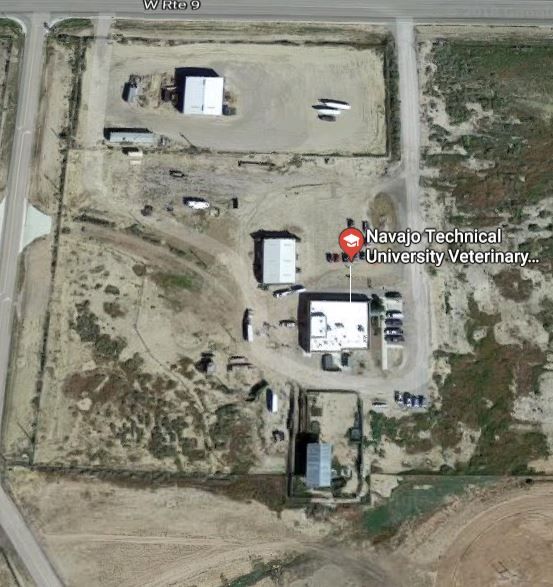
2.   Evacuate the affected area to protect personnel from entering the hazardous area.
      3.   If the spilled substance is unknown, contact the Navajo Nation Fire Department and the Police
           department for assistance.
      4.   The EMR team will assess the situation for possible evacuation and recommendations.

Chemical Accidents
    In case of an unexpected release of any chemical or spill:
    1.   Contact Safety Officer, Security, and the Fire Department.
    2.   Isolate and move personnel away from the area affected.
    3.   The EMR team will assess for possible evacuation and further recommendations.

Loss of Utilities: Electricity, water, gas and/or propane
     1)   Contact Safety Officer, Security, Maintenance, and appropriate utility agency to report status of
          outage.
     2)   As necessary, contact EMR team to establish emergency shelter and wait for response procedures.
     3)   EMR team, as necessary, will determine status of the situation, make recommendations, and make
          arrangements for residential and faculty tenants for possible long-term evacuation.

Medical: An injury or medical situation
     1)   Immediately contact Security, Safety Officer, and secure injured person.
     2)   Contact Emergency Medical Services, and Navajo Police as necessary.
     3)   All relevant information should be given to appropriate responding agency and NTU department for
          immediate family members.
     4)   An incident report shall be made and filed with the Dean of Student Services and Security office.

    Situation: An injury or medical situation during a field trip. The field trip coordinator should ensure that
      appropriate first aid equipment and supplies are available during the trip. It is advisable that at least one
      staff person has a cellular phone in case the emergency happens enroute to or from a destination. It is
      also advisable that the staff member be trained in first-Aid and CPR.

     1.   Staff member will assess situation and provide first aid or CPR as appropriate.
     2.   If the injury is major or life-threatening, either the staff member or designee will call emergency
          personnel immediately.
     3.   The staff member will contact the university security immediately to report the incident.
     4.   Upon return to the university, the staff member will file an incident report with the Dean of Student
          Services and the Security office.
     5.   Follow-up will be conducted through the appropriate department.

Civil Disturbances
      1.   Report any unusual activity or extraordinary disturbance taking place on campus or classroom to
           Security or Safety Office.
      2.   Security and Safety Officer will review the situation and take action depending on the nature of the
           event.
    Situation: Hostage in the work place or classroom
      1.   Contact Security and Police Department.
      2.   Secure the area and remove personnel.
      3.   EMR team will notify departments to activate lock down.
      4.   Counselors will be notified to assist with crisis counseling and referral.

Active Shooter
     Evacuate (Run)
        a.   Find an accessible escape path, attempt to evacuate the premises
        b.   Leave your belongings behind

                                                        6
c.   Help others escape, if possible
        d.   Keep your hands visible
        e.   Follow instruction of all police officers
     Hide (Hide)
        a.   Find a place to hide where shooter is less likely to find you
        b.   Find protection and out of the shooters’ view
        c.   Blockade the doors with heavy furniture
        d.   Silence your cell phone and pagers
        e.   Remain quiet and remain calm
     Take Action (Fight)
        a.   As a last resort, take action against the shooter
        b.   Attempt to disrupt and/or incapacitate the active shooter
        c.   Throw items and improvising weapons at the shooter
        d.   Yell as loud as you can

Bomb Threat
   1.   If a letter or package is received, handle it as little as possible.
         a.   Isolate the package and calmly inform your supervisor and contact Security.
   2.   If a threat is made via email, text, or telephone call:
         a.   Get as much information as possible about the sender/caller.
         b.   Record all information the sender/caller gives you and stay on the telephone until you obtain all
              information.
         c.   Keep caller on phone as long as possible. Ask caller to repeat information.
         d.   Discretely tell a co-worker to contact Security and indicate that a bomb threat is being received.
         e.   Ask the following questions:
               1.   When is it set to explode?
               2.   Where is the bomb located?
               3.   What kind of bomb is it?
               4.   Why is caller doing this?
   3. After receiving a threat:
        a.   Remain Calm. Do not discuss threat in public.
        b.   Do not touch suspicious packages, letters, objects, etc.
        c.   Do not start or repeat rumors.
        d.   Do not attempt to search for a bomb on your own. Leave the search effort to the appropriate
              authorities.
   4.   The EMR team will activate the Emergency Response Plan and evacuation.

Child Abduction – when a child under the age of eighteen years is taken illegally from the parent/guardian.
       1.   Notify Security, Police department, and Social Services as necessary.
       2.   All departments will be alerted via RAVE Alert and email.
       3.   EMR team will contact Child Care Center and Family Housing to conduct a head count.
       4.   Security will initiate a check point at entrance to monitor outgoing traffic.

Suspicious Package - includes envelopes, boxes, bags, luggage, etc. If an employee feels that a package poses a
danger or threat, all persons shall leave the area immediately.
       1.   Notify Security and Police Department
       2.   Isolate the package.
       3.   Evacuate the area immediately.
       4.   Do not touch or attempt to open the suspicious package.
       5.   Safety Officer and Security will assess and determine evacuation and recommendations.

Characteristics of a suspicious package:
      1.   Unexpected container received from someone unfamiliar to you.

                                                       7
2. Unusual weight and dimension given its size.
3. Exhibits protruding wires, strange odors or stains.
4. Postmarked from a city which does not match return address.
5. Displays distorted handwriting or addresses with homemade labels or cut and paste lettering.
EVACUATION PROCEDURES
The EMR team will establish safe evacuation routes from all campus facilities. Information regarding the safe
evacuation of all students, staff, and faculty must be posted in all classrooms, multi-purpose rooms,
hallways, offices, residential rooms, and other public areas. The following guidance should be distributed to
the general campus community:
1. Do not block, even temporarily, building evacuation routes and exits.
2. Do not ignore a sounding alarm or official instructions to evacuate a building.
3. Ensure that those in the general vicinity are aware of the evacuation.
4. Close, do not lock, doors behind you as you exit your work areas or classrooms.
5. Evacuate quickly and calmly, by way of the nearest exit, to a safe distance from the building. Keep
clear of emergency vehicles. Leave sidewalks and roadways clear for emergency responders.
6. Stay with the group from your area or with your class. Do not re-enter the building until the all clear
has been given. Follow instructions given by the Security and EMR team.
7. If it is necessary to evacuate the campus in a vehicle, exit in the direction given by the Security or
other emergency authority. Do not put your vehicle in a position where it blocks the way for others.
Some vehicles may be selected for emergency transportation. If your vehicle is chosen, please
cooperate. If the road is not usable, leave your vehicle and evacuate on foot
LOCK DOWNS
Upon notification of a Code lock down:
1. If code red is alerted, the threat is internal. All doors must be locked; lights turn down, and everyone
moved away from windows and doors until all clear is announced by Security.
2. If code yellow is alerted, the threat is external. Security will initiate check point, lock all doors,
students, staff, and faculty admitted into and out of classrooms, emergency management team
activated, instructions by safety personnel, and team.
3. Communication or announcements on Lock Down will be made through the intercom or through
electronic notification (i.e. RAVE Alert, e-mail)
4. All staff, faculty, and students must remain in classrooms or department and wait for Code Green
from emergency personnel.
EMERGENCY RESPONSE TEAM RESPONSIBILITIES
Prior to emergency:
1. Ensure that emergency checklists are site specific and current
2. Ensure alert rosters are current
3. Designate emergency response areas, evacuation/staging areas/pick up points and transportation
areas/command post location
4. Train all staff, faculty, and students annually in emergency procedures
5. Ensure that communications between classrooms, residential, and the main office are functioning
6. Exercise emergency procedures according to regulations
7. Maintenance of complete set of keys to facility in central location and accessible to site administrator
or designee
8. Maintain current facility blue prints and site plans in central location
During Emergency:
1. Verify emergency or threat
2. Contact emergency services as necessary
3. Assume direction of emergency procedures at site until relieved by law enforcement or emergency
services acting as scene commander
84. Ensure that applicable checklists are accomplished
5. Advise team leaders on the need for full response/as liaison with local team
6. Initiate evacuation procedures if necessary
7. Initiate information advisory to nearby schools and parents
8. Coordinate and post emergency procedures
Security Personnel Responsibilities:
1. Assist site administrator in the verification of emergency or threat
2. Assist site administrator in perimeter security
3. Assist site administrator in the evacuation of students and staff
Child Care Responsibilities:
1. Supervise children
2. Assist in evacuation of children
3. Report unaccounted children to site administrator or designee
Residential Responsibilities:
1. Activate emergency measures for residential students
2. Initiate student count for Family Housing and Efficiency Apartments
3. Assist with communication
4. Assist in the evacuation of students
Office Staff Responsibilities:
1. Activate emergency measures for department.
2. Provide assistance with communications (telephones, radios, messengers)
3. Document activities and assignments
4. Maintain alert rosters
Counselors Responsibilities:
1. Provide assistance to students, staff, and faculty at staging areas
2. Assist site administrator with student notification
Faculty Responsibilities:
1. Supervise students
2. Assist in the evacuation of students
3. Report unaccounted for students to site administrator or designee
TRAINING:
The Emergency Response Team will be trained in the following area to maintain compliance with the plan:
1. Fire Safety
2. CPR
3. Basic First Aid
4. Emergency Management Procedures
5. HAZMAT
6. Crisis Management
7. Active Shooter
8. Mass Evacuation
9Incident Command Protocol
Identify the Threat
1. Threat: Shooter, Bomb, Other,
2. Call: -Navajo Police
-Emergency Medical Services
-Fire Department
3. Communication
-Rave Alert, Email, Intercom Announcements
-alert schools, businesses, chapter, as necessary
4. Convene Emergency Management Team
-Security Supervisor
-Safety Officer
-Public Information Officer
Isolate the Incident
1. Establish Perimeter
-NPD Protocol
-Incident Team Assignments
-Initiate Incident command center
2. Team Leads
-Safety Officer
-Security Supervisors
-Incident Management Team
-Public Information officer
3. Convene Backup or Support Team
-designated Transportation personnel
-designated Maintenance personnel
-designated Administrative Assistants
Contain the Situation
1. NPD, EMS, NFD Protocols
2. NTU Administration and Community
-continuous updates and alerts
-communicate lockdown duration, etc.
3. Public Relations
-Press Officer updates
-Press Conferences/Media
4. Incident Command Announcements
-Intercom
-RAVE Alerts
-Computer Alerts
10Appendix A
Site Map for NTU Crownpoint Campus
11Appendix B
Telephone List for Crownpoint Community
Crownpoint Navajo Police Department 505-786-2050 Fax 505-786-2066
Crownpoint Health Clinic 505-786-5291
Crownpoint Fire Department 505-786-7385
Navajo Nation Emergency Management 505-786-6892 Fax 505-786 2015
Eastern Navajo Headstart Program 505-786-2350 Fax 505-786-2415
Social Services -Family Services Unit 505-786-2303
Department of Behavioral Health Services 505-786-2111 Fax 505-786-2020
Crownpoint Chapter House 505-786-2130 Fax 505-786-2136
Navajo Tribal Utility Authority 505-786-5566 1-800-528-5011
Continental Divide Electric Company 505-285-6656 1-877-775-5211
Ikard & Newsom Propane Company 505-786-5359 1-800-442-6453
K-12 Schools
Crownpoint Community School 505-786-6160 Fax 505 786-6163
Crownpoint Elementary School 505-786-5324
Crownpoint Mid School 505-786-5663 Fax 505721-5499
Crownpoint High School 505-786-5664 Fax 505 721-1699
Navajo Technical University
Administration Building 505-786-4100 Fax 505-786-5644
Business Office 505-786-4184
President 505-786-4112
Dean of Instruction 505-786-4113
Human Resource Office 505-786-4110 or 4109
Dean of Student Services 505-786-4104
Student Services Counselors 505-786-4138
Residential Services 505-786-4175/5960 Fax 505-786-4227
Maintenance & Operation 505-786-4211/4187/4188
Food Services 505-786-4128
Child Care Center 505-786-4122/4198
Library 505-786-4300/4301/4130
Title III Program Office 505-786-4103
Transportation 505-786-1107/1109
Security 505-786-4345
Veterinary Teaching Hospital 505-786-4150
Empowerment Building Tenants
Navajo Nation Childcare 505-786-3524
Navajo Nation Scholarship Office 505-786-2318
Office of Special Education and Rehabilitation 505-786-2260
Department for Self Reliance 505-786-2384
Eastern Navajo Land Commission 505-786-2430
Federal Agencies
Federal Emergency Management Agency
Homeland Security Administration
Federal Bureau of Investigation
Physical Address:
Navajo Technical University
Lower Point Road/State Highway 371
Crownpoint, NM 87313
12Appendix C
NTU in Crownpoint, New Mexico
13Appendix D
NTU Crownpoint and Chinle BUILDING CODES
BLDG BLDG BLDG
BLDG
M1 Modular
Classroom/ABE/GED M53
Culinary
Arts/Hospitality
Center
M2
Modular
Classroom/ABE/GED
M54 Information
Technology
M3
Modular
Classroom/Energy
Systems
M55
Fabrication
Lab
M4
Modular
Office/Counseling
M56
Green
House
M5
Modular
Classroom/Early
Childhood
M57
Wellness
Center
M6
Modular
Classroom/English
M57A
Student
Union
Building
M7
Modular
Classroom/Math
M57B
Science
Laboratory
M8
Modular
Classroom/E-‐‑Learning
MT1
CDL
Trailer
M9
Modular
Classroom
Math
MT2
Maintenance
Trailer
M10
Modular
Classroom
Dine’
Studies
M50
Welding
Shop
M11
Modular
Classroom
Stem
Lab
MT11
Faculty/Staff
Trailer
M12
Modular
Classroom
Math
MT12
Faculty/Staff
Trailer
M14
Modular
Classroom
English
MT13
Faculty/Staff
Trailer
M15
Modular
Classroom
English
MT14
Faculty/Staff
Trailer
M16
Book
Store
MT15
Faculty/Staff
Trailer
M31
Walk
in
Freezer/Storage
MT16
Faculty/Staff
Trailer
M32
Multi-‐‑Purpose
(Cafeteria,
Copy)
MT17
Faculty/Staff
Trailer
M33
Faculty
Housing
complex
A(1-‐‑6)
MT18
Faculty/Staff
Trailer
M34
Faculty
Housing
complex
B(1-‐‑6)
MT19
Faculty/Staff
Trailer
M35
Faculty
Housing
complex
C(1-‐‑6)
MT20
Faculty/Staff
Trailer
M36
Student
Service/Law
Advocate/Nursing
MT4
Maintenance
Storage
M37
Student
Family
Housing
(Apt
1-‐‑16)
MT5
Maintenance
Storage
M38
Student
Family
Housing
(Apt
17-‐‑32)
MT6
Guard
House
M39
Efficiency
Apartment
1
MT7
Dome
(Observatory)
M40
Efficiency
Apartment
2
MT8
Faculty
Housing
M41
Culture
Center
Dine’
Studies/Math
MT9
Faculty
Housing
M42
Empowerment
Center(Admin)
EAST
CAMPUS
M43
Library
E1
Veterinarian/Clinic/classroom
M44
Administration/Admission/Registration
E2
Veterinarian
Barn
M45
Outside
Restrooms
E3
Pole
Barn
M47
Child
Care
Center
CHINLE
CAMPUS
M48
Science
Building/Business/
Technology
C1
Admin/Classroom
M49
Trades
Building
C2
Admin/Classroom
M50
Welding
Shop
C3
Carpentry
Class
M51
Metal
building
C4
Storage
Shed
14Appendix E
NTU Campus in Chinle, Arizona
NTU Veterinary Clinic, Crownpoint, New Mexico
15Appendix F
NTU at Bond Wilson in Kirkland, New Mexico
NTU at Teec Nos Pos, Arizona
16Appendix G
TEAM LEADER CHECKLIST
Prior to any crisis, the following should be accomplished:
o Fill team positions with qualified and appropriate personnel
o Ensure team members are trained annually in their responsibilities
o Conduct meetings with team to discuss scenarios and changes to the crisis checklists
o Ensure that all regional schools have updated policies on crisis response procedure
o Ensure that the community first responders have current site checklists
o Determine what conditions will constitute a full response
o Develop annually approved memorandums of understanding (MOUs) with community
resources and other schools
During a full response, the following should be accomplished:
o Activate the EMR crisis response team
o Assemble crisis and Emergency Management Teams at pre-designated area
o Communicate with all affected
o Determine team strengths and weakness, contact alternates
o Distribute team badges
o Continually update all personnel on preliminary information about the crisis
o Hand out assignments and team information sheet
o Deploy team members to designated command post, staging, transportation, media and
first aid areas
o Check-in with site administrator and local area law enforcement and emergency services
personnel
o Ensure that communications with members are functional
o Brief the media liaison for approved public releases
o Ensure that a team member is assigned to work with responding parents
o Ensure that psychologist(s) and counselor(s) are with students and staff
o Schedule relief for team members
o Reassemble team after crisis to debrief
o Compile reports and submit to participating agencies
17You can also read


