EMPOWING SUCCESSFUL HOME TREATMENT FOR LYMPHEDEMA
←
→
Page content transcription
If your browser does not render page correctly, please read the page content below

EMPOWING SUCCESSFUL
  HOME TREATMENT
  FOR LYMPHEDEMA

                      1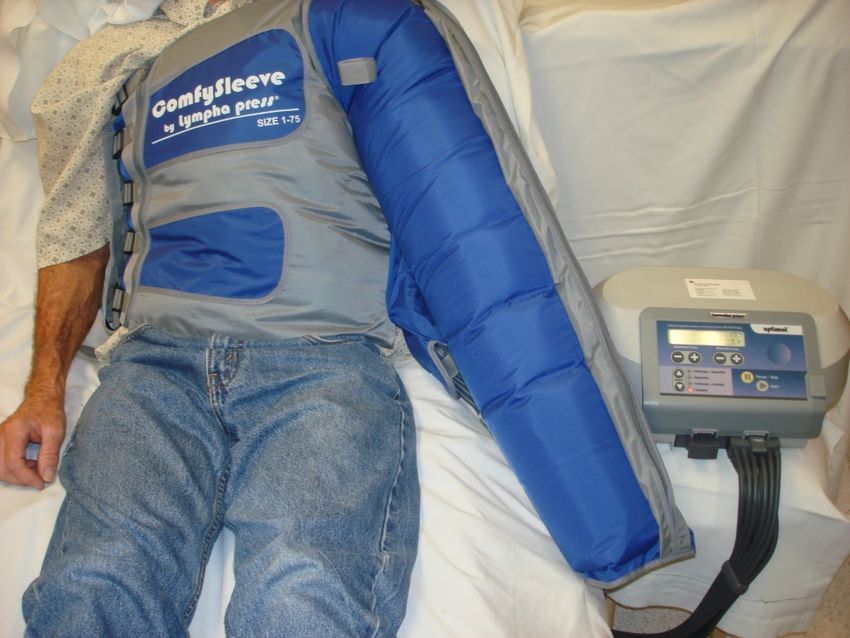
LYMPHEDEMA TREATMENT
       AFFECTED BY QUARANTINE

Clinics closed/Patients quarantined/fearful to leave home:
                  What are alternatives?
Home: Hands on treatment, best option
Telehealth: No hands on treatment (MLD, bandaging) or
assessment (palpation)
Emphasis for home treatment is on education: Teach
patients to perform their own monitoring and therapy
                                        © 2020 Lympha Press. All rights reserved.   2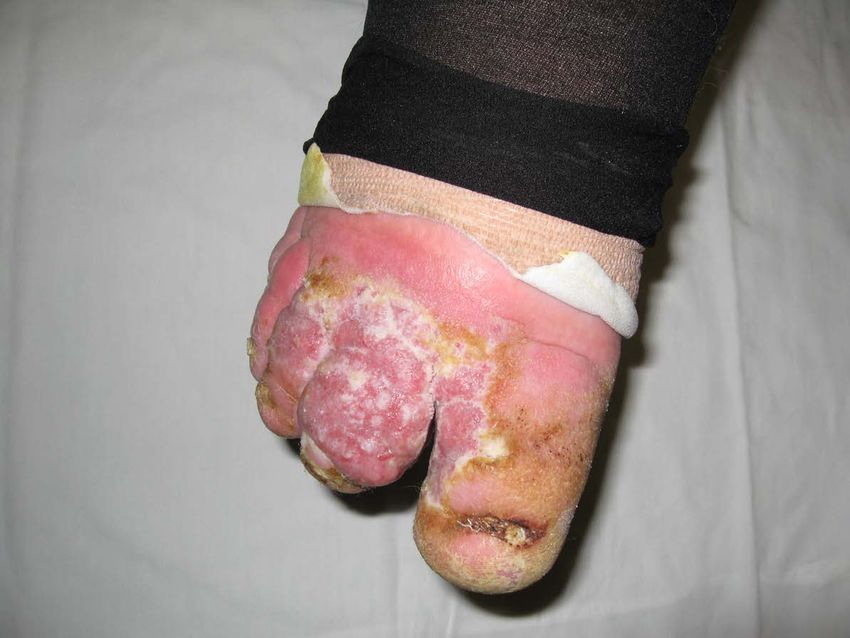
COMPLETE DECONGESTIVE
          TREATMENT
• MLD: MANUAL LYMPHATIC DRAINAGE
• COMPRESSION BANDAGING AND GARMENTS
• EXERCISE
• SKIN CARE

                          © 2020 Lympha Press. All rights reserved.   3
HOW CAN WE HELP LYMPHEDEMA
 PATIENTS WITH TELEHEALTH?
  •   FLEXIBILITY
  •   PATIENT RESPONSIBILITY
  •   CLEAR EDUCATION
  •   COMPREHENSIVE HOME PROGRAM
  •   RESOURCES
  •   NOT ALL PATIENTS ARE APPROPRIATE

                             © 2020 Lympha Press. All rights reserved.   4
HOME PROGRAM     EDUCATION

 CONSERVATIVE   MLD
 TREATMENT:     Risk Reduction
  Compression    Skin care
  Exercise       Track symptoms &
- Elevation         Home program
                Pneumatic compression
                        © 2020 Lympha Press. All rights reserved.   5
COMPRESSION

I Reduction Phase:
 Bandaging
II Maintenance Phase:
 Compression garments
                        © 2020 Lympha Press. All rights reserved.   6
COMPRESSION
Compression bandaging is
difficult to teach via Telehealth
Better options:
• Mild edema: Elastic garments
• Moderate to severe edema:
   Velcro compression wraps
• Pneumatic compression
                                    © 2020 Lympha Press. All rights reserved.   7
EXERCISE

• RANGE OF MOTION
• FUNCTIONAL (WALKING)
• BREATHING

                    © 2020 Lympha Press. All rights reserved.   8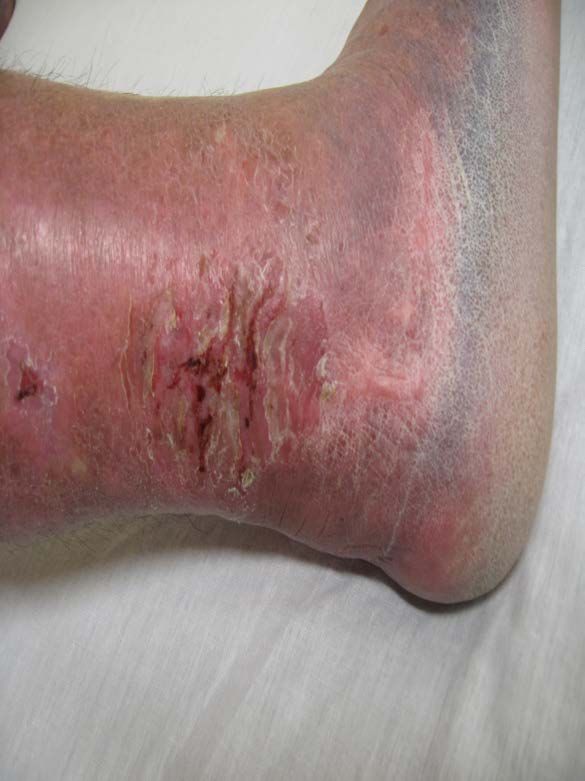
ELEVATION
• USE OF FURNITURE,
  PILLOWS, BOLSTERS
• COMBINED ELEVATION
  AND EXERCISE
• IMPORTANCE OF SLEEP
  POSITIONING

                        © 2020 Lympha Press. All rights reserved.   9
SELF-MLD

• BASIC: Regional lymph node groups
• FULL: MLD program customized to patient
   by certified lymphedema therapist

                             © 2020 Lympha Press. All rights reserved.   10
REGIONAL NODES
klosetraining.com
303-245-0333
Superficial
Lymphatic
System
Ventral Aspect
• CERVICAL
Medial - Sagittal Cervical
(vertical) Watershed Lymph Nodes
Axillary
Lymph Nodes
• AXILLARY Interaxillary
Anastomoses
• INGUINAL Axillo -
Inguinal
Anastomoses
Transverse
Interinguinal
(horizontal)
Anastomoses
Watershed
Inguinal
Lymph Nodes
© Klose Training
© 2020 Lympha Press. All rights reserved. 11RISK REDUCTION
• Lymphedema risk factors
• Skin care and cellulitis risk factors
• Cellulitis identification
© 2020 Lympha Press. All rights reserved. 12TRACK SYMPTOMS/HOME PROGRAM
LYMPHA TRACK
• Free smart phone app for Android and iPhone
• Easy to monitor patient symptoms and home
program compliance
• Pt enters symptoms and home treatment in app
• Data can be sent via text, email, WhatsApp
• Generates charts and tables
© 2020 Lympha Press. All rights reserved. 13MONITOR SYMPTOMS
• Circumference
• Skin color
• Pain level
• Wound size
• Weight
• History of falls
© 2020 Lympha Press. All rights reserved. 14RECORD HOME TREATMENT
• MLD
• Compression garment use
• Pneumatic compression use
• Activity level
© 2020 Lympha Press. All rights reserved. 15JOURNEY FROM TRADITIONAL
GERMAN CDT TRAINING TO
EMBRACING PNEUMATIC
COMPRESSION
Manual therapy oriented practice
Patient in Stanford study had IPC experience
Investigated pneumatic compression
© 2020 Lympha Press. All rights reserved. 16REMOTE TREATMENT OF LYMPHEDEMA
• New patient
• Established patient
© 2020 Lympha Press. All rights reserved. 17TELEHEALTH AND HOME HEALTH
• Home health best option for new patients to
teach MLD and bandaging, and established
patients who need hands on treatment
• Telehealth visits can provide tools and
education to compensate for hands on care
• Telehealth: it is possible to do visual
inspection, pitting test, assess ROM, teach
patients self-measurement and self-massage
© 2020 Lympha Press. All rights reserved. 18NEW PATIENTS
NEED:
EDUCATION, EDUCATION, EDUCATION!
• Tailored home program solutions
• Risk reduction lymphedema & cellulitis
• Multiple visits to reassess and expand treatment
• Reassess and expand home program- pneumatic
compression may be indicated.
© 2020 Lympha Press. All rights reserved. 19ESTABLISHED PATIENTS NEED:
• Reassess current lymphedema
• Assess success/failure of home treatment program
• Reinforce/upgrade home treatment program
• Pneumatic compression may be indicated
© 2020 Lympha Press. All rights reserved. 20EVALUATE NEED FOR PNUEMATIC
COMPRESSION
• Is current lymphedema treatment effective?
• Is there uncontrolled swelling?
Pneumatic compression is a powerful and
effective home treatment
Helps patients control lymphedema at home
© 2020 Lympha Press. All rights reserved. 21PNEUMATIC COMPRESSION
• Decongestion/compression
• Prevents cellulitis, wounds
• Easy for patients to use
• High compliance
• Reduced health care costs
© 2020 Lympha Press. All rights reserved. 22PNUEMATIC COMPRESSION REDUCES
INCIDENCES OF CELLULITIS
Patients with lymphedema are
71 times more likely to develop
cellulitis than those without.
(Mortimer, Rockson 2014)
Use of pneumatic compression
decreases cellulitis incidence
(Brayton 2014)
© 2020 Lympha Press. All rights reserved. 23LYMPHA PRESS HELPS HEAL
VENOUS LEG ULCERS
Pneumatic compression use with
venous leg ulcer patients
demonstrated:
Accelerated wound healing
Decreased swelling
Decreased wound circumference
(Lantis 2019, Comerota 2011)
© 2020 Lympha Press. All rights reserved. 24COMPLIANCE & EASE OF USE
• Limited ROM, strength, dexterity
• Pain
• Lack of caregiver support
• Profound damage
• (Ridner 2008, Ashforth 2011)
© 2020 Lympha Press. All rights reserved. 25REDUCES HEALTH
CARE COSTS:
• Decreased
hospitalizations for
lymphedema-related
care
• (Desai 2019)
© 2020 Lympha Press. All rights reserved. 26AMOUNT OF PRESSURE TO USE
• Most patients do well with mild to moderate
pressure (30-60 mmHg)
• Pumps with high pressure can create tourniquet
• Important to titrate pressure below patient pain
threshold
• Important to do a trial to determine patient
tolerance and pneumatic compression effects
• Refer to protocol for guidelines
© 2020 Lympha Press. All rights reserved. 27A Protocol For Pneumatic Compression Home Use
Karen Ashforth, MS, OT, CLT-LANA, Erik Maus, MD, Franz-Joseph Schingale, MD
Dominican Santa Cruz Hospital, Santa Cruz, CA, Baylor College of Medicine, Houston, TX, Lympho-Opt Clinic, Hohenstadt, Germany
Introduction Clinical Protocol Pressure Criteria Conclusions
Pneumatic compression therapy has been validated Pneumatic compression therapy parameters of
as a useful modality for adjunctive lymphedema •Evaluate patient, including medical history, surgeries, Post-Mastectomy Lymphedema treatment including compression levels, cycle mode,
therapy, especially for self-treatment at home. co-morbidities. Assess pain and sensation, functional time and frequency should be individualized according
However, there is much debate regarding specific mobility, edema and skin condition including fibrosis, Low to Moderate compression: 30-50 mmHg to unique patient characteristics. An in-clinic titration
home pneumatic compression treatment parameters scars and wounds. •Low to normal body mass session provides an opportunity to develop a complete
such as pressure settings, treatment time and •Stage 1 or stage 2 lymphedema home treatment program to maintain and continue the
•Establish conservative treatment program of
frequency, and other adjunctive treatments. The •Presence of wounds, insensate or fragile tissue improvements obtained in clinic.
elevation, exercise, and MLD. Determine need and
purpose of this study was to establish a clear protocol
type of appropriate static compression garments. Moderate to High compression 40-60 mmHg
for pneumatic compression therapy in the home.
•Stage 2 or stage 3 lymphedema
•Rule out contraindications for treatment: known or
suspected DVT or pulmonary embolism, •Heavy fibrosis and/or high body mass
decompensated cardiac/uncompensated CHF, acute
infection, inflammatory phlebitis or other ischemic Lower Extremity Lymphedema References
vascular disease, or any circumstance where Feldman JL, Stout NL, Wanchai A, Stewart BR,
Low to Moderate compression: 30-60 mmHg Cormier JN, Armer JM. Intermittent
increased lymphatic/venous return is undesirable.
Methods •Perform baseline edema measurements.
•Low to normal body mass
•Stage 1 or stage 2 lymphedema
pneumatic compression therapy: A
systemic review. Lymphology 2012;
A literature review was conducted to evaluate clinical •Perform wound care as needed. •Presence of wounds, insensate or fragile tissue 45:13–25.
evidence for treatment parameters, indications, Johansson K, et al. A randomized study comparing
contraindications and techniques. Expert physician •Select pneumatic compression equipment based on Moderate to High compression >60 mmHg manual lymph drainage with
and therapist opinion, as well as manufacturer pt. assessment, including appropriate appliance. If •Stage 2 or stage 3 lymphedema sequential pneumatic compression
guidelines were obtained through interview and edema is present in the abdomen, genitals or torso, •Heavy fibrosis and/or high body mass for the treatment of postoperative
published literature. A wide variety of settings have the appliance should cover that area as well. arm lymphedema. Lymphology
been used in treatment, as well as formal studies,
•Isolate patient’s skin from the appliance using Venous Stasis/Ulcers 1998; 31:56-64.
recent consensus documents and literature reviews Olszewski WL et al. Pathways of lymph and tissue
stockinette or clothing (do not use over bare skin.) Low compression: 60 mmHg venous and lymphatic disease,
changes. Inspect skin for any adverse reactions such
•Extreme fibrotic changes and/or high body mass Consensus based on experimental
as irritation or skin breakdown.
data and scientific evidence. Under
•Prepare a home therapy program based on trial the auspices of the IUP.
results, specifying frequency, duration, and amount of International Angiology 2008;
compression. 27:193-219.
Szolnoky G, Lakatos B, Keskeny T, Varga E, Varga
•Reassess the patient’s home program periodically. M, Dobozy A, Kemény, L.
As the patient reduces, especially if they experience Intermittent Pneumatic Compression
concurrent overall body mass reduction, additional Acts Synergistically with manual
titration of compression may be indicated. lymphatic drainage in complex
decongestive physiotherapy for
Breast Cancer Treatment-related
Lymphedema. Lymphology 2009;
42:188-194.
Szuba A, Achalu R, Rockson S. Decongestive
Lymphatic Therapy for Patients with
Breast Carcinoma-Associated
Lymphedema. Cancer 2002;
95:2260-2267.
Results Zaleska M, Olszewski WL, Cakala M, Swikla J,
Budlewski T. Intermittent Pneumatic
While it is possible to roughly categorize presentations Compression Enhances Formation
to different levels of compression, the most effective of Edema Tissue Channels in
practice is a trial and titration of pressure and Lymphedema of Lower Limbs.
treatment time within prescribed ranges, according to Special Considerations Lymphatic Research and Biology
observed measureable results and patient tolerance. 2015; 13(2):146-53.
•Compression over abdomen/torsoNOT ALL PUMPS ARE EQUAL
• Long cycle can create pain
• Limited pressure range
• Appliances: difficult to don, limited to extremity, poor
fit, ”chaps style” leg garments do not treat genitals
• Sequential only programming
• Edema can get trapped in between chambers when
chambers do not overlap
• Limited deflation: tourniquet, pain, poor edema uptake
© 2020 Lympha Press. All rights reserved. 29LYMPHA PRESS ADVANTAGES
• Comfort: short cycle time, greater pause time provides
rest between pressure cycles: wounds, neuropathy
• Complete deflation facilitates lymphatic uptake
• Wide range of pressure: lower pressures to 30 mmHg
for comfort, higher pressures up to 90 mmHg remodel
fibrosis, increases decongestion, safe to use without
interrupting arterial inflow and perfusion
© 2020 Lympha Press. All rights reserved. 30LYMPHA PRESS APPLIANCES
ADVANTAGES
• Easy to put on, easy to clean
• Inflate to fit: more reliable treatment than Velcro
• Proximal treatment: torso, abdomen, genitals, axilla
• Overlapping chambers: 30% overlap follows bandaging
principles: no pressure gaps
• Prevents trapped edema between chambers
• Prevents reflux, dermal backflow
© 2020 Lympha Press. All rights reserved. 31NON-OVERLAPPING CHAMBERS
BAD DESIGN: TRAPS EDEMA
© 2020 Lympha Press. All rights reserved. 3230% OVERLAPPING CHAMBERS
© 2020 Lympha Press. All rights reserved. 33APPLIANCES TREAT SPECIFIC NEEDS
© 2020 Lympha Press. All rights reserved. 34APPLIANCES TREAT SPECIFIC NEEDS
© 2020 Lympha Press. All rights reserved. 35APPLIANCES TREAT SPECIFIC NEEDS
© 2020 Lympha Press. All rights reserved. 36APPLIANCES TREAT SPECIFIC NEEDS
© 2020 Lympha Press. All rights reserved. 37MANY FEATURES MAKE
APPLIANCES EASY TO PUT ON
© 2020 Lympha Press. All rights reserved. 38LYMPHA PRESS INCREASES
LYMPHATIC FUNCTION
Aldrich 2016: Near infrared visualization showed:
SIGNIFICANT lymphatic vascular movement
INCREASED pumping velocity in the affected limb after
pneumatic compression use
NO OTHER IPC system studied has shown this.
© 2020 Lympha Press. All rights reserved. 39ALDRICH 2016: ICG
© 2020 Lympha Press. All rights reserved. 40PNEUMATIC COMPRESSION
CREATES PATIENT SUCCESS
© 2020 Lympha Press. All rights reserved. 41TREAT LYMPHEDEMA AND
PREVENT FIBROSIS PROGRESSION
• Lympha Press treatment can prevent fibrosis and
lymphedema progression, prevent debility, improve
patient lives
• Lympha Press systems have the best range of features
and appliances to treat both swelling and fibrosis
•Empower patients to highest function
© 2020 Lympha Press. All rights reserved. 42We are one world and
we are in this together
Thank you
© 2020 Lympha Press. All rights reserved.You can also read


