Enterprises Division Services and - Forsa
←
→
Page content transcription
If your browser does not render page correctly, please read the page content below
Services and
Enterprises Division
 Report 2018-2019
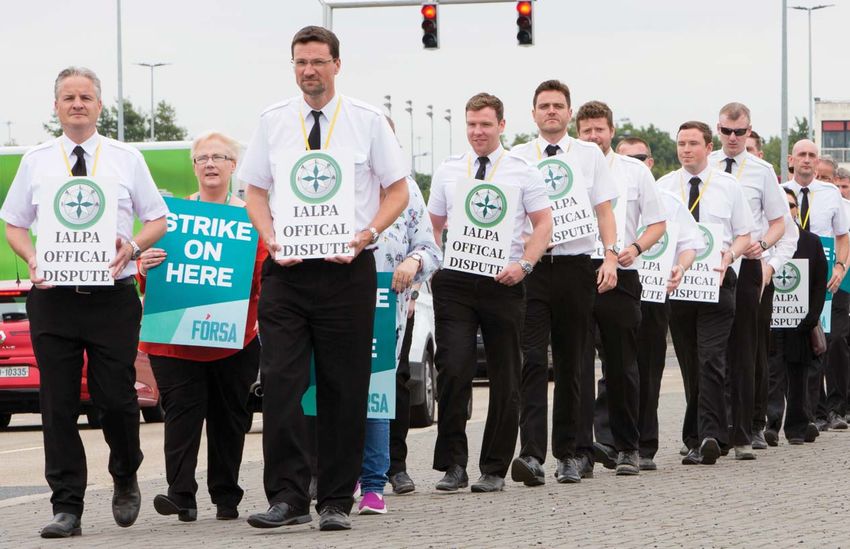
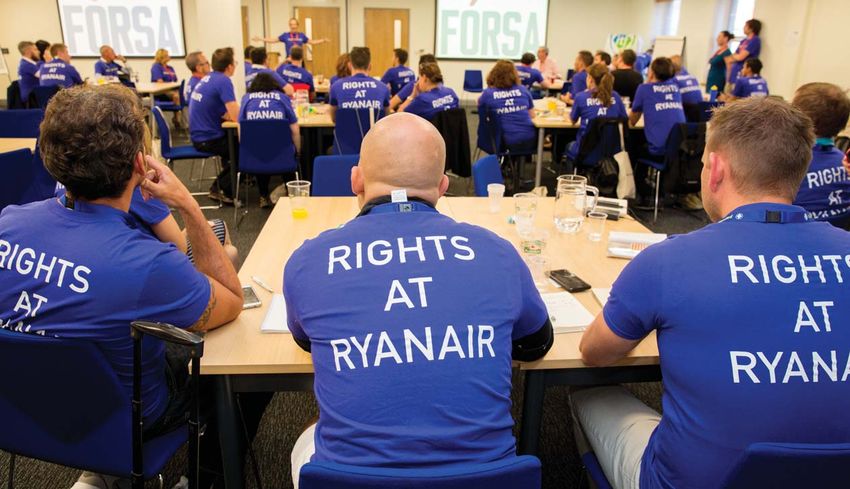
PRODUCED BY                         DESIGNED BY                      COVER PHOTOS
Fórsa Communications Unit           N. O’Brien Design & Print        Day one of five Ryanair pilot strikes last
Nerney’s Court, Dublin, D01 R2C5.   Management Ltd.                  July in a dispute over management’s
Ph: 01-817-1500                     c/o Kempis, Jamestown            approach to transferring pilots between
                                    Business Park, Jamestown Road,   its European and African bases. The
                                    Finglas, Dublin, D11 X2HN.       action eventually resulted in a positive
                                    Ph: 01-864-1920                  outcome where members voted
                                    Email: nikiobrien@eircom.net     unanimously in favour of accepting a
                                                                     collective agreement with the company.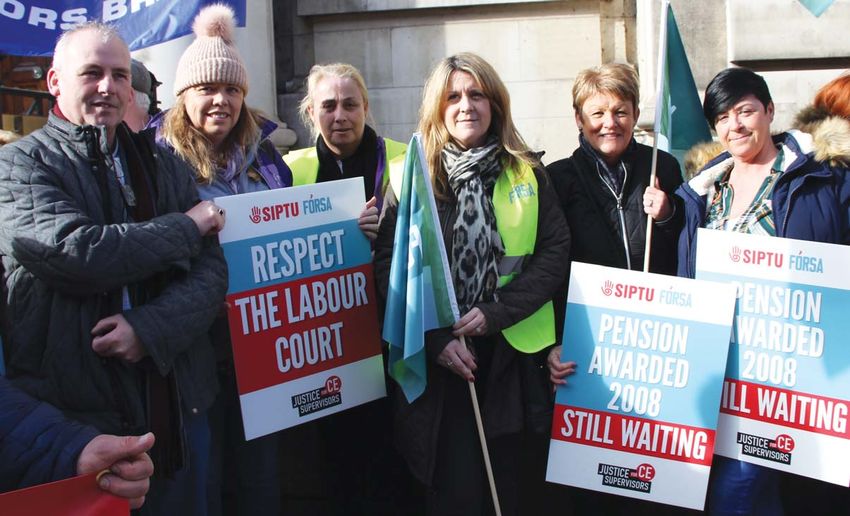
Report 2018-2019
Contents
ORGANISATION ..................................................4 Health and safety ..........................................17
Creation of Fórsa ..............................................4 Zero-hour contracts ......................................17
Divisional Executive Committee......................4 Bogus self-employment ................................18
Divisional staff..................................................5
Recruitment and retention ..............................5
SECTORS, EMPLOYMENTS AND
Organising ........................................................5
BRANCHES ........................................................19
Non-commercial semi-state network ..............5
Commerical State agencies ..........................19
An Post ..........................................................19
PAY AND RELATED..............................................6 Coillte..............................................................19
Private and commercial sector pay ................6 Dublin Airport Authority ................................20
Irish Aviation Authority ..................................20
National minimum wage and living wage ........7
Irish Water ......................................................20
Non-commercial semi-state pay......................7
Community sector ............................................21
Additional superannuation contribution..........9
Community Employment Supervisors ..........21
New entrants ....................................................9
Local enterprise companies ..........................22
Voluntary and community sector pay ..............9
Non-commercial State agencies..................22
Gender pay gap ................................................9
An Bord Pleanála............................................22
Public service allowances..............................10
Chester Beatty Library ..................................22
Travel and subsistence ..................................10
Commissioner of Irish Lights ........................23
Economic and Social Research Institute......23
PENSIONS ..........................................................11 Health and Safety Authority..........................23
Trends in the private sector ..........................11 Institute of Public Administration ................23
Community employment supervisors’ Marine Institute..............................................23
pension campaign ..........................................11 National Library of Ireland ............................23
Auto-enrolment ..............................................11 National Museum of Ireland ..........................23
Eligibility for State pension ..........................12 Ordnance Survey Ireland ..............................23
Tax relief on pension contributions ..............12 Pobal ..............................................................24
Public service retirement age........................12 Road Safety Authority ..................................24
Public service final salary schemes ..............12 Safefood ........................................................24
Single career average scheme ......................13 Sea Fisheries Protection Ireland ..................24
Teagasc ..........................................................24
DIVISIONAL EXECUTIVE Treatment of parental leave ..........................13
Waterways Ireland ........................................24
Survivor pensions for same sex couples ......13
Back row (l-r): Denis Keane, Mick Scully, Louise Wall, Paul MacSweeney, Brendan O’Hanlon, Ashley Connolly, Kevin Gaughran, Private sector ....................................................24
Alan O’Neill, Carol Foster, David Orford, Ian Patel, Geraldine Hickey, Kevin Donoghue, Grace Conlan.
Cabin crew......................................................24
Front row (l-r): Johnny Fox, Helen Sheridan, Steve Pilgrim, Angela Kirk, Niall Mullaly, Paddy Quinn,
Carmel Keogh, Terry Kelleher. WORKING CONDITIONS ................................14 Eir....................................................................26
Missing: Cormac Craven, Evan Cullen, James O’Loughlin, John Sullivan, Tony Dawson, Willie Doyle. Working time ..................................................14 Pilots ..............................................................27
Parental leave ................................................14 P&O Maritime ................................................28
Sick leave........................................................15 Premier Lotteries Ireland ..............................28
Equality ..........................................................17 Vodafone ........................................................28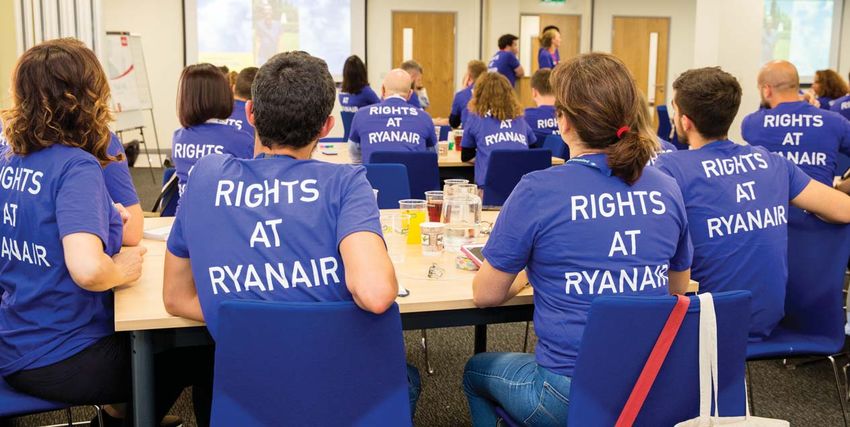
Services and Enterprises Division                                                                                                                                        Report 2018-2019

                                                                                                            Divisional staff                                      Non-commercial semi-state
                                                                                                            Angela Kirk continued as Head of Division, with       network
                                                                                                            Carol Foster as personal assistant to the             The first meeting of a new non-commercial
                                                                                                            Division during the period covered by this            semi-state network took place in the autumn of
                                                                                                            report. Kevin Donoghue worked as divisional           2018. It provides a forum for representatives of
                                                                                                            organiser. Along with the national secretary,         branches in non-commercial state agencies to
                                                                                                            four assistant general secretaries provided           come together to receive updates on issues of
                                                                                                            industrial relations advice and services to           interest to them and to raise matters of concern
                                                                                                            branches in the Division: Ashley Connolly,            with the DEC.
                                                                                                            Johnny Fox, Denis Keane and Brendan O’Hanlon.

    Organisation
                                                                                                                                                                  Historically the Division did not organise a
                                                                                                                                                                  divisional council as provided for Fórsa rules.
                                                                                                                                                                  After the creation of the new union, and in light
                                                                                                            Recruitment and retention                             of the increase in the size of the Division, the
                                                                                                            Membership of the Division increased by almost        DEC decided that a Divisional Council will be an
                                                                                                            700 in 2018. This compared to an increase of          important forum for communication and
                                                                                                            415 in 2017. The number of people leaving the         consultation between branches and the
                                                                                                            union decreased, with just over 300 people            Divisional Executive. The first Divisional Council
                                                                                                            falling out of benefit in 2017, compared to           meeting took place in February 2019.
                                                                                                            almost 400 in the previous year.
                                                                                                            The Division organised 70 recruitment and
                                                                                                            retention actions, events and campaigns in
                                                                                                            2018.

    Creation of Fórsa                                  The union held its first delegate conferences in
                                                       April 2018, when a new Divisional Executive          Organising
    Fórsa came into being on 2nd January 2018          Committee (DEC) was elected at the Fórsa
    through an amalgamation of the Civil, Public and   Services and Enterprises divisional conference.      Following the Division’s inaugural conference,
    Services Union (CPSU), the Irish Municipal,        Transitional arrangements, designed to ensure        the DEC adopted a number of initiatives to
    Public and Civil Trade Union (IMPACT), and the     that the Services and Enterprises Divisional         ensure a more strategic approach to organising
    Public Service Executive Union (PSEU). The new     Executive fairly represented members from            and recruiting, which links industrial priorities
    union represents over 80,000 members across                                                             with organising initiatives. This has led to
                                                       each of the three amalgamating unions, were in
    the civil and public services, commercial and                                                           progress in all areas of the division’s work.
                                                       place between 2nd January 2018 and the first
    non-commercial semi-state organisations, the       Services and Enterprises divisional conference.      In 2018, ten branches participated in a pilot
    community and voluntary sector, and private                                                             audit, which measured the union’s strength in a
    companies in aviation, telecommunications and                                                           number of areas including membership density,
    elsewhere. Fórsa is the second largest union in                                                         training and communications.
    the country, and by far the strongest and most     Divisional Executive Committee
    influential trade union voice in the semi-state                                                         A divisional organising committee was
    sector and wider public service.                   The following activists were elected to the Fórsa    established in late 2018 to oversee organising
                                                       Services and Enterprises Divisional Executive        work in the division. The committee’s agenda
    Members gave the amalgamation, which was           Committee at the Division’s inaugural                includes auditing and mapping, recruitment,
    the result of over two years’ work and             conference in April 2018, or were subsequently       training, branch organisation, communications
    consultation, a strong endorsement in ballot       co-opted: Niall Mullally (Chairperson), Steve        and campaigns. The auditing and mapping of all
    results announced in November 2017. Public         Pilgrim, (Vice Chairperson), Evan Cullen (Third      branches was identified as a priority and work is
    Service Executive Union (PSEU) members voted       divisional representative on Fórsa’s National        underway.
    70% in favour of the move, while those of the      Executive Committee), Grace Conlon, Cormac
    Civil, Public and Services Union (CPSU) gave an                                                         The 2019 general audit will be the first full audit
                                                       Craven, Tony Dawson (co-opted December
    endorsement of 76%. IMPACT members who                                                                  of the division. It will establish up-to-date
                                                       2018), Pierce Dillon, Willie Doyle, Geraldine
    voted backed the merger by a margin of 86% to                                                           information on organising opportunities and
                                                       Hickey, Terry Kelleher (resigned December
    14%. A fuller report on the amalgamation was                                                            resource requirements, which will support an
                                                       2018), Carmel Keogh, Des Mullally, James
    published in an update to the union’s first                                                             effective organising strategy.
                                                       O’Loughlin, Alan O’Neill, David Orford, Ian Patel,
    national conference, which took place in May       Paddy Quinn (co-opted June 2018), Michael
    2018.                                              Scully, Helen Sheridan, John Sullivan, and
                                                       Louise Wall.

4                                                                                                                                                                                                                      5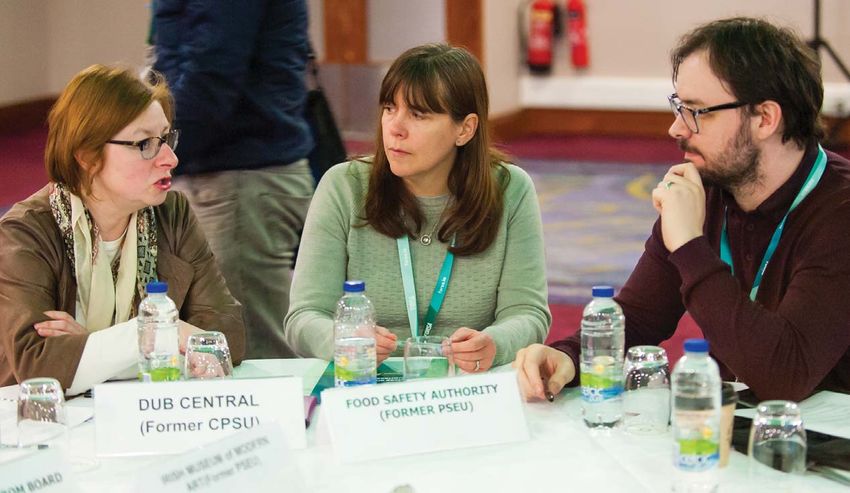
Services and Enterprises Division Report 2018-2019
National minimum wage and living Non-commercial semi-state pay
wage
Pay
The Public Service Pay Commission (PSPC)
The national minimum wage increased by 25 reported to the Minister for Public Expenditure
cent to €9.80 an hour following a July 2018 and Reform in May 2017 in advance of talks on
submission by the Low Pay Commission to the a new public service pay agreement, which
Minister for Employment Affairs and Social started later that month and concluded in June
and related Protection. This was less than the widely-
criticised 30 cent rise recommended for 2018.
The Irish Congress of Trade Unions (ICTU) has
called on the Government to align the national
2017. The outcome was the Public Service
Stability Agreement (PSSA), which was strongly
backed by members of the three unions that
later amalgamated to form Fórsa, along with
minimum wage with the higher non-statutory unions representing a large majority of public
‘living wage,’ which is a measure of the income service workers. The ICTU Public Services
needed to support a socially acceptable Committee backed the deal by a margin of over
standard of living. Last summer, the Living Wage 80% in an aggregate ballot in September
Technical Group, which calculates the living 2017.
wage rate, said it should increase by 20 cent to
€11.70 an hour. The PSSA, which came into force in January
2018, now governs pay and related matters for
most staff in non-commercial semi-state
Private and commercial sector pay In early 2019, a survey by CIPD Ireland found organisations and ‘section 38’ agencies where
that employers in the private sector expect pay pay scales follow the public service. By the time
Research on over 200 private sector and to increase by an average of 2.5% in 2019. This it expires, on 31st December 2020, over 90%
commercial semi-state pay deals struck in is first time its overall pay projection has risen of those covered will earn as much as, or more
2018 has found that pay increases ranged above 2% for six years. The report highlighted than, they did when pay cuts and the pension
between 2-3%. The data, which appeared in the inflation, labour market shortages and levy were introduced during the crisis.
journal Industrial Relations News (IRN), shows recruitment difficulties as drivers of expected
that most pay deals averaged below 3% a year, pay increases.
with only a minority below 2%. The study found
that additional benefits, on top of basic pay In December 2018, the Irish Congress of Trade
n 1st January 2018: 1% pay adjustment
rises, featured in many agreements. These Unions’ (ICTU) Private Sector Committee, in PSSA: Summary
included annual leave, bonus payments, which Fórsa participates, set a target of 3.4% n 1st October 2018: 1% pay adjustment
pensions and fringe benefits including tax- for private sector pay settlements in 2019. It of income n 1st January 2019: Additional superannuation
said the target takes account of expected
exempt vouchers.
inflation, as well as increases in the cost of adjustments contribution threshold up from €28,750 to €32,000
(worth €325 a year). 1% pay increase for those who
An earlier study from IRN and the CIPD found housing and other necessities. Unions also
that a far higher percentage of unionised private don’t benefit (ie, those earning less than €30,000 a
pledged to continue to secure additional
companies planned 2018 pay increases, year)
benefits, and to address ‘legacy issues’ in the
compared to non-union firms. The study found sector. The 2019 target was higher than the n 1st September 2019: 1.75% pay adjustment
that 72% of unionised firms expected to 3.1% ambition set by Congress for 2018.
increase earnings in 2018, compared to just n 1st January 2020: Additional superannuation
49% of non-union firms. Fórsa has concluded pay agreements in contribution threshold increased to €34,500 (worth
employments across the private and non- €250 a year). 0.5% pay increase for those who don’t
The same study found that the number of commercial semi-state sector, which have benefit (ie, those earning less than €32,000 a year)
private sector companies that increased pay in generally been in line with, or just above the
2017 was significantly higher than the number n 1st October 2020: 2% pay adjustment
economy-wide average. There’s more
who said they would at the beginning of the information on the outcomes in specific n 31st December 2020: Agreement concludes.
year. It found that 68% of firms raised pay in employments in the chapter on ‘sectors and
2017, while only 50% had said they expected branches.’
to do so at the start of the year. The average
2017 pay increase in the 356 companies
surveyed was 3.15%, compared to an average
projection of 2.5% at the start of the year.
Virtually all firms said pay increases were
contingent on performance and ‘normal ongoing
change,’ while 12% said specific workplace
changes would be required. No respondent cut
pay in 2017.
6 7
Services and Enterprises Division Report 2018-2019
Additional superannuation Under these measures, new entrants will skip
The agreement saw pay increase by 1% on 1st and Reform and the ICTU Public Services two points – the fourth and the eighth – on each
January 2018, and by another 1% on 1st Committee on the broader implications of the
contribution pay scale. Fórsa welcomed this outcome
October 2018. Further income boosts were outcome. The NEC said this engagement must Incomes in non-commercial semi-state agencies because it ensures a fair outcome for new
implemented on 1st January 2019, with a 1% address any changes in the assumptions were also improved in January 2019 by an entrants regardless of their length of service.
pay increase for those earning less than underlying the agreement, and noted that increase in the threshold for payment of the Fuller details of the outcome are available on the
€30,000 a year. Those who earn more clause 8.4.2 of the PSSA allows for this. The ‘additional superannuation contribution,’ which union’s website.
benefited instead from an increase in the executive also took the view that ongoing replaced the pension levy under the PSSA. A
‘additional superannuation contribution,’ which engagement between unions and DPER must further increase in the threshold is due in
continue to discuss the possibility of a general January 2020. Different arrangements apply to
replaced the pension levy as part of the
pay review mechanism to allow a full
Voluntary and community sector
agreement. Further improvements are due on members of fast accrual schemes, mainly
1st September 2019, 1st January 2020, and examination of the adequacy of current pay certain uniformed grades. pay
1st October 2020 (see table). arrangements, and to resolve ongoing
The agreement also saw the resolution of two In 2013, unions successfully established a
difficulties with the smooth operation of parts of
As this report was being finalised, Fórsa and outstanding ‘additional superannuation process to ensure that service level agreements
the agreement.
other unions were studying the implications of a contribution’ anomalies. From January 2019, would require employers in section 39 agencies
The union expects these engagements to staff who joined the public service after January – which are funded by, but operate
February 2019 Labour Court recommendation
continue to take place over the coming weeks 2013, and who are in the single public service independently of, the public service – to use the
regarding nurses' pay and grading, and awaiting
with the objective of ensuring the continued pension scheme introduced at that time, pay State’s industrial relations machinery when
the outcome of a related contract negotiation
effectiveness and stability of the public service only two-thirds of the additional contribution disputes arise. Although staff in these and
and ballot. At its February 2019 meeting,
agreement. rate. This figure will fall to one-third from similarly-funded bodies are not covered by the
Fórsa’s National Executive Committee (NEC)
January 2020, reflecting the fact that the Public Service Stability Agreement (PSSA) or
noted that, while ministers had expressed the
benefits of the single scheme are different from previous public sector pay deals, the union has
view that the Labour Court recommendation
those in the older scheme. And, with effect from engaged with individual employers with the aim
was in line with the PSSA, Fórsa officials had of unwinding pay cuts imposed during the
been assured of continued engagement January 2019, the ‘additional superannuation
contribution’ is no longer payable on non- economic crisis. The union also launched its
between the Department of Public Expenditure ‘Caring: At What Cost?’ campaign to win public
pensionable elements of incomes, including
non-pensionable overtime payments. and political support for pay recovery in the
sector.
Fórsa has acknowledged that pay restoration in
this sector is more complex than in the core
New entrants public service because voluntary and
The term ‘new entrants’ refers to people who community organisations have different funding
started work in the civil and public service, and arrangements, which leave some better able to
organisations linked to it for pay purposes, after fund pay restoration than others. But the union
2011 when inferior pay scales for new staff says a significant number of agencies have
were imposed by the Government without failed to act even though they have the money to
agreement. do so.
Although those inferior scales, which were
worth 10% less at every point of each scale,
were abolished at unions’ insistence under the Gender pay gap
2013 Haddington Road agreement, new
Over the last two years, Fórsa has been at the
entrants continued to have longer pay scales
forefront of the trade union campaign for
than their longer-serving colleagues, with two
legislation on gender pay gap reporting to
lower pay points at the beginning of each scale.
encourage employers into tangible action to
In some grades, allowances that made up a
bridge the gap, which currently stands at an
significant part of overall income were also
average of around 14% in Ireland. In November
abolished for new entrants.
2018 the union was part of an Irish Congress of
The PSSA established a process, involving the Trade Unions (ICTU) delegation that gave
Public Service Pay Commission (PSPC), to evidence to the Joint Oireachtas Committee for
Delegates at the 2018
Services & Enterprises address this problem. Following detailed Justice and Equality, which was examining the
divisional conference. discussions and inputs from Fórsa and other general scheme of the Gender Pay Gap
unions, this resulted in a solution of the pay Information Bill. The Bill would establish
scale issue, though not the allowances issue, in mandatory reporting by employers on the
2018. This was achieved at least two years gender pay gap in their organisations. The
earlier than the PSSA originally provided for. measure would first be applied in firms with 250
8 9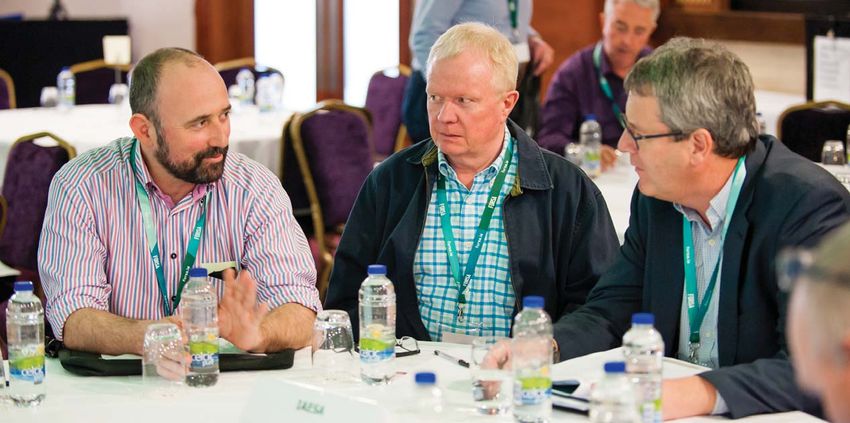
Services and Enterprises Division Report 2018-2019
or more employees, but that threshold would Public service allowances
drop to 50-plus over time. The legislation would
Pensions
also require reporting on differences in bonus The legislation that gave effect to the PSSA
pay, part-time pay and the pay of men and provides for the restoration of an earlier 5% cut
women on temporary contracts. in allowances from 2020. Fórsa and other
unions have held meetings with Finance Minister
In June 2018, Fórsa criticised the Government Paschal Donohoe on this issue, and are pressing
for publishing its own Bill on the issue, rather for an earlier restoration date.
than amending an existing opposition Bill that
was already well advanced. The union said the
move would delay the introduction of pay gap
reporting. A December 2018 report by the Travel and subsistence Trends in the private sector union ramped up its political lobbying campaign
Economic and Social Research Institute (ESRI) on the issue in 2018.
The standard overnight rate of civil service Defined benefit (DB) pension schemes, where
found that the introduction of the statutory
expenses was increased to €147, in line with employers bear the financial risks, have come
minimum wage had reduced the gender pay gap
inflation, following agreement at Civil Service under serious pressure in recent years. With life
for lower-paid workers in Ireland, but had not
General Council in November 2018. There were expectancy increasing, and interest rates at Auto-enrolment
impacted on the wage gap at higher salary
no changes in motor travel or foreign historic lows, most DB schemes face significant Employers are to be legally obliged to include
levels. This was because women are more likely
subsistence rates. An official circular setting out funding challenges. This has prompted a their employees in a pension scheme, and make
than men to work in low paid jobs.
revised subsistence allowances was issued to migration to defined contribution (DC) schemes, contributions to the fund, on foot of a new
The PSSA commits management in each sector civil service departments and the non- which generally transfer the financial risk from Government scheme outlined in late 2018 on
of the public service to monitor progress on commercial semi-state sector is to follow suit as employers to employees. foot of union submissions. Ireland is currently
gender balance in career progression. usual. one of only two OECD countries without
By early 2018, only 28 DB schemes remained
in Ireland. This was a 6% decline on the mandatory earnings-related pension savings
previous year. Furthermore, the liabilities of DB and, at present, 35% of workers are not in an
schemes amounted to over €58 billion. The occupational pension scheme.
Government’s recent ‘Roadmap for Pensions in Fórsa backed these ‘auto-enrolment’ proposals
Ireland’ reported that the latest actuarial figures at its national conference in May 2018 because
indicate that a quarter of DB schemes would not they would benefit tens of thousands of workers
have sufficient funds to meet their obligations if who currently have no occupational pension,
they were wound up. including a small but significant number of
Fórsa-represented grades who deliver public
services. The new automatic enrolment scheme
Community employment targets low and middle-income earners to
ensure they save towards a financially secure
supervisors’ pension campaign retirement, with financial contributions from
Hundreds of community employment (CE) their employer and the State.
supervisors and assistant supervisors In November 2018, the Government issued a
represented by Fórsa and Siptu took part on a draft proposal on how the scheme could work.
one-day strike in February 2019 in support of Under these proposals, workers would have to
their 11 year campaign for pension justice. The contribute up to 6% of their salary towards their
1,250 staff concerned have no access to any pension pot, with employers having to match
occupational pension scheme, despite a 2008 that amount. The state would then pay €1 for
Labour Court recommendation, which said the every €3 the worker contributes. Participation
State should fund a scheme. The Court in the scheme would be compulsory for workers
recommendation was shelved during the crisis for six months, after which they could opt out.
years, but the Department of Public Expenditure Workers could also suspend their contributions
and Reform (DPER) has since refused to in limited circumstances, but employer and
implement it. More than 250 CE supervisors State contributions would also cease if an
have retired with no occupational pension since employee stopped saving.
Former Chair, Gillian White and 2008, when the Labour Court recommended
The Irish Congress of Trade Unions (ICTU)
Head of Services and Enterprises that they should have occupational pension
Division Angela Kirk. welcomed the proposals in principle, but said
provision funded by the state. Between 30 and
they should be strengthened significantly.
40 currently retire each year.
Unions want older workers to be included in the
Fórsa has raised the issue in successive public scheme which, as it currently stands, would only
service pay negotiations since 2008 and the include workers aged between 23 and 60 who
10 11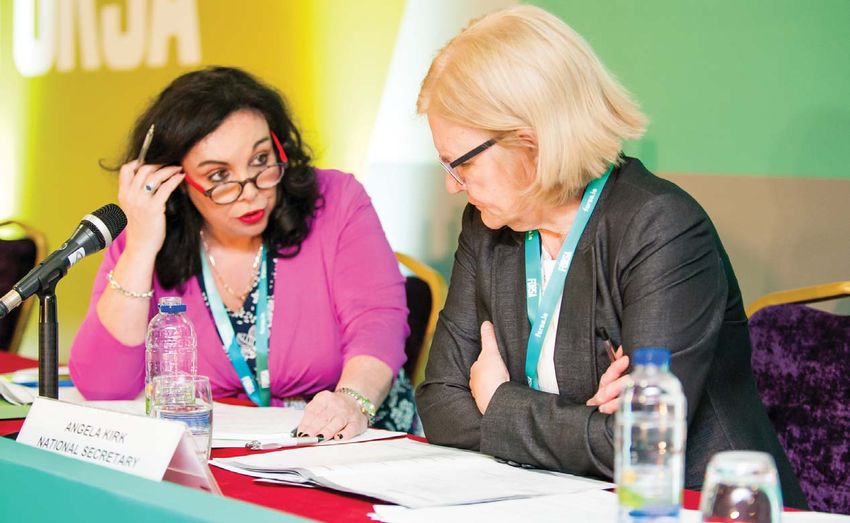
Services and Enterprises Division Report 2018-2019
earn more than €20,000 a year. Congress Public service retirement age March 2012 in nearly all cases. The pay
wants this expanded to 16-60+ with no income increases will be passed on to pre-March 2012 n 12 months to December 2014: -0.3%
threshold. Congress also wants contributions to The age of eligibility for the State pension was retirees if the pay level on which their pension is
n 12 months to December 2015: 0.1%
be collected by the Revenue Commissioners in increased to 66 in 2014. Because of this, the based does not exceed the existing pay level of
the same way as social insurance, and for the compulsory non-commercial semi-state serving staff in the same grade and pay scale n 12 months to December 2016: 0.0%
State contribution to be valued at €1 for every retirement age of 65 meant that many workers point. Fórsa will seek the continuation of this
n 12 months to December 2017: 0.4%
€2.50 a worker saves, with an employer were forced to retire before they could draw a arrangement in any negotiations on a successor
contribution of 7% on all earnings. It also wants significant part of their retirement income. The to the PSSA. n 12 months to December 2018: 0.7%
the employee contribution to be graduated up to Public Service Stability Agreement (PSSA)
Changes to the pension levy (now called the
enabled Fórsa to address this issue in
€20,000 a year with a flat 5% rate on all ‘additional superannuation contribution’)
discussions with the Department of Public
additional earnings. introduced under the PSSA saw pensions worth
Expenditure and Reform (DPER).
up to €34,132 a year exempted entirely from
ICTU also called for State provision of annuities
In 2018, the Government bowed to union the additional contribution from 1st January
for small pension pots. This would take the form
pressure and agreed to legislate to give civil and 2018. The exemption threshold was increased
of a top-up payment on the State pension,
public servants the option to retire at any age to €39,000 in January 2019, and will be
similar to an earnings-related pension system. A ‘single scheme estimator tool,’ which indicates
between 65 and 70 if they chose. This is also further increased to €54,000 in January 2020.
Congress recommended that the scheme be expected to apply in the non-commercial semi- the retirement benefits that public servants
mandatory, with a time limited ‘contribution state sector. hired after 1st January 2013 can expect,
holiday’ facility for workers which can be became available in the autumn of 2018
claimed as a single continuous period or a Pending the enactment of legislation, limited Single career average scheme following pressure from Fórsa. The tool covers
number of separate periods, and says low interim arrangements, which allowed the re- standard-grade members of the single public
hiring of staff who wanted to stay in work until Staff who joined non-commercial semi-state service pension scheme who are currently
income workers and sole traders should be
they were eligible for the State pension, were agencies after January 2013 are members of employed in pensionable posts.
automatically enrolled. the single public service pension scheme, which
put in place. But those who exercised this option
were placed on the first point of the non- gives accelerated accrual of benefits on
pensionable pay scale, and were not able to earnings up to 3.74 times the contributory
Eligibility for State pension make further pension contributions. state pension. This takes the form of 0.58% of Treatment of parental leave
gross pensionable remuneration up to this
Fórsa was involved in the development of an The legislation that gave the option to work up threshold without any offset for integration with Revised arrangements for the accrual of
Irish Congress of Trade Unions submission to age 70 was passed into law over Christmas the social welfare system. From the end of pension while on parental leave have been in
regarding a Government consultation paper on a 2018. It also required the finance minister to March 2019, earnings up to €48,457 will place since 9th February 2018. These mean
‘total contributions approach to eligibility for outline potential remedies, within three months, benefit from the formula. only two days of reckonable service, rather than
for those who had been forced to retire between four, are deducted from staff who take parental
State pensions.’ The Congress submission Members of the single public service scheme
6th December 2017 and the commencement of leave that includes the last working day before,
covered the design parameters of the scheme to have paid only two-thirds of the ‘additional
the new law. Fórsa has argued that these and the first working day after a weekend. It was
be introduced to calculate entitlement to the superannuation contribution’ (formerly the
workers should be given the option to extend subsequently agreed that the records of staff
contributory state pension. pension levy’) since January 2019. This figure
their 12-month retention arrangement up until who took parental leave before that date should
will fall to one-third from January 2020, be amended on a case-by-case basis at their
age 70, and get increments due to them during
reflecting the fact that the benefits of the single time of retirement.
this period, but the Government refused to do
scheme are different from those in the older
Tax relief on pension contributions this.
scheme.
With input from Fórsa, The Irish Congress of Staff recruited after 1st April 2004 were not
Under the single public service scheme, accrued Survivor pensions for same sex
Trade Unions (ICTU) made a submission to a covered by the new legislation because they
benefits and pensions in payment are uprated in
Government public consultation on pension already either have no compulsory retirement
line with annual movements in the consumer couples
reform, which is focusing on the cost of tax age or the ability to retire up to age 70.
price index (CPI), including negative movements. The Social Welfare, Pensions and Civil
relief on pension contributions. Congress Since the establishment of the scheme in 2013 Registration Bill, 2018 amended the 1990
expressed opposition to any fundamental the following adjustments were made: Pensions Act to give a right, in certain
changes, pointing out that some 620,000 Public service final salary Fórsa has repeatedly called for all members of circumstances, to spousal pension benefits for
workers receive tax relief on pension
contributions. Because tax supports are schemes the scheme to receive annual benefit same-sex spouses and civil partners who are
statements. Although this is required by law, members of occupational pension schemes.
provided at the marginal income tax rate, For the duration of the Public Service Stability most are not receiving them at present. The
workers with annual earnings above €34,550 Agreement (PSSA), non-commercial semi-state union has also demanded that a scheme for the
get relief at the 40% rate. In 2017 the average pensions have essentially returned to the pay- purchase and transfer of pension benefits be
wage for a full-time worker was €45,611. Any linked method of adjustment, which was in place put in place. Transfer tables were agreed
reduction in the rating of tax expenditure would, until the onset of the financial emergency. This between the ICTU Public Services Committee
therefore, adversely affect every worker earning means that basic PSSA pay increases will be and the Department of Public Expenditure and
more than three-quarters of the average wage. passed on to those who retire on or after 1st Reform in 2016.
12 13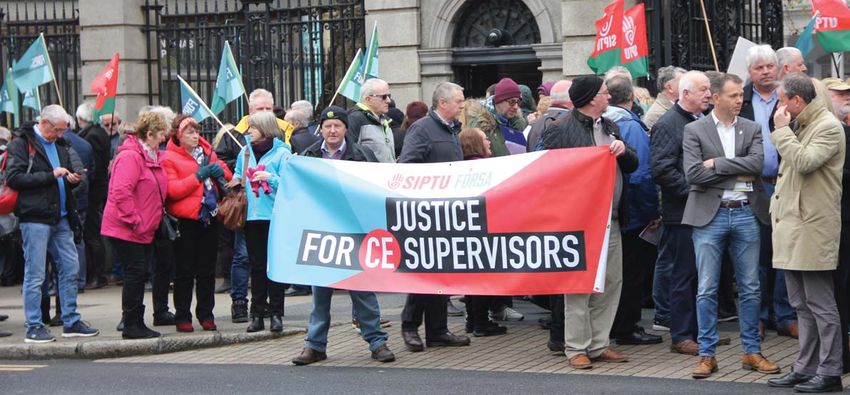
Services and Enterprises Division Report 2018-2019
The developments stem from a recent EU Sick leave
directive on work-life balance, which obliges
governments to increase access to paid The critical illness protocol (CIP), which governs
parental leave for both parents. Payment will be non-commercial semi-state arrangements for
at the same rate as prevailing maternity and those on long-term sick leave, was improved in
paternity leave, which is currently €245 a week. early 2018 to allow more managerial discretion
The paid leave must be taken in the first year of about what constitutes a ‘critical illness’ in cases
a child’s life. where the precise medical criteria are not met.
New ‘CIP managerial discretion guidelines,’
Working Meanwhile, in February 2019, legislation to
extend unpaid parental leave from 18 to 26
weeks, and increase the child’s qualifying age
from eight to 12 years, was again backed by the
negotiated with Fórsa and other unions, make it
clear that managers have the flexibility to
accept illnesses as ‘critical’ even if they have not
quite met the threshold on the basis of medical
Government after it appeared to have
conditions
certification. An appeals mechanism against
withdrawn support. Although Fórsa welcomed unfavourable management decisions, with
this development, reports that the proposal access to third party adjudication, was also put
would be implemented over a two-year period in place.
instead of immediately were seen as
disappointing. As this report went to print, the The CIP arrangements for the ‘protective year’
Parental Leave (Amendment) Bill had passed all were also improved. The protective year allows
stages in the Dáil and was set for detailed staff who return to work following a critical
illness to avail of remaining CIP leave for
examination by an Oireachtas committee.
subsequent non-critical illnesses or injuries
within one year of their first date of absence.
Working time future of working time, which brought together This protective year period will now begin on the
trade unionists and working time experts from date of return, which means more support for
Fórsa is committed to seeking to reverse Ireland, Germany and the UK. This was part of those returning from a serious illness who then
increases in working time introduced in non- the union’s response to the large number of suffer a routine health problem in the following
commercial semi-state organisations during the motions about working time submitted to 12 months.
economic crisis. Although there was no general Fórsa’s national conference in May 2018, when
reduction in working hours under the Public an executive motion committed the union to
Service Stability Agreement (PSSA), the deal work with others to reduce working time in all
gave staff the option of a permanent return to sectors of the economy.
‘pre-Haddington Road’ hours on the basis of a
pro-rata pay adjustment. Staff were able to opt The PSSA also commits management to
into this arrangement at the beginning of the ensuring that work-life balance arrangements,
agreement (January-April 2018) and can do so including flexible working, are available to the
for a period after it expires (January-April greatest possible extent across the civil and
2021). The agreement also contains a provision public service. It says disputes on local and
to enable annual leave to be converted into sectoral implementation of work-life balance
flexitime. Although these two provisions fall far arrangements can be processed through normal
short of the restoration of additional hours dispute resolution processes.
introduced for some non-commercial semi-state
staff under the 2013 Haddington Road
agreement, they do give options to those for
whom time is more important than money. Parental leave
However, the uptake of both options has been Fórsa welcomed long-overdue Government
relatively low. plans, announced in late 2018, to increase paid
In November 2018, Fórsa added its voice to parental leave from two to seven weeks for each
international trade union demands for reduced parent by 2021. Along with existing paid
Mark Thompson, Paddy Cradden,
working time to ensure that workers share the maternity and paternity leave, the change would Dublin Airport Authority and
benefits of increased productivity from increase to 42 weeks the amount of paid leave Joe Buckley, Shannon Airport
technological change. This is often expressed in available to new parents during the first year of Authority.
terms of the introduction of a four-day week a child’s life. It followed the announcement that
with no loss of pay. In 2018, the union two weeks’ paid parental leave would be rolled
organised an international conference on the out late in 2019.
14 15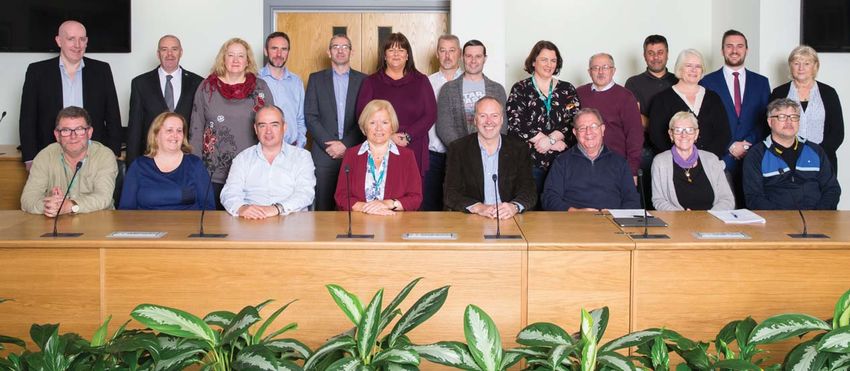
Services and Enterprises Division Report 2018-2019
Fórsa is still in discussions about the calculation McGrath TD in April 2019. Further work is
of certain types of sick leave in the one year/four underway to organise national events promoting
year look back periods, and on the application of Traveller rights, race equality and improved
temporary rehabilitation remuneration (TRR). In rights for LGBT members.
the absence of agreement, the matter was
Fórsa’s workplace representative training
referred to the Labour Court, which issued a
programme continues to provide workplace
recommendation in November 2018. As this
equality training for large numbers local
report went to print, the union was awaiting
representatives. Our annual ‘INSPIRE’ training
departmental regulations to give effect to this
days, which took place in 2018 and 2019, were
outcome.
very successful in empowering women activists
to stand for election.
Equality
Fórsa campaigned strongly over the last two Health and safety
years for the introduction of mandatory gender
Fórsa is an active participant in the Irish
pay gap reporting to compel employers to
Congress of Trade Union’s Health and Safety
disclose their gender pay gap. The union gave
Committee, which has been raising awareness
evidence as part of the ICTU delegation to the
of work-related mental health, and has been
Justice and Equality Select Committee in
working with the Health and Safety Authority to
November 2018 on the need to introduce
increase the number of safety representatives in
robust legislation that encompassed all
Irish workplaces.
employers and required the publication of
accurate data on the gender pay gap. The union The number of workplace-related accidents fell
also said remedial action would be needed to by 23% in 2018, according to the Health and
reduce the gender pay gap in each employment. Safety Authority (HSA). Thirty-seven people lost
their lives in workplaces, which was ten fewer
The union welcomed the ratification of the UN
than in 2017 and the lowest figure since the
Convention on the Rights of the Disabled, and
establishment of the HSA in 1989.
continues to lobby Government to improve the
availability of services for people with A new European Union directive on carcinogens
disabilities and employment rights for disabled will be put in place in 2019. This has come as a
workers. result of more 100,000 deaths attributed to
cancers caused by working conditions across
Fórsa welcomed the new provision of paid
EU member states each year.
parental leave, which was introduced in
November 2019. This welcome first step gives
Panellists and speakers at
Fórsa’s 2019 ‘INSPIRE’
parents of both genders access to paid leave. It
training for women will involve a new social insurance parental Zero-hours contracts
activists. benefit payment for employees and the self-
employed, which is to be paid for two weeks for In January 2019, Fórsa welcomed the
each parent of a child in their first year. The introduction of legislation which bans zero-hour
Government proposes to increase this to seven contracts in virtually all circumstances. The
extra weeks over time. This means that all new Employment (Miscellaneous Provisions) Act,
mothers and all new fathers with a child under 2018, passed through both houses of the
one year of age will be able to apply for this Oireachtas in December and was signed into
leave, along with the normal maternity, adoptive, law on Christmas day 2018. The legislation,
paternity and unpaid parental leave which came into force in March 2019, includes
entitlements. provisions on minimum payments for employees
called in and sent home again without work. It
The union has established new equality also requires employers to give workers basic
networks to ensure that equality issues are terms of employment within five days. Unions,
discussed and progressed within workplaces, which had campaigned hard for these reforms,
branches and divisions. The Women’s Activist said there was still an urgent need for greater
Network was successfully launched by ICTU protection for workers in the so-called gig
General Secretary Patricia King in November economy.
2017. Our new Disability Rights Network was
launched by Minister for Disabilities Finian
16 17Services and Enterprises Division Report 2018-2019
Bogus self-employment
In February 2019, the Irish Congress of Trade
Unions (ICTU) released a policy-summarising
factsheet on bogus self-employment as part of
its continuing campaign on the issue. The
factsheet addresses the negative impact of
deliberate misclassification of employees on
Sectors,
workers, the state and society. The term ‘bogus
self-employment’ describes situations where
employers deliberately misclassify workers as
self-employed subcontractors in order to pay
employments
them less, reduce their social insurance and
pension contribution requirements, dodge
benefits like sick leave, and avoid meeting basic
employment law protections. and branches
After a long campaign, Fórsa succeeded in
Commercial getting our members access to the medical and
drug-refund scheme, which previously was only
State agencies available to other staff in the company.
Coillte
An Post
Fórsa negotiated a four-year agreement, under
An Post is currently undergoing a which the following increases and lump sums
reorganisation, with significant changes at apply on 1st January 2017, 2018, 2019 and
senior management level and other grades. The 2020, depending on an employee’s place in the
company announced a voluntary severance
pay bands: group 1 – 0.5% and €500 lump
package in late 2018, and there are concerns
sum; group 2 – 2% and €1,250 lump sum;
that automation may lead to further changes
group 3 – 3% and €1,250 lump sum. The
and potential job losses.
agreement expires on 31st December 2020,
The dominant recent issue was the payment of which also restructured performance bonus
an outstanding 3.5% pay award, which was to payments and introduced new pay bands
be paid in two phases of 2% and 1.5%. This reflecting an overall pay and restructuring
was essentially a productivity agreement in agreement.
which the union had to agree to verified savings
before payments were made. The negotiations Early in 2019, Coillte announced it wanted to
were difficult, not least because the company establish a new joint development company with
sought to outsource work in return for the pay the ESB to deliver 1,000 megawatts of
rise. This was rejected out of hand by the union, renewable energy by 2030. The company had
Mary Mulholland and which meant we were unable to agree savings previously told Fórsa that it would explore
Annette Heffernan, on time. This delayed the payment dates. partnerships and joint venture models in the
Cabin Crew with Ann McGee, area of renewable energy. If the ESB talks are
Fórsa President.
Following lengthy discussions, the union agreed
to savings-generating reorganisation measures, successful, the energy provider will acquire a
which avoided outsourcing. 50% stake in the joint development company.
The talks are scheduled to conclude by the end
of May 2019.
18 19Services and Enterprises Division Report 2018-2019
If successful, Fórsa has been told that staff will performance via an agreed matrix, which which are determined by annual performance. It
transfer to the new joint company with TUPE determines an employee’s annual movement up also sets out a methodology for determining Community sector
protections. But the union has insisted on the pay band. Transitional arrangements to the base pay increases in future years, via an
negotiations to establish a range of options for new pay band structure will mean those who average of market pay surveys. The average
those affected by this decision. The union wants earn less than €41,600 a year get increases of increase from the three pay surveys resulted in
staff to have the option to remain with the 4% a year for the duration of the agreement. base pay increases of 2.5% which were applied Community Employment
parent company or seek secondment to the new These increases are on top of any increases as part of this agreement.
Supervisors
development company. Fórsa is also seeking arising from movement up the pay bands via the In 2018 the Government said it intended to
assurances on pay and terms and conditions, agreed matrix. This is in addition to annual A major Fórsa campaign was launched in
separate Irish Water from its parent company
including union recognition. performance payments, which can yield lump support of the community employment
Ervia, and establish it as the single national
sums of up to 10% of annual salary. utility to operate the State’s water services. The supervisors’ fight for the implementation of the
proposals would replace the existing service occupational pension scheme recommended by
the Labour Court in 2008. The forum set up
Dublin Airport Authority level agreements with local authorities by
under the Haddington Road Agreement met in
Fórsa negotiated a three-year pay agreement,
Irish Aviation Authority 2021, leaving Irish Water solely responsible for
January 2018, but the Department of Public
the production, distribution and monitoring of
with increases of 3% on 1st April in 2017, Fórsa negotiated a four-year pay agreement, water and waste water services. Expenditure and Reform (DPER) and
2018 and 2019. The agreement expires at the which will see increase of 1.5% in January Department of Employment and Social
end of March 2020. This complex agreement The decision presents issues of concern for Protection (DEASP) refused to engage.
2016, 2017, 2018, and 2019. The agreement
introduced a new pay band methodology, which staff in Irish Water and the local authorities that
expires on 31st December 2019, and In April 2018, a cross-party Dáil motion in
aligned grades to pay bands and annual currently provide many water services. Staff in
discussions on a new pay agreement are favour of CE supervisors was passed
Irish Water are unsure of the implications for
currently underway. This complex agreement overwhelmingly. A ballot for industrial action
their terms and conditions of employment, and
includes additional increases based on local took place in the autumn of 2018. It resulted in
their security of tenure. Fórsa and other unions
productivity measures. It also saw shortened a 92% vote in favour, and a national strike took
representing workers in Irish Water and the
increments and, in some cases, increases in the place in February 2019, with protests outside
wider Ervia group are assessing the potential
maximum points of pay scales. the Department of Finance and Intreo and
impact of the Government’s proposals.
Fórsa has expressed concerns about plans to DEASP offices in Dublin, Waterford, Cork,
Meanwhile, Fórsa’s two local authority divisions Athlone, Galway and Letterkenny. An escalation
restructure the regulatory functions of the IAA
have agreed to enter WRC-assisted talks about of the dispute, in the form of a five-day strike,
under the 2015 national aviation policy,
the future of water services, including the was announced in April 2019. In the meantime,
including the threat of future privatisation of air
Government’s proposal. Irish Water staff a significant number of our members have
traffic control, changes to terms and conditions
support their determination that water services retired with no occupational pension.
of employment including pensions, and the
should remain in public ownership.
maintenance of guarantees contained in the
Irish Aviation Act 1993.
In 2017, the Government approved a merger of
the IAA’s safety regulation functions with the
CE Supervisors
existing functions of the Commission for rally outside the
Aviation Regulation (CAR). A steering group, Dáil in April 2019
made up of representatives from the after they
Department of Transport Tourism and Sport, the announced five
days of industrial
IAA and the CAR has been established to give action in a dispute
effect to the decision, and legislation is in over pensions.
preparation. Fórsa branches in the IAA have
sought more consultation and involvement in the
restructuring process, and discussions are
ongoing.
Irish Water
Terry Kelleher, Services & Enterprises
divisional executive committee The union negotiated a 27-month agreement,
and An Post. with increase of 2.5% in January 2018, 2.5%
in January 2019, and 0.63% in January 2020.
The agreement, which expires at the end of
March 2020, also includes additional pay
increases for progression up the pay bands,
20 21Services and Enterprises Division Report 2018-2019
The ICTU Community Sector Committee wrote Local enterprise companies Commissioners of Irish Lights Marine Institute
to the Minister for Employment and Social Fórsa has achieved the restoration of pay and
Protection seeking a meeting to discuss a Unions in the Commissioner of Irish Lights Following successful conciliation the union will
increments in some, but not all, local enterprise
planned Government review of community objected to the operation of the job evaluation enter discussions with management on its new
companies where cost-saving measures were
employment social inclusion schemes. The scheme, particularly the appeal process. The workforce plan proposals. There are concerns at
imposed during the economic crisis, No
committee was invited to make a written issue was referred to the Labour Court, which the falling number of core permanent posts
agreement has been reached in County Wicklow
submission, and the outcome of the review is recommended that an independent appeals since 2010, and the outsourcing of supposedly
Partnership (CWP) or South Dublin County
awaited. process be put in place. This independent ‘non-core’ posts. Fórsa says the vast majority of
Partnership (SDCP), and management in both
process has now concluded and a number of posts in the institute should be considered core
companies refused to attend conciliation
employees have had their positions upgraded. and permanent. Management said its new
conferences in the Workplace Relations
The union has written to the Workplace workforce plan would include a request for new
Commission. This led to well-supported ballots
Relations Commission seeking to deal with permanent posts.
for industrial action in both organisations in
outstanding issues including pay.
early 2019. SDCP subsequently agreed to
attend the WRC but, as this report went to print,
the union was awaiting a response from CWP. National Library of Ireland
Economic and Social Research
Negotiations regarding the introduction of flexi-
Institute leave continued throughout 2018 without
Fórsa is currently reviewing industrial relations agreement, and they are ongoing.
in the ESRI, and a proposal has been put to
Non-commercial members to change from the current staff
representative committee to a more traditional National Museum of Ireland
industrial relations process. Management has
State agencies announced that the ‘Growing Up in Ireland’ study A significant change in senior management in
the National Museum of Ireland (NMI) in 2018,
will transfer from the ESRI to the Central
Statistics Office in 2023, and the union is provided an opportunity to improve industrial
insisting that staff who transfer will at least relations. A review of the operation of The
An Bord Pleanála maintain their current terms and conditions. A Museum Council, established by the Workplace
number of longstanding issues are currently Relations Commission, took place in May 2018.
Fórsa met management numerous times over before the State Agencies’ Oversight Body. Agreement was reached in February 2019 in
increased workloads and delays in processing relation to ongoing and future outsourcing, and
applications, which followed the introduction of this will result in the work being carried out by
a new online planning application system in direct employment over time. A number of
2018. Additional staff were recruited to cope Health and Safety Authority promotional assistant posts were negotiated as
with the additional demands. Agreement was part of a 2018 agreement related to proposed
Fórsa continues to engage with management on
reached on the introduction of the shorter outsourcing. A subcommittee has been
behalf of members in the HSA, where
working year for 2018, as well as the established to review a significant number of
recruitment and promotional opportunities
reintroduction of 1.5 days flexileave, which had policies that the NMI intend to introduce, while
remain a key focus.
been reduced under the Haddington Road issues around overpayment and underpayment
Agreement. of pension contributions are ongoing.
Institute of Public Administration
Chester Beatty Library As this report went to print, Fórsa and Ordnance Survey Ireland
management were close to agreement on the
Agreement was reached on a review of the In May 2018, agreement was reached on a
structure and operation of a work evaluation
attendant grade after lengthy independently- mechanism to address the duties and allocation
scheme. A union-management committee is
facilitated discussions. However, the terms have of work for level IV cartographers, and the lack
reviewing internal policies and developing a new
still not been implemented as they have been of promotional opportunities in Ordnance
staff handbook.
delayed by the Department of Employment and Survey Ireland (OSI, following a conciliation
Gillian Byrne, CE Supervisor at Public Reform.
the north west inner city training &
conference at the Workplace Relations
development project speaking at Commission. A dispute over the unilateral
the Services and Enterprises withdrawal of access to e-working arose in early
Divisional Conference, 2019. The issue remains unresolved.
2018.
22 23You can also read


