Exploring the Expression Differences Between Professionals and Laypeople Toward the COVID-19 Vaccine: Text Mining Approach - Journal of Medical ...
←
→
Page content transcription
If your browser does not render page correctly, please read the page content below
JOURNAL OF MEDICAL INTERNET RESEARCH                                                                                                  Luo et al

     Original Paper

     Exploring the Expression Differences Between Professionals and
     Laypeople Toward the COVID-19 Vaccine: Text Mining Approach

     Chen Luo1,2*, MA; Kaiyuan Ji1*, MA; Yulong Tang3, MA; Zhiyuan Du1, BE
     1
      School of Journalism and Communication, Tsinghua University, Beijing, China
     2
      The Faculty of International Media, Communication University of China, Beijing, China
     3
      Institute of Communication Studies, Communication University of China, Beijing, China
     *
      these authors contributed equally

     Corresponding Author:
     Yulong Tang, MA
     Institute of Communication Studies
     Communication University of China
     No 1 Dingfuzhuang East Street, Chaoyang District
     Beijing, 100024
     China
     Phone: 86 13217810927
     Email: longbao0927@163.com

     Abstract
     Background: COVID-19 is still rampant all over the world. Until now, the COVID-19 vaccine is the most promising measure
     to subdue contagion and achieve herd immunity. However, public vaccination intention is suboptimal. A clear division lies
     between medical professionals and laypeople. While most professionals eagerly promote the vaccination campaign, some laypeople
     exude suspicion, hesitancy, and even opposition toward COVID-19 vaccines.
     Objective: This study aims to employ a text mining approach to examine expression differences and thematic disparities between
     the professionals and laypeople within the COVID-19 vaccine context.
     Methods: We collected 3196 answers under 65 filtered questions concerning the COVID-19 vaccine from the China-based
     question and answer forum Zhihu. The questions were classified into 5 categories depending on their contents and description:
     adverse reactions, vaccination, vaccine effectiveness, social implications of vaccine, and vaccine development. Respondents were
     also manually coded into two groups: professional and laypeople. Automated text analysis was performed to calculate fundamental
     expression characteristics of the 2 groups, including answer length, attitude distribution, and high-frequency words. Furthermore,
     structural topic modeling (STM), as a cutting-edge branch in the topic modeling family, was used to extract topics under each
     question category, and thematic disparities were evaluated between the 2 groups.
     Results: Laypeople are more prevailing in the COVID-19 vaccine–related discussion. Regarding differences in expression
     characteristics, the professionals posted longer answers and showed a conservative stance toward vaccine effectiveness than did
     laypeople. Laypeople mentioned countries more frequently, while professionals were inclined to raise medical jargon. STM
     discloses prominent topics under each question category. Statistical analysis revealed that laypeople preferred the “safety of
     Chinese-made vaccine” topic and other vaccine-related issues in other countries. However, the professionals paid more attention
     to medical principles and professional standards underlying the COVID-19 vaccine. With respect to topics associated with the
     social implications of vaccines, the 2 groups showed no significant difference.
     Conclusions: Our findings indicate that laypeople and professionals share some common grounds but also hold divergent
     focuses toward the COVID-19 vaccine issue. These incongruities can be summarized as “qualitatively different” in perspective
     rather than “quantitatively different” in scientific knowledge. Among those questions closely associated with medical expertise,
     the “qualitatively different” characteristic is quite conspicuous. This study boosts the current understanding of how the public
     perceives the COVID-19 vaccine, in a more nuanced way. Web-based question and answer forums are a bonanza for examining
     perception discrepancies among various identities. STM further exhibits unique strengths over the traditional topic modeling
     method in statistically testing the topic preference of diverse groups. Public health practitioners should be keenly aware of the
     cognitive differences between professionals and laypeople, and pay special attention to the topics with significant inconsistency
     across groups to build consensus and promote vaccination effectively.

     https://www.jmir.org/2021/8/e30715                                                        J Med Internet Res 2021 | vol. 23 | iss. 8 | e30715 | p. 1
                                                                                                             (page number not for citation purposes)
XSL• FO
RenderX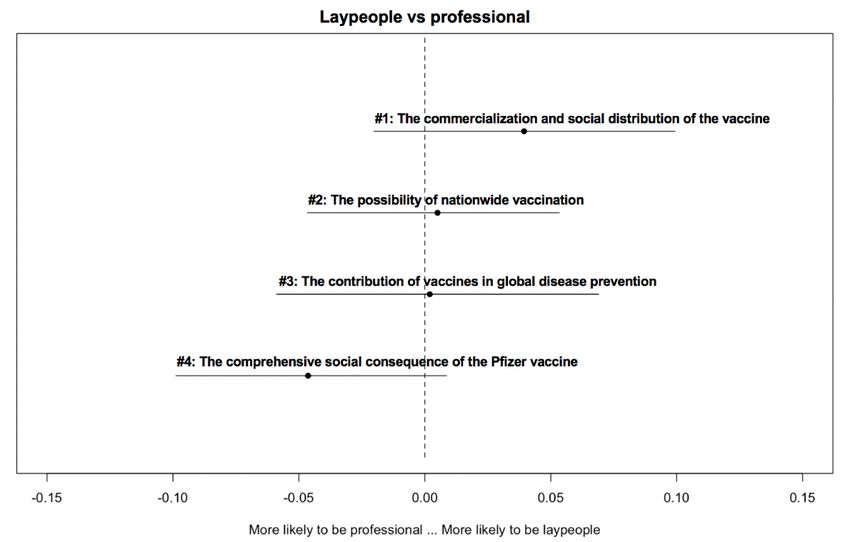
JOURNAL OF MEDICAL INTERNET RESEARCH                                                                                                        Luo et al

     (J Med Internet Res 2021;23(8):e30715) doi: 10.2196/30715

     KEYWORDS
     COVID-19; vaccine; Zhihu; structural topic modeling; medical professional; laypeople; adverse reactions; vaccination; vaccine
     effectiveness; vaccine development

                                                                           promote behavioral change [11]. Previous studies have
     Introduction                                                          summarized relevant experiences in delivering health care and
     Background                                                            health interventions with the strength of internet technologies.
                                                                           One representative example is that some scholars classified
     As of April 23, 2021, over 0.14 billion confirmed cases of            social media into 10 categories and put forward 4 guidelines
     COVID-19 and nearly 3.1 million deaths have been reported             for medical professionals to better engage in web-based health
     worldwide [1]. The COVID-19 vaccine has been acknowledged             communication [19]. In reality, a series of public health
     as one of the most effective strategies to contain the ongoing        institutions have implemented web-based communication
     public health predicament [2]. However, what needs to be              strategies. The Centers for Disease Control and Prevention in
     recognized is that the COVID-19 vaccine still requires cautious       the United States adopted Twitter to disseminate information,
     validation of efficacy and adverse reactions since it is a            interact with the audience, and alert the public throughout the
     relatively innovative therapeutic intervention in development         Zika epidemic [20]. In a similar vein, public health agencies in
     [3,4]. Owing to the intrinsic uncertainty, vaccine hesitancy and      Singapore also made use of Facebook for outbreak
     vaccine-related misinformation pervaded during the COVID-19           communication and communicating the Zika epidemic
     vaccination process [5]. Some nationwide and transnational            strategically [21]. To cope with the COVID-19 threat, many
     surveys also revealed that the public’s COVID-19 vaccination          public health agencies use social media accounts to rapidly
     intentions were suboptimal [6-8]. While numerous medical              disseminate risk messages to the public to curb contagion [22].
     professionals have devoted themselves to vaccine development          Except for health institutions, many medical professionals
     at a breakneck speed [9] and eagerly promote the massive              practice web-based health communication spontaneously; for
     vaccination campaign, a considerable number of laypeople              instance, some doctors have joined eHealth communities to
     expressed concerns, hesitancy, and even antagonism toward             exchange medical information with patients or peers [23].
     COVID-19 vaccines [5]. For instance, a recent web-based poll
     conducted on Twitter disclosed that more than half of the             Taken together, searching and exchanging health information
     respondents doubted the safety of COVID-19 vaccines [10]. To          on the internet are common phenomena nowadays; both
     obtain a deeper insight into the different perceptions between        professionals and laypeople are critical actors in the web-based
     the professionals and laypeople toward the COVID-19 vaccine,          health communication environment. Since the internet has
     the present study endeavors to seek the potential differentiated      prominent advantages, including low cost, easy access, broad
     expressions by adopting a text mining approach on a Chinese           reach, and interactivity, it facilitates the lay public to share their
     social media platform.                                                health concerns, seek support, enhance their health-related
                                                                           knowledge, and communicate with one another. Meanwhile,
     The Internet as a Pivotal Communication Space for                     professionals can develop health education and interventions
     Health-Related Issues                                                 on the internet. For public health researchers, diversified internet
     Web-based communication provides easy and cost-effective              platforms can be exploited to investigate varying perceptions
     access to a broad audience and enables interactivity and              and expressions toward various kinds of health-related issues,
     collaborative content-sharing [11]. During the past decades, the      especially emergent ones.
     world witnessed a drastic increase in health information on the
                                                                           Professionals vs Laypeople in Perceiving
     internet, along with a pronounced tendency that both patients
     and caregivers are growing more likely to seek health
                                                                           Health-Related Issues
     information on the internet [12]. In the meantime, people are         An entrenched thought toward the divergence between
     prone to discuss health-related issues in this virtual sphere,        professionals and laypeople emphasizes the knowledge chasm,
     especially during a public health crisis [13]. For example, during    which retains an inherent assumption that the laypeople lag
     the COVID-19 era, some people disclosed their disease status          behind professionals in their knowledge levels. A professional
     on the internet for help-seeking [14], and a more substantial         is always defined as someone who procured special knowledge
     number of people talked about their own and others' symptoms          or skills of a particular subject through deliberate training and
     as a mere natural reaction to the threat of illness [15]. Given       practice, while laypeople usually lack formal training or practical
     those features, various internet platforms serve as fertile grounds   experience [24]. Furthermore, an extended viewpoint believes
     for examining the public’s perceptions of health issues or events     that professionals’ judgments and perceptions are more objective
     [16]. This holds true for the vaccine issue because vaccines and      and reliable than those of laypeople [24]. In health
     vaccination are buzz topics on the internet and are encompassed       communication, we particularly underscore 2 additional
     by provaccine and antivaccine discourses [17,18].                     significant dimensions stemming from the knowledge level
                                                                           disparity when discussing differences between professionals
     Recognizing the salient characteristics of the internet, health       and laypeople: risk perception and attitude.
     professionals spare extensive attention to utilizing the internet
     to launch health campaigns, deliver health knowledge, and

     https://www.jmir.org/2021/8/e30715                                                              J Med Internet Res 2021 | vol. 23 | iss. 8 | e30715 | p. 2
                                                                                                                   (page number not for citation purposes)
XSL• FO
RenderX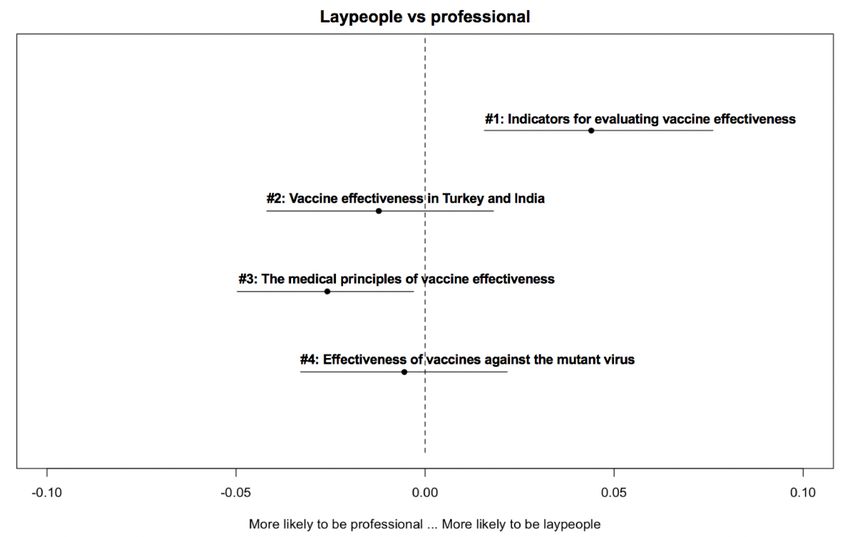
JOURNAL OF MEDICAL INTERNET RESEARCH                                                                                                     Luo et al

     As a vaccine shrouded in uncertainty, societies worldwide are       Based on the aforementioned discussion, this research aims to
     deluged with suspicions and debates about the COVID-19              explore expression differences between professionals and
     vaccine’s safety [25]. All concerns are closely connected to risk   laypeople toward the COVID-19 vaccine on social media. This
     perception, which denotes people’s subjective assessment of a       research topic is essential because it affords a basis for
     risk’s characteristics and severity [26]. Risk perception is a      understanding perception disparities between professionals and
     compound of scientific judgment and subjective factors [27].        nonprofessionals, which in turn provides insights into devising
     When it comes to differences in risk perception between             effective communication strategies between the 2 groups to
     professionals and laypeople, one school of thought holds that       promote COVID-19 vaccination compliance and coverage.
     owing to the differences in knowledge reservation and               Additionally, there are limited studies systematically examining
     established mindsets, professionals usually treat risks and         expressions between laypeople and professionals [46,47].
     uncertainties from an analytical, objective, and rational           Whether the abovementioned risk perception divergence and
     perspective. Laypeople, however, are favored to rely on             attitudinal difference reflect in expressions is still unknown.
     hypothetical, subjective, and emotional cues when perceiving        Our research endeavors to replenish the present lacuna by
     risks [28-30]. Moreover, laypeople are accustomed to amplifying     offering empirical evidence on how the 2 groups conceive
     risks and more susceptible to psychological factors, while          medical technologies in a public health crisis.
     professionals may underestimate the dangers and accentuate
                                                                         Given China’s low visibility in the previous research scope, we
     the benefits of certain controversial technologies [30,31].
                                                                         focused on China. China was one of the first countries severely
     Another school of thought refutes those assertations by
                                                                         affected by COVID-19. After implementing a series of strict
     demonstrating that professionals and laypeople are unanimously
                                                                         prevention and control measures, the Chinese government tamed
     influenced by emotions, worldviews, and values when forming
                                                                         the virus in a comparatively short period; the so-called “China’s
     opinions about controversial issues [27,32]. For some medical
                                                                         model to combat the COVID-19” set an example for other
     topics, the scientific literacy advantage of professionals is not
                                                                         countries to combat this global health crisis [14]. Furthermore,
     more prominent than that of laypeople [33,34].
                                                                         China has taken great strides in developing COVID-19 vaccines.
     Another dimension is attitude. According to the knowledge           For instance, the 2 Chinese pharmaceutical pioneers Sinovac
     deficit model, the lay public’s skepticism toward innovative        and Sinopharm have undertaken tremendous vaccine production
     technologies can be attributed to their deficiency in scientific    tasks and promoted their products domestically and overseas
     knowledge [35,36]. Besides, this model hypothesizes that the        [48]. As one of the first-tier countries launching vaccines against
     laypeople’s and professionals’ divergent opinions on the same       COVID-19, the COVID-19 vaccine entered the Chinese public
     issue can be ascribed to the public’s insufficient issue-specific   discussion sphere early, endowing us a unique opportunity to
     knowledge [37]. Therefore, a more supportive attitude toward        unravel the possible asymmetric perceptions between medical
     emerging technologies could be realized by enhancing the            professionals and the public toward the same issue. In summary,
     public’s scientific knowledge level or the so-called scientific     we formulated two research questions: (1) is there any difference
     literacy [35,38,39]. Although this model has been criticized by     in expression between professionals and laypeople when
     a series of empirical studies [40], it still influences health      discussing the COVID-19 vaccine in China? (2) What major
     communication and science communication research. Recently,         themes about the COVID-19 vaccine emerged in the 2 groups’
     a study on emergency medicine influencers’ Twitter use during       expressions in the Chinese context? Do thematic disparities
     the COVID-19 pandemic disclosed that medicine influencers’          exist? The first question leans to the explicit layer and focuses
     messages contain words with more positive and neutral emotion       on the primary text features. The second question leans to the
     than those of the general public. The influencer group also has     implicit layer and targets the latent thematic structures. We
     a manifest topic preference for clinical information and            believe that this study could develop an in-depth understanding
     COVID-19 news [41].                                                 of the differences between professionals and laypeople by
                                                                         synthesizing the 2 aspects.
     Using Social Media to Explore Expression Differences
     As one of the most burgeoning branches of internet technologies,    Methods
     social media has been invested with plentiful unobtrusive and
     naturalistic data [42,43], which makes it suitable for examining    Data Source
     heterogeneous discussions and perceptions toward specific           We selected a web-based question and answer (Q&A) forum
     health-related topics or events [16]. For instance, some pundits    to collect the research data. Zhihu [49], a Chinese equivalent
     employed tweets to gain insights and knowledge of how people        of Quora, is the most popular social Q&A website in China
     discuss the human papillomavirus vaccines [44]. Similarly,          [46]. According to Liang et al [46], Zhihu is an ideal platform
     Twitter contents have also been applied to excavate public          to investigate differences between professionals and laypeople
     sentiments and opinions toward COVID-19 vaccines [45].              for 3 reasons. First, Zhihu amasses a substantial amount of
     Similar studies have bolstered the notion that social media can     user-generated content about controversial social issues. For
     offer valuable illumination to infoveillance, promoting vaccine     example, as of May 12, 2021, the “COVID-19 vaccine” topic
     uptake, and altering vaccine hesitancy. Nevertheless, it should     on Zhihu has garnered 762 questions. Second, Zhihu has a
     be noted that this series of studies have often been conducted      unique structure that facilitates interactive communication.
     in Western contexts. As a country with an increasingly expanded     Users can follow each other, invite others to answer questions,
     proportion in social media usage, China has not gained enough       and reply to each other in the comments section. Third,
     scholarly attention.
     https://www.jmir.org/2021/8/e30715                                                           J Med Internet Res 2021 | vol. 23 | iss. 8 | e30715 | p. 3
                                                                                                                (page number not for citation purposes)
XSL• FO
RenderX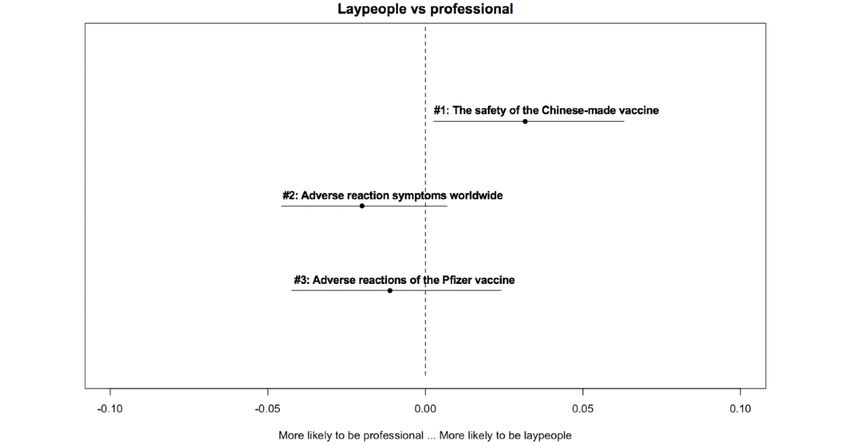
JOURNAL OF MEDICAL INTERNET RESEARCH                                                                                                               Luo et al

     professionals are highly visible and active on Zhihu. A                    explicitly disclose their identities, other than medical
     significant proportion of experts could be easily distinguished            professionals and (2) users who do not divulge their identities
     by their self-reported personal details (eg, affiliation and               explicitly. Identification cues are extracted from pertinent
     working sector) or visual symbols bestowed by the platform                 information units in the user’s public profile, including
     (eg, a blue badge after the username) [46]. Those who specialize           self-reported educational experience, working sectors, career
     in particular fields and engage in sharing opinions are more               history, and authentication information.
     likely to become influencers on Zhihu [50]. These characteristics
                                                                                With regard to the reserved 65 questions, it is untenable to
     enable us to discern professionals from laypeople
                                                                                perform between-group comparisons 65 times. In other words,
     cost-effectively and discover the expression incongruities
                                                                                it is not sensible to compare professionals’ and laypeople’s
     between the 2 user groups on Zhihu.
                                                                                expressions under each question because it would be difficult
     To obtain as much comprehensive data as possible, one of the               to draw a representative and systematic conclusion through
     authors designed a Python script to crawl all questions (including         repeated small-scale analysis. Therefore, we classified those
     extended question descriptions) and their corresponding number             questions to find out some common underlying characteristics
     of answers under the “COVID-19 vaccine” topic, which is the                among them. In line with previous experience [53], we carried
     most relevant and active topic about the COVID-19 vaccines                 out semiopen coding to clarify question categories. All authors
     on Zhihu. Since some questions received very few responses,                discussed the classification framework back and forth on the
     we excluded those questions with less than 10 answers. Next,               basis of personal understanding after reviewing all questions
     we adopted another self-written Python script to collect each              and their descriptions. Later, we performed a pilot manual
     answer’s concrete content along with each respondent’s public              coding to confirm the rationality and applicability of the
     profile. The content serves as the core corpus of the current              preliminary categories. The final classification comprises 5
     study, whereas the public profiles are used to determine the               categories (Table 1), which suit all questions well. The mapping
     identity category of the respondent. Finally, 65 questions were            relationships between individual questions and categories can
     retained for the ensuing analysis with 3196 answers under them.            also be found in Multimedia Appendix 1. More specifically,
     Multimedia Appendix 1 provides details regarding the reserved              the 5 categories in Table 1 resonate with preceding studies.
     questions. Data collection was finished on March 23, 2021.                 Firstly, people’s COVID-19 vaccination intention primarily
                                                                                hinges on the safety and side effects of the relevant vaccines
     Coding Scheme                                                              [54]. COVID-19 vaccines’ efficacy and safety profile are vital
     Manual coding was applied to differentiate the 2 types of                  for its successful deployment and the achievement of herd
     identities and classify the 65 retained questions. According to            immunity [6,9]. Thus, “adverse reactions” and “vaccine
     the Merriam-Webster Dictionary, a professional can be defined              effectiveness” are 2 indispensable categories when discussing
     as someone who conforms to the technical or ethical standards              the COVID-19 vaccine. Secondly, one study about discerning
     of a profession [51]. Because of the inherent medical attributes           topics regarding vaccines on the internet proposed that disease
     of COVID-19 vaccines, we further narrowed the meaning scope                outbreaks, vaccine development, vaccine studies, and
     of professional by restricting it to medical professionals. Two            vaccination guidelines emerged in web-based articles on
     criteria were set to distinguish the professional identity: (1)            vaccines [55]. Besides, many scholars accentuated vaccines’
     users licensed or certified to provide health care services to             nonnegligible role in preventing communicable diseases and
     natural persons (eg, physicians and pharmacists) [52] and (2)              indicate the severity and hidden threats resulting from vaccine
     users who major or conduct research in medicine or related                 hesitancy from a societal perspective [2,56,57]. Our remaining
     fields (eg, Chinese pharmacy or life sciences) [46]. Laypeople             3 question categories (Table 1) have significant overlap with
     are also evaluated on the basis of two criteria: (1) users who             those findings.

     Table 1. Question categories and their meanings.
      Category                                   Meaning
      Adverse reactions                          Asking about any unintended or dangerous human reactions to COVID-19 vaccines
      Vaccination                                Asking about COVID-19 vaccination programs, arrangements, intentions, and status quo
      Vaccine effectiveness                      Asking about the physiological reactions in individuals, such as the effectiveness and success signs of
                                                 a specific type of COVID-19 vaccine or efficacy comparison between candidate vaccines
      Social implications of the vaccine         Asking about the social consequences of the emergence and uptake of the COVID-19 vaccine, such as
                                                 whether COVID-19 vaccines can achieve herd immunity
      Vaccine development                        Asking about details regarding the COVID-19 vaccine development process, such as performance indi-
                                                 cators in the 3 trial phases

                                                                                distinguish the identity of each respondent through manual
     Analytical Strategies                                                      coding. Three authors coded 50 randomly sampled respondents
     We selected traditional content analysis and automated text                in accordance with the aforementioned designated criteria in
     analysis as our research methods to address the 2 proposed                 the pilot coding stage. Intercoder reliability reached an ideal
     research questions. Conventional content analysis aimed to                 state (Krippendorff α=.93). The 3 authors then coded the

     https://www.jmir.org/2021/8/e30715                                                                     J Med Internet Res 2021 | vol. 23 | iss. 8 | e30715 | p. 4
                                                                                                                          (page number not for citation purposes)
XSL• FO
RenderX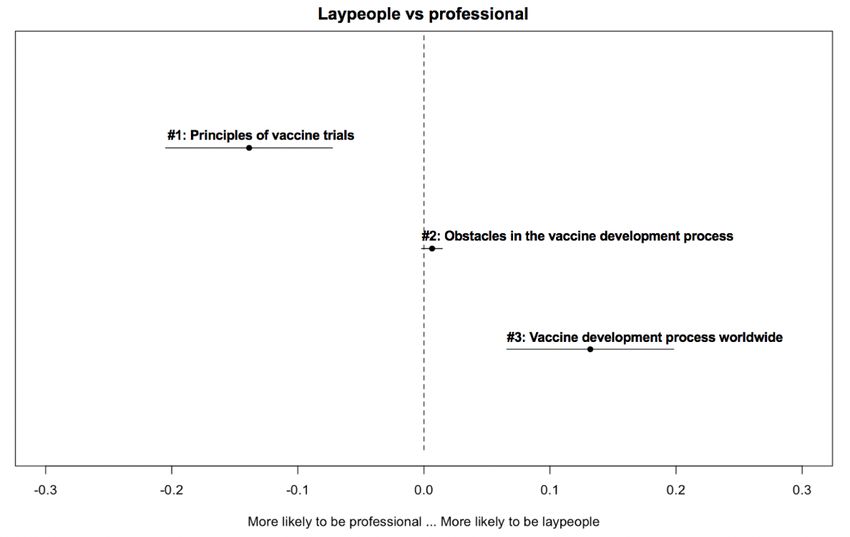
JOURNAL OF MEDICAL INTERNET RESEARCH                                                                                                           Luo et al

     remaining respondents independently. Similarly, 3 authors coded         or topic fluctuation across time [63]. STM assimilates document
     20 randomly selected questions to test intercoder reliability for       metadata (eg, authorship and time of publication) as covariates
     the question category. The reliability coefficient also meets the       during the generative process; it has previously been used to
     statistical standard (Krippendorff α=.91).                              explore the distinct selective sharing mechanisms of different
                                                                             media outlets [64] and how party identification affects topic
     Owing to the large volume of answers, we leveraged automated
                                                                             prevalence [65]. Before formal modeling, the authors conducted
     text analysis to analyze the corpus efficiently. Automated text
                                                                             preprocessing to clean the corpus, including discarding
     analysis is a broad terminology for a series of natural language
                                                                             punctuation, filtering out stop-words, and pruning highly
     processing methods, including but not limited to frequency
                                                                             frequent words. The preprocessing procedure adheres to that of
     analysis, co-occurrence analysis, and topic modeling [58]. This
                                                                             a widely recognized topic modeling study [62]. STM was
     automated approach benefits text miners in alleviating the
                                                                             implemented using the stm package in R [63], while other
     labor-intensive task of coding texts manually. More specifically,
                                                                             automated text analyses were accomplished in the Python
     we calculated the fundamental expression characteristics of the
                                                                             programming environment.
     2 user groups, including the answer length, distribution of
     attitudes, and high-frequency words [46,59]. Attitudinal analysis
     was completed using the up-to-date TextMind software
                                                                             Results
     developed by the Chinese Academy of Science, which can be               The first research question asks about the expression differences
     regarded as the Chinese version of LIWC (Linguistic Inquiry             between professionals and laypeople. Given the 5 predefined
     and Word Count) [60]. TextMind is capable of inferring                  question categories, we examine all answers under each question
     emotional states, intentions, and thinking styles from text             category and performed statistical analysis (Tables 2-5).
     through a dictionary-based approach with high reliability and
     validity [61].                                                          Compared to the answers of professionals, those of laypeople
                                                                             are more prevalent (Table 2). Besides, professionals are inclined
     For thematic analysis, we utilized topic modeling to probe into         to write longer answers than laypeople (Table 3). A subsequent
     the thematic differences between the 2 identities. Topic                series of 2-tailed independent-samples t tests confirmed this
     modeling can investigate the hidden thematic structure of a             supposition by revealing that professionals’ average answer
     given collection of texts [62]. As one of the cutting-edge              length was significantly higher in word count than that of
     branches in the topic modeling family, structural topic modeling        laypeople under each question category (adverse reactions:
     (STM) allows researchers to estimate a topic model by                   t711=–2.335; P=.02; vaccination: t958=–2.401; P=.02; vaccine
     considering document-level metadata. In other words, STM
                                                                             effectiveness: t415=–2.240; P=.03; social implications of vaccine:
     enables researchers to discover relationships between topics
                                                                             t260=–2.149; P=.04; vaccine development: t842=–4.546; P
JOURNAL OF MEDICAL INTERNET RESEARCH Luo et al
Table 3. Answer length of professionals and laypeople under 5 question categories regarding COVID-19 vaccines (N=3196).
Question category Answer word count, mean (SD)
Adverse reactions
Professional 454.12 (674.09)
Laypeople 251.83 (806.92)
Vaccination
Professional 510.67 (1191.63)
Laypeople 225.97 (482.32)
Vaccine effectiveness
Professional 937.03 (2408.93)
Laypeople 310.80 (619.62)
Social implications of the vaccine
Professional 765.52 (1310.93)
Laypeople 200.10 (331.42)
Vaccine development
Professional 815.60 (1345.11)
Laypeople 266.18 (609.15)
Table 4. Attitude distribution of professionals and laypeople 5 five question categories regarding COVID-19 vaccines (N=3196).
Question category Answers with a positive attitude, Answers with a neutral attitude, Answers with a negative attitude,
n (%) n (%) n (%)
Adverse reactions
Professional 21 (30.88) 28 (41.18) 19 (27.94)
Laypeople 209 (32.40) 220 (34.11) 216 (33.49)
Vaccination
Professional 46 (44.23) 28 (26.92) 30 (28.85)
Laypeople 339 (39.60) 276 (32.24) 241 (28.15)
Vaccine effectiveness
Professional 38 (50.00) 13 (17.11) 25 (32.89)
Laypeople 170 (49.85) 97 (28.45) 74 (21.70)
Social implications of the vaccine
Professional 10 (40.00) 6 (24.00) 9 (36.00)
Laypeople 96 (40.51) 67 (28.27) 74 (31.22)
Vaccine development
Professional 53 (41.09) 49 (37.98) 27 (20.93)
Laypeople 336 (46.99) 219 (30.63) 160 (22.38)
https://www.jmir.org/2021/8/e30715 J Med Internet Res 2021 | vol. 23 | iss. 8 | e30715 | p. 6
(page number not for citation purposes)
XSL• FO
RenderXJOURNAL OF MEDICAL INTERNET RESEARCH Luo et al
Table 5. High-frequency words of professionals and laypeople under 5 question categories regarding COVID-19 vaccines.
Question category High-frequency wordsa
Adverse reactions
Professional RNA, Pfizer, adverse reactions, death, America, side effects, clinical trial, inject, inactivated vaccine, data
Laypeople America, China, Pfizer, coronavirus, RNA, death, Japan, inject, adverse reactions, country
Vaccination
Professional coronavirus, crowd, immune, infect, clinical trial, antibody, country, adverse reactions, disease, emergency
Laypeople coronavirus, Russia, America, country, China, crowd, inject, clinical trial, infect, research and development
Vaccine effectiveness
Professional RNA, coronavirus, data, protein, effective rate, infect, cell, immune, inactivated vaccine, technology
Laypeople RNA, China, coronavirus, data, inactivated vaccine, America, India, technology, produce, protein
Social implications of the vaccine
Professional coronavirus, data, clinical trial, Sinovac, infect, come into the market, China, symptom, effective rate,
country
Laypeople country, coronavirus, price, China, research and development, control, domestic, America, free of charge,
crowd
Vaccine development
Professional clinical trial, coronavirus, RNA, experiment, research, research and development, China, infect, clinic, data
Laypeople America, China, RNA, coronavirus, research and development, country, pregnant woman, experiment, infect,
company
a
The 10 most frequent words are listed, and words are translated from Chinese to English. Some Chinese words correspond to more than 1 English
word.
Furthermore, statistical analysis revealed that a positive attitude For an accurate and robust estimation, we took advantage of
dominated the discussion regarding COVID-19 vaccines (Table the data-driven approach to select the number of topics, which
4). A series of chi-square tests were conducted to examine the is a built-in function in the stm package [63]. Based on the
correlation between attitude and identity. The results revealed semantic coherence and residual fluctuation from multiple
nonsignificant relationships under 4 question categories, which rounds of automated tests, we determined the topic number of
suggests that professionals do not differ significantly from each question category. The detailed indicators are exhibited in
laypeople with respect to their attitude distribution when Multimedia Appendix 2.
discussing adverse reactions (χ22=1.5; P=.47), vaccination According to a prior study using STM [13], the topic estimation
(χ22=1.3; P=.51), social implications of the vaccine (χ22=0.3; process sticks to some assumptions. First, each document can
P=.86), and vaccine development (χ22=2.8; P=.25). However, be regarded as a mixture of latent topics, where each topic is a
probability distribution of words. Second, a document is
for vaccine effectiveness, the correlation reached significance
statistically generated by an iterative inference process. A topic
(χ22=6.3; P=.04). Post hoc analysis based on the adjusted is randomly sampled in each process, and a certain word
residual (AD) score revealed that laypeople were less likely to associated with the topic is randomly drawn. The most probable
express a negative attitude (AD=–2.100), while professionals topics and pertinent distributions are estimated on the basis of
favor a negative attitude (AD=2.100) under this category. the given data. Although the probability distribution of words
With respect to the high-frequency words among the 2 user has no intuitive meaning, researchers can interpret the topic’s
groups, it is evident that laypeople mentioned countries more meaning from the relative importance (or the so-called “weight”)
frequently (eg, America, China, Japan, Russia, and India) than of words. In the current study, after executing the STM, topics
professionals. Professionals talked more about medical jargon were represented as collections of words. The authors labeled
(eg, clinical trial, immune, antibody, cell, and effective rate) each topic and summarized the topic’s meaning by considering
than laypeople (Table 5). However, a comparison of the highest-probability words and exclusive words
high-frequency words barely reveals a general word use simultaneously [63]. In STM, words with the highest
preference pattern; the latent semantic structures still require a probabilities and the highest frequency and exclusivity (FREX)
more in-depth inspection. Thus, we performed subsequent STM weights are provided. A high probability implies that
to deepen our understanding of the 2 groups’ topic preferences. corresponding words are highly likely to appear under the given
topic [63], while a high FREX score replenishes the high
The second research question makes an inquiry about the latent probability indicator by considering word exclusivity and
themes that belong to the 2 kinds of identities under the 5 frequency simultaneously [13]. Topics extracted from answers
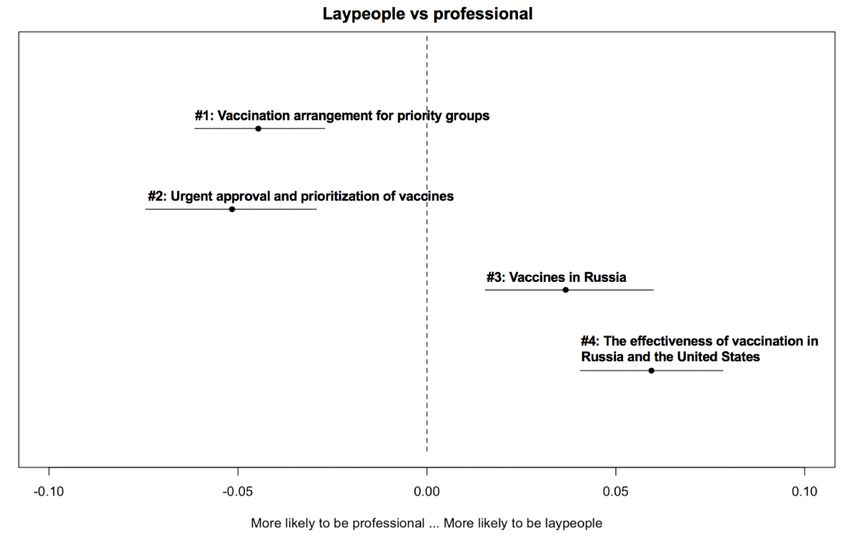
categories and accompanying possible thematic differences. under each question category were depicted (Figure 1). Detailed
https://www.jmir.org/2021/8/e30715 J Med Internet Res 2021 | vol. 23 | iss. 8 | e30715 | p. 7
(page number not for citation purposes)
XSL• FO
RenderXJOURNAL OF MEDICAL INTERNET RESEARCH Luo et al
topic meanings are shown in Multimedia Appendix 3. Next, we PJOURNAL OF MEDICAL INTERNET RESEARCH Luo et al
Figure 3. Thematic disparities between professionals and laypeople under the "vaccination" question category.
Figure 4. Thematic disparities between professionals and laypeople under the "vaccine effectiveness" question category.
https://www.jmir.org/2021/8/e30715 J Med Internet Res 2021 | vol. 23 | iss. 8 | e30715 | p. 9
(page number not for citation purposes)
XSL• FO
RenderXJOURNAL OF MEDICAL INTERNET RESEARCH Luo et al
Figure 5. Thematic disparities between professionals and laypeople under the "social implications of the vaccine" question category.
Figure 6. Thematic disparities between professionals and laypeople under the "vaccine development" question category.
https://www.jmir.org/2021/8/e30715 J Med Internet Res 2021 | vol. 23 | iss. 8 | e30715 | p. 10
(page number not for citation purposes)
XSL• FO
RenderXJOURNAL OF MEDICAL INTERNET RESEARCH Luo et al
conservative mindset because of the intrinsic features in their
Discussion vocational training and educational background. One
Principal Findings representative example is professionals are not as optimistic as
laypeople when talking about vaccine effectiveness on the
This study aimed to disentangle the expression differences premise that COVID-19 vaccine development is an ongoing
between professionals and laypeople in the context of a process that requires more reliable evidence, such as the
somewhat contentious issue. To the best of our knowledge, this undetermined age-specific adverse effects [71].
is one of the few studies adopting STM to analyze thematic
disparities between these 2 user groups, which goes beyond Our results also show that professionals and laypeople analyzed
previous studies that mainly relied on the hand-annotated the COVID-19 vaccine issue from varying perspectives. Echoing
method [46]. Moreover, there is a shortage of studies focusing the literature review, 1 long-standing speculation in the public
on the professional-laypeople divide during the COVID-19 health field and science communication fields is that laypeople’s
pandemic. Our study contributes to comprehending the risk perceptions are always insufficient with regard to scientific
expression characteristics of the 2 identities and provides us an assessments [72]. The scientific knowledge deficiency among
empirical foundation for facilitating professional-laypeople the lay public hampers their ability to understand specific
communication in a web-based Q&A environment, further helps scientific issues and establish a positive attitude toward them
advocate authoritative voices, and corrects misinformation in [38,39,73]. Considering risk perception and attitude together,
a time inundated with uncertainties and risks [66]. we prefer to believe that laypeople’s knowledge is not
quantitatively lesser than or qualitatively inferior to that of
Per our primary findings, the first arresting finding is the active professionals. Instead, the 2 user groups share some similarities
participation of laypeople in the COVID-19 vaccine issue. This but hold different thinking angles simultaneously, which is more
phenomenon, to some extent, gives credence to the previous appropriate to be marked as “qualitatively different.” First, the
viewpoint on the communication-facilitating effect of social 2 user groups unanimously paid attention to adverse reaction
media. Brossard [67] contended that the new media technologies symptoms worldwide, the vaccine’s effectiveness against the
afford the lay audience more opportunities to participate in and mutant virus, the contribution of vaccination for global disease
discuss scientific issues in a relatively straightforward way. prevention, and some other topics, which implies overlaps in
Similarly, Peters [68] bolsters this assertion by reporting that their perspectives. However, considering issues related to
circumstances for web-based communication substantially medical expertise, such as the vaccination question category in
challenge the once quasi-monopoly status of intermediary our study, professionals accentuate arrangement and urgent
information disseminators (eg, professional journalists and approval, which are inextricably linked to public policies, and
scientists) [68]. Therefore, although laypeople do not possess the reasonable allocation of medical resources. Laypeople prefer
equivalent professional knowledge as professionals, the former to care about other countries, presumably driven by the
are still guaranteed sufficient opportunities to discuss overwhelming media coverage on epidemic situations in other
professional issues with professionals. In other words, the social countries. This comparison suggests that the disparities rest in
media platforms characterize equality, openness, and plurality, the division between professional and experiential modes of
which lowers the knowledge threshold and entry barrier when thinking, which act as 2 thinking modes toward controversial
discussing medical issues. However, whether this frequent issues. The stark contrast also manifests in high-frequency word
occurrence of laypeople equates to effective communication or comparison and other medical-related question categories,
fruitful dialogue between these 2 groups needs further including vaccine development and effectiveness. Second, we
investigation. did not observe clear distinctions between the 2 user groups
Aside from the extensive participation of laypeople, our study with regard to attitude under 4 question categories, which further
revealed additional expression differences between the 2 user illustrates that the attitudinal difference assumption based on
groups. First, the average answer length of professionals was knowledge level disparities is untenable in the Chinese
longer than that of laypeople. Backed with professional COVID-19 vaccine context. Despite some objective gaps in
knowledge and practical experience, professionals are likely to knowledge acquisition between professionals and laypeople,
elaborate their viewpoints by incorporating various evidence. they were both willing to treat the COVID-19 vaccines
This is especially true for the COVID-19 vaccine topic because positively. Third, the “adverse reactions” category is most
COVID-19 is a typical “sudden and unexpected event” [69] closely related to risk. In fact, we did not see laypeople lay
with medical puzzles, and the COVID-19 vaccine still calls for excessive stress on the abnormal symptoms. This finding
rigorous clinical trials and continuous surveillance [4]. debunks the risk perception disparities that originated from the
According to Zou et al [70], statistical evidence and narrative knowledge deficiency supposition, which implies that laypeople
evidence are 2 major types of evidence adopted to elucidate are not always amplifying the risks. They favor countries’
health-related topics. Professionals are more familiar with specific situations and think from living experience rather than
quantitative and numerical evidence owing to their professional magnifying vaccine risks or expressing suspicion regarding
background and working experience. They can also invoke COVID-19 vaccines.
narrative evidence derived from daily experiences to support Regarding the social implications of the vaccines, as a category
their views. However, laypeople lack quantitative arguments not closely linked to medical knowledge, the 2 user groups
and have to depend on narratives to expound their viewpoints. showed no significant differences. This finding indicates that
Furthermore, professionals may have a more cautious and the professional and experimental thinking modes lost their
https://www.jmir.org/2021/8/e30715 J Med Internet Res 2021 | vol. 23 | iss. 8 | e30715 | p. 11
(page number not for citation purposes)
XSL• FO
RenderXJOURNAL OF MEDICAL INTERNET RESEARCH Luo et al
explanatory power when encountering the abstract issue. The terminologies in their discussions. By exerting the power of
social implications of COVID-19 vaccines can be broad and STM, as a valuable tool under unsupervised machine learning,
intricate, related to a wide range of societal dimensions. Hence, we outlined the topics under each question category, along with
it is difficult for professionals or laypeople to lay particular the topic preference of the 2 groups. In a nutshell, professionals
emphasis on merely 1 mode. Combining the topics’ similarities paid more attention to the medical principles and professional
and incongruities between the 2 user groups, we conclude that standards nested in discourses on COVID-19 vaccines. In
apart from the overlaps, the “qualitatively different” contrast, laypeople showed solicitude explicitly for
characteristic is also common on the web-based Q&A forum, vaccine-related issues at the national and global levels, and to
which reflects different perspectives derived from knowledge the safety of the Chinese-made vaccine. The 2 user groups
background and life experience. In the context of COVID-19 shared some common grounds and manifested distinct concerns
vaccines, the medical-related questions are more sensitive to within the COVID-19 vaccine context.
the influence of the “qualitatively different” feature, while more
We believe that this study has some implications and merits.
broad and abstract questions seem impervious to this feature.
First, public health scholars should be keenly aware of
Limitations expressions and discussions on web-based Q&A forums, which
Our analysis bears several caveats. With respect to the question were comparatively overlooked in prior infoveillance or
categories, the COVID-19 vaccine is a multifaceted, intricate, infodemiology studies [74]. Q&A forums such as Zhihu or
and context-dependent issue associated with copious aspects Quora make a clear distinction between professionals and
[5]. Some question categories, such as vaccines and international laypeople, thus providing researchers with opportunities to
relations, are omitted in this study and hence need to be further explore the professional-laypeople incongruities in discursive
explored in future studies. Besides, the inclusion of longitudinal styles and core topics. These dimensions may further facilitate
perspectives in this text mining study would yield more addressing the underlying “distance” or “gap” between the 2
intriguing findings. For instance, with the development of the user groups [68]. Second, extant studies germane to
COVID-19 pandemic, will the thematic differences between COVID-19–related topic modeling widely to probe into public
these 2 user groups become wider or narrower? A dynamic and concerns and public awareness [75,76]. However, there is a
longitudinal approach would undoubtedly advance our paucity of studies on the thematic differences among various
comprehension of the ongoing COVID-19 vaccine issue and identities. Our attempts using STM provide a viable solution to
help curb this public health emergency. Furthermore, 1 aspect discover the nuanced differences between distinct identities,
that cannot be dismissed is that the answers, of both unfolding some particular advantages over traditional topic
professionals and laypeople, were largely hinged on the modeling. Third, for public health educators, effective
characteristics of the questions. Thus, the topic distribution may professional-laypeople communication does not need to focus
be confined within the questions’ scopes. Future studies could on all underlying topics. Considering the “qualitatively
focus on other social media platforms (eg, Twitter and Sina different” characteristic, practitioners should focus on discussing
Weibo) to obtain a more holistic discursive landscape, which topics that are significantly inconsistent across different
may be more topic-rich owing to the absence of designated identities and strive to mitigate misunderstanding while
questions. generating consensus on those topics. For example, some
scholars found that popular conspiracies on Chinese social
Conclusions media, which are related to the pandemic’s origin, are about
This study provides an overview of opinion patterns and whether country actors intentionally developed SARS-CoV-2
scrutinizes the expression differences between professionals in the laboratory or as bioweapons [77]. Since laypeople are
and laypeople toward the COVID-19 vaccine. In terms of highly concerned with COVID-19 vaccines in foreign countries,
quantity, laypeople are the dominant discussants in the public health practitioners must closely scrutinize relevant
web-based Q&A forum Zhihu. Regarding expression discussions to guard against the emergence of vaccine-related
differences, the professionals preferred writing longer answers rumors, conspiracies, or hate speech and strive to create an
than laypeople; they also showed a conservative stance in atmosphere for a rational discussion.
vaccine effectiveness and tended to mention medical
Acknowledgments
The authors wish to thank Dr Anfan Chen (postdoctoral researcher, The Chinese University of Hong Kong) for his constructive
suggestions in the initial stage of the study.
Conflicts of Interest
None declared.
Multimedia Appendix 1
Question categories and corresponding questions with their number of answers.
[DOC File , 80 KB-Multimedia Appendix 1]
https://www.jmir.org/2021/8/e30715 J Med Internet Res 2021 | vol. 23 | iss. 8 | e30715 | p. 12
(page number not for citation purposes)
XSL• FO
RenderXJOURNAL OF MEDICAL INTERNET RESEARCH Luo et al
Multimedia Appendix 2
Using semantic coherence and residual fluctuation to determine the number of topics (k) under each question category.
[DOC File , 706 KB-Multimedia Appendix 2]
Multimedia Appendix 3
Topics, topic meaning, and corresponding keywords under each question category.
[DOC File , 41 KB-Multimedia Appendix 3]
References
1. WHO Coronavirus (COVID-19) Dashboard. World Health Organization. URL: https://covid19.who.int/ [accessed 2021-04-21]
2. Mo PK, Luo S, Wang S, Zhao J, Zhang G, Li L, et al. Intention to Receive the COVID-19 Vaccination in China: Application
of the Diffusion of Innovations Theory and the Moderating Role of Openness to Experience. Vaccines (Basel) 2021 Feb
05;9(2):129 [FREE Full text] [doi: 10.3390/vaccines9020129] [Medline: 33562894]
3. Kaur SP, Gupta V. COVID-19 Vaccine: A comprehensive status report. Virus Res 2020 Oct 15;288:198114 [FREE Full
text] [doi: 10.1016/j.virusres.2020.198114] [Medline: 32800805]
4. Haynes BF, Corey L, Fernandes P, Gilbert PB, Hotez PJ, Rao S, et al. Prospects for a safe COVID-19 vaccine. Sci Transl
Med 2020 Nov 04;12(568):eabe0948. [doi: 10.1126/scitranslmed.abe0948] [Medline: 33077678]
5. Lazarus JV, Ratzan SC, Palayew A, Gostin LO, Larson HJ, Rabin K, et al. A global survey of potential acceptance of a
COVID-19 vaccine. Nat Med 2021 Feb;27(2):225-228 [FREE Full text] [doi: 10.1038/s41591-020-1124-9] [Medline:
33082575]
6. Ruiz JB, Bell RA. Predictors of intention to vaccinate against COVID-19: Results of a nationwide survey. Vaccine 2021
Feb 12;39(7):1080-1086 [FREE Full text] [doi: 10.1016/j.vaccine.2021.01.010] [Medline: 33461833]
7. Malik AA, McFadden SM, Elharake J, Omer SB. Determinants of COVID-19 vaccine acceptance in the US.
EClinicalMedicine 2020 Sep;26:100495 [FREE Full text] [doi: 10.1016/j.eclinm.2020.100495] [Medline: 32838242]
8. Murphy J, Vallières F, Bentall RP, Shevlin M, McBride O, Hartman TK, et al. Psychological characteristics associated
with COVID-19 vaccine hesitancy and resistance in Ireland and the United Kingdom. Nat Commun 2021 Jan 04;12(1):29
[FREE Full text] [doi: 10.1038/s41467-020-20226-9] [Medline: 33397962]
9. Haque A, Pant AB. Efforts at COVID-19 Vaccine Development: Challenges and Successes. Vaccines (Basel) 2020 Dec
06;8(4):739 [FREE Full text] [doi: 10.3390/vaccines8040739] [Medline: 33291245]
10. Eibensteiner F, Ritschl V, Nawaz FA, Fazel SS, Tsagkaris C, Kulnik ST, et al. People's Willingness to Vaccinate Against
COVID-19 Despite Their Safety Concerns: Twitter Poll Analysis. J Med Internet Res 2021 Apr 29;23(4):e28973 [FREE
Full text] [doi: 10.2196/28973] [Medline: 33872185]
11. Korda H, Itani Z. Harnessing social media for health promotion and behavior change. Health Promot Pract 2013
Jan;14(1):15-23. [doi: 10.1177/1524839911405850] [Medline: 21558472]
12. Finney Rutten LJ, Blake KD, Greenberg-Worisek AJ, Allen SV, Moser RP, Hesse BW. Online Health Information Seeking
Among US Adults: Measuring Progress Toward a Healthy People 2020 Objective. Public Health Rep 2019;134(6):617-625
[FREE Full text] [doi: 10.1177/0033354919874074] [Medline: 31513756]
13. Jo W, Lee J, Park J, Kim Y. Online Information Exchange and Anxiety Spread in the Early Stage of the Novel Coronavirus
(COVID-19) Outbreak in South Korea: Structural Topic Model and Network Analysis. J Med Internet Res 2020 Jun
02;22(6):e19455 [FREE Full text] [doi: 10.2196/19455] [Medline: 32463367]
14. Luo C, Li Y, Chen A, Tang Y. What triggers online help-seeking retransmission during the COVID-19 period? Empirical
evidence from Chinese social media. PLoS One 2020;15(11):e0241465 [FREE Full text] [doi: 10.1371/journal.pone.0241465]
[Medline: 33141860]
15. Shen C, Chen A, Luo C, Zhang J, Feng B, Liao W. Using Reports of Symptoms and Diagnoses on Social Media to Predict
COVID-19 Case Counts in Mainland China: Observational Infoveillance Study. J Med Internet Res 2020 May
28;22(5):e19421 [FREE Full text] [doi: 10.2196/19421] [Medline: 32452804]
16. Rains SA. Big Data, Computational Social Science, and Health Communication: A Review and Agenda for Advancing
Theory. Health Commun 2020;35(1):26-34. [doi: 10.1080/10410236.2018.1536955] [Medline: 30351198]
17. Featherstone JD, Ruiz JB, Barnett GA, Millam BJ. Exploring childhood vaccination themes and public opinions on Twitter:
A semantic network analysis. Telematics and Informatics 2020 Nov;54:101474. [doi: 10.1016/j.tele.2020.101474]
18. Featherstone JD, Zhang J. Feeling angry: the effects of vaccine misinformation and refutational messages on negative
emotions and vaccination attitude. J Health Commun 2020 Sep 01;25(9):692-702. [doi: 10.1080/10810730.2020.1838671]
[Medline: 33103600]
19. Grajales FJ, Sheps S, Ho K, Novak-Lauscher H, Eysenbach G. Social media: a review and tutorial of applications in medicine
and health care. J Med Internet Res 2014 Feb 11;16(2):e13 [FREE Full text] [doi: 10.2196/jmir.2912] [Medline: 24518354]
20. Chen S, Xu Q, Buchenberger J, Bagavathi A, Fair G, Shaikh S, et al. Dynamics of Health Agency Response and Public
Engagement in Public Health Emergency: A Case Study of CDC Tweeting Patterns During the 2016 Zika Epidemic. JMIR
Public Health Surveill 2018 Nov 22;4(4):e10827 [FREE Full text] [doi: 10.2196/10827] [Medline: 30467106]
https://www.jmir.org/2021/8/e30715 J Med Internet Res 2021 | vol. 23 | iss. 8 | e30715 | p. 13
(page number not for citation purposes)
XSL• FO
RenderXJOURNAL OF MEDICAL INTERNET RESEARCH Luo et al
21. Lwin MO, Lu J, Sheldenkar A, Schulz PJ. Strategic Uses of Facebook in Zika Outbreak Communication: Implications for
the Crisis and Emergency Risk Communication Model. Int J Environ Res Public Health 2018 Sep 10;15(9):1974 [FREE
Full text] [doi: 10.3390/ijerph15091974] [Medline: 30201929]
22. Sutton J, Renshaw SL, Butts CT. COVID-19: Retransmission of official communications in an emerging pandemic. PLoS
One 2020;15(9):e0238491 [FREE Full text] [doi: 10.1371/journal.pone.0238491] [Medline: 32936804]
23. Li Z, Xu X. Analysis of Network Structure and Doctor Behaviors in E-Health Communities from a Social-Capital Perspective.
Int J Environ Res Public Health 2020 Feb 11;17(4):1136 [FREE Full text] [doi: 10.3390/ijerph17041136] [Medline:
32053913]
24. Larrouy-Maestri P, Magis D, Grabenhorst M, Morsomme D. Layman versus Professional Musician: Who Makes the Better
Judge? PLoS One 2015;10(8):e0135394 [FREE Full text] [doi: 10.1371/journal.pone.0135394] [Medline: 26308213]
25. Feleszko W, Lewulis P, Czarnecki A, Waszkiewicz P. Flattening the Curve of COVID-19 Vaccine Rejection-An International
Overview. Vaccines (Basel) 2021 Jan 13;9(1):44 [FREE Full text] [doi: 10.3390/vaccines9010044] [Medline: 33451104]
26. Slovic P. Understanding Perceived Risk: 1978–2015. Environ Sci Policy 2015 Dec 31;58(1):25-29. [doi:
10.1080/00139157.2016.1112169]
27. Slovic P. Trust, emotion, sex, politics, and science: surveying the risk-assessment battlefield. Risk Anal 1999
Aug;19(4):689-701. [doi: 10.1023/a:1007041821623] [Medline: 10765431]
28. DuPont RL. Nuclear Phobia--Phobic Thinking about Nuclear Power. Washington, DC: The Media Institute; 1980.
29. Covello V, Flamm W, Rodricks J, Tardiff R. The analysis of actual versus perceived risks. Boston, MA: Springer; 1983.
30. Slovic P. Risk Perception. In: Travis CC, editor. Carcinogen Risk Assessment. Boston, MA: Springer; 1988:171-181.
31. Kasper RG. Perceptions of Risk and Their Effects on Decision Making. In: Societal Risk Assessment. Berlin: Springer
Science & Business Media; 1980:71-80.
32. Bouchez M, Ward JK, Bocquier A, Benamouzig D, Peretti-Watel P, Seror V, et al. Physicians' decision processes about
the HPV vaccine: A qualitative study. Vaccine 2021 Jan 15;39(3):521-528. [doi: 10.1016/j.vaccine.2020.12.019] [Medline:
33328141]
33. Chen X, Wagner AL, Zheng X, Xie J, Boulton ML, Chen K, et al. Hepatitis E vaccine in China: Public health professional
perspectives on vaccine promotion and strategies for control. Vaccine 2019 Oct 08;37(43):6566-6572. [doi:
10.1016/j.vaccine.2019.07.067] [Medline: 31353258]
34. Alshammari TM, AlFehaid LS, AlFraih JK, Aljadhey HS. Health care professionals' awareness of, knowledge about and
attitude to influenza vaccination. Vaccine 2014 Oct 14;32(45):5957-5961. [doi: 10.1016/j.vaccine.2014.08.061] [Medline:
25218193]
35. Stoutenborough JW, Sturgess SG, Vedlitz A. Knowledge, risk, and policy support: Public perceptions of nuclear power.
Energy Policy 2013 Nov;62:176-184. [doi: 10.1016/j.enpol.2013.06.098]
36. Ho SS, Xiong R, Chuah AS. Heuristic cues as perceptual filters: Factors influencing public support for nuclear research
reactor in Singapore. Energy Policy 2021 Mar;150:112111. [doi: 10.1016/j.enpol.2020.112111]
37. Hansen J, Holm L, Frewer L, Robinson P, Sandøe P. Beyond the knowledge deficit: recent research into lay and expert
attitudes to food risks. Appetite 2003 Oct;41(2):111-121. [doi: 10.1016/s0195-6663(03)00079-5] [Medline: 14550309]
38. Miller J, Pardo R, Niwa F. Public Perceptions of Science and Technology: A Comparative Study of the European Union,
the United States, Japan, and Canada. Bilbao: Fundación BBV; 1997.
39. Miller J, Kimmel L. Biomedical Communications: Purpose, Audience, and Strategies. Amsterdam: Elsevier; 2001.
40. Ho SS, Leong AD, Looi J, Chen L, Pang N, Tandoc E. Science Literacy or Value Predisposition? A Meta-Analysis of
Factors Predicting Public Perceptions of Benefits, Risks, and Acceptance of Nuclear Energy. Environ Commun 2018 Jan
03;13(4):457-471. [doi: 10.1080/17524032.2017.1394891]
41. Leibowitz MK, Scudder MR, McCabe M, Chan JL, Klein MR, Trueger NS, et al. Emergency Medicine Influencers' Twitter
Use During the COVID-19 Pandemic: A Mixed-methods Analysis. West J Emerg Med 2021 Mar 22;22(3):710-718 [FREE
Full text] [doi: 10.5811/westjem.2020.12.49213] [Medline: 34125051]
42. Zhang J, Xue H, Calabrese C, Chen H, Dang JHT. Understanding Human Papillomavirus Vaccine Promotions and Hesitancy
in Northern California Through Examining Public Facebook Pages and Groups. Front. Digit. Health 2021 Jun 17;3:683090.
[doi: 10.3389/fdgth.2021.683090]
43. van Atteveldt W, Peng T. When Communication Meets Computation: Opportunities, Challenges, and Pitfalls in Computational
Communication Science. Commun Methods Meas 2018 Apr 20;12(2-3):81-92. [doi: 10.1080/19312458.2018.1458084]
44. Surian D, Nguyen DQ, Kennedy G, Johnson M, Coiera E, Dunn AG. Characterizing Twitter Discussions About HPV
Vaccines Using Topic Modeling and Community Detection. J Med Internet Res 2016 Aug 29;18(8):e232 [FREE Full text]
[doi: 10.2196/jmir.6045] [Medline: 27573910]
45. Yousefinaghani S, Dara R, Mubareka S, Papadopoulos A, Sharif S. An analysis of COVID-19 vaccine sentiments and
opinions on Twitter. Int J Infect Dis 2021 Jul;108:256-262 [FREE Full text] [doi: 10.1016/j.ijid.2021.05.059] [Medline:
34052407]
46. Liang J, Liu X, Zhang W. Scientists vs laypeople: How genetically modified food is discussed on a Chinese Q&A website.
Public Underst Sci 2019 Nov;28(8):991-1004. [doi: 10.1177/0963662519876782] [Medline: 31547775]
https://www.jmir.org/2021/8/e30715 J Med Internet Res 2021 | vol. 23 | iss. 8 | e30715 | p. 14
(page number not for citation purposes)
XSL• FO
RenderXYou can also read


