From research to evidence
based sustainable
interventions and practices
←
→
Page content transcription
If your browser does not render page correctly, please read the page content below
From research to evidence based sustainable interventions and practices
PREMUS 2019		   Conference Venue                                                                       2

                PREMUS 2019 is a place where scientists and
                practitioners from different cultures and backgrounds meet
                and interact to promote research in this field
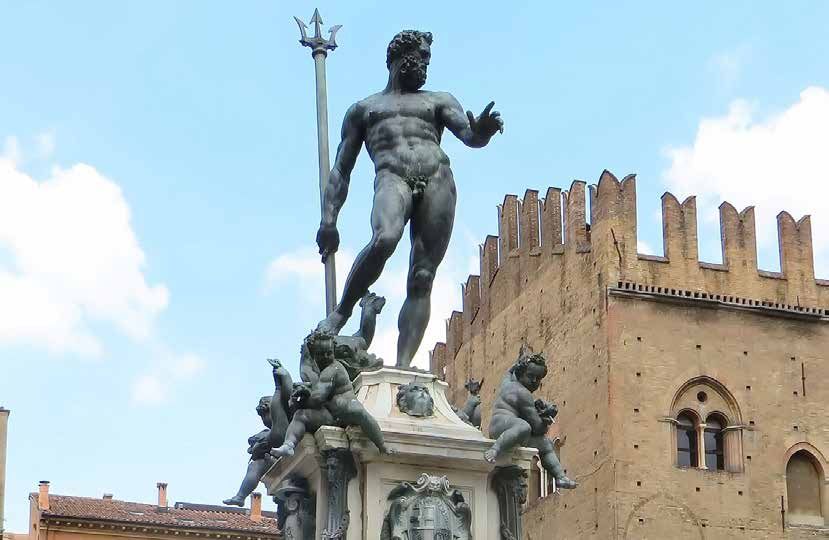
                The Medieval atmosphere of the Conference Venue and the traditional hospitality of
                Bologna, with its Alma Mater Studiorum considered to be the oldest university in the
                Western world, will assist to make your stay fruitful and comfortable.

                Palazzo Re Enzo
                Piazza del Nettuno, 1 - Bologna - Italia
PREMUS 2019 Rationale 3
Welcome to PREMUS 2019, the 10th International
Scientific Conference on the Prevention of Work-Related
Musculoskeletal Disorders.
Musculoskeletal disorders and injuries are relevant conditions across life-course and
the most common work-related diseases. They are the second most common cause of
disability worldwide, measured by years lived with disability, with low back pain being
the most frequent condition and osteoarthritis the most common joint disorders.
Challenges of managing an increased life expectancy and an ageing workforce
put the occupational setting in a unique position to study significant predictors of
musculoskeletal disorders and to develop preventive strategies.
A multidisciplinary scientific approach focusing on lifestyle, work-related biomechanical
conditions and psychosocial factors is strategic for the development of evidence-based
preventive measures.
High quality epidemiological studies, combining new technologies for exposure
assessment and high-resolution diagnostic imaging, are desirable to improve our
knowledge on the underlying biological mechanisms of musculoskeletal conditions and
the dose-response relationship.
PREMUS 2019 is a place where scientists and practitioners from different cultures and
backgrounds meet and interact to promote research in this field.
The Medieval atmosphere of the Conference Venue and the traditional hospitality of
Bologna, with its Alma Mater Studiorum considered to be the oldest university in the
Western world, will assist to make your stay fruitful and comfortable.PREMUS 2019 Conference themes 4
Conference themes
Musculoskeletal diseases evidence based case definition in epidemiology, clinical
practice and for evaluating causation in groups and individuals
Ageing, musculoskeletal health and work
Health-related work disability of the musculoskeletal system
Effective interventions to reduce musculoskeletal disorders and work disability
Rehabilitation/supportive conditions at work to improve work ability
Assessing exposure to risk factors for work-related musculoskeletal disorders
Occupational exposure limits to prevent work-related musculoskeletal disorders
Gender and musculoskeletal disordersPREMUS 2019 Local Organizing Committee 5
Local Organizing Committee
BONFIGLIOLI ROBERTA, ITALY
Department of Medical and Surgical Sciences, University of Bologna
CURTI STEFANIA, ITALY
Department of Medical and Surgical Sciences, University of Bologna
FARIOLI ANDREA, ITALY
Department of Medical and Surgical Sciences, University of Bologna
MARIANGELA FREZZA, ITALY
Secretariat of the Local Organizing Committee
GRAZIOSI FRANCESCA, ITALY
Department of Medical and Surgical Sciences, University of Bologna
MATTIOLI STEFANO, ITALY
Department of Medical and Surgical Sciences, University of Bologna
PILLASTRINI PAOLO, ITALY
Department of Biomedical and Neuromotor Sciences, University of Bologna
VIOLANTE FRANCESCO SAVERIO, ITALY
Department of Medical and Surgical Sciences, University of BolognaPREMUS 2019 International Scientific Committee 6
International Scientific Committee
ARMSTRONG, THOMAS J, USA
University of Michigan, Ann Arbor, Michigan
BARRERO, LOPE H, COLOMBIA
Professor and Dean
School of Engineering, Pontificia Universidad Javeriana, Bogotá, Colombia
BONFIGLIOLI, ROBERTA (CHAIR), ITALY
Department of Medical and Surgical Sciences, University of Bologna,
Chair ICOH SC Musculoskeletal disorders (MSD)
BURDORF, ALEX, THE NETHERLANDS
Erasmus Medical Center Rotterdam, Netherlands
CURTI, STEFANIA, ITALY
Department of Medical and Surgical Sciences, University of Bologna,
Chair ICOH SC Effectiveness in Occupational Health Services (EOHS)
DALE, ANN MARIE, USA
Washington University in St. Louis
DESCATHA, ALEXIS, FRANCE
Inserm Paris hospital, Angers University
EVANOFF, BRADLEY A, USA
Division of General Medical Sciences, John T. Milliken Department of Medicine,
Washington University School of Medicine
FARIOLI, ANDREA, ITALY
Department of Medical and Surgical Sciences, University of Bologna
FRINGS-DRESEN, MONIQUE, THE NETHERLANDS
Amsterdam UMC,
AMC, University of Amsterdam, Amsterdam
GRAF, MAGGIE, SWITZERLAND
University of Zurich, Department of Health
IAVICOLI, SERGIO, ITALY
Inail, the National Institute for Insurance against Accidents at Work,
ICOH Secretary GeneralPREMUS 2019 International Scientific Committee 7
IRVIN, EMMA, CANADA
Institute for Work & Health
KANG, DONGMUG, KOREA
Pusan National University Yangsan Hospital
KLUSSMANN, ANDRÉ, GERMANY
Occupational Health Science & Ergonomics
University of Applied Sciences Hamburg
Secretary ICOH SC Musculoskeletal disorders (MSD)
KUIJER, PAUL, THE NETHERLANDS
Coronel Institute of Occupational Health
Netherlands Center for Occupational Diseases
Amsterdam Public Health research institute
Amsterdam UMC, University of Amsterdam
MATTIOLI, STEFANO, ITALY
Department of Medical and Surgical Sciences, University of Bologna
MEYERS, ALYSHA R, USA
Centers for Disease Control and Prevention, National Institute for Occupational Safety
and Health
MINORI NAKATA, JAPAN
Department of Hygiene, Kanazawa Medical University
PILLASTRINI, PAOLO, ITALY
Department of Biomedical and Neuromotor Sciences, University of Bologna
PUNNET, LAURA, USA
Department of Biomedical Engineering, University of Massachusetts Lowell
REMPEL, DAVID, USA
University of California, San Francisco
ROQUELAURE, YVES, FRANCE
University of AngersPREMUS 2019 International Scientific Committee 8
SEIDLER, ANDREAS, GERMANY
Director of the Institute and Policlinic of Occupational and Social Medicine
Technische Universität Dresden
SHARAN, DEEPAK, INDIA
Consultant in Orthopaedics, Rehabilitation, Ergonomics, Occupational Safety and Health
RECOUP Neuromusculoskeletal Rehabilitation Centre, Bengaluru, India
SPATARI, GIOVANNA, ITALY
Department of Biomedical and Dental Sciences and of Morphological and Functional
Images, University of Messina
Chair of the Italian Society of Occupational Medicine (SIML)
STOCK, SUSAN, CANADA
Head, Scientific Group on Work-related Musculoskeletal Disorders
Quebec Institute of Public Health (INSPQ)
Associate Clinical Professor
Department of Social & Preventive Medicine
University of Montreal School of Public Health
Adjunct Professor
Department of Epidemiology, Biostatistics & Occupational Health, McGill University
VERBEEK, JOS, FINLAND
Finnish Institute of Occupational Health, Cochrane Work
VIOLANTE, FRANCESCO SAVERIO, ITALY
Department of Medical and Surgical Sciences, University of Bologna,
ICOH Board Member
WALKER-BONE, KAREN, UK
Director Arthritis Research UK/MRC Centre for Musculoskeletal Health and Work,
MRC Lifecourse Epidemiology Unit, Southampton
WULFF SVENDSEN, SUSANNE, DENMARK
Department of Occupational Medicine
Regional Hospital West Jutland – University Research Clinic, DenmarkPREMUS 2019 Keynote Speakers 9
Keynote Speakers
BONFIGLIOLI ROBERTA, ITALY
Department of Medical and Surgical Sciences, University of Bologna
Roberta Bonfiglioli MD is Associate Professor of Occupational Medicine at the
University of Bologna and Staff physician at the Unit of Occupational Medicine,
Sant’Orsola Malpighi University Hospital in Bologna.
Her research interests include diagnosis and prevention of work-related musculoskeletal
disorders and peripheral neuropathy, occupational risk factors in the health care setting.
Prof. Bonfiglioli is Chair of the “Scientific Committee on Musculoskeletal Disorders” of
the International Commission on Occupational Health (ICOH) for the triennium 2018-
2021, Chair of the Emiliano-Romagnola branch of the Italian Society of Occupational
Medicine for the triennium 2019-2022 and currently degree program Director - Second
Cycle Degree Program in Health Professions of Prevention Sciences at the University of
Bologna.
CARISA HARRIS ADAMSON, USA
Assistant Professor, University of California, Director, UCSF/UCB
Ergonomics Graduate Training Program, Richmond CA, USA
Carisa Harris Adamson, PhD, CPE is an Assistant Professor in the Department of
Medicine at the University of California at San Francisco, and in the School of Public
Health at the University of California at Berkeley. She is also the Director of the UCSF/
UCB Ergonomics Research & Graduate Training Program and the Deputy Director
of the Northern California Center of Occupational & Environmental Health. Dr. Harris
and her team performs research in a variety of areas focused on understanding and
preventing work related injuries and improving human performance, productivity and
health. Her epidemiological research assesses and adjusts for healthy worker survivor
bias in the assessment of physical, personal and work psychosocial factors associated
with Carpal Tunnel Syndrome and subsequent work disability. Additionally, her team is
developing and testing a variety of exposure assessment devices (wearables) for primary
and secondary prevention purposes and performs various intervention studies on
occupational tasks with high risk of musculoskeletal injuries, such as the implementation
of passive exoskeletons in construction work.
JUDITH GOLD, SWEDEN
Centre for Musculoskeletal Research, Department of Occupational and Public Health
Sciences, University of Gävle, Gävle, Sweden. Gold Standard Research Consulting
Judith E. Gold, ScD is an occupational epidemiologist, ergonomist, and electrical
engineer. She is the founder of Gold Standard Research Consulting, providing
epidemiology and data science/data analysis expertise to academic, non-profit (NGOs),
and business clients. Most recently at the Centre for Musculoskeletal Research (CBF)
in Gävle, Sweden, and prior to that at Temple University in Philadelphia, Pennsylvania,
USA, her research has focused on the epidemiology of work-related musculoskeletal
disorders (MSDs), with particular attention to biomarkers and physiological mechanisms.
Dr. Gold is especially interested in the information that can be gleaned from concurrent
assessments of biochemical and quantitative imaging biomarkers. She has been the
recipient of government and industry-funded research grants, and has served as a
consultant for WHO and OSHA.PREMUS 2019 Keynote Speakers 10
KAREN MESSING, CANADA
Professeure émérite, Département des sciences biologiques et chercheure, centre
de recherche CINBIOSE, UQAM Université du Québec, Montréal - Canada
Karen Messing is professor emerita of ergonomics in the Department of Biological
Sciences at the University of Quebec at Montreal. Her research deals with applications
of gender-sensitive analysis in occupational health and with constraints and demands
of work in the service sector, especially the effects of prolonged static standing. In
addition to 145 peer-reviewed scientific articles, she has published several books,
including One-eyed Science: Occupational Health and Working Women (1998) and
Pain and Prejudice: What Science Can Learn about Work from the People Who Do It
(2014). She co-founded the Gender and Work Technical Committee of the International
Ergonomics. She has received several awards including the Governor General of
Canada’s "Persons" Award for advancing the status of women (2009) and the William
P. Yant Award from the American Industrial Hygiene Association (2014) for “outstanding
work in industrial hygiene”. In 2018 she was named one of 21 Montréal “inspiring
citizens”.
SARAH SHARPLES, UK
Horizon Digital Economy Research, Human Factors Research Group, University of
Nottingham, Nottingham, United Kingdom
Sarah Sharples is Pro-Vice-Chancellor for Equality, Diversity and Inclusion for the
University of Nottingham. Her work as a Professor of Human Factors has been applied
to Transport, Healthcare and Manufacturing. She was President of the Chartered
Institute of Ergonomics and Human Factors from 2015-16, and is on the Science
Advisory Council for the UK Department for Transport. She is on the Council of the
Engineering and Physical Sciences Research Council, and leads the national EPSRC
Network Plus ‘Connected Everything’ which brings together communities including
engineering, computer science and design to consider the future opportunities
presented by Digital Manufacturing. She also leads the research project ‘DigiTOP’
which is developing tools and solutions to support the implementation of future digital
manufacturing technologies. She is passionate about ensuring that we take a systems
perspective to considering the role of and impact on people in all work to develop future
technologies and solutions.
KAREN WALKER-BONE, UK
Director Arthritis Research UK/MRC Centre for Musculoskeletal Health and
Work, MRC Lifecourse Epidemiology Unit, Southampton United Kingdom
Karen trained as an academic rheumatologist with a special interest in occupation
and musculoskeletal pain in Southampton, funded by an Arthritis Research UK
Clinical Research Fellowship. Karen is based at the MRC Lifecourse Epidemiology
Unit in Southampton where she is Professor and Honorary Consultant in
Occupational Rheumatology and Director of the Arthritis Research UK/MRC Centre
for Musculoskeletal Health and Work. She leads the multidisciplinary Centre and
coordinates a programme of work to find cost effective ways to reduce the burden of
disability for work caused by musculoskeletal disorders. She was awarded an Honorary
Fellowship of the Faculty of Occupational Medicine in 2013. She also chairs the multi-
disciplinary BSR/BHPR Special Interest Group in work and health.PREMUS 2019 CME / EACCME | Continuing education 11
CME / EACCME | Continuing education
CME credits (ECMEC®s) by the European Accreditation Council for Continuing
Medical Education (EACCME®) will be provided for full attendance at the conference.
Each participant will receive the number of credits he/she is entitled according to his/
her actual participation at the event after completing the feedback form.
Please find below the breakdown of ECMEC®s per day:
02.09.2019 - 8.00
03.09.2019 - 8.00
04.09.2019 - 8.00
05.09.2019 - 4.00
The EACCME® awards ECMEC®s on the basis of 1 ECMEC® for one hour of CME
with a maximum of 8ECMEC®s per day.
To obtain the EACCME credits Participants need to:
- sign the registration form directly at the registration desk on a daily basis (at the
beginning and at the end of the Conference)
- fill out the evaluation form online
Participants will receive by e-mail the instructions for filling out the evaluation form and
the login link.
For further information about credits conversion from
the EACCME system to other Countries system please contact
your professional order or association.PREMUS 2019 Endorsements 12
Endorsements
ICOH
The International Commission
on Occupational Health
DIMEC
Department of Medical and Surgical Sciences
DIMEC University of Bologna, Italy
IEA
International Ergonomics
Association
SIML
Società Italiana
di Medicina del Lavoro
With the support ofPREMUS 2019 Scientific Programme 14
Scientific Programme
Sunday 1st September
6:00 PM - REGISTRATIONS OPENS
7:00-12:00 PM - WELCOME RECEPTION – COCKTAIL DîNATOIRE – PALAZZO RE ENZO
Monday 2nd September
8:00 AM - REGISTRATIONS OPENS
8:30-9:15 AM - PLENARY SESSION - Salone del Podestà
Keynote
New technologies have enhanced the quality and availability of measures of biomechanical
risk factors.
How can we keep workers’ digital footprint under control?
Sarah Sharple - Horizon Digital Economy Research, Human Factors Research Group, University of
Nottingham, Nottingham, United Kingdom
9:15-10:00 AM - PARALLEL SESSIONS
Symposium - Salone del Podestà
Newly developed and redesigned key indicator methods for assessment of
different working conditions with physical workloads. Aspects of background, objectivity,
reliability and validity. PART I
Chair: André Klussmann
Presenters: Klussmann André, Liebers Falk, Serafin Patrick, Schust Marianne, Hartmann Bernd,
Gebhardt Hansjürgen
Risk Assessment (Session 1) - Sala degli Atti
Chair: Francesco Violante
What is the attributional fraction due to work for musculoskeletal disorders on a national level?
Van der Molen Henk
Proportion of upper extremity musculoskeletal disorders attributable to personal and occupational
factors: Results from the French Pays de la Loire study
Nambiema Aboubakari
Music-specific and generic psychosocial stressors among performing musicians with various work
arrangements
Laura Punnett
Special Session - Sala Re Enzo
MSD among Immigrant workers and Ageing, MS Health and Work
Chair: Acran Salmen Navarro
Work-related musculoskeletal disorders preventive program on New York City vulnerable Immigrant
working population: A Clinic / University - community participatory collaboration
Acran Salmen Navarro
Do work exposures help explain musculoskeletal disorder work absence health inequalities?
Stock Susan
Multisite musculoskeletal pain in migrants from the Indian subcontinent to the UK: A cross-sectional
survey
Ntani Georgia
10:00-10:30 AM Coffee breakPREMUS 2019 Scientific Programme 15 10:30-12:00 AM - PARALLEL SESSIONS Symposium - Salone del Podestà Newly developed and redesigned key indicator methods for assessment of different working conditions with physical workloads. Aspects of background, objectivity, reliability and validity. PART II Chair: André Klussmann Presenters: Klussmann, André, Liebers Falk, Serafin Patrick, Schust Marianne, Hartmann Bernd, Gebhardt, Hansjürgen MSD Case Definition and Surveillance (Session 1) - Sala Re Enzo Chair: Roberta Bonfiglioli A review of international programmes for the prevention and management of musculoskeletal disorders Boocock Mark The surveillance of musculoskeletal disorders in Italy: findings from the MALPROF System Papale Adriano Carpal tunnel syndrome as sentinel for detrimental occupational hand activities: a nationwide Danish cohort study Tabatabaeifar Sorosh Severity of carpal tunnel syndrome and manual work: findings from a case-control study Mattioli Stefano Twenty years of CTS surveillance among diverse occupational groups Rosecrance John Prognosis of patients with suspected carpal tunnel syndrome in relation to occupational mechanical exposure of the wrist and impaired median nerve conduction Frost Poul Occupational risk factors for surgically treated carpal tunnel syndrome – a prospective cohort study of 220,610 Swedish construction workers Wahlström Jens Effective interventions to prevent MSD (Session 1) - Sala degli Atti Chair: Laura Punnett Using a mobile app to conduct process evaluation in a participatory ergonomics healthcare intervention Chin Winnie Effectiveness of the multi-component Dynamic Work intervention to reduce sitting time in office workers – results from a cluster randomised controlled trial Renaud Lidewij Controlling Vibration Exposure when Drilling into Concrete: Findings from Two Studies Rempel David Effectiveness of a vacuum lifting system in reducing spinal loads during airline baggage handling Lu Ming-Lun Work ability and vitality in coach drivers: a RCT to study the effectiveness of a self-management intervention during the peak season Van Schaaijk Art Systematic Evaluation of Engineering Controls to Reduce Muscular Loading during Patient Handling Tasks Kim Jay Psychosocial effects of workplace exercise – A systematic review Bordado Sköld Margrethe
PREMUS 2019		          Scientific Programme                                                               16

POSTER SESSION (Poster listed by identification number) - Sala del Quadrante
Chair: Andrea Farioli

			1. A multidisciplinary team to manage ergonomic hazard: Case report of a storekeeper with hand
			   strain
			   Lim Joseph

			2. Designing and making smart class board into automatic height adjustable and determine the effect
			   on user body posture
			    Habibi Ehsanollah

			3. The relationship between status ergonomic construction jobs and musculoskeletal disorders
			   construction workers using check list NIOSH-CPWR
			   Habibi Ehsanollah

			4. Musculoskeletal disorders, ageing and overweight in the workforce - a prospective cohort study
			   Gram Bibi

			5. Relationship between depression and musculoskeletal disorders
			   Nakata Minori

			6. Comparison of musculoskeletal symptoms in blue-collar and white-collar workers in the previous
			   seven days - analysis stratified by age
			   Cardoso Viviane de Freitas

			7. Influence of low and high cognitive loading on task precision during a 30-min tracking task in
			    younger and older subjects
			    Florestan Wagenblast

			8. The Swedish Work Environment Authority introduces medical checks for hand-intensive work
			   Lorén Kersti

			9. The U.S. National Occupational Research Agenda for Musculoskeletal Health
			    Lu Ming-Lun

			10. Effectiveness of workplace interventions in the rehabilitation of musculoskeletal disorders among
			    workers with physical employment: Systematic review
			    Sundstrup Emil

			11. The impact of office ergonomics intervention: a case study in 18 companies across Singapore
			     Rusli Noer Triyanto Rusli

			12. Sit-stand tables in overweight and obese computer workers: investigation of a comfortable pre-
			    set time
			    Barbieri Dechristian

			13. Evaluation of the Current Advise for Return to Activities and Work after Total Knee Arthroplasty
		    Straat A. Carlien

			14. Supervisor’s roles and responsibilities in preventing prolonged disability in workers with
			    musculoskeletal disorders
			    Nastasia Iuliana

			15. Review of research, policy and practice on prevention of work-related Musculoskeletal Disorders
			    (MSDs)
			    Sas Katalin

			16. An unobtrusive wrist orthotic for carpal tunnel syndrome intervention
			    Luong Pauline

			17. Comparison of municipal bus driver whole-body vibration exposures when operating a bus with
			    an active, passive and static suspension bus seat
			    Peter W. Johnson
PREMUS 2019		        Scientific Programme                                                                 17

12:00-AM – 1:30 PM - PARALLEL SESSIONS

			Symposium - Salone del Podestà
			 Ergonomic Assessment Work-Sheet (EAWS): structure, application and validation in the
			industrial sector
			Chair: Gabriele Caragnano
			 Presenters: Gabriele Caragnano, Fabrizio Caruso, Roberta Bonfiglioli, Martin Haselhuhn,
			Lidia Ghibaudo

			MSD Case Definition and Surveillance (Session 2) - Sala Re Enzo
			Chair: Alexis Descatha

			 Personal, biomechanical, psychosocial and organizational risk factors for carpal tunnel syndrome: a
			 Structural Equation Modelling Approach
			Yves Roquelaure

			 Correlations between pain in the back and neck/upper limb in the European Working Conditions
			Survey
			Rizzello Emanuele

			 Work-Related Musculoskeletal Disorder Workers’ Compensation Claims of the Low Back, Shoulder,
			 Hand/Wrist, Knee, Elbow and Neck in the In-Home Care Industry in Washington State, 2006-2016
			Howard Ninica

			 Predictors of Self-Reported Work-Preventing Upper Extremity Symptoms in Canadian Bovine
			Veterinarians
			Reist Robyn

			 Disc herniation with radiculopathy: epidemiologic and economic indicators of compensation in the
			 Pays de la Loire region
			Fouquet Natacha

			 Using occupational injury and hazard surveillance in the development of safety interventions for
			professional loggers
			Rosecrance John

			 Distribution of age, sex, and occupation of carpal tunnel syndrome patients using national health
			insurance data
			Kim Young-Ki

			Effective interventions to prevent MSD (Session 2) - Sala delgli Atti
			Chair: Stefania Curti

			                  Synthesizing the evidence on workplace practices and policies to prevent MSD
		                   Irvin Emma

			 Results of a Participatory Ergonomics Intervention With Wearable Technical Measurements of
			 Physical Workload in the Construction Industry
			Brandt Mikkel

			 A sustainable participatory approach to reducing musculoskeletal hazards in long term care facilities
			Van Eerd Dwayne

			 New strategies to commit subcontracting managers in MSD prevention
			Aude Cuny-Guerrier

			 Does training duration of a worksite-supervised adapted physical activity program affect trunk
			 functional capacities and pressure pain sensitivity over the low back among vineyard-workers?
			Balaguier Romain

			 Smart workwear system with real-time vibrotactile feedback for improving postural behaviour in
			industry
			Yang Liyun
PREMUS 2019		        Scientific Programme                                                                                 18

			                  Optimizing ergonomic working conditions by using a participatory program: the design of a goods-to-
			                  person picking system in a Belgian company
		                   Costers Ruth

1:30-2:30 PM Lunch time

2:30 – 4:30 PM - PARALLEL SESSIONS

			Symposium - Salone del Podestà
			 Title: Job exposure matrices for biomechanical factors: from validation to application
			Chair: Alexis Descatha; Co-Chairs: Bradley A Evanoff, Johan H Andersen
			 Presenters: Laure Ngabirano, Ann Marie Dale, Marc Fadel, Bradley A Evanoff, Annett Dalboge,
			Alexis Descatha

			MSD Case Definition and Surveillance and Work Ability (Session 3) - Sala Re Enzo
		 Chair: Stefano Mattioli

			                  Validation of a conceptual model for shoulder pain risk factors
		                   Bodin Julie

			                  Work above shoulder level and shoulder disorders – a systematic review
		                   Wærsted Morten

			 Longitudinal analysis of shoulder kinematics and muscle EMG in patients surgically treated for
			rotator-cuff tear
			Cutti Andrea Giovanni

			                  Occupational biomechanical risk factors for surgical treatment of subacromial impingement syndrome
			                  (SIS) in a 16-year prospective study among male construction workers
		                   Lewis Charlotte

			 Occupational mechanical and psychosocial exposures and Subacromial Impingement Syndrome: a
			systematic review
			Andersen Johan H

			 Cervical intervertebral disc herniation and occupational risk factors: a literature review
			Zunarelli Carlotta

			 Occupational risk factors for hospitalization due to cervical disc disorder in a 29-year prospective
			 study of Swedish male construction workers
			Jackson Jennie

			 MRI lumbar disco-vertebral findings, age and manual material handling. A cross-sectional multicenter
			study
			Bonfiglioli Roberta

			 Persistent postoperative pain after groin hernia repair in relation to occupational mechanical
			exposures
		  Svendsen Susanne Wulff

			 Inguinal hernia and occupational physical exposure: systematic review and meta-analysis
			Kuijer Paul

			Gender and MSD and Work Ability (Session 1) - Sala degli Atti
			Chair: Emma Irvin

			                  Are there sex differences in scaption torque steadiness?
		                   Oliveira Ana Beatriz

			                  Are there sex differences in the muscle activation and in the relationship between objective and
			                  subjective indicators of muscle fatigue in the neck/shoulder region during a repetitive task?
		                   Machado Cid Marina

			                  Are sex differences in neck/shoulder electromyographical changes induced by a fatiguing repetitive
			                  task affected by the choice of the fatigue criterion?
		                   Machado Cid Marina
PREMUS 2019          Scientific Programme                                                                                   19

			 Evaluating the treatment of sex and gender when assessing methodologic quality in a systematic
			 review of explanatory and prognostic studies of musculoskeletal disorders
		  Stock Susan
			 What are the determinants of the sex/gender difference in the duration of work absence for
			 musculoskeletal disorders? a mixed studies systematic review
			Stock Susan

			 Sex-specific effects of standing vs sitting on trunk and leg muscular and vascular outcomes during a
			 repetitive manual work task
			Cote Julie

			 Awareness, Skill Building and Behavior Modification Program amongst Community and Office
			 Employees on Safer Use of Computing Technology Equipment (Laptops, Desktops, Hand-held
			Devices, including smart-phones)
			Madhwani Kishore P

4:30-6:00 PM - PARALLEL SESSIONS

			Symposium - Salone del Podestà
			 Title: Exposure response relationship assessing biomechanical overload of
			 lumbar spine and upper limbs by methods suggested in ISO standards
			Chair: Deepak Sharan
			 Presenters: Enrico Occhipinti, Enrique Alvarez Casado, Natale Battevi, Daniela Colombini,
			Deepak Sharan

			Symposium - Sala Re Enzo
			 Methods for health risk assessment and risk factors identification of work-related
			musculoskeletal disorders.
			Chair: Sunisa Chaiklieng
			 Presenters: Sunisa Chaiklieng, Pornnapa Suggaravetsiri, Worawan Poochada,
			Naruedee Poonkasem,

			Effective interventions to prevent MSD (Session 3) - Sala degli Atti
			Chair: Benjamin Steinhilber

			 Knowledge transfer and exchange for work and health research to practice
			Van Eerd Dwayne

			                  Operator-exoskeleton interactions: preliminary study on the acceptability of these devices
			                  Atain kouadio Jean Jacques

			 Potential of back exoskeletons in limiting spinal muscles activity depends on their design and on task
			modalities
			Theurel Jean

			 Postural consequences of the use of upper-limb exoskeletons during overhead work: influence of
			exoskeleton design?
			Desbrosses Kévin

			 The effect of passive exoskeleton on the spatial distribution of low back muscles activity during
			simulated work conditions
			Vieira dos Anjos Fabio

			                  Efficacy, usability and acceptability of exoskeletons for workers assistance: A Systematic Review of
			                  current and potential application
		                   Carta Angela

			 A pilot study evaluating the use of a passive exoskeleton as potential intervention for mitigating low
			 back pain risk factors in farmers
			Thamsuwan Ornwipa
PREMUS 2019		        Scientific Programme                                                                           20

			Tuesday                          3rd September
8:00 AM - REGISTRATIONS OPENS

8:30-9:15 AM - PLENARY SESSION - Salone del Podestà

			Keynote
			 Insights into workplace and personal factors that predict disability related to CTS: The NIOSH
			Consortium Study
			Carisa Harris Adamson - Assistant Professor, University of California, Director, UCSF/UCB
			 Ergonomics Graduate Training Program, Richmond CA, USA

9:15-10:00 AM - PLENARY SESSION - Salone del Podestà

			Keynote
			 New findings from the Italian OCTOPUS and related studies on CTS
			 Roberta Bonfiglioli - Associate Professor of Occupational medicine Chair of the ICOH SC
			 Musculoskeletal Disorders - Department of Medical and Surgical Sciences,
			 University of Bologna, Italy

10:00-10:30 AM Coffee break

10:30-12:00 AM - PARALLEL SESSIONS

			Symposium - Salone del Podestà
			 New and Revised Exposure and Risk Assessment Methods For DUE MSDS
			 Chair: Carisa Harris Adamson
			Presenters: Carisa Harris Adamson, Brad Evanoff, Lukas Mitterlehner, Britta Weber, Sean Gallagher

			MSD Case Definition and Surveillance (Session 4) - Sala Re Enzo
			Chair: Susan Stock

			 The Sleeping on the Floor and the Range of Pelvic Tilt in Korean College Students
			Yoon Jangwhon

			 Occupational musculoskeletal disorders among forestry workers
			Pantea Codrina Petronela

			 Musculoskeletal disorders stemming from working in the wind industry: Results of an updated
			scoping review
			Freiberg Alice

			 The differences in the number of varicose vein patients according to occupational categories and
			 working positions: Pilot study on the disease’s correlation to work
			Lee Ilho

			 Bus road drivers: implementation of a remote physical exercise program using smartphone: a protocol
			study
			Negreiros Alexandher

			 Musculoskeletal disorders due to handheld devices: Changing patterns in the past 12 years
			Sharan Deepak

			 Does screen work result in musculoskeletal symptoms? A systematic review and meta-analysis
			Coenen Pieter

			Effective interventions to prevent MSD (Session 4 - Sala degli Atti
			Chair: Paul Kuijer

			                  How do we measure adherence? The effect of different measures of exercise adherence during a
			                  workplace-based exercise training intervention for office workers
		                   Welch Alyssa

			 Longitudinal monitoring of musculoskeletal disorders: the relevance for ergonomic interventions
			Major Marie-Eve
PREMUS 2019		          Scientific Programme                                                               21

			 A novel model for health examinations for workers exposed to hand intensive work – a process
			 evaluation of the ergonomist´s perspective
			Dahlgren Gunilla

			 The effects of an electro-mechanical seat suspension to reduce whole body vibration and low back
			 pain in long haul truck drivers: Results from a randomized controlled trial
			Dennerlein Jack

			 Supporting Return to Work after Total Knee Arthroplasty: Development of an Integrated Care-
			 Intervention including eHealth and Goal Attainment Scaling
			Straat A. Carlien

			 Workplace practices and research evidence in preventing prolonged disability in workers with
			musculoskeletal disorders
			Nastasia Iuliana

			 A model for risk assessment and health examinations for workers exposed to hand intensive work.
			The companies´ experiences
			Eliasson Kristina

POSTER SESSION (Poster listed by identification number) - Sala del Quadrante
Chair: Alysha Meyers

			18. Implementing preventive interventions for work-related upper extremity disorders in agriculture:
			    faciltators and barriers
			     Van der Molen Henk

			19. Physical Exercise Intervention to reduce musculoskeletal disorders and improve work
			    performance – a systematic literature search
			    Sjøgaard Gisela

			20. A Participatory Ergonomics Research Model for Development of Interventions and Identification
			    of Cultural Norms
			    Fulmer Scott

			21. Gender differences on work-related musculoskeletal disorders among workers who perform their
			    activities on sitting posture
			    Ana Beatriz Oliveira

			22. If sternocleidomastoid muscle activation increased in women during the simulation of repetitive
			    tasks could it predict greater risks of disorders?
			    Ana Beatriz Oliveira

			23. Gender differences in the prevalence and intensity of neck, back and shoulder pain in Austrian
			    bank headquarter workers - a secondary analysis of an observational study
			    Schwartz Bernhard

			24. Investigation of morningness and eveningness and it’s related of factors caused by shift working
			    in hospital nurses
			    Habibi Ehsanollah

			25. Presenteeism and Work-Related Musculoskeletal Disorders in Brazilian Nursing Workers
			    Baptista Patricia

			26. Factors of success and of failure in the process of returning to work after surgery for a work-
			    related degenerative shoulder injury: description of the sample
			     Desbrosses Kévin

			27. The experience of nursing workers without work related muskuskeletal disorders on a sick team
			     Baptista Patricia

			28. Work ability and self-rated health of workers with chronic musculoskeletal diseases: A
			    prospective cohort study
		     Padula Rosimeire Simprini
PREMUS 2019		        Scientific Programme                                                                       22

		                   29. A multiprofessional care program to chronic work-related musculoskeletal diseases
			                      individual: a cohort prospective study
			                      Padula Rosimeire Simprini

			30. The independent Association Between Number Of Pain Sites And Return To Work. An
			    Explanatory, Prospective Cohort Study
			    Drongstrup Jesper

			31. Development and measurement properties of a firefighter-specific work limitations scale
			    Macdermid Joy

			32. Perceptions of facilitating factors and barriers when implementing activity based workplaces
			    before and after implementation
			    Wijk Katarina

			33. Correlation between exposure to work-related musculoskeletal risk factors and self-reported
			    musculoskeletal lower back and neck/upper limb symptoms: A cross-sectional study based on
			    the fourth Korean Working Conditions Survey
			    Oh Sungsoo

			34. Consensus on testing and evaluation of occupational exoskeletons in the workplace, for a better
			    integration
			     Atain Kouadio Jean-Jacques

			35. Patient Transfers and Risk of Back Injury: An Electromyographic Evaluation of Assistive Devices
			     Vinstrup Jonas

12:00 AM-1:30 PM - PARALLEL SESSIONS

		  Symposium - Salone del Podestà
			 Exoskeletons for industrial use
			Chair: Tessy Luger; Benjamin Steinhilber
			 Presenters: Jean Theurel, Ulrich Glitsch, Tessy Luger, Idsart Kingma, Divya Srinivasan

			Symposium - Sala Re Enzo
			 Time patterns of biomechanical exposures at work in prevention and health
			 promotion related to MSD: activity, pauses and variation
			Chair: Kaj Bo Veiersted
			 Presenters: Kaj Bo Veiersted, Suzanne Merkus, Pascal Madeleine, Padula Rosimeire Simprini,
			Svend Erik Mathiassen

			Ageing, MS Health and Work (Session 1) - Salone degli Atti
			Chair: Anne Marie Dale

			 When musculoskeletal pain limits work capacity – results from the Senior WorkingLife study among
			11,791 senior workers
			Andersen Lars L.

			 Synthesis of predictor factors for early departures of ageing workers by a systematic literature review
			Pletea Elisabeta

			 Musculoskeletal disorders as predictors of health-related job loss amongst older workers: Results
			 from the HEAF Study
			Walker-Bone Karen

			 Informal caring responsibilities and poorer health amongst working 50-64 year olds: results from the
			 Health and Employment After Fifty (HEAF) Study
			Harris E. Clare

			 Safer and healthier work at any age
			Sas Katalin

			 Obesity and the ability to work to older ages: insights from the Health and Employment After Fifty
			(HEAF) study
			D’Angelo Stefania
PREMUS 2019		         Scientific Programme                                                                    23

1:30-2:30 PM Lunch time

2:30-4:30 PM - PARALLEL SESSIONS

			Symposium - Salone del Podestà
			 Multilevel inventory of methods for risk assessment of physical workload
			 (MEGAPHYS) – A joint project of the German Federal Institute for Occupational Safety and
			 Health (BAuA) and the German Social Accident Insurance (DGUV)
		  Chair: Britta Weber; Marianne Schust
			 Presenters: Britta Weber, Marianne Schust, Ralph Bruder, Matthias Jäger

			MS Work Disability (Session 1) - Sala Re Enzo
			Chair: David Rempel

			 Do Pre-Operative Patient Expectations Regarding Work Ability Become True 6 Months After Total
			 Knee Arthroplasty (TKA)? A Multicenter Prospective Cohort Study
			Kuijer Paul

			 The contribution of excess body mass to the risk of all-cause and cause-specific disability retirement:
			 A systematic review and meta-analysis
			Shiri Rahman

			 Impact of first-line healthcare providers on injured workers’ trajectories of care: a four jurisdiction
			critical analysis
			Hudon Anne

			 Objective predictors of physical work ability in aged manual workers
			Norheim Kristoffer Larsen

			 Musculoskeletal diseases mediate the association of work ability and work life satisfaction with
			intention to retire
			Nygård Clas-Håkan

			 Measurement properties of instruments assessing permanent functional impairment of the spine:
			 blending evidence and stakeholder perspectives
			Goes Suelen M.

			 A trajectory of good workability: An analysis of workplace predictors over 6 years
			Oakman Jodi

			 Is it possible to estimate health economics from work ability score in musculoskeletal in workers with
			musculoskeletal disorders?
			Hagberg Mats

			 Muscle strain and postures during conventional and robotic-assisted laparoscopic surgery: A paired
			cross-sectional study
			Dalager Tina

			 Calcium fluxes in work-related muscle disorders: implications from a rat model
			Barbe Mary F

			Work Ability (Session 1) - Salone degli Atti
			Chair: Carisa Harris Adamson

			 Favorable changes in physical working conditions and risk of sickness absence: Analyzing a
			 prospective cohort study as a pseudo–experiment
			Shiri Rahman

			 QuickDecks: A new tool for sharing best evidence in back pain
			Irvin Emma

			 Associations between muscular pain in neck and shoulders and psychosocial factors at work in
			 relation to leisure physical activity among teachers
			Malinauskiene Vilija
PREMUS 2019		        Scientific Programme                                                                24

			 Correlation between fibromyalgia severity score and fitness for work: A cross-sectional study
			Shlomo Moshe

			 Linking health care and workplace: role of occupational therapists in workplace based occupational
			 health care to prevent MSA-related work disability
			Désiron Huget

			 Neck, trunk, and upper arm posture variation during computer work at a sit-stand table in a real work
			setting
			Barbieri Dechristian

			 Variation in upper trapezius and wrist extensor EMG among computer workers during sit-stand table
			 use in a real work setting
			Barbieri Dechristian

			 Implementing Activity-based Workplaces (ABW) and the importance of participating in process
			activities
			Bergsten Eva

			 Evaluation of an Information Package on MSD Prevention for Small and Micro Business in Ontario,
			Canada
			Yazdani Amin

4:30-6:00 PM - PARALLEL SESSIONS

			Symposium - Sala Re Enzo
			 SELFBACK, a digital health intervention to support self-management in low
			back pain
			Chair: Karen Søgaard
			 Presenters: Karen Søgaard, Paul Jarle Mork, Mette Jensen Stochkendahl, Barbara Nicholl,
			 Malene Jagd Svendsen, Louise Fleng Sandal

			Symposium - Salone del Podestà
			 The use of work-related PROMS in clinical care. Can the use of PROMS
			 facilitate the dialogue between clinical care and occupational health?
			Chair: Annechien Beumer
			 Presenters:Bert van de Wijdeven, Yasmaine Karel, Paul Kuijer, Annechien Beumer

			Effective interventions to prevent MSD (Session 5) - Salone degli Atti
			Chair: Susanne Wulff Svendsen

			 Reducing postural exposure in repetitive manual handling using the Smart Workwear System –
			 effects of vibrotactile feedback and verbal instructions
			Carl Lind

			 The Economic Burden of Work-Related Musculoskeletal Disorders in Five European Countries
			Amirabbas Mofidi

			 Investigating the Potential for Workplace Injury Tradeoffs: Needle-less Injection Tools in Pork
			Production
			Trask Catherine

			 Implementing an ergonomics program on commercial construction worksites reduced new incidents
			 of pain and injury: Results from a cluster randomized controlled trial
			Dennerlein Jack

			 Physiological effects of two level compression socks on security guards during prolonged standing
			work
			Garcia Gabriela

			 Short interruptions during full day computer work and trapezius muscle activity – a randomized
			laboratory study
			Läubli Thomas
PREMUS 2019		          Scientific Programme                                                                             25

			 Process Evaluation of a Workplace-Based Exercise and Health Promotion Cluster-Randomised Trial
			 to Increase Productivity and Reduce Neck Pain in Office Workers: a RE-AIM Approach
			Welch Alyssa

			Wednesday 4th September
8:00 AM - REGISTRATION OPENS

8:30-9:15 AM - PLENARY SESSION - Salone del Podestà

			Keynote
			Imaging and biochemical biomarkers research in non-traumatic musculoskeletal disorders
			(MSD). Practical recommendations
			                  Judith Gold - Centre for Musculoskeletal Research, Department of Occupational and Public Health
			                  Sciences, University of Gävle, Gävle, Sweden. Gold Standard Research Consulting

9:15-10:00 AM - PLENARY SESSION - Salone del Podestà

		  Keynote
			 Frailty and pre-frailty are major determinants of inability to work at older ages: what can we do
			about it?
			Karen Walker-Bone - Director Arthritis Research UK/MRC Centre for Musculoskeletal Health and
			 Work, MRC Lifecourse Epidemiology Unit, Southampton United Kingdom

10:00–10:30 AM Coffee break

10:30-12:00 AM - PARALLEL SESSIONS

			Symposium - Salone del Podestà
			 Evidence-based, sustainable interventions: Do research and practice meet?
			Chair: Laura Punnett
			Presenters: Henk van Rhee, Jan Dul, Yves Roquelaure, Mohsen Zare, Kasper Edwards,
			 Dwayne van Eerd, Maaike Huijsmans

			MSD Case Definition and Surveillance (Session 5) - Sala Re Enzo
			Chair: Brad Evanoff

			 Impact of working technique on cumulative loadings among other factors
			Vallée Marcotte Jasmin

			 Implementation of patient transfer technique and good perceived psychosocial working climate
			 association with peak exposures of physical load among health care providers in nursing homes in
			Norway
			Amro Amin

			 Characterizing musculoskeletal injuries in two public sector workforces with exposure to two different
			custodial populations
			Kurowski Alicia

			                    The BRAzilian eValuation of Occupational health (BRAVO) database: presentation of the workers’
			                    profile and prospects for future studies
		                     De Barros Fernanda Cabegi

			 Prevalence of upper limb disorders and occupational health problems among the women brick
			 molders of west bengal, india
			Das Banibrata

			 Work-related polyneuropathy of upper limb
			Ishteryakova Olga

			 Salient beliefs underlying the intention to diagnose WRMSD among General Practitioners: a
			 qualitative study using Theory of Planned Behaviour
			Mohd Yusoff Hanizah
PREMUS 2019		          Scientific Programme                                                              26

			Risk Assessment (Session 2) - Sala degli Atti
			Chair: Andre Klussmann

			 A critique of duty cycle and its role in assessing MSD risk
			Gallagher Sean

			 Instrumental-based methods for biomechanical risk assessment
			Draicchio Francesco

			 Musculoskeletal health in people on sick leave: Validation of the Norwegian version of the
			Musculoskeletal Health Questionnaire
			Tingulstad Alexander

			 Sitting, standing and physical activity among male and female office workers of different age:
			 behaviours examined using compositional data analysis
			Mathiassen Svend Erik

			 The influence of nursing home, ward, eldercare worker and work situation on the use of assistive
			 devices during resident handling
			Karstad Kristina

			                    Subjective criteria for knife sharpness evaluation in meat-cutting activities
		                     Savescu Adriana

			 Psychophysiological reactions, stress and recuperation among telecommuting academics
			Widar Linda

POSTER SESSION (Poster listed by identification number) - Sala del Quadrante
Chair: Julie Coté

			36. Developing RAMP 2.0 - for enhanced applicability
			                   Rose Linda M

			37. The Upper limb neurodynamic test 1 in the clinical diagnosis of carpal tunnel syndrome
			    Trillos Maria

			38. Worker’s strategies analysis to prevent musculoskeletal disorders: the case of deburrers in the
			    foundry sector
			    Schoose Clara

			39. Occupational Injuries in Craft Beer Brewing Industry
			    Brents Colleen

			40. Parsonage-Turner Syndrome: differential diagnosis of painful shoulder in a bus driver
			    Barbieri Dechristian Franca

			41. Raynaud’s phenomenon in the occupational context
			    Barbieri Dechristian Franca

			42. Prevalence of and factors associated with nonspecific lower back pain in warehouse workers
			    Martins Gomes Maryanne

			43. Prevalence of musculoskeletal pain and evaluation of postural risk among administrative workers
			    at the Costa Rica Institute Technology
			    Campos-Fumero Adriana

			44. Online dashboard for surveillance of ergonomic-related workers
			    Meyers Alysha

			45. Difference between experts’ and novices’ footstep patterns during a palletizing task
			    Vallée Marcotte Jasmin

			46. Work-related musculoskeletal injuries among health care workers handling patients - Brief
			    statistical analysis
			    Melo Daniel
PREMUS 2019		        Scientific Programme                                                                      27

			47. Evaluation of resilience in nursing workers in a teaching hospital
			    Baptista Patricia

			48. Evaluation of a passive back exoskeleton in simulated industrial tasks
			    Baer Mona

		                   49. Creating Awareness amongst Community and Office Employees on Safer Use of Computing
			                      Technology Equipment (Laptops, Desktops and Hand-held Devices)
			                      Singh Jitendra Kumar

			50. Implementation of short passive and active breaks during simulated laparoscopic work
			    Luger Tessy

			51. Effect of telehealth program to office workers on knowledge, skills and on behavior: a secondary
			    analysis of a cluster randomized controlled trial.
			    Padula Rosimeire Simprini

			52. The Workers Applied More for the Sick Days Secondary to Musculoskeletal Disorders in the Year
			    of a Major Downsizing: An observed case report at a Korean manufacturing company
			     Yoon Jangwhon

			53. Lumbar disc surgery: is it only a sentinel event of spinal disease?
			   Fouquet Natacha

12:00-AM – 1:30 PM - PARALLEL SESSIONS

			Symposium - Salone del Podestà
			 Effectiveness of interventions to prevent low back pain: insights from the field
			Chair: Stefania Curti
			 Presenters: Henk van der Molen, Rahaman Shiri, Paul Kuijer, Emma Irvin

			Effective interventions to prevent MSD (Session 6) - Sala Re Enzo
			Chair: Minori Nakata

			 Outcome of treatment of work-related myofascial pain syndrome using a sequenced interdisciplinary
			rehabilitation protocol
			Sharan Deepak

			 Effectiveness of onsite occupational health clinics in management of work-related musculoskeletal
			 disorders in information technology professionals
			Sharan Deepak

			 Evidence Based Sustainable Interventions for Safer Working amongst Office Employees, Physicians
			and Paramedical Staff
		  Madhwani Kishore P

			 An on-line intervention tool for reducing musculoskeletal discomfort amongst individuals working with
			 computers and laptops from home
			Madhwani Kishore P

			 Integrated care for work participation among orthopaedic surgery patients – a systematic review with
			meta-analysis
			Coenen Pieter

			 Comparisons of whole body vibration exposures and related musculoskeletal stress between single-
			 axial passive and multi-axial active suspension in a mining vehicle application
			Kim Jay

			 A Cochrane Review: Ergonomic interventions for preventing work-related musculoskeletal disorders
			 of the upper limb and neck among office workers
			Victor CW Hoe
PREMUS 2019		        Scientific Programme                                                                  28

			 Risk Assessment (Session 3) - Salone degli Atti
			Chair: Lope H Barrero

			 Reaction Parameters Linked to Cumulative Trauma Disorders during Use of Powered Tightening
			 Tools: A Literature Review
			Mazaheri Ava

			 A participative toolkit for workplace users to assess and control risk of musculoskeletal disorders
			(MSDs)
			Oakman Jodi

			 Physical load of rescue workers during patient transport in stairwells
			Schiefer Christoph

			 Motion-based estimation of back loading during manual material handling tasks
			Muller Antoine

			 Low back pain risk assessment: combining trunk kinematic and electromyographic data through a
			 deep learning neural network
			Delisle Alain

			 Monitoring working activities with inertial and magnetic sensors in place of video cameras: what are
			the advantages?
			Ferrari Alberto

			 In Vitro Fatigue of Human Flexor Digitorum Tendons
			Gallagher Sean

1:30-2:30 PM Lunch time & ICOH SC MSD Meeting

2:30 – 4:30 PM - PARALLEL SESSIONS

			Symposium - Salone del Podestà
			 Fatigue Manichaeism and Musculoskeletal disorders
			Chair: Bernard J. Martin
			 Presenters: Karen Søgaard, Julie Coté, Marie Barbe, Sean Gallagher, Bernard J. Martin

			Work Ability (Session 2) - Sala Re Enzo
		 Chair: Andreas Seidler
    Alternations between physical and cognitive tasks – does temporal pattern and cognitive task

			 difficulty influence fatigue development?
			Mixter Susanna

			 Occupational and leisure time physical activity and multiple pain sites in construction and healthcare
			 workers during 2-year follow-up
			Heggeland Marieke

			 Mobile app for employees as intervention to provoke a healthy physical workstyle
			De Kraker Heleen

			 Quantification of stroke-induced proprioceptive and motor deficits to facilitate rehabilitation
			Acosta-Sojo Yadrianna

			 What happens with ergonomics after relocation to a flex office?
			Wahlström Viktoria

			 Working while working out – Using two types of dynamic office workstations (DOWs) with two
			 intensities and the effects on tasks with various complexity
			Schellewald Vera

			 Reasons for use and non-use of sit-stand workstations – results of a qualitative study among office
			 workers with long-term access to sit-stand workstations
			Huysmans Maaike

			 Implementation of Ergonomic Intervention on Some Unorganized Sectors Workplaces at India
			Ghosh Tirthankar
PREMUS 2019 Scientific Programme 29 Inclusion of HFE Principles in the Development of a National Design Standard for Ambulances Yazdani Amin Inventory cost model with rest allowance based on effects of heat strain and metabolic cost Korkulu Sezen Risk Assessment (Session 4) - Sala degli Atti Chair: Yves Roquelaure Proposal for an integrated multi-method holistic approach for risk assessment (and management) of biomechanical overload on the musculoskeletal system in healthcare workers of a large Italian University Hospital Sala Emma The Composite Strain Index (COSI) to evaluate the wrist’s biomechanical overload in the milking routine: the example of the Italian dairy sector Masci Federica Novel instrumentation for measuring hand effort through pressure mapping and contact forces during actual task performance Jae Son A wearable system for automated assessment of Hand Activity Level - a pilot study Forsman Mikael A smart hand-wrist risk assessment method Forsman Mikael Narrative review of risk assessment methods applied in the agricultural setting for the prevention of musculoskeletal disorders Bonfiglioli Roberta Ergonomic Risk Assessment and Process Efficiency in the Craft Brewing Industry: A Pilot Study Hancock Kyle Prevalence of musculoskeletal pain in children and youth in rural work and associated factors Modernel Xavier Daiani Manual force assessment using wearable pressure sensors: a case study Graziosi Francesca Use of Virtual Workplace Models and Predetermined Time Systems for Analysis of Work Loads Bonfiglioli Roberta 4:30-6:00 PM - PARALLEL SESSIONS Symposium - Sala Re Enzo Low Back Pain – Occupational and clinical aspects Chair: Shlomo Moshe Presenters: Shlomo Moshe, Ayala Krakov, Darya Levy Barak, Yael Sahar-Kostis, Yair Barak Symposium - Salone del Podestà Beyond CTS: Findings on other health outcomes in recent large cross sectional and prospective studies Chair: Carisa Harris Presenters: Alysha R Meyers, Carisa Harris, Stephen Bao, David H. Seidel, Roberta Bonfiglioli Effective interventions to prevent MSD (Session 7)- Sala degli Atti Chair: Dongmug Kang Telehealth with Extended Care to promote the quality of life of office workers: a cluster randomized controlled trial Padula Rosimeire Simprini Adherence of office workers to active and passive pauses at workplace Padula Rosimeire Simprini
PREMUS 2019		        Scientific Programme                                                                    30

			 Design of a return-to-work program to improve productivity and reduce recurrence: Back Pain Case
			Lope H. Barrero

			 Reducing MSD risk in the aged care sector using multi-factorial evidence-based interventions
			Rothmore Paul

			 A Cochrane Review about the effectiveness of work breaks for preventing musculoskeletal symptoms
			Luger Tessy

			 Do high adherence to job rotation results in positive effects on the musculoskeletal symptoms,
			 occupational risk factors perception and job satisfaction?
			Comper Maria Luiza Caires

			 Impact of Secondary Intervention on Musculoskeletal Disorder Development, Systemic Inflammation
			 and Sensorimotor Behavioral Declines in A Rat Model
			Barbe Mary

			Thursday 5th September
8:00 AM - REGISTRATION OPENS

8:30-9:15 AM - PLENARY SESSION - Salone del Podestà

			Keynote
			When and how to think about sex/gender during an ergonomic intervention
			Karen Messing - Professeure émérite, Département des sciences biologiques et chercheure, centre
			 de recherche CINBIOSE, UQAM Université du Québec, Montréal - Canada

9:15-10:00 AM - PLENARY SESSION - Salone del Podestà

			Special Session
			 Exposure level assessment for causal attribution of MS diseases and Occupational Exposure
			 Limits to prevent MS diseases and disorders.
			Francesco Violante - Professor of Occupational medicine - Department of Medical and Surgical
			 Sciences, University of Bologna, Italy

10:00–10:30 AM Coffee break

10:30-12:00 AM - PARALLEL SESSIONS

			Symposium - Salone del Podestà
			 Developing International Criteria for Work-Related Musculoskeletal
			 Diseases: An Initiative of the Committee on Work-related Musculoskeletal Disorders of ICOH
			Chair: Roberta Bonfiglioli
			 Presenters: David Rempel, Karen Walker-Bone, Alexis Descatha, Andreas Seidler, Paul Kuijer

			 MS Work Disability (Session 2) - Sala Re Enzo
			Chair: Adriano Papale

			 Which workers in France are at high risk of long-term work absence due to work-related
			musculoskeletal disorders?
			Chazelle Emilie

			 Individual Placement and Support as a model of vocational rehabilitation for patients unemployed with
			 chronic pain: A feasibility programme
			Catherine Linaker

			 Effects of an early multidisciplinary intervention on sickness absence in patients with persistent low
			 back pain - a randomized controlled trial
			Mortensen Ole
You can also read


