Faculty of Health and Sport Sciences - Committee for Creation of Institute Brochure in English Faculty of Health and Sport Sciences University of ...
←
→
Page content transcription
If your browser does not render page correctly, please read the page content below
Committee for Creation of
      Institute Brochure in English
                         Faculty of
        Health and Sport Sciences
             University of Tsukuba

    Faculty of
   Health and
Sport Sciences
          2022
The Mission: Faculty of Health and Sport Sciences,
University of Tsukuba: Our Contribution to Society

        As members of the Faculty of Health and Sport Sciences of the University of Tsukuba, we will contribute in the following
       ways towards helping to solve the global issues of the 21st century and help to promote human happiness, by actively
       contributing to the fields of physical education, sport, and health.

         1.Education
            Develop leaders capable of solving issues at point of need
            We will foster leaders who can solve problems at various sites where physical education, sport, health, and other activities
            take place. This will be undertaken within an educational system that includes undergraduate and Master’s Programs in
            cooperation, with a current education for adults program, through practical education such as problem-solving, learning
            and internship.
            Leadership in doctoral studies in the field of physical education, sport and health
            We will be the forefront in Japan’s doctoral studies in the field of physical education, sport and health by working to de-
            velop researchers and highly specialized professionals with extensive expertise and interdisciplinary abilities with a global
            perspective.
            Development of human resources through the contribution of sport and physical education
            The frequent practice of sport and physical education fosters a healthy body, mind, and strong spirit. It contributes
            to a “globally oriented human resources endowed with intelligence, human nature, and robustness that are applicable to
            the world stage” as cited in the Tsukuba Standards.

         2.Research
            Internationally convey research findings on Japan’s unique physical culture, martial arts, and sport
            In light of the humanities and social research regarding the values and ethics of sport, we will undertake research on the
            characteristics of Japan’s unique physical culture, martial arts, and sport, and encourage global dissemination of our re-
            search findings.
            Promote practical research in a wide range of fields which contributes to further education
            Based on fundamental research and theoretical study of physical education, sport, and health, we will promote practical
            research in a wide range of fields contributing to further education.
            Interdisciplinary research based on cutting-edge health and sport sciences
            We will promote research on cutting-edge health and sport sciences as an interdisciplinary study in order to contribute to
            the national policy on “promoting the health and physical fitness of the Japanese people.”

         3.Competitive Sport
            A high-performance reinforcement base with research, practice, and education as the three pillars
            Research on improving competitive sport performance and instruction based on the research results, and coaching educa-
            tion—with these three elements functioning as one, the high-performance reinforcement base will contribute to improv-
            ing Japan’s competitiveness in the sport events.

         4. Social Contribution
            Regional health promotion system for solving national health issues
            In addition to providing people of the world with advanced health support measures that make use of the research results
            in sports medicine, we will create a health promotion system in collaboration with medical institutions and the local com-
            munity.
            Comprehensively promote “Knowledge” and “Technique” to society
            While making active social contributions from an academic perspective to scientific societies, we will also promote compre-
            hensive research results on physical education, sport, and health science to the local community; thereby supporting
            education according to life stages, lifelong sport, and improvement in competitive performance.
            Strengthen our function as a hub for industry, government, and academic collaboration
            For the above nine goals, the Faculty of Health and Sport Sciences, University of Tsukuba will become a hub for forming
            industry, government, and academic collaboration, and continuously present innovative ideas to achieve more productive
            results.

1   Faculty of Health and Sport Sciences / University of Tsukuba 2022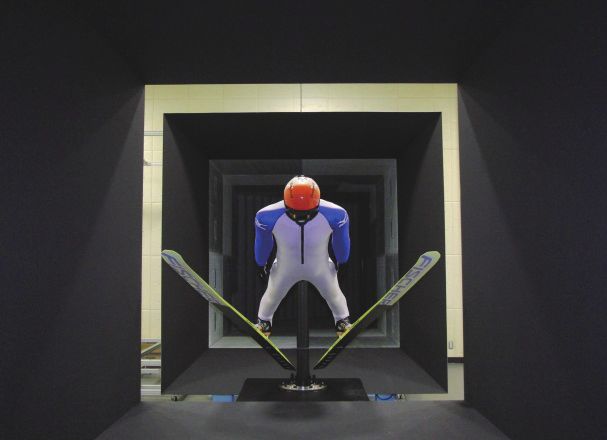
CONTENTS
                                                                                                                                                                       STAFF
T   he Faculty of Health and Sport Sciences seeks to contribute to the development of scientific culture through comprehensive promotion of basic and applied
research in a wide range of academic fields from the natural sciences to the humanities and social sciences as they concern physical education and sport movements
 while monitoring results in other fields. The Faculty also seeks to respond to modern social demands. The University of Tsukuba has offered Olympic studies classes
as an academic course since 2003. Instructors include not only university faculty members, but also an IOC vice president, a JOC president, an IOC Sport and
Environment Commission member, a sport photographer, NHK personnel, and Olympians who were invited to give lectures from their unique perspectives on the
cultural diversity of the Olympics and future issues concerning the Olympic movement. The total number of persons who have taken Olympic studies classes over
the past three years exceeds 1,000. Dr. Jacques Rogge, IOC former president and a promoter of the Olympic movement, recognized University of Tsukuba as an
extremely enthusiastic site for research on and promotion of the Olympic movement. In an “Olympic no Boukyo” (Olympic Studies) class held in 2003, he conveyed
this message to the students and later continued to support the class. In recognition of his contributions, the University of Tsukuba presented Mr. Rogge with an
honorary doctorate in October 2006.In 2016, the same honor was confered on Thomas Bach,the current president of the IOC.

In 2002, The Promotion of Health and Sport Scientific Research program was selected as a Twenty-First Century Center of Excellence (COE) Program on a
joint application by the Physical Education Science Department and the Sports Medicine Department. The Centre for Olympic Research and Education was
established in 2010 approved by IOC. This five-year program focuses on three research projects (1) development of sports and activity programs that invigorate
lifestyles of young children to seniors based on their physical capabilities and characteristics; (2) development of programs to enhance human health and sports
medicine research in order to establish tailor-made activity-based treatments; and (3) creation of training methods to enhance the competitive abilities of leading
athletes and development of athletic rehabilitation. Through these activities, the program seeks to create a global research center that can address both basic and
applied issues.

                                               Contents
                                               University Information                                      3
                                               School of Physical Education,Health and Sport Sciences and
                                               Faculty of Health and Sport Sciences				                    4
                                               Education System							 6
                                               Special Research Facilities						 9
                                               International Exchange Program					10
                                               SPEC : Sport Performance and Clinic Lab. 				              11
                                               Faculty of Health and Sport Sciences				13
                                               Staff									15
                                               Campus Map and Location						25

                                                                                 Faculty of Health and Sport Sciences / University of Tsukuba 2022              2
Information
University
              University Information http://www.tsukuba.ac.jp
               / HISTORY                                                               // AREA, STAFF and STUDENTS
                The University of Tsukuba was established in October, 1973,                           2,465,247m2
              when the Tokyo University of Education, its predecessor, was             Campus Area
                                                                                                      4 km North to South, 1 km West to East.
              relocated. With the good tradition and characteristics of the
              predecessor, the creation of University of Tsukuba brought about                        President 1, Vice Presidents 10
              the first major university reform in Japan to meet a demand from                        Professors 599, Associate Professors 559
              inside and outside the universities.                                            Staff   Assistant Professors 688
                Since its foundation, the principles of the University of Tsukuba,
                                                                                                      Junior Assistant Professors 31,
              namely “New Systems for Education and Research,” “New Univer-
              sity Government,” and “Open University,” have attracted attention                       Others and Administractive staff
              from various people, and have played a leading role in university                       Total(Male / Female)
              reforms.                                                                                Undergraduates       9797( 5949 / 3848 )
                                                                                          Students
                                                                                                      Graduates            6785( 4408 / 2377 )
               / EDUCATIONAL SYSTEM                                                                                            - As of May 1, 2020 -
               // Undergraduate Courses
               The University of Tsukuba further developed its unique features
              and reformed its undergraduate school system to achieve a
              better quality of education. The University has 7 composite
              schools; the School of Humanities and Culture, School of Social
              and International Studies, School of Human Sciences, School of
              Life and Environmental Sciences, School of Sciences and Engi-
              neering, School of Informatics, and School of Medicine and
              Medical Sciences, each of which include colleges of similar
              disciplines. In addition to these composite schools the School of
              Physical Education, Health and Sport Sciences and the School of
              Art and Design in which students are required to acquire special
              abilities and qualifications, exist independently.

               // Graduate Courses
               The University of Tsukuba offers both master’s and doctoral
              degree programs for education and research guidance.
               The two-year master’s degree programs aim at producing
              professionals with academic and technical expertise and offer
               re-education opportunities for the general public. They are not
              divided into the usual specialized fields and adopt an interdisci-
              plinary education system.
               The doctoral degree programs train students to become inde-
              pendent researchers capable of conducting original research
              with the aim of training highly- specialized professionals. In
              addition, there are evening graduate courses for working profes-
              sionals in Otsuka, Tokyo: Counseling and Rehabilitation Science
              course and Sports and Health Promotion course and Doctoral
              Program (for the last three years) in Business Sciences Studies.

               / RESEARCH SYSTEM
               Other than its educational organizations, the University of
              Tsukuba has also established research institutes, special project
              research groups and research centers. The research institutes
              have been established according to fields of research. This
              grouping is not based on special fields of a narrow spectrum, but
              on intimately related areas where communication is possible on
              the specialist level. Faculty members belong to one of these
              institutes where they conduct individual studies in accordance
              with their specialties, and teach in the undergraduate and
              graduate schools.

              3    Faculty of Health and Sport Sciences / University of Tsukuba 2022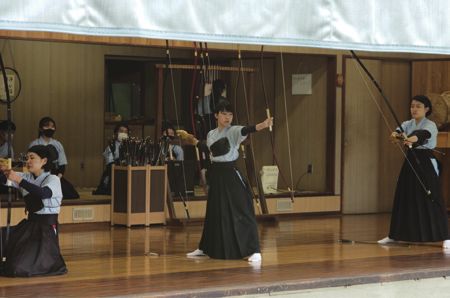
Health and Sport Sciences and
School of Physical Education, Health and Sport Sciences and

                                                                                                                                            School of Physical Education,
                                                                                                                                                          STAFF
                                                                                                                                            Faculty of Health and Sport
Faculty of Health and Sport Sciences
 / HISTORY
  Both the School of Physical Education, Health and Sport Sci-
ences and the Faculty of Health and Sport Sciences at the Univer-
sity of Tsukuba originate from the National School of Gymnastics

                                                                                                                                            Sciences
founded in 1878, which is the oldest institute in Japan for gym-
nastics and physical education. The institute was combined with
Tokyo Normal School in 1885. In 1902, Normal School was
reorganized as the Tokyo Higher Normal School and faculty of
Physical Education was instituted in 1915. In 1924, the National
Institute of Health and Physical Education was founded in Tokyo
and in 1941 it was reorganized as the Tokyo College of Physical
Education.After World War II, the Faculty of Health and Physical
Education was established within the Tokyo University of Educa-
tion in 1949.

 This was the result of the amalgamation of the Tokyo Higher
Normal School, the Tokyo University of Literature and Science,
the Tokyo College of Physical Education and the Tokyo College of
Agricultural Education. In 1960, the Institute of Sport Sciences
was created as an addition to the Faculty. With the establishment
of the University of Tsukuba in 1973, a new system of health,
physical education and sport sciences was developed on the
base consolidated by the reorganization of the former Faculty
and the Institute, as well as by the recruitment of new faculty
staff members.

                                                                                                      写真:YUTAKA /アフロスポーツ

                                                                     / RESEARCH SYSTEM
                                                                     Health and Sport Sciences consists of three fields; Physical
                                                                    Education and Sport Studies, Health and Human Performance
                                                                    Studies, and Coaching Studies. Physical Education and Sport
                                                                    Studies includes fields such as sport culture, sport management
                                                                    and politics, and sport pedagogy and psychology.
                                                                     Health and Human Performance Studies contains fields such as
                                                                    fundamental and practical researches on exercise and sport and
                                                                    health promotion. Coaching Studies contains fundamental meth-
                                                                    odology of sports as well as methodology of specific sports
                                                                    including outdoor education and dance. Research in all areas
                                                                    covers a wide range of topics including fundamental as well as
                                                                    practical research.

                                                                     The Faculty of Health and Sport Sciences has more than 100
                                                                    full-time research staff members consisting of professors, associ-
                                                                    ate professors and assistant professors as well as contracted
                                                                    research associates and assistants. The Faculty also accepts
                                                                    foreign teachers and researchers. The staff are responsible for
                                                                    teaching undergraduate and graduate students, and also for
                                                                    carrying out various research projects. These projects are con-
                                                                    ducted in conjunction with researchers from inside and outside
                                                                    the institute. This puts the institute at the center of the develop-
                                                                    ment of physical education, health and sport sciences in Japan.

                                                                     Advanced Research Initiative for Human High Performance was
                                                                    established in July, 2015

                                                                     The Faculty of Health and Sport Sciences also publishes two
                                                                    research journals every year, Bulletin of Faculty of Health and
                                                                    Sport Sciences and Bulletin of Sport and Physical Education
                                                                    Center of University of Tsukuba.

                                                                    Faculty of Health and Sport Sciences / University of Tsukuba 2022   4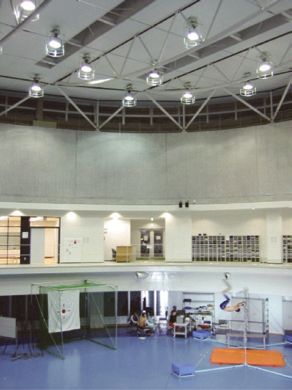
Sciences
Faculty of Health and Sport
Health and Sport Sciences and
School of Physical Education,
                                / ANNUAL PUBLICATIONS
                                Bulletin of Faculty of Health and Sport Scienses, University of Tsukuba(since 1978)
                                Bulletin of Sport and Physical Education Center, University of Tsukuba(since 1979)
                                Bulleitn of Sport Methodology, University of Tsukuba(since 1984 to 1999)

                                                                                Professor Sawao KATO

                                                                                7 gold medals which Professor Sawao KATO won at the
                                                                               Olympic Games ( Mexico 1968 and Munich 1972 Olympic)

                                                                                Professor Sawao KATO has been commended to“THE
                                                                               ATHLETES OF THE CENTURY” .
                                                                                This commendation ceremony was held in Budapest /
                                                                               Hungary on June 26, 1999 as part of the 75th anniversary
                                                                                                                                                   Principal of Tokyo Higher Normal School
                                                                               of A.I.P.S. ( International Sport Journalist Association ).
                                                                                                                                                           Kano Jigoro(1860-1938)

                                                                                                                                             Physical Education and Sport Studies
                                                                            Faculty of Health
                                Research System                             and Sport Sciences
                                                                                                                                             Health and Human Performance Studies

                                                                                                                                             Coaching Studies

                                                                   Advanced Research Initiative for                                          Human Energy and Health Section
                                                                   Human High Performance

                                                                                                                                             Competitive Sports Section

                                Education System                                               Undergraduate School
                                                                                               School of Physical Education, Health and Sport Sciences

                                                                                               Graduate School of Comprehensive Human Science

                                                                                               Graduate School Master’s Program
                                                                                               ●Physical Education, Health and Sport Sciences
                                                                                               ●Sports and Health Promotion
                                                                                               ●Joint Master’s Program in International Development and
                                                                                                 Peace through Sport
                                                                                               ●Tsukuba International Academy for Sport Studies (TIAS):
                                                                                                 Master’s Programme in Sport and Olympic Studies
                                                                                               ●Secondary Education, Health and Physical Education
                                                                                               Graduate School Doctoral Program
                                                                                               ●Physical Education, Health and Sport Sciences
                                                                                               ●Coaching Science
                                                                                               ●Sports Medicine
                                                                                               ●Human Care Science
                                                                                               ●Joint Doctoral Program in Advanced Physical Education and
                                                                                                 Sports for Higher Education
                                                                                               ●Sport and Wellness Promotion

                                                                                               Sports and Physical Education Center

                                5   Faculty of Health and Sport Sciences / University of Tsukuba 2022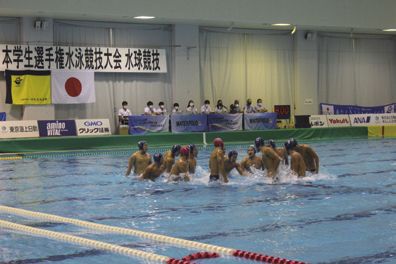
STAFF
                                                                                                                                               EDUCATIONAL SYSTEM
 Education System
 / Undergraduate Program(four years)                                   Handball, Coaching in Soccer, Coaching in Rugby, Coaching in
    School of Physical Education, Health and Sport Sciences            Racket and Bat Sports, Coaching in Judo, Coaching in Kendo,
   seeks to educate students to be professional leaders with           Coaching in Kyudo, Outdoor Pursuits and Education, and Coach-
   basic and comprehensive knowledge and practical skills in           ing in Dance Studies.
   health and physical education.
                                                                         The Master’s Program in Sport and Wellness Promotion aims to
 // First and Second Year (Freshman and Sophomore)                       cultivate experts who can promote sport and health in a com-
     Students are required to experience various sports and to         munity or organization, with the basic philosophy multiplier
   learn basic theories and practices.                                 effects concerning sport and health.
     Students undergo training concerning analysis of their own          This program consists of two courses and each course contains
   issues regarding athletics practices based on scientific data.      two fields. The Sport Promotion course contains two fields: Sport
   Students use their academic results to design their own study       Promotion and Sport Management. Sport Promotion considers
   plans and training regimens and create programs and take            the philosophy, goals, content, issues and process of sport
   measures to resolve their own issues.                               promotion. Sport Management considers the management of
                                                                       sports organizations, sport clubs and top sport. The Health
 // Third and Fourth Years (Junior and Senior)                         Promotion course has two fields: Health Promotion and Stress
    Students choose an area of study for the completion of their       Management. Health Promotion considers policy issues, and the
  graduation theses.                                                   design of social planning and community systems for health.
                                                                       Stress Management considers stress management as a health
 A. Physical Education and Sport Studies                               behavior, and determines the development of methods and
     Students study physical education and sports mainly by            systemization of health counseling and mental health that is
    using cultural and social science approaches. The scope of         adaptable to various life styles and life stages.
    the Physical Education and Sport Studies includes philosophy         The Master's program in Education has three subprograms:
    of PE and sport, history of PE and sport, budo, sociology of       Subprogram in International Education, Subprogram in School
    sport, management of PE and sport, psychology of PE, sport         Education for the Next Generation, Subprogram in Education
    pedagogy, and adapted PE.                                          Sciences. Subprogram in School Education for the Next Genera-
                                                                       tion includes the Secondary education area which includes the
 B. Health and Human Performance Studies                               Health and Physical Education field. In this course, theoretical
     Students study sports and exercises mainly by using natural       and practical solutions are offered for training prospective HPE
   science approaches. The scope of the Health and Human               teachers so they may play leading roles in secondary education.
   Performance Studies includes applied anatomy, human
   physiology, exercise physiology, sport nutrition, biomechan-         / Master’s Programme in Sport and
   ics, human performance, test and measurement, sports                   Olympic Studies
   medicine, and health education.                                       An international centre of excellence was established to develop
                                                                       future global sport professionals for the world of sport. This
 C. Coaching Studies                                                   programme is renewal one of TIAS( Tsukuba International Acad-
     Students study various approaches for investigating sports,       emy for Sport ) programme which was a part of the “Sport for
                                                                       Tomorrow” project funded by the Japanese government.
   characteristics of each sport, and practice and instruction
                                                                         It accepts 8 overseas students and Japanese students who are
   methodsin details. The scope of the Coaching Studies includes
                                                                       expected to become leaders in the international sporting world
   theory of coaching, movement theory of sport, general               as TIAS2.0
   gymnastics, athletic gymnastics, track and field, swimming,           Participants are taught comprehensive knowledge and manage-
   dance, outdoor education, basketball, volleyball, handball,         ment skills in English. Five fields are developed over the course of
   soccer, rugby, racket-bat sports (baseball, table tennis, bad-      study: Olympic and Paralympic Education; Sport Management;
   minton, and tennis) , judo, kendo, and kyudo.                       Sport Science and Medicine;Teaching, Coaching and Japanese
                                                                       Culture.
 / Master’s Program (2 years)                                            The aim of this programme is to develop the next generation of
  The Master’s Program in Physical Education, Health and Sport         leaders in the sporting world including:
Sciences aims to train specialized professionals with the ability to
solve various sports, physical education, and health problems in       • Persons with high managerial and leadership skills who are
light of developments in science and technology. The program             creative and innovative and able to act on the international
                                                                         sporting stage (IOC, IPC, IFs, WADA, UN, UNOSDP, International
offers the following courses and research fields. Courses include
                                                                         NGOs etc).
Sport Culture, Management and Politics, Health and Sport
Education, Health and Fitness, Athletic Conditioning, and Sport        • Professionals with practical skills who are able to apply their
Coaching.                                                                academic knowledge in a professional environment. The Olym-
  Research fields include Philosophy of PE and Sport, History of         pic and Paralympic Education we teach is based on the philoso-
PE and Sport Anthropology, Sport Sociology, Theory of Budo,              phy of Jigoro KANO and preeminent sport scholars, in coopera-
Management of PE and Sport, Sport Policy, Sport Industry, Sport          tion with NOC, NPC, NFs, ADA, OCOG.
Pedagogy, Theory of Adapted PE and Sports, Sport Psychology,
Health Education, Psychology of PE and Sport, Sport Biochemis-         • Leaders who can spread and promote Japanese culture through
try, Sport Nutrition, Physical Fitness, Health and Physical Fitness      Olympic and Paralimpic Movement.
for Active Living, Measurement and Evaluation of Sport, Sport
Medicine for Wellness, Sport Medicine for Motor System, Sport           More details available at: http://tias.tsukuba.ac.jp/tias2/
Biomechanics, General Theory of Coaching and Training, Theory
of Movement, Coaching in Gymnastics, Coaching in Sports
Gymnastics, Coaching in Track & Field, Coach- ing in Swimming,
Coaching in Volleyball, Coaching in Basketball, Coaching in

                                                                       Faculty of Health and Sport Sciences / University of Tsukuba 2022   6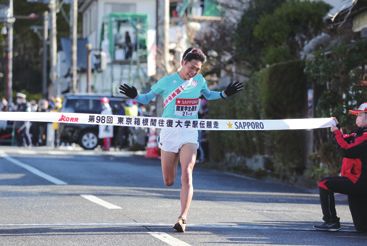
EDUCATIONAL SYSTEM

                      写真:西村尚己/アフロスポーツ                                                         写真:月刊陸上競技

                      / Joint Master’s Program in International
                       Development and Peace through Sport
                      This program aims to educate students who will contribute to
                     solving social issues through sport as a tool for development and
                     peace. The University of Tsukuba and the National Institute of
                     Fitness and Sports in Kanoya are collaborating with the Japan
                     Sport Council to provide an innovative academic program in
                     English, which allows students to develop practical competence
                     in international development and peace through sport.
                      Students focus on five fields: International development and
                     peace; Education and youth development; Gender, race and
                     ethnicity; Health and environment; Aged and adapted sport. The
                     main focus is on fostering graduates who can:

                      Assume responsibility for international development and peace
                     through sport in Japan and overseas.

                       Work actively within international organizations with special-
                     ised knowledge of the Olympic and Paralympic movement,
                     promote international peace, friendship and the education of
                     young people, and understand the historical development of the
                     SFD movement.

                      Understand the various systems and practical implementation
                     of physical education in Japan, and provide support to foreign
                     nations.

                      Individual programs are adapted to the strengths and concerns
                     of each student, with specially prescribed curricula, and tailor-
                     made study formats.

                     See more details at the web site:
                     http://tkjids.taiiku.tsukuba.ac.jp/en/

                     7    Faculty of Health and Sport Sciences / University of Tsukuba 2022
STAFF
                                                                                                                                                EDUCATIONAL SYSTEM
 / Doctoral Programs                                                      The Doctoral program in Sport and Wellness Promotion is a
  The Doctoral Program in Physical Education, Health and Sport          highly specialized program that aims to possess advanced-level
Sciences is designed to further advance the physical, biological,       expertise and management ability to solve critical domestic and
and social studies of physical fitness, sports, and sports culture,     international issues in the field of sports wellness. This night
based on humanities, social science, and natural science as             graduate school program for working adults will provide educa-
nurturing students’ research skills and opportunities to acquire a      tion to develop the ability to solve problems more effectively and
wide range of knowledge required for autonomous research                flexibly on a global level with human resources in various fields to
activities in health and sports sciences fields. The program            solve problems and cutting-edge research techniques.
includes the following six research fields such as 1) Physical
Education and Sport Culture, 2) Sport Management and Policy, 3)          / Sports and Physical Education Center
Physical Education and Sport Education, 4) Exercise Life Sciences,       The Center offers such services as organization of classes for
5) Health and Human Performance Sciences, 6) Exercise and               required sports and physical education, giving aid to extra
Sport Coaching Science. Under the newly revised classification of       curricular sports activities, providing for the community service
these areas, designed to respond to the rapidly diversifying            of physical fitness and sports, administration of sports facilities.
research fields, specific advanced research programs will be
conducted based on unique methods.
  The Doctoral Program in Coaching Science was established to
cultivate human resources higher than the existing professionals
in sports and martial arts. The program aims at training students
to become doctors with assured executive ability and advanced
research ability. After completion of this program they are
expected to work successfully in supervising research and
involving in higher education at a physical education or sport-
related college. This program consists of General Theories and
Separate Theories. The former is subdivided into Principles of
Coaching, Theory of Training and Theory of Human Movement.
The latter is subdivided into Theory of Individual Sports, Theory
of Ball Games and Theory of Budo.
  The Doctoral Program in Sports Medicine consists of three study
fields (medical conditioning, athletic training, and sports transla-
tional research) that are provided in concert by instructors
specializing in physical training science, medicine, and psychoso-
matic medicine. We train high-level professionals, such as sports
doctors. For the purpose of achieving better health manage-
ment, an improvement in sporting conditions, and the preven-
tion of and rehabilitation from sports injuries, doctors engaged
in the prevention of lifestyle-related diseases, kinesitherapy, etc.,
and kinesitherapists focusing on preventive medicine.
  The Doctoral Program in Public Health intends to develop
advanced level public health experts and specialists with multi-
disciplinary knowledge and research skills in public health
expertise and related areas to solve the diverse health problems
facing the aging society and global heath. The program consists
of global public health, sport sciences and nutrition, health care
policy and management, health sociology, health services
research, livelihood supports science, environmental health and
sciences, epidemiology and statistical methodology, as well as
health promotion sciences.

  The Doctoral Program in Joint Doctoral Program in Advanced
Physica[ Education and Sports for Higher Education aims to
develop physical education leaders who are fully equipped with
practical skills in both education and research in physical educa-
tion, i.e., those who can be the leaders in quality assurance of
physical education in higher education. We organized a course-
work-centered doctoral curiculum comprising the following
subject groups: (1) practical teaching skills, (2) practical research
skills, (3) advanced instructor training, and (4)
  doctoral dissertation research skills. In the 2016 academic year,
the University ofTsukuba and the National Institute of Fitness and
Sports in Kanoya (NIFS) have launched a joint doctoral program to
train high-caliber instructors in the physical education and sport
science at higher educations.

                                                                        Faculty of Health and Sport Sciences / University of Tsukuba 2022   8
SPECIAL RESEARCH
        FACILITIES

                     Special Research Facilities
                      / Hypobaric Chamber
                      The hypobaric chamber consists of a main room and a sub-
                     room; it is a low pressure simulator which can reduce the level of
                     air pressure down to a third of the normal air pressure, equivalent
                     to an altitude of approximately 8000m, and controls air tempera-
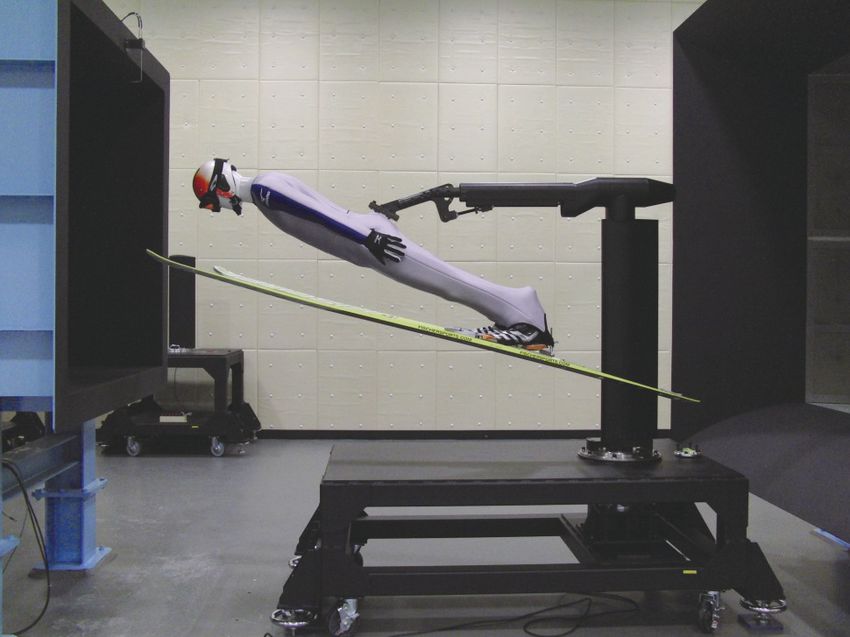
                     ture ranging from 4 °C to 40°C. A motor-driven treadmill is               / SportFluid Engineering Laboratory : FLULA
                     installed in the main room. Since its establishment in 1978,              The wind tunnel is used for research and development of
                     extensive researches on assessing the influence of hypobaric             sportswear such as high-speed competition bicycles and ski, and
                     hypoxia on physical work capacities have been conducted. In              measurement and evaluation of the aerodynamic force acting on
                     addition, the system has been used for the training of athletes’         sports balls. It has also contributed to the Japan’s top players
                     aerobic capacities at normoxia and hypoxia and Alpinists’ accli-         such as ski jumping and track race. The maximum flow velocity of
                     matization to high altitude for the prevention of mountain               the tunnel is 55 m/s, the size of the blower outlet was 1.5 m x 1.5
                     sickness.                                                                m, the flow velocity distribution was within ± 0.5 %, and the
                                                                                              turbulence was 0.1% or less, it exerts the world’s top level perfor-
                      / Swimming Flume                                                        mance as the wind tunnel for sports.
                       The swimming flume is a vertical type circulating water channel         The measurement systems associated with this wind tunnel
                     with an open water-surface as a swimming section. There are              include the force platform, the 3D motion capture system, and
                     observation windows in the front, rear,and bottom. Water flow is         the 2D PIV measurement system.
                     generated by an axial impeller. Flow speed is continuously
                     adjustable by an impeller speed controller. Major features of this
                     flume are uniformity of water flow distribution in the swimming
                     section by a surface regulator, and suction of bubbles surround-
                     ing the swimmer by a vacuum pump. Studies using the flume
                     have included physiology of swimming involving measurements

                                                                                                                                                                     AND CLINIC LAB.
                     of maximal oxygen uptake, and EMG, biomechanics of swimming
                     using 3-D motion capture system via the observation windows
                     on the bottom and the side walls, and measurement of drag and
                     propulsive force of swimmers.

                     9    Faculty of Health and Sport Sciences / University of Tsukuba 2022
International
Exchange Program
International Exchange Program
/ Exchange of Teaching Staff and Researchers / Extension Program
Modern higher education has become increasingly internation- The University of Tsukuba strives to open the university to
al in character. The faculty of Health and Sport Sciences places society at large through professional in-service and community
strong emphasis on the international exchange in order to service programs.
enhance the quality of research and education related to health
and sports. Since 1975 the faculty has invited many scholars and // Professional In-Service Program
coaches from foreign countries as part-time or full time faculty A variety of programs are offered to physical education teach-
members. There are various types of exchange programs which ers, athletic coaches, school administrators, and community
are financially supported by the Ministry of Education, Culture, recreation leaders for learning the advanced theory and practice
Sports, Science and Technology and other foundations. of health, physical education, and recreation throughout the
nation. Approximately 250 teachers and leaders participate in 10
// Academic Exchange Agreement and Student Exchange programs each year.
The faculty has established student exchange and/or academic
exchange agreements with // Community Service Programs
The faculty of Health and sport sciences
Beijing Normal University(China) is also very active in offering diverse sporting activities to the
The University of Queensland (Australia) local community. A total of 800 people participate each year in
Seoul National University(Korea) such sporting activities as golf, baseball, soccer, rugby, tennis,
The Universitat Leipzig (Germany) swimming, volleyball, badminton, Kendo and Kyudo (Japanese
The Eötvös Loránd University (Hungary) archery).
The University of São Paulo (Brazil)
National Taiwan Normal University (Taiwan) / Extracurricular Sport Activities
SPORT PERFORMANCE
Chulalongkorn University (Thailand) The University of Tsukuba has placed special emphasis on the
The Ohio State University (USA) importance of extra-curricular sporting activities, which aim to
Manav Rachna International University (India) enhance the physical, mental, and social well-being of students
Fu Jen Catholic University (Taiwan) throughout their university life. A variety of sports and recre-
The Loughborough University (UK) ational activities are offered to the students through intercolle-
Brock University (Canada) giate athletics and intramural activities, which are sponsored by
The Srinakharinwirot University (Thailand) the Division of Extracurricular Sport Activities at the Sports and
The University of Münster (Germany) Physical Education Center.
The University of Auckland (New Zealand)
The University of Physical Education(Hungary) // Intercollegiate Athletics
The University of New Mexico(USA) Students can now choose from among 40 intercollegiate
Université de Franche-Comté(France) athletic teams and 15 interest groups. Approximately half of the
The Russian State University of Physical Education, Sport, students enroll in one of these teams or groups. The University of
Youth and Tourism(Russia) Tsukuba has not only become respected across the country for
The TU Dortmund University (Germany) the size of the program, but also for its quality and overall suc-
The Utrecht University (Nederland) cess.
National Taiwan University of Sport(Taiwan)
Victoria University(Australia) The intercollegiate athletic program makes unique contribu-
Soochow University(China) tions by producing many distinguished athletes at the Olympic
Japan International Cooperation Agency(Japan) Games, World Athletic Championships, and All-Japan Champion-
ships.
In addition to the exchange students from our partner universi- Such teams as badminton, basketball, gymnastics, Judo, Kendo,
ties, we accept many international students from various coun- Kyudo, soccer, swimming, handball, tennis, track and field, rugby
tries. In the fiscal year 2019, a total of 112 foreign students study and volleyball usually participate in national tournaments and
in our programs. are regularly ranked in the nation’s top five.
// Intramurals
Intramurals offers a broad program of sporting activities both
on competitive and an informal basis for men and women. A
special event called “Sports Days” is held twice a year. All univer-
sity classes are suspended for Sports Days in the Spring and
Autumn in order to permit all students to participate.
Faculty of Health and Sport Sciences / University of Tsukuba 2022 10SPORT PERFORMANCE
AND CLINIC LAB.
SPEC : Sport Performance
and Clinic Lab.
http://www.taiiku.tsukuba.ac.jp/spec/
The SPEC is composed of three zones.
/ Experimental Zone
The 1st floor is called the “Experimental Zone”, where we
investigate performance of athletes from a biomechanical
perspective and educate coaches in knowledge and skills of
biomechanics and coaching.
The central arena is wide enough to analyze almost any kind
of motion of sports biomechanically (with VICON for 3-D
motion analysis, force plates for measurement of ground
reaction forces, high speed cameras, electromyography, and
so on).
In the motion analysis room, we analyze videotaped perfor-
mance by a high speed camera, and compute a high advanced
calculation.
In the image processing room, we edit a videotape to make
an imaging document for coaching and teaching.
This zone also has a climbing wall.
/ Counseling and Common Zone
The 3rd floor is called the “Counseling and Common Zone,” where
we consult with athletes on their health-related problems and help
improve their performance. Athletes can receive psychological
skills training (mental training to enhance performance), sport
counseling/psychotherapy, sand play therapy, amongst other
services by certificated psychologists and trainees. We have culti-
vated the necessary knowledge and techniques of the field of
sports psychology in our sports psychologists and mental training
specialists. In addition, sports nutrition specialists and trainees will
offer athletes support through personalized consultations based on
specialized knowledge and skills to enhance performance through
nutrition. Laboratories for special research projects in the field of
sports science are also located on this floor.
11 Faculty of Health and Sport Sciences / University of Tsukuba 2022SPORT PERFORMANCE
AND CLINIC LAB
/ Rehabilitation and Training Zone
The 2nd floor is called the “Rehabilitation and Training Zone “,
where we support athletes in return-to-sports or improvement of
performance. It is important for athletes to make a rapid and safe
recovery from injury. Doctors and athletic trainers work in coop-
eration and support successful rehabilitation.
We also educate student athletic trainer' s knowledge and
techniques about sport medicine and physiology.
Faculty of Health and Sport Sciences / University of Tsukuba 2022 12Faculty of Health and
Sport Sciences.
Faculty of Health and Sport Sciences
Associate Assistant Junior Assistant
Research Area / Field Professor Professor Professor Professor
/ Physical Education & Sport Studies ��������������������������������������������������������������������������������������������������������������������������������������������������������������������������������������������������������������������������������������������������������������������������������������������������������������������
Philosophy of PE and Sport R.Rakwal T.Sakamoto
K.Fukasawa
History of PE and Sports H.Sanada A.Lyras T.Yamaguchi
C.Ohkuma
T.Obayashi
X.Tian
H.D. Penelope
Sport Sociology K.Kiku R.Shimotake
S.Shimizu
Theory of Martial Sports (Budo) T.Sakai J.Oishi
Management of PE and Sport N.Shimizu E.Daigo T.Hayashida
C.Lee
Administration and Finance of PE and Sport K.Saito K.Naruse
Leisure and Sport Industry M.Nakazawa
H.Saga
Y.Takahashi
Sport Pedagogy T.Sato E.Hasegawa T.Saito
A.Miyazaki
I.Mitabe
Special Physical Education Y.Matsubara M.Saito A.Sugiyama
Y.Sawae
S.Nagata
Psychology of PE and Sport Y.Sakairi M.Kokubu
R.Amemiya
Total 11 9 15 2
Associate Assistant Junior Assistant
Research Area / Field Professor Professor Professor Professor
/ Health & Human Performance Studies ��������������������������������������������������������������������������������������������������������������������������������������������������������������������������������������������������������������������������������������������������������������������������������������������������
Health Education K.Mizukami C.Kataoka
F.Takeda T.Monma
Environmental Health
Sport Physiology T.Nishiyasu N.Fujii
T.Takemasa
Sport Biochemistry H.Soya M.Okamoto
H.Ohmori T.Matsui
Sport Nutrition N.Omi (Doi) H.Sagayama J.Seino
Sport Biomechanics N.Fujii S.Hong
S.Koike N.Sado
Applied Anatomy K.Adachi
Physical Fitness T.Kizuka S.Ono
Y.Nabekura Y.Enomoto
Health and Physical Fitness for Active Living T.Okura T.Tsuji
Measurement and Evaluation of Sport T.Nishijima
Sport Medicine for Wellness S.Maeda K.Watanabe K.Kosaki
S.Kuno A.Shibata
Y.Nakata
Sport Medicine for Motor System H.Shiraki N.Mukai D.Kim
H.Takahashi M.Takemura
T.Fukuda
Total 16 10 10 2
13 Faculty of Health and Sport Sciences / University of Tsukuba 2022Faculty of Health and
Sport Sciences
Associate Assistant Junior Assistant
Research Area / Field Professor Professor Professor Professor
/ Coaching Studies ����������������������������������������������������������������������������������������������������������������������������������������������������������������������������������������������������������������������������������������������������������������������������������������������������������������������������������������������������������������������������������������������������������������������������
General Theory of Coaching and Training A.Kiuchi T.Matsumoto H.Matsuo T.Yoshida
T.Kawai
S.Tanigawa
H.Maemura
Theory of Movement A.Sano T.Nakamura Y.Shintake
Coaching in Gymnastics K.Hasegawa S.Motoya A.Horiguchi
Coaching in Sports Gymnastics Y.Watanabe M.Kanaya T.Saito
Coaching in Track & Field M.Ogata K.Ohyama Byun K.Kigoshi
Coaching in Swimming M.Homma Y.Sengoku T.Tsunokawa H.Sakaue
H.Takagi
Coaching in Volleyball Y.Nakanishi
N.Akiyama
Coaching in Basketball H.Uchiyama K.Yoshida E.Ikeda H.Kashiwakura
Coaching in Handball H.Aida H.Fujimoto E.Yamada
Coaching in Soccer T.Asai M.Koido Y.Hirashima
M.Nakayama
Coaching in Rugby T.Furukawa T.Shimasaki
Coaching in Racket & Bat Sports D.Mitsuhashi T.Nara T.Jindo
T.Kawamura M.Suita
S.Ando
Y.Nonaka
Coaching in Judo K.Yamaguchi H.Okada H.Hiraoka
K.Masuchi
Coaching in Kendo K.Koda T.Nabeyama
Y.Arita
Coaching in Kyudo M.Matsuo
Outdoor Pursuits and Education A.Sakamoto H.Watanabe A.Otomo
Dance Studies M.Hirayama M.Oshima
Y.Terayama
Total 14 22 16 8
Overall Total 41 41 41 12
Faculty of Health and Sport Sciences / University of Tsukuba 2022 14STAFF
(1/6)
Staff
Faculty of Health and Sport Sciences: Chair NISIYASU Takeshi
School of Health and Physical Education: Provost KIZUKA Tomohiro
Master's Program in Health and Sport Sciences: Chair SAKAI Toshinobu
Master's Program in Olympic and Paralympic Education: Chair FUKASAWA Koyo
Joint Master's program in International Development and Peace through Sport: Chair SATO Takahiro
Master's and Doctoral Program in Sports and Wellness Promotion: Chair KUNO Shinya
Doctoral Program in Physical Eduation, Health and Sport Science: Chair FUJII Norihisa
Doctoral Program in Coaching Science: Chair AIDA Hiroshi
Doctoral Program in Sports Medicine: Chair MAEDA Seiji
Joint Doctoral Program in Advanced Physical Education and Sports for Higher Education: Chair SAKAMOTO Akihiro
Sports and Physical Education Center: Director SHIRAKI Hitoshi
Advanced Reaserch Iniciative for Human High Performance: Director SOYA Hideki
// Area / Field 1 HASEGAWA Etsushi ����������������������������������
Physical Education and Sport Studies 1.Associate Professor, M.P.E., M.E.
2.Development of e-learning lesson reflection system for
Name Physical Education Teacher Education; Teacher’s behavior
and childrens’ motivation in physical education
1. Title, Degree 3.Theory of physical education teaching method in English-
2. Research Theme speaking countries. In Y. Okade et al.(eds), Present of
3. Main Works (Publication & performance up to 2) pedagogy of physical education (2nd). Tokyo: Sobunki-
kaku, pp75-91, 2015.
Application development to Analyze the Teaching-Learn-
AMEMIYA Rei ����������������������������������������
ing Process in Physical Education Lessons. 2016 AIESEP
1.Assistant Professor., Ph.D. International Conference, Laramie, Wyoming: USA, 2016.
2.Clinical sport psychology. Mindfulness training for health
and performance enhancement HAYASHIDA Toshihiro ��������������������������������
3.The role of mindfulness in performance and mental health 1.Junior Assistant Professor
among Japanese athletes: An examination of the rela- KIKU Koichi ������������������������������������������
tionship between alexithymic tendencies, burnout, and
performance. Journal of Human Sport and Exercise, 14, 1.Professor, B.E., M.E., Ph. D.
456-468, 2019. 2.Hislorical Sociology of Modern Sport, Political Sociology
The effects of passion and mindfulness on the intrinsic of Sport Promotion.
motivation of Japanese athletes. Personality and Individu- 3.Sociological Imagination of Sport Science toward Diver-
al Differences, 142, 132-138. sity and Localization in Japan, Asia, and the Global Sciety.
The 30th KAHPERD International Sport Science Congress
DAIGO Ebe ������������������������������������������ Proceedings, pp.23-29, 2018.
1.Assistant Professor, Ph.D ”Depression” after Tokyo 2020?: Characteristics of Japan’s
2.Audience and spectator development, Charity sports, Sport Policy and the 2020 Tokyo Olympics & Paralymipics.
Dance education MINIKOMI, 86:29-35, 2017.
3.Using a sport Event to create a sense of Community: KOKUBU Masahiro �����������������������������������
Charity Sport Event Manager Perspectives. Event Manage-
ment, 24, 57-73, 2020. 1.Assistant Professor, B.S., M.S., Ph.D.
Abilities and Structure of Dance Appreciation: Based on 2.Motor learning, Motor control, Attentional focus, Fixation
Dance Critics Interviews. Research in Dance and Physical and eye movement, Coordination of perception and ac-
Education, 4, 1-16. tion, Decision making in sport
3.An experimental study on the latency and velocity of
FUKASAWA Koyo ������������������������������������ vergence eye movements in university basketball players.
1.Professor, Ph.D. Osaka Research Journal of Physical Education, 58: 1-12,
2.Publicness and solidarity in sport/ physical/ citizenship 2020.
education, Semantic generation and expanding experi- Fixating at far distance shortens reaction time to peripher-
ence in sport, Integrity of sport al visual stimuli at specific locations. Neuroscience Letters,
3.The Potentiality of Empathy with Others in Competitive 664: 15-19, 2018.
Sport: A Suggestion from Nishida’s ‘Pure Experience’ and Lee Chungmi ����������������������������������������
‘I’ and ‘Thou’. International Journal of Sport and Health
Science, 12: 47-52, 2014. 1.Assistant Professor, Ph.D.
The Meaning of the Expanding Experience in Sport: A 2.Sport consumer behavior and organizational behavior
Discussion of Perception and Feeling and the Relationship 3.The Importance of Brand Association in Sport League:
between the Self and the Other. Journal of the Philosophy The J.League Somin Kim; Chungmi Lee; Takahashi Yoshio
of Sport and Physical Education, 38(2): 117-132, 2016. Sport and Olympic-Palalympic Studies Journal/4(1)/pp.101-
110, 2019-10
HAGGIS Devena Penelope ����������������������������
1.Assistant Professor, Ph.D LYRAS Alexis �����������������������������������������
2.Sport and Material Culture; Sport History and Anthropol- 1.Associate Professor B.P.E., M.A. and Ph.D.
ogy 2.Applied Olympism, Peacebuilding and Sustainable Devel-
3.Haggis, D.P, & de Soysa, L., Tokyo 2020 and the Interna- opment Theory and Praxis
tionalization of Sport Education. The International Journal 3.Founder and President of Olympism for Humanity Alli-
of Sport and Society, 2018, pp. 17-29. ance.
Haggis, D.P, & Vasilache, S., The Olympic Games as a Mul- Olympism in the Service of Humanity: Olympism for
ticultural Environment and Their Relationship with Social Humanity Alliance’s bridges between theory and practice.
Media. In Social Computing & Social Media: Design, Hu- The Official Journal of the International Olympic Academy.
man Behaviour & Analytics (Meiselwitz, G. Ed.), 11th Inter- Vol. 8, pages 50-53.
national Conference, SCSM2019, Held as Part of the 21st
HCI International Conference, Proceedings Part I, 506-523.
15 Faculty of Health and Sport Sciences / University of Tsukuba 2022STAFF
STAFF
MATSUBARA Yutaka ���������������������������������� OHISHI Junko ����������������������������������������
1.Professor, M.P.E. 1.Associate Professor, B.P.E., M.P.E., Ph.D.
2.Supports of Physical Activities for Person with Physical 2.History of Budo(Japanese martial arts), Japanese Budo
and Intellectual disability. Dance Movement Therapy and studies, Budo and Gender, Diffusion of Budo/Japanese
Adapted Dance. martial arts,Budo in education
3.88 Sports Games for Children with Developmental Disor- 3.Acceptance and Transformation of Japanese swordsman-
ders. Gakken, 2014. ship in Eastern Asia, Monthly magazine Budo, 581, 136-
A Study of Developmental Coordination Disorder of Chil- 143, 2015.
dren with Intellectual Disabilities. Bull.Hosen College of Females and crossed-leg sitting posture, Monthly maga-
Childhood Education, 3: 45-54, 2012 zine Kenso, 440, 2, 2018.
MITABE Isamu ��������������������������������������� OHKUMA Chanwoo ���������������������������������
1.Associate Professor 1.Assistant Professor, B.E, M.P.E, Ph.D.
2.Teacher Education, Lesson Study in Physical Education 2.History of Martial Arts and warfare in early modern pe-
3.Making lesson plan based on new standards. Tanaka, Tsut- riod. History of Physical Education and Sport.History of
sui, Shirahata,K.(eds.) Gyosei. pp.140-151,2011. traditional archery and its culture.
Guideline for making standards and developing and 3.Modern History of Sports & Physical Education. Douwash-
improving assessment tool in physical education in el- oin, 2013.
ementary school. National Educational Institute for Policy Korean Traditional Archery Pyeonjeon(Fragmentary-Ar-
Research. Kyouiku Shuppann.pp.65-70,2011 row) that is handed down in Japan.The Korean Journal of
MIYAZAKI Akiyo ������������������������������������� History for Physical Education,Sport, and Dance, 22(4):71-
1.Associate Professor 79,2017
2.Learning of Motor Skills in PE Classes, Olympic Education RAKWAL Randeep �����������������������������������
3.Possibiltity of improvement in running and overhand 1.Professor, Ph.D.
throwing abilites of high school students through regular 2.Emergency medicine; Brain injury; Depression and Neu-
physical education classes-The importance of fundamen- rodegenrative disorders; DOHaD project; Aromatheraphy;
tal movements practice for appropriate motor pattern- Yoga; Low-level gamma radiation and health using model
Journal of Physical Education, Health and Sport Sciences, systems; OMICS technology
28 (2) : 11-23, 2009. 3.PACAP38, brian stroke and injury thorugh omics technol-
Development of Lesson plan about Anti-Doping as the ogy; Diet, mother and fetus and baby and lifestyle disease
Theory of Physical Education in High-School.-To utilize in adults (DOHaD)
JADA’s Anti-Doping Textbook for High- School students-.
The Bulletin of Health and Sport Sciences, University of SAGA Hitoshi ����������������������������������������
Tsukuba 40:43-36, 2017. 1.Associate Professor, B.P.E., M.P.E.
NAKAZAWA Makoto ��������������������������������� 2.Study on Leisure, Olympic Movement, Sport Marketing
3.2016 Tokyo Olympics legacy: Contribution to improve
1.Associate Professor, B.P.E., M.P.E. the quality and reputation of leisure and recreation, J. of
2.Marketing strategy in professional sports organizations Leisure and Recreation Studies, 60: 73-74,2008.
3.Antecedents and Consequences of Sponsor-Stadium Fit: How can future editions of the Youth Olympic Games
Empirical Evidence from a Non-Historic Stadium Context have the greatest impact on youth? International Olympic
in Japan. Sport, Business, and Management: An Interna- Academy 11th International Session Proceedings: 19-21,
tional Journal, 6(4), 407-423, 2016. 2011.
Innovative sport consumption experience: An empirical
test in spectator and participant sports. Journal of Applied SAITO Kenji �����������������������������������������
Sport Management, 8(1), 1-21, 2016. 1.Professor,B.P.E.,M.E.,Ph.D.
NAGATA Shinichi ������������������������������������� 2.Sports Law, Sports Policy, Sports Administration
1.Assistant Professor, Ph.D. 3.Sport Policy, Seibundou, 2011.
2.Therapeutic Recreation and Adapted Sports Enactment of the Basic Act on Sport and issue in the fu-
3.Nagata, S., Townley, G., Brusilovskiy, E., & Salzer, M. S. ture, Japan Sports Law Association, No.19, pp.6-34. 2012
(2020). Community participation differences between SAITO Mayumi ���������������������������������������
adults with or without serious mental illness. Psychiatric 1.Associate Professor, B.P.E, Ph.D.
Services, 71(11), 1191-1194. doi: 10.1176/appi.ps.201900608. 2.Methodology of Adapted P.E. & Adapted Sports
Nagata, S., McCormick, B., & Austin, D. (2020). Physical 3.Influence of Regular, Vigorous Physical Activity on the Ac-
activity as treatment for depression in recreation therapy: curacy of Stepping Movements in Individuals with Hear-
Transition from research to practice. Therapeutic Recre- ing Loss.Int. J. Sport Health Sci. 17, 201922.
ation Journal, 54(1), 77-91. doi:10.18666/TRJ-2020-V54- Students with Disabilities in Brazil, Japan, South Korea,
I1-9745 and the United States.Implications for Inclusion and
NARUSE Kazuya ������������������������������������� Social Justice in Physical Education. Inclusive Physical
1.Assistant Professor Activities:pages 287-308,Information Age Publishing, Inc.
2.Theory and execution of lifelong sport, Sport policy of 2017
local government SAITO Takuma ���������������������������������������
3.Introduction Process and Philosophy of the Lifelong Sport 1.Junior Assistant Professor, M.P.E
Policy in the Ministry of Education, Science and Culture. 2.Curiculum of ballgame, Transfer of ballgame skills
Journal of Policy for Physical Education and Sport 28(1), 3.Why the learner can not receive the ball in the goal type
19-33, 2019. game: Through the analysis of female students who have
A study on the concept and philosophy of lifelong sports no goal competition experience. Bullentin of the Colledge
in Japan.Journal of Policy for Physical Education and Sport of Education Ibaraki University, Special issue: 157-165,
21(1), 11-19, 2012. 2014.
OBAYASHI Taro ��������������������������������������� Game categories and the similarities of behavior in each
1.Assistant Professor, B.P.E, M.P.E category through analysis of student’s self-avaluation.
2.History and Anthropology of P.E and Sport in Japan, Japanese journal of physical education, 60(2): 511-525,
Olympic Education 2015.
3.Recovery from the Great Kanto Earthquake of 1923
through Sport Events in Tokyo, Japan. The International
Journal of the History of Sport,Vol.33 (14):1640-1651,2017
Faculty of Health and Sport Sciences / University of Tsukuba 2022 16STAFF
(2/6)
Staff
SAKAI Toshinobu ������������������������������������� SHIMOTAKE Ryoji ������������������������������������
1.Professor, B.P.E., M.P.E., Ph.D. 1.Assistant Professor, B.P.E., M.P.E.
2.Japanese mentality as seen in its concept of swords, His- 2.Sociological study on “discipline” and “autonomy” in the
tory of budo extracurricular sports activities
3.A Bilingval Guide to the History of Kendo. Ski journal : 3.Ryoji Shimotake: Reconsidering the “students freedom”
Tokyo. 2010. within extracurricular sports activities as an apparatus of
Touken no Rekishi to Shisou (The Hisory and Ideals of the discipline: A case study of a high school track and field
Sword), Nippon Budokan: Tokyo. 2011. club. Japan J.Phys. Educ. Hlth. Sport Sci. 60: 223-238, 2015.
Ryoji Shimotake: An Introduction to the Historical Soci-
SAKAIRI Yosuke ��������������������������������������
ology of the “Coach Discourse” in Extracurricular Sport
1.Professor, M.A., Ph.D. Activities: Focusing on “Discipline” and “Autonomy” as
2.Self regulation training for health promotion Educational Technique. Japan Journal of Sport Sociology.
3.Asian meditation and health. The Oxford handbook of 27(1): 59-73, 2019.
health psychology (Friedman,H.S. Ed.), Oxford University
Press, pp.848-859, 2011. SUGIYAMA Ayano ������������������������������������
Development of the Two-dimensional Mood Scale for 1.Assistant professor, M.P.E.
self-monitoring and self-regulation of momentary mood 2.Participation in physical activity in adults with autism
states. Japanese Psychological Research, 55(4), 1-12, 2013. spectrum disorders
3.Difficulty and support of leisure activity in adult with
SAKAMOTO Takuya ����������������������������������
autism spectrum disorder.Japanese Journal of Clinical
1.Assistant Professor, Ph.D. Developmental Psychology,11(1),27-31,2016
2.Phenomenological ethics of sport(inc. violence, doping
etc.): focusing on human desire, Sports and Physical edu- TAKAHASHI Yoshio �����������������������������������
cation: relationship between lived body and speech 1.Associate Professor, B.E., M.E.
3.Desire and Violence in Modern Sport. International Jour- 2.Business Administration of sport organization
nal of Sport and Health Science, 15: 81-86, 2017. 3.Nadeshiko: International migraton of Japanese women in
Formation Process of Body Culture as “PE Teacher Iden- world soccer. Women, Soccer and Transnational Migration,
tity”: An Introduction to the PE Teacher Body Theory. Routledge, 102-116, 2014.
International Journal of Sport and Health Science, 13: 23- Moving with the bat and the ball: the migration of Japa-
34, 2015. nese baseball labour, 1912-2009. Sport And Migration Bor-
ders, boundaries and crossings, Routledge, 46-55, 2011.
SANADA Hisashi �������������������������������������
1.Professor, B.P.E., M.P.E., Ph.D. TIAN Xiaojie �����������������������������������������
2.History and Anthropology of the Olympic Games 1.Assistant Professor, Ph.D.
3.Concept of the Intermediate Olympic Games at 1906: Con- 2.Children’s situated learning in pastoral societies in Africa;
tinuity with the Past Olympics. International Journal of Work, play and knowledge (re)generation during child-
Sport & Health Science. 8: 7-14, 2010. hood
Artistic Competitions at Greek Olympic Games in the 19th 3.Ethnobiological Knowledge Generation during “Herd-
Century. International Journal of Sport & Health Science. 7: ing Games” in Pastoralist Maasai Society in Southern
23-30, 2009. Kenya, AnthropoChildren, Vol. 7, (https://popups.uliege.
be:443/2034-8517/index.php?id=2825.), 2017.
SATO Takahiro ���������������������������������������
Ethnobiological Knowledge Acquisition during Daily
1.Professor, Ph.D. Chores: The Firewood Collection of Pastoral Maasai Girls in
2.Instruction Theory in PE Southern Kenya. Journal of Ethnobiology and Ethnomedi-
SAWAE Yukinori �������������������������������������� cine, Vol.13 (2), (DOI: 10.1186/s13002-016-0131-x), 2017
1.Assistant Professor, B.P.E., M.P.E., ph, D. YAMAGUCHI Taku ������������������������������������
2.Adpted Physical Activities, Movement development for 1.Assistant Professor, B.P.E., M.P.S.
people with developmental disorders, Paralympic move- 2.Theoretical and practical study of Cultural interface in
ment, Inclusive Sport international development and peace through sport.
3.Current Issues and Charengeis of Inclusive PE in Japan. 3.Sport for development and peace, UNESCO expert on QPE
Taiiku no Kagaku,67(5), 335-340, 2017. curriculum development policy in the context of develop-
Spectators and Their Features in PyeongChang Paralym- ing countries.
pic Games. 15th ASAPE Symposium. Malaysia 2018. Inoue, Y., Heffernan, C., Yamaguchi, T., & Filo, K. (2018).
SHIMIZU Norihiro ������������������������������������ Social and charitable impacts of a charity-affiliated sport
1.Professor, B.P.E., M.P.E. event: A mixed methods study. Sport Management Re-
2.Management system for school physical education and view, 21(2), 202-218.
community sports YONENOH Hiroto ������������������������������������
3.The ethnography of physical education teachers’ beliefs. 1.Assistant Professor, Ph.D.
Jpn. J. Management for Phys.Edu. and Sports,24, 25-46. 2.Social/evolutionary simulation, human subject experi-
2010. ment
Methodological subjects on discipline of business man- 3.Hiroto Yonenoh, Eizo Akiyama. “Selection of opponents
agement for physical education and sports. Jpn. J. Man- in the prisoner’s dilemma in dynamic networks: an experi-
agement for Phys.Edu. and Sports, 21, 3-14. 2007. mental approach”. Journal of Theoretical Biology, Vol. 351,
SHIMIZU Satoshi ������������������������������������� pp. 25-36. 2014.
1.Professor, B.P.E., M.E., Ph.D.
2.Sport Sociology, Body Culture Studies: Cultural and politi-
cal studies on body movement
3.Shimizu, S.: Tokyo, Bidding for the Olympics and the
Discrepancies of Nationalism. The International Journal of
The History of Sport, Routledge, 31-6: 601-617, 2014.
Shimizu S.: The Significance of Koshien Baseball in Post-
war Okinawa: A Representation of”Okinawa”. The Inter-
national Journal of The History of Sport, 29-17:2421-2434,
Routledge,2012.
17 Faculty of Health and Sport Sciences / University of Tsukuba 2022You can also read


