Fairer streets, better lives - Sustrans' manifesto for London
←
→
Page content transcription
If your browser does not render page correctly, please read the page content below
Sustrans’ manifesto
    for London

    Fairer streets,
    better lives

1    Sustrans’ manifesto for London 2021: Fairer streets, better lives
Foreword
                            James Austin,                          Additionally, while our attention has been focused
                            Sustrans London Director               on the Covid-19 crisis, the city continues to
                                                                   contribute more than its share towards climate
                             All Londoners should                  change and air pollution. Both of these can be
                             live in a city where our              curtailed by a greener transport network where
                             streets and public spaces             walking, cycling and public transport are the
                             serve everyone. A London              cheapest and most convenient option for all.
                             where everyone can
                             live and travel safely                The Mayor can make a dramatic impact on
                             and healthily, and where              Londoners’ lives. With powers over transport
    nobody is excluded. A dynamic London in which                  and planning, and a coordinating role for green
    businesses thrive, we all breathe clean air, and               spaces, health inequalities and housing, their
    have places to play and socialise. A London                    focus in the coming years should be on making
    where most of what you need to live is just a short            London a more liveable city for everyone. Every
    walk away, and in which everyone can actively                  Mayoral policy, every pound spent, should not only
    participate in decisions affecting them. That is not           improve lives, but also increase equity in London.
    yet the London we live in today, but it could be.
                                                                   This manifesto has twelve asks of the next Mayor
    The Covid-19 pandemic has been a wake-up call.                 of London. These asks prioritise people who are
                                                                   disadvantaged and underrepresented across
    Those who have suffered most from the                          London, but they should benefit everyone. Acting
    pandemic are the same people that are most                     on these asks will make walking, wheeling and
    disadvantaged and underrepresented in our city.                cycling safer and more inclusive, by designing
    These include children, women, people on low                   streets and neighbourhoods that serve everyone.
    incomes, people living in overcrowded housing,
    minority ethnic groups, disabled people, and
    people living in polluted neighbourhoods.1,2,3,4,5
                                                                      Our vision of a fairer, cleaner,
                                                                      safer London, with thriving high
    At Sustrans we work with people from
    underrepresented groups in London every
                                                                      streets and places where people
    day. We believe that London’s future policy                       socialise, children can play, and
    direction must be centred on their needs. If
    we create more equal and accessible places
                                                                      people can walk and cycle to what
    across London – everyone benefits.                                they need, is achievable. Now
                                                                      we just need great leadership
                                                                      to make this vision a reality.

    About Sustrans
    Sustrans is the charity making it easier for people to walk and cycle.

    We are engineers and educators, experts and advocates. We
    connect people and places, create liveable neighbourhoods,
    transform the school run and deliver a happier, healthier commute.

    Sustrans works in partnership, bringing people together to find
    the right solutions. We make the case for walking and cycling
    by using robust evidence and showing what can be done.

    We are grounded in communities and believe that grassroots
    support combined with political leadership drives real change, fast.

    Join us on our journey. www.sustrans.org.uk

2        Sustrans’ manifesto for London 2021: Fairer streets, better lives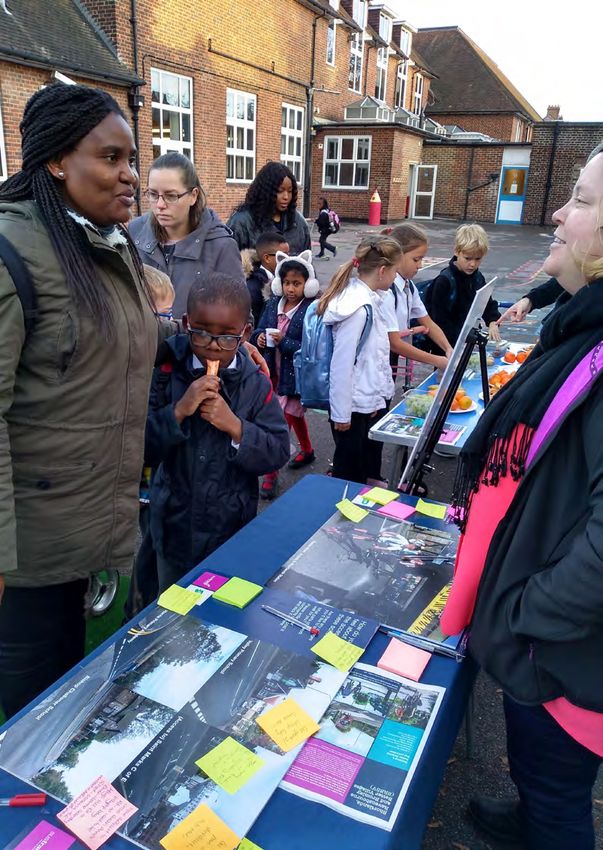
Twelve asks for the
    next mayoral term
    Make London more equitable
    1. Introduce an equity framework that transport and planning policy must follow.

    2. Create neighbourhoods that put people first, prioritising areas most in need.

    3. Ring-fence funding to actively engage underrepresented
        Londoners in transport and planning schemes.

    4. Consult on the introduction of an equitable Road User Charging Scheme.

    Make walking, wheeling and cycling more inclusive
    5. Empower a million more Londoners with the
       skills and resources to cycle regularly.

    6. Meet demand for secure residential cycle parking.

    7. Remove 500 discriminatory access barriers from
       park entrances, pavements and Cycleways.

    8. Adapt and improve temporary Streetspace
       measures into permanent schemes.

    Provide safe walking, wheeling and
    cycling connections across London
    9. Prioritise building Cycleways in areas with the
       fewest existing transport options.

    10. Triple the kilometres of safe Cycleways on the TfL Road Network
        while improving the walking and wheeling environment.

    11. Coordinate and expand London’s existing green walking and cycling
        routes into an iconic ‘great green routes of London’ network.

    12. Ensure all road improvement projects make streets safe, not just safer.

3      Sustrans’ manifesto for London 2021: Fairer streets, better lives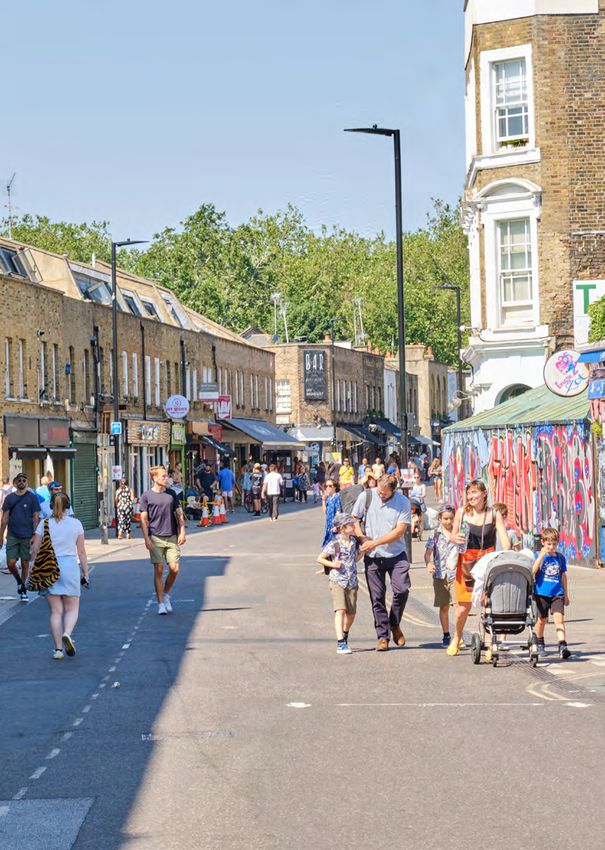
4 Sustrans’ manifesto for London 2021: Fairer streets, better lives
1. Introduce an equity framework that
    transport and planning policy must follow
    Why is this important?                                          The Greater London Authority should focus
                                                                    on the degree to which its investments make
    The life expectancy of someone living in a                      London more equitable, as well as the positive
    more affluent part of London may be 7-9 years                   outcomes for the population as a whole.
    longer than someone living in a poorer area.6
    There are also divergences in life expectancy
    between different ethnic groups.7 To tackle                     How can the Mayor
    this disparity, policy must be aimed at not
    only improving health generally, but also at
                                                                    make this happen?
    targeting support to those people living in the
                                                                    A. Develop an equity framework for London
    poorer areas or from disadvantaged groups.
                                                                       to measure inequities, track changes and
                                                                       measure the success of policies over time.
    This is what we mean by equity – prioritising
    policy, investment and support for those that                   B. Ensure all policies and plans, including
    face the greatest disparities and are therefore                    for walking and cycling, are designed
    disadvantaged. Focusing investment in                              to address, and be evaluated against
    areas with, for example, greater levels of                         how they reduce inequity.
    deprivation, poorer health and lower access
                                                                    C. Make borough funding contingent on aligning
    to green space. This helps to reduce the gap
                                                                       schemes to equity indicators to ensure
    in outcomes between different groups.
                                                                       investment is targeted to the greatest need.
    Examples of equity indicators that
    should be considered are:
                                                                    Oakland’s Equity Framework
    •   levels of access to green space among groups
        with Protected Characteristics and others,
                                                                    The City of Oakland, California, provides
        and households with different incomes
                                                                    an example of how this can be done well.
    •   disparities in health and wealth                            Oakland’s Equity Framework is used to
        between different ethnic groups                             measure inequities, and track changes in
                                                                    the disparities for different groups over time.
    •   quality of public spaces by
        neighbourhood income deciles, and
                                                                    This framework can then be used to
    •   access to quality housing among                             guide and inform policies that address
        different groups of people.                                 these disparities, such as the Oakland
                                                                    Bike Plan and the roll out of the covid
    There are a variety of different measures that                  response ‘Slow Streets’ programme.
    could be implemented. While an organisation
    like ours will have stronger views on transport                 Further details can be found in the
    and health indicators, a variety of different views             Oakland Equity Indicators report.8
    should be factored in to determining the priorities.

                                    Equality:
    For an equitable
    society, people
    need different
    levels of support               Equity:
    to reach the
    same outcome

5         Sustrans’ manifesto for London 2021: Fairer streets, better lives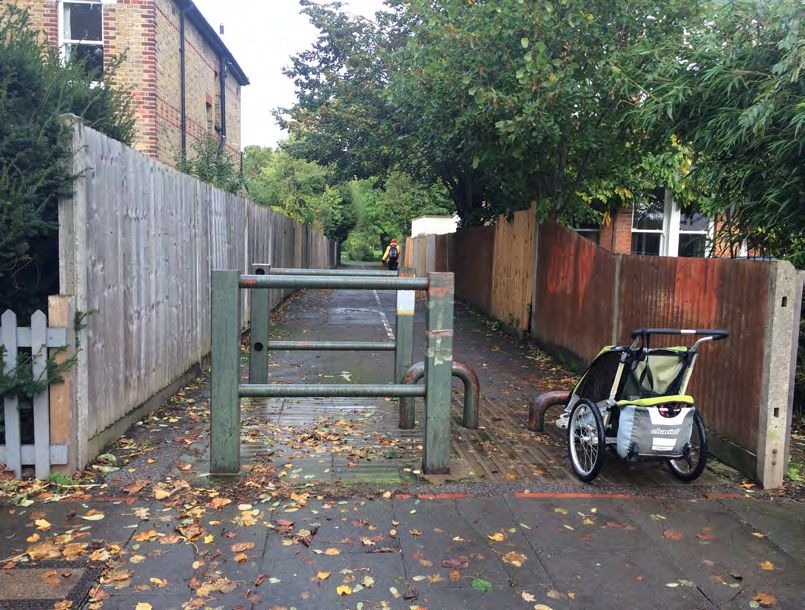
2. Create neighbourhoods that put people
    first, prioritising areas most in need
    Why is this important?                                          Walking and wheeling should be the most
                                                                    equitable forms of transport in any city.
    Our neighbourhoods should be designed                           London should be a city in which all people
    for people. The removal of through-traffic                      can access shops, schools, parks, healthcare,
    provides the opportunity to make public                         transport hubs and entertainment within a
    spaces for people. Places which:                                20 minute walked round-trip – the 20-minute
                                                                    neighbourhood principle. This reduces
    •   we can walk, wheel or cycle, play and                       the need to use a car for most trips.
        socialise safely in, free from the road
        danger posed by through-traffic                             Many areas, including many disadvantaged
                                                                    communities and parts of outer London,
    •   have clean air
                                                                    do not currently include a sufficient mix of
    •   have most of what you need to                               local amenities or public transport links.
        live just a short walk away                                 This can make accessibility challenging,
                                                                    lock people into car dependency, leave
    •   have social connection at their heart
                                                                    people in transport poverty10 and result in
        – places we feel proud of and feel a
                                                                    mental and physical health inequalities.
        sense of ownership over. They feel
        like extensions of our own homes
                                                                    Neighbourhood prioritisation
    •   have thriving, high-quality local high streets,
        town centres and safe main roads                            Londoners living in more deprived areas are more
                                                                    likely to suffer from the impacts of traffic, such
    •   are well-connected to surrounding
                                                                    as road danger, community severance, and air
        neighbourhoods and beyond
                                                                    pollution.11,12 But lower income Londoners are
    •   are green and have access to                                less likely to be causing such damage: the less
        local play and green spaces                                 you earn in London, the less likely you are to own
                                                                    and drive a car.13 This inequity follows decades of
    •   are equitable and inclusive to all Londoners.
                                                                    transport planning in which decisions have been
                                                                    skewed in favour of people with the most time,
    London’s Healthy Streets and Streetspace
                                                                    connections, and ability to influence public debate.
    programmes are essential to creating such
    neighbourhoods for everyone in London,
                                                                    While many current Healthy Streets and
    and their roll out should be escalated.
                                                                    Streetspace schemes seek to improve lives by
                                                                    reducing car traffic in particular neighbourhoods,
    Meeting our needs within a
                                                                    there should be a more coordinated, London-
    short walk or wheel
                                                                    wide process to ensure that each year, the
                                                                    health, road danger, access to green space
    Many of us have been living more locally since
                                                                    and pollution inequities between the richer and
    lockdown and more than half of Londoners
                                                                    poorer neighbourhoods are reduced. This needs
    now do some work at home.9 The local
                                                                    to be done in a strategic and transparent way.
    neighbourhood has become much more important
    to many people but we need to better ensure
    everyone benefits from access to green space,
    shops and other services on the doorstep.

6         Sustrans’ manifesto for London 2021: Fairer streets, better lives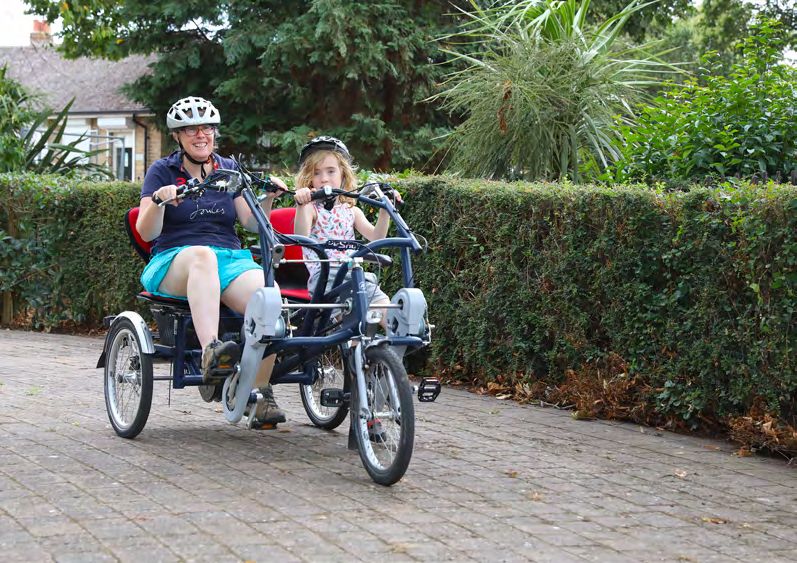
Children at Crampton
     Primary School, Southwark
     say what they think about
     some streets in their borough

     How can the Mayor                                               Tackling inequity in
                                                                     Newington Ward, Southwark
     make this happen?
                                                                     Newington ward in Southwark is an area which
     A. Within a year, adapt the Strategic                           has long needed investment in its public spaces.
        Neighbourhood Analysis (SNA) into a strategy                 So it was identified as an area with high levels
        to roll out people-first neighbourhoods to every             of childhood obesity and a place where work
        neighbourhood across London, including                       needs to be done to promote physical activity.
        creating a priority-list of those most in need.
     B. Introduce people-first neighbourhoods to 30% of              Southwark Council and others are now
        neighbourhoods in London, including all the high             working with residents, primary schools and
        priority neighbourhoods. These must go beyond                tenants’ associations to develop street designs
        traffic reduction to focus on all the elements               that will enable children to play, walk and
        that make up people-first neighbourhoods.                    cycle in spaces away from traffic. Children
                                                                     are at the heart of the design process.
     C. Within a year, embed the 20 minute
        neighbourhood principle into the
        London Plan, the Mayor’s Transport
        Strategy and other Mayoral policies.
     D. Work with boroughs to remove 50 hectares of
        ‘greyspace’ from our streets and replace with
        trees, greening (sustainable drainage schemes),
        parklets, seating and play equipment.

     Strategic Neighbourhood Analysis overview map

     The traffic filtering score reflects through traffic
     estimates, recorded walking and cycling casualties
     and modelled cycle flow potential. The general score
     reflects the number of schools, population, low car
     ownership, social distancing needs and deprivation.

     Neighbourhoods less than 0.1 or greater than 2 square
     kilometres have been excluded for the purposes of this
     analysis, though may still be suitable for filtering.

                Traffic filtering score
                Top        High      Medium
                                                Top
    General
     score

                                                High

                                                Medium

7          Sustrans’ manifesto for London 2021: Fairer streets, better lives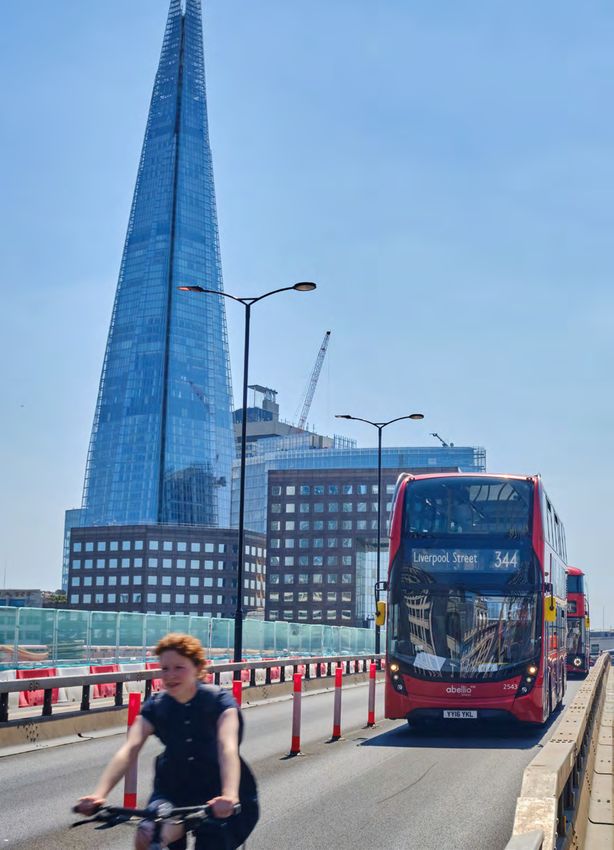
3. Ring-fence funding to actively
    engage underrepresented Londoners
    in transport and planning schemes
    Why is this important?                                         Local residents, including minority ethnic groups,
                                                                   disabled people, people on low-incomes, older
    Disadvantaged and marginalised people are                      people and children will be aware of barriers
    often hardest hit by the impacts of dangerous air              or opportunities that designers and borough
    pollution, road danger, health inequalities, and               officers might not be, and can offer solutions
    the climate crisis. They also tend to have the                 that are more likely to be accessible.14
    fewest transport options and the most to gain
    from improvements to the city. Furthermore, they               Monitoring and evaluation goes hand-in-hand
    are usually the most left out of urban design                  with community engagement to ensure transport
    decisions that could improve or worsen their lives.            and planning schemes are benefitting the people
                                                                   who need it most. Demographic analysis of
    A lack of internet access, health issues and                   the engagement process will highlight short-
    disabilities, political alienation, translation                comings and where additional resources are
    requirements, varied working hours, poor                       needed to include everyone. Baseline and post-
    access to transport, caring responsibilities,                  implementation data – public perception surveys,
    religious holidays and a history of                            traffic volumes, pollution levels, health data and
    exclusion are just some of the reasons                         more – provide essential information for boroughs
    people may not be able to participate.                         to engage, inform and respond to communities
                                                                   as schemes are being considered and delivered.
    Combining local knowledge, needs and                           This kind of data also enables boroughs to
    aspirations from a diversity of people with                    build the case for the scheme, assess the
    the expertise and resources of planners,                       impact and equitably inform any changes.15
    community developers, artists and public                       This information will help ensure the success
    officials will enable creative problem-solving                 of schemes – providing the data to support
    and result in more equitable designs that                      decision-making and informed public debate.
    are responsive to their local context.

    To do this, engagement must go beyond legal                    How can the Mayor
    consultations. It is about working collaboratively
    with residents, schools, businesses,
                                                                   make this happen?
    community groups, other stakeholders and
                                                                   A. Develop and introduce best practice
    decision-makers from the outset to make
                                                                      guidance on engagement, which
    long lasting change in neighbourhoods.
                                                                      should itself be designed with
                                                                      community and expert groups.
    Inclusive and meaningful approaches include
    both digital and face-to-face co-design events,                B. Ensure that every TfL-backed scheme,
    structured workshops, walkabouts, and                             both through its own programmes and
    stakeholder outreach. Time is required to build                   through Local Implementation Plans, include
    trusting relationships, explore complexity, and                   comprehensive community engagement and
    develop a shared analysis. This approach                          monitoring activities that represent the local
    will not only ensure greater equity, but will                     community, including disadvantaged groups.
    help manage risks around delivery and
                                                                   C. Ring-fence 20-30% of TfL Healthy
    increase opportunities for more ambition.
                                                                      Streets funding for community
                                                                      engagement, monitoring and evaluation
    Local people are experts on their streets. Years
                                                                      and behaviour change –the optimum
    of travelling through their neighbourhood by foot,
                                                                      amounts for maximum impact.16
    by cycle or by car means that local people have
    an awareness of a variety of issues that result in             D. Monitor and publish the impact of
    a less than ideal place to live for many people.                  schemes to measure and demonstrate
    Local people are best placed to come up with                      that streets are being used more
    innovative solutions to address these issues                      equitably – for example, that the gap
    and achieve a place they can be proud of.                         is closing between underrepresented
                                                                      groups in cycling and others.

8        Sustrans’ manifesto for London 2021: Fairer streets, better lives
Working with Bromley
    schools and residents
    to shape Liveable
    Neighbourhood plans.

9      Sustrans’ manifesto for London 2021: Fairer streets, better lives
4. Consult on the introduction of an
     equitable Road User Charging Scheme
     Why is this important?                                        A set of principles would guide the development
                                                                   of the scheme. These should include equity,
     London needs to dramatically reduce motor                     the degree to which it delivers traffic and
     traffic. Too many cars are damaging our                       congestion reduction (and associated pollution
     health and communities, and congestion costs                  and climate benefits), income generation,
     London motorists £4.9 billion per year. Motor                 modal shift towards sustainable forms of
     traffic also needs to be reduced for London                   transport, and improvements in health.
     to meet its 2030 climate commitments.17
                                                                   An additional urgency has been added to the
     The Congestion Charge and Ultra Low Emission                  need for increased road user charging. With
     Zone have been very effective at reducing traffic             Transport for London currently relying on
     and air pollution in central London – traffic has             central government for significant proportions
     fallen by 20-25% in central London since the                  of its income lost during the pandemic, London
     Congestion Charge was introduced in 2003,18                   will need to generate income from such a
     and pollution levels have fallen dramatically                 scheme to again be able to pay its way. London
     since the Ultra Low Emission Zone (ULEZ)                      must also maintain its current investment
     was introduced.19 Extending the ULEZ to the                   levels in healthy streets and more broadly.
     north and south circular roads in October 2021
     will bring similar benefits to a larger area.
                                                                   How can the Mayor
     However, you can still drive across most of
     London for free, subsidised by all taxpayers
                                                                   make this happen?
     in London, despite 46% of households not
                                                                   A. Consult on the introduction of an equitable,
     owning a car.20 With the impacts of car
                                                                      distance-based road user charging scheme,
     and van use impacting disproportionately
                                                                      to include options on delivery mechanisms.
     on those on lower incomes,21,22 more road
     user charging, when designed in the right                     B. Extend ULEZ to the north and south circular
     way, can be an equitable approach.                               roads in October 2021 as planned.
                                                                   C. Expand TfL and third party transport apps
     Research from the Centre for London
                                                                      to show users the full economic cost
     demonstrated the benefits could be greater
                                                                      of each journey they plan to make.
     if drivers were targeted across the whole of
     London, not solely on the central or inner-                   D. Support local businesses to trial
     London areas23 and based on the social                           electric cargo bikes through Cargo
     cost being paid by the motorist for each mile                    Bike Libraries or leasing schemes.
     of each journey, rather than only for those
     journeys crossing specific boundaries.
                                                                   How it would work
     Any new or additional scheme should be as fair
     as possible. For example, money raised should                 Drivers pay for each journey, depending on the:
     be used to provide alternative transport options
     for people on lower incomes, and exemptions                   •   distanced travelled
     should be provided to disabled blue badge
     holders, and modal shifts made easy for business.
                                                                   •   vehicle emissions
                                                                   •   local levels of congestion and pollution, and
                                                                   •   availability of public transport alternatives.

10       Sustrans’ manifesto for London 2021: Fairer streets, better lives
5. Empower a million more Londoners with
the skills and resources to cycle regularly
Why is this important?
How can the Mayor
London has made huge strides towards
making cycling safer, more viable
make this happen?
options for millions of people.
Each scheme that TfL funds, whether
it be a Cycleway on its own network,
But cycling, and the benefits that go
Local Implementation Plans, or Liveable
with it, has not grown equally:
Neighbourhood funding, should outline
how it will ensure underrepresented
• Ethnic minority groups, people on low
groups will benefit as much as, or
incomes, disabled people, and people
more than, others, therefore reducing
over the age of 45 are less likely to
health and transport inequities.29
cycle than other Londoners.24,25
• The number of Londoners on low incomes This should be by:
that cycle is below, and has been falling,
relative to those on higher incomes.26 A. Providing targeted funding support
for cycle purchases for those not
Yet huge numbers of people from all eligible for the Government’s Cycle
backgrounds want to cycle. Across 12 UK cities, to Work scheme, including for more
55% of people from ethnic minority groups, expensive adapted and family cycles.
38% of people at risk of deprivation, 36% of
B. Funding more ambitious behaviour
women, and 31% of disabled people who
change programmes alongside all
do not currently cycle would like to start.27
schemes across London (based on the
optimum revenue-spending levels to
Most Londoners either cycle or increase sustainable travel: 20-30%30,31).
are interested in cycling, while C. Baselining and monitoring the impact on
cycling levels of individual schemes and
just 20% of Londoners say across London as a whole to demonstrate
that they are “not interested that the gap is closing between
underrepresented groups and others.
in” or “do not want to” cycle.
D. Setting up at least one new all ability
Even where high-quality infrastructure cycle ‘hub’ in each borough for new
is available, a number of barriers still or returning cyclists to learn cycle
hold some people back from benefitting: skills and gain confidence.
• Economic: being able to afford the
costs of cycles, especially when an
adapted cycle is needed, locks, pumps,
lights and panniers/baskets.
• Cultural: a lack of representation in cycling,
family and community norms and aspirations
or not having people close to you who regularly
cycle all contribute to some people feeling
that cycling is not ‘for people like me’.28
• Capability: being able and confident
enough to cycle in London, or being
or feeling fit enough to cycle.
• Information: lack of knowledge of quiet or
scenic routes nearby, not knowing where to
find cycle-friendly maps or apps to plan routes.
11 Sustrans’ manifesto for London 2021: Fairer streets, better livesThis Cycle Hub in Hounslow
reduces exclusion and
makes cycling accessible
to vulnerable groups, such
as adults and children with
physical or learning disabilities
Community-led
cycle training and
led-rides are vital to
build cycle skills and
need to be funded
12 Sustrans’ manifesto for London 2021: Fairer streets, better lives6. Meet demand for secure
residential cycle parking
Why is this important?
How can the Mayor
Some people can store cycles safely in or near
their home while others cannot. Generally those
make this happen?
living in flats and terrace housing are less likely
A. Create an initial £15 million fund
to have access to secure cycle storage and
for boroughs to meet demand for
are more likely to be on lower incomes. A lack
accessible and secure cycle parking.
of secure cycle storage excludes many people
from disadvantaged groups from cycling. B. Ensure all new blocks of flats have access
to secure cycle storage as standard,
Equally, while cycling may be the cheapest way and blocks of flats are retrofitted.
of travelling medium distances in London, the
C. Ensure that borough transport plans
cost of storage, especially in neighbourhoods
include a delivery strategy of cycle
where cycle theft is higher, can be prohibitive.
hangars to meet demand – as a
fundamental equity issue in London.
Secure cycle parking on high streets, stations,
schools and workplaces is equally as important, D. Work with boroughs to ensure affordability
but the disparity in the space people have in rental charges for cycle hangars.
to store cycles in their homes in London is
a particular equity issue, especially when
so much space is dedicated to car parking.
And where this provision is available on the
street it is typically expensive to use.
It is also important that cycle storage is available
for whatever type of cycle people ride,32 whether
that be adapted cycles for disabled people, family
cycles, or cargo bikes for shopping or work.
35,000 Londoners are currently on waiting
lists for on-street cycle hangars on streets
and in housing estates.33 The more hangars
that are installed, the more demand rises, as
people can see what is available and see the
value. The underlying demand is therefore
potentially in the hundreds of thousands
across London. There was a huge increase
in demand during lock-down, showing how
important cycling can be as a form of mobility.
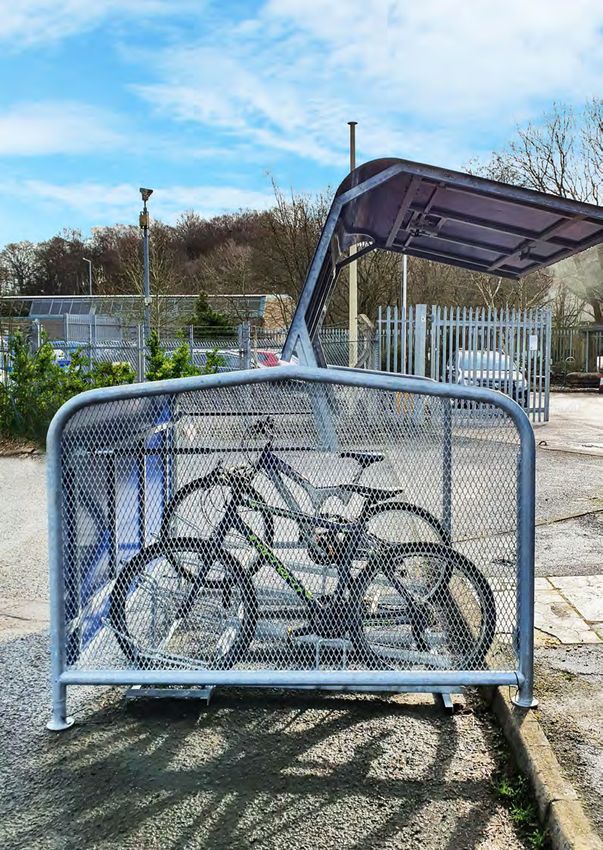
13 Sustrans’ manifesto for London 2021: Fairer streets, better livesCycle hangars are
essential for an equitable
increase in cycling levels
in London, and storage
must accommodate
different types of cycles
14 Sustrans’ manifesto for London 2021: Fairer streets, better lives7. Remove 500 discriminatory
access barriers from park entrances,
pavements and Cycleways
Why is this important?
How can the Mayor
Local councils across London and beyond, have
reacted to people’s concerns about motorbikes
make this happen?
and other illegal vehicles travelling along
A. Set a London-wide policy for
pavements and parks by installing physical
inclusivity in barrier design.
barriers to stop them entering. But the spaces
between these barriers often prevent legitimate B. Set TfL a target of removing 500 barriers
travel – parents pushing buggies, wheelchair within the Mayoral term - work with
and mobility scooter users, or people on bikes or councils and provide funding to meet it.
trikes wider or longer than the standard sizes. Prioritise those that most prevent access.
C. Ensure councils undertake rigorous
The barriers discriminate against these people
Equalities Impact Assessments when
and create considerable inequities in who can
installing new street, park or Cycleway
use public space. No accurate record exists of
infrastructure.
the exact numbers of barriers in London, but it is
likely to run into the thousands. Ducal Street in
Tower Hamlets, for example, has five fences on
the pavement, directly preventing movement.
Stuck! Barriers have been
placed across London which
restrict access for families,
disabled people and others
15 Sustrans’ manifesto for London 2021: Fairer streets, better lives8. Adapt and improve temporary Streetspace
measures into permanent schemes
Why is this important?
How can the Mayor
Streetspace for London has made it much
safer and easier to walk and cycle on many
make this happen?
of London’s roads. This is thanks to the
A. Provide boroughs with the resources
introduction of Low Traffic Neighbourhoods
to adapt and make schemes
(LTNs), pavement widening, School Streets
permanent, including support to:
and light cycle segregation routes. These
schemes have aided social distancing and • engage and consult local residents
provided viable alternatives to driving.
• evaluate the impacts of schemes
While there has been opposition to • invest in supporting behaviour
some measures put in place, Londoners change measures, and
support these measures, for example:
• refine and improve schemes
where necessary.
• 51% of Londoners support the implementation
of LTNs, with 16% against.34,35 B. Provide the vision and London-wide,
coordinated plan for how individual schemes
• 81% of parents say they want to make it easier
form part of a London-wide effort to reduce
for families to walk and cycle to school.36
traffic and improve streets for people - then
• 57% of Londoners support the introduction hold council leaders to account for their role
of cycle lanes under Streetspace.37 in making this happen.
Temporary schemes can be in place for
up to 18 months. This will provide time for
schemes to be embedded, consultations to 95% of Business
happen and improvements to be made.
Improvement Districts say
that a good environment
£
Boroughs manage 95% of London’s streets,
£
and they need TfL support to navigate
through these times of change.
for walking was important
to business performance,
Many outer London boroughs are taking bold
measures for the first time. This is where most
and 85% for cycling.38
support is needed. A strategic direction should
be provided to ensure all council leaders
understand what the objectives of Streetspace
are and how best they can be met. Council
leaders then need to be held to account on
their performance towards this strategy.
16 Sustrans’ manifesto for London 2021: Fairer streets, better livesBroadway Market has been closed
to through-traffic, to the benefit
of businesses and customers
17 Sustrans’ manifesto for London 2021: Fairer streets, better lives9. Prioritise building Cycleways in areas
with fewest existing transport options
Why is this important? A strategic reprioritisation of new routes
would involve more of the orbital and
Cycleway investment in London to date has been outer London routes being developed.
disproportionately geared towards trips to central
London, often following existing demand.39,40 While there is some value in focusing on a
This has raised the profile of cycling in London, network approach for cycling, the goal must
but has resulted in people with higher-paid jobs be set higher. Paris has adopted a vision of
in central London having more of the health and every street being safe to cycle on by 2024.45
connectivity benefits of cycling than others. London needs this vision too – and then to
set out the order in which it will get there.
Focusing on central London has meant other
trips are ignored. Journeys to shops, parks,
and schools or journeys to work outside central
London. These are also more likely to be made How can the Mayor
by disadvantaged people, including children,
women, retired people, disabled people and
make this happen?
people on lower incomes and those out of work.
A. Set the vision for every street to
Change must therefore involve a reversal of
be safe to cycle on, based on the
the ‘breadwinner model’ of urban planning.41
Cycleway Quality Criteria.
A further reason for this change is that, with B. Update the prioritised routes in the
so much more working from home likely to Strategic Cycling Analysis (SCA) to
be happening in the coming years than in the focus on the routes which can most
past, demand is increasing for local routes improve sustainable transport access
relative to radial routes into the city centre. and tackle transport poverty.
C. Update the SCA to include where cycle
Every day 4.7 million trips currently made by car
freight deliveries have the best role to
could be cycled in London.42 Switching even half
play in reducing van use, as well as
of these journeys would be a huge step towards
in replacing van use for servicing.
a green and equitable recovery in London.
D. Ring-fence funding for outer London
Of course it has been invaluable in the current boroughs to introduce Cycleways, along
pandemic to have a cycle network that has with other public realm improvements.
enabled Londoners to travel to central London
safely while socially-distancing, but the next
Mayoral term will look beyond this emergency.
The Strategic Cycling Analysis and Cycling Action The London Orbital Railway
Plan identified cycle routes with the highest
current and potential cycling flows. But 42% of Orbital transport links can often serve a wider
these potential trips are currently being walked range of people than radial routes to central
or made on public transport, not driven, partly as areas, which can disproportionately serve
a result of the central and inner London focus. people, often men, in better-paid jobs in centres
Over the next few years investment is better of employment, such as in central London.
prioritised on switching those local journeys
currently made by car to walking and cycling. The London Overground, an orbital line serving
inner and outer London, serves a relatively
Tackling transport poverty should also be a higher proportion of Black people compared to
priority of new cycle infrastructure. In London, White people, while the tube is the reverse.
transport poverty is often worse in outer
London, affecting people on lower incomes with This shows how important orbital links are in big
low access to both public and car transport. cities like London, and why orbital walking and
Boroughs such as Bromley and Croydon, for cycle links need to be given greater priority.46
example, have poor public transport43 but also
over 30% of households with no cars.44
18 Sustrans’ manifesto for London 2021: Fairer streets, better livesTransport for London’s Strategic Cycling Analysis identified
the following top connections for further study
Top potential connections
1. Kentish Town to Wood Green 25
2
2. Camden Town to 1
Tottenham Hale 24
3
3. Dalston to Lea Bridge Road 6
4. Hackney Mare Street 23 5 7 10
to Shadwell 4 8
22 22 9
5. Greenwich foot tunnel 12
to Hackney 11
21 17 16 14 13
6. Stratford to Ilford 18
19
7. Leyton to Barking Road 19 15
8. Canning Town to Barking 20
9. Manor Park to Woolwich Ferry
10. Ilford to Dagenham Dock
11. Greenwich to Woolwich
12. Rotherhithe Crossing to Peckham
13. Old Kent Road to New Cross Gate
14. Deptford to Oval
15. Oval to Streatham
16. Vauxhall to Clapham Common
17. Chelsea Embankment to Clapham Common
18. Pimlico to Putney
19. Clapham Common to Mortlake
20. Teddington to Twickenham Strategic cycle connections
21. Hounslow to Heathrow Top potential connections
22. Shepherd’s Bush to Southall High potential connections
23. Fulham to Wembley Medium potential connections Central London Grid area
24. Kilburn to Edgeware Existing and planned Cycle Town centres
25. Highgate to North Finchley Superhighways, Quietways River and water features
and Mini-Holland routes Parks
19 Sustrans’ manifesto for London 2021: Fairer streets, better lives10. Triple the kilometres of safe Cycleways
on the TfL Road Network, while improving
the walking and wheeling environment
Why is this important? Many roads controlled by TfL are also high streets
and town centres. They have become dominated
People cycling will often use the most direct by non-stop traffic, reducing their function as
route to a destination in London, which will places to shop, do business, and socialise.
usually be along main roads. Main roads are Many of these high streets could benefit from
often more dangerous for people cycling than the increase in visits and spending that high
quieter residential roads, especially at dangerous streets receive when improvements are made
junctions.47 While it may be relatively safe for people walking, wheeling and cycling.49
for many of us to take the bus or drive along
main roads, it is the most vulnerable road
users – people walking, wheeling and cycling
– that suffer the most from the danger of high How can the Mayor
traffic volumes and speeds on main roads.
make this happen?
Through TfL, the Mayor manages 580 kilometres
A. Triple the kilometres of Cycleways
of London’s main roads,48 the vast majority of
meeting the TfL Quality Criteria
which are not safe for people to walk or cycle on.
on the TfL Road Network.
With many Mayoral-funded programmes, such as
Liveable Neighbourhoods and Cycleways often B. Remove parking spaces and motor traffic
located on borough-controlled streets, the Mayor capacity, particularly on high streets.
has limited powers. But by ensuring TfL-controlled
C. Ensure designs are accessible for children,
roads have safe space for cycling, the Mayor
disabled people, and older people.
can lead the way in making streets in London
more equitable. Pavements and crossings D. Use this opportunity to improve the wider
should also be significantly improved as part of pedestrian environment, including crossings,
any programme, to improve access for children, through the Healthy Streets Approach.
older people, disabled people and others.
20 Sustrans’ manifesto for London 2021: Fairer streets, better livesLondon Bridge is now
closed to through-
traffic at certain times
of the day, making
bus journeys quicker
and cycling safer
21 Sustrans’ manifesto for London 2021: Fairer streets, better lives11. Coordinate and expand London’s existing
green walking and cycling routes into an
iconic ‘great green routes of London’ network
Why is this important?
How can the Mayor
Accessible quality green spaces are essential
for the health of all Londoners.50 But some have
make this happen?
more access than others, and this contributes
A. Consolidate the National Cycle Network
to health inequalities.51 The Covid-19 lockdown
(NCN), the Thames Path, the Capital
showed just how important green spaces are:
Ring, London LOOP, the National Park
people needed to spend time in parks, with
City green route network and other
the green surroundings, space and light that
links into a high-quality, cohesive ‘great
go with it. With one third of Londoners not
green routes of London’ network.
getting their 20 minutes of exercise per day,52
we need to increase access to green space. B. Identify six new potential green corridors
that could provide safe walking, wheeling
As well as the health benefits of good access to and cycling links between green spaces.
green space, the links between them are also
C. Commit to improving existing green
an important piece of the transport jigsaw. Off-
corridors, including a number of
street green paths are important for enabling
missing links on the National Cycle
families, those who have never considered
Network, to an inclusive standard.
cycling, and those less confident in doing so,
to cycle and gain confidence, and discover
the joy. Cities with high cycling rates, such as
Copenhagen and its surrounding areas,53 have
excellent connections between green spaces.
The completion of the ‘missing link’
in Charlton, southeast London,
provided a safe, green, riverside
route for walking and cycling between
Greenwich and Woolwich and beyond.
The route follows the Thames Path
and National Cycle Network route 1.
22 Sustrans’ manifesto for London 2021: Fairer streets, better lives12. Ensure all road improvement projects
make streets safe, not just safer
Why is this important? and transport inequities across the city.
Many schemes will also need to be revisited
TfL currently funds a large number of road to ensure safety, at additional cost.
projects which do not meet the safety criteria for
people walking, wheeling and cycling. London
has a Vision Zero objective on road safety, but How can the Mayor
schemes which will be in place for the next 30-40
years are being constructed in ways which mean
make this happen?
people walking and cycling are put in unnecessary
A. Insist that road schemes meet the
danger. The project to improve the junction at
Cycleway Quality Criteria and leave no
Kingsland Road/Balls Pond Road is costing
residual safety issues as defined by
millions but, according to the Healthy Streets
the Healthy Streets Designer Check.
Designers’ Check, still leaves two residual safety
issues,54 which will put lives in danger for decades B. Fully integrate The Equalities Act 2010
to come on a well-used cycle and walking route. into all transport assessments.
TfL plans to spend hundreds of millions of pounds
in the next mayoral term on refurbishing the
road network.55 Projects include the Croydon Scrap the Silvertown Tunnel
Fiveways changes; a refurbishment of the
Westway; Hammersmith Bridge repairs; and a The Silvertown Tunnel is a proposed new
Rotherhithe Tunnel refurbishment, not to mention tunnel under the Thames in east London. It will
the Silvertown Tunnel and work on the Safer entrench motor dominance of east and south
Junctions programme. Most of these schemes east London, undoing many of the positive
will continue to prioritise motor journeys over the proposals towards reducing car and van traffic.
safety of people walking, wheeling and cycling.
It typifies the old approach to transport
Large infrastructure project costs are planning that needs to be changed for a
high and consistently above budget. As a sustainable future. New Thames crossings
consequence, they drain transport resources for east London are needed, but they should
that could be otherwise invested in more be for walking, cycling and public transport.
cost effective measures to reduce health
Any scheme to make Hammersmith
Bridge usable again must include
safe spaces for people to walk and
cycle, in line with the TfL criteria
23 Sustrans’ manifesto for London 2021: Fairer streets, better livesReferences 15. https://www.sustrans.org.uk/for-professionals/
infrastructure/an-introductory-guide-to-low-
1. https://data.london.gov.uk/download/ traffic-neighbourhood-design/an-introductory-
briefing--demographic-impact-of-covid-19/ guide-to-low-traffic-neighbourhood-
d0a9943d-7248-4100-9204-4720a3a9e2f0/ design-contents/design-guide/
The%20demographic%20impact%20of%20 all/2-the-scope-of-this-guide
Covid%20in%20London%20100720.pdf
16. http://www.transportforqualityoflife.
2. https://www.nhs.uk/news/lifestyle-and- com/u/files/Finding_the_Optimum_%20
exercise/living-near-a-busy-road-can- Revenue_Capital_Investment_Balance.pdf
increase-risk-of-asthma-in-children
17. https://www.london.gov.uk/sites/default/
3. https://data.london.gov.uk/download/ files/1.5c_compatible_plan.pdf
briefing--demographic-impact-of-covid-19/
18. http://content.tfl.gov.uk/travel-
d0a9943d-7248-4100-9204-4720a3a9e2f0/
in-london-report-12.pdf
The%20demographic%20impact%20of%20
Covid%20in%20London%20100720.pdf 19. https://www.london.gov.uk/
press-releases/Mayoral/dramatic-
4. https://www.theguardian.com/money/2020/
improvement-in-londons-air-quality
jul/24/uk-working-mothers-are-sacrifical-
lambs-in-coronavirus-childcare-crisis 20. http://content.tfl.gov.uk/technical-note-12-
how-many-cars-are-there-in-london.pdf
5. https://www.suttontrust.com/wp-
content/uploads/2020/04/COVID- 21. http://content.tfl.gov.uk/technical-note-20-
19-and-Social-Mobility-1.pdf what-are-the-main-health-impacts.pdf
6. https://www.merton.gov.uk/assets/ 22. http://content.tfl.gov.uk/deprivation-
Documents/Health%20and%20Wellbeing%20 and-road-safety.pdf
Strategy%202019%20FINAL%20WEB.pdf
23. https://www.centreforlondon.org/
7. https://assets.publishing.service. publication/road-user-charging/
gov.uk/government/uploads/system/
24. https://tfl.gov.uk/cdn/static/cms/documents/
uploads/attachment_data/file/733093/
travel-in-london-report-12.pdf
PHOF_Health_Equity_Report.pdf
25. https://wheelsforwellbeing.org.uk/wp-
8. https://cao-94612.s3.amazonaws.
content/uploads/2019/06/FINAL.pdf
com/documents/2018-Equity-
Indicators-Full-Report.pdf 26. https://tfl.gov.uk/cdn/static/cms/documents/
travel-in-london-report-12.pdf
9. https://www.theguardian.com/
commentisfree/2020/sep/14/ 27. https://www.sustrans.org.uk/media/7377/
working-from-home-covid-19-london- cycling_for_everyone-sustrans-arup.pdf
uk-capital-white-collar-work
28. http://content.tfl.gov.uk/attitudes-
10. Transport poverty needs to be fully defined, to-cycling-2016.pdf
but it relates to those households that need
29. https://www.sustrans.org.uk/media/5942/
to spend a significant proportion of their
bikelife19_aggregatedreport.pdf
household income or time on transport in order
to meet their needs. A more detailed discussion 30. The Centre for London have produced
can be found in https://www.sustrans.org.uk/ a report on transport equity, including a
media/3706/transport-poverty-england-2012.pdf framework for measurement: https://www.
and https://www.sustrans.org.uk/media/2880/ centreforlondon.org/reader/fair-access/
transport_poverty_in_scotland_2016.pdf chapter-1/#framework-and-methodology
11. https://www.london.gov.uk/sites/default/ 31. http://www.transportforqualityoflife.
files/aether_updated_london_air_ com/u/files/Finding_the_Optimum_%20
pollution_exposure_final_20-2-17.pdf Revenue_Capital_Investment_Balance.pdf
12. http://content.tfl.gov.uk/deprivation- 32. https://www.cyclinguk.org/article/how-and-why-
and-road-safety.pdf does-transport-spending-need-be-rebalanced
13. http://content.tfl.gov.uk/technical-note-12- 33. https://www.cycling-embassy.org.
how-many-cars-are-there-in-london.pdf uk/sites/cycling-embassy.org.uk/
files/documents/Wheels%20for%20
14. https://www.sustrans.org.uk/for-
Wellbeing%20Inclusive%20Cycling.pdf
professionals/our-approach/how-sustrans-
does-community-led-street-design 34. https://www.sustrans.org.uk/our-blog/
opinion/2020/july/secure-cycle-parking-is-
vital-to-getting-more-people-on-bikes
24 Sustrans’ manifesto for London 2021: Fairer streets, better lives35. https://twitter.com/BBCTomEdwards/ 46. https://www.forbes.com/sites/
status/1306643636583624705 carltonreid/2020/01/21/phasing-out-
cars-key-to-paris-Mayors-plans-for-
36. A further survey puts the figure at
15-minute-city/#649e6db66952
52%: https://www.onlondon.co.uk/new-
polling-most-londoners-blame-covid-or- 47. http://content.tfl.gov.uk/travel-in-
government-for-tfl-financial-woes-back- london-understanding-our-diverse-
ltns-and-are-satisfied-with-sadiq-khan communities-2019.pdf
37. https://www.sustrans.org.uk/our-blog/ 48. https://www.sciencedirect.com/science/
news/2020/september/london-parents- article/pii/S0001457518301076
call-on-local-authorities-to-make-it-easier-
49. https://tfl.gov.uk/modes/driving/
for-families-to-walk-and-cycle-to-school
red-routes/rules-of-red-routes
38. https://cyclingindustry.news/poll-finds-
50. http://content.tfl.gov.uk/walking-cycling-
majority-of-londoners-support-temporary-
economic-benefits-summary-pack.pdf
cycle-provisions-becoming-permanent
51. https://www.london.gov.uk/sites/default/
39. http://content.tfl.gov.uk/healthy-
files/11015viv_natural_capital_account_
streets-a-business-view.pdf
for_london_methodology_v2.pdf
40. http://content.tfl.gov.uk/strategic-
52. https://www.thelancet.com/journals/lancet/
cycling-analysis.pdf
article/PIIS0140-6736(08)61689-X/fulltext
41. http://content.tfl.gov.uk/cycling-action-plan.pdf
53. http://content.tfl.gov.uk/20-minute-
42. https://www.theguardian.com/cities/2014/ challenge-case-study.pdf
dec/05/if-women-built-cities-what-would-
54. https://handshakecycling.eu/
our-urban-landscape-look-like
news/cycle-superhighways-
43. http://content.tfl.gov.uk/analysis- denmark%E2%80%99s-capital-region
of-cycling-potential-2016.pdf
55. https://consultations.tfl.gov.uk/roads/
44. https://data.london.gov.uk/dataset/ kingsland-road/user_uploads/healthy-
public-transport-accessibility-levels streets-check-kingsland-road.pdf
45. http://content.tfl.gov.uk/technical-note-12- 56. http://content.tfl.gov.uk/tfl-
how-many-cars-are-there-in-london.pdf business-plan-2019-24.pdf
All images ©Sustrans except:
p1, 4, 17, 21, 22: J Bewley/photojb
p7: Map reproduced courtesy of TfL
p12 (top): LBHounslow
p12 (bottom): Cycle Sisters
p13, 14: Falco
p23: @raphaelzy3
25 Sustrans’ manifesto for London 2021: Fairer streets, better livesGet in touch Sustrans 244 – 254 Cambridge Heath Road London, E2 9DA 0207 017 2350 london@sustrans.org.uk Follow us on Sustrans is a registered charity in the UK No. 326550 (England and Wales) SC039263 (Scotland) © Sustrans December 2020
You can also read


