FALL UPDATE 2020 - ProsperUs | Windsor, On
←
→
Page content transcription
If your browser does not render page correctly, please read the page content below

2020
FALL
UPDATE

Contents
              3 Message From Chairs

                  4 What is ProsperUs?

                     5 Cradle to Career Community Vision

                        6 What We’ve Accomplished Since Coming Together

                         7 Community Action Network Working Group Recruitment

                          8 What is a Working Group?

                          8 Youth Community Action Network (Y-CAN)

                          10 CAN Working Group Interim Evaluation

                          10 Career Success Report

                         11 Capacity Building

                       12 Investors Table

                     12 COVID-19 Impacts and a New Roadmap for Our Collective Action

                  14 2021 Roadmap

             15 ProsperUs Members

ProsperUs is committed to inclusivity and the respect of all people as they take action to end
childhood poverty with the community. As part of this commitment we acknowledge that the land on
which we gather is the traditional territory of the Three Fires confederacy of First Nations, comprised
of the Ojibway, the Odawa, and the Potawatomie.
3
Message From Chairs
         Janice Kaffer: Many in the community            Jim Inglis: As Co-Chair of ProsperUs
             know me through my work at Hôtel-           and Regional Vice President at
               Dieu Grace Healthcare (HDGH),             BMO for Windsor Essex Chatham,
                 our region’s only post-acute            supporting communities in need
                   community hospital. I have            is of the utmost importance
                   been the President and CEO            to me. I became involved
                    at HDGH now for just over six        with ProsperUs because
                    years, and it is a job I love. The   I strongly believe in what
                   work we do there, the mission         this organization is looking
                  that we have to serve our              to achieve – making real
                community and our commitment             change for children and youth
              to those who are vulnerable,               by developing and providing
           marginalized, and in need of extra            opportunities to those who may not
      help and support is what brought me to             otherwise have them. With ProsperUs,
the work of ProsperUs a number of years ago.             we aim to offer every young person a fair
You may ask, what does a community-oriented              advantage, give them encouragement and
collective impact approach to addressing                 support though our Cradle to Career initiative,
(and hopefully solving) intergenerational child          inspire them through discussion, create
and family poverty have to do with a hospital.           optimism about what they can become and
Well, lots. For instance, in our role as the lead        increase their self-esteem.
agency for the delivery of Child and Youth
Mental Health, we know that what happens in              By spending time with Community Action
a hospital or treatment centre is only part of the       Network groups, and listening to local residents
solution to mentally well children and families.         and their stories, it is evident that the work
Other contributors are neighbourhoods,                   we are doing is very important and that it is
communities, schools, and family supports. In            making a difference by creating solutions
these areas, the work and energy of ProsperUs            that we can implement. However, effective
is critical.                                             change can only come from looking at things
                                                         differently, promoting inclusivity, partnering with
I am also a mom and an Amma to three                     various organizations with similar values and
wonderful children who are blessed to have               goals, and encouraging strong local resident
what they need to be healthy in all the social           engagement.
determinants of health. Not every child has
that, and I see it as our community’s job to             I am fortunate that my two children have
change that. In the past year and a bit, there           had many barriers removed, barriers that
has been a lot of work advanced in three                 many other children still face today. So I am
priority neighbourhoods: Downtown Windsor,               personally committed to doing something
West Windsor, and Leamington. I’ve seen the              about removing those barriers for others. I’d
Community Action Network working groups                  encourage everyone to join us in this pursuit.
take shape and begin to articulate a vision for          Let’s own this chance to be part of the solution!
change from a resident perspective, sharing
what exactly is needed for children and families
in these neighbourhoods to thrive. I know there
is much more to come, and I look forward to
what’s ahead. My time as Co-Chair will come
to an end soon, and I will be proud to say that
I have had a small part in making the future
better for children in Windsor-Essex. Join us
and be part of that too.
4

    What is ProsperUs?
    ProsperUs is a collective of fifty system-        Deploying this strategy to the whole
    leading organizations that have come              region would be overwhelming, even for
    together to tackle the complex problem of         the system leading institutions involved.
    youth opportunity in Windsor-Essex County.        As a result a place-based neighbourhood
    We are going to transform our region for          focus was implemented, targeting areas
    the better by utilizing a Collective Impact       of greatest need first. This process would
    framework. Collective Impact is a new             allow ProsperUs to elevate resident
    approach for our community to tackling            voices to all aspects of the solution
    old and complex problems to change the            design process through Community
    conditions in our community. It differs           Action Networks. Ensuring the voices of
    from traditional collaboration or isolated        those impacted most are entrenched in
    programmatic impact in that all partners          our work.
    align their efforts to a common framework
    of activities. Perhaps more importantly,          ProsperUs then identified high priority
    the partners also mutually agreed upon            neighbourhoods. An unprecedented
    evaluation with a commitment to prioritizing      data sharing process was undertaken
    the overarching goal ahead of any one             and a Youth Opportunity Index was
    particular organizational agenda.                 created which identified that Downtown
                                                      Windsor, West Windsor and Leamington
    In 2018, a Leadership Council was convened        were the areas of greatest need. These
    of leading organizations to guide the initial     neighbourhoods became the starting
    phases of the project and to agree to a           point for ProsperUs work.
    common agenda to ensure that children,
    youth and families have opportunities to          To find out more about Collective
    succeed in Windsor-Essex County. It was           Impact, the process of convening, data
    agreed that United Way/Centraide Windsor-         sharing and research, as well as the
    Essex County would take on the Backbone           Youth Opportunity Index that led to
    role and steward the process and key              ProsperUs making key decisions, please
    activities forward on behalf of the collective.   see the Coming Together Report on the
    To achieve this goal, a Cradle to Career          ProsperUs website.
    strategy was agreed upon as the overarching
    process with six measurable milestones
    identified that would help ProsperUs
    measure its success.
5
                                       Cradle to Career
                                      Community Vision

   1                                           3                                     5
       CHILDREN WHO ARE                            STUDENTS WHO                          STUDENTS
       KINDERGARTEN                                ARE PROFICIENT                        WHO ARE POST
       READY are more likely                       IN MATH IN 6TH                        SECONDARY &
       to have a foundation                        GRADE are more                        CAREER READY
       that supports future                        likely to complete                    are more likely to have
       learning and better                         post secondary and                    better employment and
       health. This includes                       be prepared for the                   earnings opportunities.
       the first 1,000 days                        workforce.
       (pre-natal care).

     STUDENTS WHO                               STUDENTS WHO                          STUDENTS WHO
    ARE PROFICIENT                             GRADUATE HIGH                          ARE EMPLOYED
  IN READING IN 3RD                              SCHOOL are less                          within a year of
     GRADE are more                            likely to experience                 graduation is crucial
likely to graduate from                     poverty, receive public                    for achieving self-
            high school.                   assistance, or become                          sufficiency and
                                           involved in the criminal                     developing skills
                                                    justice system.                  for the 21st century
                                                                                                economy.

                           2                                          4                                      6

                                      Foundation of Success

FAMILY FINANCIAL               HEALTH &              ACCESS TO            TRANSPORTATION           SOCIAL
   STABILITY                   NUTRITION              HOUSING                                    INCLUSION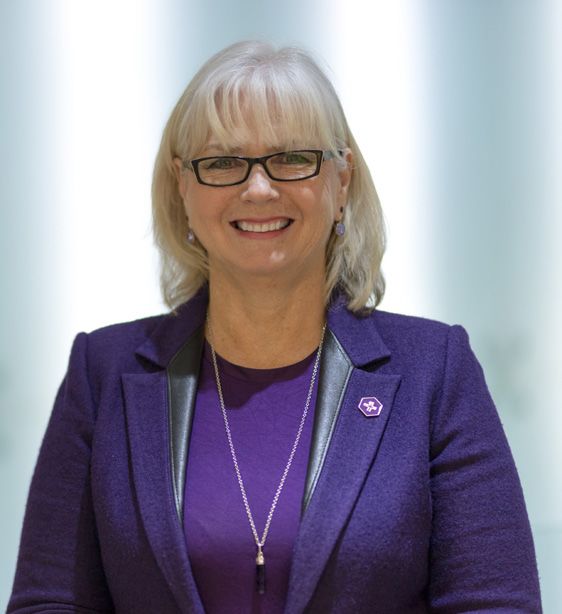
6
       What We’ve Accomplished Since Coming Together
       The data collected for the Coming Together Report, clearly pointed to the greatest challenges being
       concentrated in three areas: West Windsor, Downtown Windsor, and in the municipality of Leamington.
       These communities were the ones that ProsperUs selected to begin its work.

       ProsperUs High-Level Process

       After selecting the communities with the greatest barriers, ProsperUs began a process for arriving at
       fully-funded, actionable solutions to tackle these challenges. The first wave of programming was intended
       to be in place for Fall 2020. Unfortunately, COVID-19 disrupted that process.

                                                  Development Process

                                                                                             CONTINUOUS
                    COMMUNITY         LEADERSHIP         INVESTORS           DEPLOY
    COMMUNITY                                                                               IMPROVEMENT         RESULTS
                      ACTION            COUNCIL          TABLE FOR         SOLUTION IN
      DATA                                                                                    PROCESS          REPORTED
                     NETWORK           APPROVAL           FUNDING          COMMUNITY
                                                                                            IMPLEMENTED

       The first step was bringing together all of the          Once solutions have been identified and funded,
       available data in our community. This data was then      the continuous improvement process begins. This
       presented to the newly formed Community Action           process is made up of two elements. The first
       Network (CAN) Working Groups. These groups               element is the evaluation framework which will align
       are the resident-led, neighbourhood-based teams          program measurement with local, provincial, national
       whose input forms the basis for driving community-       and international indicators to measure ourselves
       designed solutions. At a high level, based on the        against. Unlike the traditional approach of collecting
       residents’ experience in their neighbourhood, they       data, which often required under-resourced
       will support the identification and prioritization of    agencies to take time and energy away from their
       barriers to success faced by children, youth, and        work, ProsperUs will be internalizing this evaluation
       their families and co-design solutions with key          work within the Backbone team while leveraging
       delivery agencies and system experts. Bringing           technology to streamline processes and analysis.
       together these CAN Working Groups and supporting
       them through COVID-19 has been the bulk of               To ensure that service organizations can achieve
       ProsperUs work over the last year.                       success and meet the targets and objectives
                                                                needed to move a system-level objective, capacity
       When the solutions are identified, they are              building will be provided by the Backbone
       forwarded to the Leadership Council to ensure that       organization. This capacity building will be designed
       they align with the common agenda of ProsperUS           to strengthen their teams’ skills, improve the
       and to secure system-level support to drive that         breadth and quality of service, and build resilience
       solution to positive outcomes. From there, the           in the social service sector in Windsor-Essex
       solutions and their business cases are forwarded to      County. Some of this capacity building has already
       an investors table. This table will be a collaborative   begun and is outlined later in this report.
       of foundations, funding-based non-profits,
       businesses, philanthropists, and government              The results of these processes will be reported
       partners willing to financially sustain the work over    back to the community in annual reports, open
       multiple years. Based on the funders’ mandates,          data portals, and through a variety of traditional
       capacity, and alignment, they select solutions they      and social media channels including the ProsperUs
       can best support over the long term.                     website www.weunlockpotential.com.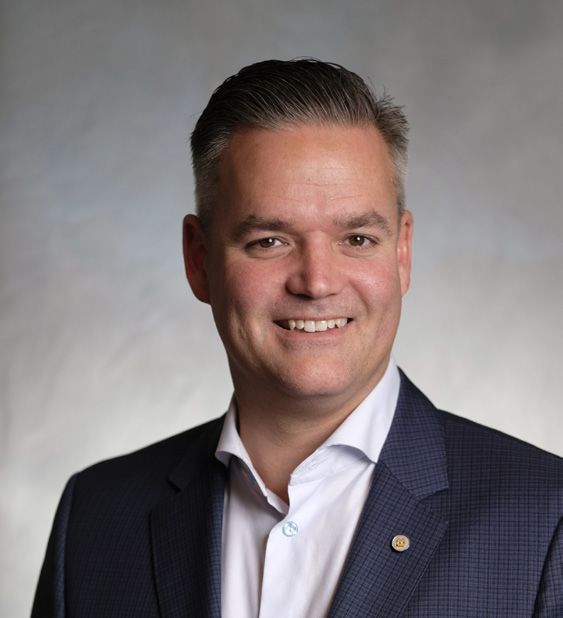
7
Community Action Network Working Group Recruitment
Just as we were releasing the Coming Together          Recognizing their expertise, ProsperUs wanted to
report, we began recruiting residents to participate   ensure that all members can participate without facing
in the Community Action Network (CAN) process.         barriers. All members receive an hourly stipend for
These resident-led working groups are key to           their time, transportation and childcare support for
creating positive impact and empowering priority       those who need it, translation services for those facing
neighbourhoods.                                        language barriers, and meals at the meetings for both
                                                       the participant and their children. When COVID-19
The recruitment process, including an extensive        forced us to change our process, members were
engagement and outreach process took several           supported at home through the lock down this spring,
months. Materials were translated into four other      while meetings shifted online, support was provided
languages (French, Mandarin Chinese, Arabic and        for technology and internet access.
Spanish), and from August to October, Backbone
and ProsperUs partner staff and volunteers reached     To support and guide these groups, facilitators
out to parents and families who do not normally        and one of the two co-chairs for each working
participate in community processes.                    group were recruited from amongst the ProsperUs
                                                       partners. Staff stepped forward and volunteered
Through this outreach process, 111 community           their time from Windsor Essex County Health
members put their names forward to fill an initial     Unit, Windsor Police Service, Children’s Aid
36 seats at the CAN working groups. A series of        Society, HDGH’s Regional Children’s Centre,
getting-to-know-you meetings were held in the fall     Workforce WindsorEssex, and local branches of
of 2019 to share plans, expectations, and hopes for    the Royal Bank of Canada (RBC). These partner
the resident collaboration process. These residents    organizations allowed these staff to flex their time
are the true “context experts” for the experience      to be able to meet with the Backbone team and
of living in their community and that expertise will   residents. These facilitators and chairs along with
guide and shape our process.                           the backbone team, lended their expertise and
                                                       leadership, facilitated the meetings of the CAN
The goal of this pilot phase was to focus on early     Working Groups and helped guide them through
school years related to Milestones Two and Three       the barrier identification processes.
(grade 3 and grade 6 academic success), so CAN
applicants were screened based on their lived          As the CAN members began to get to know one
experience, backgrounds, whether or not they           another and grow more comfortable, the residents
had children in school, as well as demographic         elected their own co-chairs from their membership.
alignment with the broader neighbourhood.              These individuals were recently introduced to the
As a result, the resident make-up of the CAN           community. They are passionate and engaged
Working Groups is reflective of the diversity of the   in the work to support children and youth in their
neighbourhoods they live in.                           neighbourhoods. They have taken their seat on the
                                                       Leadership Council and are an active and influential
                                                       voice in shaping the process going forward.

                                      Community Outreach Process

                                                250                                  11
          4,300                                   PEOPLE
                                                ENGAGED AT
                                                                                SOCIAL MEDIA
                                                                               POSTS REACHING

                                                  12                         19,878
           DOORS KNOCKED
             AND FLYERS
              DROPPED
                                                COMMUNITY                        IMPRESSIONS
                                                 EVENTS                            LOCALLY
8
    What is a Working Group?

                                                               RESIDENTS           CO-CHAIRS            SERVICE
                                                                12 seats             2 seats           PROVIDERS
                                                                                 FACILITATORS          & SUBJECT
                                                                                     2 seats            MATTER
               Community Action                                                   NOTE TAKER            EXPERTS
            Network Working Groups                                                                       8 seats

    Youth Community Action Network (Y-CAN)
    In February of 2020, we repeated the recruitment           youth was limited in the face of the new COVID-19
    process, but this time for youth ages 15 to 24.            realities. We distributed seven Chromebooks and
    The opportunity to apply for membership was                a number of headsets to members so they could
    advertised widely on social media via targeted             participate digitally.
    marketing services on Facebook, Instagram, and
    Twitter. There were 21 unique posts totaling 26,846        This initial cohort is moving forward with their
    impressions. Our school board partners supported           process. Our hope is to recruit subsequent cohorts
    outreach through the high schools within the priority      of youth to the Y-CAN to enable a level of peer
    neighbourhoods with PA announcements, flyers,              mentorship within our process. Not only will the
    and guidance counselors and staff reached out              Y-CAN develop their own youth-designed and
    to potentially interested students. The opportunity        potentially youth-led solutions, but they will also
    also went out to United Way’s extensive contact            be a way to vet the regular CAN Working Group
    list of local non-profits, and contact was made            solutions, answering the question ‘Is this the kind of
    with other local high schools and post-secondary           solution or support that they or their friends would
    institutions to advertise the opportunity at their sites   use or attend?’
    via announcements, public information boards, and
    guidance counselors.                                       CAN Working Group Process
    Unlike the CAN Working Group members who                   The CAN working groups have a membership of
    were recruited by neighbourhood, 15 youth                  approximately 25 people. Each working group has
    ages 15 to 24 were recruited from across the               12 seats for residents of the community with lived
    three neighbourhoods and convened at a single              experience on the issues they are addressing,
    table. In total, 115 young people put their names          referred to as context experts. They are the experts
    forward and 15 were selected - five from each              when it comes to living in their respective community.
    neighbourhood. The reason for such a small group           An additional eight spots are reserved for service
    was due to COVID-19. Although uptake from the              providers who are frontline local organizations and
    call for membership was strong, the capacity of            non-profits that provide services to the community.
    the Backbone team to onboard a large group of
9
They are referred to as content
experts as they have knowledge of
the reality, challenges, and opportunities
for providing services in our community.
Groups of system experts are engaged on
an ad-hoc basis to bring in specific expertise
or best practices as part of the design process.
Following their recruitment and initial “getting- The First Shift in Systems
to-know-you” meetings, the working groups
verified their terms of reference, and the residents Upon joining the Leadership Council, the
got to work. The Continuous Improvement team CAN Working Group Chairs began to
shared neighbourhood profiles, made up of in-depth outline some of the barriers and stories of
data at a neighbourhood, school, and program level their fellow CAN Working Group members.
to help educate the residents on what the data is One of the issues that they highlighted was
telling us, about the specific inequities and challenges within community housing.
of their community. This data sharing generated lots of
discussion and questions from the resident members, Upon hearing this, Jim Steele, CEO of
this was the basis of their work - to question and verify Windsor Essex Community Housing
the data. Corporation (WECHC), reached out to the
Backbone team to facilitate a meeting with
With this understanding in place, the working groups moved the CAN Working Group Chairs. WECHC
into asset mapping and identifying specific barriers within had to reconcile why the high scores of the
their communities. These barriers ranged from individualistic satisfaction surveys from these communities
barriers like how long it takes to get to a grocery store to
did not match the challenges that were
complex provincial or federal shifts around income supports
described by the working group members.
that will require our community to advocate for change.
This process was disrupted by COVID-19, and our The Backbone Team facilitated a meeting
original goal of solutions being prepared for fall 2020 between the Chairs of the Working Groups
was not achieved. Through the fall and winter of 2020- and WECHC Leadership team. In the
21, ProsperUs will be recruiting neighbourhood service lead up to the meeting, the Chairs had
providers and system experts and the design process gathered stories and photos of the issues
will then begin. Initial interventions designed to mitigate from their peers to present. What was
COVID-19 and its impacts on parents, youth, and recognized by everyone around the table
families will be tested and piloted through the winter with is that no system is perfect and that we
scaling in the spring of 2021. can work together to close gaps. Not only
did WECHC take immediate action on the
Piloting is necessary to test the processes of potentially issues that were outlined, the Working
system-shifting programming. The thorough evaluation, Groups are now using their Human Centre
capacity-building, data collection, and reporting Design training to explore ways to improve
processes all need to be tested for the first time. the maintenance request process.
Given the challenges of COVID-19, new partners
that are learning to work in new ways, and new The results of this process will be shared
tools being deployed for the first time, it would with WECHC later this fall and discussion
be unrealistic not to expect some hiccups.
around potential implementation will begin.
The pilot process creates efficiencies and
strengthens our learning and overall processes
as we prepare to scale. The first stages of
this scaling will occur in fall 2020 with the
recruitment for Milestone 1 CAN Working
Group – focusing on the formative years
in a child’s life and early childhood
education.10
CAN Working Group Interim Evaluation
The Backbone team took advantage of the pause underlying barriers that cause poor educational
in our process caused by COVID-19 to take stock outcomes for children and youth, and create an
of the progress that had been made and how environment where members felt safe to share their
we could improve. As a part of the continuous stories. In addition, aligning individual members’
improvement process, there was always a plan to personal aspirations under a common agenda has
evaluate the newly formed CAN Working Group empowered residents and given them a feeling that
process. The Backbone team began conducting their voices and opinions matter.
a series of long-form interviews with the CAN
Working Group members on all aspects of their While the application process was transparent,
involvement to date. Thirty CAN Working Group more work is needed to ensure large racial groups,
members and all nine partner facilitators and indigenous communities, and male members of the
co-chairs were interviewed on all aspects of the population are represented in the working groups.
process: recruitment, training and onboarding, Through the implementation, we learned that it
meetings, and the impacts of COVID-19. is important to manage expectations and inform
members how their actions will turn into tangible
What members reported was that the CAN process results. To build trust and ensure accountability, a
was successful in bringing together diverse groups feedback mechanism also needs to be established
of individuals through an application process that to ensure information flows from the Leadership
was efficient and inclusive. Once members were Council to the CAN working groups.
recruited, the community engagement activities
were designed in a way that helped build an This feedback will drive how we engage existing
environment of learning and empowerment. working groups as well as all future groups. This
Members reported that the mutual learning interim evaluation report will be posted on the
process allowed them to experience diversity ProsperUs website following validation by CAN
of opinion, improve their understanding about working group members.
Career Success Report
From October 2019 to March 2020, funded This research represents a major milestone for
by the Ontario Trillium Foundation, Workforce the ProsperUS project. The report will allow the
WindsorEssex collected data in the Windsor- process to be repeated for defining career success
Essex region to develop a definition for youth well into the future. Download the full report on the
career success. This measure had previously not ProsperUs website.
existed in the region. This research addresses a
key milestone for the overall ProsperUs project.
Career success for youth in Windsor-Essex can be
defined as the following: having a stable job that
is enjoyable and provides opportunities for growth,
while also being financially stable. “Workforce WindsorEssex was proud
to have conducted this research on
The main purpose of this research was to identify the behalf of the ProsperUs initiative.
most important factors that contribute to an individual’s Defining career success for the
definition of career success and what can be done to region of Windsor-Essex is crucial
help ensure that individuals are able to experience to supporting the ongoing efforts
career success in the Windsor-Essex region. In order of the ProsperUs team. Workforce
to conduct this research, Workforce WindsorEssex WindsorEssex is happy to be a
conducted a literature review of past career success partner organization in this effort
research, hosted focus groups with individuals within to ensure that children growing up
the Windsor-Essex region, held consultations with in poverty in Windsor-Essex are
community stakeholders, and created a general survey provided with all the supports they
open to those aged 18-29 in the region. require to become successful upon
reaching adulthood.”
– Justin Falconer, CEOCapacity-building also means
11
Capacity Building building understanding of the issues
and educating the community. Since
As part of our continuous improvement strategy, last summer, the Backbone team
we recognize that we have to support partners to facilitated numerous “data talks”,
engage in this work. Since the Coming Together including with employees of a number
report, we have coordinated and delivered of local companies, students at the
numerous initial capacity-building initiatives. University of Windsor School of Social
Work and Faculty of Education, and
In Spring 2020, community agencies participated members of the Windsor-Essex
Children’s Aid Society Poverty
in a workshop delivered by Paul Schmitz of
Committee.
FSG Consulting Group and the Collective
Impact Forum introducing the collective impact
model. This was a first step in bringing our
community onboard with the ProsperUs vision.
A further exploration of systems change and
adaptive leadership, facilitated by Ronna Warsh,
encouraged our community leaders to think “The mission of the John McGivney
differently about the approach to tackling social Children’s Centre (JMCC) is to provide
issues in our region. ProsperUs will implement family-centred holistic care to the
specific capacity-building activities aligned with community, enriching the lives of children
the piloted solutions for selected partners, as and youth with special needs by helping
well as broader community capacity-building them reach their full potential. We are proud
processes in the fall of 2020 and winter 2021. to collaborate with partners across Windsor-
Essex to reduce poverty and other systemic
The CAN Working Groups also needed further barriers so that all children will have a
future of participation, acceptance and
support. CAN chairs and facilitators participated
opportunities, a key part of JMCC’s vision.”
in several facilitator-training sessions delivered
– Jessica Sartori, CEO
by Janice Forsyth of Forsyth Management
Consulting, to learn new skills to effectively
facilitate the CAN working groups’ meetings. This
professional development will not only help move
the processes forward but also strengthen them in
their careers.
The members of the working groups are also
receiving training on human-centered design by
Overlap Associates. This will be the foundation
for introducing participants to designing and
developing solutions through a human-centered
lens that will enable them to work with service “Working together to share, own,
providers and system experts to overcome the and solve for the challenges that our
challenges in their neighbourhoods. neighbourhoods face is a core tenet of
ProsperUs and the only way to create
sustainable change. This is a process
that involves radical listening, learning
how to create a shared understanding
of the challenges, and going deep
into the many nuances of potential
interventions. Investing the necessary
time and resources in this community
engagement and capacity building
piece up front lays the foundation for
making real change possible.”
– Liz O’Neil, The O’Neil Foundation12
Investors Table
The work outlined in this report is bold and and advocate for advancements in relevant social
ambitious. It will require a comprehensive funding policy. Finally, over time, mature collective impact
strategy to achieve our community vision. Investors strategies also realize increased cost savings
will play a critical role in advancing a cradle to through the implementation of a coordinated,
career system, and so our goal over the next year Backbone-supported community investment
is to convene the region’s first-ever multi-sector approach.
Investors Table.
Prior to COVID-19, ProsperUs began the process
Through 2019 and into 2020, the Backbone of sharing these findings with key public, private,
team researched how to bring this potentially government, and philanthropic investors in our
transformative investment process together. region. As the CAN working groups get closer
Research tells us that funder collaboratives can to solutions, the investors’ convening process
strengthen collective impact strategies in many will begin. Investors will play a role in the co-
ways. First, it allows for pooled resources for design and long-term sustainable funding of the
increased efficiency to fund community solutions solutions. A number of businesses, foundations and
at greater scale, ultimately leading to enhanced philanthropists have agreed to come to the table
impact. Second, it creates opportunities for when solutions are ready, and invest in solving
learning, leveraging the strengths of each investor challenges in Windsor and Essex County. Over
while providing them greater access to new the long term, they will become a collaborative
expertise and capacity-building opportunities of community partners who are committed to a
of their own. Third, investors are uniquely model of shared success. Investors will share in
positioned to use their convening power to broker successes and learnings as they work together to
relationships, unlock new funding for our region, move the needle on cradle to career outcomes.
COVID-19 Impacts and a New Roadmap for Our
Collective Action
COVID-19 changed everything. Many of the identified to support, local data points to them being
ProsperUs Leadership Council members have disproportionately impacted.
borne the administrative brunt of responding to the
direct impacts of COVID-19. Their organizations Impacts ranged from essential and frontline workers
and staff have been on the frontlines ensuring that who are disproportionally racialized, working
our community is safe. The impacts were not only through the pandemic and were at a higher at-risk
felt by these organizations, their staff and people of exposure1, to children falling behind academically
they serve but also the children, youth and parents during lock down and are now struggling to catch
that we collectively are seeking to support. up with new ways of learning2, to increasing
evidence of domestic violence and unsafe
Data emerging from United States and Canada conditions at a home3, and high stress and poorer
has shown that the pandemic has amplified mental health hitting all rungs of society.4
many inequalities in our society. For many of the When looking at long-term solutions, the status
communities and populations that ProsperUs has quo is unsustainable. As a result, ProsperUs
1
https://www150.statcan.gc.ca/n1/pub/45-28-0001/2020001/article/00042-eng.htm
2
http://angusreid.org/covid-19-kids-opening-schools/
3
https://www150.statcan.gc.ca/n1/pub/45-28-0001/2020001/article/00065-eng.htm
4
https://cmho.org/-19-mental-health-impacts/13
is grounding its work in an inclusive economic solutions that emerge will build off successful work
growth model that is increasingly being adopted that is already occurring in our community while
by communities across North America. The UN offering new and innovative solutions to challenges
Sustainable Development Goals and Social that we have not been able to solve to create
Determinants of Health both embed these pathways to success for children, youth, and their
principles.5 families in Windsor-Essex.
Many of these elements are much bigger than We do not know what the future holds and although
what an individual program in a neighbourhood can the pandemic has delayed our processes, it has
resolve. The five principles outlined are foundational not derailed them. It is possible that COVID-19
to ProsperUs work and underlay many of the core may further delay our processes and ambitious
activities that we will undertake, including advocacy objectives for next year but the back cover of this
with local, provincial, and federal governments. The report shares our road map for 2021.
5 Elements of an Inclusive Economy
N
ATIO EQ
UI
C IP T
TI Y
R
PA
Those impacted All segments of
and involved have a society have access
voice in decisions to opportunity
1 2
ABILITY
Long-term benefits 5 3 Benefits of
outweigh short-
4 economic growth
GROW
term costs or profit are accessible and
IN
maximizations measured
STA
TH
SU
Creating resilience
to manage future
shocks to the
economic system
STABILITY
5
https://www.rockefellerfoundation.org/blog/five-characteristics-inclusive-economy-getting-beyond-equity-growth-
dichotomy/; https://sustainabledevelopment.un.org/index.php?page=view&type=400&nr=723&menu=151514
2021 Roadmap
WINTER SPRING
Milestone 1: Capacity building Investors Table
CAN Working plan deployed in convened
Group Convened the community
Solution pilot
programs
launched to the
community
Milestone
4 & 5: CAN
Working Groups
Convened
Investors
Table funding
announcement
Additional solutions 2021 Community
launched for Back to Report
School 2021
SUMMER FALL15
ProsperUs Members
• Jim Inglis, BMO Financial Group • Carolyn Warkentin, South Essex Community Council
• Jelena Payne, City of Windsor • Patricia France, St. Clair College
• Frédéric Boulanger, Collège Boréal • Eric Griggs, TD Bank
• Joseph Picard, Conseil Scolaire Catholique • Noah Tepperman, Tepperman’s
Providence • Elizabeth O’Neil Meurehg, The O’Neil Foundation
• Robert Maisonville, County of Essex • Carol Derbyshire, Toldo Foundation
• David Petten, CUPE Local 543 • Manny Cardoso, Unifor Local 444
• Kristin Kennedy, Erie Shores Healthcare • Tim Catherwood, United Way/Centraide
• Pete Crvenkovski, Erie St. Clair LHIN FCA Windsor-Essex County
• Erin Kelly, Greater Essex County District • Prof. Jeffrey Berryman, University of Windsor
School Board • Brian Hogan, Windsor & District Labour Council
• Charles Rosen, HBM+, Div. of Green Shield • Jim Steele, Windsor Essex Community
Canada Inc. Housing Corporation
• Janice Kaffer, Hôtel-Dieu Grace Healthcare • Pamela Mizuno, Windsor Police Service
• Diane Holden, Immigration, Refugees and • David Musyj, Windsor Regional Hospital
Citizenship Canada • Terry Lyons, Windsor-Essex Catholic District
• Jessica Sartori, John McGivney Children’s Centre School Board
• Tamer Ibrahim, Laidlaw Foundation • Derrick Drouillard, Windsor-Essex Children’s
• Wendy Parsons, Leamington District Chamber Aid Society
of Commerce • Terry Johnson, Windsor-Essex Children’s Aid Society
• Lori Atkinson, Libro Credit Union • Lisa Kolody, WindsorEssex Community Foundation
• Mark Horrocks, Ministry of Children, • Kelly Farrugia, Windsor-Essex County Health Unit
Community & Social Services • Theresa Marentette, Windsor-Essex County
• Ministry of Community Safety and Correctional Services Health Unit
• Ministry of Education • Stephen MacKenzie, WindsorEssex Economic
• Ministry of Training, Colleges and Universities Development Corporation
• Mayor Hilda Macdonald, Municipality of • Rakesh Naidu, Windsor-Essex Regional
Leamington Chamber of Commerce
• Reza Shahbazi, New Canadians’ Centre of • Michelle Suchiu, Workforce WindsorEssex
Excellence Inc. • Rose Ageitue
• Jamie Smith, Ontario Provincial Police • Mohammed Al-Dailami
• PricewaterhouseCoopers LLP • Shelly Fellows
• Jeff Osgarby, RBC Royal Bank • Rose Hayes
• Frances Savoni, RBC Royal Bank
We are pleased to acknowledge the support of the following organizations in developing the
Cradle to Career strategy:
Bill & Rochelle Tepperman16 Report authored by: United Way/Centraide Windsor-Essex County, Backbone organization for ProsperUs 300 Giles Boulevard East, Windsor, ON N9A 4C4 519-259-6164 info@WEunlockpotential.com www.weunlockpotential.com
You can also read


