COMMUNITY HEALTH IMPROVEMENT PLAN - KERSHAW COUNTY 2019-2022 - LiveWell Kershaw Coalition May 2019
←
→
Page content transcription
If your browser does not render page correctly, please read the page content below
K E R S HA W C O U NT Y

COMMUNITY HEALTH
IMPROVEMENT PLAN
      2 0 19-2022

                                            HEALTHIER TOMORROWS
                                                FOR EVERYONE

               LiveWell Kershaw Coalition     May 2019
Introduction & Vision

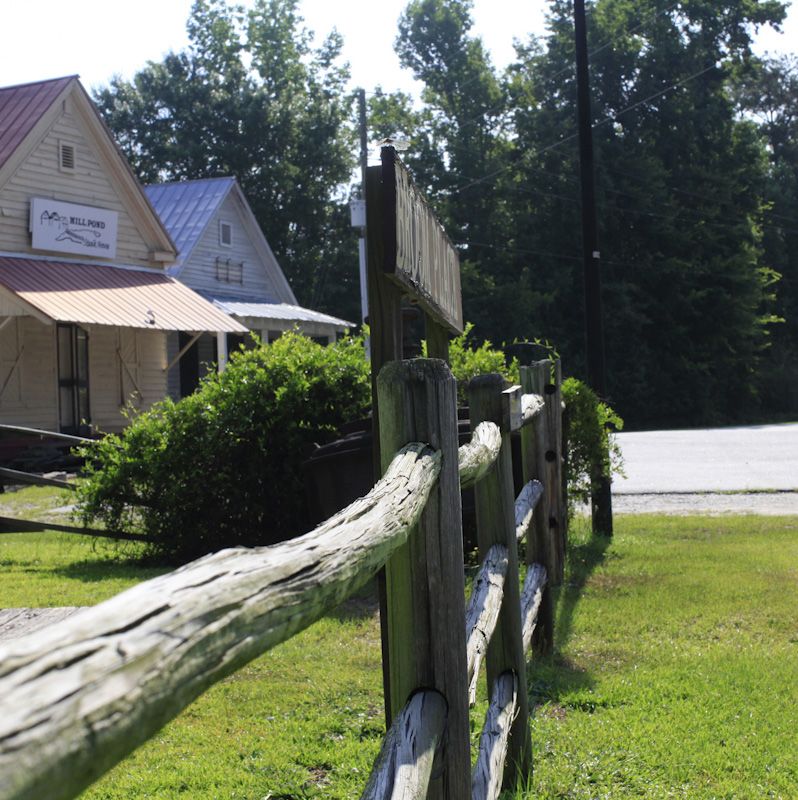
  Kershaw County, South Carolina recognizes        possible (Heath & Heath, 2011). The cover
the value health plays in the future social and    of this report showcases what the destination
economic well-being of its neighborhoods,          postcard looks like for Kershaw County. Our
towns and communities. Improving the               vision is for all residents to be able to access
health of the entire county is essential to        healthcare, achieve optimal emotional health
enhancing one’s quality of life. LiveWell          and to be physically active and eat healthy
Kershaw Coalition is leading an effort to          foods. This report outlines the three year
craft a detailed plan to improve the health        plans our residents have co-designed in an
of all residents living in Kershaw County. A       effort to achieve our destination postcard of
destination postcard is a vivid picture from       optimal health in Kershaw County.
the near-term future that shows what could be

  Overview of the Community Health Improvement Plan

  A Community Health Improvement                   data sheets provided by the Department of
Plan (CHIP) is a written plan that outlines        Health and Environmental Control.          Key
key goals and objectives to support the            reference documents used included: SC State
improved health of individual residents in         Health Improvement Plan, the Rural Health
our community. Through a CHIP process,             Action Plan and the SC Obesity Action Plan.
priorities are set, with the primary goal            Ideally, city and county government
of aligning and coordinating resources to          leaders, non-profits, businesses and residents
reach identified targets. Our CHIP is a            will be able to clearly see how they fit into
three-year plan (June 1, 2019 - May 31,            the implementation of the CHIP. It is the
2022) that is based on data from the 2017          goal of the LiveWell Kershaw Coalition
Community Health Needs Assessment (see             that organizations will review this three-year
page 8 for link to the full report), which         plan and determine what specific role they
included a survey with 1,168 residents, key        can play in supporting the improvement of
informant interviews, focus groups and an          health outcomes in our county. This guidance            Health is not the absence of

environmental scan of the entire county. In        document can be used as policies are being         disease but the addition of confidence,

addition, Youth-Well Being Assessment results      developed and revised and also to determine          skills, knowledge and connection.

from 1,200 high school students were used          what key actions and resources are needed             But most importantly, it is simply

along with Vision 2030 survey results. Other       to advance the three goals crafted in this             a means to an end — which is

data sources included: FitnessGram data,           plan. This three-year plan can be modified as             a joyful, meaningful life.

Communities That Care data, and snapshot           conditions change.                                              Cristin Lind

    LiveWell Kershaw Coalition                    May 2019		                                                                        Page 1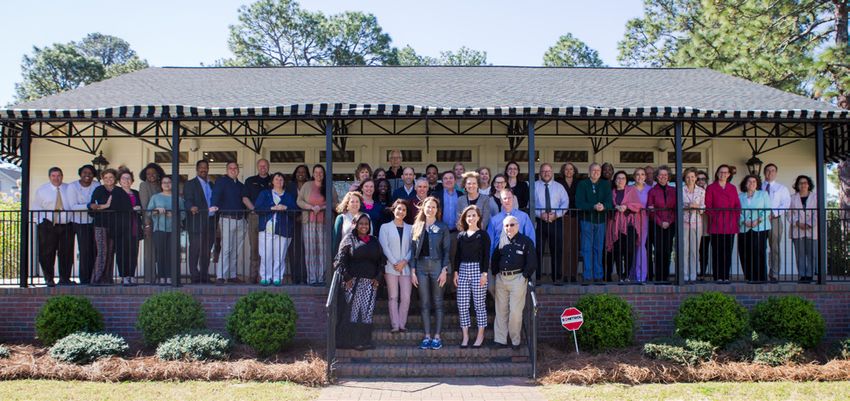
A core set of skills known as the Community        the kick-off meeting, participants reviewed the
of Solutions skills, developed by the 100            2017 Community Health Needs Assessment              Let him who would be moved to
Million Healthier Lives Campaign, was used           and examined the following issues in-depth:             convince others, be first
throughout the planning and development of           access to care, built environment, diabetes,          moved to convince himself.
the CHIP (Stout, 2017). LiveWell Kershaw             hypertension, mental health, obesity, and
Coalition believes these skills are necessary        substance abuse. Following the data walk                   Thomas Carlyle
to lead community transformation work.               and data table discussions, participants voted
This framework outlines that communities             using PollEverywhere. Criteria for ranking the
must lead from within, lead together, lead           priorities were based on impact and feasibility
for outcomes, lead with equity, and lead             to tackle in the next three years. The kick-off
for sustainability in order to achieve a             meeting ended with three priorities emerging
culture of health. Outcomes for a culture            from the original list of seven topics: access to
of health include, but are not limited to:           care (27%), obesity (23%) and mental health
health as a shared value; thriving cross-sector      (20%).
partnerships; healthy, equitable communities           Participants then signed up for workgroups
and improved population health; and                  based on the three priorities. During the
wellbeing and equity outcomes. As a result           month of April, the workgroups met
of this framework, the Coalition has adopted         three times to develop goal statements,
a very broad definition of health including          objectives, tactics and outcome metrics. The
“mental, physical, social, [and spiritual]           workgroups ranged from five participants
wellbeing” (adaptation of World Health               to twelve participants. The mental health
Organization). Since the adopted definition          workgroup decided to change their name
of health is so broad, all sectors are considered    to the emotional health workgroup in an
key players in the advancement of improving          effort to reduce stigma. The draft outline of
the health of the county.                            a plan was then presented on May 3, 2019
  The process to develop the CHIP began              with 27 participants, where workgroup
in February, 2019 and ended in May, 2019.            members shared their initial thoughts and
LiveWell Kershaw Coalition intentionally             participants then gave feedback on the initial
made the planning process as short as                drafted plan and offered recommendations to
possible, in an effort to focus more attention       strengthen particular elements. Based on the
on the implementation plan that follows the          feedback, a complete plan was created and
CHIP. A kick-off meeting was held on March           disseminated to members on May 15, 2019.
27, 2019 with 47 participants representing           Implementation of the plan will begin by
various sectors and zip codes of the county. At      June 1, 2019.

     LiveWell Kershaw Coalition                     May 2019		                                                                   Page 2
What Are the Priorities?

  What are the Priorities?
  1.      Access to Care
  2.      Obesity
  3.      Emotional Health
  *Community members recognize that
there is overlap with all three of these issues.
  Complete tables for all priorities are
found on pages 9-11.                                                                                    “Being fit and healthy begins in
                                                                                                        childhood and carries over into
  What Are Next Steps?                                                                                adulthood. I started lifting weights
                                                                                                         at 11 years old, when my mom
  The three priority areas are broad and can          1.   CHIP report will be disseminated
                                                                                                         bought me a pair of 15-pound
feel overwhelming. The goal of this plan is                to community organizations and
                                                                                                      dumbbells and a jump rope. I was
to shrink the change and begin tackling our                residents
                                                                                                       on a mission from then on to get
priorities one piece at a time. This three-year       2.   Access to Care, Obesity and Emotional
                                                                                                       fit for life. My passion is to teach
plan will move one step at a time to gain                  Health implementation teams will
                                                                                                       others how to be fit and healthy.
ground before moving to other tasks. We                    prioritize action items
                                                                                                            If I did it, others can, too!”
acknowledge that change is difficult. Through         3.   Teams will finalize their respective
strategic action and implementation, we                    metrics and develop a work plan                         Chris Conde´
will see indicators of progress as we tackle a             including baseline metrics, strategy                     Lugoff, SC
strategy at a time. Moving forward, we can                 leads, and target completion dates for
expect to follow this outlined process:                    specified activities

  Strategic Elements of the CHIP

                                                    Objective One                                      3.   FAN (Faith, Activity and Nutrition)
  OBESITY                                                                                                   Program for churches
                                                    Strengthen existing collaborations.
GOAL Statement                                        1.   Supporting other groups’ current            4.   Worksite wellness programs
Increase healthy lifestyles among families*                obesity efforts                             5.   Policy changes to decrease obesity
countywide in order to decrease the obesity                                                            6.   Public infrastructure that supports
epidemic.                                           Objective Two                                           physical activity (outdoor fitness parks,
* Families includes ALL adults, children and        Implement evidence-based interventions.                 walking trails, community parks)
elderly (everyone).                                   1.   HEAL        (Healthy   Eating,   Active
                                                           Living) Champions in schools, faith-      Objective Three
Outcome Metrics                                            based organizations, worksites and        Conduct an awareness campaign.
Obesity rates among adults and children                    local communities                           1.   Mass and small media, social media
(decrease) & students ranking in top 25% of           2.   School Campaigns (“5-2-1-0” and             2.   Local resolutions
FitnessGram data for the nation                            “Say Yes! to Water)

       LiveWell Kershaw Coalition                  May 2019		                                                                          Page 3
Key Partners BRIGHT SPOT of a Current Local walkway, and trails network. It includes
American Heart Association, Chamber of Effort to Reduce Obesity “complete streets” designs to promote safer
Commerce, Dollar General stores, EatSmart Active Living Made Easier with Trails and travel for pedestrians, cyclists and drivers, as
MoveMore Kershaw County, elementary Complete Streets well as recommended policies and programs
schools, grocery stores, SC Hospital With a Healthy South Carolina Initiative to encourage usage of the bikeway, walkway,
Association, LiveWell Kershaw Coalition, grant in 2012, Kershaw County agencies and and trail network, and to promote safe
local churches, local providers, media outlets, organizations began to lay the groundwork— bicycling, walking, and driving practices.
parents, school district, school newspapers/ literally—to enhance the county’s physical County and City councils adopted the plan
newsletters/broadcast, and Trails Committee environment to make it easier and safer for and incorporated it into their respective
residents to be physically active. The Kershaw comprehensive plans. The greenways plan
County Bicycle, Pedestrian and Greenways efforts are ongoing. EatSmart MoveMore
Key Indicators to Watch Plan was developed to set the course for Coalition Kershaw County supported and
Personal stories of transformation, number building an on- and off-street bikeway, led these efforts. Some of the enhancements
of local residents participating in local health to the physical environment thus far include:
events and using trails, decrease in screen • the one-half mile, 10 foot wide, paved
time, decrease in sugar-sweetened beverages, Sweet Gum Connector Trail that
number of policy changes/types, percentage connects Woodward Park to Scott
of participating churches, number of Park in Camden
students leading health initiatives, number of • marked and signed pedestrian
participating schools, number of functional crosswalks on Broad Street in
trails, number of media presentations/articles downtown Camden
• fifty “share the road” signs throughout
the county to alert drivers and
bicyclists to safely share the roads.
Obesity in Kershaw County
ISSUE POSSIBLE CAUSES
Of the 1,168 Kershaw County residents that Some residents believe obesity is linked to:
completed the survey, 54% identified OBESITY as Personal choice, lack of motivation to get healthier,
the most important health concern in Kershaw laziness, too busy (to focus on health)
County. Lack of education on how to be healthy; lack of knowledge
of available resources
Not enough safe, convenient indoor & outdoor places to
IMPACT exercise, especially in rural areas
Kershaw County is the 6th -“fattest” county among the Unhealthy food options in grocery stores and restaurants,
46 counties in South Carolina. not enough grocery stores with healthy food options,
In 2017, 42.5% of Kershaw County adults 20 years and higher cost of healthy foods, eating too much fast food, not
older considered themselves to be obese based on cooking at home
their height and weight. Not enough primary healthcare providers; lack of
Obesity is rising. Compared to 2017, in 2013, 31.9% of affordable healthcare
Kershaw County adults 18 years and older were obese. “Southern way of living” that is promoted by the county’s
culture
Results of the 2017 Kershaw County Community Health Needs
Assessment found:
Kershaw County’s physical environment (roads, sidewalks) “…it really is also what
is built for automobiles, not pedestrians or bicyclists. we're accustomed to.
Kershaw County has “food deserts”– areas (usually low- There is a lot of good
income) lacking fresh fruit, vegetables and other healthful comfort food in the
whole foods due to few or no grocery stores, farmers’
South…
markets and health food providers. Food deserts and high
obesity rates are linked.
POSSIBLE SOLUTIONS Kershaw County food deserts
Residents suggested: (orange areas) and grocery
Access to healthy foods through stores, community gardens, farmer’s market and restaurants stores that sell nutritious
Meal programs & food vouchers foods (blue dots)
Education on healthy living through classes or health fairs
Gyms, basketball courts and/or indoor walking track areas in the community to encourage a healthy lifestyle
Community events that emphasize healthy lifestyle competitions
Evidence-based solutions that work in most communities are:
DATA SOURCES
Active recess time, healthy meals & snacks and obesity prevention programs in schools and childcare & senior centers • 2016-17 Kershaw County Community Health Needs Assessment
Community exercise/fitness programs, including neighborhood walking groups • South Carolina County Health Profile (2015-2017) at https://gis.dhec.sc.gov/chp
• 2013 Kershaw County Obesity Fact Sheet at
Worksite obesity prevention programs https://www.dhec.sc.gov/sites/default/files/docs/Health/docs/Epi/obesity/Kershaw.pdf
• Vision Kershaw 2030 Survey at http://tinyurl.com/yxmd2xjp
“Complete streets” designs (sidewalks, crosswalks, walking paths, bicycle lanes, traffic-calming devices)
• 2018 State Health Improvement Plan at https://www.livehealthysc.com/state-health-improvement-
plan.html
Coordinate efforts among the county’s various agencies, organizations, groups and residents. • County Health Rankings & Roadmaps at www.countyhealthrankings.org/take-action-to-improve-
health/what-works-for-health
LiveWell Kershaw Coalition May 2019 Page 4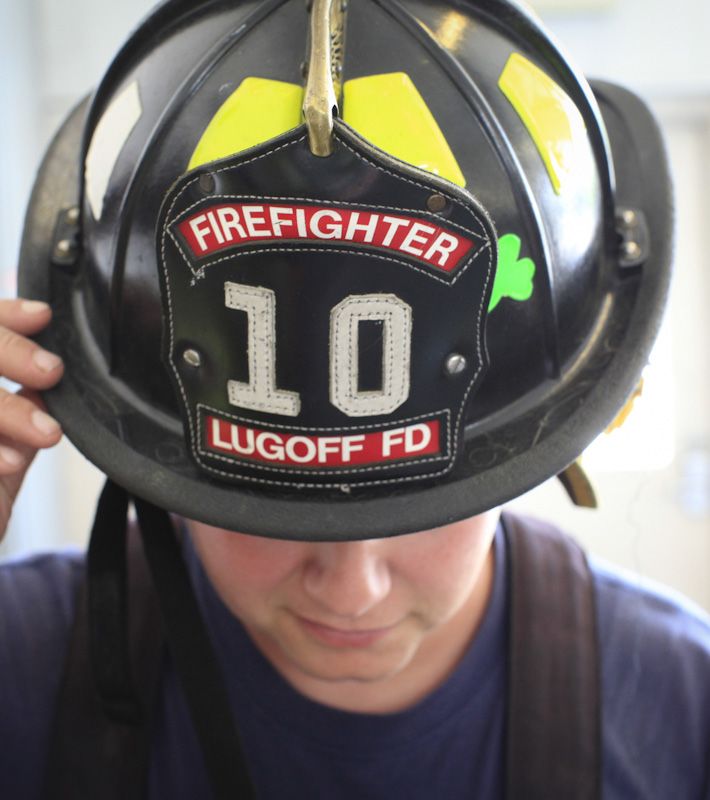
2. Organizational Policy Revisions
ACCESS TO CARE (addressing “gatekeepers” and partner
Goal Statement engagement)
Increase and improve ways to access affordable 3. Community Champion Identification
healthcare and transportation services among (influencers in each community),
rural and underserved residents.* Identify and address barriers
*With dignity and empowerment embedded “I moved here from Egypt and
throughout framework. Key Partners was left alone with my kids. I had
Census, Chamber of Commerce, community no one to help me with finding
Outcome Metrics paramedics, Human Affairs Commission, a job, transportation, or medical
Decreased uninsured rate, decrease in KershawHealth, local churches, local care. I now have freedom to work,
avoidable ER visits and readmission rates, and providers, local technical college, network drive my car, and see the doctor
reduction in missed follow-up appointments of Human Resource Directors/Committee because of a navigator.
due to transportation of 100/Economic Development, patient
Access to care is important.
advocates, “real” communities (race/
Everyone needs help.”
Objective One nationality/geographic location/occupation),
Connect every community member to timely school district, school service providers, Elham Hamad
and quality care transportation committee/RTA, and United Elgin, SC
1. Workplace wellness (Workplace Way
Health Index, worksite clinic, Doc in wellness centers, telehealth) in nontraditional
a Box, policy change) Key Indicators to Watch locations (increase), HR directors sharing
2. Telehealth opportunities (existing and Increase in access to healthcare for those who reasons employees missing work, attitudes
new; Alexa homebased solution) live west of the river, number of providers and perceptions (change over time) related to
3. Transportation backbone (Rides accepting Medicare/Medicaid (increase), healthcare (more confidence in availability),
to Wellness, LYFT, transportation number of missed follow-up appointments number of local policy changes or procedures/
consortium, billboards at bus stops due to transportation (decrease), healthcare type (residency, incentives, time off to see
and churches) visits (NP, PA, Walmart clinic, school doctors, breaks for telehealth visits)
4. Mobile clinic (Sullivan Center Model,
community paramedicine)
Access to Care in Kershaw County
WHAT DOES THE DATA SHOW?
Several Kershaw County residents believe that The 2017 Kershaw County Community Health WHAT ARE SOME CAUSES OF THE PROBLEM?
Objective Two
Needs Assessment found:
ACCESS TO HEALTH CARE & RESOURCES are root Some residents believe:
Household income varies widely across the
causes to poor health outcomes. county, from near poverty-level to high-income.
No health insurance, few affordable health insurance enrollment
programs
Poverty is linked to poor health. Increasing cost of healthcare and overall cost of living
According to healthcare access standards, Lack of public health programs (free preventive health
Advocate for meaningful and trusting
Median Household Income
Kershaw County has enough physical structures checkups/screenings) and related community resources
to treat patients: hospitals, public health Not enough free clinics
departments, home health agencies, hospices, Few primary care providers and specialists
mental health agencies/clinics, substance abuse Health services that do not fit people’s schedules
relationships with community residents. centers, assisted living facilities, nursing homes
and free clinics/community health centers. BUT…
…In the past 5 years, the number of primary care
Distrust and displeasure with the county’s hospital system (low
quality scores received)
Service gaps in available health resources
physicians in Kershaw County has decreased, and Limited or no transportation to medical appointments for residents
there are not enough OB/GYN doctors or
1. Trainings to Promote Dignity and
who live alone, cannot drive or cannot afford it
dentists. Too proud, private or embarrassed to seek help
23.4 % of Kershaw Almost ¼ of the county’s residents do not have Lack of health care/education for people who don’t speak English
health insurance.
County residents are
Residents are somewhat dissatisfied or The 2017 Kershaw County Community Health Needs
Empowerment – certification, uninsured, compared to
15.1% statewide (2015)
disappointed with Kershaw County’s ability to
meet their healthcare needs.
Assessment found the top 10 reasons for not seeking
healthcare are:
1. Cannot pay
2. No insurance
WHAT ARE SOME POSSIBLE SOLUTIONS?
hot line (incentivize those with Residents suggest:
3. Cannot get time off work
4. No family doctor
Financial help with health insurance and childcare Free health screenings provided by medical students 5. No transportation
Transportation services for seniors, rural and limited-income residents for medical appointments 6. Inconvenient hours
lived experience, implicit bias, More free clinics and doctors
Evidence-based solutions that work in most communities are:
Free housing Better-paying jobs 7. Do not know where to go
8. Not sick
Community health centers to provide comprehensive care to uninsured, underinsured, and vulnerable patients 9. No one to keep children
10. Other
patient advocates, how to navigate, regardless of ability to pay Medical care through telehealth technology Mobile health units
Community health workers to help people enroll in health insurance programs, refer patients to care and provide
home visits and care coordination
Dial-a-ride transit, volunteer ridesharing School dental programs, school-based health centers
motivational interviewing) Coordinate efforts among the county’s various agencies, organizations, groups and residents.
“Without any Medicaid, can’t
afford to go to the doctor and
end up sick and dying with
DATA SOURCES
2016-17 Kershaw County Community Health Needs Assessment
nothing you can do about it.”
Vision Kershaw 2030 Survey at http://tinyurl.com/yxmd2xjp
2018 State Health Improvement Plan at https://www.livehealthysc.com/state-health-improvement-plan.html
County Health Rankings & Roadmaps at www.countyhealthrankings.org/take-action-to-improve-health/what-works-for-health
LiveWell Kershaw Coalition May 2019 Page 5
BRIGHT SPOT of a Current Local                      change organizational policy by providing
 Effort to Address Access to Care:                   patients with medical attention prior to
   Gatekeepers stand at the entry point              undergoing the eligibility process to receive
 of every system, health included. The               services. Staff members recognized that the
 Community Medical Clinic of Kershaw                 in-depth eligibility process can be a barrier
 County identified areas for improvement             to creating trust between medical provider
 within their own organization in relation to        and patient. As a result, the organization has
 patients’ ability to access health care and feel    shifted to an intake model that is patient-
 empowered throughout the process. After             centered.
 undergoing Implicit Bias Training and an
 Image Shift Workshop, the team agreed to

                                                     Objective Three                                    Key Indicators to Watch
  EMOTIONAL HEALTH
                                                     Provide safety-net crisis intervention resources   Utilization of the hospital for mental
Goal Statement                                       and provide children and youth access to           health, When Programs Reach Capacity,
Improve the Emotional Well-Being of                  adequate and timely School-Based Behavioral        Number of Trainings, Support Groups &
Kershaw County residents by increasing               Health Services                                    Manuals Distributed, Inventory Complete
the quality, availability, and effectiveness of        1.   Community Crisis Response and               of     Identification   and   Assessment   of
Community Health Programs.                                  Intervention                                Programs, Impact of interventions (referrals,
                                                       2.   Roads of Independence (ROI)                 testimonials)
Outcome Metrics                                        3.   Mental Health Counselors at High
Suicide rate (decrease), drug overdose death                Schools
rate (decrease), overall well-being (increase)         4.   Creating Lasting Family Connections
                                                            Programs
Objective One                                          5.   Health Clubs at High Schools
Identify and assess the impact of our local
mental health programs and initiatives.              Key Partners
  1.    Assessment and Evaluation                    ALPHA Center, Department of Mental
  2.    Continuous Quality Improvement               Health, EMS, Family Resource Center,                      “Mental health impacts every
                                                     Fire Department, Food for the Soul,                          aspect of a person’s life.
Objective Two                                        Kershaw County Mental Health Task Force,                  I’ve seen how it impacted my
Provide Training and Resources to Prevent            KershawHealth, Law Enforcement, local                    family growing up and am now
Mental Health Crisis.                                providers, Mental Health America, Probate               fighting to ensure that my family
  1.      Mental Health First Aid                    Judge, School District/Schools, United Way,             and children get the support they
  2.      Family Foundations Program                 and Worksites/employee assistance programs                     need to live a full life.
  3.      GROW model
                                                                                                               We have to start talking about
  4.      Mindfulness practices
                                                                                                                         this issue.”
  5.      Reduce “screen time”
                                                                                                                       Yolanda Roary
                                                                                                                         Lugoff, SC

       LiveWell Kershaw Coalition                   May 2019		                                                                           Page 6
BRIGHT SPOT of a Current Local
Mental Health in Kershaw County
Initiative to Improve Emotional
ISSUE
Health From key informant interviews, MENTAL HEALTH ISSUES were cited as a top health issue
that needs more attention in Kershaw County.
Mental Health Counselors in High
Schools WHAT THE DATA SHOWS POSSIBLE CAUSES POSSIBLE SOLUTIONS
All high school students in Kershaw County Some residents say mental health issues result from: Residents suggest:
completed a well-being survey Lack of social programs and community resources, low Multimedia marketing about available programs and
In the 2018-2019 school year, teachers Among high-schoolers in 2018, females
reported lower levels of emotional wellbeing
enrollment in available programs, lack of knowledge of community resources along with direct marketing to
existing resources those affected
than did males. Only 16.7% of Hispanic
Lack of affordable health care and/or health insurance Financial help with health insurance
and administrators referred students to students in the North Central community felt
they are an important part of their community. Few affordable health insurance programs Social events and activities for seniors, afterschool
In 2016, 13% of Kershaw County adults reported 14 Living alone (elderly) programs for youth
Life Coaches (doctoral students) at North or more days per month of poor mental health
(depression, stress, emotional problems).
Too proud, private or embarrassed to seek help, young
people think “it won’t happen to me”
Strong faith and fellowship (among people and
organizations)
38% of residents reported insufficient sleep (less People and places to make the community feel
Results of the 2017 Kershaw County Community Health Needs
than 7 hours per night) in 2016.
Central High School, North Central Kershaw County had the 15th-highest suicide rate
Assessment found:
Residents’ mental health can be affected by their education
comfortable and safe when talking about their
needs
among all 46 South Carolina counties in 2017. Address mental health alongside physical health
level, income level, cost of living, access to affordable and
Middle School, Camden High School convenient healthcare, health insurance status, community
environment and social support system.
across the continuum of care, and connect people to
resources.
“…a lot of our community that Better collaboration among social services providers
and Lugoff-Elgin High School through needs help don't want to ask for Evidence-based solutions that work in most
communities are:
it because they are too proud or
Mental Health First Aid training for general public on
stubborn.”
a partnership with the University of how to help people with depression, anxiety and
substance use disorders
School-based health centers; community health
South Carolina’s Community Psychology centers to provide comprehensive care to uninsured,
underinsured and vulnerable patients regardless of
ability to pay
Program. A total of 81 students were Mentoring programs (e.g., Big Brothers Big Sisters)
in schools, churches and community organizations
served with most receiving more than five Coordinate efforts among the county’s various
agencies, organizations, groups and residents.
DATA SOURCES
visits and reporting reaching at least half 2016-17 Kershaw County Community Health Needs Assessment
South Carolina County Health Profile (2015-2017) at https://gis.dhec.sc.gov/chp
Vision Kershaw 2030 Survey at http://tinyurl.com/yxmd2xjp
2018 State Health Improvement Plan at https://www.livehealthysc.com/state-health-improvement-plan.html
of their goals set by the student and life County Health Rankings & Roadmaps at www.countyhealthrankings.org/take-action-to-improve-health/what-works-for-health
coach. Students frequently report feeling
appreciative that they “have someone to and academic difficulties. Related goals by the Community Medical Clinic of
talk to.” Students identified problems included decreasing anxiety, being less Kershaw County, Kershaw County School
including feeling overwhelmed, difficulty overwhelmed, gaining self-confidence, District and the Health Services District of
focusing, feeling sad, trouble sleeping not getting stuck on negative thoughts, Kershaw County.
and eating, trouble communicating with being assertive, and learning study skills.
others, trouble with family, low grades, Funding and support were made possible
Funding and Project Staff
LiveWell Kershaw Coalition receives funding
support through The Duke Endowment as a
Healthy People, Healthy Carolinas grantee.
Funding for Kershaw County’s Community
Health Improvement Plan has been provided
by the LiveWell Kershaw Coalition and the
Health Services District of Kershaw County.
Kathryn Johnson, MPH Linda Pekuri, MPH, RD, LD
Director Health Improvement Facilitator
LiveWell Kershaw LiveWell Kershaw
kjohnson@cmcofkc.org lpekuri@cmcofkc.org
803.900.1691 803.900.1767
CHIP process and report supported
by Iron Sharpens Iron Consulting
Group led by Holly Hayes.
LiveWell Kershaw Coalition May 2019 Page 7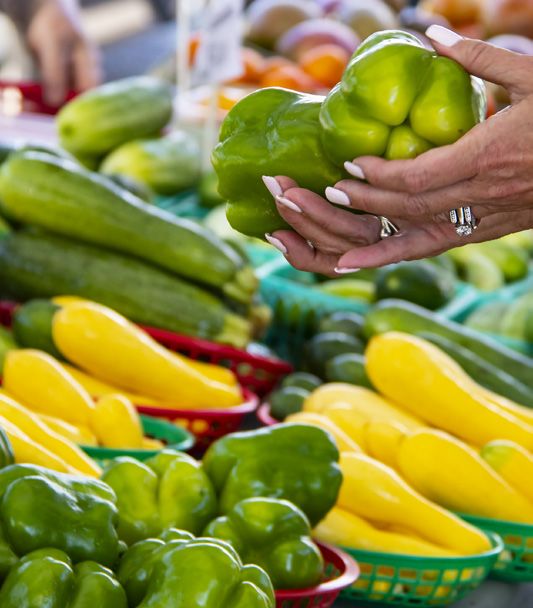
Participants

 Thank      you     to    all   our     LiveWell
                                                          Chrissy Faulkenberry Carraway                             Laura Mickelson
 Kershaw        Coalition       members        for          Dana Corporation                                          Concerned Citizen
                                                          Laurie Funderburk                                         Rose Montgomery
 making our mission possible. LWK
                                                            SC House of Representatives                               North Central High School
 Coalition members are individuals of                     Ed Garrison                                               Linda Pekuri
                                                            Concerned Citizen                                         LiveWell Kershaw Coalition
 organizations across community sectors
                                                          Bob Giangiorgi                                            Margaret Pennebaker
 willing to give time, energy and effort to                 Kershaw County Trails Committee                           The ALPHA Behavioral Center
                                                          Larry Gibbes                                              Shawn Putnam
 the advancement of population health in
                                                            Concerned Citizen                                         City of Camden
 Kershaw County.                                          Bethany Gilliland                                         Mary Reames
                                                            Community Medical Clinic                                  Concerned Citizen
                                                                   of Kershaw County                                ChandraRichardson
Joey Adams-Raczkowski                                     Breanna Grant                                               Lugoff-Elgin Middle School
  Kershaw County                                            Department of Health and                                Yolanda Roary
Izabella Baipho                                                    Environmental Control                              Community Medical Clinic
  North Central High School                               Tina Griggs                                                        of Kershaw County
Sheri Baytes                                                The ALPHA Behavioral Center                             Casey Robinson
  Community Medical Clinic                                Elham Hamad                                                 Camden Military Academy
         of Kershaw County                                  Concerned Citizen                                       Jodi Rogers
Craigan Blankenship                                       Sallie Harrell                                              Community Medical Clinic
  Bethany Baptist Church                                    Health Services District of                                      of Kershaw County
David Branham                                                      Kershaw County                                   James Smith
  North Central High School                               Amanda Holland                                              Kershaw County School Board
Susan Burroughs                                             Concerned Citizen                                       Rosalyn Smith-Stover
  KershawHealth                                           Annetta Hough                                               The Family Resource Center
Mary Anne Byrd                                              Camden High School                                      David Snodgrass
  Kershaw County School District                          Kathryn Johnson                                             Kershaw County Council
Laurey Carpenter                                            LiveWell Kershaw Coalition                              Pam Spivey
  SC Thrive                                               Crystal Keith                                               EatSmart MoveMore Kershaw County
Vic Carpenter                                               Department of Health and                                Maria Spring
  Kershaw County                                                   Environmental Control                              Lugoff-Elgin High School
Susan Collier                                             Kyle Kelly                                                Scott Thorpe
  Department of Health and                                  Santee-Lynches Regional Council                           Department of Health and
         Environmental Control                                     of Governments                                            Environmental Control
Chris Conde´                                              Amy Kinard                                                Julie Trott
  Conde´ Wellness                                           Kershaw County Chamber of Commerce                        Habitat for Humanity
Amber Conger                                              Steve Knafelc                                             April Wach
  Kershaw County Library                                    Kershaw County Sheriff’s Office                           KershawHealth
Michael Conley                                            Edwin Kohn                                                Liz Walsh
  Kershaw County                                            Kershaw County Trails Committee                           SC Thrive
Joanna Craig                                              Carrie Lynch                                              Tiffany Warren
  Camden City Council                                       Concerned Citizen                                         Sandhills Medical Foundation
Alfred Mae Drakeford                                      Darlene Lynch                                             Susan Witkowski
  City of Camden                                            South Carolina Office of Rural Health                     Community Medical Clinic
Felicia Elliott                                           Gina Marthers                                                      of Kershaw County
  Concerned Citizen                                         First Citizens Bank
Phil Elliott                                              Robin McAlpine
  City of Camden                                            Food for the Soul

  References

Heath, Chip, and Dan Heath. Switch: How to Change Things When Change Is Hard. Waterville, Maine: Thorndike Press, 2011.
2017 Community Health Needs Assessment. livewellkershaw.org/2017CHNA
Stout S. Overview of SCALE and a Community of Solutions. SCALE 1.0 Synthesis Reports. Cambridge, Massachusetts: Institute for Healthcare Improvement, 2017.

     LiveWell Kershaw Coalition                        May 2019		                                                                                         Page 8
ACCESS TO CARE
                                    Goal and            Objectives                Tactics             Potential Indicators to Watch                                          Partners
                                    Outcome
                                    Metrics
                                                        Connect every   Workplace Wellness             •   Increase in access to healthcare for those who live west
                             Increase and improve       community       (Workplace Health Index,           of the river                                                  •    Census
                             ways to access             member to       Worksite Clinic, Doc in a      •   Number of providers accepting Medicare/Medicaid               •    Chamber of Commerce

LiveWell Kershaw Coalition
                             affordable healthcare      timely and      Box, policy change)                (increase),                                                   •    Community paramedics
                             and transportation         quality care                                   •   Number of Missed follow up appts due to transportation        •    Human Affairs Commission
                                                                        Telehealth opportunities
                             services among rural and                                                      (decrease),                                                   •    KershawHealth
                                                                        (Existing and new; Alexa
                             underserved residents.*                    homebased solution)            •   Visits (NP, PA, Walmart clinic, school wellness centers,      •    Local churches
                             (*With dignity and                                                            telehealth) in nontraditional locations (increase),           •    Local providers
                             empowerment                                Transportation Backbone
                                                                                                       •   HR directors sharing reasons employees missing work,          •    Local technical college
                             embedded throughout                        (Rides to Wellness, LYFT,

 May 2019
                                                                                                       •   Attitudes and perceptions (change over time) related to       •    Network of Human Resource
                             framework).                                transportation
                                                                                                           healthcare (more confidence in availability),                      Directors/ Committee of
                                                                        consortium, billboards at
                                                                        bus stops and churches)        •   Number of local policy changes or procedures/type                  100/Economic Development
                                                                                                           (residency, incentives, time off to see doctors, breaks for   •    Patient advocates
                                                                        Mobile Clinic (Sullivan            telehealth visits)                                            •    “Real” communities
                             Outcome metrics:                           Center Model, Community
                                                                                                                                                                              (race/nationality/geographic
                             Decreased uninsured                        paramedicine)
                                                                                                                                                                              location/occupation)
                             rate, decrease in          Advocate for    Trainings to Promote                                                                             •    School district
                             avoidable ER visits and    meaningful      Dignity and Empowerment                                                                          •    School service providers
                             readmission rates, and     and trusting    – certification, hot line
                             reduction in missed        relationships                                                                                                    •    Transportation committee/RTA
                                                                        (Incentivize those with
                             follow-up appointments     with                                                                                                             •    United Way
                                                                        lived experience, Implicit
                             due to transportation      community       bias, patient advocates,
                                                        residents.      how to navigate,
                                                                        motivational interviewing)
                                                                        Organizational Policy
                                                                        Revisions (Addressing
                                                                        “gatekeepers” and
                                                                        partner engagement)

                                                                        Community Champion
                                                                        Identification (Influencers
                                                                        in each community),
                                                                        Identify and address
                                                                        barriers

                                                                                                                  1

 Page 9
CHNA Action Plan June 15, 2017
OBESITY
Goal and Objectives Tactics Potential Indicators to Watch Partners
Outcome
Metrics
Strengthen Supporting other groups’ • Personal stories of transformation • American Heart Association
Increase healthy existing current obesity efforts • Number of local residents participating in local health • Chamber of Commerce
lifestyles among collaborations events and using trails (increase) • Dollar Generals
families* countywide in • Decrease in screen time • Eat Smart Move More
LiveWell Kershaw Coalition
Implement HEAL (Healthy Eating,
order to decrease the • Decrease in sugar-sweetened beverages Kershaw County
evidence- Active Living) Champions
obesity epidemic. • Number of policy changes/types (increase) • Elementary schools
based in schools, faith-based
interventions • Percentage of participating churches • Grocery stores
*Families include ALL organizations, worksites • Number of students leading health initiatives • Hospital Association
adults, children and and local communities
• Number of participating schools • LiveWell Kershaw Coalition
elderly (everyone). School Campaigns (“5-2- • Number of functional trails • Local churches
• •
May 2019
1-0” and “Say Yes! to Number of media presentations/articles Local providers
Water) • Media outlets
Outcome metrics: • Parents
Obesity rates among FAN (Faith, Activity and • School district
adults and children Nutrition) Program for • School Media (newsletters,
(decrease) & students churches broadcast)
ranking in top 25% of • Trails Committee
FitnessGram data for Worksite wellness
the nation programs
Policy changes to decrease
obesity
Public infrastructure that
supports physical activity
(outdoor fitness parks,
walking trails, community
parks)
Conduct an
Mass and small media,
awareness
social media
campaign
Local resolutions
2
Page10CHNA Action Plan June 15, 2017
EMOTIONAL HEALTH
Goal and Objectives Tactics Potential Indicators to Watch Partners
Outcome
Metrics
Identify and assess Assessment and evaluation • Utilization of the hospital for mental health • ALPHA Center
Improve the Emotional the impact of our • When Programs Reach Capacity • Department of Mental Health
LiveWell Kershaw Coalition
Well-Being of Kershaw local mental • Utilization of local programs • EMS
County Residents by health programs • Number of Trainings and support groups • Family Resource Center
and initiatives Continuous Quality
Increasing the quality, Improvement • Manuals Distributed • Fire Department
availability, and • Inventory Complete of Identification and • Food for the Soul
effectiveness of Assessment of Programs • Kershaw County Mental
Community Health Provide Training Mental Health First Aid • Impact of interventions (referrals, testimonials) Health Task Force
Programs. and Resources to • KershawHealth
Prevent Mental
May 2019
Family Foundations • Law Enforcement
Health Crisis.
Program • Local providers
• Mental Health America
Outcome metrics: GROW Model • Probate Judge
Suicide rate (decrease), • School District/Schools
drug overdose death Mindfulness Practice • United Way
rate (decrease), overall • Worksites/employee
well-being (increase) assistance programs
Strategies to reduce “screen
time”
Provide safety-net
Community Crisis Response
crisis Intervention and Intervention
resources &
provide children
and youth access Roads of Independence (ROI)
to adequate and
timely School-
Based Behavioral Mental Health Counselors in
Health Services High Schools
Creating Lasting Family
Connections Programs
Health Clubs at High Schools
3
Page 11You can also read


