Abortion Policies and Reproductive Health around the World - United Nations Department of Economic and Social Affairs
←
→
Page content transcription
If your browser does not render page correctly, please read the page content below
Abortion Policies and
Reproductive Health
 around the World

                 United Nations
      Department of Economic and Social Affairs
               Population Division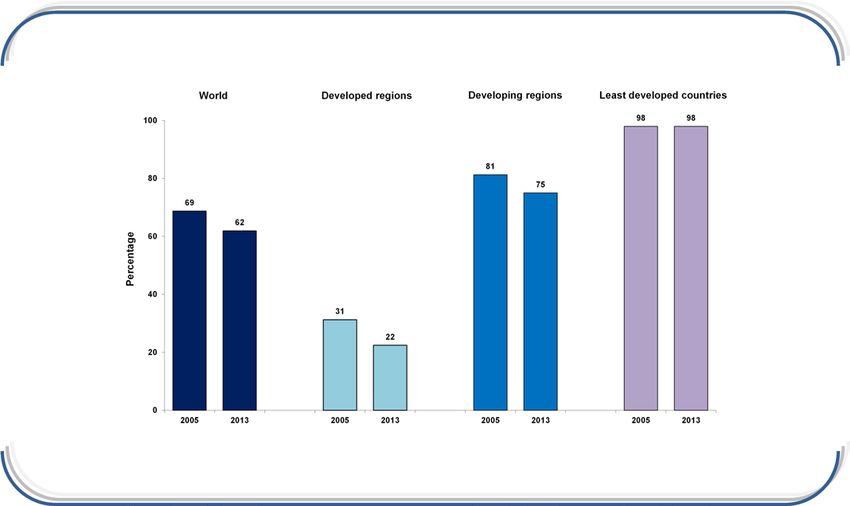
DESA
The Department of Economic and Social Affairs of the United Nations Secretariat is a vital interface between global policies in
the economic, social and environmental spheres and national action. The Department works in three main interlinked areas:
(i) it compiles, generates and analyses a wide range of economic, social and environmental data and information on which States
Members of the United Nations draw to review common problems and take stock of policy options; (ii) it facilitates the negotiations
of Member States in many intergovernmental bodies on joint courses of action to address ongoing or emerging global challenges;
and (iii) it advises interested Governments on the ways and means of translating policy frameworks developed in United Nations
conferences and summits into programmes at the country level and, through technical assistance, helps build national capacities.

Notes
The designations employed and the presentation of the material in this publication do not imply the expression of any opinion
whatsoever on the part of the Secretariat of the United Nations concerning the legal status of any country, city or area or of its
authorities, or concerning the delimitation of its frontiers or boundaries.
This report presents data for countries using a traditional classification by development group. The “developed regions” comprise
all countries and areas of Europe plus Northern America, Australia, New Zealand and Japan. The “developing regions” comprise all
countries and areas of Africa, Asia (excluding Japan), Latin America and the Caribbean plus Melanesia, Micronesia and Polynesia. The
terms “developed” and “developing” are used for statistical convenience and do not express a judgement about the stage reached
by a particular country or area in the development process. Within the developing regions, the 49 least developed countries, as of
31 December 2013, included 34 countries in Africa, 9 in Asia, 5 in Oceania and 1 in Latin America and the Caribbean, as defined by
United Nations General Assembly resolutions 59/209, 59/210, 60/33, 62/97, 64/295 and 67/136.
The term “country” as used in the text of this publication also refers, as appropriate, to Observer States and non-member States of
the United Nations.

This publication has been issued without formal editing.

Contributors
This report was prepared by Mr. Vinod Mishra, Mr. Victor Gaigbe-Togbe and Ms. Julia Ferre.

Ms. Theresa Nguyen provided editorial support and formatted the report for publication and Mr. John Kanakos provided
programming and data analysis support. Ms. Francesca Perucci and Mr. John Wilmoth reviewed and provided useful comments on
the draft report.

                                                                              ST/ESA/SER.A/343

                                                                      UNITED NATIONS PUBLICATION
                                                                           Sales No. E.14.XIII.11
                                                                         ISBN 978-92-1-151521-3
                                                                        eISBN 978-92-1-056837-1
                                                                            Price USD: $25.00

                                                                     Copyright © United Nations, 2014
                                                                            All rights reserved

Questions and comments concerning this publication should be addressed to the Population Division, Department of Economic and Social Affairs, United Nations Secretariat, New York,
NY 10017, phone: 212-963-3209, fax: 212-963-2147, e-mail: population@un.org.

Suggested citation: United Nations, Department of Economic and Social Affairs, Population Division (2014). Abortion Policies and Reproductive Health
around the World (United Nations publication, Sales No. E.14.XIII.11).
HIGHLIGHTS
• Between 1996 and 2013, the percentage of • Governments have increasingly adopted policies to
Governments permitting abortion increased reduce adolescent birth rates. Of the 195 countries
gradually for all legal grounds, except to save a with information available in 2013, 90 per cent of
woman’s life which remained at 97 per cent. Despite Governments had adopted policies and programmes
overall expansion in the legal grounds for abortion, to reduce adolescent fertility, up from 60 per cent in
policies remain restrictive in many countries. 1996.
• In about two thirds of countries in 2013, abortion was • Out of 172 countries with available data in 2012,
permitted when the physical or mental health of the Governments of 152 countries (88 per cent) had
mother was endangered, and only in half of the implemented concrete measures to increase
countries when the pregnancy resulted from rape or women’s access to comprehensive sexual and
incest or in cases of foetal impairment. Only about reproductive health services in the past five years,
one third of countries permitted abortion for regardless of marital status and age.
economic or social reasons or on request. • In 2013, among 195 countries with available data, all
• Since 1996, legal grounds for abortion have but 10 Governments (95 per cent) had adopted some
expanded in a growing number of countries in both legal measures or policies to prevent domestic
developing and developed regions, but abortion violence, including 78 per cent having legal
policies remain much more restrictive in countries of measures, 90 per cent having policies and 73 per
the developing regions. cent having both legal measures and policies.
• Governments in developing regions were more than • Maternal mortality has been declining, but
four times as likely to have restrictive abortion Governments of most countries in developing
policies as those in developed regions. In 2013, regions continue to view their levels as unacceptable.
82 per cent of Governments in developed regions In 2013, three out of four Governments in developing
permitted abortion for economic or social reasons regions considered their level of maternal mortality
and 71 per cent allowed abortion on request. In as unacceptable, compared with less than one out of
contrast, only 20 per cent of Governments in four Governments in developed regions.
developing regions permitted abortion for economic • Fertility rates are significantly higher in countries
or social reasons and only 16 per cent allowed it on with restrictive abortion policies. The average
request. adolescent birth rate in countries with restrictive
• In recent years, many Governments have abortion policies in 2013 was about three times
implemented measures to improve access to safe greater (69 births per 1,000 women aged 15 to 19
abortion services to the extent of the law. Out of years) than in countries with liberal abortion policies
145 countries with available data in 2012, (24 births per 1,000 women aged 15 to 19 years). The
Governments of 87 countries (60 per cent) had average total fertility rate in countries with restrictive
implemented concrete measures to improve access abortion policies in 2013 was also significantly higher
to safe abortion services in the past five years. (3.22 children per woman) than in countries with
• With ever-declining fertility levels, a growing number liberal abortion policies (1.97 children per woman).
of Governments have adopted policies to raise • Countries with restrictive abortion policies have
fertility. The percentage of Governments with much higher unsafe abortion rates. The average
policies to raise fertility has almost doubled from unsafe abortion rate was more than four times
14 per cent in 1996 to 27 per cent in 2013, whereas greater in countries with restrictive abortion policies
the percentage of Governments with policies to in 2011 (26.7 unsafe abortions per 1,000 women
lower fertility has remained virtually unchanged from aged 15 to 44 years) than in countries with liberal
42 per cent in 1996 to 43 per cent in 2013. abortion policies (6.1 unsafe abortions per 1,000
• A growing number of Governments have expressed women aged 15 to 44 years).
concern about high rates of adolescent fertility. The • Countries with restrictive abortion policies have much
percentage of Governments identifying adolescent higher levels of maternal mortality. The average
fertility as a major concern has risen steadily, from maternal mortality ratio was three times greater in
46 per cent in 1996 to 67 per cent in 2013. countries with restrictive abortion policies in 2013
(223 maternal deaths per 100,000 live births) than in
countries with liberal abortion policies (77 maternal
deaths per 100,000 live births).
United Nations Department of Economic and Social Affairs ׀Population Division 1Abortion Policies and Reproductive Health around the World
INTRODUCTION
The Programme of Action of the 1994 International 197 countries in the world, including all 193 Member
Conference on Population and Development (ICPD) States of the United Nations, 2 Observer States (the
broadly defined reproductive health to include all Holy See and the State of Palestine) and
matters relating to the well-being of the reproductive 2 non-member States (Cook Islands and Niue) of the
system and its functions and processes.1 It envisioned United Nations.
that every sexual interaction should be free of
The report is based primarily on information available
coercion and infection, every pregnancy should be
from the World Population Policies Database (see box).
intended, and every delivery and childbirth should be
The report also draws information from the World
healthy.2 The Programme of Action emphasized the
Population Prospects: The 2012 Revision of the United
rights of all couples and individuals to decide freely
Nations Population Division and the ICPD Beyond
and responsibly the number, spacing and timing of
2014 Global Survey conducted by the United Nations
their children, the right to information and access to
Population Fund in 2012, as well as selected data
safe, effective, affordable and acceptable methods of
from other sources. Definitions of variables and
family planning of their choice, as well as the right of
indicators used in this publication are available in
access to appropriate health-care services that
Annex 5.
ensured safe and healthy pregnancy and childbirth.
The Programme of Action underscored the
importance of preventing and managing unsafe
abortions3 and providing services for safe abortion The World Population Policies Database
where it is not against the law. It also urged
Governments to prioritize the prevention of The World Population Policies Database provides
unwanted pregnancies, so as to eliminate the need comprehensive and up-to-date information
for abortion. It called upon all Governments and available on the population policy situation and
relevant organizations to “deal with the health trends for all Member States and non-member
States of the United Nations. The database shows
impact of unsafe abortion as a major public health
the evolution of Government views and policies
concern” and stated that “[i]n all cases, women
with respect to population size and
should have access to quality services for the
growth, population age structure, fertility,
management of complications arising from reproductive health and family planning, health
abortion”. Since the ICPD, many Governments have and mortality, spatial distribution and internal
modified legal provisions for abortion and migration and international migration within the
strengthened programmes to provide safe abortion context of demographic, social and economic
services and post-abortion care, as well as adopted a change. The Database is updated biennially by
variety of policies and programmes to improve conducting a detailed country-by-country review of
reproductive health services and outcomes. national plans and strategies, programme
reports, legislative documents, official statements,
This report presents information on changes in legal
and various international, inter-governmental and
grounds for abortion and related reproductive health
non-governmental sources, as well as by using
policies since around the time of the ICPD for
official responses to the United Nations Inquiry
among Governments on Population and
1
United Nations (1995). Report of the International Conference on Development. A web-interface for the Database
Population and Development, Cairo, 5-13 September 1994(United allows users to run custom data queries on
Nations publication, Sales No. E.95.XIII.18). population policy and demographic indicators for
2
Tsui, Amy O., Judith N. Wasserheit, and John G. Haaga, eds. (1997). all countries and selected time points since 1976,
Reproductive Health in Developing Countries: Expanding Dimensions,
Building Solutions. Washington, D.C.: National Academy Press. create graphs and maps, and download country
3
The World Health Organization (WHO) defines unsafe abortion as a profiles. The World Population Policies Database
procedure for terminating an unintended pregnancy carried out can be accessed at http://esa.un.org/poppolicy/
either by persons lacking the necessary skills or conducted in an about_database.aspx.
environment that does not conform to minimal medical standards, or
both.
2 United Nations Department of Economic and Social Affairs ׀Population DivisionAbortion Policies and Reproductive Health around the World
ABORTION POLICIES
The legal grounds for abortion vary greatly cent in Latin America and the Caribbean allowed
across countries. abortion upon request. Eighteen countries in Africa,
12 in Asia, 8 in Latin America and the Caribbean and
In 2013, 97 per cent of Governments permitted 8 in Oceania allowed abortion only to save a
abortion to save a woman’s life. Whereas in about woman’s life. Europe and Northern America, in
two thirds of countries in 2013, abortion was contrast, had the most liberal abortion policies in
permitted when the physical or mental health of the 2013. Both Governments in Northern America and
mother was endangered, and only in half of the 73 per cent of Governments in Europe allowed
countries when the pregnancy resulted from rape or abortion on request.
incest or in cases of foetal impairment. Only about
one third of countries permitted abortion for The proportion of the world’s population living in
economic or social reasons or on request. Chile, the countries with certain legal grounds for abortion
Dominican Republic, El Salvador, the Holy See, Malta differs considerably from the corresponding
and Nicaragua did not permit abortion under any proportion of countries. For example, in 2013, just
circumstances. 36 per cent of countries allowed abortion for
economic or social reasons, but those countries
By geographic region, abortion policies were most contained 61 per cent of the world’s population. The
restrictive in Oceania, followed by Africa and Latin difference reflects the inclusion of some countries
America and the Caribbean. Only 6 per cent of with large populations (such as China and India) that
Governments in Oceania and Africa and only 12 per permitted abortion on this legal ground.
Data on induced abortion
Accurate information on the number of induced abortions is difficult to obtain, particularly in countries where
abortion policies are restrictive. In countries where abortion is legal under broad conditions, official statistics
on abortion are collected and reach acceptable levels of coverage and accuracy. In countries where abortion
policies are restrictive, official data are generally unavailable or highly incomplete. A common problem is that
some privately performed abortions go unreported and are therefore not reflected in the available statistics.
In addition, some countries may include spontaneous abortions in the number of reported induced abortions.
According to the World Health Organization (WHO), in 2008, an estimated 43.8 million induced abortions
occurred in the world, a slight decline from 45.6 million on 1995. Induced abortion rates have declined in all
major regions of the world since 1995. In 2008, developing countries accounted for a large majority (86 per
cent) of all induced abortions worldwide. About half of all induced abortions (21.6 million) were carried out
using unsafe procedures, up from 19.7 million in 2003. According to WHO estimates, in 2008, almost all unsafe
abortions occurred in developing countries. Globally, an estimated 47,000 women die each year from
complications associated with unsafe abortion. Most of these deaths could be prevented through better
access to sexuality education, contraceptive information and supplies, and safe abortion services and post-
abortion care, where allowed by law.a,b
a
World Health Organization (2012). Safe and unsafe induced abortion: Global and regional levels in 2008, and trends during 1995-2008.
Geneva: WHO/RHR/12.02.
b
Shah, Iqbal and Elisabeth Ǻhman (2010). “Unsafe Abortion in 2008: Global and Regional Levels and Trends”. Reproductive Health
Matters, vol. 18, No. 36, pp. 90-101.
United Nations Department of Economic and Social Affairs ׀Population Division 3Abortion Policies and Reproductive Health around the World
Changes in legal grounds for abortion, 1996-2013
97
To save a woman's life 98
97
63
To preserve a woman's
66
physical health
67
52
To preserve a woman's
64
mental health
64
43
In case of rape or incest 48
52
42
Because of foetal
44
impairment
52
1996
31
For economic or social
34
reasons 2005
36
24
On request 28 2013
30
0 20 40 60 80 100
Percentage of countries
99
To save a woman's live 99
99
75
To preserve a woman's
77
physical health
79
69
To preserve a women's
75
mental health
76
72
In case of rape or incest 72
75
65
Because of foetal
63 1996
impairment
72
62
For economic or social 2005
60
reaons
61
40 2013
On request 40
41
0 20 40 60 80 100
Percentage of world population
Source: United Nations, World Population Policies Database (2013 Revision).
Available at: http://esa.un.org/poppolicy/about_database.aspx.
4 United Nations Department of Economic and Social Affairs ׀Population DivisionAbortion Policies and Reproductive Health around the World
Types of legal grounds on which abortion is permitted
1996
2013
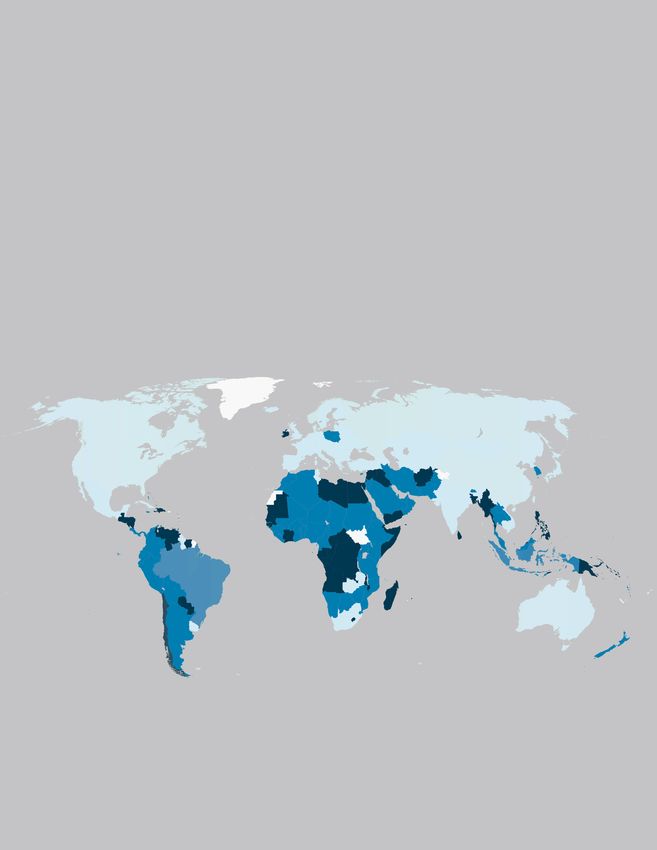
Most restrictive: Abortion not permitted or permitted only to save a woman’s life; Less restrictive: To preserve a
woman’s physical or mental health, in case of rape or incest, or because of foetal impairment; Least restrictive or
liberal: For economic or social reasons or on request.
The boundaries on these maps do not imply official endorsement or acceptance by the United Nations.
Source: United Nations, World Population Policies Database (2013 Revision).
Available at: http://esa.un.org/poppolicy/about_database.aspx.
United Nations Department of Economic and Social Affairs ׀Population Division 5Abortion Policies and Reproductive Health around the World
A growing number of countries have The proportion of countries permitting abortion for
expanded the legal grounds for abortion, but economic or social reasons or upon request also rose
abortion policies remain restrictive in many gradually between 1996 and 2013. In 2013, slightly
countries. over one third (36 per cent) of Governments
permitted abortion for economic or social reasons,
Between 1996 and 2013, the percentage of countries up from 31 per cent in 1996, while 30 per cent of
permitting abortion increased gradually for all legal Governments allowed abortion upon request, up
grounds except to save a woman’s life, which from 24 per cent in 1996.
remained at 97 per cent. During this time, the
proportion of countries allowing abortion to preserve Between 1996 and 2013, 56 countries (20 in Africa,
the physical health of a woman increased from 63 per 12 in Asia, 12 in Latin America and the Caribbean, 8 in
cent to 67 per cent, and those to preserve the mental Europe and 4 in Oceania) increased the number of
health of a woman increased from 52 per cent to legal grounds for abortion. During this time, eight
64 per cent. Similarly, it increased form 43 per cent to countries (3 in Latin America and the Caribbean, 2 in
52 per cent in cases of rape or incest, and from 41 per Africa, 2 in Asia and 1 in Oceania) reduced the
cent to 52 per cent because of foetal impairment. number of legal grounds on which abortion is
permitted.
Countries that liberalized or restricted legal grounds on which
abortion is permitted between 1996 and 2013
Grounds on which
abortion is permitted Liberalized Restricted
a. To save a woman’s Andorra Dominican Republic,
life Nicaragua
b. To preserve a Benin, Chad, Colombia, Equatorial Guinea, Kenya, Lao Congo, Iraq, Papua New
woman’s physical People’s Democratic Republic, Mexico, Mozambique, Nepal, Guinea
health Niger, Nigeria, Swaziland, Togo, United Arab Emirates
c. To preserve a Benin, Bhutan, Bolivia (Plurinational State of), Burkina Faso, Iraq, Japan, Papua New
woman’s mental health Burundi, Cameroon, Colombia, Comoros, Costa Rica, Guinea
Ecuador, Equatorial Guinea, Ethiopia, Kenya, Mexico,
Morocco, Mozambique, Nepal, Niger, Nigeria, Peru, Poland,
Qatar, Rwanda, Saudi Arabia, Swaziland, Thailand, United
Arab Emirates, Uruguay, Vanuatu
d. In case of rape or Argentina, Bahamas, Bahrain, Benin, Bhutan, Burkina Faso, Algeria, Belize, Ecuador, Iraq
incest Colombia, Cook Islands, Eritrea, Ethiopia, Fiji, Indonesia, Mali,
Monaco, Nepal, Saint Kitts and Nevis, Saint Lucia, Swaziland,
Switzerland, Togo, Uganda, Uruguay
e. Because of foetal Bahamas, Benin, Burkina Faso, Chad, Colombia, Eritrea, Iraq
impairment Ethiopia, Fiji, Indonesia, Iran (Islamic Republic of), Jordan,
Mexico, Monaco, Nepal, Niger, Oman, Swaziland,
Switzerland, Togo, Uganda, Uruguay
f. For economic or Bahrain, Fiji, Mexico, Nepal, Portugal, Saint Vincent and the –
social reasons Grenadines, Spain, Switzerland, Uruguay
g. On request Australia, Bahrain, Belgium, Cabo Verde, Italy, Mexico, Nepal, –
Portugal, Spain, Switzerland, Uruguay
Source: United Nations, World Population Policies Database (2013 Revision).
Available at: http://esa.un.org/poppolicy/about_database.aspx.
6 United Nations Department of Economic and Social Affairs ׀Population DivisionAbortion Policies and Reproductive Health around the World
Abortion policies continue to be more developing and developed regions, but abortion
restrictive in countries of the developing policies remain much more restrictive in countries of
regions. the developing regions. In 2013, only 48 out of
148 countries in developing regions allowed abortion
Since 1996, legal grounds for abortion have on five grounds or more, compared with 41 out of
expanded in a growing number of countries in both 49 countries in developed regions.
Legal grounds for abortion in developing and developed regions
1996
99
To save a woman's life
94
To preserve a woman's 54
physical health 88
To preserve a woman's 40
mental health 85
31
In case of rape or incest
81
Because of foetal 28
impairment 81
17 Developing
For economic or social
regions
reasons 75
13 Developed
On request regions
58
0 20 40 60 80 100
Percentage of countries
2013
97
To save a woman's life
96
To preserve a woman's 61
physical health 88
To preserve a woman's 57
mental health 86
41
In case of rape or incest
86
Because of foetal 41
impairment 86
20 Developing
For economic or social
regions
reasons 82
16 Developed
On request regions
71
0 20 40 60 80 100
Percentage of countries
Source: United Nations, World Population Policies Database (2013 Revision).
Available at: http://esa.un.org/poppolicy/about_database.aspx.
United Nations Department of Economic and Social Affairs ׀Population Division 7Abortion Policies and Reproductive Health around the World
Governments in developing regions were more than Many Governments have implemented
four times as likely to have restrictive abortion measures to improve access to safe abortion
policies as those in developed regions. In 2013, services in recent years.
82 per cent of Governments in developed regions
permitted abortion for economic or social reasons, Out of 145 countries with available data in 2012,
and 71 per cent allowed abortion on request. In Governments of 87 countries (60 per cent) had
contrast, only 20 per cent of Governments in implemented concrete measures in the past five
developing regions permitted abortion for economic years to improve access to safe abortion services to
or social reasons, and only 16 per cent allowed it on the extent of the law. The percentage of
request. Governments that implemented measures to
improve access to safe abortion services in the
In 2013, 86 per cent of Governments in developed previous five years was about the same in developed
regions allowed abortion when the pregnancy and developing regions, but this percentage was
resulted from rape or incest or in cases of foetal lower in the least developed countries.
impairment, compared with only 41 per cent in
developing regions. By geographic region, 72 per cent of Governments in
Asia and 66 per cent in Latin America and the
The legal grounds for abortion were even more Caribbean had implemented such measures in the
restrictive in the least developed countries, where past five years, compared with 56 per cent in Europe,
only 6 per cent of Governments permitted abortion 51 per cent in Africa and 43 per cent in Oceania.
for economic or social reasons, and only 4 per cent
allowed it on request in 2013.
Governments that have implemented concrete measures to improve access to
safe abortion services in the past five years, 2012
100
100
80
72
66
60 61
60
60
Percentage
56
51
46
43
40
20
0
World Developed Developing Least Africa Asia Europe Latin Northern Oceania
regions regions developed America & America
countries Caribbean
Source: United Nations Population Fund (2012). ICPD Beyond 2014 Global Survey Database.
8 United Nations Department of Economic and Social Affairs ׀Population DivisionAbortion Policies and Reproductive Health around the World
REPRODUCTIVE HEALTH POLICIES
With ever declining fertility levels, a growing cent in 2013), the percentage of Governments with
number of Governments have adopted policies to lower fertility has remained virtually
policies to raise fertility. unchanged (from 42 per cent in 1996 to 43 per cent
in 2013). During this period, the percentage of
Globally, the total fertility rate has declined from Governments that aimed at maintaining their
3.0 children per woman in 1990-1995 to 2.5 children existing levels of fertility or did not intervene to
per woman in 2010-2015. Fertility has also continued influence fertility has declined steadily from 44 per
to fall in Africa, where the vast majority of high cent in 1996 to 30 per cent in 2013.
fertility countries are located, from 5.7 children per
woman in 1990-1995 to 4.7 children per woman in In 1996, only about one in every three Governments
2010-2015. By contrast, the number of countries with in developed regions had policies to raise fertility,
total fertility below the replacement level but by 2013 this proportion had risen steadily to
(2.1 children per woman) has increased from more than two thirds. Between 1996 and 2013, the
55 countries in 1990-1995 to 86 countries in 2010- percentage of Governments with policies to raise
2015. fertility has also increased in developing regions,
from 8 per cent in 1996 to 14 per cent in 2013), while
In 2013, 27 per cent of Governments had policies to the percentage with policies to lower fertility has
raise the level of fertility, 43 per cent had policies to remained mostly unchanged (56 per cent in 1996
lower it, and the remaining 30 per cent either had and 57 per cent 2013). In 2013, the percentage of
policies to maintain fertility at current levels or were Governments with policies to lower fertility was
not intervening to influence it. While the percentage highest in Africa (83 per cent), whereas the
of Governments with policies to raise fertility has percentage of Governments with policies to raise
almost doubled (from 14 per cent in 1996 to 27 per fertility was highest in Europe (73 per cent).
Government policies to influence the level of fertility, 1996-2013
Raise Maintain/No intervention Lower
50
44
42 43
40 40
40
30
30
Percentage
27
20
20
14
10
0
1996 2005 2013 1996 2005 2013 1996 2005 2013
Source: United Nations, World Population Policies Database (2013 Revision).
Available at: http://esa.un.org/poppolicy/about_database.aspx.
United Nations Department of Economic and Social Affairs ׀Population Division 9Abortion Policies and Reproductive Health around the World
A growing number of Governments have Among the 196 Governments whose views regarding
expressed concern about high rates of fertility among adolescents were known in 2013,
adolescent fertility. 67 per cent expressed a major concern about the
level of adolescent fertility in their countries, and an
Early childbearing is associated with low educational additional 25 per cent expressed a minor concern.
attainment and poverty. Early childbearing also Globally, the percentage of Governments identifying
increases the risk of maternal death or physical adolescent fertility as a major concern has risen
impairment, and children born to young mothers steadily, from 46 per cent in 1996 to 67 per cent in
tend to have higher levels of morbidity and mortality. 2013.
Therefore, many Governments have expressed
concern about high levels of adolescent fertility in
their countries.
Governments considering their level of adolescent fertility as a major
concern, 1996-2013
World Developed regions Developing regions Least developed countries
100
88
80 76
67
65 64
59
60
Percentage
53
48
46
40
40 38
27
20
0
1996 2005 2013 1996 2005 2013 1996 2005 2013 1996 2005 2013
Source: United Nations, World Population Policies Database (2013 Revision).
Available at: http://esa.un.org/poppolicy/about_database.aspx.
In 2013, Governments in developing regions were cent of Governments in developing regions had
considerably more likely (76 per cent) to consider policies and programmes to reduce adolescent
adolescent fertility as a major concern than those in fertility, compared with 77 per cent in developed
developed regions (40 per cent), up from 53 per cent regions. All Governments in the least developed
and 27 per cent respectively in 1996. countries had adopted such policies in 2013.
All Governments in Latin America and the Caribbean,
Governments have increasingly adopted Northern America and Oceania, and all but one
policies to reduce adolescent fertility. Government in Africa, had adopted policies to reduce
Of the 195 countries with information available in adolescent fertility in 2013; whereas 23 per cent of
2013, 90 per cent of Governments had adopted Governments in Europe and 19 per cent in Asia did
policies and programmes to reduce adolescent not have such policies.
fertility, up from 60 per cent in 1996. Ninety-four per
10 United Nations Department of Economic and Social Affairs ׀Population DivisionAbortion Policies and Reproductive Health around the World
Direct government support for family Globally, in 2013, 160 out of 197 Governments
planning has continued to increase in (81 per cent) provided direct support for family
developing regions, but declined in developed planning. Governments in 20 countries provided only
regions. indirect support for family planning through the
private sector or non-governmental organizations.
Direct government support entails the provision of The remaining 17 Governments did not support
family planning information, guidance and supplies family planning, including the Holy See, which did
through government-run facilities or outlets such as not allow family planning programmes or services
hospitals, clinics, health posts and health centres and within its jurisdiction.
through government fieldworkers.
Governments providing direct support for family planning, 1996-2013
World Developed regions Developing regions Least developed countries
100 98
93
88
86 86
81 82
80 76
74
60 58
Percentage
45
40 38
20
0
1996 2005 2013 1996 2005 2013 1996 2005 2013 1996 2005 2013
Source: United Nations, World Population Policies Database (2013 Revision).
Available at: http://esa.un.org/poppolicy/about_database.aspx.
The percentage of Governments providing direct direct support for family planning, whereas less than
support for family planning has continued to half of Governments (45 per cent) did so in Europe.
increase in developing regions, from 82 per cent in
1996 to 93 per cent in 2013. By contrast, the A large majority of Governments have
percentage of Governments in developed regions implemented measures to increase access to
providing direct support for family planning declined sexual and reproductive health services in
from 58 per cent in 1976 to 38 per cent in 2005, but recent years.
then increased to 45 per cent in 2013. Thus,
Governments in developing regions were more than Out of 172 countries with available data in 2012,
twice as likely as those in developed regions to Governments of 152 countries (88 per cent) had
provide direct support for family planning in 2013. implemented concrete measures to increase
women’s access to comprehensive sexual and
In 2013, Governments of all but one least developed reproductive health services in the past five years,
countries provided direct support for family regardless of marital status and age. The percentage
planning. More than 9 out of 10 Governments in of Governments that implemented measures to
Latin America and the Caribbean (97 per cent), Africa increase access to sexual and reproductive health
(96 per cent) and Oceania (94 per cent) provided services in the previous five years was much greater
United Nations Department of Economic and Social Affairs ׀Population Division 11Abortion Policies and Reproductive Health around the World
in developing regions (95 per cent) than in implemented such measures in the past five years,
developed regions (65 per cent). Only 61 per cent of compared with more than 90 per cent in all other
Governments in Europe reported having regions of the world.
Governments that have implemented concrete measures to increase access to
sexual and reproductive health services in the past five years, 2012
100 100
100 98
95 94
92 92
88
80
65
61
60
Percentage
40
20
0
World Developed Developing Least Africa Asia Europe Latin Northern Oceania
regions regions developed America & America
countries Caribbean
Source: United Nations Population Fund (2012). ICPD Beyond 2014 Global Survey Database.
Many Governments have instituted laws and In 2013, among 195 countries with available
policies to prevent violence against women. information on legal provisions or policies on
domestic violence, all but 10 Governments (95 per
Violence against women remains widespread in cent) had adopted legal measures or policies to
many parts of the world. Globally, it is estimated that prevent domestic violence, including 78 per cent
up to 60 per cent of women experience physical or having legal measures, 90 per cent having policies
sexual violence in their lifetime. 4 Violence against and 73 per cent having both legal measures and
women not only violates human rights, but also has a policies. Governments in developed regions were
direct impact on the mental and physical health of more likely to have adopted such measures than
women, including reproductive health. Given that those in developing regions. In developed regions,
much of the violence against women occurs in 98 per cent of Governments had adopted both legal
household settings, largely in the form of intimate measures and policies to prevent domestic violence,
partner violence, many Governments have compared to 65 per cent among Governments in
strengthened legal frameworks and adopted policies developing regions.
to prevent domestic violence, including efforts to
provide care and support to the victims of such
violence.5
4
United Nations Entity for Gender Equality and the Empowerment of
Women (UN-Women) (2012). Violence against Women. New York.
5
United Nations, General Assembly (2010). Report of the Secretary-
General on intensification of efforts to eliminate all forms of violence
against women. A/65/208.
12 United Nations Department of Economic and Social Affairs ׀Population DivisionAbortion Policies and Reproductive Health around the World
Maternal mortality has been declining, but 1990 and 2013, from 380 maternal deaths for every
Governments of most countries in developing 100,000 live births in 1990 to 210 maternal deaths for
regions continue to view their levels as every 100,000 live births in 2013. An estimated
unacceptable. 289,000 maternal deaths occurred in 2013. During
their reproductive lifetimes, women in developing
At the global level, there was an estimated 45 per countries were about 23 times (97 times in sub-
cent decline in maternal mortality ratio between Saharan Africa) more likely to die from causes related
Governments considering their level of maternal mortality as unacceptable,
2005 and 2013
World Developed regions Developing regions Least developed countries
100 98 98
81
80
75
69
62
60
Percentage
40
31
22
20
0
2005 2013 2005 2013 2005 2013 2005 2013
Source: United Nations, World Population Policies Database (2013 Revision).
Available at: http://esa.un.org/poppolicy/about_database.aspx.
to pregnancy and childbirth than those in developed By development level, three out of four Governments
countries.6 in developing regions considered their level of
maternal mortality as unacceptable, compared with
Although maternal mortality has been declining in
less than one out of four Governments in developed
most countries around the world, it remains a
regions. All but one Government in the least
concern for many countries in developing regions,
developed countries considered the level of maternal
especially in sub-Saharan Africa and in Southern Asia,
mortality in their populations as unacceptable in
where maternal mortality ratios remain high. In 2013,
2013. By geographic region, in 2013, only 4 per cent
among the 197 countries considered, Governments
of Governments in Africa considered their level of
of 122 countries (62 per cent) viewed the level of
maternal mortality acceptable, compared with 80 per
maternal mortality in their populations as
cent in Europe. Two thirds of Governments in Asia
unacceptable, down from 69 per cent in 2005.
and three fifths of Governments in Latin America and
the Caribbean considered their maternal mortality
level as unacceptable.
6
World Health Organization (2014). Trends in Maternal Mortality: 1990
to 2013. WHO, UNICEF, UNFPA, the World Bank and the United Nations
Population Division estimates. Geneva: WHO.
United Nations Department of Economic and Social Affairs ׀Population Division 13Abortion Policies and Reproductive Health around the World
ABORTION POLICIES AND REPRODUCTIVE HEALTH OUTCOMES
For the purposes of the analysis presented in this three times greater (69 births per 1,000 women aged
section, countries allowing abortion for economic or 15 to 19 years) than for countries with liberal
social reasons or on request are categorized as abortion policies (24 births per 1,000 women aged 15
having “liberal” abortion policies. All other countries to 19 years).
are considered as having “restrictive” abortion
policies. The average total fertility rate in 2013 for countries
with restrictive abortion policies was also
Fertility rates are significantly higher in significantly higher (3.22 children per woman) than
countries with restrictive abortion policies. for countries with liberal abortion policies
(1.97 children per woman).
The average adolescent birth rate in 2013 for
countries with restrictive abortion policies was about
Adolescent birth rate and total fertility rate by type of abortion policy in 2013
Adolescent birth rate Total fertility rate
69*
70 3.5
3.22*
Adolescent birth rate (per 1,000 women 15-19)
60 3.0
Total fertility rate (children per woman)
50 2.5
1.97
40 2.0
30 1.5
24
20 1.0
10 0.5
0 0.0
Liberal (70) Restrictive (110) Liberal (70) Restrictive (110)
Abortion policy
*Significant at pAbortion Policies and Reproductive Health around the World
Countries with restrictive abortion policies with 7.8 per 1,000 women aged 15 to 44 years among
have much higher unsafe abortion rates. countries with liberal abortion policies.
The average unsafe abortion rate was more than four The strong positive association between restrictive
times greater in countries with restrictive abortion abortion policies and unsafe abortion rates reflects
policies in 2011 (26.7 unsafe abortions per 1,000 the positive association between levels of
women aged 15 to 44 years) than in countries with development and the availability of safe abortion
liberal abortion policies (6.1 unsafe abortions per services, since countries in developing regions tend
1,000 women aged 15 to 44 years). to have both weaker health-care systems (and thus
less capacity to provide safe abortion services) and
In the developing regions, where a vast majority of more restrictive abortion policies. In addition,
unsafe abortions occur, a similar strong association restrictive abortion policies may contribute directly
between the type of abortion policy and the unsafe to unsafe abortion rates by limiting the available
abortion rate was observed. Within developing options for safely terminating an unwanted
regions, the average unsafe abortion rate was pregnancy.
26.9 per 1,000 women aged 15 to 44 years among
countries with restrictive abortion policies, compared
Unsafe abortion rate by type of abortion policy in 2011
30
26.7
25
Unsafe abortion rate (per 1,000 women 15-44)
20
15
10
6.1
5
0
Liberal (69) Restrictive (110)
Abortion policy
Unsafe abortion rate is a weighted average using number of women aged 15 to 44 years
Sources: Based on data from the World Population Policies Database (2011 Revision) and the World Health Organization
estimates of unsafe abortion. The tabulation for this figure was provided by the World Health Organization
upon request.
United Nations Department of Economic and Social Affairs ׀Population Division 15Abortion Policies and Reproductive Health around the World
Countries with restrictive abortion policies The strong positive association between restrictive
have much higher levels of maternal abortion policies and the maternal mortality ratio
mortality. reflects the positive association between levels of
development and the availability and quality of
The average maternal mortality ratio was three times maternal health care services, since countries in
greater in countries with restrictive abortion policies developing regions tend to have both weaker health-
in 2013 (223 maternal deaths per 100,000 live births) care systems (especially for maternal health and
than in countries with liberal abortion policies obstetric care) and more restrictive abortion policies.
(77 maternal deaths per 100,000 live births). In addition, restrictive abortion policies may
In the developing regions, the average maternal contribute directly to the risk of maternal mortality
mortality ratio was significantly higher among by limiting the available options for safely
countries with restrictive abortion policies in 2013 terminating an unwanted pregnancy.
(227 maternal deaths per 100,000 live births) than
among countries with liberal abortion policies
(97 maternal deaths per 100,000 live births).
Maternal mortality ratio by type of abortion policy in 2013
250
223*
Maternal mortality ratio (per 100,000 live births)
200
150
100
77
50
0
Liberal (70) Restrictive (110)
Abortion policy
*Significant at pAbortion Policies and Reproductive Health around the World
Annex 1
Changes in the distribution of countries by legal grounds for abortion
between 1996 and 2013
To preserve To preserve For
To save a a woman's a woman's In case of Because of economic Total
woman's physical mental rape or foetal or social On Not number of
Year life health health incest impairment reasons request permitted countries
World
1996 187 120 99 83 80 60 47 5 192
2005 189 127 123 93 85 65 54 4 193
2013 190 132 126 102 102 70 59 6 196
By level of development
Developed regions
1996 45 42 41 39 39 36 28 3 48
2005 46 42 41 40 40 37 32 2 48
2013 47 43 42 42 42 40 35 2 49
Developing regions
1996 142 78 58 44 41 24 19 2 144
2005 143 85 82 53 45 28 22 2 145
2013 143 89 84 60 60 30 24 4 147
Least developed countries
1996 49 18 11 5 5 3 1 0 49
2005 49 24 21 10 10 4 3 0 49
2013 48 24 22 13 14 3 2 0 48
By major region
Africa
1996 53 25 16 13 11 4 2 0 53
2005 53 31 29 17 16 4 3 0 53
2013 53 33 30 20 21 4 3 0 53
Asia
1996 46 30 26 22 24 17 15 0 46
2005 46 31 28 23 24 19 17 0 46
2013 48 32 30 25 28 19 17 0 48
Europe
1996 40 37 36 34 35 32 26 3 43
2005 41 37 37 35 36 33 29 2 43
2013 42 38 38 37 38 36 32 2 44
Latin America and the Caribbean
1996 31 17 11 10 6 4 2 2 33
2005 31 17 18 13 5 5 2 2 33
2013 29 19 18 14 10 7 4 4 33
Northern America
1996 2 2 2 2 2 2 2 0 2
2005 2 2 2 2 2 2 2 0 2
2013 2 2 2 2 2 2 2 0 2
Oceania
1996 15 9 8 2 2 1 0 0 15
2005 16 9 9 3 2 2 1 0 16
2013 16 8 8 4 3 2 1 0 16
Source: United Nations, World Population Policies Database (2013 Revision). Available at: http://esa.un.org/poppolicy/about_database.aspx.
United Nations Department of Economic and Social Affairs ׀Population Division 17Abortion Policies and Reproductive Health around the World
Annex 2
Changes in legal grounds for abortion between 1996 and 2013
Legal grounds on which abortion is permitted
To preserve a woman's To preserve a woman's
To save a woman's life physical health mental health
Country or area 1996 2013 1996 2013 1996 2013
Africa
Eastern Africa
Burundi X X X X – X
Comoros X X X X – X
Djibouti X X – – – –
Eritrea X X X X X X
Ethiopia X X X X – X
1
Kenya X X – X – X
2
Madagascar X X – – – –
2
Malawi X X – – – –
2
Mauritius X X – – – –
Mozambique X X – X – X
Rwanda X X X X – X
Seychelles X X X X X X
2
Somalia X X – – – –
3
South Sudan X ... – ... – ...
4
Uganda X X X X X X
4
United Republic of Tanzania X X X X X X
Zambia X X X X X X
Zimbabwe X X X X – –
Middle Africa
2
Angola X X – – – –
Cameroon X X X X – X
2
Central African Republic X X – – – –
Chad X X – X – –
5
Congo X X X – – –
2
Democratic Republic of the Congo X X – – – –
Equatorial Guinea X X – X – X
2
Gabon X X – – – –
2
São Tomé and Príncipe X X – – – –
Northern Africa
Algeria X X X X X X
Egypt X X – – – –
Libya X X – – – –
Morocco X X X X – X
3
Sudan X X – – – –
Tunisia X X X X X X
Southern Africa
Botswana X X X X X X
Lesotho X X – – – –
Namibia X X X X X X
South Africa X X X X X X
Swaziland X X – X – X
Western Africa
Benin X X – X – X
Burkina Faso X X X X – X
Cabo Verde X X X X X X
Côte d'Ivoire X X – – – –
18 United Nations Department of Economic and Social Affairs ׀Population DivisionAbortion Policies and Reproductive Health around the World
Annex 2
Changes in legal grounds for abortion between 1996 and 2013
Legal grounds on which abortion is permitted
In case of rape or Because of foetal For economic or
incest impairment social reasons On request
Country or area 1996 2013 1996 2013 1996 2013 1996 2013
Africa
Eastern Africa
Burundi – – – – – – – –
Comoros – – – – – – – –
Djibouti – – – – – – – –
Eritrea – X – X – – – –
Ethiopia – X – X – – – –
1
Kenya – – – – – – – –
2
Madagascar – – – – – – – –
2
Malawi – – – – – – – –
2
Mauritius – – – – – – – –
Mozambique – – – – – – – –
Rwanda – – – – – – – –
Seychelles X X X X – – – –
2
Somalia – – – – – – – –
3
South Sudan X ... – ... – ... – ...
4
Uganda – X – X – – – –
4
United Republic of Tanzania – – – – – – – –
Zambia – – X X X X – –
Zimbabwe X X X X – – – –
Middle Africa
2
Angola – – – – – – – –
Cameroon X X – – – – – –
2
Central African Republic – – – – – – – –
Chad – – – X – – – –
5
Congo – – – – – – – –
2
Democratic Republic of the Congo – – – – – – – –
Equatorial Guinea – – – – – – – –
2
Gabon – – – – – – – –
2
São Tomé and Príncipe – – – – – – – –
Northern Africa
Algeria X – – – – – – –
Egypt – – – – – – – –
Libya – – – – – – – –
Morocco – – – – – – – –
3
Sudan X X – X – – – –
Tunisia X X X X X X X X
Southern Africa
Botswana X X X X – – – –
Lesotho – – – – – – – –
Namibia X X X X – – – –
South Africa X X X X X X X X
Swaziland – X – X – – – –
Western Africa
Benin – X – X – – – –
Burkina Faso – X – X – – – –
Cabo Verde X X X X X X – X
Côte d'Ivoire – – – – – – – –
United Nations Department of Economic and Social Affairs ׀Population Division 19Abortion Policies and Reproductive Health around the World
Annex 2
Changes in legal grounds for abortion between 1996 and 2013
Legal grounds on which abortion is permitted
To preserve a woman's To preserve a woman's
To save a woman's life physical health mental health
Country or area 1996 2013 1996 2013 1996 2013
4
Gambia X X X X X X
Ghana X X X X X X
Guinea X X X X X X
2
Guinea-Bissau X X – – – –
Liberia X X X X X X
2
Mali X X – – – –
2
Mauritania X X – – – –
6
Niger X X – X – X
7
Nigeria X X – X – X
Senegal X X – – – –
4
Sierra Leone X X X X X X
Togo X X – X – –
Asia
Eastern Asia
China X X X X X X
Democratic People's Republic of Korea X X X X X X
8
Japan X X X X X –
Mongolia X X X X X X
Republic of Korea X X X X X X
South-central Asia
Afghanistan X X – – – –
Bangladesh X X – – – –
Bhutan X X – – – X
India X X X X X X
2
Iran (Islamic Republic of) X X – – – –
Kazakhstan X X X X X X
Kyrgyzstan X X X X X X
Maldives X X X X – –
Nepal X X – X – X
9
Pakistan X X X X X X
Sri Lanka X X – – – –
Tajikistan X X X X X X
Turkmenistan X X X X X X
Uzbekistan X X X X X X
South-eastern Asia
Brunei Darussalam X X – – – –
Cambodia X X X X X X
Indonesia X X – – – –
Lao People's Democratic Republic X X – X – –
Malaysia X X X X X X
Myanmar X X – – – –
2
Philippines X X – – – –
Singapore X X X X X X
Thailand X X X X – X
Timor-Leste X X – – – –
Viet Nam X X X X X X
Western Asia
Armenia X X X X X X
20 United Nations Department of Economic and Social Affairs ׀Population DivisionAbortion Policies and Reproductive Health around the World
Annex 2
Changes in legal grounds for abortion between 1996 and 2013
Legal grounds on which abortion is permitted
In case of rape or Because of foetal For economic or
incest impairment social reasons On request
Country or area 1996 2013 1996 2013 1996 2013 1996 2013
4
Gambia – – – – – – – –
Ghana X X X X – – – –
Guinea X X X X – – – –
2
Guinea-Bissau – – – – – – – –
Liberia X X X X – – – –
2
Mali – X – – – – – –
2
Mauritania – – – – – – – –
6
Niger – – – X – – – –
7
Nigeria – – – – – – – –
Senegal – – – – – – – –
4
Sierra Leone – – – – – – – –
Togo – X – X – – – –
Asia
Eastern Asia
China X X X X X X X X
Democratic People's Republic of Korea X X X X X X X X
8
Japan X X – – X X – –
Mongolia X X X X X X X X
Republic of Korea X X X X – – – –
South-central Asia
Afghanistan – – – – – – – –
Bangladesh – – – – – – – –
Bhutan – X – – – – – –
India X X X X X X – –
2
Iran (Islamic Republic of) – – – X – – – –
Kazakhstan X X X X X X X X
Kyrgyzstan X X X X X X X X
Maldives – – – – – – – –
Nepal – X – X – X – X
9
Pakistan – – – – – – – –
Sri Lanka – – – – – – – –
Tajikistan X X X X X X X X
Turkmenistan X X X X X X X X
Uzbekistan X X X X X X X X
South-eastern Asia
Brunei Darussalam – – – – – – – –
Cambodia X X X X X X X X
Indonesia – X – X – – – –
Lao People's Democratic Republic – – – – – – – –
Malaysia – – – – – – – –
Myanmar – – – – – – – –
2
Philippines – – – – – – – –
Singapore X X X X X X X X
Thailand X X X X – – – –
Timor-Leste – – – – – – – –
Viet Nam X X X X X X X X
Western Asia
Armenia X X X X X X X X
United Nations Department of Economic and Social Affairs ׀Population Division 21Abortion Policies and Reproductive Health around the World
Annex 2
Changes in legal grounds for abortion between 1996 and 2013
Legal grounds on which abortion is permitted
To preserve a woman's To preserve a woman's
To save a woman's life physical health mental health
Country or area 1996 2013 1996 2013 1996 2013
Azerbaijan X X X X X X
Bahrain X X X X X X
Cyprus X X X X X X
Georgia X X X X X X
Iraq X X X – X –
Israel X X X X X X
Jordan X X X X X X
Kuwait X X X X X X
Lebanon X X – – – –
Oman X X – – – –
Qatar X X X X – X
Saudi Arabia X X X X – X
State of Palestine ... X ... – ... –
2
Syrian Arab Republic X X – – – –
Turkey X X X X X X
United Arab Emirates X X – X – X
Yemen X X – – – –
Europe
Eastern Europe
Belarus X X X X X X
Bulgaria X X X X X X
Czech Republic X X X X X X
Hungary X X X X X X
Poland X X X X – X
Republic of Moldova X X X X X X
Romania X X X X X X
Russian Federation X X X X X X
Slovakia X X X X X X
Ukraine X X X X X X
Northern Europe
Denmark X X X X X X
Estonia X X X X X X
Finland X X X X X X
Iceland X X X X X X
Ireland X X – – – –
Latvia X X X X X X
Lithuania X X X X X X
Norway X X X X X X
Sweden X X X X X X
10
United Kingdom X X X X X X
Southern Europe
Albania X X X X X X
11
Andorra – X – – – –
Bosnia and Herzegovina X X X X X X
Croatia X X X X X X
Greece X X X X X X
Holy See – – – – – –
Italy X X X X X X
Malta – – – – – –
22 United Nations Department of Economic and Social Affairs ׀Population DivisionAbortion Policies and Reproductive Health around the World
Annex 2
Changes in legal grounds for abortion between 1996 and 2013
Legal grounds on which abortion is permitted
In case of rape or Because of foetal For economic or
incest impairment social reasons On request
Country or area 1996 2013 1996 2013 1996 2013 1996 2013
Azerbaijan X X X X X X X X
Bahrain – X X X – X – X
Cyprus X X X X – – – –
Georgia X X X X X X X X
Iraq X – X – – – – –
Israel X X X X – – – –
Jordan – – – X – – – –
Kuwait – – X X – – – –
Lebanon – – – – – – – –
Oman – – – X – – – –
Qatar – – X X – – – –
Saudi Arabia – – – – – – – –
State of Palestine ... – ... – ... – ... –
2
Syrian Arab Republic – – – – – – – –
Turkey X X X X X X X X
United Arab Emirates – – – – – – – –
Yemen – – – – – – – –
Europe
Eastern Europe
Belarus X X X X X X X X
Bulgaria X X X X X X X X
Czech Republic X X X X X X X X
Hungary X X X X X X X X
Poland X X X X – – – –
Republic of Moldova X X X X X X X X
Romania X X X X X X X X
Russian Federation X X X X X X X X
Slovakia X X X X X X X X
Ukraine X X X X X X X X
Northern Europe
Denmark X X X X X X X X
Estonia X X X X X X X X
Finland X X X X X X – –
Iceland X X X X X X – –
Ireland – – – – – – – –
Latvia X X X X X X X X
Lithuania X X X X X X X X
Norway X X X X X X X X
Sweden X X X X X X X X
10
United Kingdom – – X X X X – –
Southern Europe
Albania X X X X X X X X
11
Andorra – – – – – – – –
Bosnia and Herzegovina X X X X X X X X
Croatia X X X X X X X X
Greece X X X X X X X X
Holy See – – – – – – – –
Italy X X X X X X – X
Malta – – – – – – – –
United Nations Department of Economic and Social Affairs ׀Population Division 23You can also read


