2013-2016 Health Canada's Human Resources Strategic Plan - Building a Workforce of the Future
←
→
Page content transcription
If your browser does not render page correctly, please read the page content below

2013–2016
Health Canada’s
Human Resources
Strategic Plan
Building a Workforce of the Future

                      HR Planning, Analysis & Systems
Health Canada is the federal department responsible for helping the people of Canada maintain and
improve their health. We assess the safety of drugs and many consumer products, help improve the safety of
food, and provide information to Canadians to help them make healthy decisions. We provide health services to
First Nations people and to Inuit communities. We work with the provinces to ensure our health care system
serves the needs of Canadians.

Également disponible en français sous le titre :
Plan stratégique des ressources humaines de Santé Canada 2013–2016

This publication can be made available in alternative formats upon request.

© Health Canada, 2013

Publication date: October 2013

This publication may be reproduced for personal or internal use only without permission provided the source is fully
acknowledged. However, multiple copy reproduction of this publication in whole or in part for purposes of resale or
redistribution requires the prior written permission from the Minister of Public Works and Government Services
Canada, Ottawa, Ontario K1A 0S5 or copyright.droitdauteur@pwgsc.gc.ca.

PDF

Pub.: 130092
Cat.: H22-1/3-2013E-PDF
ISBN: 2291-790X

TABLE OF CONTENTS
EXECUTIVE SUMMARY �������������������������������������������������������������������������������������������������������������������1

INTRODUCTION�������������������������������������������������������������������������������������������������������������������������������4

CURRENT AND FUTURE NEEDS�������������������������������������������������������������������������������������������������������6

HEALTH CANADA’S WORKFORCE AT A GLANCE �����������������������������������������������������������������������������7

HEALTH CANADA’S OPERATING ENVIRONMENT�����������������������������������������������������������������������������9

HUMAN RESOURCES PRIORITIES AND STRATEGIES 2013–2016���������������������������������������������������16
    Priority #1
    Building a Workforce for Current and Future Needs �������������������������������������������������������������������������� 17

    Priority #2
    Develop employees through targeted learning ��������������������������������������������������������������������������������� 18

    Priority #3
    Engage employees through leadership at all levels���������������������������������������������������������������������������� 19

    Priority #4
    Focus attention on HR Management for healthcare and science professionals�������������������������������������� 20

    Priority #5
    Support Human Resource Service Modernization ������������������������������������������������������������������������������ 21

CONCLUSION���������������������������������������������������������������������������������������������������������������������������������22

ANNEX 1 – DETAILED WORKFORCE ANALYSIS�������������������������������������������������������������������������������23
Deputy Ministers’ Message
       Health Canada has a strong reputation for professionalism and service that has been cultivated
       over the years by the many dedicated people in the department.

       The characteristics of a successful and engaged organization are well known and accepted—we
       need to be adaptable, collaborative, creative, diverse and comfortable with emerging technology.
       As the workplace around us changes, we must adapt so that, as a team, we may continue to
       meet our business objectives.

       Over the past months, we have been working hard to ensure our workforce is positioned for
       current and future success. Now, in the midst of a government-wide dialogue on the future of
       the public service, we are pleased to share our first Human Resources Strategic Plan—“Building
       a Workforce of the Future”.

       In this three-year plan, we take an in-depth look at our operating environment and our human
       resources management priorities for creating workplace conditions that meet current and future
       organisational needs.

       Through effective planning, we are building a workforce of the right size with the right skills
       to fulfill Health Canada’s mandate. This includes an overarching commitment to ensuring that
       our workplace continues to be healthy, productive, inclusive, respectful and, above all, a
       workplace of choice.

       We already enjoy a strong culture and workplace at Health Canada, and this plan builds on
       that solid foundation with new strategies for training and development, enhanced employee
       engagement, modernization of human resources services, and increased focus on specialized
       healthcare and scientific professionals.

       We are confident that this plan will effectively address our top priorities for people management
       over the next three years. We encourage you to take some time to read it and learn more about
       the future of human resources at Health Canada.

       Sincerely,

       George Da Pont					Paul Glover
       Deputy Minister					Associate Deputy Minister

iv   HEALTH CANADA’S HUMAN RESOURCES STRATEGIC PLAN
EXECUTIVE SUMMARY
The Health Canada 2013–2016 Human Resources Strategic Plan (Strategic
Plan) describes the Department’s operating environment and the human
resources (HR) issues that it will face over the next three (3) years. It also
identifies the five (5) priorities and enabling strategies needed to address
these issues. This document is not a workplan or staffing plan. Each priority
will have its own workplan, within branches or in the Human Resources
Services Directorate, as they are operationalized.

The Strategic Plan was developed to support Health Canada’s business objec-
tives as presented in Health Canada’s Report on Plans and Priorities (RPP).
It also takes into consideration the current operating environment which
includes, among other factors:

•• A need to define Health Canada’s workforce of the future in a fiscally
   restrained environment

• • Health Canada’s 2011 Public Service Employee Survey (2011 PSES)
    results and management’s commitment to address underlying issues

• • New government-wide initiatives to consolidate and standardize
    back-office infrastructure in corporate service functions such as
    Human Resources, Finance, and Information Technology (IT)

                                                  HEALTH CANADA’S HUMAN RESOURCES STRATEGIC PLAN   1
Considering the current and emerging operating environment, Health Canada identified five (5) Human
Resources Management (HRM) priorities to be addressed over the next three (3) years:

    1. Building a Workforce for Current and Future Needs

       Health Canada must build and sustain a workforce that will be smaller, more flexible and better
       aligned with its mandate. This transition presents workforce management challenges including
       maintaining employee engagement, productivity, and guarding against loss of corporate knowledge.
       To ensure its mandate and business priorities are met, Health Canada will continue implementing
       targeted recruitment initiatives in key occupations. The Department will focus on identifying the mix
       of competencies needed to meet future needs, and adapting the mix of indeterminate and determinate
       employees and contracted services to address those needs. The Department is taking a leadership
       role on employee wellness with a proactive approach to informal conflict resolution, harassment
       prevention, absenteeism and performance management.

    2. Strengthening the workforce through targeted training and development

       The 2011 PSES indicated low and declining employee satisfaction with training and career development
       opportunities. If not addressed, this could lead to a decrease in employee engagement, competency
       gaps, and ultimately, retention issues. The Department will support employees to ensure they have the
       capacity to perform their duties at the expected level of competency to deliver on Health Canada’s
       mandate. Recognizing that learning is not limited to formal courses, Health Canada will encourage
       employees to pursue other learning and professional development opportunities such as but not
       limited to assignments, interchange with other sectors and networking with professional associations.

    3. Employee engagement through leadership at all levels

       Health Canada’s 2011 PSES results revealed declining levels of trust and confidence in senior
       management. In response, the Department is committed to support managers at all levels to
       strengthen leadership competencies, communication, and engage employees in moving the
       Department forward in its mandate.

   2       HEALTH CANADA’S HUMAN RESOURCES STRATEGIC PLAN
4. Increased focus on specialized healthcare and science professionals

  To deliver on its mandate, Health Canada employs many professionals in specialized healthcare and
  scientific roles. These professionals are difficult to find and difficult to retain. Health Canada continues
  to face significant shortages of nurses and other health care professionals willing and able to work in
  remote and isolated First Nations communities. Nurses and Medical Doctors (MDs) delivering other
  areas of our mandate, such as occupational health and community medicine also pose recruitment and
  retention challenges, as do specialized scientists and MDs in regulatory roles.

5. Improve infrastructure and HR services to support modernized people management

  As part of the Human Resources Services Modernization (HRSM) initiative, the Treasury Board
  Secretariat (TBS) established new objectives to standardize processes and systems for human
  resources (HR) services delivery. Health Canada will align its HRM infrastructure to these common
  processes and systems to ensure Public Service modernization objectives are met.

                                            HEALTH CANADA’S HUMAN RESOURCES STRATEGIC PLAN              3
INTRODUCTION
                         Creating a sustainable workforce to meet current and future needs for
                         Health Canada requires effective planning. Establishing a workforce of the
                         right size with the right skills to fulfill the Department’s mandate in a
                         healthy, productive, inclusive and respectful workplace requires a shared,
                         concerted effort at all levels.

                         The Strategic Plan focuses on the human resources priorities and strategies
                         needed to advance the core business of the Department, as described in
                         the Report on Plans and Priorities, the annual Departmental Operational
                         Plan (DOP) and Corporate Risk Profile. In fact, the 3-year horizon of this
                         Human Resources Strategic Plan matches that of the Departmental Report
                         on Plans and Priorities.

                         The priorities and strategies identified in this plan were distilled from
                         extensive consultation and review of existing documents and information
                         sources:

                         • • First and foremost, this plan was developed based on priorities
                             approved by Health Canada’s Executive Committee. It was refined
                             through dialogue with senior executives and ADMs at branch and
                             departmental executive committees, with branch business, financial,
                             and HR planning specialists as well as the managers they serve, and
                             with HR professionals responsible for managing specific functional
                             areas and client portfolios. These consultations were fundamental
                             to adding richness to the plan, validating its content, and ensuring
                             alignment of the key priorities throughout the organization.

4   HEALTH CANADA’S HUMAN RESOURCES STRATEGIC PLAN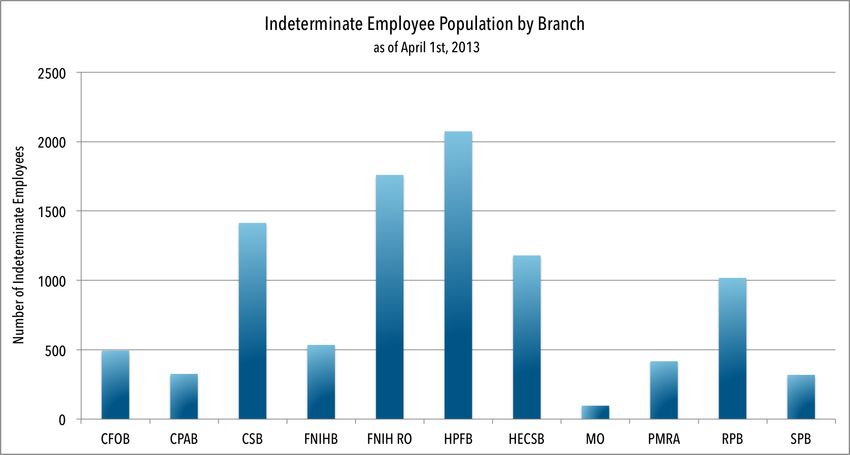
• • The 2011 PSES results and the action plans that emerged from branch consultations and employee
    engagement provided an understanding of how employees feel about the organization.

• • The Departmental strategic objectives and business priorities as identified in the Report on Plans and
    Priorities were essential in understanding Health Canada’s current and future focus.

•• External information as found in the Economic Action Plan 2012, various Treasury Board Secretariat (TBS)
   initiatives transforming public administration, and labour market analysis helped frame the current and
   upcoming internal and external factors that could affect the delivery of Health Canada’s business and
   its HRM strategy.

• • The Corporate Risk Management Priority Areas identified in the Corporate Risk Profile provided insight
    to the current and future environment, and the potential threats and opportunities that could impact
    our work, including those from an HRM perspective.

•• Branches’ HRM issues and actions identified through the Departmental Integrated Operational Planning
   Process (DIOPP) and branch strategic plans helped in understanding the HRM issues that branches face in
   their day-to-day operations.

• • Finally, review of HRM initiatives currently underway in the organization provided insight on the current
    activities within each HR policy and functional area and the current challenges from that perspective.

Way Forward
This strategic plan provides the reader with an overview of Health Canada’s human resources as well as the
operating environment drivers that have impact on the current and future workforce. The Plan focuses on key
HR priorities and strategies needed to build a healthy, creative and productive workplace and workforce that
is aligned with the Department’s needs.

This is an evergreen plan that will be reviewed and updated as needed to reflect progress and ensure its
relevance in a constantly changing environment. This document will be used as guidance for Human Resources
Services and by Senior Management to enable strategic business planning.

To keep this plan at the forefront in the Department, the Director General—Human Resources (DG-HR) will
report as required to Executive Committee on progress made and results achieved. The DG-HR will, from time
to time, also communicate progress to employees through the DG-HR updates.

                                                HEALTH CANADA’S HUMAN RESOURCES STRATEGIC PLAN                5
CURRENT AND FUTURE NEEDS
Many of the trends and issues outlined in this document indicate the need to shape the
workforce so it is equipped to meet Health Canada’s mandate and operational requirements.
Like many other organizations, Health Canada’s workforce of the future will increasingly
need to have, and benefit from, the following attributes:1
• • Adaptive and Scalable—Employees contribute on a variety of initiatives rather than
only in specific, narrowly defined roles. The workforce will be able to quickly rally to
support emerging priorities and be scalable to provide surge capacity in times of
high workload.
• • Collaborative—Employees embrace more collaborative ways of working together
and tap into the collective intelligence inside and outside the institution to deliver
better results for Canadians.
• • Creative and Innovative—Employees envision new ways of working and solving
problems and have the opportunity to implement these changes.
• • Leverages Diversity—The workforce is more inclusive and benefits from its diversity,
not just in terms of legislated employment equity groups, but in a broader sense, for
people with varied sexual orientations, points of view, age and family status.
• • Social Media and Technology Savvy—Employees will be equipped to take full
advantage of these new ways of working to effectively engage each other and the
Canadian population.
It should be noted that those in charge of leading the workforce will be especially called
upon to model these attributes and engage employees to ensure progress and success will
be sustainable over the long term.
1 Based on the results of Roundtable Discussions on the Role of the Canadian Public Service in 2015 and research from
Taggart Leadership Consulting and the Institute for the Future at the University of Phoenix Research Institute.
6 HEALTH CANADA’S HUMAN RESOURCES STRATEGIC PLANHEALTH CANADA’S WORKFORCE AT
A GLANCE2
Between 2009 and 2012, Health Canada’s indeterminate employee population has
fluctuated around 10,000 and its term, casual and student population around 1,400.
Taking into account the recent movement of employees between the Public Health
Agency of Canada (PHAC), Public Works and Government Services Canada (PWGSC)
as part of the Shared Service Initiative, and reductions following budget 2012,
Health Canada’s total indeterminate employee population is projected to stabilize
at approximately 9500 in FY 2015–2016.
2 To ensure data integrity and consistency with the HP_All data file, the 2009 to 2013 data years were used.
HEALTH CANADA’S HUMAN RESOURCES STRATEGIC PLAN 7The population of indeterminate employees in six (6) of Health Canada’s top ten (10)
occupational groups grew in 2010–2012; and eight (8) out of ten (10) declined in
2012–2013. Recent reductions have decreased the total workforce by approximately 10%.
Finally, the distribution of Health Canada’s employee population is 65% in the National
Capital Region and 35% in the Regions (Please see ANNEX 1 for more details).
8 HEALTH CANADA’S HUMAN RESOURCES STRATEGIC PLANHEALTH CANADA’S OPERATING
ENVIRONMENT
Health Canada constantly evolves in response to external, Public
Service-wide and departmental factors impacting our core business and
shaping our operating environment.
While it is not possible to outline all of these factors, internal or external,
that might affect the work of Health Canada over the next three (3) years,
it is possible to highlight some of the most important drivers that will
continue to shape the Department’s future.
External drivers
Labour Force Demographics: Health Status of Canadians:
The rapid aging of the working- Modern lifestyles and changing
age population combined with demographics are posing health
the decrease of the population challenges such as obesity, diabetes,
entering the workforce and the and mental illness. This leads to the
competition between employers to development of new therapies and
attract scarce resources point to medications which are placing
potential recruitment challenges additional stress on the regulatory
and loss of corporate memory due capacity of the Department and on
to increasing mobility between the the Canadian health care system
public and the private sectors. This as a whole.
raises the need for more robust
succession planning and more
targeted employee training.
HEALTH CANADA’S HUMAN RESOURCES STRATEGIC PLAN 9Health status of First Nations and Inuit communities: Political realities: The increasingly globalized world
First Nations and Inuit people face serious health- and the calls to become more transparent, open,
related challenges, such as high rates of chronic and accountable are changing the way governments
and contagious diseases and shorter life expectancy. are interacting with one another and conducting
As such, Health Canada needs to continue working their operations.
with First Nations and Inuit communities to improve
health outcomes and ensure availability and access Potential health crises: SARS, H1N1, listeriosis, and
to quality health services in a labour market where the isotope crisis, among others, have all had an
health care professionals are already scarce. impact on human resources management in the
Department, and it is probable that similar events
Economic realities: Canada is emerging from a global will continue to do so into the future. Health Canada
economic recession but economic unpredictability must retain a competent, flexible workforce prepared
remains. As such, the country needs to continue for these inevitable yet unpredictable occurrences.
addressing its own fiscal challenges to ensure the
economy remains strong. Health Canada will continue Scientific and technological change: As scientific
to operate in a fiscally restrained environment and is methods change over time, along with their associated
expected to remain smaller after the implementation technologies, it can be difficult for organizations
of the Economic Action Plan 2012. like Health Canada to keep pace, both in terms of
infrastructures, competencies and skills of the
Societal realities: Younger people, particularly, are workforce.
bringing new expectations, values, and technical
skills to the workplace; a reality that poses challenges
and opportunities to the business of retention,
engagement and professional development.
10 HEALTH CANADA’S HUMAN RESOURCES STRATEGIC PLANPublic Service-wide drivers
Improving Efficiency and Effectiveness of Government Operations: The Government has recently created a
Priorities and Planning Sub-Committee on Government Administration to consider proposals on whole-of-
government opportunities for improved efficiency and effectiveness. As part of the commitment to improve
services to Canadians, the federal Public Service is standardizing its processes and systems to reduce cost
and increase productivity. The following is a sample of initiatives that are underway to fulfill this goal:
•• Consolidation and Standardization of • • HR Services Modernization: This initiative
Administrative Systems and Services: was developed to support a more effective
The Public Service is currently operating and efficient government-wide approach
highly decentralized administrative systems to people management by establishing the
and processes, lacking enterprise-wide Common Human Resources and Business
integration and standardization. Addressing Process (CHRBP) for HR services in all
these deficiencies could lead to significant departments and agencies. This initiative
savings; standardizing business processes is will also see all departments move to a
a top priority, including those of HR, Finance common HR Information System platform,
and IM/IT. PeopleSoft 9.1, by 2015.
• • Red Tape Reduction: In January 2011, the • • Consolidation of Pay Services: The
Government launched the Red Tape Reduction Government is consolidating pay services
Commission which identified irritants from in Miramichi, New Brunswick. Health Canada
federal regulatory requirements and provided is part of the second wave of departments
recommendations to reduce the compliance slated to join this new centralized model
burden. To address the concerns raised by the starting September 2013.
commission, an action plan aimed at reducing
• • Shared Services Canada: This organization
burden on business, making it easier to do
was established on August 4, 2011, to
business with regulators and improving service
centralize and streamline existing email,
and predictability is being implemented. The
data centres and networks functions and
vast majority of changes from this initiative
associated personnel delivering these services.
will unfold over the next three (3) years and
This effort is transforming information
will have an impact on Health Canada’s
technology across government by reducing
regulatory activities.
duplication in departments and agencies.
HEALTH CANADA’S HUMAN RESOURCES STRATEGIC PLAN 11Public Service Renewal: Introduced in 2006, Public
Service Renewal is an internal initiative within
Workforce Management
the Public Service to improve the management of Initiatives
human resources. It’s most recent formulation
focuses on Implementing the Economic Action • • Performance Management: There is an
Plan and Blueprint 2020. increasing focus on improving employee
performance management throughout the
Management Accountability Framework: The Public Service. Recommendations from at
Management Accountability Framework (MAF) is least three (3) committees (Public Service
a performance measurement tool aimed at improving Management Advisory Committee, DM Public
management practices across departments and Service Renewal Committee and the Prime
agencies. Departmental performance in various areas Minister’s Advisory Committee on the Public
of management, including People Management, is Service) have all identified this as a priority.
assessed annually, and forms part of Deputy Head
accountability. Of note, Health Canada received • • Disability Management Initiative: The
‘acceptable’ ratings in HRM for the last several MAF Disability Management Initiative (DMI) is an
rounds. The Department received a strong rating for interdepartmental collaboration, facilitated
its approach to Workforce Adjustment and for its by the Office of the Chief Human Resources
2011 PSES follow-up actions. Officer (OCHRO) at the Treasury Board
Secretariat (TBS). The goals of the DMI
are to support Deputies and their senior
Economic Action Plan 2012: As detailed in the
management teams in proactive management
federal budget tabled on March 29, 2012, the
of disability and absenteeism, and improve
Government expects to return to a balanced budget
the fiscal sustainability of group benefits
by implementing measures that will achieve ongoing
and insurance plans with a more effective,
savings of $5.2 billion. The Department had to find
fair and sustainable model. Improving and
savings and implement decisions that impacted both
sustaining employee health and wellness is
operations as well as the workforce.
a cornerstone of the DMI.
12 HEALTH CANADA’S HUMAN RESOURCES STRATEGIC PLANDepartmental Factors
Corporate Risk Profile: Health Canada’s Corporate Risk Profile (CRP) describes the key risks, including both
threats and opportunities. It is intended to support senior management’s decision making related to priority
setting and resource allocation, and provide staff, external partners, and advisors with a clear snapshot of the
organization’s risks. As part of the annual renewal of the CRP, this year the Integrated Risk Management
Office (IRMO) articulated a risk taxonomy that identified dynamic priority areas for risk management as well
as stable risks within the Department.
The Health Canada Risk Taxonomy includes 11 categories of risk to the organization, one of which is
Human Resources Management. Key HRM risks are related to:
• • Threats and opportunities associated with staff/management turnover
• • Employment/work culture
• • Recruitment, retention and staffing processes and practices
• • Succession planning and talent management
• • Employee development, training and capacity building
BC Tripartite Agreement: This Agreement will result in Health Canada transferring of program and service
responsibilities currently carried out by Health Canada’s First Nations and Inuit Health in the BC Region to the
First Nations Health Authority; a non-governmental authority. This transfer is scheduled to take place in 2013–2014.
This means that BC regional employees who work directly or indirectly on BC First Nations health programs
and services will have an opportunity to work for the new First Nations Health Authority.
Shared Services Partnership: In 2012 the Public Health Agency of Canada (PHAC) and Health Canada
implemented a shared services model for delivering many internal corporate services to the two organizations.
This initiative is focused on harmonizing and integrating its policies and operations over the 2013–2014 fiscal year.
HEALTH CANADA’S HUMAN RESOURCES STRATEGIC PLAN 13A Regulatory Roadmap: Health Canada is modernizing nearly a dozen current frameworks for food and
health products that are of various ages and regulatory approaches. This transformation is meant to protect
the Canadian public from the sale and advertising of unsafe food and health products, and to support the
safest consumption of food and use of health products. This will require a move to a streamlined, more efficient
and transparent system that reduces regulatory burden, enhances consumer safety, fosters innovation and
accountability, and helps deliver quickly the widest variety of health options and benefits to Canadian families.
Continued Recruitment and Retention Pressures
in Key Occupations
Health Canada, like many other Public Service departments and agencies, experiences difficulties retaining
employees in highly mobile groups in internal services roles (i.e. functions common to most departments and
agencies and for which skills are easily transferable from one organization to the other) and in specialist roles
where skills and talent are scarce in the national labour market, and both recruitment and retention pose a
challenge.
• • Excess mobility in internal service and policy roles—While employee movement within the Public
Service slowed significantly in 2012–2013, there are now signs of mobility increasing. Health Canada
can expect to see a return of retention issues for these occupations. For example, prior to significant
workforce restructuring and reduction, in 2009–2010, Health Canada lost 13.8% of its Personnel
Administration (PE), 8.3% of its Purchasing and Supply (PG), 11.2% of its Financial Management (FI),
11.2% of its Information Services (IS) and 9.1% of its Administrative Services (AS) to other departments
whereas the rate of transfer out for all remaining occupational groups was 4.4%.
A similar problem exists with policy analysts in the EC classification. In 2009–2010, 9.9% of Health Canada’s
policy professionals in the EC classification departed to other departments. Although the Department
has recently undertaken significant reductions in its EC workforce, as the Public Service stabilizes it is
expected that this occupational group will once again trend to high mobility, resulting in retention
challenges.
The overall impact of this pattern is excess instability within the organization and a decrease in efficiency
in delivering the organization’s core mandate. Health Canada will monitor this situation, and intervene
as needed to achieve a healthy, sustainable level of mobility for these occupational groups.
14 HEALTH CANADA’S HUMAN RESOURCES STRATEGIC PLAN• • Science Professionals—Health Canada still faces difficulties recruiting specialized scientific talent,
particularly in the areas of medical doctors, biotechnologists, toxicologists, environmental health
officers and those in emerging scientific fields like nanotechnology. Among other factors, recruitment
difficulties arise from length of staffing processes in the Public Service versus the private sector,
compensation packages that are not always competitive, labour market availability and competition
among employers to recruit qualified talent. Recruitment challenges may have an impact on the
organization’s ability to achieve operational priorities or strategic outcomes related to the modernization
of health protection legislation and programs. In the current operating context, Health Canada will be
focusing on realigning, reallocating and retraining human resources to address this challenge. However,
these efforts are not expected to be enough to meet the needs for highly specialized roles, as resources
are not likely available within Health Canada, or the Public Service.
• • Health Professionals—Health Canada is facing a significant shortage of nurses willing and able to
work in remote and isolated First Nations communities. Vacancy rates are as high as 46% in some
regions. The Department has been contracting nurses through agencies at a higher cost than employing
nurses. In 2010–2011 the First Nations and Inuit Branch spent approximately 32 million dollars on
contracting nursing services. To improve the situation Health Canada is updating and implementing the
Northern Nursing Recruitment and Retention Strategy. Health Canada also has difficulty recruiting
health professionals for its specialized occupational health and community medicine programs. On a
positive note, according to the Canadian Institute of Health Information (CIHI), physician supply increased
by 14% from 2007 to 2011. A steady influx of new graduates and the rise in internationally trained
doctors is expected to continue over the next few years and could improve the availability of doctors
for the Department.
• • Information Management and Information Technology (IM/IT)—Health Canada is experiencing
difficulties recruiting talent with state of the art Web knowledge. Another challenge for this function
is building a service model and capacity with the right mix of employees and contract resources to
achieve a flexible and adaptable workforce. Getting the right mix is crucial to accessing expertise,
and adjusting resource levels based on investment decisions while maintaining the right capacity. It
is expected that, going forward, HC will establish long-term contracting vehicles that will improve
this situation.
• • Access to Information (ATI) officers—ATI officers have been identified as a hard-to-hire occupation.
Part of the solution to ensure hiring needs are met will be to use specialized recruitment processes
such as talent search firms. Health Canada may also consider implementing a retention and capacity
development strategy for this profession.
HEALTH CANADA’S HUMAN RESOURCES STRATEGIC PLAN 15HUMAN RESOURCES PRIORITIES AND STRATEGIES
2013–2016
Considering all the factors outlined in the previous pages, the priorities, expected outcomes, and strategies
below represent the HRM issues that Health Canada will need to focus attention and efforts on over the next
three (3) years. The priorities on the following pages will be further detailed in the Departmental and Branch
operation plans; as more concrete initiatives are identified to fulfill the priorities.
Health Canada’s Human Resources Priorities
Building the Engaging
Workforce for Employees
Current and Through
Future Needs Leadership
HCs
Operating
Environment
and
Business
Employee Priorities Focus on
Learning and Healthcare
Development and Science
Professionals
HR Services Modernization
(Processes and Systems)
16 HEALTH CANADA’S HUMAN RESOURCES STRATEGIC PLANPRIORITY #1
Building a Workforce for Current and Future Needs
With Economic Action Plan 2012 implementation, Health Canada has an obligation to sustain a workforce
that is smaller and better aligned with the mandate of the organization.
Expected Outcomes Strategies to Address this Priority
• • Sustainable and affordable workforce • • Engage Health Canada’s management to
further define current and future needs and
• • Shared understanding of desired future the desired workforce characteristics
workforce characteristics
• • Enhance employee selection and performance
• • Clearer knowledge of workforce gaps against management tools as needed to ensure the
future needs right fit for the job
• • Targeted, timely and effective recruitment • • Bolster integrated planning and establish
• • Right mix of employees and contractors rigorous FTE controls
• • An engaged and inclusive workforce • • Monitor turnover in high-mobility groups
• • Continue recruitment initiatives in key
occupations
• • Re-establish links with universities and
professional associations as a recruitment source
Progress to Date
• • The Department has:
üü Met the Economic Action Plan commitments announced in Budget 2012
üü Enhanced Human Resources Planning and introduced FTE control mechanisms as part of its
management practices
üü Improved practices on disability management and committed to employee wellness
üü Provided enhanced workforce data and dashboards that are available to management and all
employees on a regular basis
HEALTH CANADA’S HUMAN RESOURCES STRATEGIC PLAN 17PRIORITY #2
Develop employees through targeted learning
Health Canada must ensure employees have the capacity to perform their duties at the expected
level of competency. The 2011 PSES indicated low and declining employee satisfaction with training and
career development opportunities.
Expected Outcomes Strategies to Address this Priority
• • Competent, versatile workforce that is able to • • Identify core and specialized competencies in
adapt to changing circumstances key functions
• • Cost effective learning and development • • Continue increasing the number of e-learning
programs activities to enhance capacity and flexibility of
learning options
• • Increased employee engagement
• • Increase support for under-used development
programs such as Interchange Canada
Progress to Date
• • Consolidated regional and NCR learning programs under the CSB Shared Human Resources Services
Directorate
• • Launched PeopleSoft Enterprise Learning as a prerequisite to replacing fragmented and obsolete learning
applications
• • Invested in eLearning:
üü Established a 3 year, $1.5M standing offer for eLearning development
üü Deployed a Departmental Learning Delivery System and launched 33 customized eLearning courses
üü Enhanced its virtual classroom capabilities to further support a blended approach to learning
18 HEALTH CANADA’S HUMAN RESOURCES STRATEGIC PLANPRIORITY #3
Engage employees through leadership at all levels
The 2011 PSES results revealed low trust and confidence in senior management. EC has recently
committed to support all managers in developing stronger leadership competencies to lead
and engage employees.
Expected Outcomes Strategies to Address this Priority
• • Improved trust and confidence in management • • Senior Executive models the change it wants
to see in the organization
• • Increased employee engagement
•• Branches take the lead on engaging employees
and improving communications at the local level
• • CSB Executive Group Services delivers learning
events and team-based workshops to further
develop leadership capacity and foster
engagement
• • Leverage employee networks
• • Emphasize People Management skills in
selection and performance management for
all managers
Progress to Date
üü Employee Engagement action plan approved by EC in response to 2011 PSES results
üü Branches have taken the lead to implement local engagement activities
üü Executive Group Services has introduced an innovative learning program for Executives
and Managers
üü Executive selection process improved to increase emphasis on People Management
HEALTH CANADA’S HUMAN RESOURCES STRATEGIC PLAN 19PRIORITY #4
Focus attention on HR Management for healthcare
and science professionals
Health Canada continues to face challenges for this highly specialized segment of its workforce.
Pressures including recruitment and retention of healthcare professionals serving First Nations
communities, regulatory roles, and workplace health and safety roles, and scientists in regulatory
roles, particularly in toxicology and emerging nanotechnologies.
Expected Outcomes Strategies to Address this Priority
• • Improved retention of healthcare professionals • • Update and implement the First Nations
delivering services to First Nations Nursing Recruitment and Retention Strategy
• • Viable mix of contractors and employees • • Reinvigorate relations with universities,
supporting First Nations Healthcare colleges, and professional associations as an
important talent source
• • Improved access to “hard to find” science and
healthcare talent • • Identify key positions and functions in health
care and science roles
Progress to Date
• • FNIHB has launched a new Health Services Delivery Model for Remote and Isolated First Nations
Communities (RIFNC) in 2012
• • CSB is currently working with FNIHB to update the Nursing Recruitment and Retention Strategy by
incorporating elements of the Health Services Delivery Model
•• CSB HRSD launched a project to identify key positions to focus succession, recruitment, and retention efforts
• • Improved HR Planning, where all branches are required to identify their intended mix of contractors
and employees
20 HEALTH CANADA’S HUMAN RESOURCES STRATEGIC PLANPRIORITY #5
Support Human Resource Service Modernization
As part of the Human Resources Services Modernization (HRSM) initiative,
the Treasury Board Secretariat established new processes and systems for HR services delivery,
including the Common Human Resources Business Process (CHRBP), which all departments
are required to adopt.
Expected Outcomes Strategies to Address this Priority
• • HR Services provided in a standardized, • • Implement the TBS Common HR Business
efficient and effective manner benefitting Processes
employees and managers
• • Apply existing Business Intelligence tools to
• • Streamlined and interoperable systems and allow an integrated view of SAP and
data across the Public Service provide greater PeopleSoft data
management control of HRM/Finance
• • Reduce the number of legacy “one-off” HR
applications and migrate to existing PeopleSoft 8.9
• • Upgrade to Government Standard PeopleSoft
version 9.1 as TBS releases full functionality
Progress to Date
• • Launched PeopleSoft 8.9. in November 2011 and added new functionality for HR Specialists and
employees
• • Health Canada is prepared for PeopleSoft 9.1 to be implemented in all departments by 2015
• • Launched the Public Service Common HR Business Processes (CHRBP) project for completion by 2014
HEALTH CANADA’S HUMAN RESOURCES STRATEGIC PLAN 21CONCLUSION
The Health Canada Human Resources Strategic Plan brings focus to the
Department’s key HR issues, priorities, and strategies over the next several
years. This evergreen document will be updated as required as part of the
departmental planning process; taking into account emerging factors in
our operating environment and changes in the Department’s business
priorities.
By raising awareness of human resources management issues to a
strategic level, Health Canada can better focus its efforts on important
issues that are critical to success, and plan its way forward to create and
sustain a workforce prepared for current and future challenges. Every
single employee, manager, and executive in the Department has an
important contribution to create and sustain the engaged, competent,
respectful and professional workforce that Canadians expect and deserve.
22 HEALTH CANADA’S HUMAN RESOURCES STRATEGIC PLANANNEX 1 – DETAILED
WORKFORCE ANALYSIS
This graphic displays the
current population distribution
by branch reflecting the OIC
(Order in Council) transfers
between PHAC and HC,
restructuring in HC and
workforce reductions achieved
to date.
This chart indicates that
the regional distribution of
Health Canada’s employees
has remained relatively stable
since 2010. The regional distri-
bution should not change
significantly following
workforce reductions.
HEALTH CANADA’S HUMAN RESOURCES STRATEGIC PLAN 23Despite an aging baby
boomer generation, and
due to recruitment efforts
since 2010, the average
age of the Health Canada’s
population has remained
stable at 43 years. However,
the growing percentage of
employees within the 55 and
over age groups suggests that
the rate of retirement will
most likely increase.
Health Canada’s Employment
Equity representation is above
labour market availability.
Between April 2010 and
April 2013 Health Canada
has experienced an increase
in representation for all groups
with the exception of women
where representation has
remained stable.
24 HEALTH CANADA’S HUMAN RESOURCES STRATEGIC PLANYou can also read


