FILLING THE GAP New Medical Residencies Meet Future Healthcare Needs - SUMMER 2021MCWm
←
→
Page content transcription
If your browser does not render page correctly, please read the page content below

SUMMER 2021

                  MCW

                                                     magazine
               FILLING THE GAP
               New Medical Residencies Meet
               Future Healthcare Needs

1   MEDICAL COLLEGE OF WISCONSIN MAGAZINE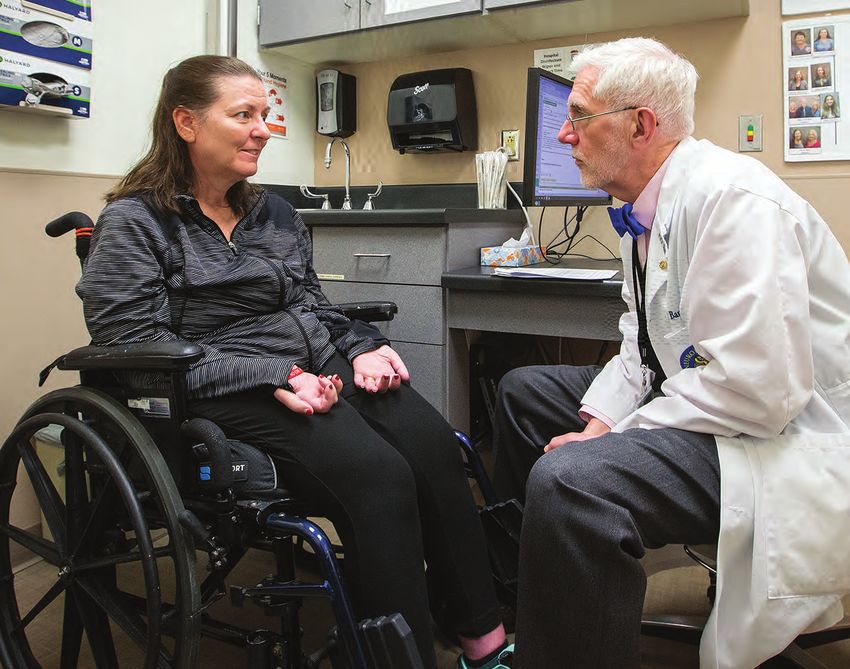
SUMMER 2021

                                                                   LEADERSHIP MESSAGE

MEDICAL COLLEGE OF WISCONSIN EXECUTIVE LEADERSHIP
John R. Raymond, Sr., MD –

                                                                   Moving Forward with Optimism
 President and Chief Executive Officer
Joseph E. Kerschner, MD ’90, FEL ’98 –
 Provost and Executive Vice President; The Julia A. Uihlein, MA,

                                                                   A
 Dean of the School of Medicine
Ravi P. Misra, PhD –                                                        s we enter our new academic year, we are optimistic on
 Dean, Graduate School of Biomedical Sciences
George E. MacKinnon III, PhD, MS, RPh –                                     a number of fronts. We are excited to welcome our new
 Founding Dean, School of Pharmacy                                          incoming students to the MCW Family and to welcome
Christopher P. Kops, CPA, MBA –                                    back those who have returned to their studies for the fall
 Executive Vice President for Finance and Administration;
  Chief Operating Officer                                          semester! As I have frequently said, it is the PEOPLE of MCW
MEDICAL COLLEGE OF WISCONSIN BOARD OF TRUSTEES                     who make our institution special, and our students are truly at
Jay B. Williams – Chair      Joseph E. Kerschner, MD ’90,          the center of this sentiment.                                           “...it is the PEOPLE
Cory L. Nettles –             FEL ’98                                 We are particularly pleased that our environment has largely
 Immediate Past Chair
Philip B. Flynn – Vice Chair
                             John R. Kirby
                             David Lubar                           returned to pre-pandemic in-person instruction. We value the            of MCW who make
Jacqueline D. Herd-Barber – Gregory Marcus                         excellence of our educational programs, and bringing students          our institution special,
 Secretary                   Chris Miskel                          back to in-person interaction is critical to maintaining excellence.
Mary Ellen Stanek –
 Treasurer
                             Justin Mortara
                             Marie L. Nakata, MD’ 89,              Our ability to safely provide in-person instruction has been           and our students are
Elizabeth (Betsy) Brenner     GME ‘93                              enhanced by the students’ nearly 100 percent vaccination rate.           truly at the center
Christy L. Brown             Wayne Oldenburg                          I am pleased to share that the Liaison Committee on Medical
John Donofrio
David Gay
                             Janis M. Orlowski, MD ’82
                             Rebecca J. Pirozzolo-Mellowes         Education (LCME) – the accrediting body for educational pro-            of this sentiment.”
Linda Gorens-Levey           Austin Ramirez                        grams at schools of medicine in the US – voted at its June 2021
Paul W. Griepentrog          John R. Raymond, Sr.                  meeting to continue full accreditation of our medical education
John M. Grogan               Kristina M. Ropella
Jon D. Hammes                Peggy Troy                            program for the maximum term of eight years. My gratitude
Ted D. Kellner                                                     and congratulations to all the PEOPLE of MCW: students, staff,
ALUMNI ASSOCIATION EXECUTIVE COMMITTEE                             faculty and trustees who devoted countless hours to ensure this
Matthew I. Goldblatt, MD ’97, GME ’04 – President                  positive outcome. See story on page 4.
Barbara B. Calkins, MD ’96
Bruce H. Campbell, MD, GME ’85                                        Earlier this summer we celebrated an exciting milestone:
Beth B. Krippendorf, PhD ’93                                       the graduation of the seven members of our inaugural class
George M. Lange, MD ’75                                            of psychiatry residents from our new programs in central
Jessica M. Olson, PhD ’15, MPH ’17
                                                                   and northeastern Wisconsin. These new residencies, and
Executive Director of Alumni Relations
                                                                   dozens of others that we and our partners have created
Angela K. Nelson
alumni@mcw.edu / (414) 955-4780                                    throughout the region in the past few years, are enabling
MCW MAGAZINE STAFF                                                 us to fill the projected shortfall of physicians in Wisconsin.
Sara L. Wilkins, MA, MPA – Executive Editor                        MCW not only has brought creative solutions to this issue,
Greg Calhoun – Senior Editor                                       but also has provided funding and expertise to ensure
Kristina Awadallah – Graphic Designer
Marina Thao – Graphics Assistant                                   success. See the cover story on pages 16-21 for how we are filling
Lyniece Rzepka – Web Production Consultant                         the gap with new medical residencies to meet the state’s future
Contributing Writers:                                              healthcare needs.
Holly Botsford, Anthony Braza, Greg Calhoun, Alex Krouse,             Despite unprecedented challenges from the COVID-19
Emily Marquardt, Michael Mathias, Anthony Perez, Maureen
                                                                   pandemic, MCW will end fiscal 2021 with a better than
Remmel, Sai-Suma K. Samudrala, Karri Stock, Sara L. Wilkins
                                                                   budgeted margin. The PEOPLE of MCW have been the
S enior Vice President for University Engagement and
 Strategic Planning: Mara Lord, MBA                                underlying force allowing us to overcome obstacles and
                                                                   achieve this success. I am grateful for their creativity and
Vice President and Chief Development Officer:
Mitchell R. Beckman                                                flexibility as we re-imagine and jump-start our clinical
A ssociate Vice President for Marketing, Brand Strategy           engine, pursue excellence in our research, education and
 and University Engagement:                                        community engagement missions, and enhance efficiency
 Mary M. Reinke, MBA, MS                                           in order to achieve and surpass our goals!
CONTACT US                                                            We continue to be grateful for the thousands of MCW
Phone: (414) 955-8016; E-mail: MCWmagazine@mcw.edu
                                                                   alumni around the globe who are doing their utmost to
Medical College of Wisconsin
                                                                   protect the health and safety of patients, families, loved
8701 Watertown Plank Rd.
Milwaukee, WI 53226                                                ones and communities.
CONNECT WITH US
                                                                       Joseph E. Kerschner, MD ’90, FEL ’98
                                                                       The Julia A. Uihlein, MA, Dean of the School of Medicine
TO DONATE A GIFT OR PLEDGE                                             Provost and Executive Vice President
Phone (414) 955-4700 | www.mcw.edu/giving
CONTENTS
PLEASE NOTE: PHOTOGRAPHS THROUGHOUT THIS ISSUE IN WHICH INDIVIDUALS ARE NOT
WEARING PERSONAL PROTECTIVE EQUIPMENT WERE TAKEN BEFORE THE PANDEMIC.

                                                                                   COVER STORY

                                                                                   16 / F ILLING THE GAP: NEW MEDICAL RESIDENCIES MEET
                                                                                        FUTURE HEALTHCARE NEEDS

                                                                                     6 / NEWS FOR ALUMNI

                                                                                     8 / 2021 MCW SCHOOL OF MEDICINE GRADUATES BEGIN
                                                                                         RESIDENCY PROGRAMS ACROSS THE US

                                                                                     9 / NEW AND EXTENDED-TERM FACULTY LEADERS

                                                             10                    10 / EXPANDING THE SKILLS AND ABILITIES OF
                                                                                        PHARMACY PROFESSIONALS

                                                                                   12 / BREAST CANCER SURVIVOR CREDITS MCW DOCTORS

                                                                                   14 / MCW TEAM LEADS PEDIATRIC STUDY

                                                                                   15 / BUILDING VACCINE CONFIDENCE IN MILWAUKEE

                                                                                   22 / EXTENDING COVID-19 CARE BEYOND “RECOVERY”

                                                                                   23 / PRESERVING CRITICAL LANGUAGE REGIONS DURING
                                                                                        EPILEPSY SURGERY

                                                                                   24 / PHILANTHROPY SPURS INNOVATION

                                                              12
                                                                                   26 / A NEW PUZZLE PIECE IN HYPERTENSION

                                                                                   27 / EXAMINING CONCUSSIONS IN COLLEGE FOOTBALL

                                                                                   28 / FIFTY YEARS IN ACADEMIC MEDICINE

                                                                                   29 / VOICE OF THE STUDENT

                                                                                   INSIDE EVERY ISSUE

                                                                                   4-5 / STAT
                                                                                            REPORT                           32-34 / I N MEMORIAM

                                                                                   30-31 / ALUMNI NOTES                        35 / C HANGE AGENT

                                                                                   MCW IS COMMITTED TO EQUAL OPPORTUNITY AND NON-DISCRIMINATION INCLUDING

                                                             15
                                                                                   COMPLIANCE WITH TITLE IX. PLEASE SEE MCW.EDU/TITLEIX FOR MORE INFORMATION.

                                                                                   FEATURED PHOTOGRAPHERS: Greg Calhoun; Michelle Schaefer; Jay Westhauser

ON THE COVER: The US is projected to have a significant shortfall of both primary care and specialty care physicians through 2032. More residency training
positions are needed throughout the country to counter this trend. To that end, the Medical College of Wisconsin is working diligently to fill the gap by
creating new medical residencies to meet future healthcare needs.

                                                                                                                                                MCW.EDU       3
NEWS AND ANNOUNCEMENTS

STAT                                                                  REPORT

School of Medicine Receives Full Accreditation
from the Liaison Committee on Medical Education
M
         CW has received notice that the     accreditation, retroactive to 2019, is the      and community medicine before his
         Liaison Committee on Medical        maximum length of accreditation awarded         retirement in May 2021. Dr. Hueston and
         Education (LCME) – the accred-      by the LCME. To be accredited, a school         the task force worked with MCW leaders
iting body for educational programs at       must demonstrate compliance with LCME           and student representatives to improve
schools of medicine in the US – voted        standards in five areas: institutional,         specific focus areas that were identified
at its June 2021 meeting to continue full    educational program, medical students,          during the LCME Site Visit in 2019.
accreditation of MCW’s medical education     faculty and educational resources. Only            “I am very grateful for the efforts of
program. Full accreditation means that       LCME-accredited institutions may receive        Bill and the task force, and especially
the MCW School of Medicine was found         federal grants for medical education            all of our students who were deeply
to meet or exceed national standards for     and participate in federal loan programs.       involved in this meaningful work, for
structure, function and performance.           MCW’s preparations throughout the             their commitment to MCW and to making
   This important milestone is a testament   reaccreditation process were under-             our learning environment better every
to the Medical School’s faculty, staff and   taken by a large task force of faculty, staff   day,” says Joseph E. Kerschner, MD ’90,
exceptional future physicians, as well       and students led by William J. Hueston,         FEL ’98, The Julia A. Uihlein, MA, Dean of
as to MCW’s trustees – all of whom are       MD, who served as associate provost             the MCW School of Medicine, provost and
committed to improving health across         for education, senior associate dean for        executive vice president. ■
Wisconsin and beyond. This eight-year        medical education and professor of family

4   MEDICAL COLLEGE OF WISCONSIN MAGAZINE
NEWS AND ANNOUNCEMENTS

MCW and Children’s Wisconsin Renew Partnership
F
      or two decades, MCW and Children’s
      Wisconsin (Children’s) have been
      engaged in a successful joint venture,
Children’s Specialty Group (CSG), to pro-
vide the best care for Wisconsin kids. About
650 CSG providers support communities
throughout the state through excellence
in pediatric clinical, academic and research
endeavors.
   A new affiliation agreement among
MCW, CSG and Children’s went into effect
on July 1, 2021. It allows the partners to            enhance integration of their clinical work.       demic and clinical affiliation include strate-
evolve the structure of their pediatric               One of the primary drivers for this change        gic, financial and operational integration. In
enterprise to ensure it will continue to              is a desire to better coordinate efforts to       addition, it will allow Children’s, MCW and
remain strong well into the future. This              jointly achieve goals. The best pediatric         CSG to reinvest in the academic missions,
important milestone also officially extends           enterprises have adopted structures that          pursue growth and partnership strategies,
the partnership for another 30 years.                 allow them to be nimble in responding to          offer a unified payer contracting strategy,
   Nationally, schools of medicine, child-            environmental factors, including the needs        create a single pediatric billing statement,
ren’s hospitals and pediatric faculty prac-           of patients and their families.                   and recruit and retain the most talented
tices are redesigning their relationships to             Benefits of this stable, long-term aca-        pediatric faculty and staff members. ■

MCW Physician-Scientist                                                                     MCW Names New
Contributes to National                                                                     Pediatric Practice CEO
Cancer Trial
                                                                                                               Jason A. Jarzembowski, MD, PhD,
                                                                                                               was named chief executive officer
                                                                                                               for Children’s Specialty Group

I
  n an international, multicenter,                potential to address a growing and                           (CSG) and senior associate dean for
  phase I/II clinical trial, scientists           unmet need for alternative therapies                         clinical affairs – pediatric practice
  tested Pirtoburtinib, a                                 for patients who have not had                        at MCW. Dr. Jarzembowski had
new protein Bruton tyro-                                  success with other treatments.    served in these roles in an interim capacity since
sine kinase (BTK) inhibitor,                              Specifically, the two main        August 1, 2020, before transitioning to the perma-
for safety and effectiveness                              indications were for the B-cell   nent role in May 2021. Dr. Jarzembowski has pro-
against blood cancers affect-                             malignancies of chronic lym-      vided leadership critical to the successful ratification
ing certain white blood cells,                            phocytic leukemia and mantle      of the new affiliation agreement between MCW and
called B-cell malignancies.                               cell lymphoma.                    Children’s. His acceptance of this permanent role
Previously, patients in the                                 “In many cases, we’re           ensures important leadership continuity during the
                                      Dr. Nirav Shah
trial had been unsuccessfully                            looking for a drug like Pirto-     critical 18- to 36-month implementation period for
treated with other approved                       brutinib to act as a bridge to get        the agreement, which will position the practice for
therapies.                                        patients to other advanced treat-         long-term success.
   MCW was one of only 30 sites                   ments such as chimeric antigen               Dr. Jarzembowski also serves as professor of
in the world – and the only cancer                receptor T-cell therapy or stem           pathology at MCW and vice chair for pediatric
center in the Midwest – selected to               cell transplant. What we found was        pathology. He also is medical director for pathology
participate in the study sponsored                Pirtobrutinib achieved longer-term        and laboratory medicine at the Children’s Wisconsin
by Loxo Oncology. After analyzing                 benefits and remission among some         Milwaukee and Fox Valley hospitals, director of peri-
results from 323 patients, research-              patients in the study,” says Nirav        natal pathology for Children’s and director of core
ers found that Pirtobrutinib was                  Shah, MD, MSHP, a leading investi-        laboratories at Children’s Research Institute.
safe and active in multiple B-cell                gator of the trial and MCW associate
malignancies. Trial results published             professor of medicine (hematology                                                 MCW.EDU       5
in The Lancet suggest the drug’s                  and oncology). ■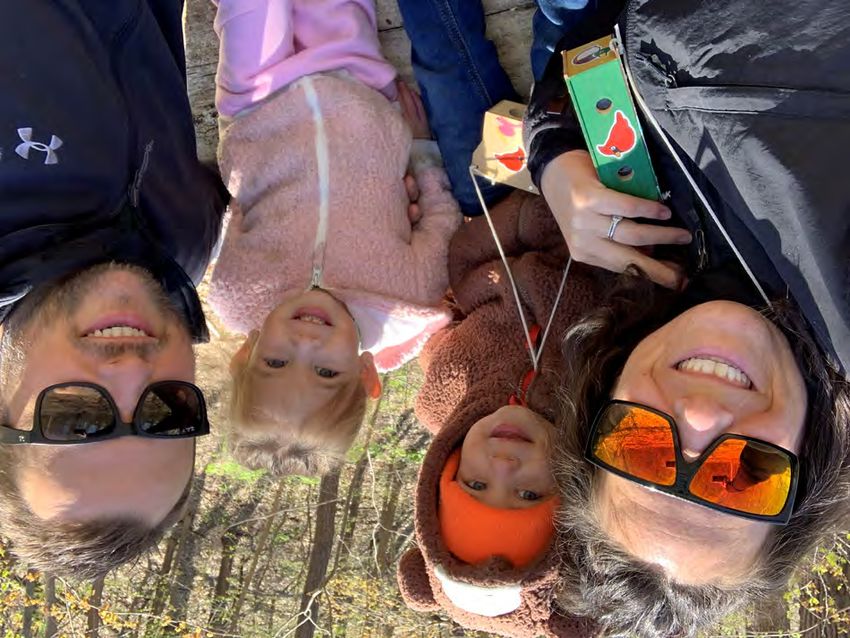
ALUMNI ASSOCIATION PRESIDENT'S MESSAGE                                            MATTHEW I. GOLDBLATT, MD ’97, GME ’04, PRESIDENT

NEWS                                                                     FOR ALUMNI
The Alumni Association Accomplished Many
“Firsts” This Year
O
        n behalf of the MCW/Marquette Medical Alumni                                         “ Virtual stages meant alumni from
        Association, I extend wholehearted congratulations to the
                                                                                              all over the country participated in
        remarkable Class of 2021 from the Graduate School, School
of Medicine and School of Pharmacy! I was proud to be a part of
                                                                                               programs with MCW students...”
the very special graduation events celebrating the achievements of                                    – Dr. Matthew Goldblatt
our graduates and conferring their academic degrees, including
MCW-Central Wisconsin and MCW-Green Bay. I welcome all the                 • Our focus is now on supporting students from the beginning,
new graduates to our accomplished MCW Alumni Community.                      at matriculation. All MCW students now receive a monthly
   Reflecting on this past year, I feel so gratified with what the           communication from the Alumni Association. This will be
Alumni Association has accomplished as I share this list of                  sustained as a vital connection upon graduation.
“firsts”:
                                                                           • This year, we were able to reach out to each and every MCW
    • We all adapted and thrived in environments that utilized new           student. Through the Masks4Students project, we let them know
      platforms. Virtual stages meant alumni from all over the               “We’ve got you covered” – not just with this gift, but always.
      country participated in programs with MCW students,
                                                                            I am so grateful to those who supported me during the past year.
      including the Student Health Sciences Conference, Operation:
                                                                         It was an honor to lead the Alumni Association. I am excited about
      Education and Mentor Connections for Wisdom and Wellness.
                                                                         our incoming officers, and I welcome George M. Lange, MD ’75,
      Please continue to explore the new section of the Alumni
                                                                         who will assume the role of president in October. We need all
      E-Newsletter that highlights MCW Alumni Opportunities
                                                                         alumni to keep the momentum going. Remember our ability to
      each month.
                                                                         connect is vital. If you are not receiving the Alumni E-Newsletter
    • Video conferencing capabilities also opened the door for all       or invitations by email, please share your contact information at
      alumni to experience our MCW Lifelong Learning Programs,           alumni@mcw.edu. Your partnership in the work we do is deeply
      which is another new section in the Alumni E-Newsletter. Each      appreciated. ■
      month, CME Programming, Grand Rounds, Department
      Lectures and other programs are featured. The Alumni
      Association is dedicated to facilitating the lifetime connection
                                                                              Degrees Bestowed by the Graduate
      of alumni with MCW as a resource for continued learning.                School of Biomedical Sciences at
    • Virtual Alumni Reunion Activities brought to the table alumni           Commencement 2021
      who had never attended an in-person event. Our Alumni
      Reunion Activities will continue virtually through 2021,
                                                                              PhD – 38          MMP - 9             MA - 7
      and we look forward to in-person events again in 2022.                  MS – 17           MPH - 9
                                                                              Congratulations to these newest MCW alumni!

6     MEDICAL COLLEGE OF WISCONSIN MAGAZINE
MCW/MARQUETTE MEDICAL ALUMNI ASSOCIATION

OPERATION: EDUCATION
On April 7, 2021, 100 registered MCW students from all three campuses attended the virtual event, Operation: Education. Also attending were 30 MCW
alumni from graduation years 1968-2019, representing 17 specialty/research areas and 13 states. Operation: Education was co-hosted by the MCW/
Marquette Medical Alumni Association and the Wisconsin Medical Society. Students had an opportunity to explore and engage with a variety of
specialties and research areas to discuss how best to prepare for careers in those fields.

                                                                                                                                                     MCW.EDU   7
SCHOLARSHIP

2021 MCW SCHOOL OF MEDICINE
RESIDENCY DISTRIBUTION
                                                                                          35%
                                                                                         Remain
                                                                                          in WI
               5                                                                                                    2 New Hampshire 2

         2                                                                11                                                                     4 Massachusetts
                            3                                                            84                                      9
                                                                                                     11                                          1 Rhode Island
                                                                               4                                             8               1 Connecticut
                1                                          1                                                    6
                                  2                                                        9        5                                    3 Maryland
                                                  8                                                                  1
    21                                                         3                 7                                           5
                                                                                                            1
                                                                                                        1                    4
                                              1                                                                          2
                                                                                                    1
 1 Hawaii                                                6                         1
                                                                                                                         5

                                                                                    Some students have elected to not share their residency placements.
                                                                                    All aggregate statistics are inclusive.

Summary of First-year Residency Programs for
Milwaukee, Green Bay and Central Wisconsin Campuses
Anesthesiology                          21           Obstetrics & Gynecology                 11                    Physical Medicine & Rehabilitation    1
Child Neurology                          1           Ophthalmolgy                             2                    Plastic Surgery (Integrated)          1
Emergency Medicine                      18           Orthopaedic Surgery                     11                    Psychiatry                           14
Family Medicine                         28           Otolaryngology                           4                    Radiology-Diagnostic                  1
Internal Medicine (IM)                  42           Pathology                                1                    Surgery-General                      19
IM/Pediatrics                            1           Pathology - Anatomic & Clinical          3                    Surgery-Preliminary                   2
IM/Psychiatry                            2           Pediatrics (Peds)                       33                    Transitional Year                    13
Interventional Radiology (Integrated)    1           Peds/Anesthesiology                      2                    Urology                               4
Neurological Surgery                     1           Peds/Psych/Child Psychiatry              1                    Vascular Surgery                      1
Neurology                                3

8     MEDICAL COLLEGE OF WISCONSIN MAGAZINE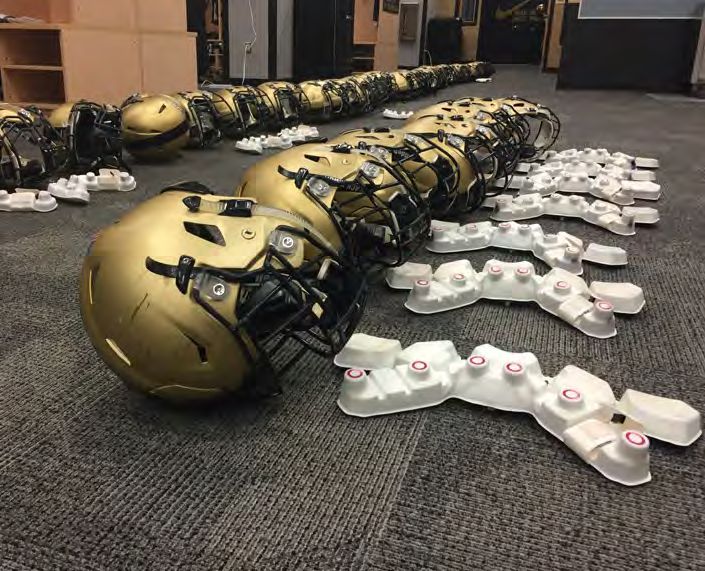
CLINICAL | COMMUNITY ENGAGEMENT | DISCOVERY | SCHOLARSHIP

MCW Welcomes and Congratulates
New and Extended Faculty Leaders

José Franco, MD ’90, GME ’93,                        David Margolis, MD, GME ’92,                          Staci A. Young, PhD
                                                                                                           Interim Director for Community Engagement
FEL ’94                                              FEL ’95                                               Interim Senior Associate Dean for Community
Interim Senior Associate Dean for Academic Affairs   Interim Chair and Professor of Pediatrics
                                                                                                            Engagement
Professor of Medicine (Gastroenterology and          Interim Pediatrician-in-Chief, Children’s Wisconsin

                                                     D                                                     S
 Hepatology)                                                                                                      taci A. Young, PhD, associate professor
                                                            avid Margolis, MD, has agreed to

J
       osé Franco, MD, professor of medicine                                                                      of family and community medicine,
                                                            extend his appointment as interim
       (gastroenterology and hepatology)                                                                          was appointed interim director for
                                                            chair of pediatrics at MCW and interim
       was appointed interim senior associ-                                                                community engagement and interim senior
                                                     pediatrician-in-chief at Children’s Wiscon-
ate dean for academic affairs in the MCW                                                                   associate dean for community engagement,
                                                     sin (Children’s). Dr. Margolis has served in
School of Medicine, effective April 21, 2021.                                                              effective March 1, 2021. Dr. Young succeeds
                                                     this role since January 20, 2020.
Dr. Franco joined the MCW faculty in 1996 as                                                               Syed M. Ahmed, MD, MPH, DrPH, who
                                                        Dr. Margolis has demonstrated excellent
assistant professor of medicine (gastroenter-                                                              retired from MCW following 20 years of
                                                     leadership during his current tenure and
ology and hepatology). He was promoted to                                                                  valuable service to the institution.
                                                     has provided insight and direction related
associate professor in 2002 and professor in                                                                  Dr. Young joined the MCW faculty in
                                                     to MCW’s work toward a new affiliation
2010. His extensive service to the education                                                               2008 as assistant professor of family and
                                                     agreement between MCW and Children’s to
mission also includes past roles as Discovery                                                              community medicine. She was promoted to
                                                     further strengthen the Children’s Special-
Curriculum director and associate director of                                                              associate professor in 2014. Dr. Young has
                                                     ty Group (CSG) joint venture. Due to his
the Robert D. and Patricia E. Kern Institute                                                               served as director of the Center for Healthy
                                                     exemplary performance and management,
for the Transformation of Medical Education.                                                               Communities and Research since 2018 and as
                                                     the leadership teams at Children’s, CSG and
   Dr. Franco has been dedicated to the edu-                                                               co-director of the department of family and
                                                     MCW felt it was important to extend his
cation of students, residents and fellows                                                                  community medicine’s Qualitative Research
                                                     tenure in these roles to provide continuity of
since the earliest days of his training.                                                                   Consulting Service since 2019.
                                                     leadership during the implementation of the
Having completed almost his entire med-                                                                       Dr. Young is a medical sociologist
                                                     new affiliation agreement. See story on page 5.
ical training at MCW and MCW Affiliated                                                                    with expertise in qualitative methods and
                                                        Dr. Margolis continues to serve as pro-
Hospitals, he has witnessed and/or been in-                                                                community-based healthcare delivery. Her
                                                     fessor of pediatrics (hematology/oncology/
volved in curriculum reform, innovation and                                                                skill set is in developing and conducting
                                                     BMT) and program director, MCW Bone
excellence in teaching at MCW for more than                                                                in-depth interviews, focus groups, narrative
                                                     Marrow Transplant (BMT) and Cellular
30 years. Dr. Franco was an active member of                                                               inquiry and ethnographic fieldwork. Her
                                                     Therapy Program. He also holds the David A.
MCW’s Curriculum and Evaluation Commit-                                                                    research examines the structural causes of
                                                     Margolis Chair in Pediatric BMT at Chil-
tee for years, including serving as chair                                                                  health disparities and the effects on tradi-
                                                     dren’s. Prior to beginning his interim role,
from 2008-2011. As director of the new                                                                     tionally vulnerable populations. Her bibliog-
                                                     Dr. Margolis also served as associate chair
Discovery Curriculum from 2011-2014, Dr.                                                                   raphy includes more than 50 refereed journal
                                                     of pediatrics and program director for
Franco guided the solicitation and synthesis                                                               publications/original papers; books, chapters
                                                     Children’s BMT and Cellular Therapy
of MCW’s collective input reflecting more                                                                  and reviews; abstracts; and peer-reviewed
                                                     Program at the MACC Fund Center for
than four years of planning. ■                                                                             educational products. ■           – GREG CALHOUN
                                                     Cancer and Blood Disorders. ■

                                                                                                                                        MCW.EDU          9
SCHOLARSHIP

Expanding the Skills and Abilities
of Pharmacy Professionals
T
       he coronavirus pandemic presented
       challenges unlike anything faced in this
       country for generations and brought to
light gaps and inequities in our health system.
Millions of Americans lack adequate access to
healthcare services. This limited access may
continue to be exacerbated by COVID-19, phy-
sician shortages and inequitable reimbursement
models that could strain the healthcare system
into the future. Leveraging the role of pharma-
cists, the third-largest number of healthcare
providers in the United States, is essential to the
health and welfare of all communities.
   “Pharmacists are highly accessible, yet
vastly underutilized. The average person lives
within five miles or less of the nearest commu-      Faculty members in the MCW School of Pharmacy, including Dr. Michael DeBisschop, testified to the Wisconsin State
nity pharmacy, which places the community            Legislature in support of Wisconsin Act 3, which expands pharmacy professionals’ ability to provide vaccinations.
pharmacist in a unique position to help America
close the gap on patient access and bring greater                            serious infectious diseases that are preventable through immu-
affordability to healthcare costs,” says George E. MacKinnon III,            nizations,” remarks Michael DeBisschop, PharmD, professor
PhD, MS, RPh, founding dean of the MCW School of Pharmacy.                   in the department of clinical sciences at the MCW School of
“More than 200 million Americans visit a community pharma-                   Pharmacy.
cy within a six-month period each year. Thus, leveraging the                    In response to the passage of this legislation, the School of
pharmacist’s unique expertise is essential and necessary.”                   Pharmacy is now able to provide immunization training earlier
   The MCW School of Pharmacy, in collaboration with                         in the Doctor of Pharmacy (PharmD) program. Students previ-
other Wisconsin pharmacy schools and the Pharmacy Society of                 ously were certified through the American Pharmacists Associa-
Wisconsin, advocated for passage of legislation (2021 Wisconsin              tion (APhA) Pharmacy-Based Immunization Delivery Certificate
Act 3) that expands pharmacy professionals’ ability to provide               Program in Session 5 during the second year of the program,
vaccinations. Members of the Pharmacy School faculty testified               when they are the equivalency of a third-year student compared
to the Wisconsin State Legislature in support of the expansion               to a traditional program. Beginning with the incoming Class of
to back vaccination efforts.                                                 2024, pharmacy students will now complete the certification in
   On February 19, 2021, Wisconsin Act 3 was signed into law.                their very first session – a full year earlier.
The legislation allows first- and second-year student pharma-                   “The MCW School of Pharmacy has prepared us exceed-
cists to administer vaccinations recommended by the Advisory                 ingly well. We have been provided the necessary knowledge
Committee on Immunization Practices (ACIP) and allows                        and skills to administer not only vaccinations, but intra-
other healthcare providers the ability to supervise student                  muscular and subcutaneous medications. Having worked
pharmacists during vaccinations. Pharmacy professionals can                  the influenza clinics in September 2020 and now the
now administer epinephrine and diphenhydramine to treat                      COVID-19 clinics, giving vaccinations is something I
anaphylaxis. It also allows pharmacy technicians the ability to              feel we as pharmacy students can do anywhere there is
initiate and administer vaccines under pharmacist supervision.               a need,” notes Jackson Straughan, MCW pharmacy student.
   “Taken together, these provisions will allow all pharmacy
professionals (technicians, students and pharmacists) to be full             New Community-Based
partners in the vaccination effort and will help bring a quicker             Residency Programs
conclusion to the ongoing pandemic. These measures move the                     For MCW School of Pharmacy Class of 2021 graduate Jessica
pharmacy profession forward and increase our capability to                   Barazowski, PharmD ’21, a pharmacy career is a seamless com-
vaccinate the people of Wisconsin against COVID-19 and other                 bination of her interests.

10     MEDICAL COLLEGE OF WISCONSIN MAGAZINE
“After getting my bachelor’s degree, didactic, practical and experiential edu- Standards. Thus, postgraduate training is
I still wanted to do more. I was strongly cation. Their time will be split between not required in all sectors of practice.
considering pursuing a career in organic the clinical setting at one of the part- “The goal of the program is to create
chemistry but had always had an interest nering pharmacies and the academic high-functioning community-based
in medicine. The job I was working at environment at MCW. practitioners who will be instrumental
the time trained me on their pharmacy Dr. Barazowski will fill the residency in addressing social and economic
station (at a veterinary clinic), and it was position at Good Value Pharmacy in determinants of health in our communi-
like a light-bulb moment – medications Kenosha. Two other pharmacists from ties and delivering optimal care,” shares
are organic compounds and pharmacy is the Midwest also matched with the res- Sara Revolinski, PharmD, residency pro-
a medical profession. It seemed like the idency program for the 2021-2022 year: gram director and director of experiential
perfect marriage between my interests,” Brendan Lehman, PharmD (Concordia education and professional labs with
says Dr. Barazowski. University Wisconsin) with Evergreen the MCW’s School of Pharmacy.
She will be continuing to pursue Pharmacy and Alaura Meister, PharmD As access to high-quality and innova-
her interests in chemistry and medicine (Cedarville University in Ohio) with the tive primary care services remains critical
as a Post-Graduate Year 1 (PGY-1) position at Welltopia. These new pharma- across the country, MCW continues to
resident through the MCW School of
Pharmacy’s new community-based
residency program, developed in part-
nership with several pharmacies in
southeastern Wisconsin: Evergreen
Pharmacy in West Allis, Good Value
Pharmacy in Kenosha and Racine, and
Welltopia Pharmacy in Thiensville. The
program will offer intensive patient care
and faculty development experiences that
will prepare residents as community-
based primary care pharmacists and
academic leaders who will ensure access
to high-quality, innovative primary care
services, reduce health disparities and
promote community wellness.
“Being an MCW School of Pharmacy
graduate, I knew that an MCW residen-
cy would be equally as challenging and
Dr. Jessica Barazowski, a first-year resident through the MCW School of Pharmacy’s new community-based residency
rewarding. I was also drawn to the fact
program, administers a COVID-19 vaccination at a local clinic.
that, in addition to offering a teaching
certificate, the program has an academic cists participated in the annual post- make strides in preparing healthcare
component that provides the opportunity graduate pharmacy match program professionals to enter the workforce with
to gain more experience with teaching sponsored by the American Society of the experience needed to begin reducing
and precepting,” shares Dr. Barazowski. Health-System Pharmacists earlier this year. health disparities and promote commu-
Through the one-year program, resi- A pharmacy residency is one of the nity wellness in Wisconsin and beyond.
dents will participate in comprehensive post-graduate training options for The MCW School of Pharmacy Class of
patient care including medication therapy students once they have earned their 2021 achieved a 75 percent match rate
management, physical assessment and PharmD degree. First-year residencies for post-graduate training, surpassing
immunization and other injectable medi- provide additional, in-depth pharmacy the 2021 national average. More than
cation administration. They will have the practice experiences and offer graduates 20 members of the class will pursue
opportunity to collaborate directly with the opportunity to specialize in areas post-graduate training through residen-
interprofessional healthcare providers such as emergency medicine, pediatrics, cies and fellowships after graduation.
and scientists with expertise in popula- cardiology, pharmacogenomics, on- Four members of the School’s inaugural
tion health management, patient- cology, psychiatry and more in subse- Class of 2020 are pursuing second-year
centered care and chronic disease quent years. In the US upon graduation, residencies specializing in ambulatory
self-management. Residents also will PharmD graduates are deemed to be care, internal medicine and infectious
receive academic experience through “practice-ready” per ACPE Accreditation disease. ■ – MICHELLE SCHAEFER
MCW.EDU 11CLINICAL
Breast Cancer Survivor Credits
Team of MCW Physicians with
Saving Her Life
W
hile it may take a village to lump had further grown in size, Lanza breast surgery. Within two days, in mid-
raise a child, it often requires finally had an ultrasound – which January 2018, Lanza met with Dr. Kong.
an exceptional team of revealed a large mass. A biopsy con- “I was really scared, and Dr. Kong
talented, dedicated and compassionate firmed it was malignant, and nearby immediately helped calm my nerves,”
healthcare providers to save a life. nodes were involved. The doctor shared Lanza says. “She was very personable
Lauren Lanza can attest to this. the news with Lanza in an offhanded and talked with me like I was a human
Six weeks after giving birth to baby and compassionless manner. being and not a patient. She acknow-
Louie in March 2017, Lanza, then age 31 Dismayed at this lack of concern and leged that there were more tests to be
and a resident of Wauwatosa, Wis., caring from her physician – especially done to confirm the diagnosis and
found a lump in her left breast. Her because Lanza had a family history of shared with me a treatment path with
doctor, who was outside the Froedtert & cancer – she reached out to a friend two options. This made me feel much
the Medical College of Wisconsin health who recommended Joseph Bovi, MD, more at ease knowing what we needed
network, diagnosed a clogged milk duct GME ’07, professor of radiation oncol- to do to move forward.”
from not nursing. But when Lanza ogy and neurosurgery at MCW and Stage 3 breast cancer was confirmed,
became pregnant again several months medical director of radiation oncology and Lanza began meeting with her
later, the lump was still present – yet at Froedtert & the Medical College of MCW oncology team, which includes
her doctor remained unconcerned. Wisconsin. Dr. Bovi suggested that Lubna Chaudhary, MD, FEL ’15, MCW
Twenty-eight weeks into the preg- Lanza contact Amanda Kong, MD, MS assistant professor of medicine (hema-
nancy, in December 2017, and after the ’10, MCW professor and section chief of tology and oncology), Angela Halbach,
NP, and “Nurse Patty.”
Lanza immediately began two
rounds of chemotherapy (with few side
effects) before being induced to deliver
at 36 weeks; baby Leni was born
healthy on March 7, 2018. Lanza credits
her high-risk OB team at MCW – led by
Erika Peterson, MD, associate professor
of obstetrics and gynecology and chief
of maternal-fetal medicine, along with
her nurse practitioner, Julia Houdek, NP
– with keeping her safe and ensuring,
through weekly monitoring, that the
fetus was growing properly.
Concurrently, Lanza discovered
that she is BRCA-positive – confirming
that she has a mutation in one of the
breast cancer genes (BRCA1 or BRCA2)
and therefore a much higher risk of
developing breast and ovarian cancer
compared with someone who doesn’t
have the mutation.
Lanza resumed chemotherapy about
a month after giving birth but soon
Breast cancer survivor Lauren Lanza with her husband, Luke Mytych, son Louie and daughter Leni, 2020. developed cold-like symptoms that sent
12 MEDICAL COLLEGE OF WISCONSIN MAGAZINEreconstructive surgery – which included feeling ill and tired, she persevered
placing expanders in her chest. knowing that every step of treatment
In October, Lanza began five weeks of was important for the success of her
radiation, led by Adam Currey, MD ’05, outcome,” Dr. Kong shares.
GME ’10, associate professor of radiation “I am feeling great and could
oncology and director of the Radiation probably cry when talking about my
Oncology Medical Residency Program. care team. They saved my life, and
Lanza also underwent physical therapy changed my life. As I mentioned before,
due to the removal of several lymph they care for you as a person and not as
nodes from her left armpit. She also had a patient. I would tell anyone who asks
to take anti-cancer drugs for a year, not to go anywhere else but Froedtert &
which caused significant side effects. the Medical College of Wisconsin for
Because of her radiation therapy, healthcare,” Lanza adds.
Lanza’s expanders had to remain in Lanza, the consummate grateful
place for a full year; unfortunately, one patient, continues to live in Wauwatosa,
of the expanders had to be removed Wis., with her husband, Luke Mytych,
within nine months due to an infection. son Louie (age 4) and daughter Leni
(age 3). ■ – SARA L. WILKINS
Lauren Lanza with baby Leni shortly after resuming
“Lauren’s case was incredibly
chemotherapy for breast cancer in 2018. complicated and required a
her to the hospital; blood clots in her
well-orchestrated team of doctors Shining a Spotlight
with the highest level of on Women’s Health
lungs were discovered, and she was
placed on blood thinners. She continued
communication to ensure the Disparities
through June 2018 with 12 rounds of best outcome for mom and baby.”
Results from an MCW study
chemo, followed by a double mastec- – Dr. Amanda Kong published in the Journal of
tomy performed by Dr. Kong in August Clinical Oncology this year iden-
and two additional rounds of chemo. Lanza finally received breast implants in
tified a link between contem-
Erin Doren, MD, MCW assistant profes- the fall of 2019.
porary “redlining” (mortgage
sor of plastic surgery, performed Lanza’s An additional MCW physician rela-
lending bias based on property
tionship arose in October 2020 when
location) and mortality after
Lanza developed a hernia while dancing
breast cancer diagnosis among
Breast Surgery with her young son. She finally had
surgery to repair the hernia in January
women in the US.
Program 2021, which was performed by Rana
Kirsten Beyer, PhD, MPH,
MS ’12, associate professor
The Froedtert and the Medical Higgins, MD, FEL ’16, assistant professor
of epidemiology at MCW’s
College of Wisconsin’s world-class of surgery.
Institute for Health & Equity
breast surgeons completed their After a healthy spring this year,
and researcher at the MCW
fellowship training at: Lanza underwent a preventative
Cancer Center, says the results
oopherectomy (removal of her ovaries)
Amanda L. Kong, MD, MS ’10: affirm the upstream effects of
in May due to her BRCA-positive status,
The University of Texas discrimination on persisting
which was performed by Camila
M.D. Anderson Cancer Center health disparities for indivi-
Bomtempo, MD, MCW assistant profes-
duals facing a cancer diagnosis.
Tina W.F. Yen, MD, MS ’06: sor of obstetrics and gynecology.
“There is a wide gap for
The University of Texas Lanza also continues to see Drs. Kong
women of color diagnosed with
M.D. Anderson Cancer Center and Currey once a year (in February and
breast cancer,” says Dr. Beyer.
September, respectively). “Lauren’s case
Caitlin R. Patten, MD ’10: “We’re doing ongoing research
was incredibly complicated and required
Carolinas Medical Center to understand why so we can do
a well-orchestrated team of doctors
our part to improve patient
Chandler S. Cortina, MD, MS ’21: with the highest level of communication
care and health outcomes for
Northwestern University Feinberg to ensure the best outcome for mom and
all people.” ■
School of Medicine baby. Most importantly, though, was
–NIKITA VILIM
Lauren’s attitude. Even when she was
MCW.EDU 13ALUMNI | CLINICAL | DISCOVERY | PHILANTHROPY
MCW Team Leads Pediatric Study
M
CW and health system partner
Children’s Wisconsin are on
the vanguard of best practices
for gastroschisis, the most common
congenital abdominal wall abnormality
in developing fetuses.
This birth defect, in which the intes-
tines are outside the body floating in the
amniotic fluid, is diagnosed by prenatal
ultrasound at 18-20 weeks gestation.
During fetal development, the abdom-
inal wall fails to close properly, leaving
an opening which is usually to the right
of the umbilical cord.
Gastroschisis affects one out of every
4,000 births – and the number of cases an increased risk for being stillborn, and in MCW’s Institute for Health & Equity,
continues to increase. Experts do not their intestines may be damaged while has been working alongside Dr. Wagner
know what causes gastroschisis, but it in the amniotic fluid. from the beginning of the GOOD Study.
is associated with younger maternal age A piece of “good” news is that re- Other MCW faculty working with Dr.
and rarely occurs in mothers over 30 search is now underway that could help Wagner include Erika Peterson, MD,
years of age. Gastroschisis is treated the health of babies diagnosed with gas- associate professor of obstetrics and
immediately after birth with surgery troschisis. The Gastroschisis Oucomes of gynecology (maternal-fetal medicine)
to put the organs back into the baby’s Delivery (GOOD) Study, which comprises and Steven Leuthner, MD, MA, professor
body. Often, these tiny patients need 26 participating centers across North of pediatrics (neonatology).
additional treatments, such as receiving America, will help doctors determine the MCW and Children’s Wisconsin
nutrients through an IV line and antibi- best time to deliver a baby with gastro- are home to the Data Coordinating
otics. As importantly, attention must be schisis and will help the infant live as Center for the study, which is designed
paid to their body temperature. healthy as possible post-birth. to answer the question: Should moms of
The GOOD Study began nationally in babies with gastroschisis deliver early
“The GOOD Study has potential to February 2018 and had its genesis in a or carry their babies closer to term? A
affect the lives of the thousands of 2016 seed grant from the We Care Fund clinical trial is currently underway to
mothers and infants diagnosed with for Medical Innovation and Research investigate the hypothesis that deliv-
gastroschisis every year.” in MCW’s department of surgery that ery at 35 0/7 - 35 6/7 weeks in stable
was awarded to Amy Wagner, MD ’01, patients with gastroschisis is superior to
– Dr. Amy Wagner
FEL ’11, professor of pediatric surgery observation and expectant management
Some doctors believe pregnancies at MCW. with a goal of delivery at 38 0/7 - 38 6/7
complicated by gastroschisis should The success of the study and Dr. weeks.
deliver early, while others think that Wagner’s leadership resulted in the “The GOOD Study has potential to
mothers should carry their babies until receipt in April 2021 of a five-year, affect the lives of the thousands of
the onset of labor. Unfortunately, there $4.2 million grant from the Eunice mothers and infants diagnosed with
is no definite answer regarding whether Kennedy Shriver National Institute of gastroschisis every year,” Dr. Wagner
a mother carrying a baby with gastro- Child Health & Human Development to says. By the conclusion of the study in
schisis should deliver early or carry continue research on the outcomes of 2025, the team expects that its research
the baby closer to term, and no scien- babies born with gastroschisis. Dr. efforts will have made a significant and
tific data exists to show if one delivery Wagner is the principal investigator on positive difference in the quality of life
method is better than the other. Addi- the grant and oversees all 26 participat- for these tiniest of patients and their
tionally, babies with gastroschisis are at ing centers. Aniko Szabo, PhD, professor families. ■ – ELIZABETH KARNOWSKI
14 MEDICAL COLLEGE OF WISCONSIN MAGAZINE ALUMNI | COMMUNITY ENGAGEMENT
MCW and Partners Build Vaccine
Confidence Across Milwaukee Area
I
n December 2020, the Milwaukee Unified Emergency
Operations Center (UEOC) COVID-19 Vaccine Coordinating
Committee mobilized to coordinate a public health response
to the COVID-19 pandemic. MCW – as a member of UEOC – led
the way in providing unbiased health and safety information to
communities across Wisconsin.
As part of the UEOC response, the Vaccine Integrated Com-
munications and Outreach Mobilization (VICOM) Committee
was formed and chaired by Mara Lord, MCW senior vice pres-
ident for university engagement and strategic planning. The
VICOM Committee comprised loaned talent from businesses
and organizations across the Milwaukee area and provided
Supporting materials for the community-wide public health response to the COVID-19
affected vulnerable populations with education, information
pandemic included an ad campaign in support of vaccinations.
and resources related to COVID-19 through equitable
channels and community-informed approaches. Campaign contributors include: 2 Story; Bader Philanthro-
VICOM’s communications efforts encouraged individuals to pies; Baird; Children’s Community Health Plan; City of
get vaccinated while still respecting their personalized need to Milwaukee; Greater Milwaukee Committee; Greater Milwaukee
make an informed decision. The committee developed support- Foundation; Hanson Dodge; Johnson Controls, Inc.; Jump at the
ing materials such as HealthyMKE.com, a centralized repository Sun; Marcus Theatres; Milwaukee Bucks; Milwaukee County;
of real-time COVID-19 and vaccine information developed and Milwaukee County Zoo; Milwaukee Health Care Partnership;
managed by the Milwaukee-based Black- and women-owned Rockwell Automation; Summerfest; United Way of Greater
agency INPOWER; a weekly educational newsletter distributed Milwaukee & Waukesha County; VISIT Milwaukee; WE Energies;
to almost 500 community collaborators; and a multimedia, Wisconsin Department of Health Services; and Zilber Family
omni-channel marketing campaign including social media, TV, Foundation. ■
radio and billboards. – MAUREEN REMMEL
“The overall campaign was developed pro-bono by
Milwaukee-based creative agency Hanson Dodge,” explains
Lord. “We also engaged and equitably paid a variety of local A Data-Driven Approach
minority- and women-owned vendors to develop photo and
Ben Weston, MD, FEL ’15, associate professor of
video assets to support the campaign theme. These partner-
emergency medicine at MCW and emergency department
ships proved invaluable as we launched a campaign to share
physician at Froedtert Hospital in Milwaukee, serves as
the unique and trusted voices of our community members.”
director of medical services for Milwaukee County
Partnership was essential to the growth and reach of
through the Office of Emergency Management (OEM).
COVID-19 response efforts. For example, the Advancing a
While navigating the pandemic, he, along with the OEM,
Healthier Wisconsin Endowment at MCW made a significant
developed the Evaluating Vulnerability and Equity Model
financial investment in VICOM’s communications work as well
(EVE Model), which evaluates and
as an ongoing commitment to building vaccine confidence
guides equitable vaccine deployment
through an equity lens.
strategies across the county with
Since December 2020, more than 25 civic and commu-
socially vulnerable populations. The
nity partners have contributed to the effort in time and
model’s regular mapping of vaccina-
dollars. Combined, the Milwaukee-area multimedia campaign
tion rates drove targeted messaging
and community mobilization efforts represent a more than
for VICOM communications and vac-
$900,000 investment to build vaccine confidence in the
cine resource allocation in a dynamic,
Milwaukee area.
needs-focused manner.
MCW.EDU 15ALUMNI | CLINICAL | SCHOLARSHIP
Filling the Gap By Anthony Braza and Sara L. Wilkins
T
he United States faces a shortage of up to 122,000 physicians by 2032, according to a 2019
study by the Association of American Medical Colleges (AAMC). The projected shortfall
includes both primary care and specialty care physicians. Major factors underlying these
predicted shortages include continued population growth and an increase in the proportion of
adults over the age of 65.
Wisconsin is facing the same
challenges. As early as 2011, a Wisconsin
Hospital Association (WHA) report
New Medical Residencies Meet
noted that 100 new physicians a year
were needed in the areas of primary
Future Healthcare Needs
care, psychiatry and general surgery,
especially in rural settings. In 2016, the
WHA projected a shortfall of 2,000 It is clear that Wisconsin continues
BY 2032,
122,000
physicians in the state. to require more GME positions – and
Medical schools have increased the Medical College of Wisconsin is
enrollment by more than 30 percent working diligently to fill the gap by
since 2002. However, due to federal creating new medical residencies to
caps on support for graduate medical meet future healthcare needs. MCW not
PROJECTED SHORTFALL OF
education (GME), the pace of increase only has brought creative solutions to PHYSICIANS IN THE US
in GME positions during this timeframe this difficulty as outlined below, but also
has substantially lagged the increase in has provided funding and expertise to IN 2016, PROJECTED
undergraduate medical education (UME) ensure success. SHORTFALL OF
2,000
positions – and has led to the physician
shortages in the US. Medical College of Wisconsin
The AAMC notes that fixing the Affiliated Hospitals
doctor shortage requires a multi- The Medical College of Wisconsin PHYSICIANS IN
pronged approach that includes finding Affiliated Hospitals, Inc. (MCWAH) WISCONSIN
ways to increase GME positions to aug- combines vast experience and extensive
Sources for infographic:
ment the overall number of physicians resources to provide a solid foundation
Association of American Medical Colleges (AAMC);
trained in the US annually. The AAMC for graduate medical education. Led by Wisconsin Hospital Association (WHA)
– of which Joseph E. Kerschner, MD ’90, Kenneth B. Simons, MD, executive
FEL ’98, The Julia A. Uihlein, MA, Dean director and designated institution-
of the MCW School of Medicine, provost al official, and MCW senior associate programs. At present, MCWAH offers
and executive vice president, served as dean for graduate medical education 98 Accreditation Council for Graduate
chair of the board of directors from and accreditation, MCWAH, MCW and Medicine Education (ACGME)-accredited
November 2019-November 2020 – its affiliated institutions provide the residency and fellowship programs; each
continues to work closely with elected elements necessary for a broad spec- program is supervised by a dedicated
officials to address this important issue. trum of graduate medical education program director. Most of the residents
16 MEDICAL COLLEGE OF WISCONSIN MAGAZINE(at left) Camille Garrison, MD ’06; MCW
residency in family and community
medicine (2006-2009); now an MCW
associate professor of family and
community medicine.
and fellows rotate through two or three of In addition, there has been a reduction The difficulties noted above were
the MCWAH’s 10 affiliated institutions. in the stigma surrounding mental illness recognized by leaders at MCW. When
MCWAH has more than 900 residents and the openness of individuals seeking new funding provided an opportunity to
and fellows in its graduate training pro- treatment – both of which have contri- increase GME positions – particularly
grams and offers approximately 200 first- buted to an increased demand for mental in mental health areas – MCW sought
year residency positions in 23 disciplines. healthcare and professionals. Further, partners at the Veterans Administration
Fellowship positions are available in 68 public/governmental policy and health- Health System and elected officials in
ACGME-accredited subspecialties. care system strategies have under- the state of Wisconsin (among others)
invested in both personnel and infra- to create a novel solution for the state.
New Psychiatry Residency Programs structure for those individuals seeking MCW already had embarked on a
Launched in 2017 care. All of these forces have resulted regional campus medical school model
Access to mental healthcare is a crisis in an aging mental health professional that allowed students to complete their
in the US and much of the rest of the workforce and lack of access, which is entire medical training – both medi-
world. Several underlying factors have arguably among the most important cal school and residency – in regions of
led to this predicament, including an impediments to overall health and greatest physician need in Wisconsin.
incomplete (but positive) emerging well-being in society today. These As such, creating a psychiatry resi-
understanding that mental illness impacts difficulties are further exacerbated in dency program linked to these regional
a substantial percentage of individuals, less populated areas of the US where campuses would provide an opportunity
and that with appropriate intervention, access to mental health professionals to attract medical students and residents
positive outcomes are achievable. is even more challenged. to learn and ultimately to practice in areas
According to the Centers for Disease A 2012 analysis by the state Depart- of greatest need in the state.
Control and Prevention, about 25 percent ment of Health Services found Wisconsin Some of the funding for this plan
of Americans experience some form of needed more than 200 additional psy- became a reality in 2014 when the US
mental illness and close to 50 percent will chiatrists to address shortages. Sixteen Department of Veterans Affairs (VA)
develop at least one mental illness within counties – all in rural areas – reported
their lifetime. having no outpatient psychiatrists. Continued on page 18
MCW.EDU 17(at left) Malika Siker, MD; MCW residency in radiation
oncology (2007-2011); now an MCW associate dean of
student inclusion and diversity, and associate professor of
radiation oncology.
this, the regional psychiatric communities
are now connected, and stronger, which
has improved care for those in need.
When you look at Wisconsin as a whole,
we have a severe lack of psychiatrists,
and outside of the big cities, the disparity
is even worse. Plus, more than half of
the psychiatrists in Wisconsin are over
50 and nearing retirement. If we can
keep one or two of our residents from
every class in Wisconsin, it will make
a huge difference.”
Dr. Gouthro adds, “Three graduating
residents from the rural MCW psychiatry
programs are substantially involved
in education and will be working in
approved the addition of 10 new training psychiatry and behavioral medicine and
Inaugural Class of
slots for mental health professionals in former training director of MCW’s psychi-
northeastern Wisconsin. The positions atry residency program, served as interim
Psychiatry Residency
were established to train seven psychia- residency training director, pending Programs in Central
trists, two psychologists and a pharmacist ACGME approval of the training program. and NE Wisconsin
to help alleviate a critical shortage of The assistance of MCWAH and Dr. Simons
Six graduates remain in Wisconsin
mental health professionals in that region in creating these new residencies was
and one practices in rural Iowa:
of the state. invaluable.
Concurrently, in May 2014 (as part These new mental health training Amy Butterworth, MD, GME ’21:
of the 2013-2015 biennial budget), the programs, which were launched in July St. Mary’s, Ascension,
Wisconsin Department of Health Services 2017, are training three residents per year Rhinelander
awarded MCW two grants of more than in central Wisconsin and four residents
$370,000 each to support the develop- per year in northeastern Wisconsin. The Daniel Hoppe, MD, GME ’21:
ment of psychiatry residency programs efforts are already bearing fruit, as six North Central Health Care,
in central and northeastern Wisconsin. medical school graduates from MCW- Wausau
Additionally, more than $3.3 million was Milwaukee, four medical school
Andrew Kordus, DO, GME ’21:
awarded to six Wisconsin healthcare graduates from MCW-Green Bay and
Winnebago Mental Health
organizations by the State Legislature to two from MCW-Central Wisconsin are
Institute, Oshkosh
help them establish the new residency current psychiatry residents in these new
training programs in their communities. GME programs. And even more impor- Brooke Mastroianni, MD,
In May 2016, initial accreditation tantly, of the first seven graduates from GME ’21: Continued training,
was received from the ACGME for two the psychiatry residency programs, six Child & Adolescent Psychiatry
new four-year psychiatry residency have taken positions within Wisconsin Fellowship, Milwaukee
programs attached to the institution’s and one in nearby rural Iowa (see sidebar).
medical school campuses in central and According to Robert Gouthro, MD ’07, Ryan Stever, MD, GME ’21:
northeastern Wisconsin. Jon Lehrmann, GME ’11, program director of the Central Gundersen Health System,
MD ’90, GME ’94, the Charles E. Kubly Wisconsin Residency Program and MCW Lansing, Iowa
Professor and chair of psychiatry and assistant professor of psychiatry and
Waqas Yasin, MD, GME ’21:
behavioral medicine and the Milwau- behavioral medicine, “One of the biggest
North Central Health Care
kee VA Medical Center’s associate chief impacts of the rural residency programs
of staff for mental health, was tapped is that they have brought the psychia- Albina Zimany, MD, GME ’21:
to oversee the overall program. Carlyle trists in these areas together to train our Continued training, Child &
Chan, MD ’75, professor and vice chair of residents and their future colleagues. With Adolescent Psychiatry Fellowship,
Milwaukee
18 MEDICAL COLLEGE OF WISCONSIN MAGAZINEYou can also read


