FIT FOR LIFE A PHYSICAL ACTIVITY STRATEGY FOR BRENT 2016-2021 - Brent Council
←
→
Page content transcription
If your browser does not render page correctly, please read the page content below
FIT FOR LIFE
A PHYSICAL ACTIVITY
STRATEGY FOR BRENT
2016-2021
FOREWORD
    Physical activity plays a key role in helping people to be healthier for longer.
    Although there has been an increase in physical activity levels in Brent in recent
    years, approximately 50% of the population are reported to be inactive. Regular
    physical activity plays a big part in maintaining a healthy weight, preventing illness,
    and stimulating positive mental health. It can also be a fun and rewarding way
    for people to spend their leisure time and also to interact with other people.
    This strategy sets out our approach to improving the health and wellbeing
    of Brent residents though increasing participation in everyday physical
    activity. We aim to encourage active, lifestyles, whether that is at home,
    through travel, at work, or during leisure time. There is a distinct focus on
    tackling inactivity in itself rather than dealing with its consequences. It is
    imperative that we make a difference and change everyday behaviours.
    The strategy seeks outcomes which are realistic, given the difficult
    economic climate and the pressure on public sector budgets; both of
    which are expected to continue for the next five years. It will generate
    commitment from all stakeholders and partners to ensure that it is used
    as a practical tool to deliver a range of opportunities for residents.
    We want to increase the participation rates of residents in order to
    improve health – both mental and physical – through council, community
    and partnership means. We aim to achieve this without any additional
    cost to the council in order to ensure long-term sustainability.

    Cllr James Denselow
    Lead Member for Stronger Communities

2                                                                                             3
01 EXECUTIVE SUMMARY                                                                                       CONTENTS
    Physical activity plays a pivotal role in              Preliminary consultation work was undertaken
    maintaining good health, preventing illness,           with internal and external stakeholders to
    supporting mental wellbeing and generally              inform the draft version of this strategy which          INTRODUCTION                                                                6
    enabling people to be healthier for longer.            then went out to full public consultation
    Brent has high levels of preventable disease;          in autumn 2015. Over 100 responses were             01   BACKGROUND & CONTEXT                                                        7
    these will be reduced if more people lead              received with large majorities of respondents
    active lifestyles. This strategy seeks to build on     agreeing with the vision, objectives and action     02   HEALTH & PHYSICAL ACTIVITY IN BRENT                                         9
    the achievements of Brent’s Sport and Physical         plan of the strategy.
    Activity Strategy 2010-2015.                                                                               03   2010-2015 SPORT AND PHYSICAL ACTIVITY STRATEGY: HEADLINE                   12
                                                           Physical activity that can be incorporated
    As part of the council’s role within the wider         into everyday life, such as brisk walking and            SUMMARY OF ACHIEVEMENTS
    public health agenda its team of Active Lifestyles     cycling, can be as effective as supervised
    officers has an enhanced focus on developing           weight loss exercise programmes. Being              04   STRATEGIC DRIVERS                                                          14
    healthy lifestyle opportunities and providing          active at every age increases quality of life and
    support for residents to become more active,. A        people’s chances of remaining independent.               • LOCAL
    sustainable impact can be achieved through a           Making physical activity an enjoyable part of
    continued and positive approach to partnership         people’s lives is crucial towards achieving the          • NATIONAL
    working in line with the three priorities of Brent’s   main objectives for the strategy. These are:
    Borough Plan, namely ‘Better lives, Better place,                                                          05   DEFINING PHYSICAL ACTIVITY AND ITS BENEFITS                                18
    Better locally.’
                                                                                                                    • DEFINITION OF PHYSICAL ACTIVITY
    We want to increase the participation rates            • T o increase participation in physical
                                                             activity through the development of                    • BENEFITS OF EVERYDAY ACTIVITY
    of Brent residents in physical activity through
    a combination of council, community and                  a core offer accessible to everyone
                                                                                                               06   CONSULTATION                                                               20
    partnership resources to ensure long term              • T o develop sustainable and long
    sustainability. The vision of the strategy is:           term local community approaches to                07   KEY THEMES                                                                 23
    By 2021 more people in Brent will be more                encouraging more people to adopt
    active and there will be improved health and             healthy lifestyles                                     • WEIGHT MANAGEMENT
    wellbeing throughout the borough. This will
    be achieved by establishing physical activity as
                                                           • T o achieve permanent behaviour change                • PLANNING AND HEALTHY LIFESTYLES
    a fundamental and enjoyable part of people’s lives.      by helping people to build physical
                                                             activity into the fabric of their everyday             • MENTAL HEALTH AND WELLBEING
    Sport England’s Active People survey data                lives.                                                 • ACTIVE TRAVEL
    released in December 2015 shows that over
    half of Brent residents (16 and over) had not                                                                   • COLLABORATIVE PARTNERSHIPS
    participated in 30 minutes of active recreation        An action plan which outlines how the
    in the previous 28 days. This is the highest                                                                    • WOMEN AND GIRLS
                                                           above objectives will be delivered forms
    non-participation level across the six west            part of the strategy.                                    • DISABILITY SPORT
    London boroughs. An overarching target of
    this strategy is to reduce the percentage of                                                                    • YOUNG PEOPLE
    non - participating residents from 55% to
    49% by 2021.                                                                                                    • OLDER PEOPLE
    Increasing combined total visits to the three sports   ‘Better lives, better                                    • MASS PARTICIPATION
    centres by 5% by 2021 is a key performance                                                                 08   VISION AND OBJECTIVES                                                      31
    indicator and will be monitored monthly.               place, better locally.’
    Physical activity can be broken down into                                                                  09   ACTION PLAN                                                                32
    three broad categories: sport, active recreation
    and everyday activity. The benefits of having
    an active lifestyle are as numerous as are the
    disadvantages of an unhealthy one. It helps
    people to be healthier for longer and is a key
    contributor to maintaining a healthy weight.                                                               Appendix 1: 2010-2015 Strategy action plan review and Appendix 2: Consultation report
    It also reduces the risk of many chronic                                                                   will be available https://www.brent.gov.uk/your-council/about-brent-council/council-
    conditions, including heart disease, stroke,
    diabetes and mental health problems.                                                                       structure-and-how-we-work/strategies-and-plans/

4                                                                                                                                                                        		5
INTRODUCTION 01 BACKGROUND
& CONTEXT
By 2021 more people in Brent will be more active Physical activity plays a crucial role in shortly undergo a major redevelopment,
maintaining good health, preventing illness, scheduled for completion in 2019. Moberly
and there will be improved health and wellbeing supporting mental wellbeing and generally Sports Centre, owned by the City of
enabling people to be healthier for longer. Westminster, is in Queen’s Park.
throughout the borough. This will be achieved Approximately one in six deaths in the UK
In April 2015 the council’s Sports
and two thirds of many long term conditions
by establishing physical activity as a fundamental can be attributed to physical inactivity. The
Development and Healthy Lifestyles teams
merged to form the Active Lifestyles team.
financial impact of inactivity is estimated
Its remit covers lifestyle choices and general
and enjoyable part of people’s lives. to be £14.2 million per year per 100,000
people in the UK . Brent has high levels of
physical activity rather than solely on
participation in sport. This has resulted in
preventable disease; these will be reduced if
an enhanced focus on developing healthy
more people lead active lifestyles.
lifestyle opportunities and providing support
The vision of the Borough Plan 2015-2019 provide quality services at a good price. This strategy seeks to build on the for residents to become more active, thus
is to make Brent a great place to live and achievements of Brent’s Sport and Physical reflecting the council’s role within the
We want to increase the participation rates Activity Strategy 2010-2015. Notable wider public health agenda.
work in, where people feel that they have
of residents in physical activity in order to successes in its lifetime include the provision
real opportunities to change their lives Although there has been an increase in
improve overall health in Brent. This will be of a range of new leisure facilities;
for the better and a place with plentiful physical activity levels in Brent in recent
achieved through a combination of council, improvements to existing facilities; an
access to leisure and cultural activities. years, approximately half of the population
community and partnership resources. increase in visits to leisure centres; and £1.2
The council intends to achieve this vision, are reported to be inactive. The council has
The aim is to achieve this at zero cost to million of grant funding awarded to the
even in the context of some of the most a pivotal role to play in supporting people
the council, in recognition of financial council and local sports clubs. The strategy
pressing financial challenges experienced to become more active through making
challenges and the need to ensure long has played a positive role in driving forward
in public services for decades. use of parks and open spaces, visiting
term sustainability. service provision but there are now a
Huge savings have been made over the sports centres, tending an allotment plot or
A new strategy needs to be in place to number of challenges to be addressed and
past four years in response to the economic participating in everyday physical activity.
deliver increased levels of physical activity opportunities to be taken.
climate, but the quality of most services
and improved health and wellbeing The provision of good quality sports facilities
has remained high, as efficiency and value
throughout the borough. An organic is a key factor in increasing levels of physical
for money has improved. However, further
approach will be adopted to achieve activity. A full appraisal of facility provision
serious financial challenges lie ahead due to
the vision and objectives. A sustainable is not within the scope of this strategy. A
cuts in funding from central government. By
impact can be achieved through a review of all sports facilities fed into the
2018, Brent Council’s budget will have been
continued and positive approach to Planning for Sport and Active Recreation
cut in half. These challenges will mean more
partnership working in line with the three Facilities Strategy 2008-2021. A strategic
fundamental changes to the way services,
priorities of Brent’s Borough Plan, namely approach to playing pitch provision is
including those in the physical activity
‘Better lives, Better place, Better locally.’ currently being developed.
context, are commissioned and delivered.
The overarching vision of this Physical
The council will seek to work more Activity Strategy is therefore: There are four local authority owned sports
closely with the private and voluntary centres in the borough; three of which are
sectors along with schools and By 2021 more people in Brent will be owned by Brent and one by the City of
community groups to increase levels more active and there will be improved Westminster. The Brent owned facilities are
of physical activity in the borough. All health and wellbeing throughout the Willesden and Vale Farm Sports Centres,
of these organisations have a good the borough. This will be achieved both managed by external contractors, and
understanding of their local communities by establishing physical activity as a Bridge Park Community Leisure Centre, a
and some of them have the ability to fundamental and enjoyable part of council managed facility. Bridge Park will
people’s lives.
6 7
02 HEALTH AND PHYSICAL
Age
Age Range 16-34 years 35-54 years 55+ years
ACTIVITY IN BRENT Participation 23.1% 17.1% 12.1%
In Brent, participation is highest amongst the 16-34 age group, and then declines
with increasing age. This pattern is common to each of the west London boroughs.
• T he population of Brent was 311,215 • It is a culturally diverse borough, with 64%
people at the time of the 2011 census: of the population being from Black, Asian West London 16-34 years 35-54 years 55+ years
constituting the fifth highest London and Minority Ethnic (BAME) backgrounds Boroughs
borough population and the most densely Brent 23.1% 17.1% 12.1%
• L ife expectancy for both men and women
populated outer London borough Ealing 30.9% 23.4% 14.8%
born in 2010-12 in Brent is higher than the
• It has a young population with 35.1% of England average: 79.9 years for males and Hammersmith & 34.2% 26.7% 13.8%
residents aged between 20 and 39 and with 84.5 years for females. However, the overall Fulham
a 37% increase in the under-five population life expectancy at borough level masks a
Harrow 30.1% 17.1% 13.3%
since the 2001 census pronounced variation between the most
and least deprived parts of Brent Hillingdon 24.4% 22.3% 9.6%
•B
etween 2010 and 2012, the rate of Hounslow 30.3% 21.0% 13.5%
premature deaths (under 75 years of age) in
Brent was 334 people per 100,000 of the Comparative data shows a trend of increasing participation in Brent from those aged
population. The main causes of premature 55 plus.
death in Brent are cancer, cardiovascular Age Range 16-34 years 35-54 years 55+ years
disease and respiratory disease
Oct 2011 – 26.1% 17.1% 8.2%
• E stimates show that in a given week, 11% Oct 2013
of Brent adults experience depression,
Oct 2012 – 25.2% 18.4% 11.6%
higher than the England average of 8% but
Oct 2014
in line with the London average
April 2013 – 24.9% 15.9% 11.9%
• T he Public Health Observatories (PHO) Mar 2015
estimated that 21.2% of Brent’s population Oct 2013 – 23.1% 17.1% 12.1%
were obese in 2012. In addition, 7.7% of Oct 2015
residents have clinically confirmed diabetes,
significantly higher than the average of
5.8% across England
recommends that adults should do at •A
n analysis of APS data sourced for
•C
hildhood obesity rates in Brent are least 30 minutes of physical activity at the years 2011-2015 shows that
higher than the England average: 11% of least five times a week. In the UK only participation in sport and physical
reception year pupils and 24% of year six 11.4% of adults are reported as being activity is highest amongst the 16-34
pupils were measured as obese in 2012/13, sufficiently active, whilst in Brent the age groups, and then declines with
compared with 9% and 19% respectively figure is only 7% increasing age.
across England. Childhood obesity is the
•D
ata from the September 2015 Sport
single biggest predictor of adulthood obesity
England Active People survey (APS)
and can increase the risk factors for many
shows that over half (55.7%) of Brent
clinical conditions throughout an individual’s
residents aged 16+ had not participated
life cycle
in 30 minutes of sport or active
•O
ver the last 50 years, physical activity levels recreation in the previous 28 days. This
have declined by 20% in the UK, with a is the highest level of non-participation
projected drop of a further 15% by 2030. of the six west London boroughs,
Guidance issued by the National Institute and the fourth highest across the 33
for Healthcare and Excellence (NICE) London boroughs
9
Ethnicity
                                                                                                                    Number of                  SPORTS PARTICIPATION (HOURS A WEEK)
                                                                                                       Ward
       Ethnicity broad group                  BME                         White                                     households
                                                                                                                                  4+    %    2 TO 4   %   1 TO 2   %
03 2010-2015 SPORT & PHYSICAL
     ACTIVITY STRATEGY HEADLINE
     SUMMARY OF ACHIEVEMENTS
     Working with a range of partners, the         •A
                                                     comprehensive range of sports              areas, five play areas, over twenty sports
     council has delivered 90% of the actions       development programmes have been             pitches, two sports pavilions and a BMX
     set out in the 2010-2015 Sport and             delivered to encourage individuals who       track. Funding has been secured to install
     Physical Activity Strategy. The remaining      were taking little or no exercise. In the    more outdoor gyms in 2016
     10% of actions are either still in progress    last five years, there have been 44,408
                                                                                                •S
                                                                                                  atisfaction with leisure facilities in Brent
     or have been deferred either through           visits to the adult programmes and
                                                                                                 increased from October 2011 to October
     review or through funding constraints.         44,485 visits by young people to the
                                                                                                 2014 from 52.7% to 57.6%. This 4.9%
                                                    Holiday programmes
                                                                                                 improvement represents the second-
                                                   •A
                                                     ll schools are now encouraged to           highest improvement in London
     Key successes delivered over the last five     have green travel plans with walking
     years include:                                                                             •1
                                                                                                  0% increase in swim visits and 21%
                                                    and cycling high on the agenda. 89
                                                                                                 increase in dry visits to Council owned
     •S
       uccessful partnerships have been            Brent primary schools achieved Healthy
                                                                                                 sports and leisure centres since 2010
      developed with sports charities to            Schools Status and 59 of those schools
      increase participation by targeted            engaged in the follow up enhanced           •A
                                                                                                  pproximately £1.2 million of grants
      groups e.g. women and disabled.               programme . In addition, schools are         awarded to the council and sports clubs
      Examples include the Us Girls and             working towards the Healthy Schools
                                                    London Bronze, Silver and Gold Awards.      •3
                                                                                                  86 coaches accessed Level leadership
      Sportability schemes
                                                    To date, 22 schools have achieved the        and volunteer awards through the Coach
     • In 2014, Brent became part of a national    Bronze award with two achieving the          Education Programme which comprised
       consortium of 64 organisations, led by       Silver award                                 16 different courses
       StreetGames, which secured a grant
                                                   •T
                                                     here were 19,946 visits to the walks      •W
                                                                                                  embley was a venue for the London
       through the Sport England Active
                                                    programme in parks over the five years.      2012 Olympics. Brent also hosted parts of
       Women funding round. The Us Girls
                                                    There remains a consistent level of          the two Torch routes. Tens of thousands
       programme aims to bring a dramatic
                                                    participation and new entrants to this       of people are estimated to have watched
       impact on young women’s (aged 14
                                                    programme (particularly targeted at          the Olympic Torch Relay through Brent;
       to 25) sports participation in the most
                                                    people who undertake little exercise).       and thousands to have watched the
       disadvantaged areas of England. The
                                                    In addition the Capital Ring has             Paralympic Torch Relay. The Games raised
       average current weekly attendance for
                                                    been improved and is well used, and          the profile of sport, enabling the whole
       the session is 26 young girls
                                                    the community led 5km Park Run at            Borough to have some local contact
     •U
       sing the Sportability framework             Gladstone Park is very successful with an    with a once in a lifetime experience
      there is an established programme at          average weekly attendance of 90 people      •C
                                                                                                  ontinuing with the 2012 legacy, the
      Willesden Sports Centre which provides
                                                   •T
                                                     he number of people aged 16 and            Rugby World Cup trophy tour came to
      challenging pursuits for people with
                                                    over participating in at least 30 minutes    Brent in September 2015 as part of the
      disabilities. The average weekly
                                                    of sport at moderate intensity at least      official opening of the new Library at
      attendance for these sessions is 25 people
                                                    once a week has increased from 28.7%         Willesden Green.
     •H
       ealth intervention projects have            in 2005/06 to 35.6% in 2014/15
      been established. To bring referrals to                                                    A full review of progress made against
      the programme, communications and            •A
                                                     tri-borough leisure contract has been      the 2010-2015 Sport and Physical
      networks have been formed between             implemented in partnership with the          Activity Strategy action plan is included
      sports centres, the NHS and GPs.              boroughs of Harrow and Ealing. This led      as Appendix 1.
      Programmes have been particularly             to over £1 million being invested
      targeted at diabetic and pre-diabetic         in improving facilities at Vale Farm
      people. For example, the Intensive            Sports Centre
      Lifestyle Initiative worked with GPs in      •A
                                                     range of new leisure facilities have
      five priority Wards - for the calendar        been opened and improvements made
      year 2013, there were 311 referrals of        to existing facilities. This includes six
      which 181 (58%) completed. 74% of             outdoor gyms, eleven multi-use game
      those who completed were female

12                                                                                                                                                		13
04 STRATEGIC DRIVERS to develop more targeted, tailored and to achieve more than 30 minutes of
localised services; and we will have to moderate intensity physical activity
LOCAL STRATEGIES increasing concern, and more people are work much more in partnership per week
experiencing mental health problems.
Brent Borough Plan 2015-19 This happens to too many residents, and •W
orking together: everyone working •T
here is a clear link between levels of
The Borough Plan sets out how the more needs to be done to encourage and together collaboratively towards our physical inactivity and socio-economic
council will build a better Brent, with support healthier lifestyles, to promote common goals status while areas with high levels of
partnership working playing a crucial more community participation in sports, inactivity have high levels of premature
•E
quality and fairness: we need to
role in making the borough a great place physical and recreational activities, and mortality
protect the most vulnerable in our
to live and work. to ensure prompt access to appropriate communities and improve their quality •T
here is no significant relationship
treatment. Brent has excellent health of life. between the volume of green space in
services and some first class leisure and arts a local authority and its level of physical
BRENT – JUST BETTER
facilities, and new ways need to be found NATIONAL STRATEGIC APPROACHES inactivity. The utilisation of green
to make the best use of them LONDON SPORT space, rather than its volume, is the
Borough Plan priorities in the context of London Sport defines itself as the body determining factor in reducing levels of
physical activity that pulls together a complex network physical inactivity.
Borough Plan
2015-2019
BUILDING A BETTER
BRENT TOGETHER of anyone and everyone that influences
•B
etter lives: enabling people to live Londoners to be active. This includes
healthier lives schools, sports governing bodies, leisure
•B
etter place: supporting good quality, centres, coaches and clubs. It aims to get
accessible arts and leisure facilities more people in the capital to be physically HEALTHY LIVES, HEALTHY PEOPLE
active through partnership working. ‘Healthy Lives, Healthy People: a call
1
•B
etter locally: building partnership –
It seeks to make London the most to action on obesity in England’ was
between local service providers and
Brent today: the context and the physically active sporting city in the world published by the government in 2011. It
between local services and residents
challenges with one million Londoners more active by allocated the lead role in driving health
– to find new ways of providing
2020. Inspiring more people to be active improvement and harnessing partners
Statistics show that people on low incomes services that are more finely tailored to
will help to improve health and wellbeing, at local level to local government.
are more likely to have a life-limiting individual, community and local needs.
save money and strengthen communities. This requires the development of local
health condition, take less exercise Achieving our priorities approaches which work best for local
and have a shorter life. Obesity is an Objectives: people and for specific population
•D
oing things differently: we will have groups facing the greatest challenges.
•M
ake it easier for Londoners to find
the right activity, stay in it, and achieve Local authorities’ broad portfolio of
their potential
BRENT HEALTH AND WELLBEING STRATEGY 2014-2017 responsibilities puts them in a unique
• Get more resources by making the best use position to help people to be more
Brent’s Health and Wellbeing Board brings together senior representatives from active or to eat more healthily, and in
of current investment and securing more
Brent Council, Brent Clinical Commissioning Group and Brent HealthWatch to work in doing so to help to deliver on other
partnership to improve the health of the borough’s population. The bedrock of the • Support grassroots organisations by important objectives and priorities. This
strategy is the Joint Strategic Needs Assessment (JSNA) which articulates the health making the structures simpler and better is particularly important in relation to
needs of Brent residents. The strategy aims to improve health and wellbeing and reduce the prevention and treatment of obesity,
health inequalities. Principles include focusing on prevention and promotion, providing •C
reate a bigger and better workforce
to support activity which has a wide range of influences and
opportunities for community empowerment and achieving more for less by making the opportunities for action. Some of the
best use of resources. The five priorities of the strategy are: •H
arness the power of elite sport to opportunities for harnessing the reach of
• Giving every child the best start in life create sustained grassroots activity and local government include:
inspire the next generation of talent.
• Helping vulnerable families • Promoting active travel
TURNING THE TIDE OF INACTIVITY
•E
mpowering communities to take better care of themselves •E
nsuring the widest possible access to
‘Turning the tide of inactivity’ was opportunities to be physically active
• Improving mental wellbeing through life produced in 2014 by ukactive, a not-
for-profit body comprised of active •M
aking the most of the potential
•W
orking together to support the most vulnerable adults in the community. for the planning system to create a
lifestyle sector partners. It highlighted
The council and the National Health Service must work closely together to improve the rising scale and impact of physical healthier built environment
health and wellbeing, including through the promotion of the need for individuals to inactivity across the UK. Key findings and • L inking activities on healthy weight to
take personal responsibility for their own wellbeing. recommendations included: initiatives relating to the environment
•O
ne in four people in England fail and sustainability.
14 15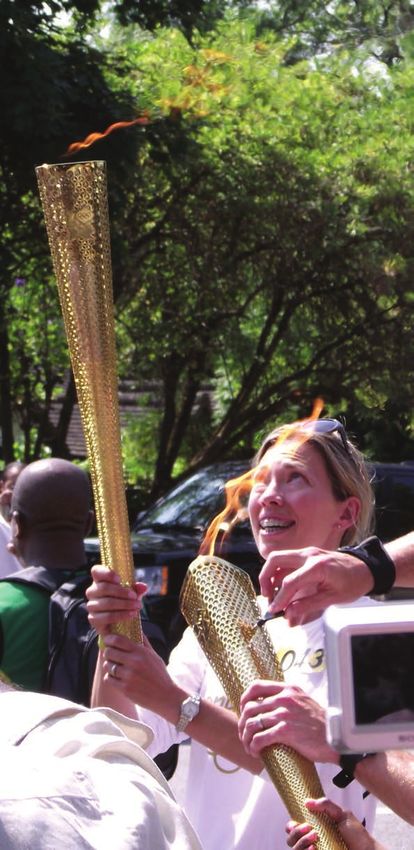
‘A pro-activity movement needs to
cascade right through society. To get
the country back on its feet, we need
to think smarter, making better use of
existing resources.’
Public Health England’s strategic
approach to physical activity was
published in 2014. It seeks to enable
people to take control of their current 33% of men are not 45% of women are
and future health, and to boost parents’ active enough for not active enough for
good health
understanding of how active play and good health
‘physical literacy’ is essential for children. 19% of men and
26% of women are
A long-term, evidence-based approach is ‘physically inactive’
needed to make real and lasting change. 18% of disabled
adults regularly
Physical activity needs to be embedded take part in sport
into the fabric of daily life and to be compared to 39% of
non-disabled adults
made easy, fun and affordable. Exercise
and active recreation must be available
to all, in every community across
England. This requires action across four
areas at national and local level:
•A
ctive society: creating a social
movement – activity is fun and can
Local authorities should: be an easy choice; activity needs to 21% of boys and 16%
of girls aged 5-15 achieve
be a main component of policies and recommended levels of
•P
rioritise and resource physical planning; people in communities will physical activity
inactivity programmes to the same be agents of change; all sectors need to
level as other top tier public health risks. commit over the long term
47% of boys and 49% of
girls in the lowest economic
group are ‘inactive’
•D
eliver physical activity strategies •M
oving professionals: activating 23% of girls compared to 25& and
independently of obesity and weight networks of expertise – thousands aged 5-7 meet the 35% in the lowerst
recommended levels
management. of public-facing professionals and of daily physical
activity. By ages
• Invest in evidence-based programmes volunteers are a ready made network; 13-16 only 8% do
that engage inactive groups. all sectors need to be involved but led
by education, leisure, health and social
•P
artner with all local activity and sports care, planning and transport
providers to deliver a local ambition of
a one per cent reduction in inactivity •A
ctive environments: creating the right
year-on-year for the next five years. spaces – green spaces, playgrounds,
cycle lanes and age friendly high streets
•E
nsure that their green spaces are all encourage people to be active every
developed to make them safe and day; reshaping existing places can
accessible whilst integrating them into help build physical activity into daily
their leisure and physical inactivity strategies. routines; local authorities can work
•E
xtend the management of green across policy areas to deliver change
spaces to include leisure and public •M
oving at scale: scaling up
health planning teams. interventions that makes us active
• Consider the impact of physical inactivity – positive change needs to be long
in regeneration and spatial plans. term; interventions must be based on
community needs; co-design can help
Everybody Active, everyday; an evidence make initiatives effective; maximising
based approach to physical activity existing assets more important than
new investment.
16 17
A BRENT
PHYSICAL
LONG
ACTIVITY
TERM TRANSPORT
STRATEGY FOR
STRATEGY
BRENT 17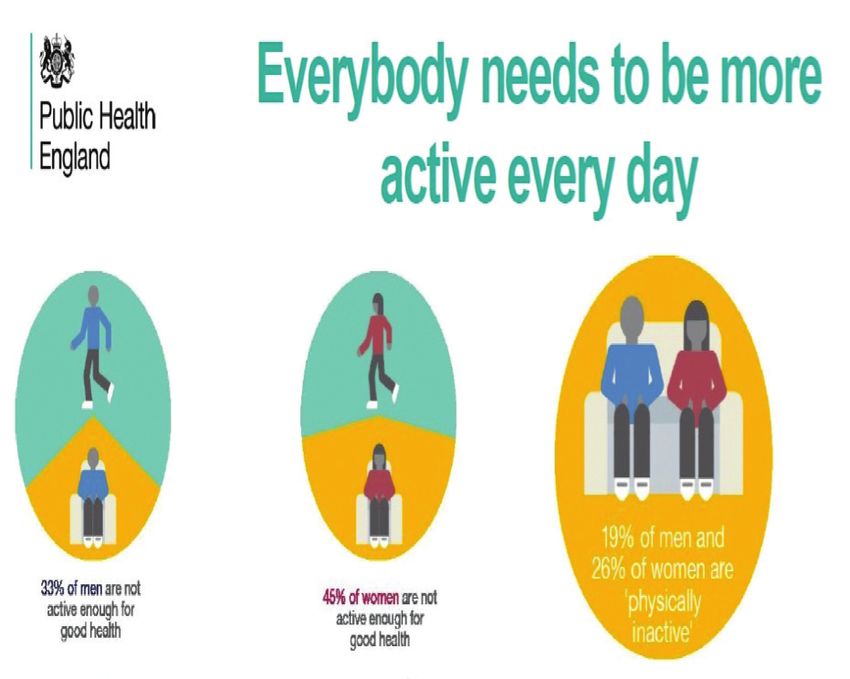
05 DEFINING PHYSICAL ACTIVITY
Benefits of everyday activity
Despite the ever growing PHYSICAL ACTIVITY
interest in the role of physical
AND ITS BENEFITS activity in managing health and
maintaining healthy weight
(expenditure of calories,
raised heart rate)
levels, there has been relatively
little corresponding change
Definition of Physical Activity This is unsustainable and costing the UK in people’s activity levels. This
an estimated £7.4 billion a year. If current may be partly a result of people
The Department of Health defines physical Everyday activity: Active recreation: Sport:
trends continue, the increasing costs of being told that they should
activity as including ‘the full range of human
health and social care will destabilise public increase their activity levels Active travel Recreational Sport walking
movement, from competitive sport and
services and take a toll on quality of life for to address health deficits. (cycling/walking) walking
exercise to active hobbies, walking, cycling, Regular cycling
individuals and communities. This approach runs the risk of
or activities of daily living.’ It is generally Housework Recreational cycling
accepted that physical activity can be broken Physical activity intensity varies along a making people feel negative (>30 min/week)
about themselves and their Gardening Active play
down into three broad categories: sport, continuum from sedentary (physically inactive) Swimming
active recreation and everyday activity. to vigorous (high intensity activity). Moderate ability to engage in physical DIY Dance
activity. Exercise and
intensity physical activity sits in-between Occupational
Public Health England estimates that over one fitness training
sedentary and vigorous intensity physical Many people’s lives have activity
in four women and one in five men do less
activity and requires a reasonable amount of become more sedentary, with Structured
than 30 minutes of physical activity a week (actual/manual
effort which noticeably accelerates the heart less need to walk any significant work)
and classifies them as being inactive. Physical competitive activity
rate and breathing rate. Examples include distance on an everyday basis
inactivity is the fourth largest cause of disease
brisk walking, housework, gardening and and with occupations having Individual pursuits
and disability in the UK. One in two women
walking the dog. Vigorous intensity physical become more desk-based.
and a third of men in England are damaging Informal sport
activity requires a large amount of effort, Safety concerns about children
their health through a lack of activity.
causes rapid breathing and a substantial have also meant that children
There are many reasons why someone may increase in heart rate, e.g. running, aerobics, do not go out to play as often as they once
put off starting to take regular exercise. sports such as football or hockey and walking did, and gaming has become a key form of
Those frequently cited include not knowing briskly up a hill. interaction for young people. However, there is
how to get started or how much it will cost. an opportunity to rethink people’s relationship
with physical activity and discover how more
can be done on a day to day basis. Many forms
EARLY YEARS (Under 5s) of physical activity can be built into everyday reduces the risk of many chronic conditions,
lives and become part of a regular routine including heart disease, stroke, type 2 diabetes,
1) Physical activity encouraged from birth
which delivers health and wellbeing benefits. cancer, and mental health problems.
2) 180 minutes of physical activity daily
3) Avoidance of being sedentary Some people will prefer to participate in Physical activity that can be incorporated into
– keep moving!
regular and structured forms of physical everyday life, such as brisk walking and cycling,
OLDER ADULTS activity playing competitive sport, running or can be as effective as supervised weight loss
(over 65 years)
swimming but there is a much wider range of exercise programmes. Being active at every age
1) Regular participation in physical activity
contributes well to maintaining options from gardening through to dancing or increases quality of life and people’s chances
good physical and cognitive function CHILDREN AND YOUNG
skateboarding which can appeal to a broader of remaining healthy and independent. It
PEOPLE (5 to 18 years old)
2) Targeting 150 minutes per week by either audience. Deciding to become more active plays a key role in brain development in
30 minutes of moderate intensity for 5 days, or CHIEF MEDICAL 1) Moderate to vigorous intensity
short bouts of 10 minutes or more daily for at least 60 mins daily brings with it the potential to try lots of new early childhood and longer-term educational
OFFICER
3) For those already physically active; reach the 150 minutes 2) Vigorous intensity inclusive of muscle experiences and meet new people. Regardless attainment. Increased energy levels boost
RECOMMENDED
target through 75 mins of vigorous intensity twice weekly and bone strenthening at least three of what activity best suits an individual, the workplace productivity and reduce sickness
PHYSICAL ACTIVITY days a week
4) Seek to improve muscle strength undertaking evidence is clear that doing any physical absence. An active population may reduce
physical activity twice weekly LEVELS 3) Avoidance of being sedentary
– keep moving! activity is better than doing none in terms of levels of crime and antisocial behaviour.
5) Older Adults at risk of falls should stay
active to improve balance and co-ordination health and wellbeing. Even small increases Creating an environment where people actively
at least two days a week in levels of activity can make a real positive choose to walk or cycle routinely can have
6) Avoidance of being difference, bringing about a cycle of positive significant impact on public health and reduce
sedentary – keep moving!
ADULTS (19 to 64 years) reinforcement and motivation to continue. inequalities. This is an essential component
1) Targeting 150 minutes per week by either 30
The benefits of having an active lifestyle are of a strategic approach to increasing physical
minutes of moderate intensity for 5 days, or short
bouts of 10 minutes or more daily as numerous as are the disadvantages of an activity and may be more cost effective than
2) Hitting the ground running. Reach the 150 minutes target unhealthy one. It helps people to be healthier other initiatives that promote exercise, sport
through 75 mins of vigorous intensity twice weekly
for longer and is a key contributor to energy and active leisure pursuits.
3) Seek to improve muscle strength undertaking
physical activity twice weekly balance, helping to prevent obesity. It also
4) Avoidance of being sedentary
– keep moving!
18 ABRENT
A PHYSICAL
PHYSICAL ACTIVITY
LONG
ACTIVITY STRATEGY FOR
TERM TRANSPORT
STRATEGY FOR BRENT
STRATEGY
BRENT 19
1906 CONSULTATION
A two stage consultation programme was as a basis for this one. They supported has an objective to promote healthy health promotion including increased
undertaken; a first stage to inform the the idea of sub-strategies around living and create a safe and secure physical activity to increase mental
writing of the draft strategy, followed by a particular issues and some “quick wins” environment by ensuring developments wellbeing and reduce the risk for
full public and stakeholder consultation. to build confidence. The consultation deliver transport solutions and mental disorders
should be aimed as broadly as the opportunities for active lifestyles. In
•P
aying more attention to the everyday
strategy itself. The consultation needed considering major proposals in growth
category of physical activity is a
Stage 1 to go to where inactive people are. and regeneration areas, regard is
priority and the scope of everyday and
But above all, “The council must listen! given to the need for infrastructure,
External Stakeholders – The Consultation recreational activity can be broadened
And provide feedback!” both social and physical, arising from
Institute facilitated five sessions comprising development, such as education facilities, • Employers can be targeted through the
a Citizens Panel focus group and four A detailed report on the consultation
health provision, sports facilities, green Healthy Workplace Charter and initiatives
workshops with representatives from the with external stakeholders is included as
infrastructure, public transport, walking such as Step Jockey which bring both
voluntary sector, sports clubs, school PE Appendix 2.
and cycling infrastructure health and productivity benefits
leads, regional Organisations and Health Internal Stakeholders – consultation
Bodies. The main findings were • The council’s Cycling Strategy • Women’s sport has blossomed since 2012
interviews were held with internal demonstrated that cycling levels in Brent and should continue to be a priority
•M
ost of the groups supported not just stakeholders identified as having a varies significantly between wards,
an over-arching strategy but also one key role to play in the development of residents in the south of the borough • The way land is used in communities
with many different sub-strategies physical activity in the borough. cycling significantly more than those in has an immense impact on the public’s
aimed at the diverse groups within the • S afety and Travel Planning the north. Men are still making more health. Although many surveys show
local community (Transportation Service) cycle trips than women. Two main factors it’s the quality, not just the quantity
appear to be influencing this: physical of public parks and spaces that make
•A
strong emphasis on the critical
• Public Health ( Regulatory Services) infrastructure barriers, e.g. the North people want to walk more, there is
importance of “catching them young”
Circular; and societal and psychological evidence that just having access to open
and ensuring that young people were •H
ealthy Schools (Children and Young
factors, such as a fear of crime and lack of space makes a crucial difference.
educated to grasp the importance of People)
physical activity a cycling culture or role models.
•P
lanning Policy and Projects
• The traditionally cited barriers to (Regeneration and Growth) •A
s part of the public health funded Stage 2
involvement in physical activity – time, Active Travel project, a study has been
•H
ousing and Planning (Regeneration commissioned to assess the feasibility The seven week consultation period on the
money & available information – were
and Growth) of a public cycle hire scheme and a cycle draft strategy ran from 21 September-13
explored. There was strong consensus
on the lack of easily accessible sources hub in the borough. November 2015. It was undertaken
• Public Realm
of information on all physical activities through an online questionnaire supported
• S chool Partnership Development •M
ore active partnership working by officer attendance at Brent Connects
in Brent with the NHS will counter some
Managers forums and two drop-in sessions.
•T
here was strong support for of the limitations of the Exercise
promoting local champions, mass The key findings were: Referral Scheme. There could be more
participation events, outdoor gyms •T
he council has moved from delivering collaborative working in the delivery
and taster sessions. Groups stressed to commissioning some public health of public health related projects e.g.
the social side of physical activity and services NHS Health Checks, Healthy Schools and
argued for an emphasis on local hubs active travel
and clubs (especially schools), and a • F eedback received from public health
programme users is that there is a lack • There has been a change in the perception
greater role for volunteers, as the of the benefits of physical activity over the
bedrock of achieving this. of adequate, timely or user-friendly
information about what, where and last five years. The benefits of diversionary
• Groups all stressed the key role of the how people might engage in different activity and improved mental health and
council in brokering and facilitating forms of physical activity wellbeing are well documented. Sport
partnerships, training, better use of alone is not the answer and the time is right
facilities. Providing high quality accessible • The public health funding process needs for a strategic shift.
information – both via websites and to be streamlined and there is currently
limited information on the remit of the • Local authorities are linking health policy
social media but also with such ideas as a with planning, transport infrastructure
“tube map” of facilities and travel links public health related teams. Public health
language used is not accessible and a and housing policy, creating new
was also seen as very important. networks of expertise
potential barrier to participation
•P
articipants generally supported a •A
holistic school approach to mental
balance sheet of the previous strategy • Brent’s Local Development Framework
20 21SURVEY
were predominatel
e broa d W hi
y from people aged
te ethnic group (54%
25 to
) was
07 KEY THEMES
QUESTIONNAIRE 64. Th
as compared with
the Brent
onses were receive
d. Large over-represented while the
A total of 104 resp and/or tio n (3 6% ) at the 2011 Census; Weight management
la the
ities of re sp on dents either agreed popu
of respon dents and 34% of In Brent there is an increasing emphasis
m aj or gy and broad Asian (24%
ag re ed w ith th e vision of the Strate ac k groups (13% of
respondents on positively promoting the benefits of
strongly la tio n) an d Bl
popu epresented.
with the Objectives
: tion) were under-r maintaining a healthy weight as part of the
agreed with to 19% of popula council’s Health and Wellbeing work, rather
ve r 90 % ei th er strongly agreed or than on the prevention or treatment of
•O
rategy
the vision of the st ms
obesity and related illnesses.
ith th e ob ject ive to develop A re a Consultative Foru
w Being overweight can impact on an
•N early 80% agreed s at te nded all five Bren
t Connects
r `Cou nc il of fic er individual’s health in many ways, including
a universal offe sinesses and
ive to de ve lo p fo ru m s w hi ch offer residents, bu as a cause of chronic disease leading to early
with the ob je ct nity to
•O ver 80% agreed ches to m un ity re pr es en tatives the opportu death. It increases the risk of type 2 diabetes
mmunity approa com uncil
sustainable local co tyle s r sa y on se rvice s provided by the co (fivefold in men and twelvefold in women),
y lifes have thei 220 residents
le to adopt health s. Approximately
raises blood pressure (twofold and fourfold
getting more peop d ot he r ag en cie
ly agreed or agreed
with an out the strategy respectively) and colorectal cancer (threefold
ei th er st ro ng te nd ed th e forums to hear ab and twofold respectively.)
ver 90 % at back.
•O
to ac hi ev e pe rm anent behaviour ab ou t ho w th ey could provide feed
the objective into an d Two thirds of English adults, one fifth of
ge th ro ug h bu ild ing physical activity d appropriate the st
rategy
children in reception (four to five year
chan Whe re re le va nt an e
lives vised to reflect th
people’s everyday an d ac tio n plan have been re ding of th e
olds) and a third in year six (ten to eleven
or tio n, ap pr oxim ately two-thirds m en ts re ce ive d, including the wor years) are obese or overweight. Being
•A lower prop agreed com overweight tends to track into adulthood,
on de nt s eith er agreed or strongly vis ion and the three
objectives.
so overweight children are more likely
of resp e ac tio n plan
tions as listed in th
with proposed ac to be overweight as adults. There are
ceived stark inequalities between different
la tio n to th e vis ion, comments re socioeconomic groups: among children in
• In re the
to th e w or di ng and achievability of reception and year six, the prevalence of
related tivity
io n (3 3% ); en co uraging physical ac overweight individuals in the 10% most
vis
t facilities (20%). deprived groups is approximately double the
(46 %); and abou number in the 10% least deprived.
at the
nts commented th CASE STUDY: Lancashire Healthy
•A fifth of responde not clear Schools Project
ea ni ng of th e ‘U niversal Offer’ was The 2007 UK government Foresight report
m (43%) ‘Tackling obesities; future choices’ remains
tegy. Nearly half ‘Healthy Heroes’ uses superhero themed
from the draft Stra cessible, the the most comprehensive investigation into
m en te d th at to be universally ac the causes of people being overweight. It
activity packs to encourage primary school
co m eting.
l of fe r w ou ld pr ob ably need some targ described the complex underlying relations
children and their families to become more
universa active and have better diets. The four
between the social, economic and physical
healthy heroes and their sidekick Freddie
environments and individual factors. It
ived from 75 Frog are used to introduce healthy lifestyle
mments were rece is a complex problem that requires the
250 additional co building of partnerships to create healthier
messages in class, such as eating your five-
s. a-day, consuming less salt and taking part in
of the respondent communities where people are supported to
a local activities such as cycling.
xim at el y ha lf of these agreed with maintain a healthy weight.
•A ppro was placed
ch and emphasis Children then get to select one or two of the
community approa activity cards to take home and work on with
walking.
on gardening and Planning and Health their family. Every time a family completes an
ther the
a th ird of co m m ents queried whe activity they receive a sticker to put on to a
•N early The link between planning and health has postcard to build up their healthy hero. On
hievable.
objectives were ac been long established. The built and natural completion of their hero, each family receives a
Brent environments are major determinants of
on de nts in clu de d a majority from reward chart to help them continue the good
Resp ere health and wellbeing and planning authorities
me respondents w behaviour. Research has shown it has had a
postcodes while so ed twice can influence the built environment to
en t be yo nd Br en t. Women return improve levels of physical activity. The
positive impact on behaviour with three quarters
resid sponses of participants reporting lower consumption
onses as men. Re government’s public health strategy,
the number of resp of sugary drinks and nearly half saying their
‘Healthy Lives, Healthy People’, explicitly children walked to school more often.
recognises that ‘health considerations are
an important part of planning policy.
22 23The importance of this role is supported by the CASE STUDY: Brent Local
National Planning Policy Framework. Key areas in Development Framework (LDF)
this context include the core planning principles
and the policies on transport and the natural The LDF seeks to promote healthy living and
environment. The framework encourages local create a safe and secure environment by:
planning authorities to engage with relevant
• Ensuring development delivers transport
organisations when carrying out their planning
function. In the case of health and wellbeing, the solutions and opportunities for healthy
key contacts are the Health and Wellbeing Boards lifestyles such as walking and cycling
and Clinical Commissioning Groups along with • Improving participation rates in
local community groups. The range of issues that sports and active recreation through
should be considered through the plan-making
the provision of better quality sporting
and decision-making processes, in respect of health
and healthcare infrastructure, include how: facilities and open space.
•D
evelopment proposals can support strong, The Brent Placemaking Guide forms part
vibrant and healthy communities and help of the LDF, stipulating that, in considering
create healthy living environments which major proposals in growth and regeneration
CASE STUDY: Gardening for
should, where possible, include making areas, regard shall be paid to:
Life – Tower Hamlets
physical activity easy to do and create places
• The allocation of sites for a range
and spaces to meet to support community Tower Hamlets is the third most deprived
engagement and social capital of uses with particular support for
borough in the country. Public health funding
development that is mixed in use
• T he local plan promotes health, social and There is accumulating evidence that walking, was used to commission a 15 month project
cultural wellbeing and supports the reduction • The needs of the community and the and physical activity more generally, can be an to let people enjoy the benefits that come
of health inequalities need for infrastructure, both social and effective way to enhance positive moods. People with being active in open, community spaces
physical, arising from development, such with high levels of regular physical activity are and growing and eating their own food. The
• T he local plan considers relevant health likely to have higher levels of positive emotions
as education facilities, health provision, project fits with strategic priorities for public
improvement strategies in the area such as interest, enthusiasm and alertness
sports facilities, green infrastructure, public health such as increasing healthy eating and
•O
pportunities for healthy lifestyles have been transport, walking and cycling infrastructure. compared to people with moderate and low physical activity and fits with wider strategies
considered (e.g. planning for an environment levels of physical activity. The largest beneficial such as improving the environment by adding
that supports people of all ages in making The proposed redevelopment of Old effect of physical activity on mood occurs when
more healthy and green spaces in the borough.
healthy choices, helps to promote active travel Oak Common and Park Royal as an individual’s mood is initially low.
and physical activity, and promotes access to part of a new Mayoral Development The “Five Ways to Wellbeing” are a set of evidence- The Women’s Environmental Network (WEN)
healthier food, high quality open spaces and Corporation will offer opportunities to based actions which promote wellbeing as part won the bid to be the lead organisation
opportunities for play, sport and recreation) increase levels of physical activity. of people’s everyday lives. They were developed delivering 15 community gardens across
•A
ble bodied and disabled community access by New Economics Foundation (NEF), drawing on the borough in partnership with three large
has been promoted state-of-the-art research about mental capital and registered social landlords, Capital Growth
mental wellbeing through life. They have been used and Sustain. One local estate now has three
‘Healthy Lives, Healthy People’ defined wellbeing by health organisations, schools and community growing areas and another garden on an
Mental Health and Wellbeing as ‘a positive physical and social and mental projects in a number of ways. These include getting isolated estate is particularly successful. There
state’. Mental wellbeing includes factors such people to start thinking about their wellbeing, has been a strong involvement from the
Physical activity has a role to play in enhancing developing organisational strategy, measuring
as individuals’ ability to develop their potential, Bengali community by both men and women.
psychological wellbeing and mental health. It impact and assessing need. They are:
work productively and creatively, build strong
does not need to be seen as a chore which has The project has a steering group that meets
and positive relationships with others and •C
onnect: social relationships are critical for
to be done, but rather as a pleasure that can be quarterly and the public health commissioner
contribute to their community. It also involves promoting wellbeing
looked forward to as something which enhances keeps in close touch with the project. Case
areas of life such as feelings of satisfaction,
an individual’s sense of wellbeing. If we are going • Be Active: regular activity is associated with studies tracking the journeys of participants
optimism, self-esteem, having some control over
to change our attitude to physical activity then it lower rates of depression and anxiety and is are being developed and the Warwick
one’s life, having a purpose in life and a sense of
needs to become a natural and important part of essential for slowing age related cognitive decline
belonging and support. Edinburgh Mental Wellbeing Scale is used.
our lives, not something else for us to find the time
to do. For some people this will mean heading One way to enhance mental wellbeing and protect •T
ake Notice: heightened awareness enhances
to the gym, but for others it may include taking mental health is through participating in physical self understanding and positive decision
the stairs at the train station or department store activity, which has been shown to have a strong making based on values and motivations Active Travel
(rather than the lift or escalator) and walking or and positive influence on mental wellbeing and •K
eep Learning: continued learning through Recreational cycling is enjoying increasing
cycling to work or to the shops. For children it will some mental illnesses. It can protect mental health life enhances self esteem and encourages social popularity. Whether it’s for commuting or for
be more about active play. and enhance wellbeing by helping people feel interaction and a more active life leisure purposes, the benefits of this cheap,
positive. For example, it is recognised that even a accessible and healthy travel option are widely
Brent’s Health and Wellbeing Strategy identifies • Give: individuals who participate in community
short burst of ten minutes brisk walking increases acknowledged. Increased uptake of cycling can also
mental ill health as the single most common life and report a greater interest in helping others
mental alertness, energy and positive mood states. have a significant impact on improving air quality,
cause of morbidity in the borough, affecting one are more likely to rate themselves as being happy.
Walking is practical to do in short bursts, available reducing congestion and a healthier population.
in four of all adults and one in 10 children.
to most people and free.
24 25The Mayor of London wants to achieve a 400% them to promote sustainable travel to and from West London
increase in levels of cycling by 2026 (from work or school. A toolkit is being developed to Female Male
CASE STUDY: Croydon Heart Town Boroughs
the base year of 2000.) To help achieve this, signpost businesses to assistance services that are
London’s cycling budget has been more than available. Personal travel planning training will The Heart Towns initiative aims to mobilise Brent 16.3% 20.2%
doubled and a focus placed on outer boroughs be made available for those businesses with the communities across the UK to help prevent
such as Brent. To ensure Brent residents benefit highest potential for modal shift. School travel Ealing 20.3% 27.9%
and fight heart disease. It brings communities
from this funding, and from the wider positive plan support is provided under TfL’s accreditation
together through local fundraising and Hammersmith
outcome associated with high levels of cycling, scheme. All schools are encouraged to develop a 21.1% 33.4%
the council is developing a Cycling Strategy. plan and to participate in related activities including volunteering. By signing up to this British & Fulham
WoW (walk to school once a week), cycle training; Heart Foundation (BHF) initiative Croydon
The level of cycling within Brent varies significantly
and park and stride. Council has joined around 50 other Heart Harrow 16.5% 24.3%
between wards, with those living in the south of Towns across the country. Heart and
the borough making significantly more cycle trips Hillingdon 14.6% 24.3%
circulatory diseases are currently responsible
than those in the north. Men are also still making Hounslow 17.4% 28.2%
Collaborative partnerships for around a third of deaths in the borough.
more trips than women throughout the borough.
Two main factors appear to be influencing this: Creating an active borough can be achieved The BHF is working closely with a variety
physical infrastructure barriers, such as the North through the council working with a wide range of women compared with men take part in
of Council services to offer residents and
Circular, and societal factors, such as fear of crime of partners. An integrated community approach no sport at all each month. Sport England has
businesses support in running fundraising identified the main barriers to participation by
and lack of a cycling culture or role models. The can target a large number of residents in one campaigns in schools and workplaces
council is aware of some infrastructure barriers go and influence social norms in a locality. This women in sport as:
to heighten awareness and knowledge.
and is seeking to address them. However we need approach also helps to maintain the momentum • P ractical/lifestyle barriers (such as having
Communities are learning practical
to do more to locate and address the less obvious of any positive changes that are achieved. children, changing jobs, moving house; time
barriers as part of the development of a network steps on how to improve their heart
One of the most important functions of the health and benefit from a wide range of and cost – including childcare costs; family
for cyclists throughout the borough. In doing this, responsibilities)
we also need to consider where people are cycling council is to facilitate and support partnerships resources and educational programmes.
to and how we may work with employers and with and between providers. Opportunities Examples include ‘Keeping Young • P ersonal/emotional barriers (Not knowing
places of education to ensure facilities such as to participate in physical activity in the Hearts Beating’ – a programme for local anyone/wanting to exercise with a friend;
showers and lockers are available at destinations. borough are provided through an extensive schools, youth groups and nurseries and belief that muscular and sporty bodies are
network of providers, all of whom have their not feminine, not wanting to look silly)
Brent Active Travel Programme – this is designed to ‘Health at Work’ – turning workplaces
own specific role to play. The success of the
promote more residents to travel actively by walking strategy will depend on sustaining the variety into active, energised environments. Sport England state that personal and emotional
and cycling as a way to improve public health. of opportunities available and encouraging barriers are just as important as practical ones.
Research was commissioned to explore and identify increased joint working between partners. Poor body image and fear of not being fit
start of the survey in October 2005 and April enough to take part are significant issues. It
specific barriers that might prevent residents from 2014, the gap between men’s and women’s
cycling as well as triggers that might encourage more A nationwide partnership promoting community is important that people have the option of
sport and volunteering launched in April 2014. participation in sport remains. There is growing exercising with people like themselves, in age
cycling. The council’s current active travel project concern about the participation of young women.
incorporates many activities to inspire more people The partnership, consisting of Asda Community and degree of fitness, led by trainers with realistic
to participate in cycling and walking activities, these Life, Sports Leaders UK, ukactive, and the Spirit Data for the APS period October 2014 to expectations. Findings from Sport England’s
include cycling events including BMX for community of 2012 Trust, aims to significantly increase the September 2015 indicate female participation in Active Women programme show that word of
and faith groups, a feasibility study for a cycle hub numbers of young people that take part in physical sport and active recreation, at moderate intensity, mouth is the most important channel for raising
and/or cycle hire scheme, promotional materials and activity, promote healthier lifestyle options and or at least 30 minutes on at least 12 days in the awareness, with 40% of participants hearing about
signs for walking routes. increase sports leaders’ volunteering hours in local last 4 weeks (equivalent to at least 3 times a the sessions this way, 80% recommending them
communities to one million hours a year. week over the previous month in Brent of 16.3% to friends, and 60% bringing friends with them.
Travel plans – the council supports schools and and male participation of 20.2%. This pattern is
businesses with their travel plans and encourages The three-year programme is delivering activities
inspired by the athletic achievements and public similar to that for previous APS periods.
spiritedness of the 2012 Olympics and is designed Disability sport
Comparison with the other west London
to make a significant difference to the lives of Boroughs suggests that while Brent has relatively Physical activity can play a key role in the lives and
young people and communities across the UK. low participation compared with west London communities of people with disabilities. Becoming
The activities kicked-off through Asda Active boroughs, it has the closest parity as between more active can improve functional status and
Sports Day with 400 schools hosting flagship female and male participation. quality of life among people with disabilities.
sports days, organised and run by local sports The number of disabled people who take part in
There are specific concerns about younger physical activity has risen, but barriers remain.
leader volunteers, with support from local women. At the age of 18 twice the proportion
Community Life Champions. Future plans
include training 50,000 young people to become
qualified physical activity leaders. Period APS 4/5 APS 5/6 APS 6/7 APS 7/8 APS 8/9
Oct 2009- Oct 2010- Oct 2011- Oct 2012- Oct 2013-
Oct 2011 Oct 2012 Oct 2013 Oct 2014 Oct 2015
Women and girls
Females 14.1% 14.1% 16.8% 17.4% 16.3%
Whilst Sport England’s Active People Survey
(APS) demonstrates some increases in women Males 17.6% 20.1% 20.9% 21.6% 20.2%
taking part in sport and exercise between the
27You can also read


