Statistical LITERACY Fostering Statistical Literacy in Greece - the United Nations
←
→
Page content transcription
If your browser does not render page correctly, please read the page content below
HELLENIC STATISTICAL AUTHORITY

                                 Fostering
                                 Statistical Literacy
                                 in Greece
                                 Paper by the Hellenic Statistical Authority (ELSTAT)

       statistical               50th session of the United Nations
                                 Statistical Commission
       LITERACY                  5-8 March 2019 New York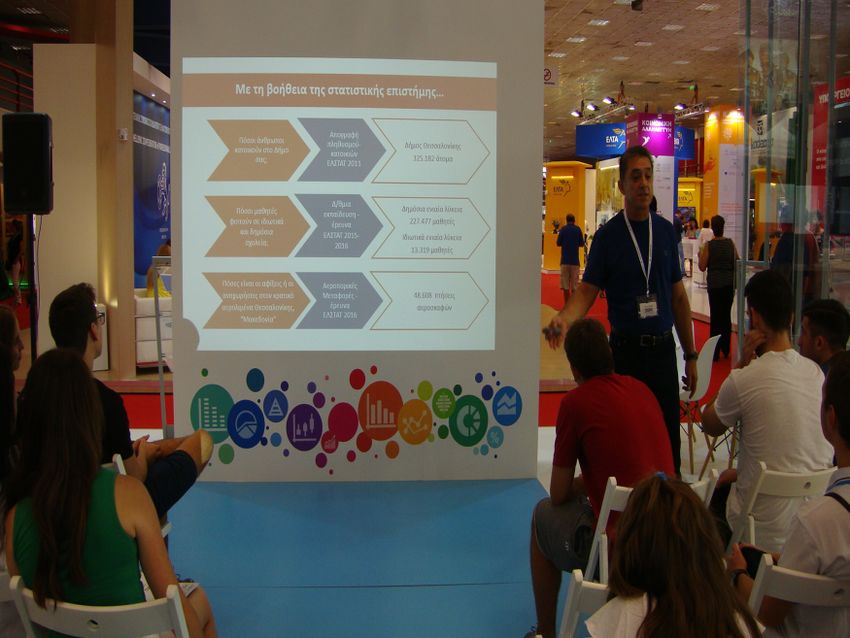
Fostering
                              Statistical Literacy
                                      in Greece

                      50th session of the United Nations
                              Statistical Commission
                                   5-8 March 2019
                                        New York

                Paper by the Hellenic Statistical Authority 1 (ELSTAT)

1
  Authors: Athanasios C. Thanopoulos (ELSTAT, email: a.thanopoulos@statistics.gr) and Christina
Karamichalakou (ELSTAT, c.karamichalakou@statistics.gr)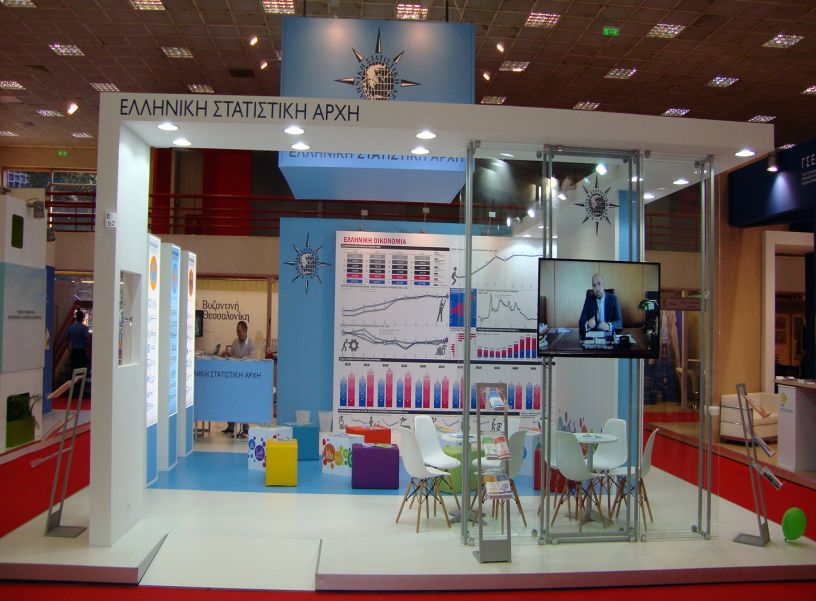
Fostering
Statistical
Literacy
in
Greece
I. Introduction
Since
2016,
the
Hellenic
Statistical
Authority
(ELSTAT)
has
been
pursuing
an
ambitious
strategy
enshrined
in
a
comprehensive
action
plan
aiming
to
foster
and
promote
Statistical
Literacy
in
Greece.
The
overarching
priority
set
by
Athanasios
C.
Thanopoulos
in
his
vision
for
ELSTAT
upon
assumption
of
duty
as
President,
has
been
to
spread
and
effectively
communicate
the
value
of
official
statistics
to
students
of
all
educational
levels
in
Greece
along
with
making
a
convincing
case
for
fact-‐based
decision-‐making
in
their
daily
lives.
This
paper
browses
through
the
array
of
actions
and
initiatives
that
have
been
undertaken
during
the
last
three
years
by
ELSTAT
in
view
of
this
goal.
In
addition,
it
explores
the
responsiveness
of
key
players
(i.e.,
students,
teachers,
schools,
universities
and
education
policy
makers)
to
these
initiatives
across
all
stages
of
the
educational
process
and
the
extent
to
which
these
initiatives
lead
to
desirable
outcomes
as
outlined
in
the
action
plan,
such
as
increased
engagement
by
the
targeted
stakeholders.
The
paper
also
highlights
the
next
steps
that
have
been
planned
for
the
achievement
of
this
objective.
II. Objective
Why
promoting
Statistical
Literacy
in
Greece?
Taking
as
a
starting
point
the
fact
that
official
statistics
is
a
public
good,
ELSTAT
spares
neither
effort
nor
resources
in
order
to
promote
Statistical
Literacy
in
Greece.
The
ultimate
objective
is
to
foster
a
solid
understanding
of
the
basic
methodology
and
tools
used
in
modern
official
statistics
along
with
developing
a
firm
awareness
of
the
institutional
foundations
and
core
principles
of
official
statistics
for
the
future
generations
of
Greek
citizens.
ELSTAT
envisages
having
a
dominant
presence
in
all
phases
of
the
“virtuous
circle
of
official
statistics”.
The
main
intervention
apparatus
of
ELSTAT
would
be
to
strengthen
the
Institution’s
presence
in
all
phases
of
a
trust-‐chain
typically
called
“virtuous
circle
of
official
statistics”:
By
educating
and
informing
the
young/
future
users
of
statistics,
ELSTAT
manages
to
build
confidence
and
trust
of
the
public
in
its
ability
to
properly
handle
and
technically
manage
individual
data
with
a
view
to
[2]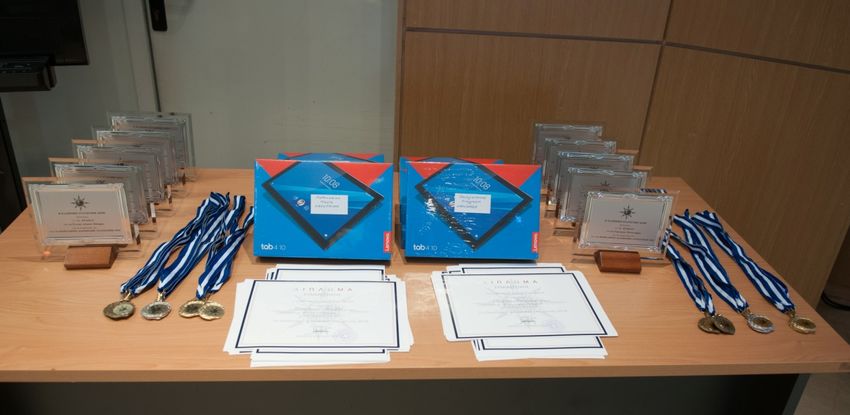
producing
meaningful
and
relevant
statistics
out
of
it,
while
fully
adhering
to
the
best
practices
and
core
principles
governing
the
production
and
dissemination
of
official
statistics.
What
is
the
aim
of
building
trust?
Trust
would,
in
turn,
increase
participation
of
respondents
in
the
future,
be
it
members
of
households,
entrepreneurs
or
professionals,
to
the
statistical
surveys
of
ELSTAT,
and
help
form
favorable
public
opinion
that
would
pave
the
way
for
easier
access
to
administrative
individual
data
for
statistical
purposes.
This
would
contribute
to
a
higher
value
statistical
product
that
would,
in
turn,
make
it
an
easier
case
to
educate
the
future
generations
of
Greek
citizens
about
the
usefulness
of
official
statistics.
ELSTAT’s
strategic
plan
involves
a
mentoring
philosophy
with
a
view
to
bolstering
long-‐standing
relationships
with
future
users.
ELSTAT’s
long-‐term
strategy
involves
establishing
mentoring
relationships
with
students
with
the
aim
to
inspire
future
scientists
and
professionals
that
could
ideally
be
employed
in
the
field
of
official
statistics.
Raising
awareness
on
the
pitfalls
of
distorted
facts,
unfounded
claims
and
fake
news
while
at
the
same
time
increasing
exposure
to
sound
statistical
practices
is
achieved
through
educating
students
on
proper
reading,
analyzing
and
interpreting
official
statistics
as
well
as
on
understanding
techniques
of
tracing
the
authenticity
of
data
sources.
Establishing
long-‐term
relationships
with
students
through
coaching
practices
contributes
to
building
and
maintaining
a
broad
and
in-‐depth
field
of
interaction
while
it
also
reinforces
long-‐standing
“trust
bonds”
of
our
Institution
with
future
users
and
decision
makers.
At
the
same
time,
the
continuous
monitoring
of
the
effectiveness
and
appeal
that
coaching
activities
have
on
students
throughout
time,
helps
ELSTAT
to
regularly
assess
and
recalibrate
its
communication
strategy
vis-‐à-‐vis
users’
needs.
A
wide
range
of
topics
is
covered
by
the
project
“Fostering
Statistical
Literacy
in
Greece”.
Typical
areas
of
focus
of
actions
undertaken
in
the
framework
of
the
project
“Fostering
Statistical
Literacy
in
Greece”
include,
inter
alia,
applications
of
statistics
in
every-‐day
life,
scientific
tools
used
in
the
development,
production,
dissemination
and
communication
of
official
statistics,
the
United
Nations
Fundamental
Principles
of
Official
Statistics
and
the
European
Statistics
Code
of
Practice,
the
protection
of
personal
data,
the
importance
of
flagship
surveys
such
as
the
Population
and
Housing
Census
for
the
life
of
Greek
citizens,
the
emerging
expansion
and
streamlining
in
the
day-‐to-‐day
production
of
official
statistics
of
[3]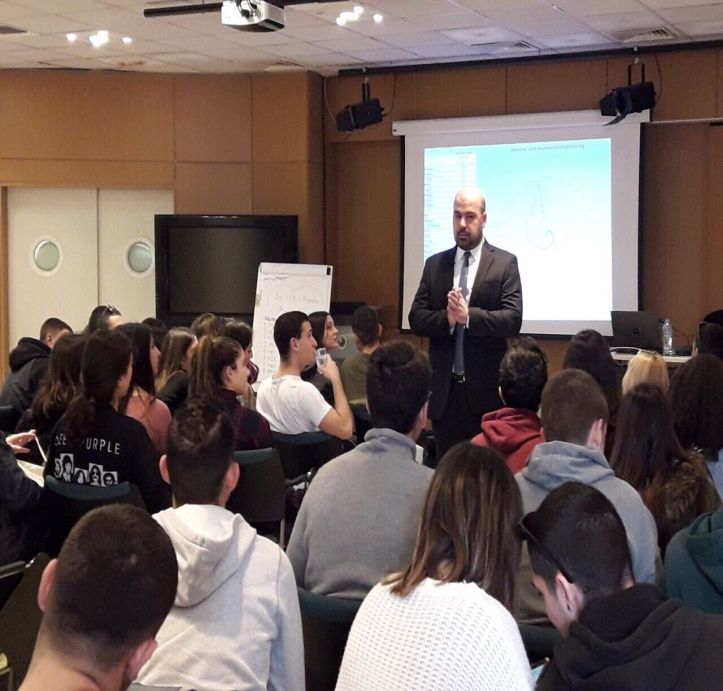
alternative
data
sources,
such
as
big
data
and
data
produced
by
smart
devices
and
sensors,
the
perspectives
they
offer
and
the
challenges
they
entail.
III. Overview
of
actions
undertaken
The
first
round
of
actions
has
been
successfully
completed.
ELSTAT
has
completed
successfully
a
first
round
of
various
actions
under
the
main
objective
of
“Fostering
Statistical
Literacy
in
Greece”.
The
strategy
includes
actions
that
have
been
set
up
to
be
continuous,
as
well
as
one-‐off
actions.
Typical
examples
of
actions
of
both
categories
include
the
establishment
of
an
official
administrative
framework
of
cooperation,
the
engagement
and
interaction
with
students
and
teachers
of
all
levels
of
education,
the
active
involvement
of
ELSTAT
in
the
educational
process,
the
promotion
of
the
overall
project,
the
organization
of
competitions
and
the
granting
of
relevant
educational
material.
A
second
round
of
actions
has
been
already
planned.
At
the
same
time
ELSTAT
is
planning
and
has
started
implementing
the
actions
of
tomorrow
with
the
aim
to
broaden
their
resonance
and
audience.
What
is
the
content
of
the
project
“Fostering
Statistical
Literacy
in
Greece”?
All
the
above
individual
actions
can
be
classified
into
the
following
groups:
1. Establishing
the
framework
of
cooperation
with
the
Ministry
of
Education
2. Organizing
educational
visits
and
presentations
addressed
to
students
3. Establishing
the
role
of
ELSTAT
as
key
partner
in
the
educational
process
4. Communicating
and
promoting
the
project
“Fostering
Statistical
Literacy
in
Greece”
5. Launching
competitions
6. Granting
educational
material
IV. Listing
overview
of
the
completed
actions
1. Establishing
the
framework
of
cooperation
with
the
Ministry
of
Education
ELSTAT
signed
a
Memorandum
of
Cooperation
with
the
Ministry
of
Education.
In
March
2018
a
Memorandum
of
Cooperation
on
fostering
statistical
literacy
was
signed,
at
the
highest
level,
between
ELSTAT
and
the
Ministry
of
Education,
Research
[4]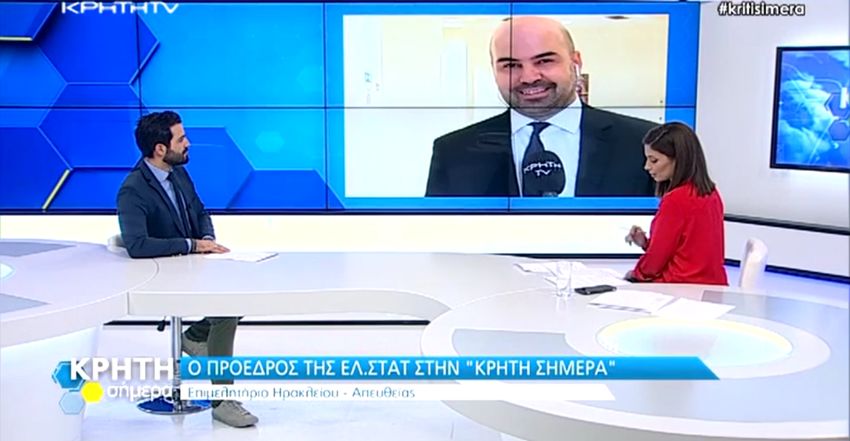
and
Religious
Affairs.
The
Memorandum
provides,
inter
alia,
for
the
introduction
of
a
statistical
literacy
program
in
education.
ELSTAT
establishes
partnerships
in
order
to
communicate
its
actions
more
effectively.
Furthermore,
ELSTAT
can
benefit
from
the
existing
administrative
mechanism
of
the
Ministry
when
it
needs
to
properly
and
comprehensively
communicate
statistical
initiatives
and
actions
such
as
competitions,
school
visits
to
its
premises,
etc.
A
dedicated
course
in
official
statistics
is
going
to
be
introduced
in
secondary
education.
ELSTAT
aims
to
ultimately
introduce
a
dedicated
course
in
official
statistics
as
a
core
subject
in
secondary
education
curricula.
To
this
end,
ELSTAT
is
currently
preparing
a
high-‐school
textbook
dealing
with
the
most
important
notions
and
tools
of
official
statistics,
including
important
institutional
matters.
2. Organizing
educational
visits
and
presentations
addressed
to
students
The
President
of
ELSTAT
visits
schools
all
over
Greece
and
discusses
with
students
and
professors
on
official
statistics.
Invitations
and
visits
of
the
President
of
ELSTAT
Athanasios
C.
Thanopoulos
to
schools
and
academic
institutions
were
established.
In
2018,
Athanasios
C.
Thanopoulos
visited
the
Experimental
High
School
of
Heraklion
in
Crete,
a
gold
medal
winning
school
in
the
First
Greek
Nationwide
Statistics
Competition
organized
by
ELSTAT
in
2017.
The
President
of
ELSTAT
was
also
invited,
by
the
Greek
Mathematical
Society,
to
deliver
a
lecture
to
researchers
of
the
vibrant
academic
community
in
Crete
focusing
on
the
current
and
future
uses
of
scientific
tools
stemming
from
various
disciplines
in
modern
official
statistics.
On
the
occasion
of
this
lecture,
he
was
also
interviewed
in
primetime
by
the
largest
broadcasting
channel
in
Crete
(Crete
TV)
about
the
importance
of
official
statistics
for
decision
making
in
everyday
life
and
on
the
current
challenges
faced
by
ELSTAT.
Furthermore,
the
President
of
ELSTAT
visited
the
2nd
Junior
High
School
of
Kalamata,
on
the
occasion
of
the
International
Conference
“Smart
Statistics
4
Smart
Cities”
jointly
organized
by
ELSTAT
and
Eurostat
in
the
city
of
Kalamata,
aiming
to
bring
together
researchers
from
across
the
world
working
on
new
data
sources
and
explore
their
fitness
and
readiness
for
streamlining
in
today’s
official
statistics
production
line.
[5]
Visit
  of
  the
  President
  of
  ELSTAT,
  Athanasios
  C.
  Thanopoulos


                        to
  the
  Experimental
  High
  School
  of
  Heraklion
  in
  Crete
  (2018)


Interview
  of
  Athanasios
  C.
  Thanopoulos
  by
  the
  largest
  broadcasting
  channel
  in
  Crete
  (Crete
  TV)

                                                                (2018)


                                                                  [6]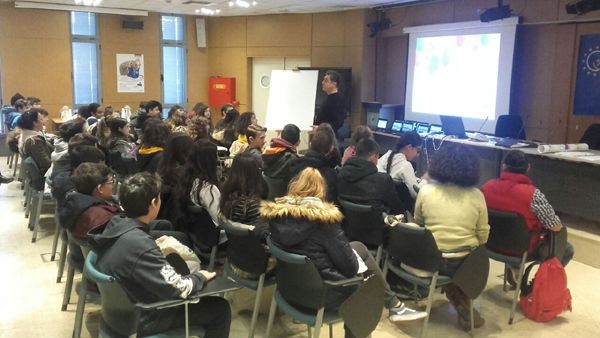
nd
Visit
of
the
President
of
ELSTAT
to
the
2
Junior
High
School
of
Kalamata
(2018)
ELSTAT
regularly
welcomes
students
from
schools
at
its
premises.
The
educational
visits
of
students
at
ELSTAT's
premises
in
Athens
and
in
Thessaloniki
continue
with
a
continuously
updated
content
especially
geared
to
different
levels
of
educational
attainment.
During
these
visits,
young
people
are
informed
about
the
development,
production,
dissemination
and
proper
communication
processes
of
official
statistics.
They
also
become
familiar,
following
a
hands-‐on
learning
experience,
with
navigating
through
the
websites
of
ELSTAT
and
Eurostat
in
order
to
find
the
information
they
could
be
looking
for.
In
quite
a
few
of
these
visits
at
ELSTAT’s
premises
in
Athens,
the
President
of
ELSTAT
welcomes
the
students,
gives
them
a
brief
introduction
to
the
mission
and
tasks
of
ELSTAT
and
discusses
with
them
various
topics
related
to
official
statistics.
ELSTAT
trains
and
certifies
its
instructors
and
enhances
the
content
of
the
presented
material
in
order
to
meet
the
sharp
increase
in
demand
for
educational
visits.
In
parallel,
the
subjects
covered
in
the
educational
visits
at
ELSTAT's
premises
are
going
to
be
expanded
and
enriched
with
topics
related
to
the
current
trends
in
official
statistics.
An
internal
mechanism
of
training,
continuous
evaluation
and
certification
of
new
instructors
selected
amongst
the
young
and
competent
staff
of
ELSTAT
that
will
henceforth
participate
in
the
pool
of
instructors
responsible
for
the
educational
visits,
is
an
on-‐going
process
with
the
aim
to
respond
to
the
growing
[7]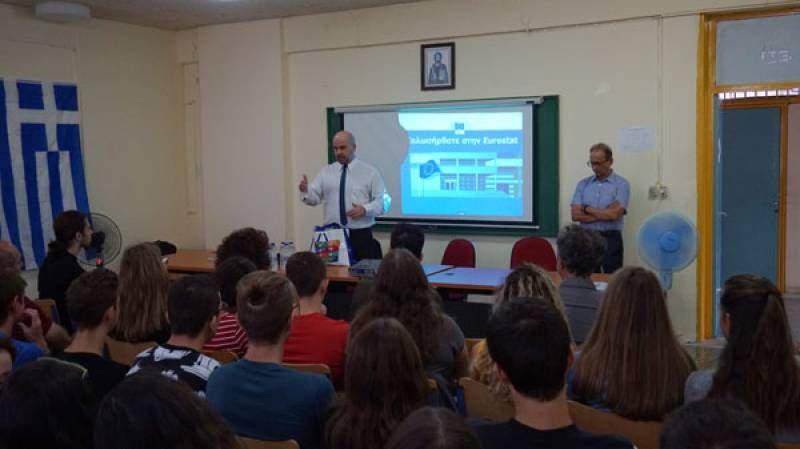
demand
  for
  educational
  visits.
  The
  number
  of
  visits
  to
  ELSTAT
  premises
  from
  schools

from
   all
   educational
   levels
   has
   tripled
   during
   the
   school
   year
   2017/2018
   in

comparison
  with
  the
  previous
  school
  year.


In
   parallel,
   visits
   of
   ELSTAT
   instructors
   to
   schools
   in
   remote
   regions
   have
   been

organized.


                                       Educational
  visit
  of
  students
  at
  ELSTAT's
  premises
  in
  Athens


  Athanasios
  C.
  Thanopoulos
  welcomes
  students
  at
  ELSTAT’s
  premises
  in
  Athens


  during
  their
  educational
  visit
  (2019)


                                                                        [8]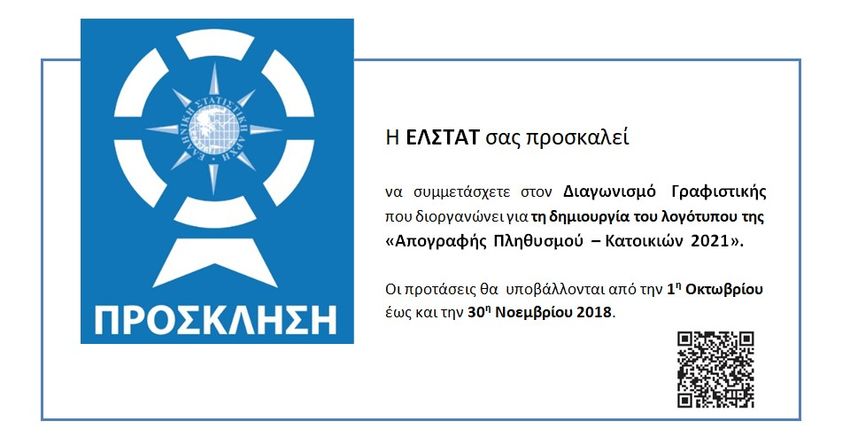
                          Athanasios
  C.
  Thanopoulos
  welcomes
  students
  at
  ELSTAT’s
  premises
  in
  Athens


  during
  their
  educational
  visit
  (2019)


ELSTAT
   engages
   extensively
   with
   students
   in
   the
   framework
   of
   the
   83rd

Thessaloniki
   International
   Fair.
   Educational
   presentations
   to
   High
   School
   students

took
  place
  in
  the
  framework
  of
  the
  participation
  of
  ELSTAT
  in
  the
  83rd
  Thessaloniki

International
   Fair
   (September
   2018).
   It
   is
   worth
   noting
   the
   impressive
   presence
   of

schools
   and
   students,
   despite
   the
   fact
   that
   these
   events
   took
   place
   during
   the

summer
  break.


                                      Educational
  presentation
  to
  High
  School
  students


                                    83rd
  Thessaloniki
  International
  Fair
  (September
  2018)


3. Establishing
  the
  role
  of
  ELSTAT
  as
  key
  partner
  in
  the
  educational
  process

ELSTAT
   participates
   in
   vocational
   mentoring
   and
   traineeship
   programs.

Traineeships
  of
   students
  from
  the
   Vocational
  Institute
  for
   Graphic
   Design
  have
   been

inaugurated
  at
  ELSTAT's
  premises.

                                                                     [9]
In
2018,
the
participation
of
ELSTAT
in
the
summer
program
on
vocational
guidance
started.
This
program
is
addressed
to
students
of
the
first
and
second
grade
of
the
High
School
of
the
Athens
College.
A
Greek
University
masters
program
was
awarded
for
the
first
time
with
the
EMOS
label.
The
integration
process
of
Greece
into
the
network
of
postgraduate
programs
in
the
field
of
official
statistics
at
European
level
has
been
successfully
completed,
with
the
award
of
the
prestigious
“European
Masters
in
Official
Statistics”
(EMOS)
label
for
the
period
2019-‐2023
to
the
“Masters
program
in
Mathematics
with
a
specialization
in
Statistics
and
Modeling”
of
the
Mathematics
Department
of
the
Aristotle
University
of
Thessaloniki.
ELSTAT
establishes
cooperation
and
synergies
with
Academia
on
designing
state-‐
of-‐the-‐art
sampling
methodologies.
The
cooperation
of
ELSTAT
by
virtue
of
a
Memorandum
of
Cooperation
with
the
department
of
Electrical
and
Electronic
Engineering
of
the
Aristotle
University
of
Thessaloniki
has
been
established,
aiming
to
jointly
develop
sampling
methodologies
for
“smart
statistics”,
benefiting
from
data
produced
by
sensors
and
individual
“smart”
devices.
4. Communicating
and
promoting
the
project
“Fostering
Statistical
Literacy
in
Greece”
“Fostering
Statistical
Literacy
in
Greece”
was
promoted
in
the
framework
of
the
83rd
Thessaloniki
International
Fair
in
2018.
The
project
“Fostering
Statistical
Literacy
in
Greece”
was
the
main
subject
of
the
83rd
Thessaloniki
International
Fair
in
2018.
Hundreds
of
students
from
schools
in
the
region
of
Thessaloniki
received
invitations
to
visit
the
ELSTAT
stand
and
attended
specially
targeted
lectures
on
the
mission
and
actions
of
ELSTAT.
rd
The
stand
of
ELSTAT
at
the
83
Thessaloniki
International
Fair
in
2018
[10]
ELSTAT
  offers
  an
  intuitive
  digital
  portal
  for
  users
  to
  gain
  easy
  access
  to
  its
  actions

and
   initiatives
   on
   Statistical
   Literacy.
   A
   dedicated
   webpage
   on
   Statistical
   Literacy

was
  created
  which
  is
  the
  main
  channel
  for
  informing
  stakeholders.


            http://www.statistics.gr/el/edu.


                   Snapshot
  of
  the
  home
  page
  of
  the
  dedicated
  webpage
  on
  Statistical
  Literacy
  of
  ELSTAT


Educational
  material
  from
  the
  webpage
  of
  Eurostat
  is
  now
  available
  in
  Greek.
  The

subsections
   “Population”
   and
   “Statistical
   Concepts”
   from
   the
   section

“statistics4beginners”
  in
  the
  official
  webpage
  of
  Eurostat
  were
  translated
  in
  Greek.


ELSTAT
   issues
   its
   flyer
   on
   Statistical
   Literacy.
   A
   special
   flyer
   was
   issued,
   both
   in

Greek
   and
   in
   English,
   presenting
   the
   actions
   of
   ELSTAT
   on
   fostering
   Statistical

Literacy
  in
  Greece
  in
  an
  easily
  accessible
  manner,
  with
  rich
  photographic
  material.


                                                              Flyer
  of
  ELSTAT
  on
  Statistical
  Literacy


                                                                              [11]
 5. Launching
  competitions

A
  Greek
  Nationwide
  Statistics
  Competition
  runs
  for
  two
  consecutive
  years.
  In
  2017,

the
   Nationwide
   Statistics
   Competition
   was
   established
   at
   national
   and
   European

level.
   The
   1st
   Greek
   Nationwide
   Statistics
   Competition
   brought
   together
   236
   teams

from
   81
   schools
   from
   all
   over
   Greece.
   The
   registrations
   of
   teams
   for
   the
   2nd
   Greek

Nationwide
  Statistics
  Competition
  have
  been
  completed
  in
  early
  February
  2019
  and

the
   participation
   recorded
   an
   increase
   of
   50%
   for
   the
   teams
   and
   20%
   for
   the

educational
   units,
   since
   355
   teams
   from
   97
   schools
   responded
   to
   the
   call
   of
   the
   new

competition.


                                                     The
  advertising
  banner
  of
  the
  2nd
  Greek


                                                    Nationwide
  Statistics
  Competition
  of
  2019


In
  May
  2018,
  the
  awards
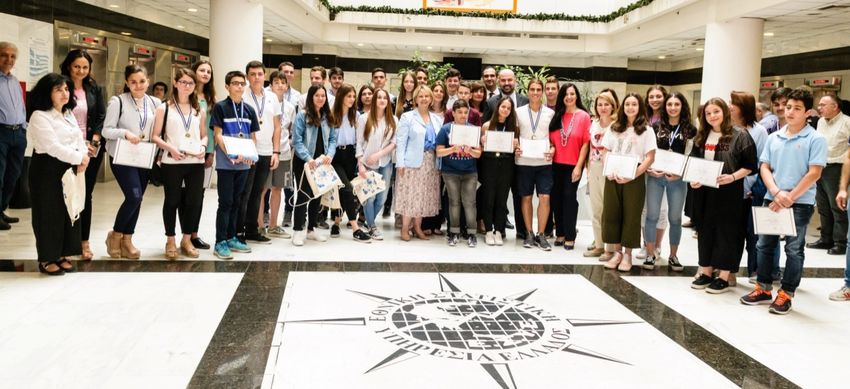
  ceremony
  of
  the
  first
  10
  ranked
  teams
  (5
  teams
  from
  Junior

High
   Schools
   and
   5
   teams
   from
   High
   Schools),
   that
   stood
   out
   in
   the
   first
   Greek

Nationwide
  Statistics
  Competition,
  was
  held
  at
  ELSTAT
  premises
  in
  Athens.


                                              Presentation
  of
  prizes
  and
  certificates
  for
  the
  winners


                                        of
  the
  1st
  Greek
  Nationwide
  Statistics
  Competition
  of
  2018


                                                                        [12]
Family
photo
from
the
awards
ceremony
of
the
first
10
top-‐ranked
teams
in
the
1st
Greek
Nationwide
Statistics
Competition
of
2018
(ELSTAT
premises
in
Athens
-‐
May
2018)
The
work
of
ELSTAT
is
made
known
by
launching
other
types
of
“special
purpose”
competitions.
In
October
2018,
a
competition
on
the
design
of
the
logo
of
the
2021
Population
and
Housing
Census
was
launched.
Graphic
design
students
as
well
as
students
from
related
disciplines
were
invited
to
participate
in
the
competition.
Invitation
for
the
competition
for
the
design
of
the
logo
of
the
2021
Population
and
Housing
Census
6. Granting
educational
material
What
kind
of
material
is
ELSTAT
providing?
The
educational
material
prepared
and
created
by
ELSTAT,
with
the
form
of
books,
exercise
workbooks,
videos,
etc
is
regularly
renewed
and
updated.
In
particular,
three
types
of
exercise
workbooks
[13]have
been
issued.
The
first
type
is
addressed
to
children
attending
the
early
primary
school
classes
and
focuses
on
the
introduction
of
a
first
contact
with
statistical
data.
The
second
type
is
addressed
to
students
of
the
last
class
of
the
primary
educational
level
and
to
the
first
two
classes
of
the
secondary
level
and
aims
at
making
them
familiar
with
infographics
and
at
identifying
the
information
contained
therein.
This
exercise
workbook
also
includes
two
games
with
questions
and
answers,
the
content
of
which
is
based
on
real
data
from
statistical
surveys,
as
well
as
a
presentation
of
the
normal
distribution
and
its
applications
to
every-‐day
life.
The
third
type
of
exercise
workbook
currently
at
the
design
phase,
is
a
continuation
of
the
workbook
of
the
second
type.
It
is
addressed
to
students
of
the
secondary
educational
level
and
includes
exercises
in
statistics,
as
well
as
origami
craft
applications.
Exercise
Workbook
type
I
Exercise
Workbook
type
II
ELSTAT
has
established
the
practice
of
granting
graphical
stationary
material
and
electronic
equipment
to
selected
schools,
for
educational
purposes,
when
this
equipment/
material
is
about
to
be
replaced
by
new
equipment.
In
this
way,
the
useful
lifecycle
of
the
equipment
is
extended
in
a
constructive
way.
Educational
printed
material
(e.g.
from
the
Thessaloniki
International
Fair,
Eurostat,
etc)
gets
forwarded
to
school
libraries,
along
with
infographics
posters
in
order
for
them
to
be
displayed
in
school
rooms.
[14]V. Actions
planned
by
ELSTAT
for
the
coming
period
1.
Organizing
educational
visits
and
presentations
addressed
to
students
• Thematic
one-‐day
conferences
addressed
to
teachers
and
professors
are
organized.
2.
Establishing
the
role
of
ELSTAT
as
key
partner
in
the
educational
process
• A
handbook
on
official
statistics
addressed
to
the
tertiary
education
level
is
being
authored.
The
next
step
would
be
the
creation
of
a
corresponding
textbook
for
High
School
students
with
the
aim
to
present
the
basic
concepts
of
official
statistics
in
a
simple
and
clear
manner.
• The
project
“Fostering
Statistical
Literacy
in
Greece”
is
included
in
the
configuration
of
the
concept
of
the
so-‐called
“Thematic
Week”
of
Junior
High
Schools
and
of
the
so
called
“Flexible
Zone”
of
primary
schools.
These
sessions
are
taking
place
for
a
given
time
duration
within
the
school
year
and
are
meant
to
include
topics
that
are
out
of
the
coverage
of
the
standard
school
program,
but
still
lie
within
the
interests
of
students.
• The
elaboration
of
postgraduate
dissertations
on
official
statistics
topics
is
established.
These
topics
would
be
selected
after
the
cooperation
of
ELSTAT
with
the
corresponding
degree
granting
Universities.
• Webinars
for
students
of
primary
and
secondary
educational
levels
are
created.
• Traineeships
at
ELSTAT’s
premises
for
students
from
Universities
from
all
over
Greece
and
Schools
of
Artistic
Studies
and
Technical
Applications
are
initiated.
• ELSTAT
participates
in
the
program
“Filoxenia”,
funded
by
the
Hellenic
Parliament
Foundation.
This
program
is
granting
short-‐term
accommodation
in
Athens
to
students
of
remote
secondary
schools
from
all
over
Greece
in
order
for
them
to
participate
in
various
cultural
and
educational
activities.
4.
Communicating
and
promoting
the
project
“Fostering
Statistical
Literacy
in
Greece”
• The
electronic
platform
“Census
at
School
-‐
Census@School”
is
operating.
This
platform
provides
educational
material
and
instructions
on
the
process
and
the
practical
conduction
of
a
statistical
census
survey
at
the
level
of
the
school
unit.
In
this
way,
students
are
involved
in
the
collection
and
analysis
of
statistical
data
and
they
identify
similarities
or
differences
at
the
level
of
the
school
unit.
• An
educational
web
game,
which
will
be
hosted
in
a
dedicated
place
of
ELSTAT’s
website,
is
created.
[15]VI. Evaluation
of
the
project
so
far
The
response
to
the
project
“Fostering
Statistical
Literacy
in
Greece”,
and
the
feedback
recorded
by
ELSTAT,
so
far,
are
very
positive,
encouraging
and,
therefore,
inspiring
for
the
intensification,
expansion
and
enrichment
of
the
next
steps
that
ELSTAT
is
planning.
The
response
is
positive
both
from
the
side
of
the
participants
and
interacting
stakeholders
coming
from
the
educational
institutions
(students,
professors,
etc)
but
also
from
the
side
of
the
management
of
education
at
the
political
level
(Ministry
of
Education,
Research
and
Religious
Affairs).
Both
parties
embraced
the
actions
of
ELSTAT
with
their
continuously
increasing
participation.
An
important
factor
that
contributed
significantly
to
the
positive
outcomes
that
have
been
recorded
so
far
has
to
do
with
the
enthusiasm
and
engagement
exhibited
by
ELSTAT’s
staff.
Enthusiasm
and
cooperation
among
all
involved
parties
is
an
essential
ingredient
for
the
establishment
and
evolution
of
the
project
that
would
enhance
statistical
literacy
in
Greece
in
a
sustained
way.
[16]More information concerning
“Fostering Statistical Literacy
in Greece”
is available at:
www.statistics.gr/el/edu
www.statistics.gr
edu_elstat_info@statistics.grYou can also read


