Gateway Packages 2019 - Skills
←
→
Page content transcription
If your browser does not render page correctly, please read the page content below
Gateway Packages 2019
CONTENTS
 Introduction	                              1
 Plumbing, Gasfitting and Drainlaying	      2
 Electrical4
 Scaffolding	                               5
 Roofing	                                   6
 Security Staff Services	                   7
 Business Services                          8
 Contact Centre                             9
 Lets get started	                         10
 Additional courses	                       14

Contact us
Need help? Got a burning question?
We’ve got you covered.
Call us: 	0508 SKILLS (754 557)
           Mon – Thurs, 7am–7pm
           Fri 7am–5pm
Email:     support@skills.org.nz
Facebook: The Skills Organisation @skillsorgtrades
Website:   skills.org.nz
AN INTRODUCTION
   TO GATEWAY WITH
        SKILLS
  Prior knowledge and experience of an industry can help
 young people make better, more informed career choices.

     The Gateway programme supports school students’
 transition into the workforce. It offers structured workplace
    learning while at secondary school. This increases the
likelihood that young people will end up with a great career.

Skills’ Gateway packages are an awesome way for students
   to work and gain valuable skills and knowledge. Each
package includes theory and practical components through
   work experience. Workplace learning includes set unit
  standards for the student to work towards and achieve.

   Skills is one of New Zealand’s largest Industry Training
Organisations which works across many business and trade
sectors. We offer Gateway packages for electrical, plumbing,
gasfitting, drainlaying, roofing, scaffolding, security, business
                 services and contact centres.

Our goal is to help students move into apprenticeships and
 employment, a win for the student and a win for industry!

For a quick snapshot of some of the industries we work with,
      check out the videos on www.justthejob.co.nz.

                                                                    1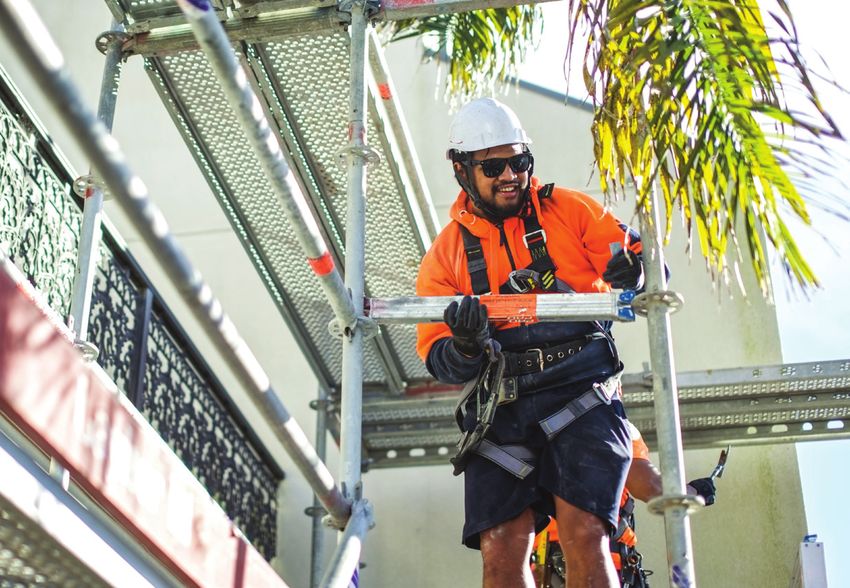
PLUMBING, GASFITTING
AND DRAINLAYING
What do plumbers do?                         What do gasfitters do?                       What do drainlayers do?
Plumbers do a variety of jobs. You           Gasfitting is a versatile trade that can     Like working outdoors? Drainlaying
could be working on a farm one day           take you all over the world. They work       might be for you. You could find
or a high-rise building the next.            with anything to do with gas, which          yourself:
                                             could be:
On any given day you could be:                                                            ••   Installing drainage pipes in new

••   Installing hot water cylinders in a     ••   Installing boiler systems in                 subdivisions
                                                  industrial buildings                    ••   Maintaining the drains on
     multi-million dollar house
••   Doing bathroom renovations,             ••   Installing gas stoves and heating            heritage buildings
                                                  appliances in residential homes         ••   Using a digger to dig trenches
     putting in sinks, toilets, showers,
     and baths                               ••   Installing gas systems on food          ••   Installing environmental waste
                                                  trucks, caravans, or boats                   water systems.
••   Installing pipework in hospitals or
     aged care-facilities                    ••   Installing gas cooking appliances
                                                  in cafes and restaurants
••   Working in an industrial plant
     installing pipes                        ••   Installing pipework in homes and
                                                  businesses.
••   Installing metal roofing and
     spouting systems.

Note: A Trainee Limited Certificate (TLC) is required for a student to be on site. We can provide you with the TLC application form.
Please complete, scan, and return it to us along with the enrolment form by emailling registrations@skills.org.nz. We will
submit it to the Plumbing, Gasfitting and Drainlaying Board. Skills has covered the cost of the TLC in the Gateway programme.

2
Vocational
                                                                                                                     Pathway
                                                                                                                    Construction &
                                                                                                                    Infrastructure

  UNIT              TITLE                                                                           LEVEL        CREDITS

  497               Demonstrate knowledge of workplace health and safety requirements                  1            3

  2136              Identify and describe hand tools and testing equipment for plumbing                2            2

  2137              Identify and describe trade equipment and power tools used for plumbing            2            1

  1120              Identify and describe hand tools and checking equipment for drainlaying            2            2

  1121              Identify and describe trade equipment and power tools used for drainlaying         2            2

  28094*            Produce a balanced household budget and adjust the budget to reflect               2            3
                    changing financial circumstances

  24699*            Make an informed decision relating to personal income and explain                  2            2
                    its consequences

  30692             Perform basic calculations used in a given trade situation                         2            2

  21883             Demonstrate knowledge of working in gas contaminated environments in               2            3
                    plumbing, gasfitting, or drainlaying

  30596             Demonstrate knowledge of asbestos and safety measures for                          3            2
                    asbestos-related work

*These unit standards are assessed by schools                                                                      22

                                                         We recommend all students call their host employer
                                                         to discuss the equipment they need to bring.
                                                         They might need:
                                                         •• Steel-capped boots          ••    Long-sleeved top
                                                         •• Hi-viz vest                       and long pants
                                                         •• Safety glasses              ••    Hard hat
                                                                                                                          3
Vocational
 Pathway
Manufacturing &
  Technology

 ELECTRICAL
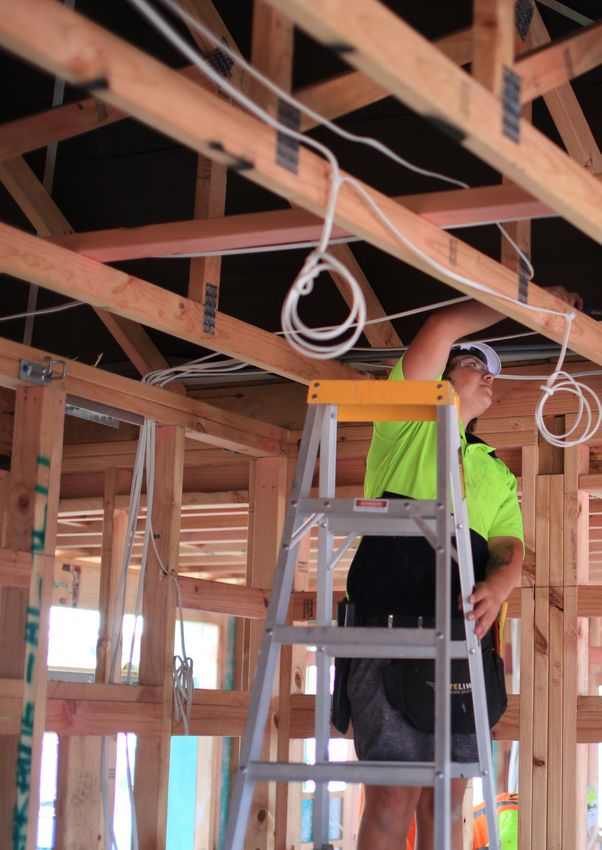
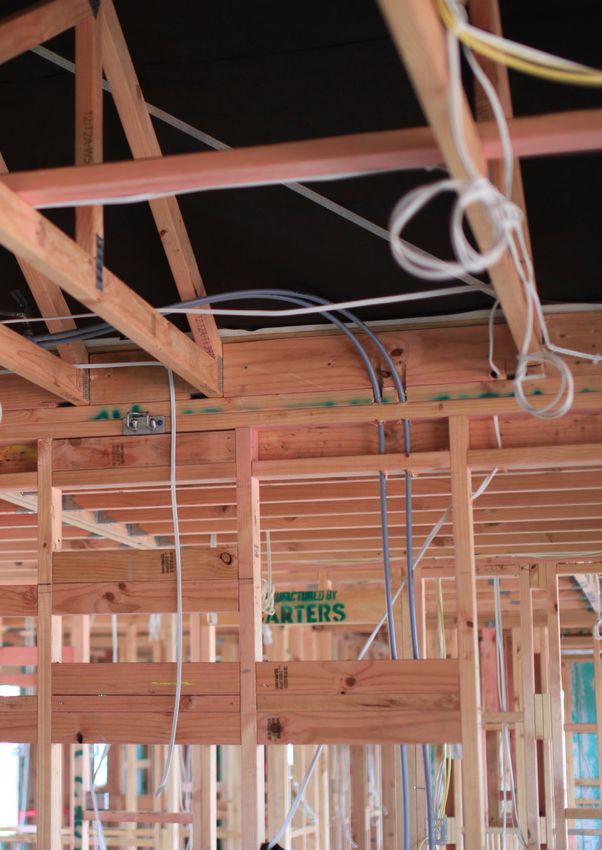
 What do electricians do?                                              On any given day you could be:
 You could be in Christchurch helping with the rebuild,                ••   Sorting out the electrics on a super yacht
 wiring multi-million dollar houses in Auckland, or                    ••   Working with wind turbines or solar panels
 spending the summer at Scott Base in Antarctica. The
 options are endless – wherever there is a light bulb, an
                                                                       ••   Wiring up a sky scraper

 electrician is in demand.                                             ••   Doing repairs at a powerstation

 You could be working inside, outside, on top of a
                                                                       ••   Helping nan with a broken electrical socket

 skyscraper, or in places you never thought existed.                   ••   Doing maintenance at a bakery
 You could be building or repairing people’s homes,
 businesses, factories, and even power stations.

     UNIT            TITLE                                                                                LEVEL         CREDITS

  4249              Describe care and timeliness as an employee                                              1              3
  30692             Perform basic calculations used in a given trade situation                               2              2
  3490              Complete an incident report                                                              1              2
  30658             Demonstrate knowledge of fundamental electrical safety in the workplace                  2              2
  1178              Follow safe practices in an electrical workplace                                         2              3
  16407             Use and maintain hand and power tools for electrical work                                3              3
  28094*            Produce a balanced budget and adjust the budget to reflect changing                      2              3
                    financial circumstances
  24699*            Make an informed decision relating to personal income and explain                        2              2
                    its consequences

 *These unit standards are assessed by schools                                                                              20

 Note: Skills Gateway Electrical package is separate from The National Certificate in Electronics Technology (NCET) Level 2 or 3
 programme. For any students wishing to enrol in the National Certificate in Electronics Technology Level 2 or 3 programme,
 please email your request to support@skills.org.nz

                  We recommend all students call their host employer
                  to discuss the equipment they need to bring.
                  They might need:
                  •• Steel-capped boots          ••   Long-sleeved top
                  •• Hi-viz vest                      and long pants
                  •• Safety glasses              ••   Hard hat
 4
Vocational
                                                                                                                             Pathway
                                                                                                                            Construction &
                                                                                                                            Infrastructure

SCAFFOLDING
What do scaffolders do?                                           On any given day you could be:
Scaffolders are a vital part of any construction work,            ••     Building scaffolding and platforms for high-rise
and there’s always work to be done!                                      building constructions
With a career in scaffolding you’ll be involved with an           ••     Working as part of a project team to get seating built
array of jobs, including transportation, planning and                    at a raceway
measuring, erecting and securing scaffolding,                     ••     Securing a residential home for roof repairs
performing safety checks, and dismantling.                        ••     Building scaffolding for art installations and museums
                                                                  ••     Erecting work platforms for reconstruction work in
                                                                         heritage buildings

  UNIT              TITLE                                                                             LEVEL          CREDITS

  20855             Handle and maintain basic scaffolding components                                     2              5

  13016             Demonstrate knowledge of the erection and dismantling of scaffolding up              3              3
                    to five metres in height

  17600             Explain safe work practices for working at heights                                   3              3

  30692             Perform basic calculations used in a given trade situation                           2              2

  28094*            Produce a balanced household budget and adjust the budget to reflect                 2              3
                    changing financial circumstances

  24699*            Make an informed decision relating to personal income and explain its                2              2
                    consequences

  30596             Demonstrate knowledge of asbestos and safety measures for asbestos-                  3              2
                    related work

*These unit standards are assessed by schools                                                                           20

                                                         We recommend all students call their host employer
                                                         to discuss the equipment they need to bring.
                                                         They might need:
                                                         •• Lace-up steel-capped           ••   Long-sleeved top
                                                            boots                               and long pants
                                                         •• Hi-viz vest                    ••   Hard hat with clip
                                                         •• Safety glasses                                                        5
Vocational
 Pathway
Construction &
Infrastructure

    ROOFING
    What do roofers do?                                                  On any given day you could be:
    Whether it’s a new building or re-roofing an existing one,           ••   Installing roofing and wall cladding on a huge
    there’s plenty of demand for roofers in New Zealand.                      commercial building
    The roofing industry has many different roofing and wall             ••   Working on architecturally-designed roofs installing
    cladding systems, and roofers can choose to specialise in                 high-end roofing products and specialised flashings
    one or all of the different systems.
                                                                         ••   Install pressed metal tile or concrete tile roofs for
    Roofers are involved with the planning, set up, and                       new subdivisions
    installation of new roofs, along with assessing, quoting,            ••   Finding and repairing leaks on a residential home
    and completing repair or re-roofing jobs.
                                                                         ••   Working on skyscrapers or apartment blocks
                                                                              installing single or multi-layer waterproofing systems

        UNIT         TITLE                                                                                    LEVEL        CREDITS

        497          Demonstrate knowledge of workplace health and safety requirements                           1              3

        30596        Demonstrate knowledge of asbestos and safety measures for                                   3              2
                     asbestos-related work

        12997        Demonstrate knowledge of safe working practices on construction sites                       3              3

        21413        Demonstrate knowledge of roofing hand and power tools                                       2              5

        25334        Demonstrate knowledge of the roofing industry within a BCATS environment                    2              2

        28094*       Produce a balanced household budget and adjust the budget to reflect                        2              3
                     changing financial circumstances

        24699*       Make an informed decision relating to personal income and explain its                       2              2
                     consequences

        30692        Perform basic calculations used in a given trade situation                                  2              2

    *These unit standards are assessed by schools                                                                              22

                     We recommend all students call their host employer
                     to discuss the equipment they need to bring.
                     They might need:
                     •• Hi-viz vest                 ••   Hard hat with clip
                     •• Long-sleeved top
                         and long pants
    6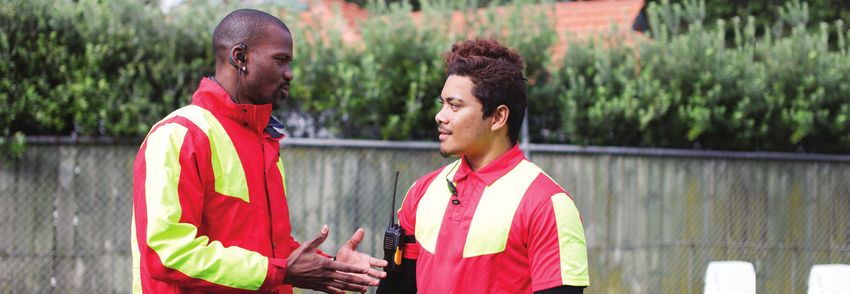
Vocational
                                                                                                                                  Pathway
                                                                                                                             Service Industries

SECURITY STAFF SERVICES
What do security guards do?                                         Theory workshops are held one day a week for 4 weeks
                                                                    by Red Badge, followed by 20 hours closely supervised
You see them everywhere, from the country’s largest
                                                                    on-job event work experience (usually outside of school
sporting events and concerts to your favourite bars and
                                                                    hours). On completion of the programme students will
pubs. Security guards are vital in protecting the public
                                                                    have been awarded with the unit standards required
and keeping property safe.
                                                                    to apply for their Certificate of Approval – the license
On any given day you could be:                                      required to work in the Security industry.

••   Checking bags and tickets to a concert                         This programme is available in the following areas:
••   Scoping and supervising a complex project site
                                                                    ••   Auckland                     ••   Wellington
••   Patrolling the carpark at a corporate event
                                                                    ••   Hamilton                     ••   Christchurch
••   Monitoring a construction site
                                                                    ••   Napier                       ••   Dunedin
••   Checking business properties at night
••   Calming down conflict outside a bar

* Please note: Students need to be 18 years old, or turning 18 in the calendar year that they are attending the course.

  UNIT           TITLE                                                                                     LEVEL          CREDITS

 27364          Demonstrate knowledge of the security industry in the pre-employment                         2               4
                context

 27360          Demonstrate knowledge of managing conflict situations in a security                          2               4

 27361          Manage conflict situations in a security context                                             3               4

 27359          Respond to an emergency in a security context                                                2               2

                                                                                                                            14

                                                                                                                                     7
Vocational
   Pathway
Service Industries

     BUSINESS SERVICES
     What do you do in business service?                             On any given day you could be:
     Business administration is a vital part of keeping all          ••   Filing documents, record keeping and
     businesses running smoothly. Strong administration                   updating data
     skills such as team work and customer service skills,           ••   Scheduling meetings, drafting agenda and
     the ability to follow business processes, and reliable data          minute taking
     and time management are sought after in all businesses          ••   Creating reports and presentations
     and industries.
                                                                     ••   Preparing customer mail outs
     With business administration skills you could be working
     in banking, insurance, real estate or general business.
     Over time you might progress and specialise into financial,
     people or customer service management.

     The Skills’ Business Services Gateway package provides a student logbook to record on-job evidence, and includes
     open-book assignments to complete at school.

         UNIT            TITLE                                                                       LEVEL      CREDITS

         57             Provide Customer Service                                                        2            2

         121            Demonstrate and apply knowledge of office equipment and administration          2            5
                        processes

         108            Apply text processing skills to produce business documents                      3            5

         5940           Produce a presentation using a desktop presentation computer                    2            3
                        application

         12349          Demonstrate knowledge of time management                                        2            3

         24699          Make an informed decision relating to personal income and explain its           2            2
                        consequences

     This programme is assessed by schools                                                                           20

     8
Vocational
Pathway
Service Industries
CONTACT CENTRE
Staff in a contact centre are often the first people within On any given day you could be:
an organisation to speak with customers, suppliers or the
public who call in. •• Answering enquiries
•• Problem solving
Traditionally contact centre staff manage conversations
over the phone but video calling is also becoming
•• Organising help dealing with customer complaints,
common practice. Some contact centre work, such as •• Selling goods or services
emergency and health services, may cover 24 hours a •• Inputting information into a computer system.
day, seven days a week. You could work regular days or
evenings or do shift work. You may work in a large team
or work remotely from home.
Contact centre work helps develop great people-
management skills such as clear communication, the
ability to stay calm in challenging circumstances and the
ability to follow a standard process to gather the right
information at the right time.
UNIT TITLE LEVEL CREDITS
57 Provide Customer Service 2 2
376 Employ customer service techniques to accommodate customer 3 2
behavioural styles in a workplace
11097 Listen actively to gain information in an interactive situation 3 3
11815 Answer customer enquiries on the telephone in a wide range of contexts 3 3
28268 Communicate with contact centre customers to meet their needs 3 8
24699 Make an informed decision relating to personal income and explain its 2 2
consequences
This programme is assessed by schools 20
9LET’S GET STARTED
Enrolment Pricing
To enrol in a Skills Gateway programme: The Security Gateway package costs $300 + GST.
All other Gateway packages provided by Skills cost
Please select the Skills Gateway package required
$250 + GST.
and complete the Enrolment and Resource Form.
The enrolment form must be signed by both the school (These prices include all administration, assessment and
Gateway coordinator and Gateway student. Please moderation, resource and licence costs, communications
remember to use the students’ full legal name on and credit registration costs for trades courses.)
these forms.
Scan and email the completed form to
registrations@skills.org.nz Payment
Skills will invoice your school accounts directly for the cost
of the Gateway resource materials. Please add a Purchase
Provider Numbers Order number to assist your accounts department.
The Terms and Conditions on the Enrolment form
constitutes a Memorandum of Understanding. Please
use your school’s Provider Number to report credits
assessed at your school. Any credits assessed by Skills
Assessors will be reported using Skills’ Provider Number.
10Skills’ Gateway resource materials Delivery
Each Skills’ Gateway package includes the following: We will courier your Skills’ Gateway resources to your
school Gateway Coordinator. Please allow at least at
•• Study Guide for many unit standards*
10-working days between order and delivery. All our
•• Assessment booklets (for students to collect courier orders are tracked. On occasion couriers may
workplace-specific evidence required for the be stowed away, collected by a student or simply don’t
standards and, if relevant, get sign off by their arrive. If you suspect your order has gone astray, please
workplace supervisor). email us at support@skills.org.nz
•• An Assessor Guide for Business and Contact Centre
packages and financial literacy units. Duration
* Please note: These guides are practice material for students. Students entering the Trades, Business Services, or
Only the Trainee Assessments are to be assessed. Contact Centre programmes will spend one day a week
for ten weeks with their host employer.
Those entering the Security programme will spend one
day a week for 4 weeks at Red Badge completing theory
work, followed by 20 hours closely supervised on-job
event work experience (usually outside of school hours).
11What is the assessment process?
Depending on the industry the Gateway package relates to, assessment may be on job (in the workplace), at school
under supervision or managed by Skills.
Electrical, Plumbing, Gasfitting, Drainlaying, Roofing, and Scaffolding
A number of these assessments are done on the job with the employer. The process is as follows:
•• A workplace supervisor will sign off the assessment
•• The student scans and emails the completed, signed off assessment and evidence (if applicable)
to assessments@skills.org.nz
•• The assessment is received by Skills and reviewed by a qualified assessor
•• Once found competent, the unit standards will be reported to NZQA by Skills
Most programmes include financial literacy unit standards: 24699 & 28094. These units need to be assessed by your
school and reported to NZQA using your school’s Provider Number.
You can check your students’ progress by logging on to NZQA and you will be sent a formal notification of
completion on the Gateway programme.
Note: If you hold Consent to Assess and wish to assess unit standards 497, 30692, or 3490, please contact us at
gateway@skills.org.nz
12Security
All students are managed and assessed through
Red Badge with credits reported to NZQA by Skills.
Business and Contact Centre
Schools need to assess the Business and Contact
Centre Programmes. You will need to advise Skills
the names of the assessors in your school before
Assessor Guides are sent out. The assessor may be
any teacher in your school as long as your school
has Consent to Assess.
To be assessed, students need to collate
assessments and evidence. Schools will assess the
students’ work, and report the credits directly to
NZQA. Information about what evidence is required
and and how it should be gathered for each Gateway
package will be provided in the Assessor Guide.
13ADDITIONAL COURSES Here are some additional courses which could help your students succeed on their Gateway programme. Site Safe Everyone wants to get home safely at the end of the day. To make sure this happens, all people on construction sites need to be aware of their actions, others’ actions, and the hazards of the site. Because of this, many sites now require any worker to hold a Site Safe Passport before being allowed onto site. For information and costs on Site Safe courses contact Site Safe: Call: 0800 SITE SAFE (748 372) E-mail: comments@sitesafe.org.nz Website: sitesafe.org.nz First Aid Basic first aid skills are always beneficial, particularly when working in higher-risk environments like construction sites. We recommend the following two unit standards be completed before beginning a placement. 6401 Provide First Aid 6402 Provide Resuscitation Your school may offer these unit standards already. External providers also have courses with these units (e.g. Red Cross and St John). Height Safety Working at heights can be dangerous. To prepare for work in plumbing, scaffolding, or roofing we recommend basic height safety training is completed before beginning the placement. The training should include the following two unit standards: 17600 Explain safe work practices for working at heights 23229 Use safety harness system when working at height There are many external providers delivering courses with these units (e.g. Vertical Horizonz, NZ Safety and Safety N Action). 14
15
Got questions?
Need some help to make up your mind?
We’d be more than happy to answer any
questions you have. Give us a call on
0508 SKILLS (754 557) or send us an
email at support@skills.org.nz.
skills.org.nz
  @skillsorgtrades

16
OTH0004
You can also read


