THE PRINCE'S TRUST TESCO YOUTH INDEX 2021
←
→
Page content transcription
If your browser does not render page correctly, please read the page content below

THE PRINCE’S TRUST
TESCO YOUTH INDEX
2021
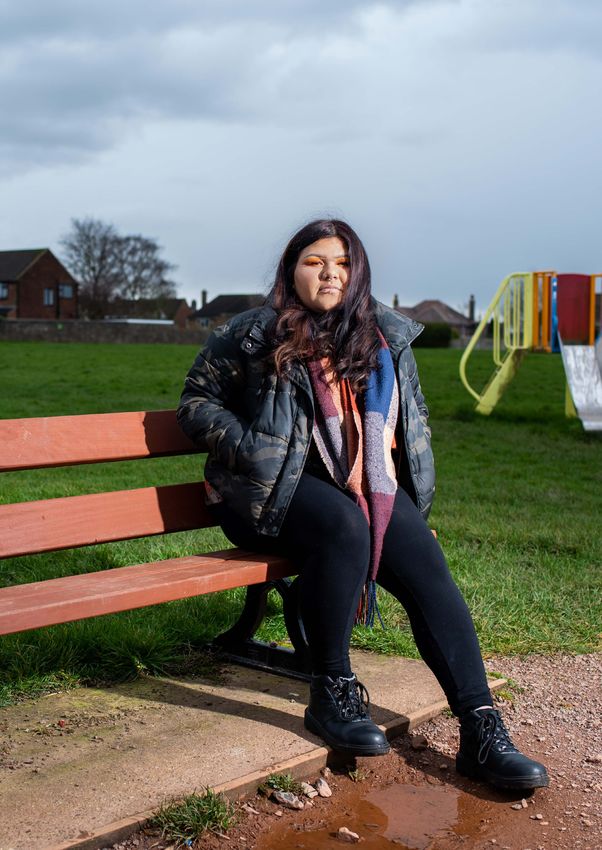
FOREWORD
It has been a challenging year for all of
us, as the COVID-19 pandemic
continues to turn lives and livelihoods
upside down, causing untold economic
and social disruption across the globe.

Here at The Prince’s Trust, we         education or training (NEETs).        people the confidence, skills and
have seen the devastating toll         The research also suggests that       training to get into the jobs of the
the pandemic is taking on young        more young people are feeling         future. However, we can’t do it alone.
people’s mental health and             anxious than ever in the 12-year
wellbeing, particularly those          history of the Index, with the        At this critical time, we need
from the most disadvantaged            unemployed worst affected.            businesses, government, and
backgrounds.                                                                 individuals to work with us to help
                                       Half of NEET young people (48         as many vulnerable young people
Young people are facing a              per cent) can’t see an end to         as possible. Our partnership with
disrupted education, isolation from    their unemployment. There is a        Tesco is boosting young people’s
their friends and loved ones and       real danger that young people         mental health and giving them the
hundreds of thousands are now          who are already struggling to find    confidence and training they need to
struggling to find a job. UK young     a job – those with challenging        get a job. We are also working with
people are almost four times as        homelives, few qualifications and     the Department of Health and Social
likely to be unemployed as the rest    little confidence – will be pushed    Care, supporting young people into
of the working age population and      furthest away from the jobs, as the   the vacancies that need filling in NHS
the jobs market has been shrinking     labour market becomes even more       Trusts, hospices, care homes and
– particularly in sectors that         competitive.                          other employers across the sector.
typically employ young people.                                               It is only by working together like
                                       We cannot allow that to happen.       this that we can stop this generation
Sadly, this year’s Youth Index shows   The Prince’s Trust will always be     of young people giving up on their
that one in four young people (26      there for young people across         futures – and themselves.
per cent) feel “unable to cope         the UK, giving them a lifeline
with life” since the start of the      to overcome the toughest of           Jonathan Townsend
pandemic, increasing to 40 per         challenges. We know that our          UK Chief Executive
cent among those not in work,          programmes work – giving young        The Prince’s Trust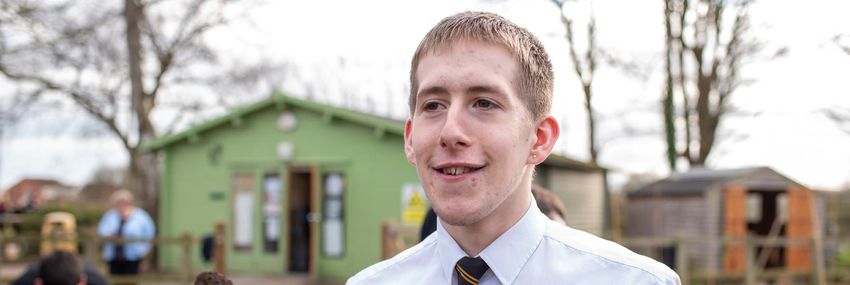
INTRODUCTION
The findings of this year’s Youth
Index highlight how vital it is to
support young people to develop
skills and build their confidence, to
support their future.

Emma Taylor, UK and ROI People
Director at Tesco said:

Through our existing partnerships   The partnership also helps       In these extraordinarily difficult
with The Prince’s Trust and other   young people into jobs through   times, supporting young
charities, we have already          The Trust’s employability        people’s mental health is
supported over 40,000 young         courses, as well as Tesco        paramount and as a business,
people in secondary schools to      self-funding six-month retail    we are committed to helping
develop essential employability     work placements for 1,000        many more young people in the
and life skills, such as teamwork   unemployed young people          coming years to build their
and communication.                  through the Government’s         skills and secure employment.
                                    Kickstart programme.
The Trust and Tesco are working
together to provide mental
health resources and support in
schools across the UK.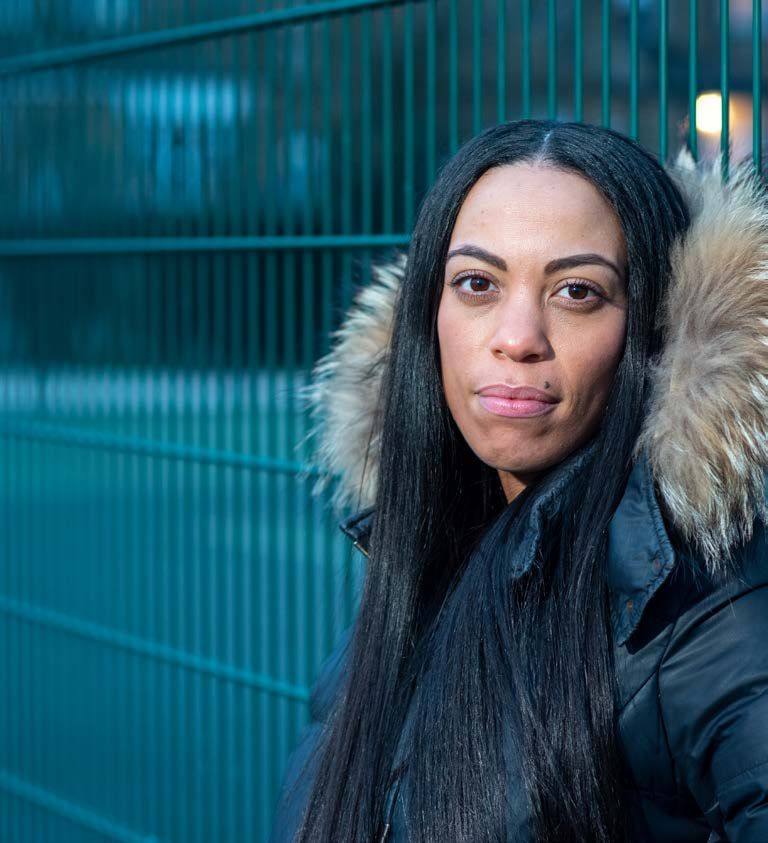
BACKGROUND & METHODOLOGY
The Youth Index is a national survey that gauges young
people’s happiness and confidence across a range of areas,
from working life to mental and physical health.

BACKGROUND                         METHODOLOGY                       The results for 2021 have been
                                                                     mapped against the data from
                                                                     the previous 11 reports to give
The findings are derived from      Survey participants are asked
                                                                     a high-level view of how the
the results of an online survey    how happy and confident they
                                                                     wellbeing and outlooks of
in which a sample of 2,180 16      are in different areas of their
                                                                     young people have changed
to 25-year-olds participated       lives.
                                                                     over time.
between 25th November and
8th December 2020.                 The responses are then
                                   converted into a numerical
The survey was conducted           scale, resulting in a number
by YouGov on behalf of The         between zero and 100, where
Prince’s Trust and the figures     100 denotes participants being
have been weighted and are         entirely happy or confident and
representative of 16 to 25-year-   zero being not at all happy
olds in the UK. The results of     or confident.
the survey are displayed in
a happiness and confidence
Index.

           10%
    of respondents are not
                                              6%
                                      of respondents achieved
                                                                               18%
                                                                        received free school
    currently in education,           fewer than five GCSEs             meals either throughout
    employment or training            graded A* to C, or the            their time at school or
    (NEET). Fifty-seven per           new grading of 4 to 9, or         some of the time.
    cent of these have been           Scottish Standards, levels
    unemployed for more               1 or 2.
    than six months.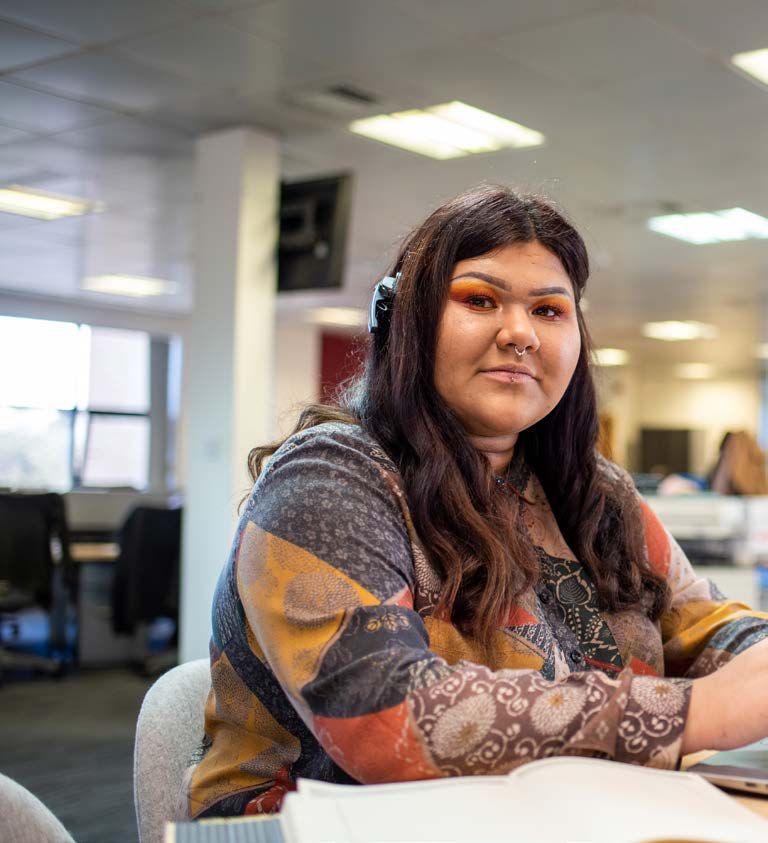
EXECUTIVE SUMMARY
 The Prince’s Trust Tesco Youth
 Index 2021 reveals the impact
                                          MENTAL HEALTH CRISIS                   been most motivated by in
                                                                                 the past year, followed by
 the COVID-19 pandemic is                                                        movements to tackle
                                          For many 16 to 25-year-olds,
 having on young people’s                                                        climate change
                                          these can be particularly
 mental health in the UK.
                                          turbulent years as they transition
                                                                                • Despite this motivation, some
                                          into adulthood. This report finds
 In an unstable jobs market, this                                                 feel that their voices aren’t
                                          that living these years in a global
 report highlights the undeniable                                                 being heard. Over a third of
                                          crisis is having a detrimental
 impact of joblessness on young                                                   young people (37 per cent) feel
                                          effect on young people’s mental
 people’s mental wellbeing,                                                       powerless to change their own
                                          health, with many showing
 with those not in education,                                                     future and nearly one in three
                                          symptoms of poor mental
 employment or training (NEETs)                                                   (31 per cent) think that their
                                          wellbeing. Indeed, more young
 significantly more likely to feel                                                opinions on issues don’t matter
                                          people are feeling down or
 anxious, depressed and “unable
                                          depressed than at any other
 to cope with life.”
                                          time in the history of the Youth
                                          Indexii.
                                                                                 CAREER DREAMS VS REALITY
 However, in a year like no
 other, the research indicates a                                                 Young people are among the
                                          Since the pandemic began:
 motivation among young people                                                   hardest hit by the economic
                                        • One in five young people (21 per
 to fight for a better future for their                                          impact of the pandemic. As
                                          cent) have experienced suicidal
 generation.                                                                     competition for training and
                                          thoughts, rising to 28 per cent of
                                                                                 job opportunities increases,
                                          NEETs
                                                                                 fears for future work are having
 LIFE IN A PANDEMIC                      • Ten per cent have self-harmed,
                                                                                 a significant impact on their
                                                                                 wellbeing.
                                           increasing to 14 per cent of NEETs
 The pandemic has taken a
 devastating toll on young                                                      • A quarter of young people (24
                                         • One in five (22 per cent) have
 people’s mental health, with this                                                per cent) say the pandemic has
                                           experienced panic attacks,
 year’s report suggesting more                                                    destroyed their career hopes
                                           compared to 28 per cent of
 young people are feeling anxious
                                           NEETs
 than ever in the 12-year history of                                            • While 78 per cent are hopeful
 the Index . This report indicates                                                for a better year ahead, 60 per
 the experience of NEETs is more
 negative than those in work and
                                          CHANGE FOR THE FUTURE                   cent say getting a new job feels
                                                                                  impossible now because there
 trainingi.                                                                       is so much competition
                                          The research indicates that while
                                          the pandemic has taken its toll
• One in four 16 to 25-year olds (26                                        • One in five (21 per cent) feel
                                          on young people’s mental health
  per cent) admit they feel “unable                                           scared that their skills and
                                          and wellbeing, many are also
  to cope with life”, increasing to 40                                        training are no longer useful
                                          more motivated than ever to
  per cent among NEETs
                                          make a positive change for their
                                          future.
• Half (50 per cent) say their mental
  health has worsened since the
                                         • Three-quarters of young people
  start of the pandemic
                                           (74 per cent) agree that “my
                                           generation can change our future
• More than half of young people
                                           for the better”
  (56 per cent) “always” or “often”
  feel anxious, rising to 64 per cent
                                    • Two-thirds (66 per cent) say the
  for NEETs
                                      political events of the year have
                                      made them want to fight for a
• A quarter of young people (23 per
                                      better future, with more than half
  cent) do not feel confident about
                                      (58 per cent agreeing that they
  their future work
                                      are “more motivated than ever”.
• 65 per cent of NEETs agree that
                                   • Young people cite Black Lives
  the longer they are jobless, the
                                     Matter as the issue they have
  worse they feel about themselves
LUC’S STORY
Luc’s anxiety and depression had
left him out of work for over a year,
struggling with the lack of jobs
available during the pandemic.
However, The Prince’s Trust helped
Luc into work with Tesco and he says
he’s now “a totally different person.”

Luc, 19 from Tandragee, was out        “It was awful being out of work           “One of my friends did the
of work for 13 months after a bad      after that. My mum was so worried         programme previously. He had
experience on a work placement         about me, she said she had never          anxiety and no confidence at
left him feeling low with anxiety      seen me at such a low point               the start but at the end of the
and depression. This, alongside the    because I was depressed, and my           programme I was amazed at the
lack of jobs due to the COVID-19       anxiety was so bad I couldn’t leave       change in him, that inspired me to
pandemic, left Luc feeling worried     my room.                                  give it a try.
about his future and how he was
going to pay his bills.                “It was a horrible time. I had bills to   “Part of the programme was online
                                       pay for my car but had no money           and it made me feel anxious
“I was studying a lorry mechanics      coming in, it just kept getting me        just thinking about taking part,
course at college and got a work       more and more down. Then the              but when I was in the store on
placement in a garage. But I faced     pandemic began and I didn’t see           placement it gave me a new
bullying and things got so bad that    how I was ever going to find work.”       lease of life. Interacting with the
I was actually sick with the anxiety   A friend of Luc’s told him about The      customers has really boosted
and I had to leave.                    Prince’s Trust Get into Retail with       my confidence at the end of the
                                       Tesco programme.                          programme I was delighted to be
                                                                                 offered a contract in store. It feels
                                                                                 great to be working again.”

                                                              If you look at me two
                                                              months ago and me
                                                              now, I’m a totally
                                                              different person.
REPORT
FINDINGS

YOUTH INDEX SCORES
The survey, conducted by YouGov, asks young people
how happy and confident they feel about a number of
aspects of their life, including their employment situation,
education, mental wellbeing and physical health.

This year’s Index shows that young people are feeling less happy and confident about their emotional health,
their work and education and how much money they have than other areas of their lives. The scores for
emotional health and work and education have reached their lowest point in Youth Index history.

                         2009                      2010                       2011                     2012                       2013                     2014                       2015                      2017                      2018                      2019                     2020                       2021

                   Happiness    Confidence   Happiness    Confidence   Happiness    Confidence   Happiness    Confidence   Happiness    Confidence   Happiness    Confidence   Happiness    Confidence   Happiness    Confidence   Happiness    Confidence   Happiness    Confidence   Happiness    Confidence   Happiness    Confidence

Work /
education             71            71         70             70         68             67         70             70         69             67         70             67         69             68         69             68         67             67         68             68         68             68         67             66

Home /
accommodation        76             76         76             75         76             73         78             75         76             73         76             73         75             72         75             71         75             71         76             71         75             70         76             72

Community /
local area           69             70         69             69         68             68         69             71         68             69         70             70         69             68         68             68         68             68         68             68         67             66         69             68

Family
relationships        79             81          81            82         78             78         80             81         79             79         79             79         79             80         77             78         77             78         77             79         75             76         77             78

Relationships
with friends         77             79         78             78         75             75         77             78         74             74         75             75         73             73         73             73         72             72         72             72         72             71         74             73

Money
                     56             67         56             66         57             65         58             67         58             66         58             65         58             65         58             65         56             64         56             65         58             64         60             65

Qualifications
                     79             79         77             76         76             75         77             76         76             74         76             74         77             74         76             74         76             73         76             73         76             74         77             74

Physical health
                     69             74          71            74         68             72          71            74         69             73         69             72         67             70         65             70         63             68         63             68         63             68         65             69

Emotional health
                     67             73         70             71         67             68         67             70         66             72         67             72         64             70          61            67         57             65         58             64         58             64         56             64

Total Index
scores                71            74         72             74         70             71         72             74         70             72          71            72         70             71         69             70         68             69         68             70         68             69         69             70

Overall Index
scores                         73                        73                        71                        73                        71                        72                        72                        70                        69                        69                        68                        69
WELLBEING ANALYSIS
The findings show a correlation between young
people’s personal circumstances and their overall
Index score.
                                                                     Young people in          Young people not in
                                                                  employment, education     education, employment
                                                                     or training (EET)         or training (NEET)

                                                                  Happiness    Confidence   Happiness    Confidence

The experience of those who are
                                     Work/Education
                                                                     70            67          40            53
NEET has historically been more
negative across all nine areas
than those currently in work,
                                     Home/Accomodation
                                                                     77            73          68            64
education or training. This year’s
report is no different.
                                     Community/Local area
                                                                     70            70          60            58
NEET young people feel
significantly less happy and
confident in all aspects of their    Family relationships
                                                                     78            79          68            68
lives, particularly their work and
education and their emotional
health.                              Relationships with friends
                                                                     75            74          67            67
The following table from this
year’s Index shows the stark
differences between the
                                     Money
                                                                     62            66          46            55
experiences of young people
currently in work, education and
training, and those who are not.
                                     Qualifications
                                                                     78            75          68            63

                                     Physical health
                                                                     66            70          56            63

                                     Emotional health
                                                                     58            65          44            55

                                     Total Index scores              70            71          57            60

                                     Overall Index scores
                                                                              70                        59
YOUTH INDEX COMPARISONS
This study focuses particularly on the relationship between
a young person’s employment status and their wellbeing.
In addition to this, the table below looks at the relationship
between young people’s Index scores and educational
attainment.

Those young people with fewer             This report also shows an Index          The report also looks at the Index
than five A*-C grade GCSEs have           score for Black, Asian and               scores by gender and finds that
a lower score than those with             Minority Ethnic young people.            the scores for young women
more GCSEs.                                                                        and young men are similar, with
                                          While more detailed data is              a slightly lower Index score for
The data also suggests that young         needed for a fuller analysis,            women.
people from poorer backgrounds            including a breakdown of
(i.e. received free school meals)         young people according to
have a significantly lower overall        their specific ethnicity, the data
score than their peersiii.                available from this study suggests
                                          a lower Index score for Black,
                                          Asian and Minority Ethnic young
                                          people compared with White
                                          young people.

             In education, employment                                       NEET
             or training (EET)                    70               59

             Five or more A*–C grade GCSEs                                  Fewer than five A*–C grade GCSEs
                                                  70               65

             Did not receive free school meals                              Received free school meals
                                                  70               65

             White young people                                             Black, Asian, Minority Ethnic
                                                  70               67       young people

             Young men                                                      Young women
                                                  70               69

             Overall score for all
             young people surveyed                       69
CHARLOTTE’S STORY
After the pandemic hit in March
2020, Charlotte was very anxious,
and without a job she felt like things
would not get better. After taking part
in a course with The Prince’s Trust,
she was able to regain her confidence
again and secure a job in retail.
Charlotte, 19, from Newcastle, was After Charlotte finished college she Charlotte was interviewed for a
enjoying her Equine Management applied for Universal Credit. She retail job at the end of the course.
hit in March. With just three was recommended a programme “It the first interview I’ve ever done,
months left, her practical course with The Prince’s Trust, Get into and it was more relaxed than I was
was suddenly moved online to be Retail with Gap, which she took expecting. I was ecstatic to get the
completed at home. part in in October. job and really proud of myself.
“It was strange not being able to “I personally enjoyed the course “It felt good to be working,
do the practical things I excel at. Ibeing online because I was too like I was finally an adult with
couldn’t see a future at this point. anxious to get a bus, so being able responsibility. I’ve still got quite
I passed my course, but I was very to turn my camera and microphone a bit of anxiety, but that’s levelling
down and I didn’t think things on at my own pace was comforting. out through work because,
would get better. “We learnt about how to interview although I have to get public
well and went over video interview transport, when I enjoy something
“During and after the first lockdown basics. I gained some friends from and want to do it, I’ll do anything
my anxiety was the worst. I didn’t the course and improved my public to get there.”
want to go outside by myself, speaking skills.”
because I was very anxious about
people and the virus.
If you’re being offered help, take
it, whether that’s mental health
help, for a job or for your skills.
And if you keep being turned
down for jobs, know that this
isn’t forever.LIFE IN A PANDEMIC
The COVID-19 pandemic has taken a devastating toll on
young people’s mental health, with data suggesting more
young people are feeling anxious than ever in the 12-year
history of the Youth Indexi. Half of 16 to 25-year-olds (50
per cent) say their mental health has worsened since the
start of the pandemic.
Young people in the UK are facing YOUNG PEOPLE NEET
a disrupted education, a shrinking
jobs market and isolation from
their friends and loved ones.
NEET young people are even
more likely to feel anxious and
“unable to cope with life” since I always or often feel anxious 56% 64%
the pandemic, according to the
research. Sadly, NEETs are also
more likely to feel anxious and
less likely to feel happy, secure
and loved.
It is clear that future employment
prospects also continue to play
I always or often feel hopeless 29% 45%
on young people’s minds. Almost
a quarter of young people (23 per
cent) say that they do not feel
confident about their future work,
rising to 40 per cent of NEETs.
More than half (54 per cent) of all I always or often feel happy 59% 39%
young people say it is harder
to ask for employment help
as “everyone needs it at the
moment.”
For NEET young people, almost
half (48 per cent) say they
“can’t see an end” to their
I always or often feel loved 63% 49%
unemployment and, worryingly,
65 per cent agree that the longer
they are jobless, the worse they
feel about themselves.
I always or often feel secure 52% 26%MENTAL HEALTH CRISIS
For many 16 to 25-year-olds, these can be particularly
turbulent years as they transition into adulthood. It is
clear that living these years in a global crisis is having a
detrimental effect on young people’s mental health, and the
data suggests that more young people are feeling down or
depressed than at any other time in the 12-year history of the
Youth Indexii.
Over half (55 per cent) say that As the Index scores show, NEET More than one in three young
the political and economic young people are suffering more people (39 per cent) need more
events of 2020 made their mental with their emotional health. The support with their mental health
health worse, with 58 per cent research also shows that 41 per since the pandemic, yet a similar
saying the constant news about cent of young people say they proportion (34 per cent) do not
the pandemic makes them feel “always” or “often” feel down or where to turn if they need help.
anxious. depressed, rising to 59 per cent The research suggests that NEETs
of NEETs. are even less likely to know where
to get support with their mental
health.
Which, if any, of the following have you personally experienced since the COVID-19 pandemic began:
20% 28% 22% 28% 40% 52%
HAVE EXPERIENCED
SUICIDAL THOUGHTS
NEET HAVE EXPERIENCED
INSOMNIA
NEET
HAVE EXPERIENCED NEET
PANIC ATTACKS
10% 14% 45% 52% 37% 48%
HAVE SELF-HARMED NEET STRUGGLE TO
THINK CLEARLY
NEET
HAVE EXPERIENCED NEET
FEELINGS OF SELF-
LOATHINGCHANGE FOR THE FUTURE
While the pandemic has taken its toll on young people’s
mental health and wellbeing, the research shows that
young people are feeling more motivated than ever
to make a positive change for their future.
Three-quarters of young people Young people cite Black Lives However, despite this motivation,
(74 per cent) agree that “my Matter as the issue they have many feel their voices are still
generation can change our been most motivated by over the not being heard. Over a third of
future for the better." past year (25 per cent), followed young people (37 per cent) feel
by movements to tackle climate powerless to change their own
Over half of young people (59 per change (22 per cent). future, while 31 per cent think
cent) say that they pay attention that their opinions on issues don’t
to the news more than they did a More than half (58 per cent) say matter.
year ago, with two-thirds (66 per they are “more motivated than
cent) saying the political events ever” to work for a positive future.
of this year have made them want
to fight for a better future.
88%
I WANT A BETTER
FUTURE FOR MY
74%
I BELIEVE MY
GENERATION CAN
58%
I AM MORE
MOTIVATED THAN
78%
I AM HOPEFUL
FOR A BETTER
GENERATION CHANGE OUR EVER TO WORK FOR YEAR AHEAD
FUTURE FOR THE A POSITIVE FUTURE
BETTER
I believe that young people have
the power to change our future
for the better. More than ever, I
want to encourage other young
people like myself to make a
positive change in the world.
– Aisa XenaCAREER DREAMS VS REALITY
This year’s Index shows that young
people’s confidence in their future
work and education is the lowest it has
ever been in Youth Index history.
Young people are currently almost One in five (21 per cent) feel Nearly a quarter (23 per cent)
four times more likely to be out of scared that their skills and say that retraining is pointless
work than the rest of the working training are no longer useful. because “there are no jobs
age population(iv). With an anyway.”
unstable jobs market and falling More than one in three young
numbers of young people in people (38 per cent) say that
employment, the research finds the pandemic has made them
that a quarter of young people rethink their career goals, while
(24 per cent) feel that the one in 10 (11 per cent) believe that
pandemic has destroyed their retraining for a new job is their
career hopes. only option right now.
While 78 per cent of those
24% 60%
surveyed say that they are hopeful
for a better year ahead,
60 per cent believe that getting a
new job feels impossible
now because there is so much
competition.
FEEL THAT THE BELIEVE THAT
PANDEMIC HAS GETTING A NEW
DESTROYED THEIR JOB FEELS
CAREER HOPES IMPOSSIBLEHALIMA’S STORY
After suffering several setbacks due
to health concerns, Halima struggled
to see a positive way forward.
However, following her participation
in a Prince’s Trust’s course, she has
rediscovered her sense of self-belief
and looks to the future with optimism.
Halima, 19, from Scotland, for young women – and was negative. However, I always try
struggled with her mental and immediately interested enough to my best to keep myself occupied
physical health whilst at college, apply. and keep calm, for example: I go
forcing her to withdraw from her outside every day for my daily
course. As a student at Edinburgh The course allowed her to make walks which makes me feel better
College, studying HNC Childhood friends, learn about mindfulness because I am able to get fresh air
Practice, Halima noticed a decline and gain confidence. She felt that and have a more positive attitude!”
in her mental and physical health. the support and encouragement
of The Prince’s Trust enabled her
These concerns, coupled with the to overcome any anxiety she had
pressure of academic success, about participating in the course or
made the situation untenable for engaging in the new activities she
Halima and she was forced to leave was exposed to.
her studies behind.
It helped to restore Halima’s
Feeling directionless, Halima positive mindset and she felt more
scoured the internet for assured and comfortable with
opportunities but had little success herself. She was optimistic about
in finding something that she felt her future again and then lockdown
confident enough to take part in. was announced.
She came across a Facebook post
about Girls Week – a week-long Halima said: “Coping with being on
course run by The Prince’s Trust lockdown has not been easy, there
aimed at promoting self-care, body have been days where I am positive
positivity and mental wellbeing and days where I have been
Despite the last few months, I still feel
optimistic about the future. I feel ready
to re-enter education and hope to
continue to study childcare and secure
a part-time position in a primary school
as a pupil support assistant.ABOUT THE PRINCE’S TRUST
The Prince’s Trust helps young people all over the UK
to build their confidence and skills and supports them
into jobs, education and training. Founded by The Prince
of Wales in 1976, the charity supports 11 to 30 year-
olds who are unemployed, struggling at school and at
risk of exclusion.
Many of the young people helped
by The Trust’s youth support
ACKNOWLEDGEMENTS
workers and mentors are in or
The Prince’s Trust would like to
leaving care, facing issues such
thank the young people who are
as homelessness, mental health
featured as case studies in this
problems, or have been in trouble
report.
with the law.
The Trust would also like to
The courses offered by The Trust
thank Tesco for supporting
give young people the practical
this research and YouGov for
and financial support needed
conducting the Youth Index.
to stabilise their lives, helping
develop self-esteem and skills for
work. Three in four young people
supported by The Prince’s Trust
move into work, education or
training.
The Trust has helped over 1,000,000 young
people to date.
Further information about
The Prince’s Trust is available
at princes-trust.org.uk or on
0800 842 842.
DSN4908 © The Prince’s Trust 2021 – all rights reserved. The Prince’s Trust is a registered charity, incorporated by Royal Charter in England. Registered number RC000772.
Registered office: The Prince’s Trust, The Prince’s Trust South London Centre, 8 Glade Path, London, SE1 8EG. Registered charity number in England and Wales: 1079675 and Scotland: SC041198.REFERENCES
In the 2021 Youth Index, 56 per cent of those
i
In the 2021 Youth Index, 41 per cent of those
ii
surveyed report “always” or “often” feeling anxious surveyed report feeling “always” or “often” feeling
on a four-point scale: Always/ often/ sometimes/ down or depressed on a four-point scale: Always/
never. In 2016, the question was not asked. In 2011 often/ sometimes/ never. In 2016, the question
and 2010, the question was asked on a 5-point scale: was not asked. In 2011 and 2010, the question was
All of the time/ most of the time/ sometimes/ rarely/ asked on a five-point scale: All of the time/ most
never. All waves of the Youth Index were conducted of the time/ sometimes/ rarely/ never. All waves of
online. Data was weighted and is representative of the Youth Index were conducted online. Data was
16 to 25 year olds. weighted and is representative of 16 to 25 year olds.
Youth Sample details Proportion Youth Sample details Proportion
Index feeling anxious Index feeling down/
year year depressed
2021 2,180 UK 16 to 25 year olds, 56% 2021 2,180 UK 16 to 25 year olds, 41%
25th November to 8th always/often 25th November to 8th always/often
December 2020 December 2020
2020 2,103 UK 16 to 25 year olds, 54% 2020 2,103 UK 16 to 25 year olds, 39%
19th December 2019 to 7th always/often 19th December 2019 to 7th always/often
January 2020 January 2020
2019 1,162 UK 16 to 25 year olds, 55% 2019 1,162 UK 16 to 25 year olds, 38%
13th November to 2nd always/often 13th November to 2nd always/often
December 2018 December 2018
2018 2,194 UK 16 to 25 year olds, 53% 2018 2,194 UK 16 to 25 year olds, 38%
9th to 26th November 2017 always/often 9th to 26th November 2017 always/often
2017 2,115 UK 16 to 25 year olds, 49% 2017 2,115 UK 16 to 25 year olds, 34%
3rd to 28th November 2016 always/often 3rd to 28th November 2016 always/often
2016 n/a n/a 2016 n/a n/a
2015 2,265 UK 16 to 25 year olds, 43% 2015 2,265 UK 16 to 25 year olds, 32%
26th November to 16th always/often 26th November to 16th always/often
December 2014 December 2014
2014 2,161 UK 16 to 25 year olds, 40% 2014 2,161 UK 16 to 25 year olds, 32%
20th October to 18th always/often 20th October to 18th always/often
November 2013 November 2013
2013 2,136 UK 16 to 25 year 41% 2013 2,136 UK 16 to 25 year 31%
olds, 29th October to 13th always/often olds, 29th October to 13th always/often
November 2012 November 2012
2012 2,136 UK 16 to 25 year olds, 41% 2012 2,136 UK 16 to 25 year olds, 31%
19th to 31st October 2011 always/often 19th to 31st October 2011 always/often
2011 2,170 UK 16 to 25 year olds, 21% 2011 2,170 UK 16 to 25 year olds, 19%
26th to 29th November 2010 all/ most 26th to 29th November 2010 all/ most
of the time of the time
2010 2,088 UK 16 to 25 year olds, 19% 2010 2,088 UK 16 to 25 year olds, 15%
8th to 16th December 2009 all/ most 8th to 16th December 2009 all/ most
of the time of the time
2009 2,004 GB 16 to 25 year olds, 37% 2009 2,004 GB 16 to 25 year olds, 26%
16th to 31st October 2008 always/often 16th to 31st October 2008 always/often
For the purposes of this report, YouGov used free school meals as a measure of those with poorer
iii
backgrounds. The number of young people in receipt of free school meals either throughout their time
at school or some of the time with free school meals was 434.
(iv)
Office of National Statistics, Labour market overview, UK : December 2020You can also read


