Option Selection 2021 2022 - Botany Downs Secondary College - Botany Downs Secondary ...
←
→
Page content transcription
If your browser does not render page correctly, please read the page content below
Option Selection
2021→2022
Botany Downs Secondary College
2 Do now!
How many options at Y11-Y13 at BDSC?
What is compulsory at each year level?
Describe the requirements to obtain
NCEA Level 1, 2 and 3
University Entrance
What is the requirement for course
endorsement?
What is the requirement for NCEA
certificate endorsement?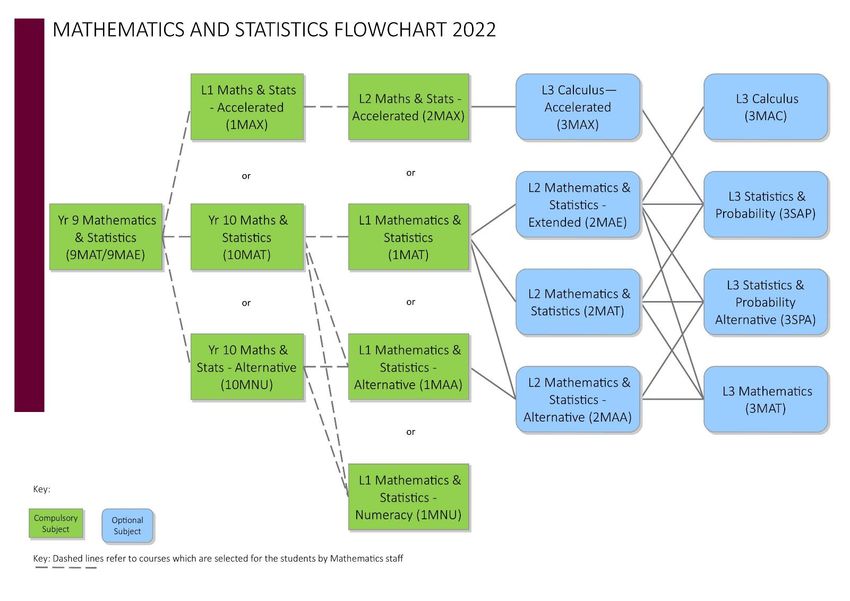
Do now…quick review
3
Option Subjects: Y11-12: 6; Y13: 5
Compulsory: Y11: ENG/MAT/SCI; Y12: ENG
NCEA Level 1: 80 credits L1 or higher + 10
credits literacy and 10 credits numeracy
NCEA Level 2: 60 credits L2+; 20+ from L1
NCEA Level 3: 60 credits L3+; 20+ from L2+
Endorsement
Course: 14 credits M/E at least 3 credits
external/internal (except PED)
Certificate: 50 credits + at M/E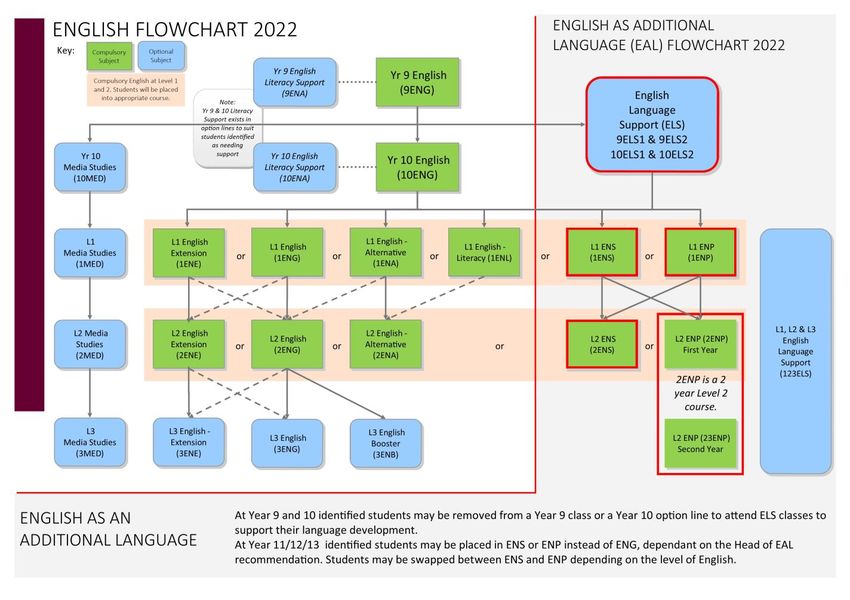
4 Timeline
(Y10-Y12 going to NCEA L1-3)
Term 2/3, Year 10 to 12 students work
through careers module sessions in
designated slots.
Term 3, Weeks 4 and 5 Tutor sessions (August
16- 27) Information about options
(PowerPoint; Q and A)
Mon 30 August – Year 10-13 Option
selections for 2022 are completed in the
BDSC web portal.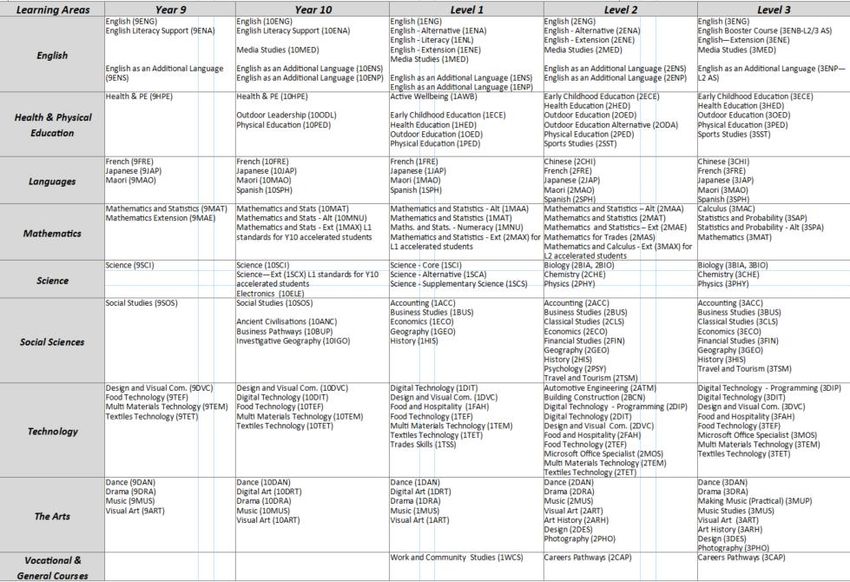
5 Help 4 students
o Developing self-awareness (Year 9)
o Developing self-awareness and
Exploring opportunities (Year 10)
Careers module o Reviewing options and making choices
(Year 11)
o Planning and managing change and
transitions(Year 12)
o Transitions (Year 13)
Academic mentoring
Option information – August 16-27 time
to go over the option information (PPTX)
Careers advisor
WHL, HOLA, SLT
Careers Expo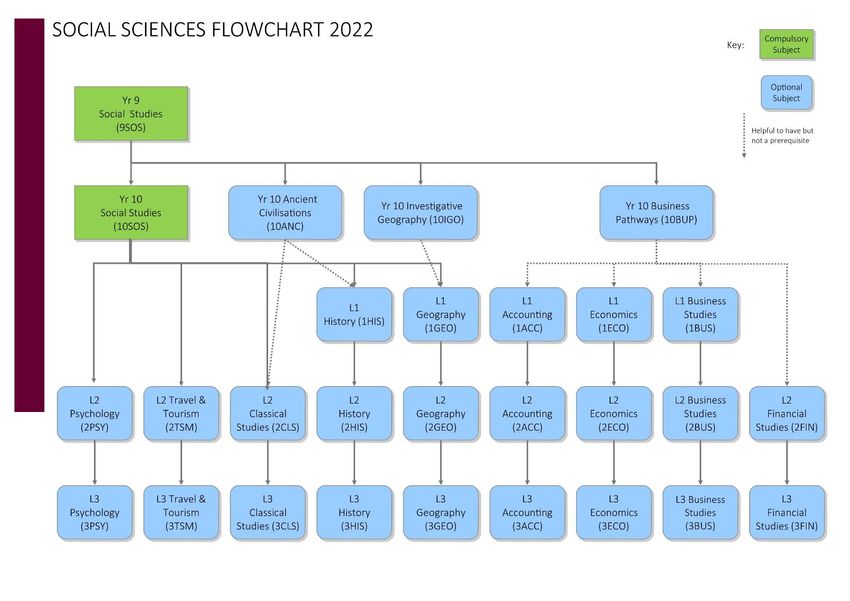
6 Discussion
What are the key issues or
problems that might arise in the
option selection process for
students?
Report back one issue for each
group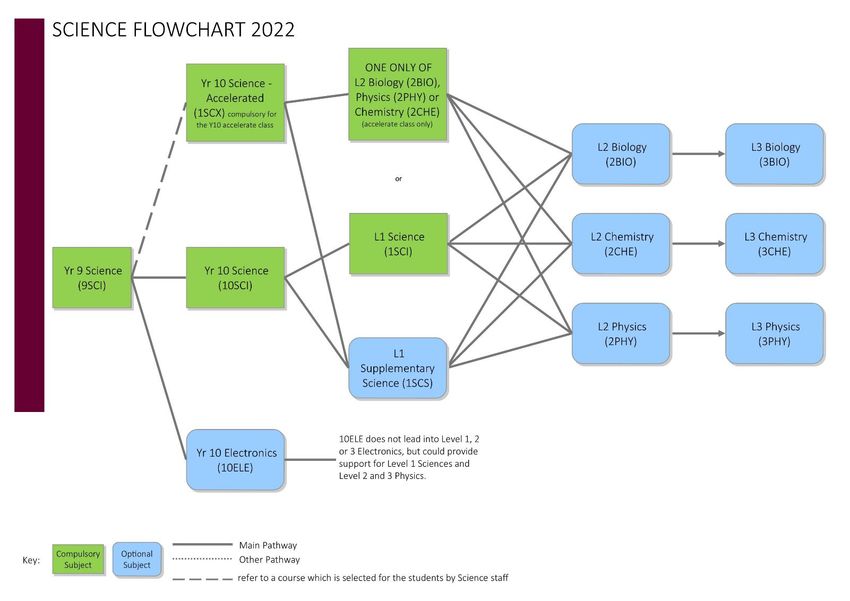
7 Why take care with option selection?
Students have a clear understanding
of the option selection process
All students make appropriate option
choices
Everyone has the opportunity to ask
questions to ensure full understanding
Accessing all the information available
helps students to make good option
choices
The process is important and decisions
made now will influence future choices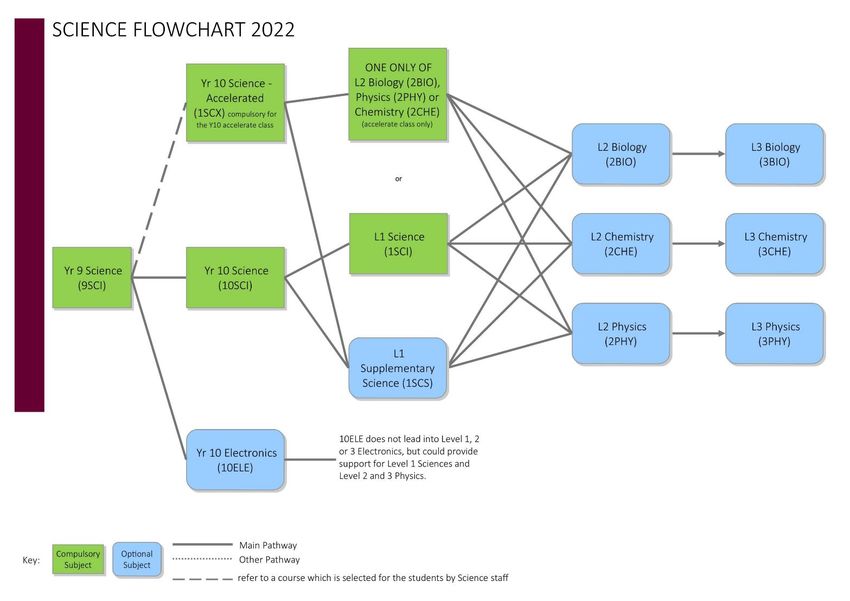
8 Rationale
Tutors and mentors help guide
students to make appropriate option
choices. Use them!
Parents, Whanau tutors and leaders
and HOLA are positive strong
influences on students. Use them!
Option guidance sessions give
students opportunity to access all
information and be well informed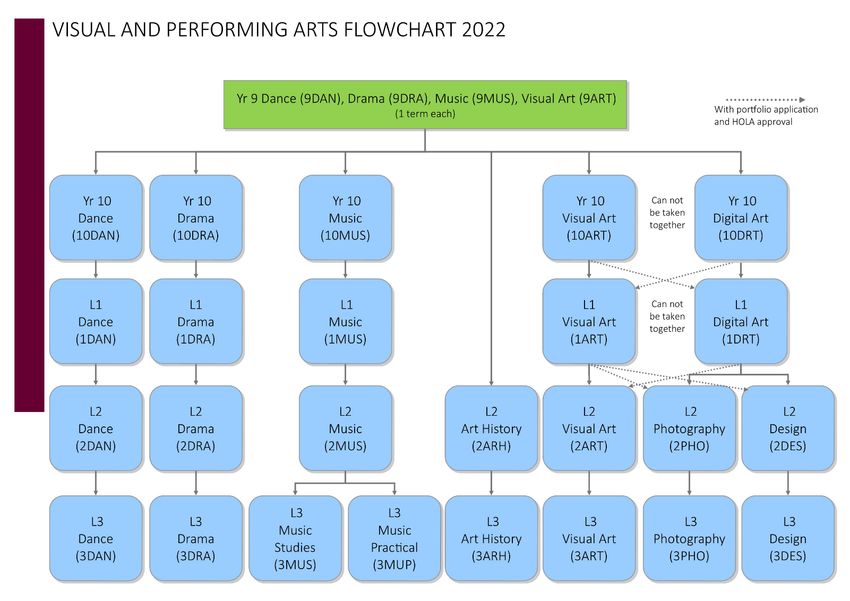
9 Accessing Information
PowerPoint summary of key ideas
(for Tutor sessions)
Option booklets – on Office 365 and website
One booklet = advice and summaries of NCEA
requirements
Other booklets = BDSC courses for each year level
Tutor teacher(s) and Whanau Leaders
Careers advisor and websites…
Subject teachers
HOLA / TICs
Parents
Senior students
Visiting Tertiary institutions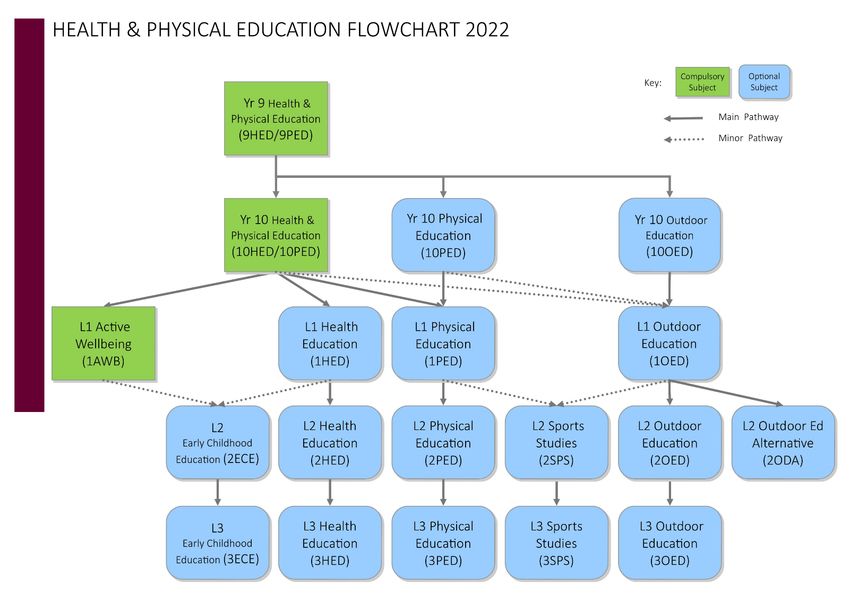
10 Expectation of Whānau mentors/tutors
Prior to option selection:
Provide facts and advice e.g. BDSC and
NCEA requirements, realism, backup
options, who to see, where information
is, how to choose …
After option selection:
Check and correct
Follow upPreparation
11 (Level 1-3 Option Information booklet)
BDSC requirements:
number of subjects, compulsory subjects (individual year
level booklets p. 7)
How to read option booklets (p. 5, 12)
Subject structure / codes (p. 20-22)
Guidance: choosing (pp. 3, 5, 19, 22-23)
Understanding NCEA – credits, literacy and numeracy,
course endorsement, scholarship (pp. 6-12)
Achievement standards and/or unit standards courses (p. 7-9)
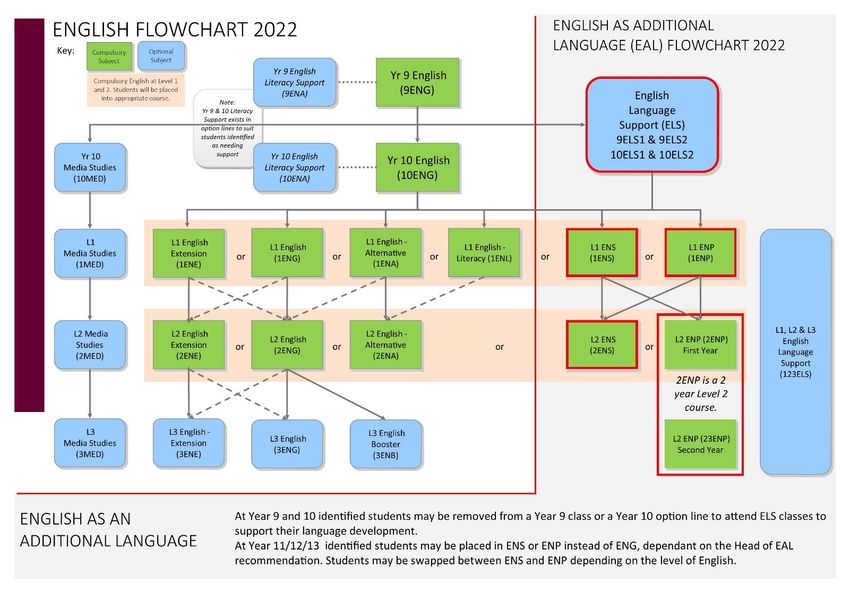
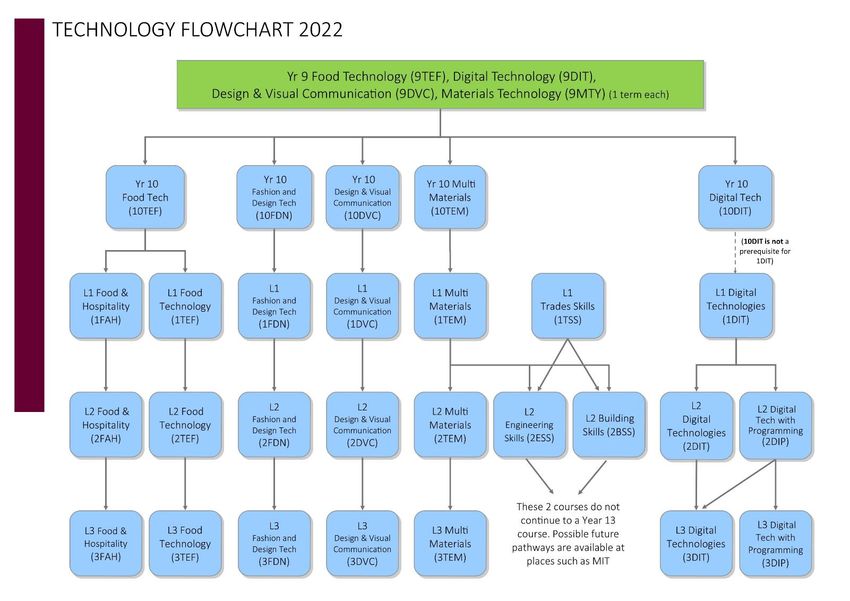
BDSC Pathways – flow diagrams, planning (pp. 27-30)
Vocational Pathways – pp. 24-25
Course exclusions
i.e.1FDN/1TEM/1TEF, 1FAH/1TEF; 1ART/1DRT
Recommended max of 2 from 1HED/1PED/1OED (p. 3
Level 1 Booklet)12 Checking
Have course prerequisites been met – both
in terms of current and previous grades and
previous subject knowledge required ---
PROVISIONAL
Are subject combinations allowed? (e.g. no
exclusions like FAH/TEF, ART/DRT)
Ensure that you have a course that enables
you to get NCEA 1-3, UE, as appropriate.
What is your likelihood of achieving the
required number of credits given results in
internals etc.13 What subjects do I need and/or want to do? Which options should I choose? Why am I choosing them?
14
     Appropriate Choices
     ▪ What are appropriate option
       choices?

     ▪ How do we know?
15
16
Compulsory subjects at BDSC…
Year 11 Year 12 Year 13
Compulsory ENGLISH ENGLISH Nil
MATHS
SCIENCE
Options 3 OPTIONS 5 OPTIONS 5 OPTIONSKey Changes for 2019
Key Changes for 2020 - 2021 No changes for 2022
Level 1 Literacy and Numeracy
19
20 Level 2 U.E. Literacy
Level 2 Assessment Standards for U.E. Literacy
Level 3 Assessment Standards for U.E. Literacy
Level 2 Vocational Pathways
23
Treasure Hunt
24 Find the following (and note where it is)
Level 1 Booklet Level 2 Booklet Level 3 Booklet
• What can’t be • What are the entry • What are the entry
taken with 1ART? requirements for requirements for
• What is 1ENP? 2CAP? 3JAP?
• What is 1SCX? • How many credits • How many credits
• What is 1WCS? can be earned can be earned
• What are the doing 2TSM? doing 3GEO?
course • How many UE • How many UE(R/W)
contributions for: Literacy credits are Literacy credits are
1PED? 1TEF? available in 2CLS? available in 3HED?
2MED? 3ECO?
• What is the course • What’s the
contribution for: difference between
2OED? 3SAP and 3SPA?
• Is 3HED a University
approved NCEA L3
subject?25
UE Literacy – Quick list
Check Achievement Standards for details (R/W)
Level 2 Level 3
English English
Art History Accounting Economics
Classical studies Ag/Hort Technology (generic)
Drama Art History Geography
Economics Biology Health
Geography Business History
History Chemistry Home Economics
Home Economics Classical studies Latin (3.4, 3.5)
Media Studies Dance Maths & Statistics 3.10
Maths & Statistics (2.11) Digital Tech Physical Ed (3.5, 3.8)
Psychology Drama Physics (3.7)
Te Reo Maori or Earth & Space Psychology
Rangatira Science Social Studies
Te Reo Maori or
English for Academic Rangatira
Auckland University Purposes (22750,
requirements 22751)Ability + Interest + Occupation = Option Choice
26
How good are What do you If you know what Investigate carefully
you at a enjoy? you would like to all subjects you are
subject? become, ask your interested in.
teachers, Whanau
leader or Careers
Do you like the Advisor about the
Assessment work or is it just options you need to
results will that you like the take.
help you to teacher? Don’t Make your final
determine do a subject just option choice
your ability. to be with keeping in mind the
friends. formula above.
If you don’t know
what you want to
become, keep your
Discuss your options open by not
ability level If you are specialising too
with your interested in soon.
teachers and the subject
your parents. you are more
likely to do
well.Scenario 1 – Year 10
27
student going to Year 11
2021
Year 10
2022
10ENG
Year 11
What advice
10MAT
1ENG
should the
10SCI
1MAT Whanau tutor
10SOS
1SCI give to this
10HPE student about
1TEF
10ART their option
1FAH
10IGO
1FRE choices?
10DVCScenario 2 – Year 11
28
student going to Year 12
2021
Year 11
2022
1ENG
Year 12
What advice
1MAA
2ENG
should the
1SCI
2MAT Whanau
1GEO
2CHE tutor give to
1FDN this student
2PHY
1PED about their
2GEO
2DIT option
choices?Scenario 1 – Year 12
29
student going to Year 13
2021 Credits
Level 2 A/S U/S
2ENG 3 – A/S 2022 What advice
Level 3 should the
2ESS 22 – U/S
3ENG Whanau
2GEO 10 – A/S
3GEO
2TEM 4 – A/S tutor give to
3TEM
2MAT 6 – A/S this student
3SAP
2TSM 19 – U/S about their
3TSM
+ 20 20 option
TOTAL 84 credits choices?Scenario 2 – Year 12 student
30 going to Year 13 – wants to
be an Engineer
2021 Credits
Level 2 A/S U/S
2ENG 16 – A/S 2022 What advice
Level 3 should the
2MAT 22 – A/S
3CHE Whanau
2GEO 14 – A/S
3GEO
2CHE 18 – A/S tutor give to
3BIO
2BIO 20 – A/S this student
3SAP
2DIT 19 – A/S about her
3DIT
+ 20 20 option
TOTAL 84 credits choices?Scenario 3 – Year 12
31
student going to Year 13 –
wants to ‘go to university’
2021 Credits
Level 2 A/S U/S
2ENG 4 – A/S 2022 What advice
Level 3 should the
2MAT 22 – A/S
3CHE Whanau
2GEO 14 – A/S
3GEO
2CHE 18 – A/S tutor give to
3BIO
2BIO 20 – A/S this student
3SPS
2SPS 19 – U/S about her
3TSM
+ 20 20 option
TOTAL 84 credits choices?32
It’s a balancing act
Subject pre-requisites and pathways
Requirement to have a full course
Poor decisions now can lead to
changes and disruption and poor
outcomes later
Your well-being and future direction –
holistic view
Need to fix previous poor decisions
without overly disadvantaging you
Providing opportunities rather than
barriers
Being realistic as well as optimistic33 How to achieve NCEA?
Level 1
80 credits at level 1 including at least
10 literacy and 10 numeracy credits
(details on next slide)
Level 2
80 credits. At least 60 credits from
level 2 and 20 from any other level
(and L1 literacy and numeracy and L2
literacy requirements must be met)
Level 3
80 credits. At least 60 credits from
level 3 and 20 from level 2 or higher34
Literacy and Numeracy – L1
Students can meet requirements by
achieving any of a number of specified
achievement standards in a wide range
of subjects or by achieving a package of
3 literacy and 3 numeracy unit standards
The eligible achievement standards are
identified in the option booklet with an L
or an N alongside each standard
Follow this link to see the L1 Subjects that
offer standards providing literacy and
numeracy credits35
Course Endorsements
Merit/Excellence course
endorsement =14 or more credits at
Merit/Excellence level.
Minimum of 3 of the 14 credits must
be from internally assessed
standards AND 3 from externally
assessed standards37 Course Overview - Levels 1 - 3
Achievement
Year 12 – L2
Year 13 – L3
Year 11- L1
Standards
Standards
COURSE
Tertiary
CODE
Unit
Int. - 10 Int. - 12
CLS Classical Studies Ext.-14 Ext.-14
U
Int. - 13 Int. - 15 Int. - 14
GEO Geography Ext. - 8 Ext.- 8 Ext.-12
U
Int. - 8 Int. - 9 Int. - 10
HIS History Ext.-12 Ext.-14 Ext.-10
U
Travel and
TSM
Tourism Int. - 24 Int. - 24 P/U
L1 – NCEA Level 1, L2 – NCEA Level 2, L3 – NCEA Level 3, U – University, P – Polytechnic
Int. – Internally assessed credits available, Ext. – externally assessed credits availableEntry requirements 39
Subject Level 1 Level 2 Level 3
12 credits in Level 1 History 12 credits in Level 2
(including AS91005) OR Classical Studies, L2 History
Classical Studies English including a Merit in L2 Geography OR L2
English AS (AS90849, English (specific standards
AS91005, AS90851) required)
12 credits in Level 1 12 credits in Level 2
Geography Open Geography, L1 English (A/S Geography, L2 English (A/S
entry only), or L1 History only), OR L2 History OR L2
Classical Studies
10 credits in Level 2
12 credits in Level 1 History Classical Studies, L2 History
History Open (including AS91005) OR 12 L2 Geography OR L2
entry credits in L1Geography OR English (specific standards
L1 English A/S OR a Merit in required) OR a Merit in a
English AS (AS90849, L2 English external
AS91005, AS90851) standard
70 credits at Level 1 60 credits at Level 2
Travel and Tourism including 12 Literacy credits including 8 credits L2
and 10 Numeracy credits Literacy standards OR 16+40
UE requirements
Plus: a minimum
At least 60+ + 20 Credits at of 10 credits at
credits at Level 2 or Level 2 or above
in English or Te
Level 3 more Reo Maori (5 in
reading and 5
in writing)
+
The remaining L3 L1 Numeracy
At least 14 credits credits can from
outside the At least of 10
at Level 3 from credits at Level
THREE Approved approved subject
list 1 or above in
Subjects (=42 cr) Mathematics
(60 – 42 =28 cr)University Entrance Requirements
41
For entry into university in 2022 students will need:
NCEA Level 3 (60 credits)
Three subjects - at Level 3 or above, made up of:
14 credits each, in three approved subjects
Literacy - 10 credits at Level 2 or above, made up
of:
5 credits in reading
5 credits in writing
Numeracy - 10 credits at Level 1 or above, made
up of:
achievement standards – specified achievement standards available through a range of subjects, or
unit standards - package of three numeracy unit standards (26623, 26626, 26627- all three required).42 Auckland University requirements
From 2016 introduction of a new
entrance requirement for domestic
students called the Academic English
Language Requirement
All students studying at Auckland
University will need to achieve a
minimum of 17 credits in NCEA English
at Level 2 or 3 or complete a course in
Academic English at stage 143 Approved Subjects Accounting German Science Agriculture & Horticulture Health Education Statistics Biology History Sculpture (Prac Art) Business Studies History of Art Spanish Calculus Home Economics Social Studies Chemistry Indonesian Technology Chinese Japanese Te Reo Rangatira Classical Studies Korean Te Reo Māori Construction Technologies Latin Tongan Cook Islands Māori Mathematics Dance Media Studies Design (Practical Art) Music Studies Design & Visual Comm. Painting (Practical Art) Digital Technologies Photography (Prac Art) Drama Physical Education Earth and Space Science Physics Economics Printmaking (Prac Art) Education for Sustainability Processing Technology English Psychology French Religious Studies Geography Samoan
44
     Table A and Table B subjects
        ▪ University of Auckland used to require
          students in some courses to have
          taken specific subjects organised into
          TWO tables. After Covid arrived in
          2019 these tables were scrapped and
          are no longer used.

        ▪ Certain courses do however require
          students to have completed certain
          subjects in Level 3.

        ▪ These are identified in the Level 1-3
          Information Booklet pp. 17-19
School leaver admission requirements
45 1. To be admitted for a Degree Course at a
University or a University of Technology, school
leavers must have a University Entrance
qualification based on NCEA.
Note: This does not guarantee entrance.
2. You must also meet the admission requirements
for the programme(s) you wish to apply for,
such as required subjects, a portfolio or
audition.
AUCKLAND UNIVERSITY
Applicants for all undergraduate Degree
programmes will be ranked.
Do your best in your school subjects.
Competition is high.
The following table for NCEA show how rank
scores are calculated for The University of
Auckland’s undergraduate programmes.46 How Ranking works
best 80 credits at Level 3 or higher
over a maximum of five approved
subjects,
Students expecting to attend
university are advised to take
achievement standards.
four points for Excellence, three for
Merit and two for Achieved for up to
24 credits in each approved subject
taken at Level 3 in the last two years.
The maximum available score is 320.47 Example of Rank Score calculation
Subject Standard type Results Calculate Rank score
Economics Achievement 6 Achieved Not counted Nil*
6 Excellence 6x4 points
English Achievement 6 Merit 6x3 points 66**
16 Achieved** 12x2 points
8 Excellence 8x4 points
History Achievement 52
10 Achieved 10x2 points
4 Excellence 4x4 points
Mathematics
Achievement 3 Merit 3x3 points 25
with Calculus
8 Achieved***
Physics Achievement 24 Merit 24x3 points 72
Statistics and Achievement 7 Merit
7x3 points 21
Modelling and Unit 10 Achieved***
Rank score 236
* Only five subject s are included in t he calculation.
** Maximum 24 credit s per subject . Any point s above t his limit are excluded.
*** Not included as only best 80 credit s used in calculat ion of rank score.Bachelor of Advanced Science Honours
(BAdvSciHons) Rank Score - 260
48 Bachelor of Architectural Studies (BAS)
Rank Score – 230. Subject to the qualitative
evaluation of a portfolio of creative work
Auckland and written statement.
University– Bachelor of Arts (BA) Rank Score - 150
Bachelor of Commerce (BCom) Rank
2022 Score-180
Programme Bachelor of Dance Studies (BDanceSt)
Rank Score – 150. Subject to the qualitative
Rank score, evaluation of an audition.
subject and Bachelor of Design – Rank Score - 180
Bachelor of Education (Teaching) (BEd
credit (Tchg)) Rank Score – 150. Subject to a
requirements satisfactory interview, police check, and
referees’ reports. May be required to sit
literacy, numeracy
and IELTS assessments if you have been out
of the NZ education system for more than 1
year.Bachelor of Engineering (Honours)
(BE(Hons)) Rank Score – 260. With 17
49 external Level 3 credits in Calculus and 16
external Level 3 credits in Physics.
Bachelor of Fine Arts (BFA) Rank Score –150
Auckland Bachelor of Global Studies (BGlobalSt)
Rank Score – 210. With a minimum of 16
University– credits each from three approved subjects.
2022 Study of an additional language is
encouraged.
Programme Bachelor of Health Sciences (BHSc) Rank
Rank score, Score – 250. With a minimum of 18 credits in
one of English, Geography, History,Classical
subject and Studies, History of Art or Te Reo Māori and a
credit minimum of 18 credits in one of Biology,
Chemistry or Physics.
requirements Bachelor of Laws (LLB (Part I)). Students
must be offered a place in another
Bachelor degree and satisfy the conjoint
score for the other Bachelor degree. Entry
will be based on the guaranteed scores for
the other Bachelor degree.50
Bachelor of Music (BMus) Rank Score – 150
▪ Classical Performance – an audition portfolio
Auckland ▪ Jazz Performance and Popular Music – an
audition portfolio
University– ▪ Composition major – a composition portfolio
2022 ▪ Musicology – a statement of musical
background.
Programme
Rank score, Bachelor of Nursing (BNurs) Rank Score - 230
With a minimum of 18 credits in one of English,
subject and Geography, History, Classical Studies, History of
credit Art or Te Reo Māori and a minimum of 18
credits in one of Biology, Chemistry, Physics.
requirements
Bachelor of Property (BProp) Rank Score - 180Bachelor of Science (BSc)
▪ Biomedical Science Rank Score – 280
51 ▪ Food Science and Nutrition Rank Score – 200
▪ Exercise Sciences Rank Score – 200
▪ All other majors/specialisations - 165
Auckland
University– Bachelor of Social Work (BSW) Rank Score - 150
Subject to a satisfactory police check, safety check
2022 and referees’ reports. An interview may be
Programme required.
Rank score, Bachelor of Sport, Health and Physical Education
subject and (BSportHPE) Rank Score – 150
credit Bachelor of Urban Planning (Honours) (BUrbPlan
requirements (Hons)) Rank Score –180
NB: The entry prerequisites listed above are taken
directly from the University of Auckland 2022
Undergraduate Prospectus52
English Rich Subjects
(ERS)
Level 1 Level 2 Level 3
Art History Art History
English English English
Geography Geography
History History
Classical Classical
Studies Studies53
Some important needs
▪ Education – English/ Maths
▪ Law – English Rich Subjects, non specific
▪ Engineering – Physics/ Maths with Calculus
▪ Health Sciences – Stats/2 out of 3 sciences/ 1
English Rich Subject
▪ Biological Sciences – Stats/Biology/Chemistry
▪ Nursing – Min 1 of
Biology/Chem/Physics/Science/Maths Plus 1 ERS
▪ Physical Sciences – Calculus/Physics/Chemistry
▪ Architecture – Design or Painting or Graphics plus 1
English Rich Subject
▪ Business – English/ Maths – non specificBUT I DON’T WANT TO GO TO
54 UNIVERSITY!
What else is
OPTIONS there?
The World of Work – Prepare your CV –
Application – Interview – Referees
Institute of Technology (Certificate or
Diploma) – Apply – Enrol . There will be
pre requisites, e.g. Level 2
Apprenticeships – Gain a position with a
Tradesman – Apply for an
Apprenticeship
The Armed Services – Age – Application
– Pre –Requisites – CV – Referees
Sit on the couch55
Tertiary Education
Polytechnics or Institutes of technology
o Practical – less theory
o National certificates, national diplomas,
degrees and postgraduate diplomas.
o Aim to connect you as a student with the
industry and teach you relevant skills and
knowledge.
o Encourage students to choose best for them
e.g. if you learn best by ‘doing’, then an
Institute of Technology may be best.
o If theoretical/ lecture style - UniversityVocational Pathways
56 Vocational Pathways is a Ministry of Education tool that has been
developed to help students to plan their journey from secondary
learning to the work force. Additional information is available at this
website: http://youthguarantee.net.nz/vocational-pathways/
The Vocational Pathways provide a framework to achieve NCEA Level 2
or equivalent, recognised as the passport to success to further study
and employment.
The pathways will help students see how learning is relevant to a wide
range of jobs and study options, in five broad sectors of industry:
• Manufacturing and Technology;
• Construction and Infrastructure;
• Creative Industries;
• Primary Industries;
• Social and Community Services;
• Services Industries.• Manufacturing and Technology; 55 • Construction and Infrastructure; • Creative Industries; • Primary Industries; • Social and Community Services; • Services Industries.
58 Vocational
Pathways
www.careers.govt.nz can help you start thinking or
planning what you want to do now and in the future.
www.youthguarantee.net.nz
Build a vocational profile to plan what you want to achieve
and how to get there.
“learning-to-earning journey”
How vocational profile, interests, aspirations and
achievements match up to a wide range of work and study
possibilities
identify the jobs under each pathway.
http://youthguarantee.net.nz/vocational-pathways/59 LEVEL CODES
Subject codes indicate the
NCEA level the course is
targeted at i.e. 2 – NCEA Level 2
2ART
2BUS60 STANDARD CODES -
ALTERNATIVE
1MAA is Mathematics -
Alternative
2ODA is Outdoor Ed -
Alternative61 STANDARD CODES -
EXTENDED
2MAE is Maths - Extended
3ENE is English - Extended
(Same level doing same course but
extended)62 STANDARD CODES -
ACCELERATED
2MAX is Maths -
Accelerated
(course is Level 2 Maths because it
says “2”, but designed for Year 11
who have been Accelerated up
to Level 2 because of the “X”)63 WEB PORTAL ENTRY
Mon 30 August – Year 9-12 students have
completed option selections for 2022 are
completed in the BDSC web portal.
Information regarding the options can be found on the school
website as well as Office365.64 Restrictions
What subjects can’t be taken
with other subjects?
Why have these restrictions?
For list of exclusions see slides
73-772022 BDSC ONLINE Options
TIMELINE

Course selection on the web
  portal will open up on
Monday 23 August (week 5)
and remain open for option
  choices till Monday 30
     August (week 6).
CORE vs OPTIONS
2021 2022 Core Subjects Options
5 Core subjects
Year 9 Year 10 3 Options
(ENG, MAT, SOS, SCI, HPE)
4 Core subjects
Year 10 Year 11 3 Options
(ENG, MAT, SCI, AWB)
Year 11 Year 12 1 Core subject (ENG) 5 Options
Year 12 Year 13 No Core Subjects 5 OptionsCORE SUBJECTS Places in Core Subjects are determined by the Head of the Learning Area concerned and are based on your ability. These are not determined till the end of the year.
OPTION SUBJECTS
Information regarding options
can be found in the individual
year level Option Books on the
school website as well as
Office365.

It is strongly suggested that both students and
parents read the Option Books carefully and
thoroughly.
LEVEL 1-3 INFO BOOK This information book contains all relevant information about NZQA and can be found on the school website as well as Office365. It is strongly suggested that both students and parents read this book carefully.
CHOOSING OPTIONS

It is most important to choose carefully,
although there is a possibility to change
options later in the year and at the
beginning of next year during the course
confirmation process.
Final decision of entrance into all courses
lies with the Head of Learning.
RESTRICTIONS

There are restrictions on some options.
These are indicated in the Option Books
for each year level.

These are listed on the next few pages per
year level.
RESTRICTIONS - YEAR 10

• Cannot take both 10DRT (Digital Art) and 10ART
  (Visual Art)

• Not recommended to take a combination of 10TEM,
  10FDN and/or 10TEF
RESTRICTIONS - YEAR 11

• Cannot choose both 1FAH and 1TEF
• Cannot choose both 1ART and 1DRT
• Can only do 1 max of 1TEM, 1FDN or 1TEF
• Recommended max of 2 from 1HED, 1PED, 1OED
RESTRICTIONS - YEAR 12

• Cannot choose both 2ESS and 2BSS
• Cannot choose both 2FAH and 2TEF
• Can only do 1 max of 2TEM, 2FDN and 2TEF
• Can not choose both 2DIT and 2DIP
• Can only do 2 max of 2PHO, 2DES and 2ART (and be wary
  of a 3rd high internal subject)
• Cannot choose both 2OED and 2ODA
RESTRICTIONS - YEAR 13

• Cannot choose both 3FAH and 3TEF
• Can only do 1 max of 3TEM, 3FDN and 3TEF
• Can not choose both 3DIT and 3DIP
• Can only do 2 max of 3PHO, 3DES and 3ART (and
  be wary of a 3rd high internal subject)
• Cannot choose 3MAT with either 3MAC, 3SAP or
  3SPA
WEBPORTAL - CHOOSING
OPTIONS
Both logins (student and parents) will have
access to the Course Selection area in the
web portal.WEBPORTAL - LINES Please ensure you choose an option in each of the available columns. It does not matter in which order they are in. This will change.
WEBPORTAL - RESTRICTIONS If any options have a special note on restrictions, they will appear as blue. Click to read the restriction.
WEBPORTAL - SUBMIT
OPTIONS

            When finished you
            MUST click Save.
MULTI LEVEL COURSES (Year
12 and 13)
Students are allowed to choose courses at the appropriate
level provided they meet the entrance criteria for that level.
◦ Year 12 students will see courses for Level 1, 2 and 3
◦ Year 13 students will see courses for Level 2 and 3ACCELERATED YEAR 11 SCIENCE COURSE •Year 10 students who are currently in 1SCX will choose one Year 12 Science option (2BIO, 2CHE or 2PHY) on top of their 3 option choices. •This selection will occur during a Science lesson NOT through the online web portal option selection process.
GENERAL INFO - CLASS SIZES Although every effort will be made to provide the subjects chosen, no guarantee can be given that all will be possible. Because of the need to have classes of a certain size, some students may be asked to change options. Similarly if not enough students choose a particular option it may be cancelled.
GENERAL INFO – THINK
   AHEAD
• Consider carefully these two questions:
   (a) What is the highest level you hope to
reach at school?
   (b) What subjects are you likely to take at
that level?
Then work backwards to the lower levels to
choose your options.
• Remember that ability, interest and future
  usefulness are important reasons for your
  choices. All students should read the senior
  option booklets and scan the prerequisites for
  the senior subjects they may wish to study in
  the future.
HAVE QUESTIONS? More information can be obtained from your current teachers, the required Head of the Learning Area, the Careers Advisor, as well as the Admin tutor, mentor and Whanau Leader. The information contained in this PowerPoint has been emailed to parents.
ISSUES If your option selection requirements can’t be actioned through the web portal, see Mr Van Kralingen in the SLT corridor.
LEARNING AREA FLOWCHARTS On the following screens are the subject flowcharts for each of the 8 Learning Areas at BDSC.
98
Review - key advice for students
Understand pre-requisites and pathways and
ensure that you have mapped out your
course for next year and beyond
All students must have a full course
Poor decisions now can lead to changes
and disruption and poor outcomes later
Students need to make informed decisions
Be realistic
Ensure that you have a backup plan should
you not be able to go with your first choiceYou can also read


