Junior Learning Pathways in Year 9 and 10 - Growing good people for a changing world E tipu, e rea, ka tipu koe hei tangata - Tamatea High ...
←
→
Page content transcription
If your browser does not render page correctly, please read the page content below
Junior
Learning Pathways
 in Year 9 and 10

 Growing good people for a changing world
    E tipu, e rea, ka tipu koe hei tangata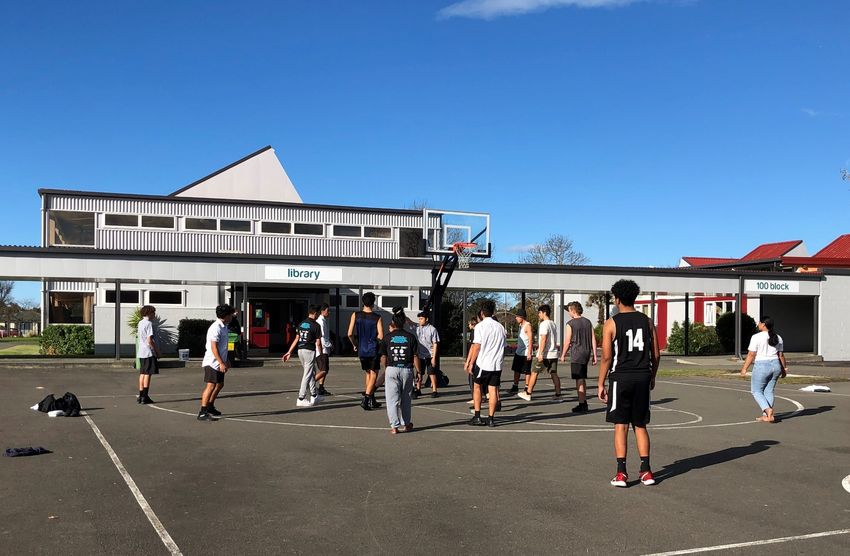
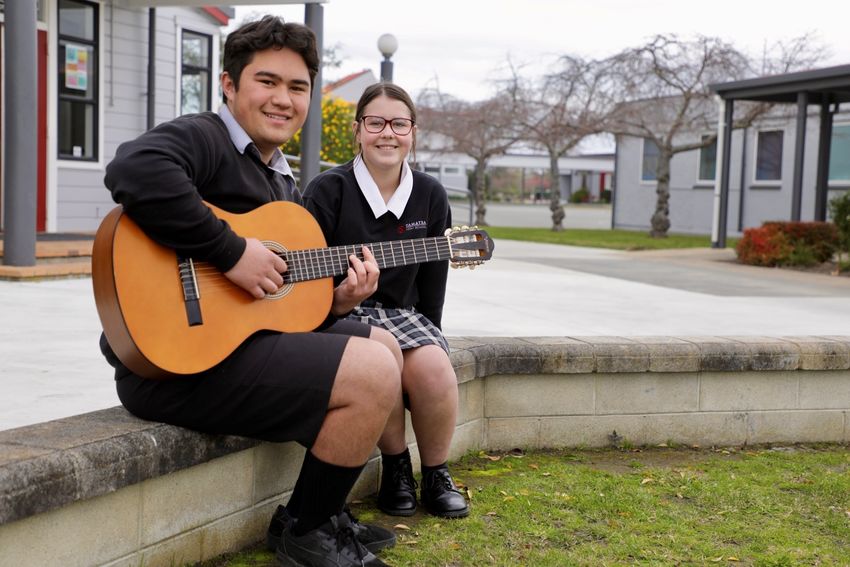
Te Ekenga Mai ki te Kura Tuarua - Strong Focus on Transition
The move to high school can be an exciting time for young people. However, ākonga (students) often anticipate the transition
from intermediate to secondary schooling with mixed emotions. How well ākonga are equipped for and cope with this
significant change, can have a critical influence on their ongoing learning and future goals.
Tamatea High School understands that a successful transition from intermediate to high school can have a big impact on
ākonga wellbeing and learning. We are well prepared to support rangatahi (young people) with this change. Learning
programmes are designed using information provided by the intermediate about ākonga strengths, interests and learning
needs. Learning is appropriately challenging, relevant, and fun.
Year 9 ākonga work in a homeroom environment. They are taught their core subjects by one Kaiako (teacher) in integrated
and meaningful ways. Ākonga have different teachers for PE and Option subjects which gives good variety. The homeroom
learning environment provides ākonga with a place to call their own, where relationships are developed, and engaging
learning opportunities are provided. Matauranga Māori (traditional knowledge such as te reo Māori, tikanga Māori and
whakapapa) is prioritised within the learning programme.
Junior Curriculum
The Tamatea High School Year 9 and 10 Curriculum aims to grow good people for a changing world, through the values of
P.R.I.D.E. — Participation, Respect, Integrity, Diversity and Excellence.
The Tamatea High School Year 9 and 10 Curriculum:
Honours Te Tiriti o Waitangi – The Treaty of Waitangi
Strengthens ākonga identity
Develops ākonga understanding within and across learning areas
Engages ākonga to learn and develop their thinking
Supports ākonga to develop literacy and numeracy skills
Provides ākonga with a range of learning opportunities (in and out of the classroom)
Encourages ākonga to be informed citizens (local, national, global and digital)
Deepens ākonga understanding of the school values
Develops the ability to communicate in a range of settings
Prepares ākonga for future learning
The Essential Learning Areas for all Year 9 and 10 ākonga are:
English
Mathematics
Science
Social Studies (including Aotearoa New Zealand History)
Health
Physical Education
Life Readiness Programme
In addition Year 9 & 10 ākonga have the option of selecting areas they wish to specialise in (option subjects), ākonga choose
two subjects and a reserve subject.
Ākonga are encouraged to choose a broad range of subjects in order to keep their senior course options open as much as
possible.
Visual Art Japanese
Music Design Technology (Hard Materials)
Street Dance Digital Technology
Māori Performing Arts Project Based Learning
Te Reo Māori Food and Nutrition
Waka Ama Horticulture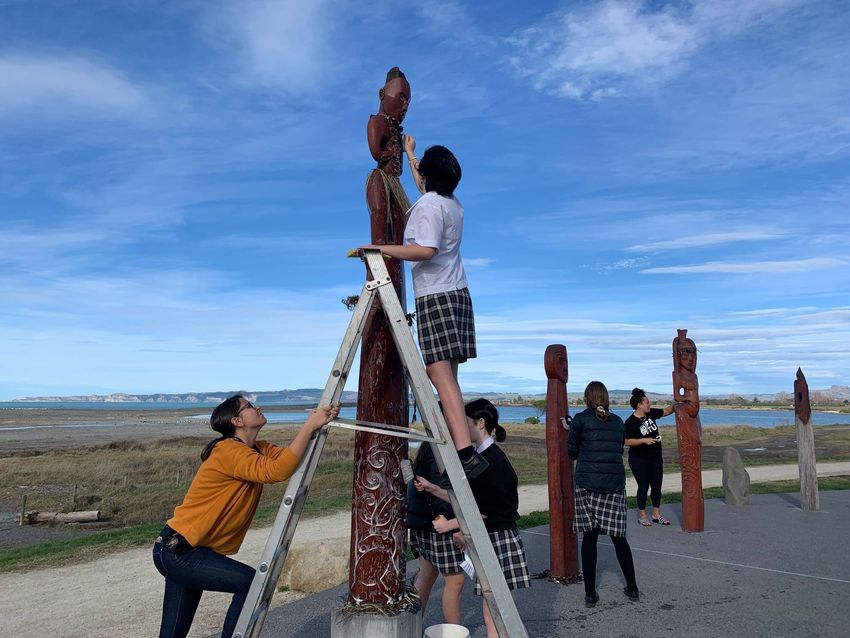
Junior Diploma
                                   In Years 9 & 10, ākonga work towards gaining their Junior Diploma each year. The focus of the
                  Learning         Junior Diploma is on LEARNING and setting ākonga up for success in the senior school.
                                   Teachers support ākonga to be the best learners they can be.

                 Tamatea                To achieve the Junior Diploma ākonga have to work consistently in all subject areas
                High School             throughout the entire year. They are assessed against the Tamatea High School Learner
                   Junior               Profile and earn ‘Learning Points’.
                 Diploma
                                             Ākonga work towards a target of 152 points, out of a possible 256. They can also
   Assessment                   P.R.I.D.E.   gain Achieved, Merit, or Excellence for the learning tasks that they complete. The
                                             Junior Diploma is presented at the end of the year Junior Prizegiving Ceremony.

Ākonga reap the rewards of their effort and progress by being provided with Reward Days at mid-year and at the end of the
year.
Ākonga and whānau are kept informed of progress towards the Junior Diploma throughout the year during the three Individual
Development Plans (IDPs) where ākonga set their goals.

            Tamatea High School Learner Profile — Learning Points
       Novice (1, 2)                   Apprentice (3, 4)              Practitioner (5, 6)                 Expert (7, 8)
• I lack motivation towards       • I am usually positive and     • I am positive and             • I am positive and
  my learning.                      enthusiastic about my           enthusiastic about my           enthusiastic about all
                                    learning.                       learning                        aspects of my learning
• I rarely listen and often       • I listen but sometimes I      • I actively listen and know    • I am an active listener who
  need to confirm the               need to confirm the             what the expectations are       often exceeds expectations
  instructions given                instructions given
• I do not participate in class • I participate in some class     • I participate in most class   • I am an active participant in
  discussions or offer            discussions and start to          discussions and offer           all class activities
  responses                       offer responses                   responses
• I am easily distracted, often • I can be distracted, but I am • I am very focused on my        • I am keen to learn, I ask
  not on task, and rarely         usually on task and know        learning, and I participate in   questions about the topic
  know what is expected of        what is expected of me          all class activities             and how it links to my
  me                                                                                               learning.
• I do not engage in learning     • I am starting to engage in  • I engage in learning            • I engage in learning
  conversations with the            learning conversations with   conversations with the            conversations with the
  teacher                           the teacher to support my     teacher to support my             teacher and others to
                                    learning                      learning                          progress my learning further
• I am not willing to accept      • I am learning to accept feed- • I accept feed-forward steps   • I seek feed-forward steps
  the feed-forward steps            forward steps and act on        and act on these                and act on these.
                                    these
• I am often off task and do      • I usually complete the tasks • I complete all tasks set, and I • I complete set tasks and
  not complete the tasks set        set during the lesson          reflect on my learning            seek other tasks that extend
                                                                                                     my learning
• My learning tasks and           • My learning tasks and         • My learning tasks and         • My learning tasks and
  assignments are rarely            assignments are usually         assignments are always          assignments are always
  completed on time                 completed on time               completed on time               completed ahead of time
• I’m not sure what level I am • I know what level I am           • I can recognise what          • I recognise my
  working at, or what            working at, and what               progress I have made, and       achievements and set my
  level/goal I am working        level/goal I am working            have set my own goals           own challenging goals
  towards                        towards
• I give up easily, often     • I try hard, but can become        • When faced with a             • I use many different
  relying on others to support frustrated and give up               challenge, I will generally     strategies to tackle
  me                                                                persevere                       challenges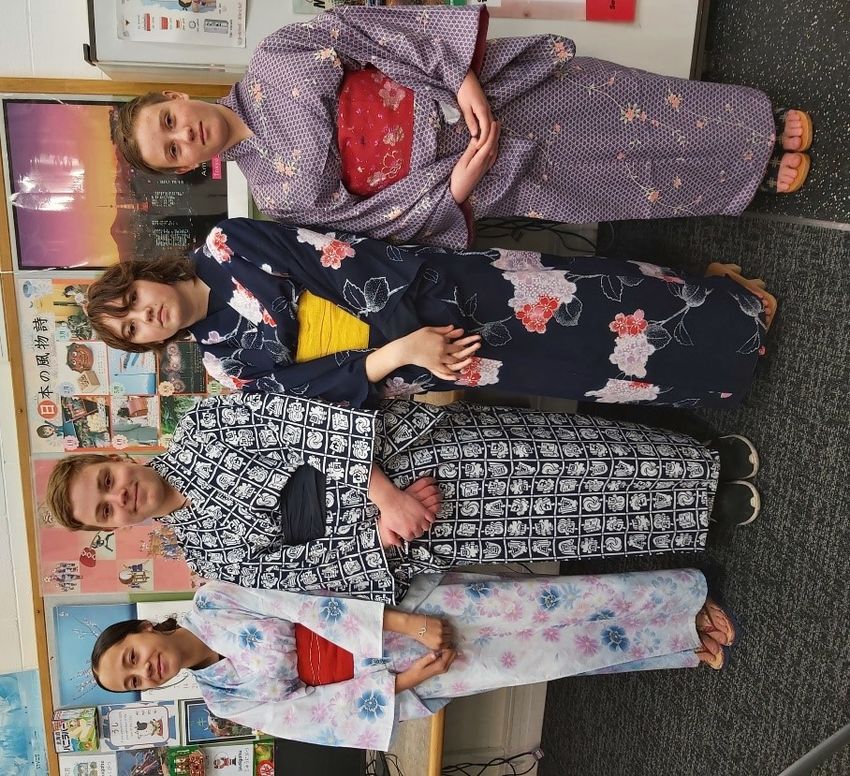
Te Ingarihi - English
Year 9 Year 10 Level 1 Level 2 Level 3
English English English English English
Subject Outline
Ākonga learn how language features are used to influence audience response. In Year 9, ākonga explore the
concept of identity/self/ turangawaewae. In Year 10, the focus is on future directions - ko aku whāinga.
Subject Description
Construct a variety of texts for a range of purposes (eg. story, instructions, essay)
Read for comprehension unfamiliar texts (e.g poem)
Select personal texts for enjoyment (eg. Hunger Games)
Respond to texts, including films (eg Boy) and books (eg Sticking with Pigs)
Research and make judgments as part of personal inquiry (eg Sports doping, Living in space)
Produce a visual text (eg poster or comic book page) to represent yourself
Construct and present a speech on a topic of personal interest (eg Waka ama, Video games)
Te Pāngarau - Mathematics
Year 9 Year 10 Level 1 Level 2 Level 3
Mathematics Mathematics Mathematics Mathematics Mathematics
Subject Outline
Ākonga explore and use patterns and relationships. They learn effective ways to investigate, interpret, explain and
make sense of the world they live in.
Subject Description
Calculate and estimate using a range of strategies
Explore and use patterns and relationships found in numbers, shapes and measures
Use appropriate units and instruments to measure, predict and calculate rates of change
Identify problems that can be explored by the use of date, design investigations, collect data, explore and
use patterns and relationships in data, solve problems and communicate findings
Interpret statistical information
Pūtaiao - Science
Level 2 Level 3
Year 9 Year 10 Level 1 Science Science
Science Science Science Biology Biology
Chemistry Chemistry
Physics Physics
Subject Outline
Ākonga communicate scientific ideas, arguments and practical experiences accurately in a variety of ways—
thinking analytically, critically and creatively .
Subject Description
Develop skills for investigating the living, physical, material, and technological components of their
environment in scientific ways
Learn to conduct scientific investigations
Understand that science as an activity is carried out by all people as part of their everyday life
Explain everyday and unfamiliar phenomena
Tikanga-ā-iwi - Social Studies
Level 1 Level 2 Level 3
Year 9 Year 10 Social Studies Social Studies
Social Studies
Social Studies Social Studies Geography Geography
Geography
History History History
Classical Studies Education for Education for
Sustainability Sustainability
Classical Studies Classical Studies
Tourism Tourism
Subject Outline
Ākonga explore the unique bicultural nature of New Zealand society. They learn about people, places, cultures,
histories, and the economic world, within and beyond New Zealand through a range of topics.
Subject Description
Learn about the Treaty of Waitangi
Learn about and promote social justice and human rights
Understand their own values, perspectives and culture and that of others
Understand different governments and how they affect people’s lives
Understand how people's management of resources impacts on environmental and social sustainability
Learn about the economic world, businesses and enterprises
Hauora - Health
Year 9 Year 10 Level 1 Level 2 Level 3
Health Health Health Health Health
Home Economics
Subject Outline
Ākonga examine through a range of topics, how to promote healthy wellbeing not only for themselves, but for
others and society as a whole.
Subject Description
Learn what hauora is
Develop better interpersonal skills in their relationships with others
Learn to cope with change and develop resilience and positive mental health
Investigate food choices, drug choices, and sexuality, developing problem and decision making skills for
healthier outcomes both short term and long term
Kori Tinana - Physical Education
Year 9 Year 10 Level 1 Level 2 Level 3
Physical Education Physical Education Physical Education Physical Education Physical Education
Subject Outline
Ākonga learn in, through and about movement to motivate and challenge all abilities, preparing them for Senior
Physical Education. Ākonga are also encouraged to participate in physical activity both now and in the future to
enhance life-long well-being.
Subject Description
Find answers to these questions:
How can you improve in your Sport?
What actions make you the best person you can be?
Why/how does your body respond to exercise?
Who and what influences your Well-being?
Where in the world is this game from?
When should you use strategies that could enhance teamwork and game play?
What can you create for the future of PE?
Te Ao Whānui - Life Readiness Programme
Year 9 Year 10
Life Readiness Life Readiness
Subject Outline
The Life Readiness Programme was developed in 2019 in response to whānau and ākonga feedback, with the aim of better
preparing ākonga for their future beyond the school gates.
Subject Description
Social skills
Online spending
Tax
Citizenship
‘The Real Game’ - introduces ākonga to the world of work
Preparing and applying for a part-time job

Toi Ataata - Visual Arts
Year 9 Year 10 Level 1 Level 2 Level 3
Visual Art Visual Art Visual Art Visual Art Visual Art
(Painting, (Painting,
Printmaking, Printmaking,
Sculpture, Sculpture,
Design, Design,
Photography) Photography)
Subject Outline
Visual Art ākonga use a range of practices including drawing, sculpture, design, painting, printmaking, photography,
and moving image. Including an introduction to Art History to inform their artistic endeavours.
Subject Description
Learn how to use a variety of materials and techniques
Introduction to Photoshop and design processes
Explore and learn art movements and the history of art
Learn how to construct and draw a 3D object, ie animal heads etc
Create a 3D sculpture and bring it into a moving image
Te Puoro - Music
Level 1 Level 2 Level 3
Year 9 Year10
Music Music Music
Music Music
Theatre Theatre Theatre
Technology Technology Technology
Subject Outline
Ākonga work individually and in groups to explore the potential of sounds and technologies for creating,
interpreting, and representing music ideas. As they explore innovative sounds (vocal, instrumental, digital) ākonga
develop their musical creativity.
Subject Description
Create new music by generating, developing and notating original musical ideas
Prepare, rehearse and perform music
Learn about and apply the elements of music
Investigate music from different cultures, societies and time periods
Te Kanikani o te Tiriti - Street Dance
Year 9 Year 10
Street Dance Street Dance
Subject Outline
Ākonga learn about different dance genres from a variety of past and present cultures. They develop a variety of
dance techniques, vocabulary, movement and the confidence to perform.
Subject Description
Learn about different dance genre
Perform short dance sets from different genre
Express ideas and feelings through dance
Choreograph their own dance sets to perform
Ngā Mahi-ā-Tāne Rore me Hine Te Rehia -
Māori Performing Arts
Year 9 Year10 Level 1 Level 2 Level 3
Māori Māori Māori Māori Māori
Performing Arts Performing Arts Performing Arts Performing Arts Performing Arts
Subject Outline
Ākonga demonstrate and learn basic skills of Māori Performing Arts. They work in groups to learn songs that are
both traditional and contemporary as well as haka, poi and mau rākau.
Subject Description
Demonstrate skills of waiata, waiata-a-ringa, poi, haka, whakaraka, maurākau
Perform a full bracket
Explore the different categories of each discipline
Investigate and relate the Maui stories to a Māori world viewTe Reo Māori
Year 9 Year 10 Level 1 Level 2 Level 3
Te Reo Māori Te Reo Māori Te Reo Māori Te Reo Māori Te Reo Māori
Subject Outline
Ākonga explore Te Reo Māori language through reading, writing, speaking and listening. They work on learning new
vocabulary and sentence structures. Not only do they learn the native language of Aotearoa, they get an insight
into Te Ao Māori
Subject Description
Present their mihimihi and Pepeha
Explore Māori mythology
Learn new vocabulary and basic sentence structures
Learn three different karakia
Waka Ama
Year 9 Year 10
Waka Ama Waka Ama
Subject Outline
Ākonga learn the theory of waka and the skills required to participate in a waka ama team. Ākonga experience the
thrill of Waka ama on the water. They will gain knowledge of the parts of a waka ama and parts of a paddle. Safety
is paramount and ākonga will learn about safety on the water and the safety drill on capsizing and righting a waka
ama. They will also gain knowledge of the proper clothing for paddling a waka ama.
Subject Description
Safe practice -
Navigation skills
Paddling, turning and steering techniques
Parts of a waka ama and paddle
Race strategyTe Reo Hapanihi - Japanese
Year 9 Year 10 Level 1 Level 2 Level 3
Japanese Japanese Japanese Japanese Japanese
Subject Outline
Ākonga learn to understand and express themselves in Japanese using the four language skills of reading, writing,
listening and speaking. They also begin to learn the writing scripts. Culturally they explore and understand about
some annual festivals, daily life in Japan and Japanese food.
Subject Description
Explore language in the following contexts:
Self Introductions Family
Numbers School
Classroom Eating and Drinking
Times and daily routines Describing Friends
Culturally participate in:
Cooking food (sushi, okonomiuaki, yakisoba)
Making origami and kirigami
Learning about the bombing of Hiroshima
Japan Trivia Championships
Japanese Festival (Year 10)
Hangarau Matū Mārō
Year 9 Year 10 Level 1 Level 2 Level 3
Design Technology Design Technology Design Technology Design Technology Design Technology
Hard Materials Hard Materials Hard Materials Hard Materials Hard Materials
Design Technology - Hard Materials
Subject Outline
Ākonga develop knowledge about the tools and techniques to work with wood and metal, developing basic
engineering and electrical skills to design and build products that are innovative, useful and solve real-world
problems.
Subject Description
Learn to concept and plan designs
Develop techniques using a variety of materials
Use tools safely in the workshop
Design outcomes to meet a briefHangarau Matihiko - Digital Technology
Year 9 Year 10 Level 1 Level 2 Level 3
Digital Technology Digital Technology Digital Technology Digital Technology Digital Technology
Subject Outline
With its focus on design thinking, Digital Technology encourages ākonga to be innovative, reflective and critical in
designing a variety of outcomes with an emphasis on meeting the needs of others, their community, and the world
they live in.
Subject Description
Understand how computers manage information
Develop basic coding skills
Follow a process to create designs
Learn a variety of design software
Ako ā-hinonga - Project Based Learning
Year 9 Year 10 Level 1 Level 2 Level 3
Project Based Project Based Project Based Project Based Project Based
Learning Learning Learning Learning Learning
Subject Outline
Project Based Learning (PBL) gives ākonga an exciting opportunity to gain knowledge and skills by working on a
project that they are passionate about and something that they wish to explore in more detail, within the
Technology and Arts subject areas.
Subject Description
Learn to plan a project
Develop time management
Develop Communication skills
Develop techniques using a variety of materialsHangarau Kai - Food and Nutrition
Year 9 Year 10 Level 1 Level 2 Level 3
Food and Nutrition Food and Nutrition Food and Nutrition Food and Nutrition Food and Nutrition
Subject Outline
Ākonga develop knowledge of food and nutrition while learning basic cooking skills. They engage in a range of
processes related to food technology, exploring different cultural cuisines, developing menus and learning a variety
of culinary techniques.
Subject Description
Learn to plan and develop healthy menus and meals.
Develop a variety of culinary skills
Explore food from around the world
Understand the importance of health and safety in a kitchen environment.
Ahu Whenua - Horticulture
Year 9 Year 10 Level 1 Level 2 Level 3
Horticulture Horticulture Horticulture Horticulture Horticulture
Subject Outline
Ākonga develop knowledge of horticulture and learn how to use tools, identify types of plants and plant
propagation.
Subject Description
Plan and maintain a general garden
Grow and maintain plants from seed
Learn different methods of plant propagation
Select and name tools in the Horticulture shed
Learn sustainable horticulture methodsKey Contacts
Senior Management
Principal Robin Fabish principal@tamatea.school.nz
Deputy Principal Nigel Groom nigelg@tamatea.school.nz
Deputy Principal Nicky Anderson nickya@tamatea.school.nz
Deans/Careers/Guidance
Year 9 Dean Josie Burdon josieb@tamatea.school.nz
Year 10 Dean Meredith Ellingham meredith@tamatea.school.nz
Year 11 Dean Chelsea Hay chelsea@tamatea.school.nz
Year 12 Dean Cheryl Pohlen cherylp@tamatea.school.nz
Year 13 Dean Laleshni Kumar laleshni@tamatea.school.nz
International Dean
NZQA Principal’s Nominee
and SENCO Cheryl Brownlee cherylb@tamatea.school.nz
Careers Advisor Cindy Morgan careers@tamatea.school.nz
Guidance Counsellor Wendy Isakson wendyi@tamatea.school.nz
General Enquries enquiries@tamatea.school.nzGrowing good people for a changing world E tipu e rea, ka tipu koe hei tangata
You can also read


