Great Expectations: Making Hybrid Work Work - Microsoft News
←
→
Page content transcription
If your browser does not render page correctly, please read the page content below

March 16, 2022

                                      2022 Work Trend Index: Annual Report

                                      Great Expectations:
                                      Making Hybrid Work Work
                                      From when to go to the office to why work in
                                      the first place, employees have a new “worth it”
IIllustration by Sébastien Thibault
                                      equation. And there’s no going back.               1
2022 Work Trend Index: Annual Report

 We’ve been on the
cusp of the shift to                                   One thing is clear: We’re not the same
                                                    people that went home to work in early 2020.
hybrid work for more                                The collective experience of the past two
than a year, with false                             years has left a lasting imprint, fundamentally

starts attributed to a                              changing how we define the role of work in
                                                    our lives. The data shows the Great Reshuffle
pandemic that had                                   is far from over. Employees everywhere are        on while balancing business outcomes in an
other ideas. Now, we’re                             rethinking their “worth it” equation and are      unpredictable economy.
at a long-awaited                                   voting with their feet. And as more people
                                                    experience the upsides of flexible work, the
inflection point: the                               more heavily it factors into the equation.
                                                                                                         To help leaders navigate the uncertainty, the
                                                                                                      2022 Work Trend Index outlines findings from
lived experience of                                 For Gen Z and Millennials, there’s no going       a study of 31,000 people in 31 countries, along
hybrid work.                                        back. And with other generations not far
                                                    behind, companies must meet employees
                                                                                                      with an analysis of trillions of productivity
                                                                                                      signals in Microsoft 365 and labor trends on
                                                    where they are.                                   LinkedIn. While we’re all learning as we go,
                                                                                                      the findings reveal an urgent opportunity—
                                                      As leaders puzzle over how to make hybrid       and responsibility—for leaders to approach
Already, hybrid work is up seven points year-
                                                    work work, big questions loom: What is the        the transition with intention and a growth
over-year (to 38%), and 53% of people are
                                                    role of the office? How do teams build social     mindset, or risk being left behind.
likely to consider transitioning to hybrid in the
                                                    capital in a digital-first world? The challenge
year ahead.1
                                                    ahead for every organization is to meet           1
                                                                                                       The number of hybrid employees in our Work Trend Index
                                                    employees’ great new expectations head-           surveys is up seven percentage points year-over-year.
                                                                                                                                                                2
2022 Work Trend Index: Annual Report

Findings

1
Employees have
                               2
                               Managers
                                               3
                                               Leaders need
                                                              4
                                                              Flexible work
                                                                              5
                                                                              Rebuilding social
a new “worth it”               feel wedged     to make the    doesn’t have    capital looks
equation.                      between         office worth   to mean         different in a
                               leadership      the commute.   “always on.”    hybrid world.
                               and employee
                               expectations.

                                                                                              3
                                                                                              3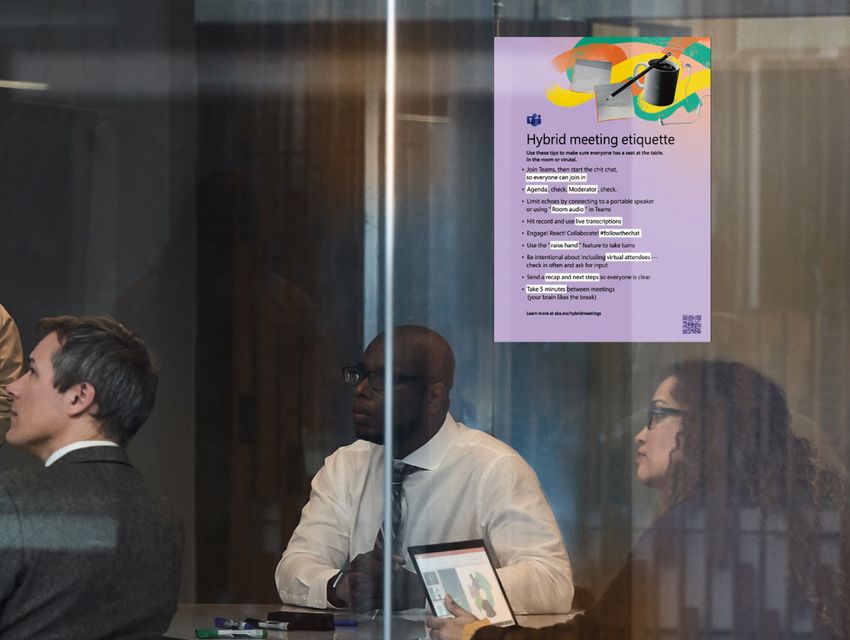
1
2022 Work Trend Index: Annual Report

                                       53%
                                       of employees are more likely
                                                                        52%
                                                                        of Gen Z and Millennials are
                                       to prioritize health and well-   likely to consider changing
                                       being over work than before      employers this year, up 3%
                                       the pandemic.                    year-over-year.

              Employees have a new
             “worth it” equation.
                                                                                                       4
2022 Work Trend Index: Annual Report

                                                         he experience of the past

                                       T
                                                                                         shifting, and perks like free food and a corner
                                                         two years has reshaped          office are no longer what people value most.
                                                         our priorities, identities,
                                                         and worldview, drawing a           In our study, 47% of respondents say they
                                                         bright line between what’s      are more likely to put family and personal
                                                         important—health, family,       life over work than they were before the
                                                         time, purpose—and what’s        pandemic. In addition, 53%—particularly
                                                         not. As a result, employees’    parents (55%) and women (56%)—say they’re
                                       “worth it” equation—what people want              more likely to prioritize their health and
                                       from work and what they’re willing to give in     wellbeing over work than before.
                                       return—has changed. The power dynamic is

                                               “Work is only a part of life. It
                                                shouldn’t be your whole life or
                                                the only thing you care about.”
                                                                                   —Team lead in professional services, Argentina

                                                                                                                                           5
2022 Work Trend Index: Annual Report

Priorities have shifted                                                                                                                       60%
                                                             More likely              Less likely
                                                                                                                                                                55%
People are now more likely to                  80%                                                                                                                             53%      53%
                                                                                                                                                     51%
prioritize their health and wellbeing                                                                                                         50%
                                                                                         70%
over work than before the pandemic.            70%

                                               60%
                                                                                                                                              40%
                                                                                                          57%

                                                         53%
                                                                         52%

                                               50%                                                                                 48%
                                                                                                                                              30%
                                                                                                                        44%

                                               40%

                                                                                                                                              20%

                                               30%

                                                                                                                                              10%
                                               20%

                                               10%
                                                                                                                                               0%

                                                                                                                                                                                        -4%
Survey respondents were asked, “Com-            0%                                                                                                                             -5%
                                                                                                                                                                -7%
pared to before the COVID-19 pandemic,                                                   -3%                                                  -10%
                                                                                                          -6%                      -6%               -11%
how likely are you to prioritize your health   -10%
                                                          -6%            -7%                                            -7%
                                                                                                                                                     Gen Z   Millennials       Gen X   Boomers
                                                      Global Total   North America   Latin America       Asia/         Europe    Australia/
and wellbeing over work?”                                                                            Pacific Islands            New Zealand

Illustration by Valerio Pellegrini                                                        Region                                                                  Generation

                                                                                                                                                                                                 6
47%
  2022 Work Trend Index: Annual Report

   And employees are acting on their              employees are somewhat or extremely likely
                                                                                                               of respondents say they are
newfound priorities. In 2020, 17% of people       to consider changing jobs in the coming year,                more likely to put family
left their jobs, and we see that trend            up slightly year-over-year from 41%.                         and personal life over
continuing—reaching 18% in 2021. The top          Some generations are even more likely to                     work than they were before
five reasons employees quit were: personal        consider changing employers—more than                        the pandemic
wellbeing or mental health (24%), work-life       half (52 %) of Gen Z and Millennials combined
balance (24%), risk of getting COVID-19 (21%),    may change jobs in the year ahead, up 3%
lack of confidence in senior management/          since last year. By comparison, only 35% of
leadership (21%), and lack of flexible            Gen X and Boomers say they’re considering a

                                                                                                  “I can still be successful
work hours or location (21%). Somewhat            job change.
surprisingly, “not receiving promotions or

                                                                                                  at work, but I need to
raises I deserved” landed in number seven on        And the desire for flexibility extends to
the list at 19%, further illustrating the shift   leadership, too—47% of leaders are likely
in priorities.                                    to consider applying for jobs not near their
                                                  homes in the next year.                         make more balanced
  The data also shows the Great Reshuffle is
far from over. In the year ahead, many hybrid       Compared to last year, geographic
                                                                                                  decisions to pursue my
employees (51%) say they will consider a
switch to remote, and even more remote
                                                  migration is slowing. Today, 38% of
                                                  respondents are considering moving because
                                                                                                  own interests.”
employees (57%) say they’ll consider a            they can work remotely at their current job                       —Mid-level manager, UK

switch to hybrid. At the same time, 43% of        (compared to 46% in 2021), while 30% are

                                                                                                                                             7
2022 Work Trend Index: Annual Report

                                                                                                 For Gen Z, there’s no going back
likely to consider a move in the year ahead          What are employees looking for in a
                                                                                                 For younger employees, flexibility, mobility, and
even if it requires finding a new job that lets   job now? Beyond pay, the top five aspects
                                                                                                 entrepreneurial freedom are non-negotiable.
them work remotely. Gen Z and Millennials         of work that employees view as “very
are even more willing to change jobs in order     important” for an employer to provide          •   58% of Gen Z are considering changing jobs in the year
to live in a different location (44% and 38%,     are: positive culture (46%), mental health/        ahead versus 43% overall.
respectively), while just 27% of Gen X and 17%    wellbeing benefits (42%), a sense of           •   58% are considering a shift to hybrid work in the year
of Boomers are considering the shift.             purpose/meaning (40%), flexible work hours         head versus 53% overall.
                                                  (38%), and more than the standard two          •   56% are considering a shift to remote work in the year
                                                  weeks of paid vacation time each year (36%).
“Covid has not been
                                                                                                     ahead versus 49% overall.
                                                  While new-to-the-workforce Gen Z shares        •   70% are considering earning additional income outside
                                                  the same top three priorities, they
all doom and gloom                                list positive feedback and recognition
                                                                                                     their current employer via a side project or business in
                                                                                                     the year ahead (versus 59% overall).

for me. It forced
                                                  as their fourth priority, while ranking a      •   LinkedIn data says Gen Z is the most mobile generation
                                                  manager who will help advance their career         on the platform: since the pandemic began, their

me to dig deep and                                in fifth place.
                                                                                                 •
                                                                                                     migration rate is up 23% in the U.S.
                                                                                                     52% of Gen Z hybrid employees say they’re moving to
reevaluate what is                                                                                   a new location because they’re able to work remotely
                                                                                                     (versus 38% overall).
important.”                                                                                      •   Gen Z’s likelihood to engage with a company posting
                                                                                                     on LinkedIn if it mentions “flexibility” is far higher (77%)
—Self-employed education professional, Canada
                                                                                                     than Millennials (30%) and others on the platform.

                                                                                                                                                              8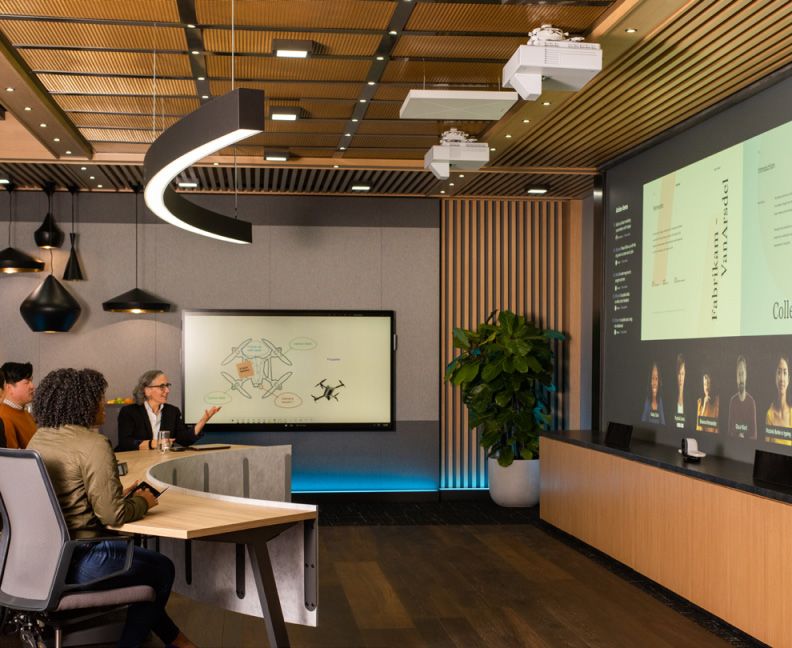
2022 Work Trend Index: Annual Report

                                          And many employees are looking beyond            Key Takeaway
                                       their “day job” for creative opportunities. Fully
                                       70% of Gen Z and 67% of Millennials say they        Meeting these new employee
                                       are considering earning additional income via       expectations will require a
                                       a side project or business in the next year. For
                                                                                           mindset shift that considers
                                       leaders, this is creating new challenges—not
                                       just in attracting and retaining top talent,        the experience of the past
                                       but in engaging current employees who               two years. Employees’ “worth
                                       increasingly define and design their careers
                                                                                           it” equation has changed—
                                       around creative pursuits.
                                                                                           and there’s no going back.
                                         In all, there’s no erasing the lived              The best leaders will create
                                       experience—and lasting impact—of the past
                                                                                           a culture that embraces
                                       two years. A few months of remote work could
                                       have been a blip, but 24 months in, people          flexibility and prioritizes
                                       have proved you can be a great employee and         employee wellbeing—
                                       have a life. Now, flexibility and wellbeing are
                                                                                           understanding that this is a
                                       non-negotiables that companies can’t afford
                                       to ignore.                                          competitive advantage to
                                                                                           build a thriving organization
                                                                                           and drive long-term growth.

                                                                                                                      9
2022 Work Trend Index: Annual Report

The workforce is still
in transition
Many hybrid employees are                     Remote employees                 Hybrid employees
considering a switch to remote while       considering a shift to hybrid   considering a shift to remote
even more remote employees are
considering a switch to hybrid in the
year ahead.

Respondents were asked, “Thinking ahead,
                                           57%
how likely are you to consider doing the
following in the next year?” Percentages
                                                                              51%
shown in graphic include those who are
somewhat or extremely likely to shift to
remote or hybrid work in the year ahead.
Illustration by Valerio Pellegrini

                                                                                                           10
2
2022 Work Trend Index: Annual Report
74%
of managers say they
54%
of managers say leadership is
don’t have the influence or out of touch with employees.
resources to make change
for employees.
Managers feel wedged
between leadership and
employee expectations.
112022 Work Trend Index: Annual Report
T he past two years have
taught us that culture will
stand or fall with managers.
But many managers feel
of leaders2 say their company already requires,
or plans to require, full-time in-person work in
the year ahead. This percentage is even higher
for leaders in the manufacturing (55%), retail
stuck between leadership (54%), and consumer goods (53%) industries.
and new employee
expectations, and they feel This stands in sharp contrast to the data on
powerless to drive change for their team. the importance of flexible work to employees.
Over half of managers (54%) feel leadership at Over half of respondents (52%) say they are
their company is out of touch with employee likely to consider shifting to hybrid or remote nearly 3 times more applicants compared to
expectations. And 74% say they don’t have work in the year ahead. And remote and on-site roles.
the influence or resources they need to make hybrid jobs are still on the rise. According to
changes on behalf of their team. LinkedIn, in March of 2020, 1 in 67 U.S. jobs 2
The 50% of business leaders who say their company already
offered a remote work option. Today, that requires or plans to require full-time in-person work in the year
ahead reflects leaders who are in information worker roles. It
The source of this tension is clear as business number is about 1 in 7. And remote jobs on does not include leaders who work in frontline settings such as
leaders seek a return to what once was; 50% LinkedIn attract 2.6 times more views and hospitals, warehouses, retail settings, etc.
122022 Work Trend Index: Annual Report
Back to the office
Many leaders say their company
is planning a return to the office
full time within the next year, but
a majority of employees prefer the Half of leaders say their
flexibility of remote and hybrid work. company plans to require
full-time in-person work
50% of leaders in information worker roles
say their company is currently or planning
50%
to focus on requiring full-time
in-person work in the year ahead, while
52% of respondents say they are Over half of employees are
somewhat or extremely likely to consider 52% considering going hybrid or
going remote or hybrid in the year ahead.
remote in the year ahead
Illustration by Valerio Pellegrini
132022 Work Trend Index: Annual Report
There’s no question technology helped Key Takeaway
preserve productivity during the pandemic,
but fears about lost gains may be factoring An important lesson of the past
into the pullback to in-person work. Despite two years is that managers embody
80% of employees saying they are just as and instantiate the culture for every
or more productive since going remote or organization. Managers are a critical
hybrid, 54% of leaders fear productivity has bridge between evolving employee
been negatively impacted since the shift.
expectations and leadership priorities.
Leaders have spent the past two years If empowered, they hold the key to
under crushing pressure, shepherding their unlock the potential of hybrid work.
people and organizations through uncertainty Equip them with the resources and
amid unprecedented economic challenges. training they need to manage the
It’s easy to imagine why they might see a transition. While policy is set at the top,
return to the office as the solution. But now,
leaders need to decentralize decision-
leaders have a new and urgent challenge
in an uncertain economy and labor market: making and empower managers
setting the standard for flexible work in a way to make change on behalf of their
that balances business outcomes with new employees’ individual needs. Microsoft
employee expectations. encourages managers to use this
template to create team agreements
for hybrid work.
142022 Work Trend Index: Annual Report
“There’s no erasing the lived experience
and lasting impact of the past two
years. Empowering managers to adapt
to new employee expectations helps set
businesses up for long-term success.”
—Jared Spataro, CVP, Modern Work, Microsoft
153
2022 Work Trend Index: Annual Report
38%
of hybrid employees say their
28%
of leaders have created team
biggest challenge is knowing agreements for hybrid work to
when and why to come into define why and when to go to
the office. the office.
Leaders need to
make the office worth
the commute.
162022 Work Trend Index: Annual Report
s the world shifts more fully
A
into hybrid work, the biggest
between 12 p.m. and 2 p.m., two days a week.
opportunity for business
Consider quarterly offsites that bring far-
leaders is to reimagine
flung teammates together regularly. The key
the role of the office and
is for managers to provide clear guidance to
create clarity around why,
employees as they experiment and learn what
when, and how often teams
works for the team.
should gather in person.
More than a third (38%) of
hybrid employees say their biggest challenge “You must design workplaces with enough
is knowing when and why to come into the
office. Yet few companies ( just 28%) have
flexibility to support every employee. A mix of
established team agreements to clearly define quiet places, collaboration areas, and touch-
the new norms.
Making the office work for all employees down locations helps ensure everyone can be
will take radical intentionality. There’s no
one-size-fits-all approach: Experiment with
connected, engaged, and productive.”
“Team Tuesdays” or in-person office hours —Michael Ford, CVP of Global Workplace Services
172022 Work Trend Index: Annual Report
Hybrid work requires new
team norms
Few companies have created new
team norms to ensure time together
is intentional.
Hybrid employees were asked, “Which
of the following have been the biggest
challenges for you personally in working
a mix of remote and in person?” Remote
employees were asked if they were “thriving
or struggling” when it comes to feeling
included in meetings. Leaders were asked,
“What has your company done to ensure
remote workers are not disadvantaged/have
an equal opportunity to succeed
and contribute?”
Illustration by Valerio Pellegrini
1827%
2022 Work Trend Index: Annual Report
of organizations have estab-
lished new hybrid work meet-
ing etiquette.
This intentionality extends to hybrid Data suggests companies are making
meetings. Making hybrid meetings a great progress on investments in space and
experience for everyone requires investing in technology, but there’s more work to do on
three things: hardware, software, and culture. culture. On technology and space, monthly
Start by augmenting existing hardware with use of Microsoft Teams Rooms, optimized for
AI-powered cameras designed for the people hybrid collaboration, has more than doubled
not in the room; consider adding larger year-over-year. And 54% of leaders are
screens to give everyone a seat at the table currently redesigning meeting spaces for hybrid
and create a canvas for collaboration. Second, work, or plan to in the year ahead. However,
have everyone join Teams—including those despite 43% of remote employees and
in the room—to create a shared experience. 44% of hybrid employees saying they do
Third, create new cultural norms for hybrid not feel included in meetings, just 27% of
meetings to help everyone feel included and organizations have established new hybrid
able to contribute. work meeting etiquette.
192022 Work Trend Index: Annual Report
Key Takeaway
Leaders must establish the why,
when, and how of the office.
This means defining the purpose
of in-person collaboration,
creating team agreements
on when to come together in
person, defining hybrid meeting
etiquette, and rethinking how
space can play a supporting
role. Organizations that fail to
grasp the new intentionality
required to define the role of
the office risk missing out on the
true benefits of hybrid work.
Microsoft’s new hybrid meeting etiquette will be posted physically and digitally
for the company’s 180,000 employees in over 100 countries around the world.
204
2022 Work Trend Index: Annual Report
252%
Increase in weekly time
32%
Increase in chats sent per
spent in meetings for the person since April 2020.
average Teams user since
February 2020.
Flexible work doesn’t
have to mean “always on.”
2128%
2022 Work Trend Index: Annual Report
increase in after-hours work
The trillions of anonymized productivity
since March 2020
signals across Microsoft 365 show flexible
work in action. But as employees make flexible
work work for them, there’s still a need to
combat digital exhaustion.
On the face of it, for the average Teams user,
meetings, chat, workday span, and after-hours
and weekend work have all risen over the past
two years.3 increased more than 13% (46 minutes)
since April 2020, and after-hours and
Meetings are still consuming a lion’s weekend work has grown even more
share of our time. Since February 2020, the quickly, at 28 percent and
average Teams user saw a 252% increase in 14%, respectively.
their weekly meeting time and the number
of weekly meetings has increased 153%. The 3
Workday span: Time between the first and last meeting or
chat of the day for the average Teams user.
average Teams user sent 32% more chats
After-hours work: Average span between the first Teams chat/
each week in February 2022 compared to call/meeting after 5pm local time to the last signal for the day.
April 2020 and that figure continues to climb. Weekend work: Average span between the first Teams
Workday span for the average Teams user has meeting/call/chat to the last signal on Saturdays and Sundays.
222022 Work Trend Index: Annual Report
The metaverse is coming to work
We also asked respondents about emerging technologies at work.
“Avatars and the metaverse bring us one feel more natural.” • 16% of employees say they
step closer to making people feel like they’re • 52% of employees are open to using never expect to do any work in
together even when they are physically apart,” digital immersive spaces in the metaverse the metaverse.
says Mar Gonzalez Franco, principal researcher for meetings or team activities in the • 13% of employees say they don’t know
at Microsoft Research. “Our early research next year. what the term ‘metaverse’ means.
shows that when compared to an audio-only • 47% of employees are open to
call, people feel more engaged, more present, representing themselves as an avatar in Leaders need to consider how
and even more comfortable when using meetings in the next year. emerging technologies like the metaverse
an avatar in a meeting. The people you are • 51% of Gen Z and 48% of Millennials and AI can augment collaboration and
speaking with are better able to see your body envision doing some of their work in the facilitate co-creation and creativity in a
language, and back-and-forth conversations metaverse in the next two years. distributed work world.
Millennials and Gen Z are more
likely to envision doing some of
their work in the metaverse in the
next two years.
232022 Work Trend Index: Annual Report
Work is more flexible,
but digital overload is still
a risk
After-hours work and workday span
are still increasing, as are the
number of weekly meetings and
chats per person
Analysis of collaboration activity across
Microsoft 365 tools the past two years. This
visualization is based on aggregated data,
without personal or organization-
identifying information.
Illustration by Valerio Pellegrini
242022 Work Trend Index: Annual Report Making flexible work meetings at five or 10 minutes after
the hour)
sustainable
• Keep meetings as short as possible; if
Tips from Mary Czerwinski and Shamsi they’re longer than 30 minutes, include a
Despite the digital overload, people are Iqbal, two Microsoft researchers with decades 5-minute break
making flexible work their own, taking control of experience studying productivity, focus • Avoid scheduling large, presentation-only
of their time and reshaping the workday. and wellbeing. meetings in the first hour of the workday
Productivity patterns in Outlook show when people tend to multitask and catch up
1. Too many meetings
people are becoming more intentional about on emails and to-dos
taking breaks, avoiding double booking, • Make it a team practice to ask, “Could we 3. Chats or emails from colleagues outside
cover this in email or chat instead?”
and establishing meeting-free work blocks. my own work hours or during meetings
Between March 2021 and February 2022, • Look for opportunities to divide and • Use the delay delivery feature in Outlook for
conquer meetings with team members
anonymized Outlook calendar data show the emails outside established working hours
average number of overlapping meetings • Use the “required” and “optional” lines of • As a team, set expectations on response
meeting invites to help people prioritize
per person per month decreased by 44%. time to emails and chats sent outside of
their time
Compared to last year, teams are starting working hours
meetings later on Mondays and wrapping up • Block focus time on your calendar for • Use NOT URGENT in the headline of emails
personal productivity and wellbeing, and
earlier on Fridays. There are also fewer noon or chats when your colleague is in a meeting
protect it or it’s outside working hours
meetings, which may point to people taking a
• As a team, consider designating certain
midday break. More employees are also using 4. Working in different time zones
days or time blocks “meeting-free”
their vacation time, with out-of-office time • Share meeting-related documents ahead of
2. Waning energy or focus due
blocks on calendars increasing by 10% in the time and ask for comments so participants
to back-to-back meetings can review asynchronously
last year.
• Share an agenda ahead of the meeting • Record meetings and share notes with
and assign an owner to each part invitees afterwards
• Create team norms around established
breaks between meetings (e.g., start all
252022 Work Trend Index: Annual Report
Meeting habits are
changing
Meetings now start later on Mondays
and finish earlier on Fridays,
and there are fewer meetings at
lunchtime. While 9-11 a.m. is the most
used meeting time, 2-3 p.m. is rising
in popularity.
Analysis of collaboration activity across
Microsoft 365 tools the past two years. This
visualization is based on aggregated data,
without personal or organization-identify-
ing information.”
Illustration by Valerio Pellegrini
262022 Work Trend Index: Annual Report
While meetings are up overall, they Key Takeaway
are getting shorter and more ad hoc.
As employees find digital equivalents of
the “drive by” or “hallway conversation”,
Teams need to create
unscheduled, ad-hoc calls have risen 8% in new norms around
the last two years and now make up 64%
of all Teams meetings. And meetings under flexible work to reduce
15 minutes now make up a majority of all
meetings (60 percent) and are increasing time spent in meetings
more than any other meeting length (39
percent between February 2021 and 2022). to shift as much work as you can to be and empower people to
asynchronous and get really intentional
The data also shows the shift to about the use of the synchronous time you hit the off switch. This
asynchronous work as part of the new normal.
Monthly use of meeting recordings that allow
have together,” says Jaime Teevan, Microsoft’s
Chief Scientist.
should not be a solo
people to catch up on meetings, training, and effort, but a team-led
town halls on demand has more than doubled Taken altogether, the data indicates that
since March 20204. And new patterns—like employees are doing what they can to make movement to establish
the “triple peak day”— are emerging as some flexible work their own but making flexible
people leave the 9 to 5 behind to do what work sustainable long-term will require more sustainable hybrid
works for them. new team norms to guard against being
“Because everyone is working at different “always on.” work practices.
times and in different places, it’s important
4
Monthly usage of Microsoft’s Stream platform as a way for
employees to work asynchronously has more than doubled 27
between March 2020 and February 2022.5
2022 Work Trend Index: Annual Report
51%
of hybrid employees say
they’re likely to go remote in
the year ahead.
Rebuilding social
capital looks different in
a hybrid world.
2843%
2022 Work Trend Index: Annual Report
of leaders say
relationship-building is the
greatest challenge in remote
and hybrid work.
O
ne of the most felt aspects In a digital-first work world, where 51%
of remote and hybrid work of hybrid employees are considering a shift
is the impact it’s had on our to remote work in the year ahead, we can
relationships. Last year’s no longer rely solely on the office to recoup
Work Trend Index revealed the social capital we’ve lost. Leaders must be
that teams became more intentional about reconnecting both hybrid
siloed, and this year’s study and remote employees into the fabric of the
shows the trend one year later. organization.
While a majority of hybrid employees seem This won’t be a trivial task—43% of leaders
to be maintaining their work relationships, only say relationship-building is the greatest
half of remote workers say they have a thriving challenge in hybrid and remote work—but
relationship with their direct team, and even it’s one worth prioritizing. Building social
fewer have a strong relationship with those capital is crucial for organizational success.
outside their team. Employees who have thriving relationships
292022 Work Trend Index: Annual Report
with their immediate team members report with weak organizational networks. Having a
better wellbeing than those with poor broad network also fuels career opportunities
relationships (76% versus 57%). They also within a company—LinkedIn data shows that
report higher productivity (50% versus 36%) employees at companies with high internal
and are less likely to change employers in the mobility stay almost twice as long.
year ahead (61% versus 39%).
Our research shows many hybrid employees
Strengthening networks outside of the have been successful at maintaining their
immediate team matters, too. Employees workplace relationships. More than half (58%)
with thriving relationships beyond their say they have a thriving relationship with “When people trust one another
immediate team members say they’re more their direct team, and 48% say they have a and have that kind of [social]
satisfied with their employer (76% versus thriving relationship with people outside their capital, you get a willingness
57%), more fulfilled by work (79% versus immediate team. However, these numbers
59%), and have a more positive outlook on dip to 50% and 42%, respectively, for remote to take risks, you get more
workplace stress (40% versus 30%) than those employees—highlighting the need for leaders innovation and creativity and
to help fully remote employees build strong
and broad networks.
less groupthink.”
—Nancy Baym, Principal Researcher, Microsoft Research
302022 Work Trend Index: Annual Report
Employees who onboarded the past two
years also need extra support. Nearly two- Work Friends Matter, Too
thirds (62%) of leaders are concerned new or would support me in my time of need.” And
In addition to looking at formal workplace
employees aren’t getting the support they research shows loneliness at work brings health
relationships, our research explored deeper
need since moving to hybrid or remote problems, reduced productivity, turnover, and
workplace friendships.
work—and for good reason. The data shows burnout.
that employees hired since March 2020 are • 59% of hybrid employees and
Hadley says, “Without a new approach,
less likely to feel included (60% versus 64%), 56% of remote employees have fewer work
employee isolation and disconnection will
have weaker relationships with their direct “friendships” since going hybrid or remote.
continue to grow—regardless of whether
team (51% versus 55%), and are at greater risk • This may be contributing to feelings of people are back in the office. The post-
of attrition (56% versus 38% are likely to leave loneliness. 55% of hybrid employees and 50%
their employer in the year ahead). pandemic transition provides the perfect
of remote employees feel lonelier at work than opportunity to put the structures and rewards in
before going hybrid or remote. place to facilitate a more connected workforce.”
• 66% of respondents say doing informal Managers should prioritize time for
coffee chats virtually feels like “more of a chore” employees to connect in more deep and
than an in-person get together. authentic ways beyond the to-do list and foster
Organizational psychologist Constance a culture that rewards psychological safety, so
Noonan Hadley describes loneliness at work employees can be vulnerable and lean on each
as the belief that, “Few people truly know me other for support when needed.
312022 Work Trend Index: Annual Report
The impact of strong Direct team
workplace relationships
Research shows the massive benefits
of thriving relationships within and
Broader organization
outside of your direct team.
Respondents were asked several questions
on this topic, such as, “Would you say
you are thriving or struggling with the
following types of bonds or relationships
at work?” and “When thinking about your
network/social circle at work, how much
do you agree or disagree with the
following statements?”
Illustration by Valerio Pellegrini
Illustration by Valerio Pellegrini
322022 Work Trend Index: Annual Report
Key Takeaway
Leaders should not see a return to the
office as the only solve for rebuilding
the social capital we’ve lost over the
networking-related activities drive business past two years. They should prioritize
impact. To reap the benefits of social time for relationship-building to
capital, leaders need to make time and happen, knowing remote and newly
space for employees to build their networks
onboarded employees will need extra
and deepen relationships beyond the
transactional in a hybrid world. support. Managers play a crucial role in
fostering close team bonds and acting
“When work-life balance is out of whack, as dot connectors to help employees
most people cut out relationship-building broaden their networks.
for more urgent matters,” says Constance
Noonan Hadley, an organizational In a hybrid world, it’s up to leaders to
The data shows employees are ready to psychologist who studies workplace help all employees prioritize time to
stop emailing and start connecting. While relationships. “Regardless of remote status, build relationships, with additional
48% of employees say they want to spend building relationships will still feel like a support to remote and newly onboarded
less time on things like answering emails luxury workers cannot afford unless there is a employees, who our research shows are
and scheduling meetings and more time shift in how time is prioritized and valued by
most at risk of being left behind.
networking, just 30% of leaders feel that managers.”
332022 Work Trend Index: Annual Report
The Way Forward
The past two years have made a lasting imprint on work—the impact of which will be felt long
into the future. The new “worth it” equation is not a zero-sum game. Employees value flexibility
and wellbeing, and these great expectations create an opportunity for every organization to
reimagine work-life integration as a win-win.
Giving people agency to do their best work is not only in their best interest—it’s good for
business. To make hybrid work work, leaders need to empower managers to be the culture
keepers, rethink the role of the office, rebuild social capital for a digital-first workforce, and
create new practices for sustainable flexible work. Technology plays a key role, but this moment
calls for a new mindset. As the world continues to evolve, organizations that take a culture-
first, learn-it-all approach will come out ahead.
Learn more about how Microsoft is innovating to help organizations make hybrid work work. 342022 Work Trend Index: Annual Report
Thailand, Vietnam; Europe: Czech Republic, Finland, Director, General Manager, EVP, C-Suite, President,
Methodology and France, Germany, Italy, Netherlands, Poland, Spain, etc.) and have at least some influence on decision
Audience Definitions: Sweden, Switzerland, United Kingdom; Latin making related to hiring, budgeting, employee
America (LATAM): Argentina, Brazil, Colombia, benefits, internal communications, operations, etc.
The Work Trend Index survey was conducted Mexico; North America: Canada, United States. • Non-Business Decision Makers: employees
by an independent research firm, Edelman Data x who are not in mid to upper job levels and have
Intelligence, among 31,102 full-time employed or Audiences mentioned in the report are defined no influence on decision making related to
self-employed workers across 31 markets between as follows: hiring, budgeting, employee benefits, internal
January 7, 2022 and February 16, 2022. This survey • Frontline Workers: self-selected at time of survey communications, operations, etc.
was 20 minutes in length and conducted online, fielding as being required to be in-person to do their • Managers: Employees who manage at least one
in either the English language or translated into a job and do not work at a traditional ‘desk setting’ employee as a direct report. Managers can be BDMs
local language across markets. At least 1,000 full- (for example work at a healthcare facility, school, or non-BDMs.
time workers were surveyed in each market, and construction site, or warehouse).
global results have been aggregated across all • Hybrid Workers: self-selected at time of survey
responses to provide an average. Each market is fielding as currently working a mix of in-person and
evenly weighted within the global average. Each remotely, at least one day every other week in a
market was sampled to be representative of the typical week.
full-time workforce across age, gender, and region; • Remote Workers: self-selected at time of survey
each sample included a mix of work environments fielding as currently working remotely every day of
(in-person, remote vs. non-remote, office settings the week in a typical week.
vs. non-office settings, etc.), industries, company • Information Workers: self-selected at time of
sizes, tenures, and job levels. Markets surveyed survey fielding that their typical work setting is
include: at a desk (whether in an office or at home). This
Australia and New Zealand (ANZ): Australia, group includes those who are in-person or working
New Zealand; Asia-Pacific (APAC): China, remotely in some cAsia-Pacificity.
Hong Kong, India, Indonesia, Japan, Malaysia, • Business Leaders/Business Decision Makers:
Philippines, Singapore, South Korea, Taiwan, those in mid to upper job levels (i.e., SVP, VP, Sr.
352022 Work Trend Index: Annual Report
Appendix: Aggregated Totals
53% of workers are more likely to
By Region
North America: 52%
By Market
North America Italy: 54%
Key Global Trends prioritize their health and wellbeing
over work than before the pandemic.
Latin America: 70%
Asia-Pacific: 57%
Canada: 50%
Latin America
Netherlands: 40%
Poland: 31%
Europe: 44% Brazil: 71% Spain: 57%
Australia/New Zealand: Sweden: 43%
Asia-Pacific
48% Switzerland: 36%
China: 58%
UK: 56%
India: 67%
Japan: 37% Australia/New
Zealand
1. Employees have South Korea: 46%
Australia: 51%
Europe
a new “worth it” France: 48%
New Zealand: 44%
equation. Germany: 38%
18% of workers say they actually left North America: 17% North America Europe
their jobs in the past year. Latin America: 18% Canada: 15% France: 12%
Asia-Pacific: 19% Latin America Germany: 12%
Europe: 16% Brazil: 12% Italy: 17%
NZ: 20% Netherlands: 21%
Asia-Pacific
Poland: 14%
China: 7%
Spain: 17%
India: 41%
Sweden: 18%
Japan: 12%
South Korea: 19% Switzerland: 20%
362022 Work Trend Index: Annual Report | Appendix
1. Employees have a new Aggregated Totals By Region By Market
“worth it” equation. UK: 15% Australia/New Zealand
18% of workers say they actually left
Australia: 20%
their jobs in the past year (continued).
New Zealand: 21%
43% of workers are somewhat or North America: 41% (vs. 39% North America South Korea: 46%
extremely likely to consider changing in 2021); 56% (vs. 56% in Canada: 37% (vs. (vs. 49% in 2021);
employers this year (vs. 41% in 2021) 2021) 35% in 2021); 52% 56% (vs. 54% in
(vs. 53% in 2021) 2021)
Latin America: 40% (vs. 36%
52% of Gen Z and Millennials are in 2021); 47% (vs. 41% in Latin America Europe
somewhat or extremely likely to 2021) Brazil: 38% (vs. 38% France: 33% (vs. 30%
consider changing employers this year in 2021); 44% (vs. in 2021); 49% (vs.
Asia-Pacific: 50% (vs. 47% in
(vs. 49% in 2021). 45% in 2021) 45% in 2021)
2021); 55% (vs. 52% in 2021)
Europe: 36% (vs. 37% in Asia-Pacific Germany: 28% (vs.
2021); 49% (vs. 47% in 2021) China: 56% (vs. 45% 29% in 2021); 43%
in 2021); 46% (vs. (vs. 42% in 2021)
Australia/New Zealand: 48%
38% in 2021) Italy: 37% (vs. 34% in
(vs. 45% in 2021); 56% (vs.
55% in 2021) India: 65% (vs. 62% 2021); 49% (vs. 46%
in 2021); 70% (vs. in 2021)
63% in 2021) Netherlands: 41%
Japan: 33% (vs. 38% (vs. 45% in 2021);
in 2021); 44% (vs. 57% (vs. 57% in
49% in 2021) 2021)
Poland: 37% (vs. 39%
372022 Work Trend Index: Annual Report | Appendix
Aggregated Totals By Region By Market
1. Employees have a new 43% of workers are somewhat or in 2021); 49% (vs. Australia/New
“worth it” equation. extremely likely to consider changing 48% in 2021) Zealand
employers this year (vs. 41% in 2021) Spain: 39% (vs. 32% Australia: 48% (vs.
in 2021); 54% (vs. 42% in 2021); 58%
52% of Gen Z and Millennials are 43% in 2021) (vs. 50% in 2021)
somewhat or extremely likely to
Sweden: 36% (vs. New Zealand: 47%
consider changing employers this year
42% in 2021); 46% (vs. 48% in 2021);
(vs. 49% in 2021).
(vs. 57% in 2021) 52% (vs. 60% in
Switzerland: 39% (vs. 2021)
(Continued)
41% in 2021); 53%
(vs. 44% in 2021)
UK: 41% (vs. 41% in
2021); 55% (vs. 49%
in 2021)
2. Managers feel wedged 74% of people managers wish they could North America: 68% North America Europe
do more to implement change for their LATAM: 75% Canada: 67% France: 72%
between leadership and team but do not have the influence or APAC: 78% Latin America Germany: 66%
employee expectations. resources. EMEA: 69% Brazil: 73% Italy: 71%
ANZ: 73% Asia-Pacific Netherlands: 65%
China: 77% Poland: 69%
India: 84% Spain: 79%
Japan: 65% Sweden: 66%
South Korea: 63%
382022 Work Trend Index: Annual Report | Appendix
Aggregated Totals By Region By Market
2. Managers feel wedged 74% of people managers wish they could Switzerland: 66% Australia/New
between leadership and do more to implement change for their UK: 69% Zealand
team but do not have the influence or Australia: 71%
employee expectations.
resources (continued). New Zealand: 75%
54% of people managers say leadership North America: 53% North America Italy: 56%
at their company is out of touch with Latin America: 43% Canada: 53% Netherlands: 56%
employees. Asia-Pacific: 57% Latin America Poland: 51%
Europe: 53% Brazil: 34% Spain: 60%
Australia/New Zealand: 61% Sweden: 57%
Asia-Pacific
Switzerland: 46%
China: 65%
UK: 56%
India: 65%
Japan: 61% Australia/New
South Korea: 59% Zealand
Australia: 59%
Europe
New Zealand: 62%
France: 48%
Germany: 51%
392022 Work Trend Index: Annual Report | Appendix
Aggregated Totals By Region By Market
2. Managers feel wedged 54% of business leaders fear productivity North America: 51% North America Poland: 53%
between leadership and has been negatively impacted since a Latin America: 39% Canada: 46% Spain: 44%
employee expectations. shift to remote or hybrid work. Asia-Pacific: 62% Latin America Sweden: 48%
Europe: 49% Brazil: 27% Switzerland: 47%
Australia/New Zealand: 59% UK: 43%
Asia-Pacific
China: 84% Australia/New
India: 62% Zealand
Japan: 45% Australia: 53%
South Korea: 58% New Zealand: 63%
Europe
France: 52%
Germany: 41%
Italy: 53%
Netherlands: 61%
402022 Work Trend Index: Annual Report | Appendix
Aggregated Totals By Region By Market
2. Managers feel wedged 81% of workers say they are as productive North America: 81% North America Italy: 81%
or even more productive compared to a Latin America: 85% Canada: 80% Netherlands: 81%
between leadership and
year ago Asia-Pacific: 80% Latin America Poland: 79%
employee expectations. Europe: 82% Brazil: 85% Spain: 86%
Australia/New Zealand: 80% Sweden: 82%
Asia-Pacific
China: 89% Switzerland: 81%
India: 85% UK: 84%
Japan: 71% Australia/New
South Korea: 74% Zealand
Europe Australia: 80%
France: 81% New Zealand: 79%
Germany: 85%
50% of business leaders say their North America: 51% North America Italy: 47%
company is planning to require Latin America: 50% Canada: 44% Netherlands: 31%
employees to work in-person full time Asia-Pacific: 58% Latin America Poland: 37%
within the next year. Europe: 39% Brazil: 47% Spain: 46%
Australia/New Zealand: 40% Sweden: 32%,
Asia-Pacific
Switzerland: 36%
China: 46%
UK: 44%
India: 67%
Japan: 42% Australia/New
South Korea: 49% Zealand
Australia: 51%
Europe
New Zealand: 32%
France: 42%
Germany: 36%
412022 Work Trend Index: Annual Report | Appendix
Aggregated Totals By Region By Market
2. Managers feel wedged 52% of workers are considering switch to North America: 48% North America Germany: 35%
remote or hybrid in the year ahead Latin America: 59% Canada: 48% Italy: 41%
between leadership and
Asia-Pacific: 60% Latin America Netherlands: 42%
employee expectations. Europe: 39% Poland: 42%
Brazil: 58%
Australia/New Zealand: 49% Spain: 49%
Asia-Pacific
Sweden: 37%
China: 59%
Switzerland: 37%
India: 67%
UK: 43%
Japan: 31%
South Korea: 43% Australia/New
Zealand
Europe
Australia: 47%
France: 34%
New Zealand: 50%
Only 28% of business leaders have North America: 25% North America Italy: 27%
3. Leaders need to created team agreements for hybrid Latin America: 27% Canada: 20% Netherlands: 23%
work to define why and when to go to Asia-Pacific: 32% Poland: 25%
make the office worth the office. Europe: 24%
Latin America
Spain: 23%
Brazil: 31%
the commute. Australia/New Zealand: 20%
Asia-Pacific
Sweden: 21%
Switzerland: 28%
China: 26%
UK: 23%
India: 42%
Japan: 24% Australia/New
South Korea: 22% Zealand
Australia: 26%
Europe
New Zealand: 16%
France: 26%
Germany: 24%
422022 Work Trend Index: Annual Report | Appendix
Aggregated Totals By Region By Market
3. Leaders need to make the 38% of hybrid workers say their North America: 33% North America Italy: 33%
biggest challenge is knowing when Latin America: 39% Canada: 31% Netherlands: 34%
office worth the commute.
to work remotely and when to work Asia-Pacific: 41% Latin America Poland: 34%
in-person. Europe: 34% Brazil: 34% Spain: 32%
Australia/New Zealand: 34% Sweden: 38%
Asia-Pacific
Switzerland: 31%
China: 38%
UK: 35%
India: 45%
Japan: 40% Australia/New
South Korea: 43% Zealand
Australia: 36%
Europe
New Zealand: 32%
France: 28%
Germany: 35%
Weekly time spent in meetings for the
4. Flexible work doesn’t average person has plateaued after
mean “always on.” increasing over 250% since March 2020.
After two years, chat use is still on the rise
with chats sent per person up 27%.
Pulled from internal Microsoft data (no regional or market data available)
Workday span, after-hours and weekend
work still on the rise.
432022 Work Trend Index: Annual Report | Appendix
Aggregated Totals By Region By Market
4. Flexible work doesn’t mean 52% of employees are open to North America: 49% North America Italy: 46%
using digital immersive spaces in Latin America: 63% Canada: 49% Netherlands: 47%
“always on.”
the metaverse for meetings or team Asia-Pacific: 56% Latin America Poland: 50%
gatherings in the next year. Europe: 45% Brazil: 65% Spain: 52%
Australia/New Zealand: 50% Sweden: 45%
Asia-Pacific
Switzerland: 42%
China: 57%
UK: 44%
India: 49%
Japan: 38% Australia/New
South Korea: 55% Zealand
Europe Australia: 49%
France: 39% New Zealand: 50%
Germany: 46%
47% of employees are open to North America: 42% North America Italy: 39%
representing themselves as an avatar Latin America: 55% Canada: 42% Netherlands: 39%
in meetings in the next year. Asia-Pacific: 53% Latin America Poland: 45%
Europe: 38% Brazil: 56% Spain: 46%
Australia/New Zealand: 44% Sweden: 40%
Asia-Pacific
Switzerland: 39%
China: 57%
UK: 38%
India: 49%
Japan: 38% Australia/New
South Korea: 48% Zealand
Australia: 43%
Europe
New Zealand: 45%
France: 32%
Germany: 36% 442022 Work Trend Index: Annual Report | Appendix
Aggregated Totals By Region By Market
5.Rebuilding social 51% of workers who are currently North America: 50% North America Germany: 35%
hybrid seek being fully remote in the Latin America: 58% Canada: 43% Italy: 39%
capital looks different next year Asia-Pacific: 61% Latin America Netherlands: 39%
in a hybrid world. Europe: 35% Brazil: 58% Poland: 39%
Australia/New Zealand: 47% Spain: 50%
Asia-Pacific
Sweden: 28%
China: 56%
Switzerland: 32%
India: 63%
UK: 38%
Japan: 33%
South Korea: 47% Australia/New
Zealand
Europe
Australia: 42%
France: 33%
New Zealand: 50%
55% of hybrid workers feel lonelier at North America: 56%, 48% North America Germany: 49%, 38%
work than before shifting to hybrid Latin America: 45%, 48% Canada: 57%, 50% Italy: 54%, 41%
while 50% of remote workers feel this Asia-Pacific: 57%, 57% Latin America Netherlands: 60%, 43%
way since shifting to remote work Europe: 55%, 47% Poland: 55%, 48%
Brazil: 44%, 48%
Australia/New Zealand: 53%, Spain: 60% ,52%
Asia-Pacific
44% Sweden: 57%, 53%
China: 53%, 83%,
Switzerland: 53%, 47%
India: 60%, 54%
UK: 51%, 45%
Japan: 57%, 36%
Australia/New Zealand
South Korea: 60%,
Australia: 49%, 45%
58%
New Zealand: 56%, 42%
Europe
France: 53%, 45%
452022 Work Trend Index: Annual Report | Appendix
5. Rebuilding social capital looks Aggregated Totals By Region By Market
different in a hybrid world. 59% of hybrid workers have fewer North America: 60%, 53% North America Italy: 51%, 50%
work friendships since shifting to Latin America: 53%, 53% Canada: 61%, 55% Netherlands: 62%,
hybrid work while 56% of remote Asia-Pacific: 63%, 68% Latin America 47%
workers say this since shifting to Europe: 55%, 50% Brazil: 50%, 50% Poland: 55%, 51%
remote work. Australia/New Zealand: 57%, Spain: 60%, 53%
Asia-Pacific
51% Sweden: 59%, 53%
China: 56%, 81%
Switzerland: 49%,
India: 72%, 63%
52%
Japan: 55%, 41%
UK: 57%, 55%
South Korea: 61%,
58% Australia/New
Zealand
Europe
France: 49%, 38% Australia: 53%, 52%
Germany: 47%, 45% New Zealand: 60%,
50%
43% of business leaders say North America: 41% North America Italy: 49%
relationship-building activities are Latin America: 42% Canada: 39% Netherlands: 43%
the greatest challenge of having Asia-Pacific: 43% Latin America Poland: 44%
employees work hybrid or remote. Europe: 45% Brazil: 34% Spain: 42%
Australia/New Zealand: 40% Sweden: 49%
Asia-Pacific
Switzerland: 50%
China: 41%
UK: 37%
India: 32%
Japan: 40% Australia/New
South Korea: 48% Zealand
Australia: 38%
Europe
New Zealand: 42%
France: 48%
Germany: 49% 462022 Work Trend Index: Annual Report | Appendix
5. Rebuilding social capital looks Aggregated Totals By Region By Market
different in a hybrid world. 62% of business leaders are concerned North America: 56% North America Germany: 50%
that new employees aren’t getting Latin America: 53% Canada: 56% Italy: 49%
enough support to be successful Asia-Pacific: 69% Latin America Netherlands: 68%
during hybrid or remote work. Europe: 57% Brazil: 39% Poland: 60%
Australia/New Zealand: 62% Spain: 56%
Asia-Pacific
Sweden: 53%
China: 90%
Switzerland: 58%
India: 73%
UK: 58%
Japan: 47%
South Korea: 64% Australia/New
Zealand
Europe
Australia: 58%
France: 55%
New Zealand: 64%
56% of pandemic hires are North America: 57% North America Germany: 47%
considering changing employers in Latin America: 50% Canada: 52% Italy: 53%
the next year. Asia-Pacific: 62% Latin America Netherlands: 59%
Europe: 51% Brazil: 45% Poland: 49%
Australia/New Zealand: 59% Spain: 58%
Asia-Pacific
Sweden: 48%
China: 59%
Switzerland: 51%
India: 71%
UK: 53%
Japan: 43%
South Korea: 61% Australia/New
Zealand
Europe
Australia: 63%
France: 50%
New Zealand: 56%
47You can also read


