Grow. Learn. Change the World - GROW. LEARN. CHANGE THE WORLD CSSD staff members are committed to helping their students - NH.gov
←
→
Page content transcription
If your browser does not render page correctly, please read the page content below

CORRECTIONS SPECIAL SCHOOL DISTRICT

                                                             Grow. Learn. Change the World.

GROW. LEARN. CHANGE THE WORLD
CSSD staff members are committed to helping their students
            grow, learn, and change the world.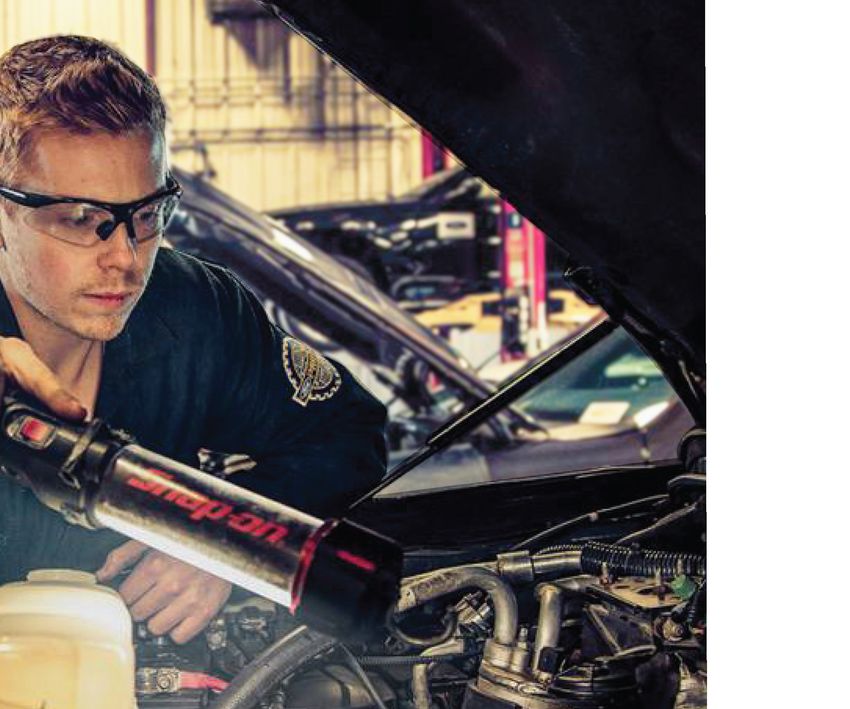
GROW. LEARN. CHANGE THE WORLD.
                  Corrections Special School District          and Technical Education Center (CTEC),
                                                                                                           CDL        CDL (COMMERCIAL DRIVER’S LICENSE)
                  (CSSD) is a unique entity which exists       which exists at the New Hampshire                    Pre-requisites: Designed for those who are closest to leaving the facility,
                  within the New Hampshire State Prison        State Prison for Men, Concord, the New                therefore MPD is a factor as well as having a driver’s license (current or
                  System. As a result of RSA 194:60,           Hampshire Correctional Facility for                                                  expired).
                  Corrections Special School District          Women, Concord and the Northern New
                  was formed through an Interagency            Hampshire Correctional Facility, Berlin.           The CDL preparation course is designed to prepare students for the written
                  Agreement between the New                                                                       knowledge test for a Commercial Driver’s Permit (CDP). Topics include the
                  Hampshire Department of Education            The Corrections Special School District
                                                                                                                  operation of a commercial vehicle including safety, transporting cargo, air
                  and the New Hampshire Department of          hereby establishes, revises, and
     HISET                                                                                                         brakes, combination and tank vehicles, hazardous materials, and vehicle
                  Corrections. Corrections Special School      reasserts policies, in accordance with
                  District offers, both male and female        the Department of Education. The                      inspections. The class is blended with lab time on the CDL simulator,
                  offenders the ability to enhance their       operational guidelines contained herein                              independent reading, and class time.
  VOCATIONAL      knowledge through educational and            provide direction and continuity for the
   TRAINING                                                                                                       ELO (EXTENDED LEARNING OPPORTUNITY)
                  vocational programs creating an avenue
                  of success towards acceptable social and
                                                               school organization, and help to assure
                                                               that all offenders have equal opportunity
                                                                                                           ELO
 HIGH SCHOOL      economic behavior. Corrections Special       to complete a course of study leading to           The Minimum Standards for School Approval require that local school districts
                  School District is comprised of Granite      a high school diploma.
 EQUIVALENCY                                                                                                         adopt policies that enable extended learning opportunities for students.
                  State High School (GSHS) and the Career
                                                                                                                    Extended learning means: the primary acquisition of knowledge and skills
                                                                                                                 through instruction or study outside of the traditional classroom methodology,
  HIGH SCHOOL
                                                                                                                       including, but not limited, to: Apprenticeships; Community service;
    DIPLOMA                       ASSURANCE OF NON‐DISCRIMINATION                                                  Independent study; Online courses; Internships; Performing groups; Private
                       The Corrections Special School District does not discriminate in the                                                         instruction.
COLLEGE COURSES      administration of its admissions and educational programs, activities or
                   employment practice on the basis of race, color, religion, national origin, age,
                               sex, disability, sexual orientation or marital status.
                                                                                                           IS                     IS (INDEPENDENT STUDY)
                                              MISSION STATEMENT
                      The Corrections Special School District is dedicated to providing quality                    Independent Studies are available for students to complete the high school
                  educational programs for incarcerated individuals. Academic knowledge, career                  diploma. An independent study must be the last class needed and not available
                  and technical education competencies and life skills integrated with technology

 CSSD
                                                                                                                 that final quarter. Independent Studies are subject to approval by the Director
                    are offered to students in a positive environment to foster lifelong learning,                                                of Education.
                            multicultural awareness, and a successful re-entry to society.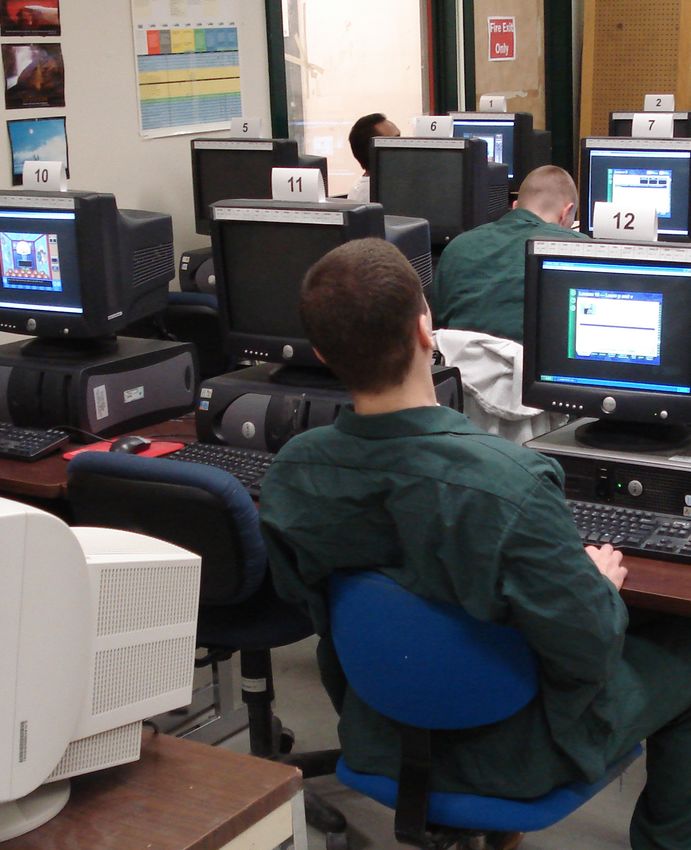
VISION STATEMENT:                                                               GOALS
                  Corrections Special School District        The vision of the Corrections Special School      1.   Recognize learning as a lifelong process.
                  (CSSD) is a unique entity which exists      District is to be recognized as a community      2.   Demonstrate ability to function as independent individuals.
                  within the New Hampshire State Prison          of dedicated professionals providing
                  System. As a result of RSA 194:60,         multifaceted educational programming to a         3.   Master basic competency skills necessary in a technological society.
                  Corrections Special School District        diverse population in order to encourage the      4.   Develop appreciation and respect for differences among people.
                  was formed through an Interagency          development of responsible citizens who will
                                                                                                               5.   Demonstrate an understanding of ethics and morals.
                  Agreement between the New                     contribute to society in a positive way.
                  Hampshire Department of Education                                                            6.   Develop appreciation for achievements in arts and humanities.
                  and the New Hampshire Department of                                                          7.   Acquire knowledge and skills for physical and mental health.
                  Corrections. Corrections Special School                                                      8. Integrate industry occupations and training to provide employable/
                  District offers, both male and female
                  offenders the ability to enhance their                                                            marketable skills.
                  knowledge through educational and
    ADDITIONAL    vocational programs creating an avenue
                  of success towards acceptable social and
   OPPORTUNITIES  economic behavior. Corrections Special
                  School District is comprised of Granite             OBJECTIVES:
                  State High School (GSHS) and the Career     Goals are divided into a series of objectives,
                                                             which provide students with tangible skills to
                                                              achieve. These educational stepping-stones
                                                               help both teachers and students progress
                                                             through the learning process. As formal goals
 Commercial Driver’s License                                   and objectives have been defined, district
       Preparation                                              educators have developed multi-leveled
                                                              educational programs that are designed to
                                                               meet the individual needs and interests of
Extended Learning Opportunity                                                each student.

     Independent Study
INTRODUCTION TO HAIRCUTTING AND HAIRSTYLING:
                                                                                                                   This basic course introduces the foundations of haircutting and hairstyling skills that all other
                                                                                                                   designs are built. Basic principles of haircutting and hairstyling introduces how to use head form
                                                                                                                   and shape to create the finished look for future salon clients. This course will introduce the tools
                                                                                                                   and techniques and concepts of haircutting, wet, dry, and thermal styling and will provide the
                                                                                                                   foundational concepts necessary to create simple and advanced finished haircuts and hairstyles.

                                                                                                                   CHEMICAL SERVICES THEORY:
                                                                                                                   Hair color and chemical texture services are not only among the most lucrative salon services
                                      GRANITE STATE HIGH SCHOOL

                                                                                                                   they are the most creative. Hair color and chemical texture services allow the salon guest to wear
                                                                                                                   any style or color regardless of natural color or texture. Knowing how to perform these services
                                                                                                                   accurately and professionally will build a solid loyal clientèle. Having a clear understanding how
                                                                                                                   these chemical processes work will not only enable the stylist to customize the client’s appearance
                                                                                                                   it will allow the stylist to deliver a safe and well thought out service.

                                                                                                                   HAIR COLOR AND TEXTURE CLINIC:
                                                                                                                   This course will consist of all practical application and develop the hands on skills necessary to
                                                                                                                   become a Licensed Cosmetology Professional. Students will gain experience through performing
                                                                                                                   techniques learned on mannequins and models adhering to all State Board safety sanitation
                                                                                                                   guidelines under the supervision of a Licensed Cosmetology Instructor.
Under the Interagency Agreement
in relation to the CSSD standards,                                                                                 SKIN AND NAIL SERVICE:
                                                                                                                   This course provides a solid foundation of theory and practical applications for many luxury
20 high school credits are required                                                                                service skin and nail services. Knowledge of skin and nail services will increase the Cosmetologists
to obtain a high school diploma.                                                                                   portfolio offering a wider range of opportunities resulting in greater earning potential. Additionally,
                                                                                                                   in this course you will learn how to conduct a consultation and skin analysis to identify individual
                                                                                                                   skin type and skin conditions to recommend proper salon facial treatments, prescribe the correct
                                                                                                                   product and options to safely and effectively improve the look and health of the skin. The second
                                                                                                                   half of this course will focus on nail services including, care of the hands and natural nails, as well as
                                                                                                                   available nail enhancement options.

                                                                                                                   BUSINESS SKILLS:
                                                                                                                   Business skills is a salon industry business class introducing the concepts of the salon business and
                                                                  Corrections Special School District enrollment   the beauty industry while preparing them for a successful transition from school to salon. This class
                                                                  opportunities are offered every eleven weeks     will help prepare the future professionals for the licensing exam and successful job interviews.
                                                                                                                   Tips for building a resume and what options the industry has to offer will be discussed. At the
                                                                              throughout the year.                 completion of the program, students will be eligible to apply for the State Board Exam and earn a
                                                                                                                   State of NH Cosmetology License.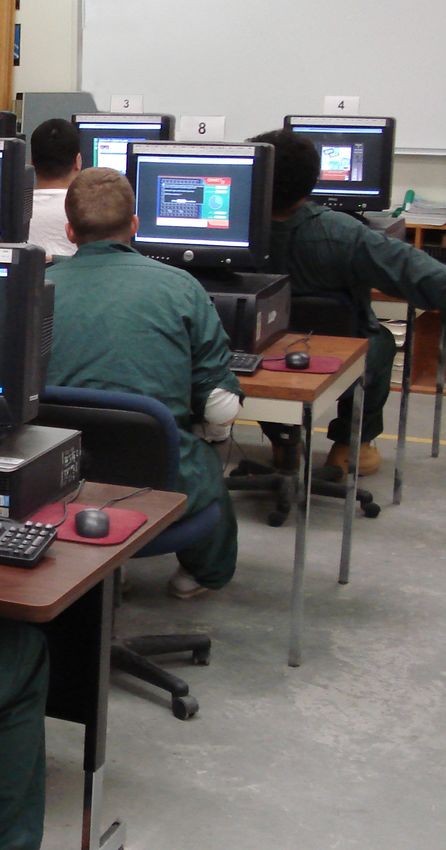
COURSE OUTLINE HIGH SCHOOL MATHEMATICS ENGLISH SCIENCE
CREDITS CONSIST OF:
COSMETOLOGY INTRODUCTION TO COSMETOLOGY: • 4 credits of English
• Pre-Algebra • 20th Century
Literature
• Biology IA
• Algebra IA • Biology IB
Introduction to Cosmetology will introduce students to the (Including 1 credit of
field of Cosmetology, build personal and professional skills • Algebra IB • Academic Foundations • Chemistry IA
American Literature)
and set the foundation for a career in the Cosmetology • Geometry IA • American Literature IA • Chemistry IB
Industry. Students will learn about the origin and history of • 3 credits of Math to
• Algebra IIA • American Literature IB • Health Through
the Cosmetology profession, how to develop a professional include 1 credit of
attitude, cultivate a professional image, and utilize effective Algebra I or above • Algebra IIB • British Literature IA Biology
communication techniques to successfully build professional • 2 credits of Science • Computation for • British Literature IB • Nutrition
relationships and work with the public, work in a salon to include 1 credit of Business • Creative Writing • Physical Science IA
COURSES environment, and gain personal skills to support success. Physical Science and • Drama as Literature • Physical Science IB
1 credit of Biological SOCIAL STUDIES
Introduction to Cosmetology HEALTH SCIENCE: • Dystopian Fiction • Earth Science IA
Cosmetology Health Science explains the importance of Science • Civics
Health Science • English as a Second • Earth Science IB
infection control in the hair salon and how the essential practice • 2½ credits of • Economics
Hair Design Other Language
of safety and sanitation procedures are crucial to protect both Social Studies to • Geography
Introduction to Haircutting and the Cosmetology Professional and the general public. Health include 1 credit • Gothic Literature
Science dives into what the hair, skin and nails are made of as well • Psychology
Hairstyling of US History, ½ • Grammar
as outlining the structure, chemical composition, systems and credit of American • US & NH History IA
Chemical Services Theory functions that support growth and health. Included as well is the • Graphic Novel
Government • US & NH History IB
Hair Color and Texture Clinic ability to identify health and warning signs and various conditions, • Reading and Writing
(Civics), ½ credit • World History
Skin and Nail Service disorders and possible diseases, what can and cannot be treated Strategies
and when to recommend a medical professional. of Economics, and (Ancient)
Business Skills ½ credit of World • Science Fiction
• World History
HAIR DESIGN: History • Shakespeare
(Modern)
Hair Design provides the foundation design, skills and concepts • ½ Credit of Health • Short Story
OCCUPATIONS necessary for every hair service. Design concepts of the philosophy
• ½ Credit of • Sports Literature
elements and principals establish the knowledge, develop the
skills, and create the best possible and most flattering hairstyles Computer Skills • Women’s Literature
Salon Tech\\ Hairstylist\\
Manicurist\\ Pedicurist\\ for specific face shapes and hair texture. Knowledge of the proper • 7 ½ credits of • World Literature IA
shampooing, conditioning and treatment techniques will promote Elective Coursework
Skin Care Specialist\\ Beautician\\ healthy hair and scalp and provide the skills necessary for all future • World Literature IB
Beauty Supply Sales\\ hair service requirements. • Writing I
• Writing II
HiSET                             ®                               COURSE
                                                                  COURSE OUTLINE
                                                                         OUTLINE
                                      Classes will consist of lectures and practical exercises (both individual and group).
                                      PowerPoint presentations, selected audio/video, and handout material will
                                      supplement the course.

                                      ENERGY, POWER & TRANSPORTATION:
The HiSET Program gives adults        Contemporary energy, power, and transportation technology. Principles of
  and out-of-school youth an          energy; electrical, fluid, and mechanical power; and land, water, air, and space
  opportunity to demonstrate          transportation will be studied. Propulsion methods and environmental concerns
their academic skills and to earn     are included.
the New Hampshire High School
    Equivalency Certificate.          EXPLORING PRODUCTION:
                                      Provides a study of two technological systems: Manufacturing and Construction.
  The high school equivalency         Throughout this course the student will be familiarized with the efficient use
 exam consists of five subtests;      of tools, techniques, resources, and production systems used to manufacture
English Language Arts, Reading,       products and structures.
   Math, Social Studies, and
            Science.                  Technology Practicum:
                                      Technology Practicum is an eleven-week course including hands-on work
  HiSET’s purpose is to certify       assignments in each of the industry locations. Students will be able to identify
    attainment of academic            equipment, gain limited proficiency in the operation of equipment, recognize and
                                      apply safety standards, identify material flow, identify the products or services
knowledge and skills equivalent
                                      offered, and identify the basic business model employed.
   to those of a high school
           graduate.
                                      UNDERSTANDING TECHNOLOGY:
                                      Process to satisfy their needs, while also considering the effect that changes may
                                      bring to their environment. The students will learn the process of identifying
                                      and stating a problem, analyzing the problem, writing a design brief, making a
                                      decision, selecting and rejecting ideas, developing the ideas, finalizing the solution
                                      and evaluating the solution. Daily classroom activities will enforce the hands-on
                                      technology practices.
INTRODUCTION TO                                             COURSE OUTLINE                                                                     EQUIVALENCY TEST
     THE WORKFORCE
        PROGRAM                                 APPLIED COMMUNICATION:
                                                Examines the different methods of communication commonly
                                                utilized in today’s workplace. Using an applied approach, students
                                                will read, discuss and practice the development of several types
                                                of communication to include effective public speaking, active
                                                listening, letter and memorandum writing, creating dynamic
                                                PowerPoint presentations, and effective use of visual graphics.          HiSET includes five subject tests
                                                Classes will consist of lectures, practical exercises (both individual
               COURSES                          and group) and student presentations. Selected audio and
                                                handout materials will supplement the course.
    Applied Communication                                                                                                       • Language Arts, Writing, Part I 60 questions, Part
                                                APPLIED MATH:
         Applied Math                           Teaches one unit of task oriented math per week. These units                      II Essay, total of 120 minutes
     Career Awareness*                          are taught in a conceptual approach engaging the student in
  Computation for Business*                     real life experiences and hands-on applications of the individual
                                                math skills learned. Several word problems are also completed
                                                                                                                                • Language Arts, Reading 50 questions, 65 minutes
Energy Power & Transportation
                                                by the student inside or outside of the class.
    Exploring Production                                                                                                        • Social Studies, 60 questions, 70 minutes
    Technology Practicum                        CAREER AWARENESS:
  Understanding Technology                      Will learn skills to assist in both searching and obtaining a                   • Science, 60 questions, 80 minutes
                                                successful career path. It is designed to encompass the students’
*Also Offered under CTEC’s foundation courses   total lifestyle, education, occupation, social responsibility, and              • Mathematics, 55 questions, 90 minutes
                                                leisure activities. Rather than charting a career path toward a                   (calculator allowed for entire test)
                                                single, long-term goal, students will explore multiple career
            OCCUPATIONS                         paths and their interrelatedness.
  Factory Worker // Production
 // Construction Laborer // Field               COMPUTATION FOR BUSINESS:
                                                Designed to examine the different methods of mathematical
    Service Technician // Parks //              operations commonly utilized in the business workplace of                       There is a fee assigned to take this test. Please reach out to an
Maintenance Specialist // General               today. Using an applied approach, students will read, discuss                          Educational Case Manager for more information.
    Laborer // Project Manager                  and practice the development of several types of mathematical
                                                operations ranging from gross pay to international business.
Thomas Edison                                                                                                             COURSE OUTLINE
      State University              COLLEGE COURSES
       101 West State Street                                                                           BRAKE SYSTEMS:
                                   If you have the funds or financial support to pay for classes you
        Trenton, NJ 08608                                                                              Designed to provide students coverage of the components, operation, design,
                                   can earn a degree while incarcerated. Aside from having the
                                                                                                       and troubleshooting. Students will diagnose, evaluate and service basic brake
                                   money to pay for classes, all you need is a high school diploma
                                                                                                       systems, parking brake systems, anti-lock brake systems and traction control
                                   (or equivalent GED/HiSET), the ability to receive mail, and
                                                                                                       systems using a variety of testing tools (measuring tools, scan tools and multi-
                                   periodic access to a proctor for exams.
                                                                                                       meters). Students will practice machining drums and rotors.
      Ohio University              Process: Send a request slip to CTEC/North Yard and ask for
   Program for the Incarcerated                                                                        ELECTRICAL SYSTEMS:
         Haning Hall 222           the latest information about college course options. CTEC will
                                                                                                       Coverage of the components, operation, design, and troubleshooting.
        Athens, OH 45701           assist you in scheduling proctors for your exams and inform
                                                                                                       Students study electrical and electronics theory including the application of
                                   you on the latest procedures for ordering/receiving course
                                                                                                       Ohms Law and Kirchhoff’s Law to the solution of electrical and electronic
                                   materials.
                                                                                                       concerns; wiring schematics and symbols, series and parallel circuits; the
                                                                                                       use of multi-meters, and oscilloscopes; wiring repair; electronic component
                                                                                                       and devices; battery, charging and starting systems. Students will practice
     AdAms stAte University                                                                            diagnosis and repair using scan tools, oscilloscopes and multi-meters on
     Office of Extended Studies
   208 Edgemont Blvd. Suite 3000                                                                       communication and networking, body control systems, occupant safety
        Alamosa, CO 81101                                                                              systems, entertainment and audio systems and driver information and
            800-548-6679                                                                               navigation systems.
            719-587-7671           More Information for Applicants
                                                                                                       ENGINE PERFORMANCE:

      LSU
                                   Applicant must send a request slip to CTEC, North Yard              Service, diagnose and repair fuel delivery, ignition and emission systems used
                                   requesting information about college correspondence courses         on today’s vehicles. Students will study four stroke theory and combustion
                                   and applications. Several colleges offer correspondence             theory for both spark ignited and compression ignited engines. Students will
Louisiana State University
   Office of Independent Study
                                   courses. CTEC has college catalogs available. To view these         study the emission concerns related to internal combustion engines and the
        1227 Pleasant Hall         catalogs, send a request slip to CTEC, North Yard, requesting a     systems and strategies used to control these emissions. Students will practice
     Baton, Rouge LA 70803         copy.                                                               testing and diagnostic routines on vehicles with faults using scan tools, multi-
                                                                                                       meters, pressure gauges and oscilloscopes. The student must determine the
                                                                                                       root cause of failure following a logical diagnostic process, with an emphasis
Blackstone Career Institute                                                                            on the application of theory, to solve drivability and performance concerns on
        PO Box 899                                                                                     vehicles with failures in the systems.
    Emmaus, PA 18049-0899
COURSE OUTLINE
                                                                                                       CORRESPONDENCE COURSES
   AUTO MECHANICS                   INTRODUCTION TO AUTOMOTIVE TECHNOLOGY:                           After you decide which college or university you would like
                                    Designed to inform students of the history of the                to attend and have identified how you will pay for it, follow
                                    automobile, career opportunities in the automotive                                      these steps:
                                    industry, proper shop safety, identify and use shop tools and   1. Complete a Correspondence Application Form. ( You must submit a
                                    equipment, and provide an overview of common automotive            separate application for each course you want to take).
                                    components and perform routine fluid checks and minor
                                    maintenance such as lubrication and tire rotations.             2. You are then asked how you intend to pay for the course. If it is
                                                                                                       from an outside source, CTEC must receive a letter of intent to pay
                                                                                                       from this outside source. If paid from resident accounts, a current
           COURSES                  ENGINE REPAIR:
                                                                                                       balance sheet is required. The course is not approved until this is
                                    Instruction in the studies of engine components, operation,        on file.
  Introduction to Automotive        design and construction; engine mechanical diagnosis
          Technology                for performance, noise and leaks; engine disassembly            3. Once the application is approved, you will receive a copy of the
                                    procedures and best practices; engine evaluation and               approval. Copies are also sent to property, mail room, vocational
        Engine Repair A             measurement; engine removal and installation techniques.           files, educational files, and to resident accounts if necessary.
        Engine Repair B             It correlates material to task lists specified by Automotive    4. All incoming correspondence courses must have a paid invoice in
                                    Service Excellence (ASE) and National Institute for                accordance with the PPD 9.2.
    Suspension and Steering
            Systems                 Automotive Service Excellence (NATEF) and emphasizes a
                                    problem-solving approach.                                       5. The only property you can get from the courses are books, study
         Brake Systems                                                                                 materials, and tests. It is your responsibility to notify the college
                                                                                                       of the restrictions on course materials in accordance with the PPD.
      Electrical Systems A          SUSPENSION AND STEERING SYSTEMS:
                                                                                                       Also, no CD’s, DVD’s, Video Tapes and Internet access are allowed
                                    Instruction in the studies of Steering and Suspensions             at this time.
      Electrical Systems B          components, operation, design, and troubleshooting;
      Engine Performance            in which the student will diagnose, evaluate and service        6. When the course materials arrive, they will be sent to you. Exams
                                    basic steering and suspension systems and electronically           will be completed with the Proctor in the North Yard CTEC
                                    controlled steering and suspension systems. Students will          Classroom.
         OCCUPATIONS                practice replacing steering and suspension components. It       7. Students must provide verification of completion of each course to
                                    correlates material to task lists specified by ASE and NATEF       be kept on file in the CTEC department.
 Automotive Technician // Shop      and emphasizes a problem-solving approach.
Owner // Service Manager // Parts
     Manager // Mechanic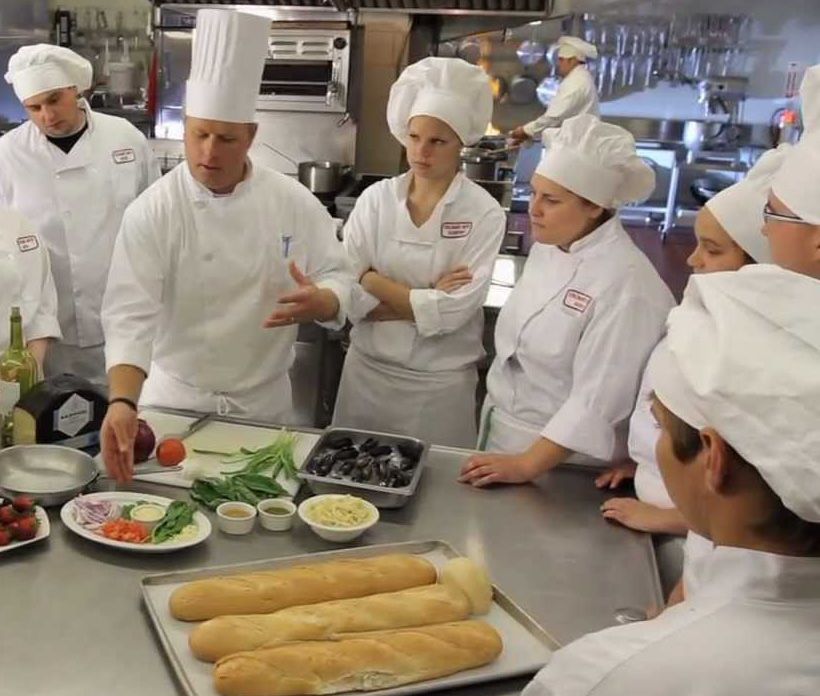
CAREER AND TECHNICAL EDUCATION CENTER                                                          COURSE OUTLINE

                                                                      ROUGH CARPENTER:
CTEC Vocational Certificates provide both classroom studies and       Build rough wooden structures, such as concrete forms, scaffolds,
hands-on learning designed to prepare students for a career in        temporary frame shelters, tunnel and sewer supports, according to
the modern workplace.                                                 sketches, blueprints, or oral instructions. Students will measure boards,
                                                                      timbers, or plywood sheets using a square, measuring tape and a ruler to
Career and Technical Education Center (CTEC) is hands-on, real-       mark the cutting lines on the materials. Additional skills include sawing
world learning that applies directly to a job or career. CTEC is      of boards and plywood panels to required sizes; nail cleats across boards
offered at the high school level statewide and leads to well-paying   to concrete supporting forms; and brace forms in place using timbers,
jobs and fulfilling careers. Students can explore their interests     tie rods and anchor bolts for us in building concrete piers, footings, and
before entering college.                                              walls. Students will also cut and assemble timbers to build trestles and
                                                                      cofferdams, and build false work to temporarily strengthen, protect, or
                                                                      disguise buildings and undergoing construction.

                                                                      METHODS OF CONSTRUCTION I & II:
                                                                      Designed to introduce the student to the fundamentals of home and light
                                                                      commercial construction. The course is comprised of textbook, workbook,
                                                                      and blueprint reading. An in-depth print reading assignment is completed
                                                                      individually by each student. Videos are also included throughout this
                                                                      course.

                                                                      CARPENTRY:
                                                                      Allows the students the opportunity to construct, erect, install, and
                                                                      repair structures and fixtures made of wood, plywood, and wallboard
CTEC is organized by a national framework called Career Clusters,     using carpenter’s hand and power tools to conform to local building
which presents a complete range of related career options             codes. The students will study blueprints, sketches, or building plans for
to students of all ages, helps them discover their interests          information pertaining to what type of material is required, such as lumber
and passions, and empowers them to choose the educational             or fiberboard, and what the dimensions for the structure or fixture to be
pathway that can lead to success in high school, college and their    fabricated are. Students will also: layout materials, mark cutting, verify
chosen career.                                                        the trueness of structure and flooring structuring, apply shock-absorbing
                                                                      material, and construct forms.
COURSE OUTLINE CAREER CLUSTERS
CAREER CLUSTERS
BUILDING TRADES
ROOFER: BUSINESS MANAGEMENT AND
Covers roofs with roofing materials other than sheet metal, ADMINISTRATION
such as composition shingles or sheets, wood shingles, or
asphalt and gravel, and waterproof roofs. Also included is
the complete process of roofing various structures. Students MARKETING AND
SALES/SERVICE
will read, discuss, and practice with many different types of
building materials, as well as learn the proper and safe use
COURSES
of tools and machines and the major processes of building
construction. DIGITAL LITERACY i
PAINTER:
Roofer Ability to apply coats of paint, stain, or lacquer to decorate HOSPITALITY AND TOURISM
Painter and protect interior or exterior surfaces, trimmings and
fixtures of building and other structures. The student
Laborer-Carpentry
will be able to read and interpret work orders and receive
Rough Carpenter instructions from a supervisor regarding painting. CULINARY ARTS
Methods of Construction I
Methods of Construction II LABORER‐CARPENTRY:
Carpentry Perform any combination of the following duties on
BUILDING TRADES
construction projects, usually working in a utility capacity.
Students will accomplish this by transferring from one task
to another where demands require workers with varied
OCCUPATIONS experience and the ability to work without close supervision. AUTO MECHANICS
Students will measure distances from grade stakes; drive
stakes; stretch tight line; and learn how to bolt, nail, align,
Carpenter // General // Contractor and block up under forms. INTRODUCTION TO THE
// Finish Carpenter // Roofer // WORKFORCE PROGRAM
Painter // Laborer
COSMETOLOGYFOUNDATION COURSE OUTLINE
COURSES PROFESSIONAL BAKING:
Solid theoretical and practical foundation in baking practices, including selection
of ingredients, proper mixing and baking techniques, and skilled and imaginative
decoration and presentation of products. With its attention to both theory and practice,
the methods and procedures learned are primarily those of small bake shops and food
service organizations.
PROFESSIONAL COOKING & BASIC FOOD COURSE/LAB:
Cooking theory, basic cooking, mastery of a set of manual skills, and the development
of the ability to apply learned skills to a wide range of cooking styles and products. This
course also focuses on the development of flexible skills, which are essential for success
Career Awareness in a cooking career.
Personal Finance
Typing & Keyboarding PROFESSIONAL TABLE SERVICE:
Computer Fundamentals Knowledge of the concepts of customer service and the fundamental skills necessary to
achieve service goals. The course instructs the pupil on how to train service employees
Business Communication
in suggestive selling, handling complaints, and food and beverage basics. It also
Computation for Business provides information on the tools of professional service, menu formats, service styles,
and sale control.
OCCUPATIONS PURCHASING:
View of the election and procurement of supplies for the hospitality industry, as well
Business Manager as the relationship to management of a successful operation. Its objective includes
Office Manager discussions of the purchasing activity and product information from a management
Office Associate perspective. It has an up-to-date view of purchasing techniques and practices, as they
are currently being employed in the hospitality industry.
Receptionist
Cashier SANITATION‐SERVSAFE ESSENTIALS:
Computer Technician Accurate, up-to-date information for all levels of employees on all aspects of handling
Software Engineer food, from receiving and storing to preparing and serving. The student will learn
Computer Programmer science-based information on how to run a safe establishment; information all students
will need to have in order to be part of the food safety team.
Information TechnologistCOURSE OUTLINE COURSE OUTLINE
CULINARY ARTS FOOD & BEVERAGE COST CONTROL:
CAREER AWARENESS: COMPUTER FUNDAMENTALS:
Designed to introduce future food-service managers to the
Will learn skills to assist in both searching and Includes computer hardware, software, the Internet,
importance of cost control throughout the operation. Cost control
obtaining a successful career path. It is designed to e-mail, programming, security, introduction to
management is necessary in order for the operation to maximize
encompass the students’ total lifestyle, education, Computers and Digital Basics. Further information
profits and operate successfully. Students will learn the basics
occupation, social responsibility, and leisure includes computer hardware, software, operating
concerning food, beverage and labor cost controls, and how to
activities. Rather than charting a career path toward systems, and file management, LANs and WLANs,
apply basic accounting principles to cost control. a single, long-term goal, students will explore digital media and the computer industry. The course
multiple career paths and their interrelatedness. will wrap up with more advanced topics, such as
HUMAN RESOURCE MANAGEMENT: information systems, databases, and computer
COURSES World of Human Resources Management in the Hospitality programming.
Food & Beverage Cost Control Industry, which is the legal environment in which HR performs
Human Resource Management their functions. HR Management is key in planning and
PERSONAL FINANCE: BUSINESS COMMUNICATION:
implementing employment policies, procedures, recruitment;
Introduction to Hospitality Designed to teach students about financial planning, Examines the different methods of communication
employee selection, training, evaluation, and discipline; health
Nutrition for Food Services & which will include goal setting, budgets, insurance, commonly utilized in the business workplace of
and safety policies, and strategic planning and organizational
banking, and investments. Students will learn basic today. Using an applied approach, students will read,
Culinary Professionals change, which affect all employees. business vocabulary as it relates to the tasks above. discuss, and practice the development of several
Professional Baking Through the course work, the students will gain the types of business communication skills ranging from
Professional Cooking & Basic Food INTRODUCTION TO HOSPITALITY INDUSTRY: necessary skills to help them establish and work letter and memoranda to PowerPoint presentations.
Tour through the fascinating and challenging related fields in the toward the achievement of their financial goals.
Course/Lab
hospitality industry including: travel and tourism, lodging, food COMPUTATION FOR BUSINESS:
Professional Table Service service, meetings, conventions and expositions, and leisure and Designed to examine the different methods of
Purchasing recreation. Students will study marketing, human resources, mathematical operations commonly utilized in
Sanitation-ServSafe Essentials leadership, and management and how they apply to hospitality TYPING/KEYBOARDING: the business workplace of today. Using an applied
management. Provides students with the opportunity to develop approach, students will read, discuss and practice
OCCUPATIONS and master competency in alphabetic, numeric the development of several types of mathematical
NUTRITION FOR FOOD SERVICES & CULINARY keyboarding and numeric development. Through operations ranging from gross pay to international
Chef \\ Personal Chef \\ Restaurant PROFESSIONALS: 80 exercises, the students will learn how to develop business. Classes will consist of lectures and practical
Manager \\ Restaurant Owner \\ Students in hotel, culinary arts, and the institution management accuracy and speed while mastering their keyboard exercises (both individual and group). PowerPoint
Caterer \\ Banquet manager \\ Food programs. It is tailored to the needs of the students as a practical techniques. presentations, selected audio/video, and handout
Service Director \\ Nutritionist \\ how-to book. It is essential for those who need to use nutritional material will supplement the course.
Dietitian principles to evaluate and modify menus and recipes, as well as to
respond knowledgeably to customers’ questions and needs.BUSINESS COURSE OUTLINE
MANAGEMENT &
ADMINISTRATION:
START I & START II:
This class can be your first step toward a successful career in the
ever-growing, even more challenging hospitality industry. START
will introduce you to the lodging industry and help prepare you for a
GENERAL OFFICE OCCUPATIONS AND rewarding career. The START Program is a 180 hour curriculum intended
CLERICAL SERVICE to provide students with an overview of the lodging industry, followed
by an in-depth look at the most common line-level positions at most
hotels. Upon completion of this program, the student is ready to perform
COURSES the acquired skills on the job. (This course includes an internationally
recognized line-level certification of the student’s choice, once the work
Business Management requirement has been met and completion of the exam through the
Law for Business American Hotel & Lodging Association)
OCCUPATIONS
Business Administrator
Office Manager
Business Development Manager
Business Advisor
Insurance Underwriter
Risk Manager
Project ManagerCOURSE OUTLINE
HOSPITALITY &
TOURISM BUSINESS MANAGEMENT:
Teaches the fundamental structure, organization, and operation of business enterprises. It encompasses
the three basic forms of business from proprietorships and partnerships to corporations. It includes global
business strategies, total quality management, organizational cultures, human resource management and
strategic management.
LAW FOR BUSINESS:
Acquaints the student with current and relevant topics students need to understand about business
COURSES transactions and issues, such as contracts, property, employer/employee relations, and insurance.
Students will find that behind the scenes of business activity- from startups of new businesses to corporate
START I mergers, marketing, advertising, technology and employment—laws governing business play a vital role.
START II The study of business law is necessary to provide students with an overview of the law of commercial
transactions and other legal issues.
OCCUPATIONS
Hotel Desk Clerks
Maids
Housekeeping Cleaners
Food & Beverage Serving Workers
Maintenance Worker
Repair Worker
Security Worker
Human Resources
Sales
Loss Prevention Management
Travel Consultant
Cruise Ship ConsultantBUSINESS COURSE OUTLINE
MANAGEMENT AND
ADMINISTRATION: TECHNOLOGY FOR BUSINESS I: TECHNOLOGY FOR BUSINESS II:
Introductory course focuses on the use of Focuses on the use of computer software as a tool
computer software as a tool for personal and for personal and business use. The course covers
business use. The course covers the essentials the essentials of Microsoft Access and PowerPoint
of Microsoft Word processing and spreadsheet software, as well as discusses some of the basic
software, as well as discusses some of the basic computer literacy skills needed in society today.
computer literacy skills needed in society today. Classes will consist of the lectures, practical
Classes will consist of the lectures, practical exercises (both individual and group), power-point
ACCOUNTING TECHNOLOGY / exercises (both individual and group), Power-Point presentations, and selected video and handout
TECHNICIAN & BOOKKEEPING presentations, and selected video and handout material.
material.
COURSES
Accounting I
Accounting II
OCCUPATIONS
Accountant
Bookkeeper
Office Clerk
Office Manager
Data Processing Operator
Data Entry ClerkCOURSE OUTLINE
DIGITAL LITERACY
ACCOUNTING I:
Introduction to Accounting as the language of business. The student will be introduced to the procedures
i
necessary to record, classify, and summarize basic business transactions. The course will cover the
business cycle for service and merchandising sole proprietorships, including journalizing transactions
in general and special journals; recording, adjusting, and closing entries; and preparing worksheets and
financial statements. This course will also cover banking procedures and payroll.
ACCOUNTING II:
COURSES In-depth study of accounting procedures and concepts. The course closely examines balance sheet
accounts, i.e. accounts receivable, notes receivable and payable, inventory, property plant and equipment,
and long-term debt. Different structures of equity are examined through the study of partnership and
corporate forms of business. Financial statement analysis and statement of cash flows are introduced.
Technology for Business I General accounting principles and QuickBooks applications are introduced and discussed throughout the
Technology for Business II course.
OCCUPATIONS
Software Engineer
Data Entry Specialist
Office Assistant
Office Manager
Business Manager
Front Desk Manager
SecretaryMARKETING & COURSE OUTLINE
SALES/SERVICE
MARKETING I:
Survey the field of marketing and practices commonly employed in the business environment of today.
Using this survey approach, students will learn the basics of marketing and the considerations that should
be practiced when developing a marketing plan. Classes will consist of the lectures, practical homework
exercises (both individual and group), quizzes and exams. Power Point presentations, selected audio,
video, and handout material will be utilized to supplement the course.
MARKETING II:
COURSES Using this survey approach, students will learn the basics of marketing and the considerations that should
be practiced when developing a marketing plan. Classes will consist of the lectures, practical homework
exercises (both individual and group), quizzes and exams. Power Point presentations, selected audio,
video, and handout material will be utilized to supplement the course.
Marketing I
Marketing II SMALL BUSINESS MANAGEMENT:
Small Business Management Functional structure, organization, and operational issues of small business organizations. It includes
developing an awareness of entrepreneurial approaches, franchising, as well as the requirements
of building a business plan. Students will be introduced to the quantitative tools of contemporary
management science. Students will also develop an understanding of the marketing components required
OCCUPATIONS for successful strategy implementation. Classes will consist of the lectures, practical homework exercises
(both individual and group), quizzes and exams. Power Point presentations, selected audio, video, and
handout material will be utilized to supplement the course.
Marketing Manager
Sales Representative
Sales Manager
Marketing Research Analyst
Admissions Representative
Event/Meeting Planner
FundraiserYou can also read


