IMPROVEMENT PLAN Gwaunmeisgyn Primary School
←
→
Page content transcription
If your browser does not render page correctly, please read the page content below
Gwaunmeisgyn Primary School
                                                           IMPROVEMENT PLAN
                                                                    (2016 – 2019)

                                                Our Improvement Priorities

1. Raise standard of English/literacy across the school, especially reading and oracy

2. Continue to raise the standard of maths across the school, especially at the higher outcomes/levels

3. Develop a new ‘Creative Curriculum’ across the whole school

4. Develop Digital Competence across the school
INDEX
Page
School Context 3
The School Development Cycle 5
The School Vision 5
National and Local Priorities 6
Estyn Findings & Recommendations 9
Summary of the Improvement Priorities for 2016-2017 11
Priority 1 Action Plan - Raise standard of literacy across the school, especially reading 12
Priority 2 Action Plan - Continue to raise the standard of maths across the school, especially at higher levels 15
Priority 3 Action Plan – Develop the ‘Creative Curriculum’ 19
Priority 4 Action Plan – Develop the use of Digital Competence to improve standards of learning and teaching 22
Key Supplementary Improvement Activities 24
APPENDICES
1. Monitoring and Review Timetable and Activities 26
2. Staff Structure & Roles 37
3. Summary of School Partnership Working 40
4. Summary of Grant Spending 41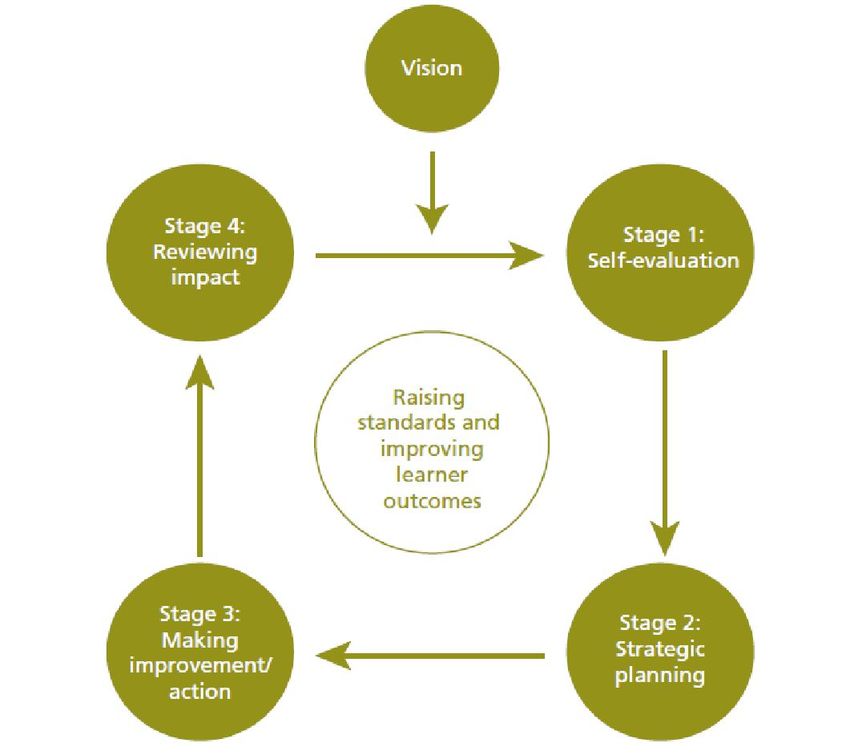
The School Context
We are currently in standards group 3. Performance across almost all areas has been improving steadily over the last three years but our
average peformance (including our complex learning difficulties classes) remains slightly below the average for similar schools. Excluding our
CLD classes we mostly perform in the top two quartiles and both sets of end of key stage results put our school significantly above national
averages. We judge that our ability to improve is very good and that we have the capacity in the school to sustain improvements over the next
few years. Consequently, our overall category is 3B Yellow – a judgement verified by our Challenge Adviser.

The headteacher has been at the school for two years. The SLT have been in situ for 3 years and have been recently praised by our challenge
advisor for their professional approach to the interpretation of data and action planning based on this data.There have been a number of new
members of staff in the last couple years and the overall staff profile is a mix of more experienced members of staff who have been here for
many years and relatively recent appointments.

The school has managed the budget well and for 2016-17 there is a budget surplus of £44,000. This money is intended to fund an extra part
time teacher in Year 6 (as there is a large class of 35) and to update the Early Years department. The building dates from the 1970s and is in a
general good state of repair. However, some windows and the heating systems are outdated and do not function well. A new classroom has
recently been built by the LEA for our Foundation Phase LRB/CLD pupils. The outdoor environment is good and there are many learning areas
established around the grounds.

                     Teaching       NNEBs/        General         Admin.       Caretaker       Midday        Canteen         Total
 Staffing Levels                     LSAs        Assistants                     Cleaners     Supervisors      Staff
                        15            12                             2         1 caretaker        8             3             45
                                                                               3 cleaners
No. on Roll N R Y1 Y2 Y3 Y4 Y5 Y6 Total
40 33 36+2 42+2 41+5 33+4 32+1 35 313
All Pupils
FSM 7 10 10 6 6 3 49 (16.5%)
Ethnicity White Mixed Asian or Asian Black or Black Chinese or Other Ethnic
Background British British Chinese British Groups
96.7% 3.3% 0 0 0 0
SEN No. of pupils SA+ = 11.8% SA = No. of pupils 61
Register 13.7% FSM
% of school roll Total = 25.5% % of school roll 19.5% - Benchmark 3 (16-24% FSM)
Our School Vision: Growing, Learning, Achieving Together * Tyfu, Dysgu, Cyflawni Gyda’n Gilydd
‘That each and every child at Gwaunmeisgyn receives a high quality learning experience, every lesson, every day to
encourage everyone to be the best that they can be
Our School Aims:
For pupils to......
…..be well motivated with positive aspirations
…..promote respect for themselves, others and the environment.
…..be happy and safe within a rich learning community.
….to develop holistically and achieve their full potential.
……value education as a life-long experience.
…to develop independence in all that they do.For the school......
….to provide a vibrant and stimulating learning environment
…to provide a secure and inclusive learning experience.
…..to create a whole school ethos Involving families and incorporating the wider community.
We must all......
….allow pupils and staff to celebrate their success
….develop a personal moral code, sensitive to the needs of others.
….strive to achieve our highest expectations by being the best that we can be.
…..value nurture and promote self esteem
Gwaunmeisgyn Primary School School Improvement Cycle
➢ Termly self evaluation (SER is a shared document for SLT)
➢ Termly review of SIP by staff. RAG rated document presented to governors termly
➢ Review of subjects/areas of learning
➢ Action planning for all areas by all staff teams
➢ Analysis of parental views by Parental/Community Governing Body Sub-Committee
➢ School Improvement Conference. Vision shared by all stakeholders.
Feedback given regarding:
Subject/Area annual reviews and action plans
Pupil questionnaire feedback from School Council
Annual parental questionnaire feedback
National and local priorities
Action planning by all stakeholders in the conferenceNational & Local Priorities
The key national and local priorities that are informing our improvment plans are:
STANDARDS
● Improve literacy slills Addressed in P1
● Improve numeracy skills Addressed in P2
● Reduce impact of poverty on outcomes (FSM performance) Addressed in P1,P2,P3,P4
PROVISION
● The Literacy & Numeracy Framework Addressed in P1,2,3&4
● Introduction of Foundation Phase Profile into Y1 Addressed in P1,P2
● The impact of the Donaldson review on curriculum and
Addressed in P3
assessment
LEADERSHIP
● Increased use of the leadership standards Performance management and SLT Audit of Leadership Skills
● Statutory requirement for a School Development Plan Working alongside CA
● Greater emphasis on school self evaluation in national
Working alongside CA
categorisation● Greater emphasis on the role of the governing body as a critical Involvement in School Improvement Conference
friend
● School-to- school working Adressed in P1, 2 and 4
Summary of 15-16 SIP:
What went well: What needs to be further improved:
Target 1 Further improvement has been made with using ‘Picture Books’ - Further work will now be needed on the scheme of work to
whole school read ‘Tell me a Dragon’ and produced work associated align with new curriculum topics.
with this (see display in hall). Collaborative writing is progressing well Closer analysis of reading test results and link more with
using Google Apps for Education and this has been further developed intervention groups. Helen Bowen INSET on reading
in ICT FSM club. All ‘Pillars’ workshops with Helen Bowen have been approaches/group guided reading with a view to improving
attended - CB to develop these with staff. Reading books have all test results.
been book banded. Develop oracy activities to be used as assessments across
CLIC project very successful in EY - many pupils no longer needing the whole school.
intervention Talk4Writing INSET to improve the link with oracy and
All success criteria broadly achieved apart from expected level+1 in writing - planned with cluster for June 17
writing in Y4 &5. Gender gap in Y3 at higher level reversed. Gender New spelling scheme - introduce and evaluate closely
gap in Y4 at expected level+1 remains (however, all boys made at Continue to develop handwriting
least two sublevels progress).
Big Writing implemented across the school.The marking policy has
been updated to reflect super short term targets and Big Write targets.
All pupils addressing their targets.
Target 2 SIG reasoning project was very successful. Mrs Hughes has visited Continue to improve higher levels particularly in KS2.
different schools as part of this project. Numeracy co-ordinator fedback in INSET many resources pertaining to reasoning. Develop use of test data to ensure intervention groups are
Standardisation of maths INSET took place in the Spring Term. used effectively.
Outcome 5 and Level 4 success criteria achieved. Outcome 6 Develop startegies to support numeracy in the Early Years
exceeded however L5+ not achieved (30% achieved not 36%) (Numicon) and as an intervention throughout Foundation
Phase
Target 3 SOW working well. Staff confidence in science improved. In class Cluster INSET organised for Sept 2nd. with Comprehensive
Monitoring took place at the end of January. feeder school to look at AT 1 and specifically recording of
STEM week took place in the Spring Term. STEM week was very science.
successful - Science subject leader has begun to pull a portfolio Look at how to encorporate DC throughout science
together. curriculum.
Success criteria achieved at L4+ and exceeded at L5+
Target 4 ICT subject leader has completed the 360 e-safety tool and has Embed Digital Competence across the curriculum.
started the quality mark audit. Introduce new DC SOW and plan into new curriculum
FSM club available for both F Phase and KS2. maps.
Hardware and cloud technologies working well. Except when internet Use NAACE ICT Self Review Framework to strategically
provision is ‘flaky’. All staff have had a lot of training in all areas of audit and benchmark ICT across the whole school.
ICT provision. Every half term module from the SOW has been Continue to develop use of GAFE
introduced with targetted staff training to ensure all staffhave the Continue to develop use of gaming technologies to engage
necessary skills to teach the SOW. Google Classroom has been boys and eFSM pupils.
introduced to pupils and this has been very successful. Many pupils
extending their learning at home by using Purple Mash or GAFE. Very
successful Minecraft project in Y3&4.Estyn Outcomes (06/11/12):
Quality Judgement Overall
KQ Indicators Aspects judgement
results and trends in performance compared with national averages,
similar providers and prior attainment
standards of groups of learners Adequate
1.1 Standards Adequate
achievement and progress in learning
skills
1
Welsh language
attitudes to keeping healthy and safe
participation and enjoyment in learning
1.2 Wellbeing Good
community involvement and decision making
social and life skills
meeting the needs of learners
2.1 Learning providing for skills
Good
experiences Welsh language provision and the Welsh dimension
education for sustainable development and global citizenship
range and quality of teaching approaches
2.2 Teaching Good
assessment of and for learning Good
2
provision for health and wellbeing
2.3 Care, support specialist services, information and guidance
Good
and guidance safeguarding arrangements
additional learning needs
2.4 Learning ethos, equality and diversity
Good
environment physical environment
strategic direction and impact of leadership
3.1 Leadership governors or other supervisory boards Adequate
meeting national and local priorities Adequate
self-evaluation, including listening to learners and others
3 3.2 Improving
planning and securing improvement Adequate
quality
Involvement in networks of professional practice
3.3 Partnership strategic partnerships
Good
working joint planning, resourcing and quality assurance3.4 Resource management of staff and resources
Adequate
management value for money
Recommendations:
R1. Raise standards in end of Foundation Phase and key stage 2 assessments.
R2. Improve boys’ writing, and the thinking and independent learning skills of all pupils.
R3. Involve all stakeholders in agreeing a clear strategic direction that focuses on improving pupil outcomes at all levels.
R4. Set high expectations for leaders at all levels and enable them to carry out their strategic roles and responsibilities successfully.
R5. Engage all governors more fully in the work of the school and enable them to support and challenge leaders in relation to the standards the school
achieves.
R6. Link school improvement planning more accurately to the outcomes of self-evaluation.
Recommendations 3-6 were fully addressed by the date of the revist inspection in January 2014 and recommendations 1&2 were partially
met and these continue to be addressed.
Summary of the School Improvement Priorities for 2015-2016
PRIORITY DETAILS Evaluation (RAG)
AUTUMN SPRING SUMMER
1. English Raise standard of English/ literacy across the school, especially
standards of writing using Big Writing
2. Mathematics Continue to raise the standard of maths across the school,
especially reasoning
3. LNF in Science Improve the standards of literacy and numeracy in science4. ICT Develop the use of ICT to improve standards of learning and
teaching and to improve home-school communication/learning
2016 – 2017 Priorities 2017 – 2018 Priorities 2018-19 Priorities
● Assess impact of Big Writing and adjust ● Introduce P4C across the whole school ● Implementation of Donaldson curriculum
provision accordingly ● Talk4Writing INSET with cluster ● Achieve 3rd Millenium Award for ICT
● New creative curriculum across the whole ● Levelled protfolios in place ● Assess impact of P4C and adjust
school ● Reading review provision accordingly
● New maths and english SOW ● Assess new curriculum maps for coverage and ● Review writing throughout the school
● Develop pupil participation/pupil voice engagement impact ● Review of Big Maths
even further inc. on mid-term plans ● Evaluate the use of pupil voice in half termly ● Review ICT hardware provision -increase
● Achieve pupil participation quality mark planners provision of a range of devices
● Develop DC across the curriculum ● Continue to develop DC across the curriculum ● Re-develop FP hall and rooms off this
● Develop oracy assessments ● Continue to develop literacy and numeracy area.
● Review guided reading and independent through Forest Schools ● Continue to improve FP classes
reading schemes and supplement ● Evaluate and develop further the use of (furniture, etc)
resources Numicon in maths ● Continue with Comenius Project
● Raise numbers of pupils achieving at the ● Review maths scheme of work ● Develop and improve all playground
higher levels ● Continue to raise number of pupils achieving areas
● Achieve Platinum Eco Flag at the higher levels
● Continue work with ‘Continua’ and the ● Develop ICT hardware provision for FP
use of triads and video to raise standards ● Continue to develop family engagement
of teaching opportunities
● Review topic planning – use ‘topic arrow’ ● Comenius Project (2 year project)
● Achieve ICT quality mark ● Remainder of teachers to do OTP or MLL
● Continue to send teachers on OTP and ● Achieve IIP award
MLL ● Improve Nursery internal learning space
● Improve EY/FP indoor and outdoor ● Re-organise teaching and learning spaces in
learning spaces Y3/4 areas.● Introduce Growth Mindset ● Review site security/entry systems to school.
● Improve use of Helpwr Heddiw ● Improve front entrance to the school
Action Plans for Priorities
Priority 1: Continue to raise standard of English/literacy across the school, especially improve reading and oracy standards
Lead Responsibility: Caroline Burnell Link Governor: Mr J Hall
Success Criteria
● Raising achievement by two pupils in each year group give us the following percentages to aim for in the NRT:
➢ 81% of Y3 pupils to achieve >85 and 16% >115 by June ‘17 in reading tests
97% of Y4 pupils to achieve >85 and 12% >115 by June ‘17 in reading tests
97% of Y5 pupils to achieve >85 and 15% >115 by June ‘17 in reading tests
91% of Y6 pupils to achieve >85 and 12% >115 by June ‘17 in reading tests
● Approximately 40% of all pupils in every year group to achieve higher outcomes/levels in reading and oracy
● All pupils aware of half termly literacy targets across the curriculum
● All pupils in F Phase are able to access CLIC project as necessary and make good progress
● Most pupils in the CLD Unit class (8/11) to make 1 sub level progress in reading, speaking and listening and writing as appropriate
Action Who Budget/ Time Outputs Monitoring Status
Resources RAGReading Improved outcomes in reading levels
● Develop Book Banding: PM Benchmarking training for staff - and NRT.
FF Sum 16 CB and SLT
● Resource reading schemes as appropriate. Specifically 2 days supply Improved variety of non-fiction books monitor
audit non-fiction Introduce new reading scheme to F P – CB £250 Sept 16 available. reading outcomes
Project X. Project X Origins for guided reading in FP and More appealing to boys in order to and levels on
KS2 and Project X Adventures to supplement reading improve reading outcomes. school trackers.
CB evaluate
scheme. Sept 16
Guided reading in FP encourages resources.
● Introduce guided reading records in Rec - Y2 linked to FPP SB - higher order reading skills for MAT.
● Develop ‘sight word banks’ for new colour coded bands BG - Sept 16 Sight words in place for whole school CB monitor reading
● Develop trackers for reading bands as well as usual CB Man time linked appropriately to spelling records
Aut 16
level/outcome trackers scheme.
Progress of new
● Analysis of NRT data to ensure appropriate intervention SLT SLT time Sept 16 Home reading book progress is intervention
groups tracked. monitored by
● LSA to attend Catch Up training (provision for Y3-6) AW £400 training Sum 16 Interventions are appropriate for CB/JM half termly.
● Develop a ‘tracker’ to monitor progress of interventions CB & £8,200 for correct pupils.
CB catch up pms CB/SB monitor
● Project X (Code X) intervention project with Y2&Y3 FSM FSM pupils in Y2&3 make intervention groups
pupils (Ignite and Inspire) £8500 PDG Aut & Sp appropriate progress in their reading across the school
● Develop staff confidence with the teaching of reading. HB/CB half termly.
Modelling a guided reading session (INSET- H Bowen) £350 - EIG Sept 16 Increased staff confidence with
Listening to learners
● Introduce ‘Reading Keys’ in Y5&6 as part of transition into KW Man time Sp 17
guided reading
Y7. Poss. introduce simplified version in Y3&4 depending Improved transition for Y6 pupils Planning monitoring
on initial success Sp 17 New curriculum links well to reading
● Link text genres to new curriculum CB Man time texts; improved engagement in
JM/CB - Ongoing
● Acquire more reading volunteers!!! reading process
Oracy Pupils have increased and more
● Continue to develop Talk4Writing in FP CB - Aut 16 complex vocabulary banks. Planning monitoring
CB/ Approx £500 INSET - SLT.
● Introduce Talk4Writing in KS2 Provid (next years DAY - Pupils more engaged with story Book monitoring by
er EIG) June 17 telling process and consequently CB & SLT.
improved standards of written work.
● Screen speech and language of all EY pupils and £750 EY Analysis of CLIC
SB/JW PDG Sept 16 project results by
implement CLIC programme for those pupils Early addressing of communication SLT.
● Implement language and play (LAP) courses to run AM £750 EY Ongoing problems JM monitor uptake
throughout the year for pre-schoolers PDG and evaluation of
LAP coursesCB Spr 17 Increased parental understanding
● Devise action plan and Implement oracy activities (in line Man time and involvement in speech and
with ‘pillars’ see below) language development
Writing CB and SLT in book
● Planned opportunities for shared marking to develop Sp 17 All staff have improved confidence monitoring.
CB INSET time Listening to
confidence in using the Criterion Scale. levels when marking Big Writing learners.
● Monitor and evaluate impact of handwriting scheme CB Aut 16 Pupils’ handwriting is improved and Planning for
introduced last year. Man time consistent across the whole school. handwriting opps.
● Continue to track Big Writing from Reception (Summer
term) to Y6
Continue to develop evidence portfolios but also SLT INSET time By Sp Evidence portfolios demonstrate SLT to monitor
develop individual pupil portfolios to track pupil progress throughout and all and Man time 17 progress
staff
progress across the whole school.
the school (3 pupils in each year group)
Introduce and monitor new spelling scheme across the whole CB Man time Sept and Increased spelling standards. CB - monitor
school. Evidence of specific spelling patterns being taught in termly planning.
Teachers have improved confidence Book scrutiny
teachers’ planning. when teaching spelling. Listening to learners
Implement LIteracy Pillars as an action plan starting with Reading CB INSET time One Full audit in place CB monitor
(R-Aut, O -Sp and W- Su) - Audit expectations for RW&O (RAG Man time pillar planning
(course each
Comprehensive action plan in place. Book scrutiny
rate) then create action plans. alreadypaid term Regular, repeated activities in place ; Listening to learners
for) mapped across the whole school.
Review and modify scheme of work for English in line with new CB INSET and By Curriculum maps in place Subject leader
curriculum orders and curriculum re-design. and management Se book monitoring
● Write new SOW KW time p Improved provision of learning
16 experiences in English and appropriate Planning
● Continue to develop literacy across the curriculum on new
range and progression from year to year monitoring
curriculum maps
● Ensure classes have sufficient and appropriate resources to Evidence in topic
support learning and teaching CB £300 Half termly skills tracking in place books- monitored
by SLT
Resources used to support and develop
learning and teachingListening to
learners
Regular feedback
in staff meetings
Total £20,000
Evaluation 1
December 2016

 Evaluation 2
 March 2017

 Evaluation 3
  June 2017
Priority 2: Continue to raise the standard of maths across the school, especially numeracy across the curriculum and number in the Early
Years
Lead responsibility: Mark O’Brien Link Governor: Mrs A Fraser
Success Criteria
● Continue to improve performance in national procedural and reasoning tests at >115 (SS) to reduce the gap between school and LA averages
Y2 pupils, 12% to achieve >115 in procedural test and 12% to achieve >115 in reasoning test by June ‘17
Y3 pupils, 12% to achieve >115 in procedural test and 12% to achieve >115 in reasoning test by June ‘17
Y4 pupils, 15% to achieve >115 in procedural test and 15% to achieve >115 in reasoning test by June ‘17
Y5 pupils, 30% to achieve >115 in procedural test and 42% to achieve >115 in reasoning test by June ‘17
Y6 pupils, 17% to achieve >115 in procedural test and 17% to achieve >115 in reasoning test by June ‘17
● All FSM pupils make expected progress on trackers
● Nearly all pupils make expected progress in FPP assessment
● Aim for 40% of pupils, including FSM, in every year group achieving higher levels /outcomes
● 94% of Y6 pupils to achieve L4+ and 39% to achieve L5+
● 95% of Y2 pupils to achieve O5+ and 33% to achieve O6+ (disaggregated)
● Most pupils in the CLD Unit class (8/11) to make 1 sub level progress in mathematics assessments
Action Who Budget/ Time Outputs Monitoring Status
Resources RAG
Review and modify scheme of work for mathematics in line with MO’B and INSET and By Curriculum maps in place Subject leader
new curriculum orders and curriculum re-design. KW management time Sep 16 book
● Write new SOW Improved provision of monitoring
● Continue to develop numeracy across the curriculum on learning experiences in
Maths and appropriate Planning
new curriculum maps monitoring
MO’B £300● Ensure classes have sufficient and appropriate range and progression from Evidence in
mathematical equipment to support learning and year to year topic books-
teaching monitored by
SLT
Half termly skills tracking in
place Listening to
learners
Resources used to support
and develop learning and Regular
teaching feedback in
staff meetings
Continue to track progress and target underachievement for MO’B and INSET, SLT and By Sep Target groups identified SLT and
intervention strategies. SLT management time 16 and from tracker and appropriate subject leader
● Increased analysis of National Test data. ongoing
intervention strategies in monitoring of
progress half
● LSA to work with intervention groups across all KS2 £ 7172 PDG place termly
classes using ‘Catch Up Maths’ SG
Analysis of National Test Book
data identifies target groups monitoring
and areas for development
Introduce Numicon to Early Years and CLD classes. Train all Cluster £ 2000 EY PDG Sep 16 Staff trained and confident in SLT and
Foundation Phase staff to use it as an intervention INSET for use of Numicon to support subject leader
FP staff learning monitoring of
progress
SB/DN Intervention groups Listening to
identified and progress learners
tracked
Planning
Pupils use and experience monitoring
resource materials
HT budget
monitoring
Regular analysis of impact
of strategyDevelop use of standardisation and moderation to further All staff led INSET and Autumn Improved staff accuracy in SLT and
improve assessment of mathematics across the school through by MO’B management time and levelling outcomes and subject leader
summer monitoring of
to ensure accuracy and consistency. terms levels
progress half
termly
Greater accuracy and
challenge in assessments Book
and targets monitoring
Use feed-forward marking strategies to provide challenge and All staff INSET and Sep 16 Staff and pupils use marking Book
consolidate understanding. management time and code monitoring
ongoing
Pupils respond to feedback Listening to
learners
Next steps in learning
Regular
identified feedback in
staff meetings
Pupils know how to improve
Pupils are challenged
Continue DHT cluster group project to develop resources to MO’B Management time By July Collaborative cluster Regular
support parents and develop their ability to help their children day
and 3x½ 17 approaches feedback in
ongoing staff meetings
● Build resources supply (£240)
Resources developed and
● Develop a website page to share resources Listening to
shared
● Develop ‘maths cafes’ learners
Increased parental support Parental
and involvement in learning questionnaire
Extended opportunities to
continue and develop
learning outside school
Total £9,712Evaluation 1 December 2016 Evaluation 2 March 2017 Evaluation 3 June 2017
Priority 3: Develop a new ‘Creative Curriculum’
Lead responsibility: F Fallon & K Wilcox Link Governor: S Scarlett
Success Criteria
● Appropriate learning spaces around the school (inside and outside) in place, particularly in Foundation Phase (see 3-5year plan from LEA) to ensure
that all pupils have access to appropriate and engaging learning spaces.
● New ‘pupil-led’ curriculum maps and half termly planners in place to ensure consistency and clarity of expectation and high quality teaching.
● Pupil voice - most pupils are able to identify ideas/questions to contribute to planning. Most pupils are engaged more fully in topics as a result of
their involvement in the planning process.
● Updated skills trackers in place in order to track progress of skills thoroughly.
● Increased engagement in learning both in school and out of school
● Increased percentage of boys in Y2 achieving expected outcome +1 in writing as a result of Creative Schools project - currently only 2 pupils on
track for O6 in writing.
● Reduce gender gap in writing at predicted O6 (currently at -28.1%)
Action Who Budget/ Time Outputs Monitoring Status
Resources RAG
Review current topics and available resources (human, physical All staff INSET and By June New curriculum topics KW/FF to monitor
and in the locality) with all staff led by management 16 are engaging resource usage
● Listening to learners curriculum time appropriate and relevant
co-ords Termly Listening to
● Staff audit of expertise
Learners to assess
● Audit of resources Resource use is impact of new topics
maximisedINSET on ‘Pedagogy’ from Donaldson Report - use to identify JM/MOB INSET time By Sept All staff are aware of the SLT to analyse
areas of strength and areas for development 16 12 pedagogical findings
principles that underpin
MOB to monitor
excellent learning and
impact of any
teaching training developed
Areas for development as a consequence
will be identified and
addressed
Curriculum redesign INSET lead by Dave Smith DS Nil Sept 16 Staff all understand KW to monitor to
● What a GM learner looks like principles behind ensure ideas are
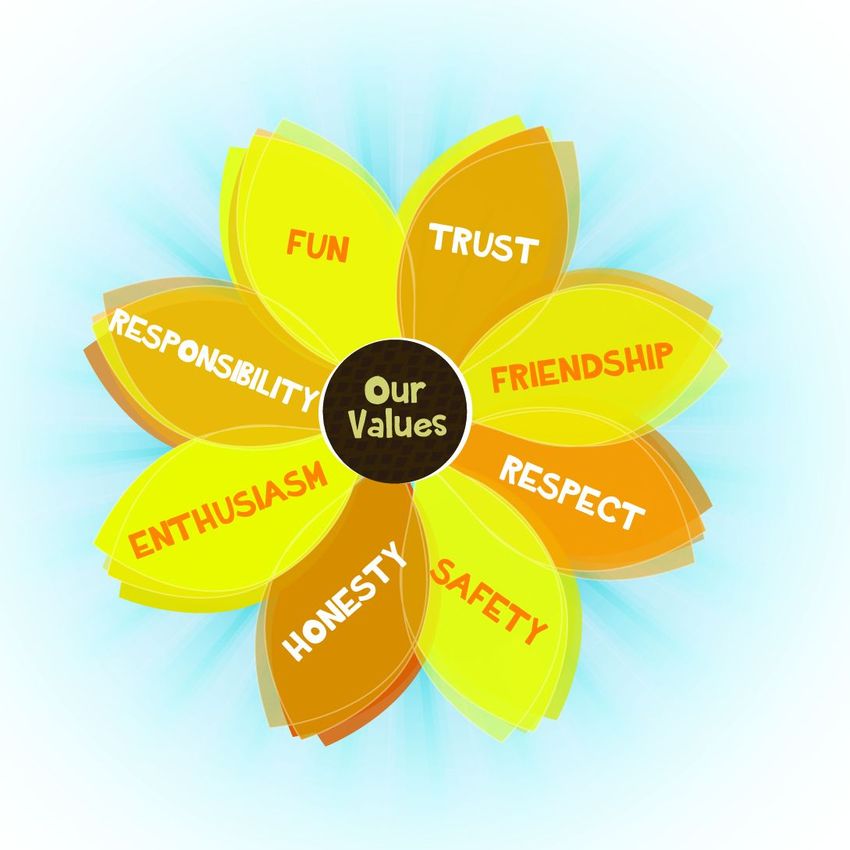
● Revisit school values curriculum redesign encorporated into
curriculum maps
● Create skills map for a lifelong learner
● Map skills across topics SLT monitor staff
engagement levels
Pupil voice. All pupils to complete questionnaire regarding their KW & FF Nil Summer Pupils choose their Listening to learners
interests and what they would like to learn about 16 learning path based on
● Collate ideas and main areas of proposed learning their interests.
● Devise engaging titles Engaged and motivated
pupils
Curriculum co-ordinators (working with AoL&E leaders) to draft a All staff 16days = Summer Topic maps in place Parental
curriculum overview for each term and map out the skills for every lead by £2000 16 & questionnaires
half term. Lit/Num and Digital Competency skills to be mapped. KW & FF Autumn Parent overviews in
Pupil questionnaires
● Devise parents’ overviews to share 16 place
and listening to
● Half termly plans to allow pupils to design their own learners
learning - clear focus on pupil voice Half termly skills
● Monitor termly tracking in place JM to monitor
progress and
Pupils are able to budget
decide on their own
Curriculum co-ords
learning path within the
monitor topic work
topic termlyStaff INSET to look at proposed topic maps and to look at the JM INSET Day July 16 All topics begin with a Listening to learners
‘TOPIC ARROW’ to show the development of a topic from start to and high level of engagement
finish continue using ‘Immersion Days’ to SLT to monitor staff
stimulate interest. and pupil
to
engagement levels
develop Pupils choose their
until July learning path based on Evidence in topic
17 their immersion in the books- monitored by
topic. SLT
Pupils are highly engaged End of topic
and motivated ‘showcases’ eg
assemblies or
Learning has a purpose games/books made
for younger pupils
Pupils have greater
involvement in the review
and evaluation of their
learning
Lead Creative Schools Project - awaiting training in Autumn Term FF is Two year Sept 16 - Pupils’ writing becomes English and topic
to clarify project lead project July 18 more creative books
practition Grant awarded
Writing achievement Video evidence of
Initial proposal: Develop creative literacy approaches to improve er for each year =
increases in particular the drama actrivities
writing in particular boys writing. These include theatre/drama £5000 achievement of boys
projects and computer game based approaches. Digital resources
Increased engagement in
● Two teachers trained in first year and two more in the the writing process by all Listening to learners
second year pupils
Evaluation and
Increased confidence in Impact forms
● All creative techniques learned to be diseminated to all
staff to develop creative
teaching staff. literacy skills
Total £7,000Evaluation 1
December 2016
Evaluation 2
March 2017
Evaluation 3
June 2017
Priority 4: Introduce and embed Digital Competence Framework across the curriculum
Lead responsibility: Rachel Hughes and Jan Morgan r Mark Phillips/ Mrs Helen Boldero
Link Governor: M
Success Criteria
● All staff are increasingly competent and confident using and teaching Digital Competence skills
● Pupils have increased understanding of when and how to use their DC skills (audit Y6 at start and end of year) Build on results from last years Y6
(https://docs.google.com/document/d/1SyFmRm76pCZJcqKrnQMw0lYZpjeSZJPNajL3u7pabAQ/edit)
● Most pupils use DC skills effectively and appropriately across all curriculum subjects to enhance and support learning.
● New ICT SOW in place to ensure all DC skills are covered across the curriculum.
● All staff and pupils have improved knowledge and understanding of issues around e-safety and digital citizenship.
● Introduce emailing - Y5 & Y6 pupils are able to send and receive e-mails safely.
● Opportunities for learning away from the classroom through cloud technologies are embedded and used by >50% of pupils in KS2.● Increased number of pupils in Foundation Phase using Purple Mash at home.
● Appropriate and reliable internet provision for all pupils all of the time.
● Those eFSM pupils who have limited use of ICT at home will have increased access in after school clubs
● Good progression of pupils’ ICT skills across all year groups. Y4 to trial an ‘I can… ‘ online portfolio focusing on the weakest area of pupil audit
(Data Handling)
Action Who Budget/Re Time Outputs Monitoring Status
sources RAG
Staff digital competence skills audit. Identify and analyse gaps and RH/ GM Nil By All staff trained to be at least at Audit to be retaken
train all staff accordingly Autumn ‘Embedding/Innovating’ level in Summer 17 to
Training 16 assess impact of
(DC Audit)
training
free
Pupil digital competence skills audit with Y6. Analyse gaps and RH/ GM Nil By Subject leader and all staff Subject leader to
areas to be developed. Develop this with further year groups (Y4) Autumn aware of gaps in pupils’ evaluate and
in SIG group project. Pupils RAG rate data handling skills pre and Training 16 analyse results from
learning. Focus on these
year groups and to
post project. free areas. liaise with JM to
organise CPD
Listening to learners
Book scrutiny
Implement new ICT SOW to cover all aspects of DC RH/ GM Nil Autumn Improved provision of learning RH to ensure
Cluster INSET day with DC provider. 16 experiences in ICT and coverage of new
SOW and to monitor
appropriate range and
alongside SLT -
progression from year to year planning and in
class monitoring
Review planning to ensure coverage of DC Skills. KW/ Curriculum Autumn Activities to promote digital Monitored by RH
Map DC into new curriculum topics. FF/GM/R planning 16 confidence evident in all and SLT termly
H costs curriculum areas
Book scrutiny
Listening to learnersOpportunities for eFSM pupils to extend their learning outside of RH/SG/J Staff costs Ongoing eFSM pupils have equal Subject leader to
school hours – ICT after school home learning clubs X 3. M - £1300 opportunity to access cloud monitor pupils
Digital leaders to issue questionnaire. PDG based learning attending clubs
To improve percentage of All staff to monitor
pupils handing in own learning the rates of pupils
tasks handing in own
learning
Implement recommendations from 360 e-safety tool. RH Nil Autumn Pupils and staff have greater 360 tool.
● Establish an e-safety group including all stakeholders 16 understanding of e-safety. Listening to digital
● Agree e-safety policy leaders.
All stakeholders aware of Policy.
● Raise awareness of e-safety and digital citizenship
school policy.
Total £1,300
Evaluation 1
December 2016
Evaluation 2
March 2017
Evaluation 3
June 2017Key Supplementary Improvement Activities
WHAT? WHO? WHEN? COSTS / SUCCESS CRITERIA MONITORING STATUS
RESOURCES
Improve learning environment in Early Years JM/SB/SD/ Autumn
department FF/NO 16
● Excellent indoor learning JM (with caretaker)
New classroom area £10,000 provision in place to monitor building
(school carry ● Excellent outdoor works.
External areas: Aut 16 forward) learning provision in
In class monitoring
place for EY and FP CLD
● Playground markings focus on outdoor
£1500 for class learning.
● Staging
playground ● Pupils enthused and
● Music station
equipment engaged in their physical Planning monitoring.
● Water station
play based learning
● Sensory garden AR/JM Listening to learners.
● Safe and secure
Aut 16 environment in EY
New fencing around all foundation phase areas LEA funded
and new canopies ● All pupils have access to
AR/JM/CB
trim trails to enhance
Sp 17
Outdoor area for FP CLD class LEA funded their physical
Aut 16 development needs.
Poss play tower Poss Grant
(Tescos) =
Renew condemned play areas for FP and KS2 £10,000
Spring 17
£12,000
(FOGs)Continue to develop use of ‘Continua’ in line JM to lead Ongoing Twilight and ● Improved standards of *Staff feedback
with OTP work. Work with Gareth Coombes to & G half INSET day teaching moving good *In class monitoring
continue to develop coaching in learning triads. Coombes £750 - EIG practice to excellent of learning and
This year’s focus: differentiation ● ‘Coaching’ ethos where teaching
*Raised levels of
all staff comfortable
staff enthusiasm
learning from each other
● Differentiation policy in
place
Introduce ‘Growth Mindset’ to staff and pupils. JM Autumn - ● Staff have a good *Listening to learners
Tie mindset into school rules. 16 understanding of the *Book scrutiny
research around growth *Classroom displays
mindset
● Pupils have an ‘I can…’
attitude and know that
they need to work hard
Implement regular ELSA sessions and the BJ ELSA Autumn £1,500 for ● Pupils with emotional *JM to monitor
establishment of a pyramid club SB to lead Term ELSA sessions needs are better pyramid club
and pyramid provided for *SB to monitor ELSA
club resources ● Self esteem for sessions
- PDG
vulnerable pupils is
raised
Achieve Platinum Eco Flag LD & JB Autumn - ● Excellent practice in *Listening to
Term place across the school Learners - Eco
● Eco flag flying! Committee
● Pupils eating more * Displays
healthy snacks *Monitor snack at
playtimesAppendix 1: Arrangements for Monitoring and Reviewing Impact
KEY : Pink = Book looks or planning reviews
Green = Session observations
Yellow = Half termly assessment on INCERTS
September By whom Self-Evaluation Action Link to
Activity: SER
Information from year’s self-evaluation activities is drawn together by HT and SLT at the end of previous academic year.
SER written using school proforma (and updated half termly throughout the academic year). Draft SIP drawn up.
Staff review draft SER and SIP, make recommendations/suggestions and contribute further data and information.
1st Termly Data Analysis/Review Class teachers. ● Analysing pupil performance data 1.1.1,
Set challenging year end targets Reviewed by SLT ● Describing performance compared to prior 1.1.2,
for every pupil. attainment
● Describing standards of groups of learners 1.1.3,
Governing Body review pupil Curriculum and Standards ● reviewing pupil progress data 1.1.1,
progress and class data sub-committee ● reviewing summary performance reports 1.1.2,
1.1.3,Half termly monitoring of PDG Key Stage Co-ordinators ● Analysing PDG pupil progress 1.1.1,
Pupil Progress Reviewed by SLT • Describing performance compared to prior 1.1.2,
attainment
• Describing standards of groups of learners 1.1.3,
Governing Body Curriculum and Standards sub-committee review SER, make recommendations/suggestions and all
contribute further data and information. School Council discuss relevant sections of SER and make suggestions.
October By whom Self-Evaluation Action Link to
Activity: SER
Full Governing Body review SER and SIP at Autumn term meeting, make recommendations/suggestions.
Assess pupils’ progress and enter Class teachers ● Analysing pupil performance data 1.1.1
on INCERTs (before half term) ● Describing performance compared to prior 1.1.2
attainment
● Describing standards of groups of learners 1.1.3
Exchange of pupils’ books Whole Staff ● Measuring achievement and progress in learning 1.1.3
● Coverage of skills 1.1.4
● Quality of teaching and assessment 2.2.1 2.2.2
HT report to governing body Governing body ● Progress against targets in SIP 3.1.1
HT ● HT performance management targets 3.1.2
3.2.2
Governing body review progress Curriculum and Standards ● Strategic direction of the school 3.1.1
against SIP targets sub-committee ● Self evaluation 3.1.2
3.2.2Central South Consortium target Class teachers ● Analyse prior performance and set challenging 1.1.1
setting and tracking requirement DHT (Assessment end of year targets for each pupil 1.1.2
Co-ordinator) 1.1.3
November By whom Self-Evaluation Action Link to
Activity: SER
Triangulation of SLT ● Analysis pupil performance data 1.1.1, 1.1.2
Books/Planning/Incerts (after ● Measuring achievement and progress in learning 1.1.3
half term) ● Quality of teaching and assessment 2.2.1, 2.2.2
Annual Performance Review Challenge Advisor ● Analysing end of key stage data 1.1.1, 1.1.2,
● Establishing performance trends 1.1.3, 1.1.5
● Benchmarking against national, family & FSM 1.1.1, 1.1.2
● Categorisation Meeting
Performance reviews / lesson HT learning and teaching ● Observing teaching and learning 1.2.2
observations observations 2.2.1
2.2.2 2.4.1
2.4.2
Standardisation of Maths All teaching staff ● Quality of teaching and assessment 2.2.1, 2.2.2
Outcomes/Levels
December By whom Self-Evaluation Action Link to
Activity: SERAssess pupils’ progress and enter Class teachers. ● Analysing pupil performance data 1.1.1
on INCERTs and on school DHT /HT ● Describing performance compared to prior 1.1.2
tracker attainment 1.1.3
● Describing standards of groups of learners
Half termly monitoring of PDG Key Stage Co-ordinators ● Analysing PDG pupil progress 1.1.1,
Pupil Progress Reviewed by SLT • Describing performance compared to prior 1.1.2,
attainment
• Describing standards of groups of learners 1.1.3,
January By whom Self-Evaluation Action Link to
Activity: SER
2nd Termly Data Analysis (Autumn Reviewed by SLT ● Analysing pupil performance data 1.1.1,
Term’s Data) ● Describing performance compared to prior 1.1.2,
attainment
● Describing standards of groups of learners 1.1.3,
Governing Body review pupil Curriculum and Standards ● reviewing pupil progress data 1.1.1,
progress and class data sub-committee ● reviewing summary performance reports 1.1.2,
1.1.3,
February By whom Self-Evaluation Action Link to
Activity: SERAssess pupils’ progress and enter Class teachers. ● Analysing pupil performance data 1.1.1
on INCERTs (before half term) ● Describing performance compared to prior 1.1.2
attainment 1.1.3
● Describing standards of groups of learners
Half termly monitoring of PDG Key Stage Co-ordinators ● Analysing PDG pupil progress 1.1.1,
Pupil Progress (before half term) Reviewed by SLT • Describing performance compared to prior 1.1.2,
attainment
• Describing standards of groups of learners 1.1.3,
Session observations/ ‘Drop Ins’ Curriculum Leaders of ● Observing teaching and learning 1.2.2
related to S.I.P. targets Learning ● Review by SLT 2.2.1
2.2.2 2.4.1
2.4.2
Triangulation of SLT ● Analysis pupil performance data 1.1.1, 1.1.2
Books/Planning/Incerts (after ● Measuring achievement and progress in learning 1.1.3
half term) ● Quality of teaching and assessment 2.2.1, 2.2.2
March By whom Self-Evaluation Action Link to
Activity: SER
HT Spring report to governing Governing body ● Progress against targets in SIP 3.1.1
body HT ● HT performance management targets 3.1.2
3.2.2
Standardisation of English All teaching staff ● Quality of teaching and assessment 2.2.1, 2.2.2
Outcomes/LevelsGoverning body and pupils carry Governing body ● Meeting the needs of learners, Welsh language, 2.1.1 2.1.2
out ‘learning walk’ School council ESGDC, physical environment 2.1.3 2.1.4
2.4.2
Pupil questionnaire regarding Wellbeing TLR ● Attitudes to keeping safe and healthy 1.2.1
wellbeing and learning School Council ● Participation and enjoyment in learning 1.2.2
Parent questionnaire regarding Wellbeing TLR & HT ● Attitudes to keeping safe and healthy 1.2.1
wellbeing ● Participation and enjoyment in learning 1.2.2
April By whom Self-Evaluation Action Link to
Activity: SER
2nd Termly Data Analysis (Spring Reviewed by SLT ● Analysing pupil performance data 1.1.1,
Term’s Data) ● Describing performance compared to prior 1.1.2,
attainment
● Describing standards of groups of learners 1.1.3,
Governing body review progress Curriculum and Standards ● Strategic direction of the school 3.1.1
against SIP targets sub-committee ● Self evaluation 3.1.2
3.2.2
Assess pupils’ progress and enter Class teachers. ● Analysing pupil performance data 1.1.1
on INCERTs and on school HT/DHT ● Describing performance compared to prior 1.1.2
tracker (before Easter holidays) attainment 1.1.3
● Describing standards of groups of learners●
Half termly monitoring of PDG Key Stage Co-ordinators ● Analysing PDG pupil progress 1.1.1,
Pupil Progress (before Easter Reviewed by SLT • Describing performance compared to prior 1.1.2,
holidays) attainment
• Describing standards of groups of learners 1.1.3,
May By whom Self-Evaluation Action Link to
Activity: SER
Costed annual plan describes HT ● Management of resources, value for money 3.4.1
expenditure on targeted groups 3.4.2
of pupils across the school
Assess pupils’ progress and enter Class teachers. ● Analysing pupil performance data 1.1.1
on INCERTs (before half term) ● Describing performance compared to prior 1.1.2
attainment 1.1.3
● Describing standards of groups of learners
School Conference All Staff and Stakeholders ● Attitudes to keeping safe and healthy 1.2.1
● Participation and enjoyment in learning 1.2.2
● Data review 1.1.1
● Progress against targets in SIP 3.1.1
● Progress in teaching and assessment 2.2.1, 2.2.2
● Strategic direction of the school 3.1.1
● Self evaluation 3.1.2, 3.2.2Moderation of English, Maths, All teaching staff ● Quality of teaching and assessment 2.2.1, 2.2.2
Science and PSD Learner Profiles
Triad peer learning sessions All staff ● Observing teaching and learning 1.2.2
Feedback to all staff ● Review by SLT 2.2.1
Review by SLT 2.2.2 2.4.1
2.4.2
Half termly monitoring of PDG Key Stage Co-ordinators ● Analysing PDG pupil progress 1.1.1,
Pupil Progress (before half term) Reviewed by SLT • Describing performance compared to prior 1.1.2,
attainment
• Describing standards of groups of learners 1.1.3,
June By whom Self-Evaluation Action Link to
Activity: SER
Triangulation of SLT ● Analysis pupil performance data 1.1.1, 1.1.2
Books/Planning/Incerts (after ● Measuring achievement and progress in learning 1.1.3
half term) ● Quality of teaching and assessment 2.2.1, 2.2.2
Governing Body review pupil Curriculum and Standards ● Reviewing pupil progress data 1.1.1,
progress and class data sub-committee ● Reviewing summary performance reports 1.1.2,
1.1.3,Performance Team Leader Team Leaders for PM ● Observing learning and teaching 1.2.2
Observations 2.2.1
2.2.2 2.4.1
2.4.2
Central South Consortium target Class teachers ● Analyse prior performance and set challenging 1.1.1
setting and tracking requirement SLT end of year targets for each pupil 1.1.2
1.1.3
HT report to governing body Governing body ● Progress against targets in SIP 3.1.1
HT ● HT performance management targets 3.1.2
3.2.2
Governing body Premises Premises sub-committee ● Management of resources (site) 2.3.1
sub-committee carry out site 2.4.2
review; check for fire, traffic, 3.4.1
building issues and report back to
govs.
July By whom Self-Evaluation Action Link to
Activity: SER
Half termly monitoring of PDG Key Stage Co-ordinators ● Analysing PDG pupil progress 1.1.1,
Pupil Progress Reviewed by SLT • Describing performance compared to prior 1.1.2,
attainment
• Describing standards of groups of learners 1.1.3,Assess pupils’ progress and enter Class teachers. ● Analysing pupil performance data 1.1.1
on INCERTs and school tracker HT/DHT ● Describing performance compared to prior 1.1.2
attainment 1.1.3
● Describing standards of groups of learners
3rd Termly Data Analysis (end of SLT ● Analysing pupil performance data 1.1.1,
year and set targets) ● Describing performance compared to prior 1.1.2,
attainment 1.1.3,
● Describing standards of groups of learners
Governing body review progress Curriculum and Standards ● Strategic direction of the school 3.1.1
against SIP targets sub-committee ● Self evaluation 3.1.2
3.2.2
Information from the year’s self-evaluation activities is drawn together by HT and SLT. SER is updated. Draft SIP is written
by SLT.
W
Data, target-setting e
Month: Date:
and tracking
Review by
e Monitoring Focus staff
k
Start of First data analysis SLT
September
term Annual targets sheet JM
Standards in literacy and
End of ½ Book exchange (Topic)
October update INCERTs 6 numeracy and following agreed all
term (Lit & Num)
policiesBeg. of
6 Lesson observations Learning and teaching JM
Consortium SIMs Tracker and Standards in literacy and
November half SLT Book trawl (Maths
term School Tracker 6 numeracy and following agreed SLT
and English) policies
7 Planning Standards of teaching and learning SLT
End of
December update INCERTs JM/MOB Standardisation All
term 13 Literacy/Numeracy
Exercise Staff
Start of Standards of teaching &
January Second data analysis SLT 2 Planning SLT
term learning
End of ½ Standards in key skills and All
February update INCERTs 3 Book exchange
term following agreed policies staff
March
School Tracker 3 Lesson observations Performance manage targets SMT
End of Standardisation All
April update INCERTs JM/MOB 7 Literacy/Numeracy
term Exercise Staff
Learning walk Standards of teaching and learning Gov’nBo
1
Start of dy
April term Third data analysis
SLT
Standards of teaching and
2 Planning SLT
learning
End of ½ Standards in key skills and
May update INCERTs 3 Book trawl SMT
term following agreed policies
JM/MOB
Consortium SIMs tracker and MOB /
June 3rd week 3 Lesson observations English/Maths
School Tracker CBAppendix 2: Staffing Structure
Staffing Structure - All Staff
Staff list, roles and responsibilities 2016/2017 July 2016
Name Position Class: Subject(s) co-ordinated Other roles
Janet Morgan Headteacher Curriculum co-ordinator, ARR Staff Dev/Perf Man, Health & Safety, Inset, Child Protection,
Mark O’Brien Deputy Headteacher Y4 Maths and Numeracy Assessment, Thinking Skills
Faye Fallon Foundation Phase leader Y2 Curriculum F Phase MAT FP team leader eFSM in FP
Kelly Wilcox Teacher TLR for Wellbeing Y6 Curriculum KS2 Wellbeing Health & Sex Ed. KS2 Team Leader eFSM in KS2
Sally Butler Teacher TLR for SENCO N/REC ALNco SENCO
Rachel Hughes Teacher Y3/4 ICT INCERTs and School Visits Manager
Sarah Dyer Teacher N/REC Science School Choir
Helen Tamplin Teacher Y3 Music School Choir, Minutes Secretary
Kristian James Teacher NQT Y5 PE School Clubs Manager
Bethan Griffiths Teacher Y1/2 Art School Council
Clare Lever Teacher Y1 Welsh Curriculum Cymreig
Julia Brice Teacher (0.8) Y6 History Eco Schools
Donna Newman Teacher (LA SEN dept) 0.6 CLD DT School Link Mentor and NQT Mentor Healthy Eating
KS2
Leyla Davies Teacher (LA SEN dept) 0.4 CLD Geography RE Eco Schools and Global Links
KS2
Caroline Burnell Teacher (LA SEN dept) CLD FP English and Literacy, RWI School garden
Paul Morgan Teacher temp. 0.2 Y3/4 Welsh support for CLSec Spotlight/ SSA Dinner Teach assistant Notes and specific programmes:
Catch up/ lady or NNEB
ELSA/ LSA
Mrs HTLA Covering PPA Forest Schools
Barrett-Rees
Mrs Lock 35 Secretary
Mrs Smart 20 Sectretary
Mrs Gough 15 10 6.25 KS2 KS2. RWI, Catch-up maths
Interventions
Miss Sh Gough 5 10 6.25 SSA and ICT Club
Mrs Stacey 5 10 6.25 5 RWInc RWI, SNSA 1:1 support
Mrs Farley 31 Year 1
Mrs Barker 32.5 SEN class NNEB LRB class
Mrs Bearne 32.5 SEN class NNEB LRB class
Mrs Marshall, 31 Nur/Rec Family learning
Mrs Wigglesworth 31 Nur/ Rec CLIC Project
Mrs O’Brien 31 Nur/Rec Art Club
Mrs Jacobs 31 KS2 KS2. RWI, Catch-up readingStaff Structure:
Leadership team: Janet Morgan (Headteacher)
Mark O’Brien (Deputy Headteacher, maths) Fay Fallon (Foundation Phase leader)
Kelly Wilcox (TA Wellbeing KS Co-ord) Sally Butler (TA SENCO) Caroline Burnell (TA English)
Class Teachers: KS2: Kristian James, Rachel Evans, Helen Tamplin
FP: Sarah Dyer, Bethan Griffiths, Clare Lever
LA CLD teachers: Donna Newman, Leyla Davies (job share)
PPA teacher: Katrina Barrett-Rees
Nursery nurses in LA LRBs: Sharon Barker, Lousie Bearne
HLTA: Katrina Barrett-Rees
TAs: Full-time: Eve Farley, Alison Marshall, Julia Wigglesworth, Jamie-Lee Jones, Lee-ann O’Brien, Barbara Jacobs
Part-time: Shannon Gough, Sandra Gough, Glynis StaceySecretaries: Linda Lock Kelly Smart Caretaker: Neil Owens
Appendix 3 Working in Partnership
We will work with pupils through:
WHAT? HOW?
Review new ICT/DC SoW School Council/Digital leaders questionnaires
Audit pupil DC skills
SIG working with Y3 &4
To review and improve school dinner provision School council questionnaire . Focus group to work with healthy eating co-ordinator.
Continue to develop new sports clubs and activities New Sports Ambassadors have been trained and will question pupils and collate results about
what after school clubs they would like.
Increase involvement of pupils in new curriculum amd in all planning. Apply for pupil School Council to continue to work with pupils to ensure involvement in new curriculum.
participation award.
We will work with parents and governors through:
WHAT? HOW?
Parents of pupils in receipt of FSM will be invited to attend reading workshops with their JB to work with groups of parents and pupils on a programme of reading activities. The focus
children will be on comprehension.
Parents will be invited to attend maths workshops with their children MOB to work with groups of parents on a programme of maths activities. This will take the
form of informal ‘drop in’ maths cafes.
Work with a focus group of parents when evaluating home-school communication Small group of parents to decide what information is necessary, what is statutory and what
then is useful for parents
Developing understanding of Guided Reading for parents and governors Parents and governors invited in to work with pupils when undertaking readingactivities.
Parents and governors to have presentation from English subject leader about Guided Reading.
Governors to attend learning walk and have feedback about progress in reading.
School Improvement planning All stakeholders invited to attend School Improvement Conference (as last year).
Providing governors with opportunities to be a critical friend in the self evaluation process
Governors assist to develop processes providing suggestions to encourage staff to evaluate.We will work with other schools through:
WHAT? HOW?
Digital Competence project with SIG group RH to work with SIG and G Morgan to improve teaching and learning of digital competence.
Gwaunmeisgyn to lead SIG Conference.
Cluster project to improve teaching of science Working with local schools to develop teacher confidence in science in particular investigative
science
Cluster project to improve teaching of maths in FP using Numicon Working with local schools to develop teacher confidence in maths teaching in Early Years and
as an intervention strategy in FP
Continue to improve moderation of outcomes and levels Working with cluster of schools to look at levels and outcomes and to justify/clarify opinions
Improve teaching and learning in reading Working with H Bowen and cluster schools to develop reading across the school
We will work with agencies and businesses through:
WHAT? HOW?
Become a ‘food voucher’ donator Meet with representatives from the local food bank (Pontyclun) and sign agreements to be
able to give food bank vouchers in extreme circumstances
Provide ‘out of school’ holiday camps Working with Superstars set up two weeks in Summer holidays where children can attend
when parents are working.
Provide LAP sessions for pre-school children (possibly baby massage and a Dad’s group too) Work with Flying Start providers to develop opportunities for parents to attend classes
We will work with the local community through:
WHAT? HOW?
Providing the community carnival Friends of Gwaunmeisgyn organise a community carnival
Developing awareness of local new community library including improved attendance at the Work with community library to display learning. Raise money on World Book Day to
summer reading challenge contribute to running of local library
Work with RCT homes in developing the new Trem Y Cwm residential home Designing safety posters.
Site safety assemblies.
Work with RCT homes to provide classes for local people to attend eg zumba/cookery Classes to run in thge main school hallYou can also read


