Gym Clothes Are Making Their Way Out of the Gym: A Primer on Athleisure - Fung Business Intelligence
←
→
Page content transcription
If your browser does not render page correctly, please read the page content below
%JULY 6, 2016

    Gym Clothes
     Are Making
   Their Way Out
     of the Gym:
     A Primer on
      Athleisure                                                             • Athleisure is the trend of wearing activewear, clothing
                                                                               designed for athletic workouts, both inside and
                                                                               outside the gym. In the US, athleisurewear sales
                                                                               totaled $97 billion in 2015, up 40% from 2010 and up
                                                                               7% from 2014. Last year, the segment outperformed
                                                                               traditional apparel, which saw more modest sales
                                                                               growth.
                                                                             • Millennials tend to take a more holistic approach to
                                                                               health and wellness than older groups do. They
                                                                               exercise more, eat better and smoke less than
                                                                               previous generations. Fitness has become a more
                                                                               integral part of day-to-day life for millennials.
                                                                             • Athleisure brands have been successful in building an
                                                                               emotional connection between their product and the
                                                                               customer, making it more likely customers will make
                                                                               multiple purchases. Customers want not only the
                                                                               specific items they are purchasing, but also the active
                                                                               lifestyle that comes with them.
                                                                             • The athleisure universe is growing, which means it is
                                                                               harder for brands to stand out. The brands that have
                                                                               performed best and have proven they can withstand
                                                                               the emerging competition are the ones that do not sell
                                                                               just clothes, but a lifestyle.
                                                                             • Athleisure is affecting big brands and traditional
                                                                               apparel retailers in a significant way that looks to be
                                                                               permanent. That said, we do not see the current pace
                                                                               of category growth as sustainable, and we expect
                                     D EBO RA H WEI NS WIG
                                         M a n a g i n g Di re c to r ,
                                                                               more moderate growth going forward.
                   F u n g G l o b al R e t ai l & T ec h n o l o g y
                   d e b or a h w e i n s w i g @ f u n g 1 9 37 . c o m
                                              U S : 64 6 . 8 3 9. 7 0 1 7
                                            H K : 85 2 . 61 1 9 . 1 7 79
                                     C H N : 8 6 .1 8 6 . 1 4 2 0. 3 0 1 6

DEBORAH WEINSWIG, MANAGING DIRECTOR, FUNG GLOBAL RETAIL & TECHNOLOGY
DEBORAHWEINSWIG@FUNG1937.COM US: 917.655.6790 HK: 852.6119.1779 CN: 86.186.1420.3016
                                                                                                                                    1
Copyright © 2016 The Fung Group. All rights reserved.
%JULY 6, 2016

Gym Clothes Are Making Their Way Out of the Gym: A Primer on Athleisure
                                                     What Is Athleisure?
                                                     Athleisure is the trend of wearing clothing designed for athletic
                                                     workouts both in the gym and outside it—for example, to the
                                                     office, to the shopping center or to a social gathering.
                                                     Athleisurewear has become increasingly acceptable to wear in a
                                                     variety of social situations, and even to work, in some industries,
                                                     and consumers are quickly jumping on the trend. Many celebrities
                                                     have been photographed wearing high-end leggings, sweat pants
                                                     made from nontraditional fabrics, sneakers with graphic prints and
                                                     stylish backpacks—all examples of elevated athleticwear.

                                                              There was a time when wearing anything other than a
                                                              tailored suit meant one was underdressed and out of place
                                                              in an office setting. In many industries, that time has
                                                              passed. Since the 1960s, American youth have been pushing
                                                              the boundaries of how casually they can get away with
                                                              dressing. By the 1990s, students were showing up to class in
                                                              sneakers and sweat pants. Still, graduation from college
                                                              generally meant transitioning into more “proper” adult
                                                             clothing that was appropriate for a workplace setting. Now,
                                                             though, activewear once reserved for more casual settings is
                                                            considered perfectly appropriate office casualwear in some
                                                            businesses, and it is commonly worn in all but the most
                                                           formal settings. Leggings, hoodies and sneakers, once
                                                          reserved for the gym, are now worn everywhere—evidence of
                                                         the strength of the athleisure trend.
                                                       An unprecedented number of fitness apparel lines have sprung
                                                      up in the last few years. Boutique brands such as Sweaty Betty
                                                      and Outdoor Voices are competing against established
                                                     athleticwear giants Under Armour and Nike, while higher-end
                                                     designers Tory Burch and Stella McCartney, and retailers Gap and
                                                     Ann Inc., have all ventured into the activewear arena.

DEBORAH WEINSWIG, MANAGING DIRECTOR, FUNG GLOBAL RETAIL & TECHNOLOGY
DEBORAHWEINSWIG@FUNG1937.COM US: 917.655.6790 HK: 852.6119.1779 CN: 86.186.1420.3016
                                                                                                                        2
Copyright © 2016 The Fung Group. All rights reserved.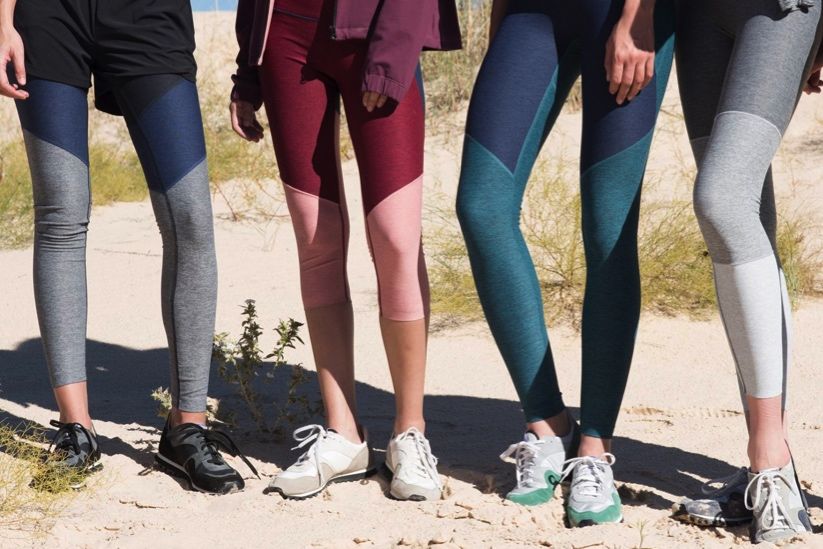
%JULY 6, 2016

                                                            Proprietary, sweat-wicking compression fabrics are standard in
                                                            athleisurewear, and the array of designs available rival those
                                                            offered in more formal apparel. Figure 1, below, illustrates the
                                                            general shift toward more casual clothing and the emergence of
                                                            the athleisure trend. Athleisure went mainstream in about 2010.

Figure 1. Timeline of the Emergence of More Casual Style of Dress and Athleisure

                                                                                                                            2014:
                                                                                                                         Carrie Underwood
                 1980s:               1998:                  2001:                2010:              2013:               launched Calia with
                                                                                                 Kate Hudson and         Dick's Sporting Goods
              Utilitarian styles   London-based           Lululemon           Yogasmoga
              swept through        Sweaty Betty was       began selling       was founded        JustFab Inc. co-        Tory Burch introduced
              college campuses     founded                yoga wear           in NYC             founded Fabletics       Tory Sports

     1970s:                 1990s:               2000s:                   2009:              2013:               2014:                  2016:
 High-performance         Activewear            Fashion consumers      Gap added          Outdoor Voices     Urban Outfitters         Beyoncé
 sportswear designed      became body-          started to reconcile   Athleta            was founded        launched Without         launched Ivy
 for mountaineering,      conscious, focusing   activewear and                                               Walls in NYC.            Park with
 sailing and hiking       on form-fitting       modern styles                                                                         Topshop
                                                                                                             Ann Taylor and Loft
 gained popularity        garments
                                                                                                             launched Lou & Grey
                                                                                                             brand

Source: Company reports/Fung Global Retail & Technology

                                                                          A Look Back: How Demand for Sneakers Gave Birth to
                                                                          the Athleisure Category
                                                                      We recently had the opportunity to sit down with one of
                                                                     the leading apparel vendors in the activewear category,
                                                                    and we asked our source how athleisure came about in the
                                                                    first place. According to our source, the category’s rise
                                                                    mirrored apparel cycles more broadly. Apparel trends
                                                                   typically last between eight and 10 years, and athleisure and
                                                                  athletic-inspired apparel became more popular as the high-
                                                                 end denim fad began to wane toward the end of the last
                                                                decade. At that time, vintage-inspired apparel was prevalent
                                                               across malls, big box stores and discount stores, and denim was
                                                              the most popular item in the bottoms category.
                                                             As the denim trend evolved and grew stale, Nike refreshed its
                                                            sneaker offering and added new colors and freshly inspired
                                                            assortments. The company’s business with Foot Locker and Finish
                                                            Line flourished. Traditional apparel retailers took notice, and began
                                                            offering apparel that complemented the footwear that was selling
                                                            well. Apparel that previously came in only neutral tones began to
                                                              feature bright colors and, eventually, neon colors. Specialty
                                                              retailers (particularly “A” retailers) followed suit, as they were
                                                                looking for a category that could replace the declining denim
                                                                    segment and their collections’ relatively stale themes. The
                                                                      market shifts led to activewear for everyday people.

DEBORAH WEINSWIG, MANAGING DIRECTOR, FUNG GLOBAL RETAIL & TECHNOLOGY
DEBORAHWEINSWIG@FUNG1937.COM US: 917.655.6790 HK: 852.6119.1779 CN: 86.186.1420.3016
                                                                                                                                                     3
Copyright © 2016 The Fung Group. All rights reserved.
%JULY 6, 2016

                                                     The athleisure and athletic-inspired apparel category has performed
                                                     very well, often posting high double- and triple-digit gains. However,
                                                     in many cases, the increase in athleisure sales volumes has not been
                                                     enough to offset the declines in denim, as athleisure generally has a
                                                     lower price point than high-priced denim does.
                                                     New Brands Continue to Enter the Athleisure Space
                                                     Nonetheless, traditional athleticwear retail players are still
                                                     expanding into athleisure, and there are also many new brands
                                                     entering the space that are focused solely on athleisure. We have
                                                     grouped the various players into three categories: pure-play
                                                     athleisure brands, which sell only athleisure merchandise; celebrity
                                                     brands and partnerships; and more traditional athleticwear and
                                                     mainstream retail companies that have expanded into the
                                                     athleisure segment. Below, we discuss examples of companies
                                                     operating in each of the three categories.
                                                     Explosive growth in the athleisure universe has made it harder
                                                     than ever for brands to stand out. The ones that have performed
                                                     best and seem to have proven they can withstand increasing
                                                     competition are those that sell not just clothes, but a lifestyle. This
                                                     makes sense, given that the athleisure trend is as much about a
                                                     lifestyle concept as it is about fashion.

Figure 2. Selected Athleisure Companies’ Market Share

                                                                                             Nike
                                                                                             Under Armour
                                                                20.7%                        adidas
                                                                                             Skechers
                                                                                             The North Face
                                                                                  3.9%
                                                                                             Timberland
                                                                                  3.3%       Columbia
                    56.8%
                                                                                 3.1%        Champion
                                                                           2.2%              Lululemon Athlekca Inc
                                                                         2.1%
                                                                        2.1%                 New Balance
                                                                   2.0%                      Puma North America Inc
                                                                                             Other
                                                                          1.4%
                                                                       1.4%
                                                                1.0%

Source: Euromonitor International
DEBORAH WEINSWIG, MANAGING DIRECTOR, FUNG GLOBAL RETAIL & TECHNOLOGY
DEBORAHWEINSWIG@FUNG1937.COM US: 917.655.6790 HK: 852.6119.1779 CN: 86.186.1420.3016
                                                                                                                          4
Copyright © 2016 The Fung Group. All rights reserved.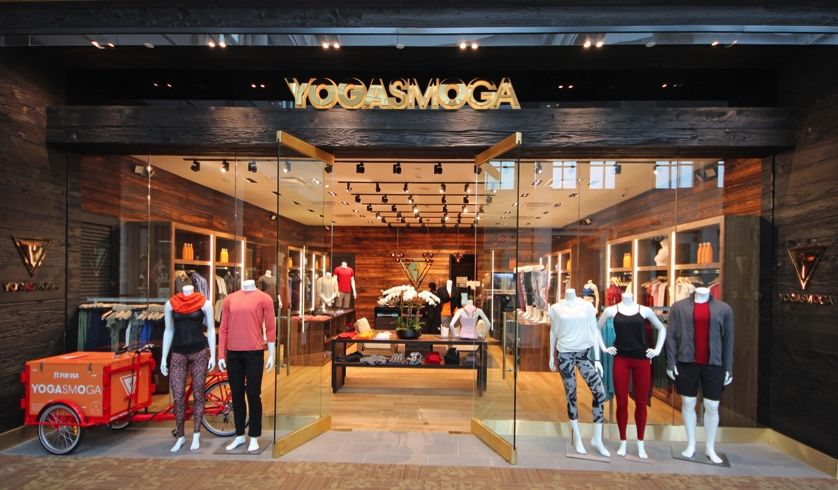
%JULY 6, 2016

Figure 3. Selected Athleisure Brands
                                                                     Traditional Athleticwear
          Pure Plays                    Celebrity Brands                                                       Retailers
                                                                            Companies
     Lululemon Athletica               Ivy Park (Beyoncé)                       Nike                      Tory Burch Sport
                                                                                                      Without Walls by Urban
        Sweaty Betty                Fabletics (Kate Hudson)                   Adidas
                                                                                                            Outfitters
            Athleta               Calia by Carrie Underwood               Under Armour                    Lou & Grey (Loft)
       Outdoor Voices                           –                                –                         Net-A-Sporter
         Yogasmoga                              –                                –                                  –
          Carbon38                              –                                –                                  –
         Kit and Ace                            –                                –                                  –
           Bandier                              –                                –                                  –
          Tracksmith                            –                                –                                  –

                                                     Figure 4. Selected Athleisure Pure Plays’ Sales, 2015 (USD Mil.)
                                                    2,500
                                                                 2,061
                                                    2,000

                                                    1,500

                                                    1,000

                                                      500                       233
                                                                                              46               10          3.8
                                                         0
                                                              Lululemon       Athleta       Sweaty     Yogasmoga Bandier
                                                                                             Beny

                                                     Source: Company reports/Fung Global Retail & Technology

                                                     PURE PLAYS

                                                     Lululemon can be considered the first to market in the athleisure
                                                     space. Chip Wilson founded the company in 1998, having spent the
                                                     first 20 years of his career in the surf, ski and skate industries.
                                                     When he started practicing yoga, he saw an opportunity to bring
                                                     the more technical, performance-enhancing aspects of surf and ski
                                                     apparel to the basic cotton clothing that yoga practitioners were
                                                     wearing. He used word of mouth to sell his products, setting up
                                                     shop inside yoga studios and enlisting instructors as brand
                                                     ambassadors—which the company still does today. In 2005,
                                                     Wilson sold 48% of the company to private equity firms Advent

DEBORAH WEINSWIG, MANAGING DIRECTOR, FUNG GLOBAL RETAIL & TECHNOLOGY
DEBORAHWEINSWIG@FUNG1937.COM US: 917.655.6790 HK: 852.6119.1779 CN: 86.186.1420.3016
                                                                                                                                 5
Copyright © 2016 The Fung Group. All rights reserved.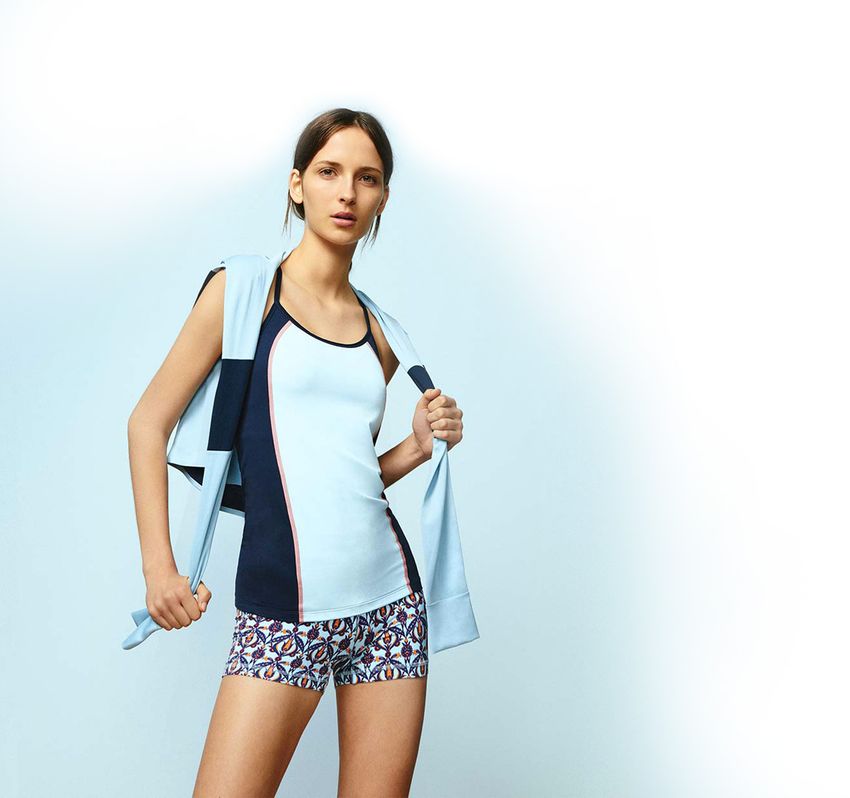
%JULY 6, 2016

                                                     International and Highland Capital Partners, and in 2007,
                                                     Lululemon went public.
                                                     The company has since faced several embarrassing public relations
                                                     incidents, including a recall of yoga pants that were too sheer and
                                                     backlash against a number of provocative statements made by
                                                     Wilson (who stepped down from the board in 2015). The company
                                                     is now working to restrengthen its business. A big part of the most
                                                     recent product strategy is to change the way it sells pants. Rather
                                                     than sorting pants by length, Lululemon now organizes them by fit
                                                     and feel, categorizing them by what the company calls “sensation”:
                                                     hugged, naked, relaxed, tight and held-in.

                                                     In March 2016, Lululemon opened a new store in Lower
                                                     Manhattan called Lululemon Lab. It differs from the brand’s other
                                                     stores in that it is dedicated to both design and retail. The store is
                                                     Lululemon’s second design lab (the first is in Vancouver). While
                                                     some of the pieces in the store are for working out in, many are
                                                     more modern takes on functional streetwear, and even work as
                                                     business casualwear. The clothes incorporate the technical fabrics
                                                     that Lululemon is known for and reflect the brand’s focus on
                                                     performance, but they can also be worn to dinner without the
                                                     wearer looking like she has arrived straight from yoga class. The
                                                     colors are neutral, the clothes are angular and the price points are
                                                     higher. Each item is made in batches of only about 50 items, giving
                                                     them an air of exclusivity.

                                                     Sweaty Betty plans to double its presence in the US by opening six
                                                     stores here this year. The company was founded in the UK in 1998
                                                     by husband and wife Tamara and Simon Hill-Norton, and was
                                                     originally a multibrand boutique featuring labels sourced
                                                     predominantly from Scandinavia and Italy. In 2007, the company
                                                     shifted its business model to produce its own label. It now
                                                     operates more than 40 stores in the UK, with annual sales of
                                                     approximately $46 million. The company has also turned its

DEBORAH WEINSWIG, MANAGING DIRECTOR, FUNG GLOBAL RETAIL & TECHNOLOGY
DEBORAHWEINSWIG@FUNG1937.COM US: 917.655.6790 HK: 852.6119.1779 CN: 86.186.1420.3016
                                                                                                                         6
Copyright © 2016 The Fung Group. All rights reserved.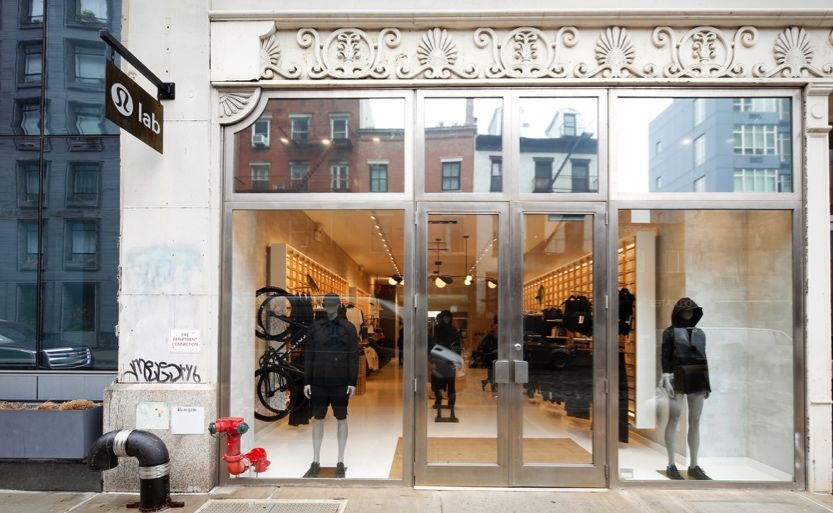
%JULY 6, 2016

                                                     attention to the US market, where it currently operates six stand-
                                                     alone stores, an e-commerce site and concessions in two
                                                     Bloomingdale’s stores. In January 2016, the company hired its first
                                                     US President and CEO, Erika Serow, from Bain & Company. The
                                                     company’s sales in the US have doubled over the past year.

                                                     Scott Kerslake, a surfer and cyclist turned business executive,
                                                     founded Athleta in 1998 after listening to female friends complain
                                                     about a lack of selection in women’s workout clothes. These women
                                                     were seeking athleticwear that held up on a 10-mile run but was
                                                     also fashionable enough to wear to the office. Athleta built a loyal
                                                     following for products sold through its catalogs and website and, in
                                                     2008, Gap Inc. bought the company for $150 million to extend its
                                                     position in women’s premium sports clothing beyond its Gap Body
                                                     division. Gap has since used its expertise in operating more than
                                                     3,000 stores to turn Athleta into a brick-and-mortar retailer.

DEBORAH WEINSWIG, MANAGING DIRECTOR, FUNG GLOBAL RETAIL & TECHNOLOGY
DEBORAHWEINSWIG@FUNG1937.COM US: 917.655.6790 HK: 852.6119.1779 CN: 86.186.1420.3016
                                                                                                                       7
Copyright © 2016 The Fung Group. All rights reserved.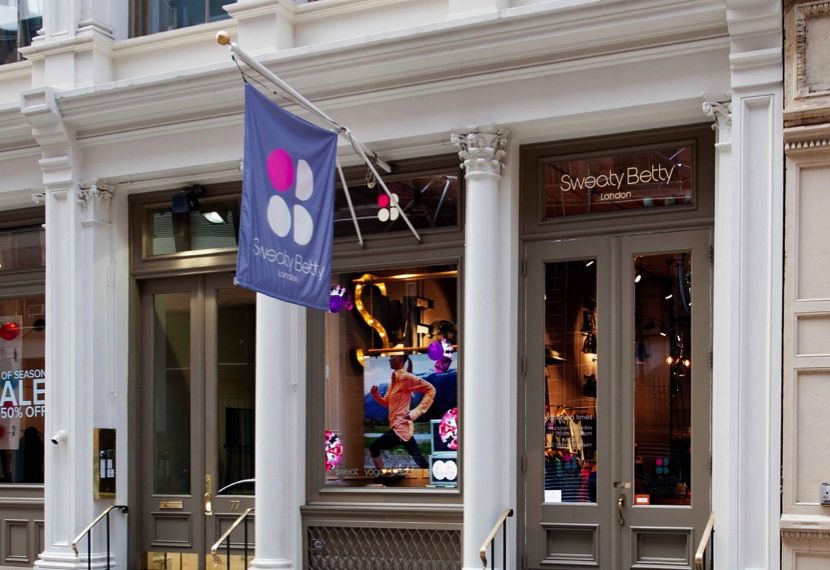
%JULY 6, 2016

                                                     Outdoor Voices was founded in 2013 by Parsons School of Design
                                                     graduate Tyler Haney. The company’s focus within athleisure is on
                                                     recreational sports rather than competitive sports. The brand has
                                                     more of a fashion tilt than some other athleisure players, and
                                                     A.P.C. Creative Director and Founder Jean Touitou is a strategic
                                                     investor. Signature pieces in the collection include color blocking
                                                     and heathered fabric. Outdoor Voices specifically caters to
                                                     millennials and prides itself on using high-quality, sweat-wicking
                                                     compression fabrics. The brand manufactures its own clothing in a
                                                     factory in Los Angeles, and there is an emphasis on creating items
                                                     that are very soft. This summer, the company will launch its first
                                                     collaboration with A.P.C. and introduce a new fabric that has been
                                                     in development for a year and a half.

                                                     According to the company, sales have grown by 800% over the
                                                     past year. While e-commerce currently makes up about 80% of the
                                                     business, Outdoor Voices has plans to expand its physical retail
                                                     footprint over the next year with a new store in New York City.

                                                     Yogasmoga was founded in 2013 by brother and sister Rishi and
                                                     Tapasya Bali. Its first collection of athleticwear sold out in three
                                                     weeks. The company has 12 stores in the US and plans to open 25
                                                     more by the end of the year. The goal is to enter into more
                                                     markets in the US and Canada, and to service the rest of the
                                                     company’s growing international customer base online.
                                                     Yogasmoga started out selling only yogawear, but now sells clothes
                                                     for running and spinning, and daywear as well. Still, dedication to
                                                     yoga as a lifestyle is a big part of its branding.

DEBORAH WEINSWIG, MANAGING DIRECTOR, FUNG GLOBAL RETAIL & TECHNOLOGY
DEBORAHWEINSWIG@FUNG1937.COM US: 917.655.6790 HK: 852.6119.1779 CN: 86.186.1420.3016
                                                                                                                       8
Copyright © 2016 The Fung Group. All rights reserved.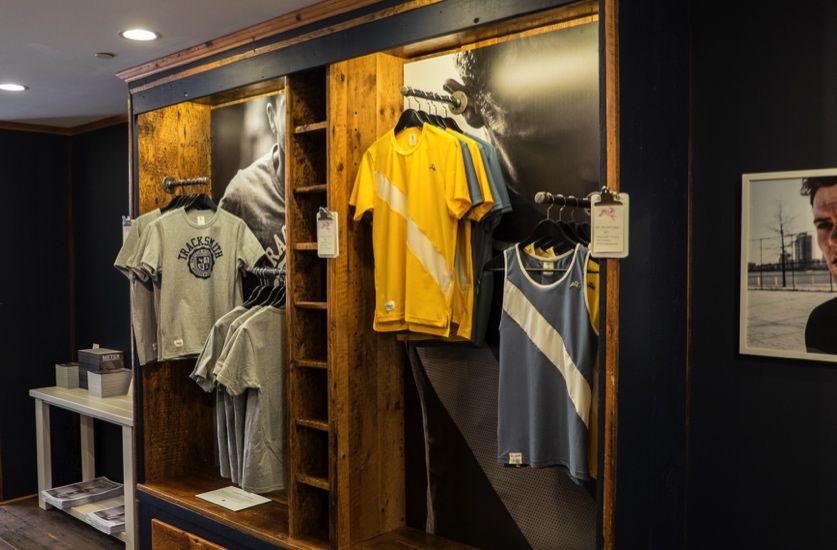
%JULY 6, 2016

                                                     The company manufactures all of its products in the US—even the
                                                     yarn is bought in the US—and the fabric is developed in California
                                                     labs. Another point of differentiation for Yogasmoga is its technical
                                                     fabric, which the company says is resistant to pilling and offers
                                                     superior moisture wicking.

                                                     Carbon38 was founded in 2013 by ex-ballet dancers Katie Warner
                                                     Johnson and Caroline Gogolak. The company operates an e-
                                                     commerce site that features high-fashion, high-end activewear
                                                     modeled by fitness instructors. In 2015, Carbon38 introduced an
                                                     in-house label that was meant to fill the gap between the
                                                     activewear it sells on its site, from brands such as Lucas Hugh and
                                                     Alo Yoga, and ready-to-wear apparel. The range features basic
                                                     leggings, but also blazers and coats made from technical fabrics.
                                                     Carbon38 is on track to generate nearly $20 million in sales in
                                                     2016. Plans for the current year include collaborating with high-
                                                     end designers on capsule collections, introducing sport-specific
                                                     categories and launching a men’s line in September.

DEBORAH WEINSWIG, MANAGING DIRECTOR, FUNG GLOBAL RETAIL & TECHNOLOGY
DEBORAHWEINSWIG@FUNG1937.COM US: 917.655.6790 HK: 852.6119.1779 CN: 86.186.1420.3016
                                                                                                                        9
Copyright © 2016 The Fung Group. All rights reserved.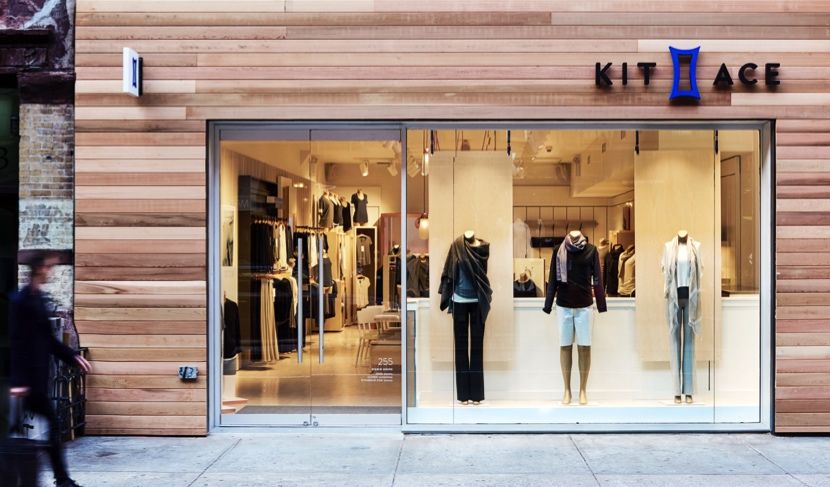
%JULY 6, 2016

                                                     Kit and Ace was founded in 2014 by JJ and Shannon Wilson, with
                                                     support from Lululemon founder Chip Wilson, who is JJ’s father
                                                     and Shannon’s husband. The company aims to outfit its
                                                     customers in everyday clothes that perform like athletic apparel
                                                     and can carry them throughout the various activities they
                                                     participate in on a given day.

                                                     The company currently operates 61 stores in the US, Canada, the
                                                     UK, Japan and Australia. About 60% of the locations are
                                                     showrooms or temporary spaces with short-term leases that allow
                                                     Kit and Ace to test the market before fully committing to a
                                                     particular space. The company has plans to open another round of
                                                     showrooms in the second half of this year.

                                                     Bandier was founded by former music executive Jennifer Bandier
                                                     and her husband, Neil Boyarsky, and Barneys Co-op founder Jayne
                                                     Harkness in 2014. The company is a multibrand retailer carrying a
                                                     range of athleisurewear and is known for bringing many smaller
                                                     brands under one roof by curating high-end, fashion-forward
                                                     women’s activewear created by a range of designers. Bandier sells

DEBORAH WEINSWIG, MANAGING DIRECTOR, FUNG GLOBAL RETAIL & TECHNOLOGY
DEBORAHWEINSWIG@FUNG1937.COM US: 917.655.6790 HK: 852.6119.1779 CN: 86.186.1420.3016
                                                                                                                   10
Copyright © 2016 The Fung Group. All rights reserved.
%JULY 6, 2016
close to 400 products from more than 40 different designers,
including Human Performance Engineering, Varley and Ultracor.
Printed leggings represent 45% of Bandier’s sales.
The company’s Flatiron store in New York features a 3,000-square-
foot fitness studio that offers more than 25 classes each week.
Bandier is planning to open a West Coast flagship in Los Angeles
later this year.
Tracksmith was founded in 2014 by Matt Taylor and Luke
Scheybeler, the latter of whom also co-founded cycling brand
Rapha. Tracksmith is a running-first brand and is based in Boston.
The products are a take on the collegiate track-star gear of the
1970s and 1980s. The brand originally launched with men’s apparel
only; a women’s line was introduced nine months later. Currently,
the male/female customer ratio is 70%/30%. According to the
company, year-over-year sales have doubled.
CELEBRITY COLLABORATIONS
Ivy Park – Beyoncé and Topshop
Ivy Park is a joint venture between Beyoncé and Sir Philip Green,
majority owner of Topshop. The line launched on April 14 in 50
countries at Topshop, Zalando, Net-A-Porter, Selfridges and
Hudson’s Bay. According to the company, the collection is aimed at
women who love to sweat, whether they are “running, lifting, yoga
stretching or kickboxing.” The pieces are meant to fit like a second
skin, with built-in support and moisture-wicking fabrics. The
collection is meant to perform in and out of sports and workout
environments, and has been designed around a variety of body
types, with sizes ranging from XXS to XL.
DEBORAH WEINSWIG, MANAGING DIRECTOR, FUNG GLOBAL RETAIL & TECHNOLOGY
DEBORAHWEINSWIG@FUNG1937.COM US: 917.655.6790 HK: 852.6119.1779 CN: 86.186.1420.3016
11
Copyright © 2016 The Fung Group. All rights reserved.%JULY 6, 2016
Calia by Carrie Underwood – Carrie Underwood and Dick’s
Sporting Goods
In 2014, Carrie Underwood, American Idol winner and current
country music artist, announced that she would launch a line of
fitness lifestyle apparel to be sold exclusively at Dick’s Sporting
Goods beginning in early 2015. Underwood designed the line with
women in mind, striving to help them maintain an active lifestyle,
while also being fashion forward, at an affordable price point. The
line was recently extended to include a swimwear collection.
Fabletics – Kate Hudson and JustFab
Fabletics was founded by Adam Goldenberg, Don Ressler and Kate
Hudson in July 2013 and officially launched in October 2013. In June
2015, Fabletics launched FL2, its men’s activewear line with Kate
Hudson’s brother, actor Oliver Hudson. In late 2015, Fabletics
opened its first brick-and-mortar retail stores. In 2016, the company
expanded beyond athleticwear by adding dresses and swimsuits to
its line. In February 2016, Forbes reported that 75 to 100 Fabletics
stores are scheduled to open over the next three to five years.
Like Underwood’s Calia collection, Fabletics’ apparel is moderately
priced. However, Fabletics uses a subscription model: membership
costs $49.95 per month, and members receive discounted
athleisurewear. Members can choose to skip a month altogether
without charge. Upon registering, members are required to
complete a survey regarding their workout and lifestyle
preferences. At the start of each month, personalized outfits are
chosen for each member based on these stated preferences.
DEBORAH WEINSWIG, MANAGING DIRECTOR, FUNG GLOBAL RETAIL & TECHNOLOGY
DEBORAHWEINSWIG@FUNG1937.COM US: 917.655.6790 HK: 852.6119.1779 CN: 86.186.1420.3016
12
Copyright © 2016 The Fung Group. All rights reserved.%JULY 6, 2016
TRADITIONAL ATHLETICWEAR COMPANIES
The top three performance brands, Nike, Under Armour and Adidas,
all started out targeting men with apparel made from high-
performance materials. But they have turned their attention to the
women’s market, which they see fueling growth in the next few years.
Nike is a major player and the market share leader in athleticwear,
so it makes sense that the company is moving into the growing
athleisure space. It is actually going all in on the women’s
athleisurewear, offering comfortable, fashionable and sporty
clothes and footwear. As the graph below illustrates, Nike has long
dominated in the menswear category, while its women’s sales
have trailed. The athleisure market is a clear opportunity for Nike
to grow its women’s business.
Figure 5. Nike Wholesale Revenue, by Gender (USD Mil.)
14,694
14,001
13,073
5,724
4,494 4,971
2013 2014 2015
Women's Men's
Source: Company reports
Nike forecasts that sales of its women’s products will roughly
double by 2020, though those products’ share of total sales will
remain about the same. In Nike’s last fiscal year, women’s items
accounted for about 20% of the brand’s $25.8 billion in sales.
The company’s approach to women’s gear remains performance
oriented. Nike said its product design process focuses on addressing
its customers’ technical needs, but that that does not necessarily
have to come at the expense of design and style. The company has a
sizeable audience of buyers primed to purchase its new gear, as 70
million women are connected to Nike’s online community.
Under Armour recently hired new executives to lead its women’s
apparel and footwear divisions. Earlier this year, CEO Kevin Plank
forecast that the company’s women’s business will eventually
outperform its men’s business.
DEBORAH WEINSWIG, MANAGING DIRECTOR, FUNG GLOBAL RETAIL & TECHNOLOGY
DEBORAHWEINSWIG@FUNG1937.COM US: 917.655.6790 HK: 852.6119.1779 CN: 86.186.1420.3016
13
Copyright © 2016 The Fung Group. All rights reserved.%JULY 6, 2016
Under Armour has also been aggressively pursuing the social-
media-attuned workout junkie with a series of app acquisitions.
Most recently, it debuted wearable fitness gear as well as a
rebooted app powered by IBM’s Watson supercomputer.
Adidas recently hired Nicole Vollebregt to head its women’s
segment, and the company is exploring new retail options,
including getting its gear back in some of the shops at Equinox
gyms. The company has also brought in former Lululemon CEO
Christine Day to help advise on retail strategy and collaborations
with smaller brands in the women’s business. Its Reebok brand has
teamed up with New York–based graffiti artist Upendo Taylor to
make exclusive products for Bandier.
In addition, Foot Locker is paring back its Lady Foot Locker stores
to make way for a new model of bigger stores called Six:02. Dick’s
Sporting Goods put expansion plans of its new Chelsea Collective
boutiques on hold after it had to alter the merchandise in its initial
two locations.
Traditional Apparel Brands
Tory Burch added Tory Sport as a complementary line to its main
collection in 2015. The Tory Sport line includes a number of sport
categories not offered by other athleticwear brands, such as tennis,
golf and studio. The company refers to the line as a “top priority.”
There is one Tory Sport store in the Flatiron district in New York and
the company plans to operate a pop-up shop in downtown New
York. In addition, it will convert an existing Tory Burch location in
East Hampton to a Tory Sport store. The line’s first wholesale
account, Barneys New York, was launched in early April.
Urban Outfitters launched its athleisure brand, Without Walls, in
2014. The retailer also began selling merchandise by brands such
as Patagonia and The North Face and gear such as yoga mats.
Without Walls was advertised as “a community of adventure
seekers—fitness enthusiasts, surfers, runners and trail-blazers of
all kinds—who play hard and live for the journey.” The assortment
is sold primarily online and in select stores.
DEBORAH WEINSWIG, MANAGING DIRECTOR, FUNG GLOBAL RETAIL & TECHNOLOGY
DEBORAHWEINSWIG@FUNG1937.COM US: 917.655.6790 HK: 852.6119.1779 CN: 86.186.1420.3016
14
Copyright © 2016 The Fung Group. All rights reserved.%JULY 6, 2016
Also in 2014, Loft, a division of Ann Inc., launched Lou & Grey, a
casual brand that is a fusion of activewear and streetwear, or
“lifewear,” as it is being called. Initially offered in Loft stores, the Lou
& Grey brand now has two stand-alone stores as well. The brand
originally grew out of the Loft Lounge concept, and includes
loungewear-type clothes in a muted color palette. The store also
carries merchandise by other designers that fit the vibe of the store.
Net-A-Porter, the high-end fashion e-commerce site, launched a
sister site, Net-A-Sporter, in 2014. Net-A-Sporter features
athleisurewear and associated products, and the site is divided into
12 sections based on activities: gym/CrossFit, run, yoga/dance,
tennis, equestrian, swim/surf, après, golf, accessories, outdoor,
sailing and skiing. The offering is curated across different brands,
as it is on the company’s main site.
Kate Spade announced an expansion into the athleisure space
through a partnership with Beyond Yoga in spring 2016. The 21-
piece, limited-edition collection features Kate Spade’s signature
bright colors and Beyond Yoga’s silhouettes. The collaboration
marks the first time both companies have collaborated on
athleisure. The assortment will be sold at select specialty stores
and boutique studios and through both companies’ websites.
Athleisure Has Outpaced Traditional Apparel Sales Growth, and
the Market Continues to Grow
According to Euromonitor International, US sales of performance,
outdoor and sports-inspired apparel and footwear totaled $97 -
billion in 2015. That was 40% higher than in 2010 and 7% higher
than in 2014.
Figure 6. US: Sports Apparel and Footwear Sales (USD Mil.)
97,144
91,144
85,126
79,055
73,872
69,363
2010 2011 2012 2013 2014 2015
Source: Euromonitor International
DEBORAH WEINSWIG, MANAGING DIRECTOR, FUNG GLOBAL RETAIL & TECHNOLOGY
DEBORAHWEINSWIG@FUNG1937.COM US: 917.655.6790 HK: 852.6119.1779 CN: 86.186.1420.3016
15
Copyright © 2016 The Fung Group. All rights reserved.%JULY 6, 2016
Figure 7. US: Apparel and Footwear Sales Growth vs. Athleisure Sales Growth
7.68%
7.02% 7.07% 6.58%
6.50%
3.45%
2.96% 2.39%
2.24% 2.15%
2011 2012 2013 2014 2015
Athleisure Apparel and Footwear
Source: Euromonitor International
In many ways, activewear and athleisurewear have replaced
denim. According to The NDP Group, the athleisure bottoms
business (particularly leggings) has displaced the jeans business
one to one. Denim, specifically premium denim, was a hot
commodity around the year 2000. Consumers were willing to shell
out upwards of $200–$300 for a pair of jeans at that time; by 2005,
the average denim spend was $25.
Figure 8. US: Sports Apparel and Footwear Growth (USD Mil.)
100,000
80,000 29,712
27,487
25,386
23,484
21,692
60,000 20,441
40,000
63,658 67,432
55,572 59,740
48,922 52,180
20,000
0
2010 2011 2012 2013 2014 2015
Sports Apparel Sports Footwear
Source: Euromonitor International
DEBORAH WEINSWIG, MANAGING DIRECTOR, FUNG GLOBAL RETAIL & TECHNOLOGY
DEBORAHWEINSWIG@FUNG1937.COM US: 917.655.6790 HK: 852.6119.1779 CN: 86.186.1420.3016
16
Copyright © 2016 The Fung Group. All rights reserved.%JULY 6, 2016
Drivers of Category Growth
Millennials’ Focus on Being Active
According to the US Census Bureau, millennials, defined as those
born between 1980 and 2000, are currently the largest
demographic in the US. As of 2015, they numbered almost 92
million, compared to 61 million Generation Xers and 77 million
baby boomers. To put that into perspective, millennials now
comprise roughly 28% of the entire US population.
Millennials also now represent the largest segment of the US
workforce: they number 53.5 million workers—more than one-
third of the total workforce. And that number is expected to
increase to 75% within a decade. So, the habits and spending
patterns of millennials will be significant to the overall economy as
they enter their prime working and spending years. In general,
millennials’ spending skews more toward creating a lifestyle and
having and sharing experiences than it does on acquiring tangible
items.
For millennials, health and wellness is a daily, active pursuit. And,
for them, being healthy does not just mean not being sick or being
in good shape; it means taking a more holistic approach to eating
right and exercising. Millennials are exercising more, eating better
and smoking less than previous generations.
Digital agency Deep Focus surveyed more than 1,700 Americans for
its Cassandra Report on health and wellness, and found that more
than one-third of millennials said they had cut back on other
spending in order to make more health-related purchases. The
survey also found that 46% of women respondents ages 19–34 said
they had become more interested in athleisurewear in recent
years, and athleisure is a category that millennials are willing to
spend their money on.
A survey undertaken by Aetna found that millennials are much
more concerned about eating right and exercising than previous
generations were: 24% of the millennials surveyed said that eating
sensibly is the most important aspect to achieving well-being. By
contrast, only 12% of baby boomers responded that way. In the
US, 40% of millennials look for limited or no artificial ingredients
when reading food labels, compared with 33% of baby boomers.
DEBORAH WEINSWIG, MANAGING DIRECTOR, FUNG GLOBAL RETAIL & TECHNOLOGY
DEBORAHWEINSWIG@FUNG1937.COM US: 917.655.6790 HK: 852.6119.1779 CN: 86.186.1420.3016
17
Copyright © 2016 The Fung Group. All rights reserved.%JULY 6, 2016
Figure 9. Share of US Population that Considers Eating Right the Most Important Behavior to Stay Healthy
Millennials 24
Generakon X 14
Baby Boomers 12
0 5 10 15 20 25
%
Source: Aetna
Figure 10. Exercise Habits of Adults
Globally, 78% of the adults over 18 years old exercise or would like to
22% have no
interest in
exercising
Another 39% are not 22%
currently exercising to keep
fit and healthy but would
like to 39%
39% 39% exercise regularly with
87% exercising 3 or more
kmes a week
Source: Nielsen/Les Mills
Figure 11. Exercise Habits of Millennials
81% of millennials (18–34-year-olds) exercise or would like to
(vs. only 61% of baby boomers)
20% have no interest
in exercising
36% are not currently 20%
exercising to keep fit and 36%
healthy but would like to
45% 45% exercise regularly
Source: Nielsen/Les Mills
DEBORAH WEINSWIG, MANAGING DIRECTOR, FUNG GLOBAL RETAIL & TECHNOLOGY
DEBORAHWEINSWIG@FUNG1937.COM US: 917.655.6790 HK: 852.6119.1779 CN: 86.186.1420.3016
18
Copyright © 2016 The Fung Group. All rights reserved.%JULY 6, 2016
Millennials are as social in their fitness activities as they are in
other parts of their lives, unlike many in previous generations, who
might have lifted some weights and then left the gym without
talking anyone else. Surveys show participation in group fitness
and exercise classes is up among young adults in the US and,
according to Nielsen, female millennials are particularly fond of
classes. As they do with many aspects of their lives, millennials are
using social media to share their fitness experiences with their
friends. For many younger workers in cities such as New York and
Los Angeles, spinning classes are starting to replace cocktail bars as
the after-work go-to destination.
Boutique fitness studios such as SoulCycle, Flywheel, Pure Barre
and Barry’s Bootcamp are extremely popular, and many fitness
centers now offer a wide variety of exercise classes, including
CrossFit, high-intensity training, yoga, Pilates, dance, barre and
Zumba.
Figure 12. Fitness Class Participation, by Age Group
46%
39%
30% 30%
27%
24% 24%
19% 20% 20% 20%
16% 16%
15%
13% 12% 12% 13%
10% 11% 12%
7% 10%
8% 7% 6%
5% 5% 3%
5%
4%
1%
FITNESS GROUP FITNESS YOGA PILATES DANCE WORK FREE WEIGHT CARDIO BOXING
CLASS TRAINING CLASSES OUT WEIGHT MACHINE MACHINES
ACTIVITIES* INDOORS TO MUSIC - WITH PT
INDOORS
18-34 years 35-54 years 55+ years
Source: Nielsen/Les Mills
DEBORAH WEINSWIG, MANAGING DIRECTOR, FUNG GLOBAL RETAIL & TECHNOLOGY
DEBORAHWEINSWIG@FUNG1937.COM US: 917.655.6790 HK: 852.6119.1779 CN: 86.186.1420.3016
19
Copyright © 2016 The Fung Group. All rights reserved.%JULY 6, 2016
Increased Focus on Healthy Lifestyle
Athleisure companies have also benefited from a general shift in
the US toward healthier eating and living. McDonald’s revenue has
fallen consecutively for the last two years, but the company has
benefited from the addition of healthier options, including new
salads, to its menus. Carbonated soft drink sales have also
dropped, for at least six consecutive years, as people have focused
on eating right and living a healthy lifestyle.
Figure 13. McDonald’s Total Global Revenues (USD Mil.)
29,000
28,105.7
28,000 27,567.0 27,441.3
27,006.0
27,000
26,000
25,413.0
25,000
24,074.6
24,000
23,000
2010 2011 2012 2013 2014 2015
Source: S&P Capital IQ
Figure 14. US Carbonated Soft Drink Sales (Gallons Bil.)
14 13.89
13.78
13.54
13.5
13.3
13 12.87
12.75
12.5
12
2009 2010 2011 2012 2013 2014
Source: Trefis
DEBORAH WEINSWIG, MANAGING DIRECTOR, FUNG GLOBAL RETAIL & TECHNOLOGY
DEBORAHWEINSWIG@FUNG1937.COM US: 917.655.6790 HK: 852.6119.1779 CN: 86.186.1420.3016
20
Copyright © 2016 The Fung Group. All rights reserved.%JULY 6, 2016
Athleisure brands have been successful in building an emotional
connection between product and customer, making it more likely
customers will make multiple purchases. Customers want not only
the items they are purchasing themselves, but also the active
lifestyle that comes with them. They look and feel the part while
wearing athleisure garments, which inspires them to embody the
characteristics that athleisure brands represent. With health and
wellness trending as a lifestyle, athleisurewear’s outperformance
versus overall apparel should not be a surprise.
Relaxation of Office Dress Codes and Casualization of General Style
of Dress
Since the 1960s, American youth have been pushing the
boundaries with regard to casual dress. By the 1990s, students
were showing up to class in sneakers and sweat pants. But
graduation from college generally meant transitioning into more
“proper” adult clothing that was appropriate for a workplace
setting. These days, activewear once reserved for the gym is
considered, at least in some industries, appropriate office-casual
attire. Leggings, hoodies and sneakers are athleisurewear basics,
and they are showing up in all but the most formal settings.
Another part of athleisurewear’s attraction is that it meets
consumers’ desire for clothing that is both comfortable and
functional. Many people are so overscheduled that they do not
want to focus on their wardrobe—they would rather spend more
time thinking about and doing more important things in their lives.
They can wear athleisurewear to the gym, in the gym and from the
gym. It allows them to no longer have to worry about the hassle of
dragging along multiple changes of clothing for different settings.
Athleisure Trends
Luxury Redefined
As athleisurewear has become more popular and acceptable to
wear in various settings, luxury and higher-end designers have
become more prevalent in the space. In some cases, consumers
are paying several hundred to over a thousand dollars for a pair of
leggings. Designers are mixing materials, adding patterns and
texture to enhance their offerings, and making them more fashion
forward in order to rationalize the price points. Designers such as
Donna Karan and Brunello Cucinelli have even offered cashmere
leggings.
Ultimately, though, consumers buy athleisure apparel at a higher
price point because they are motivated by the perceived lifestyle
benefits that come with the clothing. The emotional connection
with the brand is what keeps consumers keep coming back. The
luxury aspect is not in the garment itself; it is in the lifestyle and
the concept.
Luxury and premium brands accounted for a combined 16% of the
athleticwear market in 2015, according to apparel analytics firm
DEBORAH WEINSWIG, MANAGING DIRECTOR, FUNG GLOBAL RETAIL & TECHNOLOGY
DEBORAHWEINSWIG@FUNG1937.COM US: 917.655.6790 HK: 852.6119.1779 CN: 86.186.1420.3016
21
Copyright © 2016 The Fung Group. All rights reserved.%JULY 6, 2016
Edited. The majority of the segment, 81%, belongs to mass-market
brands.
Figure 15. Market Segmentation of Athleisure
3%
3%
13%
81%
Mass Premium Luxury Value
Source: Edited
Figure 16. Selected Athleisure Brands’ Price Positioning
Source: Company reports/Fung Global Retail & Technology
DEBORAH WEINSWIG, MANAGING DIRECTOR, FUNG GLOBAL RETAIL & TECHNOLOGY
DEBORAHWEINSWIG@FUNG1937.COM US: 917.655.6790 HK: 852.6119.1779 CN: 86.186.1420.3016
22
Copyright © 2016 The Fung Group. All rights reserved.%JULY 6, 2016
Bringing Fitness Classes into Retail
Several retailers, including Athleta, Bandier, Lululemon and Sweaty
Betty, have started offering fitness classes in their stores. Fitness
studios are incorporated into their retail locations, and some offer
as many as five classes a day. Some classes are free, while others
cost about the same as they would at a gym.
Fitness classes can boost store traffic, and retailers benefit by
having health-and-fitness-minded consumers walking through
stores filled with merchandise that appeals to those very
consumers. In-store fitness and wellness events engage athleisure
customers beyond their shopping experience, catering to their
overall wellness lifestyle needs.
Bandier offers rewards such as discounts to customers who attend
classes at its stores. The company holds four to five classes per day,
led by well-known instructors. Class offerings include Nicole
Winhoffer’s NW Method, popular SoulCycle instructor Akin
Akman’s own Akin’s Army, Yoga for Bad People flow classes and
IntenSati.
Sweaty Betty’s Get Fit 4 Free community initiative includes in-store
classes as well as online videos of classes, including boxing, HIIT,
barre and even boutique classes such as Barry’s Bootcamp.
Nike also makes fitness accessible to everyone. Most major cities
have a Nike+ Run Club, which offers a series of workouts aimed at
helping runners improve. Expert coaches teach classes for speed
training and long runs, among other things, to members of the
group.
Adjacent Athleisure Categories
Given the widespread popularity of athleisurewear, new, adjacent
categories have emerged to support the lifestyle beyond the
garments themselves. Birchbox, the beauty subscription service,
recently launched Arrow, a makeup and skincare line targeted to
women to wear during and after workouts. The high-performance
DEBORAH WEINSWIG, MANAGING DIRECTOR, FUNG GLOBAL RETAIL & TECHNOLOGY
DEBORAHWEINSWIG@FUNG1937.COM US: 917.655.6790 HK: 852.6119.1779 CN: 86.186.1420.3016
23
Copyright © 2016 The Fung Group. All rights reserved.%JULY 6, 2016
line was created to “help you look your best without looking like
you are trying too hard” and was inspired by the athleisure fashion
trend. The offering currently includes a cheek tint, lip balm and
deodorant. In addition, Birchbox plans to add five new Arrow
products later in the spring, including a facial mist, a water-
resistant mascara, cleansing cloths, a tinted serum and a tinted
brow gel.
Conclusion
Some have questioned whether the athleisure trend is sustainable.
Does it represent just a fleeting fashion or a more structural,
cultural shift in the way people dress? That is the key question
relating to the athleisure segment.
Will consumers grow tired of this category and cast it aside when
the next trend comes along? No one can say for sure how long the
trend will be around, but we believe it has room to grow and could
morph into other categories. The case for athleisure’s staying
power is underpinned by a larger cultural shift toward a healthy
lifestyle and by demand for clothing that is comfortable, functional
and versatile.
There has been some recent discussion in the industry about the
athleisure segment peaking and athletic products’ sales declining,
and we think this is a reflection of the trend having played out
(given the 8–10-year cycle that characterizes most apparel trends).
We do not think the current rate of growth in the category is
sustainable. But we do think the structural changes in the way
people live and the way they want to dress to support their
lifestyle will ensure that the category continues to exist—and to
grow—albeit at a more modest rate.
DEBORAH WEINSWIG, MANAGING DIRECTOR, FUNG GLOBAL RETAIL & TECHNOLOGY
DEBORAHWEINSWIG@FUNG1937.COM US: 917.655.6790 HK: 852.6119.1779 CN: 86.186.1420.3016
24
Copyright © 2016 The Fung Group. All rights reserved.%JULY 6, 2016
Deborah Weinswig, CPA
Managing Director
Fung Global Retail & Technology
New York: 917.655.6790
Hong Kong: 852.6119.1779
China: 86.186.1420.3016
deborahweinswig@fung1937.com
Shoshana Pollack
Senior Research Associate
HONG KONG:
10th Floor, LiFung Tower
888 Cheung Sha Wan Road, Kowloon
Hong Kong
Tel: 852 2300 2470
LONDON:
242-246 Marylebone Road
London, NW1 6JQ
United Kingdom
Tel: 44 (0)20 7616 8988
NEW YORK:
th
1359 Broadway, 9 Floor
New York, NY 10018
Tel: 646 839 7017
FBICGROUP.COM
DEBORAH WEINSWIG, MANAGING DIRECTOR, FUNG GLOBAL RETAIL & TECHNOLOGY
DEBORAHWEINSWIG@FUNG1937.COM US: 917.655.6790 HK: 852.6119.1779 CN: 86.186.1420.3016
25
Copyright © 2016 The Fung Group. All rights reserved.You can also read


