Hōkai Rangi Ara Poutama Aotearoa Strategy | 2019-2024 - Department of Corrections
←
→
Page content transcription
If your browser does not render page correctly, please read the page content below
Hōkai Rangi
Ara Poutama Aotearoa Strategy | 2019–2024
2019

Hōkai Rangi                                                        Cover image
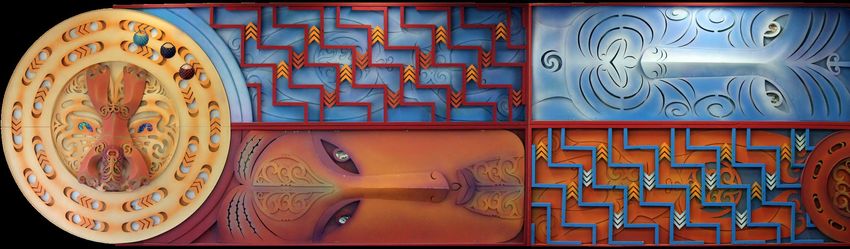
This name was given to us by Te Poari Hautū Rautaki Māori,         The carving on the cover, Ara Poutama, was commissioned in 2004 and
our Māori Leadership Board. It is taken from the karakia ‘Kete     is located at our National Learning Centre in Upper Hutt. It was carved
o Te Wānanga’, which describes the ascent by Tāne into the         by Lee Watts of Ngāti Kahungunu.
highest heavens. It is drawn from the following section: ‘Ko te
hōkai nuku, ko te hōkai rangi’ (traversing the earth, ascending    Ara Poutama refers to the pathway of excellence. It was the final
into the heavens). It aligns with the metaphor of Ara Poutama      pathway ascended by Tāne to retrieve the three baskets of knowledge.
Aotearoa, which is drawn from the same narrative.
Hōkai Rangi represents the journey of Ara Poutama Aotearoa, the
people in our care, and their whānau, to achieve full potential.
Foreword from the Minister
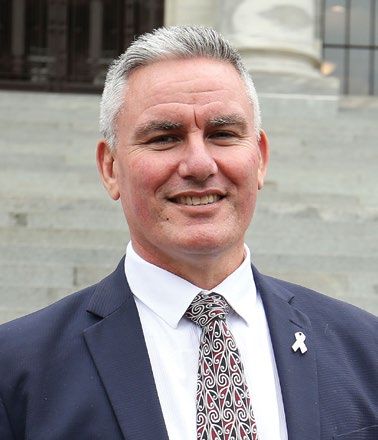
                   As Minister of Corrections, it gives me great satisfaction to introduce   E tino koa ana au, te Minita Ara Poutama, ki te whakaputa i a Hōkai Rangi,
                   Hōkai Rangi, the new strategy for Ara Poutama Aotearoa – the              te Rautaki hou mō Ara Poutama Aotearoa – te Tari Whakatika Tāngata. I
                   Department of Corrections. It’s not only because I am satisfied with      tua atu i taku tautoko i ngā kiko o roto, he mea tino tōmuri, he mea matua
                   its contents, but because it is so overdue and so necessary.              anō hoki.
                   Since becoming Minister my top priority has been to address the           Mai i taku urunga hei Minita, ko taku tino whakaarotau ki te whakaiti i te
                   significant over-representation of Māori in our prisons and on            tokomaha o ngāi Māori kei rō whare herehere, kei runga anō hoki i ngā
                   community sentences and orders. To put it bluntly, it is devastating to   whiu me ngā tono hapori. Me pēnei te kōrero, he mea ngaukino ki ngā
                   whānau, hapū, iwi, and hapori Māori.                                      whānau, ngā hapū, ngā iwi, me ngā hapori Māori.
                   We’ve all seen the statistics: statistics that are so pervasive and       Kua kitea e tātou katoa ngā tatauranga: nā te whānui me te tautini o ēnei
                   longstanding that the fact that over half of our prison population is     tatauranga, he mea hanga noa te meka nei, arā, neke atu i te haurua o tō
                   Māori has been normalised.                                                tātou taupori whare herehere he Māori.
                   However, the statistical picture we all know well isn’t just numbers      Heoi anō, ko te whakaahua tatauranga e mōhiotia rawatia e tātou, ehara
                   to me, this is personal. The statistics represent our mothers, our        i te whika noa iho ki a au, he mea matawhaiaro – ka huna ngā tatauranga
                   fathers, our grandmothers, our grandfathers, and, worst of all,           nei i ngā kanohi o ō tātou whaea, ō tātou mātua, ō tātou kuia, ō tātou
Hon Kelvin Davis   our children and grandchildren. These statistics also represent a         koroua, ā, te mutunga kē mai o te kino, ā tātou tamariki mokopuna.
                   magnitude of untapped potential amongst our people.                       E tūtohu ana hoki aua tatauranga i te tini me te mano o tō tātou iwi kāore
                                                                                             i whakatutuki i te torohū.
                   There is only so much that we can learn from the numbers, and
                   Hōkai Rangi therefore carries the voices of our people – people in        He paku māramatanga tō ngā whika, nā reira, kei Hōkai Rangi te reo o tō
                   our care, people on community sentences and orders, their whānau,         tātou iwi – te hunga e tiakina ana e mātou, kei runga anō hoki i ngā whiu
                   academics, community-based experts, our partners, and our staff.          me ngā tono hapori, me ō rātou ake whānau, ngā ngaio, ngā pūkenga
                   We asked them what they thought, and they told us: the system is          ā-hapori, me ō tātou kaimahi. Ka ui atu mātou, he aha ō rātou whakaaro, ā,
                   not working for our tāne, our wāhine, our rangatahi, or our whānau.       ka kī mai rātou, kāore te pūnaha i te āwhina i ō tātou tāne, i ō tātou wāhine,
                   It needs to change, and it needs to change now.                           i ō tātou rangatahi, i ō tātou whānau anō hoki. Me panoni, ā, me panoni
                                                                                             ināia tonu nei.
                   The current state is a social and economic cost that we as a country
                   cannot afford.                                                            Ko te āhuatanga o nāianei he utu ā-hapori, ā-ohaoha, kāore e taea e tō
                                                                                             tātou motu te utu.

                   ‘Hōkai Rangi carries the voices of our people – people                    ‘Kei Hōkai Rangi te reo o tō tātou iwi – te hunga e
                    in our care, people on community sentences and                            tiakina ana e mātou, kei runga anō hoki i ngā whiu
                    orders, their whānau, academics, community-                               me ngā tono hapori, me ō rātou ake whānau, ngā
                    based experts, our partners, and our staff.’                              ngaio, ngā pūkenga ā-hapori, me ō tātou kaimahi.’

                                                                                                                                                                          01
Foreword from the Chief Executive
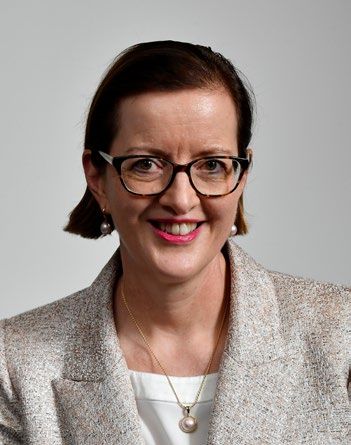
The Department of Corrections’ Māori name, Ara Poutama In recent years the growth in the prison population has challenged
Aotearoa, was gifted to us after extensive consultation with Māori us to rethink how we provide services, facilities, and programmes,
communities and iwi. Unusually for a public service department, and how we interact with people in our care. We rose to those
this isn’t a direct translation of the English equivalent, but rather it immediate challenges by providing sufficient capacity, hiring more
speaks to the substance of our role in the justice system. and different people, and providing educational and rehabilitation
programmes, but we must do more.
Ara Poutama Aotearoa refers to a pathway of excellence for those
who are in the Department’s care and under our management. Through this strategy process we have heard that we have further
It is a privilege to be bestowed a name and kōrero that reflects conversations to have and thinking to do in three key areas:
the efforts of the Department to empower those in our care and
management to change their lives, and the lives of their whānau. 1. Partnership – we have heard a need for partnership at key
However, Ara Poutama Aotearoa isn’t simply a label. It conveys levels throughout our system;
the responsibility that the Department has to support and guide 2. Action-planning and measurement – we will need a plan for
those in our care to reach Te Tihi o Manono, the point from which implementing our short- and medium-term actions and a set of
unlimited potential can be realised. measures and indicators so that we can track our progress; and
3. Accountability – there is no point having measures if we are not
Christine Stevenson Hōkai Rangi represents a new strategic direction for Ara Poutama
held to account for reaching them. We will weave accountability
Aotearoa: one that builds on the good things that are already
for these outcomes throughout our organisation at all levels,
happening, learns from doing, and, most importantly, innovates
and establish an appropriate governance structure.
to find new and alternative ways of doing things to achieve better
outcomes with Māori and their whānau. This strategy will underpin We will need time to understand (whakaoho), to implement
transformative and intergenerational change for those in our care (whakatinana), and to embed (whakararau) the new strategic
and their whānau. direction. There will be changes to the way we work. Our staff and
our partners are key to achieving this change. We will harness their
At the heart of the strategy is the concept of oranga, or wellbeing.
expertise, enthusiasm, energy, adaptability, and empathy.
All who participated in thinking about the strategy were clear
that this must be our focus. Therefore, it is fitting that we have Through effective and authentic partnership, we can build towards
returned to the whakataukī, Kotahi anō te kaupapa: ko te oranga the elimination of disproportionate reoffending by Māori, and
o te iwi – There is only one purpose to our work: the wellness and continue to earn the privilege of calling ourselves Ara Poutama
wellbeing of people. This whakataukī was gifted to us by rangatira Aotearoa.
at Waiwhetū Marae in 2001.
‘Hōkai Rangi represents a new strategic direction for Ara Poutama Aotearoa:
one that builds on the good things that are already happening, learns from
doing, and, most importantly, innovates to find new and alternative ways
of doing things to achieve better outcomes with Māori and their whānau.’
02Contents
Purpose and context 04
Background: How did we get here? 05
Methodology: How did we create this strategy? 07
Current state of affairs for Māori in our care 08
Who are the people coming into our care? 10
Perspectives on our current system of care 11
What we heard and read 12
Current rehabilitation and reoffending insights 13
Outcomes and new approaches 15
The future of Ara Poutama Aotearoa 16
Outcomes
1. Partnership and leadership 18
2. Humanising and healing 20
3. Whānau 22
4. Incorporating a Te Ao Māori worldview 24
5. Whakapapa 26
6. Foundations for participation 28
Implementation 30
Planned initiatives 31
Hōkai Rangi direction of travel 35
Next steps 36
Acknowledgements 37
03Purpose and context
Hōkai Rangi expresses our commitment to delivering great outcomes with and for Māori in our care and their
whānau, so that we can begin to address the significant over-representation of Māori in the corrections system.
This strategy therefore ultimately aims to lower the proportion of Māori in our care to a level that matches the
Māori share of the general population.
We are only one part of the justice system, which starts with Police These work programmes and recommendations will affect and
preventing and dealing with crime, moves through to the courts inform the way we approach and conduct our work. While we have
where people are prosecuted and sentenced or aquitted, and ends attended many of the hui and engaged with some of the advisory
with us managing prison and community sentences and providing groups during the development of this strategy, we will study the
transition support. Our position at the final point of this process recommendations to ensure our outcomes and actions are consistent.
means we must work with all of our partners and stakeholders A coordinated approach will also ensure that our efforts within Ara
to address the challenges across the system. The policies and Poutama Aotearoa will be amplified, more efficient, and sustainable.
approaches in one part of the system can impact on other parts, and
therefore joining up our approach allows us to identify these effects, In light of this context, the purpose of Hōkai Rangi is to outline
and implement changes that have the best outcomes for everyone. our commitment to do better for people in our care, identify our
Additionally, the extent to which society provides housing, health, long-term vision, and define our plan for the next five years. We
and benefits/welfare is a critical factor in whether people avoid the will focus on prioritising the wellbeing of both the people who
justice system in the first place. come into our care and management and of their whānau. Through
this new approach, and working with Māori in our care, their
Our specific responsibility in this system requires us to focus on whānau, and all of our partners, we expect to improve wellbeing
doing our best with those who come into our care and management, outcomes. A consequence of this will be a reduction in the current
in order to help reduce the chances of them returning to the disproportionate recidivism rates.
justice system.
Te Poari Hautū Rautaki Māori (our Māori Leadership Board), chaired
We acknowledge and support the concurrent work arising from by our Chief Executive, has agreed this strategy will be the ‘tuakana’
Hāpaitia te Oranga Tangata: Safe and Effective Justice – the name strategy for Ara Poutama Aotearoa. All other departmental strategies
given to the Ministry of Justice sector work programme for criminal will flow from and align with it.
justice reform through systemic change, to improve community
safety and the way justice works. The programme began in 2018
and has several workstreams, all focused on ensuring voices
and experiences within the system are heard. Over the next six
months a number of workstreams will report back on their findings,
including the Justice Advisory Group – Te Uepū Hāpai i te Ora,
which will focus on systemic change recommendations. Earlier this
year Ināia Tonu Nei, the Hui Māori organised by Te Ohu Whakatika
following the 2018 Justice Summit, was held to hear Māori voices on
justice reform and provide recommendations. Later this year there
will be a report from the Victims’ Summit.
04Background: How did we get here?
Our role and responsibility to respond to disproportionate Māori recidivism is derived from legislation and
our Treaty of Waitangi obligations. We must maintain and ensure public safety through the appropriate
care of people under our supervision, and treat them fairly. Also, we have a Treaty responsibility to:
• actively protect Māori interests; In 2017, the Waitangi Tribunal, in its report Tū Mai te Rangi!, found
• treat Māori fairly; that the Crown has a Treaty responsibility to apply ‘a renewed
strategic focus that gives appropriate priority to reducing the
• involve Māori in designing, developing, and implementing
disproportionate rate of Māori reoffending’.1 Following the
strategies that affect Māori; and
Tribunal’s report, the Rautaki Māori team was established
• work in partnership with Māori communities to rehabilitate and within Ara Poutama Aotearoa in August 2017 and began to focus
transition Māori into their care. on implementing the Tribunal’s recommendations, initially by
Since 1999 we have explicitly recognised the importance of undertaking background research, consultation, and planning.
strategically focusing on reducing the rate of reoffending by
Māori. A range of Māori-focused strategies were implemented
between 2001 and 2008, each outlining our visions and goals for
improving outcomes for Māori, and guiding the use of rehabilitative
interventions, programmes and initiatives, and modes of delivery.
For various reasons, these strategies became progressively less
detailed and more high-level: from a stated intention to abide by
Treaty principles (2001), through to a Māori-specific strategy being
subsumed by the wider organisation strategy, Creating Lasting
Change 2011–2015.
1 Waitangi Tribunal, Tū Mai te Rangi! Report on the Crown and
Disproportionate Reoffending Rates, 2017, p. x.
05In early 2018 we also undertook a strategic assessment of the In December 2018 Cabinet approved the new strategic direction
entire prison network, called the Prison Network Development recommended in the PNDS and directed us to produce a business
Strategy (PNDS), which is important to understand as context for case describing these changes and the implementation approach.
developing Hōkai Rangi. It acknowledged the need to improve our Rautaki Māori commenced the development of Hōkai Rangi in
performance in caring for Māori and their whānau. As the PNDS January 2019. This strategy is at the heart of the new strategic
focused on improvements to our operating approach, staffing and direction of the business case.
capability, and physical infrastructure, it became clear that the
PNDS would be an important vehicle for ensuring Hōkai Rangi was This work has been complemented by the signing of important
operationalised. Relevant findings in the PNDS included: accords with the Kiingitanga and Ngāti Kahungunu Iwi
Incorporated.
• a relentless focus on better rehabilitation and transitions
through services that are ‘people-centric’ and tailored to the
needs of specific groups of people in our care, such as Māori,
women, and youth;
• implementation of modern, ‘normalised’ physical environments
enabled by technology that can support a refreshed operating
approach, enhanced rehabilitation, and the provision of
transition services; and
• an ‘all-of-government’ approach to greater wellbeing of people
in our care, their whānau, and communities in New Zealand.
1995 1999–2011 2017 2017 2017 2018 2018
Department of Māori-focused Kawenata signed WAI 2540 Rautaki Māori Whakaritenga Cabinet
Corrections is strategies with Kiingitanga Tū Mai te Rangi! established Pāhekoheko approves PNDS
formed signed
with Ngāti
Kahungunu Iwi
Incorporated
06Methodology: How did we create this strategy?
‘In matters of great importance to Māori, the Crown • Stakeholder interviews – we had face-to-face discussions with a range
has a duty to be in continuing dialogue with Māori in of internal and external stakeholders, including our leadership, our Māori
order to understand, and protect, their interests.’ 2 Services Team, Māori staff across all regions, teams of staff in National Office,
and Te Poari Hautū Rautaki Māori
The diagram below summarises our strategy development process. While there • Literature review – we gathered and considered over 100 documents, including
has been an intensive period of stakeholder engagement internally within Ara New Zealand outcome frameworks, government reports and discussion
Poutama Aotearoa and externally with Māori, it is important to note that we papers, academic research, and multimedia sources across New Zealand and
intend to continue talking to, and refining the strategy with, stakeholders through internationally
the remainder of 2019. There have been four key inputs into the development of • Data analysis – we collected relevant quantitative data internally and from
the strategy: Stats NZ and the Integrated Data Infrastructure (IDI).
• Co-design workshops and lived experience interviews – we gathered insights
and guidance from a reference group of Māori voices across our system
(including Māori staff, service providers, academics, iwi partners, community
groups and, importantly, Māori currently in our care and management, and
whānau members of people in the system – around 75 people in total)
Co-design
2019
Co-design Draft Strategy Tested with
workshop
workshop and sent to co-design Te Poari Hautū Hōkai Rangi
and lived
lived experience group for Rautaki Māori published
experience
(Round 2) feedback and Minister
(Round 1)
Synthesised and themed what we heard Short- and Draft strategy iterated Further iterations
2018
Prison Network August: Hāpaitia medium-term actions and further refined based on feedback
Development te Oranga Drafted high-level outcomes from developed following feedback
Strategy Tangata Summit workshop, interviews, literature and data
CO-DESIGN WORKSHOPS AND LIVED EXPERIENCE – QUALITATIVE DATA GATHERING AND INSIGHTS
STAKEHOLDER INTERVIEWS
PL ANNING
LITERATURE REVIEW
2 Waitangi Tribunal, Tū Mai Te Rangi!, p. 66.
DATA ANALYSIS 07Current state of affairs for Māori in our care
‘Māori imprisonment rates are “a calamitous The picture below illustrates the over-representation of Māori
state of affairs for the health of our society”’3 people in our system. This state of affairs has far-reaching effects
that traverse generations – and represents a picture of social
— Dame Sian Elias, 2009 (then Chief Justice of the Supreme Court of New Zealand) dysfunction that Aotearoa New Zealand cannot afford.
AS AT 31 DECEMBER 2018: COMPARED TO NON-MĀORI, MĀORI BORN BETWEEN
1 JULY 1990 AND 30 JUNE 1991, ARE:4
AMONG THE PRISON POPULATION
3× 4×
THERE WERE:
52 %
1,674
Māori remanded in custody
more likely to receive either a
custodial or community sentence
by the age of 21
more likely to receive a custodial
sentence by the age of 21
MĀORI AS A PROPORTION OF ALL PRISONERS AS AT
of the total prison
13,406
31 DECEMBER 2018 5
population
OR Non-Māori Māori
4,996
Māori with community sentences
Male Female Youth (under age 20)
and orders among whom
there were
1,053
48% 43% 33%
people identified 52% 57% 67%
as Māori
Māori on parole
08‘The justice system is “governed
and designed by a Pākehā
mindset” – it is a Western, male-
Māori have been disproportionately represented in the New Zealand dominated, prison-focused and
prison population for decades. punitive system that reflects a
‘Staff should be foreign culture and values.’
New Zealand has one of the highest imprisonment rates in the OECD treating us as people
and Māori are grossly overrepresented at every stage of the criminal and recognising our
justice system. ability to change.’
‘Previous responses to
addressing the incarceration
rate for Māori have been
largely individualised,
HISTORICAL TRENDS IN THE MĀORI PRISON POPULATION6 ineffective, and guided by
non-Māori worldviews.’
Sir Peter Gluckman
Māori as % of sentenced prison population Māori as % of NZ population
60%
50%
3 Waitangi Tribunal, Tū Mai Te Rangi!, p. 14.
40% 4 The Treasury, Treasury Analytical Paper 15/01, Using Integrated Administrative
Data to Understand Children at Risk of Poor Outcomes as Young Adults, 2015.
5 Department of Corrections, Research and Statistics
(https://www.corrections.govt.nz/resources/research_and_statistics.html).
30% 6 Ibid.
20%
10%
0%
1980
1981
1982
1983
1984
1985
1986
1987
1988
1989
1990
1991
1992
1993
1994
1995
1996
1997
1998
1999
2000
2001
2002
2003
2004
2005
2006
2007
2008
2009
2010
2011
2012
2013
2014
2015
2016
2017
2018
09Who are the people coming into our care?
People in our care, and their whānau, have high and complex needs. It is estimated that around 50% of Māori in prison have a diagnosed chronic condition,
including heart disease, diabetes, and asthma.7 Approximately 70% of Māori in prison have sustained a traumatic brain injury across their lifetime.8
WHO ARE THE PEOPLE IN OUR CARE? WHO ARE THEIR WHĀNAU?12
For those in prison aged 25 or under, around
60%
90 %
of Māori in prison at
30 June 2018 had children
80
OF MĀORI
IN PRISON
%
have had contact with mental health services
at some point over their lifetime.10
80% of Māori parents
in prison aged under 30 at
30 June 2018 had at least
one child under age 5
Percentage of Māori in prison in 2015 who had 9,400
any mental disorder during...11 children (aged 0–17) had a Māori parent
have had contact with in prison at some time during the year
mental health services at ending 30 June 2018
some point over the last
10 years.9 …the last 12 months 62% These were
67%
…their lifetime 93%
of all children with a parent in prison
7 Ministry of Health, Results from the Prisoner Health Survey 2005, 2006, p.124 9 Stats NZ Integrated Data Infrastructure(IDI).
(health.govt.nz/system/files/documents/publications/prisoner-health-survey-2005.pdf). 10 Ibid.
8 Mitchell, T., Theadon, A., and du Preeze, E., ‘Prevalence of Traumatic Brain Injury in a Male 11 Indig, D., Gear, C., and Wilhelm, K., Comorbid substance use disorders and mental health
Adult Prison Population and Its Association with the Offence Type’, Neuroepidemiology, disorders among New Zealand prisoners, Department of Corrections, 2016, p.12.
10 Vol 48 (3-4), p.167.
12 Stats NZ Integrated Data Infrastructure(IDI).Perspectives on our current
system of care
We gathered a significant amount of verbal insights and perspectives on the current
state of our system, from internal and external sources. Many of the issues and themes
that we heard either overlapped with, or were similar to, the issues and themes raised
in the literature we reviewed. A selection of these perspectives is summarised below.
Common themes
Safety, containment, and risk management are prioritised at the expense of kaupapa Māori,
tikanga Māori, and oranga.
Prison population management and capacity pressures play a pivotal role in decision-making.
Not all people in our care and management receive the rehabilitation they require prior to release.
The current pathway through custodial sentences prioritises the pathway, rather than the person.
Access to culturally appropriate or cohort-specific rehabilitation and transition opportunities is restricted
based on security classification, gender, resource, site location, programme availability, and delays in
sentence management.
The focus is on treating the individual in our care, rather than wrapping support and rehabilitation around
the individual, whānau, and community.
Custodial environments differ significantly from wider society and Māori communities. People in our care
can become institutionalised and struggle to reintegrate.
Community-based sentences focus on compliance rather than the needs of the person and their whānau.
11What we heard and read Māori in our care, and their whānau, experience systemic racism and unconscious bias. Research
suggests this is normalised through organisational culture and attitudes: policy; deficit-based metrics;
‘mainstream’ programmes appropriating Māori names; programme-funding biases and decisions;
access to support systems; and the value of cultural contexts and reports not being fully understood.
‘It’s devastating to have it More work is required to understand
[kaupapa Māori programmes], and meet Treaty obligations.
and then have it taken away.’
‘Prison takes a lot of ‘If I know the whānau is alright,
really stressed out I can focus on what I need to
people, puts them all do to get out of here. That’s
‘There’s nothing worse than the first few months of together and stresses when I can start flourishing.’
being locked up and not knowing where your kids are.’ them out even further.’
To be realised in full, partnership involves
bestowing greater responsibility on
Māori, and progressively transferring
accountability, resource, and obligation
from the government to recognised
iwi organisations and authorities. ‘We supported our nephew as much as we ‘We need much better reintegration
Sentences are largely designed,
could. We’d been told there was a safety delivered and determined by the support for when we leave here.’
net. But in reality we were his safety net.’ Crown, in the absence of Māori.
One of the most serious social
‘Whānau are absolutely
consequences of imprisonment is the
central. You can’t have
enforced separation from whānau and
Aspects of our system inhibit meaningful Māori without whānau.’
support systems, and an inability to
contibute positively to community. connection to people, culture and place The day-to-day environment
(e.g. visiting times that do not suit of people in our care does not
whānau, lack of AVL access to contact reinforce rehabilitative learnings.
whānau, and sentence location).
‘Access to culture is viewed as a privilege,
rather than a fundamental right.’
‘Recognise whānau as a strength ‘It’s about the whole person
factor, not a risk factor.’ approach, not management
of symptoms or problems,
but instead looking deeper We heard of several instances of whānau
into the why and the how.’ arriving for scheduled visits without having
been informed that their whānau member
had been transferred to another site.
The material presented above was sourced primarily from co-design workshops,
12 lived experience interviews, Hāpaitia te Oranga Tāngata Justice Summit, Tū Mai te
Rangi! and overall observations of what was shared with us across our stakeholder
engagement.Current rehabilitation
and reoffending insights
While people are in our care we have an opportunity to work with them and
their whānau to address criminogenic behaviours, reduce reoffending, and
break the intergenerational cycle of imprisonment. Some of our programmes
are making a positive difference and will remain part of our service provision.
Our current programmes, assessments, and facilities include the following:
• Mauri Tū Pae (run at all Te Tirohanga units • Te Whare Tapa Whā Alcohol and Other
and Northland Region Corrections Facility) Drug Intensive Treatment Programme
• Tamaua Te Koronga • Tikanga Māori
(rangatahi programme) • Whare Oranga Ake (2 units)
• Specialist Māori Cultural • Te Tirohanga (5 units)
Assessment (SMCA)
• Tiaki Tangata (reintegration support)
• The Whare programme
13This type of rehabilitation is predominately carried out in The challenge is how to scale up successful programmes, develop new programmes
low medium- to minimum-security environments. As the for Māori, and support those who deliver them.
graph below shows, Māori are significantly overrepresented
in maximum and high security. Currently:14
Proportion of sentenced prisoners by security
33% 50% 35%
classification, as at 31 December 201813
Māori Non-Māori
70% of Māori beginning a community of Māori released from of Māori released from
sentence are reconvicted prison are reconvicted prison are reimprisoned
60% within 12 months within 12 months within 12 months
(compared to 26% of non-Māori) (compared to 42% of non-Māori) (compared to 28% of non-Māori)
50%
40%
30%
20%
50%
of Māori beginning a community
68%
of Māori released from prison
50%
of Māori released from
sentence are reconvicted are reconvicted within prison are reimprisoned
10%
within 24 months 24 months within 24 months
0% (compared to 40% of non-Māori) (compared to 52% of non-Māori) (compared to 35% of non-Māori)
Low
Maximum High Low Minimum Total
Medium
The difference between Māori and non-Māori reoffending
rates is ‘substantial, undisputed and contributes to the
disproportionate number of Māori in prison’.15
13 Department of Corrections data.
14 Department of Corrections, Annual Report, 2018.
15 Waitangi Tribunal, Tū Mai Te Rangi!, p. x.
14Outcomes and new approaches
The following pages set out the six
Co-design Lived experience
high-level outcome domains that were workshops interviews
Literature review Data analysis
identified during the development of the
strategy. This process is summarised in
the diagram at the right. Together these
high-level outcomes describe the future What are the high-level outcome domains?
direction of Ara Poutama Aotearoa.
• Partnership and leadership • Whakapapa
• Humanising and healing • Incorporating a Te Ao Māori worldview
• Whānau • Foundations for participation
Under each outcome domain we have organised Long-term outcomes describe what success looks Short- to medium-term actions are the actions we
and represented the key insights into long- like and provide a long-term vision of where we are need to do in the lifetime of this strategy to achieve
term outcomes, new approaches required, and looking to head to. The outcomes are aspirational. In the long-term outcomes and our desired future.
the short- to medium-term actions. In certain order to measure progress towards achieving these These actions should act as helpful indicators of
outcome domains we have distinguished high-level outcomes, indicators will be developed progress as we work to achieve our desired future.
people-centred from system-centred long-term under each. This will be one of the first actions to We have separated these into short-term (‘Do Now’)
outcomes. undertake in implementing this strategy. actions to be started or completed before July
2021, and medium-term (‘Do Later’) actions to be
Each term is explained here. New approaches required are the necessary completed over the following three years. Note that,
changes in organisational mindset that we must as we learn and review, these actions may change.
make to achieve the desired outcomes.
15The future of
1 2
Partnership and Humanising and healing
Ara Poutama Aotearoa leadership
Ara Poutama Aotearoa will be a values-
Ara Poutama Aotearoa will lead led organisation. Our staff will treat
through best-practice Crown–Māori those in our care and management
relations and have authentic shared with respect, upholding their mana and
‘Kotahi anō te kaupapa: decision-making at key levels – and dignity. No-one will be further harmed
ko te oranga o te iwi’ design that with Māori. This will
include the way it supports and
or traumatised by their experiences
with us. Upon release, the support
delivers a holistic, integrated, sector- they have received will leave them
wide response. equipped with the skills, self-respect,
‘There is only one purpose to our work: and resilience to live healthy and
the wellness and wellbeing of people’ sustainable lives, and not return to
the justice system. We will continue to
support them through their transition
back into the community.
Our systems and environments will not
cause further unnecessary stress to
Ara Poutama Aotearoa must help eliminate people who are already experiencing
hardship through having their liberty
overrepresentation of Māori in the criminal justice system deprived and being separated from
through uplifting the oranga of Māori in our care and their whānau. We will recognise and
management and their whānau. The current approach is not encourage the dreams and aspirations
working for Māori – ‘unidimensional solutions to complex of people in our care and management,
and their whānau.
problems will deliver very partial solutions’.16 Significant
change is required. The situation is urgent: the current
justice system imposes a high cost on Aotearoa, diminishing
the collective financial, social, cultural, and human capital
of Māori and our country. Our discussions with various
stakeholders identified six key strategic areas for change.
16 Mason Durie, Ngā Kāhui Pou: Launching Māori Futures, 2003.
163 4 5 6
Whānau Incorporating a Whakapapa Foundations for
Te Ao Māori worldview participation
Where they are willing, whānau will We recognise that whakapapa can be
be supported to walk alongside Māori Access to culture is a fundamental the beginning of healing and wellbeing. To lead a healthy and sustainable life,
in our care and management on their right, not a privilege, regardless of people in our care and management and
rehabilitation and reintegration journey. Ara Poutama Aotearoa will create a safe
a person’s circumstances such as environment for Māori to share and/ their whānau need to have their basic
These whānau will be supported in this security classification, behaviour, needs met and the relevant tools for full
by our staff. Ara Poutama Aotearoa will or learn about their identity. We will
gang affiliation, gender or therapeutic proactively enable Māori in our care participation in society. Prior to release,
proactively communicate with whānau needs. We must prioritise, embed, and those in our care will receive the support
Māori, involve them, and keep them and management to strengthen and/
protect mātauranga Māori to innovate or maintain their cultural identity, their they require. We will also work with
close and connected to those in our care and improve what we do. We will keep other agencies and organisations to
and management. We will streamline connection to people and place, and
what currently works, but kaupapa their sense of belonging. We will partner ensure their whānau are also supported.
communication processes so whānau Māori-based approaches will be the
can contact those in our care. with marae, hapū, iwi, and Māori service We will explore opportunities with
foundation of our practice, processes, providers, and work with whānau to
and pathways. other agencies and organisations to
We will work across relevant sector design, deliver, and expand support enable people to have a chance at self-
agencies, whānau, hapū, iwi, and other Kaupapa Māori spaces and programmes systems and our programmes. determination through employment,
relevant parties to foster healthy, will be embedded within all facilities and including self-employment. We will
sustainable, and stable whānau will be available to all Māori in our care create an environment that improves the
relationships – focusing on the and management. Whanaungatanga ability of people in our care to transition
wellbeing of whānau to achieve the will guide us to ensure those in our care back into society upon release.
wellbeing of the person in our care and will be kept near their home, whānau,
management. whakapapa, and whenua. Staff will
We will recognise that whānau extends embody and promote our values and
beyond the nuclear family and is be empowered and supported to have
inclusive of extended family, kaupapa culturally appropriate interactions
family, hapū and iwi, and others who with Māori.
are not kin but have a shared sense of Rangatahi, wāhine, and tāne will have
whānau identity around a particular access to tailored services delivered by
kaupapa. Where no obvious whānau the right people, with the right skills.
support is available, we will support These will be designed and delivered by
people to make pro-social connections Māori, for Māori. Ara Poutama Aotearoa
in the community. will enable and resource Māori to
develop new approaches and evaluation
criteria. Through these evaluation
methods, we will help contribute to a
growing evidence base of what works
for Māori.
171. Partnership and leadership
Long-term outcomes
• Ara Poutama Aotearoa is a leading • Ara Poutama Aotearoa’s senior
exponent of Crown–Māori relations. leadership is culturally skilled and
responsive in a way that reflects
the identity, language, and culture
• There is authentic, shared decision-
of the people in our care and
making with Māori at key levels of
management.
Ara Poutama Aotearoa.
• Ara Poutama Aotearoa is a key
system player in achieving positive
intergenerational outcomes for New approaches required
Māori in the justice system.
• Collaborative design and leadership • Build the Treaty-related capability
of Ara Poutama Aotearoa that and capacity of Ara Poutama Aotearoa
demonstrates genuine and strategic leadership, and the partnering
Māori-Crown partnership models. capability of our Māori partners.
• Share delivery functions and • Appropriate levels of accountability
responsibilities with Māori partners to Māori in our care and management,
(e.g. iwi, hapū, NGOs) to support and their whānau, our Treaty partners,
enable communities to look after their and the community.
‘Māori service providers – they’re own communities.
there forever. Whānau is forever’
18‘Communities looking after their own communities’
Short- to medium-term actions
Do Now Do Later
1.1 Implement and appropriately resource a Deputy 1.6 Work with mana whenua at each prison site to define 1.11 Higher levels of Māori staffing,
Chief Executive – Māori position to maximise positive what meaningful partnership looks like locally and particularly at senior levels and in
outcomes for Māori across Ara Poutama Aotearoa confirm the mutual outcomes that we each seek critical roles influencing outcomes
and to support the Chief Executive to implement to achieve for and with the people in our care and for Māori.
shared responsibility across the Executive management.
Leadership Team for delivering the actions and 1.12 All activities of Ara Poutama Aotearoa,
outcomes identified in this strategy. 1.7 Identify opportunities to engage and partner including initiatives to reduce the
with iwi based on mutual areas of focus, need, number of people in our care and
1.2 Leadership commitment that kaupapa Māori-based and readiness, including exploring the possibility management, have ethnicity and
units or programmes and their operating models of iwi-led administration of sentences such as descent measures (and related
will be protected. Where any changes are made as community work. measures such as gender and age)
a result of exceptional circumstances, a plan will be to ensure disparities between Māori
made to return to normal as soon as possible. 1.8 Develop new models of working effectively with and non-Māori are not unintentionally
Māori service providers to achieve the best possible increased.
1.3 Dedicated budget to adequately resource a outcomes for Māori inclusive of procurement,
renewed Māori-specific strategic focus and contracting, and training. Ensure also other 1.13 Amend the Corrections Act 2004 to state
Māori-targeted programmes (as per Tū Mai te service providers are capable of making the the relevant Treaty obligations to Māori
Rangi! recommendation), including provision for strategy happen. as articulated in Tū Mai te Rangi! at
the collection of new and different data to better both a strategic and operational level.
understand the lives of people in our care. 1.9 Ensure we are recruiting for competency in working Give consideration to models such as
with and for Māori in key roles and have plans the Children, Young People and their
1.4 Co-design and implement a shared leadership for upskilling where this competency requires Families (Oranga Tamariki) Act 2017
and governance structure across key levels of Ara improvement, and use an appropriate Te Ao Māori (s7AA amendments and new principles in
Poutama Aotearoa (including further enhancement capability framework to underpin the upskilling section 13(2)) and the Public Health and
of the Māori Leadership Board) and across the sector journey of all staff. Disability Act 2000.
where possible.
1.10 Update the Kaiwhakamana policy and ensure 1.14 Set up a cross-agency working group
1.5 Implement a Māori Partnership Framework that Kaiwhakamana are supported, resourced with cross-agency accountability and
recognises relationship potential and builds the appropriately, and treated respectfully. reporting on key metrics including
required levels of trust and capability, alignment, reducing reoffending by Māori.
and transparency to achieve authentic and
genuine partnership (including a ‘Partnership
Integrity Audit’). 192. Humanising and healing
Long-term outcomes
People
New approaches required
• Ara Poutama Aotearoa staff have • People in the care and management of
relationships with people in our care Ara Poutama Aotearoa and their whānau
and management, and with their are well ā-tinana (physical health),
whānau, that are based on manaaki and ā-wairua (spiritual health), ā-hinengaro • Towards a system where people • Towards a system that responds
contribute positively to their wellbeing. (mental health), and ā-whānau are seen as whole and worthy of effectively to all genders in the
(stable and healthy relationships with dignity and care. care and management of Ara
• People in the care and management their whānau). Poutama Aotearoa.
of Ara Poutama Aotearoa and their • Ara Poutama Aotearoa centres
whānau are supported to process and the needs and aspirations of • Ara Poutama Aotearoa recognises
address trauma. the people in our care and the highly specialised needs of
management and their whānau. rangatahi Māori and wāhine Māori
in our care and management.
• Safety is seen through a lens of
manaaki, positive relationships, • Ara Poutama Aotearoa proactively
and uplifting wellbeing communicates as much
System (i.e. well people are safe people). information as we can to people
in our care and management, and
• The Ara Poutama Aotearoa system • Ara Poutama Aotearoa provides and • Towards a system that prioritises, their whānau, when changes are
respects the human dignity and inherent enables treatment and healing for embeds, and resources Māori made to their daily routines (e.g. a
mana of all people in our care, their people in our care and management, knowledge and healing change in lock-up time), including
whānau, and staff. and their whānau, in ways that address processes for people in our care the reason(s) for any changes.
the root causes of them coming into and management, their whānau,
• The Ara Poutama Aotearoa system contact with the criminal justice system. and staff.
advances holistic healing for victims. We
recognise that victims can include those • All Ara Poutama Aotearoa
impacted by recent offending, those infrastructure, systems, and staff are
in our care and management who are focused on achieving oranga for people
victims of offending, and whānau. in our care and management.
‘Believe that people
can be healed’
20‘We are the mothers, the
grandmothers – invest in us’
Short- to medium-term actions
Do Now Do Later
2.1 Define and implement a change in the language of compliance, to language focused on the 2.8 Identify and implement minimum ‘Manaaki Standards’
holistic wellbeing and humanising of those in the care and management of Ara Poutama for people in the care and management of Ara Poutama
Aotearoa and their whānau (e.g. change the use of terms such as ‘muster’, ‘feed outs’). Aotearoa for monitoring by the Inspectorate.
2.2 Develop minimum ‘Manaaki Standards’ for people in the care and management of Ara 2.9 Recruit and retain the right people, with the right skills,
Poutama Aotearoa, which include standards around health and hygiene and identify critical who can follow the right practices, with the right support,
inconsistencies between ‘mainstream’ approaches to rehabilitation and treatment and those to focus on the wellbeing of people in the care and
based on kaupapa Māori. management of Ara Poutama Aotearoa. For example:
2.3 Co-design kaupapa Māori services specifically for wāhine Māori and rangatahi Māori. A key focus • recruitment processes that assess and ensure
will be on strengthening their sense of identity and belonging through better cultural awareness alignment with the Ara Poutama Aotearoa values;
and connection to whānau, hapū, and iwi through rehabilitation and reintegration pathways and
interventions. • soft skills training to enable staff to build respectful
relationships with all people in our care; and
2.4 Co-design a kaupapa Māori health service, including resourcing the services of rongoā Māori
practitioners. • staff performance is assessed and rewarded based on
their ability to treat people with care and respect.
2.5 Undertake a piece of research and analysis into Ara Poutama Aotearoa’s approach to safety
in order to inform future practice, including looking at manaaki and whanaungatanga as safety 2.10 Assess therapeutic needs and current skills of people
tools within our kaupapa Māori spaces. in our care and management when they first enter Ara
Poutama Aotearoa and co-develop a personalised
2.6 Undertake a piece of research and analysis looking at how Ara Poutama Aotearoa can actively ‘Whānau Manaaki Plan’ with them and their whānau,
work towards keeping rangatahi and wāhine (especially wāhine with primary care of children) which also considers support required on release.
out of prison.
2.11 Provide culturally appropriate opportunities and
2.7 Undertake a piece of research and analysis on the impacts on, and outcomes for, people on spaces for all Māori in the care and management of Ara
community work and other community-based sentences and their whānau. Explore with sector Poutama Aotearoa to engage in physical exercise, mental
colleagues what alternative options to community sentences might be. stimulation, spiritual growth, and whanaungatanga.
213. Whānau
Long-term outcomes
‘Our whānau should be involved
People in the creation of our sentence
• Whānau, hapū, iwi, and • Whānau can determine their own and rehabilitation plans. They’re
communities, where willing and outcomes and journey with their the ones who know us best’
able, are empowered to support whānau members who are in
those that are or were in the care the care and management of Ara
and management of Ara Poutama Poutama Aotearoa.
Aotearoa.
• Whānau are connected to or are New approaches required
able to connect to those in the care
and management of Ara Poutama
Aotearoa, and have stable and
healthy relationships with them. • From focusing only on the individual • Acknowledge that whānau
to focusing on the collective – who are victims of a person’s
individual, their whānau, support offending may want to heal as a
systems, and community. family, and support that healing
to occur in a culturally safe and
System appropriate manner.
• From an environment that limits
• The Ara Poutama Aotearoa system an individual’s potential to one
focuses on the wellbeing of the where whānau are at the centre • Acknowledge and provide
collective (the individual and their of the system and the person support for whānau who have
whānau) to achieve the wellbeing is connected, supported, and several members in the care and
of the person in our care and empowered to realise their management of Ara Poutama
management. potential. Aotearoa.
22‘Whānau are absolutely central.
You can’t have Māori without whānau’
Short- to medium-term actions
Do Now Do Later
3.1 Support people who have been sentenced to imprisonment or remanded 3.7 Create bespoke, community-based mother and baby centres that promote
into custody to put their affairs in order when coming into the care of Ara a healing environment and develop ‘First 1000 Day Whānau Support Plans’
Poutama Aotearoa, with particular regard to the wellbeing of their whānau. in partnership with whānau, hapū, iwi, and relevant social sector agencies.
3.2 Policies and practices that focus on placing and keeping people who are in 3.8 Early and continuous whānau involvement in the rehabilitation and
the care and management of Ara Poutama Aotearoa as close as possible to reintegration of people in the care and management of Ara Poutama
their whānau. Aotearoa, facilitated by financial support for whānau to participate, and
adequately resourced support programmes and services for whānau.
3.3 Create spaces and/or facilities to build and strengthen whānau relationships
(including more suitable visiting times and more comfortable visiting rooms, 3.9 Explore opportunities to connect whānau, who often experience trauma
AVL access, whānau days, and the ability for whānau to visit more often). when a whānau member goes through the justice system, with the right
agencies to ensure they receive the appropriate trauma-informed support
3.4 Proactively communicate with whānau and enable greater levels of timely where required.
connectedness between the individual and their whānau, including through
providing an 0800 number for whānau to ring with enquiries and increasing 3.10 Cross-agency collaboration to provide parents who are in the care of Ara
the number of approved numbers that people in custody can ring. Poutama Aotearoa with information on where their children are.
3.5 Work with the New Zealand Parole Board to develop and provide guidance 3.11 Develop relationships with broader Māori social structures (such as iwi,
for whānau regarding Parole Board hearings including how to attend, hapū, and marae) to support whānau where necessary, or to provide
what to expect, and guidance around what they might like to present in a broader whānau connection where the immediate whānau of those in our
submission (written or in person). care are unable to.
3.6 Work with gang leaders who are disengaged from offending behaviour to
support their members in our care who are motivated to uplift the oranga of
themselves and their whānau.
234. Incorporating a Te Ao Māori worldview
Long-term outcomes
• All Māori in the care and • Ara Poutama Aotearoa is free
management of Ara Poutama from racism and actively works
Aotearoa have access to to recognise and eliminate
their culture. unconscious bias.
• In partnership with Māori, • Ara Poutama Aotearoa provides
mātauranga Māori is prioritised and healing and rehabilitation facilities,
New approaches required
embedded in the design, operation, that are active parts of the
and evaluation of Ara Poutama community, for those who come
Aotearoa. into our care.
• From a system based on Western • Access to culture is a fundamental right,
schools of thought in its operating not a privilege, regardless of security
• Ara Poutama Aotearoa is a leading approach to one that prioritises and classification, gang affiliation, gender
public sector example of cultural elevates mātauranga Māori. or therapeutic needs.
capability and safety (operations
and staff).
• From an environment where direct • Enable and resource Māori to develop
and structural racism routinely exists, new approaches and evaluation
to one that is actively eliminating this criteria, and ensure kaupapa Māori
behaviour. interventions are evaluated in
appropriate ways that contribute to a
growing evidence base of what works
‘What works for Māori • From treating short-term symptoms, to
for Māori.
taking an intergenerational view of how
will work for everybody people are cared for and managed by
because it’s about people’ Ara Poutama Aotearoa. • Recognise that specialised staff
working in kaupapa Māori spaces need
additional support to ensure they are
not at risk of burnout.
24Short- to medium-term actions
Do Now Do Later
4.1 A cultural safety programme for managers and leaders to understand how to 4.9 Develop a way to actively disseminate information such as new
best support Māori staff, and eliminate discriminatory behaviour. approaches, strategy progress updates, and evaluation information to
interested parties.
4.2 A working definition and appropriate evaluation standards of ‘kaupapa
Māori’, which are developed in partnership with Māori and provide 4.10 Ensure that, as well as having access to current programmes and services,
guidance for Ara Poutama Aotearoa when looking to introduce services and all Māori have access to kaupapa Māori-based pathways, programmes,
interventions, including the identification of appropriate service providers. and units, including those in high security and those with mental
health needs.
4.3 Ensure our staff understand programmes and interventions targeted at
Māori as much as they do our Western and bicultural initiatives. 4.11 Develop a set of standards for units to adhere to in order to achieve and
retain status as a kaupapa Māori unit.
4.4 Implement and report on an appropriate Te Ao Māori capability framework
to ensure we correctly gauge and support our staff’s understanding of and 4.12 Annual cultural capability and performance reporting to the Minister and
upskilling in Te Ao Māori. appropriate Māori stakeholders.
4.5 Finalise and implement an Ara Poutama Aotearoa Te Reo Māori strategy and 4.13 Embed Our Values (Manaaki, Whānau, Wairua, Kaitiaki, and Rangatira) in
put appropriate policies in place to ensure the integrity of use of te reo Māori the day-to-day operations of Ara Poutama Aotearoa (‘He mana tā te kupu,
in the naming of programmes, interventions, facilities etc. he mana tā te tāngata’), including:
4.6 Expand provision of subjects related to mātauranga Māori (including but not • cultural capability training for all staff;
limited to te reo Māori, whakapapa, tikanga, karakia, kapa haka, mau rākau,
• redrafting practice manuals in accordance with Our Values; and
raranga, and whakairo).
• recruitment processes that assess, reward, and ensure alignment with
4.7 Resource and support the development of alternative, kaupapa Māori Our Values.
responses to administering sentences and delivering treatment and support
that are tailored to different cohort needs.
4.8 Identify and provide support for staff working in kaupapa Māori spaces who ‘Why are we focusing on American, British,
may be at risk of burnout due to high levels of demand and complexity of Australian models of rehabilitation?
situations. We know ourselves best!’
255. Whakapapa
Long-term outcomes
• Māori in the care and management • Whanaungatanga (quality
of Ara Poutama Aotearoa are connections to whānau,
supported to have a sense of their whakapapa, and whenua) drives
cultural identity, connection to their decisions in the Ara Poutama
people and place, and a sense of Aotearoa system (e.g. placement
belonging. near to whānau).
• Ara Poutama Aotearoa is a safe
environment where Māori can share
information about their identity New approaches required
and/or learn about it.
• The current system is averse to risk • Recognition that often people in
which by default leads to kaupapa our care have whakapapa links to
Māori being sidelined. It should people who are in, or affiliated with,
instead default to the practice gangs, and that avoidance of these
of kaupapa Māori and thus the whānau members is unrealistic and
strengthening of wellbeing through so should be managed safely.
the reclaiming of culture and
identity. • Towards a system that recognises
the power and strength of
• From a system that dictates and whakapapa to enable connection
directs what success looks like, and identity and to enhance a sense
‘I previously didn’t know who I was; towards one that supports Māori of belonging.
I was in darkness. Being exposed to in our care and management,
tikanga sparked something in me’ and their whānau, to reach their
potential.
26Short- to medium-term actions
Do Now Do Later
5.1 Accurately record ethnicity, descent, and iwi affiliation data (consistent 5.2 Case Managers and a Pou Arataki/Pou Tūhono (or similar staff member)
and in conjunction with Stats NZ standards and iwi) at an appropriate will assess the cultural identity needs of all Māori in our care and co-
point for all Māori entering Ara Poutama Aotearoa, be clear on what this develop personalised ‘Cultural Development Plans’ with them and their
information is used for, and make it available in an appropriate way to iwi whānau, to reveal whakapapa (where needed) and eventually form part
organisations. of the Whānau Manaaki plan.
5.3 Partner with marae, hapū, and iwi to design and deliver ‘Cultural
Connection and Development Programmes’ (e.g. kapa haka, mau rākau,
mahi whakairo, raranga) for those in the care and management of Ara
Poutama Aotearoa, and their whānau, to be delivered wherever it is
appropriate in the relevant takiwā (inside and outside the wire).
5.4 Create a decision-making framework within Ara Poutama Aotearoa to
work out how to use whakapapa when making decisions regarding the
placement and manaaki of people in our care.
‘I don’t have too much
interaction with my whānau
here – they live too far away’
27You can also read


