Have constipation? Here are 4 treatments - Medical Xpress
←
→
Page content transcription
If your browser does not render page correctly, please read the page content below
Have constipation? Here are 4 treatments
29 January 2020, by Clare Collins

                                                      Symptoms include:

                                                            1. lumpy or hard stools
                                                            2. feeling that your bowels haven't emptied
                                                               completely or your anus is blocked
                                                            3. straining to pass a bowel motion
                                                            4. manipulating your body position to try and
                                                               pass a bowel motion
                                                            5. having fewer than three bowel motions per
                                                               week.

                                                       If over a three-month period you answer yes to two
                                                       or more of these symptoms most weeks, then you
                                                       have "constipation".

Women are more likely to become constipated than men The good news is it can be treated and then
because they experience more horomonal changes.      prevented.
Credit: Kongsak/Shutterstock
                                                        If your bowels are so packed you can't pass any
                                                        bowel motions at all, see your GP. You may need
                                                        treatment with specific laxatives to clear your
Chronic constipation is incredibly common. Around bowels before you can start on a prevention plan.
one in four people worldwide report symptoms,
while in Australia and New Zealand, it's around         Here are four things that research shows improve
one in seven.                                           bowel function, which refers to the time it takes for
                                                        food to move through your digestive system and be
Lots of things can trigger constipation: being out of expelled as a bowel motion (called gut transit time),
your usual routine (think holidays, illness or injury), the frequency and volume of bowel motions, and
having a low fiber intake, not drinking enough          stool consistency.
water and inactivity.
                                                        1. High-fiber foods
Certain medications can also cause constipation
including iron supplements, painkillers, diuretics (to Dietary ?bres are complex carbohydrates that
help you get rid of sodium and water), and other        aren't digested or absorbed in the gut.
drugs to treat heart disease, mental health
conditions and allergies.                               Different types of dietary fibers improve bowel
                                                        function through the following processes:
Constipation is more common in older adults and
in women, due to hormonal changes that slow
bowel motility—the time it takes for your body to
digest food and expel the waste products (stools or
bowel motions). Pregnant women are particularly
prone to constipation.

How do you know you're constipated?

                                                                                                      1/4
include dark rye bread and legumes (chickpeas,
                                                        lentils, four-bean mix, red kidney beans, baked
                                                        beans); while wholemeal and wholegrain breads
                                                        and cereals are high in different types of dietary
                                                        fibers.

                                                       2. Kiwi fruit

                                                       Kiwi fruit fiber absorbs about three times its weight
                                                       in water. This means it helps make stools softer
                                                       and boosts volume by increasing the amount of
                                                       water retained in bowel motions. This stimulates
                                                       the gut to contract and moves the bowel motions
                                                       along the gut to the anus.
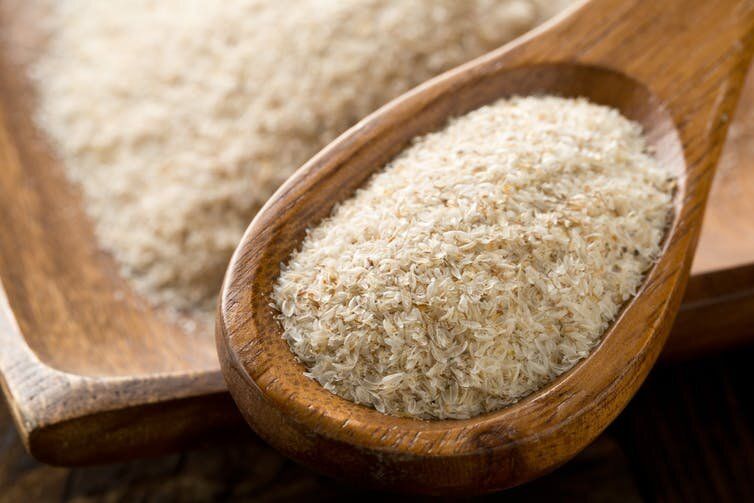
Psyllium is a type of fibre that helps soften bowel
                                                       In a study of 38 healthy older adults, researchers
motions. Credit: Shawn Hempel/Shutterstock
                                                       found adding two to three kiwi fruit per day to their
                                                       diets for three weeks resulted in participants
                                                       passing bowel motions more often. It also
                                                       increased the size of their stools and made them
        the fermentation of fiber in the colon
                                                       softer and easier to pass.
        produces water and other molecules. These
        make stools softer and easier to pass
                                                       Kiwi fruit are also rich in the complex carbohydrate
        absorption of water into stools stimulates
                                                       inulin a type of fructan. Fructans are a prebiotic
        the gut to contract and makes bowel
                                                       fiber, meaning they encourage growth of healthy
        motions softer
                                                       bacteria in the colon.
        a higher fiber intake creates bigger stools,
        which pass more quickly, resulting in more
                                                       But fructans can also aggravate symptoms in some
        regular bowel motions.
                                                       people with irritable bowel syndrome (IBS). If you
                                                       have IBS and constipation, check in with your GP
A good source of fiber is psyllium. It forms a
                                                       before upping your fructan intake.
viscous gel, which gets fermented in the colon,
leading to softer bowel motions. Psyllium is the
                                                    If you don't like kiwi fruit, other vegetables and fruit
main ingredient in Metamucil, which is commonly
                                                    high in fructans include spring onion, artichoke,
used to treat constipation.
                                                    shallots, leek, onion (brown, white and Spanish),
                                                    beetroot, Brussels sprouts, white peaches,
A review comparing the effect of psyllium to wheat
                                                    watermelon, honeydew melon and nectarines.
bran in people with chronic constipation found
psyllium was 3.4 times more effective at increasing
the amount of stool passed.                         3. Prunes

                                                       Prunes are dried plums. They contain a large
This is important because having a bigger bowel
                                                       amount of sorbitol, a complex carbohydrate that
motion waiting in the colon to be passed sends
                                                       passes undigested into the colon where bacteria
signals to your gut that it's time to expel the
                                                       ferment it. This produces gas and water, which
stool—and it helps the gut contract to do just that.
                                                       triggers an increase in bowel movements.
The review found both psyllium and coarse wheat
bran had a stool-softening effect, but finely ground
wheat bran had a stool-hardening effect.

Other foods rich in fermentable carbohydrates

                                                                                                      2/4
4. Water

                                                      Not drinking enough water is the strongest predictor
                                                      of constipation. When your body is a bit
                                                      dehydrated, there's less water for the fiber in your
                                                      colon to absorb, meaning your bowel motions also
                                                      become dehydrated and harder to pass.

                                                      Aim for around 1.5 to two litres of fluid per day,
                                                      which can include liquids such as tea, coffee, soup,
                                                      juice, and even jelly and the liquid from stewed
                                                      fruit.

                                                      Putting it all together

                                                      Start by increasing the amount of water or other
                                                      liquids you drink. You should be drinking enough
                                                      that your urine is the color of straw.

                                                      Next, add in psyllium. Start with a tablespoon once
                                                      a day with breakfast cereal.

                                                      Psyllium forms a gel as soon as it comes into
                                                      contact with liquids so to make psyllium more
                                                      palatable, mix it with a small amount of stewed fruit
                                                      or yogurt and eat it straight away. If needed,
Credit: The Conversation                              increase psyllium to twice a day.

                                                   At least once a day, have some prunes (either dried
                                                   or canned) or kiwi fruit and a variety of other foods
Eating prunes is even more effective than psyllium high in fiber, fructans, sorbitol and fermentable
in improving stool frequency and consistency.      carbohydrate.

One study of adults with constipation compared      If your bowel habits don't improve, see your GP.
eating 100 grams (about ten) prunes a day for three
weeks to those who ate psyllium. The prune group This article is republished from The Conversation
passed an average of 3.5 separate bowel motions under a Creative Commons license. Read the
per week compared to 2.8 in the psyllium group.

The prune group's stools were also softer. They
rated, on average, 3.2 on the Bristol stool chart
compared to 2.8 for the psyllium group, meaning
their bowel motions were more toward smooth to
cracked sausage-shaped motions rather than
lumpy ones.

If you don't like prunes, other foods that contain
sorbitol include apples, pears, cherries, apricots,
plums and "sugar-free" chewing gum and "sugar-
free" lollies.

                                                      original article.

                                                                                                    3/4
Provided by The Conversation
APA citation: Have constipation? Here are 4 treatments (2020, January 29) retrieved 11 November 2021
from https://medicalxpress.com/news/2020-01-constipation-treatments.html
This document is subject to copyright. Apart from any fair dealing for the purpose of private study or research, no
part may be reproduced without the written permission. The content is provided for information purposes only.
4/4
Powered by TCPDF (www.tcpdf.org)You can also read


