HEALTHY PARKS HEALTHY PEOPLE SOUTH AUSTRALIA - 2016-2021 Making contact with nature, second nature
←
→
Page content transcription
If your browser does not render page correctly, please read the page content below
HEALTHY PARKS
HEALTHY PEOPLE
SOUTH AUSTRALIA
2016-2021
Making contact with
nature, second nature

        Government
     of South Australia
“We acknowledge and respect the
traditional custodians whose ancestral lands
we live upon. We acknowledge the deep
feelings of attachment and relationship of
Aboriginal people to Country.”

CONTENTS
Joint Ministerial Statement.......................................................................2

What is Healthy Parks Healthy People SA?..............................................4

Why we Need Healthy Parks Healthy People SA?....................................6

What will Healthy Parks Healthy People SA Deliver?............................ 12

    1. Promoting Physical Activity in Nature............................................................ 14

    2. Mental Health Benefits of Contact with Nature............................................ 16

    3. Promoting the Cultural Value of Country for ................................................20
        Aboriginal Health and Wellbeing

    4. Community health and wellbeing in a changing climate.............................. 22

    5. Childhood Development and Nature............................................................24

    6. Green Infrastructure in Urban Settings.........................................................28

    7. Biodiversity, Conservation and Human Health............................................. 30

Proposed Opportunities for Collaborative Action.................................34

Implementation.......................................................................................42
OUR VISION
ALL SOUTH AUSTRALIANS
EXPERIENCE THE HEALTH AND
WELLBEING BENEFITS OF BEING
CONNECTED TO NATURE
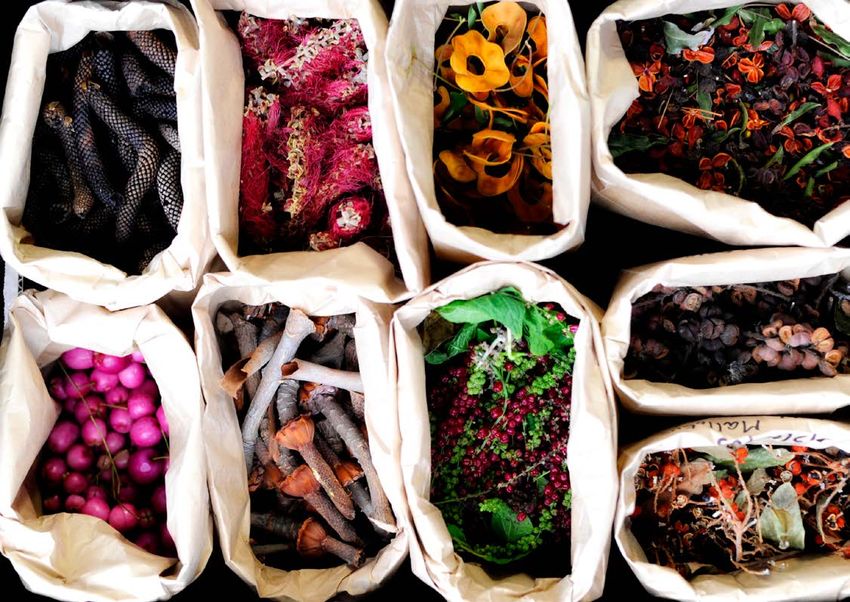
STRENGTHENING THE
            PEOPLE-NATURE BOND

            JOINT MINISTERIAL STATEMENT
            As the Ministers responsible for       We believe that South Australia’s      The framework is designed
            Health and the Environment, we         parks are a vital part of the          to build relationships and
            invite you to join the conversation    solution to a number of social         cooperation between a broad
            in developing and promoting the        and health issues we face as a         range of stakeholders who
            Healthy Parks Healthy People SA        State. By providing opportunities      understand the vital role of
            approach in South Australia.           for people to interact with            nature and parks in our daily
                                                   nature through activities such         lives, enriching our physical,
            The scientific evidence
                                                   as play, exercise, relaxation and      psychological, social and
            unequivocally shows that spending
                                                   socialising with other people in the   spiritual health and wellbeing.
            time in nature is good for us - it
                                                   community, South Australians will
            improves our physical and mental                                              It is supported by a Public Health
                                                   be able to take advantage of the
            health, it has positive effects on                                            Partner Authority agreement
                                                   health benefits of being outdoors.
            our ability to concentrate and                                                between the Department of
            learn, solve problems, think           In addition, our parks are             Environment, Water and Natural
            critically, and be creative.           economic drivers for many              Resources (DEWNR) and the
                                                   communities across the                 Department for Health and Ageing
            These concepts, of course, are
                                                   State, and the backbone of             (DHA), and its development has
            not new. Aboriginal people
                                                   our world renowned nature-             been strongly informed by the
            have always understood that
                                                   based tourism industry.                outcomes of the People, Parks and
            people and their environment are
                                                                                          Wellbeing conference which was
            intrinsically connected, and that      Healthy Parks Healthy People
                                                                                          held in Adelaide in August 2015.
            the health of one is dependent         SA enables park and health
            on the health of the other.            authorities to work more               This framework will form the
                                                   closely together, and focus            basis of an Action Plan, which will
                                                   resources towards implementing         outline concrete initiatives and
                                                   innovative approaches to               steps in the following focus areas:
                                                   health and wellbeing.

2 | Healthy Parks Healthy People South Australia
• 1. Promoting physical activity
    in nature
  • 2. Mental health benefits of
    contact with nature
  • 3. Promoting the cultural
    value of Country for
    Aboriginal health and
    wellbeing
  • 4. Community health and
    wellbeing in a changing
    climate
  • 5. Childhood development
    and nature
  • 6. Green infrastructure in
    urban settings
  • 7. Biodiversity, conservation
    and human health
We believe in this initiative        Minister for Health   Minister for Sustainability,
because we want all South                                  Environment and Conservation
Australians to experience
the health and wellbeing
benefits of nature, and we
are firmly committed to
protecting our State’s most
fundamental and precious
assets — people and nature.

                                                                    Healthy Parks Healthy People South Australia | 3
WHAT IS HEALTHY PARKS
            HEALTHY PEOPLE SA?

4 | Healthy Parks Healthy People South Australia
Healthy Parks Healthy                   Encouraging the use of parks for
People SA is a nature-based             the health and wellbeing of South       Parks are an accessible
approach for population                 Australians is dependent on a           means for people to enjoy
health. It is guided by our             shared philosophy.                      the benefits of nature
vision to ensure that all South                                                 and take many forms –
Australians are connected                                                       local suburban parks and
to nature and recognise it              Healthy                                 playgrounds, large national
as an integral component to
their health and wellbeing.
                                        environments                            parks, as well as marine
                                                                                parks. They are places for
Contact with nature enriches
                                        are critical for our                    adventure and challenge,
our physical, psychological,            physical, mental,                       exercise, peace and quiet,
                                                                                gathering and relaxation.
social and spiritual health and
wellbeing. The links between the        social and spiritual                    In them, we find a sense
                                                                                of enjoyment, fulfilment,
natural environment and our own
wellbeing have been understood
                                        health; and parks                       strong community,
for a long time. Connection             conserve healthy                        spirit and wonder. Parks
                                                                                also enhance South
to Country is an important
determinant of health for
                                        environments for                        Australia’s productivity and
Aboriginal people, who have long        present and future                      sustainability by providing
                                                                                us with a range of services
understood and benefited from a
strong relationship with the land.      generations.                            for human health such
                                                                                as water purification, air
While the benefits of natural                                                   filtration, climate regulation,
places have long been known,            Healthy Parks Healthy People SA
                                                                                pollination of agricultural
it is only relatively recently that     is an approach that envisages
                                                                                crops, coastal protection
park and health authorities have        many sectors – environment,
                                                                                and clean seafood.
joined together to translate this       health, primary industries,
knowledge into practical health         Aboriginal affairs, social inclusion,
initiatives, in particular preventing   education and urban planning
illness and promoting good health.      – working together to maximise
                                        the untapped resources nature
  • C
     ontact with nature                provides, including the benefits of
    is critical to health               nature-based health interventions.
    and wellbeing                       To realise this opportunity, the
  • Parks provide an                    initiative has developed a socio-
    accessible means for                ecological approach that will guide
    people, especially those            interdisciplinary collaboration,
    living in urban areas, to           facilitating learning and innovative
    have contact with nature,           action for Healthy Parks Healthy
    but all forms of the natural        People SA.
    environment provide health
    and wellbeing benefits
  • T
     herefore conserving,
    protecting and promoting
    the benefits of nature, and
    especially parks, is a central
    goal of the Healthy Parks
    Healthy People SA approach

                                                                                       Healthy Parks Healthy People South Australia | 5
WHY WE NEED
                                                 HEALTHY PARKS
                                             HEALTHY PEOPLE SA?

6 | Healthy Parks Healthy People South Australia
SOCIO-ECOLOGICAL THINKING AND
HEALTHY PARKS HEALTHY PEOPLE SA
The Healthy Parks Healthy A socio-ecological approach to environmental, spiritual, and
People SA approach shows health encompasses the health economic) and considers broad
how maximising an everyday of the whole individual, their ranging health determinants.
setting, like nature and hence environment and the whole Long-term population trends,
parks, can positively contribute community. It accounts for the as well as early intervention,
to health promotion and interplay between all elements treatment and care for vulnerable
prevention strategies. within human health (that individuals and communities are
is, biological, mental, social, also incorporated.
FOSTERING NATURE-HEALTH BENEFITS
Research confirms that deepening
our relationship with the
South Australians crave a renewed
relationship with nature. In
We can make
natural world has tremendous 2015, seven out of ten South contact with nature
personal benefits that permeate Australians visited parks annually.
through every facet of society. Approximately half of these people second nature.
Fostering and enabling direct
and meaningful experiences
visited parks less than three times
per year; the other half visited
South Australia’s
with nature is transformative in parks between four and twelve system of parks
many ways. For our physical and times per year.
mental health, the development are some of the
The challenge for Healthy
of our children, strengthening
Parks Healthy People SA is to: finest places in
our personal relationships with
family, building safer and better • 1. Help the proportion of the country to
connected neighbourhoods,
developing a strong economy, and
South Australians who
don’t visit parks overcome
experience nature’s
nurturing environmental attitudes whatever is holding them countless benefits,
and values that encourage a back from doing so
continued conservation ethic in and offer a uniting
• 2. Encourage South
South Australia.
Australians who already point for action.
Contact with nature use parks to become
more regular visitors to
makes us happier, gain further health and
healthier, and more wellbeing benefits
prosperous.
Healthy Parks Healthy People South Australia | 7HOW HEALTHY PARKS HEALTHY
PEOPLE SA CAN DELIVER CO-BENEFITS
Strategic Activities Outputs Impacts
More people use more
Building on and activating parks, more often
New evidence is developed
the evidence demonstrating
and/or existing evidence is
the links between contact with
contextualised for SA
nature and health & wellbeing People from all population
groups benefit from visiting
parks (i.e. children, older
people, Aboriginal people, new
Increasing understanding Policy makers and practitioners
arrivals, vulnerable populations)
of the benefits of improving have a better understanding
population health and of how contact with nature
wellbeing through increased contributes to population People use parks for a variety of
park use health and wellbeing activities:
• Being physically active
Promoting the benefits of The strong, context-relevant • Social interaction
park use and contact with evidence base is used to
nature inform policy and program • Volunteering
delivery across the health and • Learning activities
environment sectors
Supporting existing • Child development
programs that contribute to • Rest and relaxation
increased park use
South Australians have a • Conservation/management
greater understanding of the
• Cultural connection
Influencing the design and use benefits of contact with nature
• Scientific and educational
of parks across SA
benefits
• Biodiversity (macro and
micro level) South Australians are provided
Diverse range of parks are
• Accessibility (getting with more opportunities and
accessed, including in a range
there; navigating park e.g. ‘incentives’ to access parks,
of different geographical
signage, activities, pathways) through better understanding
locations, and various parks
of how they can access them,
• Useability (park design and types (i.e. parks include large
what activities they can do
local infrastructure supports national parks and reserves,
there, and how it can benefit
multiple uses by diverse local parks and ovals, beaches
them
range of users) and marine parks)
SYSTEMS CHANGE, POLICIES, PROGRAMS, CAPACITY BUILDING, RESE
8 | Healthy Parks Healthy People South AustraliaInterim Outcomes Long-term Outcomes Our Vision is Achieved
People are able to interact Reduction in overweight and
socially with others either obesity; and chronic diseases
incidentally or through
organised activities such as Improved physical health
volunteering outcomes All South Australians
experience the health and
wellbeing benefits of being
Aboriginal people are (re) connected to nature
Reduced feelings of stress,
connected with Country
anxiety and depression; and
improved positive mental
People use parks as a setting for health outcomes
physical activity Biodiversity, conservation
and sustainability goals are
viewed as being important
People relax and take respite in Aboriginal people, migrants
for achieving other societal
parks and the population as a
goals, such as a healthy,
whole experience greater
thriving population and a
social connection and spiritual
People feel spiritually connected strong, sustainable economy
wellbeing
with the natural environment
–feeling of belonging
South Australians have a
greater understanding of the
People from all ages learn
importance of Country for
and develop new skills or
Aboriginal people
knowledge through using parks
Parks are recognised as a
People feel safe and confident valuable asset, including
accessing parks recognition of the economic
contribution of conservation
EARCH AND EVALUATION, EDUCATION, KNOWLEDGE BROKERING…
Healthy Parks Healthy People South Australia | 9TACKLING EXAMPLE 1:
CHRONIC DISEASE AND
EXAMPLE 2:
CLIMATE CHANGE
‘WICKED MENTAL HEALTH “Climate Change is the greatest
threat to global health in the 21st
Chronic disease is the leading
PROBLEMS’ cause of illness, disability and
death in Australia, accounting
century,” Dr. Margaret Chan,
Director-General of the World
for 90% of all deaths in 2011 Health Organization (2014).
Many policy challenges
involve dealing with complex, (Australia’s Health, 2014). The sustained good health of
multifaceted, or so called ‘wicked Currently, 46% of South South Australians depends on
problems’. These problems go Australians have been diagnosed reliable access to basic and
beyond the capacity of individual with at least one chronic disease essential resources, such as food,
organisations and authorities or condition including coronary water, shelter and energy. Climate
to understand and respond heart disease and stroke, cancers, is one of the main factors that
to and therefore require a mental disorders such as anxiety influences these foundations.
collaborative approach. Such and depression, diabetes and
musculoskeletal diseases such as Climate change is already having
policy challenges include chronic negative impacts on human
disease, climate change, social arthritis (Chronic Disease Action
Plan for South Australia, 2009- health and these are expected to
exclusion and disadvantage, intensify. Direct health effects of
childhood development and land 2018). Even more alarmingly,
about 25% of South Australian climate change include stroke and
degradation. dehydration associated with heat
children are overweight or obese.
Childhood obesity is a significant waves (in particular in urban areas)
Healthy Parks risk factor for chronic disease and negative health consequences
associated with reduced air quality
later in life and also affects other
Healthy People aspects of development. and the spread of allergens.
SA enables the The health of individuals and Negative health effects are also
mediated via the impacts of
environment and populations is shaped by
broad factors, including the climate change on ecosystems
health sectors to social, economic and physical and biodiversity. Such effects may
include decreased food production
environment in which people
collaborate and live, as well as individual and changes in the spread of
climate-sensitive, vector-borne
address complex behaviours and characteristics.
diseases. Climate change will
Addressing these factors requires
problems that a collaborative approach involving affect agricultural production
systems, the nutritional content
require integrated a range of sectors, including
government, NGOs, industry, of foods, and the distribution and
solutions academic institutions and society availability of fisheries.
broadly. Healthy Parks Healthy People SA
Tackling chronic disease and its is committed to raising awareness
causes is a huge challenge for of the health effects of climate
the South Australian community change and the potential health
given its impacts on individuals, benefits of low carbon pathways
society and the economy. Healthy in South Australia. Parks can play a
Parks Healthy People SA provides a useful role in engaging the public
mechanism for a range of sectors and promoting the health benefits
to work in partnership to improve of reducing carbon emissions.
population health and wellbeing
utilising a co-benefits approach.
10 | Healthy Parks Healthy People South AustraliaPeople can be
healthier when they
have the chance to
live healthier lives:
most chronic diseases
are preventable.
Nature, specifically
parks, can be an
essential part of
the solution.
Healthy Parks Healthy People South Australia | 11WHAT WILL HEALTHY
PARKS HEALTHY
PEOPLE SA DELIVER?
PROVIDING WORLD-CLASS NATURE-BASED
APPROACHES FOR POPULATION HEALTH
Our vision is clear and profound. • preserve and promote Valuing the services
Healthy Parks Healthy People SA Aboriginal culture
provided by parks is not
is committed to ensuring that all
• support the recovery of about putting a price on
South Australians experience the
the one in five Australians
health and wellbeing benefits nature, but recognising
who experience mental
of being connected to nature.
health problems their broader value
We want to ensure that nature
• address some of the
to society.
becomes a vital part of the
solution to broader health and preventable causes of obesity To achieve this, in the longer
social issues challenging and other chronic diseases term Healthy Parks Healthy
us as a state. People SA aims to improve our
• reduce costs to the health
understanding of:
We want to demonstrate that by system through prevention
increasing our connection with and early intervention. • what is influencing South
nature, through our unique and Australians’ personal
The resources, services and
wonderful parks, South Australians relationship to nature
community benefits provided by
will be provided with world-class South Australia’s parks have not • park visitor needs
nature-based approaches for been adequately quantified in the and expectations
population health solutions past. Healthy Parks Healthy People
that will: • the needs of economically,
SA aims to measure these benefits socially and mobility
• build safe, healthy and for society; raise awareness about disadvantaged groups
connected neighbourhoods the links between healthy parks
and healthy people; and inform • the cost and consequences
• provide the best outdoor of inaction, in terms of the
how we manage our parks to
opportunities for developing impact on the health and
facilitate nature-based
happy and healthy children wellbeing of individual South
health benefits.
• contribute to the Australians, their families
state’s economic and communities, and the
productivity agenda economy as a whole.
12 | Healthy Parks Healthy People South AustraliaCONNECTING NATURE TO HEALTH:
KEY FOCUS AREAS FOR ACTION
Activating the evidence – Healthy Parks Healthy People SA
connecting nature to health is keen to build on new ideas and
– is the cornerstone of Healthy partnerships that will underpin
Parks Healthy People SA. We our vision and promote action
have determined seven focus across these focus areas. We aim
areas for action. These are: to find compelling and persuasive
ways to communicate and work
• 1. Promoting physical
with new and existing partners to
activity in nature
deliver nature-based approaches
• 2 . Mental health benefits for population health.
of contact with nature
Healthy Parks Healthy
• 3. Promoting the
cultural value of Country
People SA offers
for Aboriginal health opportunities not only
and wellbeing for augmenting existing
• 4. Community health health promotion and
and wellbeing in a prevention activities, but
changing climate also providing the basis
• 5. Childhood development for a socio-ecological
and nature Focus area approach to public
• 6. Green infrastructure health that incorporates
in urban settings environmental
• 7. Biodiversity, conservation sustainability at
and human health.
its core.
Healthy Parks Healthy People South Australia | 131. PROMOTING PHYSICAL
ACTIVITY IN NATURE
14 | Healthy Parks Healthy People South AustraliaEVIDENCE
Exposure to natural green spaces, and access to open spaces
such as parks and reserves, has (Keniger 2013). FITNESS IN ACTION:
the potential to provide significant Two programs in Finland
Evidence shows that parks foster
benefits for physical health, are connecting people
participation in physical activity.
particularly places that are easy to with nature and improving
Therefore, from a population
access, have multiple uses and can their physical health
health perspective, they offer
be accessed for little or no cost.
a significant opportunity to OPEN focuses on providing
The health benefits of improve health and wellbeing quality natural outdoor
participating in regular physical outcomes for all South Australians. environments for the citizens
activity and, conversely, the Richardson and Parker (2011) of Oulu in Finland, aiming to
adverse consequences of a reviewed the evidence describing encourage people to spend
sedentary lifestyle, are well the links between physical time in the outdoors and
documented. Regular physical activity, green space and health, engage in regular physical
activity and avoiding sedentary noting that there are “sufficient activity in green spaces.
behaviour is essential for health robust research programmes and Communicated as a form
and wellbeing, and promotes evidence led reviews to conclude of preventive medicine, it
healthy weight. Regular activity that access to safe, high quality is hoped to replicate the
can help prevent chronic green space is beneficial to both model across Finland.
diseases associated with being health and physical activity levels”.
AIR (Activation, Interaction
overweight or obese, including Research also indicates clear
and Recreation) is finding
heart disease, type 2 diabetes links between the proximity and
new ways to provide therapy
and some cancers, and can also quality of parks and the physical
in natural environments and
improve psychological wellbeing. health of adult populations
protected areas for different
(Maas et al 2009). An Australian
Despite this resounding evidence, target groups. Pilot action
study found that residents in
the majority of Australians do involves outdoor activities and
neighbourhoods containing
not undertake the recommended nature management work
greater than 20% green space
amounts of physical activity each in nature reserves related
were significantly more likely
day. Only one-third of children, to occupational therapy.
to both walk and participate in
and one in ten young people, One action of the project
moderate to vigorous physical
undertake the recommended 60 is to develop training for
activities on at least a weekly
minutes of physical activity every health care professionals, in
basis (Schaefer et al 2014).
day. At least 60% of Australian collaboration with the health
adults do less than 30 minutes A further benefit of parks sector. The purpose of the
of physical activity per day and for physical health relates to study module is to increase
only one in ten adults report their contribution to immune the capacity of practical nurse
completing the recommended system function. In a systematic students to utilise the natural
10,000 steps per day (Australian review of the literature on the environment and outdoor
Bureau of Statistics 2012). health benefits of exposure to activities in their future work.
Significant physical, social and natural environments, Bowler
economic consequences arise and colleagues highlighted
from insufficient physical activity. research which demonstrated
This can be addressed through immunological benefits from
designing places where we walking in forest environments
live in a way that supports and (Bowler et al 2010).
encourages incidental activity
through things like active travel
Healthy Parks Healthy People South Australia | 152. MENTAL HEALTH BENEFITS
OF CONTACT WITH NATURE
16 | Healthy Parks Healthy People South AustraliaEVIDENCE
Almost half of all Australians Urban living has been identified Living in close
(45%) are diagnosed with a as a key factor contributing to
mental health condition at some increased stress and mental ill- proximity to usable
point during their life and among
those aged 15-44, suicide is the
health (Northridge & Freeman
2011; Abbott 2012). Research
parks and green
leading cause of death (Australian investigating the connection spaces significantly
Bureau of Statistics 2014). between mental health and green
Depression is currently Australia’s spaces recognises that living in mediates individual
most prevalent non-fatal disability
and its associated costs to the
close proximity to useable parks
and green spaces significantly
resilience and life
Australian economy, in terms of mediates individual resilience and coping skills
morbidity alone, are over $14.9 life coping skills (van den Berg
billion annually (VicHealth 2007). 2010). Stigsdotter and colleagues
reported “Respondents living more
The restorative effects of
than 1 km away from a green
exposure to parks and green
space have 1.42 times higher odds
open spaces include recovery
of experiencing stress than do
among individuals experiencing
respondents living less than 300 m
clinical conditions associated with
from a green space” (Stigsdotter et
anxiety and depression; reduced
al 2010).
chronic stress (Alvarrson et al
2010; Vella et al 2013); reduced A plethora of literature focusing
attentional fatigue in employees; on adolescents in the context of
and attenuation of hyperactivity outdoor education recognises
in younger populations (Blanck that exposure to natural outdoor
et al 2012). Exposure to parks settings (initiated via alternative
also promotes mental wellbeing, classroom learning) promotes key
including evoking positive emotions skills not always associated with
and an increased feeling of classroom-based learning (Cooley
individual resilience (Marselle et et al 2014). Adolescents who
al 2013). Connection to nature report spending time in green
is therefore critical for disease outdoor spaces report a greater
prevention, and to promote sense of calm, focus during study,
positive psychological states (Beil wellness and appreciation for the
& Hanes 2013; Abraham et al environment, as well as empathy
2010; O’Brien et al 2014). towards environmental issues
(Burriss & Burriss 2011; Quynh et al
2013). Parks can therefore provide
cost efficient settings for reducing
the impact of conditions associated
with negative mental health status
in adolescence.
Healthy Parks Healthy People South Australia | 17Literature reporting on ‘outdoor Specifically, green open space
MENTAL HEALTH IN ACTION: interventions’ as an emerging topic benefits are more favourable than
Green Rehabilitation (Lynch 2012) recognises outdoor interventions involving indoor
Program behavioural healthcare or outdoor rest or meditation, particularly
therapy as a complimentary for adults who spend a large
Connecting people with therapeutic approach for the proportion of their week indoors
nature can assist in mental treatment of mental health (Grinde & Patil 2009).
health treatment and recovery. conditions among adolescents.
Green Rehabilitation programs For older people, the mental
Ecotherapy interventions that adopt
support mental health service health benefits of access to parks
a nature-based approach have
providers to embed parks are increased compared to either
shown increases in self-esteem and
and other outdoor spaces as adolescents or adult sub groups
feelings of hope for adolescent
resources for program delivery. (Hawkins et al 2013). Older adults
participants (Kogstad et al 2014).
Health service providers are report being prone to feelings
It should be noted, however, that
encouraged to incorporate the of loneliness and isolation and,
adolescents and adults may still
use of parks in their service in this respect, accessible green
have different preferences for the
planning and delivery through spaces and parks are critical for
spaces that will elicit these benefits
building relationships with local maintaining or improving quality
(Flett et al 2010).
outdoor activity providers and of life (Sugiyama 2012).
park agencies. Aside from psychological
wellbeing, the effects of nature
A Green Rehabilitation Program on cognitive function in adults
was piloted in the Barwon are among the most researched
Region of Victoria where it psychological outcomes related
has been running since 2010. to undertaking passive or active
Relationships were established recreation outdoors. Although the
with local mental health services psychological effects of exercise
to support them to incorporate in green spaces are less clearly
the program into their services. understood than the physical
Services were encouraged to benefits, the evidence has been
seek out local park agencies progressively accumulating and
and establish relationships numerous synergies exist between
to support local sustainable the two areas (Degenhardt &
connections. Parks and outdoor Buchecker 2012). Use of parks
spaces were chosen for their by adults is known to produce
proximity to the service and greater psychological benefits
its client groups, and for the than equivalent time spent indoors
suitability to planned programs (Webb 2014).
and activities. Mental health
service providers were also
encouraged to source outdoor
activity providers to run park-
based activities for their clients.
For example, the YMCA was
engaged to run activities in
Parks Victoria spaces, which
included bike riding, beach
combing, guided garden tours,
tree planting and exercise
sessions.
18 | Healthy Parks Healthy People South AustraliaHealthy Parks Healthy People South Australia | 19
3.                            PROMOTING THE CULTURAL
                                          VALUE OF COUNTRY FOR
                                          ABORIGINAL HEALTH
                                          AND WELLBEING

20 | Healthy Parks Healthy People South Australia
EVIDENCE
Aboriginal perceptions of health
and wellbeing are holistic and
The research was undertaken by a
multidisciplinary team of traditional
“Our land cannot
are determined by a range of life owners, ecologists, social scientists, survive without its
factors including physical health
and wellbeing, cultural connection,
medical practitioners and policy
analysts, and looked at the broader
people; and the
social inclusion, identity and implications of this research people cannot
autonomy. Many of these factors (Garnett & Sithole 2007). It found
have been negatively impacted positive associations between survive without our
by the processes and policies of
colonisation, which has in turn
caring for Country activities (which
Indigenous people perceived as
land”.
contributed to the higher burden beneficial to their health) and
of disease and significant gap in health outcomes. Glenise Coulthard,
life expectancy experienced Adnyamathanha Woman,
Among those who took part in Northern Flinders Ranges
by Aboriginal people.
Indigenous Cultural and Natural
The National Aboriginal and Resource Management, especially
Torres Strait Islander Health Plan when living in their traditional
2013-2023 places culture at the Country, the researchers found
Co-management in Action:
centre of priorities for improving more frequent exercise, lower rates
Aboriginal health status and of obesity, lower rates of diabetes, Co-management is a successful
life expectancy. Connection to lower rates of renal disease, lower South Australian approach,
Country is a critical component rates of cardiovascular disease, and allowing the State Government
of culture and is recognised as less psychological stress (Garnett and traditional owners to
an important determinant of and Sithole 2007; Burgess, Mileran cooperatively manage national
Aboriginal health and wellbeing. and Bailie 2008). parks and reserves. At its core,
co-management recognises
Engaging with this holistic
Aboriginal people as the
understanding, Burgess et al
original custodians of our
(2005) undertook research
land, and acknowledges
in Arnhem Land to establish
the importance of
whether there were health links
the customs and
between Country and people,
knowledge that have
as popularised in the slogan
been passed down
‘healthy country, healthy people’.
through generations.
It offers tangible
steps towards
reconciliation,
strengthening
mutual respect and
understanding,
while improving
the economic,
social, and
health and
wellbeing capacity of
individuals and communities.
Healthy Parks Healthy People South Australia | 214. COMMUNITY HEALTH
AND WELLBEING IN
A CHANGING CLIMATE
22 | Healthy Parks Healthy People South AustraliaEVIDENCE
Climate change is predicted to bring appropriate adaptation strategies DROUGHT PROGRAM
greater variability to weather and must take into account current ACHIEVEMENTS IN ACTION:
seasonal conditions. Winters are and future demographic trends, State Drought Response
likely to have more extreme cold including population growth Program 2006-2011
days; summers are likely to have and socio-economic factors. The State Drought Response
a greater number of extreme hot Program was formally
While adaptation aims to
days, and the periods of dry are recognised for its successful
capture new opportunities and
likely to be more regular and severe. contribution to rural
reduce adverse impacts, climate
These new extremes will have change continues to threaten communities. The program was
direct and indirect impacts on the our current way of life and the awarded the Premier’s Award
health and wellbeing of individuals, viability of some communities. for Building Communities
(2011) in recognition of
families and communities. Those A focus on community and
its contribution to building
more likely to be affected are the public health is important.
resilience and capacity of
elderly, people with a disability,
Direct and indirect impacts regional farming communities
young children, those living in
of climate change include: to respond to severe seasonal
remote or coastal communities, and conditions.
those on low incomes who are least • a decline in physical and
economically equipped to move or mental health as a result Individual projects were also
adapt to changing living conditions. of stresses and hardships recognised, notably the “Men
associated with new extremes in Communities” program
In terms of industry impacts, the implemented by Country
of weather and seasons
farming sector is particularly at Health SA that was awarded
risk given their dependence on • heat stress during heat waves the Margaret Tobin award.
the weather for their livelihood. • increased risk to life and The “Men in Communities”
Weather-related impacts on property as a consequence program was recognised
production directly affect financial of greater and more frequent in 2009 for excellence in
viability and have indirect impacts extreme events such as promoting and understanding
on the health and wellbeing of bushfires and flood of mental health in the
farmers, their families, and local community. The program
and regional communities. • increase in the frequency and
promoted an understanding of
distribution of vector-borne
A recent review identified mental health through mental
infectious diseases such as wellness and by removing the
that the relationship between Ross River Virus stigma of mental health. More
drought and mental health is
• increase in air pollution (e.g. than 400 men were involved
an emerging area with most
from dust and bushfire smoke) with this project which was
research being conducted in
that may increase respiratory aimed at men who live in rural
Australia (Stanke et al., 2013).
diseases and allergies settings.
All South Australians will In many cases, far reaching
experience some level of impact • increase in the frequency
and devastating consequences
on their health and wellbeing of water and food-borne
were avoided. These included
from climate change. The infectious diseases
improving mental health
diversity of health risks presents • reduction in food production outcomes, reducing the
a significant challenge to South and nutritional quality incidence of suicide and
Australia’s health and community assisting with dire financial
services. Understanding the risks, • disruption of social
situations (PIRSA 2011).
identifying vulnerable members networks, and forced
of the community and developing movements of people.
Healthy Parks Healthy People South Australia | 235. CHILDHOOD DEVELOPMENT
AND NATURE
24 | Healthy Parks Healthy People South AustraliaEVIDENCE
While all population groups • Improves academic …giving children
can benefit from contact with performance: Studies in
nature, specific groups benefit the United States show that opportunities to
in different ways, particularly schools that use outdoor learn, live and play
children. Importantly, evidence classrooms and other forms
demonstrates that giving children of nature-based experiential in natural spaces is
opportunities to learn, live and education support significant positively associated
play in natural spaces is positively
associated with good physical,
student gains in social studies,
science, language arts, and
with good physical,
mental, social and spiritual health math. Students in outdoor mental, social and
in adult years (Sugiyama 2012). science programs improved
their science testing scores
spiritual health in
Positive effects of natural
experiences for children include:
by 27% (American Institutes adult years.
for Research 2005).
• Supports creativity and
• Reduces Attention CHILDHOOD DEVELOPMENT IN
problem solving: Studies
Deficit Disorder (ADD) ACTION: Nature Play SA
of children in schoolyards
symptoms: Contact with the
found that children engage In SA, our children are
natural world can significantly
in more creative forms of play spending less time in nature
reduce symptoms of ADD in
in green areas and also play than at any other time in our
children as young as five years
more cooperatively. Play in history, leading to increasing
old (Kuo & Taylor 2004). rates of childhood obesity,
nature is especially important
for developing capacities • Increases physical depression and behavioural
for creativity, problem- development and activity: disorders. Nature Play SA is
solving and intellectual Research has shown that as an independent, not for
profit, incorporated association
development (Kellert 2005). having access to parks
whose charter is to address the
encourages simple and
• Enhances cognitive worldwide trend that is seeing
complex movements (climbing an entire generation of children
abilities: Evidence shows
and jumping) that engage growing up indoors.
that exposing children
different muscle groups to
to parks provides them Nature Play SA programs target
those developed during other
with opportunities for children from 0-12 years,
types of play. Research also
engagement, fun and parents, educators in early and
shows that children with access
education (Blanchett-Cohen primary years, councils and
to natural green spaces receive community organisations to:
& Elliot 2011). Additionally,
greater physiological benefits
it is well established that - raise awareness about the
than those that play indoors
opportunities to play in parks importance of nature play
(Duncan et al 2014), and are
allow children to explore the
less likely to be overweight or - equip people with the
diversity of protective factors
obese than children without knowledge, tools, skills and
offered by experiencing nature,
access to parks (Blanck et al opportunities to re-engage
including capitalising on the children back into nature
2012; Schaefer et al 2014).
chance to practice reasoning,
reaction, observation, - build a movement that
empowers people to act and
logic, attentiveness,
gives nature play a life of
and responding to the
its own
environment and people.
- partner with other like-
minded organisations and
individuals.
Healthy Parks Healthy People South Australia | 25• Enhances learning and
EDUCATION IN ACTION: spiritual growth in
The Kitchen Garden Program children with disabilities:
provides food education for Reflecting on spirituality and
young children, and has been disability among children,
implemented in dozens of Zhang notes the potential
schools around Australia. A benefits of nature contact in
Kitchen Garden is created education for children with
to provide edible, aromatic disabilities: “Encounters in
and beautiful resources for nature with plants and animals
a kitchen. The creation and foster spiritual sensitivities
care of a Kitchen Garden and help children to learn
teaches children about the qualities such as empathy and
natural world, about its beauty compassion and to develop
and how to care for it, how a sense a wonder” (Zhang
best to use the resources we 2010). Spiritual development
have, and an appreciation arising from these experiences
for how easy it is to bring joy can foster “hope, healing and
and wellbeing into one’s life growth”.
through growing, harvesting,
• Improves self-discipline:
preparing and sharing
Access to green spaces, and
fresh, seasonal produce.
even a view of green settings,
enhances peace, self-control
and self-discipline within inner
city youth, and particularly in
girls (Taylor, Kuo & Sullivan
2001).
• Reduces stress: Green
plants and vistas reduce
stress among highly stressed
children. Locations with a
greater number of plants,
greener views, and access to
natural play areas show more
significant results (Wells &
Evans, 2003).
• Creates social benefits:
Access to parks is particularly
relevant for children who may
be in families experiencing
social or economic
disadvantage. The assertion
that absence of safe parks
and outdoor spaces directly
impacts children’s mental
health is supported by evidence
that highlights the particular
vulnerability of children in low
socioeconomic areas (Sturm &
Cohen 2014).
26 | Healthy Parks Healthy People South AustraliaHealthy Parks Healthy People South Australia | 27
6.                            GREEN INFRASTRUCTURE
                                          IN URBAN SETTINGS

28 | Healthy Parks Healthy People South Australia
EVIDENCE and other streets, sports and
recreational facilities, private
liveability and safety. The
inclusion of appropriate types,
and semi-private gardens, green quality and quantity of green
In this document, green roofs and walls, squares and infrastructure can strengthen
infrastructure is used to describe plazas, natural green space, utility the resilience of towns and cities
the networks of natural areas, and agricultural and other to respond to the major current
environment that exist or can be productive land (Ely and Pitman, and future challenges presented
established in urban settings. 2014). This network provides by complex issues such as
There is strong evidence to the foundation for the financial, population growth and climate
suggest that green infrastructure, socio-cultural and environmental change. Green infrastructure
particularly parks, green open functionality of cities and towns, also ‘value adds’ by linking
spaces, and recreational facilities, contributing to the conservation of and connecting existing green
contribute positively to physical biodiversity, and benefiting human assets, which provides benefits
health by providing opportunities populations by maintaining and both for people, by enhancing
for physical activity. They have enhancing ecosystem services public use opportunities, and for
also been shown to relieve stress, (Naumann et al. 2011). the environment by improving
improve concentration, enhance urban ecosystem health and
Evidence indicates that viewing
worker productivity, improve countering habitat fragmentation.
or experiencing green space or
self-esteem, boost immunity, and natural environments is associated
promote healing and recovery with reduced levels of perceived
(Luria and Lyons, 2010). People URBAN PLANNING (AUSTRALIA)
stress, improved measures of
IN ACTION:
with better access to parks and physiological stress, enhanced
Healthy Spaces and Places
other green spaces have been cognitive functioning, positive
is an Australian national
shown to live longer, be less mood, reduced symptoms of
guide for planning, designing
stressed, become ill less often depression and anxiety, improved
and creating sustainable
and be less prone to overweight/ emotional and behavioural
communities that encourage
obesity (Evans, 2003). problems, and improved recovery
healthy living. It is a unique
More than three-quarters of South from illness. The quality, quantity
collaboration between the
Australia’s population resides in and accessibility of green spaces
Australian Local Government
the Greater Adelaide area (ABS, has been shown to have a
Association, National Heart
2011). The 30 Year Plan for significant relationship to the
Foundation of Australia and the
Greater Adelaide estimates that mental health outcomes attributed
Planning Institute of Australia.
the population of Adelaide and to green infrastructure (Roe et al
Healthy Spaces and Places aims
its surrounds will expand by an 2013; van den Berg et al 2010).
to: encourage the development
additional 560,000 people during In terms of social health, strong of built environments that
the next three decades (DPLG, evidence suggests that green provide opportunities for
2011). As the population in infrastructure, especially in the physical activity and other
urban areas becomes more dense, form of community gardens, can health-related activities;
it is increasingly important that improve a community’s social continue to improve health
high quality green infrastructure cohesion and capital (Porter & outcomes for all Australians
and open space is provided to McIlvaine-Newsad 2013), and through better designed built
protect and promote population some emerging evidence suggests environments; raise awareness
health and wellbeing and that it may reduce criminal, of the relationship between
the natural environment. violent and aggressive behaviour, physical activity and the built
Types of green infrastructure can leading to safer communities. environment; and contribute to
include public parks and gardens, a national policy setting.
Much work has also been
greenways, street verges and done to define the importance
open space pockets in residential of urban nature in enhancing
Healthy Parks Healthy People South Australia | 297. BIODIVERSITY,
CONSERVATION
AND HUMAN HEALTH
30 | Healthy Parks Healthy People South AustraliaEVIDENCE
Biodiversity and human health particular, pollination is essential
are linked in many ways. Human to food security generally and MARINE BIO-RESOURCES
life ultimately depends upon to the production of many IN ACTION:
ecosystem products and services of the most nutritious foods. Marine sponges have
(for example, the availability Access to wildlife in terrestrial, important functions in the
of fresh water, food and fuel marine, and freshwater systems marine environment including
sources), which are required is critical to human nutrition, substrate stabilisation and
for good health and productive and global declines will present consolidation; coupling
livelihoods. People depend major public health challenges. between benthic and pelagic
directly on ecosystems in their IMMUNE SYSTEM FUNCTIONING areas; and habitat formation.
daily lives, including for the In addition, sponges have
production of food, medicines, Reduced contact between people properties that can be
timber, fuel and fibre, but also and the natural environment and exploited for humankind. The
for less tangible benefits, such biodiversity loss leads to reduced production of chemicals by
as spiritual enrichment, and diversity in human microbiota, sponges (to prevent settlement/
areas for recreation and leisure. which can lead to immune encroachment of other
dysfunction and disease. The species, and to act as feeding
The section below is a summary immune system needs an input
of key points taken from a deterrents against potential
of microbial diversity from the predators) is of increasing
comprehensive report by the natural environment to establish
World Health Organization significance to humans as
the mechanisms that regulate these bioactive chemicals have
and Convention on Biological it. When this regulation fails,
Diversity (2015), highlighting potential in the development of
there may be immune responses pharmaceuticals (Capon 2001)
specific ways that richly biodiverse to undesirable targets such as
environments can improve i.e. anticancer functions.
our own tissues (autoimmune
human health and wellbeing: diseases; type 1 diabetes, multiple For example, the Eribulin
sclerosis), harmless allergens and mesylate (Halaven®) is a new
AIR AND WATER QUALITY
foods (allergic disorders, eczema, marine-derived drug (2010)
Healthy, functioning ecosystems
asthma, hay fever) or gut contents for breast cancer, a cancer
provide clean water and can
(inflammatory bowel diseases, which affects 1 in 8 women
contribute to improved air
ulcerative colitis, Crohn’s disease). in Australia, with more than
quality through natural filtration
Urbanisation and loss of access 14,600 cases in 2012 and a
processes. All terrestrial and
to green spaces are increasingly predicted increase to more
freshwater ecosystems play a role
discussed in relation to these than 17,200 per annum
in underpinning the water cycle,
non-communicable diseases. by 2020 (National Breast
including regulating nutrient
Cancer Foundation, 2012).
cycling and soil erosion. Many
This new drug is based upon
ecosystems also play a role in
a compound derived from
managing pollution, as their water
marine sponges and used for
purification services underpin
late-stage chemotherapy, and
water quality.
is just one example of hundreds
AGRICULTURE AND of drugs being developed
FOOD SECURITY from the marine environment (
Biodiversity in and around Zhang et al 2013)
agricultural production systems
makes essential contributions
to food security and health. In
Healthy Parks Healthy People South Australia | 31INFECTIOUS DISEASES POTENTIAL NEW MEDICINES
Human-caused changes in For many of the most challenging ONE HEALTH IN ACTION:
ecosystems, such as modified health problems facing The growing ‘One Health’
landscapes, intensive agriculture, humanity today, we look to philosophy provides a new and
and antimicrobial use, are biodiversity for new treatments overarching perspective for
increasing infectious disease or insights into their cures. understanding the intersections
transmission risks and impact. between human, animal
Medicinal and aromatic plants,
Approximately two-thirds and environmental health
the great majority of which are
of known human infectious outcomes. While plant health
sourced from the wild, are used
diseases are shared with animals, and pathogen interactions are
in traditional medicine and in the
and the majority of recently clearly central to sustainable
pharmaceutical, cosmetic and
emerging diseases are associated life on earth, the World Health
food industries. The global use
with wildlife. Vector-borne Organization recommends
and trade in medicinal plants
diseases also account for a large that their critical roles in the
and other biological resources,
share of endemic diseases. health of people, animals,
including wildlife, is significant
Increasing human activity is and growing. and other elements of the
facilitating disease spread through environment should be more
ECOSYSTEM AND systematically addressed
increased opportunities for SOCIAL RESILIENCE
contact at the human/animal/ through multi-sectoral, policy
Biodiversity helps to improve the level approaches that promote
environment interface, and resilience of ecosystems, boosting
changing vector abundance, a One Health perspective.
their ability to adapt to climate
composition, and/or distribution. change and moderating the In South Australia, one way
Changes in land use and impacts of disasters. It also helps this is being achieved is
food production practices create societies that are more through a collaborative Public
are among leading drivers of resilient to disasters Health Partner Authority
disease emergence in humans. and change. agreement between the
At the same time, pathogen Department for Health and
Ecosystem-based adaptation Ageing and Biosecurity SA,
dynamics are changing. While and mitigation strategies are
pathogen evolution is a natural which supports the work of
needed to build the resilience the Zoonoses Working Group.
phenomenon, factors such as of managed landscapes and
global travel, climate change, The Group, which also includes
jointly reduce the vulnerabilities representation from the
and use of antimicrobial agents of ecosystems and societies that
are rapidly affecting pathogen Department of Environment,
rely on functioning ecosystems Water and Natural Resources,
movement, host ranges, and for their health, livelihoods and
persistence and virulence. is responsible for providing
wellbeing. The conservation high level expertise, policy
Beyond direct infection risks and use of genetic resources
for human and animals, such advice, and coordination
in agriculture, aquaculture and of surveillance and
changes also have implications forestry is important to allow
for food security and medicine. communication in relation
crops, trees, fish and livestock to potential threats to
to adapt to climate change. human, domestic animal
Richly biodiverse and wildlife health.
environments
can improve
human health and
wellbeing.
32 | Healthy Parks Healthy People South AustraliaHealthy Parks Healthy People South Australia | 33
PROPOSED OPPORTUNITIES
            FOR COLLABORATIVE ACTION

34 | Healthy Parks Healthy People South Australia
PROPOSED OPPORTUNITIES FOR
COLLABORATIVE ACTION
A suite of proposed opportunities for • they build on an existing policy
collaborative action has been developed. These or strategic opportunity
proposed opportunities will form the basis of
• they are connected to the outcomes of the People
a Healthy Parks Healthy People SA action plan.
Parks and Wellbeing conference (held in Adelaide in
The opportunities outlined below have been
August 2015)
developed based on the following criteria:
• they require collaboration between multiple partners
• they address multiple focus areas
• they are evidence-based and/or contribute
to new or existing evidence.
OPPORTUNITY 1: REALISING THE MENTAL HEALTH BENEFITS OF
2. Mental health benefits of CONTACT WITH NATURE THROUGH TARGETED PROGRAMS
contact with nature Healthy Parks Healthy People SA supports development
3. Promoting the value of of a new ‘Green agenda for mental health’, reinforcing
Country for Aboriginal the role of nature and parks as clinically valid components
health and wellbeing within mental health promotion strategies.
SA Health is currently in the process of developing a new
Suicide Prevention Strategy for South Australia. This provides
an opportunity for the mental health and wellbeing benefits of
contact with nature to be incorporated into the development
of policies and programs associated with the strategy.
Healthy Parks Healthy People South Australia | 35OPPORTUNITY 2: THE CRITICAL ROLE OF OPEN SPACE AND GREEN
1. Promoting physical activity INFRASTRUCTURE IN PROVIDING ACCESS TO NATURE
in parks The South Australian Government’s Planning Reform provides an
2. Mental health benefits of opportunity for Healthy Parks Healthy People SA to influence how
contact with nature the quality and quantity of public open space can support economic,
environmental, and population health and wellbeing outcomes.
4. Community health and
wellbeing in a changing A number of organisations including the Department of Planning,
climate Transport and Infrastructure, the Department for Health and Ageing, the
6. Green infrastructure in Department for Environment, Water and Natural Resources, and the Active
urban settings Living Coalition have begun discussions around the need for Quality Public
7. Biodiversity, conservation Open Space Guidelines which provide evidence and practical guidance
and human health to planners and developers around the quality of open space required to
support good population health and wellbeing outcomes. The provision
of high quality open space will be critical as the density of the Greater
Adelaide area increases over the coming decades.
OPPORTUNITY 3: PROMOTING THE CULTURAL VALUE OF COUNTRY FOR
2. Mental health benefits of ABORIGINAL HEALTH AND WELLBEING
contact with nature Healthy Parks Healthy People SA will support on-Country initiatives
3. Promoting the value of through the state’s co-management agreements with a focus
Country for Aboriginal on helping Aboriginal people link with their traditional lands;
health and wellbeing encouraging on-Country training and education in managing
natural resources and cultural heritage and sites; and facilitating
nature-based employment opportunities for local Aboriginal people
such as on-Country rangers. In addition, specific nature-based
programs could be targeted to at-risk groups such as Aboriginal
youth involved in the justice system.
In addition to environmental health gains, caring for Country initiatives
(such as South Australia’s co-management arrangements between National
Parks and Aboriginal communities) can improve the health and wellbeing
of traditional owners.
Healthy Parks Healthy People SA also provides the opportunity to give
all South Australians the chance to learn about the ‘Aboriginal story
of Country’; this is an important lens that will be considered across all
focus areas.
36 | Healthy Parks Healthy People South AustraliaYou can also read


