Hofstra Law Report - 2008 Presidential Election: Issues & Controversies
←
→
Page content transcription
If your browser does not render page correctly, please read the page content below
Hofstra      HOFSTRA LAW SCHOOL
             VOLUME 17
             FALL 2008

Law
Report

   2008 Presidential Election:
   Issues & Controversies
Vol 17 Fall 2008
                                                             contents
                                                             2
                                                             News and Events

Hofstra
                                                             8
                                                             The Constitution Is Our Obligation
Law
Report
© Copyright HOFSTRA LAW REPORT
                                                             10
                                                             The Nuts and Bolts of the 2008 Presidential Election
Volume 17 Fall 2008

Editor: Jeffrey A. Dodge

Art Director: Tobie-Lynn Accardi

Editorial Assistants: Miriam R. Albert, Lisa Berman,
Jeffrey A. Dodge, Marie Koch, Linda Merklin, Sun Min
                                                             12
                                                             Biomedical Research and the Law

                                                             14
Contributors: Lisa Berman, Nora V. Demleitner, Jeffrey A.
Dodge, Janet L. Dolgin, Michael J. Ende, Eric M. Freedman,
Astrid B. Gloade, Joanna Grossman, Grant M. Hayden, Marie
Koch, Eric Lane, Joanne Masci, Gary Moore, Diane             Late Charges, Regular Billing, and Reasonable
Schwartzberg, Norman I. Silber, Lisa Spar and Elaine Vukov

Photography: Tony Lopez, Shutterstock
                                                             Consumers: A Rationale For A Late Payment Act

Dean: Nora V. Demleitner

Vice Dean: Miriam R. Albert

Vice Dean: Jennifer Gundlach
                                                             18
                                                             What’s Wrong With a “War On Terror”?
Assistant Dean for Administration: Jeffrey A. Dodge

Creative Director: Tobie-Lynn Accardi

Director of Communications: Sun Min

Communications Coordinator: Marie Koch
                                                             20
                                                             Faculty Notes
Assistant Dean for External Relations: Lisa Berman

Director of the Annual Fund: Gregory Monfiletto

Director of Alumni Relations: Kelley Spencer                 29
                                                             Fellowship Programs Update
Letters are welcome and should be addressed to:
Editor, Hofstra Law Report
121 Hofstra University
Hempstead, New York 11549-1210

© 2008 Hofstra Law School
                                                             30
                                                             Alumni Notes
— All rights reserved

                                                             49
Hofstra Law School is a member of the Association of
American Law Schools and is accredited
by the American Bar Association.
                                                             Honor Roll of Donors
MESSAGE FROM THE DEAN

MAKIN G AN IMPACT IN THE WORLD
                                                                        Hofstra Law is a place of limitless opportunity for our
                                                                        students — opportunity we want them to use to aim
                                                                        high. Our goal is to educate and train the next
                                                                        generation of visionaries in the legal profession and
                                                                        beyond. To accomplish this lofty goal, we challenge
                                                                        all our students to live up to their full potential to be
                                                                        able to pursue their professional dreams.

                                                                      Engaged, dedicated faculty, many with international
                                                                      reputations, teach our students and inspire them to
                                                                      become thoughtful and passionate professionals.
                                                                      Classroom teaching, however, is not the only way to
                                                                      challenge and involve our students. The faculty also
                                                                      engages them in cutting-edge scholarship, policy
                                                                      making and litigation. In the last year, our students
                                                                      have presented their research at conferences,
                                                                      participated in drafting legislation, and worked on
                                                                      challenging cases through the clinics. These students
                                 have already impacted the law and the lives of their fellow citizens. My hope is that Hofstra
                                 Law students and graduates represent the highest ideals of the legal profession and strive
                                 to make a difference in their communities.

                                 As the new Dean of Hofstra Law, I greatly appreciate the alumni body's warm reception.
                                 The deanship is certainly one of the most exciting and rewarding opportunities of my
                                 professional career. As Dean, I fully embrace the Law School's history of innovation and
                                 tradition of excellence. These are the core philosophies on which we build our national
                                 reputation and the value of a Hofstra degree.

                                 My vision requires us to build on the momentum of the past few years, by connecting as
                                 many alumni as possible back with the Law School. In the last year, we have witnessed
                                 exploding growth in alumni participation, both through engagement in alumni events,
                                 student mentoring, and financial giving. This involvement inspires me to push the Law
                                 School even farther into the national spotlight.

                                 With your support, Hofstra Law School's future is bright. I know we can achieve
                                 greatness together.

                                 Sincerely,

                                 Nora V. Demleitner
                                 Dean and Professor of Law

                                                                                                                  law.hofstra.edu   1
from the office of alumni relations
    our administration
    The Office of Alumni and External Relations is pleased to        spanish from Hofstra University and her M.A. in media, culture
    welcome its newest team members, Greg Monfiletto, Director       and communication from NYU. Both Greg and Kelley look
    of the Annual Fund, and Kelley Spencer, Director of Alumni       forward to meeting Law School alumni and developing new
    Relations. Greg joined the Law School in November 2007,          ways to involve them in the school.
    after having served as Stony Brook University’s Assistant
                                                                     We also wish to take this opportunity to congratulate the
    Director of Annual Giving. Greg received his B.A. in political
                                                                     former Director of Alumni Relations, Jeffrey Dodge, on his
    science in 1998 from Stony Brook University, where he played
                                                                     promotion to Assistant Dean for Administration and
    wide receiver on the football team. He received his M.A. in
                                                                     Operations. During his two years in the Office of Alumni
    liberal studies, also from Stony Brook, in 2000. At Hofstra,
                                                                     Relations, Jeff made tremendous strides in updating our alumni
    Greg has revamped the telepledge program, utilizing law
                                                                     database, improving alumni communication through our e-
    students to make the calls; established a Recent Alumni
                                                                     newsletter and Web site, and further engaging alumni through
    Committee; and launched an expanded annual fund
                                                                     an expanded schedule of activities. The Assistant Dean for
    campaign. Kelley Spencer arrived at the Law School in
                                                                     Administration and Operations is a new position designed to
    September 2008 from NYU, where she was Special Event
                                                                     spearhead strategic and organizational initiatives and facilitate
    Manager. Kelley also has extensive experience in
                                                                     collaborative partnerships. Jeff will continue with his
    communication and marketing. She received her B.A. in
                                                                     responsibilities as the Director of CLE Programs.

    During the 2007-08 academic                                      Recent Alumni Fall Mixer
                                                                     at Central Bar. For the
                                                                                                                                         2

    year, numerous alumni                                            annual Fall Long Island
                                                                     Alumni event, the Law
    events were held on Long                                         School partnered with the
                                                                     Wilbur F. Breslin Center
    Island, in New York City, and                                    for Real Estate Studies at
                                                                     Hofstra University and the
    across the country.                                              Institute of Real Estate, to
                                                                     organize a CLE program
                                                                     which gave our alumni the
1                                                                    opportunity to network with area real estate executives. Rick
                                          FALL 2007
                                                                     Leland ’74 of Fried Frank spoke on the need to deal with
                                           In September, our Fifth   hazardous substances in property transactions.
                                           Annual Celebrity Golf
                                           Outing drew record
                                           numbers to the Garden
                                                                     WINTER 2008
                                           City Country Club for a   The new year began with our New York City Alumni
                                           wonderful day of golf     Reception at the Marriott Marquis in conjunction with the
                                           and socializing with      New York State Bar Association’s annual meeting. More
                                           such legendary sports     than 200 alumni came out to welcome Nora Demleitner
    figures as Steve Garvey and Hall of Famers Juan Marichal and     as the new Dean of the Law School.
    Ferguson Jenkins.
    The Class of 1977 celebrated its 30th reunion on campus with     In February we held a joint reception for Los Angeles alumni
    a cocktail reception drawing classmates from Florida and         and accepted students
    Washington, D.C. as well as the tri-state region.                from the area at the W
                                                                     Los Angeles Hotel.                                                  3

    In October, we organized a Breakfast with the Dean and CLE
    Program on The Evolution of Real Estate Capital Markets,         The March 6 Public Justice
    presented by Merrie Frankel ’80 of Moody’s Investor Service.     Foundation Goods &
    Jeffrey Englander ’75 served as the host for the event which     Services Auction provided
    took place at his firm, Morrison Cohen LLP.                      a wonderful opportunity
                                                                     to honor Kent Moston ’75
                                                                     for his years of service as
    The following week, we were back in New York City for a

2     Hofstra Law Report    Fall 2008
NEWS & EVENTS

    Attorney in Chief of the Nassau County Legal Aid Society.         SUMMER 2008
    Many of Kent’s friends from law school and colleagues from
                                                                      The Alumni Association hosted a special post-graduation
    work came out to support him and help to raise money for
                                                                      reception for its
    Public Justice Foundation Fellowships for our students            newest alumni at the
    working in the public sector over the summer.                     University Club in May.                                                           7

4                                                                     Summer activities
                                       Our Dean’s Circle members
                                                                      included a luncheon
                                       and students had the
                                                                      for alumni working at
                                       unique opportunity to
                                                                      Rivkin Radler, LLP, a
                                       meet Justice Samuel A.
                                                                      Westchester Regional
                                       Alito, Jr. as part of his
                                                                      Alumni Reception
                                       March visit to the Law
                                                                      hosted by the firm,
                                       School.
                                                                      Jackson Lewis LLP, and
                                                                      our second annual
                                        Dean Demleitner and           Summer in the City Reception at Rock Center Café & Garden.
                                        Assistant Dean for External
    Relations, Lisa Berman, were then off to South Florida for an
                                                                      Throughout the year, the Dean hosted small get-togethers for
    alumni reception in the lovely offices of Becker & Poliakoff in
                                                                      students and alumni who spoke about their careers. Among
    Fort Lauderdale. Alumni at the firm, Alan Koslow ’80, Daniel
                                                                      those who came back to Hofstra Law were: Lorna Goodman
    Wallach ‘91 and Bradley Gross ‘93 hosted a delightful evening
                                                                      ‘75, Nassau County Attorney; Joel Segal ’89, sports agent;
    of networking for alumni working in the area. We look
                                                                      Saul Morgenstern ’81 of Kaye Scholer; and Jeff Korek ‘86,
    forward to making it an annual event.
                                                                      President of the New York State Trial Lawyers Association.
5                                      SPRING 2008
                                                                      Our appreciation                                                                  8
                                      Our Distinguished Alumni        goes out to all
                                      Awards Dinner & Reunion         alumni who took
                                      Celebration, featured on        part throughout the
                                      the inside back cover,          year in our many
                                      brought together more           programs and
                                      than 250 alumni, faculty,       events.
                                      administrators and students
                                      to recognize the
    achievements of four extraordinary alumni, Laurence
    Ginsberg ’79, President of Algin Management, LLC; Michael
    Baroni ‘93, General Counsel of BSH Home Appliances
    Corporation; Michael Vecchione ’73, Chief, Rackets Bureau at
    Kings County District Attorney’s Office; and Barbara Lukeman
    ‘00, Associate at Nixon Peabody LLP.

                                         The 35th Anniversary of
6                                                                     1. Celebrity golfers enjoying the Fifth Annual Golf Outing
                                         Hofstra’s Clinic Program
                                         was celebrated on May 15     2. Long Island Alumni Reception
                                         with a dinner and cocktail   3. PJF Honoree Kent Moston ’75 and classmates (L-R) Cal Lederer,
                                         reception at Jericho            Charles Tadduni, Kent Moston and Jeffrey Englander
                                         Terrace. Honoring            4. Supreme Court Justice Samuel A. Alito, Jr. visits with
                                         Professor John DeWitt           Hofstra Law students
                                         Gregory for his role in
                                                                      5. Members of the Class of ’83 celebrate their 25th reunion at the
                                         launching the clinic            Distinguished Alumni Awards Dinner & Reunion event (L-R) Rhonda
                                         program, the event              Lackowitz Epstein, The Honorable George Silver, Annette Guarisco,
                                         featured a wonderful            and Erica Lieberman Zaglin
    audio-visual history of the clinics that can be viewed on the     6. At the 35th Anniversary of the Clinic Program (L-R) Harvey Spizz,
    Law School’s Web site.                                               Honoree Professor John DeWitt Gregory, and Professor Malachy Mahon

                                                                      7. Rivkin Radler alumni luncheon

                                                                      8. Leon Feingold ’98, Deborah Cann ’98, Professor Monroe Freedman,
                                                                         Marilyn Cashman ’98, and Daniella Pessah ’98 at the Summer in the
                                                                         City Reception

                                                                                                                                  law.hofstra.edu   3
from the office of...
    ACADEMIC SUPPORT PROGRAMS                                          DEANE LAW LIBRARY
    Over the past two years, the Office of Academic Support            The Deane Law Library welcomed three new reference
    Programs (ASP), under the direction of Astrid B. Gloade, has       librarians in 2007-08. Yasmin Alexander, as the new
    helped students adjust to the academic demands of law              Reference/Electronic Services Librarian, will coordinate the
    school and develop skills that set the foundation for success      Library’s electronic and online resources. Yasmin comes from
    at Hofstra, on the bar exam, and in the legal profession.          Thomson West (now Thomson Reuters) where she was a
    Professor Gloade works with students in small group and            Senior Attorney Editor. David Dames joined the Library as a
    individual sessions to review critical law school skills such as   Reference Librarian and is working to make the newly
    reading and understanding legal authority, legal analysis,         established William R. Ginsberg Special Collection accessible
    organizing course materials, and strategies for taking law         to users. Prior to coming to Hofstra, David worked at
    school exams. In addition to the small group and individual        Greenberg Traurig, LLP as a research intern. Mary Godfrey-
    critical skills development sessions, ASP offers a number of       Rickards, coming to Hofstra from Fordham Law School, is the
    events and resources, including a series of academic success       Reference/Access Services Librarian. In addition to her
    workshops, an academic support Web page, and bar                   reference work, Mary coordinates the Circulation and Reserve
    examination preparation programs.                                  functions of the Library.

    To meet the growing demand for academic support while              The Deane Law Library has made many new enhancements
    creating new programs for our students, the ASP faculty            to our online offerings. Of note, the Library added podcasts
    recently increased with the addition of Hillary Burgess,           of research workshops and a display archive to the Web site.
    Assistant Professor of Academic Support. Professors Burgess        In addition, the Library’s catalog Lexicat now features book
    and Gloade will build upon existing academic support               jackets and tables of contents for many of the books in the
    resources and design programs to assist students develop the       collection.
    skills necessary to succeed.

                                                                       ENROLLMENT MANAGEMENT
    CAREER SERVICES                                                    Hofstra Law School
    The Office of Career Services (OCS) reports that nearly 500        continues to build a
    Hofstra Law School alumni are employed by AmLaw 200                national applicant pool. In
    firms, a 12% increase over last year. In addition, OCS is          2008, the Law School
    proud to announce that nearly 96% of the Class of 2007             received more than 5,000
    were reported to be working or enrolled in a full-time degree      applications from well-
    program within nine (9) months of graduation, up from              qualified candidates from
    approximately 94% for the Class of 2006.                           across the United States
                                                                       and around the world.
    OCS intends to increase opportunities for alumni to become
                                                                       The diversity of the
    involved with career and professional development-related                                       2008 New Student Orientation
                                                                       applicant pool and
    programming for current students. This past April, OCS
                                                                       matriculated students continued to expand, supporting
    reintroduced a tremendously successful Career Fair for
                                                                       Hofstra’s recognition as one of the most diverse law schools
    students, with nearly 40 alumni representing more than 30
                                                                       in the nation.
    legal practice areas. Another Career Fair is planned for
    March 2009. OCS will also be focusing increased attention          Members of the Office of Enrollment Management and
    on programming that deals with law student professionalism.        Student Ambassadors will be “hitting the road” this fall to
    If you are interested in participating as a speaker for a          recruit outstanding individuals for the Classes of 2012 and
    program, please contact Michael Ende, Assistant Dean for           2013. Visits will be made to undergraduate institutions and
    Career Services, at (516) 463-5871 or lawmje@hofstra.edu.          at other recruiting events throughout the U.S. We hope you
                                                                       will consider assisting with these efforts as we connect
    Finally, did you know that recruiting at Hofstra Law School is
                                                                       alumni with admitted students. Opportunities for alumni
    easy? OCS is always working with alumni to assist with their
                                                                       include: speaking one-on-one with admitted students,
    recruiting efforts. From on-campus interview programs each
                                                                       hosting or attending receptions with students, speaking
    fall and spring to resume collections and job postings on our
                                                                       engagements with pre-law groups at undergraduate
    Symplicity Career Services Management System, OCS is
                                                                       institutions, and presenting at open houses and the Admitted
    prepared to help alumni meet all their recruiting needs. For
                                                                       Student Day. Contact the Office of Enrollment Management
    more information on how the Office can assist you, please
                                                                       at (516) 463-5916 (ext. 2) or lawadmissions@hofstra.edu if
    contact OCS today!
                                                                       you are interested in helping your alma mater in this way.

4     Hofstra Law Report     Fall 2008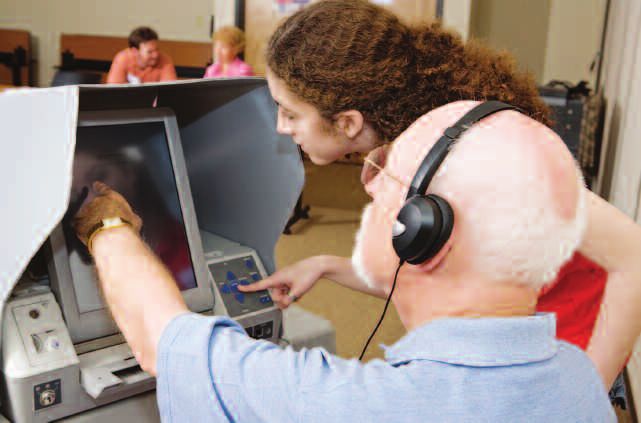
NEWS & EVENTS

          INFORMATION SYSTEMS                                              Professor Turnier emphasized the political and economic
          The Office of Information Systems has undergone a couple of      ramifications of VAT in the 146 countries that have adopted
          staffing changes. Andrew Wilson was promoted to the              the system, including those outside of Europe.
          Director of Information Systems on June 1, 2008. Andrew’s
                                                                           The students spent a day in Sorrento’s criminal court and had
          main focus will be customer service initiatives, streamlining
                                                                           discussions with local tax and criminal law attorneys. Besides
          and automating report procedures, and working with the
                                                                           having the opportunity to learn about legal systems in other
          Assistant Dean of Information Systems on short and long
                                                                           parts of the world, the students also took in the great food
          term strategic planning.
                                                                           and sites of the Bay of Naples.
          Over the past year, the Office of Information Systems worked
          on many projects, including the renovation of several
          classrooms with new technology. Rooms 242, 243 and 301           STUDENT AFFAIRS
          (the Jonathan Falk Classroom) were fitted with technology        Student organizations continued the strong Hofstra Law
          such as, VGA input for laptops, a sound system, wireless         tradition of being very active during the academic year.
          microphone, DVD-VCR, a ceiling mounted projector, ceiling        A few highlights include:
          speakers and remote panels that control the various inputs.      • APALSA, BLSA,
          This means that 12 classrooms in the Law School have               LALSA, and SALSA
          permanent built-in technology.                                     held the first-ever
          Starting in 2007-08, the Information Systems Office has            joint student
          maintained an online student photo directory and an                banquet. These
          electronic classroom seating chart application. The                organizations also
          department has also created a chat forum on its technology         put together a very
          Web site to provide online support to users. The department        successful Diversity
          also produced electronic newsletter.                               Orientation for the
                                                                             members of the
          Hofstra Law School was one of the first schools in the late                               Joint Student Diversity Banquet
                                                                             Classes of 2011
          ‘90s to offer students the opportunity to take exams on
                                                                             and 2012.
          computers. This past spring semester saw more than 1,000
          Hofstra Law students (approximately 90%) take their exams        • The Sports and Entertainment Law Society hosted a
          on either Windows based or Apple computers.                        Speaker/Social Series at Yankee Stadium with Yankee’s
                                                                             President and Hofstra alumnus, Randy Levine ’80 speaking.

                                                                           • Hofstra Law Women assembled an outstanding group of
          INTERNATIONAL LAW PROGRAMS                                         individuals to participate in the Women in Business and
                                            The 2008 International and
                                                                             Law Panel. Panelists included: Roslyn D. Goldmacher ’78,
                                            Comparative Law Program
                                                                             President and CEO, Long Island Development Corporation;
                                            in Sorrento, Italy had 19
                                                                             Roberta Karp ’83, Senior Vice President of Business
                                            students take part in two
                                                                             Development, Liz Claiborne, Inc.; Lois Carter Schilissel,
                                            weeks of legal study.
                                                                             Managing Attorney, Meyer, Suozzi, English & Klein, P.C.;
                                            Except for two visiting
                                                                             and Amy Leder ’92, Partner, McDermott, Will & Emery,
                                            students, all the
                                                                             L.L.P.
                                            participants were from
                                            Hofstra Law School.            The Office of Student Affairs continues to expand program
                                                                           initiatives to support students while in law school and
Curacao 2008 Sailing Trip                      The program required
                                                                           beyond. During the upcoming year, professionalism will be a
          students to take two courses. K. Babe Howell, Hofstra’s
                                                                           program focus. This theme was incorporated into
          Assistant Clinical Professor and Attorney-in-Charge of the
                                                                           Orientation 2008 for the Classes of 2011 and 2012. As part
          Criminal Justice Clinic, taught International Comparative
                                                                           of Orientation, students visited the New York State Supreme
          Criminal Law. While William Turnier, a Professor of Law at the
                                                                           Court building in Nassau County for discussions on
          University of North Carolina School of Law, taught a course
                                                                           professionalism, civility and ethics. The morning concluded
          on Value Added Tax. Professor Howell discussed the
                                                                           with the Honorable Kenneth A. Davis administering the first-
          uniformity of sentencing, use of plea bargaining, and the
                                                                           ever Hofstra Law Professionalism Pledge (a copy of the
          search for accuracy in the legal systems of various European
                                                                           pledge is available on the Hofstra Law Web site).
          Union countries, especially Italy, France and Germany.

                                                                                                                         law.hofstra.edu    5
2007-08 year in review...
The 2007-08 academic year weigh in on controversial issues Students Sponsored Art contractors, gave a thought-
proved to be one of the such as prosecutorial abuse, the Contest for Uniondale provoking lecture titled,"Too
busiest and most exciting challenges of representing Grade-Schoolers Dependent on Contractors?
times at Hofstra Law School. prisoners at Guantanamo, and Nearly 40 Uniondale children Minimum Standards for
Below are a select few of the attacks on lawyers who submitted their creations for Responsible Governance," at a
many great programs held represent unpopular clients an art contest sponsored by lecture sponsored by the Hofstra
throughout the year. and causes. Hofstra Law School’s Family Law Review. Schooner is Senior
Court Review. Participating Associate Dean for Academic
students were first and fifth Affairs, Associate Professor of
SEPTEMBER 2007 NOVEMBER 2007 graders from Uniondale’s Law and Co-Director of the
California Avenue Elementary Government Procurement Law
Health Law and Policy Hofstra Law School Hosted School, which is located next Program at The George
Fellowship Launched Youth at Risk Conference door to the Law School. Washington University Law
Hofstra Law School created a Hofstra Law School proudly School.
new Fellowship for Health Law hosted “Youth at Risk: Legal &
and Policy to train lawyers in Community Responses” on
DECEMBER 2007
health law who will represent Friday, November 2. The
Impact of Declining Dollar
medical providers, patients and conference encouraged Papers of Renowned
Debated at Foreign
the health care industry, as well improvements and coordination Environmentalist William R.
Exchange Symposium
as to advance health law policy. in the ways that legal, Ginsberg Donated
Legal and business
The new fellowship was educational and social services Hofstra Law School acquired the
professionals, academics, and
developed in response to a systems respond to the papers of William R. Ginsberg, a
top regulators gathered at
growing need for lawyers problems of youth at risk. It also Hofstra Professor Emeritus who
Hofstra Law School on Friday,
trained in health law. Two promoted awareness and better was a pioneer in the field of
February 8, to discuss the
entering students were selected treatment of LGBT youth, who environmental law and a leading
current state of the foreign
as inaugural fellows in the are a major percentage of the advocate for the preservation of
exchange market and the
program. total at-risk population. The open space. Professor Ginsberg,
declining dollar. Walter Lukken,
conference was presented in who taught at Hofstra Law
Acting Chairman of the
conjunction with the American School for 29 years, is credited
Commodity Futures Trading
OCTOBER 2007 Bar Association’s Youth at Risk with introducing one of the first
Commission, gave the keynote
Commission, Family & Children’s environmental law classes in the
Hofstra Law School address. Also among the
Association, Jaspan Schlesinger country. When he retired from
Presented a Forum on panelists were Francisco Ramon-
Hoffman LLP, Pride for Youth, teaching in 2004, Professor
the Recent U.S. Supreme Ballester, Advisor to the
NYS Permanent Judicial Ginsberg held the title of Rivkin
Court Term European Central Bank,
Commission on Justice for Radler Distinguished Professor
A forum titled “Whither the International Monetary Fund.
Children, the Opening of Environmental Law. He
Court” was held to discuss the Doors Project and the Saltzman passed away in 2006.
recent United States Supreme Foundation.
Court term. Four faculty U.S. District Judge John
members reviewed recent Gleeson Spoke at
JANUARY 2008 Hofstra Law School
Supreme Court cases and their
Hofstra Law School Hosted
implications on the legal Hofstra Law School Named U.S. District Judge John Gleeson
Conference on Immigration
profession. Panelists included Nora V. Demleitner as Dean spoke to a packed house at
On November 9, Hofstra Law
Hofstra Law School Professors Hofstra University President Hofstra Law School on "The
School hosted a very successful
Robin Charlow, Eric M. Stuart Rabinowitz announced Sentencing Commission and
one-day conference titled "Local
Freedman, Leon Friedman, and that Nora V. Demleitner, a Prosecutorial Discretion: The
Dimensions of Immigration:
Julian Ku. Professor Lawrence distinguished faculty member Role of the Courts in Policing
Challenges and Opportunities in
Kessler, the Richard J. Cardali who served as Interim Dean Sentence Bargains." Judge
a Changing Long Island." The
Distinguished Professor of Trial since March 2007, would serve Gleeson’s speech, part of the
conference addressed recent
Advocacy, moderated. as dean of Hofstra Law School, Howard & Iris Kaplan Memorial
trends and changes in
effective January 1, 2008. Dean Lecture Series, recommended
immigration and immigrant
Demleitner is the first woman to that prosecutors be given the
communities as they affect local
Hofstra Law School Hosted lead the Law School. discretion to reach sentence
governments, businesses,
Sixth Biannual Legal Ethics bargains with defendants, even
schools and individuals. The
Conference if the agreed-upon sentence is
conference featured panels on
The 2007 Legal Ethics FEBRUARY 2008 outside the Federal Sentencing
legal issues affecting immigrants
Conference, “Lawyering at the Guidelines.
in such areas as banking, Hofstra Law Review Hosted
Edge: Unpopular Clients, housing, and immigration law Lecture on Government
Difficult Cases, Zealous enforcement. Wright Risk Contracting
Advocates” occurred October Management co-sponsored the On February 6, Professor Steven
14 to 16. Conference Director conference. L. Schooner, an expert in the
Roy D. Simon arranged for more
government's use of
than 20 dynamic speakers to
6 Hofstra Law Report Fall 2008
NEWS & EVENTS
MARCH 2008 devote their summer to working APRIL 2008 chosen for LSPIN Fellowships.
in an area of public interest law. The Charles H. Revson
Hofstra Law Team Bests More than 200 students, Hofstra Law School Ranked Foundation offers the Law
52 Teams from Around the alumni, family and friends in Top 100 ABA-Accredited Students Public Interest (LSPIN)
Globe at International attended as Kent Moston was Law Schools Fellowship Program each
Moot Arbitration presented the Outstanding Hofstra Law School proudly summer. The LSPIN Fellowship
In the highest finish ever for Alumni Award. He is the rejoined U.S. News & World Program provides summer
Hofstra Law in a “Vis current Attorney in Chief of the Report’s ranking of the top 100 grants for first- and second-year
International Moot” Legal Aid Society of Nassau ABA-accredited law schools. The law students attending law
competition, 11 students from County and has dedicated his Law School was also hailed as school in New York and New
Hofstra Law School surpassed career to serving the public having one of the most diverse Jersey to work with public
teams from all over the world to interest. The auction was an student bodies in the country. interest organizations in the
grab first place for “Best overwhelming success, raising New York metropolitan area.
Memorandum on Behalf of record-breaking funds of more Annually, approximately 300
Respondent” at the than $35,000. Susan Frelich Appleton applications are received from
competition’s Far East site, held Delivered Sidney and Walter students at 18 law schools for
in Hong Kong March 3-9. This Siben Distinguished only 75 fellowship awards.
year’s competition attracted Professorship Lecture
Emerging Technology and
teams from 52 law schools, Susan Frelich Appleton, the
Employee Privacy
representing 13 countries. The Lemma Barkeloo and Phoebe
Symposium Held at JULY 2008
Hofstra Vis Moot team also Couzins Professor of Law at the
Hofstra Law School
finished as First Runner-Up in Washington University School of Distinguished Visiting Faculty
On March 7, the Hofstra Labor
the category of “Best Brief Law delivered the 2007-2008 Announced for 2008-09
and Employment Law Journal
Submitted on Behalf of the Sidney and Walter Siben Hofstra Law School announced
sponsored a symposium on
Claimant.” In the oral Distinguished Professorship that Professor Scott Horton and
Emerging Technology and
competition, Hofstra’s team tied Lecture on Wednesday, April 23. Dr. Jeremy Sarkin joined the
Employee Privacy. Focusing on
for fifth in the opening round Introductions were made by faculty as distinguished visiting
the effects of emerging
and advanced to the elimination Professor John DeWitt Gregory, professors for the 2008-09
technologies such as the
round for the first time ever. the Sidney and Walter Siben academic year. Professors Sarkin
BlackBerry, RFIDS, GPS, and
Distinguished Professor of and Horton are nationally
other tracking technologies in
Family Law. known experts in international
the employment arena, the
Scientists, Lawyers and law fields.
symposium examined proposed
Clergy Debated Stem Cell solutions to privacy concerns,
and Cloning Research at addressed the prevalent problem Dean Nora V. Demleitner
Hofstra Law School of data theft, and discussed Named One of Long Island’s AUGUST 2008
Recent scientific developments legal issues in this emerging Top 50 Women
Hofstra Law School
in the field of human embryonic area of the law. Nora V. Demleitner was named,
Received a Gift to Establish
stem cell research and cloning for the first time, one of Long
Hempstead High School
have prompted a host of Island’s Top 50 Most Influential
Mock Trial Program
difficult questions that challenge Women in Business. The Long
U.S. Supreme Court Justice Hofstra Law School received
lawmakers, scientists, ethicists, Island Business News launched
Samuel A. Alito, Jr. Visited funding from alumna Joan
theologians, and ordinary the Top 50 Most Influential
Hofstra Law School Hermanowski ’76, Chair and
citizens. On March 5 and 6 Women in Business awards in
Hofstra Law School hosted Sole Shareholder of Americable
some of the nation’s leading 2000 to recognize the important
Supreme Court Justice Samuel International, to establish a two-
researchers, physicians, lawyers, role women play in Long Island's
A. Alito, Jr. on Tuesday, March year pilot mock trial program at
clergy, ethicists and policy economy. The honorees
11. During his visit, Justice Alito Hempstead High School. The
makers debated these questions represent the most influential
hosted a highly attended and goal of the program is to expose
at a conference titled women in business,
fascinating discussion on judicial Hempstead High School
“Embryonic Stem Cells, Clones government, education, and the
clerkships, in which Professor students to the legal process
and Genes: Science, Law, Politics not-for-profit fields, and are
Norman Silber, Judge Leonard and careers in law, as well as to
and Values,” presented by selected by a panel of business
Garth of the U.S. Court of develop their critical thinking
Hofstra Law School and the leaders based on professional
Appeals for the Third Circuit and and communication skills. The
Hofstra Cultural Center. accomplishments, mentoring
Dean Nora V. Demleitner Law School will work with the
participated. Judge Garth, for and community involvement.
students to prepare a team to
whom Justice Alito and compete in the New York State
Public Justice Foundation Professor Silber clerked, joined High School Mock Trial
Auction Raised the program via video link from JUNE 2008 Tournament, sponsored by the
Record Amount the University of Arizona.
Nine Hofstra Law Students New York Bar Foundation and
The 19th Annual Public Justice Following the clerkship event,
Selected for 2008 LSPIN the New York State Bar Law,
Foundation Gala Goods and Justice Alito met with 25 Hofstra
Fellowships Youth & Citizenship Program.
Services Auction took place on Law students for a roundtable
March 6. The event funds Public For the second year in a row
discussion. A large crowd of
Interest Law Fellowships, which Hofstra Law School had one of
students, administrators and
are awarded to students who the largest number of students
faculty watched the simulcast.
law.hofstra.edu 7
The Constitution Is Our Obligation
                                                   By Eric Lane
                                                   Eric J. Schmertz Distinguished Professor of Public Law and Public Service
                                                   Co-Authored by Michael Oreskes

    N
             ext year, on January 20, the          But by the time of the Convention in        Liberty through representation also led
             winning presidential candidate        1787, that notion of liberty had proven     to several other critical ideas captured
             will pledge, as constitutionally      unrealizable, utopian. Chaos and            by what one scholar has called “conflict
    required, to “faithfully execute the           majority oppression reigned. “We have       within consensus.” Self or group
    office of president of the United States”      probably had too good an opinion of         interest would be pursued within
    and to “preserve, protect and defend           human nature in forming our                 Congress, but within a consensus that
    the Constitution of the United States."        confederation,” George Washington           we are bound to each other by our
    Witnessing the Deity (“so help me              wrote in 1786. So the framers recast        shared belief in our Constitution and its
    God”) is optional. He will then, and           this earlier idea of liberty. The new       principles, that the realization of our
    only then, become the 44th president           version encompassed a right to              self-interest cannot be the only measure
    of the United States.                          advocacy, not to success. This required     of our government’s legitimacy. From
                                                   that all of the nation’s broad array of     this flowed two other crucial ideas:
    Note that the president’s obligation is        interests (as the framers narrowly saw      compromise and tolerance. The
    to the Constitution, not to the country.       them) had to be represented in the          Constitution itself was a set of
    The distinction is real, and by design.        nation’s political processes. But it also   compromises and assumed the vital
    For the framers, it was the Constitution,      demanded that for an interest to            need for compromise for the new
    its ideas and principles, that would           become law, it had to survive a             government to function.
    define America, not its soil, nor, for that    complicated political process marked by
    matter, the blood, birth, clan, or             a bicameral legislative body, separation    Americans know
    religion of its inhabitants. And that          of powers, and checks and balances.
    remains true today. “America,” writes          The goal of the system was to protect       almost nothing of the
    Harvard’s Derek Bok, “is a country that        liberty by thwarting majority impulses
    preserves its unity through a shared           to dominate minorities.                     Constitution’s basics,
    belief in its Constitution, its institutions
    of government, and its democratic              The Constitution, as first ratified, had    let alone its principles.
    principles.” Or as President George W.         no bill of rights. The framers originally
    Bush observed in his first inaugural           thought individual liberty could be         All of these principles, over time,
    speech: “We are bound by ideals that           protected through limiting federal          formed our constitutional conscience.
    move us beyond our backgrounds, lift           powers and the complicated law-             James Madison, the father of the
    us above our interests and teach us            making processes the Constitution           Constitution, described this as the
    what it means to be citizens.”                 established. They also thought a bill of    “fundamental maxims of free
                                                   rights would offer little protection from   government,” which become part of
    What are these democratic principles or        a government intent on its violation (an    the “national sentiment” and
    ideals? The first, of course, is liberty.      observation often proven right by           “counteract the impulses of interest
    Liberty also informed the Declaration of       American history). But, during the          and passion.” And through our
    Independence. But the Constitution’s           ratification campaign, the framers          constitutional conscience we expanded
    take on it was different. The founders         became convinced that a bill of rights      (and still are expanding) the meaning of
    believed that Americans had a unique           was necessary both to further protect       those principles, for example, to end
    capacity to suppress self-interest for the     the liberty of Americans from majority      slavery; to give African Americans,
    public good in the conduct of public           politics and to assure ratification. So     other minorities, women, and young
    affairs. Public virtue, it was called.         they promised that if the Constitution      adults the right to vote; to provide for
    Through public virtue, Americans would         was ratified, they would support a bill     the equal protection of law; and to
    live together harmoniously, or at least        of rights in the first Congress. They       establish a right of individual privacy.
    the founders hoped so. Simple                  (those elected to Congress) did and the     Of course, most of these changes have
    government was all they would need.            Bill of Rights became the Constitution’s    required struggle because all have
                                                   first 10 amendments.                        involved a diminution of the power of
                                                                                               those who then had it.

8     Hofstra Law Report      Fall 2008
These principles are not, as retired claimed, unembarrassingly, to be based The presidential election and the
Supreme Court Justice Sandra Day on the monarchial prerogatives of the pending oath of office provide an
O’Connor recently noted, “in our president. This is not a criticism of opportunity to reconsider our
genes.” We have to be taught them. policy (e.g., Iraq War), but of process. educational goals. Both candidates
“Every child must be taught these For example, Congress’ continuing have demonstrated in their service and
principles,” declared President Bush. deferral to the president on the Iraq in their commitment to public service a
And teaching these principles is not a War is a surrender of its constitutional unique understanding of the demands
one-time thing. They, like the values of responsibility, depriving us all of our (bipartisan compromises, respect for the
our own personal conscience, must be voice in government. And this is true ideas of others, respect for our
continuously relearned to resist the whether you support the war or not. governing institutions) of our
intense impulses of self-interest. democracy. And if the new president
Without this there is no “we the The culprit in this disintegration of our can translate his own learning and
people,” no e pluribus unum. That is constitutional obligation is our public experience in these matters into a
why President Franklin Delano education system. It has almost entirely national discussion on civic literacy, he
Roosevelt taught that the Constitution abandoned it critical role. The will perform an extraordinary service to
is “like the Bible, it ought to be read preservation of our nation as a our constitutional democracy. In fact, it
again and again.” constitutional democracy is the prime is his constitutional duty. The
role of our schools, even more presidential oath of office requires the
Sadly, over the last several decades we important than the math or science president to “preserve” the
have abandoned our commitment to that we now deem is sine qua non. Constitution and, as the framers rightly
teach these lessons. We have become What is the value of either math or understood, only an informed citizenry
civically ignorant. Survey after survey science, if we don’t have our could ensure this most important goal.
demonstrates this condition. democracy? Or as Amy Gutmann, Hence Ben Franklin’s oft repeated
Americans know almost nothing of the president of The University of response to a woman’s question
Constitution’s basics, let alone its Pennsylvania, states: “political concerning the nature of the new
principles. And this is confirmed by our preparation – the cultivation of virtues, government: “a republic, madame, if
growing interest-tribalism and our knowledge, and skills necessary for you can keep it.” Keeping it means
willingness to embrace “reforms,” such political participation – has moral maintaining a civically literate public.
as term limits and initiatives, in order to primacy over other purposes of public Anything less points us toward the
achieve our various narrow goals. This education in a democratic society.” destruction of our constitutional
is also confirmed by our failure to force democracy.
Congress to check executive actions
law.hofstra.edu 9The Nuts and Bolts of the
2008 Presidential Election
By Grant M. Hayden Professor of Law
debate over voter fraud. In the end, Congress ended up
T
he public spent much of the last year following the
presidential candidates and the high theater of the passing the Help America Vote Act of 2002 (HAVA) nearly
primaries and conventions. Voting rights scholars, two full years after the 2000 presidential election. The states
though, spent less time on the candidates and more on the then slowly implemented its provisions, in many cases taking
process. For years, our energy was directed at big-picture full advantage of waiver provisions allowing its deadlines to
issues in election law. The main objects of study were how be extended. In addition, some of the HAVA remedies
votes were aggregated, with topics ranging from the introduced brand new difficulties into state election
constitutional requirements of “one person, one vote” to the practices.
propriety of partisan and racial gerrymanders.
HAVA was designed to take on a wide range of election
The 2000 presidential election changed all that. The debacle issues. First and foremost, it provided money to states so
in Florida shifted our attention away from the big picture that they could replace outdated voting equipment. The
toward the nuts-and-bolts mechanics of election punch card voting systems that gave rise to so many
administration. So we started looking at how individual problems in Florida (remember hanging chads?) were its
votes were cast and counted (and recounted). We became main target, but the law also provided funds for replacement
aware of the great degree of variation in voting methods and of lever voting systems (the type used in many New York
election administration from state to state (and county to elections). These older machines were to be replaced by new
county), and the presence of antiquated voting machines. voting systems that meet certain standards enumerated in
And it turned out that the state of Florida was not unique in the act. The new systems, for example, must be able to
its haphazard approach to election administration. Indeed, in recognize certain voter errors, such as overvotes (selecting
the 2004 election, Ohio became ground zero in the more candidates than allowed in a given race) and
presidential election fight and, but for a few tens of undervotes (making no valid selection in a given race), and
thousands of votes, we avoided having another Florida. give voters an opportunity to review and correct their votes
before their ballots are cast and counted.
In the upcoming presidential election, we will continue to
focus on the seemingly mundane mechanics of election HAVA did a number of other things as well. For example, it
administration within a few states. This is, in large part, a established new requirements for state voter registration
byproduct of our highly leveraged presidential election systems and uniform standards for counting votes. And it
process or, more precisely, of the decision by most states to established voter identification requirements for voting in
allocate their electoral votes on a winner-takes-all basis. This elections for federal office. Unlike other aspects of the law,
makes the results from most states a foregone conclusion, the voter identification requirements were not related to an
since it is clear early on whether they will end up supporting issue of any significance in the Florida election; instead, they
the Democratic or Republican candidate. The election, then, were insisted upon by congressional Republicans to combat
comes down to the outcome in a few “battleground” states, what they believed was significant voter fraud. And while
and the fate of all of those states’ electoral votes hinge on the HAVA voter identification requirements are relatively
the result. This puts tremendous pressure on the electoral minimal, they prompted many state legislatures to address
machinery within those key states. the issue in ways that resulted in much more demanding
state requirements.
So why haven't we cleaned up the problems that gave rise to
the Florida fiasco? The reasons are complicated. Despite The 2004 and 2006 election cycles gave us some insight into
widespread agreement on the need for change, the federal HAVA’s effectiveness. There was some good news. The
and state governments were slow to respond. Most states electronic voting machines adopted by many states
waited for federal leadership (and money) on the issue. But performed well, with much lower error rates than there had
the congressional response got tied up with a partisan been using the old machines. While there were isolated
reports of machine malfunctions in both the 2004 and 2006
10 Hofstra Law Report Fall 2008elections, one study found that about one million votes were Voter identification requirements remain a controversial area
saved in 2004 alone as a result of better election equipment of election administration. Although the original partisan
and management. But many states did not meet the HAVA divide remains intact — with Republicans in favor and
deadlines, even by the 2006 elections, which prompted the Democrats opposed to more stringent requirements — the
Department of Justice to sue some of the more notorious dispute has moved to the state level. At this point, 23 states
offenders (including New York and New Jersey). And there have the minimum HAVA voter identification requirements in
were new complications and tremendous state variation with place; the rest request or require something more. Some
respect to their approaches to electronic voting machines, states, like Florida, Georgia, and Indiana, have taken a fairly
provisional ballots, and voter identification requirements. aggressive tack, requiring photo identification from all voters,
and many states are pondering similar measures in light of
the Supreme Court’s recent rejection of a constitutional
challenge to Indiana’s law. And though there have been no
credible reports of any election outcome influenced by
groups of people fraudulently impersonating other voters at
the polls (the type of vote fraud addressed by identification
requirements), the need for voter identification continues to
resonate with many people and the state legislators who
represent them. This remains true, despite some evidence
that such requirements do, in fact, suppress turnout.
Many believe that the downside risk of voter identification
requirements will be ameliorated by provisional ballots.
Under HAVA, a voter who shows up at a polling place and
finds her name missing from voter rolls or does not have the
Touchscreen voting machine
required identification has a right to cast a provisional ballot,
which is counted if the voter is later found to be eligible.
In the upcoming election, attention will once again be One problem with this is that it depends upon the voter
focused on these issues within a few key states. By now, following through with the state’s provisional vote
most states have used their federal money to purchase new, procedures, which can be onerous. And apart from the
HAVA-compliant voting systems. These are usually direct- identification issue, provisional ballots are themselves a
recording electronic (DRE) or optical scan voting machines. source of considerable controversy and state variation. The
(DRE machines, some of which have ATM-style touchscreens, 2004 election revealed that provisional ballots were cast (and
directly record votes in their computer memories; optical scan counted) at wildly different rates. California, for example,
machines detect blackened ovals or other designated marks saw 668,408 provisional ballots cast, and eventually counted
on paper ballots.) Many critics, however, contend that the 73.2 percent of them; Delaware, on the other hand, saw just
DRE machines are vulnerable to systemic (as opposed to 384 provisional ballots, and counted only 24. Some states
individual ballot) error and, more worrisome, manipulation. counted provisional ballots so long as they were cast in the
Such concerns led several states to reverse course on their correct state or county; others counted them only if they
choice of voting systems, and led many others to adopt were cast in the correct precinct.
voter-verified paper audit trails, or VVPATs, which make a
The 2008 elections will put pressure on all of these aspects of
paper record that can be checked by the voter and later used
our electoral machinery. And voting rights scholars, along
to audit the machine counts or, if needed, for recounts. The
with the rest of the nation, will keep our fingers crossed that
VVPATs, however, are not a panacea, since many voters do
the margin of victory exceeds the margin of litigation.
not check the paper counterpart (casting doubt on the
“voter verified” aspect of them), and the paper records
themselves give rise to questions about ballot integrity and
voter privacy. And while there are problems with DRE
machines, we should not overlook the other side of the
equation — the machines have lower error rates than the
machines they replace, and are more capable of providing
meaningful voting opportunities for non-English speakers
and people with disabilities. Electronic voting systems are not
without flaws, but their performance should be viewed in
comparison with competitor systems, not against some
hypothetical perfect voting machine.
law.hofstra.edu 11Biomedical Research
By Janet L. Dolgin
Jack and Freda Dicker Distinguished Professor of Health Care Law
Conference Co-Director, Embryonic Stem Cells, Clones and Genes: Science, Law, Politics and Values
development, and the construction of organs for
S
ometimes a social debate – for example, a debate
about the influence of the pharmaceutical industry on transplantation.
medical research – highlights a society’s deepest
hopes, fears and concerns. And sometimes such a debate is Since 1998, when hESCs were isolated, a social debate about
illuminated by a subsequent debate – for example, a debate the ethical implications of hESC research has limited relevant
about research involving stem cells. scientific research. That debate was an almost inevitable
consequence of a central shift in the debate about abortion
The first of the debates noted was presented by Hofstra Law that occurred during the last decades of the 20th century. In
School and the Hofstra Cultural Center in October 2006 as the years surrounding Roe v. Wade (decided by the U.S.
part of a conference titled “The Pharmaceutical Industry and Supreme Court in 1973), the pro-life movement shifted its
Its Relationship with Government, Academia, Physicians and focus from safeguarding traditional family life and gender
Consumers,” which focused on conflicts of interests caused roles to stressing that fetuses and embryos are human beings.
by the funding of biomedical research by the pharmaceutical
industry. The second was presented under the same auspices The shift in focus served the movement’s cause for several
in March 2008 as part of a conference titled “Embryonic decades. But after hESCs were isolated in 1998, the promise
Stem Cells, Clones and Genes: Science, Law, Politics and of treatments and even cures for a wide set of debilitating
Values,” which brought together scientists, physicians, and and life-threatening illnesses convinced many – even some
lawyers with philosophers, social scientists, ethicists, and pro-life adherents – that hESC research should continue,
theologians to consider the implications for society, medicine, despite the ethical concern that embryos must be destroyed
law, ethics and theology of biomedical research involving to obtain stem cells. To address that concern, some
human embryonic stem cells (hESC). researchers, such as William Hurlbut, a member of the
president’s Bioethics Council, and a participant in the March
Human embryonic stem cells were first isolated a decade ago. conference at Hofstra, are trying to conduct research that will
In 1998 James Thomson at the University of Wisconsin not destroy embryos that might be used in human
announced that his team of researchers had isolated hESCs, reproduction. Others suggest that the advent of induced
and John Gearhart announced that his team at Johns Hopkins pluripotent stem cells, created through reprogramming
University had derived pluripotent stem cells from primordial somatic cells, eliminates the need to use embryos capable of
human germ cells. Dr. Gearhart, often referred to as “the human reproduction. At present, however, many scientists do
stem cell guru,” delivered the keynote address at the 2008 not believe that the options noted displace the need for
Hofstra conference. research using stem cells derived from embryos.
Human embryonic stem cells have two remarkable features. The most contentious political disagreements about hESC
They are pluripotent (that is to say, they can be transformed research are reflected in federal funding. In August 2001
into any of the 220 different types of cells in the human President George W. Bush announced a compromise that, in
body), and they can renew themselves indefinitely. Dr. his view, acknowledged both the “potential” of hESC
Gearhart’s address described some of the remarkable research “for incredible good,” and underscored the sanctity
developments in stem cell research during the last decade, of embryonic life. The compromise provided for the federal
including a method, announced in late 2007, for creating government to fund research on stem cell lines that existed
pluripotent stem cells from somatic cells. And he outlined the on the day of his announcement (August 9, 2001), but not
stunning promise of continued research using ESCs, including on lines created after that date. Although it appeared that 60
medical cures, fundamental discoveries in biology, drug lines existed in August 2001, far fewer have proved useful for
12 Hofstra Law Report Fall 2008and the Law
research. Bush’s compromise pleased almost no one, but it
reflected the issues in debate.
In Congress, pro-life adherents are divided on the issue.
Some have opposed federal funding. Others have attempted
to separate the debate about abortion from that about hESC
research. So, for instance, former Florida Senator Connie
Mack assessed the morality of conducting research on
embryos created through somatic cell nuclear transfer (so- Polls show that a majority of U.S. voters favor hESC research.
called “cloned embryos”). Mack explained that with cloned However, opposition is widespread and intense. A study of a
embryos “[y]ou’re using an egg that has never been fertilized representative sample of the U.S. population, conducted by
by sperm and is never placed in a uterus. The words that the Genetics and Public Policy Center in 2005, found that
we’re using were defined in a former age.1” Since then, more than two-thirds of respondents approved of hESC
Congress has twice
passed a bill that
would have provided Polls show that a majority of U.S. voters
federal funding for
hESC research on favor hESC research. However,
stem cells derived
from embryos created opposition is widespread and intense.
for in vitro
fertilization, but not
needed by progenitors for reproduction. Bush vetoed the first research. However, members of evangelical or
bill in 2006. It was the first veto of his presidency. The next fundamentalist religious groups were 10 times more likely
year, he vetoed the second bill. Congress failed to override than others to oppose hESC research. Opposition among
either veto. these groups is strong and deeply personal.
A number of private institutions and at least seven states As noted, the debates highlighted by Hofstra University’s two
have committed funds for hESC research. Several universities, recent conferences – the debate about the influence of the
including Harvard, Columbia, and Stanford, have pledged, or pharmaceutical industry on biomedical research, and the
have raised, millions of dollars to support hESC research. In debate about the implications of stem cell research – reflect
2004 California voters passed Proposition 71, which our society’s deep interest in the ethical concerns associated
amended the state constitution to safeguard stem cell with abortion, family, religion, illness, science, and the
research and provided to fund it through public bonds. Other meaning of personhood; core concerns that reflect our hopes
states, including Connecticut, Illinois, and New York, have for and fears about the future, and that will, we trust, remain
pledged financial and/or political support for hESC research. the focus of productive debate.
State initiatives, though welcomed by advocates of hESC
research, create legal complications for scientists
collaborating with out-of-state laboratories, since relevant 1 Aaron Zitner, The Nation: Cloning Receives a Makeover Politics: Nuances of
rules often conflict. Language Helped Reframe the Debate and Derail an All-Out Ban in Congress,
L.A. Times, June 17, 2002, at A1.
law.hofstra.edu 13You can also read


