HOMETALK - DIALOGUE WORKS
←
→
Page content transcription
If your browser does not render page correctly, please read the page content below
HomeTalk
 thoughtful conversations for families and schools

Let’s talk about…

Life Cycles                                                                                                               Photo by Stephanie LeBlanc on Unsplash

compiled by Dulcinea Norton-Morris https://magicalmess.weebly.com/beautiful-thinking.html

 Note to parents/carers and teachers
 This pack contains links to external websites. Whilst we take every care to make sure these are
                                                                                                       To get HomeTalk emailed every week
 suitable, you may want to check the content before showing them to children.                      message bobhouse@dialogueworks.co.uk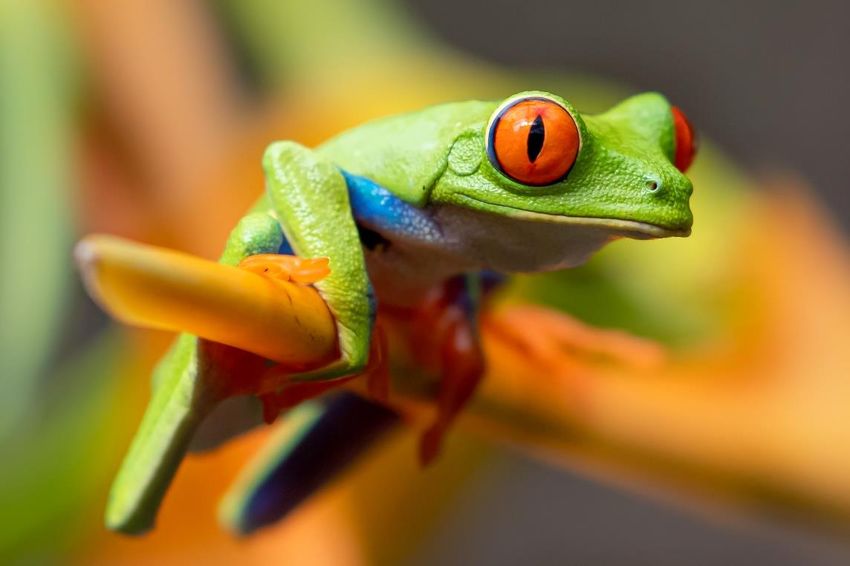
Quotes about life cycles

                                                                                                                                                          A hen is only
                                                          I bet the tadpole and the
                                                                                                                                                          an egg’s way
                                                        caterpillar still feel the same,
                                                         even when they're jumping                                                                         of making
                                                          and flying, swimming and                                                                        another egg.
                                                                   floating.

                                                                                                                                          Samuel Butler
                                                                                                                                          poet

                                                                                                                  Time can do all sorts of
                                                                                                               things… It can turn… seeds
                                                                                                              into flowers and tadpoles into
                                                                                                             frogs, caterpillars into cocoons,
   Holly Smale
   author of the Geek Girl series                                                                              and cocoons into butterflies.
                                                                                                                                                          Alex Shearer
Holly Smale quote from Geek Girl, accessed at https://www.goodreads.com/author/quotes/5824402.Holly_Smale
                                                                                                                                                          novelist and scriptwriter
Samuel Butler quote from https://www.brainyquote.com/quotes/samuel_butler_107131
Alex Shearer quote from The Stolen, accessed at https://www.goodreads.com/author/quotes/12944.Alex_Shearer
Holly Smale photo by Holly Smale, CC BY-SA 4.0, via Wikimedia Commons
Samuel Butler photo from National Portrait Gallery, Public domain, via Wikimedia Commons                              DialogueWorks Ltd © 2021                                        2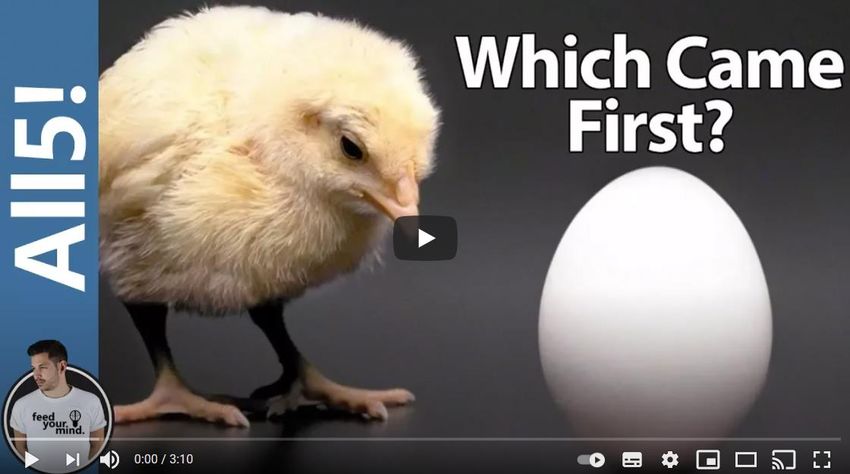
Thinking about life cycles

        Caring thinking                                           Collaborative thinking
    How can we protect plants and
    animals when they are at                                      Would we be able to convince
    delicate stages of their life                                 everybody in the world to plant
    cycles – egg, seed, chrysalis,                                one tree seed each?
    cocoon etc?

       Creative thinking                                              Critical thinking
    Could you design a beautiful and
                                                                  Do humans help or hinder life
    colourful wildflower garden for
                                                                  cycles?
    local butterflies?

                                       DialogueWorks Ltd © 2021                                     3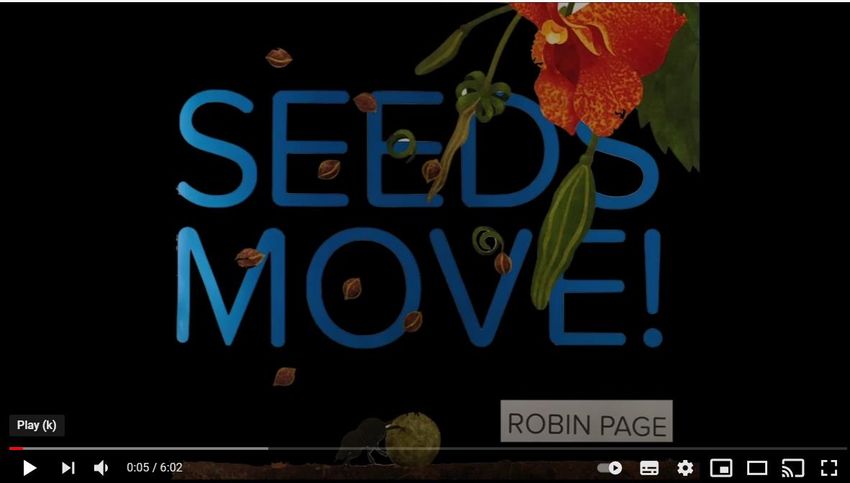
Have you ever grown
                                                                 something from a seed?                        Can you find out the
          A tadpole has grown                                                                                  ways in which moths
          back legs. What will                                                                                  and butterflies are
              happen next?                                                                                          the same?

                                             Think AHEAD                 Think BACK              CONNECT

                                                                                                                      Write a list of
                                                                                                                         all of the
                                                    DIVIDE             LISTEN/LOOK             ZOOM (in/out)         different things
                                                                                                                       that change
         How is the life
                                                                                                                       form during
       cycle of a human
                                                                                                                         their life.
      different to the life
                                                       Go on a walk and look for the
        cycle of a frog?                                                                             Learn about
                                                       different signs and types of
                                                          life cycles you can see.                 the anatomy of
                                                                                                      a flower.

To find out more about the Thinking Moves A-Z                                                                                           4
                                                                    DialogueWorks Ltd © 2021
visit https://dialogueworks.co.uk/thinking-moves/
Discussion suggestions (age 3 - 5)

                  Stimulus                                                              Talking Points
                                                                       •      Do you think the butterfly still feels the same as
                                                                              when it was a caterpillar?
                                                                       •      Would you rather be a caterpillar or a butterfly?
                                                                              Why?
                                                                       •      In this story the author says “cocoon” but a
                                                                              butterfly comes out of a “chrysalis” and a moth
                                                                              comes out of a “cocoon”. How important is it to
                                                                              use the right word in a story?

https://youtu.be/kMjTKNoZn_o
                                                                                             Activities
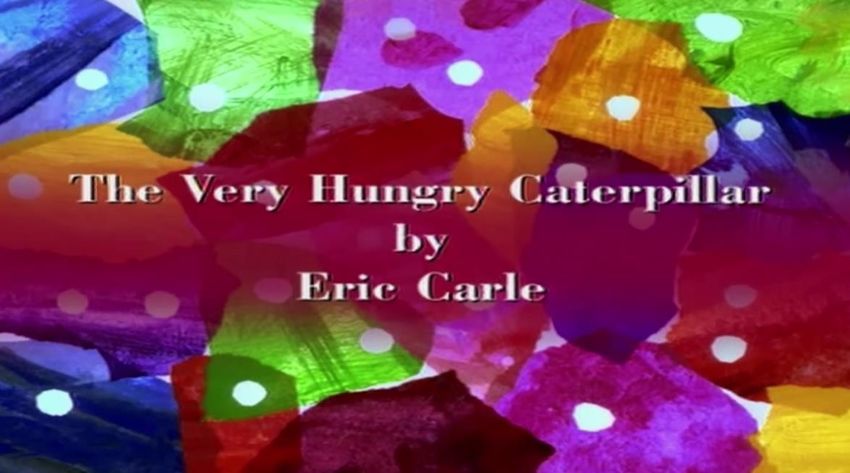
The Very Hungry Caterpillar                                            •      Learn about symmetry and make a symmetrical
by Eric Carle                                                                 butterfly picture.
                                                                       •      Can you make a leaf, egg, caterpillar, chrysalis and
In this video we learn about the life cycle of a
                                                                              cocoon out of play dough?
butterfly.

                                                   DialogueWorks Ltd © 2021                                                          5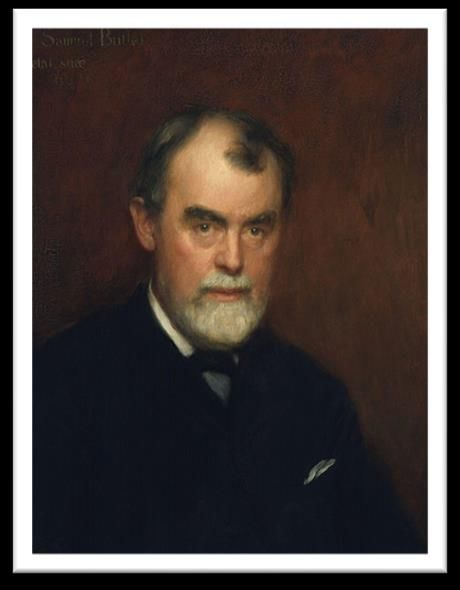
Discussion suggestions (age 6 - 9)

                Stimulus                                                                Talking Points
                                                                      •       Which method looked the most fun way for a seed
                                                                              to move?
                                                                      •       Which way of moving do you think would make a
                                                                              seed go the furthest?
                                                                      •       If you were a seed, which way of moving would you
                                                                              not choose? Why?

                                                                                             Activities
https://youtu.be/4dQIIcJZ68c                                          •       Can you make a picture of a flower using sticks and
                                                                              stones?
                                                                      •       Do a seed experiment – throw some wildflower
Seeds Move by Robin Page                                                      seeds as far as you can and see where they grow.
In this video we find out lots of different ways                      •       Investigate the different types of fruit and vegetable
that seeds can move.                                                          seeds and look at the differences.

                                                   DialogueWorks Ltd © 2021                                                            6
Discussion suggestions (age 10+)
Stimulus Talking Points
• Scientists think they have now decided which came
first. Do you think that one day scientists will be
able to answer every question?
• Which do you think came first? The chicken or the
egg? Do you agree with what the video said?
• Which came first – the seed or the tree?
Activity
https://youtu.be/vOz9hBX8kkM • Chickens, butterflies and frogs all come from
eggs. Using the Thinking Move, CONNECT, how
many other similarities can you find? How many
It is the age old question: Which came differences (DIVIDE)?
first – the chicken or the egg? • Did you find more similarities or more
differences?
DialogueWorks Ltd © 2021 7 More about HomeTalk, including previous editions
Parent Talk Moves – tips for great conversations with your children
To get HomeTalk emailed every week
message bobhouse@dialogueworks.co.uk
@dialoguewks
#P4C and #thinkingmoves
@dialoguewks
#P4C and #ThinkingMoves
DialogueWorks Ltd © 2021 8Training opportunities for teachers, support staff
and parents
P4C Plus Foundation course (12hrs) Thinking Moves A – Z course (6hrs)
Teaching that puts more thinking into learning Making metacognition simple across the curriculum
o Introduces you to P4C Plus and builds your o Shows you how Thinking Moves can enhance
skills over the first year of practice thinking in any subject, as well as in P4C
inquiries
o Equips you with a range of skills to use in
P4C inquiries and throughout the curriculum o Gives you practical guidance on how to
embed Thinking Moves into learning
o Includes premium resources and teacher
guide o Includes premium resources and handbook
Both courses available online or face-to-face, for individuals or whole-school teams
See https://dialogueworks.co.uk/training/ for upcoming courses
Contact enquiries@dialogueworks.co.uk for bookings or more information
DialogueWorks Ltd © 2021 9You can also read


