HOW COLD WEATHER AFFECTS THE BODY
←
→
Page content transcription
If your browser does not render page correctly, please read the page content below
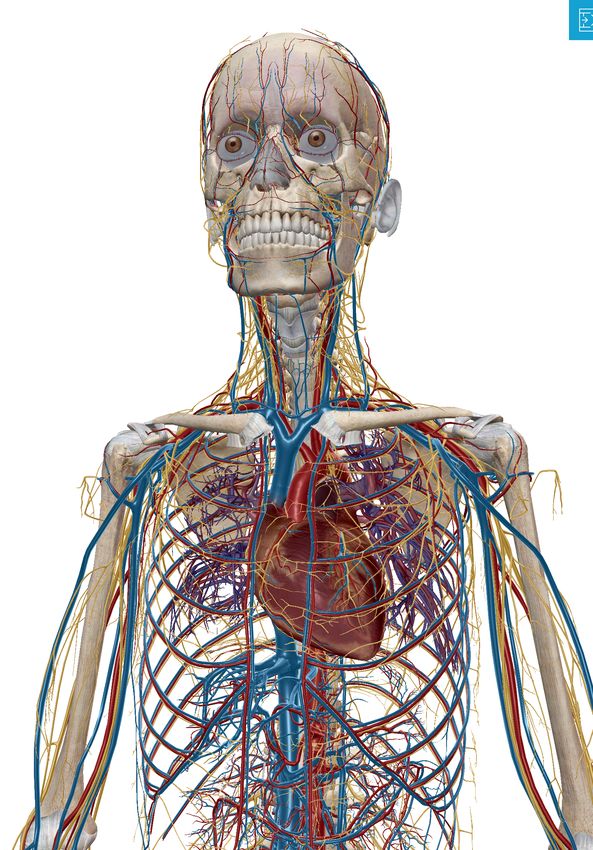
HOW COLD WEATHER
AFFECTS THE BODY
By The Visible Body Team & Dr. Cindy Harley of Metropolitan State University

  Winter is here, which means so is the cold weather.” The days are getting longer now
And with winter comes the cold weather. Everyone has varying opinions of the cold, but
  what are the effects it has on the body? In this eBook, we will look at how your body
 responds to the cold, debunk a few cold-weather myths, and offer some ways to help
                                      keep you warm!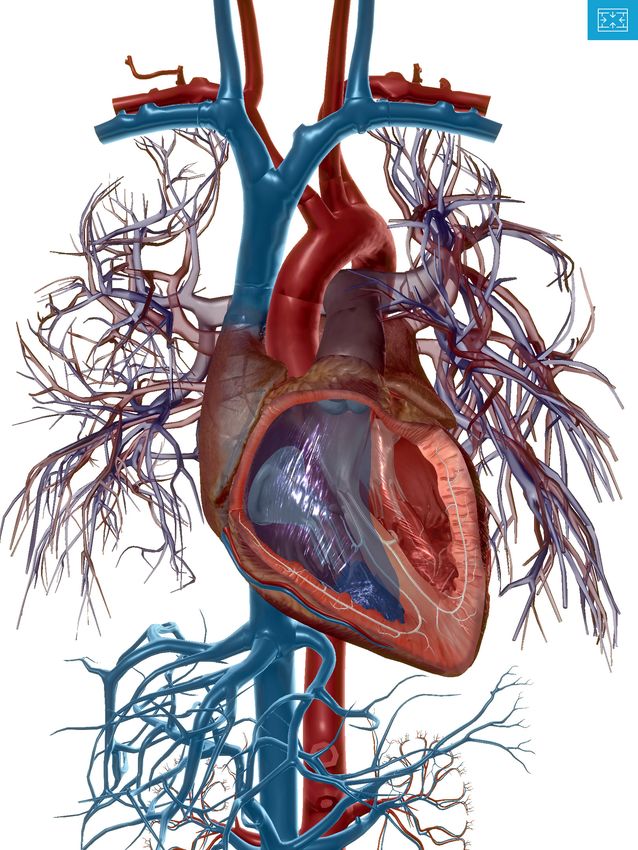
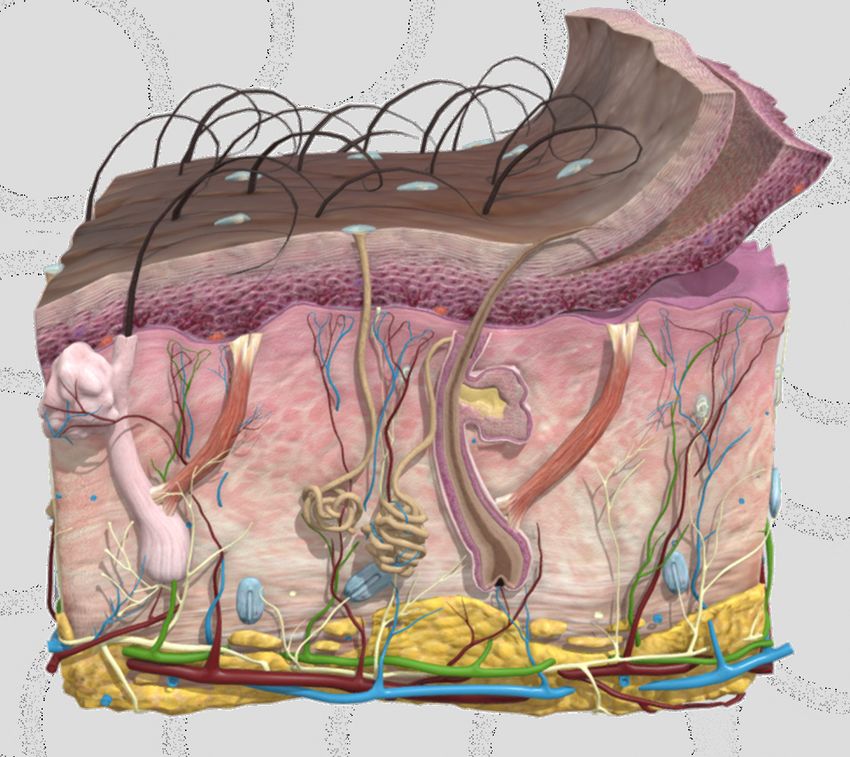
GOOSEBUMPS
When the body is cold, goosebumps can appear
 all over the skin. The skin is sensitive to touch,
  changes in temperature and air, as well as in
  reaction to an emotion. Arrector pilli are tiny
   muscles attached to hair follicles. When the
 muscles contract in response to, say, a change
   in temperature, it causes the hairs to which
they’re attached to stand on end. Goosebumps
offer little benefit to humans, but are helpful to
animals with fur. Goosebumps allow the fur to
 puff out, trapping air between the fur and the
 skin. This air is warmed by the animal’s body,
        allowing them to retain more heat.

                                                      Arrector pili Muscles
SHIVERING
   A shiver is another way the body tries to regulate
  its temperature. Shivering starts when the body’s
internal temperature drops to a level below what the
body feels comfortable with. When this happens, the
 muscles tighten and relax rapidly, turning chemical
  energy (ATP) into kinetic energy that releases heat
 as a byproduct, warming the body. The temperature
    when the body starts shivering is different for
 everyone. Shivering can help warm up the body, but
 only for a few hours. The muscles eventually run out
                  of energy and relax.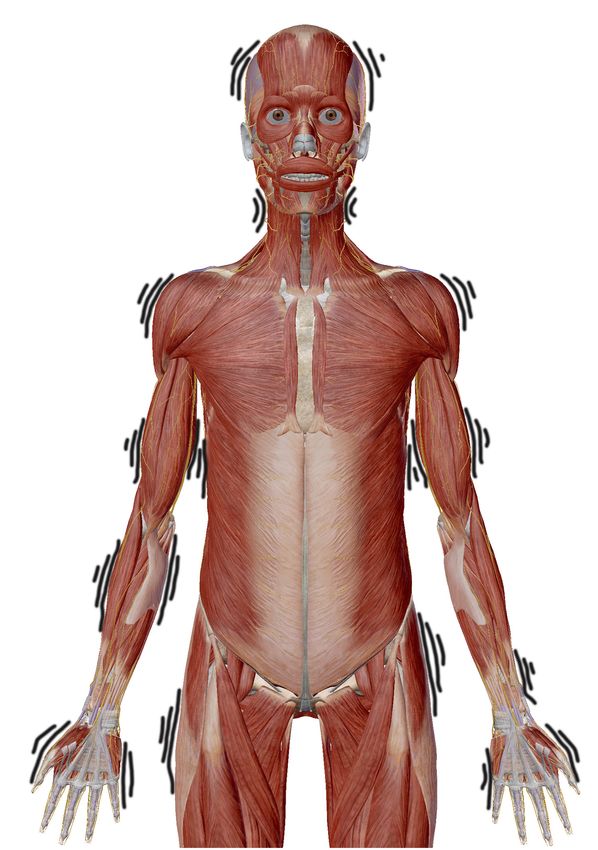
FROSTBITE
               Frostbite is the freezing of the skin and underlying
                 tissues. It is most common in the fingers, toes,
                nose, ears, cheeks, and chin. The most common
                cause of frostbite is exposure to cold for too long
                       or direct contact with a cold object.

                     There are varying degrees of frostbite:

Epidermis        Frostnip: mild frostbite irritates the skin but
               doesn’t permanently damage it. The epidermis of
               the skin becomes red , cold, and eventually numb.
Dermis
               Superficial frostbite: the skin feels warm and a
               fluid-filled blister may appear 24 to 35 hours after
                 rewarming the skin. Effects the epidermis and
Subcutaneous                         the dermis.
   Tissue
               Deep frostbite: joint or muscles may no longer
               work and large blisters form 24 to 48 hours after
                rewarming. After this, the area turns hard and
               black and the tissues die. Effects all layers of the
                                     skin.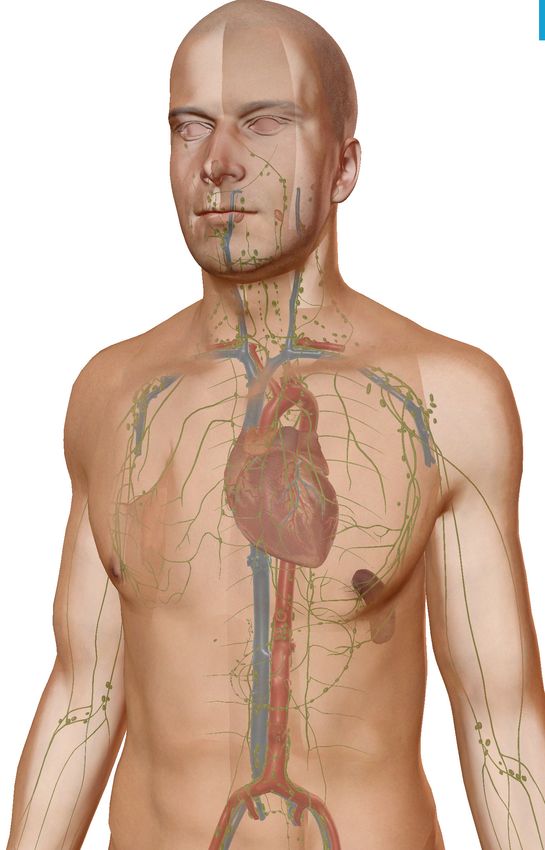
HYPOTHERMIA
Hypothermia occurs when your body loses heat faster
 than it can produce it. The normal body temperature
is 98.6 F (37 C). Hypothermia occurs when the body’s
 temperature falls below 95 F (35 C). Hypothermia is
 most commonly caused by exposure to cold weather
   conditions or cold water. When body temperature
  drops, the heart, nervous system and other organs
   can’t work properly. Hypothermia even affects the
brain, causing the victim to be unable to think clearly.
If left untreated, it can lead to failure of the heart and
                    respiratory system.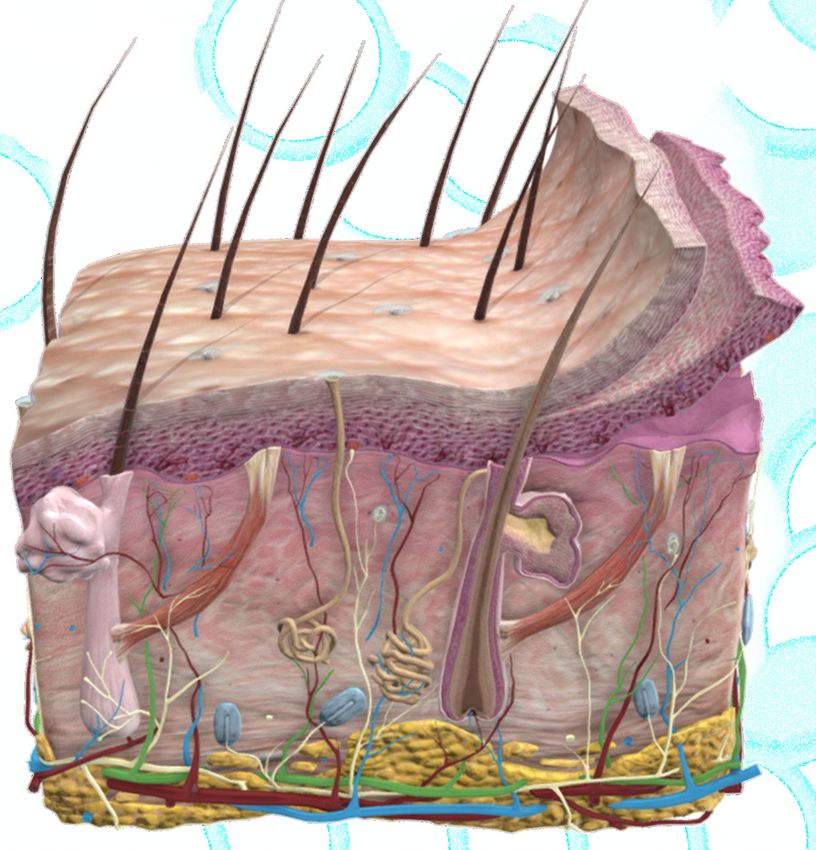
HEART
   PROBLEMS
  Did you know that heart attacks are more
 common in the winter? This is because the
 cold causes blood vessels to constrict. As a
  result, blood moving through the vessels
pushes harder against their walls, causing an
 increase in blood pressure. The risk further
  increases if you are doing activities in the
 cold such as shoveling or clearing snow off
 your car. In addition, your heart is working
 hard to maintain your body’s temperature.
IMMUNE SYSTEM
    RISK
 The immune system works better in warmer temperatures
  and becomes sluggish in the cold.Why does this happen?
  One reason could be that less sun exposure in the winter
often results in vitamin D deficiency. Vitamin D can be found
 in the immune system and helps fight off infections.If the
 immune system’s response is slower, pathogens can more
                easily multiply within the body.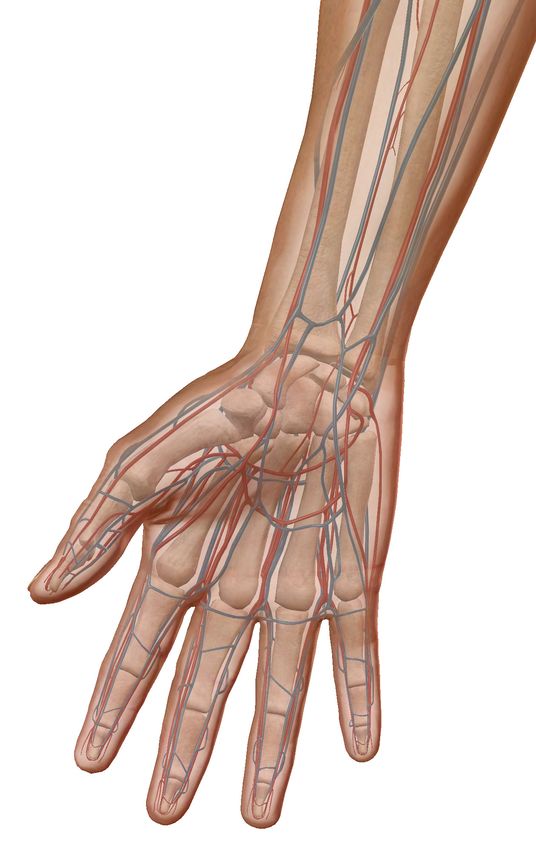
COLD WEATHER
   FUN FACTS
       Why can you see your breath in the cold?

The air we exhale is the same temperature as the body and
 contains moisture. Cold air can’t hold moisture as well as
warm air. When the warm, moist air we exhale hits the cold
air, the extra moisture turns into a misty cloud we can see.

Why do we curl up when we want to avoid being cold?

 When we curl our body, we are decreasing its surface area
 and increasing its volume. This means that the cold has to
travel further to reach the center of the body. Some animals
           curl up with others for the same effect.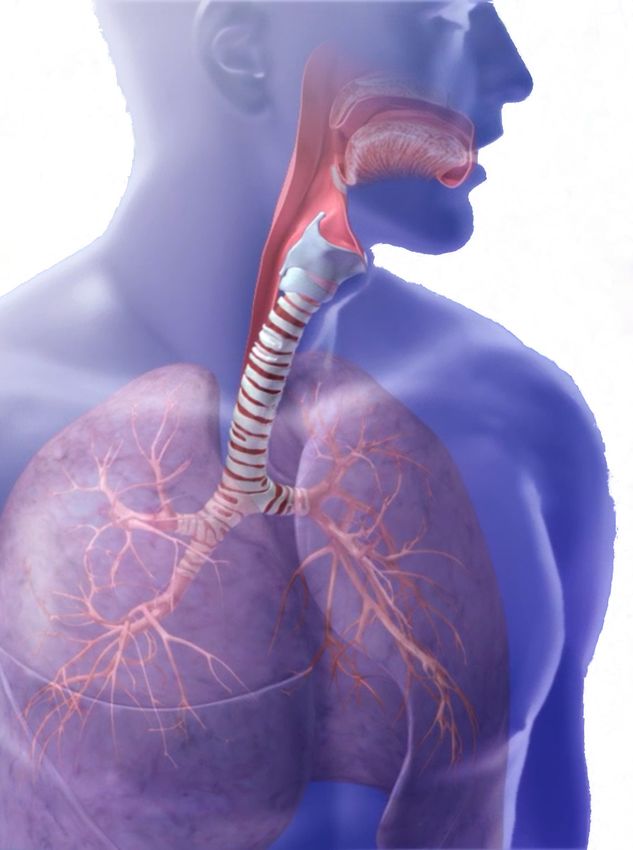
COLD WEATHER
    FUN FACTS
       Why do your hands and feet get cold first?

 Some regions of your body are ‘allowed’ to get colder than
 others. Your core has the organs that need warmth to work
  properly. As a result, in cold weather you will keep warm
         blood more in your core than in your limbs.

 “Summer body” might not be the ideal winter body?
  Fat keeps you warm because it adds an additional layer of
insulation between the outside world and your inner organs.
 Fat is not good at transferring thermal energy, which makes
  it a good insulator. Animals that live in cold environments
  have a thicker fat layer. For example, the bodies of beluga
  whales, which are found in arctic waters, are 50% fat, and
               their fat layers are 6 inches thick!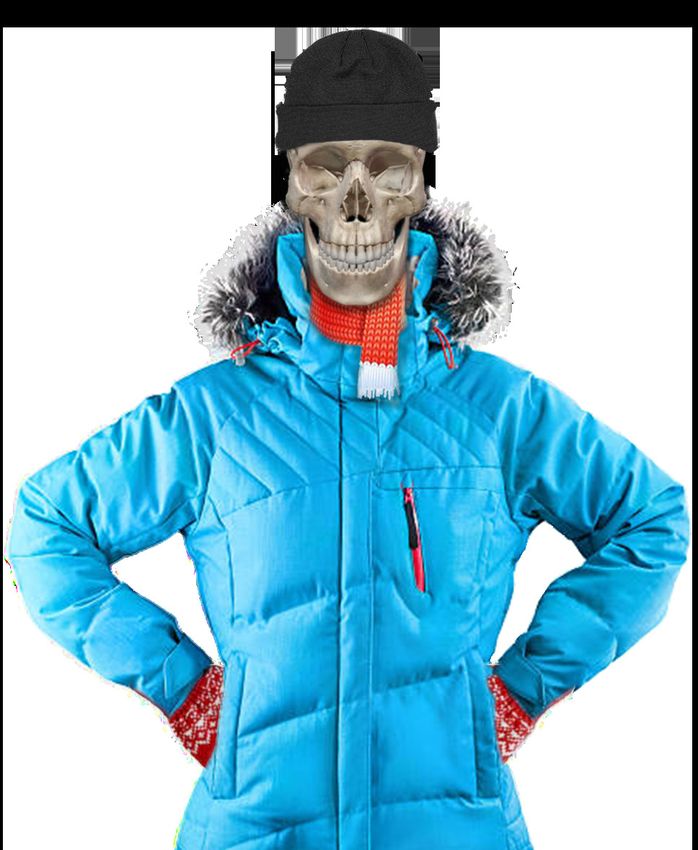
DEBUNKING COLD
WEATHER MYTHS
You lose most of your heat from your head: You
lose the most heat wherever your skin is exposed to
cold temperatures, and the majority from respiratory
membranes.

You do not need sunglasses in the winter: Whenever
the sun is out, it still produces UV rays that can damage your
eyes. And the UV rays can be even stronger if there is snow,
since snow reflects 80% of UV light!

Cold weather makes you SAD (Seasonal Affective
Disorder): It is thought that the lack of sunlight and the
lack of natural light (from shorter days, more time indoors,
and less of the body exposed to the sun) causes SAD more
than the cold weather itself.
DEBUNKING COLD
WEATHER MYTHS
The cold makes you sick: Again, it’s not the cold weather
itself that’s responsible here. More people catch colds and
the flu in the colder months because they spend more time
inside and in close proximity to one another. This allows
viruses to spread more easily.

Alcohol warms you up: Alcohol causes your blood vessels
to dilate and can impair your body’s ability to shiver.
Instead, you start to sweat, which makes you feel warm
even though your body is not actually warming itself up.
BENEFITS OF THE
        COLD
It helps you burn more calories: The body uses energy to
maintain your core temperature.

It improves allergies: No pollen count outside means no outdoor
allergies! Unfortunately, allergens like dust and mold can still make
us sneeze indoors.

You may sleep better: The body needs to cool itself down before we
sleep. The more hot and humid it is, the more difficult this becomes,
making falling asleep uncomfortable in the summer. However, there
is little to no humidity in the winter!
STAY SAFE IN
COLD WEATHER
Wear layers while you’re outside. The inner
layer should be a close-fitting base that wicks
away sweat. The middle layer should be something
looser-fitting, and the outer layer should be
windproof and waterproof.
Cover your head and face with a hat, scarf,
or mask to protect your skin. Wear sunglasses or
goggles to protect your eyes.
Wear warm, waterproof boots with good tread
to prevent slips and falls.A universe of anatomical and physiological
visuals and reference texts at your fingertips!
www.visiblebody.comYou can also read


