Investment Decision Making Framework Review - Engagement workshop May / June 2019
←
→
Page content transcription
If your browser does not render page correctly, please read the page content below

Investment Decision Making
Framework Review
Engagement workshop May / June 2019

Welcome

Outcomes
> Share findings from the IDMF review investigation phase;

> Get your insights and observations on gaps or changes needed in the
  current framework and future requirements; and

> Discuss how we should proceed through the design phase.
Transport – Renewed focus
 • GPS engagement and policy
   resilience where investment
   framework interacts with local
   government sector
 • Road safety
 • RCA Forum
 • National Land Transport
   Programme
 • Road Efficiency Group
MoT / NZTA Partnership

Background

Feedback from MoT regional roadshow March/April 2019

GPS 2021 development timeline
Background
     Evidence Based
     Decision Making

     Improving the way we use
     evidence and make decisions
     in transport

Domain Strategy, Economics & Evaluation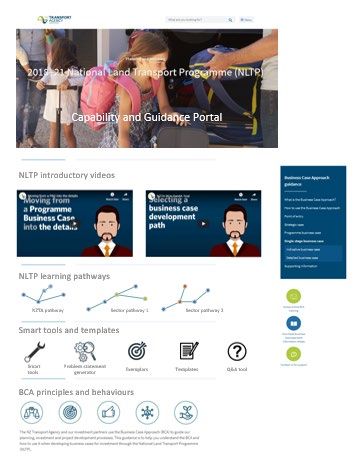
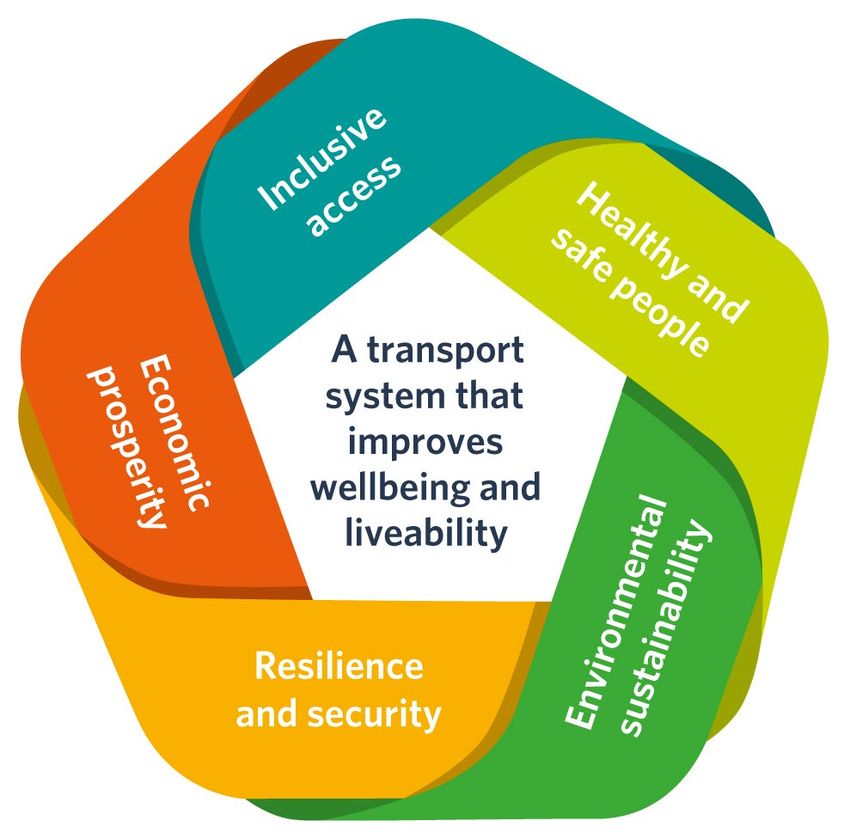
The transport outcomes framework
identifies transport’s role in shaping well-being

                                           5 outcomes areas

                                           Well-being is at the core, along
                                           with liveability (as transport
                                           strongly shapes places)

                                           Aligns with Treasury’s Living
                                           Standards Framework

7
Building a better analytical framework
                        Government Strategy           Living Standards Framework                                                  Outcomes
                           and Direction                                                                                        Measurement
                        Long Term Transport         Transport Outcomes Framework                                            • Living Standards
                         System Outcomes                                                                                      Framework
                        Long Term Multi-Modal                                                                               • Transport
                                                             Portfolio View
                               Strategy                                                                                       Outcomes

                                                                                              Strategy and Implementation
                         Medium Term Multi-                                                                                   Framework
                                                     In and Cross System Strategies                                         • Government Policy
Transport Evidence        Modal Strategies
Base                                                                                                                          Statement on Land
                         Values & Parameters         System Values and Parameters                                             Transport
• Research Strategy
• Domain Plan
                            Assessment          Impact Assessment     Cost Benefit Analysis
• Evaluation Strategy      Methodologies                                                                                          Transport
• Modelling Strategy                                                                                                            Assessment
                                                      Government Policy Statement
                            System Levers                                                                                   • System Level
                                                           on Land Transport
                                                                                                                              Values and
                                                  National Land Transport Programme                                           Parameters
                                                                                                                            • Review and Update
                          Requirements and                                                                                    IAF and EEM (with
                                                     Regional Land Transport Plans
                         Delivery Programme                                                                                   NZTA)
                                                Investment Decision        Economic                                         • Social Impact
                                                 Making Framework      Evaluation Manual                                      Assessment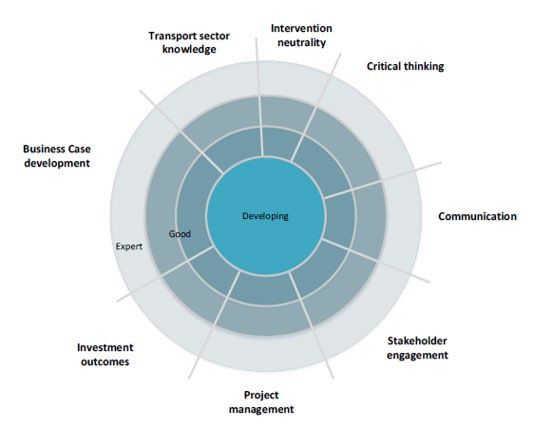
Regions gave some feedback to MoT on NZTA
processes during regional roadshows

   • Unclear who to speak to about regional issues and project decisions.
   • Mixed messages from centre vs. day-to-day contacts on likelihood of funding.
   • Repeated requests from NZTA for more information on projects. High burden
     (cost and time) for projects that ultimately go unfunded.
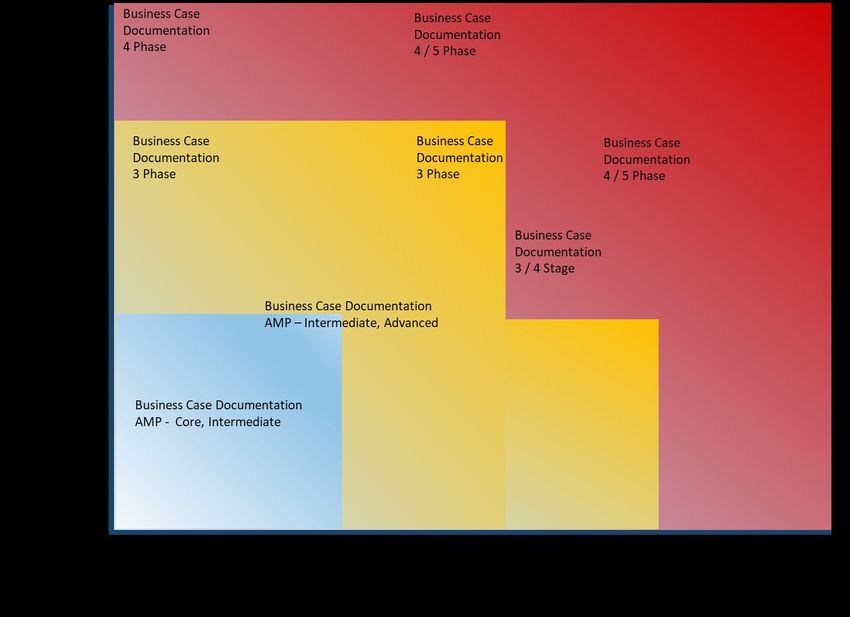
   • Can business case requirements be scaled to match project size?
   • Set expectations around amount of funding available and likelihood of request
     success.
   • Not clear what the investment assessment process is.
   • Decision-making doesn’t always seem to take into account regional priorities.
   • Current assessment framework seems to prioritise projects in larger population
     centres- areas with high through traffic straining their infrastructure miss out.
   • Long time from initial project discussions with NZTA through to approval of
     project and funding release.

   These views are a summary of points raised at 14 regional roadshows completed by MoT over March and April 2019. They are representative of the views of the people at the workshop on the day but do not
   necessarily reflect the official views of regional councils.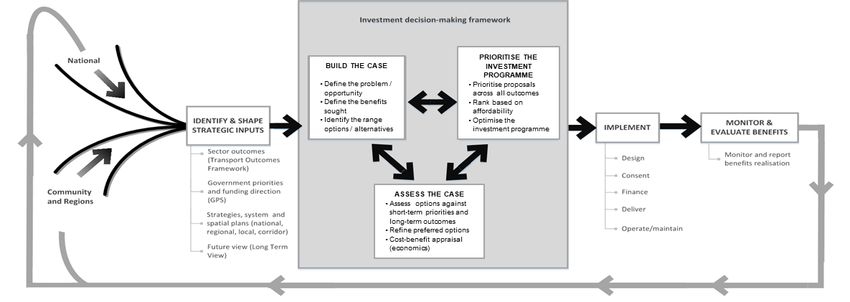
GPS 2021 development timeline
Programme Background and
Overview

Drivers for Change

Key Outcomes Sought

Approach
Drivers for Change
Investment Decision Making Framework review
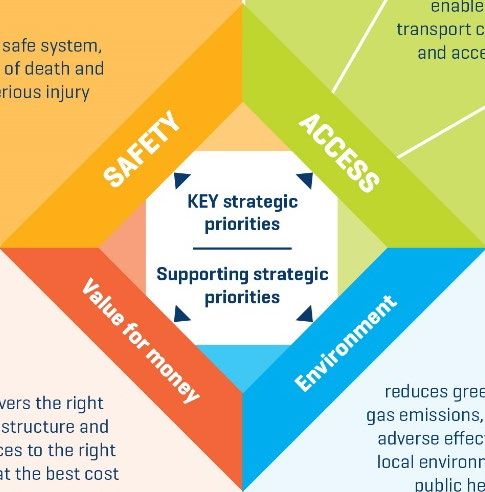
                                 • Safety
                                 • Access
               GPS Priorities
                                 • Environment
                                 • Value for Money
                                 • Mode-neutral approach
                GPS Themes       • Incorporating technology
                                 • Integrating land use and transport planning
                                 • Demand Management
   New GPS activity classes      • Rapid Transit
                                 • Transitional Rail
                                 • Wider benefits capture / Capturing of all benefits
                                 • Simple and transparent
            Sector Feedback
                                 • Customer and outcomes focused
                                 • Levels of Service
                                 • Integration of land use
                                 • Mode neutral
   International Best Practice
                                 • Incorporation and weighting of non-monetary benefits / wider benefits capture / agglomeration
                                   benefits
                                 • Living standards framework
                    Treasury
                                 • Wellbeing Budget
        Ministry of Transport    • Transport Outcomes Framework
Planning and investment system A ‘system-based approach’ from strategic inputs (at national and local levels), to assessment and prioritisation, implementation, and monitoring
Key Outcomes Sought
Investment Decision Making Framework

    • A system-based approach
    • Mode neutral
    • Supports delivery of positive social, economic,
      and environmental outcomes
    • Robust, transparent, and easy to understand
MoT and NZTA - working together to improve the
transport system
social, environmental, and economic outcomes, mode-neutral, systems-based approach
Who Building the Evidence Assessment and Appraisal Prioritisation Measuring Outcomes Capability
• Research Strategy
• Alignment to Living
• Domain Plan
Standards Framework
• Evaluation Strategy • System approach to assessment • GPS 2021 • Training programme
Ministry of • Transport Outcomes
• Modelling Strategy
Transport Framework
• Transport outlook
• Value for money assessment
methods
• GPS measures and
• Safety Strategy • Social Impact Assessment
Iterative
reporting
• Resilience Strategy • Environmental Impact Assessment
• Updating values parameters and
approaches
• Long Term View
New Zealand • Strategic Alignment • Prioritisation of
• Information
Transport • Investment Principles and Policies NLTP (readiness
• Options development and guidance and tools
Agency - IDMF • Business Case Approach for GPS 2021 and
assessment • NZTA performance are easy to find
and other work • Right sized effort according to alignment to
• Assessing the contribution to measures and understand
programmes scale, risk and complexity Transport
Transport Outcomes Framework • Benefits Management • Guidance, training
• Clarity on pathways Outcomes
• Wider view of costs and benefits Framework and resources
• Utilise existing strategic Framework)
• Consistency in
documents • NLTP
advice
• Transport System Indicators Development 2021
• Sustainability Strategy (environment)
IterativeApproach and Timeframes
Investment Decision Making Framework
Engagement workshop Engagement workshop Rollout IDMF
May / June 2019 Draft GPS 2021 for engagement GPS 2021 Published
JUNE 2019 Dec 2019 June 2020
Investigation – Design – Implementation and rollout –
Incorporates best practice research, Prioritisation and planning of work Preparation and sign-off of change
literature reviews of previous programme, workshops, development proposals. Bedding in change with
research, customer journey map, of actionable solutions to prioritised sector. Develop and deliver training.
stakeholder map, interviews with issues. Includes getting buy-in from Changes are live and in use.
users. Findings are captured, IDMF users. Seeking feedback from
themed, and turned into insights. sector and refining solutions.Investigation findings Station rotations
Investment Decision Making Review

Assessment
Joint Review Programme Between NZTA and MoT

The Government Policy Statement on Land Transport 2018/19 to 2027/28
asked for a review of the NZTA investment system

• “An investigation into the appropriateness of current economic evaluation
  approaches will be a priority to ensure they are fit for purpose, with this
  investigation to occur in 2019”

• The review is looking at more than just economic evaluation

• An integrated work programme between NZTA and MoT

19
A Coherent System

                    Living Standards Framework

                Transport Outcomes Framework

         Government Policy Statement on Land Transport

             Investment Decision Making Framework

                              NLTP

                              RLTP

20
What we found in investigation stage Strategic alignment • Improving alignment between strategic and planning documents is key • The Transport Outcomes Framework provides an enduring set of outcomes which aligns to Treasury’s well-being framework • Increased clarity is needed around the purpose and role of NLTP, RLTPs, AMPs, RPTPs
What we’ve found in the investigation stage
Building the case

• Streamline the business case
• Better integrate with assessment and prioritisation
• Provide clarity around information requirements at each phase of the business case
• Improve alignment to Treasury’s Better Business Case
• Better consider risk and complexity
• Considering alternatives and options to drive systems thinking, mode neutrality and value
  for money
What we’ve found in the investigation stage
Assessment
International approaches:
• UK – Web-based Transport Analysis Guidance (WebTAG)
• Australia – Australian Transport Assessment and Planning (ATAP)
• Ireland – Common Appraisal Framework - Department of Transport, Tourism and Sport
Consideration of non-monetised benefits and costs – Quantitative, Qualitative, Monetised
The following tools are available – Cost Benefit Analysis, Multi-Criteria Analysis, Cost
Effectiveness Analysis, Monte Carlo Simulation
Parameters and Values – parameters and values need updating
Benefits Management – approach through out the business case lifecycle
Programmes, Portfolios and Projects – improve programme and portfolio management
2014 EY Investment Decision Making Review

CBA                                         MCA
Qualitative, Quantitative and Monetised

Outcome     Qualitative            Quantitative                  Monetised
Economy     Competitiveness        Impact on business users      Transport costs
            Regional development   Regeneration                  Agglomeration
                                   Wider impacts

Environment Townscape              Landscape                     Noise
            Amenity                                              Air quality
                                                                 Greenhouse gases
Social      Heritage               Reliability impact on users   Commuting time
            Biodiversity           Option and non-use values     Accidents
            Water environment                                    Health
                                                                 Journey quality
Improving Transport Assessment: Preliminary thinking Identified Improvements • Better link to GPS and Transport Outcomes Framework • Improve clarity on purpose and role of NLTP, RLTP, AMPs and RPTPs • Better align with Treasury’s Better Business Case • Clarity on information for informed decisions at each business case phase • Develop a right sized approach (based on risk and complexity) • Consider alternatives and options • Sifting of long list to short list more transparent, consistent and simpler • Include quantitative, qualitative and monetised impacts • Better consider synergies of activities that deliver multiple outcomes • Update parameters and values to enduring transport outcomes • Environment / Access / Health and Safety / Resilience / Economy – what is required
Building the Case
Treasury Better
Business Cases
How is the Agency’s
Business Case
Approach different?
• The business case pathways
  are very similar.
• There are some differences:
    • The Transport Agency has
      created a tailored point of
      entry template.
    • Where appropriate RPTP,
      RLTP & AMP can form the
      basis of a strategic or
      programme business case
      for certain projects and
      continuous activities.
    • Business Case approach
      not consistently applied
Key Challenges
• Infrastructure Commission – The
Commission are looking to review
any business cases exceeding $50M.
• Right Sized Approach – Business
cases need to be developed based
on complexity and risk.
• Intervention Hierarchy – We need to
consider all investment options.AMPs, RLTPs, & RPTPs • A lot of work goes into these documents • In some cases these have been used as a basis for strategic case • What are the opportunities to make better use of these planning documents?
IDMF Capability
Building sector capability
Capability activities within NZTA and across the sector
Setting the capability scene

• IDMF workstream
• NLTP activities
• BCA review activities
• Supporting the REG excellence programme
Capability current state
What are we working with?
• Learning modules accessed through self-directed learning and
  registration
    • Not intuitive or engaging, with little guidance on what to learn based on
      different needs.
• Process and procedural information (guidance) located in multiple
  locations
    • They all reflect a point-in-time approach to sharing knowledge
    • A shift is required to become more user- and learner-centric
    • Use more smarts in linking key content, rather than making the user
      hopefully making the connections
• Passive ‘learn to understand’ approach with little oversight of how it’s
  being applied
    • The learning management system and its current limitations
    • Developing a portal
Building sector capability
Capabilities, target help and support
• The need to understand current levels of capability
• Knowing who our audience is and how they want to engage
with us is key
• Knowing what to assess, from knowledge through to
engagement
• The role of capabilities
• Targeted help navigating learning and information resources
• Some options – ongoing navigation sessions, introductory
and practitioner workshops, what else?
• Supporting you in applying the learning, based on your
needs
• How NZTA teams have been set up, and how they will work
with you
• Regional advisors supported by centrally located specialistsThank You For any further enquiries please email decisionmaking@nzta.govt.nz
You can also read


