Ignite Your Passion! Vol. 1 2019 - What is Accelerated OYAP? What are Dual Credits? - YRDSB
←
→
Page content transcription
If your browser does not render page correctly, please read the page content below

Vol. 1
                                           2019

                            Ignite Your Passion!

What is Accelerated OYAP?

   What are Dual Credits?

How do I Become an Apprentice?
O N T E N T S
C
   What is Cooperative Education & OYAP?.................................... 1
   What is Dual Credit & SHSM? ....................................................... 2
   What is Accelerated OYAP and How to Apply?............................ 3
   What is Apprenticeship?................................................................ 4
   Level 1 Apprenticeship Training with Dual Credits ................... 5
        Automotive Service Technician................................................. 6
        Baker.......................................................................................... 8
        Child Development Practitioner.............................................. 10
        Cook......................................................................................... 12
        Electrician ............................................................................... 14
        Plumber....................................................................................16
        Refrigeration and Air Conditioning Systems Mechanic.......... 18
        Truck & Coach Technician.........................................................20
   Testimonial ...................................................................................22
   Level 1 Apprenticeship Training with Co-op Only................... 23
        Drywall, Acoustical and Lathing Applicator............................ 24
        Floor Covering Installer............................................................26
        Carpenter................................................................................. 28
   How Do I Become an Apprentice?...............................................30
   Available Sectors......................................................................... 31
   Apprenticeable Trades (4 Sectors) .............................................32
What is Apprenticeship?

  Apprenticeship is an education and training program for people who enjoy learning by
  doing, and who want to work in the skilled trades.

  • An apprentice is a person who is working in a skilled trade for the purpose of learning the
    specific skills related to that trade.
  • 90% of apprenticeship training is hands-on, provided by employers at the workplace.
  • 10% of apprenticeship training is classroom instruction, which usually takes place at a
    community college or an approved training organization.
  • The length of an apprenticeship takes from 2-5 years to complete, depending on the
    particular trade area.
  • An apprenticeship is complete when the apprentice completes
    100% of the education and training, both in class and on the job,
    and has passed an examination. The apprentice then receives
    a Certificate of Qualification or Certificate of Apprenticeship,
    which indicates that he/she is now a skilled tradesperson.

                 The Apprenticeship
                     Advantage
             •   Limitless Opportunity
             •   Careers that are in Demand
             •   Solving Real World Problems
             •   Earning While You Learn
             •   Create, Collaborate, Innovate

  Your Pathway to Qualification as a Journeyperson
                                                                            ON THE JOB

    IN SCHOOL                                                                        CERTIFICATE OF
      LEVEL 1                                                 IN SCHOOL              QUALIFICATION
                               ON THE JOB
                                                                LEVEL 3
ST
  AR
    T

        ON THE JOB                             ON THE JOB                     RED SEAL
                                                                                EXAM

                                                                  CERTIFICATE OF
                          IN SCHOOL                              APPRENTICESHIP
                            LEVEL 2

                                                 1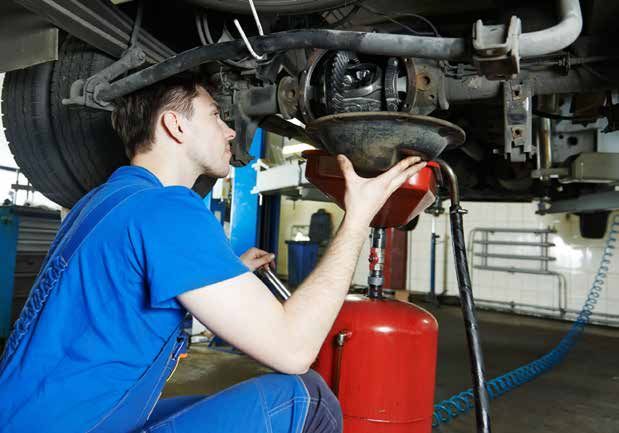
What is Cooperative Education?

                       The Cooperative Education Program (Co-op) allows students to earn
                       credits by integrating course curriculum with learning at a work
                        placement. Students in all pathways — of apprenticeship, college,
                        community living, university, or the workplace can participate.

                          Co-op programs are available in all secondary schools. They can be
                          designed to include up to four credits per semester to a maximum
                           of 12 Co-op credits towards the Ontario Secondary School
                           Diploma (OSSD). Students are monitored and supported in their
                            learning by the placement supervisor and Co-op teachers.

                            Students access OYAP through Co-op.

                             Students who take Cooperative Education and work in a skilled
                             trade placement become Ontario Youth Apprenticeship
                              Program (OYAP) Participants. Their name is entered into the
                              ministry apprenticeship database. For students who have a
                               commitment to pursue a skilled trade, they may apply to
                               become a Registered Apprentice while still in secondary
                                school through OYAP.

                          What is OYAP?
OYAP or the Ontario Youth Apprenticeship Program is a special Cooperative Education
program for students in grade 11 or 12 to explore a career in the skilled trades. OYAP allows
students to earn credits towards a high school diploma while gaining knowledge and hands-
on experience at a co-op placement under the supervision of a professional tradesperson.

A student who explores a skilled trade in a Co-op placement is an OYAP Participant.
Graduating students in Co-op/OYAP who want to follow the apprenticeship pathway after
secondary school may request to become a Registered Apprentice with the Ministry of
Training, Colleges, and Universities (MTCU).

Graduating students may also apply in November for Accelerated OYAP: Level 1 Apprenticeship
Training, which will fast track their apprenticeship.

                                             2
Dual Credit Courses

Dual Credit courses are college courses offered at
various GTA colleges. Courses related to the skilled
trades help secondary school students explore a
skilled trade area, assist them with completing their
diploma (OSSD) and transition well in into their post-
secondary school choice.

Dual Credit courses offer a “two for one” advantage.
When students successfully complete the college
course, they earn both a college credit and a grade
12 elective secondary school credit.

Dual Credit programs are funded by the Ministry of
Education, School College Work
Initiative (SCWI).

www.yrdsb.ca/dualcredits

Specialist High Skills Major – SHSM Programs

                                 SHSM Skilled Trade Sectors in the York Region District School
                                 Board:
                                 Construction
                                 Hospitality and Tourism
                                 Manufacturing
                                 Transportation
                                 Specialist High Skills Major students must take a minimum
                                 2-credit Cooperative Education as one of the components
                                 towards earning SHSM completion and the SHSM seal on
                                 their diploma.
                                 Accelerated OYAP Level 1 Apprenticeship Training requires a
                                 4-credit Cooperative Education in the second semester of a
                                 student’s graduating year.
                                 SHSM students who want to follow an apprenticeship
                                 pathway are well positioned for Accelerated OYAP Level 1
                                 Apprenticeship Training. It’s a jump start into an exciting,
                                 viable career in a variety of skilled trades.
                                 To learn more about SHSM programs, visit:
                                 www.yrdsb.ca/SHSM

                                              3
What is Accelerated OYAP?
         It’s Level 1 In-class Apprenticeship Training

Through partnerships with colleges and local unions, Level 1 Apprenticeship Training is
possible! In semester 2 of their graduating year, students are enrolled in 4-credit Co-op
course. If selected for the training, students will learn in state-of-the-art training facilities with
professional instructors.
Accelerated OYAP students:
 • Take Level One Apprenticeship In-Class Training
 •     Earn hours / competencies towards their apprenticeship training
 •     Earn up to 4 high school co-op credits
 •     Become a registered apprentice
*Accelerated OYAP students must have signed Registered Training
 Agreements before they start Level 1 in-class apprenticeship training.
                                                                                       I'm proud to
                                                                                       be in a trade!

     How do I apply for Accelerated OYAP?
Talk to your Cooperative Education teacher or Guidance Counsellor

 •     Attend a college or training centre information night typically during the month of
       October
 •     Complete the Accelerated OYAP application by the beginning of November
 •     Conduct your interview for your program of choice in November/December
 •     Begin Level 1 Apprenticeship Training during semester 2*

     For more information, speak to your home school Co-op teacher or Guidance Counsellor.

                         *Please note that all Accelerated OYAP programs
                         are only offered in semester 2 of each school year

                                                  4
Level 1: Apprenticeship Training
Apprenticeship Training with Dual Credits

This chart applies to Level 1 in-school apprenticeship training.
Students earn both Cooperative Education credits and Dual Credits.

                                                              Dual Credit
    Skilled Trade             Location          Course Code                 Related SHSM
                                                                Value
                      Centennial College
 Automotive Service                                               2
                      Ashtonbee Campus
     Technician                                     TTE4Y        60%        Transportation
                      75 Ashtonbee Rd.
        310S                                                     Pass
                      Toronto

                      Humber College - North                      3
        Baker
                      205 Humber College            TUD4Y        60%         Hospitality
       423A/C
                      Etobicoke                                  Pass

                      Seneca College –
  Child Development                                               1
                      Newnham Campus
     Practitioner                                   TOL4Y        50%           Service
                      1750 Finch Ave E
         620C                                                    Pass
                      Toronto

                      Humber College - North                      3
        Cook
                      205 Humber College            TKA4Y        60%         Hospitality
        415A
                      Etobicoke                                  Pass

    Electrician -     Humber College - Centre
                                                                  2
   Construction &     for Trades & Technology
                                                    TNA4Y        60%        Construction
    Maintenance       110 Carrier Drive,
                                                                 Pass
       309A           Etobicoke

                      Humber College - Centre
                                                                  2
      Plumber         for Trades & Technology
                                                    TSB4Y        60%        Construction
        306A          110 Carrier Drive,
                                                                 Pass
                      Etobicoke

  Refrigeration and
                      George Brown College –
   Air Conditioning                                               2
                      Casa Loma Campus
  Systems Mechanic                                  TZB4Y        60%        Construction
                      146 Kendal Avenue
        (HVAC)                                                   Pass
                      Toronto
         313A
                      Centennial College
    Truck & Coach     Ashtonbee Campus                            2
      Technician      75 Ashtonbee Rd. &            TTD4Y        60%        Transportation
         310T         Bramalea S.S.                              Pass
                      510 Balmoral Dr.

Check with your school guidance
counsellor or Co-op teacher to learn
more and get the dates for each
program.

                                                5
Automotive Service Technician
                                            310S

    An Automotive Service Technician inspects, diagnoses, repairs, and services mechanical,
    electrical, and electronic systems and components of cars and light trucks.  Specifically,
    an Automotive Service Technician diagnoses and repairs:

    •   engines, transmissions, clutches, rear ends, differentials, brakes, drive shafts, axles
        and other assemblies
    •   alignment of wheels, axles, frames and steering mechanisms
    •   suspension systems, including shock absorbers and spring assemblies
    •   ignition, charging and starting systems, panel instruments, wiring and other
        electrical/electronic systems and equipment
    •   fuel and engine management and emission control systems

                                  BASIC LEVEL ONE

Program Credits / Certification:
•   Earn Cooperative Education credits
•   Earn a total of up to 2 Dual Credits upon successful completion of the 8-week Basic Level
    One at Centennial College, Ashtonbee Campus
•   Earn a “Basic Level One” apprenticeship training designation as an Automotive Service
    Technician with valuable work experience and extensive skills training

                                                6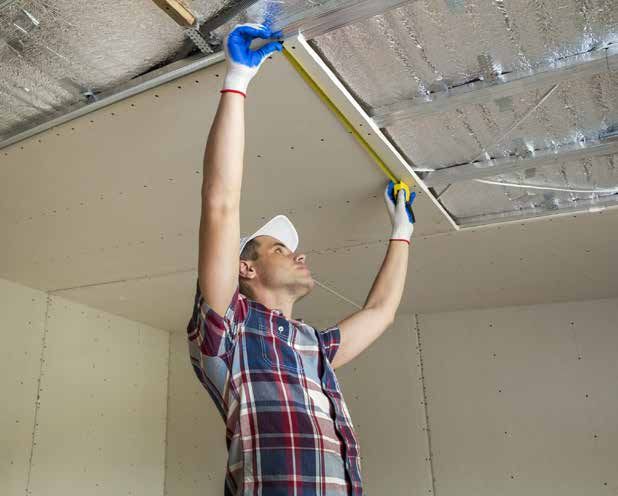
To Qualify:
  •    Be a graduating student with all compulsory credits completed
  •    Have experience and passion for a career as an auto service technician
  •    Be in good academic standing with excellent attendance
  •    Demonstrate strong work habits and a positive attitude
  •    Have demonstrated mathematical skills, proficiency and recommend any of:
       MAP4C, MCT4C, MHF4U
  •    Be willing to travel to Centennial College for classes and to a Cooperative Education
       placement

  Candidates will be interviewed by representatives from Centennial College and York Region
  District School Board.

  PROGRAM COMPONENTS INCLUDE:
  •    Cooperative Education at home school
  •    A Cooperative Education Placement with a licensed Automotive Service Technician as
       a sponsoring employer
  •    8 weeks at Centennial College, Ashtonbee Campus
  •    Program runs tentatively from April – June

  This program combines apprenticeship in-class training at Centennial College and provides
  a Cooperative Education placement in the Transportation Sector in an automotive service
  industry.
  Students in Grade 12 must be in their graduating year with a minimum of 26 credits.

  *Tentative Course List:
  •    Workplace Practice and                         •   Engines Systems
       Procedures                                     •   Electronics and Fuel
  •    Steering, Suspension and                       •   Drive Train Systems
       Brakes

Please see your Guidance Counselor or
Cooperative Education teacher for assistance in
completing an online application form and the
submission of all required documents by the due               “This program helped me
date.                                                         achieve my goals faster!”
A limited number of spaces are available.                      – OYAP Level 1 Auto Service Tech student

                                                  7
Baker
                                         423A/C

    Bakers mix and bake ingredients to produce breads, pastries, and other baked goods.
    Many bakers work in kitchens, large grocery stores, and bakery shops. Other bakers may
    also work for companies that manufacture large quantities of baked goods.

    Specifically, a Baker-Patissier:
    • prepares straight or sponge dough, yeast-raised pastry, puff pastry and aerated
      products
    • makes savoury products such as filled pies, patties, rolls, biscuits, crackers and flat
      breads
    • finishes and decorates cakes, prepares fillings, mousses, sauces, compotes and glazes
    • prepares confectionery, specialty goods and desserts for dietary restrictions
    • makes ice creams, sorbets/sherbets, gelatos and other frozen desserts
    • calculates raw product requirements to meet production demand and controls
      inventory
                                   BASIC LEVEL ONE

Program Credits / Certification:
•   Earn up to 4 Cooperative Education credits towards your Ontario Secondary School
    Diploma
•   Earn up to 3 dual credits upon successful completion of Basic Level One
•   Earn a “Basic Level One” apprenticeship training designation as a Baker at Humber
    College, North Campus
The education and training opportunities provided at Humber College in partnership with
their Cooperative Education Department at their home school, allows students to be placed
in bakeries throughout the GTA with qualified bakers. Upon graduation, students who remain
in the industry through part-time or full-time employment, will continue their apprenticeship
towards a Certificate of Apprenticeship.

                                               8
To Qualify:
• Be a graduating student with all compulsory credits completed
• Have experience and passion for a career as a baker
• Be in good academic standing with excellent attendance
• Demonstrate strong work habits and a positive attitude
• Have demonstrated mathematical skills, proficiency and recommend any of:
MAP4C, MCT4C, MHF4U
• Be willing to travel to Humber College for classes and to a Cooperative Education
placement
Candidates will be interviewed by a Humber College and a York Region District School Board
representative in December.
PROGRAM COMPONENTS INCLUDE:
• Cooperative Education at home school
• An integrated scheduling throughout semester 2 combines Level One Apprenticeship
Training and a bakery Co-op placement.
• Program tentatively runs from February – June
This program combines apprenticeship in-class training at Humber College and provides a
Cooperative Education placement in the food services industry. It is offered in Semester 2
and is open to students in their graduating year with a minimum of 26 credits.
Tentative Course List:
• Bake Shop Calculations • Cookies and Cakes
• Bread Making 1 • Nutrition Theory
• Dessert Kitchen Manager • Food Safety Basic (FST)
• Decoration and Design
Please see your Guidance Counsellor or “Being able to take
Cooperative Education teacher for assistance in home my finished product, to see
completing an online application form and the my progress and to apply the skills I
submission of all required documents. learned at my Co-op placement was why I
A limited number of spaces are available. liked this program.”
– OYAP Level 1 Baker Student
9Child Development Practitioner
620C
A Child Development Practitioner loves to work with people, in particular, young children.
They enjoy the challenge of teaching children from a variety of different learning
backgrounds. The focus of attention will be in teaching children between the ages of 3-7
years of age in a wide scope of educational settings.
In this program, students complete three (3) college credits towards a Child Development
Practitioner Certificate of Apprenticeship with the opportunity to continue their
apprenticeship training upon high school graduation at Seneca College or at the college
of their choice.
Certificate of Apprenticeship
Program Credits / Certification:
• Earn up to 4 Cooperative Education credits towards your Ontario Secondary School
Diploma
• Earn 3 college credits towards a Child Development Practitioner Certificate of
Apprenticeship
• Earn 1 dual credit upon successful completion of 3 college credits at Seneca College
10To Qualify:
• Be a graduating student with all compulsory credits completed
• Have experience and passion for a career as a Child Development Practitioner
• Have a keen interest in working with children in an educational setting
• Be in good academic standing with excellent attendance
• Demonstrate strong work habits and a positive attitude
• Be willing to travel to Seneca College for classes and to a Cooperative Education
placement
Candidates will be interviewed by a Seneca College and a York Region District School Board
representative in December.
PROGRAM COMPONENTS INCLUDE:
• Cooperative Education at home school
• An integrated scheduling throughout semester 2 combines Apprenticeship Training
and a childcare Co-op placement
• Program tentatively runs from March – June
This program combines apprenticeship in-class training at Seneca College and provides a
Cooperative Education placement in the education sector. It is offered in Semester 2 and is
open to students in their graduating year with a minimum of 26 credits.
Tentative Course List
towards a Certificate of Apprenticeship:
• Module One (42 hours): Child Development 1
• Module Two (42 hours): Pre-School Learning Environments 1
• Module Three (42 hours): Pre-School Learning Environments 1
(Practicum Lab)
Please see your Guidance Counsellor or "Combining the practical
Cooperative Education teacher for assistance in experience with the kids at
completing an online application form and the my Co-op daycare placement with
submission of all required documents. my studies at Seneca was an amazing
A limited number of spaces are available. experience."
– OYAP Level 1 CDP student
11Cook
415A
A Cook prepares complete meals or individual dishes and food items, plans menus,
estimates food requirements and costs, monitors and orders supplies. In addition, a
Cook:
• prepares and assembles complete breakfasts, short-order grill, sandwiches, simple
salads, simple desserts, vegetables, and non-alcoholic beverages.
• carves cooked meats, poultry, fish, and game.
• cooks complete breakfasts, short-order grill, simple desserts, and vegetables.
• has a working knowledge of table service, soups and sauces, salads and dressings,
weights and measures, and hygiene.
• prepares a complete meal, desserts, pastries, salads, salad dressing, hot and cold
buffets, baked foods, and soups and sauces.
• cuts meat, poultry, fish, and game.
• has knowledge of stock controlling, receiving, issuing, menu planning, and food
costing and purchasing.
BASIC LEVEL ONE
Program Credits / Certification:
• Earn up to 4 Cooperative Education credits towards your Ontario Secondary School
Diploma.
• Earn up to 3 dual credits upon successful completion of Basic Level One.
• Earn a “Basic Level One” apprenticeship training designation as a Cook
12To Qualify:
• Be in your graduating year with at least 26 credits
• Have experience and passion for working in culinary arts
• Be in good academic standing, including completion of all compulsory courses
• Be willing to travel to Humber College (North Campus) and to a Cooperative Education
placement
• Have demonstrated mathematical skills, proficiency and recommended any of:
MAP4C, MCT4C, MHF4U
Candidates will be interviewed by representatives from Humber College and York Region
District School Board.
PROGRAM COMPONENTS INCLUDE:
• Cooperative Education at home school
• An integrated schedule throughout semester two combining Basic Level One and a
Co-op placement.
• Program runs tentatively from February – June
This program combines apprenticeship in-class training at Humber College with a
Cooperative Education placement in the food services industry. It is offered in Semester 2
and is open to students in their graduating year with a minimum of 26 credits.
Tentative Course List:
• Basic Culinary Knowledge • Basic Gardemanger – Lab
• Basic Culinary Skills • Basic Baking Practical and
• Business Career Management Theory
• Culinary Math Theory • Food Safety – Sanitation
• Nutrition Theory
Please see your Guidance Counsellor or "I learned to manage my
Cooperative Education teacher for assistance in
completing an online application form and the
time and learned so much from
submission of all required documents. professional chefs who have made
A limited number of spaces are available. me a better chef!"
– OYAP Level 1 Cook Student
13Electrician: Construction & Maintenance
309A
An electrician performs some or all of the following tasks:
• Installs, repairs, maintains, connects • Measures, cuts, threads, bends,
or tests electrical systems assembles and installs conduits
• Plans installations from blueprints, • Splices and terminates electrical
sketches, specifications, and installs conductors
all electrical and electronic devices • Tests electrical and electronic
• Systematically diagnoses faults in equipment for proper function
electrical and electronic components
BASIC LEVEL ONE
Program Credits / Certification:
• Earn up to 4 credits in Cooperative Education towards an Ontario Secondary School
Diploma
• Earn up to 2 dual credits upon successful completion of Basic Level One
• Earn a “Basic Level One” apprenticeship training designation as an Electrician
Upon confirmation of a successful interview at Humber College, students make contact with
their home school semester 2 Co-op teacher to look for a placement with an electrician who
will agree to be an OYAP sponsoring employer.
Students must be a registered apprentice with the Ministry of Training, Colleges, and
Universities before the start of the Level 1 Accelerated OYAP In-School Apprenticeship Training
at Humber College.
14To Qualify:
• Be a graduating student, registered for 4-credit Co-op in semester 2
• Be in good academic standing with a minimum of 26 credits including completion of all
compulsory courses
• Have experience and passion for becoming an electrician
• Have a strong interest and above average ability in math and science, particularly physics
• Demonstrated study skills and excellent attendance
• Strongly Recommended a grade 12 Math (MAP4C, MCT4C, MHF4U) and a Senior Physics
(SPH3U, SPH4C)
PROGRAM COMPONENTS INCLUDE:
• Cooperative Education at home school
• 8 weeks at Humber College, Centre for Trades and Technology
• Program runs tentatively from April – June
This program combines apprenticeship in-class training at Humber College, Centre for
Trades and Technology and provides a Cooperative Education placement in the electrical
industry with a fully certified electrician. It is offered in Semester 2 and is open to students
in their graduating year with a minimum of 26 credits.
Tentative Course List:
• Electrical Theory • Electrical Code
• Electrical Lab Practical • Blueprints
• Electronics • Instrumentation
Please see your Guidance Counsellor or "Eight-week
Cooperative Education teacher for assistance training goes by so quickly.
in completing an application form and the
submission of all required documents. It takes good study habits to
A limited number of spaces are available. keep up with the workload and
the fast pace."
– OYAP Level 1 Electrical Student
15Plumber
306A
An plumber performs some or all of the following tasks:
• Installs, repairs, and maintains • Costs and estimates the work to be
plumbing fixtures in both commercial performed
and residential settings • Reads blueprints and drawings to
• Cuts, bends, and threads pipes using determine the layout of plumbing
both hand and power tools systems, water supply networks and
• Tests pipes for leaks using air and waste and drainage systems
water pressure gauges
BASIC LEVEL ONE
Program Credits / Certification:
• Earn up to 4 credits in Cooperative Education towards an Ontario Secondary School Diploma
• Earn up to 2 dual credits upon successful completion of “Basic Level One”
• Earn a “Basic Level One” apprenticeship training designation for Plumbing at Humber College
At the end of this period, students will have hundreds of hours of practical experience to position
them for full or part-time employment in the skilled trade profession of Plumbing and to
continue their apprenticeship.
Upon confirmation of a successful interview at Humber College, students make contact with
their home school semester 2 Co-op teacher to look for a placement with a plumber who will
agree to be an OYAP sponsoring employer.
16To Qualify:
• Be in your graduating year with at least 26 credits
• Have a strong interest and knowledge about a career as a plumber
• Have hands-on relevant work experience
• Have excellent attendance and work habits
Candidates will be interviewed by representatives from Humber College and York Region
District School Board.
PROGRAM COMPONENTS INCLUDE:
• Cooperative Education at home school
• 8 weeks at Humber College, Centre for Trades and Technology
• Program runs tentatively from April – June
This program combines apprenticeship training at Humber College, Centre for Trades and
Technology along with a Cooperative Education placement with a certified plumber. It is
offered in semester 2 and is open to Grade 12 graduating students with at least 26 credits.
Students enroll in 4-credit co-op and earn up to 2 dual credits, along with a Level 1
designation.
Tentative Course List:
• Plumbing Theory • Trade Calculations
• Plumbing Practical Lab • Welding
• Trade Documentation • Safety
Please see your Guidance Counsellor or “In this Level 1
Cooperative Education teacher for assistance training, I got experience in
in completing an application form and the
submission of all required documents. the field and in school. I learned
A limited number of spaces are available. the theory and the practical.”
– OYAP Level 1 Plumbing Student
17REFRIGERATION AND AIR CONDITIONING
SYSTEMS MECHANIC (HVAC)
313A
A Refrigeration and Air Conditioning Systems Mechanic performs some or all of the following
tasks:
• Plans, prepares, and lays out an air refrigerant used for both primary and
conditioning system secondary cooling
• Installs and starts up the system and • Maintains, services, tests, adjusts,
verifies the operation and function of and repairs and replaces system
the system components and accessories,
• Installs and connects piping for the including the electrical components of
purpose of conveying all types of the system
BASIC LEVEL ONE
Program Credits / Certification:
• Earn up to 4 credits in Cooperative Education towards an Ontario Secondary School
Diploma
• Earn up to 2 dual credits upon successful completion of “Basic Level One”
• Earn a “Basic Level One” apprenticeship training designation in Refrigeration and Air
Conditioning Systems Mechanic
Upon successful completion of the 8 week in-school “Basic Level One” session at George
Brown College, Casa Loma Campus, students work to complete their Cooperative Education
Placement. Students will be placed with an HVAC (heating, ventilation and air conditioning)
company for the duration of their co-op placement.
18To Qualify:
• Be in good academic standing with a minimum of 26 credits including completion of all
compulsory courses.
• Have experience and a keen interest in working as a Refrigeration Air Conditioning
Systems Mechanic.
• Be willing to travel and arrive punctually at George Brown College (Casa Loma Campus) for
the eight week “Basic Level One” in-class training.
• Have demonstrated mathematical skills, proficiency and recommended any of:
MAP4C, MCT4C, MHF4U
PROGRAM COMPONENTS INCLUDE:
• Cooperative Education at home school
• 8 weeks at George Brown College
• Program runs tentatively through March through June
This program combines instruction in high school and at George Brown College. This
program also includes a Cooperative Education Placement in the Refrigeration Air
Conditioning industry with established residential air conditioning companies within the
GTA.
It is offered in Semester 2 and is open to students in their graduating year with a minimum
of 26 credits.
*Tentative Course List:
• Trades practices 1 • installation of mechanical
• Mechanical cooling cycle cooling systems 1
fundamentals 1 • basic maintenance procedure 1
• mechanical cooling component 1 • cutting, soldering, Brazing &
• electrical fundamentals 1 welding
Please see your Guidance Counsellor or
Cooperative Education teacher for assistance Did you know in Ontario,
in completing an application form and the there are more than 150 trades
submission of all required documents.
in four sectors: Construction,
A limited number of spaces are available.
Motive Power, Industrial, and
Service?
19Truck and Coach Technician
310T
A truck and coach technician inspects, repairs and maintains commercial trucks,
emergency vehicles, buses, road transport vehicles.
Technicians perform work on structural, mechanical, electrical and electronic systems.
BASIC LEVEL ONE
Program Credits / Certification:
• Earn up to 4 Cooperative education credits
• Earn up to 2 Dual Credits upon successful completion of “Basic Level One” apprenticeship
• Earn a “Basic Level 1” designation for a “Truck and Coach Technician” at Centennial
College
20To Qualify:
• Be in your graduating year, enrolled in 4-credit Co-op for semester 2, with at least 26 credits
• Be willing to travel to Bramalea S.S. and Centennial College – Ashtonbee Campus weekly
• Be in good academic standing with compulsory courses completed
• Have experience and passion for the truck & coach industry
• Have demonstrated work ethic, positive attitude and excellent attendance record
• Have grade 11 college mathematics
PROGRAM COMPONENTS INCLUDE:
• First two weeks in February at home school for Co-op pre-placement
• First week of February start-up of Level 1 Apprenticeship Training at Bramalea S.S. and
Centennial College
• Cooperative Education placement with a Truck & Coach Technician on Tuesday
through Thursday
• Level 1 Apprenticeship In-class Training on Mondays (Bramalea S.S.) and Fridays
(Centennial College)
• Program runs from: February – June
This program in semester 2 combines Cooperative Education at the home school along with
integrated Level 1 Apprenticeship Training at Bramalea Secondary School and Centennial
College, Ashtonbee Campus. It is offered in Semester 2 and is open to students in their
graduating year with a minimum of 26 credits.
Tentative Course List:
• Drive Trains • Fluid Power
• Engines Lab • Fuel Systems
• Trade Practices • Electrical Systems
Please see your Guidance Counsellor or “I’ve already used
Cooperative Education teacher for assistance in the techniques I learned in
completing an online application form and the
submission of all required documents. the Level 1 in-school training in
A limited number of spaces are available. the workplace.”
– OYAP Level 1 Truck & Coach Student
21Testimonial
YRDSB Accelerated OYAP Student
King City Secondary School
In Grade 11, I took a two credit Co-op and worked at a furniture design and build company
(Credible Upholstery) building prototypes or small numbers of units of customized
furniture, primarily for the hotel and restaurant industries. I took Co-op to try and gain
more experience and knowledge in what I would choose to do for the rest of my working
life. In Grade 12, I signed up for Co-op again, opting for the Carpentry Accelerated OYAP
(Ontario Youth Apprenticeship Program). Joining this program was the best decision I
have ever made through all my years in high school!
I really encourage others to consider grabbing hold of the amazing opportunity of
Accelerated OYAP because it gives you a chance to explore your passion as you pursue
your career. I believe that by taking this program your chances of reaching your career
dreams will significantly increase. Soon you will be working in the job you love. I feel
extremely fortunate to have participated in this program!
22Level 1: Apprenticeship Training
Apprenticeship Training with Co-op Credits Only
This chart applies to apprenticeship in-school training with co-op credits only.
TRADE/ Training Delivery Agent
Location Credits Related SHSM
Program (TDA)
Interior Finishing
Drywall IFSTC
Systems Training 4 co-op
Acoustic 60 Sharer Road Construction
Centre (IFSTC) credits
Mechanic Woodbridge, ON
Sponsoring Employer
College of Carpenters
Floor College of Carpenters
and Allied Trades 4 co-op
Covering and Allied Trades Construction
222 Rowntree Dairy Road credits
Installer Sponsoring Employer
Woodbridge, ON
College of Carpenters &
College of Carpenters
General Allied Trades 4 co-op
& Allied Trades Construction
Carpenter 222 Rowntree Dairy Rd. credits
Sponsoring Employer
Woodbridge, ON
Check with your school guidance counsellor or Cooperative Education teacher to learn
more and get the dates for each program.
23Drywall, Acoustical and
Lathing Applicator
451A
A drywall, acoustical and lathing applicator installs: exterior metal framing and sheeting,
mouldings, furring, lathing products, thermal/fire/sound/vapour barrier insulation and
sealants, moulded and cast forms, acoustical wall and ceiling panels, interior window
and door frames and fixtures.
BASIC LEVEL ONE
Program Credits / Certification:
• Earn up to 4 Cooperative Education credits towards an Ontario Secondary School
Diploma
• Earn a “Basic Level One” of apprenticeship training designation for Drywall, Acoustical,
and Lathing Applicator.
24To Qualify:
• Be in your graduating year with all compulsory courses completed
• Have at least 26 credits and be enrolled in 4-credit Co-op for semester 2
• Have an interest and experience in construction technology or tech design
• Be willing to attend classes at the Interior Finishing Systems Training Centre, and
travel across the GTA as needed to participate in a Cooperative Education placement
• Demonstrate strong work habits, excellent attendance, and a positive attitude
• Recommended to have Grade 11 Mathematics (MCT4C or MAP4C)
Candidates will be interviewed at the Interior Finishing Systems Training Centre.
PROGRAM COMPONENTS INCLUDE:
• Cooperative Education at home school
• 8 weeks at the Interior Finishing Systems Training Centre.
• Cooperative Education placement in the construction industry.
• Program runs tentatively from February – April
This program combines apprenticeship training at the Interior Finishing Systems Training
Centre and provides a Cooperative Education placement in the construction industry. It is
offered in Semester 2 and is open to students in their graduating year with a minimum of
26 credits.
"I have gained an
Please see your Guidance Counsellor or
Cooperative Education teacher for assistance in immense amount of respect for
completing an online application form and the workers in the skilled trades, and I
submission of all required documents. am grateful to have had the opportunity
A limited number of spaces are available. to learn and participate as an OYAP
student."
– YRDSB OYAP Student
25Floor Covering Installer
448A
Floor Covering Installers (448A) plan, prepare, install and repair various types of
floor covering including tile, resilient sheet goods, carpet, ceramic and wood floors.
Installers also repair, maintains, connects or tests electrical systems for flooring
applications.
BASIC LEVEL ONE
Program Credits / Certification:
• Earn up to 4 Cooperative education credits towards an Ontario Secondary School
Diploma
• Earn a “Basic Level One” of apprenticeship training designation for Floor Covering
Installer
26To Qualify:
• Be in your graduating year with all compulsory courses completed
• Have at least 26 credits and be enrolled in 4-credit Co-op for semester 2
• Have an interest and experience in Construction Technology or Technological Design
• Be willing to attend classes at the College of Carpenters Training Centre, and travel
across the GTA as needed to participate in a Cooperative Education placement
• Demonstrate strong work habits, excellent attendance, and a positive attitude
• Recommended to have completed a minimum of Grade 11 Workplace Mathematics
Candidates will be interviewed at The College of Carpenters.
PROGRAM COMPONENTS INCLUDE:
• Cooperative Education at home school
• 8 weeks at the College of Carpenters and Allied Trades, Training Centre
• Program runs tentatively from April – June
This program combines instruction in high school and at The College of Carpenters. It
provides a Cooperative Education placement in the construction industry.
It is offered in Semester 2 and is open to students in their graduating year with a minimum
of 26 credits.
Please see your Guidance Counsellor or
Cooperative Education teacher for assistance in "What started out as a learning
completing an online application form and the experience quickly became a turning
submission of all required documents. point in my life – both personally and
A limited number of spaces are available. professionally."
– YRDSB OYAP Student
27General Carpenter
403A
A general carpenter uses hand and power tools, does estimating, calculations and layout,
performs mill- work and joinery, erects foundations, steel and wood framing, does interior
and exterior finishing, installs doors, windows, and hardware components, builds stairs,
counters and cupboards, lays flooring, erects scaffolding, installs suspended ceilings,
constructs concrete framework and does welding.
BASIC LEVEL ONE
Program Credits / Certification:
• Earn up to 4 Co-op credits in total towards an Ontario Secondary School Diploma
• Successfully complete a “Basic Level One” apprenticeship training designation for General
Carpenter
28To Qualify:
• Be in your graduating year with at least 26 credits
• Have a strong interest in working with Construction Technology or Technological Design
• Be in good academic standing, including completion of all compulsory courses required
for an Ontario Secondary School Diploma
• Have an understanding and working knowledge of mathematical concepts and
principles
• Have Grade 11 College Mathematics (Recommended Grade 12 MCT4C or MAP4C)
Candidates will be interviewed at The College of Carpenters.
PROGRAM COMPONENTS INCLUDE:
• Cooperative Education at home school
• 8 weeks at the College of Carpenters and Allied Trades
• Cooperative Education placement in the construction industry
• Program runs tentatively from February – April
This program combines apprenticeship training at The College of Carpenters. It provides a
Cooperative Education placement in the construction industry.
It is offered in Semester 2 and is open to students in their graduating year with a minimum
of 26 credits.
Please see your Guidance Counsellor or
Cooperative Education teacher for assistance in "The skills I’ve learned at the
completing an online application form and the
College of Carpenters Training
submission of all required documents.
Centre will help me in my trade for
A limited number of spaces are available.
years to come!"
– YRDSB OYAP Student
29How Do I Become an Apprentice?
1. Find an employer who is willing 2. Ask family, friends, neighbours,
to hire and train you. People who want instructors, career counselors, and
to become apprentices usually apply anyone else for the names of people to
directly to an employer, union or local contact.
apprenticeship committee.
3. Check out the Yellow Pages, business
directories, unions/associations, websites, and
articles in the newspapers or trade magazines.
4. Follow the steps set out by the Ministry of
Training, Colleges, & Universities (MTCU) to continue the
process:
1. You or the employer can contact the MTCU at the nearest office.
2. For further information on your closest MTCU office, please call (416) 325-2929
3. Complete and sign the apprenticeship training agreement between you, the employer
and the MTCU.
4. Become a member of the Ontario College of Trades.
5. Achieve the required on-the-job competencies.
6. Complete your in-school training and C of A (Certificate of Apprenticeship).
7. Take the Certificate of Qualification Exam.
The Ontario Youth
Apprenticeship Program can
help you start training to be an
apprentice while completing high
school.
30Available Sectors
Apprenticeship is hands-on training for people who enjoy learning by doing. Apprentices are paid
while gaining work experience, and their wages increase with their level of skills. There are four
main sectors that all the trades fall under:
Construction
You contribute directly to the building of homes, offices, factories and other industrial projects,
sports arenas, hospitals, and other facilities that shelter people and house the engines of the
economy.
Industrial
Precision machining, tooling trades, and millwrighting are the backbone of modern
manufacturing. Skilled workers build machines and components used in making all kinds of
industrial and consumer products, ranging from plastic containers to airplane parts.
Motive Power
The automotive and motive power industry offers a wide range of careers servicing the latest
cars and motorcycles; truck fleets; heavy equipment that serves the construction, forestry,
mining, and oil and gas industries; as well as marine engines and farm equipment.
Service
The service sector takes in a wide range of jobs, from personal and business services to tourism
and hospitality. Careers such as Hairstyling, Cook, and Child Development Practitioner are one
of the many exciting careers that await you in the service sector.
Detailed information on over 150 apprenticeable trades can be found at the MTCU website.
www.ontario.ca/page/start-apprenticeship
31Apprenticeable Trades
CONSTRUCTION SECTOR
Architectural Glass and Metal Heat and Frost Insulator v Powerline Technician v
Technician v Heavy Equipment Operator: v Precast Concrete Erector v
Brick and Stone Mason v — Dozer Precast Concrete Finisher v
Cement (Concrete) Finisher v — Excavator Refractory Mason (C of Q required) v
Concrete Pump Operator v — Tractor Loader Backhoe Refrigeration and Air Conditioning
Construction Boilermaker v Hoisting Engineer: Systems Mechanic
Construction Craft Worker v — Mobile Crane Operator 1 Reinforcing Rodworker v
Construction Millwright v — Mobile Crane Operator 2 Residential (Low Rise) Sheet Metal
Drywall Finisher and Plasterer v — Tower Crane Operator Installer
Drywall, Acoustic and Lathing Ironworker: v Residential Air Conditioning
Applicator v — Generalist Systems Mechanic
Electrician: — Structural and Ornamental Restoration Mason v
— Construction and Maintenance Native Residential Construction Roofer v
— Domestic and Rural Worker v Sheet Metal Worker
Exterior Insulated Finish Painter and Decorator: v Sprinkler and Fire Protection
Systems Mechanic v — Commercial and Residential Installer v
Floor Covering Installer v — Industrial Steamfitter
General Carpenter v Plumber Terrazzo, Tile and Marble Setter v
Hazardous Materials Worker v
MOTIVE POWER SECTOR
Agricultural Equipment Automotive Service Technician Small Engine Technician v
Technician v Fuel and Electrical Systems Transmission Technician
Alignment and Brakes Technician Technician Truck and Coach Technician
Auto Body and Collision Damage Heavy Duty Equipment Truck-Trailer Service Technician
Repairer Technician v Turf Equipment Technician v
Auto Body Repairer Marine Engine Technician v
Automotive Electronic Accessory Motive Power Machinist v
Technician Motorcycle Technician
Automotive Glass Technician v Powered Lift Truck Technician v
Automotive Painter v Recreation Vehicle Technician v
LEGEND:
Red Seal Program v Indicates a Voluntary Trade Indicates a Compulsory Trade
32INDUSTRIAL SECTOR
Bearings Mechanic v Hydraulic/Pneumatic Mechanic v — Food Manufacturing
Blacksmith v Industrial Electrician v — Power
Cabinetmaker v Industrial Mechanic Millwright v — Refinery, Chemical & Liquid
Computer Numerical Control (CNC) Instrumentation and Control Processes
Programmer (C of Q required) v Technician v — Wood Products
Die Designer (C of Q required) v Light Rail Overhead Contact Systems Railway Car Technician v
Draftsperson: v Linesperson (TTC) v Relay and Instrumentation
— Mechanical Locksmith v Technician v
— Plastic Mould Design Machine Tool Builder & Integrator v Saw Filer/Fitter v
— Tool & Die Design Metal Fabricator (Fitter) v Surface Blaster v
Electrical Control Mould Designer v Surface Mount Assembler v
(Machine) Builder v Mould Maker v Thin Film Technician v
Electrician - Signal Mould or Die Finisher v Tool & Cutter Grinder v
Maintenance (TTC) v Optics Technician (Lens and Prism Tool and Die Maker v
Elevating Devices Mechanic v Maker) (C of Q required) v Tool & Gauge Inspector v
Entertainment Industry Power Packaging Machine Mechanic v Tool/Tooling Maker v
Technician v Pattern Maker v Tractor-Trailer Commercial Driver v
Facilities Mechanic v Pressure Systems Welder Water Well Driller v
Facilities Technician v (C of Q required) v Welder v
General Machinist v Process Operator: v
SERVICE SECTOR
Aboriginal Child Development Electronic Service Technician v Network Cabling Specialist v
Practitioner v Gemsetter/Goldsmith v Parts Technician v
Agricultural — Dairy Herdsperson v Hairstylist Retail Meat Cutter v
Agricultural — Fruit Grower v Horse Groom v Saddlery v
Agricultural — Swine Herdsperson v Horse Harness Maker v Special Events Coordinator v
Appliance Service Technician v Horticultural Technician v Utility Arborist v
Arborist v Information Technology (IT): v
Assistant Cook v — Hardware Technician
Baker v — Network Technician
Baker-Patissier v Institutional Cook v
Chef v IT Contact Centre: v
Child and Youth Worker v — Customer Service Agent
Child Development Practitioner v — Sales Agent
Cook v — Technical Support Agent
Developmental Services Worker v Micro Electronics Manufacturer v
Educational Assistant v Native Clothing and Crafts Artisan v
33You can also read


