Impact of Type II Diabetes on the Presentation of Coronary Artery Disease and Outcomes of Percutaneous Coronary Intervention in Female Patients
←
→
Page content transcription
If your browser does not render page correctly, please read the page content below
THIEME
12   Original Article

     Impact of Type II Diabetes on the Presentation
     of Coronary Artery Disease and Outcomes of
     Percutaneous Coronary Intervention in Female
     Patients
     Rama Kishore Yalampati1              Anne M. Beatrice2

     1 D epartment of Cardiology, Nizam’s Institute of Medical Sciences,   Address for correspondence Rama Kishore Yalampati, DM Student,
        Punjagutta, Hyderabad, Telangana, India                             Department of Cardiology, Nizam’s Institute of Medical Sciences,
     2 D epartment of Endocrinology, Nizam’s Institute of Medical          Punjagutta, Hyderabad 500082, Telangana, India
        Sciences, Punjagutta, Hyderabad, Telangana, India                   (e-mail: honeyyrk@gmail.com).

     Indian J Cardiovasc Dis Women-WINCARS 2018;3:12–16

       Abstract                           Background     Coronary artery disease (CAD) is a well-established complication of
                                          type II diabetes mellitus affecting both men and women worldwide. A vast amount of
                                          research has shown evidence of increased risk for CAD in patients with type II diabetes
                                          compared with the general population and that this increased relative risk is more
                                          prevalent in women. The primary aim of this study is to observe the impact of type II
                                          diabetes on the severity of CAD at the time of presentation and also on the outcomes
                                          of CAD after PCI (percutaneous coronary intervention) in female patients.
                                          Methods A prospective single-center study for the period of 1 year, including
                                          267 female CAD patients who underwent PCI was conducted. The patient population
                                          was divided into two major groups of which 171 (64%) patients had type II diabetes
                                          (group A) and 96 (36%) patients were nondiabetic (group B). The clinical presentations
                                          of CAD in type II diabetics and nondiabetics were compared in the form of chronic
                                          stable angina (CSA), acute coronary syndrome (ACS), left ventricular (LV) dysfunction,
                                          renal dysfunction, and the number of vessels involved. Primary outcomes were com-
                                          pared in the form of major adverse cardiovascular events (MACE), whereas secondary
                                          outcomes were compared in the form of statin-induced myopathy, also referred to as
                                          contrast-induced nephropathy (CIN).
                                          Results At presentation, 60 (35.08%) of 171 female patients with type II diabetes
                                          (group A) had CSA and 121 (70.76%) had ACS. Baseline creatinine was determined
                                          to be 1.17 ± 1.02 mg/dL amongst the participants. Moreover, 51 (29.8%) patients
                                          were observed to have LV dysfunction. The total number of lesions treated in this
                                          group was 237. Among group B, that is, 96 nondiabetic female patients, 62 (64.5%)
                                          patients had CSA, 34 (35.4%) had ACS, 39 (40.6%) had LV dysfunction, the baseline
                                          creatinine was (0.95 ± 0.39) mg/dL. The total number of lesions treated was in this
                                          group was 130.
                                             The difference in incidence of CSA, ACS, and renal dysfunction was statistically
                                          significant with p = 0.000, 0.000, and 0.016, respectively. The incidence of CSA was
                                          greater in group B, that is, nondiabetics; whereas, the incidence of ACS and renal dys-
                                          function was found to be greater in group A, that is, type II diabetics. Moreover, the

                                          DOI https://doi.org/              Copyright ©2018 Women in
                                          10.1055/s-0038-1668610.           Cardiology and Related Sciences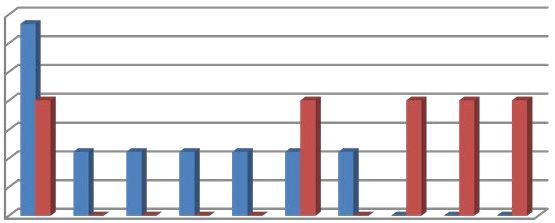
Impact of Type II Diabetes on the Presentation of CAD                     Yalampati, Beatrice            13

                                  number of vascular territories involved was found to be more in patients with type II
                                  diabetes. Although, the incidence of severe LV dysfunction was greater in patients with
                                  type II diabetes, the difference was not statistically significant.
                                     When considering 1 year outcomes in female patients with type II diabetes, three
                                  cases of deaths, one case of acute stent occlusion, one subacute stent occlusion, one
                                  peri-procedural myocardial infarction (MI), one CSA, one statin-induce myopathy, and
                                  one rhabdomyolysis are reported. Whereas, in nondiabetic female patients, one case
                                  of death, one CSA, one CIN, one chronic thrombus right radial artery, and one pseudo-
                                  aneurysm and rupture are reported.
  Keywords                        Conclusion The results from this study suggest that in female patients with CAD,
  ►►type II diabetes              ACS presentation is more common in type II diabetes; whereas, CSA presentation is
    mellitus                      more common in nondiabetics. Moreover, multi-vessel involvement is more common
  ►►coronary artery               in type II diabetes. Following PCI, there has been an increase in the prevalence of
    disease                       MACE, statin-induced myopathy and rhabdomyolysis in patients with type II diabetes.
  ►►percutaneous coronary         In conclusion, type II diabetes has been reported to significantly influence the severity
    intervention                  of presentation, number of lesions involved, and complications following PCI.

Introduction                                                        Materials and Methods
The prevalence of type II diabetes mellitus (DM) is increas-        This prospective single-center study included female patients,
ing globally making it a public health concern. Moreover,           who were aged between 18 and 75 years, with CAD compro-
DM is an established risk factor for cardiovascular disease         mising both ACS (acute coronary syndrome) and CSA (chronic
(CVD) with differential effects on women in comparison              stable angina) who underwent percutaneous coronary
with men.1 CVD has also been identified as the leading              intervention (PCI) in our institute from 2009 to 2016. After
cause of mortality amongst women of all ages.2–4 Type II DM         obtaining ethical clearance from the institutional ethics com-
is an important predictor of coronary artery disease (CAD)          mittee, total 267 cases (n = 267) were enrolled in this study.
risk and prognosis in women and men.5–9 The increase in             Informed consent of patients was obtained before enrolment.
CAD risk is higher in female diabetic patients with a relative      Patients were divided into two groups: patients with type II DM
risk for fatal CAD being 3.5 in women compared with 2.1 in          (group A) and those with no diabetes (group B). There were
men.8 Significant differences with respect to epidemiology,         171 (64%) patients in group A and 96 (36%) in group B.
diagnosis, response to therapy, and prognosis of congestive             In this study, we compared both groups in the presenta-
heart failure (CHD) exist between women and men. Hence,             tion of CAD (CSA vs. ACS), the presence of left ventricular (LV)
these factors should be considered when treating women              and renal dysfunctions, and the number of coronary vessels
with known or suspected disease. In addition, women are             involved during coronary angiography.
generally underrepresented in cardiovascular randomized                 Primary outcomes were compared in the form of major
studies, and data suggest that men are referred more com-           adverse cardiovascular events (MACE), which are objective
monly than women for appropriate therapeutic procedures             measures of acute and/or adverse cardiovascular events
in clinical practice.10,11 The rate of therapeutic success for      (e.g., acute MI, ischemic stroke, coronary arterial occlusion,
CAD is equal in both sexes. However, the complication rates         death), which have been used to assess the effects of vari-
differ, which in turn results in sex-specific profile of benefit.   ous interventions (e.g., rotablation, angioplasty, stenting) or
Literature has reported that it is the confounding risk factors     therapeutics (e.g., anti-arrhythmic drugs, statins, angioten-
(e.g., older age, more diabetes, more hypertension [HTN])           sin-converting enzyme [ACE] inhibitors) in the context of a
and not the gender itself, which is the cause of increased          clinical trial.16
rates of negative outcomes in women with therapies, such                Secondary outcomes were compared in the form of sta-
as an early invasive strategy in non–ST-elevation acute cor-        tin-induced myopathy and contrast-induced nephropathy
onary syndromes (ACS), and fibrinolysis therapy or primary          (CIN) (National Lipid Association 2006 specifically defined it
percutaneous coronary intervention (PCI) in ST-elevation            as complaints of myalgia [muscle pain or soreness], weakness,
myocardial infarction (MI).12–16                                    and/or cramps plus elevation in serum creatinine kinase [CK]
    Our study was an attempt to observe the impact of type          > 10 × upper limit of normal [ULN]). CIN has been defined as an
II diabetes on the severity of CAD at the time of presentation      absolute increase in serum creatinine of 0.5 mg/dL or a relative
and also on the outcomes of CAD after PCI in Indian women           25% increase from the baseline value, assessed 48 to 72 hours
with type II DM.                                                    following intravascular administration of contrast medium.17

                                                                          Indian Journal of Cardiovascular Disease in Women-WINCARS Vol. 3   No. 1/2018
14 Impact of Type II Diabetes on the Presentation of CAD Yalampati, Beatrice
Correlations of blood sugar at presentation and the inci- The baseline creatinine at the time of presentation was
dence of MACE in group A were also observed. 1.17 ± 1.02 mg/dL in this group (►Fig. 1).
The two-tailed Student’s t-test was used for compari- In group B, that is, 96 female patients with no diabe-
son between the groups. Statistical analysis was done with tes, 62 (64.5%) patients had CSA, 34 (35.4%) had ACS, and
Minitab version 17 (Minitab, Ltd.). Finally the difference in 39 (40.6%) had LV dysfunction (►Fig. 1). The total number of
above-mentioned modalities between both the groups was lesions treated was 130. The baseline creatinine at the time
observed for statistical significance (p < 0.05 was taken of presentation was 0.95 ± 0.39 mg/dL. The differences in the
as significant). incidence of CSA, ACS, and renal dysfunction between groups
A and B were statistically significant with p = 0.000, 0.000,
and 0.016, respectively, suggesting that the incidence of CSA
Results
is greater in group B, whereas the incidence of ACS and renal
In our study, the mean age of presentation of CAD among dysfunction at the time of presentation and the number of
patients with type II DM was (42 ± 2.5 years), whereas for coronary vascular territories involved were more in group A.
those with no diabetes was (51 ± 3 years), suggesting that Though the incidence of severe LV dysfunction is greater in
patients with type II DM had an earlier age of presentation. patients with type II diabetes, the difference was not statisti-
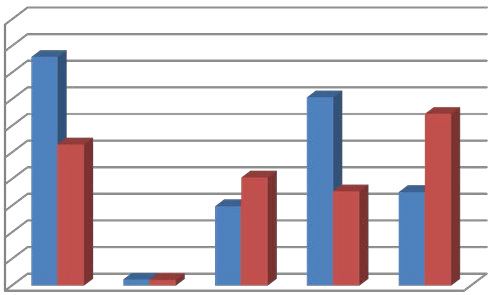
At the time of presentation among group A, that is, 171 cally significant (►Table 1). The difference in the number of
female patients with type II DM, 60 (35.08%) patients had the coronary vessels involved and treated was compared, and
CSA, 121 (70.76%) had ACS, and 51 (29.8%) patients had LV the number of the vessels involved was found to be more in
dysfunction. The total number of lesions treated was 237. type II DM (►Fig. 2).
400
100 130
85.9 350
90
80 70.7 300
64.5
Percentages
70 250
53 247
60
50 40.6 200
35.4 35.08 60
40 29.8 DM Posi ve 150 61
30 120
DM Nega ve 100 103
20
10 2.3 2.08 50
0 249
0
Total no lesions Mul Double Single
treated
DM Posive DM Negave
Fig. 1 Comparison of presentation of CAD in diabetes mellitus (DM) Fig. 2 Comparison of number of vessels treated in diabetics versus
versus non-DM. ACS, acute coronary syndrome; CSA, chronic stable nondiabetics. DM, diabetes mellitus.
angina; HTN, hypertension; LV, left ventricular.
Table 1 Comparison of type of presentation in diabetics versus nondiabetics and its significance
Variable DM positive DM negative p Value
Total number 171 96
HTN 147 (85.9%) 51 (53.0%) 0.000
Smoking 4 (2.3%) 2 (2.08%) 0.891
LV dysfunction 51 (29.8%) 39 (40.6%) 0.077
ACS 121 (70.7%) 34 (35.4%) 0.000
CSA 60 (35.08%) 62 (64.5%) 0.000
Blood urea 31.74 ± 18.61 31.66 ± 16.75 0.97
Serum creatinine 1.17 ± 1.02 0.95 ± 0.39 0.016
Femoral route 12 9
Radial route 159 87
Total no. of lesions treated 247 130
Multi 24 9
Double 120 60
Single 103 61
Abbreviations: ACS, acute coronary syndrome; CSA, chronic stable angina; DM, diabetes mellitus; HTN, hypertension; LV, left ventricular.
Indian Journal of Cardiovascular Disease in Women-WINCARS Vol. 3 No. 1/2018Impact of Type II Diabetes on the Presentation of CAD Yalampati, Beatrice 15
Hence, CAD with acute severe presentation and compli- of presentation is more common in patients with type II
cations in the form of LV and renal dysfunctions were more diabetes. HTN also being an important risk factor for devel-
common in female patients who had type II DM than those opment and progression of CAD is present in most patients
who did not. with diabetes at the time of diagnosis. In our study, 86% of
When primary outcomes in the form of MACE were the patients with diabetes were hypertensive but among
considered up to 1 year post intervention in group A, three nondiabetics only 53% were hypertensive. The mean of mean
cases of deaths, one case of acute stent occlusion, one sub- arterial blood pressure (MABP) in both the groups were 110
acute stent occlusion, and one peri-procedural MI were and 98 mm Hg with higher levels seen in those with diabe-
observed, whereas in group B one death was observed, and tes. Incidence of MACE in patients with type II diabetes after
this difference was statistically significant. PCI for CAD had direct correlation with sugar control accord-
Among the 171 patients with type II diabetes, at the time ing to our study. Our study findings also support the exist-
of presentation 103 (60.3%) patients had random blood sugar ing knowledge that the extent of the disease in the coronary
(RBS) of more than 200 mg/dL and 68 (39.7%) had RBS of less arteries is greater among patients with type II DM.
than 200 mg/dL. In addition, all the observed MACE were The Thrombolysis and Angioplasty in Myocardial Infarc-
seen in patients with RBS more than 200 mg/dL with statisti- tion (TAMI) trial showed that compared with the nondia-
cal significance (p < 0.05) and the mean RBS in patients who betics, patients with type II DM had a significantly higher
had succumbed to MACE was 268 mg/dL. incidence of multi-vessel disease. In our study also, the inci-
When secondary outcomes in the form of CSA, statin-in- dence of multi-vessel disease was greater in patients with
duced myopathy, rhabdomyolysis, and procedural complica- type II diabetes.
tions were compared, one case of CSA, one statin-induced In patients with diabetes, at the time of presentation,
myopathy, and one rhabdomyolysis were observed in group the mean creatinine was higher(statistically significant)
B, whereas one case of CSA, one CIN, one chronic thrombus compared with the nondiabetic patients, which can be
right radial artery, and one pseudoaneurysm and rupture explained by increased prevalence of chronic kidney dis-
were observed in group A (►Table 2, ►Fig. 3). ease in diabetics. Also, patients with diabetes are more
prone for acute kidney injury because of less kidney reserve
Discussion
Women were thought to have a lower risk of developing CAD 35
30
traditionally, but due to increased incidence of coronary 25
Percentages
risk factors like HTN and DM, the risk of CAD has increased 20
15
significantly in women. Despite this, CAD remains as an 10
underrecognized condition in women. Limited data exist on 5 DM Posi ve
0 DM Nega ve
the frequency of MI in female patients. The incidence of an
hy
rip ccl s
n
ce sion
ht
re
h
I
oc A
i
ry b IN
lM
sio
lys
at
CS
MI over a 10-year follow-up was 5.2/1,000 in women aged 35
at
rig
tu
C
De
st myo
clu
p
u
ra
up
o
us
du
y
,r
m
o
o
to 44 years as reported in Framingham heart study.18 It was
Ps arte hrom
sm
d
nt
t
ce
en
b
ro
ry
ste
ha
du
eu
t
R
in
eight to nine times greater in women aged 55 to 64 years.
e
u
di nic
Pe
an
ut
ut
n
ra hro
a
Ac
do
ac
al
b-
St
eu
In our study, the incidence of MI in women between
C
Su
35 and 44 years and between 55 and 64 years was 4.2 and Fig. 3 Comparison of PCI outcomes in diabetics versus nondiabetics.
12.4%, respectively, which is similar to the previous studies. CIN, contrast-induced nephropathy; CSA, chronic stable angina; DM,
Incidence of CAD has increased with age, but younger age diabetes mellitus; MI, myocardial infarction.
Table 2 Comparison of PCI outcomes in type II diabetes mellitus versus nondiabetics
Outcomes DM positive DM negative
Death 3 (33.33%) 1 (20%)
Statin-induce myopathy 1 (11.11%) 0
Rhabdomyolysis 1 (11.11%) 0
Subacute stent occlusion 1 (11.11%) 0
Periprocedural MI 1 (11.11%) 0
CSA 1 (11.11%) 1 (20%)
Acute stent occlusion 1 (11.11%) 0
CIN 0 1 (20%)
Chronic thrombus right radial artery 0 1 (20%)
Pseudo aneurysm, rupture 0 1 (20%)
Abbreviations: CIN, contrast-induced nephropathy; CSA, chronic stable angina; DM, diabetes mellitus; MI, myocardial infarction; PCI, percutaneous
coronary intervention.
Indian Journal of Cardiovascular Disease in Women-WINCARS Vol. 3 No. 1/201816 Impact of Type II Diabetes on the Presentation of CAD Yalampati, Beatrice
function. LV dysfunction at the time of presentation of CAD 6 Rich-Edwards JW, Manson JE, Hennekens CH, Buring JE. The
was observed in greater numbers in patients with type II DM primary prevention of coronary heart disease in women. N
Engl J Med 1995;332(26):1758–1766
though the difference was not statistically significant.
7 Zuanetti G, Latini R, Maggioni AP, Santoro L, Franzosi MG.
Postprocedural complications in the form of stent throm- Influence of diabetes on mortality in acute myocardi-
bosis and periprocedural MI were more common in female al infarction: data from the GISSI-2 study. J Am Coll Cardiol
patients with diabetes compared with nondiabetic female 1993;22(7):1788–1794
patients, reinforcing the fact that type II DM has negative 8 Huxley R, Barzi F, Woodward M. Excess risk of fatal cor-
impact on prognosis after PCI and also poorly controlled onary heart disease associated with diabetes in men and
women: meta-analysis of 37 prospective cohort studies. BMJ
type II DM has strong association with MACE. The possible
2006;332(7533):73–78
explanations include increased platelet activity that is seen 9 Hu G, Jousilahti P, Qiao Q, Peltonen M, Katoh S, Tuomileh-
in patients with poorly controlled DM.17,19 to J. The gender-specific impact of diabetes and myocardi-
Treatment-related complications like statin-induced al infarction at baseline and during follow-up on mortality
myopathy and rhabdomyolysis were more common in from all causes and coronary heart disease. J Am Coll Cardiol
female patients with diabetes compared with those without 2005;45(9):1413–1418
10 Lee PY, Alexander KP, Hammill BG, Pasquali SK, Peterson
type II DM.18
ED. Representation of elderly persons and women in pub-
lished randomized trials of acute coronary syndromes. JAMA
2001;286(6):708–713
Conclusion 11 Kim ESH, Carrigan TP, Menon V. Enrollment of women in
Our study suggests that in female CAD patients, type II DM National Heart, Lung, and Blood Institute-funded cardiovascu-
lar randomized controlled trials fails to meet current federal
has strong impact on the severity of presentation. Com-
mandates for inclusion. J Am Coll Cardiol 2008;52(8):672–673
plications such as LV and renal dysfunctions as well as the 12 Lansky AJ, Hochman JS, Ward PA, et al; American College of
multi-vessel involvement are more common in patients with Cardiology Foundation; American Heart Association. Percuta-
type II diabetes. After PCI, patients with type II diabetes have neous coronary intervention and adjunctive pharmacotherapy
experienced more MACE, statin-induced myopathy, and in women: a statement for healthcare professionals from the
rhabdomyolysis compared with nondiabetic patients. To con- American Heart Association. Circulation 2005;111(7):940–953
13 Blomkalns AL, Chen AY, Hochman JS, et al; CRUSADE Investiga-
clude, in female CAD patients, diabetes is a poor prognostic
tors. Gender disparities in the diagnosis and treatment of non-
marker in the form of more severe presentation and poorer ST-segment elevation acute coronary syndromes: large-scale
outcomes after treatment. observations from the CRUSADE (Can Rapid Risk Stratification
of Unstable Angina Patients Suppress Adverse Outcomes With
Conflict of Interest Early Implementation of the American College of Cardiolo-
None. gy/American Heart Association Guidelines) National Quality
Improvement Initiative. J Am Coll Cardiol 2005;45(6):832–837
14 White HD, Barbash GI, Modan M, et al. After correcting for
References worse baseline characteristics, women treated with throm-
1 Danaei G, Finucane MM, Lu Y, et al; Global Burden of Metabolic bolytic therapy for acute myocardial infarction have the same
Risk Factors of Chronic Diseases Collaborating Group (Blood mortality and morbidity as men except for a higher incidence
Glucose). National, regional, and global trends in fasting plas- of hemorrhagic stroke. The Investigators of the International
ma glucose and diabetes prevalence since 1980: systematic Tissue Plasminogen Activator/Streptokinase Mortality Study.
analysis of health examination surveys and epidemiological Circulation 1993;88(5 Pt 1):2097–2103
studies with 370 country-years and 2·7 million participants. 15 Hochman JS, Tamis JE, Thompson TD, et al. Sex, clinical
Lancet 2011;378(9785):31–40 presentation, and outcome in patients with acute coronary
2 Eaker ED, Chesebro JH, Sacks FM, Wenger NK, Whisnant JP, syndromes. Global Use of Strategies to Open Occluded Coro-
Winston M. Cardiovascular disease in women. Circulation nary Arteries in Acute Coronary Syndromes IIb Investigators.
1993;88(4 Pt 1):1999–2009 N Engl J Med 1999;341(4):226–232
3 Mosca L, Mochari H, Christian A, et al. National study of wom- 16 Mehilli J, Ndrepepa G, Kastrati A, et al. Gender and myocar-
en’s awareness, preventive action, and barriers to cardiovascu- dial salvage after reperfusion treatment in acute myocardial
lar health. Circulation 2006;113(4):525–534 infarction. J Am Coll Cardiol 2005;45(6):828–831
4 GBD 2013 Mortality and Causes of Death Collaborators. 17 Davi G, Catalan I, Averna M. Thromboxane biosynthesis and
Global, regional, and national age-sex specific all-cause and platelet function in type II diabetes mellitus. N Engl J Med
cause-specific mortality for 240 causes of death, 1990-2013: 1990;322(25):1769–1774
a systematic analysis for the Global Burden of Disease Study 18 Bitzur R, Cohen H, Kamari Y, Harats D. Intolerance to statins:
2013. Lancet 2015;385(9963):117–171 mechanisms and management. Diabetes Care 2013;36(Suppl 2):
5 Sullivan AK, Holdright DR, Wright CA, Sparrow JL, Cunning- S325–S330
ham D, Fox KM. Chest pain in women: clinical, investigative, 19 Davì G, Patrono C. Platelet activation and atherothrombosis. N
and prognostic features. BMJ 1994;308(6933):883–886 Engl J Med 2007;357(24):2482–2494
Indian Journal of Cardiovascular Disease in Women-WINCARS Vol. 3 No. 1/2018You can also read


