Important Bird Areas of the - Neotropics: ecuador
←
→
Page content transcription
If your browser does not render page correctly, please read the page content below
>> feature important bird areas of the Neotropics: eCUADOR

Important Bird Areas of the
Neotropics: Ecuador

Juan F. Freile,
Diego F. Cisneros-Heredia,
Tatiana Santander,
Kerem A. Boyla and
David Díaz

                                                 The rare, little-known and localised Empress
                                                 Brilliant Heliodoxa imperatrix can be found at Los
                                                 Bancos-Milpe IBA (Nick Athanas/Tropical Birding)

Our fifth article on the Important Bird Areas of the Neotropics introduces us into the
splendid
4         geography
      Neotropical       and
                  Birding 7 avifauna of South America’s smallest megadiverse country.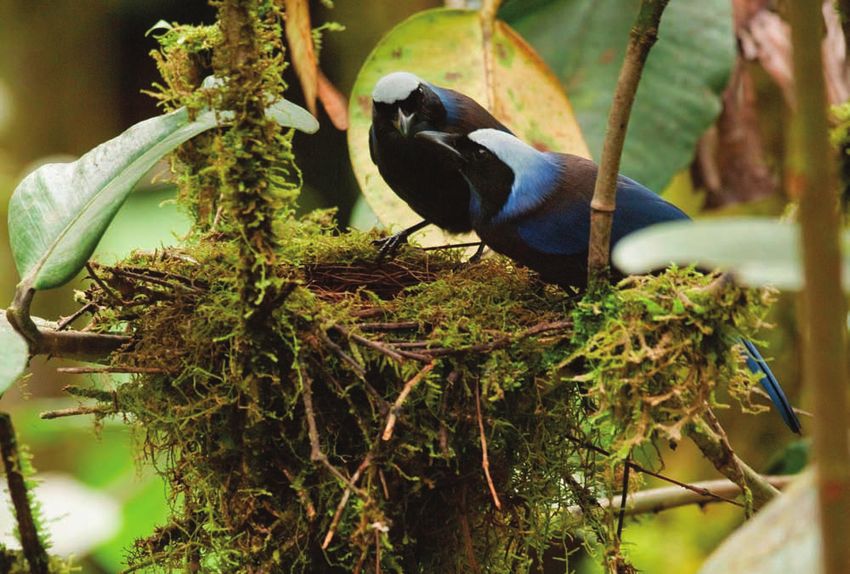
Clockwise from top:
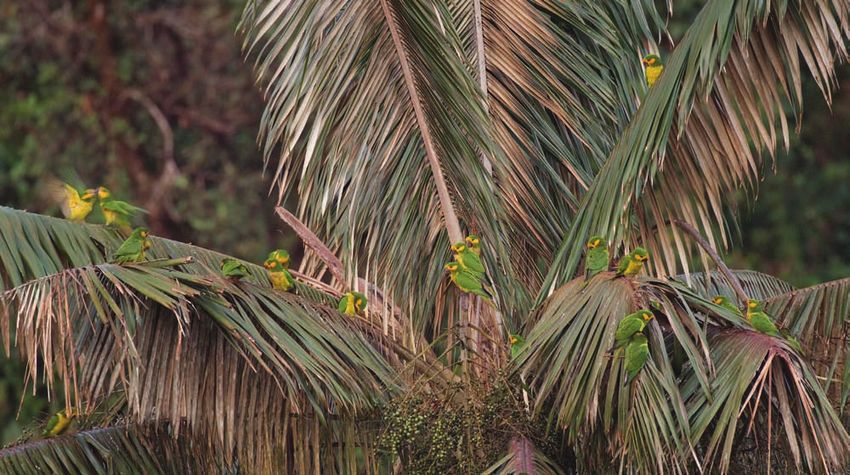
The Critically Endangered Yellow-eared Parrot Ognorhynchus icterotis is apparently extinct in Ecuador; a tiny hope
exists of relocating it (Murray Cooper)
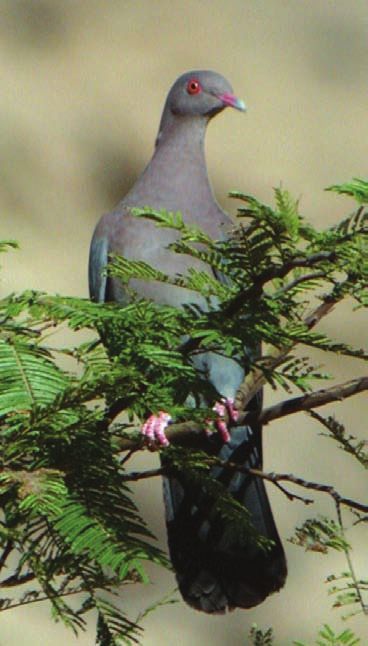
Recently found in Ecuador, the Peruvian Pigeon Patagioenas oenops has its largest population in the Peruvian side of
the Marañón Valley (Nick Athanas/Tropical Birding)
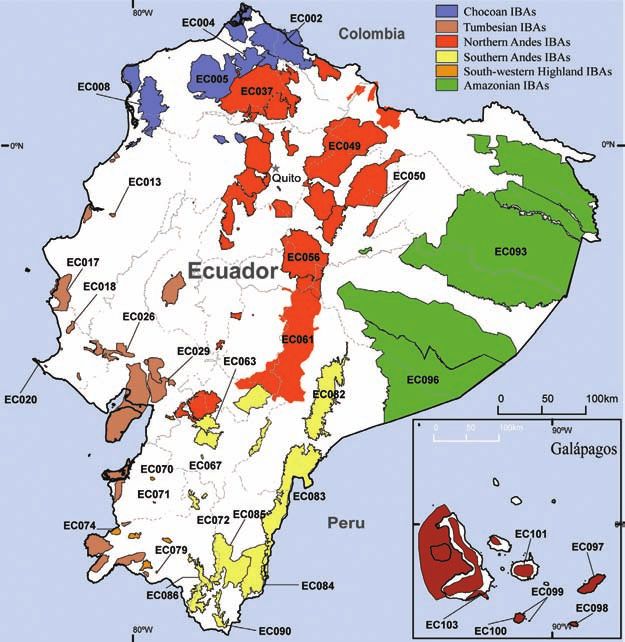
Map of Ecuador showing all 107 IBAs. Colours indicate different biogeographic regions. Labeled IBAs are those
mentioned in the text. For further information consult recent publications6,9
                                                                                       Neotropical Birding 7         5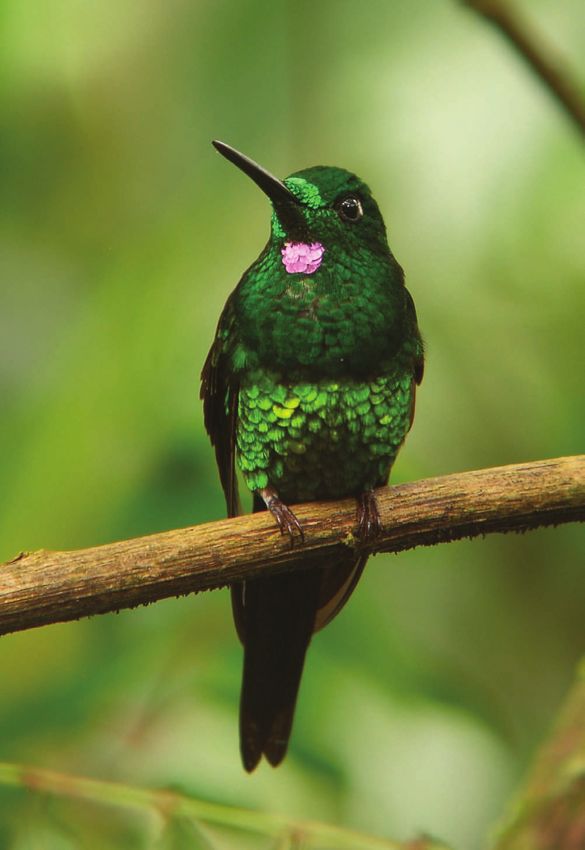
>> feature important bird areas of the Neotropics: eCUADOR

Ecuador: land of birds                                 little natural habitat remains. Many species

E
                                                       have paid the price, including Plumbeous Forest
        cuador, one of the ornithologically richest    Falcon Micrastur plumbeus (Vulnerable), Pacific
        countries on the globe, houses over 1,600      Royal Flycatcher Onycorhynchus (coronatus)
        species8 in less than 260,000 km2 (about       occidentalis (Vulnerable) and Scarlet-breasted
the size of the United Kingdom). This situation is     Dacnis Dacnis berlepschi (Vulnerable). The
repeated for nearly all major life forms: Ecuador is   western forests along the extensive río Guayas
a centre of megadiversity concentrated in a pill.      floodplain are almost completely gone, whereas
     Political endemism in mainland Ecuador is         Chocó jungles to the north are rapidly diminishing
low due to the country’s small size, but it includes   due to large-scale timber extraction. Likewise,
awesome species like Black-breasted Puffleg            inappropriate agricultural practices (slash-and-
Eriocnemis nigrivestis (Critically Endangered),        burn and extensive use of fire) are destroying
El Oro Parakeet Pyrrhura orcesi (Endangered)           Andean forests, scrub and páramo, as well as
and Violet-throated Metaltail Metallura baroni         forests in the south-west, where range-restricted
(Endangered), in addition to 26 species endemic to     species like Red-faced Parrot Hapalopsittaca
the oceanic province of Galapagos8. Furthermore,       pyrrhops (Vulnerable) and El Oro Tapaculo
Ecuador harbours a high number of ‘regional            Scytalopus robbinsi (Endangered) coexist8,9.
endemics’ confined to particular Endemic Bird               The oil industry and mining concessions play
Areas (EBAs)15. Ten such areas include over 150        an unchecked role through severe water pollution
mainland endemics, like Five-colored Barbet            and habitat destruction. Concurrently, new roads
Capito quinticolor (Vulnerable), Velvet-purple         are continuously being opened in fragile areas,
Coronet Boissonneaua jardini and Chestnut-             triggering further colonisation and consequent
bellied Cotinga Doliornis remseni (Vulnerable).        habitat degradation, threatening birds such as
     In the west, the coastal lowlands alone           Cinnamon-breasted Tody-Tyrant Hemitriccus
harbour more than 100 regional endemic                 cinnamomeipectus (Near Threatened, endemic to
species, as the north is characterised by humid        the Cordillera del Cóndor) and Orange-crested
to wet Chocó forests and the south by a complex        Manakin Heterocercus aurantiivertex (endemic
assortment of xeric to deciduous forests and           to the black-water forests of western Amazonia1).
scrub, with various semideciduous habitats             In Galapagos, habitat loss is less extensive but
in the intervening area. The eastern lowlands          introduced species (predators, disease vectors,
are carpeted by vast Amazonian forests, with           parasites, competitors, habitat modifiers),
little endemism but an astonishing diversity,          unsustainable practices (e.g. long-line fisheries),
including c.600 species found at a single site!1       and political turmoil are driving the unique
     Furthermore, the complexity of the Andes has      Galapagos avifauna to a critical situation17.
produced an outstanding gradient of ecosystems,
from wet and tall foothill forests, to stunted,
moss-laden Andean forests, capped by grassy,
                                                       ... and some actions:
shrubby or even dry and barren páramos. The            Ecuador’s Important Bird Area
Ecuadorian Andes, with roughly 800 species, is
the richest area in Ecuador. Finally, the relatively
                                                       programme
low species richness of the Galapagos (c.160           Bird conservation in Ecuador is challenging.
species) is countered by its high endemism16.          One important step was the identification of
                                                       Important Bird Areas (IBAs)9 as part of the
A megadiverse country with                             tropical Andes regional initiative4. Although
                                                       a large amount of data on Ecuadorian birds
many threats...                                        have been published11,13, no previous efforts
Large-scale, exportation-oriented agriculture is       had focused on the identification of such IBAs.
the primary cause of habitat loss in continental       During 2003 Aves&Conservación (BirdLife in
Ecuador, threatening up to 15% of its avifauna,        Ecuador), BirdLife’s Regional Office, Conservation
and leaving most Ecuadorian endemic species on         International and the Ministry of Environment
the brink of extinction3,10. Even though Ecuador       of Ecuador began the identification of IBAs. This
has an official National Protected Areas Network       process included extensive review of published
(SNAP) covering about 20% of its territory7,           literature, and a continuous interaction between
efforts are still insufficient to guarantee the        ornithologists, academic institutions and
conservation of the country’s rich biodiversity,       environmental organisations, through a number
particularly in the coastal lowlands where very        of meetings and workshops. The final result: a

6     Neotropical Birding 7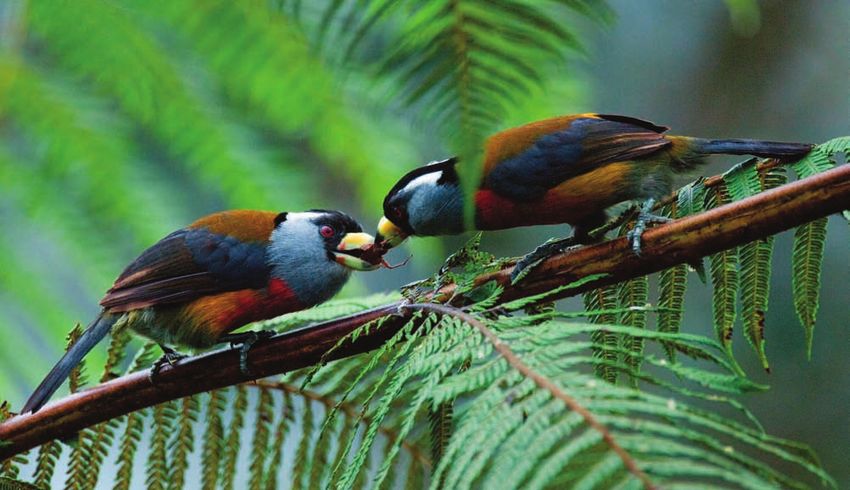
list of 107 IBAs9, 37 of which were postulated          forests, and arid scrub; it has the highest number
by landowners, communities and NGOs.                    of IBAs (28) reflecting its critical situation. Three
                                                        formally protected areas: Machalilla National
Ecuadorian IBAs: an overview                            Park (EC017), Manglares-Churute (EC029) and
The 107 IBAs in Ecuador cover 35.7% of its              Arenillas Ecological Reserves (EC035), and nine
territory and harbour 99 threatened and Near            private reserves, such as Bosque Protector Cerro
Threatened species, 69 EBA endemics, 44                 Blanco (EC026) are keystone conservation sites.
species restricted to Neotropical biomes and 24         These IBAs are important for the sought-after
congregatory species. Ten IBAs are located in the       Esmeraldas Woodstar, Blackish-headed Spinetail
Galapagos Islands and 97 in continental Ecuador.        Synallaxis tithys (Endangered), Slaty Becard
Twenty-five IBAs are completely protected               Pachyramphus spodiurus (Endangered) and
within the National Protected Areas Network             Saffron Siskin Carduelis siemiradzkii (Vulnerable).
(which currently includes private reserves and          A total of 26 threatened and Near Threatened
protection forests), 60 are partially protected,        species and all of the species confined to the
while 22 are not protected at all14. IBAs are rather    Equatorial Pacific Coast biome and Tumbesian
evenly distributed throughout Ecuador, but              EBA inhabit these IBAs. Several Tumbesian IBAs
more sites are on the northern Andean slopes            are important for aquatic birds, namely Ecuasal-
and in the south-western deciduous forests.             Salinas Lagoons (EC020), La Segua Marshes
                                                        (EC013), and Manglares-Churute Ecological
An adventure into                                       Reserve. Rare and threatened species include
                                                        Pinnated Bittern Botaurus pinnatus, Brown Wood
Ecuadorian IBAs                                         Rail Aramides wolfi (Vulnerable) and Elegant
Breathtaking cotingas, tiny-winged jewels like          Tern Thalasseus elegans (Near Threatened).
the endemic Esmeraldas Woodstar Chaetocercus                The south-west highlands, covered in wet,
berlepschi (Endangered), skillful dancers, petit        semi-deciduous and deciduous forests include
raptors, and mysterious singers like the near-          eight IBAs, whose precarious situation is caused
endemic Cocha Antshrike Thamnophilus praecox            by intensive agricultural expansion, cattle ranching
(Near Threatened), are but a sample of the              and timber extraction2. Reserva Buenaventura
amazing diversity contained within Ecuadorian           (EC071), Utuana-Bosque de Hanne (EC079),
IBAs. With so many species, and so many IBAs,           La Tagua (EC074) and Daucay (EC070) IBAs
we could fill an entire issue of Neotropical Birding!   are the few sites, if not the only ones, where
Obviously, we will not. Instead, we review some         you will find the localised El Oro Parakeet,
key IBAs, with the aim of inviting readers to           El Oro Tapaculo and the rare Grey-headed
undertake their next birding trip to those areas.       Antbird Myrmeciza griseiceps (Vulnerable).
    The Chocó lowland and premontane forests                In the northern Andes, subtropical and
are covered by 12 IBAs, just five of them large         montane forests, páramos and wetlands are
(>60,000 ha) and extensively forested. Twenty-          covered by 26 IBAs, encompassing 12 officially
nine threatened and Near Threatened species             protected areas, several small private reserves
inhabit these IBAs, along with all the Chocó            and some unprotected areas. The first IBA to
endemics, and are home to Harpy Eagle Harpia            be designated in tropical America, Mindo y
harpyja (Near Threatened), the elusive Great            Estribaciones Occidentales del Volcán Pichincha
Curassow Crax rubra (Vulnerable) and Great              (EC043, formerly Mindo IBA) holds the largest
Green Macaw Ara ambiguus (Endangered) in                known population of Black-breasted Puffleg. The
western Ecuador. The IBAs Cayapas-Santiago-             most important conservation areas in Andean
Wimbí (EC004) and Verde-Ónzole-Cayapas-                 Ecuador, Cotacachi-Cayapas (EC037) and
Canandé (EC005) are ideal for them. Further,            Cayambe-Coca (EC049) Ecological Reserves,
IBAs EC040 and 041 (Río Caoní and Los Bancos-           and Sangay (EC061), Llanganates (EC056)
Milpe) offer excellent opportunities to search          and Sumaco-Napo Galeras (EC050) National
for Chocó endemics, including Black-tipped              Parks, occur in this region. All of the northern
Cotinga Carpodectes hopkei and the near-                Andean IBAs are quite easily accessed from
mythical Banded Ground Cuckoo Neomorphus                Quito5, where Empress Brillant Heliodoxa
radiolosus (Endangered), while at the same time         imperatrix, Crescent-faced Antpitta Grallaricula
supporting local conservation initiatives14.            lineifrons (Near Threatened), Beautiful
    The Tumbesian region of western Ecuador             Jay Cyanolyca pulchra (Near Threatened),
is covered by deciduous and semideciduous               Indigo Flowerpiercer Diglossopis indigotica

                                                                               Neotropical Birding 7       7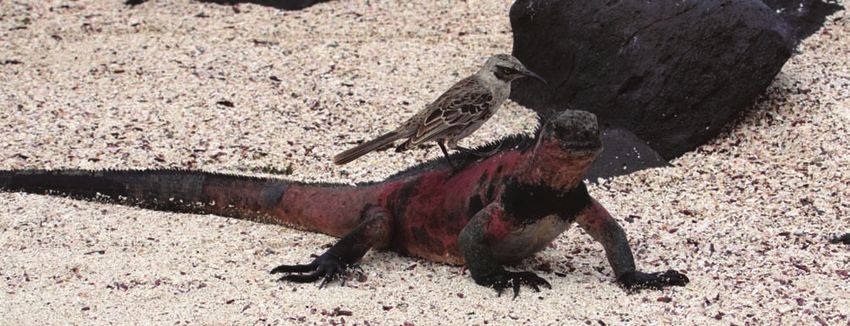
>> feature important bird areas of the Neotropics: eCUADOR

                                                         Top to bottom:
                                                         Toucan Barbet Semnornis
                                                         ramphastinus (Murray Cooper); one
                                                         of the most characteristic endemics
                                                         of the Chocó cloud forests
                                                         The Vulnerable Española Mockingbird
                                                         Mimus macdonaldi is confined to
                                                         a single island without introduced
                                                         predators (Nick Athanas/Tropical
                                                         Birding)
                                                         A rare ant-follower, Lunulated Antbird
                                                         Gymnopithys lunulatus (Murray
                                                         Cooper); Amazonian IBAs harbour
                                                         more than 500 species

8    Neotropical Birding 7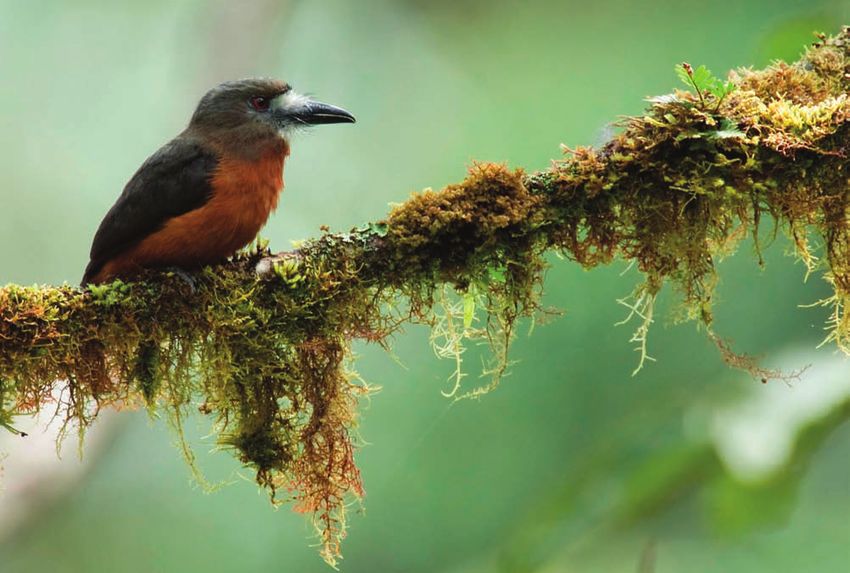
Clockwise from top:
The rare and localised Olive Finch Arremon castaneiceps
occurs in several Andean IBAs (Murray Cooper)
The population recovery of the Pale-headed Brush Finch
Atlapetes pallidiceps, from 60 breeding pairs,
gives us hope (Murray Cooper). Fires, grazing, competition
with other brush finches, and cowbird parasitism threaten
its tiny population
The highly localised and Endangered Violet-throated
Metaltail Metallura baroni is known from a handful of
sites around Cuenca city (Roger Ahlman)
The Chocó endemic Indigo Flowerpiercer Diglossa
indigotica, recently found at a site about to be postulated
as an IBA (Murray Cooper)

                                                              Neotropical Birding 7   9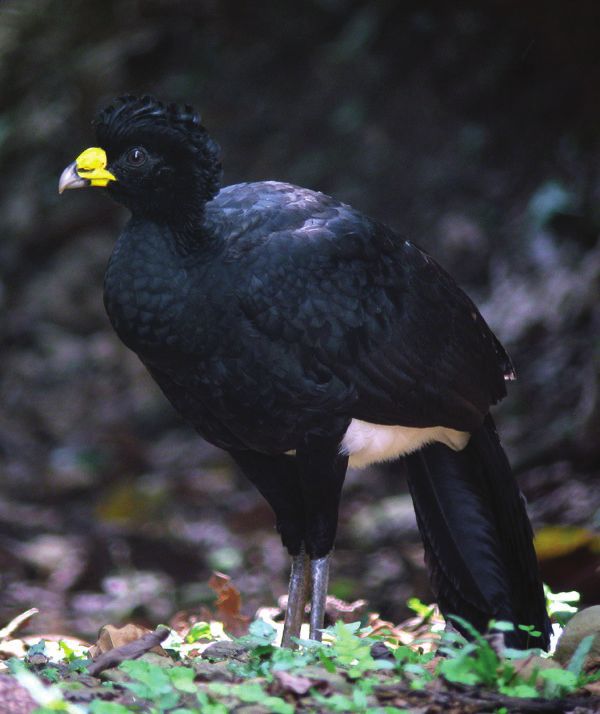
>> feature important bird areas of the Neotropics: eCUADOR

Threatened by introduced pests and tramplers, the Galapagos Petrel Pterodroma phaeopygia wanders to continental
Ecuadorian waters during the non-breeding season (Nick Athanas/Tropical Birding)

Left: Although all of its breeding colonies are protected, the main threat to Waved Albatross Phoebastria irrorata is at
sea: long-line fishing (Nick Athanas/Tropical Birding)
Right: The population of Lava Gull Leucophaeus fuliginosus is estimated at
species occur. A large number of threatened and       Mimus trifasciatus (Critically Endangered).
endemic species are found in the southern Andes:      All of the Galapagos IBAs lie partially or
32 threatened and Near Threatened species, and        wholly within the Galapagos National Park.
nearly 25 species endemic to five EBAs, including
Bar-winged Wood Wren Henicorhina leucoptera
(Near Threatened), White-breasted Parakeet
                                                      Some final musings
Pyrrhura albipectus (Vulnerable), Peruvian            The tremendous bird diversity of Ecuador
Pigeon Patagioenas oenops (Vulnerable), Marañón       and the fairly adequate knowledge of bird
Crescentchest Melanopareia maranonica                 species distributions has resulted in a
(Near Threatened), Neblina Metaltail Metallura        large number of IBAs4. Several IBAs are of
odomae (Near Threatened) and Jocotoco Antpitta        urgent conservation priority because they
Grallaria ridgelyi (Endangered). Two threatened       embrace all or nearly all the known global
and range-restricted Ecuadorian endemics, Violet-     population of some highly threatened species,
throated Metaltail and Pale-headed Brush Finch        endemic or nearly endemic to Ecuador.
Atlapetes pallidiceps (Critically Endangered),             The identification of IBAs is one step towards
are entirely confined to valleys and páramos in       bird conservation in Ecuador, and a new tool
Azuay province. The sole remaining population         for setting conservation priorities. It is not the
of the brush finch is confined to a single and tiny   first prioritising exercise and it will not be the
privately owned IBA (Yunguilla, EC067) which          last12. To become effective conservation sites, the
is completely surrounded by degraded areas.           IBAs depend on actions by local communities,
     The Amazonian lowlands are covered by six        landowners, stakeholders, environmental
IBAs, all of them encompassing large extensions       authorities and conservation organisations.
of mainly undisturbed habitats; Gran Yasuní           Urgent actions must be taken for the conservation
(EC093) being the largest IBA in Ecuador with         of bird diversity in Ecuador: from further land
more than 1.6 million ha. All IBAs are totally or     protection in top-priority areas, through effective
partially protected by the SNAP, private reserves     control of devastating extractive activities and
or Indigenous Territories. Eight threatened           sustainable economic alternatives, to an integral
or Near Threatened species are covered by             plan of capacity building and environmental
these Amazonian IBAs, along with all of the           education throughout the country.
EBA endemics, and all biome-confined species
of this region, including specialities such as        ACKNOWLEDGEMENTS
Red-winged Wood Rail Aramides calopterus,             Thanks to BirdLife staff in Quito (I. Davidson, I. Olmedo,
Yasuní Antwren Epinecrophylla fjeldsaai,              A. Pérez, X. Casares) and Cambridge (L. Fishpool, M.
Lunulated Antbird Gymnopithys lunulata                Sneary, M. Herrick, D. Wege), and Aves&Conservación
                                                      (S. Loor-Vela, I. Muñoz, E. Guevara, E. Endara, A. Lara)
and Ecuadorian Cacique Cacicus sclateri.
                                                      for their permanent support, and to Conservation
     Ten IBAs in Galápagos hold 11 threatened
                                                      International and the Ministerio del Ambiente
endemic species and 16 congregatory species.          for sponsoring the IBA programme. For further
San Cristóbal Island (EC097) is home to the           acknowledgements see Freile & Santander9. Our deepest
endemic San Cristóbal Mockingbird Mimus               thanks to Loma Alta Community, Corporación Parque
melanotis, and together with Santa Cruz Island        Nacional Cajas, and Municipio de Vinces for making
(EC101), has significant populations of probably      IBAs a tool for the conservation of their lands. We thank
the rarest gull on Earth, Lava Gull Leucophaeus       Murray Cooper and Nick Athanas for kindly sharing
fuliginosus (Vulnerable), and Galapagos Petrel        their photos.
Pterodroma phaeopygia (Critically Endangered).
Española Island (EC 098) has the endemic              REFERENCES
Española Mockingbird Mimus macdonaldi                 1. Bass, M. S., Finer, M., Jenkins, C. N., Kreft, H.,
(Vulnerable) and holds the major population of           Cisneros-Heredia, D. F., McCracken, S. F., Pitman, N.
                                                         C. A., English, P. H., Swing, K., Villa, G., Di Fiore, A.,
Waved Albatross Phoebastria irrorata (Critically
                                                         Voigt, C. C. & Kunz, T. H. (2010) Global conservation
Endangered); otherwise there is a tiny colony on
                                                         significance of Ecuador’s Yasuní National Park. PLoS
Isla de la Plata, off the Manabí coast (EC016).          ONE 5(1): e8767.
A visit to Floreana Island (EC100) is your only
                                                      2. Best, B. J. & Kessler, M. K. (1995) Biodiversity and
chance for Medium Tree Finch Camarhynchus                conservation in Tumbesian Ecuador and Peru.
pauper (Critically Endangered), while two islets         Cambridge, UK: BirdLife International.
nearby (Champion and Gardner, EC099) are the          3. BirdLife International (2009) The BirdLife checklist
only site in the world for Floreana Mockingbird          of the birds of the world, with conservation status

                                                                                 Neotropical Birding 7         11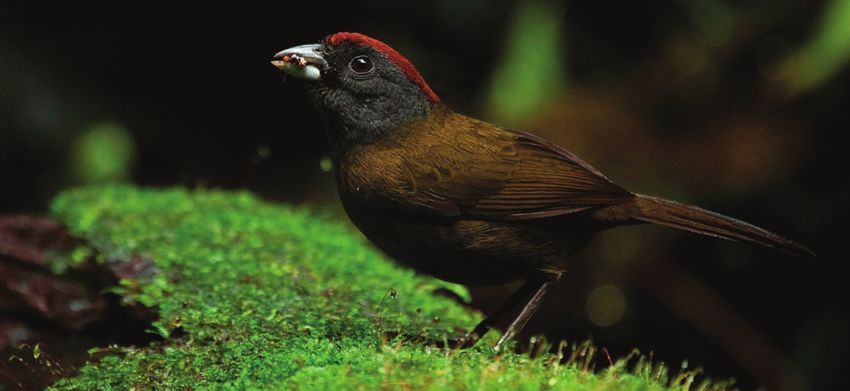
>> feature important bird areas of the Neotropics: eCUADOR

Clockwise from top:
White-faced Nunbird Hapaloptila castanea is a low-
density resident of Andean slopes (Murray Cooper)
Great Curassow Crax rubra is one of the rarest and
most endangered cracids in Ecuador, with certainly
fewer than 200 individuals left (Scott Olmstead)
Charcoal production and slash-and-burn agriculture
threaten the small population of Black-breasted
Puffleg Eriocnemis nigrivestis (Murray Cooper)
The Tumbesian endemic Collared Warbling Finch
Poospiza hispaniolensis is numerous at several IBAs
(Murray Cooper)

12     Neotropical Birding 7
Clockwise from top:
A pair of Beautiful Jays Cyanolyca pulchra at the first-ever nest to be found, in a
private reserve within Mindo y Estribaciones Occidentales del Volcán Pichincha IBA
(Murray Cooper)
Two Golden-plumed Parakeets Leptosittaca branickii at their nest (Murray Cooper)
Trampling by cattle inside Tumbesian dry forests is a major threat to endemics like
the Slaty Becard Pachyramphus spodiurus (Murray Cooper)
Esmeraldas Woodstar Chaetocercus berlepschi (Murray Cooper). Until recently, little
was known about this localised hummingbird found in a handful of Tumbesian IBAs

                                                                                      Neotropical Birding 7   13
>> feature important bird areas of the Neotropics: eCUADOR
and taxonomic sources. http://www.birdlife.org/ 14. Santander, T., Freile, J. F. & Loor-Vela, S. (2009)
datazone/species. Ecuador. In: Devenish, C., Díaz-Fernández, D.
4. BirdLife International & Conservation International F., Clay, R. P., Davidson, I. & Yépez, I. (eds.).
(2005) Áreas importantes para la conservación de Important Bird Areas of the Americas: priority sites
las aves en los Andes tropicales. Sitios prioritarios for biodiversity conservation. BirdLife International
para la conservación de la biodiversidad. BirdLife Conservation Series No. 16. Quito: BirdLife
International Conservation Series No. 14. Quito: International.
BirdLife International. 15. Stattersfield, A. J., Crosby, M. J., Long, A. J. & Wege,
5. Cisneros-Heredia, D. F. (2009) Capital birding: Quito. D. C. (1998) Endemic Bird Areas of the world:
Neotrop. Birding 4: 40–47. priorities for biodiversity conservation. Cambridge,
6. Devenish, C., Díaz-Fernández, D. F., Clay, R. P., UK: BirdLife International.
Davidson, I. & Yépez Zabala, I. (eds.). (2009) 16. Wiedenfeld, D. A. (2006) The avifauna of the
Important Bird Areas of the Americas: priority sites Galapagos Islands, Ecuador. Checklist 2: 1–27.
for biodiversity conservation. BirdLife International 17. Wiedenfeld, D. A. & Jiménez, G. (2008) Critical
Conservation Series 16. Quito: BirdLife International. problems for bird conservation in the Galápagos
7. Ecuador Terra Incognita (2010) Ecuador: turismo en Islands. Cotinga 29: 22–27.
áreas protegidas. Quito: Ministerio de Turismo.
8. Freile, J. F. (2009) Species lists of birds for South
JUAN F. FREILE
American countries and territories: Ecuador. South
Fundación Numashir, Casilla Postal 17-12-122, Quito,
American Classification Committee: http://www.
Ecuador. E-mail: jfreileo@yahoo.com
museum.lsu.edu/~Remsen/SACCCountryLists.html
9. Freile, J. F. & Santander, T. (2005) Áreas importantes DIEGO F. CISNEROS-HEREDIA
para la conservación de las aves en Ecuador. In: Universidad San Francisco de Quito, Colegio de Ciencias
BirdLife International & Conservation International. Biológicas y Ambientales, edif. Darwin, of. DW-010A,
Áreas importantes para la conservación de las Casilla 17-1200-841, Quito, Ecuador, &
aves en los Andes tropicales: sitios prioritarios King’s College London, Department of Geography,
para la conservación de la biodiversidad. BirdLife EMMM Programme, London, UK.
International Conservation Series 14. Quito: BirdLife E-mail: diegofrancisco_cisneros@yahoo.com
International.
TATIANA SANTANDER
10. Granizo, T., Pacheco, C., Ribadeneira, M. B., Aves&Conservación, pasaje Joaquín Tinajero E3-05 y
Guerrero, M. & Suárez, L. (eds.). (2002) Libro rojo de calle Jorge Drom, Casilla 17-17-906, Quito, Ecuador.
las aves del Ecuador. Quito: Simbioe, Conservación E-mail: tsantander@avesconservacion.org
Internacional, EcoCiencia, Ministerio del Ambiente
& UICN. KEREM A. BOYLA
11. Krabbe, N. & Nilsson, J. (2003) Birds of Ecuador. BirdLife International, Americas Division Office, Quito,
DVD-ROM. Enschede: Bird Songs International. Ecuador. E-mail: kerem.boyla@gmail.com
12. O’Dea, N., Araújo, M. B. & Whittaker, R. J. (2006) DAVID DÍAZ
How well do Important Bird Areas represent species BirdLife International, Americas Division Office, calle
and minimize conservation conflict in the tropical Juan de Dios Martínez Mera N35-76 y Av. Portugal,
Andes? Divers. & Distrib. 12: 205–214. Casilla 17-17-717, Quito, Ecuador.
13. Ridgely, R. S. & Greenfield, P. J. (2001) The birds of E-mail: david.diaz@birdlife.org
Ecuador. Ithaca, NY: Cornell University Press.
14 Neotropical Birding 7You can also read


