INDEPENDENCE 2020 VISION PLAN - Retail Business Development Action Plan
←
→
Page content transcription
If your browser does not render page correctly, please read the page content below
INDEPENDENCE 2020 VISION PLAN
Retail Business Development Action Plan

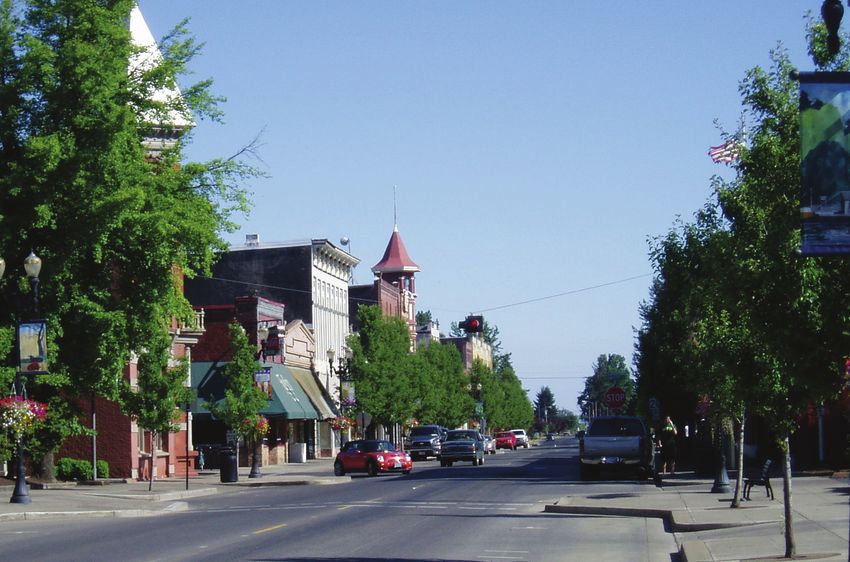
table of content s

                                          Introduction					                     1

                                                Public Outreach				             2

                                                Market Analysis Summary		       4

                                          1. Retail Success Factors				         7

                                                Guiding Principles			           9

                                                Key Messages & Identity			      10

                                                Market Position				             12

                                          2. Retail Development Action Plan		   13

                                                Action Plan				                 14

                                          3. Organizing for Success				         23

                                                Next Steps				                  24

                                          Appendices					                       29

                                                Themes					                     30

                                                Sample Plan				                 31

                                                Targeted Tenants			             32

Retail Business Development action plan
independence 2020 vision plan | independence, oregon
I ntrod uction

                               Introduction
                               At the heart of Independence’s success in reducing retail leakage and keeping
                               shopping local is its ability to offer residents, employees and visitors a unique and
                               welcoming environment and shopping/entertainment experience unlike any they can
                               find elsewhere. Independence already has a unique and inviting historic downtown
                               that, together with the Riverview Park Amphitheater, is the envy of towns across
                               the state. With many fine quality historic properties and other retail buildings, an
                               active “can do” city government and local entrepreneurs investing throughout the
                               community, Independence is ready to capitalize on the market opportunities identified
                               in the Retail Market Analysis performed in Phase One of the Vision 2020 Plan.

                               This Retail Business Development Action Plan is based upon the findings of a retail
                               market study, extensive public outreach (including business and shopper surveys), a
                               commercial market assessment and Marketek’s expertise and experience in working
                               with over 150 business districts nationwide.

                               The Action Plan focuses on enhancing the economic vitality of ground floor businesses
                               in downtown Independence, the Central Plaza Shopping Center and other commercial
                               spaces in Independence serving retail and service-oriented businesses. The Action
                               Plan is organized into three main sections summarized below with key goals.

                               1. Retail Success Factors and Key Message and Identity Themes

                                • Keep best practices in retail and commercial development in the forefront of
                                  business development efforts
                                • Entice business prospects and others to relocate or expand operations to
                                  Independence

                               2. Marketing Action Plan

                                • Encourage existing and prospective businesses to capitalize on market
                                  opportunities
                                • Support and enhance established businesses contributing to Independence’s
                                  economic vitality
                                • Create top of the mind awareness about Independence and generate business
                                  leads

                               3. Organizing for Success

                                • Actively manage the business development process
                                • Engage public and private stakeholders in sales and marketing
                                • Track and publicize accomplishments

Retail Business Development action plan                                                                                1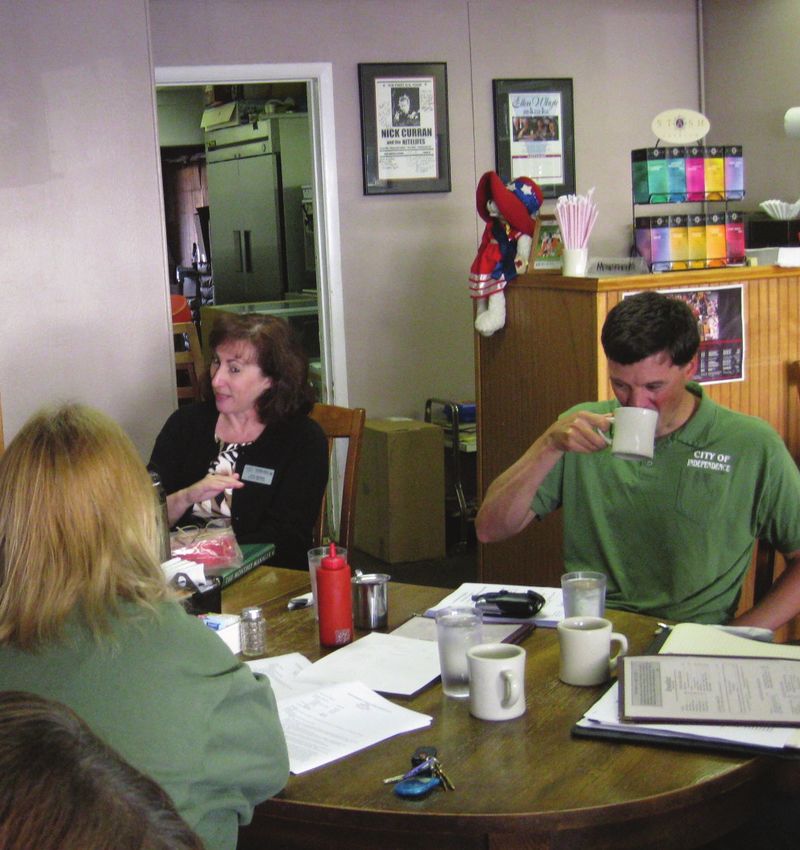
Introd u c t ion

      Public Outreach
      As part of the retail market analysis, Marketek visited Independence’s commercial areas and
      conducted extensive field work. Throughout a period from July through September, Marketek
      performed approximately 40 in-store visits, participated in two focus groups and the Developers’
      Walk-Around, attended multiple Project Advisory Committee (PAC) meetings, and conducted
      approximately ten personal interviews. In addition, Marketek prepared and publicized two
      electronic surveys, a shopper survey and a business survey, both of which were posted on the City’s
      web site. 150 people responded to these surveys, and 600 responded to surveys for the Vision
      2020 planning process and raised issues about the retail environment of Independence.

      Through these efforts, Marketek sought to determine two key perspectives from customers and
      businesses:

              • What customers want from a shopping experience; and
              • Business climate and marketing factors that affect business decision-makers seeking
                a profitable location.
      Below is a summary of the information obtained through the survey process.

      Independence Shopper Survey
       • The majority of respondents do most of their shopping in Salem, followed by “other,” with a
         large share of respondents writing in Dallas/Wal-Mart. Respondents cited selection and price
         as the primary motivations for shopping where they do.
       • In terms of merchandise that respondents think is missing or lacking in Independence, top
         selections were shoes, men and women’s casual apparel, furniture, teen/young adult and
         children’s apparel, women’s business apparel, appliances, computers and accessories and
         sporting goods. Top convenience goods desired included a bakery and building supplies.

      Marketek met with individual business owners and the Downtown Business Association (DBA) to determine
      concerns and identify opportunities

2                                                         independence 2020 vision plan | independence, oregon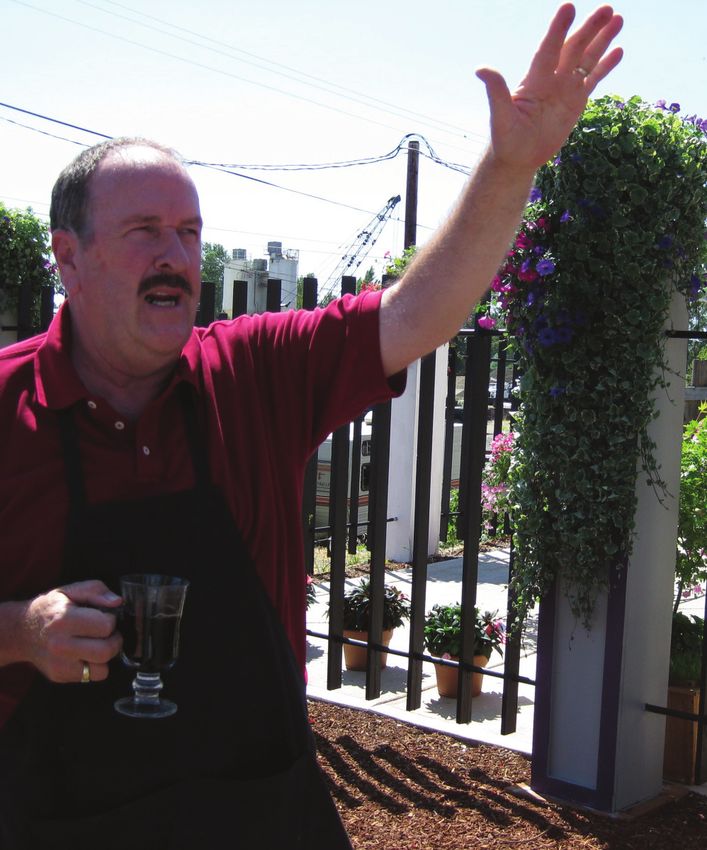
I ntrod uction

                  • Services that respondents think are missing or lacking in Independence are restaurants, dry
                    cleaning/laundry, general health care, tailoring/alterations, homeopathic/naturopathic care,
                    live theater, pack and mail, computer repair, concerts/live music and day care.
                  • When asked what types of restaurants and cuisines are missing or lacking in Independence,
                    top responses were healthy and natural foods, family style restaurants and a bakery. Other top
                    picks included seafood, a deli, a coffee house and ethnic cuisine.
                  • The reason most respondents visit downtown Independence is its restaurants. The top three
                    reasons for shopping downtown are to support local businesses, its convenient location and
                    the lack of traffic or crowds. The top three ways respondents think downtown businesses
                    could attract more local shoppers are improved selection, expanded store hours and improved
                    advertisement and promotions.
                  • When asked what one thing about Independence they want to remain the same as the
                    community grows, a large proportion of respondents listed the historic look and feel of
                    downtown as well as its “small town” feel. When asked what one thing about Independence
                    they would like to see change, many wanted to see improved variety and selection of stores
                    in downtown and an improved selection of merchandise in those stores. Others wanted to
                    see improved appearances or facades of downtown businesses and the redevelopment of
                    abandoned downtown properties.

                 Business Survey
                  • The three top strengths associated with doing business in downtown Independence are its
                    convenient location, friendliness and customer loyalty.
                  • The majority of respondents lease their space and the remaining own their spaces. Of those
                    that lease, most are paying approximately $1 per square foot or less.
                  • About half of businesses identified their current activity level as “moderately growing.” Future
                    growth plans are mixed: some respondents had no plans to change; others planned to expand;
                    while yet others were uncertain or planned to sell.
                  • Over the past two years, half of respondents made physical improvements to their businesses.
                    Just under half made systems improvements and expanded products, services or inventory.
                    Most respondents’ improvements were valued below $50,000, although three were above
                    $100,000. In the next two years, approximately half of businesses plan to make physical
                    improvements and a third plan to expand products, services or inventory and to add employees.
                  • Half of respondents identified Monmouth/Independence as their primary market area while
                    fifteen percent chose travelers and tourists and thirty five percent identified wider market areas.
                  • Top critical success factors identified by respondents include public access and foot traffic.
                    Obstacles are a weakening economy, cash flow and limited customer traffic.
                  • When asked what one thing about Independence they want to remain the same as the
                    community grows, over a third of respondents selected downtown’s historic feel. Some
                    respondents also identified the small town feel and friendly atmosphere.
                  • The top change respondents would make to the downtown is getting rid of empty buildings and/
                    or improving upkeep and facades.

Retail Business Development action plan                                                                                   3
Introd u c t ion

      Market Analysis Summary
      Following is a summary of the market information collected regarding the existing commercial
      market and the analysis for potential increase in the market. This analysis was performed earlier in
      the project and can be found in full detail in Technical Memorandum #2 on the City website.

      Target Market Profile
      Independence’s primary target consumer markets for retail, services and entertainment include
      local residents, who will provide the downtown with the greatest opportunity for a dependable
      source of year-round sales, visitors, students and local employees. The Independence Trade Area
      is focused mainly on the local resident convenience market and corresponds approximately to a
      ten minute drive area. The Trade Area has an estimated 2008 population of 19,212 persons and
      6,470 households. Its population and household growth rates since 2000 were strong, surpassing
      those of the County and State but below those of the City. Trade Area growth is anticipated to
      increase over the next five years, reaching 21,564 persons and 7,285 households in 2013.

      The population in the Independence Trade Area and the City of Independence is younger than that
      of the County and State. As typical of younger populations, median income is also lower in the
      City and Trade Area than in Polk County and Oregon. High levels of educational attainment in the
      Trade Area, however, hint at higher future earning potential for its residents. Racially, the City of
      Independence and the Trade Area are more diverse than the County and State. The proportion of
      the population of Hispanic origin in the Trade Area is more than twice that of the State. In addition,
      during public outreach and personal interviews, several Independence community leaders noted
      that the local Hispanic population is significantly larger than updated estimates indicate, showing
      the diverse nature of the Trade Area.

      In addition to local residents, visitors, student and local employees will be important markets
      for Independence. Visitor attractions include the Independence cinema and library which draw
      120,000 and 80,000 visitors per year, respectively. Western Oregon University enrolls 4,500
      students and the 240 businesses within a 2-mile radius of downtown Independence employ 2,100
      persons.

                                                             Independence
                                                             Target Market

4                                                                        independence 2020 vision plan | independence, oregon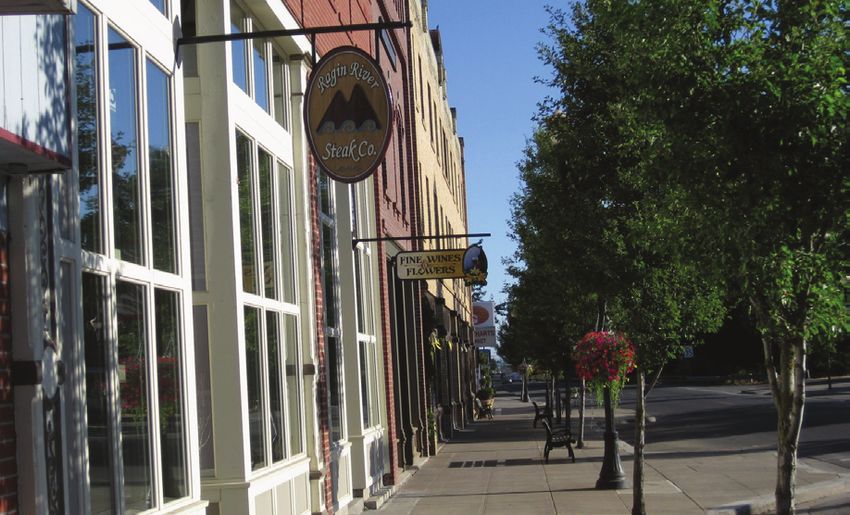
I ntrod uction

                 Future Retail Demand
                 Retail Market Place data prepared by ESRI Business Information Solutions weighs estimated
                 retail sales against estimated consumer demand to help gauge how well a defined market area is
                 currently meeting its retail potential. When demand exceeds supply, a leakage presumably occurs,
                 meaning consumers are looking outside of the market area for retail goods and services. A surplus,
                 conversely, suggests that supply exceeds demand and that certain business categories are
                 importing sales from shoppers outside the trade area. A leakage is occurring in Independence in
                 all retail categories examined, totaling $53.2 million in potential sales. When converted to potential
                 square footage of store/restaurant space based on sales per square foot standards, this amount
                 translates to 209,893 square feet of retail space.

                 To estimate future statistical market support for retail space in the Independence Trade Area,
                 Marketek applied potential expenditure by type of merchandise to trade are population figures
                 to obtain potential sales volume for trade area residents. Potential sales are divided among
                 five merchandise and service categories: shopper’s goods, convenience goods, restaurants,
                 entertainment and personal services.

                 In 2008, there is potential for approximately 428,535 square feet of retail space based on
                 expenditures of Trade Area residents. By 2013, potential Trade Area sales of $116.8 million will
                 support 482,516 square feet of retail space, growing to $131.5 million by 2018 with 543,319
                 square feet in retail space potential. Overall, anticipated increases in sales potential from 2008 to
                 2018 translates into a potential total of 114,784 square feet of supportable new retail space in the
                 Independence Trade Area over the next ten years.

                 Growth from the resident market combined with existing sales leakage translates into potential
                 demand in the next ten years for 324,676 square feet of retail, restaurant and service development
                 by 2018. The greatest share of this demand is for miscellaneous retail goods (33% or 107,938
                 square feet), followed by restaurants (21% or 68,473 square feet) and groceries (18% or 58,260
                 square feet).

Retail Business Development action plan                                                                                   5
6 independence 2020 vision plan | independence, oregon
RETAIL SUCCESS FACTORS

                   7
Re tail s u ccess fact or s
Retail Success Factors
The City of Independence is poised for significant change and development over the next decade
with numerous major projects planned and underway in the commercial core. The economy,
changing market conditions, capital availability and other factors may affect the timing of some of
these projects.
The Retail Development Guiding Principles listed on the following page are primary considerations
for successful retail development. These principles address the keys to creating a successful
business environment. They are a combination of planning, policy, and business development
actions that together will create successful, mixed-use commercial districts that are supportive of
business owners and attractive to pedestrians and establish a distinct identity that draws visitors
and new residents to Independence. Several of these principles are already reflected in the Vision
2020 Plan and its accompanying action items. These principles should be adopted and promoted
as a framework for retail success in Independence and reflected in any future marketing efforts.
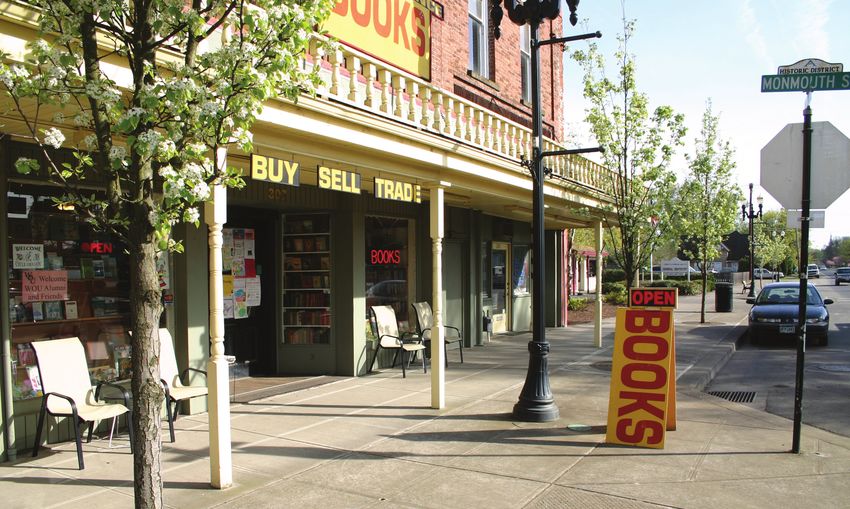
Different retail areas in Independence, including Main Street and the Central Plaza area, offer and range of
attached and free-standing commercial businesses
The City of Independence has already made significant improvements to Main Street including widening
sidewalks, providing curb bulb-outs, building the amphitheater and associated facilities, administering a
facade improvement grant program, and installing new street lights with hanging flower baskets and banners.
8 independence 2020 vision plan | independence, oregonretail success fac t ors
Retail Development Guiding Principles
• Expand The Size And Scope Of The Consumer Market. Although this seems obvious, the critical link
between market size and retail development cannot be overstated. Developing a strong mix
of retail and service establishments requires continued growth in Independence households,
employment and traffic to the area. Strengthening the residential base in and immediately
surrounding Independence will serve as an important catalyst for retail expansion. Residents
of new housing will look to Independence for day-to-day goods and services as well as for
entertainment and specialty items. Boosting the number of employees in the area by promoting
industrial development also has the potential to jump-start retail development by offering a
built–in consumer market.
• Recognize and Promote the Unique Character of Independence’s Shopping Areas. The marketing
process begins with a clear statement of Independence’s identity and competitive position in
the marketplace. In general, downtown Independence should promote itself as the true heart
of the community – a special and vibrant entertainment and specialty shopping destination
for residents, employees and businesses. Central Plaza anchored by Roth’s and HiSchool
Pharmacy is the community’s convenience shopping center.
• Take Care of Existing Business and Civic Anchors. Independence’s commercial base has
been strengthened over the last five or more years with new quality businesses, property
reinvestment, more events and promotion and increased shopper traffic. Sustaining that
success—particularly in a down economy—begins with taking care of the key business anchors
that are contributing to the success achieved to date. This should be a priority strategy for retail
development regardless of whether the economic is strong or weak.
• Define the Retail Core and Key Nodes. Hand-in-hand with creating a safe, pleasant and quality
pedestrian environment and transportation connections is the need to clarify the core
retail areas, cluster businesses and limit sprawl. This is particularly a consideration for the
Monmouth-Independence Highway corridor with many stand alone, destination businesses and
others planned. A flourishing retail street – even one or two blocks long – is often characterized
by active uses on the ground floor, uninterrupted retail on both sides of street and one or more
significant anchor/customer traffic generators. The greater the concentration of retail, the
greater the shopper draw/pull and, hence, the best chances for building a sustainable district.
• Know What You Have to Offer. A necessary strategy for recruiting business prospects and
developers is to be able to provide key marketplace data, an inventory of available real estate
and general sales and marketing material to make the case for commercial business success.
At present, there is no single organization or City department responsible for maintaining
and updating property/business inventories. A City of Independence prospectus providing a
snapshot of the market opportunity is needed. A clear community vision is also vitally important
and is being well documented through the Vision 2020 planning process.
• Aggressively Market Yourself. Just like any shopping mall, downtown Independence and Central
Plaza need to aggressively market their assets to quality retailers, service businesses and
office tenants together promoting Independence as a prime choice for business location.
Working with realtors and brokers, local and regional media and community and business
organizations, Independence’s commercial market opportunities need to be at the forefront of
communications with those who can convince potential investors that the Independence area is
a positive and unique place to do business.
Retail Business Development action plan 9Re tail s u ccess fact or s
Key Messages and Identity
Successful business districts or shopping centers of any size have a pro-active marketing program
with key messages to entice outside investment. Several themes or messages emerged during
the Vision 2020 planning process, particularly regarding downtown Independence, that should be
promoted as part of a retail development marketing effort. A summary of these themes can be
found below, with a more detailed list in Appendix A. These themes emerged from the results of the
shoppers and business owner surveys and outreach to local business owners and residents.
• Focus on one-of-a-kind businesses
• Offer things you can’t find in other places
• Be an arts and entertainment district
• Focus on locally owned and operated, not ‘anywhere USA’—Hometown Businesses
• Cater to variety of income levels with the best service anywhere
• Highlight the authentic historic town
• Preserve the small town atmosphere while becoming one of the region’s most desirable
communities and lifestyles.
10 independence 2020 vision plan | independence, oregonretail success fac t ors
Identity
The identity of Independence is captured in the following statements. This vision reflects the inherent
characteristics of the City, as well as the values of its residents captured through surveys and public
outreach. The City should sell this identity through any retail marketing plan it pursues.
Independence Is…
• A vibrant retail and entertainment district with
something for everyone. A variety of practical goods
and services provides a comprehensive shopping
experience for local residents, while trendy,
up-scale stores attract out-of-town shoppers
and visitors to the area. Exceptional customer
service, convenient hours and appealing
storefronts keep customers coming back.
• A historic town that’s excited to embrace green-
building practices as it restores older buildings,
fills vacancies and redevelops abandoned lots.
New development complements the historic
homes and storefronts that give Independence
its quaint, small-town charm. Excellent bike
and pedestrian facilities and trails encourage
transportation alternatives and enhance activity
in the downtown.
• A place to bring the whole family. Community events
in the park and along the waterfront offer fun,
inexpensive activities for parents and children
to enjoy. Artist markets, craft fairs and farmers
markets give Independence residents a chance
to support their neighbors and grow their local
economy. Families love visiting the local soda
shop/ice cream parlor during these events.
Merchants capitalize on public events with
expanded store hours and sidewalk sales.
• A community that supports local businesses. A strong
merchants association organizes joint marketing
campaigns, promotes regular, convenient
business hours and is a key source for business
development assistance. Artists markets and
other community events give local craftsmen an
opportunity to showcase their work without the
overhead of a store. Upper-story residences bring
life to downtown at all times of day and are an
important market for retailers and restaurants.
Retail Business Development action plan 11Re tail s u ccess fact or s
Market Position
For a recruitment program to be successful, a clear market position statement must be articulated
for any given business district. A market position statement describes the type of retail mix, the
shopping environment and the target customer market for each shopping center. Samples are
provided below.
Potential Market Positions
“Downtown Independence is a historic mixed-used business district with one-of-a-kind specialty
shopping, entertainment and restaurants serving area residents and visitors.”
“Central Plaza is Independence’s neighborhood shopping center where all of your day-to-day
shopping needs can be met.”
Potential Tag Line
“Independent businesses with hometown hospitality.”
12 independence 2020 vision plan | independence, oregonACTION PLAN
13action plan
Retail Development Action Plan
Diversifying and strengthening the mix of commercial businesses in Independence is the
ultimate goal of this Retail Development Action Plan. Independence’s ability to capture business
opportunities is integrally linked to the available supply of competitive, leasable space and a well
managed marketing program. The Action Plan provides direction for pursuing these fundamentals.
Target Opportunities
The following list of business and merchandise opportunities was provided in Technical
Memorandum 2 at the conclusion of the retail market analysis. It is suggested for Independence
based upon the retail market analysis, shopper and business owner research, Barney and Worth’s
2020 Vision Survey, visitor market insights, lifestyle analysis and the types of businesses that are
succeeding in other up and coming Oregon towns. Some merchandise categories may already be
represented by area businesses but are presented here as it is believed that additional options can
be supported.
TARGET RETAIL/SERVICE BUSINESS OPPORTUNITIES
MERCHANDISE Unique apparel & accessories for Shoes
all ages Children/infant apparel
Casual women’s apparel Bike/accessories
Kitchen accessories shop Electronics
Furniture-locally made & other Sporting goods (water-recreation-
Home décor/accessories oriented)
Fabric/quilt store Music/CD shop
Toys/hobby shop Garden supply/nursery
Computer accessories Unique gifts/galleries
Pet store
RESTAURANTS/FOOD Healthy/Natural Foods Brew pub
Family dining Bakery
Chain restaurants
(not fast food)
ENTERTAINMENT/ Lodging—hotel Community pool
RECREATION Youth activities Larger Farmer’s Market
PERSONAL/HEALTH CARE Health care-general medical Exercise facility
Homeopathic/Naturopathic Alteration
Yoga/Pilates
SERVICES Computer repair Banks (additional)
Appliance repair
Copy center/pack & mail
14 independence 2020 vision plan | independence, oregonaction plan
Following are the elements of a successful action plan:
Package and Promote a Vision
Create a summary vision — a visual aid, map or a one page synopsis — of the future of
Independence as conveyed through the Vision 2020 Plan. This is a key sales tool for existing
and prospective businesses and community newcomers as well. Call out the catalytic projects
underway now and planned in the next 3-5 years. Using a one-piece visual map will quickly
introduce a prospective business or developer to the opportunities available.
Business Retention
Helping Independence’s existing business base succeed will be the underpinning of successful
economic development. Most often, businesses want and need help with marketing and
merchandising, finance, systems improvements, tenant and façade improvements, business
location/expansion staying on top of marketplace trends and opportunities.
A key weakness of small independent businesses, including many observed in
Independence, is their inattention to overall image and visual appeal. Store image and
identity includes signage, storefronts appearance, window displays, store merchandising,
lighting and other elements that collectively send customers a strong impression about
business quality and offerings.
As the City seeks to address key business needs and strengthen Independence’s
established business base it should focus on the following top small business issues:
• Image and Identity
• Finance
• Marketing and Promotion
Preliminary implementation steps for business retention include:
• Promote the findings of the Retail Market Analysis to help existing business fill niches in
the marketplace.
• Package and promote all of the resources and benefits available to Independence
small businesses, calling it an “Independence Small Business Toolbox.” This will range
from the City’s Façade Improvement Program to services offered by the Small Business
Development Center (SBDC) or the MERIT program for small business assistance.
• Training and education are critical components of business assistance. In spring 2009,
offer a workshop series with the help of the SBDC such as a Retail Academy Workshop
series and a Restaurant Workshop, “Getting Diners in the Door,” for Independence
businesses.
• Continue and enhance these efforts with a range of formats and programs from one-on-
one in-store assistance and mentoring to business recognition programs and financial
assistance.
• Offer one-on-one marketing assistance visits with e-market/business expert on
merchandising, merchandise-mix, pricing, and target marketing. Create matching grant
technical assistance program for free or with commitment from business to follow
through.
Retail Business Development action plan 15action plan
Property Development
Quality business tenants need attractive, appropriately sized commercial properties in the right
location for attracting customers. Specialty shops generally seek small square footages — usually
500 SF to 2,500 SF. National retailers may need 10,000 to 75,000 SF. Become thoroughly
knowledgeable about and actively promote what commercial real estate products Independence
has to offer.
The following action steps are important in order to be prepared to attract businesses
• Property Database - Support the development of a property database, focusing first on
the retail core.
• Web Property Database - Create and keep up-to-date a one-stop web site for Available
Property information for downtown Independence and the larger commercial real estate
base. Various software packages exist that could support this effort. For example, the ED
suite web tool has a searchable property and building database that could be used for
property database.
• Property Collection/Keeping Current - Work with property owners and brokers to collect
specific property data, photos and input to the system.
• Cross Match Property to Business Target - Work to match vacant spaces to specific store
types and tenants.
• Targets - Create site-specific business location targets for downtown as more information
is gleaned about property and business turnover.
Business Clustering
Clustering businesses is a management tool used extensively by shopping centers. In
Independence this approach would involve strategically locating businesses within downtown
and the Monmouth-Independence Highway corridor to take advantage of relationships between
nearby businesses.
To implement a clustering strategy, it is important to understand existing assets or clusters,
to know where building vacancies exist and to identify and actively target businesses
to suitable locations. Clustering strategies include locating businesses near compatible
businesses, complementary businesses, competitive businesses, or traffic generators.
General business clustering guidelines are as follows:
• Build upon existing retail anchors and other traffic-generators such as libraries and
restaurants.
• Professional service/office uses should be located in upper stories and on secondary
streets out of the retail core.
• Beauty and personal care services can be scattered throughout the district.
• Restaurants can be located as entertainment anchors throughout the district with
sensitivity to avoiding conflicts with neighboring businesses that may be seeking to serve
a different market segment.
• Convenience businesses like grocery and drugstores are ideally located close to
residential concentrations.
16 independence 2020 vision plan | independence, oregonaction plan
Business Attraction
The City will need to work hard and be smart about how to encourage quality businesses to
locate in Independence. Business development efforts should emphasize unique, locally-owned
businesses while also carefully targeting national retailers and regional “chain-lets.” These
larger businesses offer credibility and/or the ability to draw a broad middle income market, when
property is available.
Business Recruitment involves two strategic efforts, Marketing and Sales. Marketing
without follow-up and personal meetings with businesses, brokers and developers is not an
aggressive program.
Important to both efforts is clear understanding of:
• Product – what do we have to offer?
• Audience – who are we targeting?
• Benefit – compelling reason why a business will want to be located here.
Following are the three steps for implementing a Business Attraction program.
1. Sales Package – create sales material and distribution channels.
• Packets – to support the map, good market data and property sheets. This should
be available to package for a proposed business seeking a location or for pitching a
proposed location to a business.
□□ Data Sheets – elaborate on information collected as part of the target market
analysis on customer market. Add information on number of day-time employees,
as well as visitors, transportation and parking. Include specific market area
“draw” map. See Appendix B for a sample summary sheet that includes the
initial information collected for Independence. This information could be further
developed into a marketing tool to attract businesses.
□□ Property Sheets – use 1-page templates to print property data from the web site
Property Database.
□□ Resource & Assistance Sheets – description of the resources, services, programs
and incentives for locating, i.e., the Small Business Toolbox.
• Web site
□□ The City’s web page has no Economic Development category for businesses
seeking location information. Consider putting a direct link on the front page.
□□ Activate the property database tool.
□□ Add pages for business location data.
□□ Add pages with downloadable maps of the overall area and each district.
□□ Add a blog and RSS feed to web site – which will help drive businesses to the web
site and track information. Also add a “sign-up” for news.
Retail Business Development action plan 17action plan
2. Marketing – is all about creating awareness of the opportunity. The goal is to have
consistent, frequent and meaningful messages to the target audience that demonstrate why
they should consider a location.
• Lists – the first step is to create and maintain a target list. The list should include all
existing businesses (who may have opportunity to expand) and all target businesses.
Use a Contact Management System to organize and stay on top of the niches. Create the
database list using the following sources and “information gathering” tactics:
□□ Existing businesses in Independence
□□ Existing businesses in the greater Independence area including Salem,
Monmouth and Dallas. Often adding a new location for a small, existing, well
known, successful business, is the best way for the business to expand.
Redmond’s To learn more,
Downtown
Market Vision Contact us!
Downtown
Downtown
Redmond’s historic, mixed-use central business district
offers specialty retail, unique dining, and a depth of services
in a friendly, hometown atmosphere.
development opportunities
A guide to business
Redmond, Oregon
Redmond desires a vibrant downtown filled with unique
in Downtown
City of Redmond
businesses that complement existing and emerging business Community Development Department
Contact: Jim Hendryx
clusters, enhance the local economy, and improve Phone: 541.923.7710
the local quality of life. E-mail: jimh@ci.redmond.or.us
Web: www.redmond.or.us
“We have the energy, political will for
Redmond’s change, and public and private investment Redmond Downtown Partnership
Contact:
Trade Area to spur redevelopment. The time is now!”
Phone:
- - Downtown Business Owner
E-mail:
Web:
Greater
Trade Area
City of Redmond
Downtown Urban Renewal Agency
Retail Potential: Contact: Nick Lelack
Greater Trade Area = Phone: 541.923.7710
802,000 square feet
(2005-15)
E-mail: nickl@ci.redmond.or.us
Web: www.redmond.or.us
Retail Potential:
Local Trade Area =
Redmond Chamber of Commerce
Contact: Eric Sande Imagine
Phone: 541.923.5191
your business
398,191 square feet A guide to business
(2005–15) E-mail: info@visitredmond.com development opportunities
Web;
in Downtown
Local Retail
Trade Area
success here! Redmond, Oregon
Redmond Economic Development
Contact: Edward “Bud” Prince
Phone 541.923.5223
E-mail: redap@redap.org Inside:
Web: www.redap.org You’ll di • Redmond’s Market Vision
Downt scover why
own • Target Markets
is the pl Redmond
ace to • Business Targets
be!
• A Look at Redmond’s
Downtown District
Redmond’s A Look at Redmond’s
Business Targets Downtown District
A sales package created by the
City of Redmond that provides
Downtown Redmond Capture data on the target market and the
New Supportable Retail Space (Sq. Ft)
Selected
2005-2015
Local Market Greater
available spaces within downtown.
Merchandise Area Market Area
Categories Square Feet Square Feet
Apparel 13,761 8,428 What Redmond
Business Owners Envision for
Home Furnishings 14,452 5,058
Downtown
Specialty Retail 14,202 6,990
• Small, personal service oriented businesses
• Quality specialty shops with unique
Grocery 12,090 6,299
storefronts & signage
Health/Personal 4,306 2,243 • Great restaurants, with boutique-style
Care shops
• Quaint, peaceful, green & accessible
Restaurants 16,248 9,888 • Historic image
• Family-oriented
Entertainment 20,208 5,460 • Fun living and shopping environment
• Growing, but not too fast
Other (Home 9,071 7,001 • Beautiful, charming, diverse, affordable
improvement,
personal services
& related)
Total 104,338 S.F. 51,367 S.F.
Downtown
“We have a great team from the Redmond
and
Downtown Partnership, the Chamber
long
the City, committed to downtown’s
term success.”
- - Downtown Redmond Business Owner
18 independence 2020 vision plan | independence, oregonaction plan
A campaign by
the City of Santa
Rosa produced
a 3D folding box
with information
about the
location, market
area, existing
businesses,
current retail
leakage, and
market potential
and targeted
businesses
Retail Business Development action plan 19action plan
□□ Subscribe to the directory Plain Vanilla Shell, http://www.plainvanillashell.com/
subscribe_info.asp. This website contains information about retail tenants. The
Tenant Research section of their web site has search capabilities based on your
target requirements. This will provide a source of potential targets to whom
opportunities can be marketed.
□□ Work with a commercial broker to access CoStar information on expanding
retailers. A recent list of expanding national retailers is provided in Appendix C.
□□ Pursue Guerilla tactics including searching other successful downtown shopping
districts and malls for unique stores that fit Independence. It is best to stay within
a half day drive so owners can check on the store.
□□ Contact real estate brokers and build relationship so brokers trust sharing their
information and knowledge of potential business leads.
□□ When properties for larger format stores become available, work with local
brokers and Central Plaza to determine best method and source for developing
marketing list.
• Targeted Marketing - pursue businesses identified on lists through marketing campaigns
that provide market information and describe available property. These campaigns can
include the following elements:
□□ Launch the marketing campaign — Once the property database is uploaded;
use this as opportunity to “launch” the marketing efforts. If the list has not been
confirmed for email distribution, launch with hard copy postcards, 6 x 9. Postcard
templates can printed at a low cost using same image as folder, leaving back side
blank to add specific messages for each mailing. The first postcard can announce
the Independence Commercial Property Database and drive recipients to the web
site to sign-up for news or market prospectus.
□□ Follow-up postcards — electronic postcards or hard copy postcards, or, with a good
list, electronic postcards can provide additional information about the campaign
targeting retail businesses. Postcards should use the themes and vision for the
City. Keep messages short, simple and newsworthy – push them to web site for
more information. Electronic email services such as Vertical Response, www.
verticalresponse.com are excellent resources, or an email post card program can
be easily designed and implemented by firms experienced in email campaigns.
□□ General Campaigns – postcards send messages of new developments, events,
new market information or new property available.
□□ Targeted Campaigns – Further mailings can focus on specific targets. Select
2-3 target clusters, such as home furnishings, based on available properties
and those businesses most desired by the community (see target list). Create
a 3-4 piece series of postcards promoting the desire for this type of business
that is missing in the retail mix, the property, some market data and assistance
available.
20 independence 2020 vision plan | independence, oregonaction plan
3. Sales – is the personal, one-on-one follow-up to marketing and cold calling. Use a sales
packet as a speaking piece and leave-behind.
• Canvass existing, recognized businesses in Independence to determine potential interest
in an additional location. If there is interest, find out facility size, configuration and any
specific requirements they might have. Put them on a mailing list/database for follow-up.
• Canvass unique businesses in Polk and Marion County and surrounding “close-in” areas
regarding an additional location.
• Target sales on the 2-3 targets selected for target marketing campaigns. After the
mailing series, begin to schedule meetings with companies on the target list. Customize
packets for target presentation, i.e., home furnishings, apparel, etc. Personalize each
packet with information that demonstrates the business would be successful in the
identified location(s)– market data, property sheets.
• The meeting should determine interest, specific needs and timeline.
Sample Retail Attraction Campaigns
Sample: Convenience Retail
Goal: Build awareness of Independence and pro-actively recruit businesses to support the major
employment center of downtown (government, service) with residential development, and visitor
goods and services.
Audience: Locally owned-operated shops not currently represented downtown, franchise
businesses, regional and other retailers that may be ready to expand into a new market
Task 1: Contact locally owned shops in other areas in or near Independence
• Identify local businesses in the target niches that do not currently have a downtown location.
• Match available buildings to target businesses.
• Personally meet with them to present the vision for Independence.
• Provide them with a marketing packet detailing the opportunities (specific site and building),
market demographics, customer profile, and the programs and assistance available to them
to help with their expansion.
• Add them to the database to receive newsletter and/or updates on community activities.
Task 2: Contact chain/franchise businesses
• Use the list from the Retail Tenant Directory (see Appendix C) to promote to businesses
seeking new locations in Oregon.
• Add them to database.
• Send a personal letter with marketing opportunity fact sheet introducing Independence and
the vision for the community.
• Place follow-up calls.
• Continue with a series of mailings (postcards, letters, brochures) regarding the specific
buildings and sites available, market information, special events, etc.
Retail Business Development action plan 21Sample Retail Attraction Campaigns
Sample: Specialty Retail
Goal: Identify and pursue specialty and independent retail compatible with the apparel, gifts,
specialty niche merchandise targeted for Independence
Audience: Locally owned-operated shops not currently represented in Independence, regional
and other retailers that may be ready to expand into a new market, businesses with current
downtown locations in model cities
Task 1: Contact specialty shops located elsewhere in Independence
• Identify local specialty shops that are located in unique shopping districts
• Match available buildings that would best-fit businesses.
• Personally meet with them to present the vision for Independence.
• Provide them with the marketing packet detailing the opportunities (specific site and
building), market demographics, customer profile, and the programs and assistance available
to them to help with their expansion.
• Add them to the database to receive newsletter and updates on downtown activities.
Task 2: Contact chain/franchise businesses
• Use the list from the Retail Tenant Directory (see Appendix C) to promote to businesses
seeking new locations in Oregon.
• Add them to database.
• Send a personal letter with marketing opportunity fact sheet introducing Independence and
the vision for the community.
• Place follow-up calls.
• Continue with a series of mailings (postcards, letters, brochures) regarding the specific
buildings and sites available, market information, special events, etc.
Task 3: Contact manufacturers of specialty goods located in Independence/surrounding area
• Identify local companies manufacturing specialty or unique products in or nearby.
• Personally meet with them to present the vision for Independence and its commercial core.
• Invite them to put a local outlet downtown or test for interest in a shared retail space.
• Provide them with the marketing packet detailing the opportunities (specific site and
building), market demographics, customer profile, and the programs and assistance available
to them to help with their expansion.
• Add them to the database to receive newsletter and updates on community and economic
development activities in Independence.
22 independence 2020 vision plan | independence, oregonORGANIZING FOR SUCCESS
23developmen t oppo r t u nit ies
ORGANIZING FOR SUCCESS
Successful commercial business development programs for small and large cities alike have the
following key organizational elements in common:
• Public-private partnership where goals, responsibilities, commitment and funding are shared
through a unified game plan and common vision of the community’s economic future.
• A clear delivery system for ongoing market education, target marketing and sales. Among the
stakeholders involved are the City, developers, established businesses, residents, lenders,
entrepreneurs, property owners and employers.
• The capacity to follow-through on work plans is well established with management by a qualified
staff member with strong marketing skills. The most creative marketing and sales efforts will
not succeed without continuous follow-through and systematic adjustment to the market and
business targets, which are in constant flux.
Independence is fortunate to have significant competitive advantages to promote its efforts to
expand and strengthen the business base. However, with current economic and fiscal constraints
and several key catalytic projects just getting off the ground, it is recommended that the Retail
Business Development Plan be implemented in phases.
There are many existing activities that create a positive business climate and a pleasant street
environment for Independence. All of these efforts, directly or indirectly, support business
development activities. The initiatives relate to public parking, public safety, streetscape
enhancements, façade improvements, a positive regulatory climate and multiple redevelopment
activities. These are the traditional functions provided by the local government in a downtown and
commercial development program.
External partner organizations play a variety of roles, but are mainly focused on promoting the
opportunities in Independence, promoting special events and/or encouraging visitors, businesses
and residents to participate in activities. The City is also involved in these efforts. Below is a
summary of key groups that should participate in the Retail Development Marketing Plan.
Internal Partners
External Partners
(City Departments)
Community Development Monmouth-Independence Chamber of Commerce
Urban Renewal Agency Independence Downtown Association
Historic Preservation Commission Polk H.A.L.O. Program- Greater Independence
Business Incubator
Parks and Recreation Real Estate Brokers & Developers
Planning Commission Local Schools
Police Neighborhood Associations
Business and Property Owners
24 independence 2020 vision plan | independence, oregondevelopm en t oppo r tuni ties
The most successful business development organizations are partnerships that include a host
of key stakeholders at the table with a common vision for economic vibrancy and a significant
financial stake. A variety of partners are coming together to some extent now through the Vision
2020 process or through other City-led endeavors.
Existing organizations can and should be part of a business development initiative or roundtable
and ultimately, a formal partnership to guide and lead the process. One potential organizing
framework for tackling commercial business expansion and attraction is the Main Street program
approach. Independence is participating in the Oregon Main Street Program at the Exploring Level
presently, but hasn’t created a separate organization. The City is considering applying for the
Transforming Level to formalize the program and obtain additional technical assistance from the
state.
The Main Street Program is organized according to the four nationally recognized focus areas for
creating vitality in downtowns. It is also applicable to other commercial districts or areas and could
be applied throughout Independence. The four points of Main Street are summarized below.
• 1. Promotions/Identity-Building
Identify, develop and promote the image and promise of Independence by marketing its
unique characteristics to shoppers, investors, new businesses, and visitors; create an effective
promotion strategy to forge this positive image; create an atmosphere of fun and activity.
• 2. Design/Physical Improvements
Capitalize on and improve Independence’s physical assets and create an inviting atmosphere to
convey a visual message about the comfort and vibrancy of Independence.
• 3. Economic Development
Support existing retail/service businesses and recruit new businesses to respond to the
current market, to balance business mix, and to provide amenities for business and resident
consumers; convert unused or underutilized space into productive property; and sharpen the
competitiveness of business enterprise.
• 4. Organization
Establish common goals for strengthening the commercial core and build and organize
consensus and cooperation among all stakeholders.
Retail Business Development action plan 25developmen t oppo r t u nit ies
Next Steps
Regardless of how the marketing plan is brought to fruition, details for implementing each initiative
should be recapped in a matrix, designed as a tool to assist staff in organizing, budgeting,
scheduling and reporting on all the details involved in successfully implementing the action items.
A sample table appears below.
Sample Implementation and Reporting Guide
Target
Target Start
Action Budget Lead Person Completion Status
Date
Date
Property Development
Inventory vacancies $
Contact property owners $
Property profiles $
Match property to
$
business target
Redevelopment site plans $
Business Attraction
Develop collateral $
Conduct direct mail $
Prospect sales plans $
Press and media outreach $
As an adjunct tool to the reporting guide, a simple one page benchmarks and outcomes snapshot
should be prepared and distributed on a semi-annual basis. The following categories may be
included:
• Sales and Marketing:
• Direct mail pieces sent
• Number of calls made and response
• Number of hot, warm, cool leads
• Public Relations:
• Press releases sent
• Articles published
26 independence 2020 vision plan | independence, oregondevelopm en t oppo r tuni ties
• Business Attraction:
• Number of businesses recruited
• Number of jobs created
• Dollar amount of private investment
• Dollar amount of public investment
Whether through a Main Street Program, an Economic Development Roundtable or a Business
Development Committee, the next step for organizing to implement the plan is to determine who is
in the lead, who is interested in actively collaborating and what resources exist to move forward.
Retail Business Development action plan 27APPENDIX
29appendix a
Independence Themes
1. One thing to keep the same:
• Historic buildings and flavor
• Quaint, small-town, family-friendly feel
• Pedestrian and bike friendly
• Riverview Park and its events
• Waterfront
2. One thing to change:
• More stores and more variety…upscale and practical…more than just antiques
• Redevelop abandon buildings and lots; Clean up and fill vacancies
• Freshen up old buildings
• Develop upper stories
• Expand hours
• Restore Taylor’s/put in another soda fountain-type place
• More businesses with regular hours
• Allow 2nd and 3rd store residential units again
• Strengthened merchants association
3. Image/Identity Suggestions:
• Keep the charming historic feel but make it a little more hip/funky
• Place where there is help for small businesses/building owners…help finding grants, etc. to
keep buildings nice
• Support for local artisans/service providers/other businesses; local market where people could
sell goods without overhead of a store; involve DECCA at the high school
• Show how historic buildings can go green
• No big stores or fast food
• Vibrant up scale market downtown but remain family-friendly and be a place where a whole
family can enjoy
• Family-friendly waterfront events
• More art fairs
• All-American downtown with up-to-date improvements that enhance its historic nature
• Food/Art/Wine cluster
• Historic community with sophisticated stores and restaurants. Provides unique and superior
goods and services in a quaint, friendly-atmosphere
• Comprehensive shopping experience for residents and destination for visitors
• Grants to do murals on buildings
• Keep great customer service
• Promote downtown more
• Enhance the property across from City Hall
30 independence 2020 vision plan | independence, oregonappendix b
Retail Market Opportunities in
Independence, Oregon
Independence Trade Area
Population of 19,212 persons and 6,470 households
Household and population growth rates since 2000
above Polk County and Oregon
High growth rates – average of 2.5% per year –
expected to add 1,733 households over next 10 years
Young population – 30% of population between age 25
and 44; median age of 28 years
Income – 38% of households earning between $50,000
and $99,999 and 10% earning $100,000 or more;
median income of $48,344
Education – 30% of population age 25 or more has
bachelors degree or more, above state average
Retail Market Potential
Retail Space Potential (2008‐2018) Existing potential for additional
retail sales of $53 million or
Personal Services
210,000 square feet of
Restaurants & Entertainment retail/restaurant space
Future potential for retail sales of
Grocery & Personal Care
$28 million or 115,000 square
Specialty Retail feet of retail/restaurant space by
2018
Home Improvement
Combined potential for $81
Home Furnishings million in sales or 325,000 in
Independence Trade Area
Apparel
Retail categories with highest
0 20 40 60 80 100 120 potential: Grocery, Restaurants,
Square Feet (in thousands)
Apparel, Specialty Retail
More Markets for Retail in Independence
Visitors to Local Attractions – Cinema (120,000 patrons per year) and library (80,000 visitors per year)
Western Oregon University – 4,500 students
Local Employees – 240 businesses with 2,100 employees in a 2‐mile radius of downtown Independence
Commuters – Daily traffic count of 12,300 on Mon‐Ind Hwy 51 (west city limit)
9220 SW Barbur Blvd. Suite 119 Portland, Oregon 97219
503-636-1659 o mary@marketekinc.com
H
Retail Business Development action plan 31appendix c
Co-Star Retail National Tenant Directory
Tenant Name Type # of New Leases Avg. SF of Leases
Signed in Last 6 Mos. Signed
Subway QSR - Sandwiches 73 1,679
Game Stop Gaming 61 2,325
Jackson Hewitt Tax 55 1,429
Anytime Fitness Fitness 54 4,514
Verizon Wireless Wireless Phone 50 2,927
Snap Fitness Fitness 48 3,366
H&R Block Tax 47 3,587
State Farm Insurance 47 1,596
T-Mobile Wireless Phone 44 2,330
Liberty Tax Services Tax 44 1,368
Walgreens Drug Store 43 14,099
Little Caesar’s Pizza QSR - Pizza 42 1,854
Dollar Tree Dollar Store 40 9,708
Edward Jones Financial 37 1,381
AT&T Wireless Wireless Phone 36 3,259
Cricket Wireless Wireless Phone 35 1,611
Goodwill Thrift 32 10,554
Great Clips Salon 32 1,376
Sally Beauty Beauty Supply 30 2,318
Curves for Women Fitness 29 2,155
Metro PCS Wireless Phone 25 1,424
Rent-A-Center Rental 24 6,397
RadioShack Electronics 24 2,381
Tuesday Morning Discount Dept. 23 8,242
Massage Envy Massage 22 3,447
Play N Trade Gaming 21 1,690
Dollar General Dollar Store 20 10,571
Pep Boys Auto Service 19 20,362
ReMax Real Estate 19 3,188
Jimmy John’s QSR - Sandwiches 19 1,639
Quizno’s QSR - Sandwiches 19 1,575
UPS Store Shipping 19 1,405
Kumon Learning Centers Tutoring 17 1,678
Tractor Supply Co. Farm Supply 16 26,478
Family Dollar Dollar Store 16 8,709
Huntington Learning Center Tutoring 16 2,886
Five Guys Burgers QSR - Burgers 16 2,702
CVS Drug Store 15 11,088
32 independence 2020 vision plan | independence, oregonYou can also read


