INFOSECURA Security Printers 2018 in Dublin: speak up for cash
←
→
Page content transcription
If your browser does not render page correctly, please read the page content below
YEAR 20 / JUNE 2017 / ISSUE 72

INFOSECURA

                                     Security
                                     Printers 2018
                                     in Dublin:
                                     speak up for
                                     cash
A magazine for the security printing industry worldwide, published four times a year by
Intergraf in Brussels and mailed to named members of the security printing community,
such as security printers, their suppliers, banknote issuing, government and postal
authorities as well as police forces in more than 150 countries.
                                                                                                                 /1
                                                                                          www.securityprinters.org
                                                                                              www.securityprinters.org
                                                                                                  www.intergraf.eu
EDITORIAL / INFOSECURA / JUNE 2017

Contents                                                 Cash matters
   3
                                                                       T
                                                                              his year is the 10th anniversary of the beginning of the finan-
                                                                              cial crisis, which in part was caused by low interest rates
   The new Swiss Sfr. 20 note
                                                                              and a rash of lending to US “subprime” borrowers - people

   4                                                                    with poor or non-existing credit histories. It affected the USA
                                                                        and Western Europe and led to the collapse of several banks. In
   Cash skirmishes: Talking back                                         the following year, all three of Iceland’s major privately owned
                                                                         commercial banks defaulted, leading to a severe economic
   6                                                     depression in Iceland itself and to a run on deposits in the Netherlands and
                                                         the UK. Savers from these countries had been attracted to high interest rates
   Bank of England: a tiny unexpected problem
                                                         offered by Iceland’s banks and now saw their deposits vanish. Some years
                                                         later, in 2012 to 2013, it was the turn of Cyprus to be hit by a banking crisis,
   8                                                     involving the exposure of Cypriot banks to overleveraged local property
   The new € 50 and neuroscience                         companies and other factors. After a €10 billion international bailout, Cyprus
                                                         had to close the country’s second-largest bank, the Cyprus Popular Bank
   10                                                    and impose a one-time bank deposit levy on all uninsured deposits there,
                                                         and on around 48 per cent of uninsured deposits in the Bank of Cyprus (the
   The future form of money                              island’s largest commercial bank). Apart from Cypriots, the losers were often
                                                         wealthy citizens of other countries, many of them from Russia.
   13
   Burgundy turns to blue                                These sorry tales are a reminder that banks can and do fail and the money
                                                         deposited there can be at risk. They also put into perspective the current lack
   15                                                    of wisdom of those who advocate a cashless society. There are two articles in
                                                         this issue that deal directly with cash, or the eagerness of some financial opera-
   How easy is it to spot a morph?                       tors to get rid of it. They also emphasize that bank deposits and all other cash-
                                                         less operations are a claim on a private company, while cash is a claim on the
   16                                                    central bank, i.e. the state, which cannot default (unless it ceases to exist, which
                                                         has also happened).
   Waiting for the deluge

   18                                                    Both these articles and the one on the launch of the “Cash matters” campaign
                                                         by the International Currency Association are indicating that there are strong
   Europol dismantles migrant smuggling network          voices that speak for the continued role of cash. But one subject remains
                                                         largely unsaid, that of contingency. Yes, banks do fail, but very rarely, but cash-
                                                         less financial operations depend on electronic technology behaving in the way
                                                         it is supposed to behave. We have not seen any large-scale hacker attack on
                                                         the banking system, as cyber criminals do not want to destroy the system,
  InfoSecura is published four times a year by           but to milk it. But we cannot totally disregard the possibility of hostile cyber
  Intergraf in Brussels. Information is accepted         attacks from “state operators” against one country or another. And as the
  from industry contributors on a bona fide basis.       recent “WannaCry ransomware” attack, that affected 230 000 computers in
  Signed articles imply the personal opinion of the
  author and do not necessarily reflect the policy
                                                         150 countries showed, there are no borders in the cyber world. It is of course
  of Intergraf. All rights reserved. No part of the      ironic that the ransom demands in the “WannaCry” attack asked for payment in
  publication may be reproduced or transmitted           bitcoin - rather than in large denomination banknotes.
  in any form or by any means, electronic or
  mechanical, including photocopying, recording or
                                                         Our industry is used to staying one step ahead of those who want to abuse the
  use in any information storage or retrieval system
  without the express prior consent of the publisher.    system. And we have something tangible to offer that can be seen and felt. For
  Information and articles may be submitted to the       banknotes trust is essential, but how much more essential is it for non-cash,
  publisher, who is free to accept or reject any item    where trust can prove to be very fragile?n
  for publication. The publisher reserves the right to
  edit all submissions including reader’s letters.

  Editor-in-chief: Beatrice Klose
  Editor: Manfred Goretzki
  Editorial office and publisher:
  Intergraf, 130 A, Avenue Louise
  B-1050 Bruxelles
  T. + 32 2 230 86 46                                                         The Editor
  F. +32 2 231 14 64
  securityprinters@ intergraf.eu
  Advertising inquiries: Manfred Goretzki

2 / www.securityprinters.org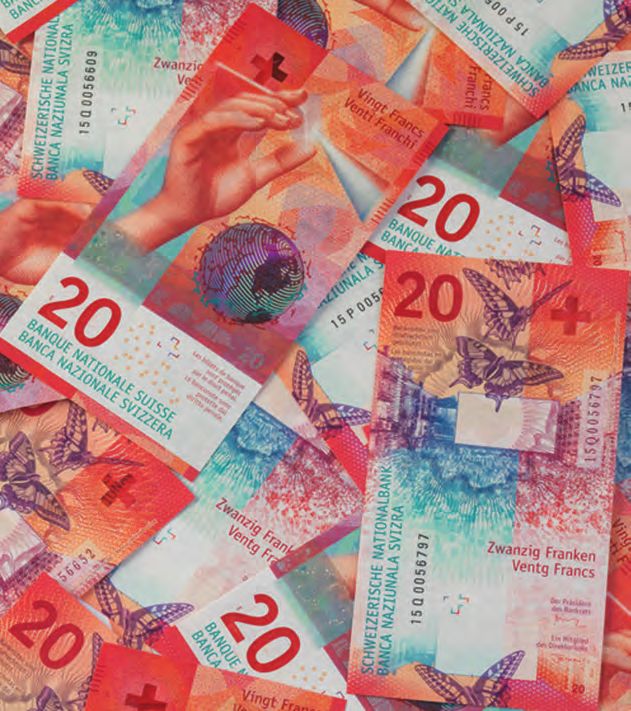
JUNE 2017 / INFOSECURA / BANKNOTE PRINTING

                                                                                  The second familiar feature is the globe, which here
                                                                                  is overlaid with astronomical constellations, again
                                                                                  to symbolize light. Both motifs are printed in intaglio
                                                                                  and the globe uses Sicpa’s Motion OVI. The back-

   A lesson in Light
                                                                                  ground of the note is reminiscent of a kaleidoscope
                                                                                  in which colourful patterns are produced through
                                                                                  reflected light.

                                                                                  The “light” Leitmotiv is carried through to the back
                                                                                  of the note, from butterflies, whose wings change
                                                                                  colour in different light, to a picture of the Piazza
                                                                                  Grande in Locarno, where during the film festival
                                                                                  filmes are screened outdoors. The lines at the back
                                                                                  of the Sfr. 20 note portray an iris, which regulates
                                                                                  the amount of light entering the human eye. To take
                                                                                  all this in, requires more than a single quick look.

                                                                                  As all the other notes in the series, the new Sfr 20
                                                                                  has 15 level-one security features and some seem
                                                                                  to aim not only at security, but also at educating the
 The second note                                                                  public. In the security stripe for example, one can
 in the new Swiss                                                                 see a map of Switzerland, night-time light emis-
                                                                                  sions represented by circles, the distance between
 banknote series is                                                               various celestial bodies and the earth, and the
 in circulation. It is                                                            number 20. When tilting the note slowly backwards
 as interesting and                                                               the outline of Switzerland and the night-time light
 complex as the first                                                             emissions appear in rainbow colours. In addition
                                                                                  to this, little shining Swiss crosses are visible inside
 one.                                                                             the number 20.

                                                                                  As the note is printed on Landqart’s Durasave
(Image: Swiss National                                                            paper/polymer/paper substrate, there are two

                         A
Bank)                           lthough the Swiss National Bank took great        features that make use of windows and half
                                care to inform the public about its new bank-     windows. On the top of the note there is a full
                                note series, which had the overall theme of       window in the shape of a Swiss cross, although
                         “multi-facetted Switzerland”, the second note in the     overprinted with the background design. When
                         series, the 20 Swiss Franc, was only shown to the        holding the note up to the light, the cross turns
                         public one week before it was released for circula-      into a Swiss flag, because a square of paper on
                         tion on May 17.                                          the reverse side has been removed, making a half
                                                                                  window and therefore the Swiss flag. A similar tech-
                         With 70 x 130 mm it is slightly smaller than the Sfr     nique lets a glittering security stripe appear in a
                         50 note, but also, by 7 mm, a little smaller than the    triangular half window. When looked against light,
                         Sfr 20 note it replaces. Swiss banknotes increase        the whole stripe becomes visible. Among the other
                         in size from the lowest denomination to the highest,     security features there is a “micro-perfed” Swiss
                         but all will lose some length in the new series. Just    cross, the same size as the window, same again
                         as in the first note of the series, the Sfr 50, the      as a tilt feature and also as a see-through feature.
                         design of the new note is complex and very clearly       There are also two watermarks, a Swiss cross and
                         a part of an overall design idea. While the domi-        the globe which also appears on top of the note as
                         nant colour of the previous note was green, the new      a UV feature.
                         Sfr 20 note is predominantly red. There are several
                         prominent design features, albeit in a different form,   The new Sfr 20 note is a highly interesting, complex
                         that repeat those, found on the Sfr 50. Most obvi-       and challenging note. Perhaps to really appreciate
                         ously there is the hand, which in the Sfr 50 note        it, it should be used as the basis of a lecture on art,
                         held the seedhead of a dandelion and in the Sfr.         philosophy or culture. It is also so full of features that
                         20 note holds a prism through which a light beam         any would-be counterfeiter surely would lose heart,
                         diffracts into different colours. This also represents   well before starting. Perhaps that was the intention
                         the “Leitmotiv” of the note; light, taken as a symbol    of the SNB. However, it is also obvious that some of
                         of creativity and as an affirmation of Switzerland as    the security features, such as the watermarks and
                         a place of culture and art in many different domains.    the window, got a little lost among the competition.n

                                                                                                   www.securityprinters.org           /3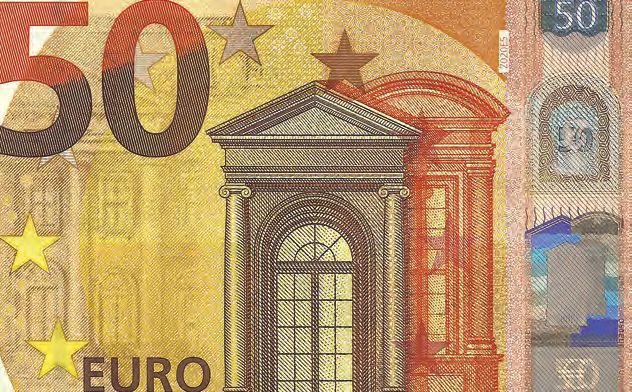
BANKNOTE PRINTING / INFOSECURA / JUNE 2017

CASH SKIRMISHES: TALKING BACK                                                      And finally, the fintech alliance claims that its
                                                                                   sophisticated digital payment solutions will make
Yves Mersch, Member of the Executive Board of the European                         financial transactions easier. Customers would no
Central Bank, confirmed his support for the continued use of cash,                 longer need to carry wads of cash or search for
as to be expected, in very measured tones. The Senior Financial                    ATMs. But it is an open question whether the still
Services Officer of the European Consumer Organisation was more                    highly fragmented digital-payment sector will help
forthright in his defence of cash.                                                 customers more than the companies offering the
                                                                                   payment solutions, he said.

                       A
                              midst the continuing lobbying in favour of
                              the abolition of cash, it is heartening to see       There is one more major problem with the argu-
                              that central banks stand up for its continued        ments for a cashless society: most people, at least
                       use. Apart from credit cards, online transfers and          in the Eurozone, don’t want it. According to an
                       direct-debit payments, and now smartphone-ena-              as-yet-unpublished European Central Bank survey
                       bled digital-payment solutions and mobile wallets,          of 65,000 Eurozone residents, almost 80% of all
                       we can expect further and potentially disruptive            point-of-sale transactions are conducted in cash;
                       innovations like distributed ledger technologies,           and, in terms of value, more than half of payments
                       which indicate that further and possibly funda-             are made in cash.
                       mental change to payment systems may be on the
                       horizon. There seems to be, and we hope there will          As is often the case in Europe, there are great differ-
                       remain, one constant in this cacophony of payment           ences between member states: the share of cash
                       choices: cash.                                              transactions ranges from 42% in Finland to 92% in
                                                                                   Malta. But, overall, the public’s commitment to cash
                       MEASURED WORDS FROM THE ECB                                 remains strong – and is becoming stronger.
                       Recognizing the convenience of cashless systems,
                       Yves Mersch, Member of the Executive Board of               In fact, growth in overall demand for cash is
                       the European Central Bank, said in a speech on 28           outpacing nominal GDP growth. In the last five
                       April, that in spite of all the fashionable alternatives,   years, the average annual growth rate of euro bank-
                       to write off the role of banknotes and coins in the         notes was 4.9% by value and 6.2% by piece. This
                       economy would be a mistake.                                 rise includes denominations that are predominantly
                                                                                   used for transactions, rather than for savings.
                       There are a number of studies, he said, that lobby
                       for the abolition of cash. Advocates of a cash-             If Europe were to abolish cash, it would cut off
                       less society tend to fall into three distinct camps.        people’s only direct link to central-bank money.
                       The first camp, the alchemists, wants to overcome           In a democracy, such a link helps to foster public
                       the restrictions that the zero per cent interest rate       acceptance of central-bank independence, by rein-
                       (the zero lower bound -ZLB) imposes on monetary             forcing the trust and support of the people in the
                       policy. The second, the law and order camp, wants           conduct of effective monetary policymaking.
                       to remove the ability to use cash for illicit means.
                       The third camp, the fintech alliance, expects to save       Mr Mersch finished his remarks by saying that
                       money by eliminating the high storage, issuance,            the ECB will continue to provide banknotes. It will
                       and handling costs of cash - and also to make               also facilitate the further development of an inte-
                       money from cashless transactions.                           grated, innovative, and competitive market for retail
                                                                                   payment solutions in the Eurozone. If, one day, cash
                       The arguments against cash do not stand up to               is replaced by electronic means of payments, that
                       scrutiny, Mr. Mersch thinks. To counter the alche-          decision should reflect the will of the people, not the
                       mists, he admits that in an environment of very             force of lobby groups.
                       low interest rates, the conduct of monetary policy
                       becomes difficult. However, it has been shown that          RISING DEMAND FOR BANKNOTES IN THE UK
                       negative interest rates have worked, without trig-          The rise in the demand for banknotes, Mr Mersch
                       gering a flight to cash, especially when combined           talked about, is not limited to the Eurozone. In the
                       with other monetary policy measures.                        UK, both the value and stock of banknotes in circu-
                                                                                   lation, has grown steadily, economist Cordelia
                       The law and order camp is equally mistaken.                 Kafetz wrote in a Bank of England staff blog post.
                       By acting as a store of value and a means of
                       payment, cash fulfils an important social function          The value of pound notes in circulation grew 10 per
                       for law-abiding citizens, even if cash is sometimes         cent in 2016, double its average rate over the past
                       used for illicit purposes. Would anyone suggest             decade, as sterling’s weakness fuelled demand
                       forbidding private ownership of luxury cars or gems         for the highest denomination fifty-pound note and
                       because criminals like them?                                by the introduction of a new five pound note. Even

4 / www.securityprinters.org
JUNE 2017 / INFOSECURA / BANKNOTE PRINTING

with the impact of those events stripped out, bills in   matter of consumers’ freedom. Cash ensures
circulation increased 8 per cent - the most in almost    consumers are not beholden to banks and other
a decade - although, as a report by ING published        businesses. Getting rid of cash would be a power
this month showed, just one fifth of Britons gener-      grab by financial providers. After a banking crisis,
ally carry cash.                                         which wiped out consumer trust in the banks, with-
                                                         drawing cash from circulation would not be a wise
UNOFFICIAL VOICES                                        move.
It is expected that any comment by the ECB,
although supportive of cash, has to be balanced          Each payment instrument has its advantages and
and diplomatically correct. Less exalted organisa-       inconveniences. In a competitive market various
tion can be a little more direct. Farid Aliyev, Senior   payment instruments and solutions should co-exist
Financial Services Officer, at BEUC, the Bureau          and satisfy users’ specific needs. Consumer choice
Européen des Unions de Consommateurs or                  is not something to be taken lightly. n
European Consumer Organisation, pointed out
in an article that the “get rid of cash” enthusiasts
are deluding themselves. Globally, around 85%
of consumer payments are still made in cash. In
his article, Mr Aliyev makes the same point as Mr
Mersch, namely that by their very payment actions,
consumers demand choice and that includes being
able to use cash.

Banks and card companies such as Visa or                 CAMPAIGN LAUNCHED
MasterCard, and other providers of electronic

                                                         T
payment services are all interested in seeing bank-            he International Currency Association, ICA,
notes and coins disappear and they point to the                has launched its campaign ‘cash.matters’.
many studies that talk about the huge costs of                 ‘One of the main objectives of the ICA is to
printing cash and its circulation. Why are they so       give all those a voice who see cash as an inte-
keen to abolish cash? The answer is that they don’t      gral and inclusive part of the payment landscape
earn money from these kinds of transactions, unlike      now and in the future,’ said the ICA’s newly elected
from digital payments, Mr Aliyev said. And they are      Chairman, Barna Barabas. cash. matters will
less eager to show that all the studies conclude         present facts and figures on cash as well as func-
that credit cards represent by far the most expen-       tion as the platform which the ICA, and hopefully
sive payment method for the consumer and the             many other organisations, will use to run pro cash
merchant.                                                campaigns.’

While comparison among payment instruments               Beside a website, cash.matters will make extensive
mostly focuses on the cost element (easily quan-         use of social media to attract a broad public.
tifiable), qualitative aspects (difficult to quantify)
and the consumer perspective too often stay in           ’The design is fresh and young, and cash.matters
the background. More recently, as part of the EU         is set up to work perfectly on all platforms and
plan to fight against the financing of terrorism,        devices. We do expect lively debates on all our
debate focused around the relevance of setting           channels. This is the first global pro cash initia-
a maximum limit on cash transactions. Without            tive, and its reach extends far beyond the industry
questioning the need to fight against terrorism and      and experts but aims to include every global
illegal activities, policy-makers should also keep the   citizen and initiative who think that cash is here to
consumer angle in mind when debating the future          stay’, explained the Chairs of the ICA Global Cash
of cash.                                                 Alliance Committee, Andrea Nitsche and Gerben
                                                         van Wijk, who are responsible for cash.matters.
THE SYSTEM WORKS, SO WHY ABOLISH IT?
Cash has a number of advantages, which cannot            While cash.matters is set up as a movement with
be matched by any electronic payment method, at          global reach, it also shares substantial information,
least for now. Those features are well known and         statistics, white papers and facts and figures on
explain in large part why cash is still widely used by   the site for journalists, central banks and experts,
consumers. They also underline why the idea of a         explained the chairs. Nitsche and van Wijk are
cashless society should be buried.                       confident that over time they will gather many allies
                                                         across the globe behind cash.matters and channel
Echoing the ECB’s Mr Mersch, Mr Aliyev empha-            existing national voices and initiatives into one big
sized that the continued existence of cash is a          global movement.n

                                                                         www.securityprinters.org       /5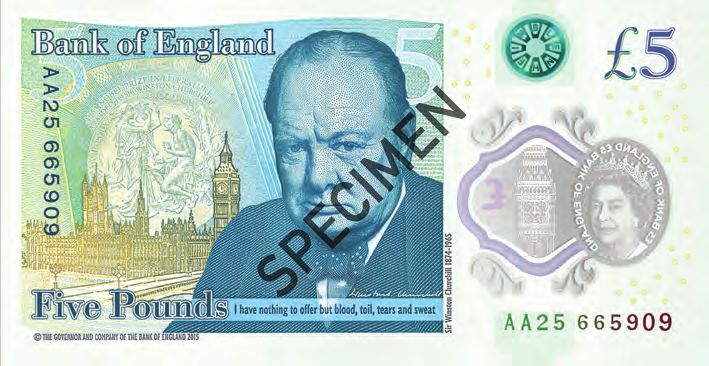
BANKNOTE PRINTING / INFOSECURA / JUNE 2017

                                                                                         petition stated. “We demand that you cease to use
        UNEXPECTED                                          A totally unforeseen
                                                                                         animal products in the production of currency that
                                                                                         we have to use.”
        PROBLEMS                                            ingredient of its new
                                                            polymer note caused
                                                                                         One UK newspaper, The Guardian, quoted the
                                                            the Bank of England
                                                                                         reaction of the Australian academic, Prof. Solomon,
                                                            much embrassement.
                                                                                         who headed the team at the country’s research and
                                                            Admitting the mistake
                                                                                         development body, CSIRO, which developed the
                                                            and promising to
                                                                                         polymer substrate, as saying: “It’s stupid. It’s abso-
                                                            rectify it, showed that
                                                                                         lutely stupid. There’s trivial amounts of it in there.”
                                                            the Bank cares about
                                                                                         The Bank of England, however, took a far more
                                                            public opinion.
                                                                                         conciliatory line.

                                                                                         Whatever the merits of this case, the new bank-
                                                                                         notes had been printed and a ‘demonetisa-

                             B
Image: Bank of England              y the time this article is printed, the UK £5        tion’, a la India was out of the question, the Bank
                                    note, featuring Elizabeth Fry, will be just a        said. It even announced that the coming new £10
                                    piece of paper in some forgetful person’s            polymer note would be printed on the same tallow-
                              wallet and its only value will be sentimental. On 5        bearing polymer. Production of this note began last
                              May 2017, the old paper note lost its status as legal      August and by mid February this year, ahead of the
                              tender and the new polymer £5 note featuring Sir           planned issuance in September, 275 million notes
                              Winston Churchill is now the only £5 note that can         had already been printed, at a cost of £24 million.
                              be used. On 5 April, the Bank of England said that         Previously, the Bank had also spent £46 million on
                              over 50 per cent of all Fry fivers had already been        printing the £5 polymer note.
                              returned to the BoE to be destroyed, but there
                              were still around 160 million notes left in circulation.   However, to show that it takes public opinion
                              Although retailers and the public no longer have to        seriously, the Bank of England, on 15 February
                              accept the paper £5 note as payment or in change,          announced a public consultation “to seek the views
                              the BoE will continue to exchange Fry £5 notes             of the public on options for the future composi-
                              forever, as it would for any other Bank of England         tion of polymer notes, namely the next £20 note
                              note which is no longer has legal tender.                  and future reprints of the £5 and £10. This will allow
                                                                                         the Bank to understand better the range of public
                              The new polymer £5 note was issued on 13                   opinion.” The Bank also had extensive talks with
                              September 2016 as the first of a new series of             potentially affected religious groups; groups repre-
                              polymer banknotes that will continue with the issue        senting vegans and vegetarians; and environmental
                              of the new £10 note featuring the 18/19 century            organisations.
                              English novelist Jane Austen in September this
                              year and a new £20 note which will show the                The full consultation began on 30 March and
                              painter J.M.W. Turner, which is due to be issued           was introduced by a long statement about the
                              by 2020. The new £10 note will be unveiled on 16           nature of the polymer substrate, its manufacturing
                              July, the 200th anniversary of Jane Austen’s death.        process, including the role of animal-derived addi-
                              The event will take place at Winchester Cathedral,         tives and any alternative options which could be
                              where Austen was buried in 1817.                           used in its future banknotes. Any possible alterna-
                                                                                         tives to tallow, such as coconut oil or palm oil, have
                              A TINY, GREASY EMBARASSMENT                                their own ethical or environmental concerns and
                              The new £5 note seemed initially well accepted             the Bank commissioned an independent report
                              by the public until it ran into rather unusual diffi-      on the environmental impact of a range of addi-
                              culties. At the end of November 2016, the Bank of          tives from a consultancy firm, Efeca. The Efeca
                              England had to admit that the new polymer note             Report was published alongside the consultation.
                              contained traces of animal fat in the form of tallow,      The text of the consultation and the four ques-
                              which is used in manufacturing the base polymer            tions to the public were available on the website of
                              film marketed as Guardian by Innovia Security.             the Bank of England until the consultation closed
                              The British press went into overdrive after more           on 12 May. The Bank plans to issue a summary of
                              than 120,000 people supported an online petition           the responses to the consultation, its conclusion
                              urging the Bank of England to cease using animal           and its proposals for the future content of polymer
                              fat in the production of five pound notes. “The new        substrate in the summer.
                              £5 notes contain animal fat in the form of tallow.
                              This is unacceptable to millions of vegans, vegetar-       On its website, the Bank said that the development
                              ians, Hindus, Sikhs, Jains and others in the UK,” the      and launch of a new note can take four years or

        6 / www.securityprinters.org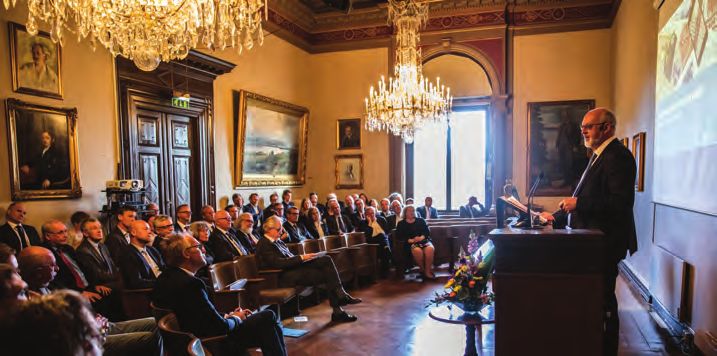
JUNE 2017 / INFOSECURA / BANKNOTE PRINTING

                          more. The tender for the £20 substrate has been           The Bank of England did well to take the concerns
                          put on hold to accommodate a decision on the              of a small minority of banknote users seriously.
                          future composition of the polymer used, but the           Perhaps it learned form history. The last time animal
                          Bank needs to take a decision soon in order to be         fat, such as tallow in unexpected places, caused
                          able to launch the new £20 polymer note by 2020.          an uproar for Britain, was when native troops in the
                          Since December 2016, the Bank has been working            army of the British East India Company were issued
                          with De La Rue and Innovia Security, the potential        rifle cartridges greased with pig or beef fat. They
                          suppliers of polymer substrate, to assess alterna-        had to tear the cartiges open with their teeth, upset-
                          tive options, such as palm oil or coconut oil. Their      ting both Moslem and Hindu soldiers and leading
                          conclusion is that the only practical alternative to      to the Indian mutiny of 1857, which almost cost the
                          animal-derived additives, are additives derived from      British a good part of their empire. n
                          palm oil, which offers a mature supply chain.

                          INDIA’S DEMONETISATION                                    The issue of the demonetised notes in Nepal and
                                                                                    Bhutan clearly had become urgent. At the end
                          STILL MAKES WAVES                                         of March, a team of the Reserve Bank of India

                          T
The effects of India’s          he economies of India’s northern neighbours         (RBI) held talks with Nepali officials on providing
demonetisation of Rs.           Nepal and Bhutan both depend to a great             exchange facilities for Nepali nationals holding
500 and 1000 notes              extent on the Indian rupee, which makes up          demonetised Indian banknotes. The Indian team
in November last          a significant percentage of both countries’ foreign       offered exchange facilities for up to the limit of
year may have worn        exchange stock. Indian rupees are also officially         IRs 4,500 (€64) per person and gave one week’s
off slowly in India       used in Bhutan, while in Nepal they are commonly          window to complete the exchange formalities.
itself, in neighbouring   used at the retail level.
countries, where                                                                    However, the Nepali side had been pushing to
Indian rupees are also    There are large numbers of migrant workers from           arrange facilities up to Indian Rs 25,000. The NRB
used, or at least held    these countries, but especially from Nepal, who,          team has conveyed to the RBI team that it is also
in large numbers, the     in an avarage year, send around 70 billion Indian         impossible to exchange banned Indian notes within
repercussions are still   Rupees ($640 million) in remittances and Reuters          a week as the Nepali side is yet to conduct inven-
being felt.               estimated that there may be 10 billion Indian rupees      tory of banned Indian bills held by Nepalis. However,
                          ($146 million) held by individuals and the informal       the RBI team said it was ready to exchange Indian
                          sector in Nepal. The Nepalese banking system itself       notes held with Nepali banking and financial institu-
                          held demonetised Indian banknotes worth about             tions immediately but currency notes held by indi-
                          IRs 33.6 million.                                         viduals should be exchanged through the banking
                                                                                    system. It seems that the fate of demonetised Indian
                          When India made 500 and 1000 Rupee notes                  500 and 1000 Rupee banknotes held by Napalis is
                          worthless in India, they became equally worthless         still uncertain even though it has already been six
                          in Nepal, but there were no facilities to exchange        months since the Indian government announced to
                          the notes for newly issued 500 and 2000 Indian            withdraw legal tender of such banknotes.
                          Rupees in Nepal. The Nepal Rastra Bank, the coun-
                          try’s central bank, even declared the new Indian          Meanwhile in India all limits on ATM withdrawals
                          banknotes “unauthorised and illegal”, until India         have been ended and the banks can again set their
                          issued a formal FEMA notification as per the Foreign      own limits on cash withdrawals. But a new IR 1000
                          Exchange Management Act, which it soon did.               has still not hit the streets. At the end of February,
                                                                                    the Financial Times said that India’s economy grew
                          The Reserve Bank of India (RBI) itself had banned         7 per cent in the last quarter 2016, down slightly
                          individuals carrying (old) IR 500 and 1000 notes          from 7.4 per cent growth in the previous quarter,
                          to Nepal and Bhutan, fearing that these countries         while Reuters had forecast growth of 6.4 per cent
                          could become ‘clearing houses’ for the defunct            for the October-December period. Growth in the
                          notes. However, at the end of January, the RBI            January to March quarter was said to be 6.1 per
                          decided that individuals from India could carry the       cent. Indian officials said that vindicated their claim
                          old IRs 1000 and/or 500 notes to Nepal, up to the         that the ban on 86 per cent of the country’s cash,
                          limit of IRs 25,000. This came as a relief to migrant     would have only a temporary economic impact.
                          workers, who in the interim, when going back to
                          their country, had to carry their money in bundles        But many analysts believe the figures understate
                          of IR 100 notes, making them very vulnerable to           the true disruption of demonetisation, because the
                          robbery. But it did not solve the problem that these      businesses hardest hit were informal enterprises,
                          notes were worthless in India - and officially in Nepal   which historically operated mostly in cash and are
                          as well.                                                  tough to measure. n

                                                                                                    www.securityprinters.org         /7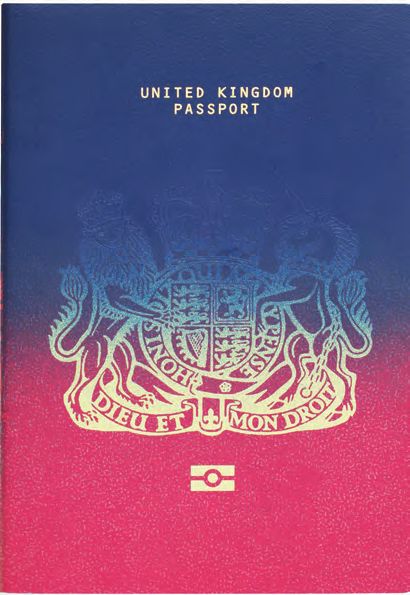
BANKNOTE PRINTING / INFOSECURA / JUNE 2017

                                                                                                             The European
                                                                                                             Central Bank

                            The new
                                                                                                             recently introduced
                                                                                                             the new € 50 note
                                                                                                             into circulation,
                                                                                                             the fourth upgrade

                            €50 and                                                                          in the Euro series.
                                                                                                             To further reduce
                                                                                                             counterfeiting,

                            neuroscience
                                                                                                             it sought the
                                                                                                             advice of an
                                                                                                             neuroscientist in
                                                                                                             the design phase.
                                                                                                             Implementing his
                                                                                                             advice was difficult.

                      O
                              n April 4, 2017, the new €50 note entered         better designed so that the person on the street
                              into circulation. The European Central Bank       would notice when something was amiss?
                              announced that the new note will be more
                      resistant to counterfeiting and that the security         The ECB thought when designing the new Europa
                      features had been upgraded. As the new €20 note,          series, and especially the €50 note, that the answer
                      introduced in 2015, the new €50 includes a window         may lay in the way we see things. According to an
                      near the top of the holograph stripe that reveals a       article in the Financial Times, the Bank contacted
                      portrait if the mythological ‘Europa’, beloved and        the well-known US neuroscientist David Eagleman
                      desired by the god Zeus. The same portrait is also        at Stanford University, to find out which elements of
                      present as a multi-tone watermark alongside the           banknotes were noticed, and which weren’t, and to
                      denomination as an electrotype watermark.                 make recommendations for banknote design that
                                                                                would increase security - and coincidentally lower
                      The €50 is the most widely used Euro bank-                cost at the same time.
                      note. With over 9 billion of them in circulation, they
                      account for 46 per cent of all euro banknotes. The        Eagleman describes a banknote as a bustling
                      €50 banknotes of the first series will remain legal       collection of security devices, which no one pays
                      tender and continue to circulate alongside the            any attention to. People who pass notes around in
                      new notes and will be gradually withdrawn from            daily transactions don’t typically pause to examine
                      circulation.                                              them carefully. And here, the way we see things
                                                                                comes into play. Our visual sense is not like a
                      THE MORE THE BETTER?                                      camera that takes in the complete scene. Instead,
                      The new note certainly has a lot of security features,    we see only the details that our brains go out to
                      such as a watermark, the OVI feature in the denom-        seek. And with banknotes, we may glance at one
                      ination number, intaglio printing, micro printing, etc.   to verify that it matches the general template we’re
                      and yet, Euro banknotes are still being counterfeit       expecting, but we don’t scrutinise the details. That’s
                      and most counterfeits are only caught when the            why the ECB’s campaign urging people to stop
                      notes return to the central banks. The ECB’s exten-       and pay attention to money didn’t work: we don’t
                      sive and sophisticated campaigns to educate the           attend to things that sufficiently fit our assumptions.
                      public about the security features and how to spot        We believe we already know the note in our hands,
                      counterfeits may do some good, but it is hard to          Eagleman explained.
                      quantify just how much good they do. The same
                      applies to the number and the sophistication of the       The question therefore is, which details do we
                      security features. The only thing the ECB probably        notice or not notice, and why? Which features could
                      finds easy to quantify is the cost of each security       be better designed to be brain-compatible? Of all
                      feature. How much each contributes to keeping the         the anti-counterfeiting measures the Bank takes,
                      number of counterfeits relatively low is unknown.         which ones work, and how could their efforts be
                                                                                better spent? Eagleman and his colleagues tested
                      Considering the fact that accepting a counterfeit         the perceptions of random participants for over a
                      note represents a loss of the value of that note to       year, noting that the public seems to be shockingly
                      the bearer and passing it on knowingly is a crime,        bad at spotting differences.
                      why don’t we pay more attention when handling
                      money? This problem of inattention led the ECB            At his final presentation to the ECB, he put forward
                      to explore a simple question: could banknotes be          evidence that the watermark on an Euro should be

8 / www.securityprinters.org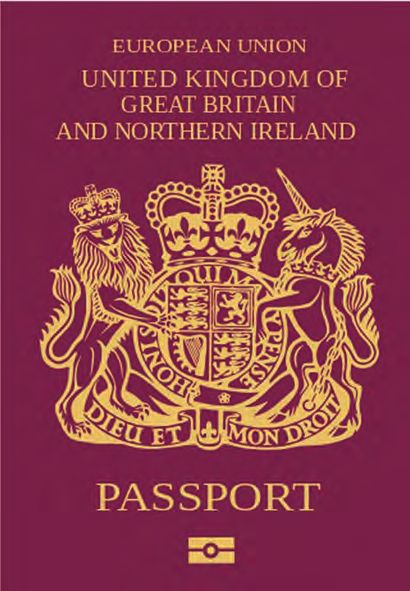
JUNE 2017 / INFOSECURA / BANKNOTE PRINTING

                           a face instead of a building. This is because the        same size. This would force people to look at the
                           human brain is much more specialized in recog-           notes a little longer before spending or accepting
                           nizing faces than buildings, and people instinc-         them. The ECB declined this advice, as it would
                           tively recognize if a face ‘looks wrong’. The Bank       involve the re-tooling of all European vending
                           accepted the finding but faced an obvious difficulty     machines and ATMs. Although the bank agreed in
                           in implementing it. A face in a watermark, a holo-       theory with the finding, Eagleman’s final sugges-
                           gram or a central portrait, works best if it is gener-   tion was also not accepted. He had observed
                           ally very well known and instantly recognized. But       that banknotes are jam-packed with decorative
                           which public figure, equally well known and ideally      features that have nothing to do with security. No
                           well liked and accepted in all the 19 EU countries       one notices the security features because of all the
                           that are members of the Euro zone, from Spain to         distractions. A banknote, he suggested, should be
                           Estonia, could the ECB have chosen? There prob-          a blank white piece of paper with a single hologram
                           ably is none that would fit.                             in the middle. That’s it. A counterfeiter would not be
                                                                                    able to replicate that on a printer, and the man in the
                           The Bank in the end chose the classic, mythological      street wouldn’t be side-tracked by all the detailing
                           figure of Europa as the face in the watermark and        that has nothing to do with the security. And thus
                           the hologram of the Europa series. A face is more        the experiment came to a close, Eagleman wrote.
                           memorable than a doorway, but ‘Europa’ is far from       Effective solutions sometimes bump up against
                           ideal, as we only recognize a face as being ‘wrong’,     tradition.
                           by referring back in our memory to face-to-face
                           meetings, a photograph or a painting. This shows         NOT ONLY SECURITY
                           the advantage of being able to put the portrait of a     If we look at banknotes exclusively from a viewpoint
   The face of Europa:     monarch or a recent head of state on the face of a       of counterfeit resistance, the recommendations
    The portrait water-    banknote, an advantage the ECB obviously had to          of the neuroscientist were without doubt correct.
  mark and the portrait    forego. When Indians look at the new 2000 Rupee          But a banknote is more than just a proof of value
  window in the new €      note, they see Mahatma Gandhi in the portrait and        that has to be secured at any price. Banknotes are
   50 note. (All images    the watermark and they know what he should look          intensely political and cultural and none more so
     European Central      like, although there are few people alive that have      than the Euro. Banknotes reflect the history and
                   Bank)   seen the real man.                                       the culture of a country and while there is defi-
                                                                                    nitely a great, common European culture, any
                           OTHER RADICAL SUGGESTIONS                                historic personalities that would express this culture
                           Eagleman also recommended that the Euro should           are mostly intensely national and therefore too
                           follow the US Dollar in making all denominations the     ‘partisan’ for a transnational currency.n

                           IBNS BANKNOTE OF THE YEAR
                           In stark contrast to the findings of                     the Swiss National Bank in 20 years. Printed by Orell
                           neuroscientist David Eagleman, this                      Füssli Security Printing Ltd., this note features wind
                           year’s ‘Banknote of the Year’ is the Sfr 50              and national experiences. Incorporating the latest
                           note, which is stuffed full of symbolism,                security features, future notes will depict time, light,
                           hidden security features and interestingly               water, matter and language. Using the three layer
(A part of) the new Sfr    distracting pictures.                                    substrate Durasafe, the bright green vertical bank-
50 banknote, winner of                                                              note depicts dandelion seeds, a paraglider aloft in

                           T
the IBNS ‘Banknote of            he International Bank Note Society (IBNS) has      the mountains and a human hand. Slightly smaller
the Year 2016’ Award             awarded its prestigious “Bank Note of the          than US banknotes, this is the first hybrid note to win
                                 Year Award” for 2016 to the Swiss National         the coveted IBNS banknote award.
                           Bank. With almost 120 new banknotes released
                           worldwide during 2016, over half were of sufficiently    The IBNS is now accepting nominations for next
                           new design to be eligible for nomination. While          year’s award and the first one shown on its website
                           the Swiss 50 Franc hybrid note was the narrow            was the new Norwegian 100 Kroner note. Although
                           winner, runners-up in very tight voting were the         the last - and still current - series of Kroner notes
                           Maldive Islands 1000 Rufiyaa tortoise/whale shark,       all had prominent central portraits, repeated in the
                           Argentina’s 500 Peso jaguar, and the Royal Bank of       watermark, the new series shows realistic render-
                           Scotland’s 5 Pound first polymer note.                   ings of fish, lighthouses, and boats on the front and
                                                                                    minimalist pixilations, vaguely associated with the
                           The Swiss 50 Franc note is the first new design of       sea, on the back. The watermark will be a puffin. n

                                                                                                     www.securityprinters.org         /9
BANKNOTE PRINTING / INFOSECURA / JUNE 2017

                                                                                           Is this privately issued deposit money, most of
                                                                                           which will never be converted into ‘real’ banknotes
                                                                                           or coins, an illusion? And why is it thought to be
                                                                                           as safe as money issued by the central bank? Mr

The future                                                                                 Nicolaisen asked.

form of money
                                                                                           NEW FORMS OF PAYMENT AND OF MONEY
                                                                                           Trust is necessary, though not sufficient, for money
                                                                                           to function as a universal means of payment. It
                                                                                           must also be efficient and safe to use. In paying
                                                                                           by bank card, a huge system is set in motion.
                                                                                           Payments move back and forth between banks
                                                                                           and are settled by transferring money between their
                                                                                           accounts at Norges Bank. The hub of the payment
Jon Nicolaisen at the Norwegian                                                            system in Norway is Norges Bank’s settlement

                                  I
Academy of Science and Letters.     n late April 2017, Jon Nicolaisen, the deputy          system, and it is the central bank’s responsibility
Photo: Nils S. Aasheim/Norges       governor of Norges Bank, Norway’s Central Bank,        to make sure the system is efficient and reliable,
Bank                                gave a wide-ranging speech at the Norwegian            as society is completely dependent on the smooth
                                  Academy of Science and Letters. His subject              functioning of the settlement system.
                                  was, of course, money. What it is, how it is made
         The deputy                                                                        Now, new methods of payment have appeared, for
                                  and what it may become in future. After an histor-
     governor of the                                                                       example through mobile phone apps and compa-
                                  ical discourse about the first banknotes printed
  Norwegin Central                                                                         nies such as Apple and Google have entered the
                                  in Europe - in Norway’s neighbour Sweden, and
    Bank provided a                                                                        payment market. Although convenient, this comes
                                  the first central bank, also in Sweden - he offered
possible scenario of                                                                       at a price, namely challenges to data privacy and
                                  the standard definition of money as a means of
 the disappearance                                                                         the security of the payment system. As the apps
                                  payment, a universally recognised common unit of
   of cash and good                                                                        are only a customer interface linked to international
                                  account and a store of value.
      arguments for                                                                        card schemes such as Visa and Mastercard, users
         retaining it.                                                                     may not cover costs directly, but the costs of these
                                  HOW BANKS MAKE MONEY
                                  A banknote, he said, is in reality a promissory note     schemes are high, making them an expensive alter-
                                  – an interest-free claim on the issuer. Its value        native for banks. Eventually, banks’ customers foot
                                  depends on trust that the issuer will keep his word      the bill one way or another.
                                  and that the banknote proves to have the promised
                                  value. But in a country such as Norway, only a very      Cheaper alternatives are on their way, and could
                                  small percentage of “money” is in the form of bank-      also result in faster payments. National payment
                                  notes or coins, as there are two forms of central        card schemes, such as BankAxept in Norway,
                                  bank money, the physical kind - coins and bank-          might provide an alternative to the international card
                                  notes - and bank reserves, amounting to a sum            schemes, including access to new services. New
                                  total of about NOK 85 billion. But the total money       regulations have been introduced to lower the costs
                                  supply is much larger than this. Customer deposits       related to international cards. A new EU regulation
                                  in banks are also money and they are a claim on          also provides for direct bank-to-bank payments,
                                  the bank, not the central bank. These deposits,          bypassing the card schemes entirely.
                                  called deposit money, total more than NOK 2 tril-
                                  lion in Norway. This money is created by private         There are not only new forms of payment but of
                                  banks, not by Norges Bank. Today, banknotes and          new money as well - so called e-money. This is
                                  coins make up less than 2.5 per cent of the money        electronic money issued by non-bank entities, but
                                  supply. In other words, virtually all the money used     in existing currencies. Paypal customers can make
                                  in Norway has been created by banks - out of             payments through their Paypal account. Facebook
                                  nothing. It is fiat money: fiat - let it become.         has recently applied for a Europe-wide e-money
                                                                                           licence. If large providers offer an attractive, user-
                                  Fiat money is made in the form of bank loans. Once       friendly solution, this payment method could
                                  in the borrower’s bank account, the money usually        become widespread, but success depends on
                                  starts to circulate and it is only removed from circu-   consumer trust. E-money is a claim on the issuing
                                  lation, if someone is repaying a bank loan. The          company and it is not backed by a deposit insur-
                                  money supply is therefore only reduced when              ance scheme or any authority.
                                  banks’ claims on the rest of the economy decrease.
                                  Banks also fund lending by raising loans them-           CYBERCRIME
                                  selves and also use other forms of investment in         Counterfeiting of banknotes is still seen as a major
                                  addition to lending in order to reduce risk.             crime, but even the most audacious schemes

10 / www.securityprinters.org
JUNE 2017 / INFOSECURA / BANKNOTE PRINTING
will not threaten a country’s financial system. Not parties, but only through a bank, a card company
so with rapidly evolving cybercrime, which even or an app. Today, one can still settle a payment at a
attacks central banks, as in the case of the Central shop in cash, without involving anyone else.
Bank of Bangladesh in February last year. All the
institutions involved in the payment system are Second, he has become dependent on the tech-
working hard to prevent cyberattacks, but we can nology functioning as it should. As long as cash
never be completely certain that the system will be is available, technology is not needed to settle
able to resist all possible attacks. Ultimately, there payments.
may come a time when our systems have to be
shut down for a period, Mr Nicolaisen warned. He Third, he is no longer anonymous when he makes
said that we need to be prepared for such a situa- a payment. All payment transactions using deposit
tion. Contingency arrangements, primarily reserve money are recorded. Anonymous payments are
solutions in our electronic systems, must provide often associated with something negative, such as
protection against a wide range of incidents, not tax evasion or other criminal activity. But there is
just cyberattacks. The ultimate contingency and another side to anonymity – privacy.
reserve solution is banknotes and coins. On the
advice of Norges Bank and Finanstilsynet (Financial Fourth, he no longer has access to money directly
Supervisory Authority of Norway), the Ministry of backed by the country’s authorities. There is no
Finance recently circulated a consultation paper longer functional legal tender. The monetary system
proposing a regulation to ensure the availability of has been turned over to private entities.
cash in a contingency.
We have to ask ourselves: should we allow private
THE FUTURE FORM OF MONEY? solutions to compete freely in developing means
As the role of banknotes and coins continues to of payment, or must the authorities play a role?
diminish, with payments increasingly made with The means of payment itself – our money – must
deposit money in bank accounts and new forms of be universal, because money is only useful if it is
payment are entering, the question is: what should widely used. This requires trust. Deposit guaran-
the future form of money be? tees, which cover deposits of up to NOK 2 million
per depositor per bank, as well as banking regu-
Some people believe that deposit money will ulti- lations promote trust. The objective of mone-
mately become the sole means of payment, as tary policy is to maintain stability in the value of
Norwegians trust deposit money. As long as they the currency. Privacy rules prevent unauthorised
do, using deposit money will be cheap and efficient access to payment information.
for the consumer. But is it entirely unproblematic?
There are some characteristics, deposit money
As an example, Mr. Nicolaisen gave the case of a lacks. It cannot offer anonymous payments. The
hypothetical customer who hadn’t used cash for system is vulnerable to advanced attacks. Having
a very long time and made only digital payments. more money on deposit than is covered by the
Then major cyberattacks against the his bank deposit guarantee scheme involves risk. Nor is
happened, shutting down the system for hours. direct and immediate settlement between two
Feeling unsure, the customer wanted his money. He parties, without the involvement of a third party,
logs on to his online bank, to get it. His options are possible without cash.
to transfer his money to an account in another bank
or to a pre-paid card. But he does not trust either In the future, new payment solutions may be able
option. He decides he wants cash and contacts to offer these possibilities. Private digital curren-
his bank, which is currently unable to provide cies providing anonymity are already on the market.
Norwegian banknotes. His options now are to use However, they are not backed by any authority and
an account in another bank or a pre-paid card, the the level of foreign exchange and credit risk can be
same as before. But the bank can offer Euros which high. One alternative currently being discussed is
he accepts. This leads to another problem. In order the introduction of electronic central bank money.
to use Euros in Norway, the shop has to accept There are several ways of achieving this: consumers
payment in Euros. If not, he will have to deposit can have an account either at the central bank
the Euros in his bank account in order to make the itself or in a system controlled by the central bank.
payment – bringing him back to square one. Another possible solution is for Norges Bank
to issue a payment card or develop an app for
WHAT HAS BEEN LOST HERE? consumers to use for anonymous payments.
First, the fictional customer has become completely
dependent on a third party – the bank: payments There is another, related question: which means
can no longer be made directly between two of payment should be the statutory form of legal
www.securityprinters.org / 11BANKNOTE PRINTING / INFOSECURA / JUNE 2017
tender in Norway if we introduce electronic central in banks will most likely continue to be the domi-
bank money? Should it be banknotes and coins, or nant means of payment, even if electronic central
Norges Bank’s electronic money, or both? bank money is introduced. Nevertheless, the very
fact that these questions are being raised, heralds a
What would the consequences of this be for the new era for our monetary system.
banking system? For many consumers, electronic
central bank money could provide an alternative Choosing the direction the future monetary system
to deposit money in a bank, as cash does today. and payment system will take, requires not only
Banks can attract deposits through the interest economists, but also technologists, lawyers and
rates they offer. But their ability to create money other social scientists. And political decisions will
and extend credit could nonetheless be affected, ultimately need to be made by the government
especially if this new form of electronic money and by parliament. The questions are numerous,
enters into widespread use. but we already have one of the answers. Central
banks were established to build confidence in the
Norges Bank has begun to assess what the future monetary system. That is still their primary task.
form of money should be. Whatever the conclusion, We cannot leave the monetary system entirely in
we can be fairly certain that banknotes and coins the hands of private entities. There will be a role for
will be with us for many years yet. Deposit money central bank money. n
GIESECKE + DEVRIENT - A GOOD YEAR AND
FOUR NEW BEGINNINGS
G
iesecke +Devrient; a global security tech- BUSINESS UNITS
nology group, had an excellent fiscal year At around EUR 928 million, the Banknote business
2016. Posting the highest revenue in the unit again made the largest contribution to Group
company’s history at approximately EUR 2.1 revenue. Revenue increases were achieved in
billion and increasing earnings before interest and banknote security solutions, plant engineering, and
taxes (EBIT) by around 23 per cent to EUR 125 automated cash cycle systems in particular.
million. Despite increased tax expense following
the company’s reorganization, G+D achieved a The Mobile Security business unit achieved a
strongly positive net income of EUR 52.5 million in revenue of around EUR 863 million. The business
the fiscal year ending December 31, 2016, roughly environment is currently characterized by fierce
equivalent to the result for the previous year. All price competition. Revenue increased in India,
four business units – Banknote, Mobile Security, China and Indonesia during the 2016 fiscal year.
Veridos, and secunet – made a positive contribu-
tion to Group earnings before interest and taxes. Veridos GmbH, a joint venture between G+D and
Bundesdruckerei, achieved growth of around 33
NEW COMPANY STRUCTURE per cent in 2016. This was largely due to a substan-
During the last fiscal year, G+D laid the founda- tial increase in its ID card business. Veridos contrib-
tions for a new Group structure, which has been uted around EUR 183 million to G+D’s total revenue.
in place internally since the beginning of 2017 and
will become legally effective in the third quarter of Listed company secunet AG was able to boost its
2017. The G+D Group is being divided into four revenue by 28 per cent to around EUR 115 million
subgroups, which will be legally independent in 2016. The sales growth and record earnings
companies with greater entrepreneurial freedom posted by the company were driven by increasing
and responsibility than in the past. demand for high-quality, trusted IT security prod-
ucts and services.
The Banknote and Mobile Security business units
have been renamed as part of the new G+D struc- DEDICATED DIGITIZATION UNIT
ture. Banknote has become Giesecke+Devrient In May 2017, G+D launched a unit intended to act
Currency Technology GmbH, while Mobile Security as a catalyst for new digital technologies and busi-
now operates as Giesecke+Devrient Mobile ness models within the company. As a legally inde-
Security GmbH. The other subgroups are Veridos pendent subsidiary, “G+D advance52” will help
GmbH – in which G+D holds a majority stake of 60 the subgroups to expand their digital business in
per cent – and listed company secunet AG, where the core areas of payment, identity, and connec-
G+D is the majority shareholder with a stake of tivity. The aim is to develop new digital products
around 79 per cent. to market readiness via an accelerated process. n
12 / www.securityprinters.orgJUNE 2017 / INFOSECURA / ID DOCUMENTS
The winning entry
of the Dezeen pass-
port competition,
announced in April
2017 (right)
Last year, the UK Burgundy
Passport Office
unveiled the design
turns to
blue
for the next UK
passport. That
was before the
referendum. Now
that the UK is set to
leave the European
Union, the country
will need a new
passport that may
look very different
from the present
one.
A
lthough the UK passport is valid for ten years, put out a tender for a new British passport design
in November 2015, the UK presented a new and production worth £490 million and to launch in
design to follow the “beautiful Britain” design 2019. The new project has a run-time of 11.5 years,
of five years ago. This is normal practice of the UK with potential of renewal within this time.
Passport Office to deter counterfeiters, although it
means that at any time there are valid UK passports There is not yet a specific date confirmed for the
with two very different designs in circulation. new passport’s roll-out. A Home Office spokes-
person says: “The timing of any potential changes
One year later, the referendum about the future to the passport after the UK has left the European
of Britain within or without Europe happened, Union has not been set.”
upending - well, almost everything, including the
well-laid plans of the UK passport office. Article In 2009 De La Rue was awarded a £400 million
50, the notification to leave the European Union, ten-year contract to print the UK passport and there
was invoked by the UK Prime Minister in April 2017, is no doubt that the company will again respond to
which will lead to the final separation two years the tender for the new contract. The design process
later. It is therefore obvious that the majority of for the new passport, however, if it is to coincide
UK passports, if not all, will state something that with the UK’s new EU free status, will have to start
will be no longer true. This is the statement on the well before that.
burgundy coloured cover denoting” EUROPEAN
UNION” followed by “UNITED KINGDOM OF What the new non-EU passport will look like is
GREAT BRITAIN AND NORTHERN IRELAND”. It is not known at the time of writing, but immediately
a temporary problem that will disappear after five after the referendum, as true-blue Brexiteers were
to ten years, unless the UK government decides calling for a return to the old dark blue cover, the
to cancel all UK passports with the EU line and home secretary gave a written answer in Parliament
issue new ones, regardless of remaining validity. stating that “there are no immediate plans for
But that would cause logistic problems and lead to changes to the format or colour of the UK pass-
complaints that people would have to pay for a new port. Parliament will be informed of any changes
passport when the old one still had years to go. to the passport following UK withdrawal from the
European Union.”
The current contract expires in 2019, the year the
UK is set to leave the EU. Just days before trig- That would have come as a particular disappoint-
gering Article 50, the Government’s Home Office ment to Nigel Farage, the chief leave proponent,
www.securityprinters.org / 13ID DOCUMENTS / INFOSECURA / JUNE 2017
who disapprovingly brandished his EU passport on pages are handy translations of foreign phrases.
a more or less hourly basis during the referendum The winning entry came from Scotland and had
campaign, as the Guardian wrote at the end of July the description “Britain needs a visual meta-
last year. phor to reflect the pre- and post-referendum
spirit”. The cover starts out at the bottom as the
The burgundy passport was one of the more persis- current burgundy EU passport and gradually turns
tent if minor refrains from the pro-leave camp in the dark blue, representing the old, pre-European
run-up to the EU referendum. There is, of course, Union passport. The visa pages meanwhile are
a good chance that UK traditionalists will get their completely blank. The designer described his pass-
blue cover back, but meanwhile designers, not only port design as an “honest reflection of the pre- and
in Britain, but in the whole of Europa, unchained post-referendum spirit of the country and all those
their creativity to imagine what a post Brexit pass- involved”.
ports could look like.
The designs are obviously far from what the UK
IMAGING A NATIONAL SYMBOL ANEW Passport Office needs for its next project, but they
In mid-February, the design magazine DEZEEN offer a fresh look at some fundamental questions,
started an unofficial Brexit passport design compe- such as what it means to be British - one design
tition, totally free from any of the technical and secu- even avoided any pictorial or linguistic allusion to
rity considerations, real passport designers have to Britain, claiming that the country is now multina-
face. The magazine was well aware that the winning tional and multicultural - to Britain’s place in the
designs were unlikely to be adopted by the govern- world and to individual identity. And thinking about
ment, but they were presented to the Home Office that cannot be a bad thing, even for Her Majesty’s
nevertheless and with the invitation to respond. Passport Office. n
There were over 200 entries from 34 different coun-
tries. The youngest entrant was 12 years old and NEWS
the oldest was 83. Most submissions were from
architects and designers but there were also entries Ober thur Technologies (OT) and
from non-designers, students, retired people and Safran Identity & Security (Morpho)
unemployed people. have announced they are joining forces. In
September 2016, Safran announced that
The designs, many or them light-hearted, often it had entered into exclusive negotiations
looked at what it means to belong to a country, and with Advent International, the owner of
to be a traveller. One entry presented the cover as a Oberthur Technologies since 2011, to sell
luggage-tag with transparent visa pages displaying its identity and security activities and the
To raise comments an X-ray of things a traveller may pack. As the pass- transaction was finalised on 31 May 2017.
in passport lines: a port travels around the world, visa stamps are Temporarily designated by the name
passport to wear added to these items that represent gifts given in OT-Morpho, the company will unveil its
around your neck, the return by each country. Another design featured the new name in September 2017.
second price in the name of every country in the world, with the United
Dezeen UK Passport Kingdom picked out in red. The countries are listed With close to 3 billion euros in revenues,
Competition in order of their immigrant OT-Morpho employs more than 14,000
population on the front and people worldwide, nearly 2,000 of whom
their emigrant population work in R&D.
on the back, with the lists
spilling onto the visa pages O p t a g l i o l a u n c h e s h o l og r a p h i c
inside. The design aims to portrait solution. The company has
acknowledge the “contin- developed a technology for issuing
uous comings and goings of personalised ID cards with a holographic
people and ideas that form portrait of a holder. The firm’s solution
civilisation”. involves the creation of a basic hologram,
which cannot be imitated, with a blank
One design even suggested section. This blank section can be filled
the UK passport as a social with a 3D portrait using a special writer
tool, to mend international delivered by the company.
bonds broken by Brexit. It
has an iridescent cover and The company says the new technology
it is worn around the neck, overcomes a long-term issue connected
where it acts as a conver- to the holographic protection of ID cards
sation starter. On the visa and passports.
14 / www.securityprinters.orgYou can also read


