Interdisciplinary Stroke Care: Managing Patients Pre & Post Botox - Lori Bravi, MS, OTR/L, BCPR & Katie M. Polo, MHS, OTR/L, CLT-LANA
←
→
Page content transcription
If your browser does not render page correctly, please read the page content below
Interdisciplinary Stroke
Care: Managing Patients
   Pre & Post Botox®
        Lori Bravi, MS, OTR/L, BCPR
                      &
   Katie M. Polo, MHS, OTR/L, CLT-LANA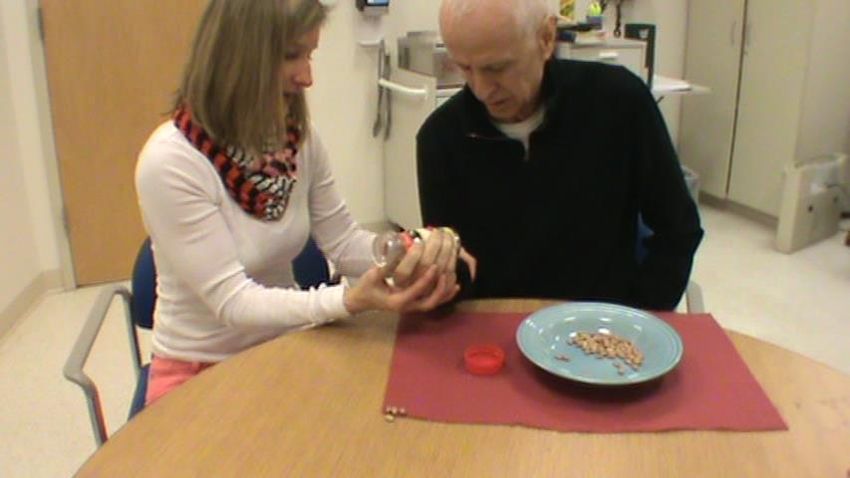
Objectives
1. Participants will identify two functional outcome
   measures used to determine upper extremity
   function post stroke and post BOTOX®.

2. Participants will identify two potential muscles
   commonly recommended for injection.

3. Participants will identify three functional activities
   used to promote upper extremity motor recovery
   after BOTOX® in the post stroke population.
Evaluation Process
                  Occupational
                     Profile
                   Analysis of
                  Occupational
                  Performance

                  Collaboration
                    Between
Selecting                                       Intervention
                   Practitioner                     Plan
Outcome            and Client
Measures                                       Intervention
                                              Implementation
Applying                                        Intervention
Outcomes                                          Review

                                  (AOTA Practice Framework, 2014)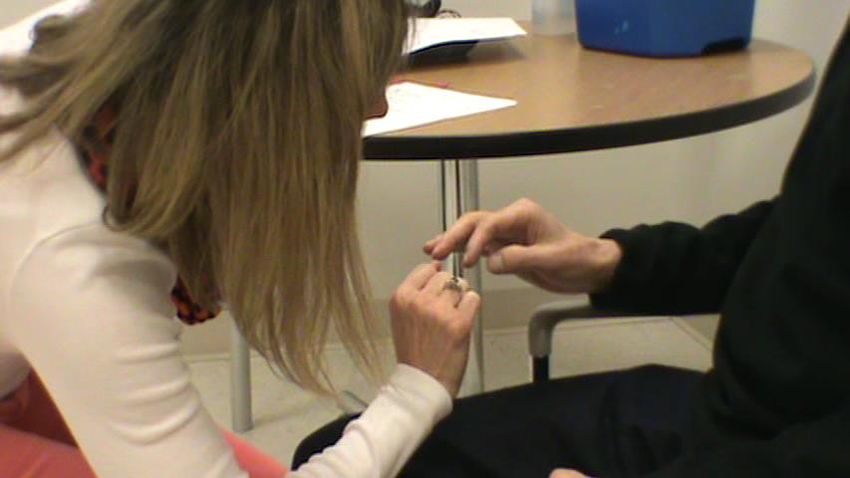
Assessment of Motor and Process Skills
                   • Occupation-based;
                     Occupation-focused

                   • Designed to evaluate the
                     quality of a persons
                     performance of activities of
                     daily living

                   • Standardized ADL
                     performance analysis of ADL
                     motor and process
                     performance skills
 Selecting
 Outcome           • Quality of each skill is
 Measures            measured on a four point
                     scale (4-competent
 Applying            performance) (1-unskilled
 Outcomes            deficient performance)

                                (Fisher & Bray Jones, 2012)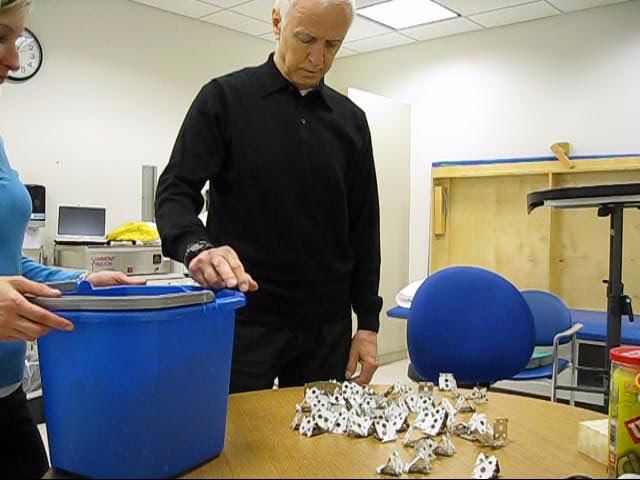
(Fisher & Bray Jones, 2012)
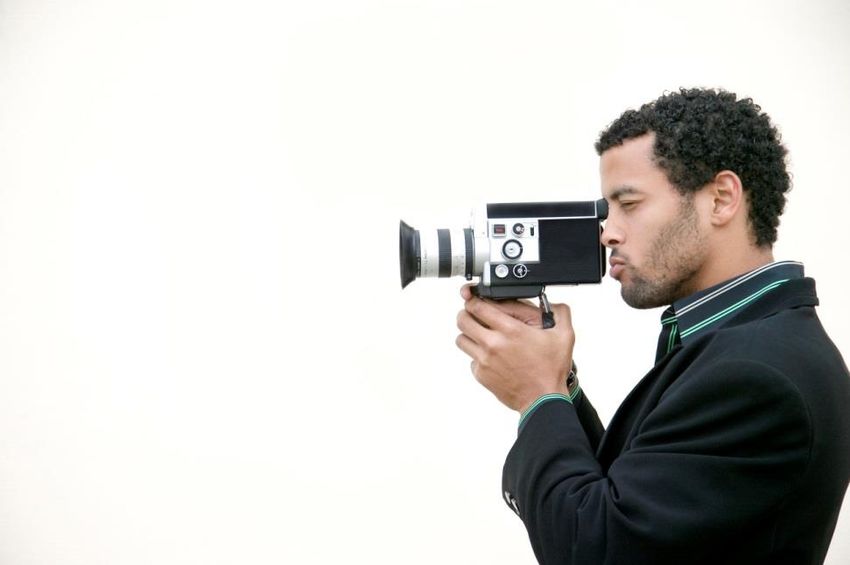
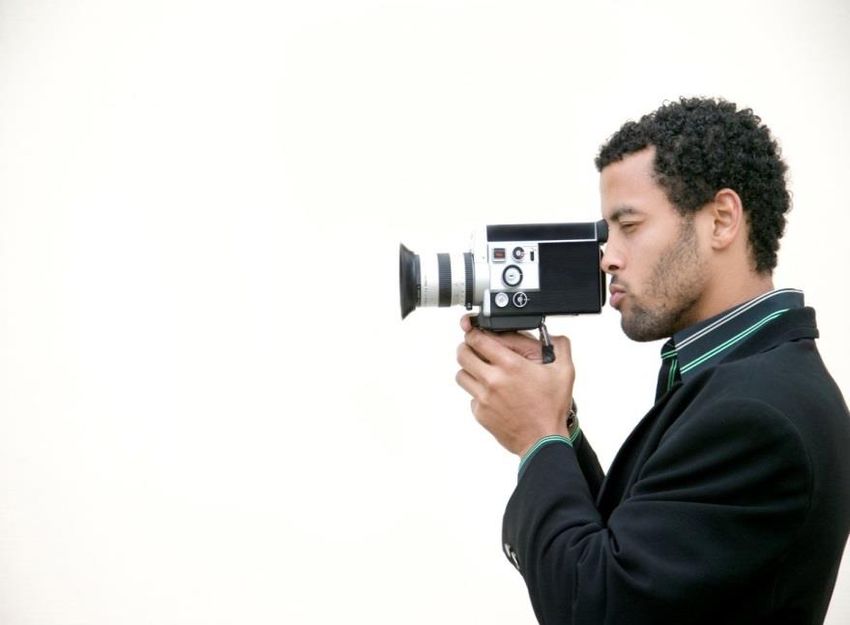
Analysis of Occupational Performance
• "SNAPSHOTS" determine most limiting factors leading to
  performance breakdown

• Is spillage from utensils happening during hand to
  mouth? Could it be excessive tone in the pronator teres
  contributing to reduced supination?

• Is it difficult to reach for door handles or light switches
  because of excessive tone in the biceps or pectoralis
  muscles?

• Is release difficult because of increased tone in the flexor
  digitorum superficialis muscle?
Outcome Measures:
           ICF classified
          Clarifies causes of performance breakdown

Body                   Activity                      Participation
Structure/Impairment

Chedoke-McMaster       Chedoke-McMaster              COPM
(Arm, Hand)            (Gross Motor Index-Walking)
Grip Strength          Action Research Arm Test      Stroke Impact Scale
                       (ARAT)
Modified Ashworth      Wolf Motor Function Test

Fugl Meyer             FIM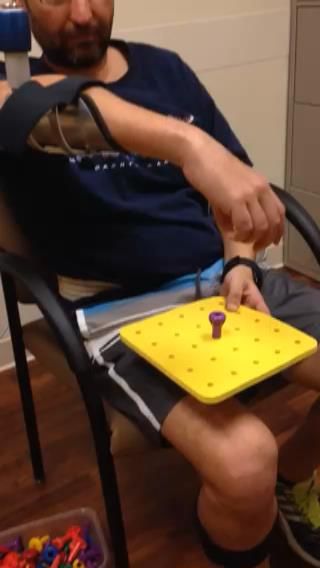
Body Structure/Impairment OM:
 Chedoke-McMaster Arm/Hand

o Separate “staging” using Brunnstrom principles for
  motor recovery of postural control, arm, hand, leg,
  and foot on the IMPAIRMENT LEVEL

o Start testing in the middle of the scale at STAGE 3 and
  work up/down based on performance
o In order to move“UP” a stage, need to correctly
  perform 2/3 movements
o Simple and quick
o Excellent reliability and validity, correlated with Fugl
  Meyer and FIM
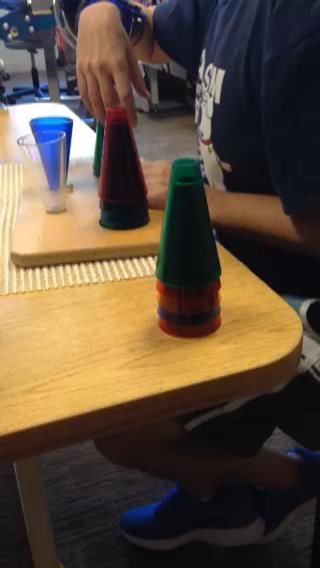
OM: Chedoke-McMaster
     Arm/Hand
Activity Level OM:
     Wolf Motor Function Assessment
• Measures UE motor ability through 17 timed ACTIVITY
  tasks including gross motor reaching, functional
  prehension (picking up pencil, stacking checkers), and
  functional activity (drinking, turning key, lifting basket)

• Excellent reliability; excellent internal consistency;
  adequate validity with AMFM

• Approximately 30 minutes to administer

• Can use MDC values to separate out items for goal
  writing

• Great way to incorporate the published interpretation
  values (MDC) is to incorporate them directly into goal
  writing to show real change
Goal Writing with Outcome Measures
Short Term Goal with MDC values
Patient will demonstrate increased functional
hand use and prehension as indicated by
decreasing performance time for stacking 3
checkers in the WMFT by 3.2 seconds or more.
Long Term Goal with MDC values
Patient will demonstrate increased functional
upper extremity use overall as indicated by
decreasing average performance time of final
score on the WMFT by 0.7 seconds or more.What else do you see?
Occupational Therapists specialize in identifying
breakdown in function and occupational performance.
You need to now ask yourself:
WHAT IS CONTRIBUTING TO THIS
BREAKDOWN?
• Strength ?
• Motor planning ?
• Spasticity ?Tone and Spasticity
TONE SPASTICITY
• Degree of muscle • Motor disorder during velocity-
tension or dependent increase in tonic
stretch reflexes (Active OR
resistance during Passive)
stretching
• Hypotonic – low • Sign of REFLEX DYSFUNCTION
muscle tone
• Hypertonic- high • Hyperexcitability possibly due to
muscle tone; risk for disorganized motor units in
motor cortex: Sign of UMN
contractures
SyndromeSpasticity Impact 30% of strokes result in spasticity (Mayer and Esquenazi, 2003) Wissel et al. 2010 • 25% of patient develop spasticity in first 6 weeks but can develop at any time • Elbow 79% of patients • Wrist 66% of patients • Ankle 66% of patients • Shoulder internal rotation, adduction with elbow/wrist/finger flexion
Spasticity Impact
• Greatly affects quality of life

• Greatly affects quality of movement and
  ultimately can cause changes in soft
  tissue integrity
   o Muscle stiffness, atrophy
   o Nerve entrapment and pain
   o Disruption in muscle-tendon length
   o Fibrosis
Modified Ashworth Scale
               (MAS)
• 0 No increase in tone
• 1 Slight increase in tone, catch/release
• 1+ Slight increase in tone, catch/release, MIN
     resistance through < 50% of ROM
• 2 Marked increase in tone through most of ROM,
     parts easily moved
• 3 Considerable increase in tone, PROM difficult
• 4 Affected parts rigid in flexion or extension

MAS is the most preferred clinical measurement of tone because of its
efficiency despite the exclusion of velocity from the testing context.
Interdisciplinary Collaboration
1. The OT determines spasticity is limiting function and
strengthening after completing appropriate OM
(WMFT, etc) and spasticity screening (MAS).
2. Referral is made in team rounds for BOTOX®
assessment to determine if client is appropriate.
3. OT and injecting physician work together to
determine most appropriate muscles for injection.
4. Strong partnerships may result in the OT providing
insight to physician for dosing based on potential
functional goals to ensure client is not under- or
over-injected.Interdisciplinary Collaboration:
What do you report?
Functional Changes Specific Muscle Groups
• Doesn’t tolerate proper • Tight internal rotators
UE positioning in • Pectoralis, Biceps, Teres
abduction, shoulder Minor, Brachioradialis
pain at rest, difficulty
with UED • Tight finger and wrist
• Unable to tolerate flexors
splint, unable to release • FDS, FDP, FCR, FCU
items
• Difficulty stabilizing • Tight pronator
items upright • Pronator teresSpasiticity Management to
Improve Motor Planning: BOTOX®
• “There is strong (Level 1a) evidence that treatment with
BTX alone or in combination with therapy significantly
decreases spasticity in the UE in stroke survivors.”
• http://www.ebrsr.com/uploads/Module-10_upper-extremity_001.pdf
• Must think of spasticity as a layer of “unwanted” movement. In most cases,
it develops in the flexor muscles of the fingers, wrist, elbow and shoulder as
a result of decreased inhibition
• This unwanted layer prohibits any emerging extensor strength from being
detected because it is stronger than the emerging movement
• Botox temporarily weakens the injected flexor muscles to remove that
unwanted layer KEY OPPORTUNITY to SRENGTHEN EMERGING
EXTENSIONWhat is BOTOX®?
How does it work?
• Botulinumtoxin is a neurotoxin created from Clostridium
botulinum that, when combined with saline and injected
directly into the hyperactive muscle belly via EMG
guidance, binds with acetylcholine receptors to inhibit its
release at the NM junction causing a chemical
dennervation.
• BOTOX® (Onabotulinumtoxin A) is the only FDA-
approved botulinumtoxin for UE spasticity: Elbow
(biceps), Wrist (FCR, FCU), Fingers (FDS, FDP)
• Dysport (Abobotulinumtoxin A)
• Xeomin (Incobotulinumtoxin A)
• Myobloc (Rimabotulinumtoxin B)Muscles for Injection
HAND FOREARM
• Flexor Digitorum • Pronator Teres
Superficialis
• Flexor Digitorum ELBOW
Profundus • Biceps
• Flexor Pollicis Longus • Brachialis
• Lumbricals • Brachioradialis
SHOULDER
WRIST
• Biceps
• Flexor Carpi Radialis
• Pectoralis
• Flexor Carpi Ulnaris
• Teres MinorAdjuncts to BOTOX®
POSITIONING TAPING
• There is consensus (Level 3) • “There is conflicting (Level
opinion that proper positioning 4) evidence that strapping
of the hemiplegic shoulder helps the hemiplegic shoulder
to avoid subluxation.
reduces the development of
pain. “
However, there is conflicting
(Level 4) evidence that
prolonged positioning prevents • “There is moderate (Level
loss of active or passive range of 1b) evidence that strapping
motion, or reduces pain. does not improve upper
limb function or range of
http://www.ebrsr.com/uploads/Mo motion.”
dule10_upper-
extremity_001.pdf • http://www.ebrsr.com/uploads/Chapter11_HemiplegicS
houlder_FINAL__16ed.pdfAdjuncts to BOTOX®
STRETCHING
• “There is moderate (Level 1a) evidence that a nurse-led
stretching program can help to increase ROM in the UE
and reduce pain in the chronic stage of stroke.”
• http://www.ebrsr.com/uploads/Module-10_upper-extremity_001.pdfAdjuncts to BOTOX®
SPLINTING TO IMPROVE HAND SPLINTING TO REDUCE
FUNCTION CONTRACTURE
• “There is strong (Level 1a) • “There is strong (Level 1a)
evidence that hand splinting evidence that hand splinting
does not improve does not reduce the
impairment or reduce development of contracture,
disability” nor reduce spasticity”
• Most studies look at 4 weeks of
• Use clinical judgement night wearing schedule
• Most studies look at less • Spasticity can continue to
than 4 weeks of wearing develop up to 18 months post-
schedule stroke
• http://www.ebrsr.com/uploads/Mo • Need to track pain ratings with
dule-10_upper-extremity_001.pdf splint use- would they
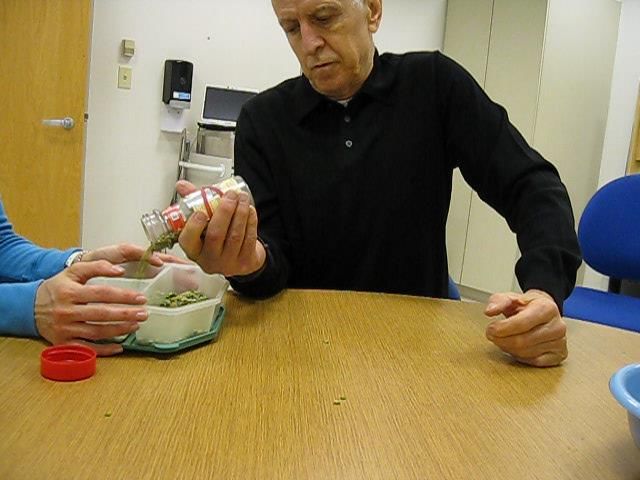
decrease?Task Oriented Training Training of functional tasks wherein: • Goals are client-centered • Client is active problem-solver • Focus is on acquisition of skills • Tasks are graded and provide optimal challenge • Real objects are used • Environment is context-specific • Repetition is key • Feedback is provided Desired outcome is skill
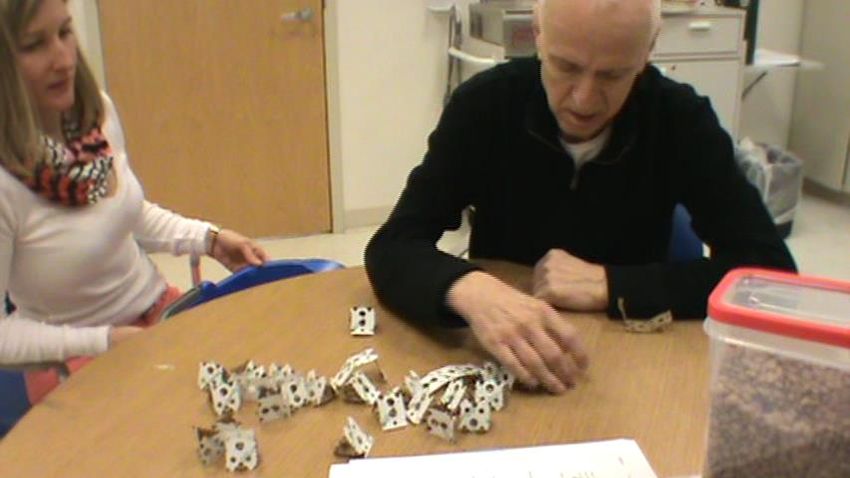
BOTOX® Case Study #1 • 70 year-old male with history of left ischemic MCA 9/2011 with decreased sensation, swallowing, and right HH • Inpatient rehab (6 wks) Day Rehab (7 mos) Intensive Aphasia (4 wks) Outpatient (8 wks) Seizures DayRehab (4 wks) Intensive Aphasia (4wks) DayRehab (5 mos) • Significant motor planning deficits and spasticity • MAS 1+ in fingers, wrist; 2 biceps, pecs
Case Study #1 Analysis
• What do you see?

• What do you like about his function?

• What would you want to improve with his function?

• Based on the movement you see, what other functional
  activities might be affected?

• What muscles do you think you might recommend for
  possible injection just based on what you see?
Motor Recovery with BOTOX®

Pre-Botox Hand: Chedoke   Post-Botox Hand:
            3               Chedoke 4
Motor Recovery with BOTOX®
Pre-Botox Arm: Chedoke Post-Botox Arm: Chedoke
2 3Case Study #1 Follow Up • What differences do you notice in his motor control? • How do these improvements in motor control translate into function? • What other functional goals would you incorporate based on his new level of motor control and strength? • How would you incorporate task training to improve occupational performance post-BOTOX®? • Let’s go back and watch the post-BOTOX® videos
Case Study #2
• 39 y/o, RH male, Entrepreneur

• L MCA in May 2014

• DayRehab 5 full days/week x 4 months

• Apraxia, spasticity, greater muscles weakness, not using hand
  at all in functional tasks

• MAS: Biceps 2, Finger flexors, 1+ to 2 at times, Wrist flexors 1+

• Goals: Purposeful and controlled muscle activation, controlled
  reaching for light switches and doors, controlled gross grasp
  and release
Case Study #2 Pre-Botox
Case Study #2 Post-Botox
Case Study # 2 Follow Up
• Which muscle groups do you think were targeted
  for injection?

• What functional goals should be incorporated
  based on decreased spasticity after BOTOX®?

• Amount of muscle strength and functional use
  varies greatly and should be seriously considered
  with the patient and family prior to injection.
Research
Randomized, Double-Blinded, Placebo-Controlled Trial

• n=37

• Both groups showed decreased pain scores at 4
  wks.

• Significant improvement (P=0.05) in scores for
  hygiene on the DAS

• Similar trend towards significance on the DAS
  dressing scale (P=0.061)
References
1. American Occupational Therapy Association (2014). Occupational therapy practice framework: Domain
and process (3rd ed.). American Journal of Occupational Therapy, 68 (Suppl. 1), S1-S48.

2. Fisher, A.G & Bray Jones, K. (2012). Assessment of Motor and Process Skills Volume 1: Development,
Standardization, and Administration Manual (Seventh Ed.). Fort Collins: Three Star Press Inc.

3. Marciniak, C. , Harvey, R., Gagnon, C., Duraski, S., Denby, F., McCarty, S., Bravi, L., Polo, K., & Fierstein, K.
(2012). Does botulinum toxin type A decrease pain and lessen disability in hemiplegic survivors of stroke with
shoulder pain and spasticity? American Journal of Physical Medicine & Rehabilitation, 91 :1007-1019.

4. Timmermans AAA, Spooren AIF, Kingma H, Selen HAM. Influence of task-oriented training content on
skilled arm-hand performance in stroke: A systematic review. Neurorehabilitation and Neural Repair.
2010;24(9):858-870.

5. Winstein, C.J. and Wolf, S.L. (2009). Task-oriented training to promote upper extremity recovery. In J. Stein,
R.L. Harvey, R.F. Macko, C.J. Winstein, R.D. Zorowitz (Eds.), Stroke recovery and rehabilitation (267-290). New
York: Demos Medical Publishing, LLC.

6. Foley N, Teasell R, Jutai J, Bhogal S, Kruger E. Upper Extremity Intervention:
www.ebrsr.com/uploads/Module-10_upper-extremity.pdf (2014).

7. Mayer NH, Esquenazi A. Muscle overactivity and movement dysfunction in the upper motoneuron
syndrome. Physical Medicine & Rehabilitation Clinics of North America 2003;14:855–883, vii–viii.

8. Wissel J, Schelosky LD, Scott J, Christe W, Faiss JH, Mueller J. Early development of spasticity following
stroke: A prospective, observational trial. Journal of Neurology 2010;257:1067–1072.
You can also read


