Isabel Collier Read Medical Campus Postdoctoral Health Psychology Consortium Postdoctoral Fellowship in Clinical Health Psychology
←
→
Page content transcription
If your browser does not render page correctly, please read the page content below

Isabel Collier Read Medical Campus Postdoctoral
         Health Psychology Consortium

                 Postdoctoral Fellowship in
                 Clinical Health Psychology
                     with a focus in Primary Care

                   PROGRAM INFORMATION

    1441 Heritage Boulevard, Florida State University Immokalee Health Education Site
                               Immokalee, Florida 34142
          Telephone 239.658.3117 • Fax 239.658.3074 • http://www.med.fsu.edu
                                                                                        Updated 09.14.21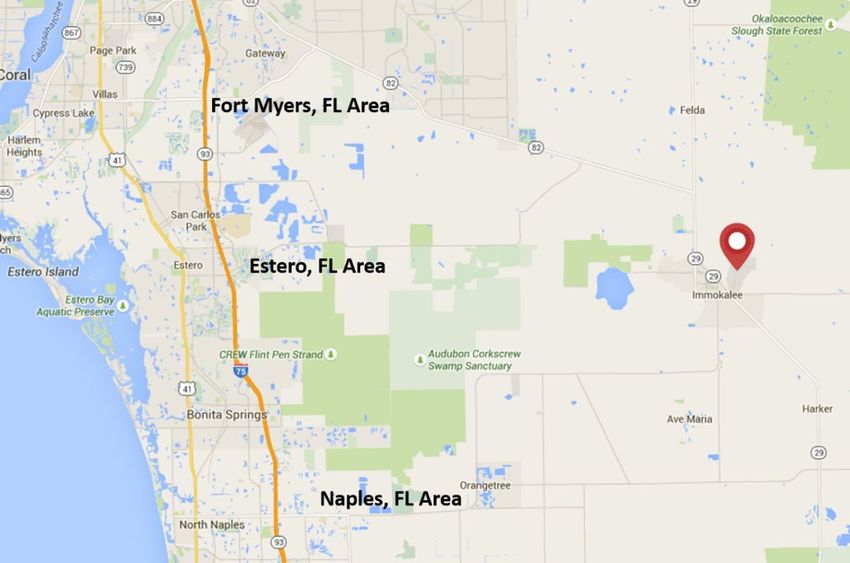
Table of Contents

Table of Contents
General Information ..........................................................................................................................3
   The Florida State University College of Medicine ..................................................................................... 3
       The FSU College of Medicine Model .................................................................................................... 4
   About Our Program .................................................................................................................................. 4
       Training Sites ........................................................................................................................................ 5
Training Program ...............................................................................................................................7
   Objectives & Competencies ..................................................................................................................... 7
   Clinical Rotations ...................................................................................................................................... 8
       Placements for Major Rotations: ......................................................................................................... 9
       Minor Rotation: .................................................................................................................................... 9
   Sample Schedule .................................................................................................................................... 10
       Healthcare Network ........................................................................................................................... 10
       Lee Health ........................................................................................................................................... 10
   Program Activities .................................................................................................................................. 11
       Clinical Training .................................................................................................................................. 11
       Training Experiences........................................................................................................................... 12
   Supervision.............................................................................................................................................. 14
   Evaluations .............................................................................................................................................. 14
       Sample Evaluation Form ..................................................................................................................... 15
       Sample Self-Assessment Form ............................................................................................................ 22
   Licensure ................................................................................................................................................. 24
Faculty.............................................................................................................................................25
   Program Leadership Structure ....................................................................................................................... 25
   Training Faculty ....................................................................................................................................... 25
Fellowship Benefits ..........................................................................................................................27
Application Information ...................................................................................................................29

                                                                                                                                                               2
General Information
The Florida State University College of Medicine

        HISTORY
The Florida State University College of Medicine (FSU COM), the first new medical school of
the 21st Century, was established in June 2000 by the Florida Legislature, with the mission of
serving the unique needs of Floridians. Specifically, the college was founded to train physicians
with special emphasis on providing health care for medically underserved populations in rural
and inner-city areas and to address the needs of the growing geriatric population in the state and
nation.

The Florida Legislature created the FSU College of Medicine with clear legislative mandates
concerning the structure, mission, and service to the State of Florida. In May of 2001, the
inaugural class of 30 students was admitted. Following the initial provisional accreditation in
October of 2002, the FSU COM was granted full accreditation by the Liaison Committee on
Medical Education (LCME) in February 2005. FSU COM became the first new allopathic
medical school established in the United States in over twenty years. In July of 2003, the
inaugural class began clerkship rotations in the regional campuses located in Orlando, Pensacola,
and Tallahassee. The Sarasota Regional Campus was added in July 2005, along with a Rural
Medical Education Program in Marianna, Florida. In July 2006, the Tallahassee Regional
Campus expanded to include training for a limited number of third year students in Thomasville,
Georgia. In July 2007, the COM’s last two regional campuses located in Daytona Beach and Ft.
Pierce accepted their first group of third year students. In addition, the FSU-Isabel Collier Read
Medical Campus opened in Immokalee, Florida, offering clerkships for third- and fourth-year
medical students from all six regional campuses and rural rotations for residents from the
FSUCOM Family Medicine Residency at Lee Health. The campus focuses on serving
populations consistent with the FSUCOM mission.

The first postdoctoral fellow was accepted to the Isabel Collier Read Medical Campus in 2008 in
affiliation with the Healthcare Network. The Fellowship has expanded into a consortium
consisting of primary care clinics at Healthcare Network and the Lee Health System along
with FSUCOM Isabel Collier Read Medical Campus in 2019. The Isabel Collier Read Medical
Campus is home to the FSU Center for Child Stress & Health, established in 2016. The Center is
part of SAMHSA’s National Child Traumatic Stress Network and serves as a resource, training
and research center.

                                                                                                 3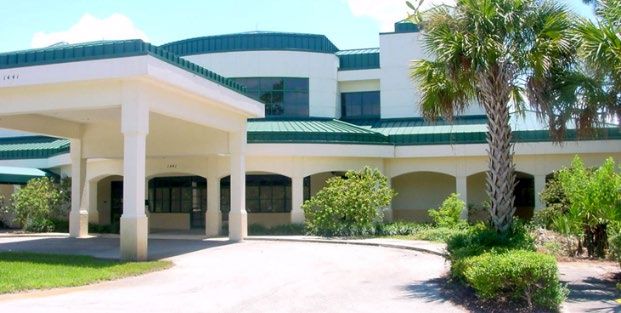
HOW WE’RE UNIQUE

The FSU College of Medicine Model
■ Community-Based. Most traditional medical schools are anchored by an academic medical
   center. Such centers are valuable, but their patients usually have exotic diseases, not those a
   typical clinician encounters in daily practice. For those reasons, the Florida State University
   College of Medicine was structured much differently. It focuses on educating outstanding
   clinicians for practice in community settings. Therefore, community-based clinical education
   spans the curriculum for both medical students and postdoctoral psychology fellows alike.
■ Mission-Driven. Our mission is to educate and develop exemplary clinicians who practice
   patient-centered health care, discover and advance knowledge, and respond to community
   needs, especially through service to elder, rural, minority and other underserved populations.
   That process starts with choosing the right trainees – people who will work well with their
   patients and the entire health-care team. Therefore, we take great care in choosing our
   trainees. While academic achievement is important, so are other factors. In our selection
   process, we are interested in learning to what extent applicants have served the underserved,
   what motivated them to pursue a career in a helping profession and for a commitment to
   working collaboratively with others.
■ Primary-Care Focused. Primary-care is the backbone of our health-care system;
   accordingly, the principal focus of the College of Medicine is on meeting the primary-care
   needs of the state of Florida, with a particular emphasis on the rural, the minority, the elderly
   and other underserved populations.
■ Preeminent Research University. FSU is designated a preeminent research university in the
   State of Florida. Fellows have full access to all institutional and research support from
   central campus.

About Our Program

The Florida State University College of Medicine has
a two-year postdoctoral fellowship in Clinical Health
Psychology with focus on Primary Care.
Fellows function as an integral part of a
multidisciplinary healthcare team in primary
Pediatrics, Family Medicine and Women’s Health
clinics. Primary duties include health psychology
screenings, assessments and interventions,
consultations with physicians, prevention and wellness
interventions as well as mental health triage. Fellows
rotate through all clinics during the two years.
Electives may be available in Geriatrics and
Telepsychology with children and families. Fellows
participate in teaching of medical students and
residents. The Immokalee Health Education Site is
home to the Center for Child Stress & Health. The
Center is a SAMHSA National Child Traumatic Stress
Initiative (NCTSI) Category II, Treatment and Service
                                                                                                   4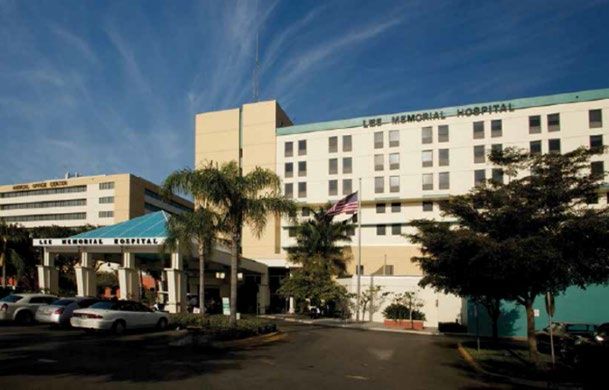
Adaptation Center. It serves as a national resource on effective treatment and service approaches
for trauma experienced by children. Mentoring and support is available for fellows interested in
participating in research.

Training Sites

Fellows train at the Immokalee Health Education Site which encompasses two clinical sites: the
Healthcare Network in Immokalee and the Lee Health System in Fort Myers. Individual office
space is available for fellows. Both sites have designated areas for classroom/group teaching and
state of the art technology, which includes video conferencing capabilities to connect with other
FSUCOM campuses and Faculty. This allows Fellows to receive training and support from
FSUCOM faculty and staff across each of the college’s regional campuses. FSU is designated a
preeminent university in the state of Florida.
Central campus provides full institutional support
for research endeavors. Fellows have full access to
the FSUCOM Maguire Medical Library. All of the
medical library’s resources are electronic and
available 24 hours a day, 7 days a week. Fellows
have access to over 2,400 medical and biomedical
journals. Evidence-based medicine and mobile
resources are especially applicable to the online
environment providing access to medical library
resources around the clock from any internet-
enabled device. The Immokalee Health Education Site also houses The FSU Center for Child
Stress & Health, which serves as an integrated primary care resource center for patients,
families, and healthcare providers of children exposed to toxic stress, especially children living
in rural, minority, and underserved communities. The Center is a SAMHSA National Child
Traumatic Stress Initiative (NCTSI) Category II, Treatment and Service Adaptation Center and
serves as a national resource on effective treatment and service approaches for child trauma
experienced by children.
The Healthcare Network (HCN) is a Federally Qualified Health Center. The health center
includes Pediatrics, Family Medicine, Internal Medicine (including a specialty/HIV clinic),
Obstetrics/Gynecology, and Behavioral Health Services. The HCN was founded as a nonprofit
organization in 1977 by a group of community leaders in Immokalee, Florida to address the
health issues of migrant and seasonal farm workers, rural poor and other citizens in the area.
Their first facilities were two small trailers in Immokalee. From the start, the nonprofit was
committed to providing basic medical and dental healthcare services at an affordable cost while
ensuring dignity and respect to each individual served. The HCN participates in the
Accreditation Association for Ambulatory Health Care (AAAHC) accreditation program. Today
the Healthcare Network serves a culturally and
linguistically diverse population in 14 healthcare
sites in Immokalee and Naples.
Lee Health was founded in 1916 and is the 5th
largest health care system in the U.S. with 1,400
inpatient beds in five hospitals and an average daily
census of 900 patients. The system includes the vast
                                                                                                5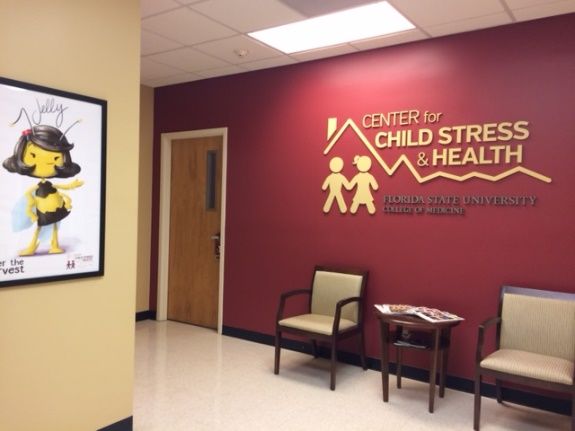
majority of all inpatient and outpatient facilities in
Lee County. Lee Health is an award-winning health
care system with more than a million patient contacts
each year. The staff is routinely recognized for the
compassionate and dedicated care they provide to
their patients. More than 9,500 employees and 4,500
volunteers are part of Lee Health. The medical staff,
totals nearly 1,130 Lee County physicians. The
postdoctoral fellows work in outpatient Lee clinics
including the FSU Family Medicine Residency
Program. Lee Health is committed to meeting the continuum of healthcare needs of the diverse
community.

   LOCATION & CULTURE

Immokalee is a small rural community in southwest Florida adjacent to and within commuting
distance of Fort Myers and a designated Health Professions Shortage Area. The patient
population is made up primarily of Latino migrant farm workers but also includes Haitian,
African American, and a rural Caucasian population.

The Fort Myers area is well known for its beautiful beaches (Sanibel Island, Captiva, Fort Myers
Beach, and many other vacation destinations), historical areas (winter homes of Thomas Edison

                                                                                               6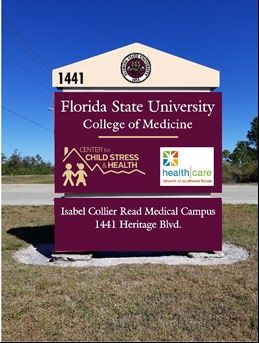
and Henry Ford), sporting activities (home of spring training for Boston Red Sox and Minnesota
Twins), and affordable housing and waterfront properties. The area has numerous biking trails,
easily accessible waterways, boating, sports facilities, cultural events, and colleges/universities.

Training Program
Objectives & Competencies
The Postdoctoral Fellowship in Clinical Health Psychology is focused on the training and
development of psychologists to work in primary care settings. The two-year training program
follows a biopsychosocial model focusing on the interaction of biological, psychosocial and
medico-legal variables. Fellows develop skills to function as an integrated member of a primary
care team and gain experience in assessment and intervention approaches within the primary care
structure.
The training closely follows and is based on the standards set by the American Psychological
Association for accreditation for Health Service Psychology. The program is a member of the
Association of Psychology Postdoctoral & Internship Centers (APPIC).

Goal - Train psychologists to work in primary care settings.

Objectives:
  • Develop skills to work effectively within an interprofessional team.
   •   Recognize the role of development across the life course in patient care.
   •   Develop skills to implement evidence based practices with time efficiency.
   •   Recognize and work with a population health model of care.
   •   Demonstrate respect, compassion and integrity with patients.
   •   Sharpen cognitive-behavioral expertise.
   •   Acquire knowledge of common medical conditions, procedures, and medications when
       developing psychological interventions.
   •    Develop knowledge and skills necessary to practice with underserved, rural populations.
   •   Utilize advanced skills in behavior change, including enhancing motivation to change.
                                                                                                   7
•   Use information technology to support patient care decisions and patient education.

Expected Competencies at Conclusion of Fellowship:
Competencies expected of the Postdoctoral Fellows will target the components established by the
APA Interdivisional Committee for a Primary Care Curriculum. The competencies are grouped
into six clusters: Science, Systems, Professionalism, Relational, Application, and Education.

The table below presents the six clusters and the competencies associated with each:

 Cluster              Competencies
 1. Science           Science Related to the Biopsychosocial Approach
 2. Systems           Leadership/Administration
                      Interdisciplinary Systems
                      Advocacy
 3. Professionalism   Professional Values and Attitudes
                      Individual, Cultural and Disciplinary Diversity
                      Ethics in Primary Care
                      Reflective Practice/Self-assessment/Self-care
 4. Relationships     Interprofessionalism
                      Building and Sustaining Relationships in Primary Care
 5. Application       Practice Management
                      Assessment
                      Intervention
                      Clinical Consultation
 6. Education         Teaching
                      Supervision

Clinical Rotations

The clinical rotations provided by the Fellowship give Postdoctoral Fellows a unique opportunity
to train in Clinical Health Psychology within an Integrated Primary Care setting. Integrated
Primary Care is a model that combines medical and behavioral health services for the spectrum
of problems that patients bring to primary medical care. Because most patients in primary care
have a physical ailment affected by stress, problems maintaining healthy lifestyles, or a
psychological disorder, it is clinically effective and cost-effective to make behavioral health
providers part of primary care. Patients can feel that for any problem they bring, they have come
to the right place. Teamwork of mental health and medical providers is an embodiment of the
biopsychosocial model (See www.integratedprimarycare.com).

Postdoctoral Fellows rotate in two 12-month major rotations. Fellows will see patients in
ambulatory primary care clinics which include services in Adult & Family Medicine, Women’s
Health, and Pediatrics.
                                                                                               8
Placements for Major Rotations:

Lee Health (Ft. Myers)
   • Family Medicine Residency Program at Lee Health
   • Lee Community Clinic at Lehigh Acres

Healthcare Network (Immokalee)
   • Family Medicine/Internal Medicine
   • Pediatrics
   • Women’s Health

While the established rotations are standard, the length of time spent at a particular training site
may vary slightly from year to year based on the interests of the postdoctoral fellow and the
clinical needs of the clinic.

Minor Rotation:

Center for Child Stress & Health
Fellows have the opportunity during second year to choose a clinical or research minor rotation
with the Center for Child Stress & Health to increase their knowledge and skills in the area of
trauma in children and families. Fellows have the option to provide telepsychology services,
participate in Center outreach activities and research.

                                                                                                       9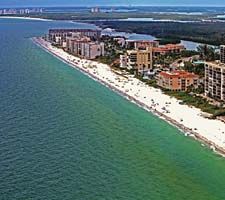
Sample Schedule

Healthcare Network
              Monday             Tuesday          Wednesday            Thursday            Friday
      8a
      9a
     10a     Patient Care       Patient Care      Patient Care        Patient Care      Patient Care
     11a
     12p
      1p        Lunch              Lunch               Lunch             Lunch             Lunch
      2p                                       Trainings: Didactics
                               Professional
      3p     Patient Care                          Supervision       Patient Care       Patient Care
                               Development
      4p                                        Case Consultation
      5p                  Group Therapy for Obesity or Trauma Informed Telepsychology
      6p                      may be scheduled one day per week during this block.

Lee Health
              Monday             Tuesday          Wednesday            Thursday            Friday
      8a
      9a
             Patient Care       Patient Care      Patient Care        Patient Care      Patient Care
     10a
     11a
     12p        Lunch              Lunch              Lunch              Lunch             Lunch
      1p
                                               Trainings: Didactics
      2p                       Professional
             Patient Care                          Supervision        Patient Care      Patient Care
      3p                       Development
                                                Case Consultation
      4p

                                                                                                       10
Program Activities
Clinical Training
The fellow will function as an integral part of a multidisciplinary healthcare team. Primary duties
will include providing screenings and diagnostic evaluations, behavioral consultations, and brief
interventions with children, adults and families. Services provided by Fellows match the pace
and nature of primary care settings. Below is an overview of how services could be rendered by
Fellows.
Behavioral Estimated 1.
Health Service % of Patient Key Service Characteristics
Type Contacts
General 60—70 % • Brief, general in focus; oriented around a specific referral issue
Behavioral Health from health care provider.
Consultation Visit • Visit length (15-30 min) matches pace of primary care.
/ Psychotherapy • Designed to provide brief interventions and support medical and
behavioral interventions by the primary care team member.
• May involve conjoint visit with primary care provider
• May involve primary focus on mental health condition or
working with behavioral sequelae of medical conditions.
Behavioral Health 10—20 % • Employs psycho-educational approach in classroom or group
Psycho- modality.
educational Visit • Program structure is often manualized, with condensed
treatment strategies; emphasis on patient education and self-
management strategies.
Telephone 10—20 % • Brief phone calls to follow-up with patient after a “General
Follow-up Behavioral Health Consultation Visit.
Behavioral Health 10% • Reserved for high-utilizers or for patient with problems of high
Case Conference risk/complexity.
• Emphasis is on developing and communicating a health care
utilization plan to contain excessive medical utilization, and on
giving primary care providers effective behavioral management
strategies and community resource case management.
• Goal is to maximize daily functioning of patient, not necessarily
symptom elimination.
11Training Experiences
• Behavioral Health Didactics This is a weekly mandatory attendance seminar for all
Fellows that covers various topics to build core knowledge and skills in practicing
primary care psychology. Seminar topics emphasize the reciprocal and dynamic
influence of biological, psychological and social factors on the etiology, treatment
and experience of illness and disease. Issues of diversityand culture are discussed
as they pertain to providing culturally appropriate care. Journal Club sessions
review the latest literature on up to date topics. Seminars are taught by faculty
including psychologists, physicians and pharmacists as well as health
administrators, and by community clinicians with experience in integrated
healthcare delivery. Fellows are responsible for one case presentation and
participate in a group presentation yearly.
• Teaching and Supervision: Postdoctoral Fellows receive training on the teaching of
integrated care, supervision of Clinical Health Psychology in Primary Care settings
and general medical education. Fellows have opportunities to teach medical
students and Family Medicine residentsboth through patient encounters and
didactic sessions. Fellows participate /teach in the Doctoring 3 course and in the
Residency Didactics to enhance their teaching skills within an academic health
setting. Fellows are assigned specific topics for presentation to medical students or
residents.Presentations are developed with faculty supervision Fellows also receive
instruction on the provision of supervision for psychologists to work in Primary
Care settings.
• Fellows participate twice per month in a group experience where interesting
cases are discussed highlighting issues commonly seen in primary care and/or
consistent with cross cultural issues. Fellows practice presentation skills as well
as supervision / consultation skills. The group is led by the same faculty
member throughout the year to facilitate evaluation of progress.
• Cross-cultural Medicine/Service Learning: Fellows are expected to participate in
service learning experience where fellows are immersed in the community in
which they serve for outreach activities. Participants in these activities include:
faculty and trainees from the FSUCOM as well as from other FSU Colleges, such
as the College of Nursing as well as residents and Global Health Fellows from
the FSU- Lee Family Medicine residency. The learning experiences include
presentations, small group discussions, visits to community farms and other
agencies and community clinical work. Assigned readings and/or videos on
cross cultural care are utilized to engage groups in discussions about culture
and general healthcare issues pertinent to the community. This experience is
designed to prepare fellows to work in rural and underserved areas and to have
knowledge of public health and community engagement.
12• Research: Postdoctoral Fellows with research interest may utilize allotted
time to carry out short-term research project and/or participate with
ongoing/established research with a faculty mentor at the Isabel Collier
Read Medical Campus. This is an optional activity and typically takes place
during the 2nd year.
• Committees – Fellows will participate in medical staff and meetings and
may be assigned to clinic/health system committees to enhance
competencies in administration and systems.
13Supervision
Each Postdoctoral Psychology Fellow receives a minimum of two hours weekly of formal
supervision by a Licensed Psychologist/FSUCOM Faculty Member. One hour is for individual
review of cases and one hour is live in-clinic one-to-one consultation. Additionally, all fellows
participate in twice per month case consultation seminar where they are supervised on
presentation skills for medical settings and case consultations. Supervisors are assigned to each
rotation based on their expertise withinthat specialty domain and patient population. All
supervisors follow an “open door” policy and are readily available for additional
supervision/consultation sessions, as needed. In fact, the structure and content of supervision in
Primary Care often mirrors the pace and structure of the Primary Care setting. Such supervision
is flexible and often-time occurs in real-time. For example, supervisory consultations may
include questions regarding diagnostic clarification, treatment planning, care coordination,
appropriate triage, and practice management. All medical documentation in the medical record is
co-signed by a supervisor who provides ongoing feedback / supervision regarding case
conceptualization, diagnosis, treatment plan and documentation. Furthermore, the content of
supervision in primary care isnot exclusively about the treatment of patients. Working in primary
care adds layers of complexity to interprofessional practice, ethics, and practice management –
all of which are addressed during the supervision process. Fellows sign a supervision agreement
with the Director of Clinical Training at the start of the Fellowship. The agreement is co-signed
by all supervisors. Additionally, starting in December of Year 2, fellows meet monthly with the
Program Director for individual professional development / mentoring in preparation for the
transition to independent practice / employment.
Evaluations
Postdoctoral Fellows are formally evaluated mid-year and at the end of each academic
/Fellowship year. For each of these evaluations, the Fellow meets with their direct supervisor
and with the Director of Clinical Training to review performance and progress and set goals for
the next segment of training. The Postdoctoral Fellow is provided with written and oral feedback
regarding their performance and progress towards meeting the program objectives, professional
development, and expected competencies. At each evaluation point, the Fellow is given an
opportunity for self-assessment and also provides feedback to their supervisor and the Director
of Clinical Training about their training experience. At any time that the Fellow may not be
meeting expectations, additional reviews of performance with supervisors and/or Director of
Clinical Training may be necessary.
The Florida State University College of Medicine is committed to maintaining a supportive
educational environment where fellows are given the opportunity to learn and grow. Faculty are
effortful at proactively addressing any performance concerns that arise and providing trainees
with the needed support to remediate issues of fellow competence. The Fellowship Handbook
includes a Due Process policy that outlines due process for postdoctoral fellows and establishes
the procedure for addressing postdoctoral fellows’ deficiencies.
14Sample Evaluation Form
Clinical Health Psychology Postdoctoral Fellow Evaluation
Fellow:______________________________ Date of Review: _______________
Supervisor: ______________________________ Rotation: ___________________
Feedback for period _____/_____ through _____/_____
Rating Guide:
5 Outstanding – Fellow consistently demonstrates superior performance far
exceeding the standards for this position
4 Exceeds Expectations – Fellow significantly exceeds the standards for this
position and at times goes above and beyond expectations
3 Meets Expectations – Fellow meets the standards for this position and
demonstrates dependable work outcomes
2 Needs Improvement – Fellow performance is below the standards for this
position, and some effort is needed to improve and meet position objectives
1 Unsatisfactory – Fellow does not meet the minimum acceptable level for the
position
NA Not Applicable – Fellow does not participate in this activity as part of his/her
position
Professional Skills and Competencies:
Below are the dimensions on which Fellows are rated, based upon the program training
mission and objectives.
A. Biological components of Health & Illness
B. Cognitive & Affective Components of Health & Illness
C. Behavioral and Developmental Aspects of Health & Illness
D. Sociocultural Components of Health & Illness
E. Health Policy & Healthcare Systems
F. Clinical Assessment & Interventions
G. Interprofessional Collaboration/Relationship Management
H. Ethical, Legal & Professional Issues in Primary Care
15Biological components of Health & Illness
Needs
Exceeds Meets Unsatis- Not
Item Outstanding Improve-
Expectations Expectations factory Applicable
ment
Uses scientific literature in the
1. 5 4 3 2 1 NA
daily PC practice
Recognizes and names
appropriate dosages of
medications for commonly
2. 5 4 3 2 1 NA
occurring medical or
psychological/behavioral
conditions
Cognitive & Affective Components of Health & Illness
Needs
Exceeds Meets Unsatis- Not
Item Outstanding Improve-
Expectations Expectations factory Applicable
ment
Articulates an understanding
of health belief models and
1. 5 4 3 2 1 NA
attitudes regarding help
seeking
Demonstrates knowledge of
cognitive factors (i.e.,
memory, attention) that
2. 5 4 3 2 1 NA
influence reactions to medical
diagnoses and processing of
health information
Demonstrates knowledge of
the impact of biological
3. 5 4 3 2 1 NA
factors on cognitive
functioning
Demonstrates knowledge of
affective factors that influence
4. reactions to diagnoses, injury, 5 4 3 2 1 NA
disability and processing of
health information
Behavioral and Developmental Aspects of Health & Illness
Needs
Exceeds Meets Unsatis- Not
Item Outstanding Improve-
Expectations Expectations factory Applicable
ment
Demonstrates knowledge of
behavioral risk factors,
1. 5 4 3 2 1 NA
including the effect of coping
on health
16Recognizes the effect of
acute and chronic illness on
2. physical and mental health of 5 4 3 2 1 NA
caregivers, siblings, and other
family members
Utilizes knowledge about the
effect of the family and other
3. members of the support 5 4 3 2 1 NA
system on medical regimen
adherence
Sociocultural Components of Health & Illness
Needs
Exceeds Meets Unsatis- Not
Item Outstanding Improve-
Expectations Expectations factory Applicable
ment
Demonstrates openness to
1. exploring diversity issues with 5 4 3 2 1 NA
clients
Seeks consultation related to
2. diversity issues and explores 5 4 3 2 1 NA
diversity issues in supervision
Understands the impact of
own personal culture on
3. 5 4 3 2 1 NA
values, relationships and
worldview
Demonstrates an
understanding of the
psychological impact of
4. 5 4 3 2 1 NA
privilege, prejudice,
oppression, culture, &
sociopolitical structures
Health Policy & Healthcare Systems
Needs
Exceeds Meets Unsatis- Not
Item Outstanding Improve-
Expectations Expectations factory Applicable
ment
Demonstrates knowledge of
1. population-based approaches 5 4 3 2 1 NA
to health promotion
Applies evidence-based
approaches to patient care,
including use of stepped care
2. 5 4 3 2 1 NA
approaches to match
treatment effort with patient
complexity
17Utilizes appropriate screening
3. procedures to inform further 5 4 3 2 1 NA
assessment
Employs proactive follow-up
4. to support patient self- 5 4 3 2 1 NA
management
Clinical Assessment & Interventions
Gathers adequate and
1. meaningful information from 5 4 3 2 1 NA
initial interviews & sessions
Appropriately administers,
scores & interprets PC
2. 5 4 3 2 1 NA
psychological instruments &
screening measures
Works collaboratively with PC
team to perform on-going
3. assessment of fluctuations in 5 4 3 2 1 NA
presenting problem & of
emerging problems
Integrates test/screening data
appropriately into intervention
4. 5 4 3 2 1 NA
strategies and other
recommendations
Demonstrates an
understanding of common PC
5. problems and is able to 5 4 3 2 1 NA
present coherent and
meaningful case formulations
Uses appropriate intervention
techniques grounded in
6. 5 4 3 2 1 NA
theory and a clear conceptual
framework
Understands & reacts
7. therapeutically to relational 5 4 3 2 1 NA
aspects between self & client
Evaluates therapeutic
progress and alters the
8. 5 4 3 2 1 NA
approach or strategy as
needed
18Interprofessional Collaboration/Relationship Management
Needs
Exceeds Meets Unsatis- Not
Item Outstanding Improve-
Expectations Expectations factory Applicable
ment
Demonstrates empathy &
1. respect for clients and 5 4 3 2 1 NA
colleagues
Is able to form effective
2. therapeutic relationships with 5 4 3 2 1 NA
clients
Is open to feedback from
3. others and integrates that 5 4 3 2 1 NA
feedback usefully
Demonstrates self-reflection
4. as it relates to relationship 5 4 3 2 1 NA
management
Demonstrates an
understanding of the potential
impact of differences in
5. 5 4 3 2 1 NA
cultural values, backgrounds,
and experiences on
developing relationships
Ethical, Legal & Professional Issues in Primary Care
Needs
Exceeds Meets Unsatis- Not
Item Outstanding Improve-
Expectations Expectations factory Applicable
ment
Conducts self in a
1. professional and ethical 5 4 3 2 1 NA
manner
Seeks consultation and/or
2. 5 4 3 2 1 NA
supervision appropriately
Demonstrates understanding
3. of the major ethical dilemmas 5 4 3 2 1 NA
in PC
Demonstrates understanding
of the distinctive issues
4. related to informed consent & 5 4 3 2 1 NA
confidentiality related to team-
based care
19Didactic/Outreach Participation
Needs
Exceeds Meets Unsatis- Not
Item Outstanding Improve-
Expectations Expectations factory Applicable
ment
Conducts self in a
professional manner [arrives
on time; asks
1. 5 4 3 2 1 NA
relevant/appropriate
questions; treats others with
respect; stays on topic]
Demonstrates preparedness
for activity [i.e. has needed
2. 5 4 3 2 1 NA
materials/has read required
readings, etc]
Actively participates in the
3. 5 4 3 2 1 NA
discussion/activity
Didactic Teaching
Needs
Exceeds Meets Unsatis- Not
Item Outstanding Improve-
Expectations Expectations factory Applicable
ment
Demonstrates ability to
1. conceptualize cases in a 5 4 3 2 1 NA
concise manner
Addresses cultural aspects of
2. clinical cases/uses culturally 5 4 3 2 1 NA
appropriate techniques
Lists appropriate
3. 5 4 3 2 1 NA
references/resources
Utilizes different teaching
mediums to convey
4. 5 4 3 2 1 NA
information [i.e. group activity,
video/audio clips, etc.]
20Additional Comments:
Summary Rating:
Has Met Fellowship Year ____
Item
Expectations
Overall Fellow performance YES NO
_________________________________ ___________________
Fellow Signature Date
_________________________________ ___________________
Supervisor Signature Date
_________________________________ ___________________
Training Director Signature Date
21Sample Self-Assessment Form
Postdoctoral Fellow
Competency Self-Rating Form
Ratings: 1 I am Competent
2 I need Improvement or Assistance
3 I have had no Clinical Experience
Competency Technical Skill Self-Assessment
Start Year1 Final
Implementing Interventions through other
Providers
Motivational Interviewing
Case Management
Clinical Skills in Implementing Prevention Interventions
Primary Care Psychological Treatment in Collaborative Care
Diagnostics/Assessment
Brief Interviewing Methods
Therapeutic Alliance
Medical Assessment Methods [knowledge of]
Program Evaluation
Temporal Brief Treatment
Orientation
Extended Treatment
Modality Group
Individual
Family (in Primary Care)
Infant
Preschool
Patient Population: Elementary School
Developmental Middle School
Considerations High School/Adolescents
Transitional Youth
Adults
Seniors
Gender
Sexual Orientation
Sociocultural Disability
Components of Health Low SES
&
Illness Culture (Hispanic/Latino)
(Patient Diversity Culture (Haitian)
Considerations) Culture (Rural)
Language (Spanish)
22Language (Creole)
Religion (Santeria)
Competency Technical Skill Self-Assessment
Start Year1 Final
Child Behavior Checklist
Achenbach Teacher/Caregiver Report Form
Developmental Profile III
Psychodiagnostics Conner’s Parent/Teacher Rating Scale
Conner’s Continuous Performance Test
PHQ-9
CSBS DP Infant-Toddler Checklist
ADOS
Interprofessional Teamwork
Collaboration in
Co-Therapy
Primary
Care Negotiating Treatment Plans
Consultation
Human Anatomy
Understanding Pathophysiology
Biological
Components of Health Physiology
& Illness
Pharmacology
Knowledge of Health Belief Models
Cognitive
Components of Health Biologic Factors [Impact on Cognitive
& Illness Functioning]
Cognitive Factors [Influence on Reactions to
Initial Diagnoses]
23Licensure
The FSU College of Medicine Postdoctoral Fellowship in Clinical Health Psychology aims to
provide Fellows with the required supervised experience to meet licensure requirements in the
state of Florida. The Florida Board of Psychology requires a total of 4000 hours of supervised
experience. The Board accepts the doctoral level psychology internship in satisfaction of the
first 2000 hours of the required experience. Applicants must complete the remaining 2000 hours
as post-doctoral supervised experience, which is provided by Year 2 of the Fellowship (this
training program exceeds the state licensure requirements for supervised experience).
24Faculty
Program Leadership Structure
The Fellowship Program is one of several training and research programs of FSU at the Isabel
Collier Read Medical Campus. Elena Reyes, PhD is a licensed psychologist with over 35 years
experience training both psychology trainees and medical students and residents in academic
health centers. She is the Regional Director for FSUCOM in Southwest Florida and is responsible
for the administration of all the training programs including oversite of faculty and affiliation
agreements. She serves as the Program Director. Giuliana McQuirt, Psy.D serves as Director of
Clinical Training. Dr. McQuirt is a licensed psychologist with expertise in integrated primary
care and cross cultural care. She is responsible for admissions, training activities, evaluations,
maintaining Fellows’ records and overall integrity of the standards of the program consistent with
APPIC membership. Dr. McQuirt is also responsible for the day-to-day training activities at
Healthcare Network. Natalie Rivera-Morales,Ph.D. a licensed psychologist with experience in
cross cultural integrated primary care, serves as training coordinator at the Lee Health clinics.
Under the supervision of the Program Director, licensed psychologist faculty supervisors are
located at all teaching clinics. Additionally, interprofessional faculty from the College of
Medicine participate in the Didactics series complimenting t.he medical content and medical
humanities perspectives and are available for consultation.
Training Faculty
Elena Reyes, PhD
Professor
Program Director
Regional Director Southwest Florida
Director, Center for Child Stress & Health
elena.reyes@med.fsu.edu
Dr. Reyes facilitates the Case Consultation Seminar and offers individual professional
development mentoring to all Fellows. Her area of expertise is in pediatrics, trauma and
culturally appropriate care for children from immigrant and rural families and behavioral science
education in medical training.
Giuliana McQuirt, PsyD
Clinical Assistant Professor
Director of Clinical Training
giuliana.mcquirt@med.fsu.edu
Dr. McQuirt provides individual supervision to Fellows rotating through the Family Medicine/
Internal Medicine/ Women’s Health, and Pediatrics Departments where she provides direct
clinical service. Her focus in on chronic care management in primary care. She is the course
director for the weekly Didactics series. Her areas of expertise include behavioral medicine,
HIV, immigrant health, rural health, and adult/child psychology.
25Natalie Rivera-Morales, PhD
Clinical Assistant Professor
Lee Health Training Coordinator
natalie.rivera@med.fsu.edu
Dr. Rivera-Morales provides direct clinical service at Lee Community Healthcare. Her main
focus is Integrated Care in Primary Care settings with culturally diverse and underserved
populations and in geriatrics.
Javier Rosado, PhD
Clinical Associate Professor
Clinical Research Director Center for Child Stress & Health
javier.rosado@med.fsu.edu
Dr. Rosado provides service in the Healthcare Network Children’s primary care clinic where he
serves as clinical supervisor to Fellows. He oversees the clinical services (including telehealth)
and research programs at the Center for Child Stress & Health. His areas of expertise include
Latino childhood obesity and Toxic Stress/Adverse Childhood Experiences among Latino and
immigrant children as well as among agricultural families. He particularly focuses on the
dissemination and implementation of best practices with adaptations for underserved populations
and within integrated behavioral health systems.
Jean Mesidor, PhD
Clinical Assistant Professor
jean.mesidor@med.fsu.edu
Dr. Mesidor provides clinical service and supervision in the Family Medicine and Internal
Medicine clinics of Healthcare Network. His work focuses on chronic care management of
disease in the Haitian population including diabetes and HIV. His research interests are in
trauma, posttraumatic growth, and mental health services within multicultural populations, such
as refugees, African Americans, international college students, and Haitians.
Roseanne Illes, PhD
Clinical Associate Professor
roseanne.illes@leehealth.org
Dr. Illes provides individual supervision for fellows at the FSU Family Medicine Residency at
Lee Health. Her areas of expertise are multicultural psychology, health psychology, integrated
primary care, and medical education.
Jaqueline Hidalgo, PsyD
Clinical Assistant Professor
Jacqueline.hidalgo@leehealth.org
Dr. Hidalgo provides individual supervision for fellows at the FSU Family Medicine Residency
at Lee Health. Her areas of interest are: integrated primary care, bridging gaps in behavioral
medicine for underserved populations, multicultural issues and health disparities.
26Natalia Falcon, PhD
Staff Psychologist
Courtesy Professor
natalia.falcon@med.fsu.edu
Dr. Falcon is a staff psychologist at the Center for Child Stress & Health. She provides
consultative services, direct treatment and trainings for child trauma related issues. She
supervises Fellows in providing telepsychology service at the Center and pediatric services at the
Healthcare Network Children’s primary care clinic. Her area of expertise is in culturally
appropriate care with underserved communities and trauma early childhood.
Paul Simeone, PhD
Licensed Psychologist
Courtesy Professor
paul.simone@med.fsu.edu
Dr. Simeone serves as the Vice President, Medical Director, Behavioral & Mental Health of the
Lee Health System. He provides group supervision for Fellows placed in the Lee clinics. His
clinical & academic interests include: integrative models of evidenced-based/informed
psychotherapy, cultural aspects of psychopathology and normal functioning, and program
development at the interface of community and behavioral health service needs.
Frances Sanchez-Duverge, PsyD
Licensed Psychologist
Courtesy Professor
frances.sanchez-duverge@med.fsu.edu
Dr. Duverge provides individual, clinical supervision for fellows located at Lee pediatric primary
care clinics. Her areas of expertise are developmental neuropsychology, pediatric health
psychology, and trauma-focused child and adolescent therapy.
Fellowship Benefits
Stipend
Postdoctoral Fellows are provided with a stipend of $47,658 per year.
Health Insurance
The FSUCOM offers Postdoctoral Psychology fellows the same health-insurance benefit plan it
offers all full-time employees/faculty members. Supplemental insurance plans, such as dental
and vision, are also available options at the Fellows discretion. Please refer to the Florida State
University Human Resources Department for update information about available health
insurance options. Health-insurance benefits become effective after Fellows on the 1st day of the
month following employment date.
27PTO (Sick/Vacation)
• Fellows accrue paid time off which can be used for periodic vacations, personal
reasons, illness, or other pre-approved reasons.
Typical reasons for time taken due to illness are:
• Personal injury or illness
• Personal appointments with a health care provider
• Exposure to a contagious disease that would endanger others
• The injury or illness of a member of the postdoctoral fellow’s immediate family,
at the discretion of the supervisor. Immediate family is defined as the spouse,
parents, grandparents, brothers, sisters, children and grandchildren of both the
postdoctoral fellow and the spouse and dependents living in the household.
• The death of a member of the postdoctoral fellow’s immediate family, at the
discretion of the supervisor. Immediate family is defined as the spouse, parents,
grandparents, brothers, sisters, children and grandchildren of both the postdoctoral
fellow and the spouse and dependents living in the household
• PTO maximum balance is 104 hours. Once a postdoctoral Fellow’s leave balance
reaches 104 hours, no further leave can accrue until leave is taken
• PTO balances are forfeited at the time of separation
• PTO will be recorded using the OMNI timesheet and approved by the supervisor
Professional Development Leave Allowance
Professional development leave is made available to enhance the postdoctoral fellows training,
research, or writing. Postdoctoral fellows are allotted a total of 5 days of professional
development leave per academic year. A stipend of $1500 per year is available for professional
development such as professional conference attendance.
Professional Liability
Postdoctoral Fellows are covered by the FSUCOM insurance program, which provides
comprehensive general liability protection, including professional liability protection.
28Application Information
Eligibility: Completion of an APA accredited doctoral program in Clinical or Counseling
Psychology (PhD/PsyD) as well as an APA accredited internship. Applicants interested in the
Healthcare Network site should be fluent in Spanish OR Haitian Creole. Candidates for either
site should be committed to serving an underserved population consistent with the mission of the
Florida State University College of Medicine to train clinicians for underserved populations.
Completion of background screen, drug screen, and submission of medical background
documentation required by clinical sites.
START DATE: September 6, 2022
Applications are accepted through the APPIC Psychology Application system*:
https://appicpostdoc.liaisoncas.com/
Application requirements include:
1- Cover Letter
The mission of The Florida State University College of Medicine is to train exemplary clinicians
who practice patient-centered health care, discover and advance knowledge, and respond to
community needs, especially through service to elder, minority and other underserved
populations. That process starts with choosing the right trainees – people who work well with
their patients and the entire health-care team. Please address the reason for interest in this
program and how your skills and knowledge would fit with the program. Letter should indicate if
the applicant has a preference for the Lee Health or Healthcare Network site. Otherwise
applications will be considered for both sites.
2- Confirmation of Degree Completion
Include a brief statement from a Director of Clinical Training, Major Professor, or Dissertation
Chair confirming that the applicant is expected to complete all degree requirements, including
dissertation defense, prior to the fellowship start date.
3- Curriculum Vitae/CV
4- Three Letters of Recommendation
Please submit three letters of recommendation. Typically provided by clinical supervisors and
graduate school professors, letters of recommendation should highlight the strengths and
interests of each applicant. Specifically, observations of the applicant’s clinical competencies
and experiences working within multidisciplinary teams should be included. Letters can be
emailed or sent by mail to the address below.
5- Official Copy of Transcript sent to address below:
Address:
Giuliana McQuirt, PsyD
Director of Clinical Training
Florida State University
29College of Medicine
Immokalee Health Education Site
1441 Heritage Blvd
Immokalee, FL 34142
Email:
Giuliana.mcquirt@med.fsu.edu
*Applications and inquiries may also be requested directly from the Program Manager:
Ashley Butler, Program Manager
ashley.butler@med.fsu.edu
(239) 658-3729
30You can also read


