Lawyer - Indiana University
←
→
Page content transcription
If your browser does not render page correctly, please read the page content below
Lawyer
The McKinney
                                                               Indiana University
                                                               Robert H. McKinney
                                                               School of Law
                                                               Summer 2021 Issue

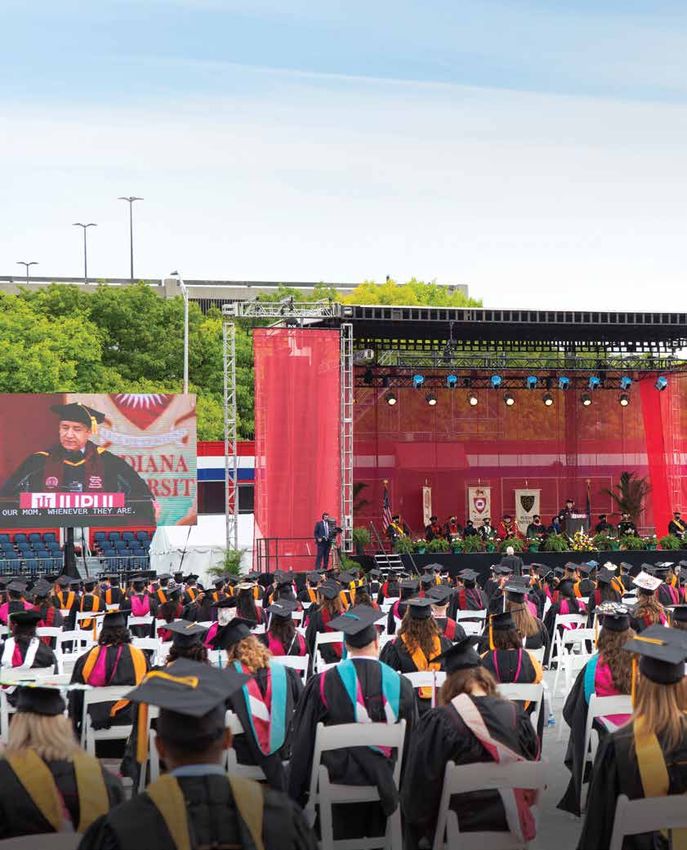
       Classes of 2020 and 2021 Participate in Commencement Ceremonies
     McKinney Law Alumnus J.B. Stradford was Prominent on Black Wall Street
     IU McKinney Law and Purdue Partner to Offer Innovative Degree Program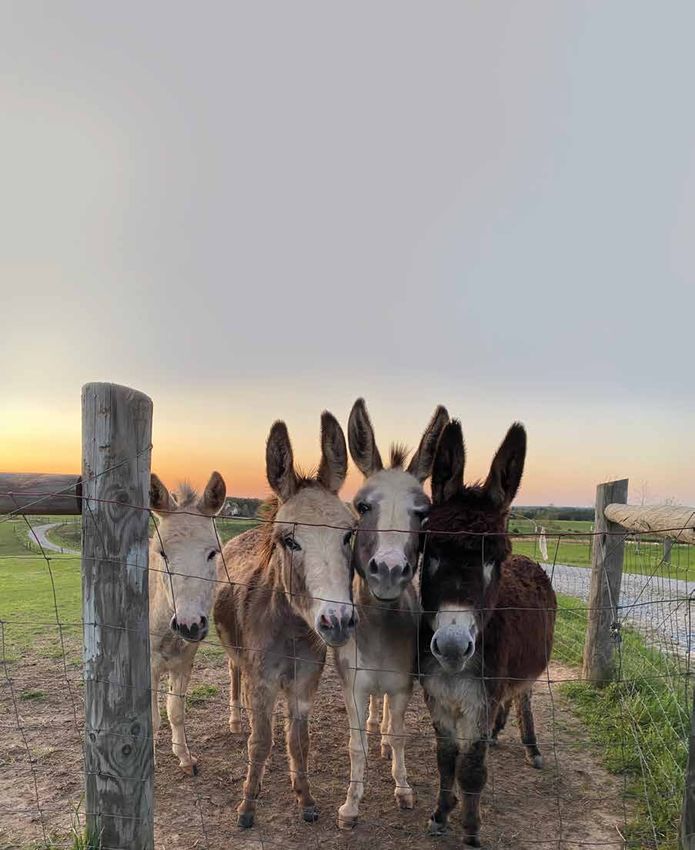
Dear Alumni and Friends,
The July 1, 2021, anniversary of my first year as dean of IU McKinney Law brought us closer
to the end of an eventful and challenging time. As vaccination rates increase and COVID-19
cases decline, we are looking ahead with gratitude and anticipation to a return to more “nor-
mal” operations.
  The word “normal” in the life of our law school, however, should not be interpreted to mean
“ordinary.” Just the opposite, in fact. As students and faculty once again enliven classrooms at
Inlow Hall this Fall, we especially extend a warm welcome to new classes of 1Ls, LLMs and MJs.
We continue to plan for activities and operations and are optimistic that we will be able to gather
for vibrant conversations and collaborations. The strategic planning preparations we undertook
during this past year will be invaluable when we begin the formal process this Fall.
  Our experienced faculty and technology staff will continue to build upon their online exper-
tise in delivering instruction to students who, for a variety of reasons, may need to access legal
education at a distance.
  So many of our initiatives and achievements are made possible through the generosity of
loyal alumni. We share a few alumni stories in this issue of The McKinney Lawyer. We hope you
will enjoy learning more about what motivates people to create life-changing scholarships for
students and remember IU McKinney through annual gifts.
  The year 2021 marks the 100th anniversary of the Tulsa Race Massacre. Recognizing the
significance of the anniversary and the role and impact of the Massacre on our alumnus, JB
Stradford, we include a story by the Honorable David Shaheed, ‘84. Please visit the IU McKinney
website for details on registering for a virtual event on this important topic at 5 p.m. on Septem-
ber 10, which is Mr. Stradford’s birthday.
  We also invite you to read more about the law school’s partnership with Purdue University to
offer the first-ever M.J./M.S. in Agricultural Economics and Law dual-degree program.
  As you read through this issue, I hope you’ll appreciate, as I do, how well our law school navi-
gated through the worst of a historic pandemic. In countless ways, the essential rhythms of law
school—papers, presentations, exams, class discussions, and lectures—continued. Students
and faculty adopted social distancing, the use of masks, and other restrictions with grace. IU
McKinney students continued their pro bono work, assisted clients through our law school’s
legal clinics, honed their professional skills in externships, excelled in moot court competitions,
and participated in symposia. They learned to lead, to analyze, to problem solve, and to respond
to the needs of others.
  And finally, please take a moment to enjoy the images of our 2021 commencement festivi-
ties—my first as dean of the law school—and to appreciate our IU McKinney graduates and their
accomplishments.
  Commencement marks a beginning, not just an end, and I look forward to the upcoming aca-
demic season and the transformational possibilities of our strategic planning process. I hope we
can meet or become reacquainted in person, and I invite you to stay in touch, in all the ways that
work for you, with your IU McKinney Law community.

  Very truly yours,

Karen E. Bravo
Dean and Gerald L. Bepko Professor of Law

Contents                                         IU Robert H. McKinney School of Law
       2 News Briefs                                            Alumni Magazine
      4 Classes of 2020 and 2021
     		 Participate in Commencement
                                                                      DEAN Karen Bravo/kbravo@iupui.edu
     		Ceremonies
                                                             VICE DEAN Cynthia M. Adams, ‘83/cmadams@iupui.edu
      8 Focus on Helping Formerly
     		 Incarcerated People                                       VICE DEAN Michael. J. Pitts/mjpitts@iupui.edu

                                                                     DIRECTOR OF RUTH LILLY LAW LIBRARY
     10 Professors Analyze Supreme                                   Miriam A. Murphy/mimurphy@iupui.edu
     		 Court Voting Coalitions
                                                               ASSISTANT DEAN OF ACADEMIC AND BAR SUCCESS
     14 Establishing Professorship                                    Michele Cooley/mlofthou@iupui.edu
     		 Brings Mary Beth Ramey, ‘72,                ASSISTANT DEAN FOR DEVELOPMENT Nan C. Edgerton /nanedge@iupui.edu
     		 Full Circle
                                                                  ASSISTANT DEAN FOR DIVERSITY & INCLUSION
     16 Shared Values: Marya Rose, ‘90                              Patricia K. Kinney, ‘02/pkkinney@iupui.edu
     		 and Tony Rose, LL.M. ‘07,
                                                  ASSISTANT DEAN OF ENROLLMENT MANAGEMENT Julie Smith/js216@iupui.edu
4    		 Establish Scholarship
                                                         ASSISTANT DEAN FOR EXTERNAL AFFAIRS & ALUMNI RELATIONS
     18 Alumnus J.B. Stradford was                               Jonna Kane MacDougall, ‘86/jonmac@iupui.edu
     		 Prominent on Black Wall Street
                                                                ASSISTANT DEAN OF FINANCE & ADMINISTRATION
     21 Bicentennial Medal Presentations                          Virginia D. Marschand, ‘04/vmarscha@iupui.edu

                                               ASSISTANT DEAN OF GRADUATE PROGRAMS Miki Pike Hamstra/mhamstra@iupui.edu
     22 Donkeys and Goats,
     		 and Pigs—Oh My!                                   INTERIM ASSISTANT DEAN FOR PROFESSIONAL DEVELOPMENT
                                                                    AND DIRECTOR OF SPECIAL PROJECTS
     25 McCabe Confirmed as                                             Sonja Rice, ‘07/sorice@iupui.edu
     		 Deputy EPA Administrator
                                                                    ASSISTANT DEAN FOR STUDENT AFFAIRS
     26 IU McKinney Law and Purdue                                Chasity Q. Thompson, ‘02/chasthom@iupui.edu
     		 Partner to Offer Innovative              ASSISTANT DEAN OF TECHNOLOGY SERVICES Teresa J. Cuellar/tcueller@iupui.edu
     		 Degree Program
                                                             DIRECTOR OF COMMUNICATIONS & CREATIVE SERVICES
     28 Loyal Donors                                                Elizabeth A. Allington/eallingt@iupui.edu

                                                     DIRECTOR OF DEVELOPMENT SERVICES Lisa Schrage/lschrage@iupui.edu
     30 Indiana University Names
     		 Pamela Whitten President                              SENIOR EXECUTIVE OFFICER, IU ALUMNI ASSOCIATION
                                                                        Stefan Davis/ssdavis@iupui.edu
     31 IU President Michael A.
     		 McRobbie Steps Down
     32		 Susan Brooks, ‘85, Joins
     		 IU McKinney School of Law                               The McKinney Lawyer is published
18   33		 Spirit of Philanthropy Award                         by the IU Robert H. McKinney School
                                                                of Law and the IU McKinney School
     38		 Hall Center News                                          of Law Alumni Association.
     43 Environmental Law
     		 Program News
     44 IP Center News                                                  EDITOR/Jonna Kane MacDougall

     46 International Law News                             ASSOCIATE EDITORS/Elizabeth Allington, Rebecca Trimpe,
                                                                      Alicia Dean Carlson, Beth Young
     49 Graduate Studies Program News                  CONTRIBUTING WRITERS/Elizabeth Allington, Alicia Dean Carlson,
                                                    Jonna Kane MacDougall, Rebecca Trimpe, Hon. David Shaheed, Beth Young
     57 Faculty News
                                                PHOTOGRAPHY/David Jaynes; IU Studios/Liz Kaye, Alex Kumar; Rebecca Trimpe
     61 Class Notes
                                                Additional photos courtesy of: Barnard College; John and Laurie Boyd; Perfecto
     67 In Memoriam                              Caparas; Chiang Mai University; Yvonne Dutton; Hon. Christopher Goff, Robert
                                               Grand; Terry Harrell; Indiana Court of Appeals; Indiana Lawyer; Indiana Office of the
                              59
     ON THE COVER/Commencement took            Governor; Indianapolis Motor Speedway; Hon. Michael Kirby; Jim Lauck; Library of
                                               Congress; Jonna MacDougall; Marion County Prosecutor’s Office; Carlos Moreno/
     place on May 15th at the Michael A.
                                                 The Victory of Greenwood; Bruno Pigott; Laurel Stradford; Pervin Taleyarkhan;
     Carroll Track and Soccer Stadium on the       Tiffany Studios; Kay Williams/Frog Song Farm Sanctuary; G. Michael Witte
     IUPUI campus.
                                                                       DESIGN/DesignMark/Susie Cooper
     ON THE WEB/mckinneylaw.iu.edu                                        PRINTING/Printing Partners

26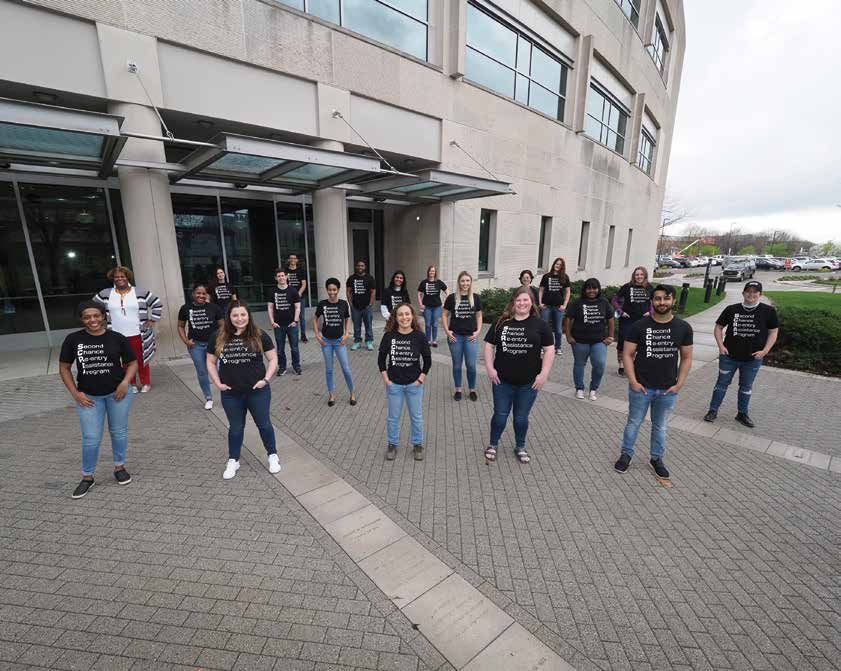
News Briefs

            Former U.S. Senator Dan                                     Patricia Kinney, ‘02, Named                    Dr. Nuthamon Kongcharoen,
            Coats, ‘72, joins Indiana                                   Chair of AALS Committee                        LL.M. ‘07, Named Dean of
            University                                                  Patricia Kinney, ‘02, Assistant Dean of Di-    Chiang Mai University
            Former U.S. Senator Daniel R. Coats, ‘72, is                versity and Inclusion at IU McKinney, has      Faculty of Law
            joining Indiana University at the Hamilton                  been named Chairperson of the Standing
                                                                                                                       Dr. Nuthamon Kongcharoen, LL.M. ‘07,
            Lugar School of Global and International                    Program Committee for the Association
                                                                                                                       was named Dean of Chiang Mai Universi-
            Studies as distinguished scholar and am-                    of American Law Schools’ Section on
                                                                                                                       ty Faculty of Law in Thailand in the spring
            bassador at large.                                          PreLegal Education and Admission to
                                                                                                                       of 2021. She taught at Chiang Mai before
               The Hamilton Lugar School offers in-                     Law School.
                                                                                                                       she came to IU McKinney for her Master
            struction in about 70 languages and                            In her role at IU McKinney, Dean Kinney
                                                                                                                       of Laws degree and returned there to pur-
            helps students develop cultural fluency                     is responsible for building the depart-
                                                                                                                       sue her teaching career.
            and expertise in nearly every region of                     ment to serve the law school's mission of
                                                                                                                          Dean Kongcharoen comes from a fam-
            the world. The school hosts the largest                     being "committed to accessibility, afford-
                                                                                                                       ily of educators. Her father graduated
            number of global institutes designated by                   ability, diversity, and excellence in public
                                                                                                                       from Thammasart Law School in Thai-
            the Department of Education as National                     legal education." She provides strategic
                                                                                                                       land and was a professor at Chulalong-
            Resource Centers under the prestigious                      leadership on diversity, inclusion and eq-
                                                                                                                       korn University; her grandfather also was
            Title VI program.                                           uity initiatives. Dean Kinney also serves
                                                                                                                       a professor there.
               Coats represented Indiana in the U.S.                    as a liaison with internal and external
                                                                                                                          After teaching for five years at Chiang
            House of Representatives from 1981 to                       constituencies on and off campus and
                                                                                                                       Mai Law, Dean Kongcharoen wanted to
            1989 and in the U.S. Senate from 1989 to                    continues to recruit students from popu-
                                                                                                                       expand her areas of expertise. She counts
            1999 and 2011 to 2017. He also served as di-                lations underrepresented in the profes-
                                                                                                                       her legal research and writing class, Pro-
            rector of national intelligence from 2017 to                sion and provides support to enrolled
                                                                                                                       fessor Florence Wagman Roisman’s “Law
            2019. As an ambassador to Germany from                      students. Prior to serving as Assistant
                                                                                                                       and Social Change” course, and Profes-
            2001 to 2005, Coats played a critical role in               Dean of Diversity and Inclusion, Dean
                                                                                                                       sor George Edwards’ advice and counsel
            establishing robust relations with German                   Kinney was Assistant Dean of Admissions
                                                                                                                       as some of the most memorable things
            Chancellor Angela Merkel and in the con-                    from 2010 to 2018.
                                                                                                                       about her time at IU McKinney.
            struction of a new U.S. Embassy in Berlin.                     While a student at IU McKinney, she
                                                                                                                          Dean Kongcharoen received her LL.B.
               As a senator, Coats was a member of                      actively participated in many student
                                                                                                                       from Chulalongkorn University, where
            several high-profile committees, including                  organizations, including co-founding the
                                                                                                                       she also received an LL.M. She complet-
            the Senate Armed Services Committee,                        Asian Law Student Association (ALSA).
                                                                                                                       ed her Ph.D. in Law at the University of
            the Senate Select Committee on Intel-                       She also served as a student representa-
                                                                                                                       Victoria in British Columbia, Canada. Her
            ligence and the House Energy and Com-                       tive for the law school at various national
                                                                                                                       expertise is in environmental law, human
            merce Committee. Coats has been hon-                        law school forums, student panels and
                                                                                                                       rights, and public law.
            ored by IU with the President's Medal for                   open houses.
            Excellence, the highest honor that an IU
            president can bestow.

2   IU ROBERT H. McKINNEY SCHOOL OF LAW I SUMMER 2021 ALUMNI MAGAZINE
News Briefs

Jimmie McMillian, ‘06, Installed            Lauren Peña, ‘13, Named                         Professor Silva Appointed to
as President of Indianapolis                to Statewide Independent                        IMPD General Orders Board
Bar Association                             Living Council                                  Professor Lahny Silva was chosen to serve
Jimmie McMillian, ‘06, was installed as     Lauren Peña, ‘13, has been appointed to         on the Indianapolis Metropolitan Police
the president of the Indianapolis Bar       the Indiana Statewide Independent Living        Department’s new General Orders Board.
Association in January.                     Council by Governor Eric Holcomb. Peña          The board was created in Fall 2020, and
   After completing his legal educa-        is Associate Director of Student Recruit-       Professor Silva was one of two civilian
tion, McMillian worked as a law clerk       ment at IU McKinney.                            members named to it in January.
for then-Indiana Supreme Court Jus-            “It is an honor and a privilege to be se-       The new board oversees the rules by
tice Frank Sullivan and as a partner in     lected to serve on the council. It is so very   which IMPD operates. The new board
the litigation department at Barnes &       important for individuals with disabilities     replaces the General Orders Commit-
Thornburg. He now is Senior Corporate       to have a voice in matters that involve         tee, which was comprised of police de-
Counsel and Chief Diversity Officer for     their ability to take part in and advocate      partment appointees. Under the new
Penske Entertainment, which includes        for their communities,” Peña said. “I am        board structure, the Indianapolis City-
the Indianapolis Motor Speedway, NTT        looking forward to being a part of the dis-     County Council nominates three mem-
INDYCAR Series and IMS Productions.         ability justice change in Indiana.”             bers, Mayor Joe Hogsett nominates
Motorcycle riding is close to McMillian’s      The council is a statewide advocacy          one, IMPD Chief Randal Taylor nomi-
heart. He serves as president of 317 Ry-    organization directed and operated by           nates two, and the police department’s
ders MC, one of the largest motorcycle      Indiana leaders with disabilities. It works     membership nominates one.
clubs in the state.                         to empower members to lead and control             Professor Silva joined the faculty in
   McMillian was named to the 2018 list     their lives and leverage opportunities.         Summer 2011. She and her students are
of Most Influential Black Lawyers by           Peña holds a J.D. from IU McKinney           active participants in the U.S. District
Savoy Magazine. He received the May-        Law and a bachelor’s degree in Political        Court’s REACH program, which helps
nard K. Hine Medal for service to the       Science and Business from Indiana Wes-          people newly released from prison re-
IUPUI campus in 2013. Among other           leyan University. She is currently part of      establish their lives. Professor Silva also
honors, he has received the National        the sixth round of the Next Generation          is a driving force behind the law school’s
Bar Association’s Presidential Award in     2.0 leadership development program at           annual Re-Entry Job and Resource Fair.
2007, his law firm’s Pro Bono Attorney      IUPUI. Peña has served on IU McKinney’s         Her areas of interest include criminal
of the Year award, and the Honorable        diversity committee, admissions commit-         law, criminal procedure, constitutional
Carr L. Darden Leadership Award. He         tee, and over a dozen hiring committees.        law, torts, and evidence. She received the
was president of the law school’s alum-     She serves the Indianapolis community as        Indianapolis Bar Association's 2017 Un-
ni association in 2011-2012, and served     board secretary for ArtSpeak, Inc. and as a     sung Hero award and was named to the
as president of the Neal-Marshall IU        board member for accessAbility, Inc.            Indianapolis Business Journal's Forty Un-
Alumni Association in 2013. While in law                                                    der 40 class in 2018.
school, he served as a barrister of the
Moot Court Team and was a member of
the Trial Advocacy Team.

                                                                                                 IU ROBERT H. McKINNEY SCHOOL OF LAW I SUMMER 2021 ALUMNI MAGAZINE   3
Classes of
                                                                        2020 and 2021
                                                                        Participate in
                                                                        Commencement
                                                                        Ceremonies

4   IU ROBERT H. McKINNEY SCHOOL OF LAW I SUMMER 2021 ALUMNI MAGAZINE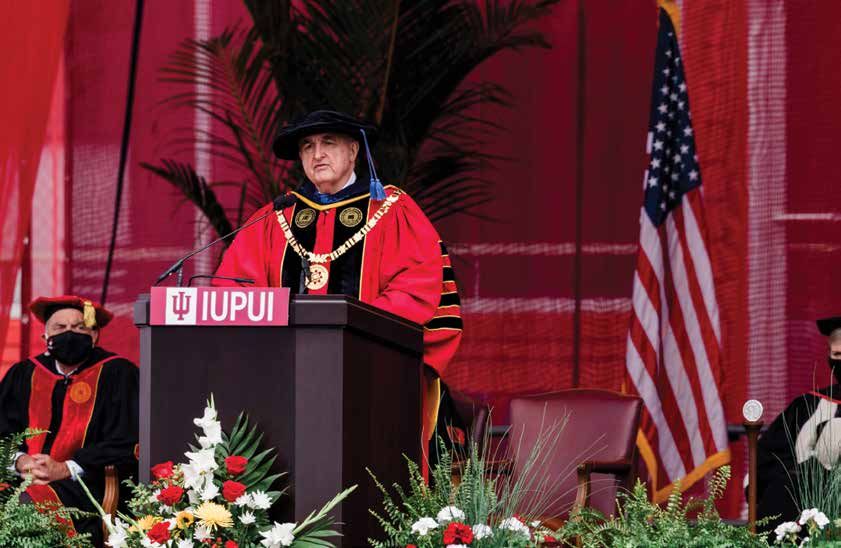
Commencement for the 2020 and 2021 graduating classes                        cessed across the stage. Graduate names were announced by Associ-
of Indiana University and Purdue University graduate and professional        ate Dean of the University Graduate School, Janice Blum, and Assis-
schools at IUPUI took place under sunny skies on Saturday, May 15 at         tant Dean for Student Development and Academic Affairs at the IUPUI
10:00 a.m. The Michael A. Carroll Track and Soccer Stadium on the IU-        Graduate School, Tabitha Hardy.
PUI campus was the setting for the first in-person graduation since 2019.       A hooding ceremony took place in front of the stage for all doctoral
    The event was the final commencement ceremony for Indiana Univer-        candidates present at the event. IU McKinney Dean Karen Bravo pre-
sity President Michael A. McRobbie, who is stepping down from the pres-      sided over the law school’s hooding ceremony which featured IU McK-
idency, effective June 30, 2021, after 14 years leading the university. He   inney hooding faculty, Professors Frank Sullivan, Lahny Silva, Allison
indicated that it was his 135th commencement ceremony at IU. After wel-      Martin, Fran Quigley, ‘87, George Edwards, and Linda Kelly.
coming guests and introducing members of the IU and Purdue Boards of            The national anthem and the musical Alma Mater for each university
Trustees, he turned the podium over to IUPUI Chancellor Nasser Paydar.       were sung by David Mannell, a lecturer of music education, private
     “I am pleased to present the classes of 2020 and 2021,” said Chan-      voice and choir in the Purdue School of Engineering and Technology
cellor Paydar in introducing the degree candidates. “Each graduate has       at IUPUI.
written an important new chapter in the story of their lives,” he said.
    Both President McRobbie and Chancellor Paydar acknowledged the
                                                                             (OPPOSITE TOP) IU McKinney Law Dean Karen Bravo participated in her first
extraordinary circumstances during which these students pursued their        graduation ceremony as dean of the school.
degrees, noting the significant accomplishment it was to complete de-        (OPPOSITE BOTTOM) Addison Zilenski was hooded by Professor Frank Sullivan.
grees during a worldwide pandemic. While praising the graduates for
                                                                             (ABOVE LEFT) The IUPUI campus ceremony marked the final commencement
their resilience, Chancellor Paydar, in a moment of lightheartedness,        for IU President Michael A. McRobbie, who stepped down from the presidency,
quipped, “Can you count the number of times in the last year you said,       effective June 30, 2021.
‘I think you’re on mute?’”                                                   (ABOVE RIGHT) IUPUI Chancellor Nasser Paydar presented graduates for
    IU McKinney School of Law graduates were recognized as they pro-         degree conferral.

                                                                                                             IU ROBERT H. McKINNEY SCHOOL OF LAW I SUMMER 2021 ALUMNI MAGAZINE   5
CLOCKWISE FROM ABOVE:

     Professor Fran Quigley hooded 2020 graduate, Emily
     Rodgers, at the ceremony on May 15.

     Professor Lahny Silva hooded 2021 graduate, Bre Robinson.

     Zephyr Harris waits with her classmates prior to the start
     of the ceremony.

     IU McKinney Law graduates prepared for the ceremony to
     start at the Michael A. Carroll Track and Soccer Stadium
     at IUPUI.

6   IU ROBERT H. McKINNEY SCHOOL OF LAW I SUMMER 2021 ALUMNI MAGAZINE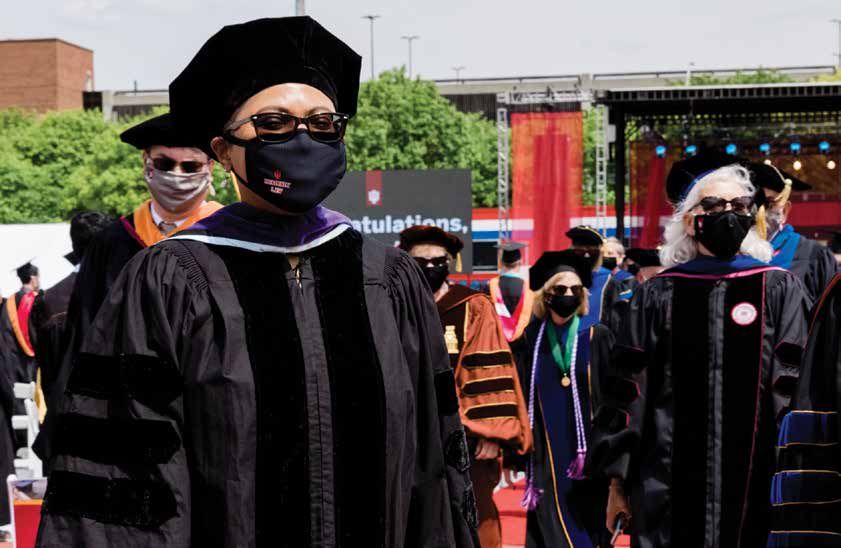
Law School Hosts Virtual Graduation Celebration

Graduates and their families were tuned in to Zoom on
Wednesday, May 19 at 7:30 p.m. when the law school hosted
a virtual graduation celebration. Dean Karen Bravo opened the
event with a toast to the class of 2021.
  A video recognizing the class featured graduating class speak-
ers Joyce Almeida Ponce for the Master of Laws program, Caro-
lyn Dawson for the Master of Jurisprudence program, Sundeep
Singh for the Doctor of Jurisprudence full-time division and Bre
Robinson for the J.D. part-time division.
  Joyce Almeida Ponce is an attorney, licensed to practice in the
Republic of Ecuador. She interned at the law firm IBELEX, and
worked for the legal division of the Fire Department of Guaya-
quil. Almeida Ponce studied in the International Human Rights
Law track for her LL.M. and was offered an internship at the
Indiana Supreme Court. She participated in the International
Student Speaker Series in March 2021.
  Carolyn Dawson has over 20 years of experience working in
public service for state government, non-profit organizations,
and in academic institutions. She is currently a research ad-
ministrator in grants and contracts at the Regenstrief Institute,
Inc., a non-profit support organization of the Indiana University
School of Medicine and other IUPUI schools.
  Sundeep Singh earned a graduate certificate in Criminal Law
and held the titles of chief justice of the Moot Court Society and
                                                                     CLOCKWISE FROM TOP LEFT:
vice president of the Asian Law Students Association. He also
                                                                     Carolyn Dawson delivered remarks as the class speaker for
served as a mentor-advocate in the REACH program and as an           the Master of Jurisprudence program.
IU McKinney student ambassador.
                                                                     Joyce Almeida Ponce was the graduating class speaker for
  Vice Dean Mike Pitts announced that Bre Robinson was the           the Master of Laws program.
recipient of the Faculty Prize. Robinson served as the Student       Sundeep Singh was the designated speaker for the full-time
                                                                     division of the Doctor of Jurisprudence program.
Bar Association president (2020- 2021) and vice president of
the evening division (2019-2020). Robinson served as the sym-        Bre Robinson, the recipient of the Faculty Prize, was the
                                                                     speaker for the part-time division of the J.D. program.
posium editor for the Indiana Law Review, Volume 54, and
was an associate justice on the Robert H. Staton Intramural
Moot Court Board and co-champion of the Staton Intramural
Moot Court Competition (2019-2020). Robinson also served as
a teaching assistant for Civil Procedure, and the REACH Pro-
gram, and was a Dean’s Tutorial Society tutor for two years.
  The evening concluded with recorded congratulatory mes-
sages from IU McKinney Law faculty and staff.

                                                                     (ABOVE) All graduates were recognized in the graduate
                                                                     celebration video that premiered on May 19, 2021.

                                                                                      IU ROBERT H. McKINNEY SCHOOL OF LAW I SUMMER 2021 ALUMNI MAGAZINE   7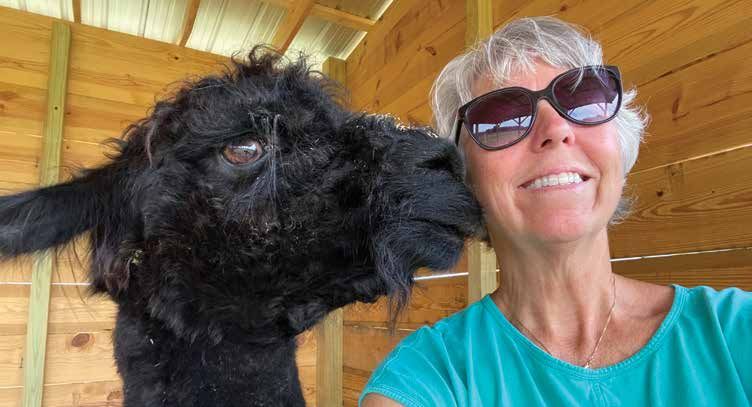
TWO ENTITIES AT IU MCKINNEY
                                FOCUS ON HELPING FORMERLY
                                                                INCARCERATED PEOPLE By Rebecca Trimpe

              (ABOVE) Students pose with Professor Lahny Silva          IU McKinney has two programs aimed at helping formerly incarcerated people in re-
                   and Senior Associate Director for Professional
                                                                        building their lives. Second Chance Re-Entry Program, also known as SCRAP, is a student group
               Development Jana Matthews, ‘00, in the courtyard
               outside Inlow Hall. Front row from left: Rae Shirley,    that assists recently released people with obtaining food, clothing, housing, and employment. Re-
                    Alexis Sizemore, Professor Lahny Silva, Ginny       Entry and Community Help Program, or REACH, is a federal problem-solving court founded by the
            Bradshaw, and Adil Shaw. Second row from left: Jana
                 Matthews, ‘00, Arianna Smith, Victoria Swanson,        late U.S. District Court Judge Larry McKinney and run by the U.S. District Court for the Southern
            Katie Whitley, Taylor Cody, and Alannah Reibel. Third       District of Indiana. IU McKinney Professor Lahny Silva played a role in creating the mentor/advo-
                row from left: David Harrington, Anmol Masih, Bre
                                                                        cacy component of the federal program.
             Robinson, and Brianna Parker. Fourth row from left:
             Ana Carolina Corey, Matthew Serf, Zechariah Banks,           SCRAP was started during the 2016-2017 academic year by students interested in community
                           Krystal Hershberger, and Jessica Berk.       service. The group was named the best new student organization in 2017, and was honored for its
                                                                        work (along with the Black Law Students Association—BLSA) on the annual Re-Entry Job and Re-
                                                                        source Fair in 2018. BLSA students launched the resource fair in Spring 2016. Though the pandem-

8   IU ROBERT H. McKINNEY SCHOOL OF LAW I SUMMER 2021 ALUMNI MAGAZINE
ic put a hold on the in-person resource fair, that didn’t stop the students’ of those fees with the BMV, getting them reduced when possible, and
work. SCRAP was around 20 students strong during the 2020-2021 setting up payment plans. Participants can then receive a specialized
academic year and teamed with the “1 Like Me” organization to offer driver’s license that permits them to drive as needed for employment
services that could be accessed in a virtual format. The not-for-profit and other obligations.
organization, 1 Like Me, was founded by Thomas Ridley, who began “That’s an example of how we help clients,” Tolliver said. “How ev-
volunteering with the law school on a variety of reentry-related com- erybody plays a role on the team. I don’t do everything by myself. Law
munity service projects after his introduction to the law students in the students take an active role and do a lot of initial work on the cases.”
REACH program. His organization offers help to the reentry commu- Tolliver, who serves as treasurer of the IU McKinney alumni board,
nity. During the 2020-2021 academic year, IU McKinney students were has done pro bono work throughout his career, and his experience in
able to help people with resumes and online employment applications, state government before moving into private practice often helps in
housing information, driver’s licenses, and locating food pantries and meeting REACH participants’ needs.
other food sources. “It’s rewarding because you’re helping people who are trying to better
“I joined SCRAP because I was looking for an organization in law themselves. They’re trying to improve their lives and grow as people.
school that was focused on serving the community,” said graduating We want that for everybody,” Tolliver said. “To the extent we are in a
3L Alexis Sizemore, the group’s 2020-2021 president. “SCRAP meets position to help, we do our part.”
the community where they are, whether it be the far Eastside or on the REACH participants aren’t the only ones who benefit from the pro-
Westside, to serve them.” gram. On a basic level, Professor Silva said, students learn the conse-
Many SCRAP students also take part in REACH’s mentor-advocacy quences of a criminal conviction, the way the rules and systems operate,
program, which was started in 2015, following a conversation between and the real impact on the lives of people. Students also learn interview-
Professor Silva and then-Assistant U.S. Attorney Doris Pryor, about pi- ing, problem solving, and advocacy skills. In addition, they work with
loting a mentor program in the reentry court in the U.S. District Court people from all walks of life: from federal judges to people living in the
for the Southern District of Indiana. Judge McKinney and others at the poorest neighborhoods in Indianapolis.
court agreed and the REACH mentor-advocacy program was born. It “Perhaps more importantly, the REACH program empowers stu-
now serves between 30 and 40 participants each year. dents to take initiative and instills great confidence within,” Professor
IU McKinney students are responsible for providing one-on-one as- Silva said. “Every year, I am truly amazed at the personal growth of my
sistance to REACH participants in the areas of employment, housing, REACH students as they begin the program nervous and unsure and
driver’s licenses, and benefits such as health insurance. REACH proba- later leave the program a gladiator.”
tion officer Ryan Sharp oversees supervision and works with the entire The REACH program also has had an impact on Professor Silva’s
team to work through barriers to reentry. scholarship. Prior to REACH, she focused on what she calls bigger pic-
Legal issues are referred to IU McKinney alumnus, Terry Tolliver, ture “systems” topics such as employment and housing as barriers to
’00, who provides pro bono representation on a variety needs, including reentry. “With REACH, I learned that the obstacles wreaking the most
child support and paternity issues, as well as counsel in administrative havoc are those related to more micro issues such as administrative
and civil legal hearings. driver’s license suspensions based upon unpaid traffic tickets and fees,
Tolliver began his pro bono work with REACH when he joined the and child support arrearages earned while in prison that can amount
firm that is now Brattain Minnix Tolliver. The firm’s former managing to tens of thousands of dollars, which are immediately garnished upon
partner, Mario Garcia, ’99, now a magistrate judge for the Southern Dis- employment,” Professor Silva said. “The reentry discourse concerning
trict, was an active volunteer with REACH, and encouraged Tolliver to these more micro issues is minimal, which has inspired me to bring
get involved. After Judge Garcia left to join the court at the end of 2020, them to the forefront.”
Tolliver continues to attend most REACH meetings to learn about the is- The REACH work has also inspired Professor Silva to turn it from a
sues faced by participants and determine how he can help. He described pilot project into a clinic at IU McKinney. Work toward that goal is in
the weekly time commitment, which makes a tremendous difference in the preliminary stages. “Since 2015, this mentor-advocacy program has
the lives of REACH participants, as minimal. significantly expanded,” Professor Silva said. “It now provides outreach
One of the biggest needs faced by REACH participants is obtaining spe- services in hot-spot zones around the City of Indianapolis, like the far
cialized driving privileges, Tolliver said. Participants who may be unable Eastside and Haughville, collaborating with the Marion County Pros-
to pay the fees owed to the Bureau of Motor Vehicles, often drive anyway. ecutor’s Office and law firms such as Ice Miller and Faegre Drinker,”
They then get pulled over, are cited, and that can impact their probation. she said. “It is my hope that we can develop the program and expand its
One of the ways REACH helps participants is by negotiating payment reach even further.”
IU ROBERT H. McKINNEY SCHOOL OF LAW I SUMMER 2021 ALUMNI MAGAZINE 9Georgakopoulos, Sullivan
Collaborate to Analyze,
Illustrate Supreme Court
Voting Coalitions in
“Tightly-Split” Decisions
When the United Sates Supreme Court split 5-4 in the 1990s and
2000s, the votes were highly predictable: the same coalition of
justices on the left; the same coalition of justices on the right; with
only a swing vote or two differentiating them. Professor Frank
Sullivan, Jr., was on the Indiana Supreme Court at the same time.
But when his five-member court split 3-2, the votes were not
predictable: the justices did not align in rigid coalitions; their
coalitions were far more fluid.
10 IU ROBERT H. McKINNEY SCHOOL OF LAW I SUMMER 2021 ALUMNI MAGAZINEFIGURE 1
Boehm Shepard
Dickson Boehm
Rucker Rucker
ker
Ruc
Dickson Shepard
Rucker Dickson
Sullivan Rucker
Di
ck
so
n
Dick
Sulli
son
v
r
ucke
an
R
Boehm Boehm Shepard
Rucker Boehm
Sullivan Sull Dickson
ivan
pard
Shep
She
ker
Ruc
ard
son
Dick
d
ar
Boehm
Boehm
ep
Shepard
Sh
Shepard
Rucker Sull Dickson
ivan Sullivan
Sullivan
Shepard Boehm
Boehm Dickson
Sullivan Sullivan
After Sullivan left the court and began teaching at IU McKinney Law in 2012, he discussed this difference between the
two courts’ voting coalitions in tightly-split decisions with Professor Nicholas L. Georgakopoulos, a legal scholar with the
quantitative flair. Their collaboration examining supreme court coalitions in tightly-split decisions has resulted in four
published articles—with a book in the works.
After the discussion with Sullivan, Georgakopoulos set out to measure the differences between the fluidity of courts’
voting coalitions in tightly-split decisions and developed (with some crucial math design and other assistance from his
talented son, Dimitri, now a graduate student in philosophy of mathematics at Carnegie Mellon University), an “Index of
Fluidity” that was the subject of a 2016 article, “The Fluidity of Judicial Coalitions,” published in Judicature.
Georgakopoulos and Sullivan realized from their work on fluidity that the traditional straight-line, liberal-to-conservative
portrayal of justices did not adequately reflect variations in courts’ voting coalitions. Using the composition of the Indiana
Supreme Court from 1999 to 2010, during which the court’s membership was unchanged, Georgakopoulos arranged the 10
possible majorities in a circle in such a way as to present opposing majorities separated by a single swing vote. See Figure 1.
Next, all 150 of the court’s tightly-split (3-2) decisions were added to the diagram by means of a small arc within the
larger arc that each respective majority occupied around the circumference. See Figure 2. Georgakopoulos and Sullivan cat-
egorized two-thirds of the decisions as conservative and one-third as liberal; the conservative decisions were represented
as red and liberal decisions as blue. This work was published by the Indiana Law Review in a 2020 article, “Illustrating
Swing Votes I: Indiana Supreme Court.”
Georgakopoulos and Sullivan then applied the same methodology to tightly-split decisions of the United States Supreme
Court. Starting with 1946, the unchanged composition of the court that issued the most tightly-split decisions was that
IU ROBERT H. McKINNEY SCHOOL OF LAW I SUMMER 2021 ALUMNI MAGAZINE 11FIGURE 2
Boehm Shepard
Dickson
Rucker
Boehm
Rucker
from 1995 to 2005. See Figure 3.
Comparing Figure 2 with Figure
ker
Ruc
Dickson Shepard 3 vividly illustrates the differences
Rucker Dickson
Sullivan Rucker between the fluidity of these two
Di
ck
so
courts’ voting coalitions in their
n
Dick
Sulli
son
tightly-split decisions: far more co-
van
ker
Ruc
alitions of justices on the Indiana
Boehm Boehm Shepard
Rucker
Sullivan Sull
Boehm Supreme Court produce tightly-
ivan Dickson
pard split decisions than on the United
She Shep
ker
States Supreme Court. This work
Ruc
ard
son
Dick
was also published by the Indiana
d
ar
Boehm
Boehm
ep
Shepard
Sh
Shepard
Rucker Sull Dickson Law Review in another 2020 ar-
ivan Sullivan
Sullivan
ticle, “Illustrating Swing Votes II:
Boehm United States Supreme Court.”
Shepard
Dickson
Boehm
Sullivan Sullivan In “Six Dimensions of Criminal
Procedure,” an article published in
2020 by the Supreme Court Eco-
nomic Review, Georgakopoulos
and Sullivan examined 65 tightly-
FIGURE 3 split criminal procedure decisions
of the Indiana Supreme Court dur-
ing its 1999-2010 composition.
The article uses the same circular
diagrams to illustrate differences
among the voting tendencies of the
g
justices in six categories of criminal
sbur
Gin
procedure cases: finality; consent
Tho
mas and warning requirements; gov-
O'Connor ernmental and trial bias; warrant
Stev mas
requirements; trust in juries; and
ens Tho
retroactivity of defenses.
Georgakopoulos and Sullivan
So
ut
er are now working on a book that
will consolidate and amplify their
study of supreme court voting co-
alitions in tightly-split decisions.
12 IU ROBERT H. McKINNEY SCHOOL OF LAW I SUMMER 2021 ALUMNI MAGAZINESave the Date!
Annual Hoosier CLE
September 30-Oct 1
Offered both virtually and in person!
Co-sponsored by the IU Robert H. McKinney
School of Law Alumni Association and the
Indiana Trial Lawyers Association—watch the
website for more information!
Donors Create New Scholarship
IU McKinney now has a Diversity Scholarship, established in 2020 and awarded to J.D. students with a
preference for students of color. It is made possible because of the generous donations of alumni and friends
of the law school. This scholarship welcomes gifts of all amounts from alumni and supporters.
IU McKinney Dean Karen E. Bravo says that she remembers feelings of joy, apprehension, and determina-
tion to succeed when she began her legal studies as a first-generation immigrant from Jamaica and the first in
her family to pursue a law degree.
“The transformative power of a law school education provided me with tremendous opportunities, in-
cluding the incredible privilege of leading the IU McKinney School of Law,” Dean Bravo said. “I am so
pleased that the Diversity Scholarship was established to extend opportunities to students of color to pursue
their dreams of a law school education. IU McKinney is wonderfully positioned to help students thrive as
they build the foundations of their legal career.”
IU ROBERT H. McKINNEY SCHOOL OF LAW I SUMMER 2021 ALUMNI MAGAZINE 13Establishing
Professorship Brings
Mary Beth Ramey, ‘72,
Full Circle
By Alicia Dean Carlson
When Mary Beth Ramey, ‘72, was a stu-
dent at IU McKinney, she was one of very
few women in her law school classes.
It was a different time—quite a contrast
to today’s IU McKinney Law, where the
entering law school class in 2020 was
57 percent female—and Ramey has the
stories to prove it. She and other women
were breaking glass ceilings, not just in
“There are so many charitable
law firms and courtrooms, but for the or-
priorities that tug and pull on you,
dinary right to sit at the swanky King Cole
but when you look at where you
Restaurant bar at noon.
can have a difference, IU McKinney
makes an enormous impact. The That was something only men were allowed to do, until
law school does a phenomenal job Ramey and her law school classmates decided to press the
issue. When they were denied service, they sued the res-
developing wonderful leadership
taurant, eventually winning one of the early cases of public
in its students, giving them the accommodations discrimination in Indiana.
skills and tools needed to produce “I loved it,” Ramey recalls. “It proved true what I had
envisioned when I started law school. As a lawyer, you can
meaningful change for our society.”
effectuate real change.”
–Mary Beth Ramey, ‘72 A respected trial attorney, Ramey reflects on that story
when asked to explain why she and her husband, Richard
D. Hailey, ‘74, established the Mary Beth Ramey Profes-
sorship in 2020 during the “For All: The Indiana Univer-
14 IU ROBERT H. McKINNEY SCHOOL OF LAW I SUMMER 2021 ALUMNI MAGAZINERich Hailey, ‘74, and Mary Beth Ramey, ‘72,
served as co-chairs of the IU McKinney Law
Bicentennial Campaign Steering Committee.
sity Bicentennial Campaign.” reputation, especially here in Indiana, but establishing en-
Their gift will support a professorship for a faculty member dowed professorships can help raise that profile even further.”
at IU McKinney School of Law who advocates for civil rights, But the gift also brings Ramey full circle. Once one of few
individual and human rights, or social justice, including anti- women in law school, she is now the first alumna to estab-
discrimination, civil liberties, employment and labor rights, lish a professorship, the first such endowed faculty position
gender and women's rights, or immigrant and migrant rights. at IU McKinney named for a woman graduate.
For Ramey, who served with Hailey as co-chair for the law She hopes it inspires other women to give naming gifts
school’s Bicentennial Campaign steering committee, this gift that establish their legacies in the history of the law school.
is part of a long, loyal relationship with IU McKinney. Phil- Traditionally, having fewer women graduates has meant
anthropic gifts such as the professorship provide the margin that men have been the primary donors creating named
of excellence beyond tuition and state support, which do not scholarships and professorships, she notes.
fully cover the cost of an excellent legal education. That can change—and should change, because “there’s
Establishing the professorship will help attract new talent still a lot of work to do,” Ramey says.
to the law school, as well as provide financial support for the “There are so many charitable priorities that tug and pull
law school, she says. on you, but when you look at where you can have a differ-
“I am excited that we are doing this,” Ramey says. “We want ence, IU McKinney makes an enormous impact,” she says.
the law school to get the recognition it so deserves, and part “The law school does a phenomenal job developing wonder-
of that is recruiting professors that are recognized as leaders ful leadership in its students, giving them the skills and tools
in their fields. IU McKinney has such a wonderful faculty and needed to produce meaningful change for our society.”
IU ROBERT H. McKINNEY SCHOOL OF LAW I SUMMER 2021 ALUMNI MAGAZINE 15Shared Values:
Marya Rose, ‘90, and Tony Rose, LL.M. ‘07,
Establish Scholarship
By Alicia Dean Carlson
In 2020, Marya Rose, ‘90, and Tony Rose, LL.M. ‘07, created a scholarship with a very
specific purpose for students pursuing a J.D. degree at IU McKinney Law.
The Marya and Tony Rose Scholarship will be awarded to students who have demon-
strated interest in civil rights or social justice practice areas, including working for public
interest groups, civil and human rights organizations, governmental or nonprofit
entities, or representing clients engaged in civil rights or social justice.
16 IU ROBERT H. McKINNEY SCHOOL OF LAW I SUMMER 2021 ALUMNI MAGAZINEThe scholarship, created during the “For All: The Indiana Univer- formance as an undergraduate at the University of Michigan. After
sity Bicentennial Campaign,” represents the Roses’ backgrounds, as making a spur-of-the-moment decision to take the LSAT, he ap-
well as their lifelong interests. Both have parents who were lawyers plied to law school, earning his J.D. in 1990 from the Indiana Uni-
(Marya’s mother, Joan Mernitz, ‘85, is a McKinney graduate too) versity Maurer School of Law.
and grew up discussing issues of the day around the dinner table, as In the process, he discovered he loved law school so much that
well as receiving a clear message about their responsibilities. he went on to earn a Master of Laws (LL.M.) degree in Intellectual
“It was an environment in which the ideals of social justice were very Property Law from McKinney, where he taught Internet Law as an
important,” Marya says. “From an early age, I was fascinated about how adjunct professor for more than a decade.
laws and court decisions, such as those about issues like school deseg- He joined Meitus Gelbert Rose LLP, a boutique IP and entertain-
regation, affect people. The principle of fair- ment law firm, in 2005, and prior to that,
ness is very important to me.” served as Vice President and General
Helping others was also a basic value, Counsel to an Indianapolis-based tech-
Tony recalls. “It was understood that be- nology services firm. He also previously
ing a good citizen meant helping others,” served as General Counsel for an Indiana
he says. state agency providing telecommunica-
Both are grateful that they were able to tions, Internet services, technology con-
graduate from law school without overly sulting, website development, and other
burdensome student loan debt, and for information technology services to au-
careers that have provided them with thorized users, and practiced commercial
both interesting work and the ability to civil litigation for the first ten years out of
give back. law school.
Marya recently retired as Chief Admin- Creating the scholarship at IU McKinney
istrative Officer of Cummins Inc., where made sense. “It’s important to support the
she was responsible for nine global func- institutions that helped make you who you
tions, including legal, communications, are,” Tony says.
marketing, government relations, compli- As Marya looks back on her professional
ance, facilities, security, corporate respon- and civic life—she has served in leadership
sibility, and the company’s global shared positions on a number of not-for-profit
services organization. boards including Planned Parenthood of
She served as the public voice for the Indiana and Kentucky, Newfields, Hoosier
company on critical issues, including Women Forward, and 16 Tech—she and
Cummins’ corporate stance and commit- Tony are happy to support future IU McK-
ments to inclusion and equity. In ten years as General Counsel, inney students who share their concern for civil rights and social
Marya transformed the legal function from a U.S. organization to justice issues.
a global one with lawyers in China, India, Brazil, Mexico, Europe, “Our society needs lawyers who want to work to make the world
Australia and Africa. Prior to joining Cummins, she served in state more just for all people,” Marya says. “If students are not overbur-
government in both the Bayh and O’Bannon administrations, and dened by law school debt, they have the ability to go out and do
practiced law in Indianapolis. work that is in the public interest and often not very financially re-
While Marya planned to go to law school as long as she could warding. Through this scholarship, we want to make it financially
remember, Tony had dreams of a career in creative writing or per- easier for students to choose that career path.”
IU ROBERT H. McKINNEY SCHOOL OF LAW I SUMMER 2021 ALUMNI MAGAZINE 17McKinney Law Alumnus J.B. Stradford
was Prominent on Black Wall Street
By the Honorable David Shaheed, ‘84
One hundred years ago, a section of
Tulsa, Oklahoma called Greenwood or
more commonly known as “Black Wall
Street,” was destroyed by a hostile white
mob armed with guns, knives and other
weaponry. Over 300 African Americans
were killed. Businesses in this thriving
community were burned to the ground as
well as the homes of the Greenwood resi-
dents. This event was erased from the for-
mal history of Tulsa and until recently, the
American consciousness. However, one
of Greenwood’s most successful business
leaders, J. B. Stradford, with links to Indi-
ana University Robert H. McKinney School
of Law, provided his personal account of the
terror associated with the assault on his com-
munity and his personal ordeal. This narrative
is primarily based upon his memoir, written in
1935 and passed along by his great-grandson,
Cornelius E. Toole, a fourth-generation lawyer
in the Stradford family and a Circuit Court judge
in Chicago. Judge Toole recounted his great-
grandfather’s account in a news release that he
prepared for Oberlin College Archives in 1996,
where his grandfather completed his undergradu-
ate studies. Judge Toole was two years old when
J.B. Stradford died, but he was so inspired by his
memoir that he reached out to the law school for
verification of his great-grandfather’s connection
with IU McKinney Law.
J.B. Stradford, shown here with his wife, Augusta.
(Photo courtesy of Laurel Stradford, Stradford family historian.)
18 IU ROBERT H. McKINNEY SCHOOL OF LAW I SUMMER 2021 ALUMNI MAGAZINEJ.B. (John the Baptist) Stradford was born in 1861 in Kentucky.
After Oberlin College, he attended Indianapolis College of Law
and graduated in the class of 1900. In his memoir, he spoke of
lectures on constitutional law presented by former United States
President, Benjamin Harrison. (The Indianapolis College of Law
later merged with the American Central Law School and became
the Benjamin Harrison Law School. In 1936 the Benjamin Har-
rison Law School merged with the Indiana Law School and in
1944, the school became part of Indiana University, making
all previous graduates alumni of Indiana University School of
Law, now the IU McKinney School of Law). It is also reported
in the Indianapolis Journal of July 2, 1900 that Stradford
was admitted to practice law in Indiana.
Stradford moved to the Oklahoma territories seeking
opportunities related to the discovery of oil. Although J.B.
Stradford did not profit from the oil boom, he was able to
join other African Americans building up “Little Africa,”
which was later known as Greenwood.
As a budding entrepreneur, he borrowed money to
build the 65-room Stradford Hotel. Due to segregation,
all of the Black musicians and celebrities visiting the area
stayed at the Stradford Hotel. The Stradford Library and
other establishments in Greenwood carried his name.
As a civil rights pioneer, he unsuccessfully challenged
the “separate but equal doctrine” of Plessy v. Ferguson,
after he was ousted from the railroad facilities while traveling
through the state to attend his son’s high school graduation in Cof-
feyville, Kansas. Stradford was also known as an outspoken critic of
lynching. In May 1921, he led a protest against the arrest and threat-
ened lynching of a Jewish man by a white mob. Approximately a
week later, his activist predilections led him to organize a group of
Greenwood men to advocate for a young Black man unfairly charged
with assaulting a white woman, which stirred up local white citizens.
The assault charges were eventually dropped against the young Black
man because there was no evidence of a crime.
White citizens, however, were so incensed that Black men would come to the aide of one of their own, it was
decided that the citizens of Greenwood had to be taught a lesson. Circuit Judge Toole used J.B. Stradford’s mem-
oir to provide this account of events that May morning in 1921:
(TOP) A promotional advertisement for the Stradford Hotel, opened on June 1, 1918. At that time, the hotel was the largest Black-owned and operated hotel
in America. (Photo courtesy of Laurel Stradford, Stradford family historian.) (BOTTOM) A notice placed in the Tulsa Star by J.B. Stradford, April 17, 1915. (Photo courtesy of the
Library of Congress and the National Endowment for the Humanities.)
IU ROBERT H. McKINNEY SCHOOL OF LAW I SUMMER 2021 ALUMNI MAGAZINE 19“The (Stradford) hotel was bombed from an airplane. There were two airplanes in Oklahoma at the time,
one owned by the governor of Oklahoma, and the other owned by Sinclair Oil Company. Sinclair’s plane
was accounted for, but the governor’s plane could not be accounted for. J.B. was arrested, as stated herein,
and placed in custody. His son, C.F. Stradford, drove to Tulsa and filed the great Writ (of Habeus Corpus)
which probably saved his life, and enabled him to be released; and the story in my family is that he was
sneaked out of Oklahoma on street cars, going from town to town, and state to state until he came to Chi-
cago. He never returned to Oklahoma and lost all of his real estate and personal property and business.”
Judge Toole served as the official representative of the Stradford family in 1996 when Oklahoma Governor
Frank Keating presented a Proclamation to the family along with an honorary executive pardon. Governor Keat-
ing apologized to the Stradford family at the Greenwood Cultural Center stating, “It is regrettable that we have to
come together to recognize an embarrassment, a historic event that never should have happened.” During the
ceremony, Tulsa County District Attorney, Bill LaFortune, requested that Judge Jesse Harris of the District Court
formally drop all charges against J.B. Stradford. So, after 75 years, J.B. Stradford was completely exonerated and
no longer a wanted fugitive.
Along with his son, C.F. Stradford, the elder Stradford relocated to Chicago. C. F. became the second in the family
dynasty of influential lawyers. He was one of the early presidents of the Cook County Bar Association and one of the
principal lawyers in the Hansberry Restrictive Covenant case, which went to the United States Supreme Court in
1940. Another notable descendant of J.B. Stradford was Chicago attorney Jewel LaFontant-Mankarious, who was
appointed Deputy Solicitor General by President George W. Bush. Jewel’s son, John Rogers, Jr. has distinguished
himself in finance as the Chairman and Co-CEO of Ariel Investments, with offices in New York and Chicago.
When Laurel Stradford, an artist in Chicago, turned eight years old her Aunt Jewel, as she referred to her, gave her
a photo of J.B. Stradford and began sharing some of his history and accomplishments. “It was as if she was passing
the torch to me to keep alive his memory and preserve his history for the current generation,” said Laurel Stradford.
Indiana portrait artist, Jay Parnell, has used that photo given to Laurel Stradford for his portrait of this
notable graduate, which will be on permanent display in the law school. It will be unveiled on September 10,
J.B. Stradford’s birthday.
Editor’s Note—Many thanks to Carlos Moreno, The
Victory of Greenwood, thevictoryofgreenwood.com
Save the Date: IU McKinney will hold a commemorative event to recognize distinguished
alumnus J. B. Stradford, a prominent business leader in Tulsa, Oklahoma’s
Commemoration “Black Wall Street” district at the time of the 1921 race massacre in that city.
of Tulsa Race Date: Friday, September 10, 2021
Massacre Survivor Time: 5:00 pm EDT
and IU McKinney Location: Zoom webinar
Contact: Elizabeth Allington at eallingt@iupui.edu
Alumnus, J.B. Stradford
Sign up on the IU McKinney web site: mckinneylaw.iu.edu/events
20 IU ROBERT H. McKINNEY SCHOOL OF LAW I SUMMER 2021 ALUMNI MAGAZINEIndiana University Bicentennial
Medal Presentations
In several separate ceremonies in late 2020 and early 2021, Indiana University
Bicentennial Medals were presented to alumni and friends of the IU McKinney
School of Law. The Bicentennial Medal is awarded to individuals who, through
their personal and professional efforts, have broadened the reach of Indiana
University around the state, nation, and world.
The medals themselves are vember, December and January.
unique, made from materials Medal recipients included
salvaged from the old bells the following: the Honorable
which hung in the Stu- Steven H. David,‘82; the
dent Building on the IU Honorable Brent E. Dick-
Bloomington campus, son, ‘68; the Honorable
giving recipients a last- William T. Lawrence,
ing piece of IU history. ‘73; the Honorable Jane
The Bicentennial Medal Magnus-Stinson,’83;
honors distinguished the Honorable Mark S.
and distinctive service, Massa, ‘89; the Honor-
broadly defined, in sup- able Robyn L. Moberly,
port of Indiana Univer- ‘78; the Honorable Ran-
sity’s mission as a public dall T. Shepard, and the
university, individuals who Honorable Frank Sullivan, Jr.
have enlarged the footprint of IU, Other recipients included the
or have helped to put IU on the map in Honorable Dan Quayle, ‘74 and Mari-
unique ways. lyn Tucker Quayle, ‘74; Dennis Bland, ‘92;
Those receiving the Bicentennial Medal should be Pamela L. Carter, ‘84; Deborah Daniels, ‘77; Rich D.
seen as models for future students, faculty, alumni, and Hailey, ‘74; Jimmie McMillian, ‘02; Alan K. Mills, ‘82;
organizations to emulate as IU enters its third century. John Pistole, ‘81; Mary Beth Ramey, ‘72; Joyce W.
IU McKinney Dean Karen Bravo, IU President Mi- Rogers, ‘96; Steven L. Tuchman, ‘71; Fay H. Williams,
chael A. McRobbie, IUPUI Chancellor Nasser Paydar, ‘71; G. Michael Witte, ‘82 and Barbara Wynne, name-
and IUPUI Vice Chancellor Kathy Johnson officiated at sake of the school’s Wynne Courtroom with her late
the various ceremonies that took place virtually in No- husband, John Wynne, ‘63.
IU ROBERT H. McKINNEY SCHOOL OF LAW I SUMMER 2021 ALUMNI MAGAZINE 21Donkeys and Goats, and Pigs—Oh My!
Kay Williams, ‘92, Rescues Farm Animals at Frog Song Farm Sanctuary
By Alicia Dean Carlson
Kay Weymouth Williams, ‘92, practiced law in Indianapolis after she a critical thinker and improved my negotiation skills.”
graduated from IU McKinney, and she was a nurse before that. A native of Alabama, Williams lived in Zionsville for 30-plus years,
Both careers play into her current role, running Frog Song Farm working and raising a family with her husband, the late Dr. Stephen
Sanctuary, a 501(c) (3) non-profit home for farm animals on 107 acres Williams, founding director of the Indiana University Melvin and Bren
of rolling pastureland in Hodges, South Carolina. Simon Cancer Center. She later married Richard D’Antoni, and they
She makes morning and evening rounds of the sanctuary, feeding, moved to the Florida Panhandle, where Williams was involved with the
cleaning and administering medicine and affection as needed to a me- DAWGS in Prison program out of Port St. Joe and served on the board
nagerie of horses, donkeys, llamas, goats, cows, ducks, chickens, barn of the Franklin County Humane Society.
cats, “several very spoiled dogs” and the sanctuary’s original pig, La- “When we set our sights on rescuing farm animals, we found land
verne, as well as four others. in southern Georgia in 2016. Forty-two acres seemed huge to us at the
“Nurses have a strong, emotional and nurturing side, and I am not time, but we outgrew that and looked for more land for a year before
afraid of needles or blood,” Williams said. “Law school taught me to be finding it in Hodges,” Williams said.
22 IU ROBERT H. McKINNEY SCHOOL OF LAW I SUMMER 2021 ALUMNI MAGAZINE1
Caring for farm animals is not easy. There are enormous feed mals that need a sanctuary.
expenses, barns to build and fences to repair. On Frog Song Some animals come to Frog Song Farm Sanctuary through
Farm Sanctuary’s Facebook page, Williams described being networks of animal rescuers and many come from desperate con-
“filthy, hungry and tired, but very proud,” after successfully get- ditions or have special needs, such as Jasmine, a blind horse, or
ting halters on three difficult donkeys named Cookie, Muffin Pink, a llama with a jaw infection. Laverne the pig and Shirley, a
and Snickers. goat, were living in a tiny pen with no grass or shelter when para-
“It’s the hardest I have ever worked. You never have a day medics took their owner to the hospital.
off,” she says. Harder still is that Williams sometimes has to “The EMTs realized that someone needed to save these animals,”
say “no” even when she would like to say “yes” to all the ani- she recalls. “How do you expect people to take care of animals if
2
(OPPOSITE) The Doo-wop Donkeys make an evening appearance. (1) Kay
Weymouth Williams, ’92, founded Frog Song Farm Sanctuary in 2016. Kay
is shown here with Marimba the llama. (2) The barn at Frog Song, the
farm sanctuary in Hodges, South Carolina. (3) Alladin stops by for a visit.
3
IU ROBERT H. McKINNEY SCHOOL OF LAW I SUMMER 2021 ALUMNI MAGAZINE 23You can also read


