Learning Loss How 7 Educators are Addressing the COVID Slide - Find out what 7 educators are doing to use data to guide curriculum and instruction ...
←
→
Page content transcription
If your browser does not render page correctly, please read the page content below
Learning Loss
How 7 Educators are
Addressing the COVID Slide
Find out what 7 educators are doing to use data to guide curriculum and instruction
to get students back on track and overcome learning loss from school closures
Introduction
When COVID-19 forced schools to close, many districts
weren’t ready to continue their students’ education
remotely. A majority (67%) of educators said they didn’t
feel prepared for online instruction.1
Most districts closed out the 2019-20 school year remotely with few assessments and
final grades, and considerable concern and next steps. Now, districts everywhere face the
prospect of significant learning loss, while lacking the performance data they need to
clearly identify and address those losses. It’s estimated that students will return to school
with only 50-70% of their learning gains based on a typical school year, with some students
nearly a full year behind.2

To overcome what’s been labeled the "COVID Slide," or learning loss resulting from diminished
education during 2020 spring school closures, educators must now identify standards-based
instructional gaps and tailor a personalized plan to get them back on track.

 NWEA Research, The COVID-19 slide: What summer learning loss can tell us about the potential impact of school closures on student academic
1

 achievement, April 2020
2
 Educators For Excellence, Voices from the Virtual Classroom: A Survey of America’s Teachers on COVID-19-Related Education Issues, 2020

                                                                                        1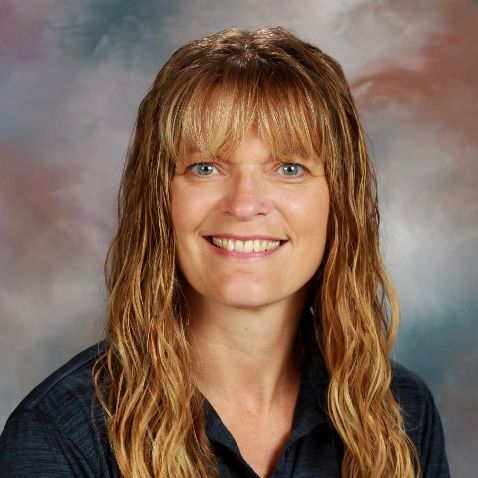
This eBook was created by consulting with K-12 educators on how
they’ve responded to the COVID-19 pandemic and are now addressing
learning gaps for when school returns. The tips they share can help
other schools with multiple options and ideas on how to ensure
learning continues for students.

We asked educators:
      How are you preparing to support students, many of whom
 1    will likely be behind academically, in the fall?

      What data do you plan to use to guide curriculum and
 2    instruction in addressing these learning gaps?

                                                       ALMOST

                                      70%
                                    of teachers say addressing
                                       achievement gaps will
                                     become a higher priority
                                         next school year3
                                      Education Dive, Survey: Most Principals Against Holding
                                      3

                                              Students Back a Year, May 26th, 2020

                                            2
Combining Known Strategies
with Edtech Tools
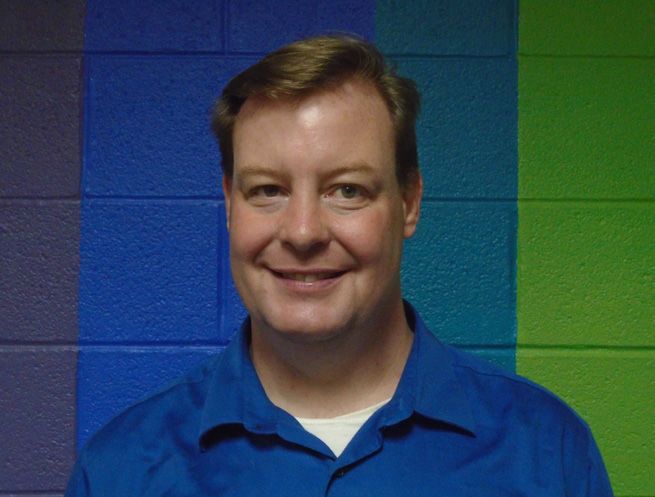
One of the major foci of our team
this summer and fall is helping
teachers see the parallels between
the high-yield strategies they already
know and use and the fantastic
tools available in Schoology Learning.

By doing this, we are creating the space
where teachers can effectively connect
with their students using asynchronous
discussions and Microsoft Teams meetings,
support their students’ needs as fellow
humans, and help ensure their students’
growth academically using learning
objectives and the authentic academic
feedback tools within Schoology Learning.

Honestly though, the largest hurdle with
the shift to a blended, and possibly virtual,                                              JEREMY ATKINS
environment is to take the focus off the                                             Instructional Designer,
tool (as wonderful as it may be) and put                                          Metro Nashville Public Schools
it back on great teaching (while using
the fantastic tool).

    Many teachers are worried about negotiating large
disparities in student performance as a result of the digital
   divide and differential access to learning materials.4
                      4
                       Edweek, 5 Tips for Measuring and Responding to COVID-19 Learning Loss, June 12th, 2020
                   https://www.edweek.org/ew/articles/2020/06/12/5-tips-for-measuring-and-responding-to.html

                                                                            3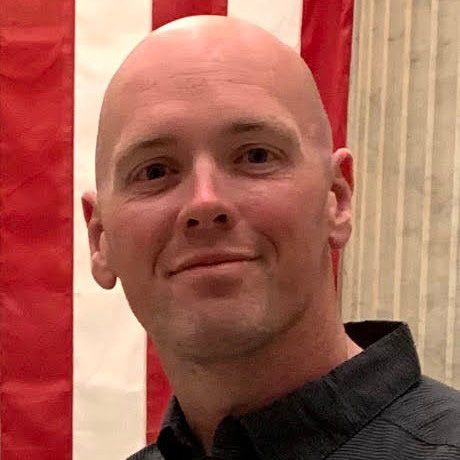
Administering Online Assessments
with PowerSchool Performance
Matters Assessment to Measure
Student Progress and Identify
Instructional Gaps
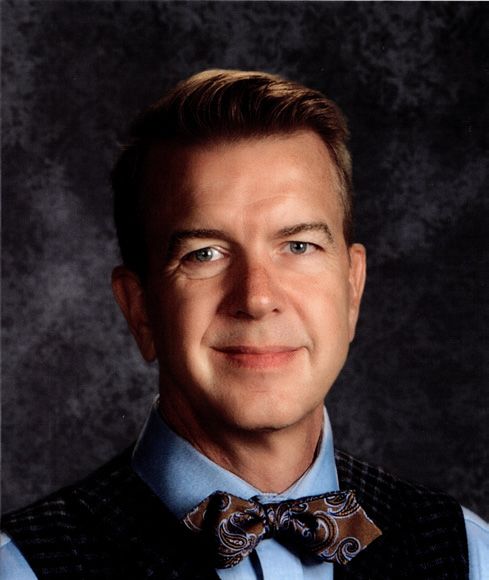
Our district used PowerSchool
Performance Matters to
administer weekly mathematics
practice and assessments
during our eLearning time
for grades 3 through 12.
Each activity could allow for
embedded videos that delivered
content, interactive questions, and
content tied to standards. The tools
allowed students the necessary                                 SUBMIT

math type, mirrored on district/state
assessments in preparation for the
following year. Teachers used the
feedback option to deliver specific
content knowledge for students to
consume in the student portal.

We plan on using all that data in
the fall to determine which students
participated, identify what instructional
standards need to be addressed                      ANNA HARDING
to whom, and track longitudinal              Accountability Data Administrator,
data regarding whether participating        Anne Arundel County Public Schools
in eLearning made an academic
difference for students or not.

                                             4
Using Data to Identify
and Remediate
Struggling Learners
Students returning to the classroom in the fall will need
additional support to ensure academic success. My school will
use a variety of data sources to determine the focus of instruction.

Universal diagnostic screenings play a          remediation with simplifying fractions
vital role in identifying knowledge and skill   can be assigned a learning module
gaps. In the first two weeks of returning       with instructional videos and practice
to the classrooms, all students will            opportunities to improve the skill. Using
participate in reading and math screenings      our school’s LMS assessment tools,
to determine their current knowledge            teachers will be able to determine when
levels. The universal screeners, however,       students can exit the remediation modules
are only the first step.                        or require additional remediation at
                                                a greater intensity.
Teachers-constructed assessments will
be used to measure student knowledge            Through a focus on identification and
and skill levels in specific subject area       remediation, teachers can support our
content. These assessments don’t have to        students’ academic success through
be long or given during the first few weeks     these unprecedented times.
of school; short assessments of three to
four multiple choice questions and one
short response item often provide enough
information to determine where students
need remediation. To prevent students
from being overwhelmed, the assessments
can be spaced out over the first few weeks
of school.

Using the diagnostic data, teachers can
work collaboratively to build remediation                DR. BRANDON LEDFORD
modules to address gaps in the students’                Teacher, Carroll County Schools
knowledge and skills. For instance,
students demonstrating a need for

                                                    5
Using Parent
Engagement
Gathers Data
on Needs, Issues,
and Concerns
to Inform
Decision-Making
I’m currently on our district’s                           SUBMIT
‘‘Return to Learning’’ team to
look at these issues.

So far, we have surveyed parents to
get information on their thoughts and
concerns on several related issues,
including home internet access,
transportation concerns, and concerns
about returning to face-to-face instruction
versus remote learning, or a blend of
both. We also asked about what other
considerations parents felt their child(ren)
may need this fall that are different than
what you would consider as normal needs.
This included subject areas such as math               PHILIP PULLEY
and language/reading, as well as                   Teacher, Fieldcrest CUSD 6
social-emotional supports.

Once the survey is complete, we will have
a better idea of the issues that we need

                                               6
to address. So far just under half of the would be safe with CDC guidelines, there
parents said no additional supports would were still 15% of parents who felt the school
be needed, but many parents have asked should provide remote learning.
for help for math (40%), English (30%),
and a smaller number for social- We will have to plan for all eventualities
emotional support (22%). as the ultimate decision lies with the state.
We might come back fully face-to-face,
For proposed new protocols, most often we might have to do a hybrid rotation model,
selected were cleaning and sanitizing (85%), or even be fully online. My biggest concern
frequent hand washing (82%), and no is for the approximately 15% of households
sharable materials (45%). Other items that reported either no internet or trying
mentioned included 6-foot spacing (23%) to use phones as hotspots. We need to find
and mask-wearing (14%). a way to address this inequity beyond
printed packets or setting up parking lot
While the vast majority of respondents felt access at the schools. Often the students
their students could safely return to school in those households also have the greatest
(about 63%), and about 36% felt the school support needs while at school.
7Designing
Flexible and
Responsive
Curricula to
Engage Students
I’m not worried about the ‘‘slide’’
so much as I’m thinking about
how to make my curriculum
engaging enough to spark and
maintain interest throughout the
year—whether we are in face-to-
face, hybrid, or distance learning. DANIELLE FILAS
English Teacher (8th grade),
I’ve been attending webinars and Presbyterian School
taking classes to help me gain the skills
needed to design a dynamic and flexible
curriculum.
Only 12% of teachers reported covering all or nearly
all of the curriculum that they would have
covered had their buildings remained open5
5
The 74, 2 New Surveys Find Teachers Stressed by Shutdown, Unable to Contact Students and Feeling their Confidence Drop, June 29th, 2020
8Meeting Every Student,
One at a Time
We are planning a three-tiered
approach to meeting the needs
of all of our students.
First, we are planning to offer an
instructional platform through the
Schoology learning management system
that supports learning in a technology-
enhanced classroom to ensure that all
learners are being served to meet their
individual learning needs.
Secondly, we will be implementing unique
and personalized learning experiences
for our students with special needs,
SEAN COFFRON
including instructional and linguistic Instructional Technology
scaffolding and supports. And finally, we Training Specialist,
will continue to provide intervention for Manassas City Public Schools
students who need additional support
to maintain personal success.
9Collaborating
and Gathering
Family Survey
Data to Address
Learning Gaps
Our school district departments
have come together during
the distance learning this past
spring and continue to work
academically with students
during summer school.
We utilize many platforms to access
student data including Google Classroom
and PowerSchool Performance Matters. DENISE DEJULIANNIE
We will also use the data, received from Technology Director,
numerous district families surveyed during Eden Valley-Watkins ISD 463
our distance learning program, to better
assess individual student learning gaps.
70% of parents want to know how
schools will address learning loss6
6
Forbes, The Survey Results Are In: 70% Of Parents Want to Know How Schools Will Address Learning Loss, June 8th, 2020
10Conclusion
Using Edtech for Whatever Tactic You Take
There’s no simple fix or single path to
overcome learning gaps on such a large
school- (and district-) wide scale. But
looking at how other educators are
addressing the issue can be helpful. While
districts can use many different tactics
to close the COVID-19 instructional gap,
a comprehensive edtech solution is
essential fill the data gap to address
classroom instruction, assessments, and
analytics for individual students, classes,
and the entire district.
Schedule a custom demo to see PowerSchool products
can help you address the learning gap.
As the K-12 leader, PowerSchool is the only edtech provider with a complete set of integrated
best-of-breed products to fill the data gap and keep the learning going.
LEARN MORE
11At PowerSchool, we believe in the simple truth that every student
deserves the best opportunities in life. That’s why our mission is to
power the education ecosystem with unified technology that helps educators and
students realize their potential, in their way. From the office to the classroom to
the home, PowerSchool helps schools and districts efficiently manage instruction,
learning, grading, attendance, assessment, analytics, state reporting, special
education, student registration, talent, finance, and HR. Today, we’re proud to be
the leading provider of K-12 education application technology supporting over
45 million students in over 80 countries.
www.PowerSchool.com
12 UC-SG-eb-002-071620You can also read


