LEEDS CITY REGION STRATEGIC ECONOMIC PLAN 2016-2036 - WWW.THE-LEP.COM
←
→
Page content transcription
If your browser does not render page correctly, please read the page content below
LEEDS CITY REGION
STRATEGIC ECONOMIC PLAN
2016-2036

WWW.THE-LEP.COM
MAY 2016
CONTENTS
               FOREWORD                                                                3
               EXECUTIVE SUMMARY                                                       4

               CHAPTER 1                                                               10
               THE VISION FOR TRANSFORMATIONAL CHANGE IN LEEDS CITY REGION
               •   THIS STRATEGIC ECONOMIC PLAN 2016-2036
               •   LEEDS CITY REGION: THE STRATEGIC VISION
               •   TRACK RECORD, DELIVERING THE GROWTH DEAL AND ACHIEVING OUR VISION
               •   DEVOLUTION, THE NORTH AND THE NATIONAL POLICY CONTEXT
               •   REFRESHING AND DELIVERING THE STRATEGIC ECONOMIC PLAN

               CHAPTER 2                                                               27
               LEEDS CITY REGION: PLACES, ASSETS, OPPORTUNITIES AND CHALLENGES
               •   LEEDS CITY REGION – MORE THAN THE SUM OF ITS PARTS
               •   APPROACH TO EVIDENCE AND PERFORMANCE OVERVIEW
               •   ECONOMIC PERFORMANCE - EVIDENCE AND ASSETS
               •   WHY DO WE NEED GOOD GROWTH?
               •   HORIZON SCANNING
               •   CONCLUSIONS AND IMPLICATIONS

               CHAPTER 3                                                               56
               STRATEGIC PRIORITIES
               •   STRATEGIC PRIORITIES
               •   HEADLINE INITIATIVES
               •   PRIORITY 1: GROWING BUSINESSES
               •   PRIORITY 2: SKILLED PEOPLE, BETTER JOBS
               •   PRIORITY 3: CLEAN ENERGY AND ENVIRONMENTAL RESILIENCE
               •   PRIORITY 4: INFRASTRUCTURE FOR GROWTH

               CHAPTER 4                                                               86
               ASSURED DELIVERY
               •   ASSURED DELIVERY
               •   APPROACH TO INTELLIGENCE AND EVALUATION

               ANNEX                                                                   90
               •   GROWTH FORECASTS, RISKS AND RESPONSES

               THANK YOU                                                               96
               GET INVOLVED                                                            97

2 LEEDS CITY REGION STRATEGIC ECONOMIC PLAN 2016-2036
FOREWORD

                 ROGER MARSH OBE, CHAIR OF THE LEP
                                              In my experience of business, you get back what you put in.
                                              As a City Region we’ve been working hard to ‘put in’ since the
                                              first Strategic Economic Plan (SEP) was launched in 2014 and
                                              the rewards are already paying dividends - thousands of new
                                              jobs and apprenticeships created, thousands of businesses
                                              helped to grow, new homes built and transport improvements
                                              underway.
                                               By enabling the Leeds City Region economy to grow at pace
                                               and scale, we’re demonstrating that the nation gets back far
                                               more than it puts in. Our performance to date means we now
                                               have a track record of highly cost-effective delivery, with every
                                               taxpayer £1 of investment levering in an additional £4 from
                 the private sector, and achieving a cumulative economic impact of over £10. Investment
                 here produces substantial on the ground results, efficiently delivered. And our ambitions
                 to deliver an extra 36,000 jobs and £3.7 billion of economic output by 2036 will help us to
                 become a positive, above average contributor to the nation’s purse.
                 However, as I’ve said before, this is not a job done but a job well begun.
                 Leeds City Region has a long history of innovation and industry, and of marrying together
                 economic success and social progress. The region was at the forefront of the Industrial
                 Revolution, home to industrialists from Titus Salt to Joseph Rowntree who all embodied
                 the enterprising zeal of this age, helping lay the foundations of the original Northern
                 Powerhouse and supporting the people of our City Region out of poverty and into a skilled
                 workforce. Now in 2016 it is unacceptable to me that we have so many people in our region
                 living in disadvantage. That is why we need to ensure that wealth creation by today’s
                 modern industrialists benefits all communities across Leeds City Region and builds a legacy
                 of lasting prosperity and future business success.
                 The focus of our Plan is not just growth for growth’s sake but good growth that combines
                 innovation and productivity with more and better jobs, improved skills and career
                 progression and a better environment so that the benefits can be felt by all. That is not
                 about spreading the spoils of success for its own sake, but about driving greater growth and
                 prosperity to realise our extraordinary potential.
                 In Leeds City Region, and as laid out in this SEP, clear vision and powerful partnerships will
                 enhance our journey of change. We will work together and remain persistent, purposeful
                 but patient in our call for the devolution of powers we need to shape our economic future.
                 From our position at the heart of the Northern Powerhouse we will capitalise on our unique
                 strengths and assets and collaborate with our neighbours to achieve more than we could
                 alone. We will excel as an outward looking City Region, at home and internationally, and
                 contribute ideas, energy and practical solutions. And now this next stage of our journey is
                 about ensuring our vision is matched by delivery.
                 In 10 years time we want to look back proudly and see the results of effective partnership
                 working: unprecedented innovation; excellence in digital skills and technology; far fewer
                 young people outside of the workplace or education; a sharp rise in high level skills; clean
                 energy and resilience against flooding; improved housing; and integrated transport that
                 connects people to jobs and businesses to markets. We want our businesses to have
                 expanded their growth ambitions and our residents to have had the support to realise their
                 potential. What we get back will not only be about the metrics of more businesses, jobs and
                 output; but transformation into a confident and even more capable City Region able to drive
                 its own destiny and achieve long term, sustainable success for all of its people.

3 LEEDS CITY REGION STRATEGIC ECONOMIC PLAN 2016-2036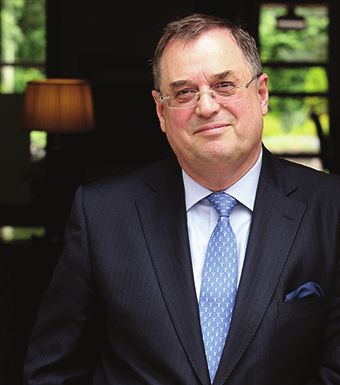
EXECUTIVE SUMMARY
THE CITY REGION AND OUR VISION
THE LEEDS CITY REGION ECONOMY IS THE BIGGEST OUTSIDE LONDON,
WORTH OVER £62 BILLION AND GENERATING 5% OF ENGLAND’S
OUTPUT. WE HAVE THREE MILLION RESIDENTS, A WORKFORCE OF 1.9
MILLION, 119,000 BUSINESSES, 14 FURTHER EDUCATION COLLEGES
AND NINE HIGHER EDUCATION INSTITUTIONS, ONE OF THE LARGEST
CONCENTRATIONS IN EUROPE.
Our diverse towns and cities each have distinctive assets and opportunities, sit in
some of the most beautiful landscape in the country, and are becoming increasingly
well connected. From our position at the heart of the North, we will make full use
of these assets in addressing long term challenges, unlocking opportunities and
fulfilling the City Region’s exceptional potential.
Our transformative vision is:
“TO BE A GLOBALLY RECOGNISED ECONOMY WHERE GOOD
GROWTH DELIVERS HIGH LEVELS OF PROSPERITY, JOBS
AND QUALITY OF LIFE FOR EVERYONE”
In achieving this, the City Region will:
deliver upwards of 35,000 additional jobs and an additional £3.7 billion of
annual economic output by 2036;
become a positive, above average contributor to the UK economy;
seek to exceed the national average on high level skills and to become a
NEET(not in employment, education or training)-free City Region; and
make good progress on Headline Indicators of growth and productivity,
employment, earnings, skills and environmental sustainability.
This SEP builds on progress to date and will drive action to deliver our vision and
targets. It is led by the Leeds City Region Enterprise Partnership (LEP) and the West
Yorkshire Combined Authority (Combined Authority) working with and on behalf of
partners across the City Region.
Partnership will be central to our approach. This strategy has been produced
through engagement with stakeholders, including businesses, local authorities,
universities and colleges and community organisations. Delivering it will demand
integrated action by the same spread of partners working together around a shared
intent for ‘good growth’.
4 LEEDS CITY REGION STRATEGIC ECONOMIC PLAN 2016-2036GOOD GROWTH
THE STRATEGY IS BASED ON FOUR INTERCONNECTED
PRIORITIES AND A CENTRAL PRINCIPLE OF ‘GOOD GROWTH’.
This means achieving both the right quantity and the right quality
of growth; creating a strong, productive and resilient economy
where a radical uplift in business competitiveness, productivity and
profits goes hand in hand with access to good jobs that pay higher
wages, and where all residents have access to opportunity and enjoy
improved quality of life.
The value of this is clear - people are better off, the local economy
is transformed and boosted, the environment is improved and
government is able to spend less on welfare. This will underpin
everything we do and be used as a principle against which we will
test and measure success.
Innovation and digital technology will be key to success. More
of our firms and public institutions will quickly exploit new ideas,
opportunities and technologies to find solutions and achieve growth,
efficiency and productivity.
Similarly, the character, ideas, abilities and ambitions of our people
will be central to a culture that builds on the City Region’s traditions
and which is inventive, outward looking, collaborative, open to
new ideas and laced with grit and determination. Our diverse and
polycentric economy, made up of major cities, towns and countryside,
gives us the distinctive assets and opportunities we need to do this.
HIGH PRODUCTIVITY, QUALITY PLACES, GOOD JOBS,
INNOVATION AND ENVIRONMENT AND INCOMES AND LESS
OUTPUT CONNECTIONS INEQUALITY
GOOD GROWTH
5 LEEDS CITY REGION STRATEGIC ECONOMIC PLAN 2016-2036TRACK RECORD AND FUTURE IMPACTS
INVESTMENT OF THE RELATIVELY LIMITED SUMS (£125
MILLION) AVAILABLE TO THE LEP FROM 2011-15 WILL
BY 2020 CREATE AN ADDITIONAL 3,200 JOBS FOR LOCAL
PEOPLE, BENEFIT 4,300 BUSINESSES AND UNLOCK NEARLY
HALF A BILLION POUNDS OF PRIVATE INVESTMENT.* THE
CITY REGION ECONOMY WILL BE AROUND £220 MILLION
BIGGER IN 2020 AS A RESULT, WITH A CUMULATIVE
£1.4 BILLION OF OUTPUT ADDED OVER AND ABOVE A
BUSINESS AS USUAL SCENARIO. INVESTMENT HERE
PRODUCES SUBSTANTIAL ON THE GROUND RESULTS,
EFFICIENTLY DELIVERED.
Looking ahead our forecasts predict that – in the absence of any local
interventions – the City Region economy will continue to grow, but at
a rate below the national average. This strategy builds on our track
record and assets to enable us to turn around this trajectory. The
investment we have secured for the next decade includes the
£1 billion Growth Deal, the €390 million European Structural
Investment Fund and two new Enterprise Zones.
These funds, together with the additional public and private
investment that will be levered in, will generate 35,700 additional
jobs by 2036. That equates to an extra £3.7 billion annual economic
output. If this extra growth is added to that which is expected happen
because of national trends, the City Region is on track to become a
near £100 billion economy in 20 years’ time.
We will go still further than this in the long term. As part of the
Northern Powerhouse, and with growth magnified by devolution, we
would look to achieve even faster rates of growth and job creation,
moving to upwards of 50,000 additional new jobs by 2040. This will
mean the City Region will be well on its way to the aspiration of
becoming a positive, above average contributor to the UK economy
in terms of the tax revenues it raises.
35,700 £3.7 BILLION A NEAR
ADDITIONAL NET JOBS ADDITIONAL ANNUAL £100 BILLION
CREATED BY 2036 ECONOMIC OUTPUT BY 2036 CITY REGION ECONOMY BY 2036
* Small Report of Big Impact 2011-2015; Leeds City Region Enterprise Partnership, December 2015
6 LEEDS CITY REGION STRATEGIC ECONOMIC PLAN 2016-2036DELIVERY
THE SEP WILL BE IMPLEMENTED THROUGH A SET OF
INTERCONNECTED DELIVERY PLANS COVERING AREAS SUCH
AS SKILLS AND EMPLOYMENT, DIGITAL, TRANSPORT, GREEN
INFRASTRUCTURE, TRADE AND INVESTMENT, HOUSING AND
REGENERATION AND INFRASTRUCTURE. THESE SPAN THE
FOUR PRIORITIES OF THE STRATEGY AND WILL MAKE CLEAR
THE DETAIL OF WHAT WILL BE DELIVERED BY WHO AND
WHEN IN KEY POLICY AREAS, AND ENSURE THAT STRATEGY
LEADS TO ACTION AND RESULTS.
Across the strategy, a set of 10 Headline Initiatives have been
identified as the vital developments that we wish to see delivered – or
well on the way to delivery - over the next 10 years.
In effect, they are the large scale ‘game changers’ that will enable
us to make real progress towards achieving the City Region’s vision.
They address key, evidence based issues and opportunities, span
all four priorities of this strategy and will support its good growth
principles.
These initiatives will be delivered through a wide range of partners,
including and going well beyond the LEP and the Combined
Authority, and utilising local, national and European funding
sources.
7 LEEDS CITY REGION STRATEGIC ECONOMIC PLAN 2016-2036THE HEADLINE INITIATIVES, GROUPED UNDER THE
FOUR PRIORITIES OF THE STRATEGY, ARE:
1 IMPLEMENT COORDINATED AND WIDE RANGING ACTION TO
RADICALLY INCREASE INNOVATION
PRIORITY 1 2 BECOME A GLOBAL DIGITAL CENTRE – WITH SPECIALISMS IN
GROWING DATA STORAGE, ANALYTICS, DIGITAL HEALTH AND TECH SKILLS
BUSINESS
3 BOOST BUSINESS GROWTH, PRODUCTIVITY, EXPORTS AND
INVESTMENT BY LINKING BUSINESSES TO SUPPORT AND
FUNDING, INCLUDING THROUGH THE LEP GROWTH SERVICE,
SKILLS SERVICE AND TRADE AND INVESTMENT PROGRAMME
4 DELIVER A ‘MORE JOBS, BETTER JOBS’ PROGRAMME TO
WIDEN EMPLOYMENT, SKILLS, APPRENTICESHIPS AND
PRIORITY 2 PROGRESSION OPPORTUNITIES, LINKED TO NEET-FREE GOALS
SKILLED PEOPLE, 5 DEVISE AND DELIVER A PROGRAMME OF ACTION TO INCREASE
BETTER JOBS
HIGH LEVEL SKILLS AND CLOSE THE GAP TO UK AVERAGE
6 TARGETED INVESTMENTS AND INNOVATION TO MAKE THE CITY
REGION A LEADING EDGE CENTRE FOR ZERO CARBON ENERGY
PRIORITY 3 7 MAKE CLIMATE CHANGE ADAPTATION AND HIGH QUALITY
CLEAN ENERGY AND GREEN INFRASTRUCTURE INTEGRAL TO IMPROVING THE
ENVIRONMENTAL
RESILIENCE CITY REGION ECONOMY AND ITS SPATIAL PRIORITY AREAS
8 DELIVER 30+ WEST YORKSHIRE PLUS TRANSPORT FUND
SCHEMES AND MAKE PROGRESS TOWARDS A SINGLE ‘METRO
STYLE’ PUBLIC TRANSPORT NETWORK, CONNECTED TO
PRIORITY 4 MAJOR NATIONAL/NORTHERN SCHEMES SUCH AS HS2 AND
INFRASTRUCTURE
FOR GROWTH NORTHERN POWERHOUSE RAIL
9 DEVELOP AND REGENERATE INTEGRATED SPATIAL PRIORITY
AREAS, SUPPORTING EMPLOYMENT, QUALITY ENVIRONMENTS
AND THE BUILDING OF 10,000-13,000 NEW HOMES PER YEAR
10 DEVELOP AN INTEGRATED FLOOD RISK REDUCTION
PROGRAMME, INCORPORATING FLOOD DEFENCES, GREEN
INFRASTRUCTURE AND RESILIENT DEVELOPMENT
Additionally, each of the SEP’s four priorities identifies overall goals, a set
of action areas, the strategic rationale and the approach that will be taken.
This includes the key partners that will be involved, how implementation of
the priority will support good growth principles and measures of success.
8 LEEDS CITY REGION STRATEGIC ECONOMIC PLAN 2016-2036The diagram shows the how the elements of the SEP fit together and the action
areas within each of the four priorities.
VISION
TO BE A GLOBALLY RECOGNISED ECONOMY WHERE GOOD
GROWTH DELIVERS HIGH LEVELS OF PROSPERITY, JOBS
AND QUALITY OF LIFE FOR EVERYONE
PRIORITY 1 PRIORITY 3
Growing Business Clean Energy and
a) Business Growth Hub Environmental Resilience
(LEP Growth Service) a) New energy generation
b) Innovation b) Resource efficient
c) Access to finance businesses
d) Digital c) Energy efficiency and
empowering consumers
e) Supply chain development
d) Green infrastructure
f) Enterprise
g) Trade and investment
GOOD
Skilled People, Better Jobs GROWTH Infrastructure for Growth
a) More and better a) Integrated spatial priority
apprenticeships areas:
b) Great education, connected • Urban Growth Centres
to business • Housing Growth Areas
c) Employability, access to jobs • Employment Growth Areas
and realising potential
b) Transport infrastructure and
d) Building workforce skills and services
attracting talent
c) Integrated flood risk
e) Addressing skills gaps and reduction
shortages
d) Digital infrastructure
PRIORITY 2 PRIORITY 4
• 35,700 NET ADDITIONAL JOBS BY 2036
• AN EXTRA £3.7 BILLION ANNUAL ECONOMIC OUTPUT BY 2036
• AMBITIONS TO EXCEED NATIONAL AVERAGE ON HIGH LEVEL SKILLS AND TO
BECOME A ‘NEET-FREE’ CITY REGION
• PROGRESS ON HEADLINE INDICATORS OF GROWTH AND PRODUCTIVITY,
EMPLOYMENT, EARNINGS, SKILLS AND ENVIRONMENTAL SUSTAINABILITY
9 LEEDS CITY REGION STRATEGIC ECONOMIC PLAN 2016-2036CHAPTER 1
THE VISION FOR
   TRANSFORMATIONAL CHANGE
   ACROSS LEEDS CITY REGION
   THIS STRATEGIC ECONOMIC PLAN 2016-2036
   THIS SEP IS LED BY THE LEP AND THE COMBINED AUTHORITY,
   WORKING WITH AND ON BEHALF OF PARTNERS ACROSS THE
   CITY REGION. IT IS AN AMBITIOUS PLAN THAT BUILDS ON
   PROGRESS TO DATE AND SETS THE COURSE FOR THE CITY
   REGION TO FULFIL ITS EXCEPTIONAL POTENTIAL.
   The SEP has been produced through engagement with many partners
   and stakeholders, including businesses and their representative
   organisations, local authorities, universities and colleges and
   community organisations. We have also connected with neighbouring
   areas and their economic plans, linked to our central role in the
   Northern Powerhouse. This resulting strategy refreshes the previous
   SEP (produced in 2014 at the request of the Chancellor) and will be
   implemented through a set of interconnected Delivery Plans. These
   will cover the detail of what will be delivered by who and when in key
   policy areas, and ensure that strategy leads to action and tangible
   results.

   Where ‘we’ is used in the strategy, it refers to the LEP and the
   Combined Authority, working in partnership with the array of
   organisations that contribute to the City Region economy. It is
   this partnership of agencies – across the City Region’s business,
   public and voluntary and community sectors – that will deliver the
   transformational change we seek. Hence the SEP provides the strategic
   framework to combine and align our joint action and investment to
   support delivery of good growth in Leeds City Region.

11 LEEDS CITY REGION STRATEGIC ECONOMIC PLAN 2016-2036
LEEDS CITY REGION: THE STRATEGIC VISION
   IN ACHIEVING THIS TRANSFORMATIVE VISION, THE CITY REGION WILL UNLOCK ITS
   FULL ECONOMIC POTENTIAL AND CEMENT ITS PLACE AS AN ENGINE FOR GROWTH IN
   THE NORTH AND FOR THE NATION AS A WHOLE.
   It will become a positive, above average contributor to the UK economy and deliver
   upwards of 35,000 additional jobs and an additional £3.7 billion of annual economic
   output by 2036.

   The LEP’s vision for Leeds City Region is:

   “TO BE A GLOBALLY RECOGNISED ECONOMY WHERE GOOD
   GROWTH DELIVERS HIGH LEVELS OF PROSPERITY, JOBS
   AND QUALITY OF LIFE FOR EVERYONE”
   Leeds City Region has a proud economic and cultural history. Its spirit of
   inventiveness, enterprise and hard work was at the heart of the industrial revolution,
   whilst its creative talents have led advances in science, engineering, literature
   and sculpture. This energy and innovation have continued into the modern era,
   with countless technical advances, such as hip replacements and cash machines,
   invented here. The City Region, with an economy bigger than that of nine EU member
   states, continues to transform. Since 2011 (when the LEP was created), thousands of
   jobs have been created, thousands of businesses helped to grow, and almost half a
   billion pounds of private investment unlocked.

     LARGEST UK CITY REGION                  3 MILLION                 £62.5 BILLION
    ECONOMY OUTSIDE LONDON                   RESIDENTS                   ECONOMY

    LARGEST UK FINANCIAL AND                  119,000                  LARGEST UK
     PROFESSIONAL SERVICES                  BUSINESSES             MANUFACTURING CENTRE
     SECTOR OUTSIDE LONDON

12 LEEDS CITY REGION STRATEGIC ECONOMIC PLAN 2016-2036
THE PRIME MINISTER, RT HON DAVID CAMERON MP
(DEC 2015):
“THE PARTNERSHIP HAS ACHIEVED PHENOMENAL
SUCCESS HERE AND - THANKS TO DEVOLVED
GOVERNMENT FUNDING AND STRONG LOCAL
LEADERSHIP - IT HAS HELPED 4,000 BUSINESSES
TO GROW AND HAS CREATED 3,200 JOBS AND
2,000 APPRENTICESHIPS. THIS REALLY SHOWS
THE NORTHERN POWERHOUSE IN ACTION AND IS A
BOOST FOR THE CITY REGION, THE NORTH AND THE
COUNTRY AS A WHOLE.”
We view this as ‘a job well begun’. Indeed, progress has been noted as
‘phenomenally successful’ by the Prime Minister. It demonstrates the ability of
partners across the City Region to work together to tackle collective challenges,
and puts us in excellent stead to exploit the many opportunities that lie ahead. The
City Region has the assets, drive, capability and partnerships needed to continue to
transform our economy.
Transformation will not be without challenges. Like other places that initially led
the industrial revolution, the decline of heavy industry took a weighty toll on many
communities. It has left a legacy of pockets of serious deprivation, and an economy
that has been less productive than those in London and the South East which have
had a different economic history.
The residents and business people of Leeds City Region are, however, nothing if not
resilient. Although there is much further to go, with increasing control of the levers
needed to drive success, the building blocks for future lasting growth are firmly in
place.
WHAT WILL OUR VISION OF ‘GOOD GROWTH’ LOOK LIKE ACROSS
LEEDS CITY REGION?
OUR VISION FOR GOOD GROWTH IS ABOUT AN AMBITION FOR BOTH THE RIGHT
QUANTITY AND QUALITY OF GROWTH THAT IS IN EVERYONE’S INTEREST AND THAT
WILL TRANSFORM THE CITY REGION ECONOMY.
It is about creating a strong, productive and resilient economy where a radical
uplift in business competitiveness, productivity and profits goes hand in hand with
access to good jobs that pay higher wages, and where all residents have access
to opportunity and enjoy improved quality of life. The value of this is clear - people
are better off, the local economy is transformed and boosted, the environment is
improved, society is fairer and government is able to spend less on welfare and
public services. This will underpin everything we do and be used as a principle
against which we will test and measure success.
HIGH PRODUCTIVITY, GOOD JOBS, QUALITY PLACES,
GOOD GROWTH
INNOVATION AND INCOMES AND LESS ENVIRONMENT AND
OUTPUT INEQUALITY CONNECTIONS
13 LEEDS CITY REGION STRATEGIC ECONOMIC PLAN 2016-2036So what will this mean for how the components of good growth contribute to our
twenty year vision?
FOR BUSINESS: good growth will equate to heightened productivity and
increasing numbers of businesses that make ‘good growth’ an intrinsic part
of their long term corporate strategy and the route to delivering value for
shareholders. Their outlook will span both local supply chains and international
markets, embodying an open and collaborative culture where innovation and a
degree of risk-taking are the norm. They will strive to offer ‘good’ jobs (see below)
that, along with investment in the skills they need at all levels, will enable them to
attract and retain the talented people they need to grow and to move into higher
value product and service markets. This will be challenging in some sectors
– like retail, catering and care – but the City Region will work together to help
businesses find practical, realistic solutions that help move them along a path
towards good growth.
FOR PEOPLE: the benefits of growth do not automatically trickle down to all, so
we will adopt an inclusive growth approach that will proactively prioritise options
to extend job and income opportunities to all communities. Many more jobs will
be ‘good’ jobs defined by decent income, fair terms and appropriate flexibility
and security, where effort is recognised and people have the opportunity to learn,
contribute, progress and work in a safe and healthy environment. This new norm,
coupled with higher productivity, will raise pay and incomes over time, helping to
reduce in-work poverty. Graduates and other young people will not need to leave
the City Region to find work which befits their skills. More people in good jobs will
have benefits for health, just as improved health will widen the labour pool and
enhance productivity.
FOR PLACES: high quality and connected places are intrinsic to good growth.
Our distinctive variety of places will offer outstanding quality of life through their
unique business, physical and environmental assets, as well as their diversity of
culture and heritage. Vibrant, regenerated town and city centres will be people
friendly, no longer dominated by the car, with clean air and the highest quality
green infrastructure and public realm. This will sit alongside a rural hinterland
that plays its full and highly significant role in the City Region economy. There
will be enough of the right-sized, high quality, carbon neutral homes in the right
places to give residents a choice of where they want to live in safe communities at
a price they can afford.
Places will be connected by high quality transport and wider infrastructure that
serves the needs of businesses and people. Movement between towns and cities
will be easy and fast, based on a single ‘metro style’ public transport system
that connects residents to jobs and companies to their markets with ease and
reliability. HS2 and a much-improved rail network across the North of England
(known as ‘Northern Powerhouse Rail’), plus improved access to Leeds-Bradford
and Manchester International Airports, will ensure excellent physical links to the
rest of the UK and the world. Schools and colleges, green infrastructure, flood risk
management measures and digital connectivity will likewise be comparable to
the best in the world and will give the City Region a global reputation that readily
attracts skilled people and investment.
FOR THE ENVIRONMENT: we will apply a low carbon and sustainable approach
in everything we do. As a leader in low carbon, we will exploit new economic
opportunities with potentially huge global market opportunities. Our businesses
will be highly efficient in their use of energy and resources, allowing them to
de-couple growth from carbon emissions and pollution. Poor air quality and fuel
poverty will be a thing of the past – homes will be well-insulated, while efficient
energy generation, usage and smart networks will ensure everyone is actively
in control of their energy consumption. We will not just have maintained and
enhanced our already beautiful landscape, but will have found innovative new
ways to work with it, for example through investments in new or enhanced
natural assets that help to reduce flood risks.
14 LEEDS CITY REGION STRATEGIC ECONOMIC PLAN 2016-2036The focus on good growth is not just well-intended
words. It is embedded in each priority of this strategy,
with measures of success in delivering good growth
set out clearly to enable us to monitor and evaluate
progress. Good growth will permeate all of our delivery
plans, and will be embedded in all our partnerships,
decision making, prioritisation and resource allocation.
In this way good growth will become part of the way we
do business in Leeds City Region.
INNOVATION, TECHNOLOGY AND CREATIVITY –
PART OF HOW WE DELIVER GOOD GROWTH
In a rapidly changing and often unpredictable
world, the ability to quickly exploit new ideas,
opportunities and technologies will be critical to
economic success and social progress. Businesses
that innovate imaginatively can see phenomenal
growth, and achieve big improvements in efficiency
and productivity. And those that capitalise on the full
potential of new technology and data can gain crucial
market advantage. The City Region can and will do
more to support such activity. It will link businesses
to our excellent universities and colleges to foster
R&D, build a high quality pool of talented people and
tech skills, and ensure the right data, digital and
technology infrastructure is in place.
But innovation is not solely about technology,
business or infrastructure. It is also about the
creativity, mind sets, ideas and abilities of the City
Region’s people. We all have the ability to devise new
products and services and to do things better. To reap
this potential we will harness a creative, confident
and ambitious culture where people and businesses
in all sectors make best use of ideas and technology
and continually innovate and improve. The character,
ideas, abilities and ambitions of people in the City
Region will drive success. We will support a culture
that builds on the City Region’s traditions and which
is inventive, outward looking, collaborative, open to
new ideas and laced with grit and determination.
15 LEEDS CITY REGION STRATEGIC ECONOMIC PLAN 2016-2036TRACK RECORD, DELIVERING THE GROWTH DEAL AND
ACHIEVING OUR VISION
THE 11 LOCAL AUTHORITIES THAT COMPRISE LEEDS CITY REGION
(BARNSLEY, BRADFORD, CALDERDALE, CRAVEN, HARROGATE, KIRKLEES,
LEEDS, SELBY, WAKEFIELD AND YORK, ALONGSIDE NORTH YORKSHIRE
COUNTY COUNCIL) HAVE BEEN WORKING IN PARTNERSHIP TO IMPROVE
THE ECONOMY SINCE 2004.
The establishment of the LEP in 2011 and the Combined Authority* in 2014
strengthened joint working further, including direct private sector involvement in the
partnership. The LEP and the Combined Authority are now working as one to drive
economic success.
Since 2011, government has increasingly offered Local Enterprise Partnerships
control over budgets in a number of key aspects of economic development.
Investment of the relatively limited sums (£125 million) available to the LEP from
2011-15 will by 2020 create an additional 3,200 jobs for local people, benefit 4,300
businesses and unlock nearly half a billion pounds of private investment.** The
City Region economy will be around £220 million bigger in 2020 as a result, with a
cumulative £1.4 billion of output added over and above a business as usual scenario.
Our performance to date means we now have a track record of highly cost-effective
delivery, with every £1 of government investment levering in an additional £4
from the private sector, and achieving a cumulative economic impact of over £10.
Investment here produces substantial on the ground results, efficiently delivered.
£491 MILLION
IN PRIVATE SECTOR INVESTMENT
UNLOCKED FOR THE REGION
4,300 BUSINESSES
SUPPORTED TO GROW
AN ADDITIONAL
2,700 WORK
OPPORTUNITIES
CREATED FOR YOUNG PEOPLE
2,350
APPRENTICESHIPS
CREATED ACROSS
THE CITY REGION
3,200
JOBS CREATED FOR
LOCAL PEOPLE
BY 2020
£1.4 BILLION
IN ECONOMIC
OUTPUT ADDED TO
THE CITY REGION
ECONOMY BY 2020
* The Combined Authority has economic and transport powers and brings together the five authorities of Bradford, Calderdale,
Kirklees, Leeds and Wakefield, working in tandem with City of York Council.
** Small Report of Big Impact 2011-2015, Leeds City Region Enterprise Partnership, December 2015
16 LEEDS CITY REGION STRATEGIC ECONOMIC PLAN 2016-2036Impact has spanned all four priorities of the strategy and will continue to do so in the
future. For example:
The City Region has 15% more businesses than in 2011, a rise that outstrips
national performance, and has attracted 31 inward investments, helping to raise
foreign investment in Yorkshire by 145%.
Skills programmes have created 2,350 new apprenticeships for young people and
enabled 2,700 more young people to enter employment, education or training.
There have been significant reductions in carbon emissions, energy
improvements to over 1,000 properties, and major progress on developing an
ambitious pipeline of new district heat networks.
What then is required to move on from this good start and achieve our ambition of
good growth and greater prosperity? According to 2014 data, Leeds City Region is
a £62.5 billion a year economy, the largest city region outside London. However, if
our output per person were to match the UK average, billions would be added to our
annual economic output. In turn, employment and wages would be higher, more tax
would be paid by local businesses and individuals, and benefit payments and other
calls on the public purse would be lower, meaning that we would be moving to a
position of making a positive, above average contribution to the national exchequer.
The strength of our partnership, the economic ambition expressed in the first SEP,
and the ability to deliver in a highly cost effective manner enabled the City Region to
secure from government the largest Growth Deal of any LEP area in the country in
2014 and 2015. The £1 billion Growth Deal is a major programme of investment to
support all our strategic priorities, including the creation of the ‘West Yorkshire plus
Transport Fund’ for over 30 new transport schemes that will improve access to jobs
and markets for people and businesses in West Yorkshire and York.
The impact of the funding we have won to date and the investments that will flow
from it will be substantial. The full range of investments to be guided by the LEP and
the Combined Authority includes:
the Growth Deal itself, which will lever in similarly large sums of additional
investment from both the private and public sectors over the next decade;
investment of around 390 million Euro of European Structural and Investment
Funds (ESIF), which will be at least matched by other bodies; and
a mixture of public and private investment will ensure the development of our
Enterprise Zones in the Aire Valley and along the M62 corridor, with the great
majority of the investment from the private sector.
The successful delivery of this full ‘Growth Deal Plus’ package of public and private
investment will create 35,700 additional net jobs by 2036. That equates to an
additional £3.7 billion annual GVA. If this extra growth is added to that which is
expected to happen because of national trends, the City Region is on track to become
a near £100 billion economy in 20 years’ time.
35,700 £3.7 BILLION A NEAR
ADDITIONAL NET JOBS ADDITIONAL ANNUAL £100 BILLION
CREATED BY 2036 ECONOMIC OUTPUT BY 2036 CITY REGION ECONOMY BY 2036
17 LEEDS CITY REGION STRATEGIC ECONOMIC PLAN 2016-2036Together with the 115,000 extra jobs forecast for the City Region
through business as usual growth, this will mean that there are
around 150,000 more jobs than in 2016 – two to three times higher
than forecast working age population growth over the same period*
and enough to have a significant positive impact on economic activity
and employment rates.
To put these figures into context, for Leeds City Region to have
matched expected UK average growth rates over the next 20 years
would have required the creation of around an additional 30,000 net
jobs. This would be an ambitious aim in itself, and have demanded
much better performance than that of recent decades. The goal
of creating nearly 36,000 jobs goes beyond this. In other words,
successful delivery of the Growth Deal, the ESIF and our Enterprise
Zones will enable us to lift our economic growth path to an annual
level that exceeds the rest of the UK, and thereby goes a long way
towards the transformation we seek.
However, our long term ambition is to go further. As part of the
‘Northern Powerhouse’ of Northern city regions working together,
and with growth magnified by devolution that gives us the ability to
take more effective decisions locally, we would look to achieve even
faster rates of growth and job creation, moving to upwards of 50,000
additional new jobs by 2040. In striving to deliver these ambitions and
our good growth principles, we will seek the best balance between
quantity and quality of growth to ensure benefits for businesses,
people and the environment and reduced inequalities. Decision
making and project appraisal mechanisms will support this approach.
The additional jobs, income and business growth to be created will
enable the City Region to be well on the way to its aspiration of
becoming a ‘net contributor’ to the UK economy in terms of the tax
revenues it raises.
Currently the City Region contributes approximately £300 per capita
below average in tax revenues compared to the rest of the UK
(excluding London).** Creating 35,000 net additional new jobs at UK
average wage levels would close this gap and make the City Region
an above average contributor to UK PLC. As stated above, the Growth
Deal and associated investments are forecast to create this number
of jobs.
* Population growth forecasts are for an extra 51,000 working age (16-64) people in the 20 years to 2036 due
to natural change and migration, rising to approximately 64,000 due to future changes to the retirement
age.
** The definition used is based solely on tax raised (not the gap between that and spending). UK figures
exclude London given its exceptional nature as a major world city and the way its associated tax base
would artificially skew analysis. Figures used in gap reduction calculations are based on baseline forecasts
in other parts of the UK.
18 LEEDS CITY REGION STRATEGIC ECONOMIC PLAN 2016-2036To enable progress to be tracked annually and in line with the
breadth of our vision for good growth, success will be judged
against five headline economic indicators (see Chapter 2). The goal
will be to perform better on all of these measures year by year to
benefit people and businesses, and to leapfrog the performance
of other city regions, hence improving our position compared to
national averages.
Additionally, on skills, our long term ambitions are to become
a ‘NEET-free’ City Region with all young people in employment,
education or training, and for high level skills that meet or exceed
the national average. The headline indicators draw on core
economic measures and fuller expert analysis on monitoring
inclusive growth in Leeds City Region, which we will utilise in full as
a supporting data set.* They are:
Growth and Productivity: total economic output (GVA) and
output per hour worked.
Employment: employment and economic inactivity rates.
Earnings: median incomes and incomes of the bottom 20%
of earners.
Skills: % of the working age population with qualifications at
degree level or equivalent and the % with five good GCSEs.
Environmental sustainability: CO2 emissions per capita and
fuel poverty levels.
In parallel with success on these indicators, we will track progress
against wider, equally important goals that cannot be measured in
numbers alone. These include using available evidence – combining
qualitative factors, wider data sets, and tangible change on the
ground that affects people and businesses – to assess progress
in areas such as innovation, exploitation of technology and digital
opportunities, quality of life, quality of place, environment and
culture. Where data allows, we will also monitor the extent of
inequalities within a range of headline indicators with a view to
these decreasing over time.
* C. Beatty et al, A framework of indicators for measuring inclusive growth, CRESR, Sheffield Hallam
University, July 2015
19 LEEDS CITY REGION STRATEGIC ECONOMIC PLAN 2016-2036DEVOLUTION, THE NORTH AND THE NATIONAL POLICY CONTEXT THERE HAVE BEEN IMPORTANT CHANGES IN BOTH LOCAL GOVERNANCE AND IN THE NATIONAL APPROACH TO DEVOLUTION SINCE THE PUBLICATION OF OUR FIRST SEP IN 2014. THE COMBINED AUTHORITY WAS ESTABLISHED IN APRIL 2014, AND WORKS WITH THE LEP AS TWO SIDES OF THE SAME COIN. THE LEP, WHICH INCLUDES POLITICAL LEADERS FROM ACROSS THE CITY REGION, SETS OVERALL ECONOMIC STRATEGY, WHILE THE COMBINED AUTHORITY PROVIDES LOCAL DEMOCRATIC ACCOUNTABILITY AND A CLEAR LINK TO THE LOCAL AUTHORITIES. Building on these governance structures, Spring 2015 saw the agreement of a first stage Leeds City Region devolution deal with the coalition government, giving council and business leaders greater influence over long term planning and investment decisions on adult skills, transport, housing and support for small businesses. The deal opened the door to new ways of working locally, e.g. between the Combined Authority and the LEP, as well as with national agencies including UKTI, the Homes and Communities Agency, Highways England and Network Rail. The Combined Authority therefore now has more scope than previously to influence national planning and investment decisions, so that they are better shaped by, and responsive to, local priorities. The first stage devolution agreement allows for conversations with government on the further devolution of powers and investment. Following the July 2015 Spending Review, proposals including 27 ‘asks’ were submitted by the City Region in September 2015 to the Treasury to secure a transformational deal for devolved fiscal budgets, and associated powers or responsibilities over transport, housing, skills and employment, business, energy and flood alleviation and resilience. The ‘asks’ cover the geography of the City Region, and provide for a directly elected City Region Mayor by May 2017, subject to consultation and consent by the Combined Authority and its member Councils. The agreement of an ambitious deal would serve to accelerate the realisation of the City Region’s economic ambitions and deliver a Northern Powerhouse that competes on a global stage and rebalances the UK economy. Looking ahead, the Combined Authority and the LEP will, on behalf of the City Region, continue to work with government to achieve the comprehensive devolution that would provide the powers and resources necessary to achieve the City Region’s ambitions. 20 LEEDS CITY REGION STRATEGIC ECONOMIC PLAN 2016-2036
LEEDS CITY REGION IS AT THE VERY HEART OF THE ‘NORTHERN POWERHOUSE’.
   GEOGRAPHICALLY WE BIND THE NORTH TOGETHER; ECONOMICALLY WE ARE ITS
   BIGGEST CONTRIBUTOR OF BUSINESSES, OUTPUT AND JOBS; AND POLITICALLY WE
   ARE AT ITS FOREFRONT. WORKING CREATIVELY AND IN COLLABORATION WITH ALL
   PARTS OF THE NORTH, OUR AMBITIOUS, DETERMINED, CAN-DO SPIRIT WILL DRIVE
   ITS REVITALISATION.
   The result will be a second, globally significant, UK powerhouse economy that
   complements London and the South East. By unleashing the full, collective
   economic potential of the North our growth will be more rapid and more
   sustainable. We will transform the lives of millions, add many thousands of jobs and
   billions to economic output, and maximise our contribution to UK PLC.

   The devolution of power and budgets
   that we seek will be intrinsic to achieving
   our vision and that of the Northern
   Powerhouse, enabling better prioritisation
   and decision making and more cost-
   effective action. Additionally, there are
   fields where businesses, public bodies and
   the community sector can make progress
   by working together across the North
   independently of government.

   This type of cooperation is already happening
   – for example, with Rail North and Transport
   for the North. These initiatives are led by the
   North and have already brought far greater
   local control over new rail franchises as well
   as wider influence on transport proposals.
   Ultimately they will result in local control
   over substantial transport budgets for
   the North.

   But pan-northern collaboration is not just
   happening on transport. There are also key
   aspects of innovation, access to finance,
   supply chains and skills in which dialogue
   and action is underway because it makes
   sense to consider approaches at a larger
   geographic scale.

   Our strategy for the City Region economy
   is aligned strongly with that for the rest of
   the North. The recent Northern Powerhouse
   Independent Economic Review sets out four
   pan-Northern ‘prime capabilities’ and three
   ‘enabling capabilities’ that will drive northern
   growth (see Figure 1 overleaf). These are key
   economic sectors in which the City Region
   also has pronounced strengths.

21 LEEDS CITY REGION STRATEGIC ECONOMIC PLAN 2016-2036
FIGURE 1
   CONNECTION BETWEEN LEEDS CITY REGION SECTORS AND NORTHERN POWERHOUSE CAPABILITIES (SECTORS)

             DIGITAL                    ENERGY                  HEALTH              ADVANCED           NORTHERN POWERHOUSE
                                                              INNOVATION          MANUFACTURING        PRIME CAPABILITIES

          DIGITAL AND              LOW CARBON AND             HEALTH AND             INNOVATIVE      LEEDS CITY REGION SECTORS
           CREATIVE                ENVIRONMENTAL             LIFE SCIENCES         MANUFACTURING
          INDUSTRIES                 INDUSTRIES

                 LOGISTICS                     FINANCIAL AND                     EDUCATION             NORTHERN POWERHOUSE
                                           PROFESSIONAL SERVICES                                      ENABLING CAPABILITIES

        STRONG LINKS TO CONSTRUCTION,      FINANCIAL AND PROFESSIONAL          CONCENTRATION OF          LEEDS CITY REGION
        TRANSPORT, AND FOOD AND DRINK           SERVICES SECTOR                HIGHER EDUCATION          SECTOR(S)/ASSETS
                                                                             AND FURTHER EDUCATION
                                                                                  INSTITUTIONS

22 LEEDS CITY REGION STRATEGIC ECONOMIC PLAN 2016-2036
Leeds City Region will work with others across the North, and especially neighbouring Local
Enterprise Partnerships and Combined Authorities, to implement our priorities wherever there
are advantages in doing so. This will include co-ordination of activity in areas that fall within
both Leeds City Region and another LEP area (as in the case of Barnsley, York, Harrogate, Craven
and Selby), central roles in Northern transport initiatives, and joint work with big cities such as
Manchester and Sheffield in framing our combined offer.
More widely, the priorities in this strategy support the delivery of national priorities and strategies,
such as those for productivity and industry, innovation, skills and apprenticeships, transport,
housing and infrastructure, energy, flood resilience and natural capital.
THE DIGITAL AGENDA: ACCELERATING GOOD GROWTH IN LEEDS CITY REGION
The digital revolution is enabling growth across all businesses and sectors, including the public
sector. It is one of the greatest sources of disruption that businesses and organisations can apply
to drive innovation in the way they work and in the products and services they deliver, with the
outcome being higher efficiency, productivity and growth. The City Region economy is well placed
to capitalise on this for a number of reasons.
We are home to a diverse and thriving digital sector whose growth is a priority in its own right.
Mapping carried out in 2015 identified around 8,500 businesses here which self-identify as
offering digital or technology related services. These businesses employ around 70,000 people
and are operating across areas including IT and data, hardware, health and social care, wifi
and connectivity, financial technology, the internet of things and gaming. Alongside this, the City
Region is home to a network of unique digital assets, capacity and capability and a critical mass
of systems, physical infrastructure and skills that are enabling growth across all sectors. If
harnessed, these have the potential to set the City Region apart from other places, not just in the
UK but globally. Collaboration platforms such as IX Leeds, one of only three internet exchanges
in the UK and the only one outside London; and the Leeds node of the Open Data Institute which
is one of 22 nodes across 15 countries, are providing individuals, businesses and public sector
organisations with opportunities to collaborate for mutual benefit.
At the heart of this sits data, around which our higher education assets have a key role. The
University of Leeds was ranked first for Big Data in the 2013 Witty Review, and is home to the
Leeds Institute for Data Analytics, offering space for collaboration, analysis of data, access to
academics and students, and high performance computing assets. Part of a national network
of ‘catapults’, the Digital Catapult at the University of Bradford works with start-ups, businesses
and academics to focus on opportunity around personal, private, licensed and internet of things
generated data. Our ambition is for Leeds City Region to be a globally recognised centre for
the collection, use and protection of big data, helping to drive not just business growth but also
improved outcomes for the economy, society and the environment. We have the potential here
to shape for the better the way people receive services from education to public transport and
healthcare.
In digital health our vision is already crystallising. The City Region is home to a distinct ‘healthcare
ecosystem’. This ranges from the research excellence within our universities to world leading
innovative companies and a public infrastructure of teaching hospitals, government departments
and national bodies. This ecosystem – and the critical mass of knowledge, investment and decision
making it brings – gives the City Region competitiveness on a national and international scale.
Alongside significant higher education institution assets such as the Digital Health Enterprise Zone
at the University of Bradford, the City Region is home to the two market leading primary healthcare
health IT systems (EMIS and TPP), the largest healthcare data platform in the world (NHS Spine)
and the NHS Health and Social Care Information Centre. (HSCIC)
The opportunities that can be exploited through a strategic focus on digital, technology and
knowledge, as well as innovation, creativity and open mind sets are huge. To maximise them, we
will focus on a number of core elements to be set out in a Digital Delivery Plan, and linked to
the Headline Initiative of becoming a global digital centre. In advance of this, initial action areas
are set out in every priority of this strategy. These include stimulating business appetite to use,
develop and invest in new digital and technology approaches; working with universities in the
drive to commercialise new ideas; developing a ‘tech talent’ pipeline that starts with developing
young digital and coding talent in schools and further education colleges; and ensuring the right
infrastructure is in place to digitally enable our economy.
23 LEEDS CITY REGION STRATEGIC ECONOMIC PLAN 2016-2036REFRESHING AND DELIVERING THE STRATEGIC ECONOMIC PLAN THE FIRST SEP WAS SUBMITTED TO GOVERNMENT IN MARCH 2014, ESTABLISHING AN AMBITIOUS PROGRAMME OF INVESTMENT AND DELIVERY. IT ACTED AS THE BASIS FOR SECURING THE COUNTRY’S LARGEST GROWTH DEAL SETTLEMENT, PROVIDING OVER £1 BILLION IN GOVERNMENT INVESTMENT, AND ESTABLISHING A GROUND BREAKING TRANSPORT FUND FOR THE CITY REGION TO HELP RECTIFY DECADES OF UNDERINVESTMENT. TWO YEARS ON MUCH HAS BEEN ACHIEVED, WITH GOOD PROGRESS MADE ON UNLOCKING INVESTMENT, SUPPORTING BUSINESSES TO GROW AND CREATING NEW JOBS. THIS HAS HAPPENED IN THE CONTEXT OF WHAT REMAINS A VERY MIXED GLOBAL ECONOMIC OUTLOOK. In keeping with our intention to remain at the leading edge of LEP and the Combined Authority thinking and delivery, and despite there being no formal requirement from government to do so, we have refreshed the SEP in order to ensure that the strategy continues to serve the City Region and its ambitions. This does not mean starting from scratch. The emphasis is on taking stock as part of a continual process of fine tuning and update, ensuring that we are continually learning and alive to opportunities, and that we are swift and proactive in our response to change. The SEP is the long term plan for good growth. It recognises that transformational change cannot be delivered by Combined Authority and the LEP alone. It can only be delivered in partnership and therefore acts as the framework for long term engagement with others in the City Region and beyond – working across the private, public and third sectors to coalesce investment, action and delivery around a shared intent for good growth. The strategy is intentionally high-level and retains the flexibility needed to ensure the City Region can respond rapidly to events that have the potential to bring major economic opportunity or harm. Within the Combined Authority and the LEP, the SEP sets the economic policy framework for a series of interconnected delivery plans that will detail what will be delivered, the partnership required to do this, by when and with what funding in specific policy areas. These include plans for Skills and Employment, Digital, Transport, Green Infrastructure, Trade and Investment, and Housing, Regeneration and Infrastructure. Significantly, the SEP has a clear and mutually reinforcing relationship with the ESIF. The two are wholly aligned, notably on the goal for good growth, and as such the ESIF will be a vital tool in helping to deliver the SEP including at a community level. It is a key route to harnessing the resources and capacity of a broad range of partners, and in so doing, will ensure that impacts are combined and maximised to deliver lasting outcomes for businesses, people and places. For example, whilst not led by the LEP or the Combined Authority, tourism and the visitor economy can benefit the City Region economy (including rural areas). Delivery of action and investment by others, linked to destination planning, will help to implement ESIF priorities. The strategy also supports and is supported by strategies and plans produced by partners such as local authorities. These include specific and often localised detail on economic development, infrastructure (including transport, digital, employment sites, etc.) and employment and skills. Links to local authority area priorities are covered in Chapter 2. There are also mutual benefits in making connections with the investment of partners in areas including housing, health, planning, inclusion and the environment. These partnership delivery plans, taken as a whole, will support achievement of the ambition set out in this SEP. Figure 2 demonstrates this relationship between strategy and partnership delivery. 24 LEEDS CITY REGION STRATEGIC ECONOMIC PLAN 2016-2036
FIGURE 2
    IMPLEMENTING THE SEP THROUGH DELIVERY PLANS

                                                                            STRATEGIC
                                                                             VISION,
                                                                             SHARED
                                                                            AMBITION
                                                                  THE
                                                                 LEEDS
                                                              CITY REGION
                                                               STRATEGIC
                                                            ECONOMIC PLAN

                                                          POLICY SPECIFIC
                                                          DELIVERY PLANS
                                                 e.g. Skills and employment /
                                                     Transport / Trade and
                                                  investment / ESIF / Digital /
                                                   Housing, regeneration and
                                             infrastructure / Green infrastructure

                                            PARTNERSHIP IMPLEMENTATION /
                                                  BUSINESS PLANS
                                   e.g. The LEP and the Combined Authority / Local
                                  Authorities / Businesses / Universities and colleges
    EVIDENCE,                      / Voluntary and community organisations / Other
   EXPERTISE,
DISTINCTIVENESS,                   agencies, e.g. Home and Communities, Highways
   CAPABILITY                      England, Health, Environment Agency and others

 25 LEEDS CITY REGION STRATEGIC ECONOMIC PLAN 2016-2036
THE LEP AND THE COMBINED AUTHORITY HAVE A CORE FUNCTION TO PERFORM ON BEHALF OF THE
CITY REGION IN RELATION TO THE SEP. WE WILL FACILITATE AND ENABLE ACTION, ESPECIALLY BY
THE PRIVATE SECTOR, AND WILL BROKER DIALOGUE AND ACTION ACROSS STAKEHOLDERS AND
CONTINUE TO EXTEND THE ESSENTIAL PARTNERSHIPS AND INVESTMENT THAT WILL UNDERPIN
SUCCESS.
This will help Leeds City Region to utilise the huge wealth of knowledge and capacity held within
its stakeholders and partners to design, invest in and deliver high quality programmes that meet
the needs of business, people and communities. Partners have key roles to play. For example,
businesses will be at the heart of driving growth, the public sector can help to facilitate and enable
progress, the voluntary sector are adept at connecting to communities, while universities and the
further education sector help create the talented pipeline of people we need to support success.
We will also work with partners across sectors to amplify the City Region’s voice and presence
and to make the case for investment here, be that by business or government, and will continue
to work in partnership with government to go further on devolution. We seek the power needed to
shape our economic future because that is the best way to take the decisions needed to build the
prosperous and inclusive Leeds City Region economy of the future.
CONCENTRATED UNIVERSITY EXPERTISE AND TALENT
LEEDS CITY REGION HAS NINE UNIVERSITIES AND HIGHER EDUCATION
INSTITUTIONS, MORE THAN ANY UK ECONOMY OUTSIDE LONDON.
These institutions produce over 40,000 graduates per year and are as
relevant nationally and internationally as they are locally. 23% of their 9 HIGHER EDUCATION
research is judged to be world leading with a further 42% internationally INSTITUTIONS, MORE THAN ANY
UK ECONOMY OUTSIDE LONDON
excellent and they are actively involved in government’s Science and
Innovation Audits to further identify areas of global research and
innovation competitive advantage.
Leeds City Region institutions can demonstrate excellence across
research areas as diverse as regenerative medicines, bio-science,
medical technologies, robotics, polymers, advanced textiles, metrology,
data analytics and advanced turbo technologies.
40,000 GRADUATES A YEAR
Their reputation, expertise and the outstanding pool of graduate and PRODUCED BY LEEDS CITY
REGION UNIVERSITIES
post graduate talent they produce makes them a distinctive and globally
significant asset. Additionally, the City Region’s 14 further education
colleges are linked to business and complement our universities in
training the workforce of the future and building the technical and wider
skills needed by industry.
Besides their importance in advancing innovation and attracting hundreds
of thousands of students, universities also support graduate start-ups
and internationalisation (e.g. through networks, foreign students and 23% OF UNIVERSITY RESEARCH IS
WORLD-LEADING AND A FURTHER
alumni) and play an important role in enhancing and raising the profile of 42% INTERNATIONALLY EXCELLENT
towns and cities.
They are vital local anchor institutions that boost skills and labour
markets, drive high quality development, attract investment, stimulate
enterprise, and employ many thousands of staff in highly skilled, good
quality jobs. This adds up to a huge input to local spending and supply
chains. Hence universities and further education colleges will be key
partners in delivering the SEP, with strong connections to communities 14 FURTHER EDUCATION
and businesses within the City Region and links far beyond it. COLLEGES
Making the most of the contributions of all partners, the SEP is the framework which will guide
investment in support of good growth in the City Region. We will direct our decision making and
investment in support of this goal, informed by economic intelligence and evidence. We will
challenge the status quo, learn and horizon scan across policy domains and continue to apply
well-established, robust, transparent and accountable governance arrangements. The LEP and the
Combined Authority will lead by example, applying the principles of this strategy to everything we
do. This includes refreshing the way we appraise and measure the impact of activity (see Chapter
4) to ensure it is not just the quantity of jobs and growth that is assessed, but also the quality.
26 LEEDS CITY REGION STRATEGIC ECONOMIC PLAN 2016-2036You can also read


