LIVES Wales - DigitalOcean
←
→
Page content transcription
If your browser does not render page correctly, please read the page content below
MUSEUMS
CHANGE
LIVES Wales
Our shared
                                  At this time of continued uncertainty,      For so many museums this is embedded
                                  alongside endemic inequalities and          in their DNA and driven by a deep sense

commitment
                                  divisions, more museums, small and large,   of purpose. What emerges from the
                                  with different audiences and governance,    examples here for me is that museums
                                  are stepping up to the plate, using their   are becoming places with porous walls,

to and passion                    fabulous collections and creativity to
                                  build socially engaged practice. They
                                                                              working with communities and partners
                                                                              of all shapes and sizes to harness our

for Museums                       are supporting people with dementia,
                                  combatting loneliness by bringing people
                                                                              fabulous collections and amazing spaces,
                                                                              led by a crystal clear goal of changing

Change Lives is
                                  together, offering training and learning    lives for the better. What brilliant
                                  opportunities, engaging with children       people. What inspiring stories. What
                                  and families, and celebrating Welsh         incredible collections.
more important                    culture, language and heritage.             Please do share your own examples

now than ever.
                                                                              with us so that we can draw on them
                                                                              too in order to inspire others.

                                                                              Maggie Appleton
                                                                              President (2018-21)
                                                                              Museums Association

02   MUSEUMS CHANGE LIVES WALES              FOREWORD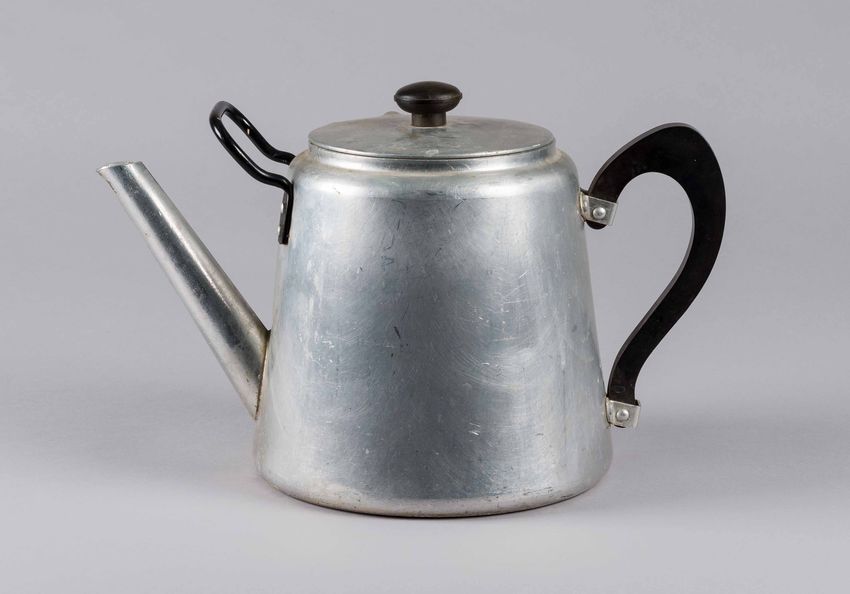
Welsh museums          Powerful, innovative examples of
                                                         creating positive change for individuals
                                  are a network of       and communities through museum
                                                         collections, projects, activities and
                                  important community    programming are happening across

                                  resources and the      Wales. Museums look after Wales’s
                                                         cultural memory – the objects and stories
                                  case studies in this   that inspire us to learn from our past,
                                                         in order to understand our present and
                                  booklet demonstrate    make a better future. Day in, day out,
                                                         often with no great fanfare, Welsh
                                  how much value they    museums support their communities,

                                  bring to Wales and     and help deliver key social and
                                                         government agendas in areas like
                                  how vital they are     community cohesion, the economy,
                                                         health and wellbeing, learning, and
                                  to their localities.   skills development.
                                                         Welsh museums certainly change lives
                                                         – and we hope the case studies here
                                                         demonstrate just how crucial they are
                                                         to communities across the country.

                                                         Victoria Rogers
                                                         President (2016-21)
                                                         Federation of Museums and Art
                                                         Galleries of Wales

03   MUSEUMS CHANGE LIVES WALES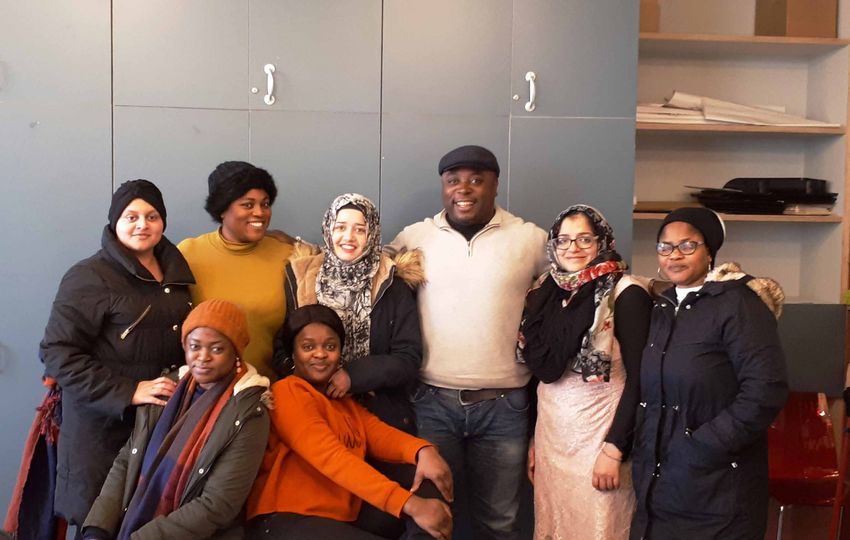
MUSEUMS
ASSOCIATION
INSPIRING
MUSEUMS TO
CHANGE LIVES
01.                                            02.                                               03.
Enhancing health                               Creating better places                            Inspiring engagement,
and wellbeing                                  to live and work                                  reflection and debate
• Museums enhance our quality of life and     • Museums help us to value the places            • Museums work with the public as active
   improve our mental and physical health.        where we live, work and visit and help us         and creative participants in the life of the
                                                  to understand where we have come from.            museum – using it as a space for exchanging
• Museums work in partnership with
                                                                                                    opinions, experiences, ideas and knowledge.
   health and wellbeing organisations to       • Museums create a sense of belonging
   support a range of people in society           by engaging with communities and               • Museums help us to understand and
   with different needs.                          encouraging active public participation           negotiate the complex world around us,
                                                  in decision-making.                               encouraging us to reflect on contemporary
• Meaningful participation and volunteering
                                                                                                    challenges such as discrimination, conflict,
   promotes wellbeing and self-confidence      • Museums use engagement, learning and
                                                                                                    poverty and climate change.
   and can broaden the horizons of                collections to generate understanding
   participants, the museum and the public.       within and between different groups            • Museums use their research and collections
                                                  and communities in society.                       to challenge assumptions, foster debate
                                                                                                    and motivate people to contribute to
                                               • Museums generate partnerships with
                                                                                                    positive change in the world. They are
                                                  community groups, charities and third-sector
                                                                                                    not neutral spaces.
                                                  organisations to create spaces that are
                                                  open and accessible to all.                    • Museums inspire learning and creativity
                                                                                                    for children and adults and work actively
                                                                                                    to ensure that a broad and diverse
                                                                                                    audience can access these opportunities
                                                                                                    at any stage in life.

05    MUSEUMS CHANGE LIVES WALES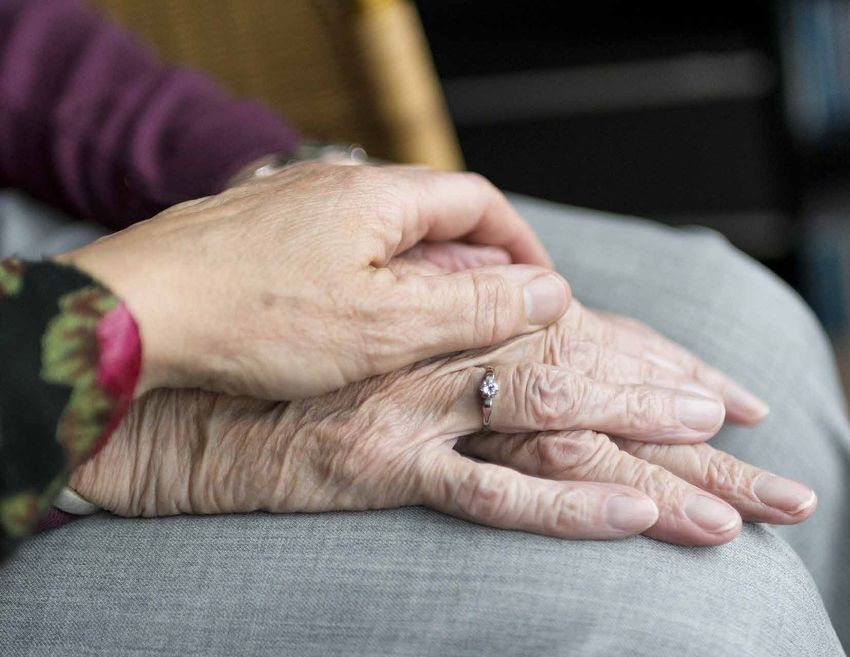
01.

ENHANCING
HEALTH AND
WELLBEING
By working in partnership with Arts        The next stage of the project will be
                                                                               Council Wales, and with support from       to bring poetry to the walls, and new
                                                                               the Welsh Government, Amgueddfa            writing is being commissioned from
                                                                               Cymru devised Celf ar y Cyd, a series      two Welsh poets, Hannan Issa and Elan
                                                                               of ambitious visual art projects that      Grug. Inspired by the paintings, the
                                                                               challenge us to share the art collection   poetry will be written to offer fresh
                                                                               across Wales during the crisis. By         perspectives and new ways of thinking
                                                                               working with health boards across          about art, the natural landscape, and
                                                                               Wales, our brief was to make people        the importance it has to us all,
                                                                               feel at home, and to act quickly so        particularly in hard times.
                                                                               that the spaces would be ready to
                                                                                                                          Amgueddfa Cymru continues to hold
                                                                               receive their first patients.
                                                                                                                          conversations with health boards across
                                                                               As the Covid-19 pandemic worsened          Wales to find new approaches to ensure
                                                                               over the winter, and the pressure on       that the art collection can be used by
                                                                               NHS staff increased, we continued to       NHS teams and patients in a way that
                                                                               take the art collection into hospitals     works for them, both online and in
                                                                               to provide inspiration and solace for      the workplace.
                                                                               staff and patients.
                                                                               At the start of February 2021, a new
                                                                               Staff Haven facility opened at the UHW
                                                                               Health Hospital site in Cardiff, partly
                                                                               funded through a charity run by Welsh
ART IN COVID-19                   When the Covid-19 pandemic began in          footballer Gareth Bale and his family,
                                  2020, Public Health Wales announced
FIELD HOSPITALS                   that it would build field hospitals across
                                                                               to support NHS staff wellbeing.

AMGUEDDFA CYMRU                   Wales to double NHS capacity. Unlike
                                                                               We invited hospital staff to choose
                                                                               which artworks they would like to see
– NATIONAL MUSEUM                 permanent hospitals, these buildings
                                                                               and overwhelmingly, the favourite theme
                                  were repurposed, sometimes temporary
WALES                             spaces that have one thing in common,
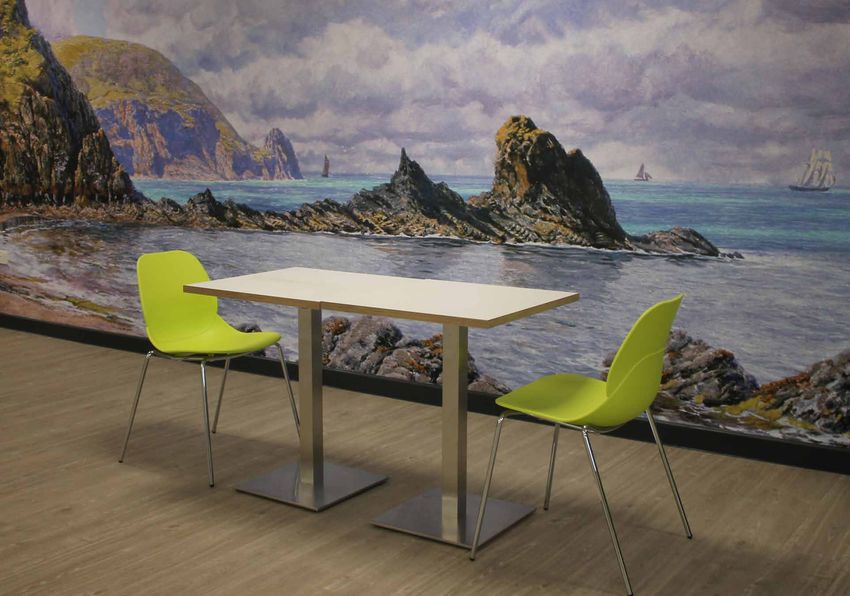
                                                                               was nature. A selection of paintings was
                                                                               made which attempt to bring the magic
                                  the walls were bare. Amgueddfa Cymru
                                                                               of the outdoors, indoors, using huge
                                  – National Museum Wales’s challenge
                                                                               reproductions of the paintings which
                                  was to transform some of these
                                                                               stretch from floor to ceiling.
                                  spaces into art galleries.

07   MUSEUMS CHANGE LIVES WALES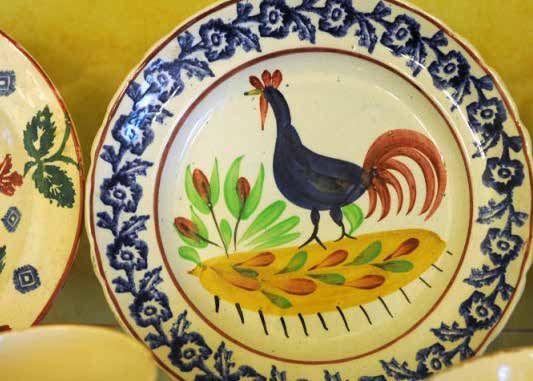
INTERGENERATIONAL                   Across the whole of the UK, the
                                    number of people living with Dementia
                                                                                 The Memory Café project has
                                                                                 also resulted in an expansion of
                                                                                                                     Makes those living
MEMORY CAFES                        is increasing. Monmouthshire Museums         our programming for people living   with dementia feel
MONMOUTHSHIRE                       Service has been looking for new ways        with dementia, including creative
MUSEUMS SERVICE                     to include people living with Dementia       workshops and partnerships with     human again.
                                    in its programmes, building upon             our local health authority.
                                    our successful volunteer-run
                                                                                 Are we making a difference?         Carer of participant on the
                                    reminiscence programme.
                                                                                 We hope so.                         creative workshops course
                                    When we were approached by our local
                                    secondary school to help deliver the
                                    Welsh Baccalaureate Community
                                    Volunteering Challenge, it seemed an
                                    ideal opportunity to create a project that
                                    brought young people and people living
                                    with dementia together:
The programme is an                 intergenerational memory cafes.

exceptional template for            Our first cohort of 10 young people were
                                    trained to use handling objects as
other inter-generational            conversation triggers and provided with
                                    Dementia Friends awareness sessions.
projects to follow and              The students worked together with
will be used as an                  museum staff to research and organise
                                    a series of two hour themed memory
example of such to other            cafes that included music, handling
Dementia Friends groups             objects, costume and afternoon tea.

throughout the UK.                  The cafes have been well attended and
                                    received, and have also benefited the
                                    students, some of whom received a
Ian Thomas                          young volunteers award and stayed on
Alzheimer’s Society                 to mentor the next cohort.

08     MUSEUMS CHANGE LIVES WALES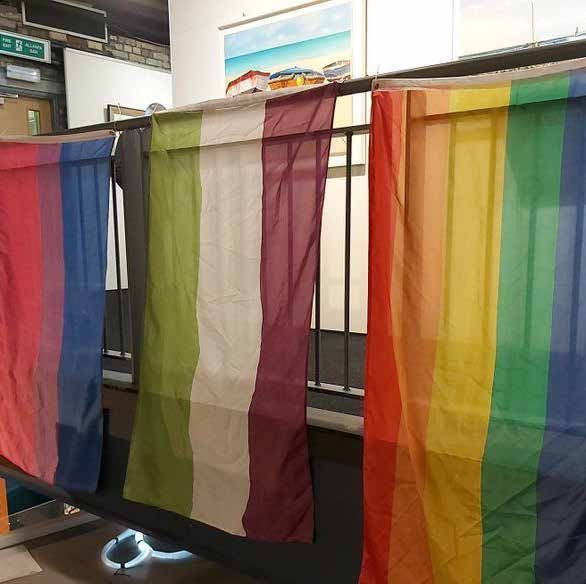
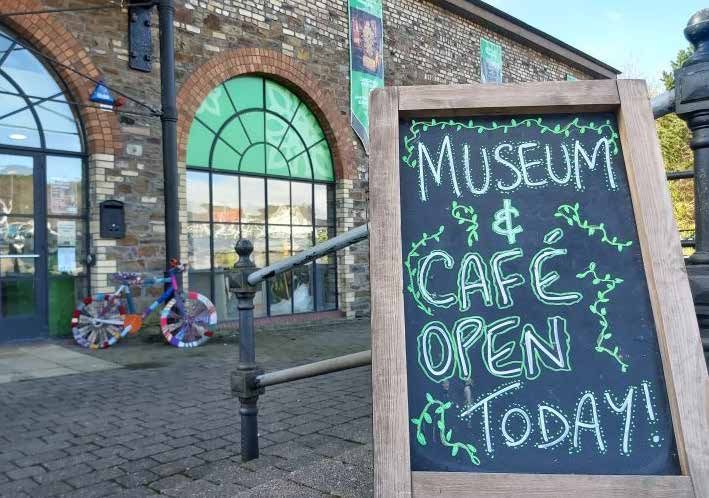
BUILDING A                        In November 2019 Cynon Valley Museum       It was launched following a period of       unknown spaces and potential for
                                  in partnership with local charity, Cynon   consultation and workshop sessions          sensory overload.
PARTNERSHIP                       Valley Pals, introduced the Sunflower      with the charity, with Cynon Valley Pals
FOR CHANGE                        Lanyard Scheme to the museum.              sharing their lived experiences and
                                                                                                                         Today the museum continues to work
                                                                                                                         with Cynon Valley Pals as part of a
CYNON VALLEY                      Originally implemented across airports,    answering questions about the scheme.
                                                                                                                         project funded by the People’s Health
                                  the scheme is a more discrete way for
MUSEUM                            staff to acknowledge members of the
                                                                             The success of this launch has created a    Trust. The museum is working with local
                                                                             successful relationship with the charity.   families supported by the charity whose
                                  public who may need additional support
                                                                             The museum has built on the scheme          voices will decide how the project
                                  on their visit. The scheme was
                                                                             introducing sensory information into its    unfurls, while developing new skills and
                                  introduced to the museum by Cynon
                                                                             galleries. The signs are designed to give   continuing to engage with the museum
                                  Valley Pals, who were advocating for its
                                                                             an expectation of what is to come in the    and local community.
                                  use across the community.
                                                                             museum, reducing the anxiety of
                                                                                                                         The partnership remains one of learning
                                                                                                                         and exchange. Today we are continuing
                                                                                                                         to learn and build upon best practices.
                                                                                                                         Through this working partnership we
                                                                                                                         have done more for the museum and
                                                                                                                         the community than both could ever
                                                                                                                         have done alone.

09   MUSEUMS CHANGE LIVES WALES
I think by having a project generated 97 oral history
recordings with 85 individuals – all
person with a learning of which are now archived at St Fagans
disability present it can – and nine temporary exhibitions in
regional museums and public spaces
help put people at ease, across Wales.
not just the former Reflecting on her role as project
officer and interviewer, Sara Pickard
patients but the support from Mencap Cymru said: “We felt that
staff because we have having someone like myself as part of
the interview would help us get the best
shared experiences as interview possible. In some cases, me
people with a learning being there has helped our interviews.
I think by having a person with a learning
disability. disability present it can help put people
at ease, not just the former patients
but the support staff because we
The Mental Deficiency Act of 1913 have shared experiences as people
called on local authorities to establish with a learning disability.”
long-stay hospitals for people with both
Mencap Cymru and St Fagans have
mental health conditions and learning
further developed this model as a
disabilities. Dubbed “colonies” for the
framework for Our Social Networks –
“mentally defective”, many of those who
HIDDEN NOW HEARD Hidden Now Heard was a three-year
were admitted were misdiagnosed and
an ongoing oral history project that
(2015-17) National Lottery Heritage Fund
MENCAP CYMRU IN oral history project led by the learning became isolated from society. Mencap
explores the friendships and
relationships experienced by people
PARTNERSHIP WITH disability charity Mencap Cymru. In Cymru played a lead role in the closure
with a learning disability living in Wales
of these long-stay institutions in Wales.
ST FAGANS NATIONAL partnership with St Fagans National today. The recordings generated by this
Museum of History and regional
MUSEUM OF HISTORY museums across Wales, the project
Early in the project development,
St Fagans worked closely with Mencap
project will also become part of the
national collection at St Fagans.
AND REGIONAL captured the untold and often painful Cymru to train their staff in the ethics
MUSEUMS living memories of patients, their and techniques of collecting oral
relatives, and staff from six former testimony, and to develop accessible
long-stay hospitals in Wales. consent and copyright forms. The
10 MUSEUMS CHANGE LIVES WALES02. CREATING BETTER PLACES TO LIVE AND WORK
LITERATURE                        Literature and Trauma is a community
                                  creative writing project run by Swansea
AND TRAUMA                        Council’s Dylan Thomas Service, which
DYLAN THOMAS                      builds on the Dylan Thomas Centre’s
CENTRE                            longstanding relationship with local
                                  refugee communities. In the early 2000s,
                                  after Swansea became a “dispersal
                                  area”, we began working with displaced
                                  people, launching anthologies of creative
                                  writing by refugees, asylum seekers and
                                  local people, and holding celebratory
                                  community events.
                                  Thanks to funding from the National
                                  Lottery Heritage Fund, we began more
                                  sustained engagement with organisations
                                  including Swansea Asylum Seekers
                                  Support Group, African Community
                                  Centre and City of Sanctuary, and most
                                  importantly with displaced people
                                  themselves. As a result, the Literature
                                  and Trauma sessions began in 2017,           their writing, while free bus tickets     Having had the opportunity to
                                  led by Cameroonian writer Eric Ngalle        removed the barrier of travel costs.      work closely with asylum seekers
                                  Charles; his personal experience of          The resulting work has featured in        and refugees, we are now working
                                  displacement and asylum proved crucial       cultural events, local media, and         collaboratively to expand on these
                                  in providing a safe space for participants   been read on BBC radio.                   opportunities. Our new Blooming under
                                  to express themselves.                                                                 the Tall Tales project, supported by the
                                                                               The workshops deliver clear social
                                                                                                                         Esmée Fairbairn Collections Fund, will
                                  During the Literature and Trauma             impact, enabling attendees to feel
                                                                                                                         focus on working with asylum seekers,
                                  sessions, people tell their unique           part of the wider community, to
                                                                                                                         refugees and community organisations
                                  stories through poetry and prose.            access cultural venues and orientate
                                                                                                                         to develop family programmes around
                                  Holding the workshops in our Learning        themselves in a new city. Our venue
                                                                                                                         our collections.
                                  Space ensured provision of play facilities   has become a focal point and safe space
                                  for any accompanying children, thereby       for a committed and gifted group from
                                  allowing their guardians to focus on         this often-neglected community.

12   MUSEUMS CHANGE LIVES WALES
Saba Humayun
Literature and Trauma project
As a friend, or as a family now, we
just try to encourage people to come
to this project to share their story if they
want. I like to tell people what we’ve been
through. We have lots of problems in our
life, but still we are here now. We have a
chance to speak in front of people. Before
that I was nervous. But Eric always told
me, ‘It is only you that can tell your own
story to other people’.A SPACE FOR Over a three-year period, the museum
increased room use by 460% from 205
COMMUNITIES hours in the 12 months to March 2018
CYNON VALLEY to 965 hours over an 11-month period
MUSEUM to February 2020.
The museum has become a centre
The Cynon Valley Museum has of the community and witnessed a
sought to establish itself in Cynon diversification of purpose, becoming
Valley since its reopening in 2016. relevant to the people of Cynon Valley.
The museum has worked to host local The museum has also become a
artists and art groups, recruit volunteers classroom, meeting space, playgroup,
locally reflect the community, and support group, yoga class and more.
make the museum more relevant to The museum has grown, it has learnt
the daily lives of the public, creating more about its community, becoming
new ways to bring people through more inclusive on this journey. It has
the museum’s doors. become a space for many needs,
it has become a canvas for our
To do this the museum sought to communities’ co-existing identities.
move beyond the restrictions of its
own identity, to reflect the identities
of the communities in Cynon Valley
by utilising the museum as a venue for
organisations working to benefit the
local community. The museum took
a proactive approach to this, building
relationships with potential groups
such as Project Unity, a LGBTQIA
support group. Working with the
group they expanded their programming
from monthly coffee afternoons to
include talks, awareness events
and displays in the museum.
14 MUSEUMS CHANGE LIVES WALESLLANELLY Parc Howard Museum was gifted by exhibition was co-created with While the pandemic has paused
Lady Howard Stepney to Llanelli in 1912 information and material collected completion of the exhibition, it has
POTTERY STORIES as a hub for arts, culture and wellbeing through reinterpretation sessions been an opportunity to try something
PARC HOWARD at a time of high unemployment and with specialists; workshops with new: online resources for schools. A
MUSEUM IN social unrest. Llanelli is a proud post- the National Autistic Society; family new curriculum, soon to be rolled out in
industrial town at the crossroads centre programmes; and local history Wales, allows for the pottery collection
PARTNERSHIP between rural and industrial South societies. These uncovered fascinating and the community stories we collected
WITH FUSION Wales. Ambitious regeneration schemes past stories about migration, identity, to inspire cross-curricular themes and
have put it on the map for culture, sport, language, health, working lives, and an entirely new visiting experience.
and the environment. But falling visitor inequalities, which resonated with
These will be available later in 2021.
numbers to the museum revealed there contemporary issues.
was a problem.
The Esmée Fairbairn Collections Fund,
managed by the Museums Association,
supported our project to use collections
differently for social good and create
positive changes within the organisation.
The Parc Howard collection of Llanelly
Pottery (1839-1922), all made by hand
and brimming with human stories, was
an interesting place to start this journey.
The Llanelly Pottery Stories project
experimented to see what people
enjoyed. Partnering with the Fusion
programme helped promote what we
were doing through community
networks. A 40% increase in visitors
within a year and being a finalist in the
2019 Kids in Museums Family Friendly
Award were surprising outcomes.
We also wanted people to see they
could make a difference at their
museum. A new permanent pottery
15 MUSEUMS CHANGE LIVES WALESarchaeological artefacts, recently new collaborative working practices,
discovered by members of the public, acting to reinforce partner interests
for their collections. The project also and roles.
brought together metal-detector clubs,
An external evaluation report has
local museums and communities around
captured the feedback received from
the new stories revealed by these
participants and contributors, also
discoveries.
outlining the wellbeing benefits
Six community archaeology projects, felt by diverse participants from
led by local museums, engaged key engagement with the project.
target groups and communities,
including young carers, dementia groups,
men’s groups, WIs, veterans suffering
with PTSD, young writers, local school
groups, museum volunteers, heritage
groups, metal-detectorists and
landowners. Each project responded
in creative ways to significant finds I really enjoyed the
made on their doorsteps. Over 100
activities were undertaken, involving whole experience
123 volunteers, and new museum being involved in the
exhibits were co-produced.
Young career and student journalists
project from early on
SAVING TREASURES; The Saving Treasures; Telling Stories helped to develop stories and content to its conclusion…it
TELLING STORIES heritage partnership project, between
Amgueddfa Cymru, the Federation of
to enhance the PAS Cymru website
as an engaging resource on portable
certainly brings
PARTNERSHIP LED BY Museums and Art Galleries of Wales heritage in Wales, including linked history back to life.
AMGUEDDFA CYMRU – (Fed) and the Portable Antiquities social media and film content.
Scheme in Wales (PAS Cymru), received
NATIONAL MUSEUM funding through National Lottery
The project developed a strategic
WALES Heritage Fund’s Collecting Cultures
collecting network and longer-term
collecting culture in Wales for
Nick Mensikov
Metal-detectorist talking as the finder
programme (2015-2020).
archaeological finds, involving training, of a hoard about his involvement with
Twenty-eight museums across Wales skills-sharing and volunteering the community archaeology project
were able to acquire 168 important opportunities. It also developed led by Abergavenny Museum.
16 MUSEUMS CHANGE LIVES WALES03. INSPIRING ENGAGEMENT, REFLECTION AND DEBATE
SHEEP EXHIBITION                  Ceredigion Museum is located in the      The Sheep exhibition explored the          Artist Ffion Jones was commissioned
                                  heart of rural Wales, where the double   history, heritage and culture of sheep     to work with sheep farmers to make
AND FUTURE                        crises of climate change and Brexit      farming communities, through the lens      a film in collaboration with local
LANDSCAPES                        uncertainty have had a polemic effect    of contemporary art, supported by          farmers, creating a voice for the
SYMPOSIUM                         on local communities with vested         artefacts from the museum’s collections.   farming communities, which are
                                  interests in the upland regions of the   Funding from Art Fund and Garfield         traditionally a very hard-to-reach
CEREDIGION                        county. In response, the museum’s        Weston enabled the museum to borrow        audience, into the museum.
MUSEUM                            Sheep exhibition, which was highly       works relating to sheep by Henry Moore,
                                                                                                                      Building on this outreach work and
                                  commended in the Museums & Heritage      Joseph Beuys and Menashe Kadishman.
                                                                                                                      the high profile of the exhibition, the
                                  Awards 2020, included the Future         Displaying these high profile works
                                                                                                                      Future Landscapes symposium brought
                                  Landscapes symposium to facilitate       raised the profile of the exhibition to
                                                                                                                      together artists, curators, academics,
                                  dialogues between the various            attract wider audiences.
                                                                                                                      farmers, ecologists, environmental
                                  stakeholders.
                                                                                                                      campaigners, policy makers and others
                                                                                                                      to discuss the issues around the
                                                                                                                      heritage and future of Ceredigion’s
                                                                                                                      uplands. The walks, talks and world
                                                                                                                      café-style discussions enabled people
                                                                                                                      to engage within a mutually respectful
                                                                                                                      and active listening context to find
                                                                                                                      shared values and build bridges.
                                                                                                                      The legacy of this ground-breaking event
                                                                                                                      is ongoing; the museum hosts monthly
                                                                                                                      People’s Practice meetings, virtually
                                                                                                                      during lockdown, to keep the dialogue
                                                                                                                      open and an alliance of more than 30
                                                                                                                      land-based practitioners was set up
                                                                                                                      from the symposium called Cynefin
                                                                                                                      (habitat), with the aim of sharing
                                                                                                                      resources and knowledge
                                                                                                                      around the land and environment.

18   MUSEUMS CHANGE LIVES WALES
REVEALING THE Working collaboratively with the
Brecon Regimental Museum of The Royal
SECRETS OF THE Welsh, access was provided to similar
JAPANESE FLAG artefacts. These Japanese flags were
FIRING LINE historically signed by members of a
Japanese soldier’s community as they
MUSEUM embarked into conflict. The act of
translating signatures gave new life to
The Firing Line Museum received funding these artefacts, making sense of how
from the Welsh Museums Federation to the Japanese flags relate to each other
deliver a project to reinterpret Japanese and allowing us as museums to create
flags from the Royal Welsh Regimental new interpretations based on Japanese
Collections. As a starting point, Tamayo, narratives that contextualise the
a Japanese translator and student from traditional (and very limited) regimental
Cardiff University, was recruited to meaning placed on them.
investigate an artefact within the
This has been a new approach to
museum; a single Japanese flag that
curatorial projects for both museums
had been captured by The Welch
leading to new interpretative strategies
Regiment in Burma.
to widen the audiences who engage with
As Tamayo skilfully researched and our collections. The Covid-19 pandemic
revealed the name of the original owner may have temporarily postponed these
of the flag, identified the community it redisplay projects but this project has
originated from and identified official helped to pave the way for how the
stamp marks that had been left on the stories of regimental artefacts are
flag, it quickly became apparent how interpreted in the future.
much of the artefact’s symbolism and
The funding also enabled us to produce
emotional resonance had been lost in its
a short documentary film that followed
transition from captured flag to
the progress of this project, which can
museum artefact.
be viewed at: https://m.youtube.com/
watch?v=yHkeSnH58W8
19 MUSEUMS CHANGE LIVES WALESCultural Exchange. The event
encouraged learning and reflection
about the riots, challenged long-held
misconceptions and encouraged
attendees to share, discuss and
debate the riots themselves and
the impact they subsequently
had on the community.
Recognising that the riots and their
impacts have long been ignored by
the city, and knowing that it had
very little in its collection that could
help it represent them in its displays
(especially from the point of view of the
communities of colour caught up in the
violence), the museum commissioned
artists from the community to work
with the community to creatively
respond. The resulting documentary
film (by Gavin Porter, with music by
Anthony Ward), painting (by Kyle Legall),
PEOPLE OF The People of Butetown project was a
series of photographs (by Zaid Djerdi)
collaboration between the Museum of
BUTETOWN Cardiff and a collective of community and poem (by Ali Zay) have been taken
MUSEUM OF artists. Taking the centenary of the 1919 into the collection and now form part
of the museum’s permanent displays,
CARDIFF Race Riots as a starting point, it shared
schools resources and programming.
stories of the prejudice and racism
experienced by the community, and People of Butetown is an example
celebrated its resilience and creativity. of the museum’s commitment to
The project began with an event, supporting communities to tell their
including talks and displays from stories through their own voices and
the museum, Butetown community, to ensure Cardiff’s untold, ignored or
Glamorgan Archives, Cardiff Libraries, hidden histories are heard.
Race Equality First and the Heritage
20 MUSEUMS CHANGE LIVES WALESDIPPY AT THE In 2019 Dippy, the Natural History
Museum’s iconic diplodocus dinosaur
NATIONAL MUSEUM skeleton embarked on a road trip around
CARDIFF the UK. For the Welsh leg of the tour,
AMGUEDDFA he visited National Museum Cardiff. The
remit from the Natural History Museum
CYMRU – NATIONAL was that every partner venue should
MUSEUM WALES use Dippy as a way to inspire visitors
to engage with contemporary
environmental issues and engage
with an underrepresented audience.
We have a Youth Forum at each of our
museums across Wales. Young people
aged 14-25 are encouraged to be partners
in decision making and organising
activities. The forums explore the views
of young people and address issues that
they think are important. Youth-led
projects across the museum are part
of the Hands on Heritage initiative,
made possible by the National Lottery
Heritage Fund’s Kick the Dust grant.
Tasked with a way of making Dippy
relevant to their peers, the young people
chose to raise awareness and inspire
positive action around the climate crisis.
They identified the environmental
impact of the fashion industry as
their “big issue” because of its massive
environmental cost. They decided to
link this with dinosaurs by fashioning
a dinosaur from waste clothing and
fashion items destined for landfill.
21 MUSEUMS CHANGE LIVES WALESOnce the theme was identified, the The forum decided to involve the public They have also continued their reconfirming its commitment to
group explored art within the collections in making elements of the exhibit as a activism around climate change. reducing its carbon footprint.
that either engaged with environmental way of raising awareness of the issues.
Working in this activist way also had The museum is currently working
issues or used fabric and found objects, They developed and delivered making
a positive impact on the museum. The to develop a new schools programme
as well as working with local sculptural activities with families visiting the
exhibition in part influenced the decision linked to climate change and activism
artist Megan Broadmeadow. museum during the summer holidays.
by the organisation to declare a global as a legacy of the project.
In addition, day-long workshops were
climate and ecological emergency,
run with young people from partner
organisations including Llamau and
The Prince’s Trust. These workshops
also focused on using fashion to raise
awareness and spread positive
messages.
Young people were integral to the
whole project; a young writer and
activist delivered writing workshops
with the group to develop the exhibition
text, and illustration and design
students from Cardiff Metropolitan
University worked with them to develop
the 2D design of the exhibition.
It’s been really fun, During the project development, Youth
working together as Climate Strikes announced a global day
of action, so banner-making workshops
a team creating art to were held for young people and families
in preparation for the strike.
steer environmental Participants developed new making
change. skills, including sewing and screen
printing, alongside skills in planning,
team working, creating project plans,
Youth forum participant research and event planning.
22 MUSEUMS CHANGE LIVES WALESMUSEUMS
Image credits
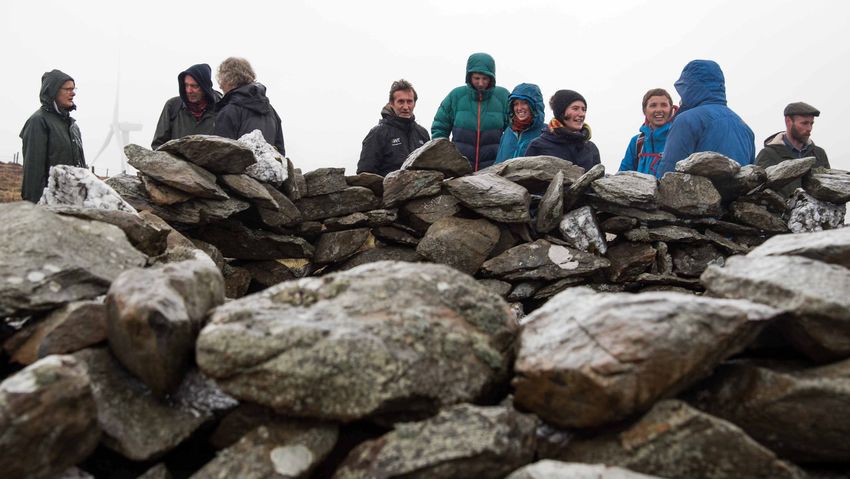
Front cover: discussions on the heritage and
future of Ceredigion’s uplands, image courtesy
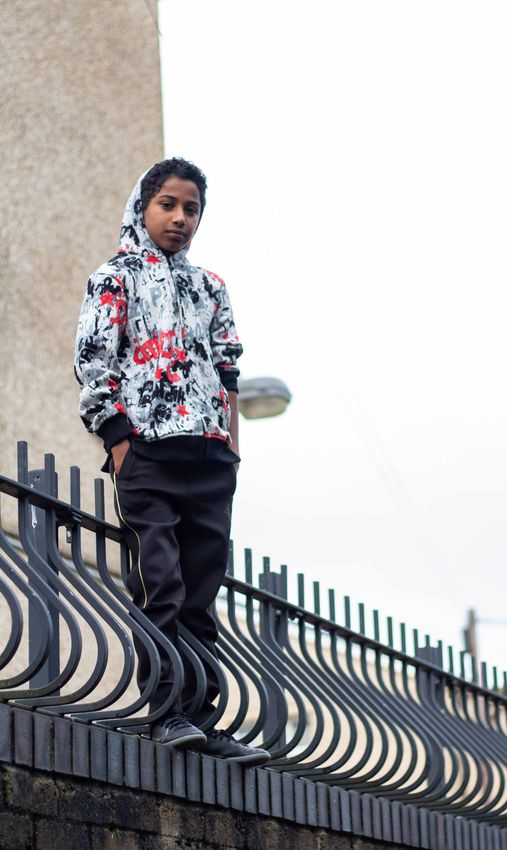
of Ceredigion Museum; p.3 Museum of Butetown
portrait © Museum of Cardiff/Zaid Djerdi; p.7
artwork on the wall of a Covid-19 field hospital,
CHANGE
image courtesy of Amgueddfa Cymru – National
Museum Wales; p.8 Pixabay; p.9 image courtesy of
Cynon Valley Museum; p.10 ward teapot from Bryn
y Neuadd Hospital. More than 20 associated objects
came into the St Fagans collection as a result of
the Hidden Now Heard partnership project, image
courtesy of Amgueddfa Cymru; p.12 Eric Ngalle
Charles (centre) with participants in the Literature
and Trauma project, image courtesy of Dylan
LIVES
Thomas Centre; LGBTQIA flags, image courtesy
of Cynon Valley Museum; image courtesy of
Parc Howard Museum; participants in the Saving
Treasures; Telling Stories project, image courtesy
of Amgueddfa Cymru; p.18 image courtesy of
Ceredigion Museum; p.19 Japanese flag, image
courtesy of Cardiff Castle Museum; p.20 Museum
of Butetown portraits ©Museum of Cardiff/Zaid
Djerdi; p21/22 displays created by the youth panel
for the Dippy exhibition at the National Museum
Cardiff, images courtesy of Amgueddfa Cymru.
Museums Association
42 Clerkenwell Close,
London EC1R 0AZ
T: 020 7566 7800
April 2020
#MuseumsChangeLives
www.museumsassociation.org/
museums-change-livesYou can also read


