Madagascar Endemic Birds and Lemurs Tour Leaflet 2020 - BIRDING AFRICA
←
→
Page content transcription
If your browser does not render page correctly, please read the page content below
BIRDING
              AFRICA
            THE AFRICA SPECIALISTS

    Madagascar
Endemic Birds and Lemurs
   Tour Leaflet 2020

                                                             © Tertius Gous

                                     Short-legged Ground Roller

    16-21 Nov and 21 Nov - 7 Dec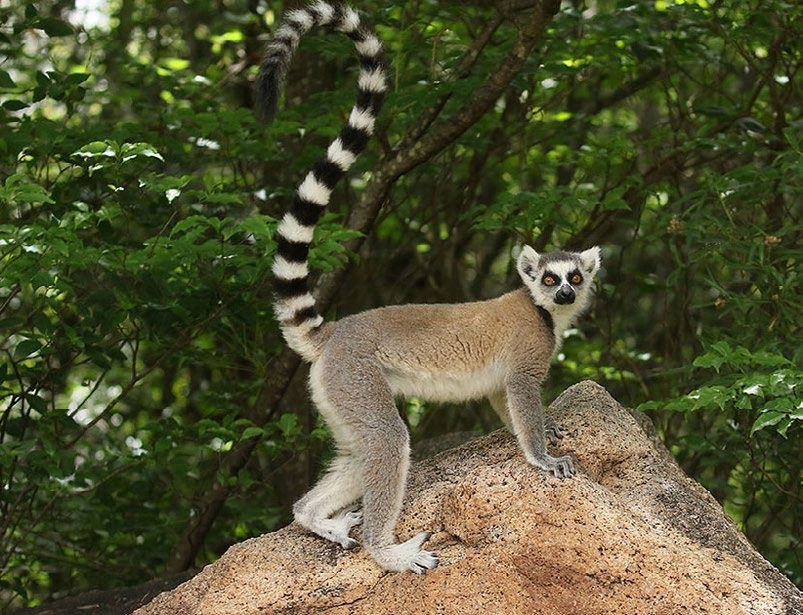
Madagascar 2020
©Tertius Gous
Birding Africa Tour Summary
Birding Africa Tour Summary
BIRDING Tour leader: Michael Mills
AFRICA THE AFRICA SPECIALISTS
120 endemics in 17 da�s
• targets 123 endemics and near-
endemics in 17 days
• see all seven endemic bird
families and sub-families
• Helmet Vanga on the Masoala
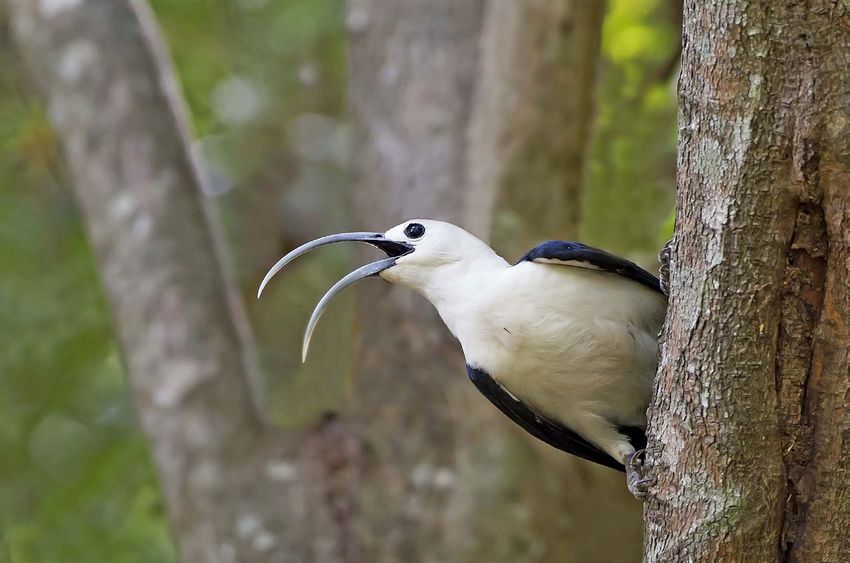
Michael’s incredible focus, dedication and ability to Sickle-billed Vanga
Extension locate and show Africa's toughest birds is probably
unequalled. He has led dozens of tours across the
• see over 25 lemur species continent and his experience in locating birds on
Our 17-day Main Tour and optional 6-day Masoala Madagascar’s best birding spots we will make sure
Extension run back-to-back and are designed for you to search for all the available species (within reason)
just the softest of calls or briefest of views impresses
• night walks for lemurs and those who travelled with him. Michael has been
to experience the greatest number of Madagascar's and will see a great diversity.
chameleons birds and lemurs as possible, depending on your
travelling to Madagascar since 1998. Enjoying Madagascar’s diverse lemurs will also be a
available time.
focus of our tour and we will search for these during
• our 38th Madagascar tour Dates On the Main Tour, we travel overland to visit the day and night walks. Madagascar also has a fantastic
mega-diverse eastern rainforests of Andasibe- diversity of amphibians and reptiles and we are
Masoala Ext 16-21 Nov Mantadia and Ranomafana National Parks, home likely to have some great chameleon sightings, from
Main Tour 21 Nov - 7 Dec to most of the endemics, grasslands at the scenic the tiny Brookesia to the giant Parson’s Chameleon.
Isalo National Park, dry deciduous forests of
Let us know if you have target species or want to
Zombitse National Park, baobab-filled spiny desert
Prices (+ Single) of the south-west, wetlands of the Betsiboka Delta
know more about the species we might encounter.
A species list will be handed out to you as part of
Masoala Ext $2330 + $570 and Lake Ravelobe and dry deciduous forest of
your tour booklet at the start of the tour and is
Add ± $650 for internal flights (booked Ankarafantsika National Park.
available beforehand upon request.
without commission) The exact sequence of sites visited is subject to Air
The tour is timed to coincide with the start of the
Madagascar’s flight schedule.
bird breeding season. The days will be cool to warm
Main Tour $6650+ $980 in the highlands and hot in the dry forest. This is
Add ± $960 for internal flights (booked
without commission)
Tour Focus a dedicated birds and lemurs tour with early starts
and lots of field time.
Our itinerary has been fine-tuned to target as many
of Madagascar’s endemic birds and lemurs possible, We will drive short distances by minibus or four-
Book online as time-efficiently as possible. wheel-drive vehicles and elsewhere by coaster bus,
which regularly allows for approximately one and
© Callan Cohen
Visit www.birdingafrica.com Our tour plans for multiple opportunities to find a half seats per person. More details about what
Deposit ($150) by credit card some of the hardest-to-see birds, especially ground- to expect, how to prepare and what to pack are
Long-tailed Ground Roller Email info@birdingafrica.com rollers, couas, asities and vangas, giving us the best provided in our Tour Information.
chance of success. However, as we will be visiting
2 | Madagascar 2020 Madagascar 2020 | 3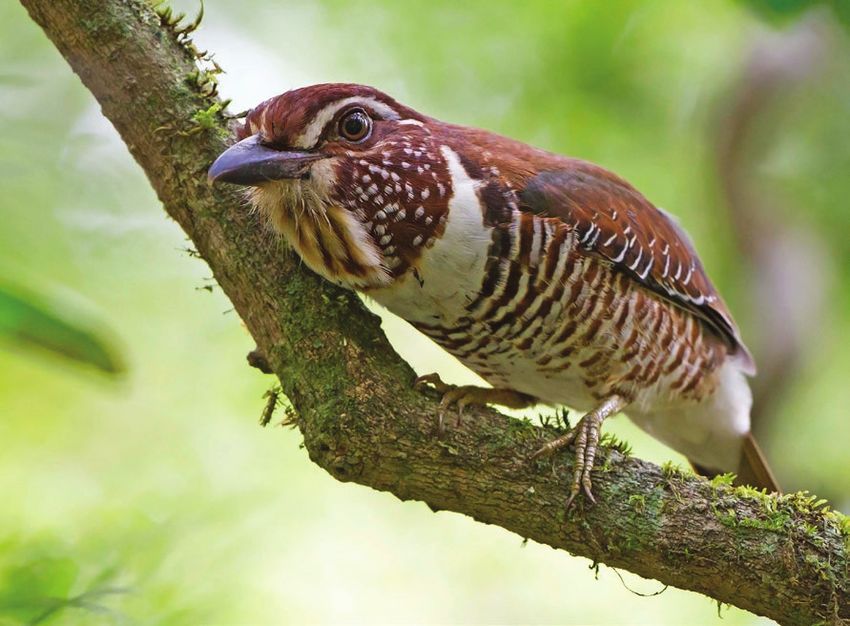
INTRODUCTION
Birding Africa Tour Leaflet
Birding Africa Tour Leaflet
Our Main Tour commences in the north-west by treat us with some excellent coastal birding and
exploring the Betsiboka Delta for Bernier’s Teal and the recently discovered Red-shouldered Vanga.
Madagascar Sacred Ibis and dry deciduous forests Weather and Air Madagascar permitting, we’ll visit
at Ankarafantsika (Ampijoroa), where Madagascar the Red-tailed Tropicbird breeding colony on the
Fish-Eagle, White-breasted Mesite, Schlegel's Asity island of Nosy Ve in the south west, before taking a
and Van Dam's Vanga can be found. flight back to Tana, where our journey ends.
Andasibe-Mantadia (also called Perinet), our next Our Masoala Extension is entirely focussed on
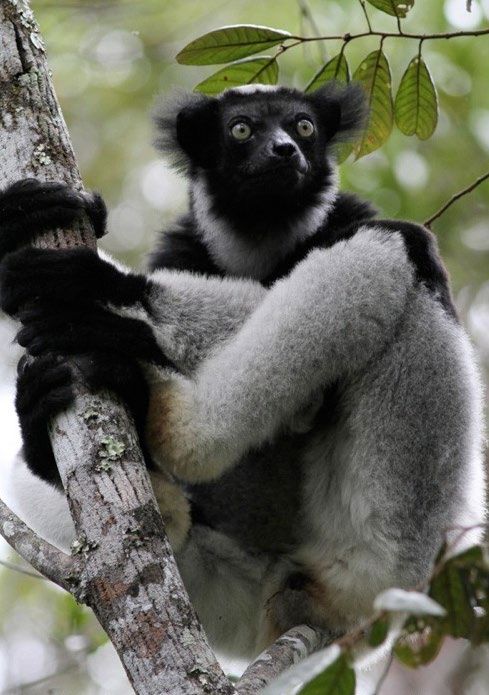
location, is where the largest living lemur, Indri, visiting the largest remaining patch of forest on
is regularly seen. Few experiences can match the the island, on the Masoala Peninsula. Here we will
mornings here where the haunting wails of Indri search for the incomparable Helmet Vanga.
resonate across the misty
valleys. We’ll make a special
effort to track down a family
group. Birding highlights
here include four species
of ground-roller (Rufous-
headed, Short-legged, Pitta-
like and Scaly)!
© Tertius Gous
The primary forest of
Ranomafana in the eastern
highlands is famous for
Collared Nightjar its recently-discovered,
Endangered Golden Bamboo
Lemur. The birding is
Accommodation and meals Walking spectacular: amongst other
Accommodation and meals are good by African This tour requires a moderate degree of fitness. many endemics we’ll search
standards. We make a special effort to stay in Most walks will start during the coolest part of the for Yellow-bellied Sunbird-
comfortable, hand-picked accommodation, day and take place at a slow to fair pace. The terrain Asity, Brown Mesite and
upmarket where possible, as close as possible to the is largely relatively flat, with small ups and downs Pollen's Vanga.
best birding areas. Rooms have private bathrooms on many trails. At Ranomafana and sometimes Moving further south,
and although the supply can be intermittent, there Andasibe the trails can be fairly steep and slippery. we’ll explore Isalo and
is hot water most of the time. If you are concerned about this, these walks can Zombitse forest in the central
either be skipped out or taken slowly with a private highlands. Appert’s Tetraka is
Meals are Western-style, with French and
trail guide, subject to availability. restricted to one forest here!
Malagasy influences. Zebu, the local beef, features
predominantly on the menu. Seafood is popular at Ifaty in the south-east, haunt
the coast. Please advise if you are vegetarian and International flights of the fabulous Sickle-billed
what foods you enjoy, so that we can cater for you. Vanga, offers spiny forest
Please do not book and pay for your international
Water is not safe to drink so we supply flights without first consulting our office. Internal specials like Subdesert
complimentary bottled water in the vehicle, that flights in Madagascar, such as to Masoala and Mesite, Long-tailed Ground-
you can also take to your rooms for drinking and back, are often changed by a day or two. This can Roller, Running Coua
tooth brushing. sometimes require us to move the whole tour by a and Green-capped Coua.
© Callan Cohen
day or two, and so it is necessary to have a spare Nearby, Toliara holds a small
arrivals and departure day. breeding population of the
Group size very localised Madagascar
Plover while La Table could Indri
Maximum 10 participants.
4 | Madagascar 2020 Madagascar 2020 | 5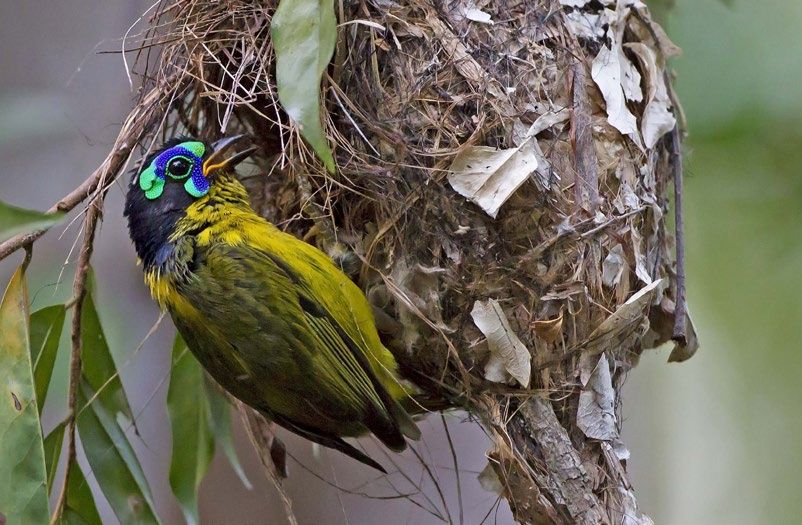
DAY-BY-DAY ITINERARY
Birding Africa Tour Leaflet
Birding Africa Tour Leaflet
Please note that this tour schedule is for Day 2: Fly to Maroansetra
guidance only. The exact arrangements
depend on the internal flight schedule of Air Today we fly to Madagascar’s north-east, where the
Madagascar, which is not yet available. Masoala peninsula shelters the Bay of Antongil.
We’ll land at the small airport of Maroansetra and
stay the night in this sea-side town. Coastal birding
-------------- MASOALA EXTENSION -------------- here could include Crab Plover and various waders.
Day 1: Arrive Antananarivo Days 3-5: Masoala peninsula
Welcome to Madagascar! Once you pass through We leave Maroansetra early in the morning, taking
customs and have picked up your luggage, enter a spectacular boat journey across the waters of the
Antananarivo airport’s arrival hall. Look out for a Bay of Antongil that typically lasts 1-2 hours. The
board showing your name; the hotel’s driver will voyage passes nearby the island of Nosy Mangabe
be awaiting you for a short drive to the hotel. Here and the peninsula’s thickly forested mountains form
your guide will meet you and let you know the next a dramatic backdrop. Madagascar Pratincole may
morning’s breakfast and departure times. Please be seen along the island's rocky shores. Once on
meet your guide at 18h00 at the hotel’s reception for the peninsula we’ll waste little time in starting our
a briefing, if you have not met him before then.
© Callan Cohen
© Callan Cohen
Indri
Helmet Vanga
exploration, commencing in the idyllic surrounds rainforest specials that we expect to see later on in
of our camp. The wooden bungalows close to the the trip. We’ll all be hoping to lift our binoculars
beach are elegant but quite rustic. We will stay and be dazzled by the gigantic electric blue bill of
overnight to the sound of the sea and the forest, the Helmet Vanga - the focus of our searches. We
which both border to our camp. stand a good chance of encountering one of the
most spectacular lemurs, the noisy Red Ruffed
We have almost three full days to explore the
Lemur with its fluffy orange and black fur. The
wonders of the Masoala Peninsula. The peninsula
area also offers fair chances to see the localised and
holds some of the rarest birds in Madagascar,
handsome White-fronted Brown Lemur.
including Helmet and Bernier’s Vanga. There is also
a tiny chance of Madagascar Serpent Eagle, but we’ll
need to be extremely lucky to find one! Day 6: To Antananarivo
We’ll explore the forest trails looking for bird parties After an early breakfast we’ll board the boat for the
which may hold the vangas. The area holds the return voyage to Maroansetra, before transferring
largest primary rainforest tract in Madagascar and to the airport and flying back to Antananarivo. The
we’ll acquaint ourselves with many of the eastern cool of Madagascar’s highland capital will offer a
Scaly Ground Roller
refreshing change from Masoala.
6 | Madagascar 2020 Madagascar 2020 | 7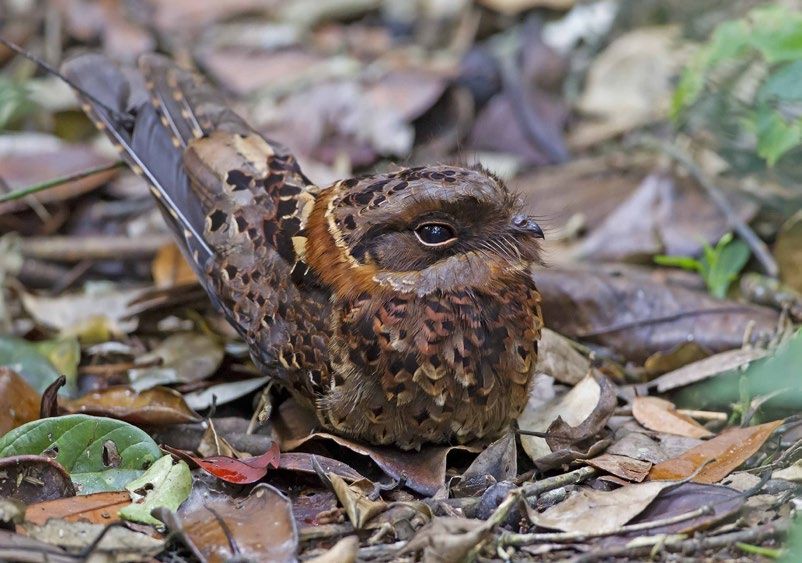
---------------------- MAIN TOUR --------------------- Day 4: Ankarafantsika National Park
© Tertius Gous
Birding Africa Tour Leaflet
Birding Africa Tour Leaflet
Ankarafantsika National Park protects some of the
Day 1: Arrive in Antananarivo best remaining examples of Madagascar’s western
Welcome to Madagascar! From the airport you will dry deciduous woodlands. Here too we'll search
transfer to your nearby hotel for an overnight stay. for the Critically Endangered Madagascar Fish
Eagle at Lac Ravelobe, far less common than its
African counterpart (the total population estimate
Day 2: Travel to Mahajanga is 240 birds!). Other species around the lake include
Our first day is essentially a travel day, to Mahajanga. White-throated Rail and Madagascar Jacana.
We hope to be able to fly to the north-west, but as We will spend most of our time stalking through
a backup we'll drive if the flights are not operating the woodlands, where top target birds will be the
to schedule. Depending on our time of arrival we'll gaudy Schlegel’s Asity, White-breasted Mesite and
do some local introductory birding at Mahajanga. Van Dam’s Vanga. We also hope to find Madagascar
Crested Ibis, Madagascar Green Pigeon, Grey-
Day 3: Betsiboka Delta; to Ankarafantsika headed Lovebird, Greater Vasa Parrot, Red-capped
Coua, Coquerel’s Coua, Madagascar Scops Owl,
Today we start off with a boat visit to mangroves
Madagascar Pygmy Kingfisher, White-headed
and mudflats of the Betsiboka Delta, departing
Vanga, Sickle-billed Vanga, Rufous Vanga and
according to the tides. Top birds we'll be looking for
Madagascar Cuckooshrike.
include Bernier's Teal and Madagascar Sacred Ibis,
both very rare and localised and not always seen. Night walks with local guides in search for nocturnal
lemurs, owls and chameleons will be an exciting Pitta-like Ground Roller
After our boat trip we'll drive straight to
evening activity. We’ve seen a staggering eight
Ankarafantsika National Park, where we hope to do
species of lemurs on the night walks here, including the recently-described Golden-brown Mouse three hours. We will have two full days to explore
some introductory birding in the afternoon.
Lemur and the localised Mongoose Lemur. Some of this spectacular hotspot, with some introductory
the largest specimens of Oustalet’s Chameleon can birding this afternoon.
© Tertius Gous
also be seen here.
Days 7-8: Andasibe and Mantadia
Day 5: Drive to Antananarivo
The protected area consists of the Anamalazoatra
Today is essentially a travel day as we make the Special Reserve (also named Andasibe, sometimes
long journey back to Antananarivo by road, with known by the French name Perinet) and the larger
regular stops to stretch legs. Our first planned stop Mantadia National Park. Together, these protect one
is at some wetlands, and then at a large river for of Madagascar’s most important primary rainforest
Madagascar Pratincole. During a picnic lunch in areas. We have time to explore the forests on various
some open grasslands we hope to find Madagascar trails, in the company of local guides.
Buttonquail and possibly Madagascar Partridge.
The list of birds we can see here is impressive, but
And in the afternoon we'll scan open habitats for
some highlights may include White-throated Rail,
the very rare Madagascar Harrier, one of most
Madagascar Flufftail, Madagascar Blue Pigeon,
rapidly declining endemics. We expect to arrive in
Lesser Vasa Parrot, Red-breasted Coua, Blue
Antananarivo after dark.
Coua, Red-fronted Coua, Madagascar Long-eared
Owl, Madagascar Spine-tailed Swift, Madagascar
Day 6: To Andasibe Malachite Kingfisher, Cuckoo Roller, Common
This morning we will start with a short stop at the Sunbird-Asity, Ward’s Flycatcher, Rand’s Warbler,
productive city wetlands of Lake Alarobia with Nuthatch Vanga, Madagascar Blue Vanga,
its busy heronry, before heading eastwards to the Madagascar Starling, Forest Fody and Nelicourvi
famous Andasibe-Mantadia National Park where Weaver. We may also be fortunate enough to
we will be based for three nights. The journey takes encounter Collared Nightjar roosting almost
Schlegel's Asity
imperceptibly on the forest floor.
8 | Madagascar 2020 Madagascar 2020 | 9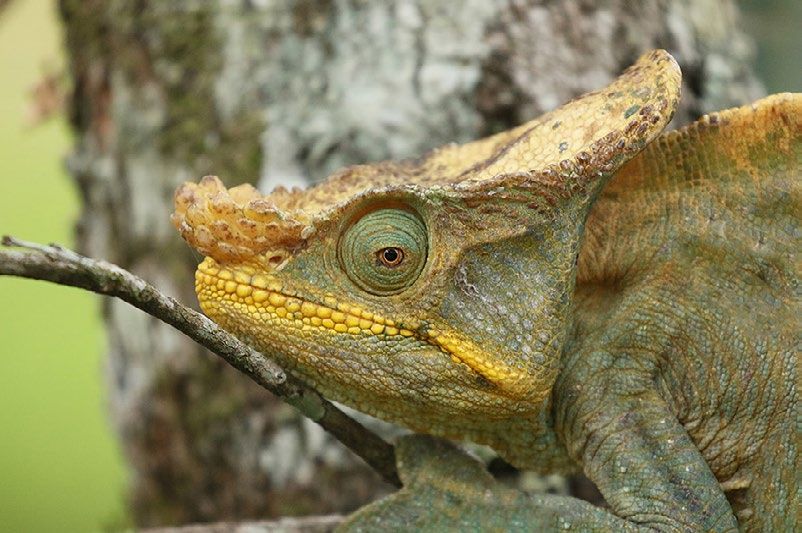
© Mick Dryden discovered here as recently as 1986 and it is the be a major focus of the walk. We’ll prick our ears for
best place to seek one of the world’s rarest primate sign of its soft call and search special places where its
Birding Africa Tour Leaflet
Birding Africa Tour Leaflet
species, Greater Bamboo Lemur! We’ll explore the favoured flowers occur. We’ll also look out for fruit-
excellent network of paths through the forests and eating Velvet Asity which has bright green head
dense stands of giant bamboo. wattles, Common Sunbird-Asity, Rufous-headed
Ground-Roller and Cryptic Warbler (discovered
Birding here is excellent. We’ll see a lot of new species
only in 1996!). Other excellent birds here include
while we explore this rich habitats, home to most
Pollen's Vanga, Grey-crowned Tetraka and Forest
of Madagascar’s endemics. Sought-after species we
Rock-Thrush. We’ll have to work hard for a good
may encounter include Pitta-like Ground Roller,
view of the highly secretive Madagascar Yellowbrow
White-throated Oxylabes, Crossley’s Babbler, Green
and Brown Emutail, both mega-skulkers. And we
Jery, Wedge-tailed Jery and Tylas Vanga. We’ll also
will search for marsh-restricted specials such as
search for the more retiring Madagascar Wood-
Grey Emutail and Madagascar Snipe.
Rail, Brown Mesite and Henst’s Goshawk.
A global hotspot for lemur diversity, Ranomafana
The main focus of our visit will be the high altitude,
sports at least 12 species, including the spectacular
mossy cloud forests of the Vohiparara area of the
red-eyed Milne-Edwards’s Sifaka and the
park and a nearby wetland. This is the best site in
Endangered Golden Bamboo Lemur and Greater
the world to get to grips with Asities, a brightly-
Bamboo Lemur. If we haven’t seen it yet, we’ll also
coloured family of Madagascar endemics related to
do an evening walk in search of Brown Mouse
the broadbills. The undisputed special here is the
Lemur.
threatened Yellow-bellied Sunbird-Asity, which will
© Mick Dryden
Parson's Chameleon
Mantadia is also the very best place in the world at Antsirabe. We have a long journey on winding
for Ground-Rollers. We’ll need some luck and roads through colourful rice paddies until we arrive
perseverance, but we’ve seen all four rainforest at the picturesque town of Antsirabe where. Also
species in a single morning here: Pitta-like, Scaly, known as the ‘place of much salt’, Antsirabe has
Rufous-headed and Short-legged. warm springs and thermal baths, a cool climate (at
about 1500m altitude) and hundreds of rickshaw
Despite this long list of bird endemics, there are few
taxis.
natural history experiences that can compare to the
Indri’s morning calls echoing through the misty
forests. More than anything else, these echoing calls Day 10: Antsirabe to Ranomafana
from the world’s largest lemur sound like whales! This morning, we’ll embark on the second half of
The park also forms the ideal habitat for the iconic our long journey to Ranomafana. We’ll arrive just
Black-and-White Ruffed Lemur and Diademed before dark, settle in to our accommodation and
Sifaka. prepare for the next day’s early start. En route we'll
The eastern rainforest is also an excellent place to pause at a wetland to look for Madagascar Snipe.
sample some of Madagascar’s varied and colourful
chameleons, frogs and geckos. We’ll be searching Days 11-13: Ranomafana National Park
for these while birding during the day and we’ll have
another opportunity to spot them on a night walk. We’ll have three full days in this very important
rainforest area. Ranomafana was set aside to protect
one of the largest remaining rainforest patches of
Day 9: Andasibe to Antsirabe eastern Madagascar. It is a superb area, holding
After some final birding around Andasibe we’ll start almost 40 000 hectares of mid-altitude rainforest
our journey to Ranomafana, pausing overnight and higher-altitude mountain cloud forest. A new
species of lemur, the Golden Bamboo Lemur, was Ring-tailed Lemur
10 | Madagascar 2020 Madagascar 2020 | 11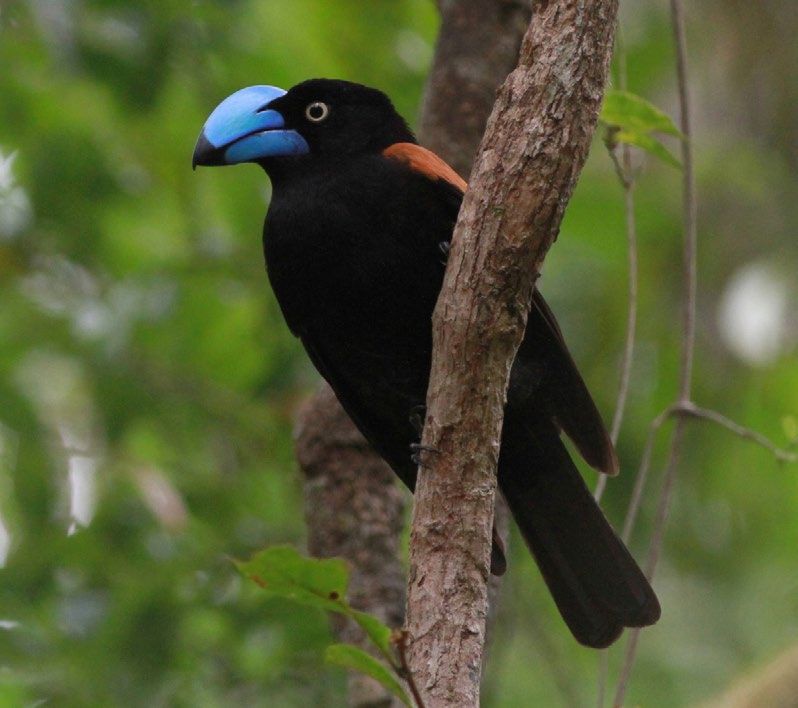
coastal ‘coral-rag’ scrub of the Toliara area, first The middle of the day will be very hot, so we’ll retreat
© Callan Cohen
© Callan Cohen
heading to Ifaty. to our accommodation for a welcome break (and
Birding Africa Tour Leaflet
Birding Africa Tour Leaflet
perhaps even a refreshing dip in the ocean!), before
The beach resort town of Ifaty is a popular place for
driving to the Toliara area in the afternoon to settle
birders. Its famous dry, spiny forest is a landscape of
in at our lodgings. Arid, scrubby hillsides surround
interwoven baobabs, octopus trees and euphorbias
the Bay of Augustin and are home to Madagascar’s
so weird and wonderful that you might as well
most recently-described endemic, Red-shouldered
be on a different planet. This area is loaded with
Vanga, which we'll search for alongside Grey-
extravagant semi-desert endemics which we will
headed Lovebird and Verreaux’s Coua.
explore the next morning before it heats up.
Subdesert Mesite Day 17: Toliara to Anakao and Nosy Ve
Day 16: Spiny Forest and Toliara area
If we have time this morning we’ll search for
© Tertius Gous
This morning we’ll explore the spiny forest, and
Madagascar Sandgrouse before we board a speed
also visit a nearby site in search for the localised
boat to Anakao village, where Littoral Rock Thrush
Madagascar Plover. This ecologically diverse
occurs in the coastal sand dunes, and Nosy Ve
wonderland is dominated by three-meter-tall cactus-
island. At Nosy Ve we’ll be able to enjoy splendidly
like plants, called octopus plants. We’ll carefully
close views of Red-tailed Tropicbird and will
wind our way among these Didierea, avoiding the
check for roosting seabirds (tide-dependent) that
long, sharp spines, in a quest to track down Green-
may include Lesser Crested Tern and Crab Plover.
capped Coua, Running Coua, Archbold’s Newtonia,
White-fronted Plover is resident along the sandy
Thamnornis, Subdesert Brush Warbler, Sickle-billed
shorelines. We'll then return by boat to Toliara and
Vanga, Lafresnaye’s Vanga and Sakalava Weaver.
transfer to the airport to take our return flight to
The real stars of the show are the highly localised
Tana, where the trip ends.
and spectacular Subdesert Mesite and Long-tailed
Red-shouldered Vanga Appert's Tetraka Ground Roller, which we’ll make a special effort to Please note that this boat excursion is subject to
see. The elusive Banded Kestrel would be a good weather conditions and Air Madagascar flight times.
bonus, as would Madagascar Sparrowhawk!
Day 14: To Isalo via Anja ring-tailed lemurs Day 15: To Ifaty via Zombitse
Today we’ll continue our journey southwards to the In this very hot part of the country we'll depart early
© Tertius Gous
next key sites on our itinerary, Anja and Isalo. The for Zombitse National Park, to bird here before it
community forest of Anja protects a population of gets too hot. Cuckoo Rollers displaying over the
Ring-tailed Lemurs. We’ll have be able to track and dry forest canopy is one of the most memorable
watch these social and charismatic lemurs closely, attractions here; males of this unusual (it is one
often with splendid photographic opportunities. of only two bird species worldwide placed in its
own bird order) forest endemic engage in flapping
In the afternoon we’ll continue our way south
displays and loops accompanied by their shrieking
towards Isalo on a spectacularly scenic drive. We’ll
cries. This forest’s main bird speciality, Appert's
search for the elegant and hard to find Madagascar
Tetraka, is Madagascar’s most localised bird, being
Harrier in a beautiful grassland plateau where we
restricted to Zombitse and a small adjacent forest
might also spot a few species of ground orchids.
patch. Here we will also search for Giant Coua,
Tonight we stay a hotel surrounded by palm savanna
Coquerel's Coua, Rufous Vanga and the western
among the spectacular sandstone mountains of
race of Stripe-throated Jery, which is split by
the Isalo massif. Key target birds this evening and
BirdLife. The forest is a very special transition zone
the following morning will include Madagascar
between the south’s flora and the western deciduous
Partridge, Madagascar Scops Owl, White-browed
forest (which we explore in Ankarafantsika National
Hawk-Owl and the local subspecies of Forest Rock
Park), being similar in appearance to the latter but
Thrush called Benson's Rock Thrush (although
containing baobab species of the former.
noticeably different in plumage and structure, this
species is now often considered to be conspecific After lunch, we will continue to the otherworldly
Red-tailed Tropicbird
with the Forest Rock-Thrush from further east). south to bird the spiny desert, mudflats and the
12 | Madagascar 2020 Madagascar 2020 | 13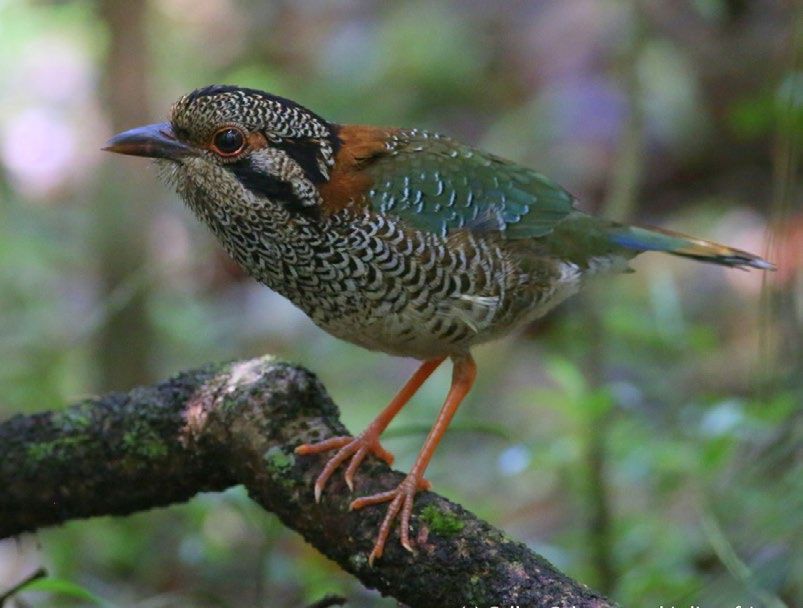
Birding Africa Tour Leaflet

                                                                                                                                                                                Birding Africa Tour Leaflet
                                INCLUDED IN THE PRICE OF THE TOUR
                                •    services of your Birding Africa tour leader and local guides
                                •    entry fees to parks and activities as per itinerary
                                •    hotel accommodation throughout
                                •    airport transfers
                                •    bottled water in the vehicle
                                •    one soft drink at each sit-down meal
                                •    general tips

                                QUESTIONS?
                                Please email Marje at info@birdingafrica.com

                                BOOKLET AND CHECKLIST
                                Birding Africa provides:
                                1. this tour leaflet with detailed itinerary
                                2. the tour information pack, emailed to you.
                                3. the tour booklet with checklists, on the tour.

                                HOW TO BOOK
                                1. Complete our easy online booking form.
                                2. Secure your booking deposit by credit card on our 3D secure online payment site ($150)
                                3. Settle the balance by bank transfer 150 days before the tour. We will email you a reminder and the banking details.

                              14 | Madagascar 2020                                                                                                       Madagascar 2020 | 15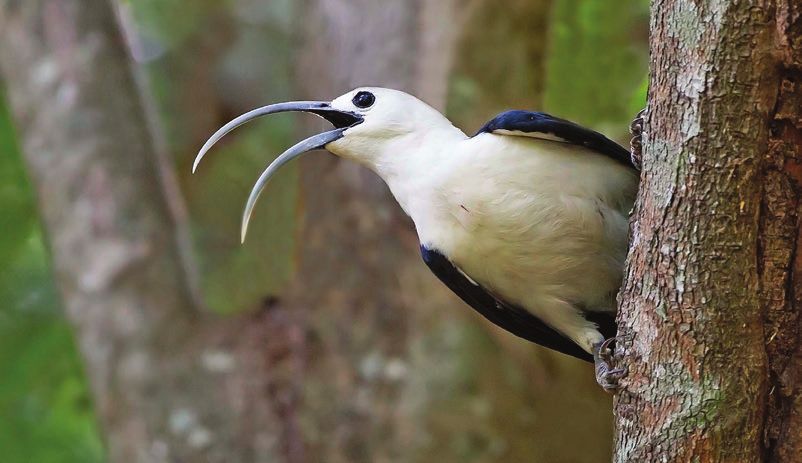
You can also read


