MATERIAL CHANGE - Drive Sustainability
←
→
Page content transcription
If your browser does not render page correctly, please read the page content below

MATERIAL
CHANGE
    A STUDY OF RISKS
 AND OPPORTUNITIES FOR
COLLECTIVE ACTION IN THE
MATERIALS SUPPLY CHAINS
 OF THE AUTOMOTIVE AND
 ELECTRONICS INDUSTRIES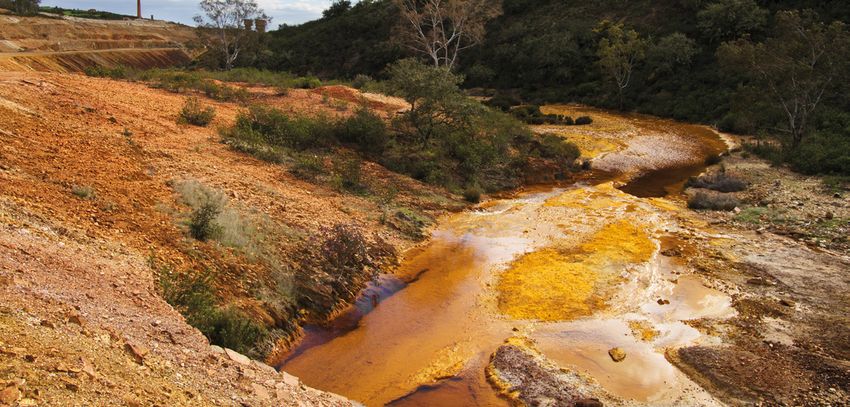
Use of this report and information in it is covered by
the conditions of a Creative Commons-Attribution-
NonCommercial-NoDerivative Works License. Please
always credit Drive Sustainability, the Responsible
Minerals Initiative and The Dragonfly Initiative for
compiling and analysing this information.

Version 1, July 2018

Cover and report design by SOS Design Consultancy
FOREWORD                                                                                                                                                                            5

                                               Environmental, social and governance issues associated
                                               with corporate supply chains and the sourcing of
                                               materials used in the manufacture of industrial and
FOREWORD                                       consumer products are subject to increasing scrutiny.
                                               Regulators, investors, consumers and                                       This report gathers, analyses and presents
                                               environmental and human rights groups are                                  publicly available information on materials
                                               appealing to companies to publicly disclose                                commonly used in the automotive and
                                               the results of supplier due diligence and                                  electronics industries. It aims to positively
                                               commit to engaging business partners in                                    contribute to discussions on responsible
                                               efforts to address negative impacts associated                             sourcing among industry peers and
                                               with their activities and improve operating                                stakeholders by enabling industry wide
                                               practices. Navigating the path towards                                     comparisons of the materials’ and main
                                               achieving that end however, is not simple.                                 producing countries’ environmental, social
                                                                                                                          and governance issues and their importance
                                               The supply chains of businesses today are                                  in the manufacturing of consumer and
                                               highly complex. They extend to multiple                                    industrial automotive and electronic products.
                                               tiers and to thousands of suppliers. In the
                                               manufacture of their products, businesses                                  The report does not attempt to evaluate
                                               source parts, components, and modules                                      the net contribution of materials to society
                                               containing many materials from hundreds of                                 or to weigh the costs and benefits of natural
                                               countries across the globe, and from a wide                                resource development. There are both adverse
                                               range of environmental, social and political                               and positive outcomes associated with
                                               contexts. To meet the challenge of conducting                              industrial activity. Rather, the goal of DS and
                                               due diligence, appropriately monitor                                       the RMI is to raise awareness of potential risks
                                               performance and enable improvements at the                                 and the opportunities for collective action to
                                               operations of their suppliers, companies today                             catalyse systemic improvements throughout
                                               need tailored information on the environmental,                            the supply chains of both industries.
                                               social and governance risks in their supply
                                               chains. Furthermore, to identify and prioritise                            The scope of the study is intentionally broad.
                                               opportunities to collaborate with their peers to                           Instead of narrowing the analysis to a few
                                               effect positive change, analytical comparisons                             materials and researching their supply chains
                                               across many materials, industries, countries                               in detail, Material Change presents a general
                                               and issues considerably aid sound strategic                                industry level assessment of many materials
                                               decision making. One of the biggest obstacles                              with the goal of challenging the reader to
                                               to setting and implementing strategies for                                 broaden their view of multifaceted and
                                               responsible sourcing, however, is the                                      interconnected manufacturing supply chains.
                                               constrained access to and limited public                                   Similarly general in presentation are the
                                               availability of reliable current data and analysis                         environmental and social information and
                                               on the environmental and social dimensions                                 economic and governance indicators for
                                               of material production and processing.                                     countries identified as top producers
                                                                                                                          of the materials.
                                               Material Change presents findings from studies
                                               carried out by Drive Sustainability (DS) and
                                               the Responsible Minerals Initiative (RMI) on
                                               the responsible sourcing of materials in the
                                               automotive and electronics industries.
                                               It includes results from these studies but is not
                                               comprehensive in its coverage of the studies’
                                               areas of research, nor are the results conclusive.
                                               Rather, this report is an early milestone in the
                                               continuing programmes of both DS and
                                               the RMI.

           The use of this report and information in this report is covered by the conditions of a Creative Commons-Attribution-NonCommercial-NoDerivative Works License.
           Please always credit the Responsible Minerals Initiative, Drive Sustainability and The Dragonfly Initiative for the work they have done compiling and analysing this information.
6                                                                                                                                                                                                                                                                                                                                                                   7

                                     The report uses publicly available information.                           DS and the RMI acknowledge that companies
                                     Despite the very considerable research                                    have a responsibility to conduct due diligence
                                     efforts of industry associations and research                             on their supply chains in accordance with
                                     institutes, there are gaps in contemporary                                internationally recognised standards and that
                                     information on environmental, social and                                  decisions on supply chains and material
                                     governance issues associated with the                                     sourcing are a matter for the management of
                                     production of many materials and on their                                 individual businesses. Material Change is not
                                     supply, demand and use. DS and the RMI                                    a replacement for company due diligence,
                                     will continue to explore ways in which the                                and the information presented in this report
                                     two organisations and their members can                                   should not be interpreted as representing
                                     contribute to improving the availability of                               specific risks to any one individual company
                                     reliable information and to incorporate                                   or as being irreversibly present in a particular
                                     that information into future reports as it                                material supply chain.
                                     becomes available.
                                                                                                               DS and the RMI recognise that collaborative
                                     From material to material, and from company                               action among businesses, across industries,
                                     to company, supply change risks can vary                                  and with governments and civil society is a
                                     significantly, as do the opportunities for                                powerful tool to address some of the serious
                                     members of the two industries to catalyse                                 social and environmental problems affecting
                                     change. The corporate policies of individual                              workers and communities in countries where
                                     companies and management practices at                                     many of the materials in this report originate.
                                     sites and facilities are very often the primary                           Material Change aims to be a starting point
                                     factors determining the sound management                                  from which to stimulate an exchange of
                                     of potential impacts associated with business                             information on where collective actions by
                                     activities and associated reputation risks.                               industry groups or trade associations might
                                                                                                               be best focused to maximize positive social,
                                                                                                               environmental and governance impacts.

The use of this report and information in this report is covered by the conditions of a Creative Commons-Attribution-NonCommercial-NoDerivative Works License.                      The use of this report and information in this report is covered by the conditions of a Creative Commons-Attribution-NonCommercial-NoDerivative Works License.
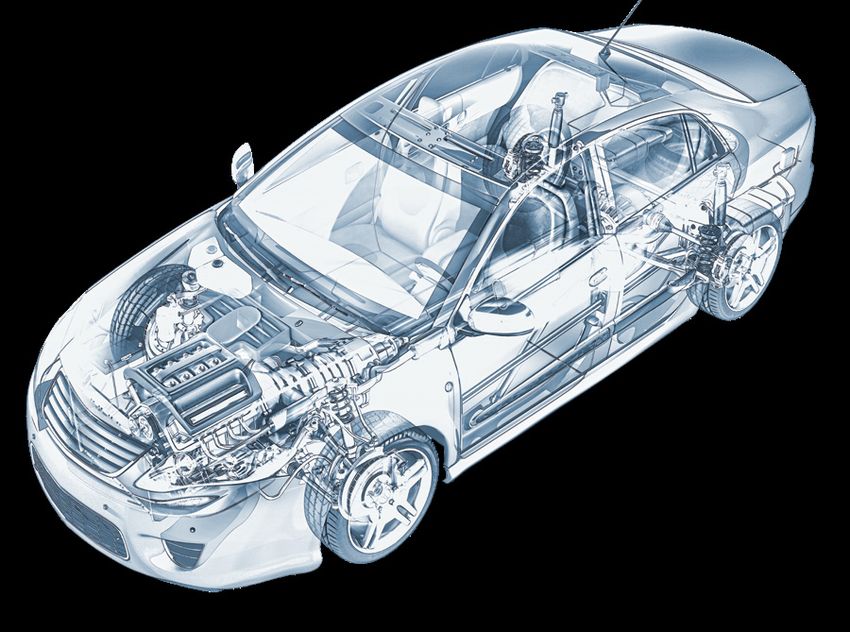
Please always credit the Responsible Minerals Initiative, Drive Sustainability and The Dragonfly Initiative for the work they have done compiling and analysing this information.                                                                                                                                                                           Modern car
                                                                                                                                                                                    Please always credit the Responsible Minerals Initiative, Drive Sustainability and The Dragonfly Initiative for the work they have done compiling and analysing this information.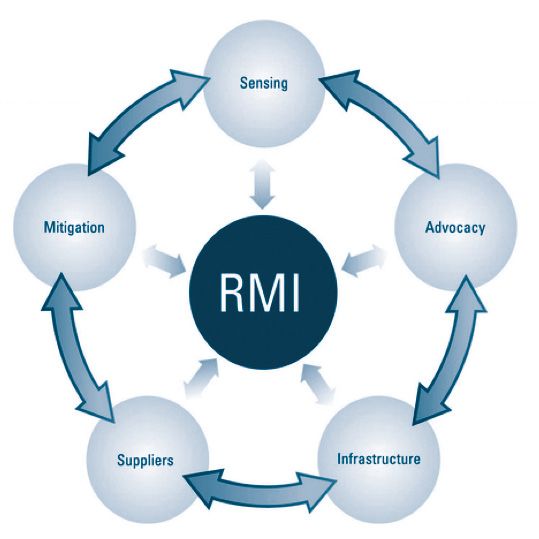
TABLE OF CONTENTS 9
TABLE OF CONTENTS
1 DRIVE SUSTAINABILITY AND THE
RESPONSIBLE MINERALS INITIATIVE 10 4 STUDY
LIMITATIONS 28
1.1 Drive Sustainability 11 Table 2: Completeness of material data sets 29
Figure 1: Drive Sustainability’s Raw Materials Observatory 11
1.2 The Responsible Minerals Initiative 12
Figure 2: The RMI approach to identify & prioritise salient risks 12 5 STUDY
RESULTS 30
2 HOW TO USE
THIS REPORT 14
5.1 The materials heat maps
Table 3: Key to materials’ ratings
32
32
Figures 5/6: Materials heat maps 34-37
STUDY
3
5.2 Materials’ ratings 38
METHODOLOGY 18 The automotive and electronics industries’ consumption plotted against:
3.1 The materials 20 Figures 7/8: Environmental, social and governance aggregated risk rating 39
Figures 3 & 4: Illustrative products: Passenger vehicle, Smartphone 21-22 Figures 9/10: Association with Artisanal and Small-Scale Mining 40
Box 1: 37 Materials 23 Figures 11/12: Association with child labour and forced labour 41
3.2 The assessment criteria 24
Figures 13/14: Association with countries associated with weak rule of law 42
Table 1: The assessment criteria 25
3.3 Considerations in the choice and formulation of the criteria 26 Figures 15/16: Association with countries experiencing corruption 43
3.4 Assessing opportunities for collective action 27 Figures 17/18: Association with countries experiencing high-intensity conflict 44
Figures 19/20: Association with high CO2 emissions 45
Figures 21/22: Association with incidences of conflict with Indigenous Peoples 46
Figures 23/24: A
ssociation with the potential for harm from hazardous
materials or chemicals 47
5.3 Material profiles 48-95
Box 2: List of 18 material profiles and profile breakdown 48-49
Aluminium / Bauxite Nickel
Cobalt Palladium
Copper Rare Earth Elements
Glass (silica sand) Rubber (natural)
Gold Steel / Iron
Graphite (natural) Tantalum
Leather Tin
Lithium Tungsten
Mica Zinc
5.4 References cited in the material profiles 96
APPENDICES 106
Appendix A: Materials analysed in this study and
completeness of data sets 107
Appendix B: Guide to the assessment criteria and
rating system for materials 108
Appendix C: Guide to the producer-country and
additional material criteria and indicators 119
The use of this report and information in this report is covered by the conditions of a Creative Commons-Attribution-NonCommercial-NoDerivative Works License.
Please always credit the Responsible Minerals Initiative, Drive Sustainability and The Dragonfly Initiative for the work they have done compiling and analysing this information.11
1 DRIVE SUSTAINABILITY 1.1 Drive Sustainability
Drive Sustainability (DS) is a partnership of ten major
AND THE RESPONSIBLE automotive brands - manufacturers of commercial
and passenger vehicles (BMW Group, Daimler AG,
Ford, Honda, Jaguar Land Rover, Scania CV AB, Toyota
MINERALS INITIATIVE Motor Europe, Volkswagen Group, Volvo Cars and Volvo
Group) convened to take action for greater sustainability
throughout the automotive supply chain.
The Partnership, facilitated by CSR Europe, to understanding and assessing impacts,
seeks to positively influence the automotive risks, and opportunities for positive action
supply chain by promoting a common within the material supply chains of the
approach within the industry and by automotive industry.
supporting the integration of sustainability
into procurement processes. DS has been working to improve the
sustainability of the automotive supply chain
DS has a set of common guidelines - the for the past five years, and this new study
Guiding Principles – that outline expectations represents the next step in its commitment
for suppliers on key responsibility issues to ensuring that the highest standards of
including, but not limited to, business ethics, business ethics, good working conditions
working conditions, human rights and and respect for the environment and human
environmental matters. Based on these rights are upheld in its members’ supply
guidelines, DS has developed a number chains. The collaborative approach taken by
of tools and resources, including a self this study complements individual activities
assessment questionnaire, training services, of each member company, with the common
and local networks. goal of increasing overall sustainability in the
automotive sector worldwide.
In 2017 DS announced the establishment
of its Raw Materials Observatory. This
process aims to develop a common approach
FEASIBILITY ANALYSIS
RISK ASSESMENT
Evaluation
ACTION EVALUATION of actions
MONITORING
TOP Not
17 Material relevant
Profiles
COMMON APPROACH Planning &
Risk Options for Relevant Budget
Matrix Actions
Action
Continue monitoring
Internal No action
Monitoring
INDIVIDUAL APPROACH
Risk
Individual
Assessment
Approach
TOP
Figure 1: Drive Sustainability’s Raw Materials Observatory SUSTAINABILITY STRATEGY
The use of this report and information in this report is covered by the conditions of a Creative Commons-Attribution-NonCommercial-NoDerivative Works License.
Please always credit the Responsible Minerals Initiative, Drive Sustainability and The Dragonfly Initiative for the work they have done compiling and analysing this information.Iron mine, Cerro Bolivar, Venezuela
12 1. DRIVE SUSTAINABILITY AND THE RESPONSIBLE MINERALS INITIATIVE
1.2 The Responsible Minerals Initiative
Today, more than 360 companies from over ten different
industries participate in the Responsible Minerals
Initiative (The RMI, formerly the Conflict Free Sourcing
Initiative (CFSI)), to support responsible sourcing of
minerals globally.
Founded in 2008 by members of the documents and white papers, and by
Responsible Business Alliance (RBA) influencing international dialogue, the RMI
and the Global e-Sustainability Initiative is fostering a platform for continuous
(GeSI), the RMI serves as a collaborative, improvement and education of companies
multi-industry platform that encourages and their supply chain partners.
and improves regulatory compliance and
company due diligence through the The RMI is developing a sensing and
development and broad application of prioritisation process to assist member
tools, resources and guidance documents. companies to understand such demands for
responsibly sourced materials, to prioritise
Realising the opportunity and responsibility efforts to meet it, and to manage associated
to include key materials in sourcing strategies, commercial risks. This study forms part of
the RMI promotes the understanding of that sensing research, providing baseline
the salient social and environmental impacts data that will help to inform prioritisation
of extracting and processing the materials for the RMI, as well as may be used by the
that feed into industry supply chains, and RMI member companies for their own
contributes to mitigating these impacts. The due diligence and prioritisation.
RMI leverages direct and indirect partnerships
and uses international standards (e.g.,
Organisation for Economic Co-operation
and Development (OECD) Guidelines for
Multinational Enterprises, and the United
Nations (UN) Guiding Principles on Business
and Human Rights) as guideposts.
The RMI creates the enabling conditions
for its member companies to identify, assess
and mitigate salient risks in their material
supply chains. Its range of tools includes
the Risk Readiness Assessment, a self-
assessment tool for companies to assess
and communicate their risk management
practices, and supply chain surveying tools,
such as the Conflict Minerals Reporting
Template and Cobalt Reporting Template.
The RMI also assists member companies with
due diligence and supply chain assurance, via
operating an independent third-party audit
program for smelters/refiners of 3TG, which
is being built upon for cobalt. By contributing Figure 2: RMI approach to identify
to peer learning via publication of guidance & prioritise salient risks
The use of this report and information in this report is covered by the conditions of a Creative Commons-Attribution-NonCommercial-NoDerivative Works License.
Please always credit the Responsible Minerals Initiative, Drive Sustainability and The Dragonfly Initiative for the work they have done compiling and analysing this information.15
2 HOW TO USE
Material Change is intended as a resource to inform
discussions on responsible sourcing by enabling general,
industry wide comparisons across 37 materials commonly
THE REPORT used in automotive and electronics products. This report
should not be used as a substitute for a company’s due
diligence on any particular material, commodity, supply
chain or supplier.
Material Change includes several assessments information is generated and made available
and ratings of materials through heat maps by industry associations and research
and charts, and information presented in institutions for several materials and
profiles of a selection of 18 of the materials commodities and, although not always
studied. The reader should not assume that incorporated into this report, should be
these industry level assessments and ratings consulted when designing and deploying
apply to all companies or operations active corporate supply chain strategies and
in the production of the materials. Many due diligence.
companies have in place management systems
that adhere to industry best practices wherever Material Change aims to support
they operate, and many operate in jurisdictions the reader by:
that have stringent environmental and social
Providing a broad comparative industry-
regulatory requirements that are actively
level assessment of materials in the supply
enforced. The corporate policies of individual
chain of automotive and electronics
companies and management practices at sites
products that can help in the design of
and facilities are very often the primary factor
appropriately comprehensive and inclusive
determining the sound management of
corporate due diligence policies.
potential impacts associated with business
activities and associated reputation risks. Identifying potential hot spot issues
The intention of DS and the RMI is for the associated with materials and top
information in this report to spur further producing countries in the supply chains of
enquiry into material supply chains and the two industries. While the supply chains
encourage the widespread adoption of good of many companies will not be at risk from
practices and commitments to continual association with the impacts covered in
improvement. this report, a raised awareness of the
possibility of these issues being present
Material Change intentionally uses data and
will encourage further investigation and
analyses that are comparable across the many
better informed due diligence efforts,
materials and supply chains studied. Accessing
if only to rule out exposure to risk.
data sets that allow cross-material comparison
has proved difficult, however, and we note in Stimulating discussion with industry peers,
this report the areas where data is missing groups and associations to prioritise
and the implications for the results of the actions in responsible sourcing strategies
study. The ratings given in this report for some and focus on where individual company
of the criteria therefore should be considered engagement and collective action can
indicative, rather than conclusive. Credible best catalyse positive change.
It is important that the reader uses the results presented in this report only when the
methodology used to choose the assessment criteria and determine ratings is understood.
The methodological approach and criteria are introduced in the body of the report, and the
report’s appendices provide descriptions in further detail. Furthermore, several of the core
sources used in Material Change are identified in the report and should be reviewed and
referred to alongside the presentation of results.
The use of this report and information in this report is covered by the conditions of a Creative Commons-Attribution-NonCommercial-NoDerivative Works License.
Please always credit the Responsible Minerals Initiative, Drive Sustainability and The Dragonfly Initiative for the work they have done compiling and analysing this information.16
This report:
1 Presents analyses of materials commonly used in the manufacture of automobiles and
electronic products using two sets of criteria that establish 1) a material’s importance
to industry, and 2) its associated environmental, social and governance issues.
2 Provides graphical representations of generalised ratings of the materials.
3 Summarises in material profiles material specific analyses and provides additional information
on some of the major producer countries for materials selected by DS and RMI members.
Section 3 describes the study’s methodology. importance and potential environmental,
Materials were selected by DS and the RMI social and governance risks and impacts
members for the study through a process associated with a material. Rather than
described in Section 3.1. In Section 3.2, the definitive and objective levels of risk, hotspots
groups’ choice of criteria to analyse the should be seen as areas for further enquiry
materials is presented. Two sets of criteria by individual companies beginning due
are applied to each of the materials. diligence on their specific supply chains.
The first set of criteria identify the most Second, a series of illustrative bar charts
important materials for the two industries’ present the 37 materials by level of industry
and the second set the environmental, social consumption for each of the two industries
and governance issues associated with the on one axis and their strength of association
production of materials - from source to with a selection of 8 of the 11 environmental,
factory gate. The criteria have been developed social and governance issues covered in
to give a general industry-level view of the this report on a second.
issues associated with the 37 materials.
For several materials there is an absence of Third, profiles of 18 materials summarise the
comprehensive data sets that would enable risk and impact ratings for each material, as
painting a more rounded picture of the well as the social, development, and economic
supply chains studied; this has been noted indicators associated with the material’s top
and is further discussed, along with other producer countries. The 18 materials were
methodological design features of the selected based on RMI and Drive’s institutional
study in section 3.3. Section 3.4 describes priorities as identified in consultation with
the approach taken to assess possible each organization’s respective membership.
opportunities for collective action by
the members of DS and the RMI. The appendices to this report include
lists of the materials studied, (Appendix A)
In Section 5, results are presented in three and a guide to the assessment criteria
formats. First, two heat maps are introduced (Appendix B and C).
that show the 37 materials and rating for each
against the two sets of criteria. The heat maps
provide an overview of all 37 materials studied
and allow the reader to discern hotspots of
The use of this report and information in this report is covered by the conditions of a Creative Commons-Attribution-NonCommercial-NoDerivative Works License.
Please always credit the Responsible Minerals Initiative, Drive Sustainability and The Dragonfly Initiative for the work they have done compiling and analysing this information. Repairing a damaged mobile phone19
3 STUDY
METHODOLOGY
Sulfur and iron polluted river at Sao Domingos abandoned mine
In this section the approach followed when selecting
materials and formulating the criteria is explained.
The methodology is designed to arrive at an environmental, social and governance issues,
industry level appreciation of environmental, is vast. This report should, therefore, not be
social and governance issues associated with considered as comprehensive or complete
the 37 materials studied. but as a source of information that individual
companies and others interested in the
It is acknowledged that many companies responsible sourcing of materials can use
have begun and are advancing in their to design and undertake investigations
journey to understand the issues and risks into specific supply chains from their
in their supply chain and might already own point of view.
have completed in-depth studies on the
social and environmental aspects of their
material sourcing, such as materiality
assessments and life cycle analyses.
The potential to widen the scope of the
research into each material and its associated
The use of this report and information in this report is covered by the conditions of a Creative Commons-Attribution-NonCommercial-NoDerivative Works License.
Please always credit the Responsible Minerals Initiative, Drive Sustainability and The Dragonfly Initiative for the work they have done compiling and analysing this information.Figure 3
20 3. STUDY METHODOLOGY
Selected* materials in a passenger vehicle
5 6 7
2 3 4
3.1 The materials
1
8
10
11 9
12
16 14
15 13
Rubber tree, Sri Lanka
Selected materials and applications Materials in applications
The study started with an initial screening of 50, which 1 Engine 10 Suspension found throughout a
was then narrowed to 37 materials commonly found in Aluminium Steel / Iron passenger vehicle
automotive and electronics products. The automotive Nickel (turbocharger)
Tungsten (crankshaft)
11 Chassis Capacitors
Aluminium Found in systems for brakes, power steering,
and electronics industries offer a diverse range of 2 Microphone / Speaker Steel / Iron transmission, electric motors etc.
Mica
products for consumers and for industrial applications. are earth elements
R
Tungsten
Palladium
Nickel 12 Body panels Tantalum
To anchor the research and the collection report in two generic products. Applications Iron Steel / Iron
of data, two “illustrative products” have may vary for specific products and other Cobalt Electric motors
been chosen, one for each industry. types of vehicles, and in some instances 13 Brakes Found in starter motor, alternator, windscreen
3 LED Display wipers, air conditioning etc.
Graphite
A smartphone has been chosen as an these materials may be substituted. The Rare earth elements Graphite
Steel / Iron
illustrative product for the electronics sector, material profiles in section five also refer to Rare earth elements
4 Windscreen / Windows Tungsten
and a generic passenger vehicle for the these two generic products.
Glass 14 Transmission Plating
automotive sector, blending composition
Found on engine parts, brake parts, chassis,
data from a number of vehicle types. Many electronic applications are also Nickel
5 Interiors trims, air conditioning etc.
found in vehicles. To avoid duplication, Steel / Iron
Leather Nickel
Figures 3 and 4 provide a generalised information on materials found in electronic Zinc
Plastics 15 Clutch
representation of these two products applications in automobiles have not been
and materials used in some of their repeated in Figure 3, which lists instead 6 Catalytic converter Graphite Printed circuit boards
Found in systems for braking, engine control
key components and applications. These and applications and their materials Palladium 16 Radiator systems, safety and security systems, GPS
illustrations indicate common applications additional to those found in electronics. Plastics Copper navigation and entertainment etc.
of 18 materials profiled in section 5 of this Rare earth elements Aluminium
Copper
7 Paint / Pearlescent finish
Applications found in Gold
Mica Nickel
Cobalt electric/hybrid cars
Solder
8 Tyres Lithium-ion battery
Tin
Rubber Cobalt
Cobalt Graphite Circuitry
Lithium Copper
9 Wheels Nickel Gold
Graphite (bearings) Rare earth elements Palladium
Steel / Iron Zinc*
Tungsten (bearings, ball joints) (Tin**)
The materials included in this illustration are restricted to the 18 materials profiled in section 5.3 of this report.
Applications may vary for specific products and other types of vehicles, and in some instances these materials may be substituted.
The use of this report and information in this report is covered by the conditions of a Creative Commons-Attribution-NonCommercial-NoDerivative Works License. * Used to manufacture zinc air fuel cells and nickel-zinc batteries, as alternatives to lithium-ion batteries.
Please always credit the Responsible Minerals Initiative, Drive Sustainability and The Dragonfly Initiative for the work they have done compiling and analysing this information. ** Tin is an important material in lead-acid batteries, but not in batteries used in hybrid/electric vehicles.
The use of this report and information in this report is covered by the conditions of a Creative Commons-Attribution-NonCommercial-NoDerivative Works License.
Please always credit the Responsible Minerals Initiative, Drive Sustainability and The Dragonfly Initiative for the work they have done compiling and analysing this information.Figure 4
Selected* materials in a smartphone 3. STUDY METHODOLOGY 23
The materials assessed in this study Furthermore, not all the materials studied
were identified by the Original Equipment are “raw materials” in the strict definition
1 Manufacturer (OEM) members of DS. of the word, as many undergo significant
3 Each DS member provided a list and a ranking transformation before they reach the
of the materials their company considered factory gate. For example, aluminium begins
4 priorities for their responsible sourcing its journey as bauxite ore before it is
2
strategies. Drawing on these individual chemically processed into alumina and
contributions, a consolidated list was created smelted into aluminium metal. Rolling mills
of 50 materials that were identified most often then process the aluminium into sheet
by the members as priorities. An early material for manufacturing plants. Similarly,
screening of available data revealed that it iron ore is combined with carbon, limestone,
would be difficult to collect comparative and oxygen in furnaces to make steel, and
information on individual rare earth elements silica sand is dredged from river beds and
(REEs), resulting in the exclusion of some and harvested from beaches to be processed into
the treatment of the remainder as a single glass. Also included are plastics, for which the
group under one material. Five REEs (Erbium, main feedstock raw material is hydrocarbon
Europium, Holmium, Thulium, Ytterbium) were (gas and oil) that is ‘cracked’ to create the
excluded from the study due to lack of data material’s basic molecular architecture. The
on their use and functionality in automotive terms “mineral” and “raw material” are avoided
supply chains. Data for nine other REEs where possible, therefore, and reference is
(Cerium, Dysprosium, Gadolinium, Lanthanum, made simply to “material” throughout.
Neodymium, Praseodymium, Samarium,
Terbium and Yttrium) were consolidated as 37 selected materials found in Box 1
available data is largely aggregated at the automotive and electronics products
level of this group of elements, and
Antimony Molybdenum
information on the environmental, social and
governance aspects of their recovery indicates Aluminium / Bauxite Nickel
similar characteristics for many of the REEs.
Beryllium Niobium
7 6 The RMI provided a shortlist of materials
9
5 to be included in this study based on its Bismuth Palladium
8
sensing process. The RMI’s sensing process
Chrome & Chromium Plastics
aims to establish, through a series of filters
Selected materials and applications Materials in applications found based on historical and forecasted data, Cobalt Platinum
throughout a smartphone which materials the RMI prioritise for further
1 Casing 6 Capacitors Copper Rare Earth Elements
research and possible action through working
Aluminium Palladium Insulation
Tantalum groups formed by its members.
Mica Gallium Rhodium
2 Printed circuit board The selection of shortlisted materials for this
Aluminium 7 Vibration unit Solder study was based on a 2008 study on Social Germanium Ruthenium
Copper Rare earth elements Tin and Environmental Responsibility in Metals
Gold Tungsten Supply to the Electronics Industry3 as Glass (silica sand) Rubber (natural)
Nickel 8 Battery well as ten filters focusing on supply
Gold Silver
Cobalt chain criteria and key social, governance
3 Paint / Pearlescent finish
Graphite and environmental risks associated with Graphite (natural) Steel / Iron
Mica
Lithium the minerals’ sources.
4 Circuitry Indium Tantalum
Nickel
Copper The materials selected from these two
Lead Tin
Gold 9 Display screen processes were combined to form the
Palladium Glass final list of 37 materials covered by this Leather Titanium
Rare earth elements study and these are shown in Box 1.
5 Microphone / Speaker Lithium Tungsten
Tin
Copper While the majority of these materials are
Iron derived from mined minerals and subsoil Magnesium Vanadium
Nickel resources, they are not exclusively so.
Manganese Zinc
Rare earth elements The non-mined materials included in this
study are leather and natural rubber. Mica
The materials included in this illustration are restricted to the 18 materials profiled in section 5.3 of this report.
Applications may vary for specific products and other types of vehicles, and in some instances these materials may be substituted.
The use of this report and information in this report is covered by the conditions of a Creative Commons-Attribution-NonCommercial-NoDerivative Works License.
Please always credit the Responsible Minerals Initiative, Drive Sustainability and The Dragonfly Initiative for the work they have done compiling and analysing this information. 3.Social and Environmental Responsibility in Metals Supply to the Electronics Industry, prepared for the Electronic Industry Citizenship Coalition and the Global e-Sustainability
Initiative by GHGm, 20 June 2008.24 3. STUDY METHODOLOGY Table 1: The assessment criteria
Table 1 lists the 16 criteria and corresponding indicators against which each of the materials were assessed, while
Appendix B provides a full guide to each of the criteria, and the indicators and measures used for rating materials4.
Importance to Industry
3.2 The assessment criteria Criterion Indicator
Percentage (%) of total global consumption that can be attributed to the automotive or electronics
1. Industry consumption industry, indicating the influence of the industry sector in the material’s supply chain and an
implied responsibility to act to remedy adverse impacts.
The degree to which the material performs a purpose that cannot be fulfilled by an alternative,
2. Function criticality potentially more sustainable substitute without compromise to the quality or functionality of
the product.
Percentage (%) of material not recycled from end-of-life (EOL) post-consumer waste in the two
3. Residual end-of-life waste5 industries. EOL recycling can be a favourable alternative to mining new materials, particularly
for materials that are scarce or with predicted high rates of depletion.
Percentage (%) of total material input into production that is newly mined, extracted
or produced. This criterion can be used to measure the circular use of materials at an industry level
4. Virgin material consumption 6
by how much of the total material input into the production system comes from virgin sources
as opposed to recycled post-consumer scrap.
Automotive Transmission The rate at which a material is becoming unavailable from mining indicating where improved
recycling rates are most urgent. Very few raw materials can be considered truly physically scarce.
5. Estimated rate of depletion
DS and the RMI members formulated the criteria used The availability of a mineral is determined by the cost of extraction, technological capacity, and by
geopolitical and environmental factors.
in this study to be broadly applicable to the selected Association with Environmental, Social and Governance Issues
materials and to gather and analyse data and generate Criterion Indicator
information on environmental, social and governance Percentage (%) of global material production reportedly attributable to ASM. Although much
6. A
rtisanal and small-scale
issues that is salient for the industry as a whole. mining (ASM)
has been achieved in recent years in improving the capacity and management practices at ASM
operations, ASM is often strongly associated with serious environmental and human rights impacts.
These criteria are indicative of the areas evaluation of risk or impacts. DS and the Prevalence of child labour and/or forced labour associated with the global production
7. Child labour and forced labour of the material.
of concern of many OEM companies and RMI recognise that the corporate policies
their stakeholders in both industries. It is of individual companies and management 8. Countries with weak rule of law The material’s strength of association with producer countries that have weak rule of law.
acknowledged, however, that different practices at sites and facilities are very often
criteria and indicators might provide a richer the primary factor determining the sound 9. Countries experiencing corruption The material’s strength of association with producer countries’ perceived levels of corruption.
and more accurate picture of specific risks management of adverse impacts. This level
The degree to which key producing countries of each material are associated with the highest
and environmental, social and governance of operational performance is not covered
10. C
ountries experiencing intensity (political) inter or intra- state conflict. It should be noted that this criterion does not
impacts in particular material supply in this study and should always be the high-intensity conflict measure whether the production of the material is itself directly linked with conflict, but whether
chains, industry sectors or countries. subject of company due diligence. it is produced in a country that is associated with state conflict.
Relative level of CO2 emissions within the group of materials studied associated with the
As a general overview of the materials,
11. High CO2 emissions7 production or processing stages of material’s life cycle. The criterion excludes emissions
the report is intended to serve as a point associated with the use of the final product.
of departure for businesses to examine
specific materials, or supply chain issues, 12. Incidences of conflict with Evidence of incidences of Indigenous Peoples in conflict with, or mobilising against,
in greater depth rather than as a definitive Indigenous Peoples material producers over land-use and resource rights.
Evidence of coincidence of production sites with designated protected and other recognised
areas of importance for conservation of biodiversity and natural landmarks. It should be noted
16 criteria organised into two broad categories were applied to 13. Incidences of overlap with areas
that although the body of information on the overlap of production activities (especially mining)
each of the materials: of conservation importance and areas of conservation importance continues to grow, data that are commodity specific and
comparable across the materials in this study are unavailable.
1 Importance to Industry
(Criteria 1 – 5) These five criteria indicate the degree to which the automotive or electronics
14. P
otential for acid discharge Likelihood of the material being found in acidic sulphide ores, creating risk of
to the environment acid-mine drainage (AMD.) and/or association with acids used in mineral processing.
industry relies on a material to manufacture its products, the supply vulnerability of that
The degree to which the material is connected with a heightened, inherent, threat,
material and the potential influence of the industry sector on a material’s supply chain by 15. P
otential for harm from hazardous
such as hazardous pollutants that present serious health and safety challenges for workers
virtue of its proportional consumption of global production. materials and chemicals and surrounding communities.
Likelihood of the material being found in ores containing naturally occurring radioactive
16. P
reconditions for radioactive
2 Environmental, Social and Governance Issues
(Criteria 6 – 16) These eleven criteria indicate the extent to which production of a material
materials in ores and tailings
material (NORM) or is associated with Technologically Enhanced Naturally Occurring Radioactive
Material (TENORM).
4.To achieve a comprehensive comparison of the 37 materials’ ratings the criteria have been formulated to allow scores from ‘low’ to ‘very high’. To achieve this consistency across
is associated with adverse environmental, social or governance impacts that affect the ratings the formulations of some criteria are sometimes less intuitive than other possible options. For example, to measure the circular use of a material the total material input
upstream communities and wider society and present a risk to corporate reputation. into the production system from virgin sources is measured, rather than the more common measure of the percentage of recycled post-consumer material used in the process.
5.This is the inverse of what is more commonly expressed as the end of life recycling rate (EOL-RR.)
6.This is the inverse of what is more commonly expressed as the end of life-recycling input rate (EOL-RIR.)
7. This criterion measures the association of the materials’ production with climate change, the popular measure for which is greenhouse gas emissions, which in turn is
commonly expressed as carbon dioxide equivalent emissions (CO2e). It has not been possible to access data on carbon intensity or CO2e for a great many of the materials,
even though private information (such as from Life Cycle Analysis studies) does exist. CO2e data is available for whole industries (e.g. mining and quarrying activities in the
The use of this report and information in this report is covered by the conditions of a Creative Commons-Attribution-NonCommercial-NoDerivative Works License. EU Member States), but this is not broken down by material. This criterion focuses on CO2, therefore, rather than CO2e because of the lack of comparable, material specific,
Please always credit the Responsible Minerals Initiative, Drive Sustainability and The Dragonfly Initiative for the work they have done compiling and analysing this information. global data sets.26 3. STUDY METHODOLOGY 3. STUDY METHODOLOGY 27
3.3 Considerations in the choice 3.4 Assessing opportunities
and formulation of the criteria for collective action
Material Change assesses materials at a general industry- For 18 materials selected by DS and the RMI to correspond
wide level and the criteria have been chosen and formulated with their institutional priorities, the study identified,
for that purpose. Noted in this section are some of the reviewed and rated opportunities for collective action
factors considered in the design of the criteria. to address adverse environmental and social impacts
The research team endeavoured to choose Although highly relevant from the
or to advance positive change in communities affected
criteria applicable to, and comparable perspective of responsible sourcing, by material production.
between, both mined and non-mined animal welfare was not considered in the
materials as some of the studied materials comparative analysis of natural leather. Identified opportunities included: joining and the potential benefits, both in terms
are not extracted from the earth but are Such a criterion is inapplicable to any other existing industry initiatives to promote best of the number of people reached, and the
agricultural and silviculture products. material assessed, and therefore could not practice standards, principles frameworks intensity of need that the initiative seeks
Indicators for these criteria have been selected be incorporated into the methodology. and certification schemes, or starting new to address; the possibility for DS and
based on the availability of comparative data ones; engaging upstream companies, the RMI members to participate or support
across as many of the 37 materials as possible. Life cycle analyses (LCAs) are a particularly communities and other stakeholders to the initiative; and, the level and nature of
Criterion five, “estimated depletion rate”, useful tool to better understand and compare improve conditions in resource-producing resources that members would be expected
and criterion six, “artisanal and small-scale the environmental footprint of a product, areas; participation in materials stewardship to contribute to the success of the initiative.
mining” are applied only to mined materials. component or production process, and one and lifecycle management programmes; and
that many companies already use in the promoting collective action where no initiative While it is acknowledged that many of
Risks associated with poor corporate development of their responsible sourcing exists. DS and the RMI acknowledge that the most supported and well established
governance, such as commercial corruption, strategies. Few comprehensive LCAs are some of the most compelling opportunities initiatives globally cover a broad range
illegal practices and operations and connection publicly available for the materials in this to catalyse positive change might be found of materials, with a tight thematic focus,
to organised criminal networks, are not study and an insufficient number to allow where there is little or no current activity, this study seeks to focus on targeted,
assessed here as such issues are specific a comparative analysis across all 37 studied. but where there might well be other material specific initiatives, many of which
to the behaviour of individual entities and Furthermore, it has not been possible within businesses, civil society and government have been recently developed, thereby
no credible data source was identified that the mandate and resource constraints of agencies eager to collaborate. offering an opportunity for timely leadership
assesses these aspects comparatively at this study to commission LCAs on all by industry members .
the country level or for specific materials. of the materials. The study assessed the scope for
engagement that these opportunities offer The results of this research on opportunities
Similarly, while the significance of localised Also not addressed in this report is the highly for DS and the RMI members, both for collaborative action serve to directly
impacts on communities is recognised, topical issue of single-use plastics. The collectively and individually. The assessment inform DS and the RMI’s early and continuing
such as gender based violence and environmental and health impacts of single considered the relevance of the opportunities discussions with their members on future
discrimination, loss of livelihoods due to use plastics arise from the large quantities to the two industries’ supply chains, and the plans for engagement in different material
resettlement and interactions with private of used materials released continuously as value that an engagement by its members supply chains and have not been included in
security at mine sites or processing facilities, waste. Most plastics employed in automotive could add compared with other industry this document. DS and the RMI will continue
criteria for these issues have not been and electronics products have a much longer sectors or groups; the potential scale of to inform stakeholders of actions taken
included as no data source was identified life cycle, and therefore do not have the same impact that could be attributed to the collectively to support material-specific
that enables a material level or industry wide associated risks as single-use plastics. The initiative, including the geographic range initiatives through their websites and other
assessment. ratings given to plastics in this study reflect of impacts, the range of materials targeted, regular communication channels.
that difference.
The use of this report and information in this report is covered by the conditions of a Creative Commons-Attribution-NonCommercial-NoDerivative Works License. The use of this report and information in this report is covered by the conditions of a Creative Commons-Attribution-NonCommercial-NoDerivative Works License.
Please always credit the Responsible Minerals Initiative, Drive Sustainability and The Dragonfly Initiative for the work they have done compiling and analysing this information. Please always credit the Responsible Minerals Initiative, Drive Sustainability and The Dragonfly Initiative for the work they have done compiling and analysing this information.29
4 STUDY Material Change is general and broad in scope.
The research uses parameters and criteria chosen to
enable reliability and consistency across the data.
LIMITATIONS While more than 400 references have been reviewed
for this study, the information gathered should not be
considered exhaustive.
The choice of information sources is Data sets collected for each of the materials
informed by data quality and contemporaneity. are considered ‘complete’ when data
Several data sets and reports - although conforming to the above parameters are
relevant - have therefore not been included present for each of the 16 criteria against
in this study. Where possible, the analysis which the material is analysed. Most materials
has been restricted to data that have been have complete data sets or are missing data
generated, gathered and published within for only one or two criteria out of the
the last five years, and from at least one possible 16. It has not always been possible
of the following sources: to find data relevant to a criterion for all
materials within a single data source. In such
A peer-reviewed academic journal. instances, assessments are based on data
A
published report by a reputable gathered from multiple sources, each of
NGO, think tank, research institute which conforms where possible to the
or industry association. above parameters for data reliability.
A media article by a named author. Some materials are recovered as a by-
Government agencies or institutions. product of other ores - for example, cobalt
is nearly always a by-product of copper or
In some areas it is clear that there has been nickel, indium is very often a by-product of
little research and it has not been possible zinc, and sometimes copper; and gallium is a
to gather complete data sets for all the by-product of aluminium and, less often, zinc.
In these cases, we have relied in part or
analytical criteria applied to each material.
entirely on information on the primary
Where data sets are incomplete, an average
material recovered with which the
value is used. by-product is associated.
The materials heat maps in section 5.1 give details on where data are missing
for each material and criterion, and Appendix A gives an overview of data
completeness by material and industry.
Table 2: Completeness of material data sets
Materials with Missing data for Missing data for Missing data for
Industry
complete data 1-2 criteria 3-5 criteria 6-10 criteria
Automotive 14 14 5 4
Electronics 15 12 6 4
This study forms part of wider processes for sensing and prioritisation for DS and the RMI
members, and the data presented here will be augmented as these processes advance.
As more data becomes available, ratings can both increase and decrease.
The use of this report and information in this report is covered by the conditions of a Creative Commons-Attribution-NonCommercial-NoDerivative Works License.
Please always credit the Responsible Minerals Initiative, Drive Sustainability and The Dragonfly Initiative for the work they have done compiling and analysing this information.5. STUDY RESULTS 31
5 STUDY In this section, results of the study are presented
in three formats.
1
RESULTS First, two ‘heat maps’ (Figures 5 and 6) show the 37 materials and
the ratings for each against the 16 criteria organised by the two
categories: importance to industry and environmental, social and
governance issues. The two heat maps enable an overview of all
37 materials and allow the reader to discern hotspots of importance
and potential environmental, social and governance (ESG) issues
associated with a material. It should be noted that a hot spot does
not necessarily imply a prevalence of a frequency of an ESG issue
associated with a material. Rather it draws attention to the presence
of an issue and the need for further enquiry.
2 Second, a series of bar charts present the materials’ ratings against an
aggregation of the 11 ESG issues (Figures 7 and 8) and a selection of 8
of the 11 ESG issues covered in this report (Figures 9 to 24).
3 Third, summarised information on 18 of the studied materials is
presented in individual material profiles.
These heat maps, charts and material profiles can be used to begin
the process of identifying risks and impacts in materials supply
chains and to look for potential opportunities for collective actions
to address environmental and social issues. They should not be seen
as a replacement for any individual company’s due diligence, and it
is not suggested that the 18 materials covered by the profiles should
be considered a priority for any individual company’s sourcing
strategy. Rather, taken together these form a starting point for
companies that are at the early stages of developing or reviewing
the sources of their materials and might wish to join in industry-wide
efforts on responsible sourcing.
The use of this report and information in this report is covered by the conditions of a Creative Commons-Attribution-NonCommercial-NoDerivative Works License.
Please always credit the Responsible Minerals Initiative, Drive Sustainability and The Dragonfly Initiative for the work they have done compiling and analysing this information.32 5. STUDY RESULTS Magnesite veins
5.1 The materials heat maps
The following two heat maps (Figures
5 and 6) show the 37 materials and the
ratings for each against the 16 criteria
used in this study.
Ratings assigned to criteria for each of the materials
are given a colour code and are presented in Table 3.
Table 3: Key to materials’ ratings
Rating Colour
Very High / Very Strong
High / Strong
Moderate
Low / Weak
Missing Data MD
Non Applicable N/A
Colour-coding the materials against each of the criteria allows
for a heat map and an awareness of the materials’ importance
to industry and quick identification of issues hotspots, either
by thematic area or by material. Table 1 and Appendix B provide
guidance to the criteria and should be read when using the heat maps.
Where sufficient detailed information is available the materials have
been rated on their association with ESG issues by the four levels
from ‘weak’ to ‘very strong’, but this has not been possible for all
of the criteria. For three of the criteria ‘Incidences of overlap with
areas of conservation importance’, ‘Potential for acid discharge
to the environment’ and ‘Preconditions for radioactive materials
in ore and tailings’) only two possible simplified ratings are used,
‘yes’ or ‘no’.
In the following heat maps, a ‘hotspot’ draws attention to a potential
issue associated with the production of a material, but does not imply
a definitive measure of risk or impact. The application of a “hotspot”
for an individual company is possible only when the company has fully
scoped the materials it uses, in what quantity, and from which source
and origin. The corporate policies of companies and management
practices at sites and facilities are very often the primary factor
determining the sound management of adverse impacts. This level
of operational performance is not covered in this study and should
always be the subject of company due diligence.
The use of this report and information in this report is covered by the conditions of a Creative Commons-Attribution-NonCommercial-NoDerivative Works License.
Please always credit the Responsible Minerals Initiative, Drive Sustainability and The Dragonfly Initiative for the work they have done compiling and analysing this information.Materials heat map key
Materials heat map Not Applicable
N/A
Missing Data
MD
Low Moderate High Very high
Importance to Industry
Industry consumption Function criticality Residual end-of-life waste Virgin material consumption Estimated rate of depletion
Mineral /Material Automotive Electronic Automotive Electronic Automotive Electronic Automotive Electronic Automotive Electronic Mineral /Material
Aluminium / Bauxite Aluminium / Bauxite
Antimony Antimony
Beryllium Beryllium
Bismuth Bismuth
Chrome & Chromium MD MD MD MD Chrome & Chromium
Cobalt Cobalt
Copper Copper
Gallium Gallium
Germanium Germanium
Glass (silica sand) MD MD MD Glass (silica sand)
Gold Gold
Graphite (natural) Graphite (natural)
Indium MD Indium
Lead Lead
Leather* N/A N/A N/A MD N/A N/A N/A Leather*
Lithium Lithium
Magnesium MD Magnesium
Manganese Manganese
Mica MD MD MD MD MD MD Mica
Molybdenum Molybdenum
Nickel Nickel
Niobium MD Niobium
Palladium Palladium
Plastics MD MD MD MD MD MD MD Plastics
Platinum Platinum
Rare earth elements** Rare earth elements**
Rhodium Rhodium
Rubber (natural)* N/A N/A N/A N/A N/A N/A Rubber (natural)*
Ruthenium MD MD MD Ruthenium
Silver Silver
Steel / Iron Steel / Iron
Tantalum MD Tantalum
Tin Tin
Titanium Titanium
Tungsten Tungsten
Vanadium MD N/A N/A N/A N/A N/A Vanadium
Zinc Zinc
Figure 5
*Leather and rubber are sometimes found in the accessories of electronics products, such as watch straps or smartphone cases and covers and 1% of rubber is consumed by
electronics industry globally across all product ranges.. The electronics industry’s consumption of leather and rubber is tiny and they do not perform a critical functions for The “hotspots” in this heat map draw attention to potential issues associated with the production of a material, but do not imply a definitive measure of risk or impact.
any electronics product and they are therefore rated as non ‘applicable’ for their importance to the electronics industry. The use of this report and information in this report is covered by the conditions of a Creative Commons-Attribution-NonCommercial-NoDerivative Works License.
**Praseodymium, Cerium, Dysprosium, Gadolinium, Neodymium, Samarium, Terbium, Yttrium Please always credit the Responsible Minerals Initiative, Drive Sustainability and The Dragonfly Initiative for the work they have done compiling and analysing this information.You can also read


