Mistakes in - United European Gastroenterology | UEG
←
→
Page content transcription
If your browser does not render page correctly, please read the page content below
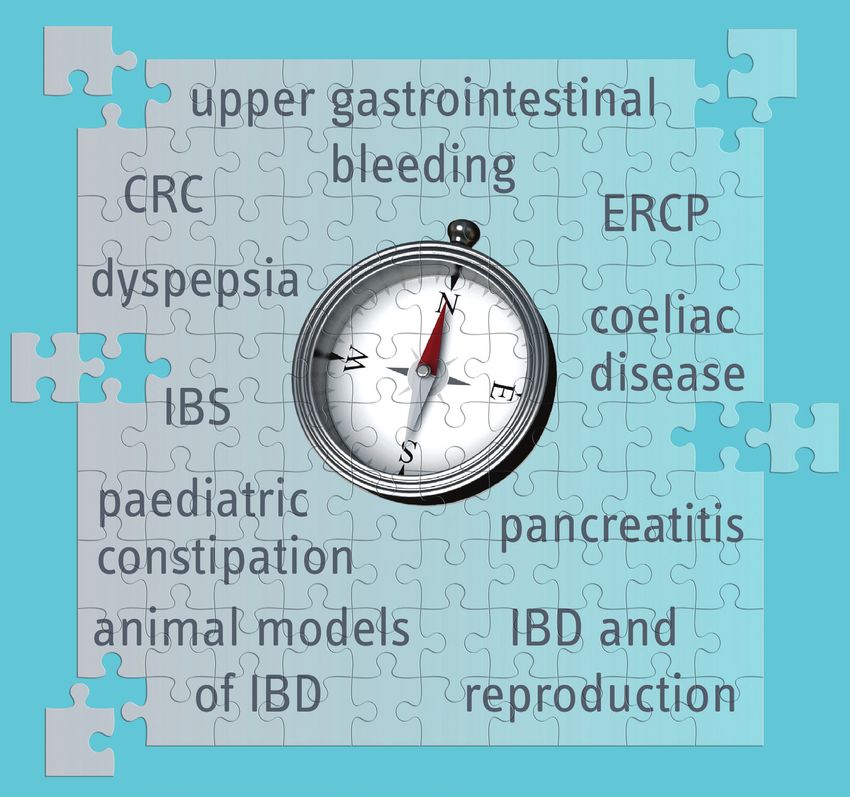
October 2016
www.ueg.eu/education

                       Mistakes in…
Mistakes in…
Contents
1 Mistakes in coeliac disease diagnosis and how
to avoid them
Umberto Volta, Giacomo Caio and Roberto De Giorgio
4 Mistakes in dyspepsia and how to avoid them
Mark Fox
7 Mistakes in colorectal cancer and how to
avoid them
Francesc Balaguer and Antoni Castells
11 Mistakes in mouse models of IBD and how
to avoid them
Pim J. Koelink and Anje A. te Velde
15 Mistakes in upper gastrointestinal bleeding
and how to avoid them
Bjorn J. Rembacken
20 Mistakes in inflammatory bowel disease and
reproduction and how to avoid them
Shannon L. Kanis and C. Janneke van der Woude
24 Mistakes in endoscopic retrograde
cholangiopancreatography and how
to avoid them
Mathieu Pioche, Jérôme Rivory and Thierry Ponchon
27 Mistakes in the management of acute
pancreatitis and how to avoid them
Georg Beyer, Peter Simon, Julia Mayerle and Markus M. Lerch
31 Mistakes in irritable bowel syndrome and
how to avoid them
Robin Spiller
34 Mistakes in paediatric functional constipation
diagnosis and treatment and how to
avoid them
Marc A. Benninga and Daniel R. Hoekman
www.ueg.eu/education UEG EDUCATION | 2016 | 16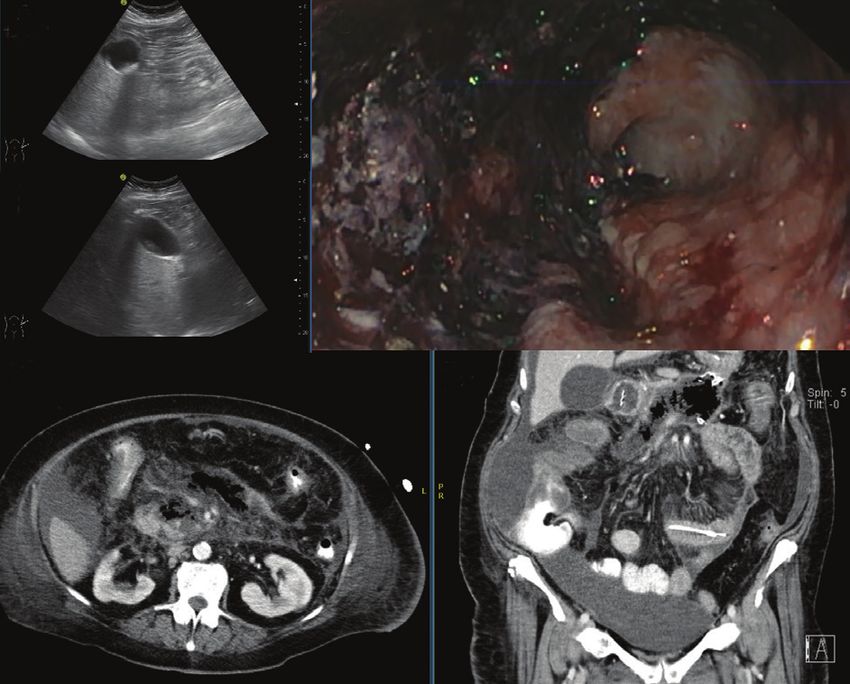
Mistakes in…

Mistakes in…
                                              P   art of the work of the UEG E-learning team involves
                                                  finding new ways to inform and educate. Indeed, the
                                              origins of our “Mistakes in…” educational series lie in the
                                              vision that Web Editor Tomer Adar had to provide learners
                                              with knowledge extending beyond that generally found
                                              in textbooks. His vision to share the tips and insights
                                              learnt over years by experts in the field was developed
                                              by the team with the assistance of the UEG Education
                                              Committee and culminated in the launch of the series in
                                              January 2016. The articles in the series focus on mistakes
                                              that are frequently made, but also on infrequent mistakes
  Cover image by Jude Shadwell                that have a high clinical impact—they are deliberately
  UEG E-learning
                                              concise and designed to be easy to digest.
  Director: Charles Murray
  Lead Web Editor: Natalie Wood
                                                The “Mistakes in…” series has already gained
  Series Web Editor: Tomer Adar               widespread popularity with the GI community online
  Web Editors: Rui Castro, Bjorn Rembacken,
  Christen Rune Stensvold                     and we are delighted to now be able to share with you
  E-learning Management:
  Ulrike Kapp-Popov
                                              this print collection of the first 10 articles, which has
  Production Editor: Jude Shadwell            been prepared especially for UEG Week. Thanks to the
  UEG Education Committee                     generosity and expertise of our contributors, we have
  Chair: Heinz Hammer
  Committee Members: Mustapha Adham,          already covered a diverse range of topics: diagnosis
  Valerie Castro, Catalin Copaescu,
  Roberto De Giorgio, Mário Dinis Ribeiro,
                                              of coeliac disease, dyspepsia, colorectal cancer,
  Mark Fox, Helmut Friess, Simon Jackson,     mouse models of inflammatory bowel disease, upper
  Johanna Laukkarinen, Peter Malfertheiner,
  Tomica Milosavljevic, Jean Muris,           gastrointestinal bleeding, inflammatory bowel
  Charles Murray, Francesco Negro,
  Harald Rosen, Hakan Senturk,                disease and reproduction, endoscopic retrograde
  Janneke van der Woude,
  Jean-Luc Van Laethem, Gábor Veres
                                              cholangiopancreatography, management of acute
                                              pancreatitis, irritable bowel syndrome and paediatric
  United European Gastroenterology GmbH
  House of European Gastroenterology          constipation.
  Wickenburggasse 1
  A-1080 Vienna, Austria
                                                We hope you enjoy reading the collection and, as always,
  office@ueg.eu                               welcome your feedback. For those of you who want to
  www.ueg.eu
  Printed by: Schmidbauer GmbH                read more, further articles are scheduled to follow and
  All rights reserved. Use of this content    will be made available online via the Education section of
  constitutes acceptance of the User
  Agreement, the General Terms and            the UEG website [www.ueg.eu/education].
  Conditions and the Data Protection
  Statement.                                                                              Charles Murray
                                                                                   Director of E-learning

www.ueg.eu/education                                                                    UEG EDUCATION | 2016 | 16
Mistakes in…

Mistakes in coeliac disease diagnosis and how
to avoid them
Umberto Volta, Giacomo Caio and Roberto De Giorgio

                                                                                                        a GFD before testing them thoroughly

 C
       oeliac disease is regarded as an                                                                 (i.e. serological screening and histopathological
       autoimmune disorder triggered by                                                                 evaluation). If a diagnosis of coeliac
       gluten, which activates an immune                                                                disease has been ruled out by appropriate
 reaction against the autoantigen tissue                                                                investigation, the persistence of intestinal and
 transglutaminase (transglutaminase 2; TG2) in                                                          extraintestinal symptoms induced by gluten
 genetically predisposed subjects. Genetic                                                              ingestion might suggest non-coeliac gluten (or
 susceptibility to coeliac disease has been                                                             wheat) sensitivity, a condition that is gaining
 proven by its close linkage with major                                                                 attention among clinicians.
 histocompatibility complex (MHC) class II
 human leukocyte antigen (HLA) DQ2 and
 DQ8 haplotypes. The identification of                                                                  Mistake 3 Taking an insufficient number
 biomarkers for coeliac disease (e.g.                                                                   of duodenal mucosa biopsy samples and
 endomysial antibodies [EmA] and antibodies                             ©Can Stock Photo Inc./scorpp    lack of biopsy orientation
 to TG2 [anti-TG2]) has changed the epidemiology of coeliac disease from being a rare to                Consensus conferences on coeliac disease have
 a frequent condition with an expected prevalence of 1% in the worldwide population.1                   clearly established that the number of duodenal
 Nonetheless, the majority of patients who have coeliac disease remain undiagnosed,                     mucosa biopsy samples should be not less than
 leaving the coeliac ‘iceberg’ mostly submerged. Coeliac disease can be difficult to                    four (although nowadays most experts recom-
 diagnose because symptoms vary from patient to patient. Indeed, the heterogeneity                      mend up to six): two from the second/third
 among the clinical signs and the lack of specificity of many of the presenting symptoms                portion of the duodenum (often referred to as
 means that the diagnosis of coeliac disease can be a challenge even for experts.                       the distal duodenum) and two from the bulb.4
     Despite substantial differences in the mode of presentation and the availability of                The reason for taking multiple biopsy samples
 new diagnostic tools, small intestinal biopsy, which shows different grades of mucosal                 at different sites is that ‘patchy atrophy’ can
 damage, remains the gold standard for coeliac disease diagnosis. A delayed diagnosis                   occur in some cases of coeliac disease. The lack
 of coeliac disease in the elderly can be considered a risk factor for complications                    of biopsy orientation can lead to false-positive
 including refractory coeliac disease, ulcerative jejunoileitis, collagenous sprue, small               results (i.e. villous atrophy incorrectly
 bowel carcinoma and enteropathy-associated T-cell lymphoma (EATL). Complicated                         suggesting a diagnosis of coeliac disease). This
 coeliac disease is not so frequent, being found only in about 1–2% of the total number                 is a critical issue that can be avoided by correct
 of coeliac disease patients, but for those who have it the prognosis is very poor with a               longitudinal orientation (along the length of
 low rate of survival after 5 years.2                                                                   the villi) of the biopsy samples using adequate
     Here we discuss the major mistakes that are made when diagnosing coeliac disease                   devices (i.e. a cellulose acetate filter).4
 and how to avoid them. The list of mistakes and the discussion that follows is evidence
 based and integrated with our clinical experience of more than 30 years in this field.
                                                                                                        Mistake 4 Determining a positive coeliac
                                                                                                        disease diagnosis based on minimal
Mistake 1 Evaluating patients for coeliac           is mandatory to rechallenge patients with           histopathological findings
disease after a GFD has already been                gluten under medical supervision for                An increased number of intra-epithelial
initiated                                           2–8 weeks before taking mucosal biopsy              lymphocytes (>25 IELs per 100 epithelial cells
In clinical practice, it is not uncommon to see     samples and performing serology.3                   per high power field [hpf]) without villous
patients referred for the evaluation of coeliac                                                         atrophy (grade I lesion according to the Marsh–
disease (based on clinical consideration) who                                                           Oberhüber classification) is not, by itself, a
have already initiated a gluten-free diet (GFD)     Mistake 2 Determining a positive                    histopathological correlate specific for
of their own accord. Pursuing an evaluation in      diagnosis of coeliac disease based
this setting is unfortunately a classic mistake     on symptom resolution following
                                                                                                         © UEG 2016 Volta et al.
and will lead to a false-negative result.           introduction of a GFD                                Cite this article as: Volta U, Caio G and De Giorgio R.
    Evaluating patients for coeliac disease after   A possible mistake that can be made in               Mistakes in coeliac disease diagnosis and how to
a GFD has been initiated may lead to negative       primary care is to diagnose coeliac disease          avoid them. UEG Education 2016; 16: 1–3.
histopathological evaluation of duodenal biopsy     based only on the positive symptomatic               Umberto Volta, Giacomo Caio and
samples. Similarly, serological tests can also be   response of patients placed on a GFD. Clearly,       Roberto De Giorgio are at the Department of
affected by a GFD, with the disappearance of        such improvement is not an accepted criterion        Medical and Surgical Sciences, University of
                                                                                                         Bologna, Bologna, Italy.
anti-TG2 and EmA IgA, as well as deamidated         to prove that a patient is affected by coeliac
                                                                                                         Correspondence to: roberto.degiorgio@unibo.it
gliadin peptide (DGP) IgG antibodies (a more        disease and it must be stressed that general
                                                                                                         Published online: 27 January 2016
recently introduced biomarker). In these cases it   practitioners should not advise patients to start

www.ueg.eu/education                                                                                                     UEG EDUCATION | 2016 | 16 | 1
Mistakes in…
coeliac disease. In fact, a variety of conditions, clinical mistake. Although anti-TG2 and EmA IgA Mistake 9 Misdiagnosis based on obsolete
including infections (e.g. with Giardia lamblia, are known to be highly sensitive (up to 98%) tests (i.e. native IgA and IgG gliadin
Helicobacter pylori or various viruses), auto markers of coeliac disease, about 2% of coeliac antibodies)
immune disorders (e.g. thyroiditis, type I disease patients are serology negative.11 Thus, Consistent evidence indicates that IgA and IgG
diabetes mellitus and others), drugs the caveat is that biopsy samples should be gliadin antibodies (AGA) have significantly
(nonsteroidal anti-inflammatory drugs), food taken from any patient who has manifest signs lower specificity and sensitivity (and therefore
intolerance (e.g. lactose) and hypersensitivity of intestinal malabsorption regardless of coeliac low predictive value for coeliac disease)
(e.g. gluten sensitivity) can evoke a grade I disease serology.3,6 Immunoglobulin compared with EmA and anti-TG2 IgA and
lesion.5 Interestingly, certain immunological deficiency should also be considered (discussed DGP IgG. Indeed, AGA positivity can be
deficiencies may also cause nonspecific below). identified in a wide array of pathological
coeliac-like mucosal changes. Therefore, in conditions other than coeliac disease
order to avoid a wrong diagnosis of coeliac (e.g. liver disorders, autoimmune diseases and
disease, cases characterized by an increase in Mistake 7 Making a diagnosis of coeliac irritable bowel syndrome) and even in 2–12%
IELs should undergo a serological coeliac disease based only on HLA-DQ2 and/or of healthy subjects.15,16 As a result, IgA and IgG
disease screening (i.e. anti-TG2 and EmA IgA); HLA-DQ8 positivity AGA are no longer used in clinical practice. In
if the results are positive, genetic tests should Diagnosing coeliac disease on the basis of those rare patients who are positive for AGA
be performed to identify an underlying HLA-DQ2 and/or HLA-DQ8 positivity alone is a IgA and IgG, the most advanced serological
potential coeliac disease (which accounts for mistake often made in daily clinical practice. markers should be assessed.
only 10% of patients with a grade I lesion).6 Although HLA-DQ2 and HLA-DQ8 positivity is a
The identification of anti-TG2 IgA deposits prerequisite for coeliac disease development,
in the duodenal mucosa lends support to it should be stressed that about 30–40% of Mistake 10 Overestimation of refractory
potential coeliac disease in patients with an healthy people in the general population test coeliac disease in patients whose
increase in IELs.7 positive for these genetic markers. Therefore, symptoms persist on a GFD
isolated HLA positivity for either HLA-DQ2 Refractory coeliac disease is characterized by
or HLA-DQ8 does not support a diagnosis of both a lack of clinical response and the
Mistake 5 Diagnosing coeliac disease coeliac disease. We reiterate the concept that a persistence of villous atrophy after at least
based on histopathological findings diagnosis of coeliac disease should be 12 months on a strict GFD.17 A correct diagnosis
(i.e. villous atrophy) with negative established only when there are positive of coeliac disease is fundamental since this
serology findings for the two diagnostic mainstays (i.e. condition can evolve to even more severe
Villous atrophy (either severe or partial; i.e. positive serology and mucosal changes visible complications, such as EATL, ulcerative
grade 3C or 3B) detected by histopathology in by duodenal histopathology). By contrast, there jejunoileitis and collagenous sprue. For many
symptomatic patients with negative serology is an extremely low probability that a patient years the frequency of refractory coeliac
findings represents a challenge for who is negative for HLA-DQ2 and HLA-DQ8 will disease has been overestimated due to the
clinicians. In such a situation genetic testing develop coeliac disease over time (negative common mistake of labelling as ‘refractory’
(i.e. for HLA-DQ2/DQ8) is mandatory: a positive predictive value ~100%).12 the high number of patients whose symptoms
result supports the diagnosis of coeliac persisted on a GFD. In this respect, it is
disease, whereas a negative result argues mandatory to distinguish the rare cases with
against coeliac disease and should advise Mistake 8 Missing IgA deficiency when the typical features of coeliac disease (lack of
clinicians to consider other causes of villous testing a patient with suspected coeliac clinical response and flat mucosa after 1 year
atrophy (i.e. autoimmune enteropathy, common disease on a strict GFD; ~1% of coeliac disease
variable immune deficiency, Giardiasis, eosino- About 7% of patients with IgA deficiency (i.e. cases) from the common clinical condition
philic enteritis, drug-induced enteropathy [e.g. serum IgA levels
Mistakes in…
Conflicts of interest: The authors declare there are no       6. Rubio-Tapia A, Hill ID, Kelly CP, et al. American               implications. Am J Gastroenterol 2008; 103:
conflicts of interest.                                            College of Gastroenterology ACG clinical guidelines:           190–195.
                                                                  diagnosis and management of celiac disease. Am J         13.   Ludvigsson JF, Neovius M and Hammarström L.
References                                                        Gastroenterol 2013; 108: 656–676.                              Association between IgA deficiency and other
1. Ludvigsson JF, Card TR, Kaukinen K, et al. Screening       7. Salmi TT, Collin P, Järvinen O, et al. Immunoglobulin           autoimmune conditions: a population-based
   for celiac disease in the general population and in            A autoantibodies against transglutaminase 2 in the             matched cohort study. J Clin Immunol 2014; 34:
   high-risk groups. United European Gastroenterol J              small intestinal mucosa predict forthcoming coeliac            444–451.
   2015; 3: 106–120.                                              disease. Aliment Pharmacol Ther 2006; 24:                14.   Villalta D, Tonutti E, Prause C, et al. IgG antibodies
2. Biagi F, Gobbi P, Marchese A, et al. Low incidence but         541–552.                                                       against deamidated gliadin peptides for diagnosis of
   poor prognosis of complicated coeliac disease: a           8. Murray JA and Rubio-Tapia A. Diarrhoea due to                   celiac disease in patients with IgA deficiency.
   retrospective multicentre study. Dig Liver Dis 2014; 46:       small bowel diseases. Best Pract Res Clin                      Clin Chem 2010; 56: 464–468.
   227–230.                                                       Gastroenterol 2012; 26: 581–600.                         15.   Volta U, Granito A, Fiorini E, et al. Usefulness of
3. Ludvigsson JF, Bai JC, Biagi F, et al. Diagnosis and       9. Scialom S, Malamut G, Meresse B, et al.                         antibodies to deamidated gliadin peptides in celiac
   management of adult coeliac disease: guidelines                Gastrointestinal disorder associated with                      disease diagnosis and follow-up. Dig Dis Sci 2008;
   from the British Society of Gastroenterology. Gut              olmesartan mimics autoimmune enteropathy. PLoS                 53: 1582–1588.
   2014; 63: 1210–1228.                                           One 2015 23; 10: e0125024.                               16.   Hadjivassiliou M, Sanders DS, Grünewald RA, et al.
4. Villanacci V, Ceppa P, Tavani E, et al. Coeliac disease:   10. Volta U, Caio G, Stanghellini V, et al. The changing           Gluten sensitivity: from gut to brain. Lancet Neurol
   the histology report. Dig Liver Dis 2011; 43 (Suppl 4):        clinical profile of celiac disease: a 15-year                  2010; 9: 318–330.
   S385–S395.                                                     experience (1998-2012) in an Italian referral center.    17.   van Gils T, Nijeboer P, van Wanrooij RL, et al.
5. Brown I, Mino-Kenudson M, Deshpande V, et al.                  BMC Gastroenterol 2014; 14: 194.                               Mechanisms and management of refractory coeliac
   Intraepithelial lymphocytosis in architecturally           11. Volta U, Fabbri A, Parisi C, et al. Old and new                disease. Nat Rev Gastroenterol Hepatol 2015; 12:
   preserved proximal small intestinal mucosa: an                 serological tests for celiac disease screening. Expert         572–579.
   increasing diagnostic problem with a wide                      Rev Gastroenterol Hepatol 2010; 4: 31–35.                18.   Leffler DA, Dennis M, Hyett B, et al. Etiologies and
   differential diagnosis. Arch Pathol Lab Med 2006;          12. Wolters VM and Wijmenga C. Genetic                             predictors of diagnosis in nonresponsive celiac
   130: 1020–1025.                                                background of celiac disease and its clinical                  disease. Clin Gastroenterol Hepatol 2007; 5: 445–450.

   Your coeliac disease briefing                              • ‘Coeliac disease: state of the art in 2013’ at UEG Week
                                                                2013 [https://www.ueg.eu/education/session-files/?se
  Online courses                                                ssion=629&conference=48].
  • ‘Coeliac disease’ from ESPGHAN [https://www.ueg.eu/
    education/courses/online-courses/coeliac-disease/].       Society conference sessions
  UEG Week sessions                                           • ‘Celiac Disease’ at ESGE/ECCO Quality in Endoscopy
                                                                2013 [https://www.ueg.eu/education/session-files/?
  • ‘Update on coeliac disease’ at UEG Week 2015 [https://
                                                                session=947&conference=52].
    www.ueg.eu/education/session-files/?session=1376&
    conference=109].
                                                              European guidelines
  • ‘Coeliac disease: What’s new in 2015?’ at UEG Week
    2015 [https://www.ueg.eu/education/session-files/?se
                                                              • Ludvigsson JF, Bai JC, Biagi F, et al. Diagnosis and
                                                                management of adult coeliac disease: guidelines from
    ssion=1446&conference=109].
                                                                the British Society of Gastroenterology. Gut 2014; 63:
  • ‘Challenges in coeliac disease and gluten-related           1210–1228 [http://gut.bmj.com/content/63/8/1210.
    disorders’ at UEG Week 2014 [https://www.ueg.eu/            abstract].
    education/session-files/?session=1192&conference=76].
                                                              • Husby S, Koletzko S, Korponay-Szabó IR, et al.
  • ‘Coeliac disease, wheat allergy and wheat                   European Society for Pediatric Gastroenterology,
    sensitivity: Still the tip of the iceberg’ at UEG Week      Hepatology, and Nutrition guidelines for the
    2014 [https://www.ueg.eu/education/session-files/           diagnosis of coeliac disease. J Pediatr
    ?session=1120&conference=76].                               Gastroenterol Nutr 2012; 54: 136–160 [http://
  • ‘New challenges in gluten sensitivity: From bench to        journals.lww.com/jpgn/Fulltext/2012/01000/
    bedside’ at UEG Week 2014 [https://www.ueg.eu/              European_Society_for_Pediatric_
    education/session-files/?session=1165&conference=76].       Gastroenterology,.28.aspx].

www.ueg.eu/education                                                                                                                           UEG EDUCATION | 2016 | 16 | 3
Mistakes in…

Mistakes in dyspepsia and how to avoid them
Mark Fox

                                                                                                        dyspepsia, but are not alarm symptoms and do

 D
         yspepsia refers to upper abdominal                                                             not normally require extensive investigation.
         discomfort that is thought to arise from                                                            At presentation, guidelines recommend
         the upper gastrointestinal tract. Symptoms                                                     standard laboratory tests be performed,
 include epigastric pain or discomfort, bloating,                                                       including a full blood count, clinical
 early satiety and/or fullness after meals, repeated                                                    chemistry for renal and liver function, calcium,
 belching or regurgitation (often rumination),                                                          thyroid function and coeliac serology (these
 nausea and heartburn.1 The symptoms of dyspepsia                                                       may not be indicated routinely in patients of
 are nonspecific, but most commonly result from                                                         non-European ethnicity). Serological tests or a
 one of four underlying disorders: functional                                                           urea breath test should also be performed
 (nonulcer) dyspepsia, gastro-oesophageal reflux                                                        to allow a ‘test-and-treat’ approach to be
 disease (GORD; 10–20% erosive esophagitis), peptic                                                     adopted for those who have a H. pylori
                                                                            Image courtesy of M. Fox
 ulcer disease (5–15%) and malignancy (~1%).2                                                           infection.3,4
 Dyspeptic symptoms may also result from other problems, such as medication                                  Abdominal ultrasound to exclude
 intolerance, pancreatitis, biliary tract disease or motility disorders (e.g. gastroparesis or          gallbladder stones and other abdominal
 gastric dumping).                                                                                      pathology is part of the routine evaluation
     Clinical guidelines recommend that endoscopy is not always required for diagnosis; a               in many European countries; however, the
 positive diagnosis of GORD and functional dyspepsia can be based on clinical presentation              diagnostic yield is low unless there is a clinical
 in the absence of alarm symptoms or features (see below).3,4 In many cases, symptoms                   suspicion of specific disorders.11,12 Computed
 are increased after meal ingestion (postprandial distress syndrome), being triggered by                tomography should not be performed
 impaired gastric accommodation and visceral hypersensitivity to gastric distension.5 Other             routinely, especially in young females, to avoid
 patients have an epigastric pain syndrome in which discomfort is independent of food                   unnecessary exposure to radiation.
 intake and gastrointestinal function.6 There is an important overlap between functional                     Scintigraphy or 13C breath tests
 dyspepsia and other functional gastrointestinal diseases (e.g. irritable bowel syndrome                document abnormal gastric emptying—slow
 [IBS]) and chronic pain syndromes (e.g. fibromyalgia).7 Psychological disease (e.g. anxiety            (gastroparesis’) or rapid (dumping)—in up to
 or somatization disorder) and/or psychosocial stress are also present in a significant                 40% of patients with dyspepsia.13 The impact
 proportion of patients who seek medical attention.8,9                                                  of these findings on treatment decisions is
     Notwithstanding the constructive advice provided by published reviews and                          modest,13 although objective evidence of
 guidelines, the broad definition of dyspepsia, lack of diagnostic investigations, uncertain            gastroparesis may predict poor response to
 cause of disease, psychosocial issues and paucity of specific treatments make the                      antidepressant therapy.14 Instead, a ‘drink test’
 management of dyspepsia challenging. Here, I discuss 10 common and/or high-impact                      that reproduces typical symptoms after
 mistakes that are made in the diagnosis and treatment of patients with dyspeptic                       ingestion of low volumes of a liquid nutrient
 symptoms: five related to diagnosis, five related to treatment.                                        drink (5% body    patients are characteristic of functional

4 | 2016 | 16 | UEG EDUCATION                                                                                                      www.ueg.eu/education
Mistakes in…
Mistake 3 Not enquiring after psychiatric meals, but may also occur in bed at night. incorrect attribution of symptoms to medication)
symptoms and social stress In rumination syndrome, regurgitation or due to medication intolerance in patients
Dyspeptic symptoms are common in the usually occurs multiple times after meals due who have heightened sensitivity to a range of
community; however, many individuals who to repeated voluntary, albeit subconscious, stimuli. Although not dangerous, these issues
have these symptoms do not seek medical contractions of the abdominal wall muscles can limit the use of potentially beneficial
attention. Psychiatric comorbidity (e.g. anxiety in response to dyspeptic symptoms.20 The medications in patients with functional
or somatization disorder)17,18 and external distinction between these conditions is dyspepsia (e.g. antiemetics or antidepressants).
factors, such as work and social pressures, important because reflux requires medical or Patients should be reassured that, unlike true
increase consultation rates for dyspeptic surgical therapy, whereas rumination responds allergies, intolerance is not dangerous and can
symptoms.8,9 Furthermore, psychosocial well to physiotherapy. If the clinical assessment be mitigated by commencing treatment at low
comorbidity increases negative perceptions is unclear then a definitive diagnosis can be doses. This is often necessary when prescribing
of the condition (e.g. fear of cancer), established by observation during high- antidepressant medications. To avoid
subjective symptom severity, time off work resolution manometry with a test meal.20 drowsiness and anticholinergic effects, the
and the likelihood that the patient will not starting dose of any antidepressant should
respond to standard treatment.18 Publically be very low (e.g. 10–20 mg amitriptyline) and
available, short questionnaires completed Mistake 6 Inappropriate long-term increased every 1–2 weeks by small increments.
ahead of a consultation facilitate collection treatment with proton pump inhibitors The most appropriate dose is the maximum
of this information (e.g. Hospital Anxiety Clinical guidelines recommend initial dose tolerated by the patient (often well below
and Depression Score [HADS], Patient Health treatment of dyspepsia with a trial of proton that used in psychiatric medicine). The efficacy
Questionnaire [PHQ15; Somatization Score]). pump inhibitor (PPI) therapy.3,4 This is of these medications for dyspepsia does not
Awareness of these factors can clarify the supported by meta-analyses of published appear to be related to the absolute dose.
causes of disease and guide the clinician trials as summarized by a Cochrane review.21
towards a more holistic and effective Alginate-based medications (e.g. Gaviscon
management strategy. In general, psychiatric preparations) may also provide benefit.22 At Mistake 8 Inappropriate referral for
treatment such as cognitive behavioural the same time a test-and-treat approach to abdominal surgery
therapy (CBT) should be directed at those H. pylori infection is recommended.23 Note that, The presence of gallstones in an otherwise
patients who have specific issues.17 although effective in well-designed trials, the normal gallbladder should not be considered
absolute benefit of alginate therapy and a routine indication for surgical cholecyst
the test-and-treat approach is modest ectomy.28–30 Similarly, as for patients without
Mistake 4 Not considering eating (~10% above placebo for both treatments).24 functional dyspepsia, a clear indication for
disorders in the differential diagnosis If the initial trial of PPI therapy (e.g. 2 weeks appendectomy and other abdominal
Dyspeptic symptoms are reported by up to 90% omeprazole 20 mg twice daily or equivalent) procedures (e.g. ovarian cystectomy) is
of patients with anorexia nervosa and can be is not effective, then a second trial with a required. If surgery is performed without
used to excuse food refusal and distract different preparation or a higher dose can be definitive evidence of surgical pathology, then
attention from the eating disorder.19 The tried. However, if this is not effective, then the the success of any operation is very low and
possibility of an eating disorder must be PPI should be stopped because of the increased severe, postsurgical exacerbation of functional
considered. The risk factors for eating risk of gastrointestinal infection, osteoporosis gastrointestinal symptoms is common.31
disorders include: female sex, young adult and other side effects, plus the costs related
age group, a family history of an eating to long-term therapy. In functional dyspepsia
disorder, an inappropriate body image (i.e. fear patients who have heightened visceral Mistake 9 Failure to consider
of being or becoming fat even though they are sensitivity, PPI withdrawal can be complicated multidisciplinary management
underweight), repeated dieting, unusual by rebound hyperacidity leading to reflux The causes of dyspepsia are many and patient
dietary beliefs or behaviours, excessive symptoms.25 The same issue can arise after responses to dyspeptic symptoms are varied,
physical activity, and psychosocial stress. eradication therapy for H. pylori infection (note: including dietary change and physical and alter-
successful H. pylori eradication itself does not native therapies (e.g. yoga or acupuncture).32
increase the short-term to mid-term risk of If the resources are available, then a
Mistake 5 Mistaking vomiting for reflux symptoms26). In both cases, patients multidisciplinary approach that can address an
regurgitation or rumination should be informed in advance of the possibil- individual patient’s needs and wants has many
Many patients will label any return of food to ity of rebound reflux symptoms, reassured that advantages. Dieticians are required to introduce
the mouth as vomiting, but direct questioning this is temporary and advised to take antacid an effective exclusion diet (e.g. FODMAP diet)
can clarify the issue. Vomiting is often preceded or alginate to suppress symptoms.27 that maintains nutritional requirements. This is
by nausea and waterbrash (rush of saliva necessary because many patients find it difficult
into the mouth), and involves the forceful to identify foods that trigger their symptoms.33
evacuation of large volumes (>100 ml) of Mistake 7 Lack of awareness regarding Similarly, physiotherapists can teach abdominal
digested gastric contents. Regurgitation is the medication intolerance breathing exercises and relaxation techniques
return of small volumes (
Mistakes in…
Mistake 10 Ineffective doctor–patient 12. Heikkinen M, Pikkarainen P, Takala J, et al. Etiology of 24. Wang WH, Huang JQ, Zheng GF, et al. Effects of
communication dyspepsia: four hundred unselected consecutive proton-pump inhibitors on functional dyspepsia: a
patients in general practice. Scand J Gastroenterol 1995; meta-analysis of randomized placebo-controlled trials.
An effective and trusting doctor–patient 30: 519–523. Clin Gastroenterol Hepatol 2007; 5: 178–185.
relationship is the basis for successful 13. Stanghellini V and Tack J. Gastroparesis: separate entity 25. Reimer C, Søndergaard B, Hilsted L, et al. Proton-pump
management of functional gastrointestinal or just a part of dyspepsia? Gut 2014; 63: 1972–1978. inhibitor therapy induces acid-related symptoms in
14. Talley NJ, Locke GR, Saito Y, et al. Effect of amitriptyline healthy volunteers after withdrawal of therapy.
disease. If such a relationship is in place, then and escitalopram on functional dyspepsia: A Gastroenterology 2009; 137: p. 80–87.
presenting the patient with a clear diagnosis, multicenter, randomized controlled study. 26. Schwizer W, Menne D, Schütze K, et al. The effect of
an explanation of what causes symptoms Gastroenterology 2015; 149: 340–349.e2. Helicobacter pylori infection and eradication in patients
and simple advice about how to self manage 15. Boeckxstaens GE, Hirsch DP, Van Den Elzen BDJ, et al. with gastroesophageal reflux disease: a parallel-group,
Impaired drinking capacity in patients with functional double-blind, placebo-controlled multicenter study.
the condition may be all that is required. dyspepsia: relationship with proximal stomach United European Gastroenterology Journal 2013; 1:
For the related condition of functional function. Gastroenterology 2001; 121: 1054–1063. 226–235.
noncardiac chest pain, it has been shown that 16. Spiegel BM, Gralnek IM, Bolus R, et al. Is a negative 27. Fox M and Forgacs I. Gastro-oesophageal reflux
colonoscopy associated with reassurance or improved disease. BMJ 2006; 332: 88–93.
well-informed patients are more satisfied, health-related quality of life in irritable bowel 28. Mertens MC, De Vries J, Scholtes VP, et al. Prospective 6
cope with symptoms better and seek syndrome? Gastrointest Endosc 2005; 62: 892–899. weeks follow-up post-cholecystectomy: the predictive
medical attention less frequently.35 These 17. Soo S, Forman D, Delaney BC, et al. A systematic review value of pre-operative symptoms. J Gastrointest Surg
of psychological therapies for nonulcer dyspepsia. 2009; 13: 304–311.
findings were independent of the final
Am J Gastroenterol 2004; 99: 1817–1822. 29. Luman W, Adams WH, Nixon SN, et al. Incidence of
diagnosis and disease severity.35 By contrast, 18. Drossman DA, Whitehead WE, Toner BB, et al. What persistent symptoms after laparoscopic
there is very little evidence that comprehensive determines severity among patients with painful cholecystectomy: a prospective study. Gut 1996; 39:
investigation provides lasting reassurance in functional bowel disorders? Am J Gastroenterol 863–866.
2000; 95: 974–980. 30. Fenster LF, Lonborg R, Thirlby RC, et al. What symptoms
this patient group. Good communication is an 19. Santonicola A, Siniscalchi M, Capone P, et al. Prevalence does cholecystectomy cure? Insights from an outcomes
essential part of any treatment plan! of functional dyspepsia and its subgroups in patients measurement project and review of the literature.
with eating disorders. World J Gastroenterol 2012; 18: Am J Surg 1995; 169: 533–538.
Acknowledgements: The author is grateful to 4379–4385. 31. Sperber AD, Morris CB, Greemberg L, et al.
Werner Schwizer and other members of the Zürich 20. Tucker E, Knowles K, Wright J, et al. Rumination Development of abdominal pain and IBS following
Neurogastroenterology and Motility Research Group variations: aetiology and classification of abnormal gynecological surgery: a prospective, controlled study.
for sharing their experience of managing patients with behavioural responses to digestive symptoms Gastroenterology 2008; 134: 75–84.
functional dyspepsia and for pointing out mistakes based on high-resolution manometry studies. 32. Lacy BE, Weiser KT, Kennedy AT, et al. Functional
made in his practice and their own practice! Aliment Pharmacol Ther 2013; 37: 263–274. dyspepsia: the economic impact to patients. Aliment
21. Delaney B, Ford AC, Forman D, et al. Initial Pharmacol Ther 2013; 38: 170–177.
Conflicts of interest: The author declares there are no management strategies for dyspepsia. Cochrane 33. Böhn L, Störsrud S, Törnblom H, et al. Self-reported
conflicts of interest. Database Syst Rev 2005; 4: CD001961. food-related gastrointestinal symptoms in IBS are
22. Thomas E, Wade A, Crawford G, et al. Randomised common and associated with more severe symptoms
References clinical trial: relief of upper gastrointestinal symptoms and reduced quality of life. Am J Gastroenterol 2013;
1. Tack J and Talley N. Functional dyspepsia: symptoms, by an acid pocket-targeting alginate-antacid (Gaviscon 108: 634–641.
definitions and validity of the Rome III criteria. Double Action)—a double-blind, placebo-controlled, 34. Barba E, Burri E, Accarino A, et al. Abdominothoracic
Nat Rev Gastroenterol Hepatol 2013; 10: 134–141. pilot study in gastro-oesophageal reflux disease. mechanisms of functional abdominal distension and
2. Ford AC, Marwaha A, Lim A, et al. What is the Aliment Pharmacol Ther 2014; 39: 595–602. correction by biofeedback. Gastroenterology 2015; 148:
prevalence of clinically significant endoscopic findings 23. Delaney BC, Qume M, Moayyedi P, et al. Helicobacter 732–739.
in subjects with dyspepsia? Systematic review and pylori test and treat versus proton pump inhibitor in 35. Ward BW, Wu WC, Richter JE, et al. Long-term follow-
meta-analysis. Clin Gastroenterol Hepatol 2010; 8: initial management of dyspepsia in primary care: up of symptomatic status of patients with noncardiac
830–837.e2. multicentre randomised controlled trial (MRC-CUBE chest pain: is diagnosis of esophageal etiology helpful?
3. NICE Clinical Guideline 184. Gastro-oesophageal reflux trial). BMJ 2008; 336: 651–654. Am J Gastroenterol 1987; 82: 215–218.
disease and dyspepsia in adults: investigation and
management. September 2014.
4. Talley N and Vakil N. Guidelines for the management of Your dyspepsia briefing document/primary-care-perspective-initial-
dyspepsia. Am J Gastroenterol 2005; 100: 2324–2337.
management-of-dyspepsia/100746/].
5. Farré R, Vanheel H, Vanuytsel T, et al. In functional Online courses
dyspepsia, hypersensitivity to postprandial distention • ‘What is dyspepsia? What is bloating? Definitions and
• ‘Dyspepsia’ from UEG [https://www.ueg.eu/ differential’ UEG Postgraduate Teaching 2013 at UEG
correlates with meal-related symptom severity. education/courses/online-courses/dyspepsia/].
Gastroenterology 2013; 145: 566–573. Week 2013 [https://www.ueg.eu/education/
6. Vanheel H, Vanuytsel T, Van Oudenhove L, et al. UEG Week sessions document/what-is-dyspepsia-what-is-bloating-
Postprandial symptoms originating from the stomach definitions-and-differential/100739/].
• ‘First-line approach to dyspepsia’ at UEG Week 2015
in functional dyspepsia. Neurogastroenterol Motil 2013; [https://www.ueg.eu/education/session-files/?session • ‘Ulcers and tumours: “organic” causes of dyspepsia
25: 911–e703. =1428&conference=109]. and bloating’ UEG Postgraduate Teaching 2013 at UEG
7. Ford AC, Marwaha A, Lim A, et al. Systematic review Week 2013 [https://www.ueg.eu/education/
and meta-analysis of the prevalence of irritable bowel
• ‘New thoughts on functional dyspepsia’ at UEG Week
document/ulcers-and-tumours-organic-causes-
2014 [https://www.ueg.eu/education/session-files/
syndrome in individuals with dyspepsia. of-dyspepsia-and-bloating/100741/].
?session=1159&conference=76].
Clin Gastroenterol Hepatol 2010; 8: 401–409. • ‘Functional causes of dyspepsia and bloating’ UEG
8. Hungin AP, Hill C and Raghunath A. Systematic • ‘Progress in dyspepsia and gastroparesis’ at UEG
Postgraduate Teaching 2013 at UEG Week 2013
review: frequency and reasons for consultation for Week 2014 [https://www.ueg.eu/education/
[https://www.ueg.eu/education/document/
gastro-oesophageal reflux disease and dyspepsia. session-files/?session=1128&conference=76].
functional-causes-of-dyspepsia-and-bloat-
Aliment Pharmacol Ther 2009; 30: 331–342. • ‘Dyspepsia: What’s new in 2014?’ at UEG Week 2014 ing/100742/].
9. Ford AC, Forman D, Bailey AG, et al. Initial poor quality [https://www.ueg.eu/education/session-files/?session
of life and new onset of dyspepsia: results from a =1285&conference=76].
• ‘Dyspepsia in the community’ at UEG Week 2012
longitudinal 10-year follow-up study. Gut 2007; 56: [https://www.ueg.eu/education/session-files/?session
• ‘Pathophysiology and investigation’ UEG Postgraduate =499&conference=30].
321–327. Teaching 2013 at UEG Week 2013 [https://www.ueg.eu/
10. Kapoor N, Bassi A, Sturgess R, et al. Predictive value of education/session-files/?session=1023&confere European guidelines
alarm features in a rapid access upper gastrointestinal nce=33].
cancer service. Gut 2005; 54: 40–45.
• NICE Clinical Guideline 184. Gastro-oesophageal
11. Horowitz N, Moshkowitz M, Leshno M, et al. Clinical • ‘Primary care perspective: Initial management of reflux disease and dyspepsia in adults:
dyspepsia’ UEG Postgraduate Teaching 2013 at UEG investigation and management. September 2014
trial: evaluation of a clinical decision-support model for
Week 2013 [https://www.ueg.eu/education/ [http://www.nice.org.uk/guidance/cg184].
upper abdominal complaints in primary-care practice.
Aliment Pharmacol Ther 2007; 26: 1277–1283.
6 | 2016 | 16 | UEG EDUCATION www.ueg.eu/education
Mistakes in…
Mistakes in colorectal cancer and how to avoid them
Francesc Balaguer and Antoni Castells
C
olorectal cancer (CRC) is one of the prevention. In 2002, another polyposis gene
most common malignancies and the was identified, the MUTYH gene, in which
second leading cause of cancer death biallelic mutations cause an autosomal
in both sexes in developed countries. recessive pattern of inheritance, usually
Over the past 30 years, a great advance referred to as MUTYH-associated polyposis
in the understanding of this disease has (MAP).9 Classic FAP is characterized by the
occurred, from colorectal carcinogenesis presence of hundreds to thousands adeno
to diagnosis, prevention and treatment. matous polyps throughout the colon and
Although the majority of CRCs are related rectum and an almost 100% risk of CRC.
to environmental factors, up to 25% of Attenuated FAP (AFAP) is a variant of FAP with
cases have a familial component and a milder disease course, characterized by a
potential genetic basis, and highly reduced number of polyps (10–100), later age
penetrant monogenic germline mutations © J. Shadwell at onset, frequently right-sided distribution of
account for up to 5% of all CRC cases.1 Identification and characterization of these polyps and a lower CRC risk (up to 70%).10
hereditary disorders have allowed modification of their natural history, with a In a large cross-sectional study, APC
substantial decrease in morbidity and mortality among high-risk patients.1 Nonetheless, mutations were found in 80% (95% CI, 71–87%)
the majority of patients who are at high risk of CRC remain undiagnosed due to lack of individuals who had more than 1,000
of suspicion. On the other hand, studies from the past two decades have suggested adenomas, 56% (95% CI, 54–59%) of those
that besides adenomas, serrated polyps are also precursors of CRC, responsible for up to with 100–999 adenomas, 10% (95% CI,
15–30% of all malignancies.2 Several studies have demonstrated that serrated polyps 9–11%) of those with 20–99 adenomas, and
are common precursors of colonoscopy interval cancers (cancers diagnosed within the 5% (95% CI, 4–7%) of those with 10–19
surveillance interval after a complete colonoscopy), mainly due to their challenging clinical adenomas.11 Biallelic MUTYH mutations were
management.2 Finally, strategies for CRC prevention have shown efficacy in reducing CRC found in 2% (95% CI, 0.2–6%) of patients who
incidence and mortality, and colonoscopy is an integral part of CRC screening strategies. had more than 1,000 adenomas, 7% (95% CI,
The main objective of screening colonoscopy is the detection and removal of premalignant 6–8%) of those with 100–999 adenomas, 7%
lesions or early CRC.3 However, colonoscopy is not perfect, and some lesions may be missed. (95% CI, 6–8%) of those with 20–99 adenomas,
Colonoscopy quality is an emerging concept, and some quality indicators have been and 4% (95% CI, 3–5%) of those with 10–19
demonstrated to be directly related to the development of interval CRC.3 Here we adenomas.11 Accordingly, a significant number
discuss the major mistakes that are made when gastroenterologists deal with CRC of patients with FAP, especially those with
diagnosis, prevention and treatment, and how to avoid them. The list of mistakes and AFAP, carry neither MUTYH nor APC germline
the discussion that follows is evidence based and integrated with our longstanding mutations. Of note, Palles et al. identified
clinical experience. heterozygous germline variants in the POLE
and POLD1 genes in individuals with a family
history of multiple adenomas and CRC, but no
Mistake 1 Failing to test for hereditary in any patient diagnosed with CRC to exclude detectable mutations in APC or MUTYH.12
CRC syndromes in CRC patients who have Lynch syndrome, regardless of family history.6
no family history of the disease Testing for germline mutations in the APC or
Lynch syndrome, an autosomal dominant MUTYH genes should be considered in those Mistake 3 Assuming that serrated lesions
disorder caused by germline mutations in diagnosed with multiple (i.e. >10) cumulative are not associated with an increased risk
DNA mismatch repair (MMR) genes (i.e. adenomatous polyps.1,7 of developing CRC
MSH2, MLH1, MSH6 and PMS2), is the most Historically, adenomas were considered as the
common form of hereditary CRC, accounting for only type of polyp with malignant potential.13
1–3% of all tumours.1 Familial adenomatous Mistake 2 Excluding a diagnosis of However, in the past two decades, studies
polyposis (FAP), another autosomal dominant familial adenomatous polyposis in have suggested that serrated lesions are also
disease caused by germline mutations in patients who do not have germline
the APC gene, is the most frequent polyposis mutations in the APC and MUTYH genes © UEG 2016 Balaguer and Castells.
syndrome.4 Although a positive family history FAP is characterized by the development of Cite this article as: Balaguer F and Castells A.
Mistakes in colorectal cancer and how to avoid
of Lynch syndrome or FAP must prompt them multiple adenomas in the colorectum, a high them. UEG Education 2016: 16: 7–10.
to be ruled them out in any at-risk relative, it risk of CRC, and the existence of extracolonic
Francesc Balaguer and Antoni Castells are at the
is important to be aware that de novo cases manifestations. Germline APC mutations Gastroenterology Department, Hospital Clinic,
occur in a significant proportion of patients, causing FAP with an autosomal dominant University of Barcelona, IDIBAPS, CIBERehd,
especially cases of FAP.5 Therefore, it is highly pattern of inheritance were first described in Barcelona, Catalonia, Spain.
recommended that universal tumour MMR 1991.8,9 Since then, a great body of evidence Correspondence to: CASTELLS@clinic.cat /
testing—by immunohistochemistry and/or on FAP has been generated, including patho- FPRUNES@clinic.cat
microsatellite instability testing—be performed physiology, genetics, clinical phenotype and Published online: 23 March 2016
www.ueg.eu/education UEG EDUCATION | 2016 | 16 | 7Mistakes in…
precursors of CRC, being responsible for up Mistake 5 Believing there is strong Mistake 7 Assuming that the quality of
to 15–30% of all malignancies.14,15 These CRCs evidence that surveillance colonoscopy colonoscopy depends exclusively on the
arise via the autonomous serrated neoplasia reduces CRC incidence and mortality in experience of the endoscopist
pathway.16 The World Health Organization has patients who have colorectal polyps CRC screening is effective in reducing the
classified serrated lesions into hyperplastic Current guidelines recommend frequent mortality and incidence of this disease.38–40
polyps, sessile serrated adenomas/polyps surveillance colonoscopies for patients after Colonoscopy allows the identification of
(SSA/Ps) with or without dysplasia, and colorectal polyp removal.20,26,27 However, there polyps, and endoscopic polypectomy can
traditional serrated adenomas (TSAs).17 This is uncertainty regarding the effectiveness and effectively prevent the development of
classification system is of clinical importance, cost-effectiveness of these recommendations CRC.41 Nonetheless, colonoscopy has some
since not all subtypes seem to have identical because of the lack of large-scale clinical trials. limitations, and lesions can be missed at
CRC potential.2,18 Indeed, SSA/Ps have been Indeed, although some studies suggest there variable rates.42 The ADR has become the
identified as the main precursors of CRC, while is a protective effect of colonoscopy for patients most important indicator of the quality of
hyperplastic polyps are generally considered of with adenomas, no study has convincingly colonoscopy because it is directly related to key
less clinical importance, especially those that demonstrated that post-polypectomy surveil- outcome indicators, such as interval cancer.43
are diminutive and located in the rectosigmoid lance reduces CRC incidence or mortality.28,29 The ADR is a marker that indirectly reflects
colon. TSAs are considered premalignant, but In that sense, a recent large, nationwide study other surrogate quality markers, such as
the prevalence of these lesions is low. showed no excess risk of CRC after removal preparation quality, the rate of complete
The identification of serrated lesions of low-risk adenomas, but a small excess colonoscopy, withdrawal time, and the
as CRC precursors has altered prevention risk after removal of high-risk adenomas.30 dedication and experience of the endoscopist.
strategies.19 Given the current circumstantial Therefore, although surveillance colonoscopy However, besides the endoscopist’s
evidence, different guidelines have proposed should be recommended, there is a need to performance, there are many other quality
surveillance recommendations with some generate new and robust evidence for its indicators that can be divided into three
discrepancies.18,20 In this sense, there is consen- utility after polyp resection, with appropriate categories: pre-procedure (i.e. the appropri-
sus that patients with SSA/Ps ≥10mm, SSA/Ps surveillance intervals.31 ateness of the indication, informed consent
with dysplasia or TSAs should be offered a fully documented, management of anti
3-year surveillance interval. For patients with thombotic therapy), intraprocedure (i.e. quality
distal hyperplastic polypsMistakes in…
benign appearance on endoscopy, is found to resected lesions and new lesions.50 It is hereditary gastrointestinal cancer syndromes.
Am J Gastroenterol 2015; 110: 223–262.
have an invasive focus of adenocarcinoma important to recognize that the relative impact 8. Groden J, Thliveris A, Samowitz W, et al. Identification
on final pathological review. Then the of each of these putative explanations has and characterization of the familial adenomatous
difficult task is to stratify the risk of residual or largely been estimated through the use of polyposis coli gene. Cell 1991; 66: 589–600.
recurrent disease and the risk of lymph-node algorithms.51 However, missed lesions are 9. Al-Tassan N, Chmiel NH, Maynard J, et al. Inherited
variants of MYH associated with somatic G:C-->T:A
metastasis. Accordingly, the management of probably the most important contributor to the mutations in colorectal tumors. Nat Genet 2002;
malignant polyps can be challenging and often problem of interval PCCRC (52% of them).51,52 30: 227–232.
requires a multidisciplinary approach. The problem of incomplete resection is 10. Leoz ML, Carballal S, Moreira L, et al. The genetic
basis of familial adenomatous polyposis and its
After successful polypectomy, regardless of increasingly recognized and may explain up to implications for clinical practice and risk
technique, appropriate decision analysis must 20% of interval PCCRC.51 Finally, new lesions management. Appl Clin Genet 2015; 8: 95–107.
be applied to those polyps considered malig- account for up to 25% of interval PCCRC and 11. Grover S, Kastrinos F, Steyerberg EW, et al.
nant. Patients with polyps that are concerning have been linked to more aggressive or rapidly Prevalence and phenotypes of APC and MUTYH
mutations in patients with multiple colorectal
for malignancy during endoscopy or resected growing lesions in the setting of the serrated adenomas. JAMA 2012; 308: 485–492.
polyps that have any high-risk features pathway of carcinogenesis. Indeed, interval 12. Palles C, Cazier JB, Howarth KM, et al. Germline
(positive or indeterminate resection margins, cancers have the CpG island methylator mutations affecting the proofreading domains of
POLE and POLD1 predispose to colorectal adenomas
margin 1 mm, no Mistake 10 Assigning patients who have colon cancer. Gastroenterology 2005; 129: 837–845.
15. Jass JR. Classification of colorectal cancer based on
lymphovascular invasion, well or moderately hyperplastic polypsMistakes in…
27. Lieberman DA, Rex DK, Winawer SJ, et al. Guidelines 42. van Rijn JC, Reitsma JB, Stoker J, et al. Polyp miss rate 49. Singh S, Singh PP, Murad MH, et al. Prevalence, risk
for colonoscopy surveillance after screening and determined by tandem colonoscopy: a systematic factors, and outcomes of interval colorectal cancers:
polypectomy: a consensus update by the US Multi- review. Am J Gastroenterol 2006; 101: 343–350. a systematic review and meta-analysis. Am J
Society Task Force on Colorectal Cancer. 43. Kaminski MF, Regula J, Kraszewska E, et al. Quality Gastroenterol 2014; 109: 1375–1389.
Gastroenterology 2012; 143: 844–857. indicators for colonoscopy and the risk of interval 50. Adler J and Robertson DJ. Interval colorectal
28. Brenner H, Chang-Claude J, Rickert A, et al. Risk of cancer. N Engl J Med 2010; 362: 1795–1803. cancer after colonoscopy: exploring explanations
colorectal cancer after detection and removal of 44. Bujanda L, Cosme A, Gil I, et al. Malignant and solutions. Am J Gastroenterol 2015;
adenomas at colonoscopy: population-based case colorectal polyps. World J Gastroenterol 2010; 16: 110: 1657–1664.
control study. J Clin Oncol 2012; 30: 2969–2976. 3103–3111. 51. Robertson DJ, Lieberman DA, Winawer SJ, et al.
29. Cottet V, Jooste V, Fournel I, et al. Long-term risk 45. Haggitt RC, Glotzbach RE, Soffer EE, et al. Prognostic Colorectal cancers soon after colonoscopy: a pooled
of colorectal cancer after adenoma removal: a factors in colorectal carcinomas arising in multicohort analysis. Gut 2014; 63: 949–956.
population-based cohort study. Gut 2012; adenomas: implications for lesions removed by 52. Rex DK, Cutler CS, Lemmel GT, et al. Colonoscopic
61: 1180–1186. endoscopic polypectomy. Gastroenterology 1985; 89: miss rates of adenomas determined by back-to-
30. Løberg M, Kalager M, Holme Ø, et al. Long-term risk 328–336. back colonoscopies. Gastroenterology 1997; 112:
of colorectal cancer death after adenoma removal. 46. Kikuchi R, Takano M, Takagi K, et al. Management of 24–28.
N Engl J Med 2014; 37: 799–807. early invasive colorectal cancer. Risk of recurrence 53. Sawhney MS, Farrar WD, Gudiseva S, et al.
31. Jover R. Surveillance after colonic neoplasia: to die and clinical guidelines. Dis Colon Rectum 1995; 38: Microsatellite instability in interval colon cancers.
of success. Endoscopy 2013; 45: 511–512. 1286–1295. Gastroenterology 2006; 131: 1700–1705.
32. Levin B, Lieberman DA, McFarland B, et al. 47. Beaton C, Twine CP, Williams GL, et al. Systematic 54. Imperiale TF, Glowinski EA, Lin-Cooper C, et al.
Screening and surveillance for the early detection of review and meta-analysis of histopathological factors Five-year risk of colorectal neoplasia after negative
colorectal cancer and adenomatous polyps, 2008: a influencing the risk of lymph node metastasis in early screening colonoscopy. N Engl J Med 2008; 359:
joint guideline from the American Cancer Society, colorectal cancer. Colorectal Dis 2013; 15: 788–797. 1218–1224.
the US Multi-Society Task Force on Colorectal Cancer, 48. Sanduleanu S, le Clercq C, Dekker E, et al. Definition 55. Laiyemo AO, Murphy G, Sansbury LB, et al.
and the American College of Radiology. and taxonomy of interval colorectal cancers: a Hyperplastic polyps and the risk of adenoma
Gastroenterology 2008; 134: 1570–1595. proposal for standardising nomenclature. Gut 2014; recurrence in the polyp prevention trial. Clin
33. Brenner H, Stock C and Hoffmeister M. Effect of 64: 1257–1267. Gastroenterol Hepatol 2009; 7: 192–197.
screening sigmoidoscopy and screening colonoscopy
on colorectal cancer incidence and mortality:
systematic review and meta-analysis of randomised
controlled trials and observational studies. BMJ Your colorectal cancer briefing Society conferences
2014; 348: g2467.
34. van Rossum LG, van Rijn AF, Laheij RJ, et al. Random
• ESGE/ESDO Quality In Endoscopy 2015—Colonoscopy &
UEG Week sessions
Colonic Neoplasms [https://www.ueg.eu/education/
comparison of guaiac and immunochemical fecal • ‘Management of advanced colorectal cancer’ at UEG conference-files/?conference=110].
occult blood tests for colorectal cancer in a screening Week 2015 [https://www.ueg.eu/education/session-
population. Gastroenterology 2008; 135: 82–90. files/?session=1463&conference=109]. • ‘GI tract cancer’ session at ESGAR & ESDO
35. Hol L, Wilschut JA, van Ballegooijen M, et al. Course 2015 on Hepatobiliary, Pancreatic and GI
Screening for colorectal cancer: random comparison
• ‘Screening for colorectal cancer’ at UEG Week 2015 Tract Neoplasms: A Multidisciplinary Imaging
[https://www.ueg.eu/education/session-files/?session [https://www.ueg.eu/education/session-files/?session
of guaiac and immunochemical faecal occult blood
=1402&conference=109]. =1498&conference=136].
testing at different cut-off levels. Br J Cancer 2009;
100: 1103–1110. • ‘A tailored approach to advanced rectal cancer’ at • ‘Colon cancer’ session at ESGAR/ESCP Bowel
36. Segnan N, Senore C, Andreoni B, et al. Comparing UEG Week 2015 [https://www.ueg.eu/education/ Imaging Workshop 2013 [https://www.ueg.eu/
attendance and detection rate of colonoscopy with session-files/?session=1457&conference=109]. education/session-files/?session=945&conference=50].
sigmoidoscopy and FIT for colorectal cancer • ‘Colorectal cancer (CRC): Staging, surgery and • ‘Rectal cancer’ session at ESGAR/ESCP Bowel
screening. Gastroenterology 2007; 132: 2304–2312. chemotherapy’ at UEG Week 2015 [https://www.ueg. Imaging Workshop 2013 [https://www.ueg.eu/
37. Quintero E, Castells A, Bujanda L, et al. Colonoscopy eu/education/session-files/?session=1355&confere education/session-files/?session=526&conference=50].
versus fecal immunochemical testing in colorectal- nce=109].
cancer screening. N Engl J Med 2012; 366: European guidelines
• ‘Colorectal cancer (CRC): Cure by early detection and
697–706. local treatment’ at UEG Week 2014 [https://www.ueg.eu/ • Hassan C, Quintero E, Dumonceau JM, et al.
38. Atkin WS, Edwards R, Kralj-Hans I, et al. Once-only education/session-files/?session=1123&conference=76]. Post-polypectomy colonoscopy surveillance:
flexible sigmoidoscopy screening in prevention of European Society of Gastrointestinal Endoscopy
colorectal cancer: a multicentre randomised
• ‘Endoscopic management of early colorectal (ESGE) Guideline. Endoscopy 2013; 45: 842–851.
neoplasia’ at UEG Week 2014 [https://www.ueg.eu/ [https://www.thieme-connect.de/products/ejournals/
controlled trial. Lancet 2010; 375: 1624–1633.
education/session-files/?session=1246&conference=76]. html/10.1055/s-0033-1344548].
39. Mandel JS, Bond JH, Church TR, et al. Reducing
mortality from colorectal cancer by screening for • ‘Novel approaches to rectal cancer’ at UEG Week 2014 • European Commission. European guidelines for
fecal occult blood: Minnesota Colon Cancer Control [https://www.ueg.eu/education/session-files/?session quality assurance in colorectal cancer screening and
Study. N Engl J Med 1993; 328: 1365–1371. =1259&conference=76]. diagnosis. First edition. Endoscopy 2012; 44 (Suppl 3)
40. Schoen RE, Pinsky PF, Weissfeld JL, et al. Colorectal- • ‘Multidisciplinary treatment of rectal cancer’ at UEG [https://www.thieme-connect.de/products/ejournals/
cancer incidence and mortality with screening Week 2013 [https://www.ueg.eu/education/session- issue/10.1055/s-002-23835].
flexible sigmoidoscopy. N Engl J Med 2012; 366: files/?session=592&conference=48].
2345–2357.
• Vasen HF, Blanco I, Aktan-Collan K, et al. Revised
• ‘Endoscopy meets pathology: Interdisciplinary guidelines for the clinical management of Lynch
41. Zauber AG, Winawer SJ, O’Brien MJ, et al. management of colorectal polyps’ at UEG Week 2013 syndrome (HNPCC): recommendations by a group of
Colonoscopic polypectomy and long-term prevention [https://www.ueg.eu/education/session-files/?session European experts. Gut 2013; 62: 812–823. [http://gut.
of colorectal-cancer deaths. N Engl J Med 2012; 366: =601&conference=48]. bmj.com/content/62/6/812.abstract].
687–696.
10 | 2016 | 16 | UEG EDUCATION www.ueg.eu/educationYou can also read


