Multimodal Analgesia: Role of Regional Anesthesia Approaches - Chris Peltier, DNP, RN-BC, FNP-BC University of Minnesota M-Health ...
←
→
Page content transcription
If your browser does not render page correctly, please read the page content below
Multimodal Analgesia:
Role of Regional Anesthesia
        Approaches
       Chris Peltier, DNP, RN-BC, FNP-BC
       University of Minnesota M-Health
              pelt0113@umn.edu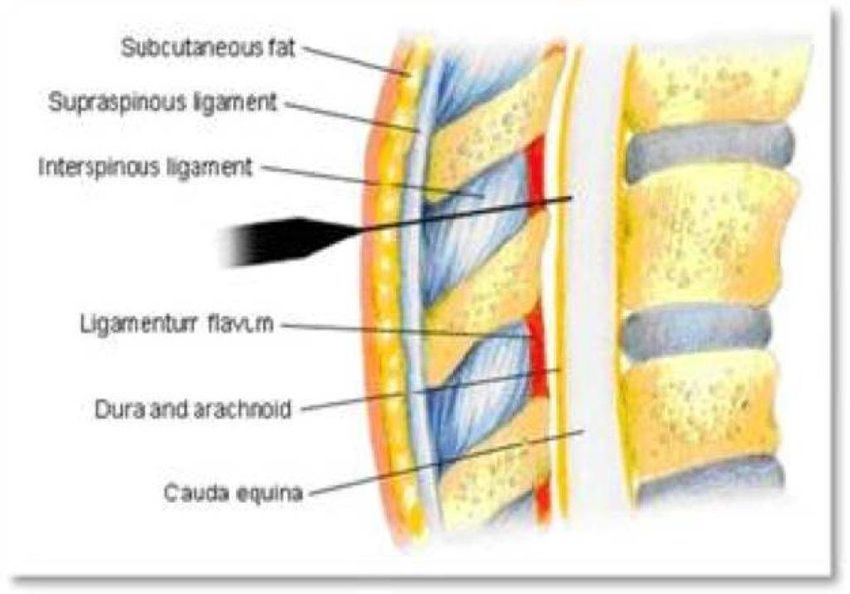
Disclosure information
                         I have no financial
                         relationships to disclose

                                                     2
• Uncontrolled pain in the postop period is
The                      associated with higher risk of undesirable
                         adverse events
challenges in          • Some patients present with challenging clinical
acute and                situations (chronic pain, opioid-tolerance,
                         substance use disorder, sensitivities to pain
postop pain              medications)
management             • Patients with medical problems such as OSA,
                         metabolic and neurologic diseases 1

                Gandhi, K. Heitz, J. W. & Viscusi, E. R. (2011). Challenges in acute pain management. Anesthesiology Ciinics,
                29(2) 291-309
                                                                                                                                3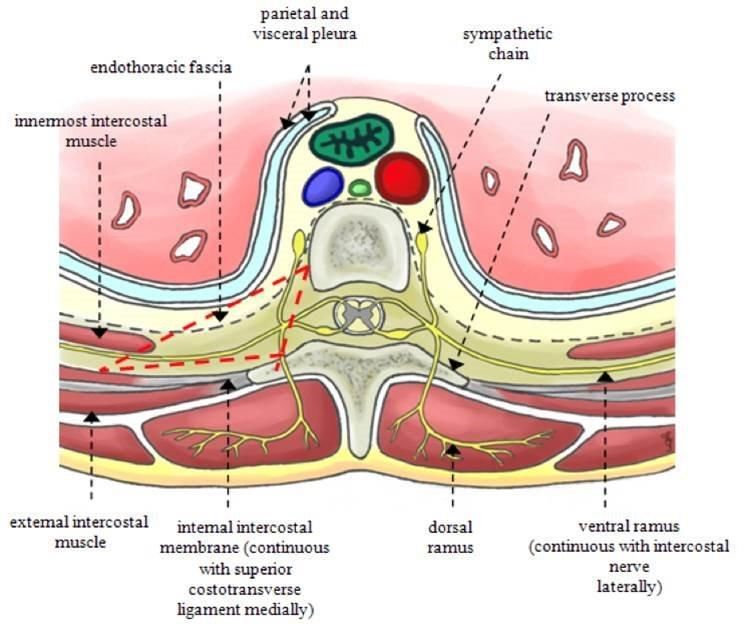
• Acute pain causes potentially detrimental
                  physiologic responses:
                   • Tachycardia
Consequences       • Hypertension
                   • Venous stasis
of inadequate      • Hypercoagulability
pain control       • Decrease alveolar ventilation
                   • Hyperglycemia
                   • Immunosuppression
                   • Cognitive dysfunction
                • Ultimately these can lead to increased morbidity
                • Persistent post-surgical pain (PPP) or chronic
                  postsurgical pain (CPSP)
                  Macintyre, P. E. Schug, S. A. (2015). Acute pain management: A Practical Guide 4th ed.
                  Wu, C. L., & Raja, S. N. (2011). Treatment of acute postoperative pain. Lancet 377 2215-2225.
                                                                                                                  4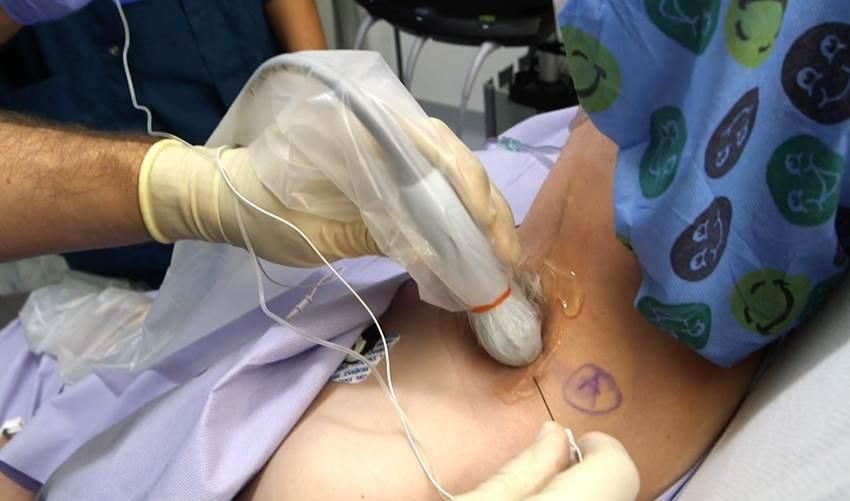
• Improve perioperative outcomes
               • Achieve early mobilization
               • Decrease postoperative complications
Goals of       • Better address
analgesia         • genetic differences in pain medication
                    metabolism
                  • peripheral pain sensitization
                  • central sensitization
                  • ineffectiveness in pain control
                    (tolerance and opioid induced
                    hyperalgesia)
            Macintyre, P. E. & Schug, S. A. (2015) Acute pain management: A practical guide 4th ed.
            Manworren, R. C. E. (2015). Multimodal pain management and the future of a personalized medicine approach to pain. AORN
            Journal 101(3), 308-314
                                                                                                                                      5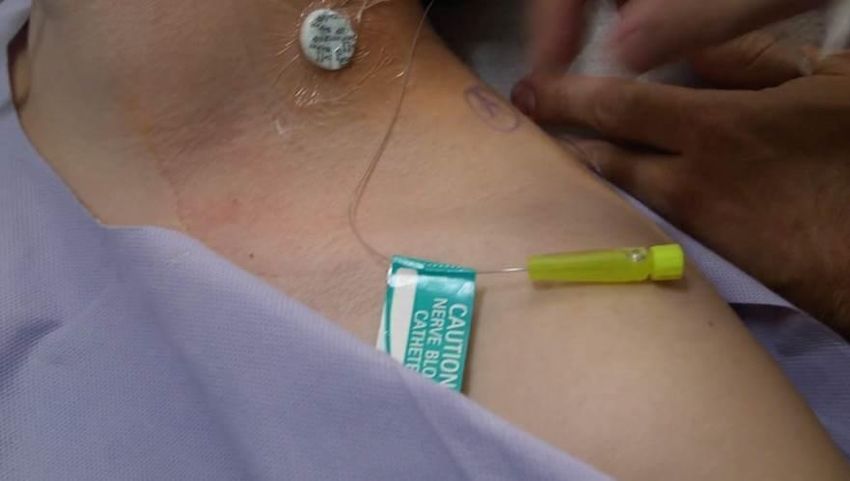
“
 “Pain is an unpleasant sensory and
emotional experience associated with
actual or potential tissue damage and
 described in terms of such damage.”
                IASP (International Association for the Study of Pain)

                                                                         6
• Nociception
                • the processing of noxious stimuli in the
Physiology        nervous system
of pain:        • allows the body the ability to sense
                  potential harm
Terms        • Nociceptors
                • Highly sensitive sensory nerve endings of
                  small myelinated and unmyelinated afferent
                  nerve fibers. (A delta and C fibers).
                • Present in: skin, subcutaneous tissue,
                  muscles, tendons, blood vessels, bones,
                  organs and lining of body cavity

                                                               7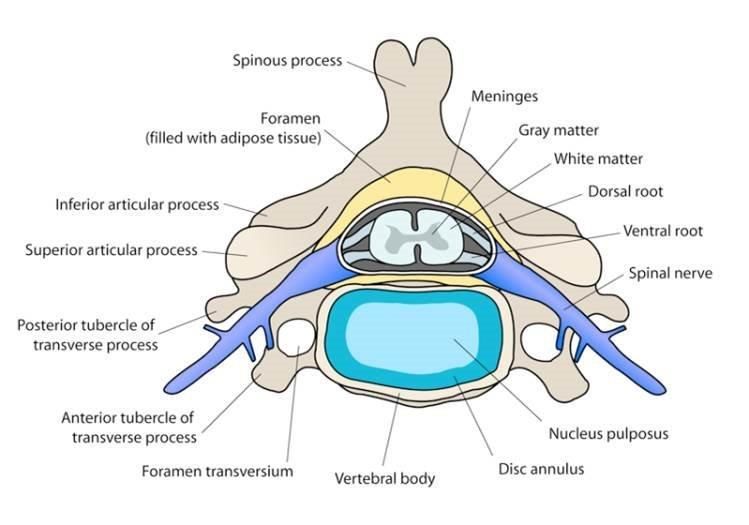
• Transduction: Pain is generated from local inflammation
Physiology     and nerve damage caused by trauma or temperature
               change. Cellular ion transfers generate an action potential
of pain:     • Transmission: Process in which the pain message moves
               from the peripheral nervous system to the dorsal horn,
Acute pain     then along sensory tracts to the brain
             • Perception: The signals are sent up the spinal cord to the
processing     brain where they are perceived as pain.
             • Modulation: Involves off-cells that inhibit pain related
pathways       information to the brain and on-cells that facilitate the
               transmission of pain-related signals to the brain

               peripheral
                 tissue

                                                         dorsal horn   Sensory tract
                                   afferent pain fiber

                                                                                       8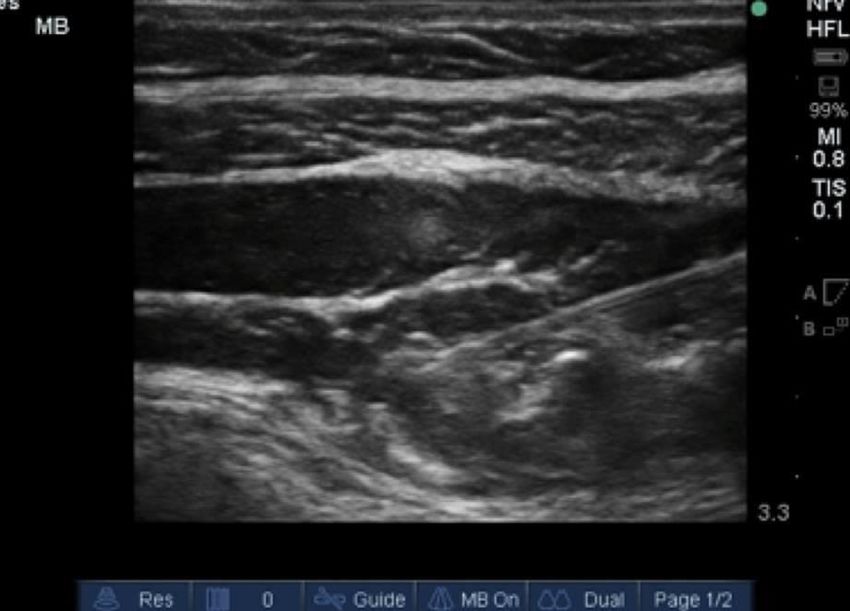
Characterization of pain
Physiology     • Nociceptive/inflammatory, and neuropathic
of pain:           • Nociceptive/inflammatory pain
                      • results from stimulation of
types of                nociceptors in response to injury
pain                  • somatic and visceral
                   • Neuropathic
                      • pathophysiologic consequence of
                        multiple changes in the PNS and CNS
                        that occur after nerve injury
                      • peripheral sensitization and central
                        sensitization can occur
                                                               9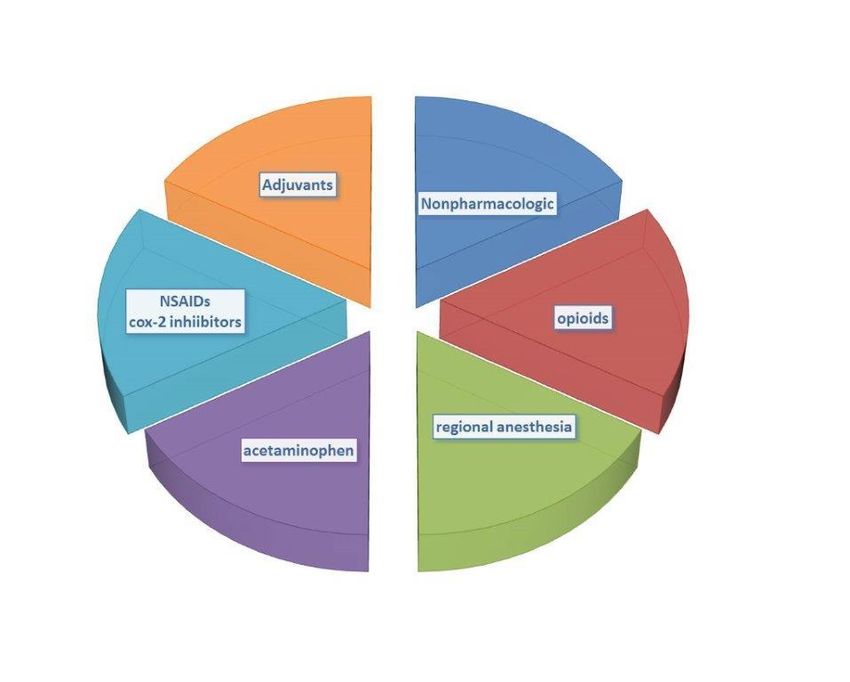
Descending
                       Transduction                     Transmission                                                       Perception
                                                                                          modulation

                  Local anesthetics                Local anesthetics                Opioids                          Opioids
Pain process      (topical)                        (regional
                                                   anesthesia)
and               NSAIDs, Cox 2                    Opioids                          Acetaminophen                    NMDAr antagonists
                  inhibitors
pharmacology
                  Opioids                          Alpha2-agonists                  Cox 2 inhibitors                 General anesthetic
                                                                                                                     agents

                  Antihistamines                   Gabapentinoids                   SNRIs                            Acetaminophen

                  Capsaicin                        NMDAr antagonists NMDAr antagonists

               Kehlet H, Dahl JB. (1993( The value of ‘‘multimodal’’ or ‘‘balanced analgesia’’ in postoperative pain treatment. Anesth Analg. 77:1048-56)
                                                                                                                                                      10
Guidelines
Chou, R., et al. (2016) Guidelines on the management of postoperative pain. The Journal of Pain 17(2). 131-157
11Categories
of
multimodal
approaches
12Analgesic therapy concepts
Multimodal Polypharmacy
• Based on rational combinations • Use of multiple medications or
of optimal doses of more than are therapeutically
• different analgesics necessary
• different routes of delivery • Using multiple medications from
• Provides a way to achieve safer the same class or similar MOA
and more effective, opioid- • Potentially inappropriate,
sparing pain management excessive administration of
medications
Macintyre, P. E. Schug, S. A. (2015). Acute pain management: A Practical Guide 4th ed.
Manworren, R. C. E. (2015). Multimodal pain management and the future of a personalized medicine approach to pain. AORN Journal 101(3), 308-314• optimizes pain relief
• reduce side effect burden
• provide synergistic/additive effects
Why • lower doses of each medication needed
multimodal • opioid sparing pain control
approach? • prevents central sensitization
Nonpharmacologic
Acetaminophen
NSAIDs
Potentiatio
Opioid Adjuvants
n
Regional
Anesthesia
Kehlet H, Dahl JB: The value of “multimodal” or “balanced analgesia” in post-operative pain treatment. Anesth Analg 1993; 77:1048 –56
14• Preventive multimodal analgesia
• Primary prevention of chronic pain
• prevent acute pain
• prevent or interfere with
Steps for mechanisms involved in peripheral
managing and central sensitization
• pharmacologic and interventional
pain therapies administered preoperative,
intraoperative, and postoperative
• Secondary prevention of chronic pain
• early identification of acute or
subacute pain to prevent chronic
pain
• prevent central sensitization
White, P. F. & Kehlet, H. (2010). Improving postoperative pain management: What are the unresolved issues? Anesthesiology,
112(1), 220-225
McGreevy, K., Bottros, M. M., & Raja, S. N. (2011). Preventing chronic pain following acute pain: Risk factors, preventive strategies,
and their efficacy. European Journal of Pain Suppl. 5(2), 365-372 15• Mechanisms of acute pain resulting from
surgical incision and associated tissue damage
Managing • Increased or heightened sensitivity of
responsiveness to pain
chronic • Hyperalgesia
postsurgical • At the incision
• Surrounding tissues in the region of the
pain: incision
strategies • Prevention
for • adequate treatment of acute postoperative
pain
prevention • protective anesthesia and analgesia
Grosu, I. & Kock, M. (2011). New concepts in acute pain management: Strategies to prevent chronic postsurgical pain, opioid-induced
hyperalgesia, and outcome measures. Anesthesiology Clinics ,29(2)). 311-327
Wu, C. L., & Raja, S. N. (2011). Treatment of acute postoperative pain. Lancet 377 2215-2225 16Should be individualized
Pain • Patient
management • Mechanism of pain
• Location of pain
plan • Type of surgical approach
• Expected duration of pain
17Management of postop pain guidelines
Chou, R., et al. (2016) Guidelines on the management of postoperative pain. The Journal of Pain 17(2). 131-157• Temporarily blocks nerve impulses to a certain
Regional intended area of the body, thus reducing pain
anesthesia • allows local anesthetics to be injected close
to specific nerves involved in the surgical site
• inhibits neural conduction from the surgical
site to the spinal cord
• decreases spinal cord sensitization
• Can provide analgesia superior to systemic
opioids
• Use may reduce morbidity and mortality
19• Block sodium channels in cell membranes
• Prevent influx of sodium ions into cells
Local • Inhibits generation of the action potentials
anesthetics: • Prevent transmission of nerve impulse along the
axonal fiber
pharmacologic • Do not have a specific analgesic effect
• Able to block all nerve conduction in sensory and
principles motor fibers
• Desensitize a specific part of the body to pain
stimulus
• Sensory afferent fibers have longer action potential than
motor neurons thus are more sensitive to lower
concentrations of local anesthetics (LA)
20Local • Decrease hormonal stress response
anesthetics and sympathetic responses during
and after surgery
• Decrease incident pain
• Higher doses are used
intraoperatively
• Reduction in dose postoperatively to
reach differential motor-sensory
block during the postop period
21• Provide regional anesthesia or analgesia by
Nerve blocks temporarily interrupting the conduction of nerve
impulses to a specific site or limb
• Single shot injection
• done before or during surgery, sometimes
after surgery
• Continuous catheter infusion
• involves percutaneous insertion of an
indwelling catheter in the proximity of the
target peripheral nerve followed by local
anesthetic administration via a catheter.
• Preferably placed preoperatively
22Peripheral nerve blocks
Regional upper extremity
lower extremity
techniques
Truncal nerve blocks
anterior, lateral and posterior chest area
anterolateral and posterior abdominal wall
Neuraxial blocks
intrathecal
epidural
Nordquist, D. & Halaszynski, T. M. 2014. Pain Research and Treatment. vol. 2014, article ID 902174, 1-13
23Upper extremity
Common • Interscalene
• Supraclavicular
peripheral • Infraclavicular
• Axillary Lower extremity
nerve • Suprascapular • Sciatic
blocks • Wrist block • Femoral
• Adductor canal
• Popliteal
• Saphenous
• Fascia iliaca
• Ankle
Nordquist, D. & Halaszynski, T. M. 2014. Pain Research and Treatment. vol. 2014, article ID 902174, 1-13
24• Truncal nerve blocks
Common • Transversus abdominus plane (TAP)
truncal • Iliohypogastric and ilioinguinal
• Rectus sheath
nerve • Quadratus lumborum
blocks • Intercostal
• Pectoralis
• Thoracic paravertebral
• Intercostal
Nordquist, D. & Halaszynski, T. M. 2014. Pain Research and Treatment. vol. 2014, article ID 902174, 1-13
Chin, K. J., McDonnell, J. G., Carvalho, B., Sharkey, A. P., & Gadsden, J. (2017). Understanding abdominal wall blocks.
Regional Anesthesia and Pain Medicine 42(2), 133-183.
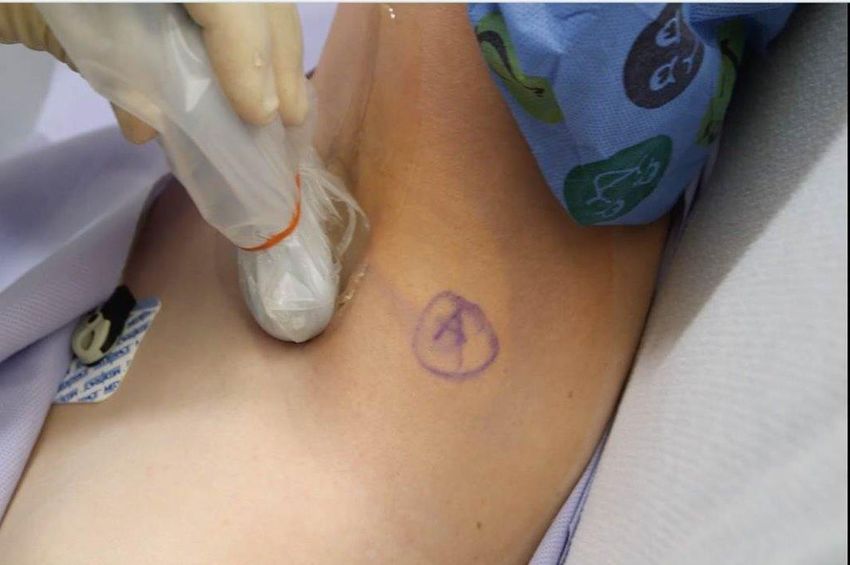
25Ultrasound
probe
Used with permission: J. Hutchins, 2017
Antonakakis J., Ting, P. H., & Sites, B. Ultrasound-guided regional anesthesia for peripheral nerve blocks: An evidences-based outcome
review. Anesthesiology Clinics 29(2). 179-191 26Common regional nerve block modalities
Single shot Continuous catheter infusion
Used with permission: University of Minnesota M-HealthMethods of delivery
Single shot Continuous infusion
Used with permission: J. Hutchins, 2017TAP
Used with permission: V. Chan, 2014
http://www.usra.ca/tapanatomy.php
Chin, K. J., McDonnell, J. G., Carvalho, B., Sharkey, A. P., & Gadsden, J. (2017). Understanding abdominal wall blocks.
Regional Anesthesia and Pain Medicine 42(2), 133-183.
29TAP
Used with permission: J. Hutchins, 2017
Chin, K. J., McDonnell, J. G., Carvalho, B., Sharkey, A. P., & Gadsden, J. (2017). Understanding abdominal wall blocks. Regional
Anesthesia and Pain Medicine 42(2), 133-183.
Antonakakis J., Ting, P. H., & Sites, B. Ultrasound-guided regional anesthesia for peripheral nerve blocks: An evidences-based 30
outcome review. Anesthesiology Clinics 29(2). 179-191Thoracic
paravertebral
nerve block
Used with permission: Linda Le-Wendling, Julia DeLoach, Allison Haller and Barys Ihnatsenka, 2014
31Paravertebral
space
Used with permission: V. Chan, http://usra.ca/tpbanatomy.php
32Neuraxial approaches
Epidural space
Intrathecal
or subarachnoid space
Used with permission: Masood Rehman Moghul and Bassel El-Osta (2011)Intrathecal • Injection or catheter
placement
• The dura is punctured
• CSF determines the
correct space has been
entered
• Methods: single shot,
catheter, implanted
device
• Dosing is approx.
1/100th of IV opioid
Used with permission from the University of Kansas Medical Center, 2014
34• The catheter is
inserted 2 or more
Epidural cm beyond the
needle tip
• left in place for
labor, or up to 3-5
days for
postoperative pain
• Methods: single
shot or catheter
• Dosing:
approximately
1/10th the IV
opioid dose
Used with permission from the University of Kansas Medical Center, 2014
35Dermatome
distribution
Used with permission: University of Minnesota M-Health 36Motor
power
37Sensory Onset
• Sympathetic blockade usually occurs first
blockade • Then block of nociception (pain) and sensation
to temperature changes
• Motor block is the last to be complete
As the local anesthetic wears off
• Recovery of movement will come back first
• Then return of sensation to touch and pain
38• Provides site-specific analgesia
Benefits of • Decreases stress response
regional • Decrease opioid requirements
• regional anesthesia
anesthesia • use lower opioid doses via epidural/intrathecal route
• Diminished side effects
• less nausea, vomiting, sedation and respiratory
depression
• Potential for less general anesthesia when used
during procedure
39Absolute
• Patient refusal
• Allergy to local anesthetic
Regional
anesthesia Relative
• Coagulation disorders
contra- • Infection
• Uncorrected hypovolemia
indications • Increased intracranial pressure
• Unstable spine fractures
• Certain spinal or central neurologic
disorders/preexisting neurologic deficit
• At risk requiring monitoring for compartment
syndrome
40Potential complications
Peripheral/Paravertebral NERVE BLOCK NEURAXIAL
Direct nerve damage Dural puncture “wet tap’ and PDPH
Unintentional intravascular injection Unintentional intravascular injection
Catheter displacement Catheter displacement
Catheter migration Catheter migration
Pleural puncture, pneumothorax (brachial Direct needle or catheter trauma
plexus, thoracic paravertebral) Injection or infusion of neurotoxic agent(s)
Injection or infusion of neurotoxic agent(s) Infection (local or general)
Infection
Local anesthetic systemic toxicity (LAST)
Local anesthetic systemic toxicity (LAST) Epidural hematoma
Hematoma formationCauses of • Spontaneous infection
• Hematogenous spread during bacteremia
epidural or • Poor aseptic technique
IT space • Skin, soft tissue infection
infection
• The longer a catheter is left in, the greater the
risk of infection
42Epidural and IT infection vs hematoma
EPIDURAL or IT INFECTION EPIDURAL HEMATOMA
• Constant diffuse back pain or tenderness • Increasing diffuse back pain or tenderness
• Pain or paresthesia during bolus injection or pain or paresthesia on epidural
• Decreased pain relief without presence of injection
decrease in analgesic • Bowel or bladder dysfunction may be
• Sensory and/or motor deficit present
• Bowel or bladder dysfunction may be • Sensory or motor deficit may develop
present with increasing size of hematoma
• Fever may or may not be present • Report any of these symptoms
• Epidural abscess an cause spinal cord immediately for further workup
compression or sepsis, or paralysis • Hematoma is confirmed on MRI or CT and
• Abscess is confirmed on MRI or CT and neurology consult is recommended
neurology consult recommended• Rare, but potentially life threatening
Local complication
• Most common cause is inadvertent intravascular
anesthetic administration, hepatic or renal insufficiency
• Early symptom detection is important for timely
systemic intervention
toxicity • Early symptoms: circumoral numbness and
tingling, tinnitus, metallic taste, dizziness and
LAST anxiety
• Later symptoms: muscle twitching, shaking,
increased anxiety, seizure, bradycardia,
hypotension, arrhythmia and ultimately cardiac
arrest
Mercado, P. & Weinberg, G. L., 2011 Anesthesiology Clinics 29(2), 233-242 44ASRA checklist for LAST:
LAST • Supportive Measures
• Airway management
management • Seizure suppression
• ACLS
• Lipid emulsion 20%
• Bolus of 1.5mL/kg IV over 1 minute (~100mL)
• Continuous infusion 0.25mL/kg/min (~18mL/min)
• Repeat if necessary
https://www.asra.com/content/documents/checklist-for-local-anesthetic-toxicity-treatment-1-18-12.pdf
45Anticoagulant • Concurrent anticoagulation is a primary risk
use with factor for epidural hematoma.
neuraxial and • A procedural checklist is strongly recommended
for clinicians, taking into consideration
perineuraxial pharmacologic principles and shared decision-
approaches making and consideration of procedural risks
• Periprocedural management of anticoagulants
and antiplatelet medications should be utilized
http://www.nysora.com/mobile/regional-anesthesia/foundations-of-ra/3300-ra-in-anticoagulated-patient.html
46Anticoagulant • Spontaneous hematoma has been reported in
use with patients who took anticoagulants
• the anesthesiologist must discuss risk and benefits of the
peripheral block with the pt and the surgeon, and provide close follow
up care.
nerve blocks • Diagnosis includes:
• pain (flank, groin, psoas)
• tenderness in the area
• fall in hgb/hct
• fall in BP
• sensory and/or motor deficit.
• Definitive diagnosis made by CT
• US may also be helpful tool
http://www.nysora.com/mobile/regional-anesthesia/foundations-of-ra/3300-ra-in-anticoagulated-patient.html
47• Decreasing inpatient length of stay and
emphasis to outpatient care
Perioperative • Enhanced Recovery
• Multimodal care pathways designed to achieve early
care: recovery after surgical procedures
• Components of enhanced recovery programs
shifting • Preoperative counseling
• Optimization of nutrition
paradigm • Avoidance of perioperative fasting
• Minimally invasive approaches
• Standardized anesthetic and analgesic regimens
• Postoperative care to enhance recovery and
function
• Defined discharge criteria/patient education
48• Many of our surgical patients are seen
Preoperative preoperatively
assessment • Advantages
• Pt gets to know the facility and ask questions about
their upcoming surgery
• Opportunity for providers and pharmacists to ask
questions
• Pt provides important information that will impact
their care
• Develop a preoperative pain management plan
• Pt receives preoperative counseling and education
49Summary • Evidence-based approaches
• Perioperative care is best when planned in the
preoperative process
• Discussed with the patient
• Use multidisciplinary strategies
• Use multimodal approaches
• Assess and adjust medications and pain management
plan as needed
• Ongoing monitoring of outcomes
50? Questions ? ?
PCSS-O is a collaborative effort led by American Academy of Addiction Psychiatry
              (AAAP) in partnership with: Addiction Technology Transfer Center (ATTC), American
             Academy of Neurology (AAN), American Academy of Pain Medicine (AAPM), American
              Academy of Pediatrics (AAP), American College of Physicians (ACP), American Dental
                 Association (ADA), American Medical Association (AMA), American Osteopathic
               Academy of Addiction Medicine (AOAAM), American Psychiatric Association (APA),
             American Society for Pain Management Nursing (ASPMN), International Nurses Society
                on Addictions (IntNSA), and Southeast Consortium for Substance Abuse Training
                                                      (SECSAT).

                                                    For more information visit: www.pcss-o.org
                                                      For questions email: pcss-o@aaap.org

                                                                    Twitter: @PCSSProjects
 Funding for this initiative was made possible (in part) by Providers’ Clinical Support System for Opioid Therapies (grant no. 5H79TI025595) from SAMHSA. The views expressed
in written conference materials or publications and by speakers and moderators do not necessarily reflect the official policies of the Department of Health and Human Services;
                              nor does mention of trade names, commercial practices, or organizations imply endorsement by the U.S. Government.
You can also read


