N2 Gateway Presentation Portfolio Committee on Housing - Prepared for
←
→
Page content transcription
If your browser does not render page correctly, please read the page content below
N2 Gateway
   Presentation

     Prepared for:
Portfolio Committee
    on Housing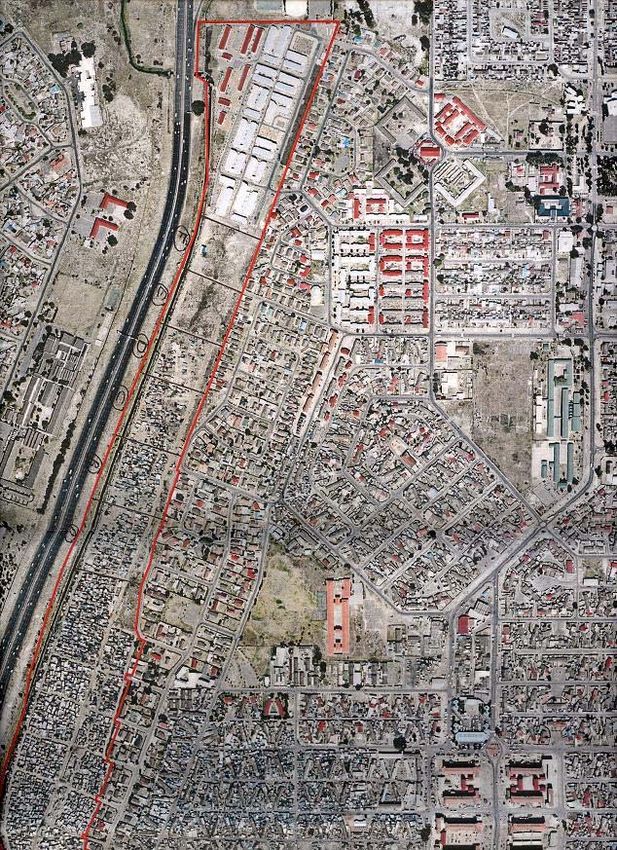
Background
•   On 1 September 2004
•   The Cabinet –
•   approved the general trust of the Comprehensive Housing Plan for the
    Development of Integrated Sustainable Human Settlements for the next five
    years and that Plan should be seen as work in progress to be continuously
    refined and improved upon;
•   noted that additional resources are required to implement the Plan subject
    to further discussions with the National Treasury; Minster TA Manuel
•   approved the immediate establishment on an Inter-Ministerial Committee
    (IMC) to be convened by the Minister of Housing to oversee the Plan;
•   requested all relevant Government institutions to assess the implications of
    the Plan, its effect on their relevant line functions and assist in the
    implementation of the Plan; and
•   approved that a comprehensive communication campaign be embarked
    upon to communicate the plan to the public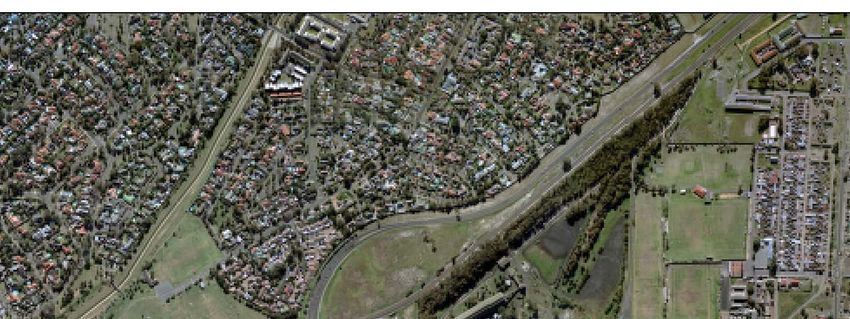
Background
•   A COMPREHENSIVE PLAN FOR THE DEVELOPMENT OF
    SUSTAINABLE HUMAN SETTLEMENTS
•   the Housing Plan aims to embrace the new vision of the Government for
    the next five years. The new Plan would allow the Department to recast its
    responsibility and would allow for a redefinition of the role of the Ministry
    and Department from that of being responsible for policy formulation and
    oversight only in respect of low -cost housing to one that oversees the
    proper functioning of the entire residential property market and facilitation
    implementation where necessary. Through the new approach the
    Department would seek to remove duality in the housing market with a
    booming first economy housing market and stagnant second economy
    market;
•   a key focus of the Plan would be to promote the achievement of a non-
    racial integrated society. Thus, sustainable settlements are defined as well-
    managed living areas in which economic growth and social development
    are in balance with the carrying capacity of the natural systems on which
    they depend foe their existence, where non racial, mixed land use
    integration promotes sustainable development, wealth creation, poverty
    alleviation and equity; and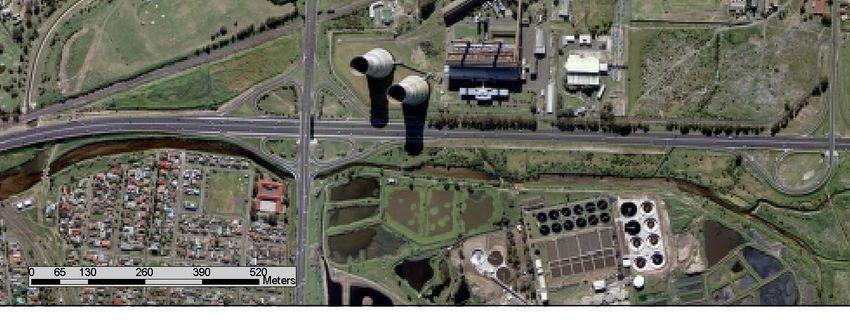
Background
•   the new approach is based on the provision of
    basic shelter within the context of well
    serviced, integrated settlements that are well
    located, enjoy secure environments and
    facilitate good governance and better policing.
    In accordance with the Plan there would be
    greater participation in housing delivery by the
    private sector, especially the banking and
    construction sectors, greater economic
    activities including the greater extension of
    social infrastructure and amenities that would
    promote the creation of healthy communities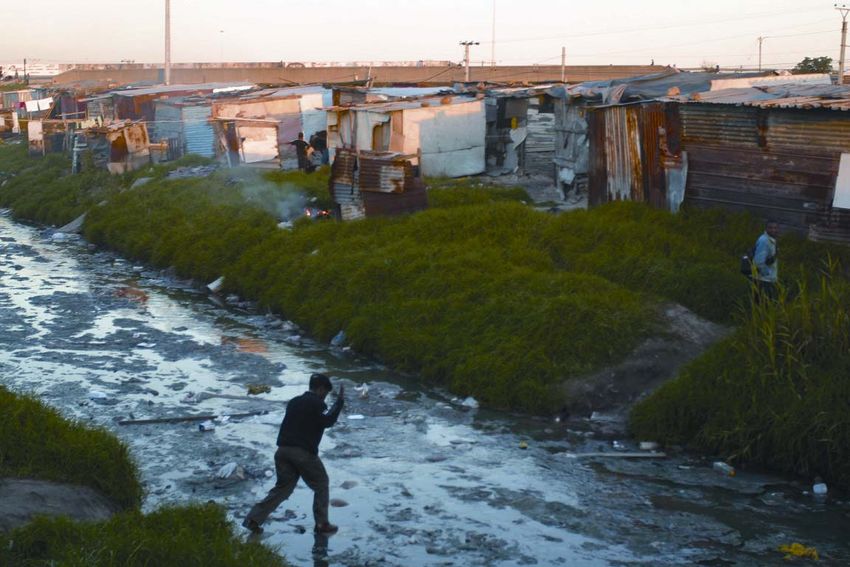
“During the course of this year, in addition to accelerating
  the expansion of our housing stock to address the needs
  of the homeless, we will take concrete steps to ensure
  that housing development contributes to eliminating the
  duality of living spaces inherited from apartheid.”

     State of the Nation Address of the President of South Africa,
                          Thabo Mbeki: Joint Sitting of Parliament
                                                  3 February 2006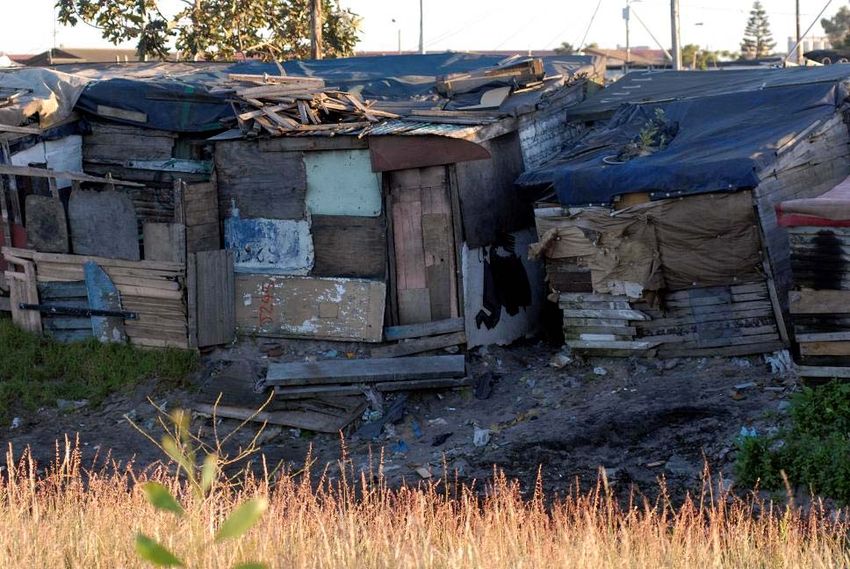
“There is the complementary challenge of transforming the desolate
   landscape of townships and new housing settlements into
   sustainable and viable communities, whose riches speak for
   themselves, whose streets carry songs of laughter, whose
   character reflects our season of hope. In this Budget, we
   recognise the need to give greater impetus to investments in
   housing, in community infrastructure, in municipal services and in
   local economic development – not just as projects of government
   departments or municipalities, but as constructive partnerships
   that mobilise local enterprise, private capital, indigenous
   creativity.”
                                             Budget Speech 2005
                                              Minister of Finance
                                                  Mr. T A Manuel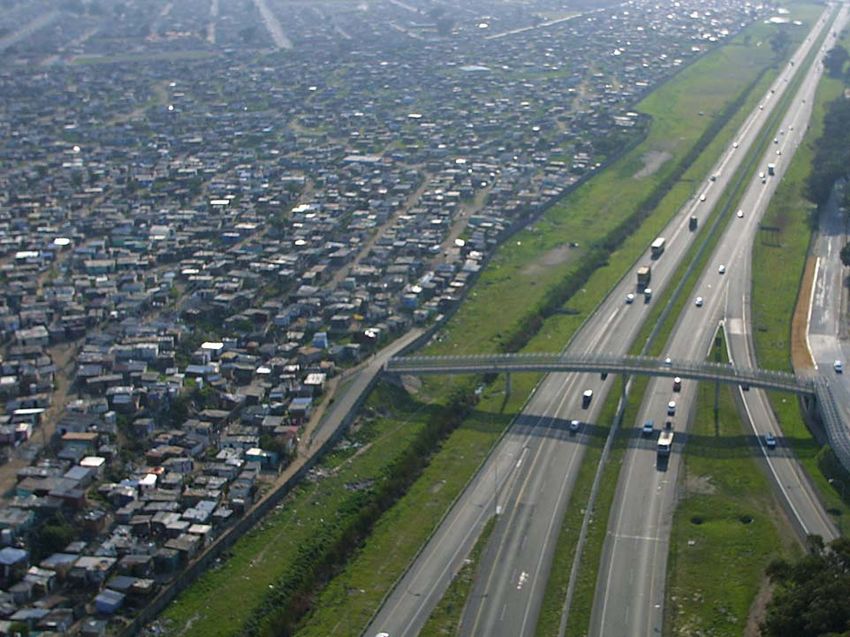
Piloting BNG through the N2, to realise
  the Second Decade of Freedom Tasks
• Interventions required that will help bridge the 1st
  and 2nd Economies (single residential market)
• Creation of a strong Developmental State
• Addressing the scale and complexity of the
  housing challenge and accelerating the pace of
  delivery (tackling poverty)
• Reverse the inherited spatial dysfunctionality.
Responding to the Challenge of the
    Second Decade of Freedom’s Tasks
• Housing as a spatial intervention to effect social change
• Testing the institutional preparedness to deliver at scale
• Mobilise institutional capacity of the State, the Social
  Development Partners and the Private Sector
• Mobilise, coordinating and directing Public Sector
  funding / resources
• Trigger wider change in the spatial economy of the Cities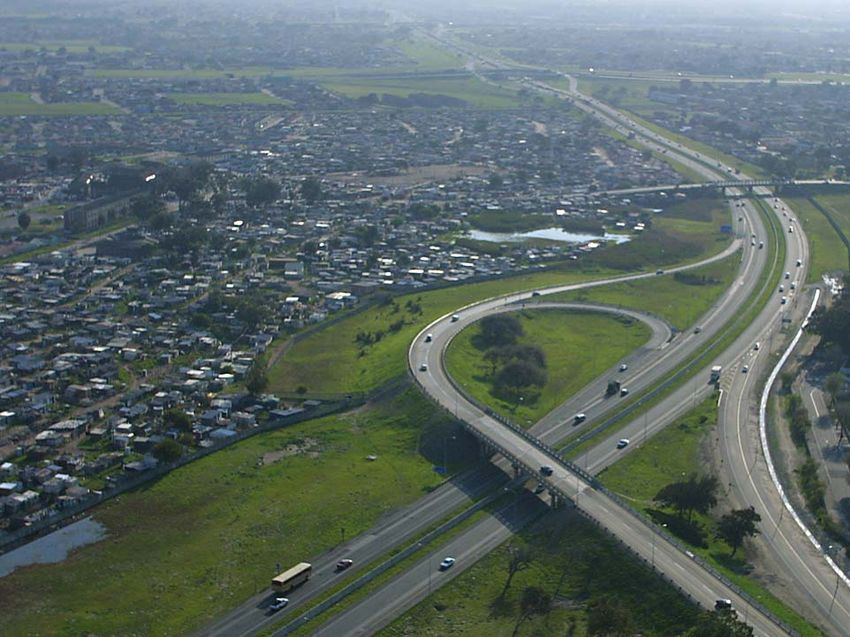
Rationale for N2 Gateway as the pilot for
        upgrading of informal settlements
•    Cape Town, historically the oldest City in South Africa; the seat of
     Parliament; with a history of overcoming the challenges of a divided City
     and in late apartheid, a City that actively discriminated against Africans.
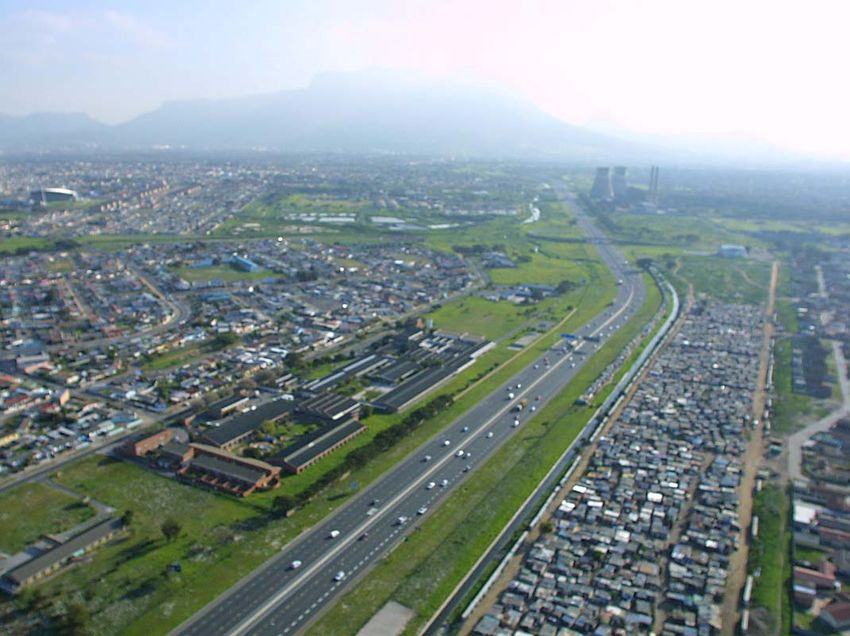
•    Rapid growth of informal settlements located in areas prone to fire or flood
     disasters.
•    The City has one of the highest levels of TB in the world related to poor
     housing and environmental conditions.
•    Three spheres of government collaborating to pioneer a new approach to
     integrated and sustainable human settlements development through
     “learning by doing”
•    Developing new modes of urban development practice based on higher
     densities and the empowerment of the poor and marginalised through the
     provision of quality houses.
•    To test existing policy and through lessons learnt to enhance / amend such
     policies and give direction to new policies.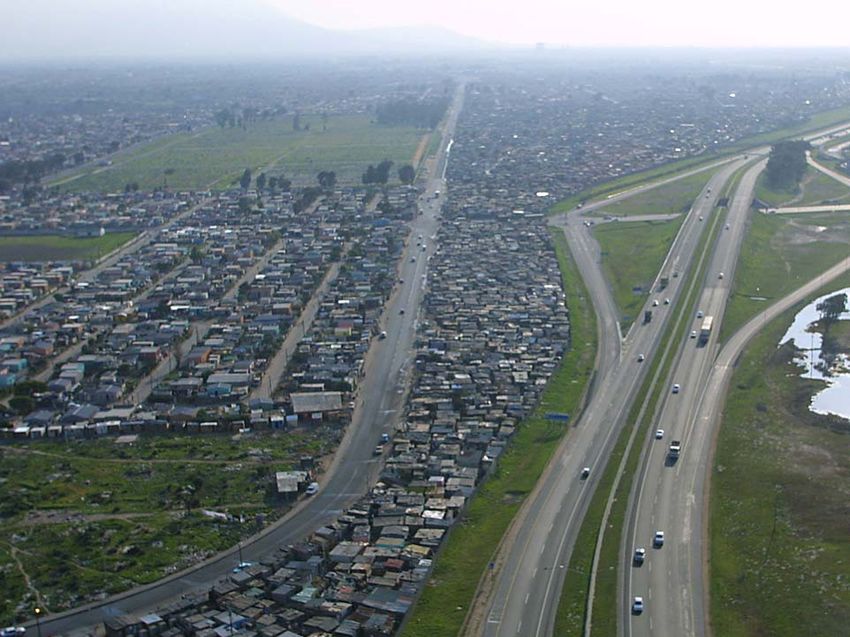
The N2 Gateway Project,
   piloting the upgrading of Informal
   Settlements into the Urban Fabric

A proposal for the development of communities, land
and facilities bordering the N2 between Cape Town
     International Airport and the city centre

City of Cape Town in partnership with the Provincial
           Government :Western Cape &
          National Department of Housing
                   August 2004
The Spatial Context
Scope of the Project

                       CT
                       Int
                        Airp
                            ort
Borcherds Quarry Interchange
Barcelona
Airport Approach Road
New Rest
           NY1
Kanana
Apartheid Relic- “Buffer Strip”
Bunga Avenue interchange
l
ma
f or
’s
In
O
NG
o
lov
l &
eS
n a
tio
Jo
itu
t
&
n s a
I
ng
LaAthlone Complex
Tranfer Station
Solid Waste
Power Station
Initiation SiteThe N2 Project Objectives This integrated human settlement project will:- • Upgrade residents living conditions • Give access to – Choice ito tenure and housing typologies – Transport – Community facilities & social amenities – Employment opportunities • Reflect a new approach to the built, natural and cultural environments • Leverage private sector, donor and parastatal investment • Empower communities
Partnership in Cooperative Governnance
  National Department of Housing
      Facilitating enabling legislation and linkages to
      Public Works, Land Affairs, DPLG, Treasury,
      Social Development, Poverty Alleviation, & others

  Provincial Dept of Housing
      Facilitating linkages to Housing, Transport, Safety
      & Security, Environment and Planning

  City of Cape Town
      Project development and implementation
      integrated across all departments

  Stakeholders
Key Dependencies
• Landuse Agreements.
• Planning Approvals
• Rapid assembly, alignment and release of
funds
• Reconfigured Human Settlements
Redevelopment Programme
• MIG
• Housing Subsidies
• Other Funding Sources including Private
• Budget Reprioritisation at all levelsKey Dependencies (cont) • Multi-year Funding • Sustained political support from all spheres • Sustained participation of beneficiaries & neighbouring communities • Protect land against unlawful occupation
A Vision for Barcelona
A Vision for Kanana
A Vision for New Rest
A Vision for Joe Slovo
A Vision for Joe Slovo and Bunga
        I/C and Athlone
The Synergies
Epping Industria
Joe Slovo
New Rest, Kanana, Barcelona
Airport
Industria
URN
KYA
URN
MP
Scope of N2 GatewayN2 Gateway Plan • Original land parcels earmarked for the N2 Gateway Project at its inception. • City of Cape Town retracted five (5) of the parcels viz. Epping, Erf 8448 (Gugulethu), Driftsands, Bardale & Ottery
Social Development
             Services
•   Social Infrastructure
    – Multi-purpose centres
    – Sport grounds
    – Parks
    – Dignified spaces
    – Food gardens
•   Emergency Services
    – Police
    – Fire
    – Ambulance
•   Education
    – Schools
    – Creches
•   Economic and Human Development
Construction
• Building of freehold and rental units
• Bulk earthworks and services
• Community facilities and amenities
• Primarily cement blocks and mortar
• Three phases
– Earthworks up to foundation and slab
– Top structures
– Landscaping, amenities and roadsJoe Slovo Phase 1
Progress to Date
• 705 complete and fully occupied
• Full time caretakers on site
• Full time maintenance staff on site
• 24 security surveillance provided
Challenges
• Rent boycott by some tenants
• Lawyers engaging with defaulters
• Last resort – Eviction (CoCT has delayed the finalisation of lease
agreement making it difficult to act on the eviction processes)Joe Slovo Phase 2
Progress to Date
• Contract signed with FNB to produce 200 Affordable Housing units
• 12 show houses are under construction
Challenges
• Resistance to relocation by Joe Slovo informal settlement dwellers
is a critical delaying factor to the project
• The court case will resume on 12 December 2007 wherein
opposing parties will present their arguments for judgement
• Delivery pace by FNB is retarded due to the pending court case on
relocation of the Joe Slovo informal settlement dwellersJoe Slovo Phase 3
Progress to Date
• The project will yield approximately 1,500 BNG units
• Contractor is expected to establish on site within two (2) weeks to
commence with site clearing on the open portion along Vanguard
Drive
Challenges
• Resistance to relocation by Joe Slovo informal settlement dwellers
is a critical delaying factor to the project
• Construction of bulk sewer cannot commence due to the relocation
resistanceNew Rest Progress to Date • The project will yield a total of 1,155 BNG units • Two programmes running viz Contractor Built & PHP • To date more than 150 units have been completed & occupied • 600 sites have been serviced • Servicing of remaining erven is underway • Completion of 1,155 units is September 2008 • The Women’s Build initiative during August 2007 produced 26 units over a 2-week period • Men’s Build is currently underway with a target of 67 to be completed within a 5-week period – anticipating close to 100 houses by 3 December 2007
Boystown

Progress to Date
• The project will yield a total of 1,200 BNG units

Challenges
• Political instability
• Community dynamics
Delft 7-9

Progress to Date
• The project will yield a total of 3,901 BNG units & 799 rental
  stock
• Total TRA units constructed to date & occupied is 4,200
• All 4,700 sites have been serviced
• Contractor has established on site to commence with top
  structure construction within 1-week

Challenges
• 1,800 of the TRA’s are constructed on 900 serviced sites
  earmarked for BNG houses due to a shortage of land
• Discussions with Eskom & DME is ensuing to confirm the
  electrification of the 1,800 TRA’s – 6-months has since passed
Delft Symphony

Progress to Date
• The project will yield a total of 4,227 BNG units & 644 rental
  stock
• Precincts 3&5 comprising 2,018 erven have been allocated to
  FNB for an equivalent of 1,333 Affordable Housing units
• All 6,889 sites have been serviced to date
• 205 houses are occupied
• A total of 1,500 houses is expected to be handed over by 14
  December 2007
• Eskom confirmed that 1,500 houses will be electrified by 14
  December 2007

Challenges
• Discussions with Eskom & DME is ensuing to confirm the
  electrification of the site – 6-months has since passed
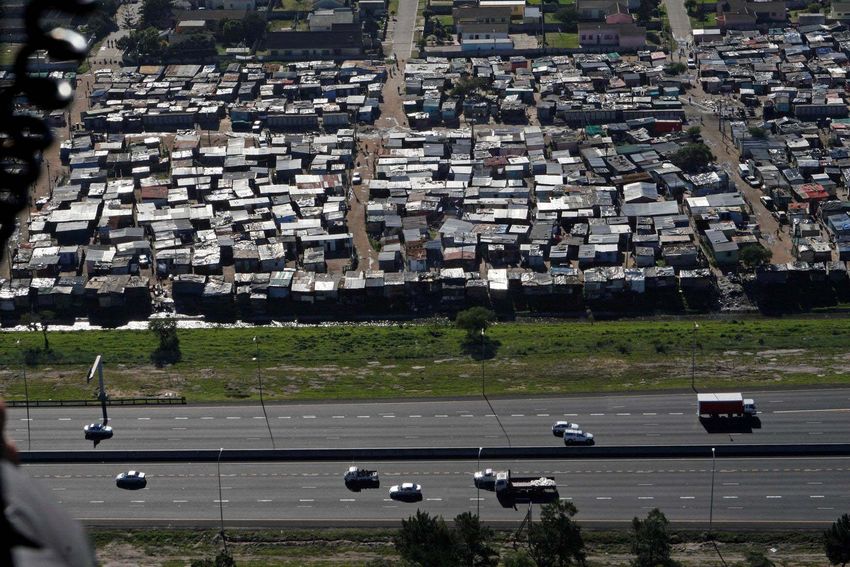
Joe Slovo Aerial View
The Joe Slovo Corridor
Joe Slovo Fires
Emergency Tents - Joe Slovo
Delft 7 - 9
DELFT TRA 1, 2 & 3
Joe Slovo : Inga Store
Joe Slovo – Phase 1 (2004)

Before
Joe Slovo Phase 1 Complete
Joe Slovo Phase 1 (After)
THANK YOU
You can also read


