Statement of Intent 2018/2021 - Tapuika Iwi Authority
←
→
Page content transcription
If your browser does not render page correctly, please read the page content below
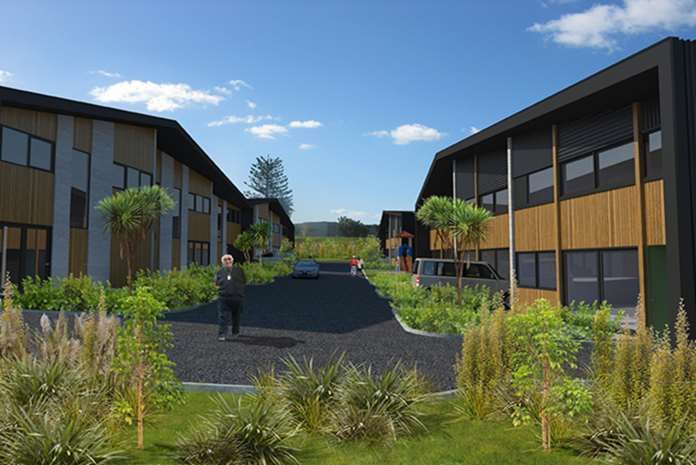
Statement of Intent 2018/2021
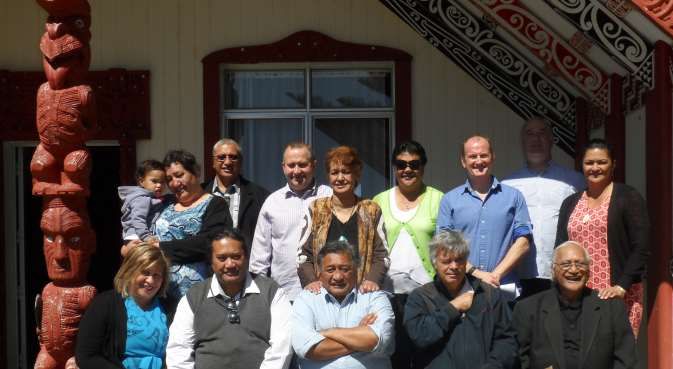
Table of Contents
I.     Foreword:............................................................................................................... 2
II.    Executive Summary ............................................................................................... 4
         Highlights
         Strategic Objectives
         General Principles
         Critical Success Factors (CSF)
III.   Role of the Tapuika Iwi Development Trust ........................................................ 7
         Tapuika Oranga Framework
         Tapuika Needs
IV.    Tapuika Oranga Priorities & Outcomes .............................................................. 15
V.     ............................................................................................................................... 16
VI.    Financial ............................................................................................................... 17
         Budget 2018 - 2021

Appendices
Diagram 1: Oranga Framework                                                                                                        8
Table 1: Tapuika Population Profile 2013                                                                                           9
Table 2: Tapuika Speakers of Te Reo 2013                                                                                          11
Table 3: Tapuika Unemployment 2013                                                                                               13
Table 4: Tapuika Weekly Rental Costs 2013                                                                                       14
Table 5: Tapuika Priorities & Outcomes 2018 – 2021                                                                              15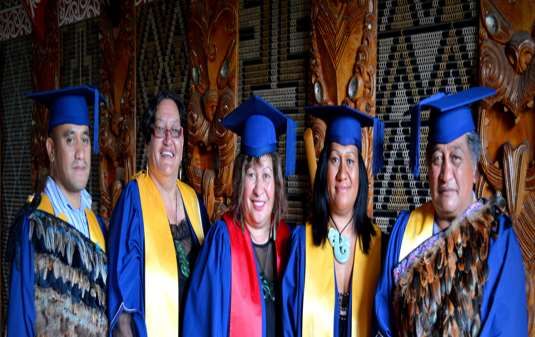
Foreword:
Chair’s Introduction
             “Hapaitia te ara tika pumai ai te rangatiratanga mo ngā uri whakatupu”

E ngā mana, e ngā reo, e ngā karangatanga hapu, me ngā kaitiaki o te Poari Matua o Tapuika tēnā
koutou, tēnā koutou, tēnā tātou katoa.

I am pleased to present this the second Tapuika Iwi Authority Development Trust (TIADT),
Statement of Intent (2018 – 2021) for your approval.
In the post settlement environment, this Statement of Intent sets a platform for future development,
outlining the ways in which the Trust will work together with our Tapuika whanau to build on their
strengths and achieve their aspirations for a better future.

A re-occurring term used through the document is the reference to ‘oranga’. Its use is a deliberate
strategy that not only highlights the role of the Trust in terms of progressing the vision of the Iwi
Authority ‘mo ngā uri o Tapuika, but also signals the strategic approach the Trust has chosen to take in
identifying the priorities and expected outcomes the TIADT is looking to achieve over the next 3
years.

We look forward with anticipation to the Iwi Authority endorsement of this document

Na,

Raiha M Biel
Chair
Tapuika Iwi Authority Development Trust

June 2018

STATEMENT OF INTENT 2018/2021 - JUNE 2018                                                              2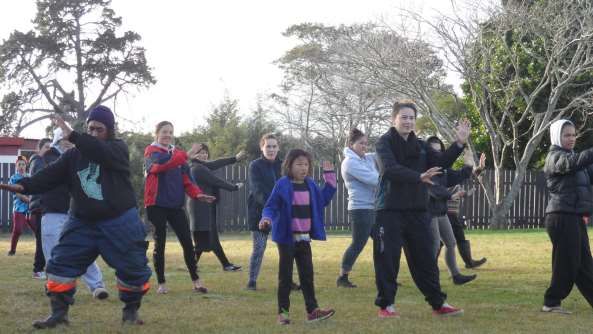
Trustees Statement of Accountability
We are satisfied that the priority initiatives signaled in this Statement of Intent is consistent with the
expectations set out in the Tapuika Iwi Authority 5 Year Strategic Plan 2018.

In signing this Statement of Intent we the Trustees acknowledge we are collectively responsible for
the information contained therein.

Raiha Biel                        Chair                           ______________

John Pini                         Trustee                         ______________

Hinematau McNeill                 Trustee                         ______________

Ruth Swinton                      Trustee                         ______________

Te Hira Roberts                   Trustee                         ______________

General Manager’s Statement of Responsibility
In signing this document, I acknowledge that I am responsible for the accuracy of the information
contained in this Statement of Intent which has been prepared in accordance with section 7.1 (a) of
the Tapuika Iwi Authority Trust Deed.

Piatarihi Callaghan
General Manager
Tapuika Group

STATEMENT OF INTENT 2018/2021 - JUNE 2018                                                                    3
Executive Summary
The Tapuika Development Trust (TDT) was established in 2006 as a subsidiary of the Tapuika Iwi
Authority (TIA). The Iwi Authority requires that the Development Trust shall produce a
Statement of Intent (SOI) setting out its long term objectives and the general principles by which it
proposes to operate (Tapuika Iwi Authority Trust Deed s7.1a), over the next 3 years.
Highlights
Highlights from the previous Statement of Intent (2014-2017) included:
Education
Over 50 Tapuika members have received grants for tertiary study and trade training over the
past 3 years
Established 2 Tapuika Scholarships ($5,000 each) for Post Graduate study
Employment
Horticulture training program developed for Ministry of Social Development
Housing
Research and meetings with Te Puni Kokiri to provide Housing Assessment for Tapuika
homeowner renovations
Meetings with Western Bay of Plenty District Council to discuss infrastructure funding for
papakainga
Environmental Management
In negotiations to establish a Mana Whakahono a Rohe Iwi Partnership Agreement with the
Bay of Plenty Regional Council
Routinely provide Cultural Impact Assessments for resource consent applications within Te
Takapu o Tapuika
Cultural monitoring of proposed development areas in relation to potential archaeological
finds within Te Takapu o Tapuika
Ongoing participation on Freshwater Community Group for the Kaituna River
Cultural Activities
Pilot program to increase the use of te reo by Tapuika whanau in social situations and in the
workplace
Marae Insurance assessments undertaken for Tapuika marae
STATEMENT OF INTENT 2018/2021 - JUNE 2018 4
Strategic Objectives
The strategic objectives of the Trust are that Tapuika:
A thriving and prosperous iwi, confident in te reo, traditional practice and unique place in the
world
Growing Tapuika leaders at all ages and from diverse backgrounds who have the vision to build
positive Tapuika futures while being cognisant of Tapuika history and traditions
Native flora, fauna, marine and freshwater species are plentiful and able to sustainably support
Tapuika mahinga kai/kaimoana traditions
Effective tino rangatiratanga and kaitiakitanga over te Takapu o Tapuika
Sustainable economic future for all Tapuika members
General Principles
The key priorities in the Statement of Intent are accepted in principle - with the proviso that
measurable outcomes for 2018/2021 will need to be revised after the present Demographic
Report is updated
Systematic approach to addressing key needs and priorities to ensure that all areas are
addressed over the 3 year period.
Consistent measurement systems as developed in the previous SOI to ‘tell the performance
story’ over the 2018 – 2021 period in order to effectively gauge the impact that TDT is having
on Tapuika development since its inception
Fiscally responsible, ensuring that the 2018/2021 operations are contained within the budget.
Commitment to exploring opportunities for long term revenue generation to support the
realisation of Tapuika social and cultural aspirations.
Critical Success Factors (CSF)
Use of current state data from credible sources to identify needs and measure progress. The
data will be updated every 5 years
Governance commitment during planning, implementation, follow through and monitoring
phases of the Plan
Alignment of strategy and objectives with the Trust’s core values and expectations
Management and staff in take ownership of the Plan and its successful implementation
Ongoing communication between staff, management and Governance throughout plan
implementation in particular where plan changes are required
Alignment of plan with operational and business processes
STATEMENT OF INTENT 2018/2021 - JUNE 2018 5
Outcomes
Defined as the consequences, impact or aftermath of implementing the Statement of Intent
priorities. Outcomes are long term in nature and therefore may not be evident until 5+ years after
these priorities have been achieved.

STATEMENT OF INTENT 2018/2021 - JUNE 2018                                                            6
Role of the Tapuika Iwi Development Trust The Tapuika Iwi Development Trust is a subsidiary of the Tapuika Iwi Authority. The Trust is a registered Charitable Trust under the Act. The principal role of the Tapuika Development Trust is the health and wellbeing of the descendants of Tapuika including: the promotion of Tapuika cultural traditions and practice the promotion of education the relief of poverty the wellbeing of the descendants of Tapuika; and the protection of the environment and waahi tapu any other charitable purpose STATEMENT OF INTENT 2018/2021 - JUNE 2018 7
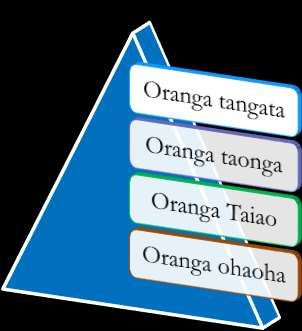
Tapuika Oranga Framework
The Development Trust seeks out opportunities to ensure our finite resources can achieve
maximum impact. Identification of the key components that contribute to Tapuika wellness (Oranga
Framework - Diagram 1) enables focus on each component, undertaking research into innovative
models, technology or new initiatives that is likely to have positive impact on Tapuika
wellbeing. The Trust can then identify key areas where the TIA can use their influence or “capital”
to leverage financing, engage strategic partners, and catalyse networks to ensure the impact
continues long after the Trust has moved on to other priorities.

                               Diagram 1: Oranga Framework

STATEMENT OF INTENT 2018/2021 - JUNE 2018                                                         8
Tapuika Needs
The statistical data in this document which informed the key findings in relation to Tapuika needs
was based on the NZ Census 2013. The latest Census (2018) information is due for release shortly
and is expected to confirm the key achievements from the previous Trust SOI (2014/2017).
Table 1: Tapuika Population Profile 2013
Tapuika population 2,022 Tapuika By Age Group
Age Group %
Tapuika by gender: 0-14 years 37.7
- 44.4% males 15 – 29 years 21.8
- 55.6% females 30 – 64 years 35.2
65+ years 5.3
Tapuika Population by Region
59% Bay of Plenty
13.8% Auckland region
8.8% Waikato
Children and Elderly::
The 2 key features of the Tapuika age structure are: youthfulness and the elderly. The percentage of
Tapuika aged 0-14 years (37.7%) was higher than the total Maori population (33.1%) for that age
group, with older members comprising more than five per cent.
Tapuika children (0-14 years) as a proportion of working age adults ( 15 – 64 years) and Tapuika
elderly aged 65+ years pose significant social and economic considerations as increasing dependency
can often mean increased costs and responsibilities for working aged adults who bear the costs
associated with childcare, education and pensions. For Tapuika nationally the Youth Dependency
ratio increased from 61% in 2006 to 67% in 2013. Nationally there is a significant difference
between the Tapuika Youth Dependency ratio of 67% and the Youth Dependence ratio for the
general population of almost 52%. This large disconnect has several implications. One is that
Development Trust will need to be attuned to providing for the needs of a youthful membership,
while decision-makers and agencies representing mainstream regional interests will be primarily
STATEMENT OF INTENT 2018/2021 - JUNE 2018 9concerned with the demands and needs of a rapidly ageing population. Second, the employment status of Tapuika men and women in the working ages will continue to be important in fostering the capacity to provide ongoing support to those unable to support themselves (i.e., children and elderly parents). Third, the youthfulness of the Tapuika population might be seen as a potential “demographic gift”. This is because there are some years to go before the share of Tapuika at the working ages reaches its maximum. When that situation does occur, the proportions of Tapuika at the older and younger ages will be at their minimum, which is highly desirable from an economic standpoint, while the rest of the regional population will be ageing. The prospect of a gift underscores the importance of ensuring that the current cohorts of Tapuika youth are adequately educated to take advantage of window of opportunity when it arises. Though the number of elderly Māori is increasing, however the share of the Tapuika population that is aged 65 years and older is still small relative to the rest of the population. STATEMENT OF INTENT 2018/2021 - JUNE 2018 10
Table 2: Tapuika Speakers of Te Reo

Tapuika Te Reo:
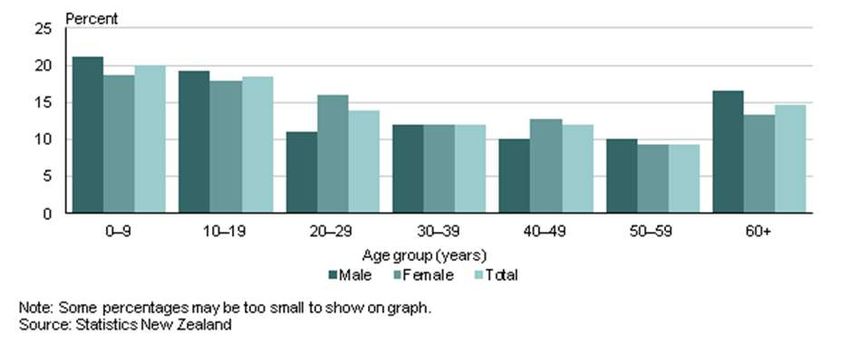
Most notable is the decline in Tapuika te reo speakers aged 60+years, which reflects the increased
number of ‘baby boomers’ who are now considered koeke but have not the command of the
language to take up their role as koeke, kuia karanga on Tapuika marae.
At the opposite end of the scale Tapuika tamariki, rangatahi aged 0-20 years are more likely to
korero Maori. The Tapuika reo strategy should be adjusted to focus on te reo programs for the
pakeke and koeke age group

STATEMENT OF INTENT 2018/2021 - JUNE 2018                                                            11
Matauranga: Tapuika 15 years +
69.2% Tapuika hold a formal qualification
Includes 14.9% with Bachelor’s degree or higher
74.8% Tapuika women hold a formal qualification
61.8% Tapuika men hold formal qualification
30.8% Tapuika with no formal qualification
Tapuika Tau Waenga Whiwhinga Moni:
Median income $19,800 (NZ Maori
$23,700)
Median income men $21,300
Median income women $19,200
50.5% earn $20,000 pa
7.1% earn $70,000 + pa
56.6% income from salary/wages
STATEMENT OF INTENT 2018/2021 - JUNE 2018 12Tapuika Hunga Kore:
Table 3: Tapuika Unemployment 2013
Those Tapuika most vulnerable to unemployment are aged between 15 – 24 years with
unemployment rates for this group 45% males, 50% for females which significantly impacts on the
Tapuika median income of $19, 800. Total unemployment 20% is higher than NZ Maori
unemployment rate 10%.
Therefore the platform to reduce unemployment and poverty must begin at an early age with
education initiatives focused on the 7-12 year age group. Employment initiatives must also begin
from an early age 10 – 14 years.
STATEMENT OF INTENT 2018/2021 - JUNE 2018 13Nga Whare Noho o Tapuika
Home Ownership:
Rental Accommodation
28.1% owned or partly owned their own home 52%
lived in rental accommodation of those;
Majority (50%) homeowners aged between 50-59 years 77%
rent privately
Only 7.3% aged 20-29 years owned or partly owned 18%
rent from Housing NZ
their own home
Weekly Rental
Table 4: Tapuika Weekly Rental Costs 2013
% Tapuika Rent ($) per week
10.9 $400+
STATEMENT OF INTENT 2018/2021 - JUNE 2018 14Tapuika Oranga Priorities & Outcomes
Table 5: Tapuika Priorities & Outcomes 2018 - 2021
Oranga Whakaarotau Matua tūtuki – (Key Tukunga Iho
Waehanga (Priorities) Results) (Outcomes)
Oranga tuku iho Strengthen Tapuika Increased number of Tapuika reo,
traditions and reo speakers marae, customary
customary practice Number of marae traditions and
complying with fire practice
safety & building flourishing
code Waahi tapu
Number of expert safeguarded from
practitioners in desecration
Tapuika traditions
Ongoing protection
of waahi tapu
Oranga tangata Reduce Number of training Well educated,
unemployment & employment highly skilled and
Increase income apprentice initiatives well paid Tapuika
levels supported workforce
Improve housing Number of Majority of
standards and education initiatives Tapuika own
affordability supported their own home,
Initiatives to increase unit
affordable housing
Oranga taiao Ensure ongoing Mana Whakahono Tapuika
participation in Agreement kaitiakitanga over
resource negotiated Te Takapu o
management Water quality & Tapuika
decisions water allocation acknowledged by
monitoring reports local government
received
Sensitive land
reports received
Oranga ohaoha Research Undertake Platform for
initiatives that research into Tapuika
generate viability of natural sustainable
sustainable income products (honey, economic base
hemp, native established
herbs)
STATEMENT OF INTENT 2018/2021 - JUNE 2018 15STATEMENT OF INTENT 2018/2021 - JUNE 2018 16
Financial
Budget 2018 - 2021

STATEMENT OF INTENT 2018/2021 - JUNE 2018   17
You can also read


