Studying at Art & Design College is different, it is about learning through making, through doing and through creating. It is about thinking for ...
←
→
Page content transcription
If your browser does not render page correctly, please read the page content below
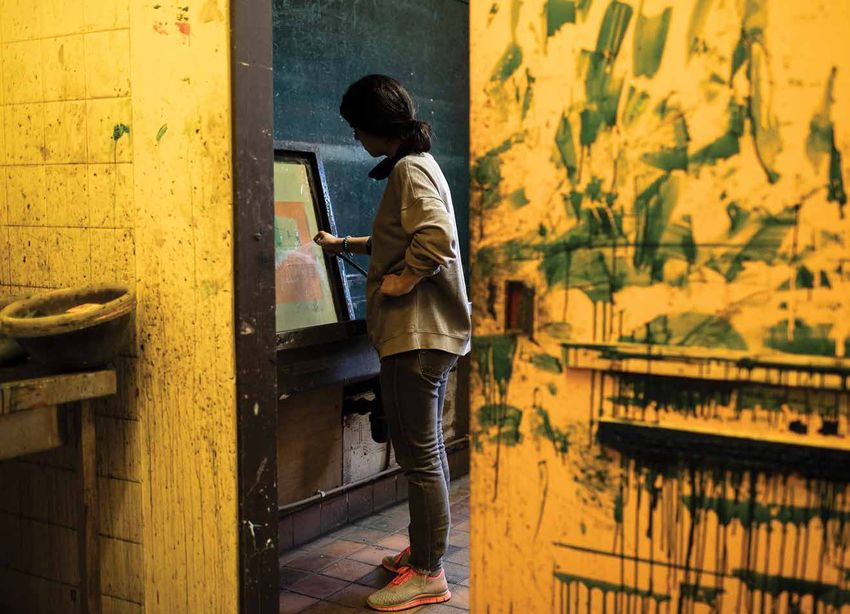
Studying at Art & Design College
is different, it is about learning
through making, through doing
and through creating. It is about
thinking for yourself and helping
you create a better world.

  2019/20
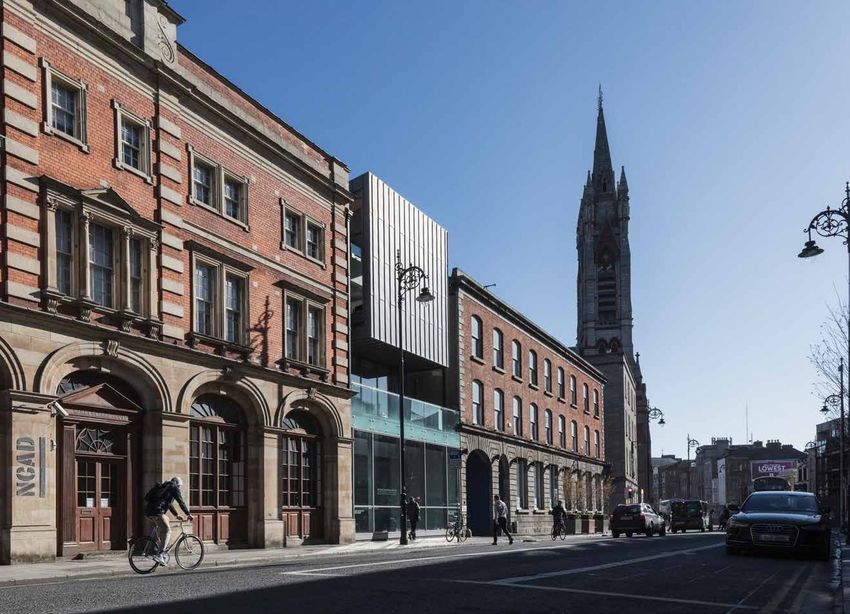
Admissions Office,                 This book has information on what you can study at NCAD,
National College of Art & Design
100 Thomas Street,                 how to apply and what you can expect when you get here.
Dublin 8, Ireland.

Tel: 353 (0)1 636 4200             The National College of Art & Design,
Fax: 353 (0)1 636 4207
admissions@ncad.ie                 Dublin, is Ireland’s leading provider of
                                   art and design education. Our campus
www.ncad.ie

                                   on Thomas Street in Dublin’s historic
                                   city centre is home to a community of
                                   1,500 undergraduate, graduate and
                                   part-time students engaged in a wide
                                   range of study and research across the
                                   disciplines of Design, Education, Fine
                                   Art and Visual Culture. NCAD has been
                                   the most significant provider of Art &
                                   Design education in Ireland for over 250
                                   years and is a Recognised College of
                                   University College Dublin.

                                   NCAD drives radical and creative
                                   innovation through excellence in
                                   research-led art and design education.
                                   It empowers its students to shape the
                                   contemporary world through critical
                                   practice, studio-based learning,
                                   research and engagement.
                                   NCAD Mission Statement 2017-2020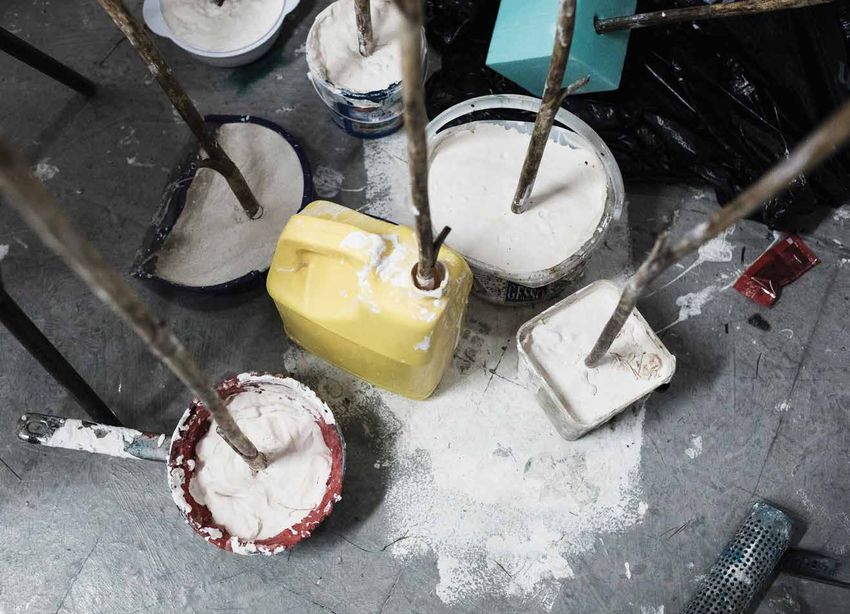
Welcome to NCAD        NCAD is one of Ireland’s foremost creative and cultural institutions.
                       Since taking up the role of Director, I have experienced the creative
                       energy of the campus and am proud to be part of a community
                       dedicated to creating a rich and lively learning environment for
                       all students.
                       		       NCAD is a special place, walking through the blue arch on
                       Dublin’s Thomas Street brings you to a unique campus of studios,
                       workshops and learning spaces where the community of students
                       and staff are engaged creatively in exploring and understanding the
                       world. Our studio-based approach to teaching and research creates
                       the environment for critical enquiry, radical experimentation and
                       creative learning, helping our students and staff to address many
                       of the real challenges confronting society, culture and contemporary
                       business.
                       		       NCAD is a creative community, and one of Europe’s leading
                       higher education institutions for visual disciplines. For over 270 years
                       NCAD has represented excellence in art and design education. Our
                       role has continually evolved to reflect the needs of community and
                       industry, enabling NCAD to imagine future possibilities and shape
                       the world around us.
                       		       Studying at Art & Design College is different. It is about
                       learning through practice and research, through making, through
                       doing and through creating. NCAD has always had critical practice
                       at the heart of its curriculum. Our graduates, whether in Design, Fine
                       Art, Education or Visual Culture are equipped to approach situations,
                       questions or challenges through a process of creative thinking that
                       they learn while students here. They are well qualified to bring their
                       creativity and skills to many different careers when they leave NCAD,
                       and NCAD graduates have gone on to make their mark in many areas
                       of the economy and society.
                       		       Whether you are considering your options for studying at
                       third level for the first time or looking for a place to continue your
                       studies at masters or doctoral level, thank you for considering NCAD
                       and I look forward to welcoming you in 2019.
                       		       It is a great privilege to be part of the journey that is NCAD.
                       Together with students and staff, I look forward to being part of the
                       college’s many achievements and successes still to come.

                       		 Sarah Glennie – Director, NCAD

                  04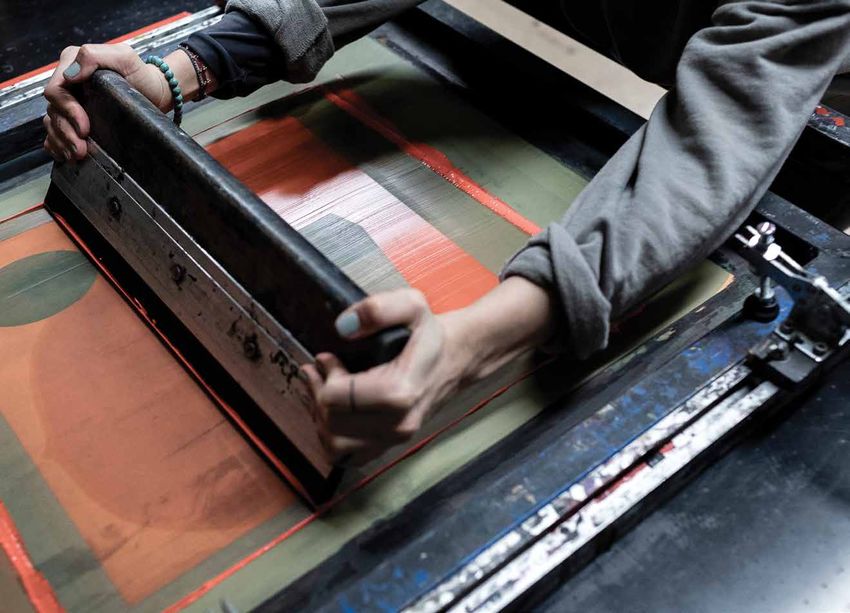
Contents

     2019/20                                         Study at NCAD – 32
                                                     First Year Studies – 34

                                                     School of Design – 40
                                                     Why Study Design at NCAD? – 42
                                                     Fashion Design – 44
                                                     Graphic Design – 46
                                                     Illustration – 48
                                                     Moving Image Design – 50
                                                     Jewellery & Objects – 52
                                                     Product Design – 54
                                                     Interaction Design – 56
                                                     Textile & Surface Design – 58

                                                     School of Fine Art – 62
                                                     What is Art? –64
                                                     Media – 66
                                                     Painting – 68
                                                     Print – 70
                                                     Sculpture – 72
         Mission statement                           Applied Material Cultures:
                                                     Ceramics & Glass – 74
         Welcome, Sarah Glennie – 04                 Textile Art & Artefact – 76

         Academic Pathways – 10                      School of Visual Culture – 80
         Undergraduate Pathways:                     Visual Culture – 82
         Studio Pathways                             Critical Cultures – 84
         Studio+ & International Pathways
         Critical Cultures                           School of Education – 88
         Visual Culture                              Design or Fine Art & Education – 90
         Education Pathway                           CEAD – 92
         Part Time Pathways
         Graduate Pathways                           Graduate Programmes – 94
                                                     MA Interaction Design – 96
         Beyond the Campus : Building your           MSc Medical Device Design – 98
         career – Studio + / Visual Culture + – 16   MA Communication Design –100
         NCAD’s Alumni Network– 19                   MA Product Design – 102
                                                     MA Design for Body & Environment – 104
         Why Dublin? Why Ireland?                    MA Service Design – 106
         Why NCAD? – 24                              MFA Fine Art/MFA Digital Art – 108
         Spaces to Make, Reflect, Innovate           MA/MFA Art in the Contemporary World – 110
         & Create – 26                               MA Design History & Material Culture – 112
         Career Employability & Real World           Professional Master of Education – 114
         Learning – 27
         NCAD Graduate Exhibition – 28               Additional Information – 118
         Get involved and make a difference :        Making an Application – 120
         Access & Out Reach – 29                     Application Procedures – 121
                                                     Minimum Entry Requirements – 122
                                                     Finance and Fees – 126
                                                     Student Support – 128
                                                     Events & Information – 130
                                                     Important Dates for Applicants – 131
                                                     Gallery map of Dublin – 132
                                                     Enquiries – 134

06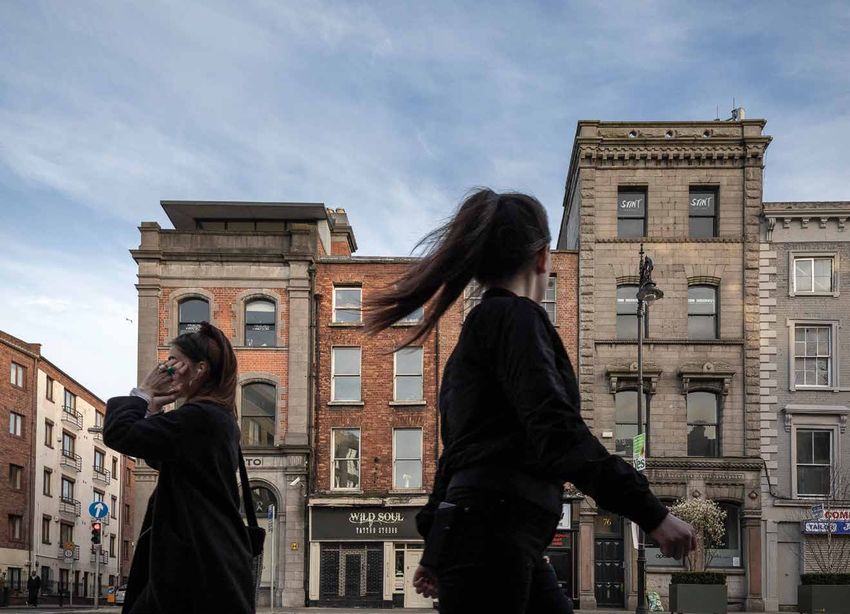
08

Academic Pathways        Context is important. NCAD is an independent specialist art and
                         design college offering the full spectrum of art, design and craft
                         disciplines. The campus has a rich history and supports a rich and
                         exciting atmosphere at undergraduate and postgraduate level.
                         		 As an undergraduate student in NCAD your tutors will be Ireland’s
                         leading artists and designers. At NCAD we cultivate disciplinary exper-
                         tise in our students, built upon a shared curriculum within the first year
                         that lays the foundation for independent critical thinking in relation to
                         the world beyond College and disciplinary assumptions within College.
                         		 Research and conceptual development are at the heart of the
                         learning experience in NCAD, and our graduates combine individual
                         creativity and vision with a capacity to work collaboratively across a
                         wide range of real-world settings.
                         		 NCAD offers the widest range of specialist and interdisciplinary
                         art and design Masters programmes in Ireland. At this level, the learn-
                         ing experience is about deepening your expertise and cultivating your
                         place within a peer community. Within these programmes nimble
                         thinking, criticality and rigour are key to the development of your
                         practice and your participation in a research-led culture within the
                         College. As a PhD student at NCAD we expect, and aim to foster,
                         depth of understanding and rigour in analysis and critique at the
                         cutting edge of contemporary practice, be that in Fine Art, Design,
                         Visual and Material Culture, Design History or Art and Design Education.
                         We aim to support you in developing your leadership-capacity within
                         a research-led culture and community in and beyond the College.
                         		 Whether you are just beginning your journey in Art & Design or
                         continuing your studies, the research-led creative education on offer
                         at NCAD will situate you and your practice at the cutting-edge of
                         contemporary culture.

                         		 Dr. Siún Hanrahan – Head of Academic Affairs & Research

                    10
Undergraduate   At NCAD we believe that finding the right pathway is an     Studio Pathways
                important part of the transition into third level art and   One of the strengths of NCAD is that it offers a broad
Pathways
                design learning. The first year of the undergraduate pro-   range of studio pathways to choose from that reflects
                gramme at NCAD is about discovering the studio path-        the spectrum of contemporary art and design practice.
                way that is right for your individual goals and abilities   The spectrum runs from traditional techniques and
                and it offers opportunities to further explore and expand   crafts to digital art and digital design and everything
                that pathway as you go through your time at NCAD.           in-between. With such a broad range of pathways the
                                                                            College can offer, through its curriculum, opportunities
                                                                            for cross-disciplinary activity and peer learning where
                                                                            students can benefit and learn from all they have in
                                                                            common as well as all the ways they differ.

                                                                            Studio+ & International Pathways
                                                                            Studio+ is new and unique to NCAD. Studio+ is an option
                                                                            open to all Fine Art ,Design and Visual culture students
                                                                            to take an extended four year degree that gives you
                                                                            the opportunity between your second and final year to
                                                                            engage with the world beyond NCAD by gaining practical
                                                                            work experience in the form of internships and industry
                                                                            placements on live commercial, social or community
                                                                            projects. Studio+ can also include a work placement
                                                                            abroad or a study abroad period through the Erasmus
                                                                            programme with internationally recognised art and
                                                                            design faculties partnered with NCAD. Students who
                                                                            choose Studio+ will complete a 4 year BA in Design,
                If you already know what area of art and design you         Fine Art or Visual Culture or a 4 year BA (International).
                wish to study we want to support you in that choice
                and you can select that area at point of entry. If you
                wish to remain open and explore the range of possibili-
                ties offered in NCAD you can choose the Common
                Entry route and make your choice during the First
                Year. The first semester is an interdisciplinary period
                of exploration and discovery that all First Year art and
                design students engage in. All students will have the
                opportunity to confirm their pathway at the start of
                the second semester, before moving to a period of
                working in your chosen discipline during the second
                semester. The important thing is that you are on the
                right pathway for you and we will support you in
                making and confirming your choice.

                                      12
Critical Cultures                                              Education Pathway
Being able to research, analyse, talk and write about art      By selecting an Education pathway you can qualify to
and design, and being able to place your own practice in       teach art and design at second level schools along with
the context of the wider culture are key skills and form       qualifying in your chosen area of art or design. Students
a vital part of the education at NCAD. This part of the        on an Education Pathway choose the area of art or
curriculum is called Critical Cultures and embraces not        design they wish to specialise in at the end of the first
only the output of celebrated artists and designers but        semester in First Year. This pathway takes four years
also forms of anonymous design and popular culture.            and leads to a Joint honours degree in Education and
Every student at NCAD studies Critical Cultures as part        either Art or Design.
of their degree. For those who wish to extend their knowl-
edge and skills further, it is possible to select additional   Part Time Pathways
modules making Critical Cultures a minor subject as part       It may be that full time education is not possible for
of your degree. This leads to a degree in your chosen area     you at this time in your life, NCAD through its CEAD
of art or design along with Critical Cultures.                 programme (Continuing Education in Art & Design) has
                                                               a range of part time courses in art & design which can
                                                               be taken over the course of a number of years and lead
                                                               to a level 7 certificate or diploma. Many students who
                                                               take the part time option go on to enter year 2 of the
                                                               full time degree programme.

Visual Culture
Visual Culture is an emerging discipline which combines
aspects of Art and Design History and Cultural Studies.
At NCAD it can be taken as a focused programme of lec-
ture and seminar based study and leads to a full BA Hons
degree Visual Culture. Students can graduate after three       Graduate Pathways
years with a BA Hons degree or can extend their studies        NCAD offers a range of masters and PhD degree pro-
for a year by taking on additional International study or      grammes catering both for students who wish to further
work placements through Visual Culture+ programme.             specialise in the area of their undergraduate degree
                                                               as well as practitioners and professionals who wish to
                                                               extend their knowledge and skills into a new or related
                                                               area. There are many exciting projects that link NCAD
                                                               to the very latest in research and professional practice
                                                               in the fields of Design, Fine Art, Education and Visual
                                                               Culture.

                      14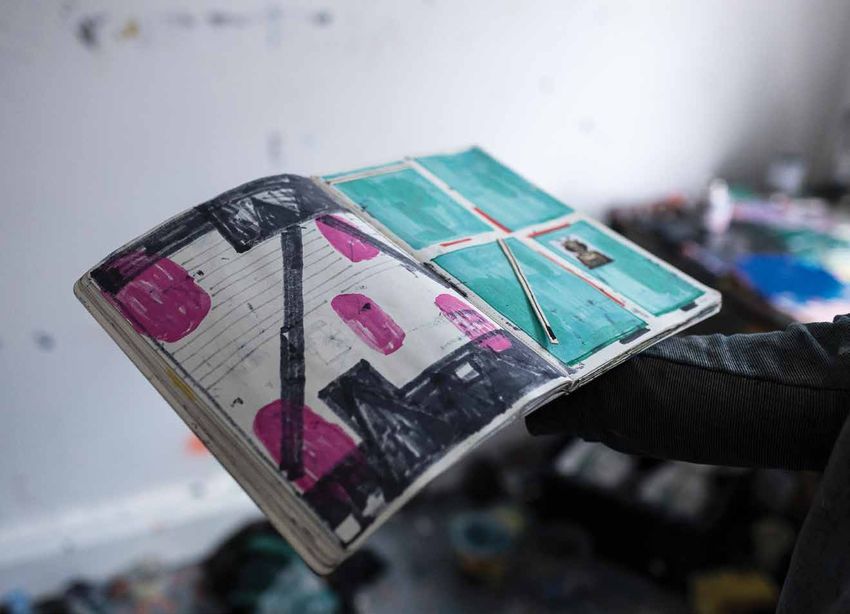
Beyond the      At NCAD we believe that creativity is at the heart of an entrepre-    Studio+ / Visual Culture+ Module Options (2018)
                neurial and innovative economy. NCAD degrees are designed to
Campus
                interact with the real world of Design, Fine Art, Education and the   Design Industry Internship (based in industry)
                wider cultural and creative industries.                               (30 credits) Design Studio +
Building your
career          Studio+ | Visual Culture+                                             The School of Design continues to expand its network
                The Studio+ year is an additional optional year of study              of industry partners which include high-profile interna-
                open to undergraduate students in Design, Fine Art and                tional brands as well as locally-based companies
                Visual Culture ( Visual Culture +) . It is an exciting oppor-         such as:
                tunity to combine accredited work and/or study place-
                                                                                          Primark, Dublin
                ments to build a bespoke learning experience in line
                                                                                          Preen, London
                with your particular skills and ambitions.                                Designgoat, Dublin
                		        Immersed in real-world work environments you                    Perch, Dublin
                                                                                          Aideen Bodkin Design, Dublin
                will learn the skills and expertise to engage creatively
                                                                                          Nypro Medical
                with community and civic society and develop your                         PVH, Amsterdam
                practice across a range of commercial, cultural and                       Vestability

Studio +        social settings.                                                          Beach London

                                                                                      Design Bureau ( based in NCAD )
                                                                                      (30 credits) Design Studio+

Visual                                                                                A research-driven, campus-based studio managed
                                                                                      and operated by students from across NCAD’s School

Culture +                                                                             of Design. Working on live industry and social projects,
                                                                                      students are in a constant state of learning and
                                                                                      experimentation. Clients include:

                                                                                          Butlers Chocolates
                                                                                          Audi International Film Festival
                                                                                          Agri-Kids

                                                                                      Design Engineering at UCD
                                                                                      (30 credits) Design Studio+
                                                                                      NCAD Product Design students can undertake a
                                                                                      semester within the School of Engineering at UCD
                		       Accredited work and study programmes can                     to develop technical skills and a firm foundation in
                be undertaken locally, including within NCAD design labs              design engineering. Modules include:
                and micro studios, or with industry and educational
                                                                                          Mechanical Engineering Design
                partners internationally. Your tutors will guide you
                                                                                          Medical Device Design
                through the range of modules and options available                        Materials Science & Engineering
                and will help you in your decision.                                       Professional Engineering Management
                                                                                          Technical Communications
                		       How it works - During the course of your second
                year you will be asked if you wish to participate in the
                                                                                      Micro Studios
                Studio+ /Visual Culture+ year. Towards the end of the
                                                                                      (30 credits) Fine Art Studio+
                year you will be asked to choose from a selection of
                                                                                      Based off-campus with access to NCAD technical
                modules over the course of two semester to make up
                                                                                      facilities, you will work collaboratively through a micro
                60 credits in total for the year. The following were the
                                                                                      studio exploring national and international studio
                options open to students for 2018/19 and give an idea
                                                                                      models to build a structure and momentum that
                of what is on offer.
                                                                                      nourishes your creative work.
                                          16
Art with Health & Well-being                              Radio NCAD – a New Media Platform
                                             (30 credits)) Fine Art Studio+                            (30 credits) Design Studio+ Fine Art Studio+ Visual Culture+
                                             Working within the purpose-built Creative Life Studio     Supported by media professionals, you will join
                                             at Mercer’s Institute for Successful Aging (MISA),        students from across the college to create a live
                                             St. James’ Hospital, you will be granted privileged       podcasting platform accessible to listeners anywhere
                                             access to develop artwork in relation to the hospital’s   in the world. You will develop production and software
                                             patients, staff and environs.                             skills as well as confidence in editing, recording and
                                                                                                       content development.
                                             Residency with Artists in Research Environments
                                             (30 credits) Fine Art Studio+
                                             An Artist in Residence Programme at Parity Studios,
                                             UCD. Based in an art studio within UCD’s School of
                                             Architecture, you will have opportunity to connect with
                                             different knowledge bases and develop work as part
                                             of a wider research-intensive environment.

Studio +                                     Communities of Interest and Place - Red Rua/F2 Centre,
                                             Rialto (30 credits)) Fine Art Studio+
                                             Based in the F2 Centre at Rialto or Rua Red Art
                                             Centre Facility in Tallaght, you will develop artwork

Visual                                       that responds to people and place. Both sites offer
                                             the potential to engage with visiting artists and
Culture +                                    exhibitions as well as aspects of curation and arts
                                             management.
                                                                                                       International Study & Traineeships/Erasmus
                                             Visual Culture Studies                                    ((30/60 Credits) Design Studio+ Fine Art Studio+ Visual Culture+
                                             (30 credits) Design Studio+ Fine Art Studio+              The option to add an international dimension to your de-
                                             Develop your writing, research, presentation skills       gree. Apply for a full academic year abroad or combine
                                             and acquire a deeper knowledge of art and design          one semester exchange or traineeship with modules
                                             history and theory. Elective modules or specialist        from Studio+ / Visual Culture+ for the other semester.
                                             lectures include: The History of Modernism in Art         Students who accumulate 240 ECTS credits over 4 years
                                             and Design since the late C19th, Digital Culture          of undergraduate study (with a minimum of 30 ECTS
                                             Today or short term placements in arts organisations      credits taken abroad) are awarded a BA in Fine Art,
                                             by negotiation.                                           Design or Visual Culture (International).

                                             Visual Culture + Internships                              NCAD’s Alumni Network
                                             (30 credits) Visual Culture+                              Alumni NCAD graduates are an enterprising, innovative
                                             Semester-long placements within a museum, gallery,        and creative group, many of whom have gone on to forge
                                             archive or commercial design company offer an             successful careers across a range of disciplines and
                                             opportunity to work alongside professionals on real       with world famous organisations. Graduates of NCAD
                                             projects and operations to learn how your interests       automatically become a member of the NCAD Alumni
                                             translate in a commercial or cultural setting.            network. As part of the Alumni you will be able to keep
                                                                                                       in touch with fellow graduates and initiatives they are
                                                                                                       involved in, as well as with developments and initiatives
                                                                                                       in the College.
For more information on Studio+
ncad.ie/students/studio-and-visual-culture

                                                                   18
20
22
Why Dublin? Why Ireland? Why NCAD?        Dublin is a special place to create, engage, explore and learn. Dublin’s
                                          rich cultural heritage and thriving arts and design scene, combined with
                                          inspiring natural landscape on its doorstep, create a unique place to
                                          study. Dublin is a vibrant and multicultural city, with the youngest and
                                          finest educated population in Europe.
                                          		        Literature, theatre, live music, and contemporary art all blend
                                          together to form Dublin’s rich creative culture. Small cutting-edge
                                          galleries, creative studios and hubs, and national museum and
                                          institutions like IMMA and the newly restored National Gallery of
                                          reland, provide an inspirational resource and platform for Dublin’s
                                          vibrant community of artists, makers and designers.
                                          		        Dublin is also where some of the world’s biggest and best
                                          companies have located key, strategic design research facilities, help-
                                          ing make Ireland the fastest growing economy in the European Union.
                                          And in Ireland, you’ll find a unique entrepreneurial ecosystem that sees
                                          our innovative graduates and researchers working hand-in-hand with
                                          small home-grown and start-up companies as well as international
                                          creative industries, leading brands and creative multinationals.
                                          		        By choosing NCAD you will enjoy studying at a globally
                                          recognised art college, and the number 1 ranked Art and Design institu-
                                          tion in Ireland. Our degrees are accredited by University College Dublin,
                                          ranked in the top 1% of the world’s universities.
                                          		        NCAD is located on Thomas street right in the heart of historic
                                          Dublin on a site that was an old Whiskey distillery. The immediate area
                                          of NCAD, Thomas Street, Francis Street and Meath street are vibrant
                                          streets full of shops, markets, street traders, quirky cafés, small
                                          galleries, churches and vintage shops.
                                          		        The campus itself is a beautiful mix of old buildings, industrial
                                          heritage and contemporary additions. It is a place where the names
                                          of the lecture theatres, studios and workshops reflect the 200 year
                                          heritage of the campus as a whiskey distillery as well as the 270 year
                                          heritage of the College - the Granary, the Kiln room, the Clock Tower,
                                          Harry Clarke, Sybil Connolly, Noel Sheridan. More recently the library
                                          has been renamed after Edward Murphy who came to work as a
                                          librarian in NCAD in the 1970s and made it his life work to build a
                                          world class collection of books and material related to Visual Art
                                          and Design, he succeeded.
                                          		        NCAD is home to students from over 40 countries, creating
                                          a culturally rich community, populated by people with curious and
                                          creative minds, who love to challenge, debate, imagine and create.
                                          We look forward to welcoming you to NCAD, Dublin and Ireland.

                                     24
Spaces to NCAD offers an extensive range of studios, workshops Spaces to Edward Murphy Library
and equipment, creating a vibrant and creative learning Ireland’s leading art and design library with an extensive
environment. Working in a studio is what sets art and collection of material relating to 19th, 20th and 21st
Make, Reflect, design education apart from other types of learning,
Research, century art, design and visual culture.
Innovate encouraging creative development and peer learning. Talk, Eat, &
& Create From First Year on, students on an art or design Socialise… National Irish Visual Arts Library (NIVAL)
programme in NCAD are all given a studio space. This A research library of international importance which
space becomes your base for the year and your home documents the work of Irish artists and designers from
from home, the centre of your working life as a student. 1900 to the present day.
Visual Culture students who are not based in a studio
have a ‘Home Room’, a communal space to gather The NCAD Gallery
together, chat, relax, work and plan. Provides a space to support contemporary practice
At NCAD you will find workshops for working and critical debate in visual arts and in design-facing
with wood, metal, ceramics, glass and textiles, for out onto Thomas Street there is always something of
traditional and digital print on paper and fabric, interest to see.
for knitting, weaving and sewing, for book binding,
preparing canvases, film editing, prototyping products The Luncheonette
and 3D printing. All our workshops are supported by NCADS’s cafeteria is run by Fine Art Graduate Jennie
experienced specialist technicians. Moran, offering food to sustain and restore in a beautiful
environment.
Ceramics:
Mould making, casting, glazing and firing kilns.
Computer Aided Manufacture:
3D printers and Laser cutter.
Fashion:
Cutting tables and a variety of specialist sewing machines
and finishing equipment
Glass:
‘Hot Shop” for blowing, fusing and casting. Cold workshop
for cutting, shaping, grinding, polishing and sand blasting.
Graphics:
Distillers Press, Ireland’s only traditional letterpress facility,
book binding, digital printers and risograph.
Media:
Editing suite.
Metal:
Jewellery making, metal fabrication, machining and welding.
Print:
Screen printing, litho printing, digital printing and etching.
The Student Concourse
Textiles:
The centre for student union social and other activities.
Flatbed screen printing, dye lab, digital textile printer,
a range of industrial and domestic knitting machines in a range Here an antique plaster cast of the statue of Laocoon
of gauges, weaving looms and embroidery machines. holds pride of place, having survived the student pro-
Wood and Plastics: tests of ’69 and the iconoclastic smashing of the antique
Machine shops with hand power tools, lathes, drills and routers. plaster collection, and travelled from NCAD’s former
Plastic and foam fabrication equipment and vacuum formers,
home in Kildare Street to the Thomas street campus.
and fabrication spaces for prototyping.
Red Square and the garden for taking time out
and for relaxing on sunny days.
26Graduate The annual NCAD Graduate Exhibition is the major Get Involved At NCAD we are passionate about raising aspiration
event in the college’s exhibition calendar, as well a key and creating meaningful opportunities of engagement
Exhibition
moment annually in the cultural life of Dublin. It presents for young learners, mature learners and those with
an opportunity for all graduating students to showcase
Make a disabilities and other learning support needs. Access
their talents as they emerge from the campus environ- difference: is embedded across NCAD and in particular the School
ment to embark on their career. Access & of Education.
Outreach NCAD students facilitate the Artist Mentoring
Project and the Primary School Access Programme,
becoming mentoring role models to young participants
from our linked schools. Other cross college projects
include Access Day, whereby every Department offers
experiential workshops and the Student Shadowing
Programme, giving two days studio immersion to visiting
fifth-year pupils. Our pre-entry outreach programme has
many layers, as we work with 30 local primary schools
and after-school homework clubs and 32 secondary
schools across Dublin. More recently, in partnership
with sponsors Kennedy Wilson, we have extended our
support to access graduates through The Clancy Quay
Studio space.
Our remit is to work with schools that have a des-
ignated disadvantaged status and we have developed
strong links with our partner school principals and art
and design teachers. We collaborate with local and
The Graduate Exhibition is a 10-day event marking the national arts and community organisations, including
end of the academic year and the beginning of summer. Tallaght Community Arts, the Digital Hub Development
Graduating students from all areas including Fine Art, Agency, IMMA and the Hugh Lane Gallery. This collabora-
Design, Education and Visual Culture have the opportu- tive approach focuses on programme and project devel-
nity to participate. The show is widely publicised across opment and allows us to increase our reach and engage-
media channels, the show previews and opening night ment with young people who are interested in art, design
in particular attracts influential visitors from industry, and digital media. We are always open to exploring
social and civic society, arts and cultural agencies as opportunities for collaboration and welcome the chance
well as local and national government bodies. to discuss ideas with teachers, community organisations
Student work exhibited at the Graduate and other art and design professionals working with
Exhibition consistently features on high-profile awards young people.
lists and has been purchased for various public and As a student at NCAD you will have an opportu-
private collections. nity to get involved in our programme and become part
of our outreach on one of our many projects. If you are
interested please contact the Access Office, we look
forward to meeting you.
For information contact: Finola Mc Ternan
Access Officer – mcternanf@staff.ncad.ie
2830
Study at NCAD

                32
Your journey On entry to NCAD, no matter what pathway you are
registered on you will be instantly immersed in an excit-
starts here …
ing and unique interdisciplinary programme where art
and design students work side-by-side and together to
explore and discover the wide range of pathways open
to them. Taught and guided in the studio by both art and
design practitioners, you are encouraged to engage in
an open and experimental research process in a manner
that helps ensure that you enter the pathway that is best
suited to your individual goals and abilities.
This common experience across the disciplines
gives you, as an NCAD student, a unique opportunity
to develop a deeper understanding and appreciation of
the 14 different art and design specialisms now available
in NCAD.
First Year Art
& Design Studies
Getting to know your peers and forming early
friendships before you enter your specialist field, you
can lay the foundations for future collaborations across
the disciplines in our increasingly diverse artistic
cultural industries.
The First Year Art & Design Studies programme
includes a wide range of teaching approaches including
workshop demonstrations, tutorials, visiting lectures,
seminars, gallery, museum and location visits, comple-
mented by programmes in Professional Practice and
Critical Cultures. We look forward to welcoming you
to NCAD.
Mary Avril Gillan
Head of First Year Art & Design Studies
34First Year Art and Design at NCAD gives you Common First Year for all studio pathways: What will I study? The key areas of study in
options for entry into many different worlds. First Year begins with a period of inter- First Year are:
Design:
The working week is divided between studio disciplinary art and design research, observation
Fashion Design/
practice, professional practice and Critical and analysis. Your curiosity is your starting point. Observation: Descriptive, explanatory, analytical
Graphic Design/
Cultures. It is a full-time programme and runs Illustration/ You will build on the work you have already submitted and inventive skills through drawing, making and
over a five-day week. When you arrive in NCAD Moving Image Design/ as part of your portfolio and the summer sourcing recording.
you will be divided into class groupings and will Interaction Design/ project. In this first semester (half-year), art and
share the studio with a wide mix of your peers. Product Design/ design students work side-by-side and together to Materials: Development of the physical and
Textile & Surface Design/
This is a great opportunity for you to experience explore and discover the wide-ranging possibilities aesthetic behaviour of a wide range of materials.
/Jewellery & Objects
diversity in art and design thinking and working open to them. This open and playful exploration
methods, and to discover your particular Fine Art: combined with expert staff advice will help you find Research: The process of gathering visual
strengths. Media/ and settle on the right pathway for your individual information in relation to topics of inquiry.
Painting/ goals and abilities.
Sculpture/ The second semester (half-year) is Processes: The use of innovative and traditional
Print/
School based and students divide into the Art or techniques and equipment in the stimulation and
Ceramics & Glass/
Design Schools depending on their degree choice. development of ideas.
Textile Art & Artefact
This time will be spent working on projects that will
help you choose your degree discipline. You will then Professional Practice: Time management, library
spend some time studying in the Department sup- and research skills, organising and presenting work,
porting your chosen degree specialisation where you peer learning, development of an individual body
will undertake a series of skills acquisition projects of work.
and self-directed work.
Critical Cultures: In this part of the course you will
study the connections between history, theory and
practice in modern and contemporary contexts, in
First Year Art
order to become critically engaged, reflective and
an effective practitioner. See page 84.
& Design Studies
How will I be assessed?
Assessment throughout the
programme, in your studio practice, professional
practice, and Critical Cultures, will be on a continuous
basis, at the end of each completed project/module
and at the end of each semester (half-year). Formal
assessment results will be issued at the end of
each semester in the academic year. Modes of
assessment will include practical and written
If you have chosen your degree pathway, assignments, oral and visual presentations,
you will go through the same common First Year, the portfolios and exhibitions.
difference being that you will have chosen in advance
which degree pathway you will take. If you have not What happens at the end of
chosen in advance which degree pathway you will First Year?
take, the beginning of the second semester is the At the end of First Year successful
point at which you will start to make that choice by students progress to the second year. For students
studying within the School of Fine Art or the School with a strong interest in Critical Cultures there is an
of Design. Joint Programme Education students will opportunity to choose additional modules in Critical
also decide through the course of First Year whether Cultures leading to a degree in Design or Fine Art as
their degree in Education will be in conjunction with your major with Critical Cultures as a minor. Students
Fine Art or Design and with which Department in make this choice towards the end of First Year and
Fine Art or Design in the same way as their Common acceptance onto this option is dependent on First
Entry Peers. Year results. See page 84.
3638
School of Design

                   40
Professor Alex Milton At NCAD we ensure that our design students develop
Why study Head of School of Design, NCAD
the necessary creative, technical, thinking and inter-
Design at NCAD? personal skills to become highly employable graduates,
entrepreneurs and thought leaders.
Your employment possibilities and career
development are our priorities. We seek to unlock the
potential of students’ creativity and ingenuity to address
the challenges they will face designing for the future.
Design students at NCAD start with research
concepts and questions, challenging established design
practices and assumptions to ensure that they don’t
simply play a role in shaping objects, materials and
spaces for today’s customers, but begin to define the
very nature of what society may need, want and strive
for in the future.
Coming out of the dynamic design culture
in NCAD our students have a clear understanding of
process, technique and business and we pride ourselves
on educating our design graduates to become dynamic,
individual and 100% employable.
The quality of our graduates continues to be
recognised, with students winning major awards such
as the Design and Craft Council of Ireland’s Future
Makers and International Society of Typographic Design-
ers student assessments; NCAD is being ranked in the
top 50 Art and Design colleges in Europe by the QS
World University Rankings.
Our graduates are flexible design thinkers,
adaptable to change, and able to see unique, genuine
problems as opportunities for the creation of original,
beautiful, useful and thought-provoking designs.
Following in the footsteps of our illustrious alumni, they
become the designers, thinkers and creative entrepre-
neurs that positively shape the world we inhabit.
42Fashion Design aims to educate students to BA (Hons) Fashion Design What will I study? exhibitions and events. Each year is supported by
become professional practitioners in the field NFQ Level 8 As a Fashion Design student you will a series of lectures by leading creative practitioners
of fashion and related industries. Students are learn about the design process as it applies to the and theorists, collaborative interdisciplinary
Duration:
encouraged to have an awareness of fashion fashion industry. Elements covered include visual opportunities, live industry projects, field trips
3 or 4 Years
in its social and cultural context and to bring research, drawing, design process, fashion design, and study visits.
that understanding to their work. The depart- Places: knitwear design, pattern cutting, garment con-
ment places great value on its industry and 25 struction, illustration presentation, manufacturing How will I be assessed?
professional links that give students an insight techniques and market research. There is a focus on Assessment throughout the pro-
Application:
into real-world commercial requirements. understanding fashion in context and students will gramme, in both your studio practice and in
CAO course codes:
Emphasis is placed on developing informed, undertake field research, trend analysis, customer Critical Cultures, will be on a continuous basis,
A211 Fashion Design
creative designers, who are prepared for the AD101 First Year Art and Design (Common Entry) profiling and branding within a wide range of contexts at the end of each completed module and at the
needs of industry. for the fashion industry. There is opportunity to link end of each semester (half-year). Formal assessment
Entry Requirements: with industry partners on live collaborative projects. results will be issued at the end of each academic
Leaving Cert: 6 subjects, 2 X H5 and 4 X O6/H7 Students will also be able to develop links with year. Modes of assessment will include practical and
Subjects must include Irish, English and
historical fashion and material culture through the written assignments, oral and visual presentations,
one of the following: a third language or
practical application of visual culture research. portfolios and exhibitions.
Art of Design & Communication Graphics (DCG)
QQI/FETAC: Level 5 or Level 6: Year 1
5 Distinctions, Full Award The first year experience for BA stu-
dents at NCAD begins with a foundational semester
A Level/ GCSE: 2 X A Levels at C+ and
of interdisciplinary Art and Design creative practice
4 X GCSE Ordinary or AS level subjects
AD101 / AD211
and research. In the second semester all Design
to include English and Art
or a second language students undertake 6 weeks of projects spent within
your chosen design department. This is to give you
Portfolio Requirement: a working taste of your chosen discipline and/or
Portfolio submission by Friday 8 February 2019 those that you are interested in. The second half
in line with NCAD Portfolio Submission Guidelines.
of Semester 2 introduces students to key process-
For further details please go to: ncad.ie/study-at-ncad
Fashion Design
es and practices in your chosen design discipline,
Degree awarded: encouraging the creative and critical development
BA Fashion Design /BA Fashion Design of a personal practice and introducing fundamental
( with Critical Cultures) disciplinary design and technical methods. Critical Cultures
BA Fashion Design (International) A key component of your curriculum
Year 2 in every year is the study of Critical Cultures. This is
The focus in the second year is on where you study the connections between history,
developing a personal visual language and the skills theory and practice in modern and contemporary
necessary to translate this into successful fashion contexts in order to become a critically engaged,
design practice. You will also focus on researching reflective and effective practitioner. See page 84.
and defining a specific audience and developing a
market understanding through professional practice. Opportunities after graduation
As a consequence of the range of skills
Year 3: Studio+ & International acquired, Fashion Design graduates from NCAD
Studio+ is an optional year open to can be found in all areas of the fashion industry. The
all Design students allowing you to engage with programme provides graduates with the knowledge
the world beyond NCAD by gaining practical work and skill to design and make collections, either
experience in the form of internships and industry independently or as part of a team in design studios.
placements on live commercial, social or community As well as designing in-house for international
projects. Studio+ can also include a work placement designer brands, graduates work globally at all levels
abroad or a study abroad period through the Erasmus of the industry, from performance sportswear to
programme with internationally recognised art and major international high-street brands. Some have
design faculties partnered with NCAD. Students who set up their own design/manufacturing business.
choose Studio+ will complete a 4 year BA Fashion Others have diversified into specialist areas such
Design or a 4 year BA Fashion Design (International). as knitwear, illustration, menswear, children’s wear,
Please see page 16 for further information on Studio+ millinery, footwear design, accessory design, design
/Erasmus and International Study. management, journalism, fashion teaching, fashion
styling, retail, merchandising, buying, forecasting,
Final Year and costume design for film, theatre and television.
In the final year students are ready to Increasingly, graduates progress to further study at
develop their own programme of study which reflects postgraduate level to refine their creative abilities
each individual’s skills and interests within fashion and approach. The School of Design offers a range
design. This will culminate in a substantial body of of innovative masters programmes, as well as a
work for assessment and display at degree shows, practice-based PhD programme.
44Graphic Design is a field rather than a discipline, BA (Hons) Graphic Design What will I study? Their studies will culminate in a sub-
and in its many forms, makes an increasingly NFQ Level 8 This course encourages the applica- stantial body of work for assessment and display at
powerful contribution to the cultural and tion of design methodologies into new and diverse degree shows, exhibitions and events. Each year is
Duration:
economic life of contemporary society. It creative remits, the outcomes of which will not supported by a series of lectures by leading creative
3 or 4 Years
exists in the public domain, is an indicator of necessarily be aesthetics or products, but more practitioners and theorists, collaborative interdis-
current cultural thinking and is a catalyst for Places: so, will be outcomes that challenge, redefine and ciplinary opportunities, live industry projects, field
social, cultural, political and economic change. 25 propose new roles for the designer and design in trips, and study visits.
contemporary culture.
Application: Our distinctive approach focuses on
CAO Course Codes:
design as a means for communicating meaningful
AD102 Graphic Design & Moving Image Design
AD101 First Year Art & Design (Common Entry) messages, gathering content, organising information,
creating and presenting narratives and experiences,
Entry Requirements: while always looking to affect change.
Leaving Cert: 6 subjects, 2xH5 and 4xO6/H7
Subjects must include Irish, English and Year 1
one of the following: A 3rd Language or
The first year experience for BA stu-
Art or Design Communication Graphics (DCG)
dents at NCAD begins with a foundational semester
QQI/FETAC Level 5/6: of interdisciplinary Art and Design creative practice
5 Distinctions, Full Award and research. In the second semester all Design
students undertake 6 weeks of projects spent within
A Level/ GCSE: 2 X A Levels at C+ and your chosen design department. This is to give you
AD101 / AD102
4 X GCSE Ordinary or AS level subjects
a working taste of your chosen discipline and/or How will I be assessed?
to include English and Art
or a second language those that you are interested in. The second half Coursework, essays, practical design
of Semester 2 introduces students to key process- projects and assessments take place at key points
Portfolio Requirement: es and practices in your chosen design discipline, throughout the year. Formal assessment results are
Portfolio submission by Friday 8 February 2019 encouraging the creative and critical development issued at the end of each academic year.
in line with NCAD Portfolio Submission Guidelines. of a personal practice and introducing fundamental
For further details please go to: ncad.ie/study-at-ncad
Graphic Design
disciplinary design and technical methods. Critical Cultures
Degree awarded: A key component of your curriculum
BA Graphic Design/BA Graphic Design Year 2 in every year is the study of Critical Cultures. This is
(with Critical Cultures) The focus in the second year is on where you study the connections between history,
BA Graphic Design (International) developing a personal visual language and the skills theory and practice in modern and contemporary
necessary to translate this into successful design contexts in order to become a critically engaged,
practice. You will focus on researching and defining reflective and effective practitioner. See page 84.
a specific audience and/or subject while developing
a market understanding through professional prac- Opportunities after graduation
tice and collaboration. Design plays a central and formative
role in shaping communities, cultures and econo-
Year 3: Studio+ & International mies. Never before has the designer been expected
Studio+ is an optional year open to to cultivate such a diverse set of skills and knowl-
all Design students allowing you to engage with edge. Our graduates will be culture creators, the new
the world beyond NCAD by gaining practical work avant garde, who develop a voice as authors engaged
experience in the form of internships and industry with identifying and solving design problems within
placements on live commercial, social or community cross-disciplinary environments. They will utilise
projects. Studio+ can also include a work placement unorthodox and experimental methods to break free
abroad or a study abroad period through the Erasmus from outdated modes of ideation and communica-
programme with internationally recognised design tion. Graduates are employed by design consultants,
faculties partnered with NCAD. cultural institutions, book and magazine publishers,
Students who choose Studio+ will multi-media and digital design companies, adver-
complete a 4 year BA in Graphic Design or a 4 year tising agencies and as in-house designers for large
BA Graphic Design (International). Please see page corporations, and public sector bodies. Opportunities
16 for further information on Studio+ /Erasmus and for graduates also exist in the fields of television,
International Study. film, and exhibition design. The knowledge and skills
gained through study of this subject are highly trans-
Final Year ferable, so graduates may find themselves working
In the final year, students are ready collaboratively with experts in a wide variety of other
to develop their own programme of extended fields.
self-directed study, which reflects each individual’s Increasingly, graduates progress to
skills and interests within the field of communication further study at postgraduate level to refine their
design. All work is underpinned by strong conceptual creative abilities and approach. The School of Design
thinking and supported by detailed ethnographic offers a range of innovative masters programmes
46 research which informs critical design outputs. as well as a practice-based PhD programme.Illustration is a powerful visual language that BA (Hons) Illustration What will I study? How will I be assessed?
defies boundaries and extends across all art NFQ Level 8 In a culturally-rich and dynamic environ- Coursework, essays, practical design
and design disciplines. Traditionally, it was ment, students will be encouraged to develop their projects and assessments take place at key points
Duration:
associated with bringing words to life in the image-making skills and problem-solving abilities throughout the programme. Formal assessment
3 or 4 Years
publishing industries and in advertising throughout the programme; whilst constantly being results are issued at the end of each academic year.
campaigns, however, through the explosion Places: challenged to create original work that is strong in
of new technologies and media, illustration 20 content and aesthetically engaging. Thorough re-
has never enjoyed such currency and is now search is an on-going necessity so that students will
Application:
encountered in every aspect of our daily lives. be able to respond to diverse and demanding project
CAO Course Codes:
briefs, guided by enthusiastic and experienced staff.
AD217 Illustration
AD101 First Year Art & Design (Common Entry)
Year 1
Entry Requirements: The First Year experience for Illustration
Leaving Cert: 6 subjects, 2xH5 and 4xO6/H7 students begins with a Semester of interdisciplinary
Subjects must include Irish, English and
Art and Design research, observation and analysis.
one of the following: A 3rd Language or
During semester 2 students work on a project in
Art or Design Communication Graphics (DCG)
collaboration with students from other areas in
QQI/FETAC Level 5/6: the Design School. The second half of Semester 2
5 Distinctions, Full Award focuses on further developing core Illustration skills
such as mark making, colour, perception, draughts- Critical Cultures
A Level / GCSE: 2 x A Levels at C+
manship and literary interpretation, providing oppor- A key component of your curriculum
AD101 / AD217
and 4GCSE Ordinary or AS level
tunities for you to experience a range of mediums, in every year is the study of Critical Cultures. This is
Subjects to include English and Art
or a 2nd Language processes and concepts. where you study the connections between history,
theory and practice in modern and contemporary
Portfolio Requirement: Year 2: contexts in order to become a critically engaged,
Portfolio submission by Friday 8 February 2019 The fundamentals of illustration, draw- reflective and effective practitioner. See page 84.
in line with NCAD Portfolio Submission Guidelines.
ing, printing, composition, narrative and sequence are
For further details please go to: ncad.ie/study-at-ncad
Illustration
studied through intensive research and development Opportunities to engage
Degree awarded: strategies. Students will begin to harness a wide Although illustrators generally execute
BA Illustration/BA Illustration (with Critical Cultures) range of techniques and methodologies, through an their actual artwork individually, they very rarely work
BA Illustration (International) exploration of image-based visual language. Projects alone in its origination and application. The best illus-
include: ‘real-world’ commissions; opportunities to trators have a solid working knowledge of the general
collaborate with students from other disciplines; principles of graphic design (typography, layout and
and an extended visual research study trip. colour, in print, screen, 3D and interactive), so there
are many opportunities to engage with the Graphic
Year 3: Studio+ & International Design degree programme as well as options to work
Studio+ is an optional year open to with students from other disciplines and utilise the
all Design students allowing you to engage with technical facilities that these departments offer.
the world beyond NCAD by gaining practical work
experience in the form of internships and industry Opportunities after graduation
placements on live commercial, social or community The applications of illustration are now
projects. Studio+ can also include a work placement infinite! Illustrators work: as freelancers; with design
abroad or a study abroad period through the Erasmus studios; in advertising agencies; alongside website
programme with internationally recognised design developers; in animation studios; with publishers; and
faculties partnered with NCAD. Students who choose indeed contribute to all sections of the creative in-
Studio+ will complete a 4 year BA in Illustration or a 4 dustries. Illustrations are required everywhere from:
year BA Illustration (International). Please see page tiny postage stamps to giant advertising hoardings;
16 for further information on Studio+ /Erasmus and album covers to zines; food packaging to film titles;
International Study. animation to book covers; art galleries to gifs. New
possibilities are constantly evolving and the harder
Final Year students work on this programme the more prepared
Building on the experience acquired in they will be for rewarding careers in illustration or
Year 2, students will be well-placed to devise their better equipped for the creation of their own as-yet
own programme of study. They are also required to undiscovered spheres.
participate in live competition briefs from leading Increasingly, graduates progress to
international organisations, and consolidate their further study at postgraduate level to refine their
awareness of working methods and practices within creative abilities and approach. The School of Design
the creative industries with particular reference to offers a range of innovative masters programmes,
contemporary illustration. This year culminates in a as well as a practice-based PhD programme.
substantial body of work primed for exhibition at the
degree show and a portfolio ready to be presented to
48 prospective employers and clients.Stories and how we tell them are at the core BA (Hons) Moving Image Design What will I study? Students who choose Studio+ will complete a 4 year
of human narrative. We exist in a world where NFQ Level 8 Students have the opportunity to BA in Moving Image Design or a 4 year BA Moving
the screen holds powerful cultural capital. explore a range of media and approaches, including Image Design (International). Please see page 16
Duration:
Responding to developments in an ever-chang- various methods of animation, motion graphics, for further information on Studio+ /Erasmus and
3 or 4 Years
ing landscape, the BA Moving Image Design at special FX, interaction, live action, dramatic and International Study.
NCAD offers a range of approaches at the nexus Places: short-form documentary filmmaking.
of traditional communication and the evolving 10 The programme is founded on strong Final Year
world of digital media. This new and exciting design principles of research, content-generation In the final year students are ready
Application:
programme encompasses the field of motion and development, problem-identification and prob- to develop their own programme of study, which
CAO course codes
design in its many guises and encourages a lem-solving. We value experimentation and thinking reflects each individual’s skills and interests within
AD102 Graphic Design & Moving Image Design
creative and expressive approach to storytelling. AD101 First Year Art & Design (Common Entry) over ready-made and easily identifiable solutions, the field of Moving Image Design. All work is under-
and we encourage processes that will develop our pinned by strong conceptual thinking and supported
Entry Requirements: students’ individual style and voice. by detailed design research. Their studies will culmi-
Leaving Cert: 6 subjects, 2xH5 and 4xO6/H7 nate in a substantial body of work for assessment
Subjects must include Irish, English and
Year 1 and display at degree shows, exhibitions and events.
one of the following: A 3rd Language or
The first year experience for BA stu- Each year is supported by a series of
Art or Design Communication Graphics (DCG)
dents at NCAD begins with a foundational semester lectures by leading creative practitioners and theo-
QQI/FETAC Level 5/6: of interdisciplinary Art and Design creative practice rists, collaborative interdisciplinary opportunities,
5 Distinctions, Full Award and research. In the second semester all Design live industry projects, field trips, and study visits.
students undertake 6 weeks of projects spent within
A Level / GCSE: 2 x A Levels at C+
your chosen design department. This is to give you How will I be assessed?
AD101 / AD102
and 4GCSE Ordinary or AS level
a working taste of your chosen discipline and/or Coursework, essays, practical design
Subjects to include English and Art
or a 2nd Language those that you are interested in. The second half projects and assessments take place at key points
of Semester 2 introduces students to key process- throughout the programme. Formal assessment
Portfolio Requirement: es and practices in your chosen design discipline, results are issued at the end of each academic year.
Moving Image
Portfolio submission by Friday 8 February 2019 encouraging the creative and critical development
in line with NCAD Portfolio Submission Guidelines.
of a personal practice and introducing fundamental Critical Cultures
For further details please go to: ncad.ie/study-at-ncad
Design
disciplinary design and technical methods. A key component of your curriculum
Degree awarded: in every year is the study of Critical Cultures. This is
BA Moving Image Design/BA Moving Image Design where you study the connections between history,
( with Critical Cultures) theory and practice in modern and contemporary
BA Moving Image Design (International) contexts in order to become a critically engaged,
reflective and effective practitioner. See page 84.
Opportunities after graduation
Our graduates will find employment in
the fields of digital/graphic design and multi-media,
the advertising sector, public sector bodies and cul-
tural institutions, in television, film, online-publishing
and exhibition design. Our graduates will be leaders
in their fields – creatives who work as lone-voice
authors or collaborators within multi-disciplinary
teams, capable of organising and visualising data,
Year 2 designing identity, imagining and translating unusual
The focus in the second year is on and emerging worlds and concepts. They will be
developing a personal visual language and the skills storytellers in the purest form. They will be sought
necessary to translate this into successful Moving after as content creators and curators for the grow-
Image Design practice. You will focus on researching ing and ever-diversifying social, cultural, business
and defining a specific audience and/or subject while and informational sectors.
developing a market understanding through profes- Increasingly, graduates progress to
sional practice and collaboration. further study at postgraduate level to refine their
creative abilities and approach. The School of Design
Year 3: Studio+ & International offers a range of innovative masters programmes,
Studio+ is an optional year open to as well as a practice-based PhD programme.
all Design students allowing you to engage with
the world beyond NCAD by gaining practical work
experience in the form of internships and industry
placements on live commercial, social or community
projects. Studio+ can also include a work placement
abroad or a study abroad period through the Erasmus
programme with internationally recognised design
50 faculties partnered with NCAD.You can also read


